
1. Not Cleaning Up Before Leaving
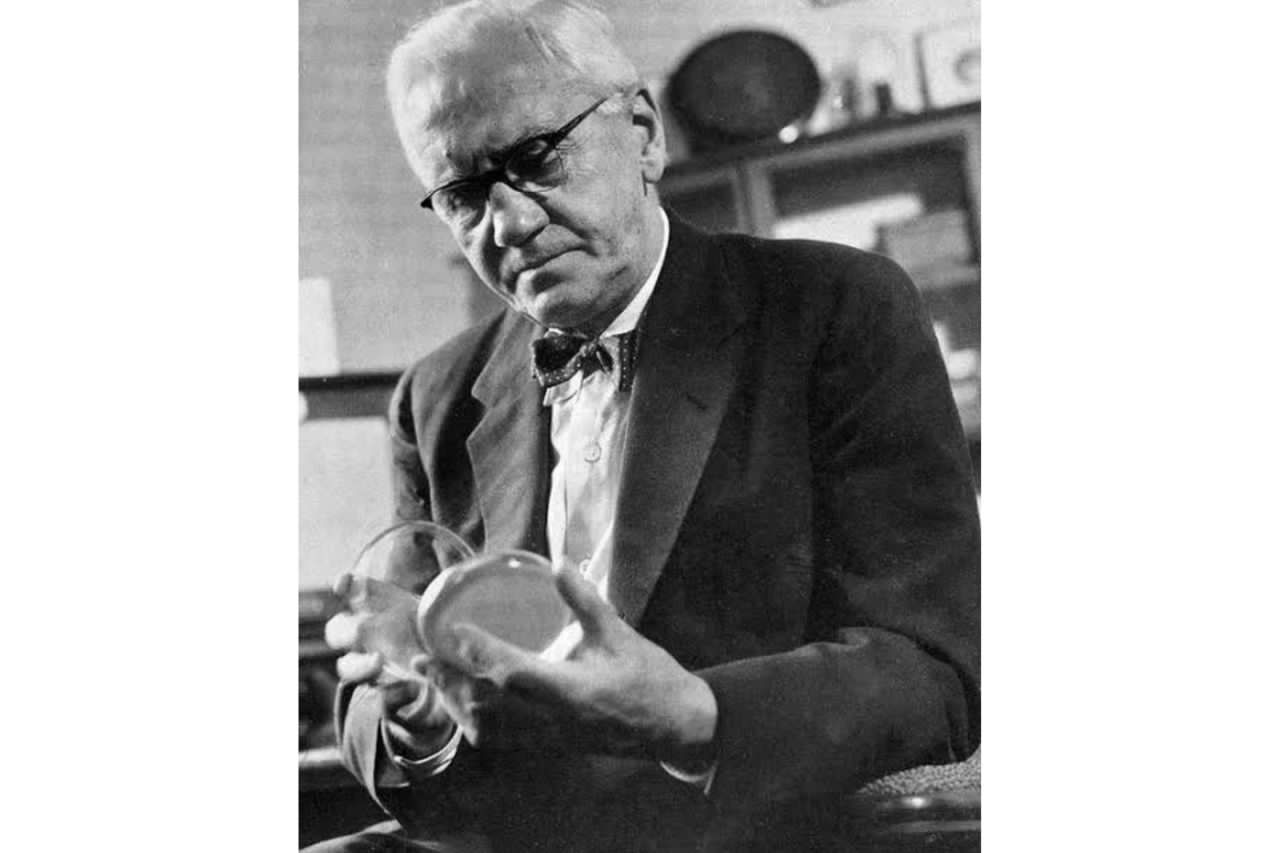
History rarely feels loud while it is happening. Sometimes it looks like a small moment you almost forget, the kind you would never think to tell anyone about. That is how this story begins, with a scientist heading out, distracted, leaving behind something unfinished. Alexander Fleming did not scrub his lab bench before leaving for holiday. A petri dish sat where it should not have, growing mold quietly. When he returned, instead of throwing it away, he paused. He noticed the bacteria around it had died. That pause mattered more than the mess itself. It reminds us how many turning points start without intention or drama.
That simple choice led to penicillin, which reshaped medicine, surgery, and survival itself. Millions lived longer lives because someone looked twice instead of rushing forward. Fleming never framed it as brilliance. He saw it as noticing what was already there. That is often how change works. Not through planning, but through attention. A moment of curiosity can outgrow the room it was born in. And sometimes, the things we almost discard are the very things that quietly change the world.
2. Sitting Down And Staying There
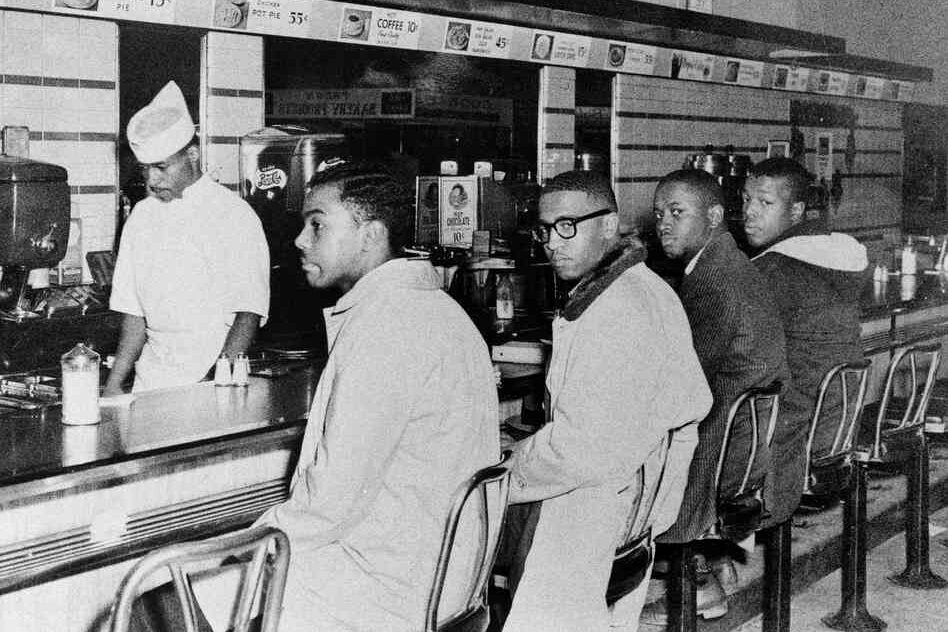
It was not meant to be a statement. Four college students walked into a Woolworth’s in Greensboro and sat at the lunch counter like they had done many times before. They ordered coffee and were told they would not be served. Instead of leaving, they stayed. There were no speeches, no raised voices, no plan to become symbols. Just a shared understanding that standing up felt wrong. Staying seated felt honest. That stillness confused people. It made others uncomfortable. It also made something else happen. People began to watch. Then they began to copy.
Those few hours sparked sit ins across the country and gave new momentum to the civil rights movement. Laws did not change overnight, but minds began to shift. The power of the moment came from how ordinary it was. Anyone could imagine themselves in those seats. Anyone could understand the decision. It showed that resistance does not always shout. Sometimes it sits quietly and waits for the world to respond. And sometimes, the world does.
3. Letting A Kid Keep Tinkering
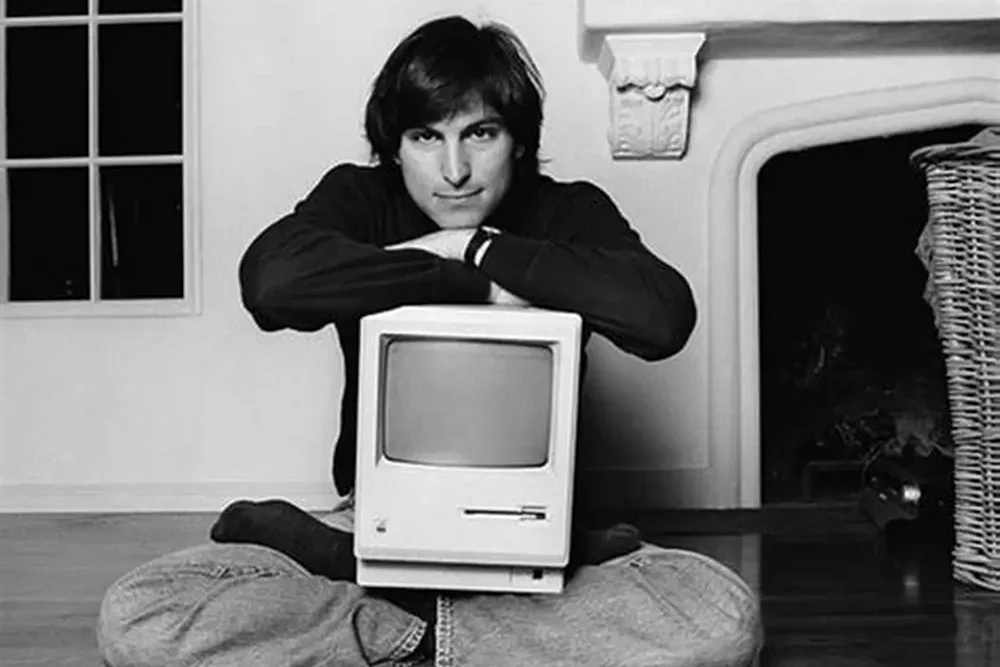
There was no roadmap. Just a kid who liked pulling things apart and putting them back together again. Steve Jobs was not following a grand vision when he spent hours tinkering. He was curious. Someone could have told him to stop, to focus on something more practical, to leave the mess alone. Instead, he was allowed space. That decision felt small at the time. It looked like patience. It looked like tolerance for distraction. It looked like letting curiosity run without supervision.
Years later, that freedom shaped how millions interact with technology every day. The devices people carry, the way they communicate, even how they think about design all trace back to curiosity that was not interrupted. Jobs often spoke about connecting things, but those connections only happened because no one shut the door early. It is easy to underestimate the power of encouragement when it looks like doing nothing. Sometimes the most important choice is simply not stopping someone while they are still figuring things out.
4. Saying Yes After Everyone Else Said No
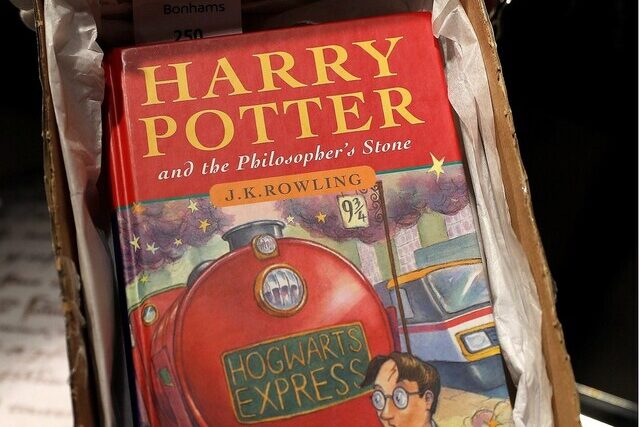
The manuscript had already been rejected. More than once. It sat in a pile of things the world had decided it did not need. When Bloomsbury finally said yes to Harry Potter, it was not certainty guiding the decision. It was instinct. A quiet sense that the story deserved a chance. At the time, it felt like a modest risk. Another children’s book in a crowded market. Nothing about it promised cultural impact or global obsession.
That single yes reshaped publishing, childhood reading, and how an entire generation related to books. Bookstores filled at midnight. Children who avoided reading suddenly could not stop. Stories became shared language again. None of that was visible in the moment the contract was signed. It was just belief applied at the right time. The lesson hides in plain sight. Rejection does not always mean wrong. Sometimes it just means early. And sometimes, one person choosing differently is enough.
5. Staying Seated After A Long Day
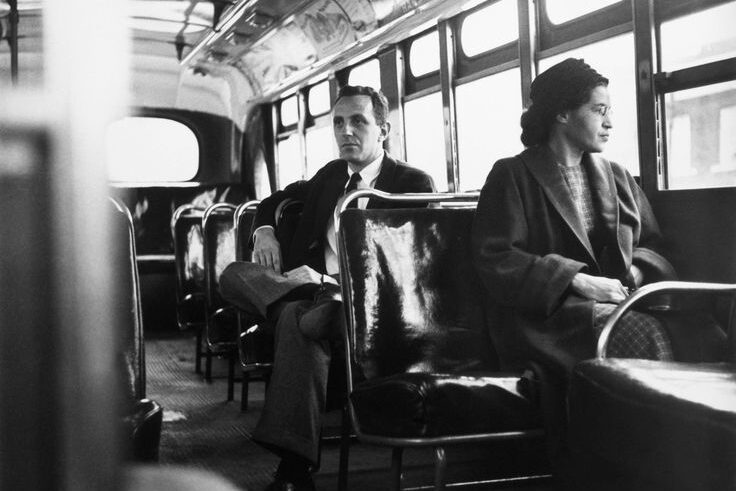
Rosa Parks was not trying to be remembered. She was tired. She had worked all day and wanted to go home. When she refused to give up her seat, it was not fueled by anger or performance. It was exhaustion mixed with self respect. That decision did not feel historic while it was happening. It felt personal. A boundary reached. A line drawn quietly, without spectacle.
That moment led to the Montgomery Bus Boycott and became a turning point in the civil rights movement. It showed how dignity can be contagious. People recognized themselves in her choice because it was grounded in everyday life. Everyone understands being tired of yielding. Her refusal carried weight because it was human, not heroic. It reminds us that movements often begin when someone decides they have given enough already. And that sometimes, history starts with the simplest thought of all. Not today.
6. Sending A Message Just To Test It
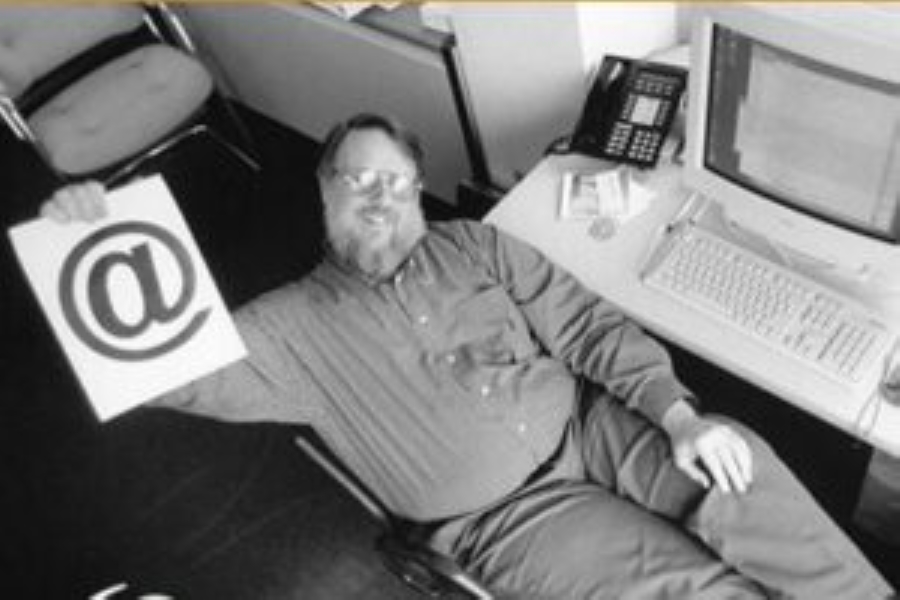
It did not feel important at the time. A message was typed and sent simply to see if the system worked. There was no intention to impress anyone or create something lasting. It was a test, nothing more. The words themselves were forgettable. The moment passed quickly. No one stopped to mark it or imagine what would come next. It was just a small check, a quiet experiment, the kind people do every day without thinking twice. Nothing about it suggested permanence or consequence.
That message became the beginning of email, which reshaped how people work, communicate, and stay connected across distance. Offices changed. Relationships changed. Time itself felt different. What once required waiting became instant. The power of the moment came from how casual it was. It shows how often the world shifts because someone tries something without expectations. Many life changing decisions are not made with confidence. They are made with curiosity. And sometimes, curiosity is enough to carry an idea much further than intention ever could.
7. Signing Up Without Asking Permission
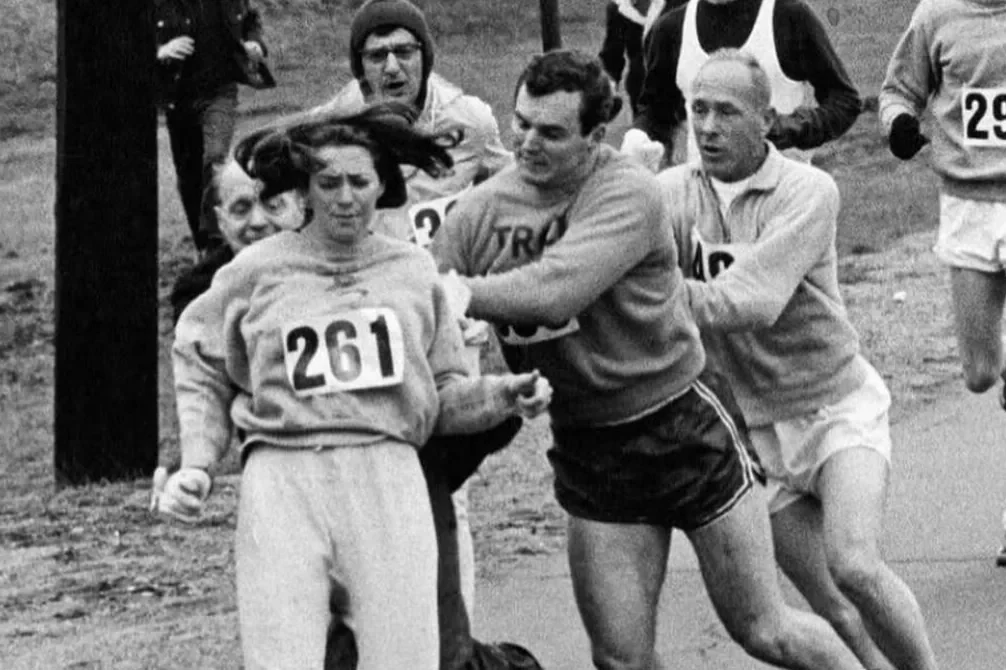
Kathrine Switzer filled out a marathon registration form using her initials. She was not trying to challenge anyone. She just wanted to run. When officials realized she was a woman and tried to stop her, the moment turned tense and public. But the decision itself had already been made earlier, quietly, at a desk, with a pen. Signing that form felt ordinary. It felt personal. It did not feel revolutionary.
That choice forced a conversation the sports world had avoided. Women were not supposed to be there, yet there she was, moving forward step by step. Over time, policies changed. Perceptions softened. Races opened. Millions of women now run without thinking twice about belonging. It all began with someone trusting her own desire more than the rules surrounding her. Sometimes progress starts before the argument even begins. It starts when someone shows up as themselves and refuses to disappear quietly.
8. Turning A Camera Toward Real Life
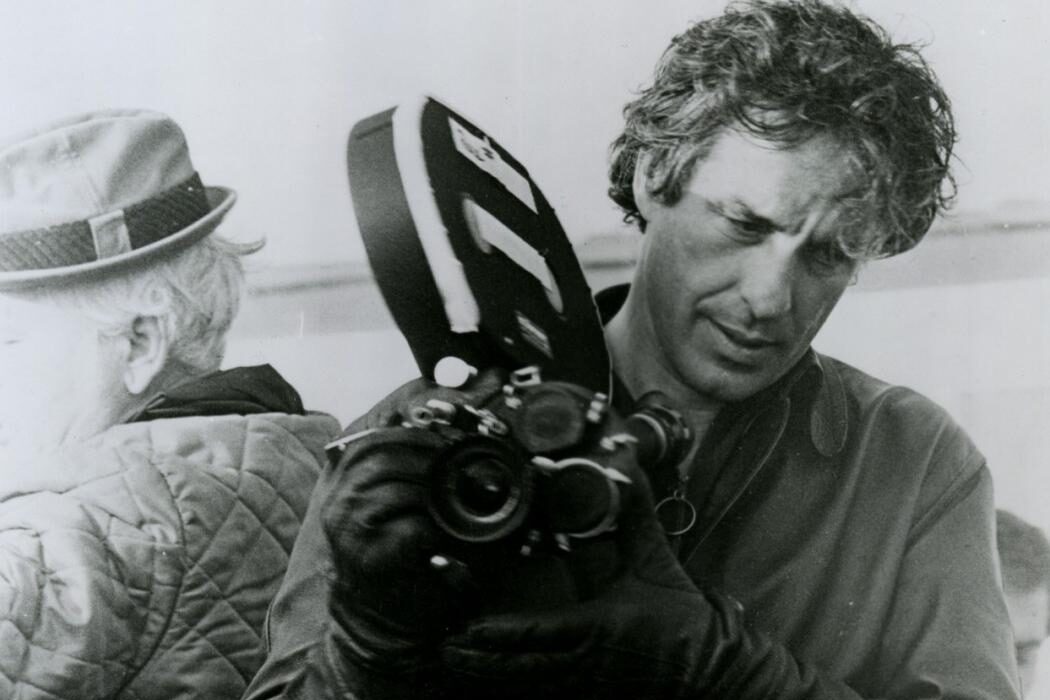
When filmmaker John Cassavetes decided to film people as they actually were, it did not feel revolutionary. He was frustrated with polished performances and predictable scripts. Instead of waiting for permission, he picked up a camera and focused on raw emotion, awkward pauses, and real conversations. The choice felt personal, almost stubborn. He wanted honesty more than approval. At the time, the industry did not reward imperfection. But Cassavetes kept filming anyway, trusting that truth mattered. His small decision to let scenes breathe changed how stories could be told without forcing them into neat shapes.
That approach influenced generations of filmmakers who followed. Independent cinema grew because one person refused to smooth life into something artificial. Audiences began seeing themselves on screen, not idealized versions. That shift reshaped storytelling, empathy, and cultural reflection. Millions connected more deeply with film because someone chose authenticity over polish. Cassavetes did not set out to change cinema. He simply filmed what felt real to him. That decision expanded what art was allowed to look like, quietly altering how the world understands human experience.
9. Uploading A Song from a Bedroom
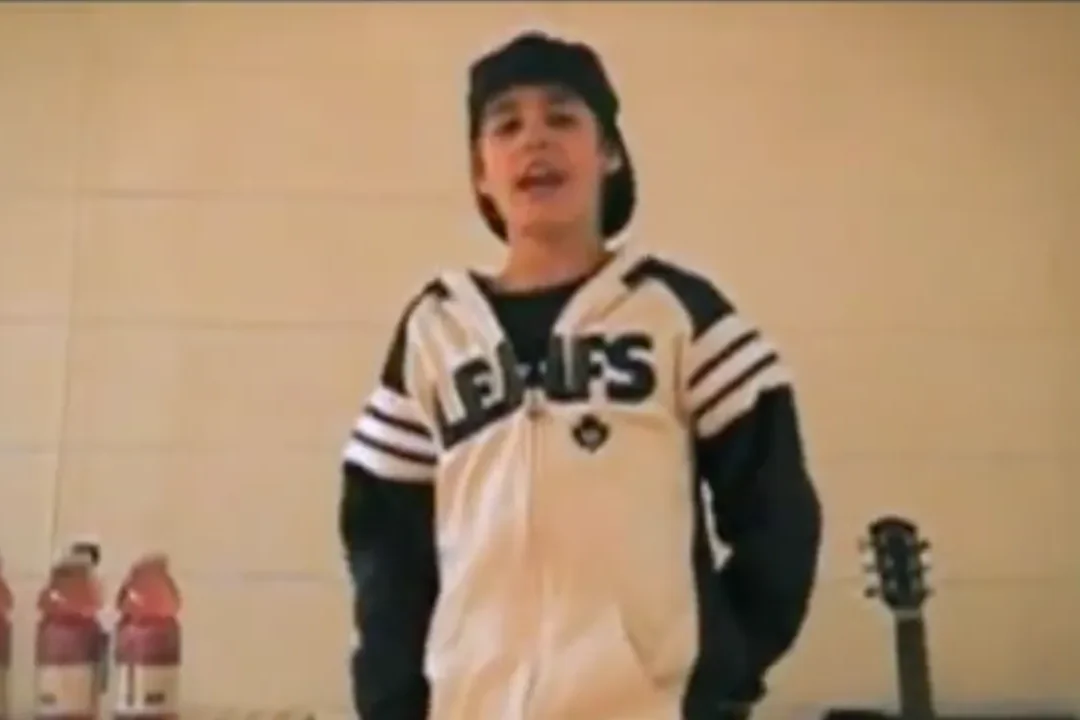
When Justin Bieber uploaded videos of himself singing online, it was not a career move. He was a teenager sharing something he loved. The videos were recorded casually, without lighting, contracts, or expectations. He sang covers because it felt fun. There was no sense of strategy. Someone could have told him to stop, to wait, to be more polished. He did not. He kept uploading. That small habit placed his voice where people could find it, even though he never knew who was watching.
One of those viewers changed everything. His discovery reshaped how music talent is found and promoted. Record labels began paying attention to online spaces. Artists realized they could reach audiences directly. Millions of young musicians followed that path, believing exposure did not require permission anymore. Bieber’s decision to share casually from home shifted an entire industry’s gatekeeping. What began as a teenager posting videos became a new blueprint for being discovered. Sometimes the smallest decision is simply putting your voice where it can be heard.
10. Refusing To Claim Ownership
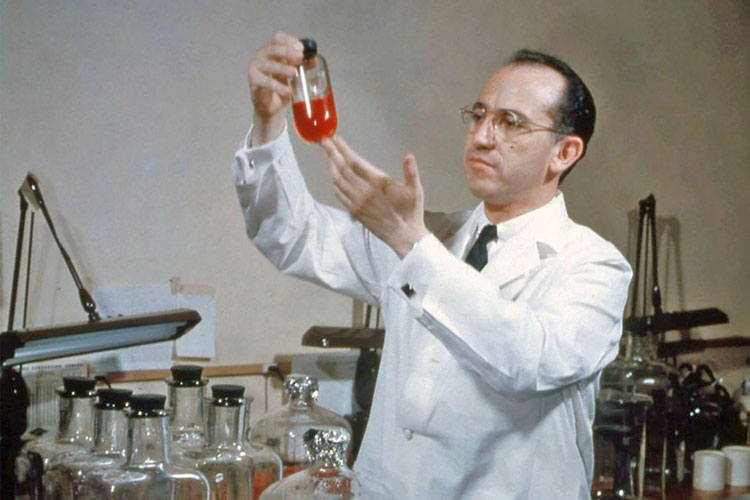
When Jonas Salk developed the polio vaccine, he was asked a simple question. Who owns it. The expected answer was himself. Instead, he said it belonged to the people. That response came from a deliberate decision not to patent his work. It would have been easy to protect it legally and benefit financially. No one would have questioned it. But Salk believed the vaccine should be shared freely. The choice felt moral rather than strategic. It was about access, not recognition.
Because of that decision, the vaccine spread rapidly and saved millions of lives. Public health outcomes changed across continents. Salk’s refusal reshaped how people think about medical responsibility and ethics. His choice proved that restraint can be as powerful as invention. He stepped back so others could move forward. That decision still echoes in conversations about healthcare access today. One man chose not to claim something he created, and the world became safer because of it.
11. Teaching A Deaf Child To Communicate
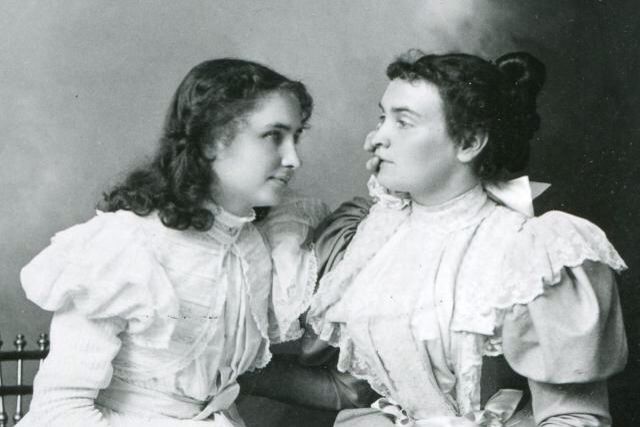
Anne Sullivan accepted a teaching job that others had failed at. Helen Keller was considered unreachable by many. Sullivan made a small decision that changed everything. She refused to give up. Instead of simplifying lessons, she doubled down on patience. She traced words into Helen’s hand repeatedly, even when nothing seemed to land. It looked pointless from the outside. No immediate results. No encouragement. Just persistence rooted in belief that understanding was possible. Sullivan stayed consistent, repeating the same motions, trusting that something would eventually connect.
That decision unlocked communication for Helen Keller and reshaped how society viewed disability and education. Keller went on to become a global advocate, author, and speaker, influencing attitudes toward inclusion worldwide. Millions benefited from changes in special education inspired by her success. It began with one teacher choosing patience over resignation. Sullivan did not invent new tools. She simply refused to stop teaching. That choice transformed one life first, then many others. It proved that belief, when practiced daily, can rewrite what people think is possible for entire communities across generations.
12. Refusing To Give Up A Seat On A Bus
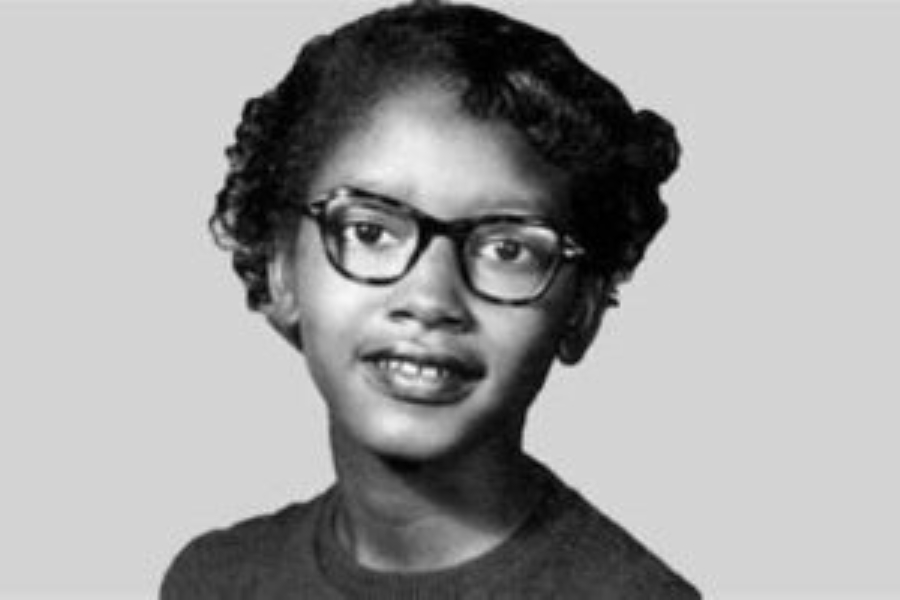
Claudette Colvin was fifteen when she refused to give up her seat on a segregated bus. She was tired, angry, and certain she was right. She stayed seated while adults shouted and police dragged her away. Her decision was not part of a plan. It came from instinct and conviction. She later said she felt history pushing her shoulders down. At the time, she was dismissed as too young, too outspoken, too inconvenient to represent a movement.
Yet her action mattered deeply. Colvin became a key plaintiff in the case that ended bus segregation in Montgomery. Her testimony helped change the law. Millions gained rights because a teenager refused to move. Her name is often overlooked, but her decision stands. It reminds us that change does not always come from polished leaders. Sometimes it comes from young people acting before they are told how to behave. Colvin’s courage reshaped civil rights quietly, proving that truth does not require permission to matter.
13. Opening A School In A Living Room
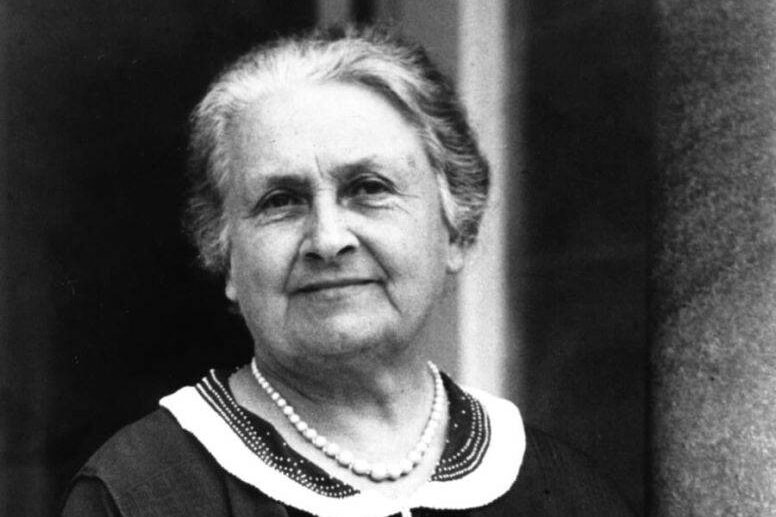
Maria Montessori made a small decision that reshaped education. Instead of teaching children through rigid instruction, she observed how they learned naturally. She opened a classroom where children chose activities and moved freely. It felt risky and unconventional. Critics doubted it would work. Montessori trusted her observations anyway. She adjusted lessons based on curiosity rather than control. That choice came from watching children closely and believing they deserved autonomy.
Her approach spread globally, changing how millions experience learning. Montessori schools now exist worldwide, influencing child development, creativity, and independence. The shift began with one educator choosing to listen instead of command. Montessori did not chase recognition. She followed children’s needs. Her decision challenged traditional classrooms and offered a new way forward. Education became less about obedience and more about growth. Millions benefited because one teacher trusted what she saw instead of what was expected. Sometimes progress starts by letting learners lead the way.
14. Choosing To Publish A Risky Scientific Idea
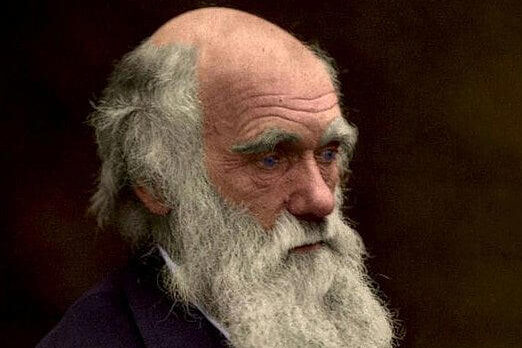
Charles Darwin delayed publishing his theory of evolution for years. When he finally decided to share it, the choice felt terrifying. He knew it would challenge religious and scientific beliefs deeply. Still, he chose honesty over comfort. He released his work carefully, aware of backlash but unwilling to suppress truth. That decision was personal and heavy. He could have stayed silent. Many would have understood.
Publishing his theory changed how humanity understands life itself. Biology, medicine, and environmental science shifted permanently. Millions began seeing the world through evidence rather than assumption. Darwin’s decision reshaped education and scientific inquiry worldwide. It began as a choice to speak despite fear. He did not argue loudly. He presented his observations and let them stand. That restraint strengthened the impact. Sometimes the bravest decision is simply to tell the truth and allow others to wrestle with it over time.
15. Letting A Girl Go To School
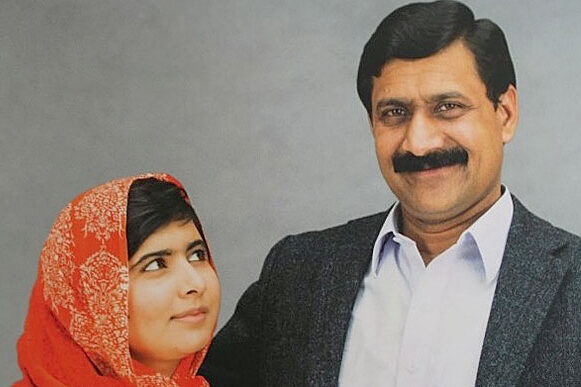
Malala Yousafzai’s father made a quiet but powerful decision. He chose to educate his daughter in a place where girls were discouraged from learning. He encouraged her voice instead of silencing it. That support felt ordinary inside their home. Outside, it was dangerous. When Malala spoke publicly about education, the consequences were severe. Yet the foundation was already laid. Her father had decided early that her voice mattered.
That decision helped ignite a global movement for girls’ education. Malala’s advocacy reached millions and influenced policy worldwide. Her story reshaped conversations about access, courage, and equality. It all began with a parent choosing belief over fear. One household decision grew into international change. Education for girls gained urgency and visibility because someone refused to limit possibility at home. Change often starts privately before it becomes public. This entry closes the circle, reminding us that small decisions made daily still shape the future quietly.
16. Letting A Factory Worker Speak Up
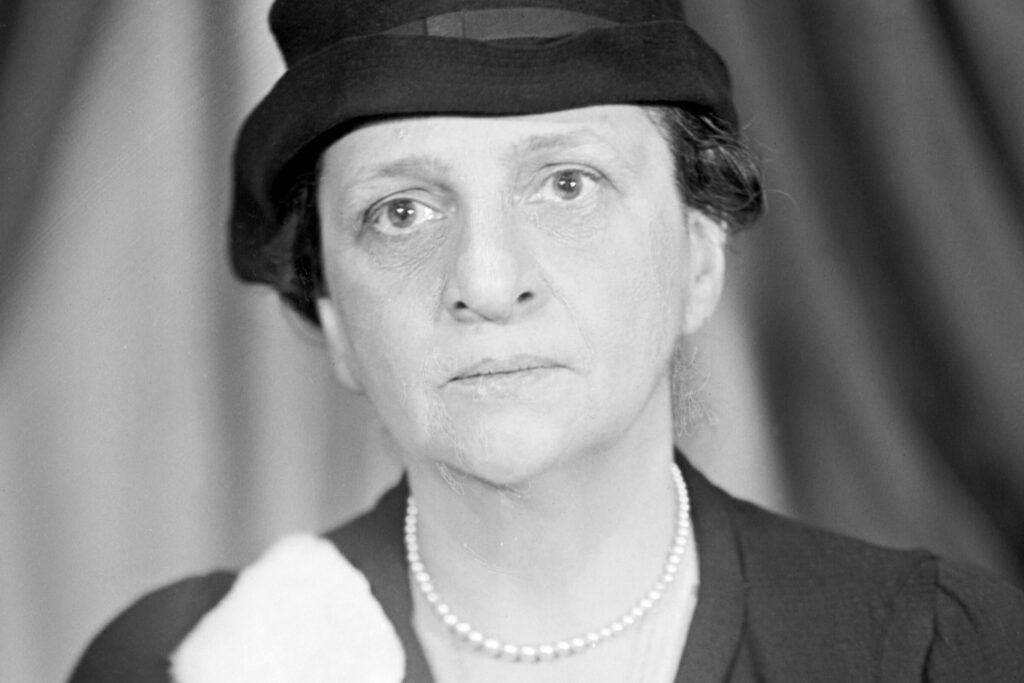
Frances Perkins was working as a social reformer when she witnessed a factory fire that killed dozens of workers. Instead of returning to quiet advocacy, she made a small but firm decision. She chose to enter government and speak directly where laws were written. Many advised against it. Politics was not welcoming to women then. Still, she accepted a role that allowed her to push worker protections forward from the inside. The choice felt administrative at the time, not historic. She simply wanted safer conditions.
That decision led to labor reforms that shaped modern working life. Perkins became the first female cabinet member in the United States and helped create minimum wage laws, workplace safety standards, and Social Security. Millions gained protections because she chose proximity to power instead of distance. Her influence came from persistence rather than spectacle. She did not shout. She drafted policies. Sometimes change happens when someone chooses the room where decisions are made and refuses to leave until people are protected.
17. Refusing To Give Up On A Calculation
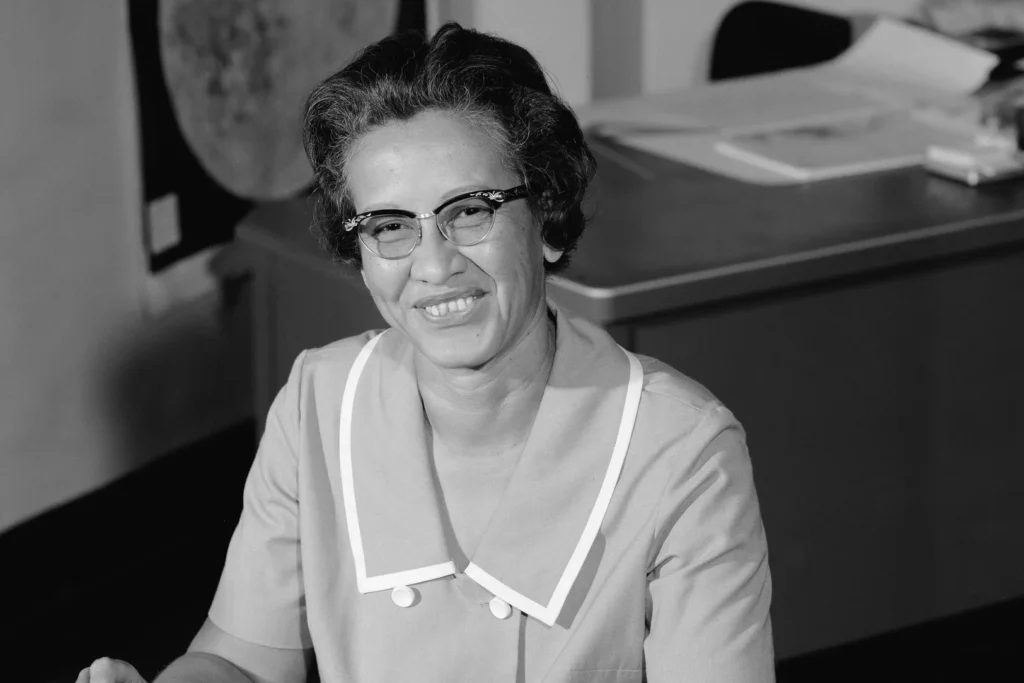
Katherine Johnson loved numbers from a young age. While working at NASA, she made a decision that felt routine. She double checked calculations others assumed were correct. When astronauts prepared for flight, she was asked to verify the numbers by hand. She agreed, even though computers were already involved. Her trust in her own skill outweighed the pressure to defer. It was a quiet act of confidence rooted in precision.
That choice helped ensure safe space travel and successful missions. Her calculations guided astronauts home and shaped space exploration history. Millions were inspired by her example, especially those previously excluded from science fields. Johnson did not frame her work as defiance. She framed it as responsibility. Her decision showed how diligence saves lives. Sometimes progress is built by people who refuse to rush accuracy. Careful attention can carry humanity further than speed ever could.
18. Publishing A Silent Diary
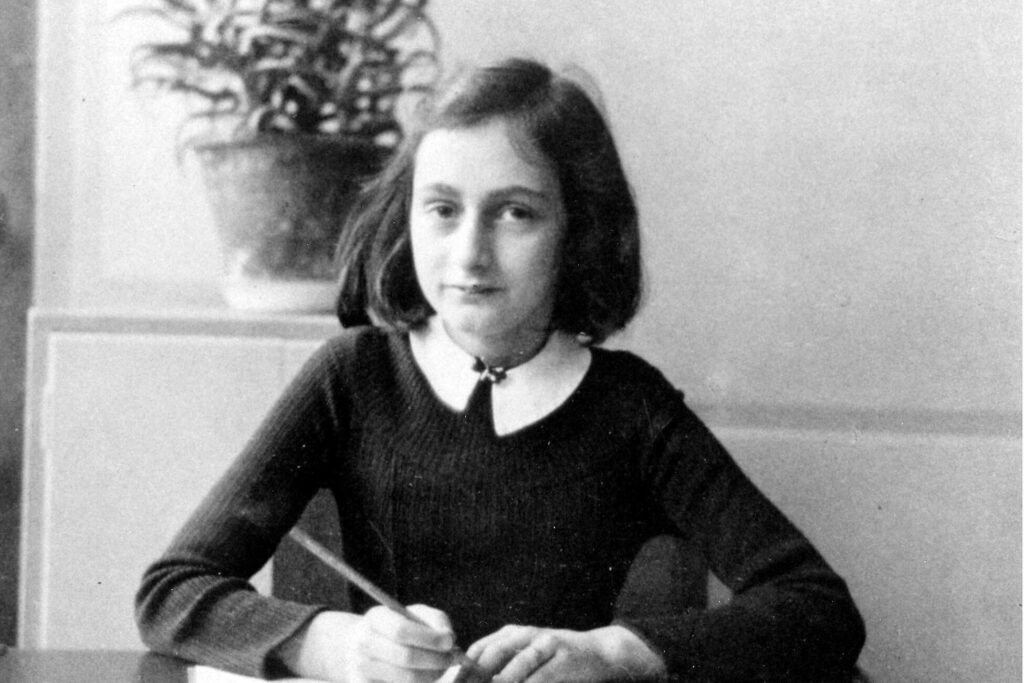
Anne Frank began writing in a diary as a way to cope with confinement. She did not intend to teach history or reach the world. She simply recorded her thoughts honestly. After her death, her father made a small decision. He chose to publish her diary rather than keep it private. The choice felt deeply personal and painful. Yet he believed her voice mattered.
That decision changed how millions understand war, loss, and humanity. The diary became one of the most read books in the world, shaping education and remembrance. Readers connected to history through one girl’s words. Her perspective made tragedy personal rather than distant. The impact grew because someone chose to share vulnerability instead of shielding it. One family decision gave voice to millions lost. Sometimes remembrance begins when someone allows a private story to be seen.
19. Choosing Reconciliation Over Revenge
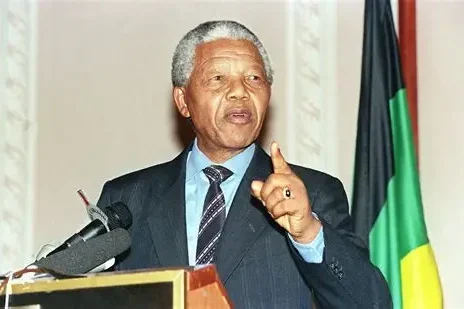
After Nelson Mandela was released from prison, the world expected anger. He had spent decades confined, separated from family, stripped of freedom. Revenge would have been understandable. Instead, Mandela made a deliberate decision to pursue reconciliation. He chose to speak about unity rather than punishment. That choice did not erase pain or injustice. It required restraint and long reflection. Mandela understood that leadership was not about satisfying emotion but shaping outcomes. His decision was personal before it was political. He chose to sit with former enemies, to listen, and to imagine a future that did not mirror the past.
That decision altered South Africa’s trajectory. By prioritizing reconciliation, Mandela helped prevent widespread violence and civil war. Institutions were rebuilt through dialogue rather than retaliation. Millions were given a chance to move forward together. His choice demonstrated how restraint can carry more power than force. Mandela showed that leadership sometimes means absorbing pain so others can heal. The impact of that decision extended far beyond one nation. It reshaped global conversations about justice, forgiveness, and transition. One man chose patience over vengeance, and history followed a different path.


