
1. Rejecting A Young Art Student
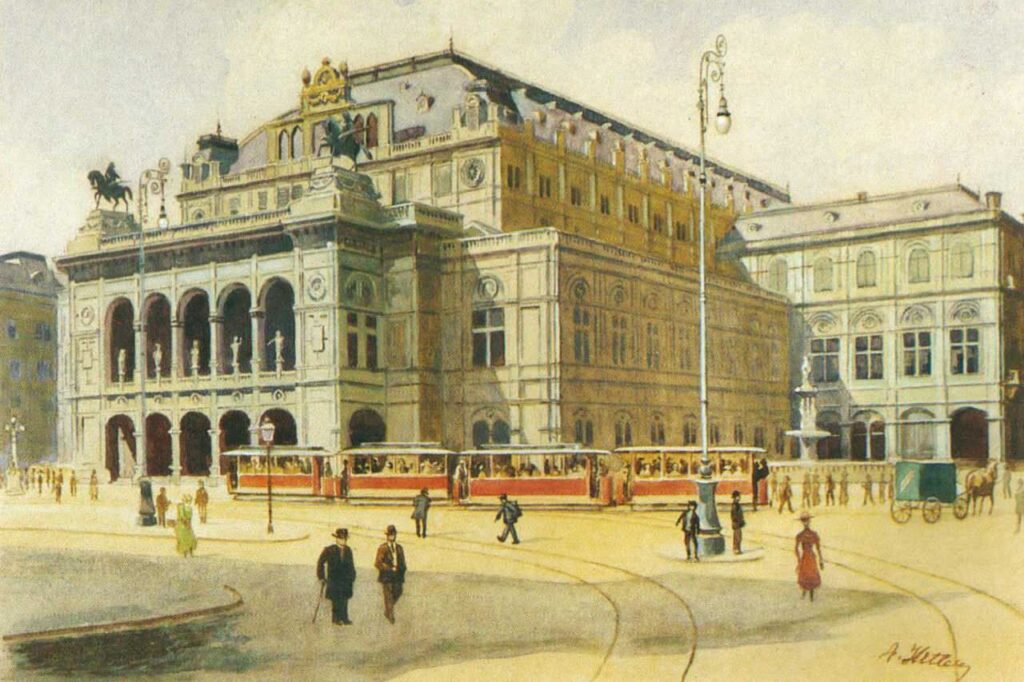
History often swings on the smallest of hinges and it is truly fascinating how a simple administrative decision can alter the entire destiny of the human race. When a young aspiring painter named Adolf Hitler applied to the Academy of Fine Arts in Vienna back in 1907, he likely expected a standard path toward a creative career because he viewed himself as a man of great artistic talent. However, the committee rejected his application twice because they believed his work lacked sufficient soul and human interest despite his technical ability to draw buildings. This normal choice by a group of professors forced a frustrated young man into a life of drifting and bitterness while he stayed in hostels and developed the radical ideologies that eventually set the world on fire during the Second World War.
It is haunting to consider that the world might have avoided its darkest chapter if those instructors had simply offered a passing grade or suggested a different department for his studies. We often look at global conflicts as inevitable tides of history, yet this specific tragedy highlights how a mundane professional evaluation became the catalyst for a global catastrophe that cost tens of millions of lives. Had he been accepted, the man who orchestrated the Holocaust might have spent his days painting quiet landscapes in an Austrian studio instead of delivering fiery speeches in Munich beer halls. This outcome serves as a chilling reminder that the most ordinary rejections can occasionally ripple outward to create waves of destruction that no one could have possibly predicted at the time.
2. Ignoring A Minor Computer Glitch
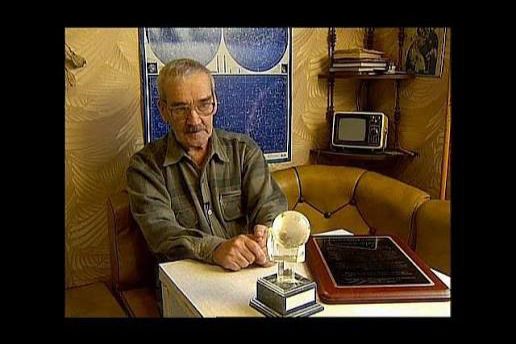
In the high-stakes world of the Cold War, a single technical error almost triggered the end of modern civilisation because of a simple software misinterpretation on a quiet autumn night. On September 26, 1983, a Soviet officer named Stanislav Petrov was on duty when his early-warning system suddenly reported that the United States had launched five nuclear missiles toward Moscow. The standard protocol for such a scenario was an immediate retaliatory strike because the military doctrine relied on the concept of mutually assured destruction to prevent any actual conflict. However, Petrov chose to trust his intuition over the glowing computer screen because he reasoned that a real American attack would involve hundreds of missiles rather than just five stray signals.
His decision to remain calm and report the incident as a system malfunction rather than an act of war prevented a full-scale nuclear exchange between the two superpowers. It was later discovered that the “missiles” were actually just sunlight reflecting off the tops of high-altitude clouds in a way that confused the satellite sensors during that specific orbital alignment. If Petrov had followed his training and reported a genuine attack, the resulting counter-strike would have likely killed hundreds of millions of people and rendered much of the planet uninhabitable for generations. This moment stands as a testament to the power of human judgement over automated systems and reminds us how close we came to total oblivion because of a tiny reflection in the sky.
3. Losing A Secret Cigar Bundle
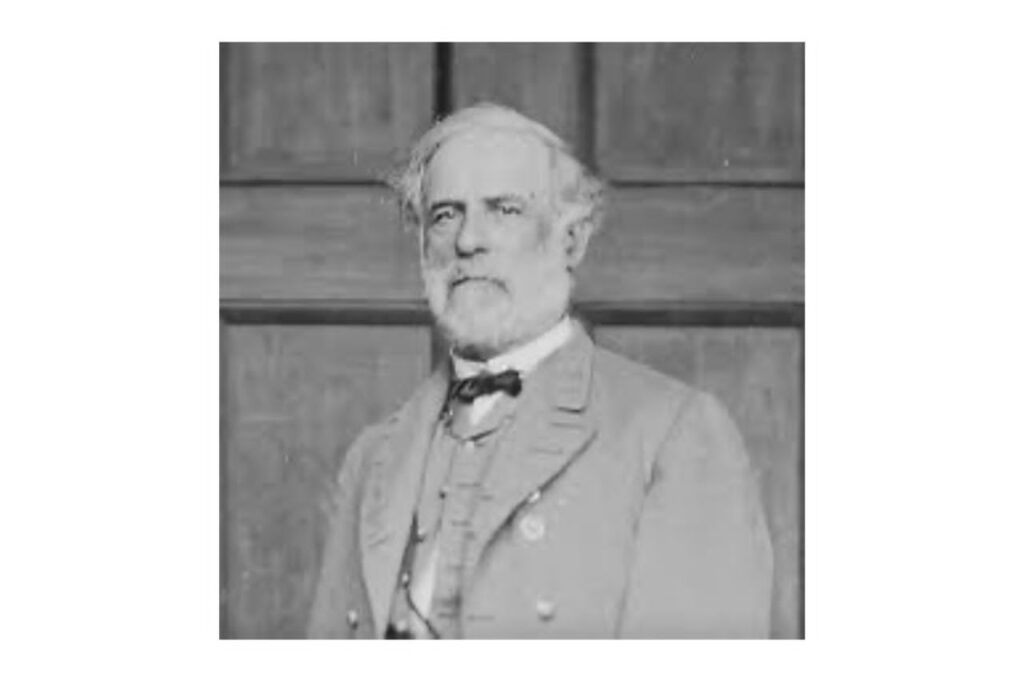
The American Civil War was a brutal conflict defined by massive battles but one of its most pivotal moments was caused by a soldier simply being careless with his personal belongings. In September 1862, a Union corporal named Barton Mitchell discovered a discarded envelope wrapped around three cigars near an abandoned campsite in Maryland. When he opened the package, he found a copy of General Robert E. Lee’s Special Order 191 which detailed the exact movements and divided positions of the entire Confederate Army for their upcoming campaign. This was an incredible stroke of luck because it gave the Union forces a rare opportunity to strike while their enemies were scattered and vulnerable across the countryside.
Because of this lost bundle of cigars, General George McClellan was able to anticipate Lee’s moves and force the Battle of Antietam which became the single bloodiest day in American military history. While the battle itself was a tactical draw, it provided President Abraham Lincoln with the political momentum he needed to issue the Emancipation Proclamation and fundamentally change the purpose of the war. Without that lost piece of paper, the Confederacy might have successfully invaded the North and secured foreign recognition from European powers who were watching the conflict closely. It is incredible to think that the liberation of millions of enslaved people and the preservation of the United States might have hinged on a soldier losing his afternoon smoke.
4. Searching For A New Shortcut
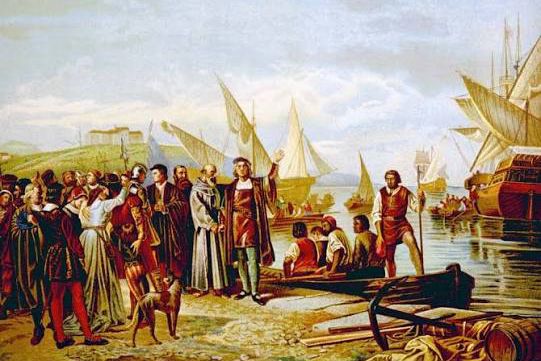
Exploration is often driven by a desire for efficiency and Christopher Columbus was simply looking for a faster way to reach the lucrative spice markets of Asia when he set sail in 1492. At the time, the overland Silk Road was dangerous and the sea route around Africa was incredibly long so he convinced the Spanish crown that a westward journey would be much quicker. He had no intention of discovering a new continent because he genuinely believed the world was much smaller than it actually was and that Japan was only a few thousand miles away. When his ships finally spotted land in the Caribbean, he went to his grave believing he had reached the East Indies rather than a place entirely unknown to Europeans.
This normal desire to save time on a trade route led to the total reshaping of global geography and the beginning of a massive exchange of plants, animals, and cultures. The “Columbian Exchange” brought potatoes and tomatoes to Europe while introducing horses and wheat to the Americas but it also brought devastating diseases that decimated indigenous populations. This accidental discovery triggered centuries of colonisation and the rise of global empires that defined the modern world’s borders and economic systems. It is a profound irony that one of the most significant events in human history was the result of a man being completely wrong about his location while trying to find a better deal on peppercorns and silk.
5. Forgetting To Clean A Dish
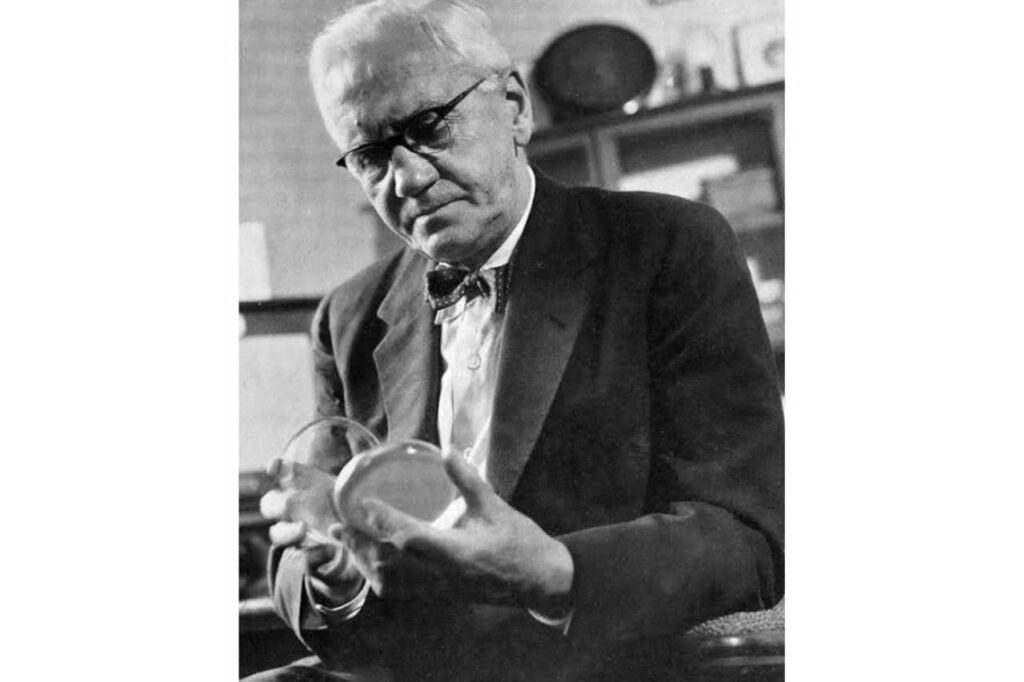
Scientific breakthroughs are often portrayed as the result of genius and long hours in the lab but sometimes they are actually the result of being slightly messy with your housework. In 1928, Alexander Fleming returned from a two-week holiday to find that he had left a pile of petri dishes containing staphylococcus bacteria sitting on his workbench. He noticed that one of the plates had been contaminated with a common blue-green mould and that the bacteria surrounding the mould had been completely destroyed. Instead of simply washing the dish and moving on with his day, he decided to investigate why the mould was so effective at killing the germs that usually plagued human health.
This moment of observation led to the discovery of penicillin which became the world’s first true “miracle drug” and revolutionised the way we treat infections. Before this accidental discovery, even a minor scratch or a sore throat could lead to a fatal illness because doctors had no effective way to kill bacteria inside the human body. Penicillin has since saved an estimated 200 million lives and paved the way for modern surgery, organ transplants, and cancer treatments that would be impossible without antibiotics. It is truly humbling to realize that the foundation of modern medicine was built because a scientist forgot to tidy up his laboratory before heading off on a summer break.
6. Bringing Home A Pet Rabbit
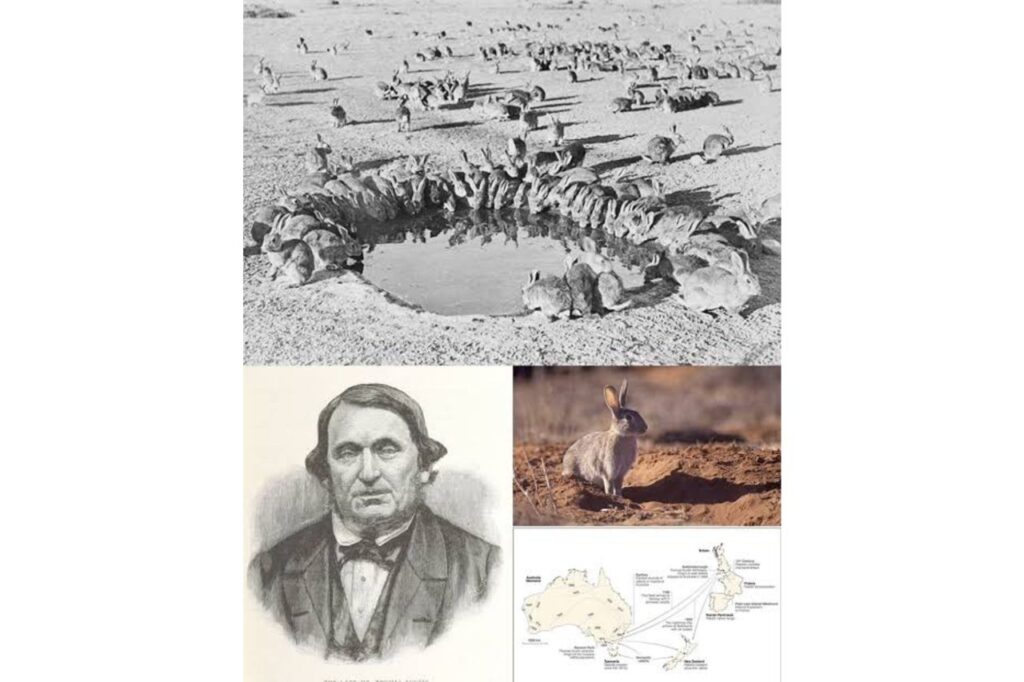
Environmental disasters are often associated with industrial pollution but one of the worst ecological catastrophes in history was started by a man who just wanted to hunt for sport. In 1859, a British settler in Australia named Thomas Austin released 24 wild rabbits onto his estate because he missed the traditional English pastime of shooting them on the weekend. He believed that the introduction of a few rabbits would do little harm and might provide a small touch of home in a foreign land that felt vast and empty. However, Australia lacked the natural predators that kept rabbit populations in check back in Europe and the climate was perfectly suited for their rapid reproduction.
Within a few decades, those two dozen rabbits had multiplied into hundreds of millions and they began to strip the landscape of vegetation which led to massive soil erosion and the loss of native species. The rabbits became a plague that destroyed farms and forced the Australian government to build thousands of miles of fences in a desperate attempt to stop their spread across the continent. This normal choice to bring a familiar animal to a new country caused billions of dollars in economic damage and permanently altered the delicate balance of the Australian ecosystem. It serves as a stark warning about the dangers of introducing invasive species and how a simple hobby can spiral into an uncontrollable environmental nightmare that lasts for centuries.
7. Mailing A Suspicious Chemical Sample
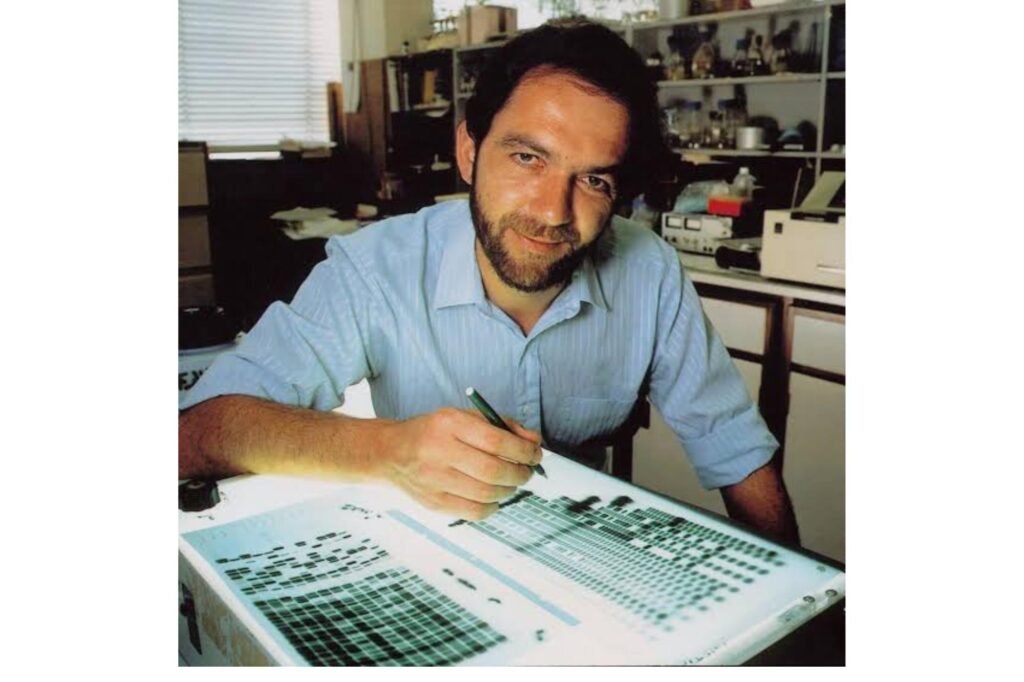
The world of forensic science was changed forever because of a routine request for a paternity test that happened to land on the desk of a curious researcher. In 1984, Alec Jeffreys was working at the University of Leicester when he looked at an X-ray film of DNA and realised that the patterns of bars were unique to every individual like a biological barcode. This discovery of DNA profiling was initially seen as a niche academic interest until a local police officer asked for help with a difficult murder case in a nearby village. By comparing DNA from the crime scene to blood samples from thousands of local men, the authorities were able to identify the real killer and exonerate an innocent suspect.
This normal academic pursuit quickly evolved into the most powerful tool in the history of criminal justice because it allowed for near-certain identification of suspects from the smallest traces of biological evidence. It has since been used to solve cold cases that are decades old and to free hundreds of people who were wrongly imprisoned for crimes they did not commit. Beyond the courtroom, DNA profiling has transformed our understanding of genealogy and allowed millions of people to trace their family histories back through the generations. What started as a standard laboratory experiment has fundamentally changed how we prove identity and truth in the modern world while providing closure to countless families who thought justice was out of reach.
8. Buying A Cheap Real Estate Lot

The creation of the world’s most famous entertainment empire started with a very simple and somewhat desperate financial decision during a cross-country move. In the early 1920s, Walt Disney was a struggling animator in Kansas City who had just watched his first film studio go bankrupt because of poor management and bad luck. With only forty dollars in his pocket and a single suitcase, he decided to move to California to join his brother because he thought he might have a better chance of finding work in the burgeoning movie industry. He chose a small, inexpensive office space in the back of a real estate office in Los Angeles because it was all he could afford at the time.
In that tiny, cramped room, he and his brother Roy began working on a series of short films that eventually led to the creation of Mickey Mouse and the birth of the Disney company. That humble choice to start over in a cheap location paved the way for the development of feature-length animation, massive theme parks, and a global media conglomerate that influences culture in every corner of the globe. If Walt had stayed in Kansas City or chosen a different career path after his initial failure, the landscape of childhood and entertainment would look remarkably different today. It is a powerful example of how a modest beginning and a willingness to take a small risk in a new place can lead to an outcome that defines an entire century.
9. Leaving A Back Door Unlocked

The digital age is defined by security but one of the biggest leaks in history happened because of a very human mistake involving a simple physical bypass. In the early 2000s, a major tech company was developing a new operating system and a developer decided to leave a “backdoor” in the code so they could easily access the system for testing without typing a password. This was a normal time-saving choice during the hectic development phase because the team was under immense pressure to meet a deadline and they assumed the secret would never be found. However, they forgot to remove the access point before the software was released to millions of users around the world which left a massive vulnerability wide open.
This small oversight was eventually discovered by hackers who used the secret entrance to bypass security measures on thousands of corporate and government servers. The resulting data breaches cost billions of dollars and exposed the private information of millions of people while highlighting the extreme fragility of our interconnected world. It forced a global conversation about cybersecurity and the ethics of “backdoors” that continues to this day as we struggle to balance convenience with safety. This story reminds us that even the most complex and sophisticated systems can be brought down by a single moment of human laziness or a desire to take a shortcut through a digital door.
10. Sticking To A Familiar Routine
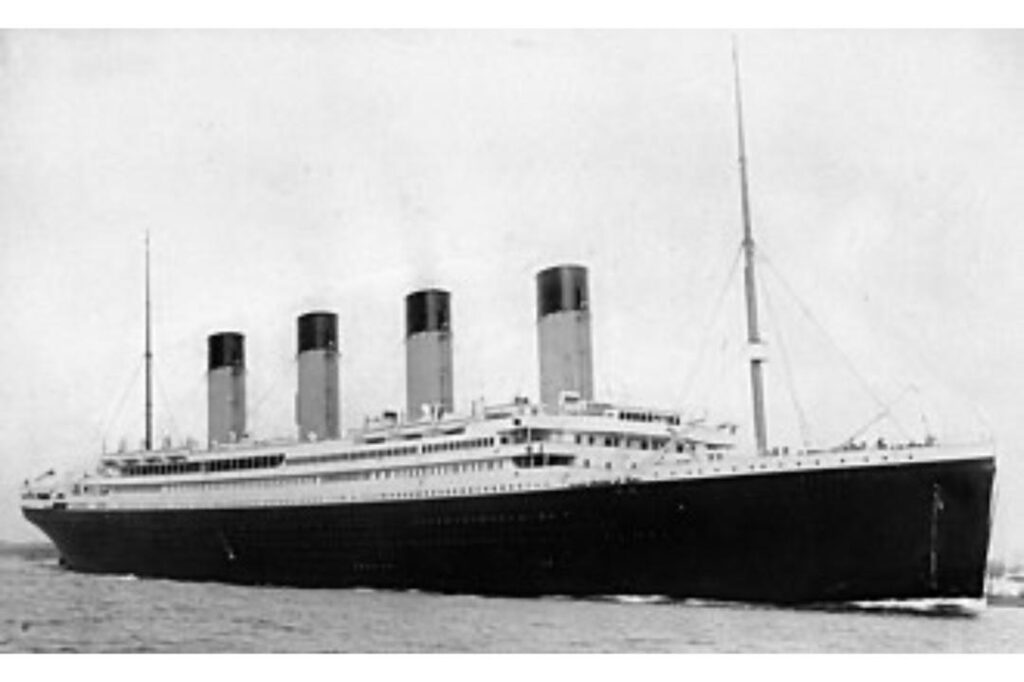
The sinking of the RMS Titanic is often blamed on an iceberg but the disaster was actually a series of normal, routine choices that compounded into a horrific tragedy. On the night of the collision, the crew was operating under the standard belief that large steel ships were virtually unsinkable and that icebergs would be easily spotted in time to turn the vessel. They maintained a high speed despite warnings of ice in the area because they wanted to arrive in New York on schedule to impress the public and the press. Even the decision to carry fewer lifeboats was a normal choice at the time because the deck space was considered more valuable for the comfort of the first-class passengers.
When the ship struck the ice, these routine decisions meant that there was no margin for error and the lack of emergency preparation led to a chaotic and deadly evacuation. The tragedy resulted in the deaths of over 1,500 people and changed maritime law forever as new regulations were introduced to ensure that every passenger had a seat in a lifeboat. It serves as a haunting reminder that “business as usual” can be a dangerous mindset when the environment changes and that complacency is often the silent partner of disaster. We still look back at the Titanic as a symbol of human hubris because a group of professionals made the most normal choices of their era without considering the abnormal risks they were taking.
11. Missing A Train Connection
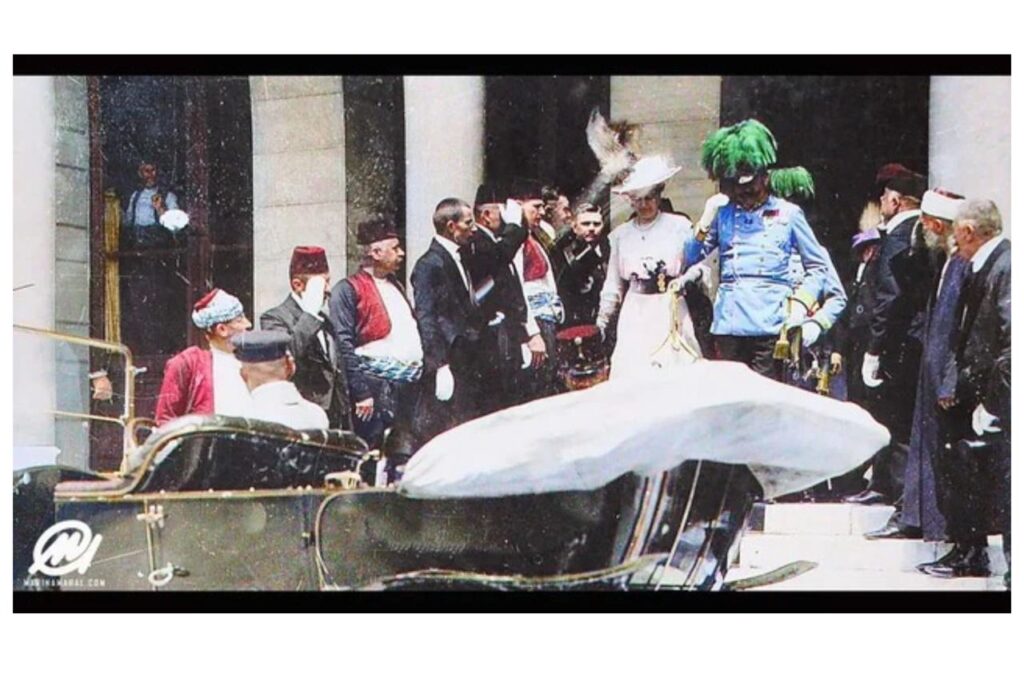
The spark of a global conflict can sometimes be found in the most mundane of travel mishaps and a missed train played a surprisingly critical role in triggering World War I. On June 28, 1914, Archduke Franz Ferdinand and his wife Sophie were visiting Sarajevo when a Serbian nationalist attempted to assassinate them with a bomb. The attack failed because the bomb bounced off their car and injured several bystanders in the crowd instead so the Archduke decided to continue with his scheduled visit to the city hall. After the official reception, he changed his mind and decided to visit the injured officers in the hospital but his driver was not informed of the altered route and took a wrong turn down a side street.
This simple navigation error meant their car stalled directly in front of Gavrilo Princip, one of the original conspirators, who had given up on the plot and was actually just heading to a sandwich shop. Princip seized the unexpected opportunity and fatally shot both Franz Ferdinand and Sophie which instantly ignited a diplomatic crisis across Europe. If the driver had simply stayed on the correct route or if Princip had caught his train home as planned, the assassination might never have happened and the complex web of alliances would not have been triggered. It is a chilling thought that the deaths of millions and the complete reshaping of the 20th century could have been avoided if a driver had followed instructions or a hungry assassin had simply arrived at his sandwich shop a few minutes sooner.
12. Ordering A Common Takeaway
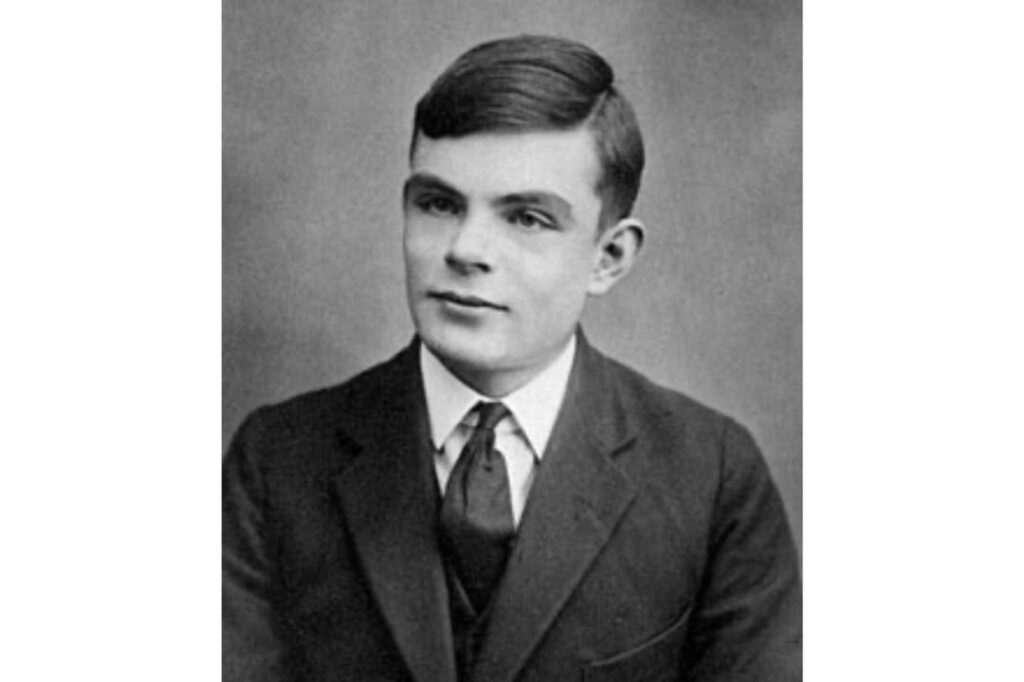
A late-night craving for a familiar comfort food became an unexpected catalyst for one of the most significant intelligence breakthroughs of the Cold War. In 1943, during the height of World War II, a British mathematician named Alan Turing was part of the highly secretive team at Bletchley Park working to break the German Enigma code. One evening, after a long day of intense work, Turing ordered a simple fish and chips meal from a local takeaway establishment and then paid for it with a marked banknote. He had no intention of doing anything unusual because he simply wanted to eat his dinner and return to his complex calculations without any interruptions or distractions.
However, the banknote ended up in the hands of a German spy who was operating in the area and who then unknowingly used it to pay for his own meal at the same shop. British intelligence agents who were monitoring the marked currency quickly traced it back to the spy and arrested him which led to the discovery of crucial German intelligence networks in the UK. This chance encounter over a humble meal provided the Allies with invaluable information that helped them to decrypt German communications more effectively and ultimately shorten the war by an estimated two years. It is a truly extraordinary example of how the most ordinary transaction can sometimes play an outsized role in the grand chessboard of international espionage.
13. Releasing A Few Grey Squirrels

The introduction of non-native species can have devastating consequences and sometimes these ecological disasters are started by nothing more than a desire for novelty or a simple aesthetic choice. In the late 19th and early 20th centuries, several wealthy landowners in Britain decided to release grey squirrels from North America onto their estates because they considered them more attractive and lively than the native red squirrels. They likely saw this as a harmless way to enhance their gardens and provide some gentle entertainment for their families and guests. However, they drastically underestimated the grey squirrel’s ability to adapt and outcompete its smaller, shyer red counterpart in the British woodlands.
The grey squirrels quickly thrived in the new environment because they were larger, more aggressive, and better at digesting unripe acorns which gave them a significant advantage over the native reds. They also carried a squirrel pox virus that was harmless to them but fatal to the red squirrels which further accelerated their decline across the country. Today, the native red squirrel is endangered in most of the UK and only survives in isolated pockets where grey squirrels have not yet established a strong presence. This seemingly innocent choice to introduce an exotic animal has permanently altered the biodiversity of an entire nation and serves as a powerful cautionary tale about the unpredictable long-term impacts of seemingly minor ecological interventions.
14. Creating A Simple Digital Link
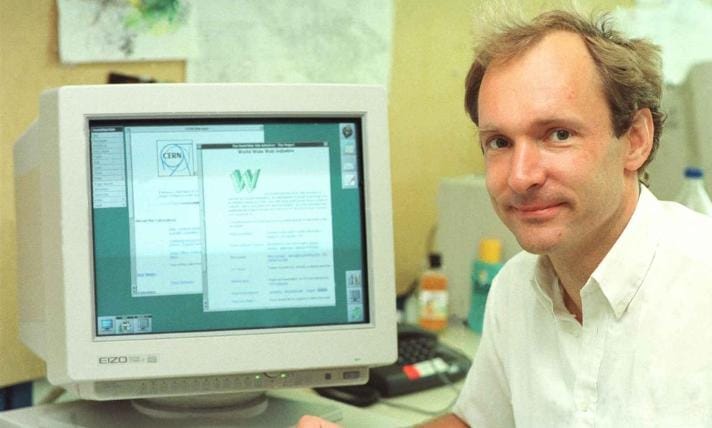
The entire architecture of the modern internet, and indeed how we access information today, rests on a fundamentally simple and almost accidental innovation by a British scientist. In 1989, Tim Berners-Lee was working at CERN, the European particle physics laboratory, and he noticed how difficult it was for scientists to share research papers and data across different computer systems. He conceived of a system called the “World Wide Web” which allowed documents to be linked together so that users could jump from one piece of information to another with a single click. This invention of the “hyperlink” was a normal design choice to solve an immediate problem within a specific scientific community.
However, this small technical decision to allow information to be connected dynamically transformed the internet from a niche network for academics into a universal platform for communication, commerce, and culture. The hyperlink became the fundamental building block of every website and web page because it created a seamless, intuitive way for people to navigate vast amounts of information. It led to the rise of search engines, social media platforms, and e-commerce giants that have fundamentally reshaped global economies and daily life for billions of people. It is amazing to consider that the entire digital world we inhabit today was born from a simple desire to make it easier for physicists to share their notes and connect their research.
15. Enjoying A New Sweet Treat
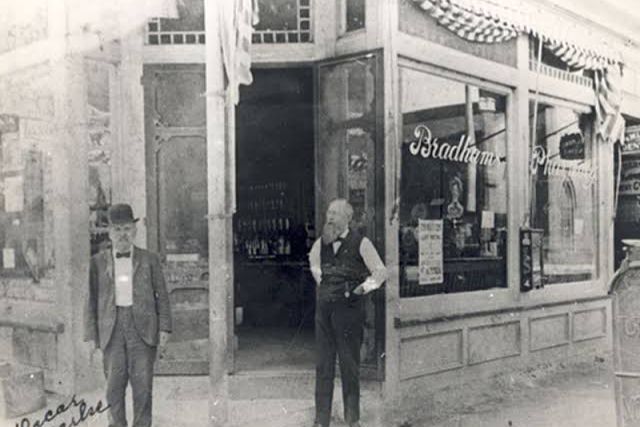
The global addiction to sugar and the rise of massive confectionery empires can be traced back to a remarkably simple act of sharing and experimentation by a young American pharmacist. In 1893, a pharmacist named Caleb Bradham in New Bern, North Carolina, began experimenting with various mixtures of spices, kola nuts, and carbonated water to create a refreshing drink for his customers. He was simply trying to offer a unique and pleasant beverage at his soda fountain because it was a popular trend at the time and a good way to attract new business. He called his concoction “Brad’s Drink” and initially marketed it as a healthy tonic that could aid digestion and boost energy.
This normal entrepreneurial effort to create a local soft drink eventually evolved into Pepsi-Cola, one of the most recognised brands in the world and a direct competitor to Coca-Cola. The decision to combine a few simple ingredients and offer it to the public created an entirely new industry and a global cultural phenomenon around fizzy, sweet beverages. Pepsi-Cola has since become a multibillion-dollar company that operates in almost every country on Earth and its advertising campaigns have influenced music, fashion, and sports for generations. It is extraordinary how a small-town pharmacist’s quest for a popular soda became the foundation of a global empire that defined an era of consumerism and refreshment for millions of people.
16. Making A Routine Bank Transfer

Even the most secure financial systems can be vulnerable to human error and sometimes a single miskeyed number can have monumental, far-reaching consequences. In 2012, an employee at a German bank was processing a routine transfer of 62.40 Euros from a customer’s account. This was a completely normal daily task, one of thousands of transactions that passed through the bank’s systems without incident. However, due to a momentary lapse in concentration, the employee accidentally pressed the number ‘2’ instead of ‘.’ on the keyboard when inputting the amount. This tiny, unthinking mistake changed the decimal point and suddenly transformed a small sum into an astronomical figure.
The 62.40 Euro transfer became a colossal 222,222,222.22 Euro payment because of that single erroneous keystroke. While the error was quickly identified and corrected, the sheer scale of the mistaken transfer briefly highlighted the incredible fragility of even highly automated financial systems. It led to an overhaul of the bank’s internal review processes and a reminder of how human fallibility can impact even the most mundane digital operations. This incident serves as a stark warning about the importance of vigilance in an increasingly digitised world because a tiny mistake with a number can instantly multiply into a financial nightmare that captures international headlines and causes widespread concern.
17. Storing A Rare Seed Sample

The conservation of global biodiversity, and indeed the future of human food security, relies on a remote and unusual architectural choice made deep within the Arctic Circle. In 2008, the Svalbard Global Seed Vault, often referred to as the “Doomsday Vault,” was established on a remote Norwegian island specifically to store duplicates of seeds from gene banks around the world. The idea was to create a secure, cold, and dry environment where agricultural biodiversity could be preserved for future generations in case of a global catastrophe like war, climate change, or natural disaster. This was a normal, practical choice to build an ultimate backup system for essential crops that feed humanity.
This cold, dark tunnel filled with millions of tiny seeds now serves as the ultimate insurance policy against widespread crop failure and famine. It contains samples of virtually every important food crop on Earth because it is designed to protect varieties of wheat, rice, corn, and countless other species from extinction. The decision to build this vault in such an extreme and isolated location, nearly 1,300 kilometres beyond the Arctic Circle, ensures that the seeds remain naturally frozen even if the power fails. It is a profound example of how a simple act of prudent storage can have a monumental impact on the long-term survival of human civilisation and the resilience of our global food systems against future threats.
18. Delaying A Routine Dental Visit
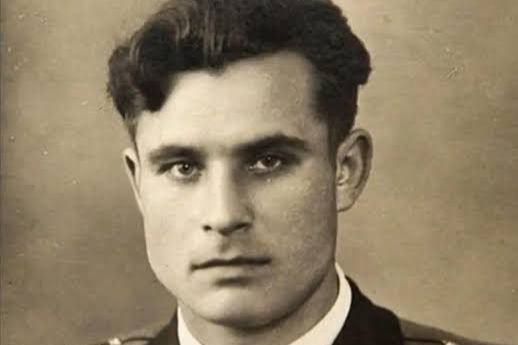
History often hangs by a thread, and in October 1962, the fate of the world rested on the shoulders of one man: Vasili Arkhipov. While some legends suggest a minor personal ailment like a toothache kept him on duty, the reality was far more grueling. Arkhipov was the Brigade Chief of Staff aboard the Soviet submarine B-59, which was patrolling the sweltering, tense waters near Cuba. Conditions on board were nightmarish; the air conditioning had failed, temperatures soared past 113°F, and the crew was struggling with carbon dioxide poisoning and exhaustion. Despite the physical toll, Arkhipov remained at his post as the Cuban Missile Crisis reached its breaking point.
On October 27, the situation turned critical when U.S. Navy destroyers detected the B-59 and began dropping “practice” depth charges to force it to the surface. Cut off from communication with Moscow and believing World War III had already begun, the submarine’s captain, Valentin Savitsky, ordered the launch of a nuclear torpedo. Normally, a launch required the consent of only the captain and the political officer, but because of Arkhipov’s senior rank, his approval was also necessary. While the other two were ready to fire, Arkhipov stayed remarkably calm. He refused to give his consent, eventually convincing Savitsky that the depth charges were signals, not an attack. His lone dissent prevented a nuclear exchange and, quite literally, saved the world from mutually assured destruction.
19. Forgetting A Small Parcel On A Train
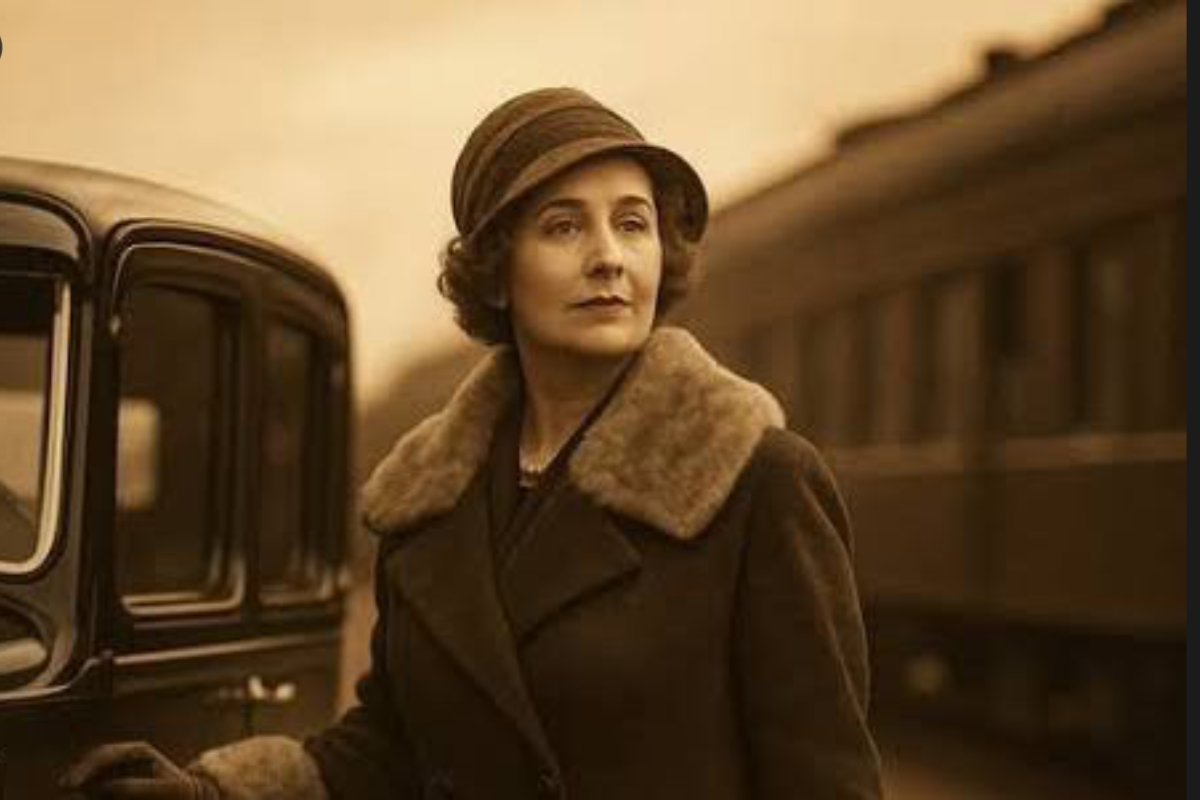
The origins of one of the world’s most enduring and beloved fictional characters can be traced back to a moment of forgetfulness on a journey home. In 1926, the author Agatha Christie was traveling by train from London to her country home when she accidentally left a small brown paper parcel behind on the seat. Inside the parcel were her reading glasses and a manuscript for a new detective novel that she had been working on during the journey. This was a completely normal, if slightly frustrating, oversight that most travelers experience at some point in their lives, likely causing a moment of annoyance at the thought of retrieving lost property.
However, the manuscript was not lost forever because a diligent train conductor found the parcel and, recognising the name “Agatha Christie,” took special care to ensure its safe return to the famous author. The manuscript was for “The Murder of Roger Ackroyd,” a novel that not only became one of her most celebrated works but also featured a groundbreaking twist ending that stunned readers and cemented her reputation as a master of mystery. If that parcel had been truly lost or if the conductor had been less attentive, one of the greatest plot twists in literary history might never have seen the light of day. It is a charming reminder that sometimes the smallest acts of carelessness, combined with a touch of good fortune, can lead to the preservation of literary genius.
We often look for grand explanations for the pivotal moments in history but as these stories show, the most profound outcomes can arise from the simplest, most mundane decisions.
Like this story? Add your thoughts in the comments, thank you.


