
1. Zidane’s Final Act
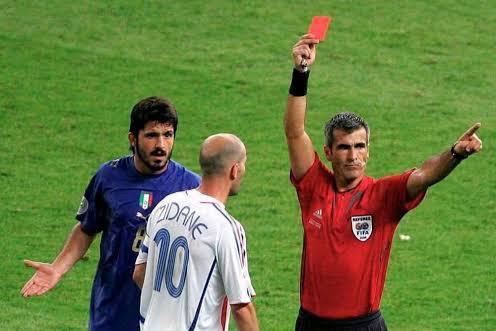
The 2006 FIFA World Cup Final was supposed to be the glorious swan song for Zinedine Zidane who was widely considered the finest midfielder of his generation. Instead of a triumphant exit, the match became famous for a moment of madness that changed the course of footballing history on July 9, 2006. As France and Italy were locked in a tense -1 draw during extra time, Zidane was provoked by Italian defender Marco Materazzi regarding a comment about his sister. In a shocking display of raw emotion, the French captain turned and delivered a powerful headbutt to Materazzi’s chest which left the referee with no choice but to issue a red card. This left France without their best player and primary penalty taker for the subsequent shootout which they ultimately lost to the Italians in heartbreaking fashion.
What many people fail to realize is that Zidane had actually come remarkably close to winning the game with a header just minutes before the incident happened. If that shot had been a few inches lower, he would have been the hero of the nation once again rather than the man who left his teammates shorthanded in the final moments. The mistake was not just a physical foul but a complete breakdown of composure that nobody expected from such a seasoned professional at the height of his powers. While Italy celebrated their fourth world title, the image of Zidane walking past the trophy into the tunnel became a haunting symbol of what might have been if he had simply ignored the provocation. It remains one of the most studied moments in sports psychology because it illustrates how one second of lost temper can undo years of meticulous preparation.
2. Chris Webber’s Ghost Timeout
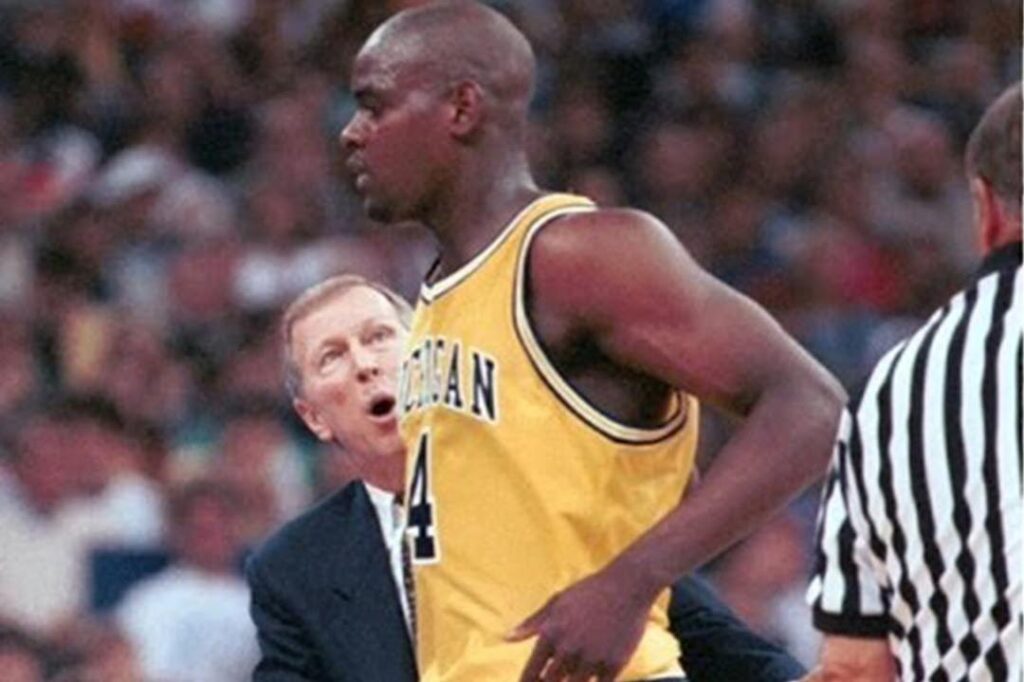
Basketball is a game of high-speed decisions where the brain must keep up with the body and the 1993 NCAA Championship game proved how a mental lapse can haunt a player for a lifetime. On April 5, 1993, the Michigan “Fab Five” were facing North Carolina in a battle for collegiate supremacy that came down to the final seconds of play. Chris Webber, who was arguably the best player on the floor that night, grabbed a rebound and dribbled down the court with his team trailing by two points. In a moment of sheer panic and pressure, Webber signaled for a timeout while trapped in the corner even though his team had absolutely none remaining. This resulted in a technical foul which essentially handed the victory to the Tar Heels because it gave them free throws and ball possession when Michigan was still very much in the hunt.
The mistake was particularly brutal because Webber had actually travelled just moments before the timeout call but the officials missed that initial infraction entirely. If the referees had blown the whistle for the travelling violation, the outcome might have been different or at least less focused on a singular embarrassing moment. Thousands of spectators and millions of viewers watched as the realization dawned on Webber’s face that he had made a terminal error in judgment. Even though he had a stellar professional career ahead of him, that specific night in New Orleans remains a cautionary tale about the importance of situational awareness under extreme stress. It serves as a reminder that even the most gifted athletes are prone to basic human errors when the weight of a championship is resting on their shoulders.
3. Steve Bartman’s Incident
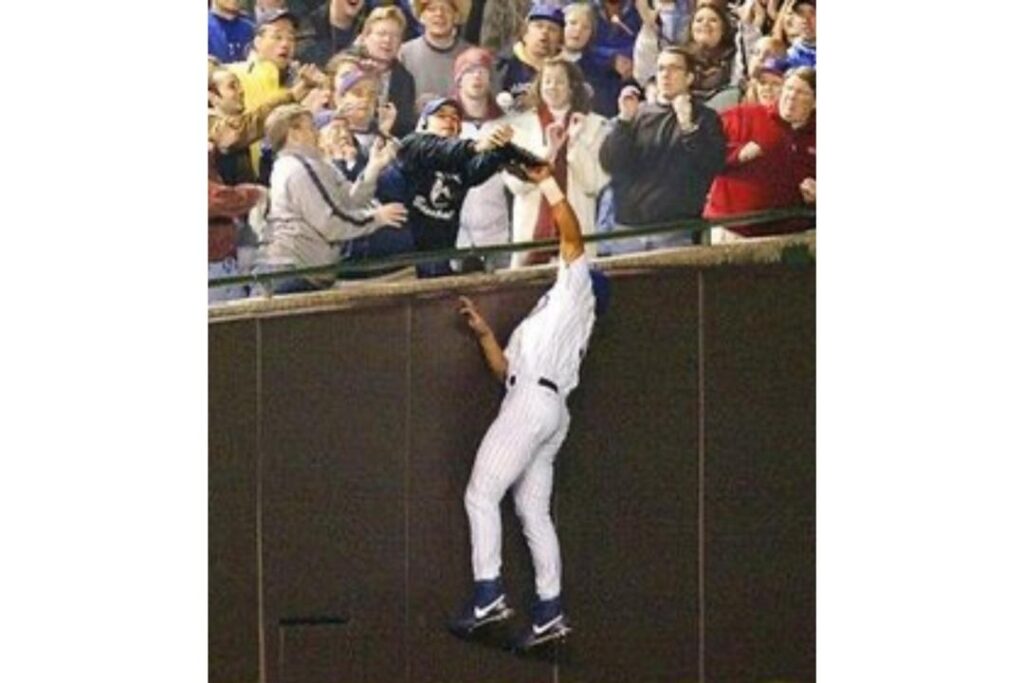
The 2003 National League Championship Series provided a moment that transcended the game of baseball and entered the realm of urban legend and tragedy. On October 14, 2003, the Chicago Cubs were just five outs away from reaching their first World Series in nearly a century while playing at their home park, Wrigley Field. A foul ball was hit toward the left-field stands and a fan named Steve Bartman instinctively reached out to catch it just as outfielder Moises Alou was leaping to make the play. The ball deflected off Bartman’s hands and fell into the seats which meant the batter remained alive and the Cubs failed to record a crucial out. This small interaction triggered a massive collapse where the Florida Marlins scored eight runs in the inning to win the game.
The mistake here was not just Bartman’s reflex but the collective psychological meltdown of the entire Cubs roster that followed the incident. Shortstop Alex Gonzalez missed a routine double-play ball shortly after the interference which would have ended the inning and preserved the lead regardless of the fan’s actions. However, the narrative immediately shifted to blame the spectator because it was a tangible moment that people could point to as the “Curse of the Billy Goat” returning. Bartman had to be escorted from the stadium for his own safety and lived in seclusion for years because of a mistake that any fan in that seat might have made. It serves as a stark reminder of how the boundary between the players and the crowd can sometimes blur with devastating consequences for a franchise’s history.
4. The Bill Buckner Blunder
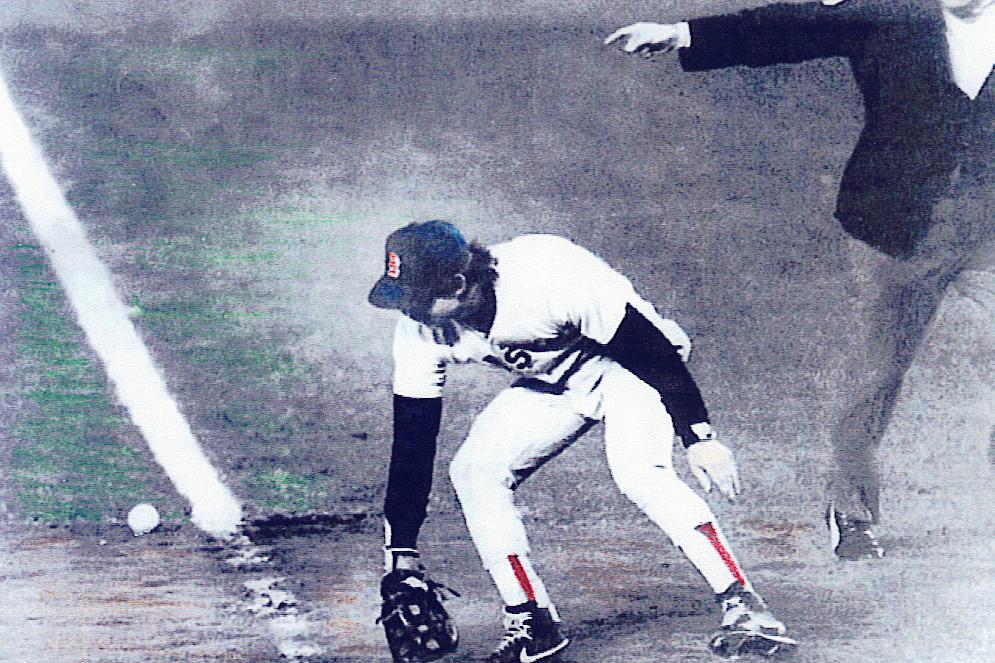
Sporting history is often a tapestry of grand achievements but we frequently forget that the smallest slip can change a legacy forever. While many people point to the infamous 1986 World Series as a collective failure for the Boston Red Sox, the moment that remains etched in the collective memory occurred during Game 6 against the New York Mets. It was October 25, 1986, when a routine ground ball from Mookie Wilson rolled toward first baseman Bill Buckner. At that specific second, the game was tied in the tenth inning and the Red Sox were just one out away from ending their decades-long title drought. However, the ball inexplicably skipped through Buckner’s legs because his aging knees prevented him from getting low enough to secure the leather. This error allowed Ray Knight to score the winning run which forced a Game 7 that the Mets eventually won to take the championship.
The true tragedy of this moment is that the mistake was actually preceded by a series of pitching collapses that most fans overlooked at the time. Reliever Bob Stanley had already uncorked a wild pitch that allowed the tying run to score earlier in the same at-bat yet the public focused entirely on Buckner’s physical error. It is fascinating to note that Buckner was playing with severely injured ankles and probably should have been replaced by a defensive sub like Dave Stapleton as had been the custom throughout the postseason. Because manager John McNamara decided to leave the veteran on the field for the celebration, a routine play turned into a sporting catastrophe. This single lapse did not just lose a game but it defined an entire era of heartbreak for Boston fans until they finally broke the curse in 2004.
5. Roy Riegels Wrong Way Run
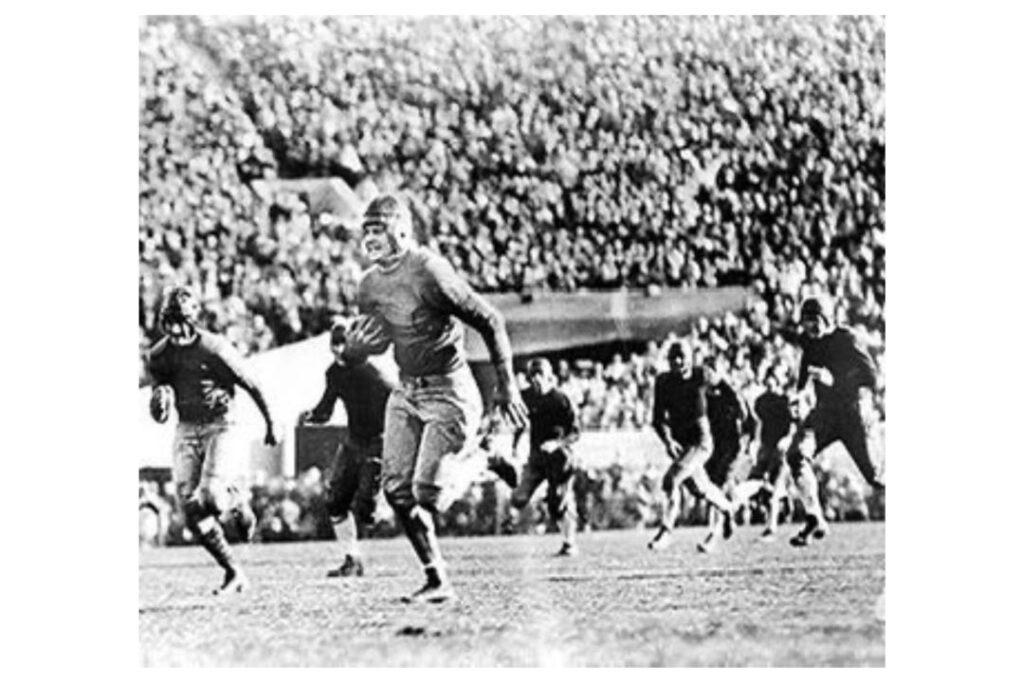
In the world of American football, the 1929 Rose Bowl features one of the most baffling mistakes ever recorded on a grass field during a major bowl game. Roy Riegels, playing for the University of California against Georgia Tech, picked up a fumble and somehow lost his sense of direction amidst the chaos of the play. Instead of sprinting toward the opposing end zone, he turned around and ran sixty-five yards in the wrong direction while his own teammates chased him and yelled for him to stop. He was finally tackled by his own teammate, Benny Lom, at the one-yard line just before he could score a safety for the other team. This bizarre sequence led to a blocked punt on the very next play which gave Georgia Tech the decisive points they needed to win the game 8-7.
Riegels became known forever as “Wrong Way” Riegels which was a nickname that followed him for the rest of his life despite his excellence as a player. The mistake was born out of a simple disorientation that can happen in the heat of a high-stakes match but the consequences were permanent for the California team. Many observers at the time felt that the psychological blow of the play was far worse than the actual yardage lost because the team struggled to regain their focus after such an embarrassing blunder. It is a classic example of how a momentary lapse in spatial awareness can overshadow an entire season of hard work and talent. Despite his later success as a coach and a businessman, Riegels is a primary figure in the history of sporting errors because his mistake was so visually jarring and strategically costly.
6. Roberto De Vicenzo’s Card
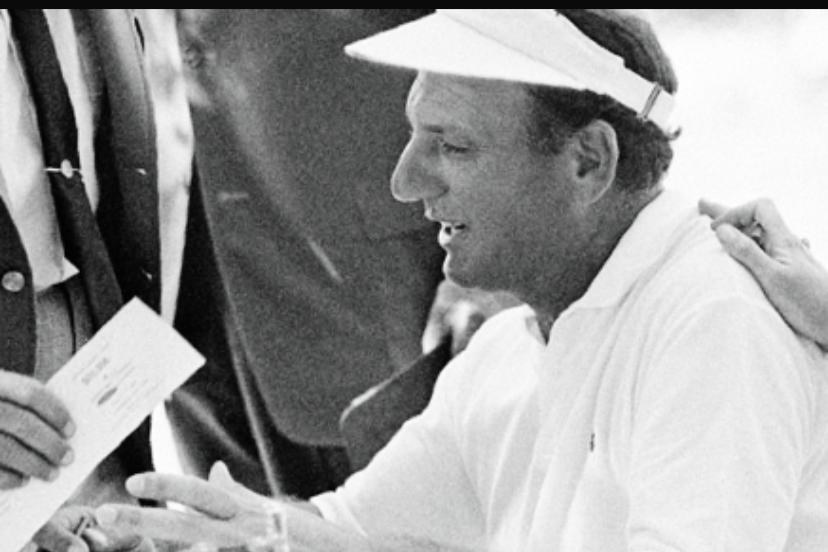
Golf is a game of precision and etiquette where the scorecard is just as important as the swing and Roberto De Vicenzo learned this the hard way in 1968. During the final round of the Masters at Augusta National, the Argentine golfer played a magnificent round of 65 which should have forced a playoff against Bob Goalby. However, his playing partner Tommy Aaron had accidentally marked a 4 on the seventeenth hole instead of the 3 that De Vicenzo had actually scored. Without double-checking the figures in the excitement of the moment, De Vicenzo signed the card and submitted it to the officials. Under the strict rules of golf, a signed card with a higher score must stand and he was denied the chance to play for the green jacket.
The heartbreak was palpable as De Vicenzo famously uttered the line that he was a “stupid” man for making such a clerical error after playing so beautifully. It was April 14, 1968, and the world watched as a potential champion was undone not by a missed putt or a drive into the woods but by a simple pencil mark. This mistake highlights the rigid nature of sporting regulations where the administrative side of the game is just as perilous as the physical competition itself. If he had taken just ten extra seconds to verify the numbers, he likely would have become the first South American to win the Masters. Instead, his name is synonymous with the importance of attention to detail and the devastating reality that even a champion can be defeated by a lapse in paperwork.
7. Removal of Bobby Charlton
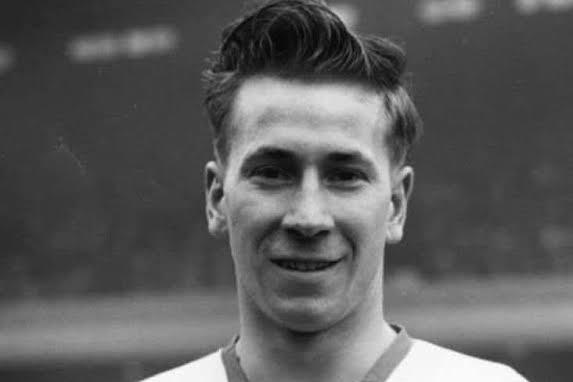
The 1970 World Cup quarter-final between England and West Germany featured a coaching mistake that changed the international standing of the defending champions. England was leading 2-0 and appeared to be cruising toward a comfortable victory when manager Alf Ramsey made the fateful decision to substitute his star midfielder Bobby Charlton. Ramsey wanted to rest Charlton for the semi-finals because he assumed the game was already won and he didn’t want to overwork his veteran leader in the intense Mexican heat. This single change shifted the momentum of the entire match as the German team felt the pressure lift and began an aggressive comeback that eventually saw them win 3-2 in extra time.
The removal of Charlton allowed Franz Beckenbauer more freedom to move forward and dictate the play without the shadow of England’s best defender looming over him. While fans often blame the goalkeeper Peter Bonetti for the goals conceded, the tactical error by Ramsey was the true turning point that nobody initially questioned until it was too late. It was June 14, 1970, and the loss effectively ended the golden era of English football that had peaked four years prior on home soil. This mistake illustrates that games are not just won by the players on the pitch but also by the decisions made on the sidelines by those in charge. A simple desire to save energy for the next round resulted in there being no next round at all for the Three Lions that year.
8. The Miracle At The Meadowlands
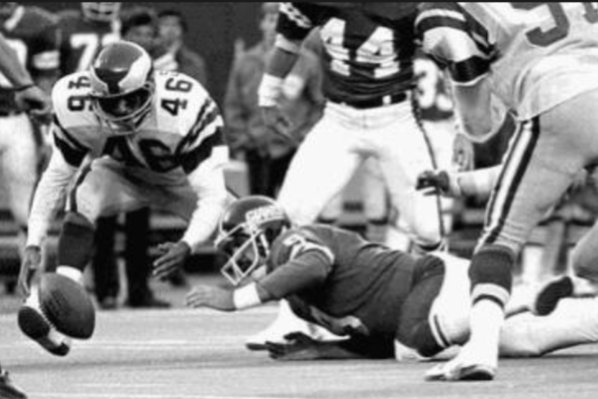
In the NFL, there is a golden rule that if you have the lead and the ball with seconds left, you simply take a knee to end the game. On November 19, 1978, the New York Giants ignored this basic logic in a match against the Philadelphia Eagles and suffered one of the most embarrassing losses in league history. Leading 17-13 with only thirty-one seconds remaining, the Giants staff called for a handoff play instead of a kneel-down because of internal friction between the coaches and players. Quarterback Joe Pisarcik attempted to hand the ball to Larry Csonka but the exchange was fumbled and the ball bounced perfectly into the hands of Eagles defender Herman Edwards. He ran it back for a touchdown to win the game in a finish that stunned the home crowd into total silence.
The mistake was so egregious that it led to the immediate firing of the Giants’ offensive coordinator and fundamentally changed how pro football teams handle the final seconds of a game. It was a failure of leadership and common sense that ignored the low-risk path to victory in favor of an unnecessary play. Fans were so outraged by the blunder that they burned tickets and protested outside the stadium which eventually forced the franchise to overhaul its entire management structure. Today, the “victory formation” is a standard part of every team’s playbook specifically because of this one afternoon in New Jersey. It is a testament to the fact that overcomplicating a simple situation is often the quickest way to invite disaster into an otherwise successful outing.
9. Anderson’s Missed Kick
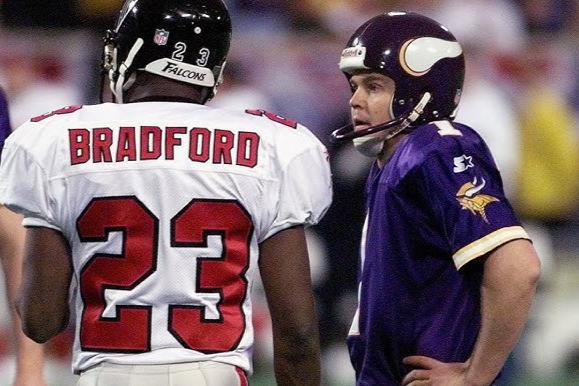
Placekickers often live on a razor’s edge where one successful swing makes them a hero and one miss turns them into a pariah. During the 1998 NFC Championship, Gary Anderson of the Minnesota Vikings was the definition of perfection as he had not missed a single field goal or extra point all season long. With a chance to put the Vikings up by ten points late in the fourth quarter against the Atlanta Falcons, Anderson lined up for a routine thirty-eight-yard kick. To the shock of the entire sporting world, the ball sailed just wide left which gave the Falcons a glimmer of hope that they desperately needed. Atlanta marched down the field to tie the game and eventually won in overtime to deny the 15-1 Vikings a trip to the Super Bowl.
The mistake was statistically improbable but it highlights the immense psychological pressure that comes with being the designated “sure thing” on a roster. If Anderson had converted that kick, the Vikings would have likely cruised to a victory and faced the Denver Broncos for the title. Instead, the miss became the defining moment of a season that was otherwise historic for its offensive dominance and record-breaking scoring. It is often forgotten that the Minnesota defense also failed to stop the Falcons on the following drive yet the blame almost exclusively rests on Anderson’s shoulders. This event remains a sore spot for fans in the Midwest because it proved that even a perfect season can be undone by a single mechanical error at the worst possible time.
10. The 1972 Munich Olympic Clock
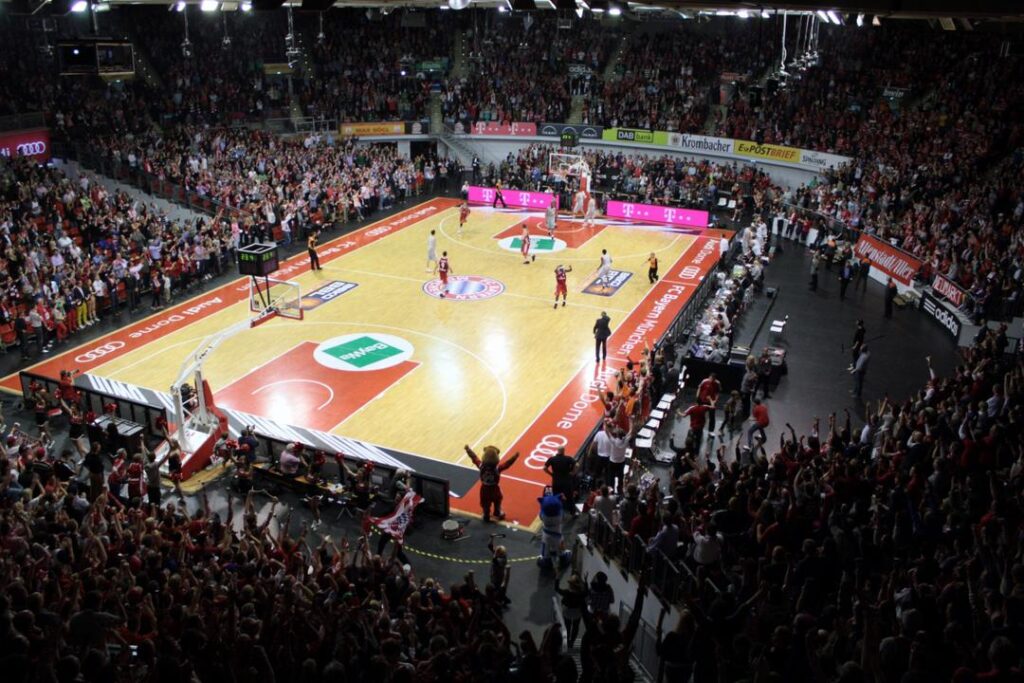
The final of the men’s basketball tournament at the 1972 Munich Olympics remains one of the most controversial events in the history of international sport. The United States had never lost an Olympic basketball game and they appeared to have secured the gold medal again after Doug Collins sank two free throws to give them a one-point lead. However, the final three seconds of the game were replayed three different times due to a series of officiating errors and confusion at the scorer’s table regarding a timeout. On the third and final attempt, the Soviet Union’s Alexander Belov caught a full-court pass and scored a layup as the buzzer sounded to give the USSR a 51-50 victory and end the American streak.
The mistake was a combination of technical failure and administrative interference as the head of FIBA reportedly ordered the clock to be reset against the rules of the game. The American players were so convinced that the finish was illegitimate that they refused to accept their silver medals and the podium remained empty during the ceremony. This incident changed the way timekeeping and officiating are managed in high-stakes international competitions to ensure that such a chaotic finish could never happen again. It was September 9, 1972, and the ripples of that night are still felt today as the medals remain in a vault in Switzerland because the U.S. team still refuses to claim them. It shows how the integrity of a game can be compromised by a single person in power making a decision that contradicts the officials on
11. The Slipping Captain’s Moment
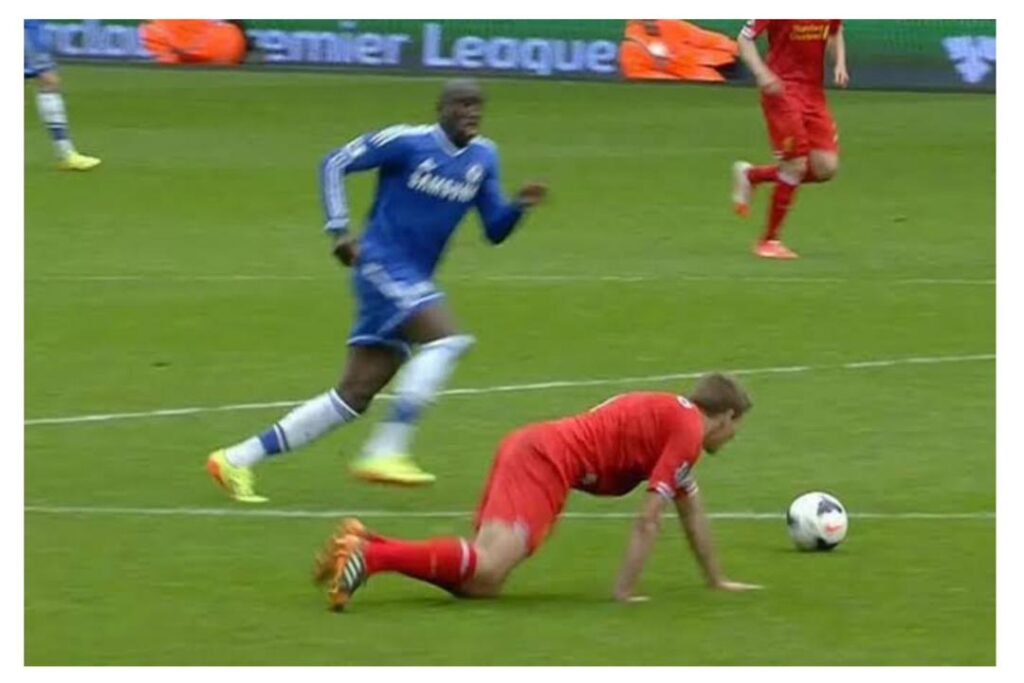
Football fans know that the narrative of a season can pivot on a single blade of grass and the 2014 Premier League title race is the ultimate proof of this reality. On April 27, 2014, Liverpool were on the verge of ending a twenty-four-year wait for a league championship as they faced Chelsea at a raucous Anfield. Steven Gerrard, the club’s legendary captain and heart, received a routine pass in his own half just before the halftime whistle blew. In a cruel twist of fate, Gerrard lost his footing on the turf and slipped to the ground which allowed Demba Ba to pounce on the loose ball and sprint toward the goal. Ba scored easily and the mistake sucked the life out of the stadium as Liverpool eventually lost the match 2-0 and handed the momentum to Manchester City.
The mistake was particularly poignant because Gerrard had famously gathered his teammates in a huddle just weeks prior to tell them not to let the lead slip. This literal slip became a metaphorical one that defined the end of an era for the Merseyside club and its most loyal servant. While people often point to the subsequent draw against Crystal Palace as the final blow, the psychological damage was done the moment Gerrard hit the floor. It was a human error born of a split-second loss of balance but it carried the weight of decades of expectation and hope. This moment serves as a reminder that even the most reliable icons are susceptible to the whims of chance and that one misstep can derail the most meticulously planned journey toward greatness.
12. Leon Lett’s Premature Party
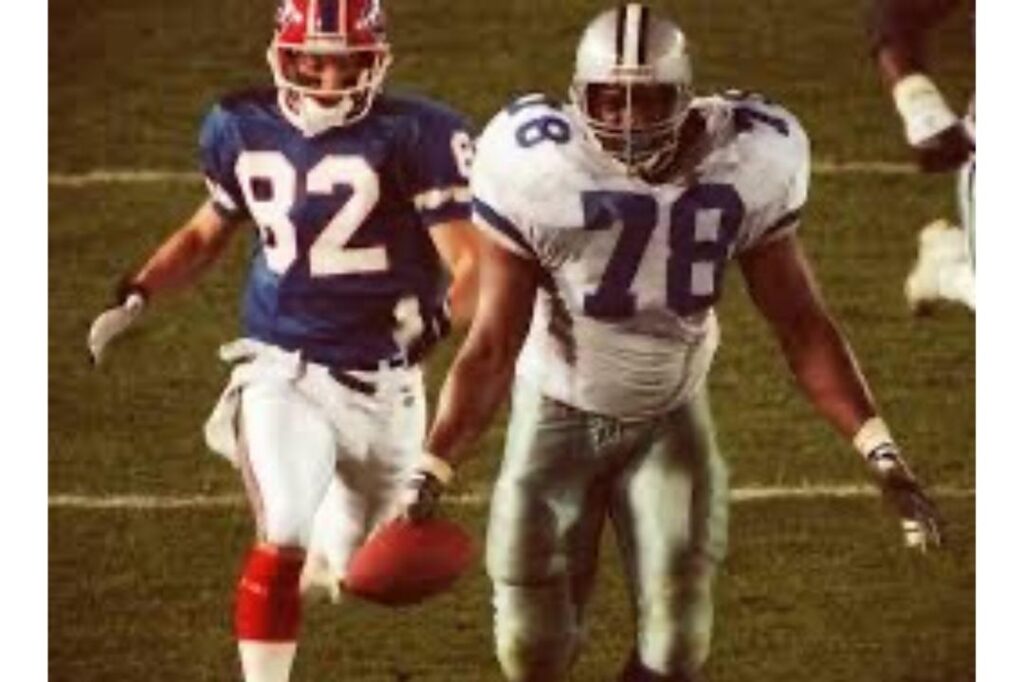
The Super Bowl is the grandest stage in American sports where every move is scrutinized by millions yet Leon Lett managed to create a blunder that is still laughed about decades later. During Super Bowl XXVII on January 31, 1993, the Dallas Cowboys were absolutely dismantling the Buffalo Bills in a game that had long since been decided. Lett, a massive defensive lineman, recovered a fumble and rumbled toward the end zone for what appeared to be a certain touchdown to cap off a dominant performance. As he approached the goal line, he slowed down and extended the ball in a celebratory gesture without realizing that Buffalo’s Don Beebe was sprinting behind him with incredible determination. Beebe knocked the ball out of Lett’s hand just before it crossed the plane which resulted in a touchback instead of a score.
While the Cowboys still won the game comfortably with a score of 52-17, the mistake robbed Lett of a career highlight and replaced it with a permanent spot on every “blooper” reel in history. The error was a result of pure hubris and a lack of situational awareness that ignored the fact that the game is never over until the whistle blows. It is fascinating to consider how a player of his caliber could forget the basic fundamental of securing the football until entering the end zone. Lett would later commit another high-profile error during a Thanksgiving game but this Super Bowl gaffe remains his most famous contribution to NFL lore. It teaches us that respect for the opponent and the game itself is mandatory regardless of what the scoreboard says at any given moment.
13. The Wrong Jersey Drama
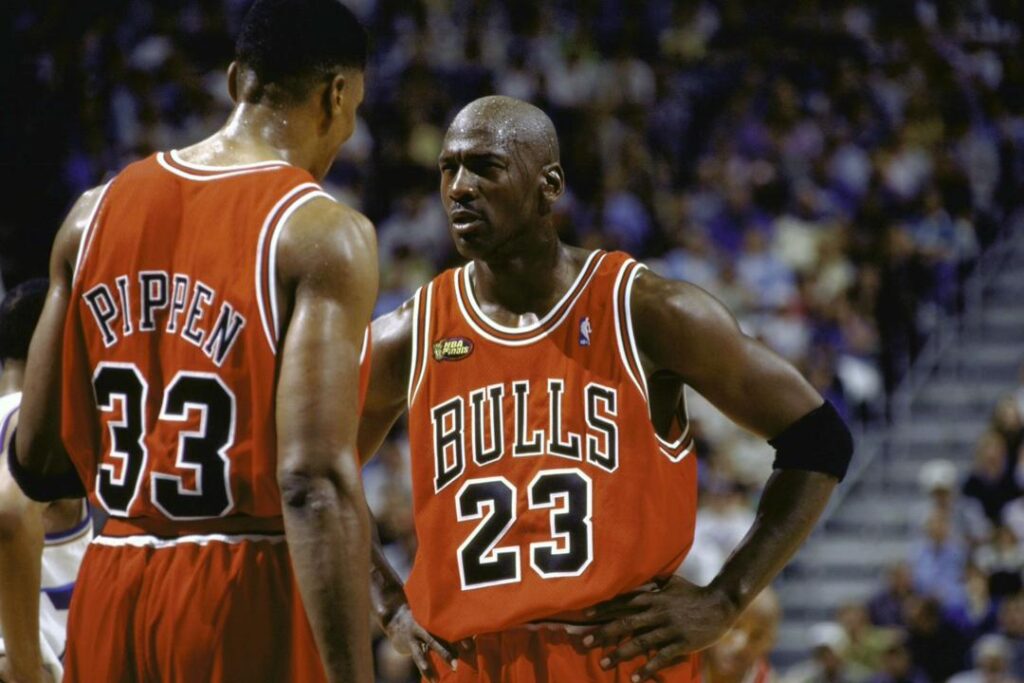
Basketball at the professional level usually involves a high degree of administrative perfection but a clerical error in 1994 led to one of the oddest sights in NBA history. During a game between the Orlando Magic and the Chicago Bulls, the legendary Michael Jordan was forced to wear a jersey with the number 12 and no name on the back. Someone had managed to steal Jordan’s iconic number 23 jersey from the locker room before the game started and the team had no backup available for their superstar. This forced the greatest player in the world to look like a generic replacement player which created a surreal atmosphere for the fans and the players on the court. Jordan still managed to score 49 points while wearing the anonymous kit but the distraction clearly affected the team’s rhythm during the contest.
The mistake was a massive security failure that embarrassed the organization and showed how even the most basic logistics can go wrong in a multi-billion dollar industry. It was February 14, 1990, and the sight of a nameless Jordan became a piece of sports trivia that highlighted the chaos happening behind the scenes. Although Jordan’s individual brilliance shone through the confusion, the Bulls actually lost the game in overtime to the Magic. Many analysts believe that the pre-game frantic search for the jersey and the subsequent change in routine contributed to a lack of focus for the rest of the squad. It is a peculiar example of how a physical object like a jersey carries so much weight and how its absence can throw an entire professional operation into a state of total disarray.
14. Jean van de Velde’s Water Hazard
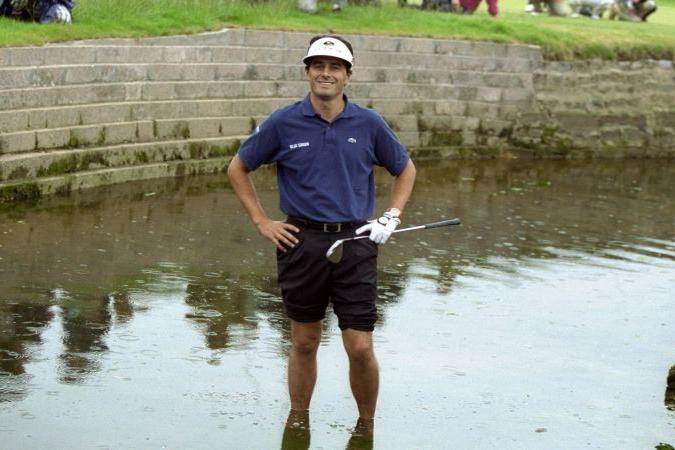
The 1999 Open Championship at Carnoustie provided perhaps the most dramatic collapse in the history of professional golf due to a series of increasingly poor decisions. Jean van de Velde arrived at the final hole with a three-stroke lead and only needed a double-bogey six to become the first Frenchman to win the Claret Jug since 1907. Instead of playing it safe with a short iron, he chose to use a driver and then a two-iron which led to his ball bouncing off a grandstand and into thick rough. From there, he hit his ball into the Barry Burn water hazard and famously contemplated hitting it out of the water while standing knee-deep in the stream. He eventually took a drop and finished with a triple-bogey which forced a playoff that he ultimately lost to Paul Lawrie.
The mistake was not just one bad swing but a complete failure of course management and a refusal to acknowledge the reality of his situation. Van de Velde’s aggressive approach when a conservative one was required cost him the greatest prize in his sport and turned him into a symbol of sporting tragedy. Spectators watched in horror as he threw away a comfortable lead through a mixture of bravery and madness that defied the logic of the game. It was July 18, 1999, and the image of him with his trousers rolled up in the water remains one of the most iconic photos in golf history. This collapse serves as a profound lesson in the importance of humility and the need to adjust one’s strategy when the finish line is finally within sight.
15. The Hand of God
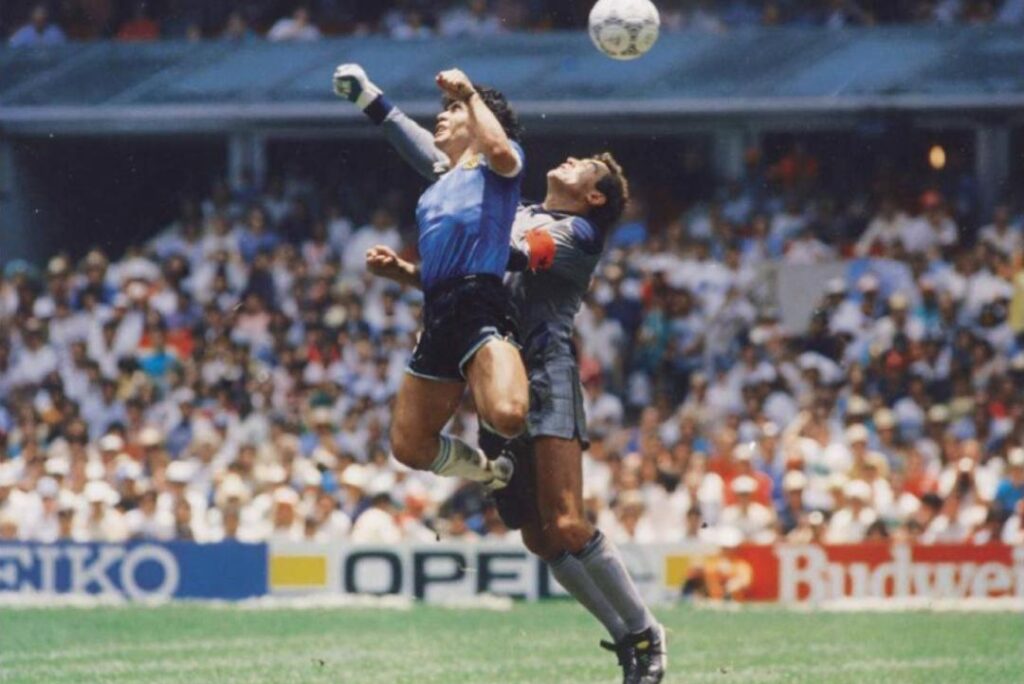
International football changed forever during the 1986 World Cup quarter-final between Argentina and England because of a mistake that the referee simply did not see. Diego Maradona scored a goal by using his hand to punch the ball over the head of England goalkeeper Peter Shilton but the officials allowed it to stand because they thought he had used his head. This goal gave Argentina the lead in a highly charged match that carried significant political tension following the Falklands War. While Maradona later scored one of the greatest goals of all time in the same game, the “Hand of God” incident remains the most discussed moment because it was a blatant violation of the rules that went unpunished on the world stage.
The mistake was not made by a player but by the Tunisian referee Ali Bin Nasser who failed to spot the handball despite having a clear view of the jump. If the goal had been disallowed and Maradona had been cautioned, the entire complexion of the tournament would have shifted and England might have progressed to the semi-finals. It was June 22, 1986, and the sense of injustice felt by the English players and fans has lasted for nearly four decades. This event highlights how the outcome of a game can be decided by what an official misses rather than what they actually call. It also sparked a long-running debate about the necessity of video technology in football which eventually led to the implementation of VAR many years later to prevent such obvious errors from standing.
16. JR Smith’s Mental Timeout
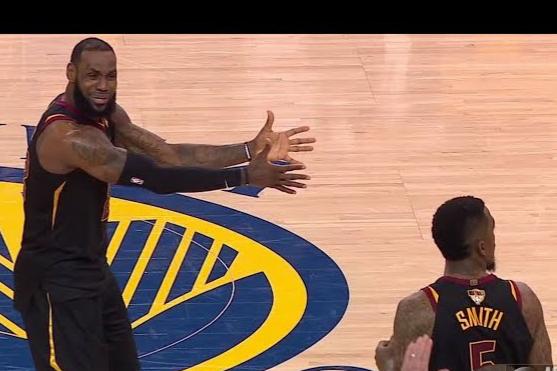
The 2018 NBA Finals featured one of the most talented rosters ever assembled but it also featured a mental error that left LeBron James in a state of visible despair. In Game 1 against the Golden State Warriors, the Cleveland Cavaliers had a chance to win the game after George Hill missed a go-ahead free throw with the score tied. JR Smith grabbed the offensive rebound but instead of putting the ball back up or passing to a teammate, he dribbled the ball out toward half-court because he thought his team was already winning. By the time he realized the game was tied and he should have taken a shot, the clock had expired and the game went into overtime where the Warriors dominated to take the win.
The mistake was caught on camera in high definition as LeBron James pointed frantically toward the basket while Smith looked completely confused by the situation. This lapse in concentration effectively broke the spirit of the Cavaliers who had played a near-perfect game up until that point against a superior opponent. It was May 31, 2018, and the loss set the tone for a series sweep that ended LeBron’s second stint in Cleveland on a somber note. Smith’s error is a classic example of how the pressure of the moment can cause even a veteran player to lose track of the most basic information like the score of the game. It remains one of the most viral moments in basketball history because it captured a pure moment of human confusion on the biggest possible stage.
17. The Missed Tackle in Minneapolis
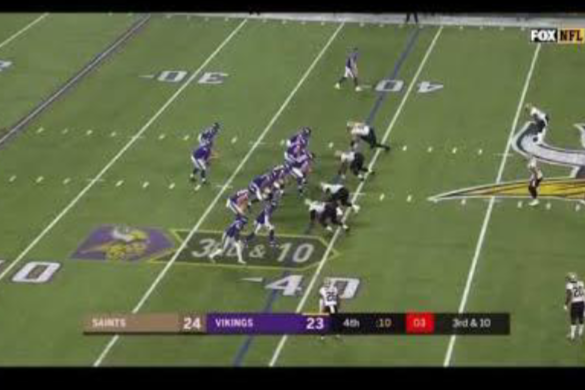
Playoff football is often a game of inches and the 2017 divisional round between the New Orleans Saints and the Minnesota Vikings ended with an error that defied the laws of physics and probability. The Saints had taken a late lead and only needed to prevent a long touchdown pass on the final play of the game to secure their spot in the next round. Vikings quarterback Case Keenum threw a high pass to Stefon Diggs along the sideline and Saints defender Marcus Williams moved in to make the tackle. However, Williams inexplicably ducked his head and missed the tackle entirely which allowed Diggs to stay on his feet and run into the end zone for the winning score as time expired.
The mistake was a result of a young player trying too hard to avoid a penalty or perhaps losing his orientation in the air while attempting to make a play. If Williams had simply wrapped up Diggs or even pushed him out of bounds, the game would have ended and the Saints would have won. Instead, the “Minneapolis Miracle” was born and the Saints were sent home in a state of absolute shock and disbelief. It was January 14, 2018, and the silence in the New Orleans locker room afterward was a testament to how one technical failure can invalidate sixty minutes of hard-fought competition. This play serves as a reminder that the most basic fundamentals of a sport like tackling are the most important things to get right when the season is on the line.
18. Jackie Smith’s Dropped Pass
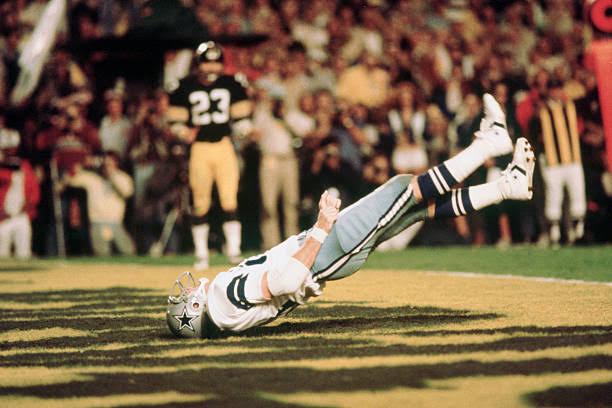
The Super Bowl has a way of magnifying small errors until they become the defining characteristics of a player’s entire career and Jackie Smith experienced this in Super Bowl XIII. Playing for the Dallas Cowboys against the Pittsburgh Steelers, the veteran tight end found himself wide open in the end zone for what should have been an easy touchdown. The ball was thrown slightly low but it hit him right in the chest and he simply failed to secure it as he slid onto the turf. This forced the Cowboys to settle for a field goal instead of seven points and they eventually lost the game by a margin of only four points.
The mistake was particularly painful because Smith was a Hall of Fame player who had been nearly perfect throughout his long and distinguished career. The announcer’s call of “Bless his heart, he’s got to be the sickest man in America” became an instant classic that summarized the feeling of watching a great athlete fail at a simple task. It was January 21, 1979, and the loss prevented the Cowboys from becoming the team of the decade over the Steelers. While many other plays occurred during that game, Smith’s drop is the one that people remember because it was a clear and obvious moment where points were left on the table. It illustrates how the margin for error in championship games is practically non-existent and how one catch can be the difference between a ring and a lifetime of regret.
19. The Wrong Turn in F1
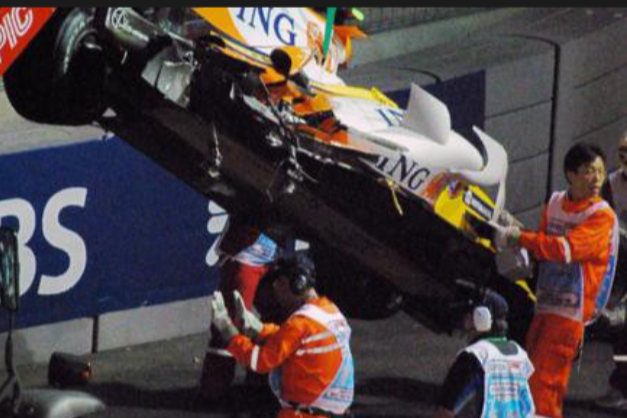
Formula 1 is a sport of high technology and split-second strategy but sometimes a simple human error in the pit lane can cost a driver a world championship. During the 2008 Singapore Grand Prix, Felipe Massa was leading the race and appeared to be on his way to a victory that would have bolstered his title hopes against Lewis Hamilton. However, during a routine pit stop, the Ferrari mechanic signaled for Massa to leave before the fuel hose had been detached from the car. Massa sped away and ripped the hose out of the rig which left him trailing a long plastic tube down the pit lane and forced him to stop and wait for mechanics to run down and remove it.
The mistake cost him massive amounts of time and dropped him to the back of the field which meant he scored zero points for the entire weekend. At the end of the season, Massa lost the world championship to Hamilton by just a single point which makes the Singapore error one of the most expensive blunders in racing history. It was September 28, 2008, and the visual of the Ferrari crew chasing their own car was both comical and tragic for the fans of the Italian team. This incident highlights that racing is a team effort where the people behind the scenes have just as much influence on the outcome as the man behind the wheel. A single green light shown too early was the catalyst for a chain of events that changed the destination of the championship trophy.
20. Sather’s Trade Blunder
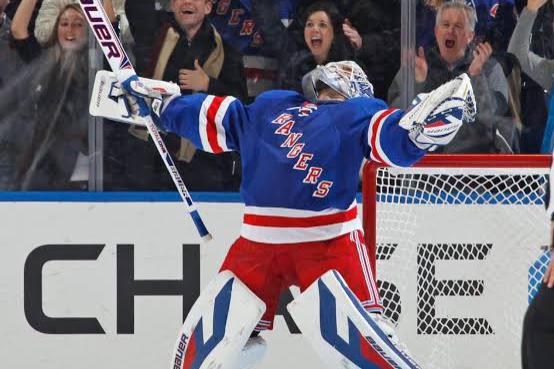
In the world of professional hockey, the moves made in the front office can be just as impactful as the goals scored on the ice and Glen Sather made a mistake that haunted the Edmonton Oilers. While Sather was a brilliant architect of the Oilers’ dynasty, he famously traded away future superstar Adam Graves because he didn’t think the young forward had a high enough ceiling. Graves went on to become a cornerstone of the New York Rangers where he eventually helped them win a Stanley Cup in 1994 and became one of the most beloved players in their franchise history. The Oilers, meanwhile, struggled to replace his physicality and scoring touch as their legendary roster began to dismantle in the early nineties.
The mistake was an error in talent evaluation that ignored the intangibles and work ethic that Graves brought to every shift on the ice. While it didn’t happen during a specific sixty-minute game, this administrative lapse turned many potential wins into losses for Edmonton over the subsequent decade. It shows that the “game” of management is a constant process where one misjudged player can shift the power balance of an entire league. Sather eventually moved to the Rangers himself but the damage to the Oilers’ long-term success was already done by that point. This serves as a cautionary tale for any executive who thinks they can easily replace the “glue” players who hold a championship team together during the difficult stretches of a long season.
21. The Mistake At The Mound
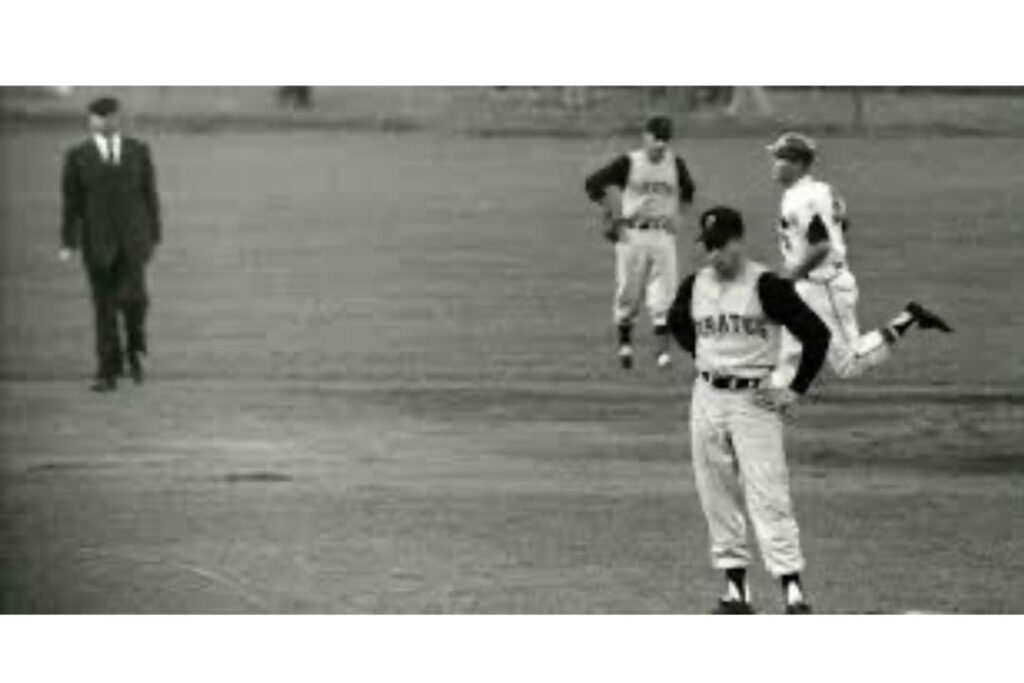
Baseball is often described as a game of failure where the person who fails the least wins, and the 1959 season provided a pitching performance that was perfect until it suddenly was not. On May 26, 1959, Harvey Haddix of the Pittsburgh Pirates pitched twelve perfect innings against the Milwaukee Braves which is a feat that has never been matched in the history of the major leagues. He retired thirty-six consecutive batters without allowing a single runner to reach base but the game remained scoreless because his own teammates could not drive in a run. In the bottom of the thirteenth inning, a fielding error by Don Hoak broke the perfect game and then a mistimed pitch to Joe Adcock resulted in a walk-off hit that ended the contest in a heartbreaking loss.
The mistake was not just the pitch itself but the collective inability of the Pirates to capitalize on a historic performance from their starting pitcher throughout the evening. If the Pittsburgh hitters had managed just one run during the regulation nine innings, Haddix would have secured the most impressive perfect game in the annals of the sport. Instead, he became a footnote of tragedy where a single slip in concentration after nearly four hours of perfection resulted in a defeat. It was a warm night in Wisconsin and the crowd watched in stunned silence as the most dominant pitching display ever seen was undone by a routine defensive lapse and a tired arm. This game serves as a profound reminder that in baseball as in life, you can do everything right for the longest time and still lose because of one tiny variable beyond your control.
22. Kazuki Nakajima Wrong Pedal Push
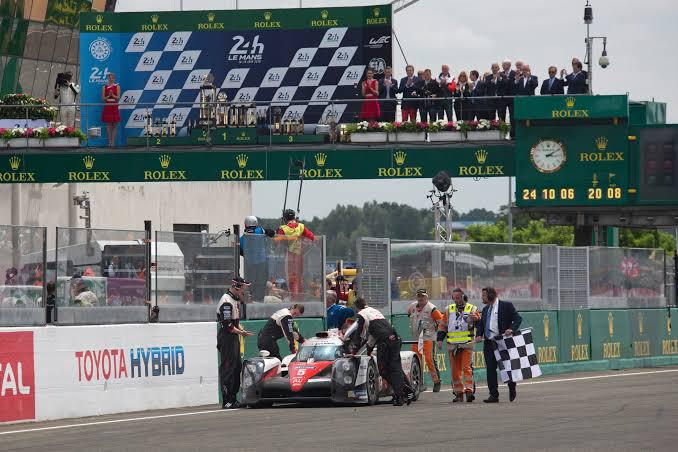
In the high-octane world of endurance racing, the 2016 24 Hours of Le Mans provided a finish that was so unlikely it felt scripted by a cruel novelist. Toyota was on the verge of its first-ever victory at the legendary event and held a comfortable lead over Porsche with only one lap remaining after twenty-three hours of flawless driving. Kazuki Nakajima was behind the wheel of the leading car when he suddenly felt a loss of power and realized that a small connector in the air line between the turbocharger and the intercooler had failed. This tiny mechanical mistake meant the car could no longer maintain speed and it crawled to a stop on the start-finish line just as the final three minutes were ticking away.
The mistake was a manufacturing defect that nobody could have noticed during the race but it resulted in a catastrophic failure at the most public moment possible. While the Porsche team celebrated an unexpected win, the Toyota mechanics were left in tears as they watched their hard work vanish because of a part that cost less than a few pounds. It was June 19, 2016, and the image of the stationary car being passed by the competition is a haunting symbol of the fragility of modern engineering. This event showed that even with hundreds of millions of pounds in investment and the best drivers in the world, the smallest physical component is often the single point of failure that decides the winner. It was a lesson in the absolute necessity of redundancy and the harsh reality that the finish line is the only place where the race actually ends.
Reliance on a single moment of perfection is a heavy burden for anyone to carry in the heat of battle.
Like this story? Add your thoughts in the comments, thank you.


