
1. It Was Never Meant To Feel Fun
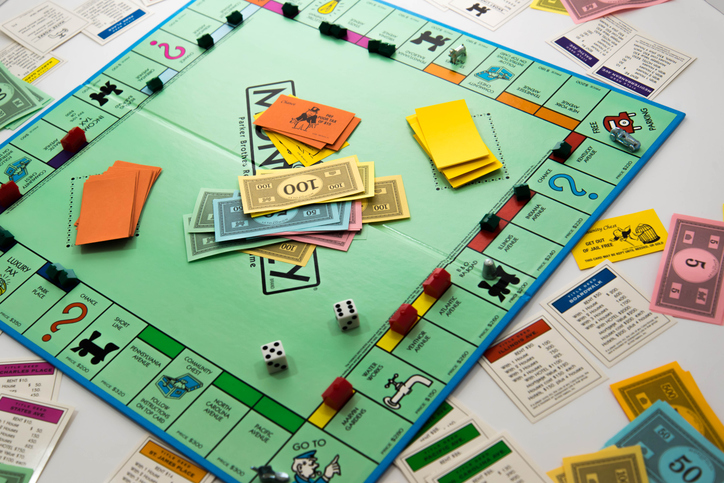
Most of us think we know Monopoly because we grew up with it, folded money in our hands and arguments at the table. It feels familiar enough to skip instructions and jump straight in. But that comfort hides its real purpose. The game was originally designed to feel uneasy, not playful. Created by Lizzie Magie in the early twentieth century, it was meant to show how ownership concentrates power and leaves others stuck. Winning was never the lesson. Watching imbalance form was. When one player starts pulling ahead and everyone else feels trapped, that discomfort is intentional. Over time, colors and house rules softened the edge, but the structure stayed sharp. Monopoly shows how systems reward accumulation, even when no one feels proud of the outcome.
That original intent explains why Monopoly arguments feel heavier than most board games. Players are not just rolling dice. They are reacting to pressure, scarcity, and sudden shifts in power. Once properties change hands, choices narrow fast. A bad roll can undo patience. A lucky one can tilt everything. The game does not pretend this is fair. It demonstrates how momentum builds and how difficult it is to recover once behind. That lesson often sneaks past kids but lands later in life. Adults recognize the patterns instantly. Monopoly survives because it mirrors frustration in a contained space. You can flip the board, laugh it off, and try again. Yet something lingers after the box is closed. The memory of how advantage formed stays with you.
2. Atlantic City Streets Felt Familiar
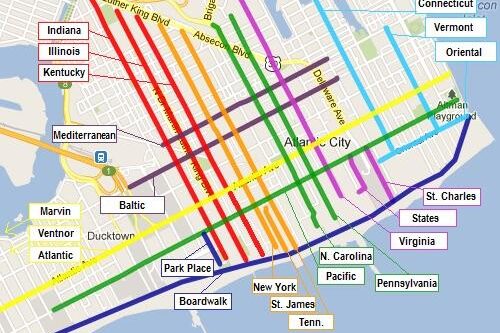
Monopoly feels grounded because its streets were real places, not invented names. Atlantic City was chosen because it sounded ordinary and reachable, not glamorous. Charles Darrow wanted players to recognize the rhythm of the names even if they had never visited. Streets like Baltic Avenue and Boardwalk carried weight because they existed beyond the board. Buying them felt personal. You were not claiming fantasy land. You were claiming something someone walked every day. That familiarity helped players invest. It also made losses sting more. When rent is tied to a real sounding street, it feels less abstract. The board quietly connects imagination to reality, which is why the game stays memorable long after play ends.
Using real streets also helped Monopoly feel like a snapshot of American life. Atlantic City represented aspiration for everyday families, not elite wealth. It was a place people saved to visit. That mattered. Owning those properties symbolized progress. Over time, the board became frozen in history while the real city changed. Players kept rolling dice over streets that no longer looked the same. That contrast gives the game a strange nostalgia. It preserves a version of America that once felt hopeful. Even if players never think about it directly, that feeling hums beneath the surface. The board becomes a memory as much as a game, which helps explain its lasting pull. It stays familiar long after childhood evenings fade away for many families everywhere today.
3. Free Parking Was Never A Gift
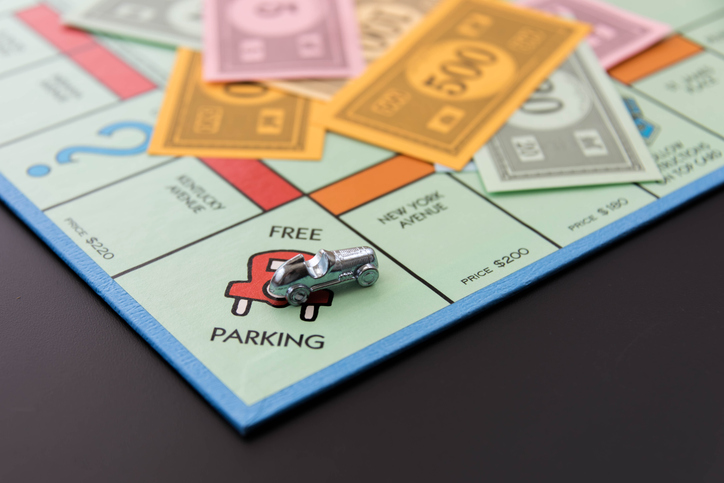
Free Parking feels like relief in the middle of tension, but it was never meant to reward anyone. In the official rules, nothing happens there. No money. No bonus. The space exists as a pause. Yet most families quietly turned it into a jackpot. Every fine and fee lands in the center, waiting for luck. This change softens the game and stretches it longer. It also reveals something human. Players want mercy in harsh systems. Monopoly rarely offers it, so people invent it themselves. Free Parking becomes a shared agreement to breathe. The rule survives because it feels kind, even if it breaks the original design. That small choice changes how the table feels for everyone playing together during long unpredictable nights of play time.
Turning Free Parking into a prize also explains why many games drag on for hours. Extra money reenters circulation and delays endings. Official versions move faster and feel sharper. Without that cushion, mistakes carry weight. Some players prefer the gentler pace because it keeps everyone involved longer. Others dislike how it dulls tension. Neither approach is wrong. It simply changes the story being told. Monopoly adapts to the people around it. Free Parking proves that players shape the experience as much as the rules do. What begins as a blank space becomes a reflection of how much fairness a group wants. That choice reveals values shared or debated around the table during repeated family gatherings across years of play and memory making nights together.
4. Jail Was Designed To Slow You Down
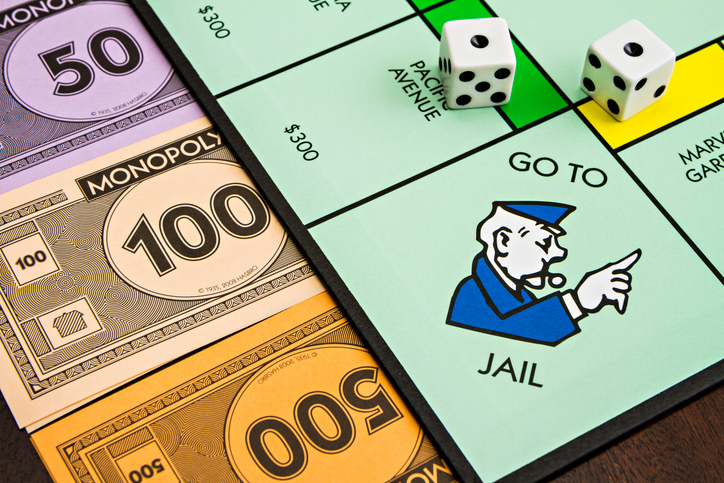
Jail is the most visited space on the Monopoly board, and that is no accident. Cards, dice patterns, and movement all funnel players there. Once inside, progress halts. You collect rent, but you cannot expand easily. The pause creates frustration and sometimes relief. Being stuck removes choice and risk. Designers used Jail to interrupt momentum and force patience. It mirrors real setbacks that stop forward motion without ending participation. You are still in the game, just waiting. That tension makes Jail memorable. It is not punishment alone. It is delay, which can feel worse than loss. Players remember the feeling long after the dice stop rolling during quiet moments when the board sits folded away at home between games and conversations later in life again.
Many players secretly enjoy Jail because it offers safety from landing on expensive properties. Others hate the helplessness of waiting. That split reaction shows how well the space works. Jail creates emotional contrast. It slows aggressive runs and gives breathing room to those behind. At the same time, it reminds leaders that control can vanish quickly. Monopoly uses Jail to rebalance without generosity. There is no reward, only time. That design choice keeps pressure alive. Jail teaches patience, resentment, and strategy all at once. It proves that stopping movement can shape behavior as strongly as pushing it forward. The lesson lingers quietly as players learn when waiting matters most during tense turns and long pauses that define the rhythm of play over time together always.
5. The Mascot We Remember Is Not Quite Real
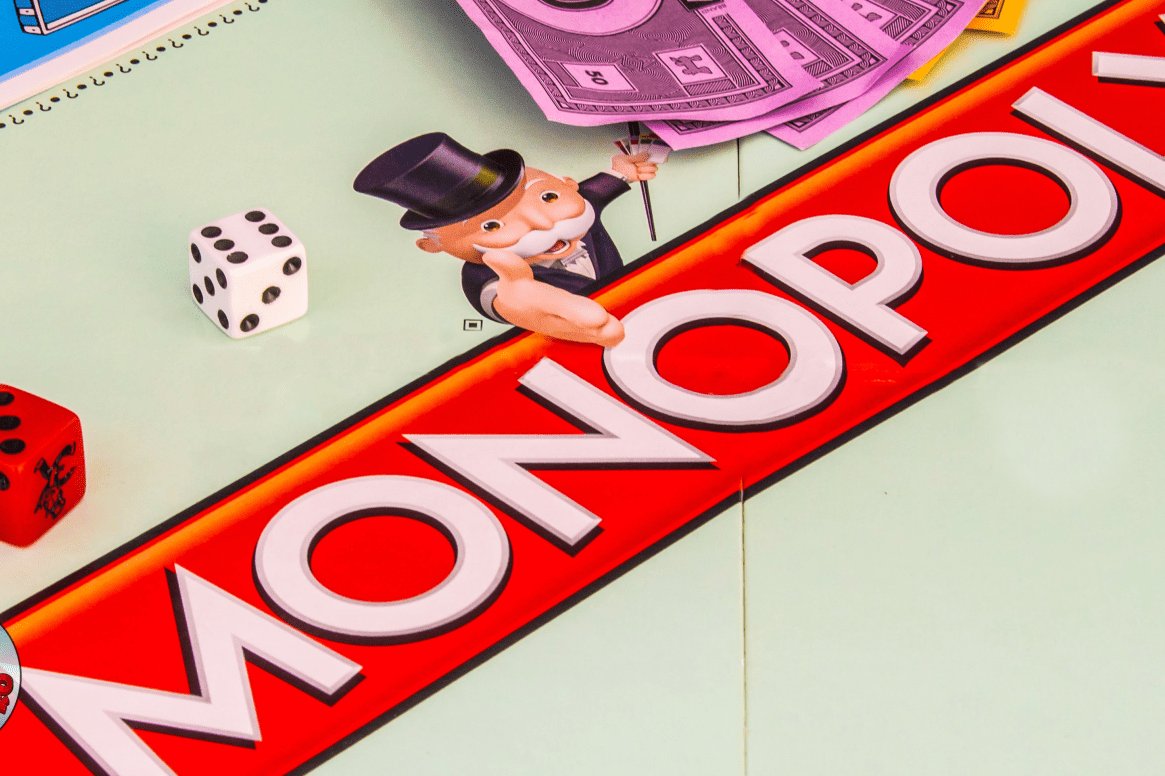
Most people picture the Monopoly Man the same way, smiling confidently with a monocle and the look of someone who has never worried about rent. The strange thing is that this version never officially existed. The character never wore a monocle in the original artwork, and the name Rich Uncle Pennybags was never printed in the rules. Over time, pop culture quietly filled in the gaps. Our minds blended him with other wealthy cartoon figures from the same era, and the image stuck. Repetition made it feel true. Jokes, ads, and casual references reinforced it until correction feels almost wrong. The mascot became less about accuracy and more about symbolism. He represents comfort, wealth, and ease, so memory dressed him accordingly without asking permission.
This shared misremembering says a lot about how Monopoly lives beyond the board. The game stops being a physical object and becomes a cultural idea. Details blur, but feelings remain sharp. The Monopoly Man stands for success, not specifics, and people remember what supports that story. Over time, familiarity reshapes truth. That is how myths form quietly. Monopoly survives not because everyone remembers it correctly, but because everyone remembers it together. The character evolves in conversation, passed down through families who argue over rules and laugh at old jokes. Accuracy matters less than connection. In that way, the mascot works perfectly. He feels real because the memory of him is shared.
6. The Game Can End Faster Than Anyone Expects
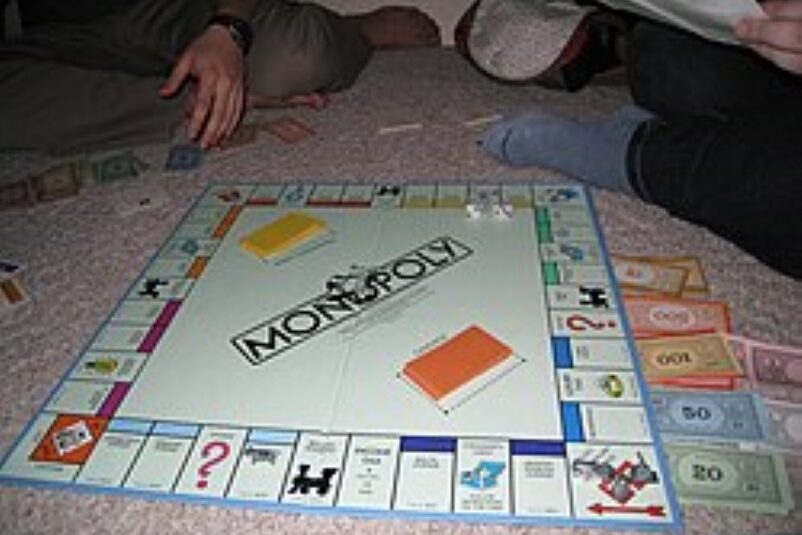
Monopoly has a reputation for lasting all night, but that reputation hides a sharper truth. The game can end surprisingly fast. A few unlucky rolls mixed with aggressive buying can push players out before anyone feels settled. Early advantages grow quickly. Once a key set is owned, money drains fast from everyone else. The game offers little protection once momentum shifts. Without extra money added through house rules, there is no cushion. One mistake can decide everything. That speed often shocks players who expected a long battle. It reveals how unforgiving the original design really is. Monopoly does not wait for fairness to catch up.
This contrast explains why people remember Monopoly so differently. Some recall endless games filled with negotiations and stalled endings. Others remember sudden losses that felt cruel and abrupt. Both experiences come from the same board. The difference lies in rules, rolls, and early decisions. Monopoly reflects momentum, not balance. Once things start going well or poorly, the game rarely corrects itself. That unpredictability keeps tension high. Every early move matters more than players expect. It is why some dread opening turns while others rush them. Monopoly teaches quickly that timing matters, and once the tide turns, it rarely turns back.
7. Auctions Were Meant To Keep Things Moving
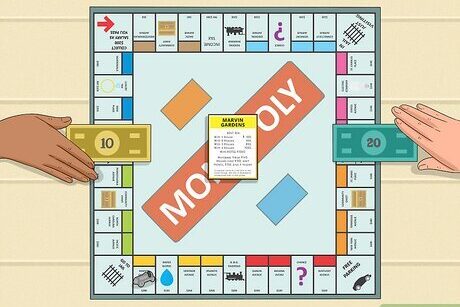
There is a rule many players ignore without realizing its importance. When someone chooses not to buy a property, it is supposed to go up for auction immediately. This rule keeps the board active and prevents valuable spaces from sitting unused. Auctions force engagement. Players must speak, bid, and risk losing publicly. Without auctions, the game slows and relies too much on luck. Many families skip this rule because auctions feel awkward or confrontational. It is easier to move on quietly than challenge others. That small avoidance changes how the game flows.
Including auctions sharpens Monopoly’s edge. They speed the game and reward attention, timing, and courage. They also prevent one player from quietly controlling the pace. Auctions create bursts of tension that keep everyone involved. Leaving them out makes the game gentler and longer. Neither choice is wrong, but each tells a different story. One version emphasizes competition and momentum. The other emphasizes comfort and patience. Monopoly adjusts to the people playing it. The rules invite interaction, but players decide how much of that invitation to accept around the table.
8. Chance And Community Chest Mirror Real Life
The small decks tucked into the corners of the board are easy to underestimate. Chance and Community Chest were designed to reflect everyday surprises that affect money without warning. Hospital bills, unexpected rewards, fines, and small windfalls appear suddenly. Drawing a card can undo careful planning or rescue someone who was nearly finished. That randomness frustrates players, but it also feels familiar. Life rarely follows clean strategies. Monopoly uses these cards to interrupt control and remind players that effort alone does not guarantee outcomes.
These cards soften the game while reinforcing its message. They balance structure with unpredictability. Strategy still matters, but luck always has a say. Each draw creates a small story, a pause where calculation gives way to reaction. Over time, players remember certain cards more vividly than properties. The decks add personality and humor to a tense game. They make Monopoly feel human rather than mechanical. In those moments of surprise, players recognize something real. Plans shift, fortunes change, and the game moves on, just like life tends to do.
9. Money Was Meant To Feel Serious
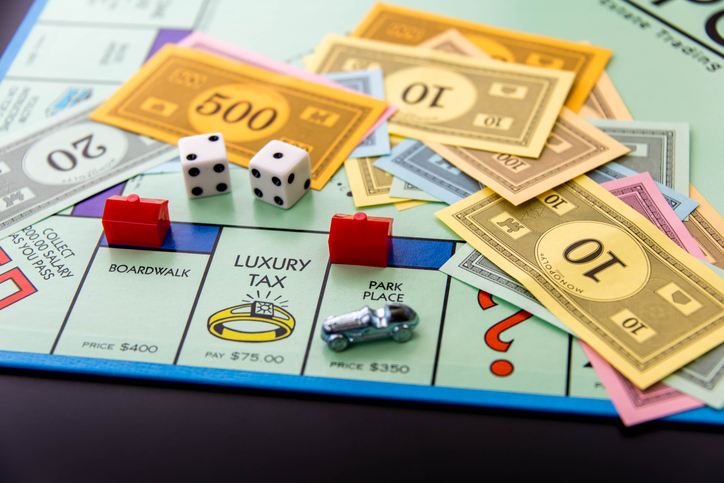
From the beginning, Monopoly money was designed to feel important in your hands. The bills are sized deliberately, colored carefully, and meant to be counted slowly. Early instructions encouraged players to handle money properly, almost respectfully. That physical interaction changes everything. Losing cash feels different when you slide bills across the board instead of marking a score. Winning feels heavier too. You see your stack grow. You feel it thin out. The money makes every decision feel real, even though it is not. That tangibility pulls emotion into the game and keeps players invested long after logic says it is just cardboard and ink.
This design choice explains why digital versions never feel quite the same. Clicking a button cannot replace the feeling of counting bills under pressure. Monopoly uses touch to create attachment. When players argue, it is rarely about properties alone. It is about money leaving their hands. The game understands how closely emotion and currency are tied. By making money visible and physical, Monopoly turns abstract loss into something personal. That is why people remember how it felt to go broke more than the numbers involved. The experience lingers because the money felt real while it lasted.
10. Tokens Became Personal Identities
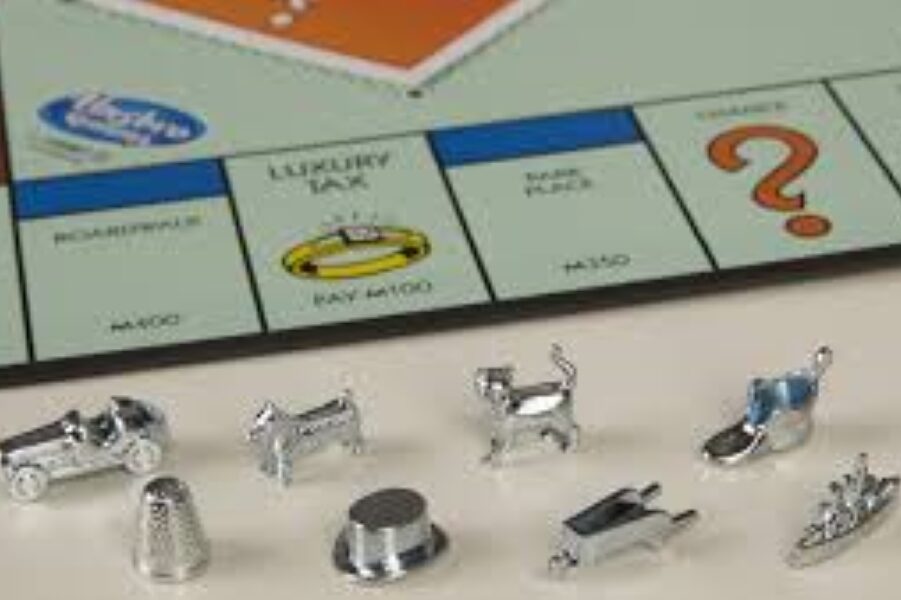
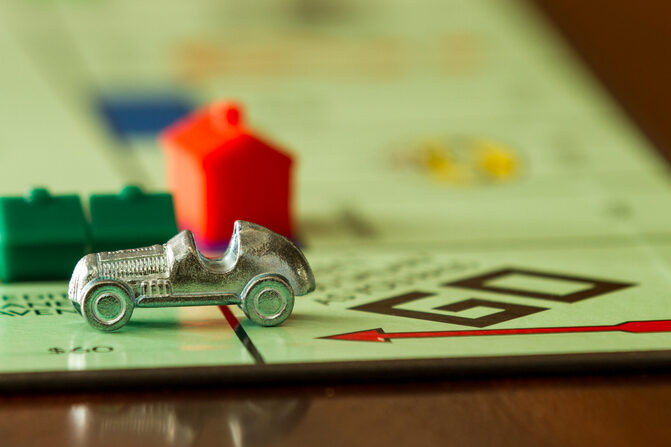
Choosing a token seems like a small step, but it shapes how players experience the game. The original pieces were ordinary household objects like a thimble, an iron, and a boot. They were familiar items pulled from daily life. That familiarity mattered. Players were not meant to feel like heroes or characters. They were meant to feel like themselves moving through the system. Over time, tokens became symbols. People get attached quickly. Someone always wants the same piece every game. Losing feels worse when it happens to your token.
That attachment turns movement into identity. You are not just advancing spaces. You are advancing as the dog or the car. The token becomes a stand in for the player. This subtle personalization deepens engagement without calling attention to itself. Even when new tokens are introduced, the emotional pattern stays the same. Players choose what feels right. Monopoly uses these objects to ground play in familiarity. The pieces do not distract from the lesson. They anchor it. The board feels more alive because each token carries preference, habit, and memory across games.
11. House Rules Shape Family History
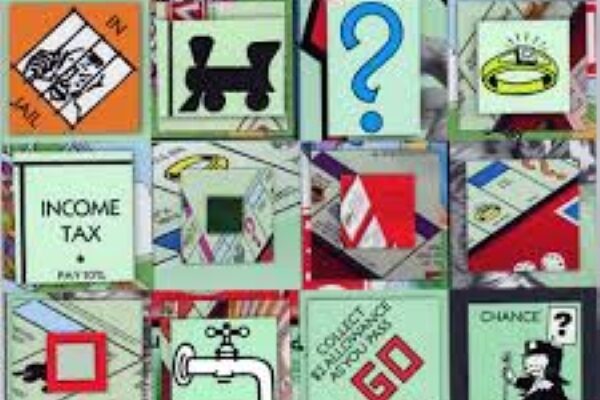
Every Monopoly game looks similar at first, but no two play exactly the same. House rules creep in quietly. Free Parking money. Friendly loans. Ignored auctions. Over time, these choices harden into tradition. Families pass them down like unwritten agreements. These rules often say more about relationships than strategy. Some households soften the game to avoid conflict. Others make it stricter to encourage competition. Monopoly absorbs those decisions easily. It becomes a reflection of how people handle fairness, patience, and disagreement.
Those variations are why memories of Monopoly feel personal. Players remember who bent rules and who enforced them. Arguments resurface years later as jokes. The board becomes a record of shared behavior. Winning matters less than how people played together. Monopoly survives because it adapts. The rules invite structure, but players decide how much pressure to apply. That flexibility allows the game to live inside families for generations. It becomes less about the printed instructions and more about the habits built around the table.
12. Boardwalk Was Never The Smartest Choice
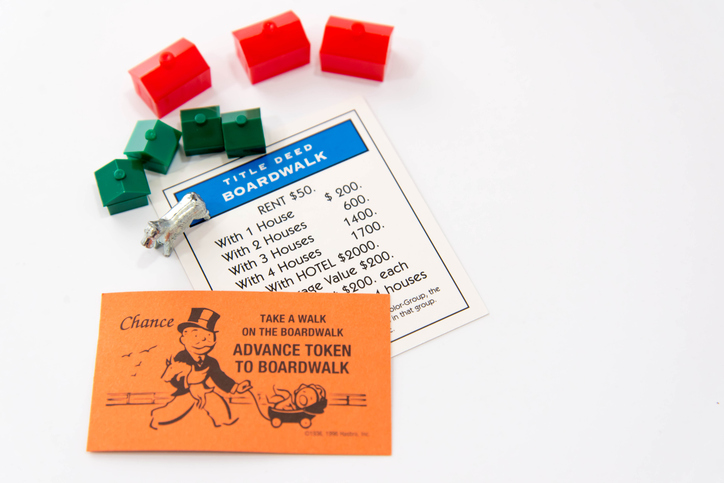
Boardwalk looks powerful, and many players chase it instinctively. The rent is high, and the name carries weight. Yet it is not the most profitable space on the board. Players land on orange properties more often because of how movement flows from Jail. Consistent income usually beats flashy payouts. Monopoly quietly rewards attention over prestige. New players learn this the hard way, investing heavily in properties that feel impressive but do not perform reliably.
This gap between appearance and outcome mirrors real decision making. People are drawn to symbols of success even when quieter options work better. Monopoly does not correct that instinct. It lets players experience the consequence. Over time, experienced players adjust their focus. They stop chasing names and start watching patterns. The board teaches without explaining. It shows how steady returns matter more than dramatic wins. That lesson settles in slowly, usually after a few disappointing games, and stays long after the box is put away.
13. The Board Locks You In Over Time
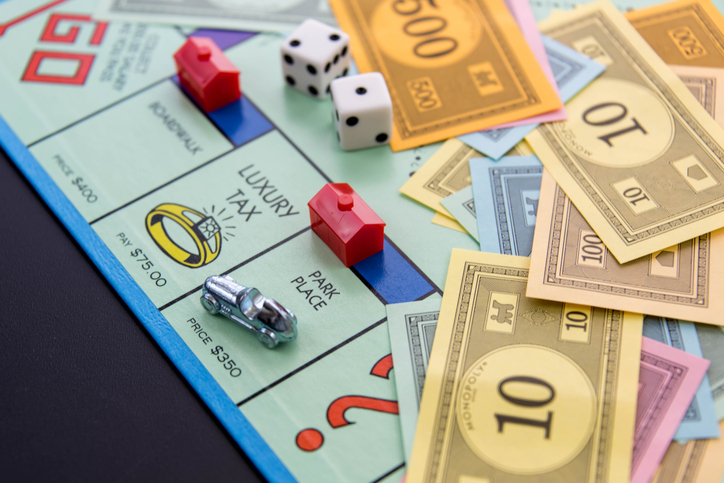
At the start of a Monopoly game, everything feels open. Cash is plentiful, the board looks wide, and choices seem endless. Players move freely, buying where they like and imagining different paths forward. That sense of freedom fades quietly. As properties are purchased and houses appear, options shrink. Movement becomes dangerous instead of hopeful. Landing spots matter more. Each roll carries weight. The game slowly closes around players without announcing it. This narrowing is intentional. Monopoly was designed to show how early choices harden into long term outcomes. Once control forms, it is difficult to break. The board does not offer many second chances.
That tightening feeling explains why endings often feel inevitable. Players sense when recovery is no longer possible even before bankruptcy arrives. The tension shifts from hope to endurance. Monopoly does not soften that transition. It lets players feel the weight of being locked into a system shaped earlier. That experience can be frustrating, but it is also honest. The game reflects how momentum works in real life. When options disappear, effort alone cannot reopen them. Monopoly teaches this quietly by removing space, one property at a time, until the board itself feels smaller.
14. Winning Often Feels Uncomfortable
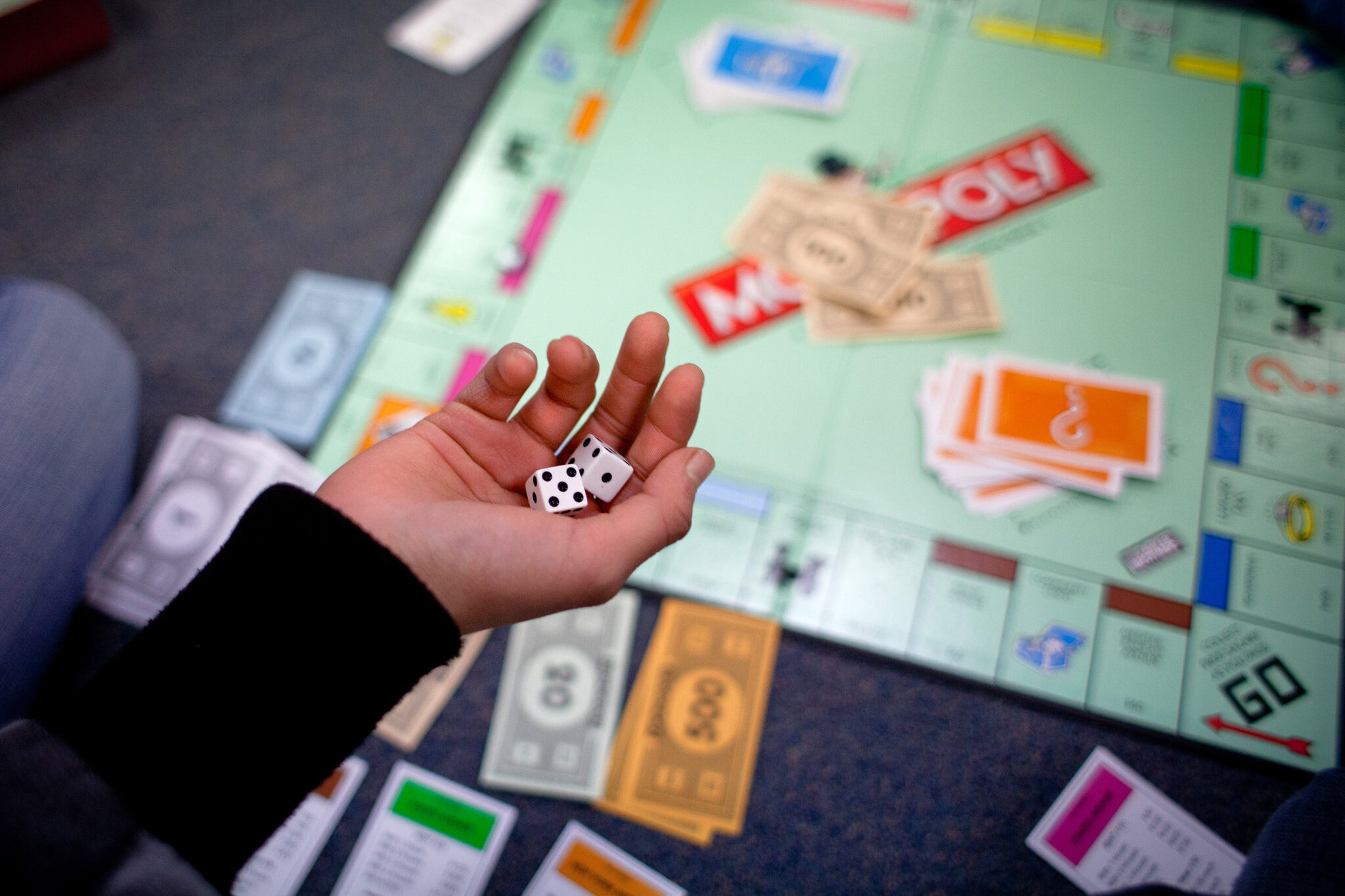
Monopoly does not make winning feel generous. When one player pulls ahead, the game becomes quieter and heavier. Others stop strategizing and start waiting. Conversations thin out. The winner keeps collecting while everyone else reacts. There is little celebration during this stage. Victory feels lonely rather than joyful. That emotional shift surprises many players. Most games build excitement toward the end. Monopoly drains it. The design makes dominance obvious and sustained. The winner does not just succeed once. They succeed repeatedly, often at others’ expense.
That discomfort is part of the lesson. Monopoly shows how winning in certain systems creates distance instead of connection. The player in control may feel awkward collecting rent from friends who are clearly losing. Laughter fades into obligation. The game continues, but the mood changes. This emotional arc stays with players long after the result. Monopoly does not hide the cost of dominance. It makes players sit inside it. That honesty is why the game sparks strong reactions. Winning is not always satisfying, and Monopoly lets that truth surface naturally.


