
1. The Deadly Monkshood Bloom
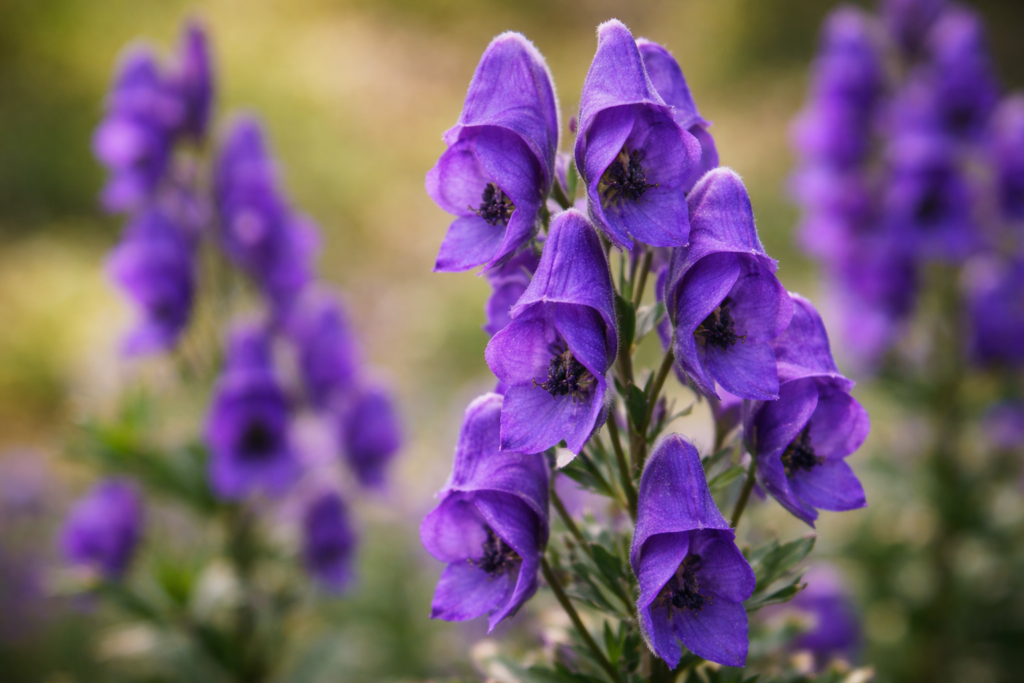
If you have ever wondered why some of the most beautiful things in nature are often the most lethal, then a trip to the Poison Garden at Alnwick is certainly for you. This collection was established in 2005 by the Duchess of Northumberland and it serves as a chilling reminder that botanical beauty can be incredibly deceptive. Among the most notorious residents is Monkshood, which is also known as Aconitum or the Queen of Poisons. This plant features stunning purple flowers that look quite innocent in a cottage garden setting, yet it contains aconitine which is a potent neurotoxin. Throughout history, this particular species has been used for everything from poisoning arrow tips to darker deeds in ancient Greek mythology. It is so dangerous that even a simple brush against the leaves can lead to numbness or cardiac issues because the toxins are absorbed through the skin quite rapidly.
The gardeners at Alnwick must take extreme precautions when tending to these plants because the risks are very real and immediate. Visitors are strictly forbidden from touching or smelling the blooms because the fumes alone can occasionally cause lightheadedness or fainting spells. In 2014, a gardener in Britain reportedly died from multiple organ failure after merely brushing against the plant while working, which highlights why it is kept behind iron bars today. The plant affects the heart rate and can lead to a slow and painful demise if ingested, yet it remains a fascinating specimen for those interested in toxicology. It truly sets the tone for the rest of the tour because it demonstrates how nature has evolved complex chemical defenses to protect itself from predators. This garden reminds us that we are merely guests in a world that does not always have our best interests at heart.
2. The Infamous Ricin Producer
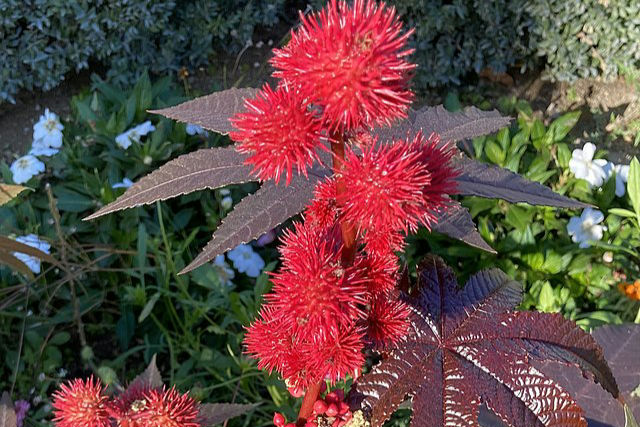
The Castor Bean plant might look like a decorative addition to a tropical landscape, but it holds a dark secret that has made it a staple of spy novels and history books alike. Known scientifically as Ricinus communis, this plant is the source of ricin, which is one of the most poisonous naturally occurring substances known to mankind. Even though the oil is used for industrial purposes, the seeds themselves are incredibly lethal if they are chewed or swallowed. Just a few tiny seeds contain enough toxins to kill an adult human by preventing the body from creating the proteins it needs to survive. The garden at Alnwick features this plant prominently to educate the public about the thin line between useful resource and deadly weapon. It is a striking plant with large palmate leaves and red spiky seed pods that look almost alien in their appearance.
During the Victorian era, castor oil was often used as a medicine, but the extraction process had to be handled with extreme care to avoid contamination. The Poison Garden uses this entry to explain how common plants can be repurposed for harm, as ricin has been used in high-profile international assassinations over the last several decades. Because there is no known antidote for ricin poisoning, the plant is kept under close watch and serves as a sobering example of botanical power. It is fascinating to think that something growing in a garden could be more dangerous than many synthetic chemicals created in a lab. The presence of the Castor Bean plant encourages visitors to look more closely at the greenery in their own backyards because you never truly know what might be hiding in plain sight.
3. Hemlock Of Ancient Fame
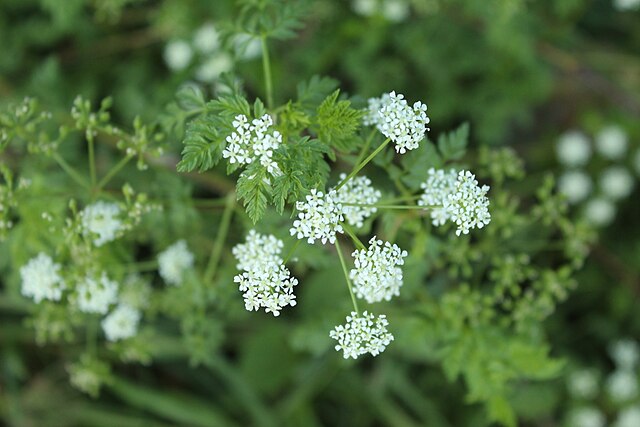
Most people recognize the name Hemlock from the stories of ancient Greece, particularly because it was the substance used to execute the philosopher Socrates in 399 BC. At the Alnwick Poison Garden, Conium maculatum is grown with a high degree of respect because of its historical significance and its terrifying efficiency. This plant belongs to the carrot family and looks remarkably similar to harmless wild parsley or Queen Anne’s Lace, which often leads to tragic accidents in the wild. It contains coniine, which is a chemical that attacks the nervous system and causes a gradual paralysis of the muscles. The terrifying part of Hemlock poisoning is that the mind remains perfectly clear while the body slowly shuts down, eventually leading to respiratory failure when the lungs can no longer move. It is a quiet and clinical way for nature to reclaim its space.
The guides at Alnwick often share the story of Socrates to illustrate how long humans have understood the properties of this weed. It grows quite tall and features small white flowers arranged in umbrella-like clusters, making it look delicate and dainty despite its murderous potential. Because it is so common in the British countryside, the garden aims to teach visitors how to identify it so they can avoid it during their own walks in nature. By placing it within the safety of the black iron gates, the Duchess has created a living classroom where history and science collide in a very tangible way. It serves as a reminder that some of the most influential deaths in human history were orchestrated not with blades, but with the simple juice of a common field plant.
4. The Hallucinogenic Angel’s Trumpet
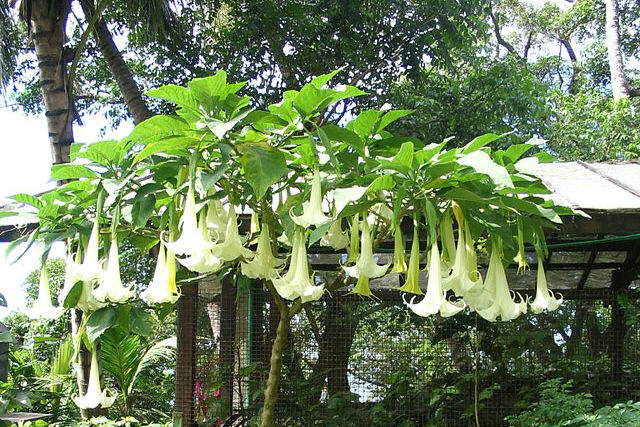
With its large, pendulous flowers that hang down like elegant bells, the Brugmansia, or Angel’s Trumpet, is arguably one of the most beautiful plants in the entire collection. However, its heavenly name belies a truly hellish nature because every part of this plant is saturated with scopolamine and atropine. These chemicals are powerful hallucinogens that can cause a state of delirium so intense that the sufferer has no control over their actions or their grip on reality. In some cultures, it has been used in rituals, but in the wrong hands, it is a tool for crime and tragedy. The Alnwick Garden keeps these plants because they are a perfect example of how beauty can be used as a mask for something far more sinister and volatile. It is a plant that demands respect and distance from every visitor.
There are many urban legends surrounding the Angel’s Trumpet, including stories of people being drugged and robbed because they were exposed to its pollen or extracts. While some of these tales are exaggerated, the scientific reality is that the plant can cause permanent memory loss and severe physical distress. The fragrance of the flowers is particularly strong at night to attract pollinators, but the garden staff warns that lingering too long near them can lead to a hazy and confused state of mind. It is a popular ornamental plant in warmer climates, yet many homeowners are unaware of the dangers it poses to pets and children. By showcasing it at Alnwick, the garden highlights the importance of botanical education in a world where exotic plants are easily available for purchase. It is a stunning reminder that nature does not always play by our rules of safety.
5. The Deadly Nightshade Berry
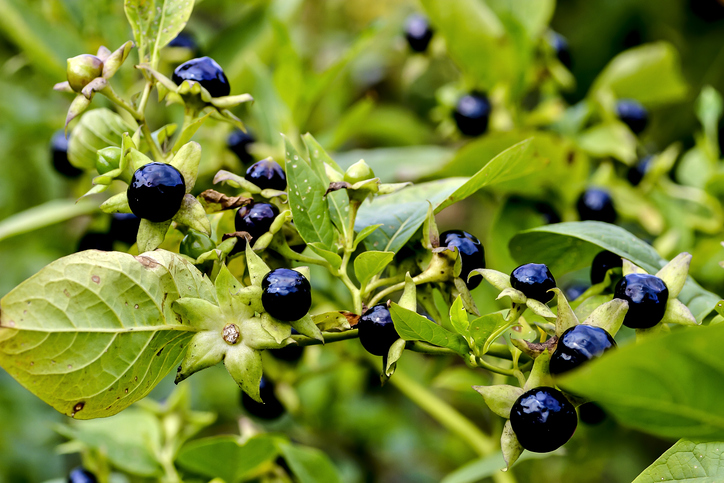
Atropa belladonna, commonly known as Deadly Nightshade, is perhaps the most famous poisonous plant in British folklore and it holds a place of honor within the Alnwick walls. The name “belladonna” actually means “beautiful woman” in Italian, which refers to a historical practice where women used drops made from the plant to dilate their pupils. While this gave them a wide-eyed and attractive look, it also frequently led to blindness and other long-term health problems. The plant produces glossy black berries that look sweet and tempting to the untrained eye, but just a handful of them can be enough to kill a child. It contains tropane alkaloids that disrupt the involuntary nervous system, leading to symptoms like a racing heart, blurred vision, and intense hallucinations before eventually causing death.
In the Poison Garden, this entry is used to discuss the dual nature of plants in medicine and murder. While belladonna is a deadly toxin, its components are also used in modern medicine to treat certain heart conditions and to dilate pupils for eye examinations. This highlights the recurring theme at Alnwick that the difference between a medicine and a poison is often just the dosage. The plant itself is somewhat unassuming with its dull green leaves and bell-shaped purple flowers, which makes the bright berries even more dangerous as they stand out to foragers. Educators at the garden use this plant to teach children never to eat wild berries without expert supervision. It is a classic example of why the garden exists, which is to turn fear into knowledge and to help us appreciate the chemical complexity of the natural world.
6. The Toxic Laurel Hedge
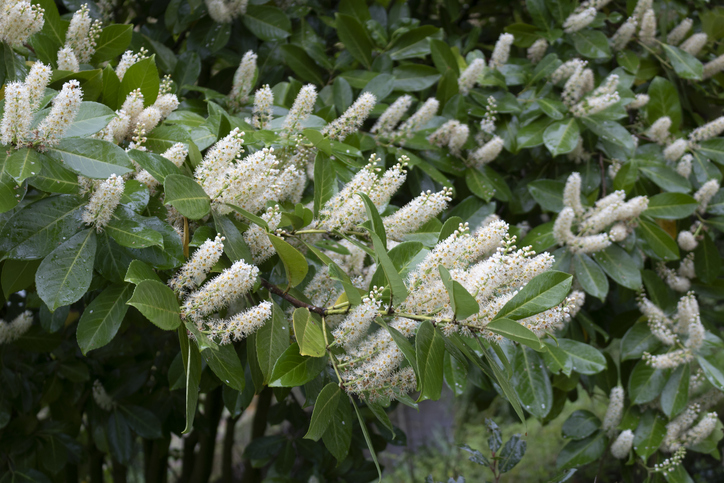
Many people are surprised to find the common Laurel in a garden dedicated to the world’s most dangerous plants because it is a staple of suburban landscaping across the United Kingdom. However, the Cherry Laurel contains cyanogenic glycosides which can release hydrogen cyanide gas when the leaves are crushed or cut. This is why gardeners are often warned about the dangers of transporting large quantities of laurel clippings in an enclosed van because the fumes can actually overcome the driver. At Alnwick, this plant serves as a bridge between the exotic killers and the everyday dangers that might be growing right outside our own front doors. It teaches us that familiarity should never lead to a lack of caution when it comes to the plant kingdom.
The history of the Laurel is intertwined with human activity, as it has been used for centuries to create privacy screens and ornamental borders. Despite its utility, the plant is quite hazardous if ingested by livestock or pets, and even humans can suffer from respiratory distress if they are exposed to high concentrations of its toxic gases. The inclusion of such a common plant in the Poison Garden is a deliberate choice by the Duchess to make the experience feel more relevant to the average visitor. It encourages people to go home and research the plants they have chosen for their own gardens, ensuring they understand the risks involved with maintenance and disposal. By highlighting the hidden dangers of the Laurel, the garden proves that you don’t have to travel to a tropical rainforest to find something that can cause serious harm if it is mishandled.
7. The Blistering Giant Hogweed
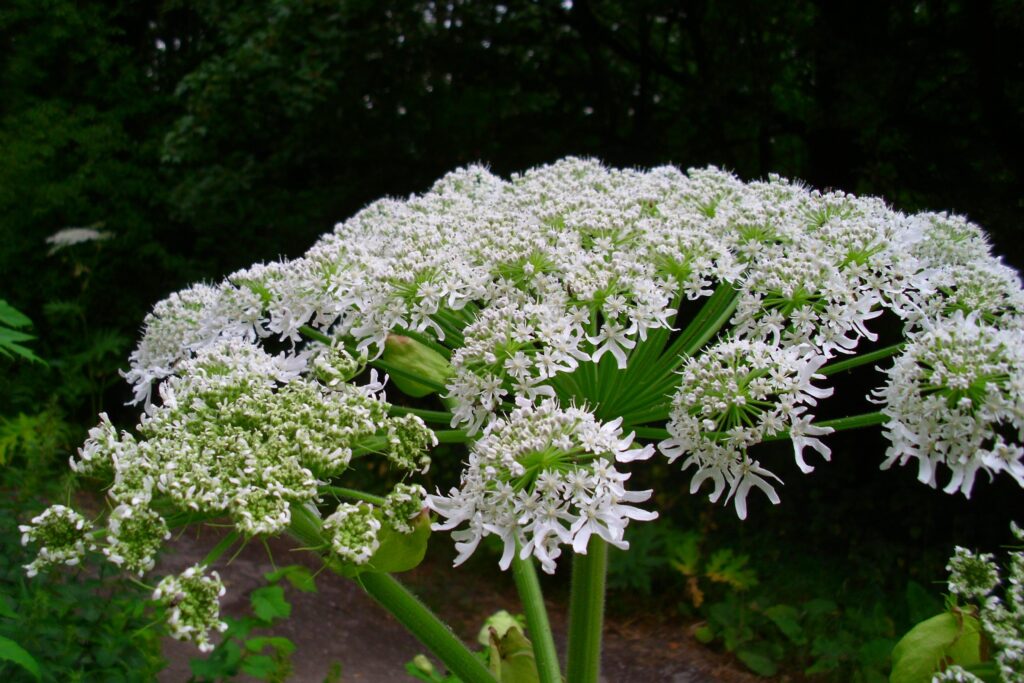
Giant Hogweed is a plant that looks like something out of a science fiction movie because it can grow up to fifteen feet tall and possesses a truly terrifying defense mechanism. It is not a plant that kills through ingestion, but rather through contact with its sap, which causes phytophototoxicity. When the sap gets on human skin and is then exposed to sunlight, it creates a chemical reaction that leads to massive, painful blisters and long-term scarring. The Alnwick Poison Garden keeps this specimen behind cages to prevent any accidental contact because the effects can last for years and can even cause permanent blindness if the sap reaches the eyes. It is an invasive species in many parts of the world, making it a significant public health concern.
The plant was originally introduced to the UK as an ornamental curiosity in the 19th century, but it quickly escaped into the wild and spread along riverbanks and waste ground. The garden uses this entry to explain the dangers of invasive species and the importance of ecological management. It is a striking plant with massive white flower heads and thick, bristly stems that are often spotted with purple. Many children have been injured by using the hollow stems as “telescopes” or “pea-shooters” without realizing the danger lurking inside the plant’s tissues. The story of Giant Hogweed is a cautionary tale about how moving plants across the globe can have unintended and painful consequences for local populations. It remains one of the most physically intimidating plants in the collection due to its sheer size and the visible threat it poses to anyone who gets too close.
8. The Strychnine Tree Secrets
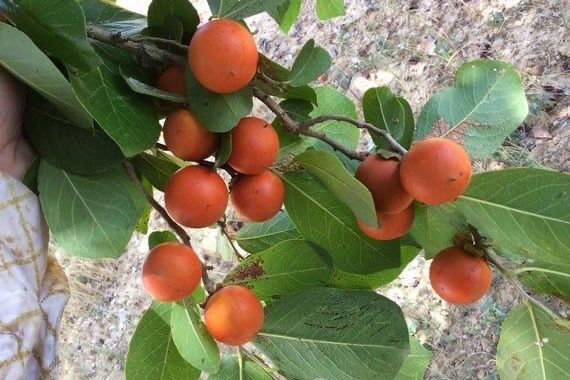
Strychnos nux-vomica, better known as the Strychnine tree, is the source of one of the most bitter and legendary poisons in the world of forensics. This medium-sized tree is native to Southeast Asia and India, and its seeds contain the alkaloids strychnine and brucine. Strychnine is famous for causing violent muscular convulsions that are often described as some of the most painful ways to die because the victim remains conscious until the very end. The Alnwick Garden includes this specimen to discuss the history of toxicology and the way that poisons have been detected in criminal investigations over time. It is a plant that has been used for centuries as a pesticide and a medicine, but its lethal reputation far outweighs its practical uses in the modern world.
The seeds of the Strychnine tree are small and disc-shaped, often referred to as “buttons,” and they are incredibly hardy. In the garden, this tree represents the global nature of poisonous plants and the way that trade routes brought dangerous botanical specimens to European shores. While it is difficult to grow in the temperate British climate, the Alnwick staff goes to great lengths to maintain these exotic killers for the sake of education. The plant serves as a reminder of the “Golden Age” of poisoning in the 19th century when such substances were relatively easy to obtain and difficult for doctors to identify in a corpse. Today, it stands as a silent witness to the evolution of science and the ways we have learned to harness and identify the most potent toxins in nature.
9. The Laburnum’s Golden Chain
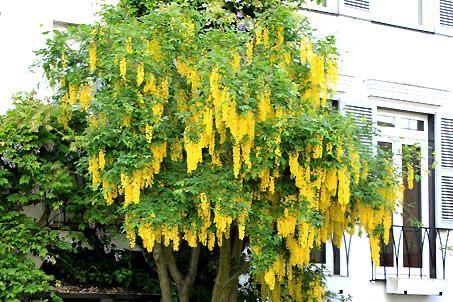
Commonly known as the Golden Chain tree because of its beautiful drooping yellow flowers, the Laburnum is another common British garden plant with a hidden sting. Every part of this tree is poisonous, particularly the seeds which are contained in pods that look very similar to edible peas. This similarity has led to numerous cases of accidental poisoning in children who find the pods on the ground and decide to have a snack. The primary toxin is cytisine, which causes symptoms similar to nicotine poisoning, including vomiting, convulsions, and in severe cases, death. The Alnwick Poison Garden highlights this tree to show that even the most picturesque landscape can contain hazards that require constant vigilance and education.
The Laburnum is particularly dangerous because it is so attractive and widely planted in public parks and private gardens. In late spring, the sight of the golden blossoms is truly breathtaking, but the garden guides are quick to remind visitors that beauty is no guarantee of safety. The tree has been a favorite of poets and artists for generations, yet its chemical makeup is designed to deter anything from eating it. By including the Laburnum, the garden emphasizes the need for parents and teachers to instruct children about the dangers of eating unknown plants. It is a vital part of the collection because it bridges the gap between a managed botanical exhibit and the real-world environments that people navigate every day. The Golden Chain tree proves that the most “dangerous” garden is often the one we think we know the best.
10. The Ominous Yew Tree
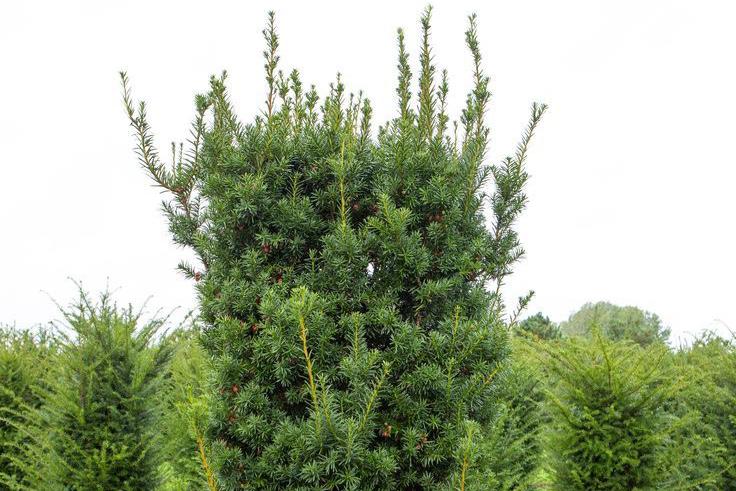
The Yew tree, or Taxus baccata, is deeply woven into the fabric of British history and folklore, often found standing guard in ancient churchyards. It is a tree of contradictions, representing both eternal life because of its incredible longevity and sudden death because of its extreme toxicity. Almost every part of the Yew is poisonous, containing taxine alkaloids that can stop the human heart in a matter of minutes. The only part that is not toxic is the fleshy red part of the berry, but the seed inside is lethal, making it a very risky gamble for any bird or animal. In the Alnwick Poison Garden, the Yew is presented as a symbol of the ancient knowledge that humans have always had regarding the power of the natural world.
Throughout history, the Yew was prized for its flexible wood, which was used to create the legendary English longbows that changed the face of medieval warfare. However, farmers have long known to keep their livestock away from Yew hedges because even a small amount of wilted foliage can kill a horse or a cow. Interestingly, compounds found in the Yew are now used in the production of Taxol, which is a chemotherapy drug used to treat various types of cancer. This serves as a powerful conclusion to many tours at the garden because it illustrates how a plant that can take a life can also be used to save one. It forces us to reflect on our relationship with nature and the importance of preserving biodiversity, as the next great medical breakthrough might be hiding inside a “deadly” plant.
11. The Tropical Rosary Pea
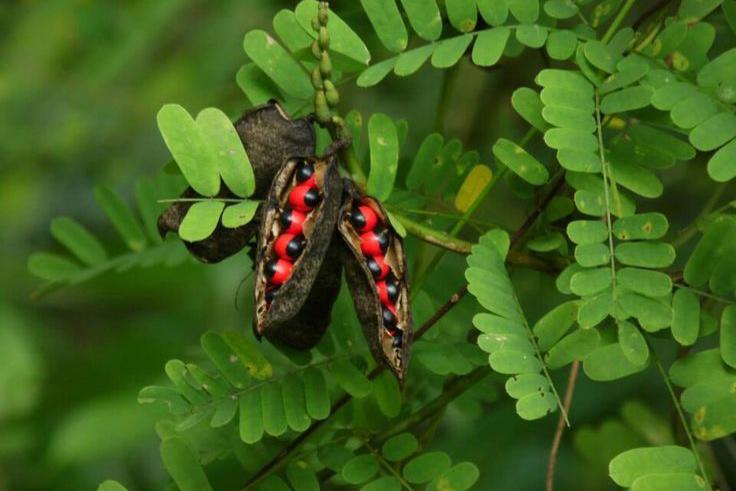
Deep within the garden’s collection lies the Abrus precatorius, a slender climber often referred to as the Rosary Pea due to its history of being used to make prayer beads. These seeds are famous for their stunning appearance, featuring a bright scarlet coat with a singular black spot at the base which makes them look like tiny ladybirds. However, hidden beneath that beautiful exterior is abrin, a toxalbumin that is significantly more lethal than ricin. In fact, it is estimated that a single well-chewed seed contains enough poison to kill an adult person by inhibiting protein synthesis at a cellular level. The Alnwick Garden keeps these plants under strict supervision because even the dust from drilling the seeds for jewelry has been known to cause illness or death in artisans who did not take proper safety precautions during their work.
The inclusion of the Rosary Pea allows the garden to explore the intersection of human culture and botanical hazards, as these seeds have been used for centuries as a standard weight in Indian markets. Because each seed has a remarkably consistent weight, they were used to measure gold and silver before modern scales were available to traders. Visitors are often shocked to learn that something so frequently handled in the past is actually one of the most dangerous biological agents on the planet. The plant itself is a member of the bean family and produces delicate pink or purple flowers, but it is the seeds that earn it a spot behind the black gates. It serves as a reminder that cultural traditions sometimes carry hidden risks that only modern science can fully quantify and understand for our collective safety.
12. The Cuckoo Pint Surprise
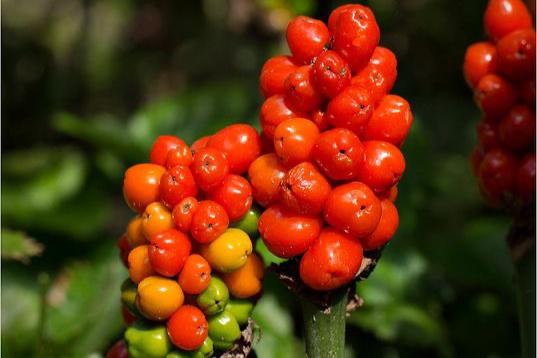
Arum maculatum, commonly known as the Cuckoo Pint or Lords-and-Ladies, is a common sight in British woodlands and hedgerows, yet it possesses a sophisticated and dangerous chemistry. This plant is famous for its unusual “spathe and spadix” flowering structure which emits a faint scent of rotting meat to attract flies for pollination. While it looks exotic and fascinating, all parts of the plant contain needle-like crystals of calcium oxalate which can cause severe irritation to the mouth and throat if ingested. This leads to intense swelling and a burning sensation that can make breathing or swallowing incredibly difficult for the victim. The Alnwick Poison Garden features this plant to illustrate how common wild species use chemical physical defenses to survive in the competitive environment of the forest floor.
As the season progresses, the plant produces a spike of bright orange-red berries that are particularly attractive to curious children or hungry pets. The Duchess of Northumberland included this species to ensure that visitors learn to respect the common greenery they see while walking their dogs or exploring local parks. Historically, the roots were used to produce starch for laundry, but the process was hazardous and often left workers with blistered hands. This entry reminds us that we must be careful not to take our environment for granted, as even the most familiar woodland plants have evolved to protect themselves. Our reliance on the natural world is a delicate balance, and we must respect the boundaries that nature sets through its many chemical warnings.
The future of our health and safety depends on how well we listen to the silent lessons taught by the plants in this unique and dangerous sanctuary.
Like this story? Add your thoughts in the comments, thank you.


