
1. Tom Anderson Is Living The Absolute Dream
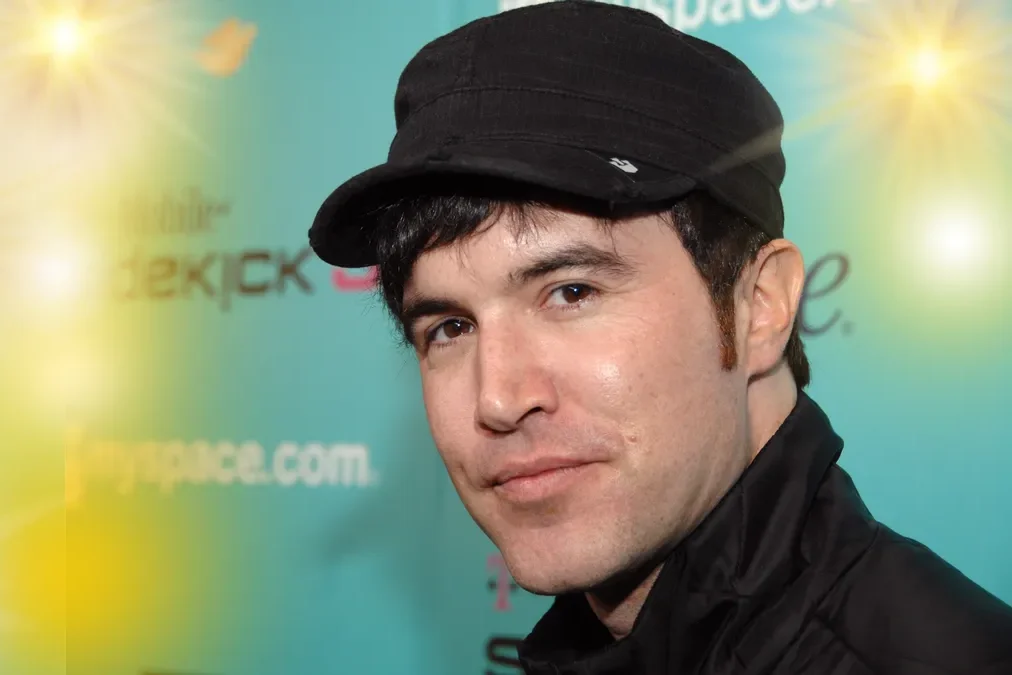
It is hard to believe there was a time before the like button when our biggest stress was deciding which eight friends made the cut for our profile grid. MySpace was not just a website but a cultural reset that taught a generation how to code just to make a background sparkle. While Facebook eventually moved in and became the neighborhood giant the people who built the original digital playground did not just vanish into the ether. They took their lessons and their millions into some pretty unexpected places. Let us take a nostalgic walk through the lives of the innovators who gave us our first taste of social media and see where the path led them after the music stopped playing on our profiles.
Everyone remembers Tom as their first digital friend since he was the guy in the white t shirt looking over his shoulder in every single new account. After selling MySpace to News Corp he did not try to build another social empire to compete with Mark Zuckerberg or stay in the tech race. Instead he embraced a life of retired exploration that most of us only dream about. He became an incredible travel photographer trading his old coding life for a high end camera lens. If you look at his current work it is stunningly professional and captures landscapes from Iceland to Hawaii. He seems genuinely happy to be out of the spotlight and often jokes about his permanent vacation. He proved there is life after the algorithm.
2. Chris Dewolfe And The Mobile Gaming Frontier
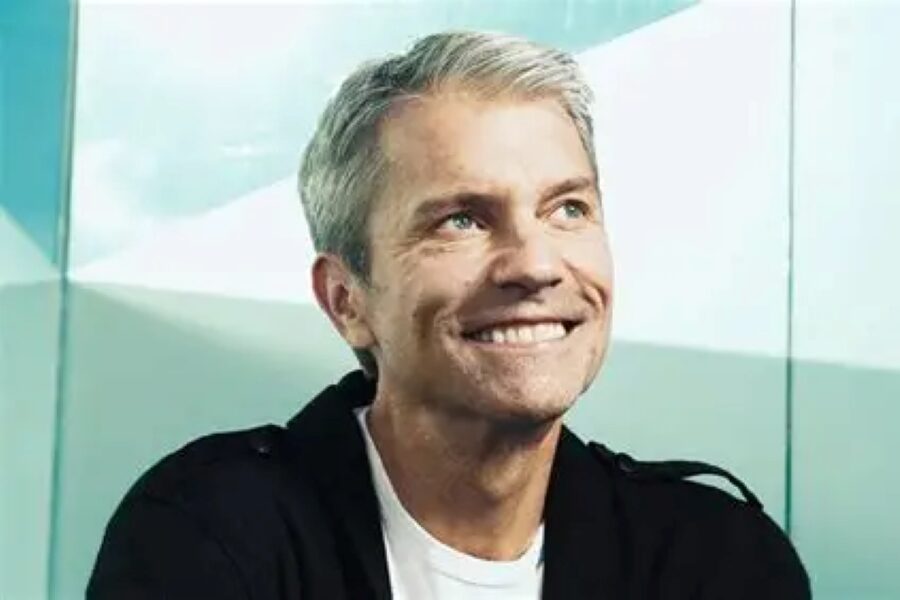
While Tom was the recognizable face of the company Chris DeWolfe was the actual business engine that kept the gears turning during those wild years. After his time as the chief executive ended he did not just sit on his massive earnings or fade into obscurity. He stayed deeply embedded in the tech world but pivoted his focus toward the booming world of mobile entertainment. He eventually founded Jam City which you might know for global hits like Cookie Jam or the Harry Potter Hogwarts Mystery game. Chris realized early on that the social element of MySpace could be translated into the social nature of mobile gaming apps that people play every day.
He essentially moved from connecting people through digital profiles to connecting them through interactive play on their smartphones. A profile in a major business journal described him as a survivor who understands that digital trends are always cyclical. This shows that his instincts for what people want to do with their spare time remained sharp even after the MySpace peak passed. He understands that while the platform might change the human desire for a quick distraction or a fun game never really goes away. He remains a heavy hitter in the Los Angeles tech scene by proving that one giant success is often just a stepping stone to the next big thing.
3. Brad Geenspan And His Focus On New Media

Brad Greenspan was a massive part of the early infrastructure that allowed MySpace to scale so quickly through the eUniverse network. His post MySpace journey has been defined by a unique mix of investment and a strong advocacy for digital video rights. He eventually launched BroadWebAsia to tap into the massive internet markets in the East and has been a very vocal critic of how the sale to News Corp was handled. It is clear that his passion for what comes next in the media world has not faded at all over the years. He often talks about the democratization of content which was a theme that started with the MySpace music scene. He believes in giving the power back to the creators.
An industry analyst once remarked that Greenspan saw the value of online video long before YouTube was even a household name. His career serves as a powerful reminder that the original MySpace team was ahead of the curve on almost every major trend we see today. He continues to look for ways to empower creators and ensure that the digital world stays open and fair for everyone involved. Whether he is working on new platforms or fighting for better corporate governance Brad remains a firebrand who refuses to go quietly into the night. He is a testament to the idea that the early internet pioneers still have plenty of fight left in them even as the landscape changes. He remains active in the tech and philanthropic sectors today.
4. Josh Berman And The Subscription Model Revolution

Josh Berman was another key co founder who took his experience in scaling a massive user base and applied it to a completely different industry. He co founded BeachMint which was a social commerce company that utilized celebrity influencers to sell products directly to fans. This was effectively the blueprint for the influencer marketing we see on Instagram and TikTok today. Later he moved into the subscription space with various ventures because he understood that once you have someone’s attention the next step is providing them with curated value. He transitioned from building a list of friends to building a loyal list of customers with remarkable ease and a steady hand. He knows how to build brands that last.
People in the e-commerce space often cite his transition as a masterclass in pivoting from one business model to another. As a former colleague put it Josh knew that social media was the top of the sales funnel but commerce was the final destination. He has a knack for seeing how people want to shop and how they want to be spoken to by brands they trust. By focusing on the intersection of fame and retail he helped create a whole new way for people to discover products they love. He proves that the lessons learned from social media can be applied to almost any business that relies on human connection and trust. Today he continues his work as an investor betting on the resilience of human ingenuity.
5. Colin Digiaro And The Strategic Investment Path

Colin was instrumental in the early growth and strategy of MySpace and his life after the acquisition reflects a shift toward the mentor side of tech. He became a significant player in the venture capital and advisory space helping younger startups navigate the chaotic waters of rapid scaling. It is a logical progression because if you survived the fastest growing startup era in history you have a lot of wisdom to share with others. He has worked with companies across the board from mobile advertising to consumer apps. Those who work with him often mention his ability to see through the hype and focus on what really matters. He brings a grounded perspective to high stakes deals.
A tech blogger once wrote that Digiaro brings the been there done that energy to every boardroom which is invaluable in an industry that forgets its history. He represents the transition from the person doing the work to the person guiding the work. By sharing his experiences with the next generation of founders he is helping to shape the future of the internet in a more subtle way. He remains a respected figure who understands that success is not just about the exit price but about the longevity of the ideas you leave behind. His career is a great example of how to use your early wins to build a lasting legacy as a leader in the competitive world of venture capital.
6. Aber Whitcomb And The Technical Backend Genuis
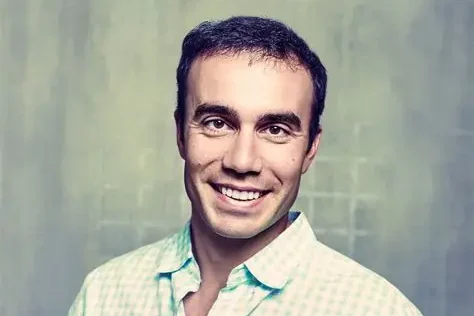
Every great ship needs a skilled engineer and Aber Whitcomb was that person for MySpace during its most volatile years of growth. As the former chief technology officer he was responsible for keeping the site running while millions of teenagers uploaded heavy image files and music players simultaneously. Post MySpace he stayed close to Chris DeWolfe and co founded Jam City to focus on the technical architecture of massive mobile games. He is the guy who ensures that when millions of people log in at once nothing breaks and everything feels seamless. He remains a highly respected figure in the Los Angeles tech scene for his deep technical knowledge. He is the engine behind the magic.
He often speaks about the challenges of big data before that was even a common buzzword in the industry. One developer interview noted that Aber is the quiet genius who made sure our Top 8 profiles actually loaded during the peak of the site. He continues to build the invisible structures of our digital lives without needing the public glory that often comes with tech success. His focus has always been on the craft of coding and the logic of systems which has allowed him to stay relevant as technology evolved. He is the backbone of every project he touches and a reminder that the best work is often done behind the scenes. In 2026 he continues to push technological innovation in the gaming and AI space.
7. The Complicated Shift to The News Corp Culture
When the founders stayed on briefly after the five hundred and eighty million dollar sale to News Corp the atmosphere changed significantly. It was not just about the founders themselves but how their creative vision collided with a traditional media giant. This period saw many of the original team members feeling like the soul of the site was being traded for corporate ad revenue. It was a classic clash of the titans scenario where the fast moving tech culture met the slow moving corporate world. Many employees from that era recall the frustration of trying to innovate within a system that did not understand the core audience. It was a lesson in creative independence.
As one former staffer told an interviewer the day the suits moved in was the day the magic started to leak out of the building. This marked a major turning point in the history of social media and taught the industry a lesson about the dangers of corporate acquisition. The founders had to navigate a world of meetings and red tape that felt completely foreign to the scrappy energy of their early days. It was a difficult transition that ultimately led many of them to realize it was time to move on and start something new. This era highlights the tension between art and commerce that still exists in the tech world today. It serves as a reminder that culture is fragile.
8. The Enduring Musical Legacy Of The Founders

One of the biggest impacts the founders had was on the music industry and many of them stayed deeply connected to that world. MySpace Records was a real thing and it gave massive artists like Lily Allen and the Arctic Monkeys their first big start. Even after leaving the company the founders influence on how we discover music persists in various ways. They proved that a gatekeeper was not necessary if you had a direct connection to the fans through a profile page. This philosophy has carried over into their various new projects where they continue to favor platforms that empower the creator over the middleman. They changed the rules of discovery forever.
It is a sentiment echoed across the industry as one music executive once said that MySpace did not just change the web but it broke the monopoly. That rebellious spirit is still visible in the founders current independent ventures and their support for decentralized media systems. They paved the way for the modern era of independent musicians who can build a career without a major label. By giving artists a place to host their tracks for free they changed the economics of the music business forever. Even now they remain advocates for the idea that talent should be the only thing that matters when it comes to getting heard. The founders still love the underground scene.
9. Living In The Constant Shadow Of Facebook
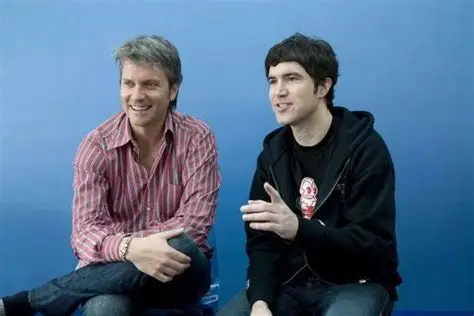
It is impossible to discuss the founders without mentioning the looming and constant presence of Facebook in the cultural conversation. For a long time the narrative was that they lost to Mark Zuckerberg in a winner take all battle for the internet. However as the years have passed the perspective has shifted significantly among tech historians and fans alike. Many now see the MySpace founders as the lucky ones who got out at the peak with their fortunes and sanity intact. While Facebook deals with massive privacy scandals and global scrutiny the MySpace team is largely remembered with a sense of warm nostalgia. They are the heroes of a simpler time.
They provided a purer version of social media that was not quite as heavy or politically charged as what we see today. A tech commentator recently wrote that we did not realize how good we had it with MySpace until it was gone. The founders seem to carry this legacy with a sense of pride rather than bitterness knowing they built the foundation for everything that came after. They were the pioneers who took the arrows so that others could build the cities. By being the first to reach that scale they defined what social media could be for an entire generation of young people around the whole world. They remain icons of the early web.
10. The Birth And Rise Of The Silicon Beach Scene

The MySpace founders are often credited with putting Los Angeles on the map as a legitimate tech hub now known as Silicon Beach. Before them everyone assumed you had to be in San Francisco or Palo Alto to build something massive and influential. Their success paved the way for companies like Snapchat and Tinder to flourish in Southern California. Many of the founders still live and work in the area investing in local startups and fostering a community that values the intersection of entertainment and technology. They proved that being cool could actually be a successful and sustainable business model for a startup. They brought the sunshine to technology.
Local entrepreneurs often cite the MySpace story as the spark that ignited the entire Los Angeles tech scene in the early two thousands. As a local journalist put it without Tom and Chris Santa Monica might just be for tourists rather than tech billionaires. They helped create an ecosystem where creativity and code live side by side in a way that feels unique to the region. By staying in LA they ensured that the city would become a major player in the global digital economy. Their footprint is visible in every creative office space and startup incubator that dots the coastline today from Venice to Malibu. They are the grandfathers of the Beach tech world.


