
1. Linguistic Canine Geniuses
Our furry companions have long held a special place in our hearts because of their unwavering loyalty, yet recent studies into their cognitive abilities suggest they might be even sharper than we ever dared to imagine. Research spearheaded by animal psychologists around 2009 revealed that the average dog is roughly as intelligent as a two-year-old human toddler when it comes to language acquisition and basic arithmetic. While most hounds can learn roughly 165 words through consistent training, the “super dogs” in the top tier of canine intelligence are capable of understanding a vocabulary of up to 250 distinct words and gestures. This remarkable feat of memory allows them to navigate complex human environments with ease and they often pick up on subtle cues that we might assume are far beyond their grasp during our daily interactions.
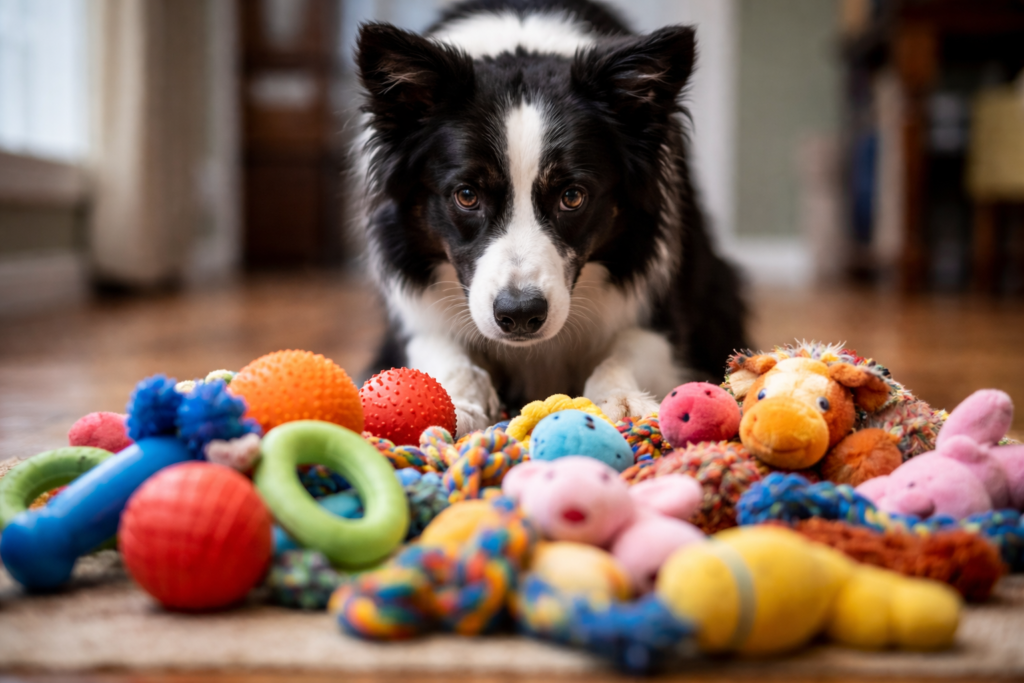
This mental prowess isn’t just about following commands like “sit” or “stay” because these clever animals also demonstrate a rudimentary understanding of social fairness and basic counting. During controlled experiments, border collies and poodles have shown they can identify specific toys by name out of a massive pile and even detect when a human has made a mistake in a simple addition problem. It is quite humbling to realise that while we are busy chatting away, our dogs are likely eavesdropping and cataloguing our vocabulary to better predict when the next walk might happen or if a treat is on the horizon. Their ability to bridge the communication gap between species serves as a profound reminder of the deep evolutional bond we share and it truly highlights why they remain our most cherished companions throughout history.
2. Ancient Guardians of Humanity
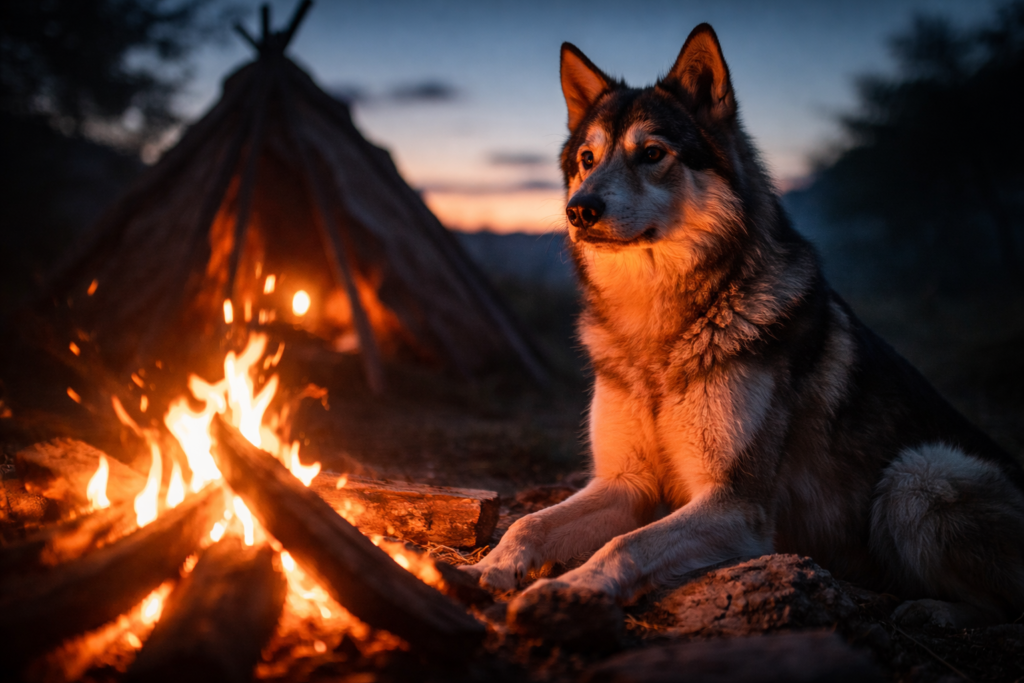
The story of the domestic dog began tens of thousands of years ago when intrepid wolves first decided to linger near human campfires for warmth and leftover scraps of prehistoric meals. Scientists generally agree that this domestication process likely occurred between 15,000 and 30,000 years ago, although some genetic evidence suggests an even earlier split from their wild ancestors during the Late Pleistocene era. By choosing to live alongside us, these early canines provided vital protection against predators and assisted in the hunt, which ultimately helped our own ancestors survive in incredibly harsh environments. This wasn’t merely a transactional relationship but rather the beginning of a biological partnership where both species evolved to better understand each other’s emotions and body language over many successive generations.
As these ancient wolves transitioned into the loyal dogs we recognize today, their physical forms began to change alongside their temperaments to better suit their roles as workers and friends. They developed smaller teeth and more expressive faces, including the “puppy dog eyes” muscle that allows them to communicate sadness or desire in a way that triggers a nurturing response in humans. When we look into the eyes of a modern dog, we are actually witnessing the result of millennia of shared history and mutual survival that has hardwired them to be our protectors. It is fascinating to consider how different human history might have looked without these vigilant sentinels by our side during the dawn of civilisation and their presence remains a comforting constant in an ever-changing world.
3. Unique Nose Print Identities
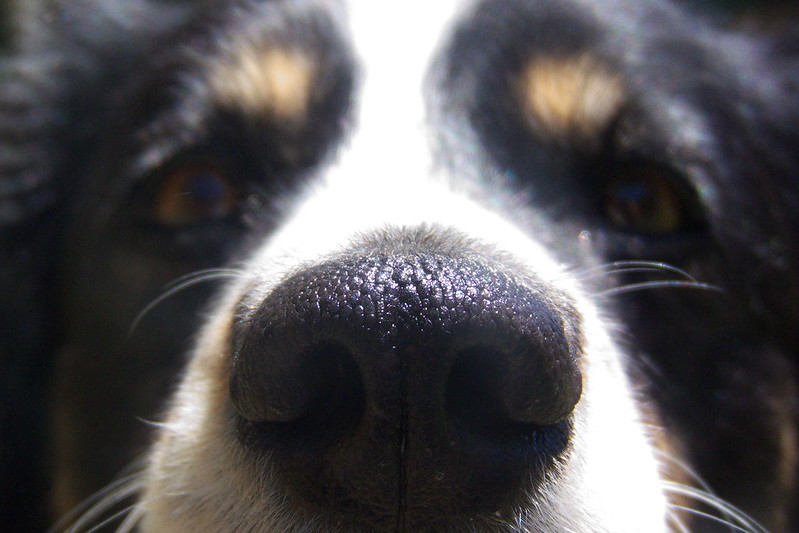
Most people are well aware that human beings carry a unique set of fingerprints that define their identity, but it is a much less common fact that dogs possess a similar biological signature on their noses. Each dog has a distinct pattern of ridges and creases on its leathery snout that is as individual as a snowflake, meaning no two dogs in the entire world share the exact same nose print. Since at least the early 20th century, some kennel clubs and adventurous breeders have experimented with taking nose prints as a permanent form of identification because, unlike collars or tags, a nose print cannot be lost or easily altered. It is a brilliant piece of natural engineering that remains constant throughout the animal’s life and provides a foolproof way to verify their identity if they happen to go missing.
While microchipping has largely become the standard for modern pet safety, the complexity of the canine nose remains a marvel of biological diversity that continues to intrigue veterinary scientists and forensic experts alike. These patterns are formed in the womb and do not change even as the dog grows from a tiny pup into a full-grown adult, which offers a reliable backup for traditional identification methods. Beyond just being a unique identifier, the nose is also a highly sensitive organ that contains hundreds of millions of olfactory receptors, making it the primary way a dog experiences the world around them. This combination of individuality and incredible sensory power makes the canine snout one of the most sophisticated tools in the animal kingdom and it serves as a testament to the intricate design of nature.
4. Sensing the Passage of Time
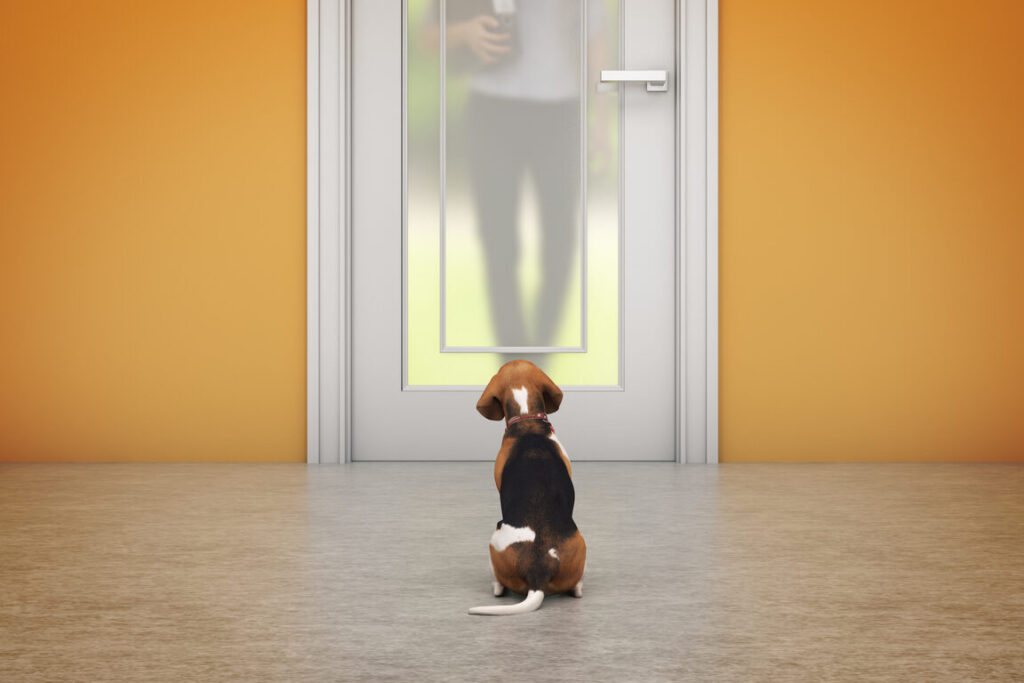
We often wonder if our dogs miss us while we are away at work, and the reality is that they actually use their incredible sense of smell to track the passage of time throughout the day. While humans rely on clocks and digital devices to stay on schedule, a dog perceives time through the fading scent of their owner in the home or the shifting smells of the outdoor air. As the scent of a person lingers and slowly dissipates over several hours, the dog learns to associate a certain “smell strength” with the moment their human usually turns the key in the front door. This olfactory clock is remarkably accurate and explains why many dogs will wait by the window or the gate exactly five minutes before their favourite person arrives home.
This sensory awareness goes beyond just waiting for a reunion because dogs also pick up on the subtle environmental changes that signal the transition from morning to evening. They can detect the cooling of the earth as the sun sets or the specific movements of neighbours that occur at the same time every afternoon, which helps them build a predictable internal routine. Even without a wristwatch, a dog knows when it is time for dinner or when a regular walk is overdue simply by “reading” the air in the room and noticing the patterns of the household. It is a beautiful and somewhat poetic way to exist, as they are essentially living in a world defined by the shifting perfumes of their environment and the comforting presence of those they love most.
5. Dreaming Like Their Owners

If you have ever noticed your dog twitching their paws or letting out a muffled woof while they sleep, you are witnessing a creature that is deep in the throes of a vivid dream. Scientific studies involving brain scans have shown that dogs experience sleep cycles very similar to our own, including the crucial Rapid Eye Movement (REM) stage where most dreaming occurs. During this phase, their brain activity mirrors the patterns seen when they are awake, which suggests that they are likely processing the events of their day or practicing their favourite activities. Large dogs tend to have longer dream cycles while smaller breeds might dream more frequently but for shorter bursts, yet they all share the capacity for these nighttime adventures in their minds.
It is heart-warming to think that when a dog’s legs start paddling in their sleep, they are probably chasing a phantom squirrel through a park or playing a never-ending game of fetch in a sun-drenched field. Researchers believe that dogs primarily dream about the people they love and the familiar environments they inhabit, rather than abstract concepts or fantasy worlds. This means that a large portion of their subconscious life is dedicated to replaying the happy moments they spend with their human families and the simple joys of their daily routine. Understanding that our pets dream just like we do adds a layer of empathy to our relationship and reminds us that their inner lives are just as rich and complex as our own emotional experiences.
6. Tastebuds and Flavor

While dogs are often famous for their willingness to eat almost anything they find on the pavement, their sense of taste is actually quite different and significantly less refined than our own. A human has roughly 9,000 taste buds scattered across their tongue, but a dog only possesses about 1,700, which means they don’t experience the nuanced flavours of a gourmet meal in the same way we might. However, they do have a specific set of taste buds located at the tip of their tongue that are designed specifically for water, which is a trait they share with cats and other carnivores. This unique adaptation helps them stay hydrated by making the act of drinking water more rewarding and efficient, especially after a long run or a salty snack.
Interestingly, dogs are much more driven by the smell of their food than the actual flavour, as their olfactory senses are nearly 40 times more powerful than a human’s. If something smells delicious to them, they are likely to gulp it down regardless of the subtle textures or spices involved, which is why “smelly” food is often their absolute favourite. They can detect sweet, sour, salty, and bitter flavours, but they generally have a strong preference for meat-based proteins and fats that provide the energy they need to thrive. Because they lack the same taste sensitivity as humans, it is our responsibility to ensure their diet is balanced and safe since they might not always be able to taste the difference between a healthy treat and something potentially harmful.
7. Tail Wags As Language
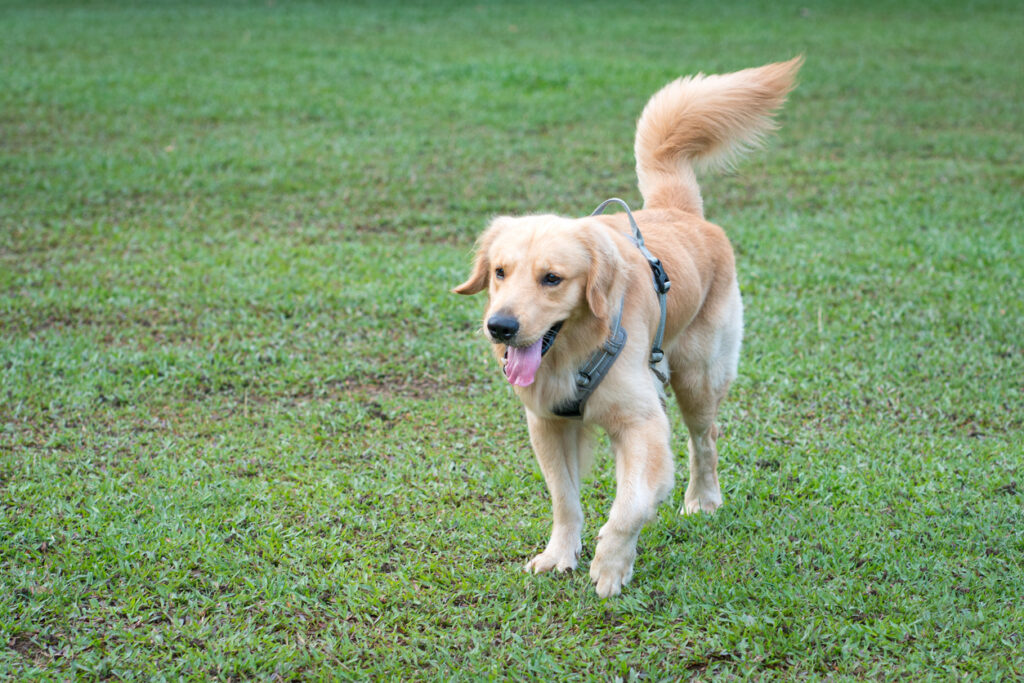
Many people mistakenly believe that a wagging tail is always a sign of a happy dog, but the reality of canine body language is much more nuanced and complex than a simple gesture of joy. The direction and speed of the wag can convey a wide range of emotions, from extreme excitement and confidence to deep-seated anxiety or even aggression. For instance, research suggests that a tail wagging more to the right often indicates positive feelings and relaxation, whereas a wag biased toward the left can signal that the dog is feeling stressed or threatened. It is a subtle form of communication that dogs use to talk to each other and, if we pay close enough attention, they are also trying to talk to us.
A low, slow wag might mean the dog is feeling insecure or submissive, while a high, stiff wag that looks more like a vibrate can be a warning of impending agitation. To truly understand what a dog is feeling, one must look at the entire body, including the position of the ears, the tension in the shoulders, and the expression in the eyes. When a dog wags their entire rear end along with their tail, it is usually a genuine “full-body” sign of happiness and a warm welcome for a friend. By learning to interpret these silent signals, we can better respect our pets’ boundaries and ensure they feel safe and understood in our company, which strengthens the bond of trust between us.
8. Superhuman Hearing Abilities
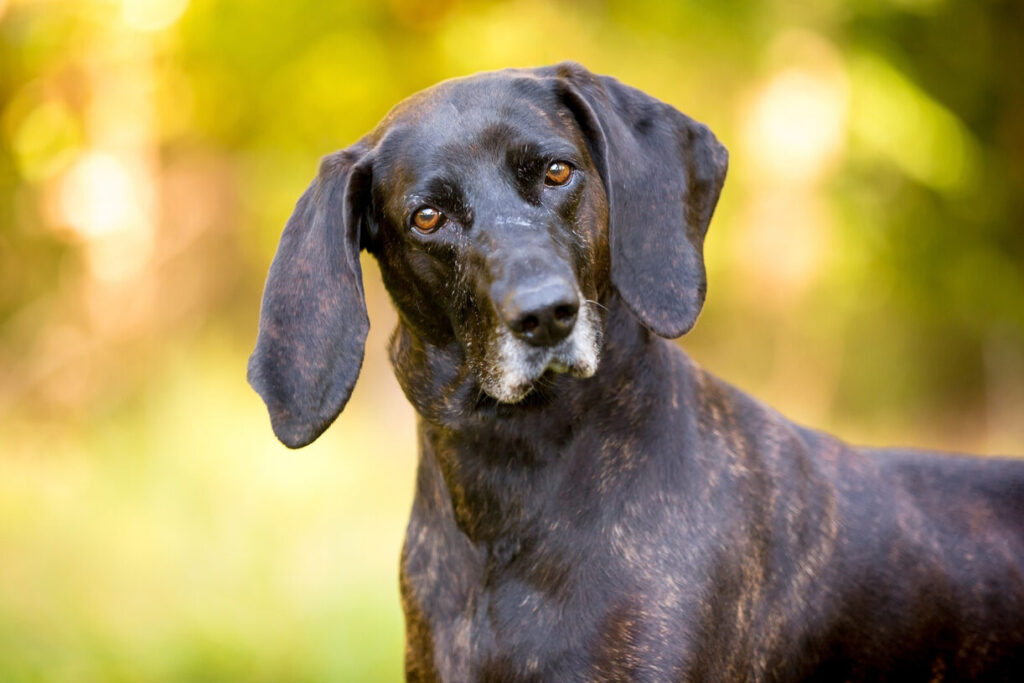
The world is a much noisier place for a dog than it is for a human because their ears are designed to pick up frequencies that are completely silent to our own ears. While we can hear sounds up to about 20,000 Hz, dogs can detect frequencies as high as 45,000 to 65,000 Hz, allowing them to hear the tiny squeaks of a mouse in the grass or the high-pitched hum of electronic devices. They also have 18 or more muscles in each ear that allow them to tilt, rotate, and wiggle them independently to pinpoint the exact location of a sound with incredible precision. This is why your dog might suddenly perk up and bark at the door long before you even hear the postman’s van turning into the street.
This incredible auditory range is a leftover trait from their hunting ancestors who needed to hear the high-pitched rustle of small prey hiding in the undergrowth or the distant calls of their pack members. However, this sensitivity also means that loud noises like fireworks, thunderstorms, or vacuum cleaners can be much more distressing for dogs than they are for us. The sudden “boom” of a firework isn’t just loud; it is a physical sensation that can feel overwhelming to their finely tuned ears. As responsible owners, it is important to provide a quiet sanctuary for them during noisy events and to be mindful of the sonic environment we create in our homes. Their ears are essentially high-tech satellite dishes constantly scanning the horizon for information and keeping us informed of everything we might be missing.
9. Three Eyelids for Protection

While we navigate life with just an upper and lower eyelid, dogs are equipped with a secret third eyelid known as the nictitating membrane that provides an extra layer of protection for their precious eyes. This thin, translucent tissue is usually tucked away in the inner corner of the eye and only becomes visible when the dog is very sleepy or if the eye is feeling irritated or injured. Its primary function is to act like a tiny windscreen wiper, sweeping across the eyeball to remove dust and debris while also spreading a protective layer of tears to keep the surface moist. It is a fascinating biological adaptation that helps keep their vision clear even when they are running through tall grass or digging in the dirt.
The third eyelid also houses a vital gland that produces a significant portion of the dog’s tear film, which is essential for maintaining overall eye health and preventing infections. If this gland becomes inflamed, it can result in a condition often called “cherry eye,” which requires veterinary attention to fix and ensure the dog remains comfortable. Most owners rarely see this membrane in action, but it is always there, working silently behind the scenes to safeguard one of the dog’s most important tools for navigating the world. It is another example of how perfectly evolved dogs are for their active, outdoor lifestyles and it shows just how much thought nature put into their physical design. Seeing the complexity of their ocular anatomy reminds us to be vigilant about their health and to appreciate the small, hidden wonders of their biology.
10. Therapeutic Healing Powers

The presence of a dog does far more than just keep us company because they are scientifically proven to lower our stress levels and improve our overall physical health. When we pet a dog, our bodies release oxytocin, often called the “love hormone” which creates an immediate sense of calm and well-being while simultaneously reducing levels of cortisol, the hormone associated with stress. This biological reaction is so powerful that dogs are now widely used as therapy animals in hospitals, schools, and nursing homes to help people recover from trauma or cope with chronic illness. Their non-judgmental nature and intuitive ability to sense human sadness make them the perfect companions for those going through difficult times.
In addition to the emotional benefits, dog owners often enjoy lower blood pressure and a reduced risk of heart disease thanks to the regular exercise that comes with daily walks. Having a reason to get outside and move every day, regardless of the weather, encourages a more active lifestyle that benefits both the human and the hound. The simple act of caring for another living being provides a sense of purpose and routine that can be incredibly grounding in a fast-paced and often overwhelming world. It is quite amazing that a creature we originally brought into our homes for protection and hunting has evolved into a vital part of our modern healthcare system and emotional support network. Their ability to heal us without saying a single word is perhaps their greatest gift and it underscores the profound importance of the human-canine connection.
11. Sweating Through Their Paws
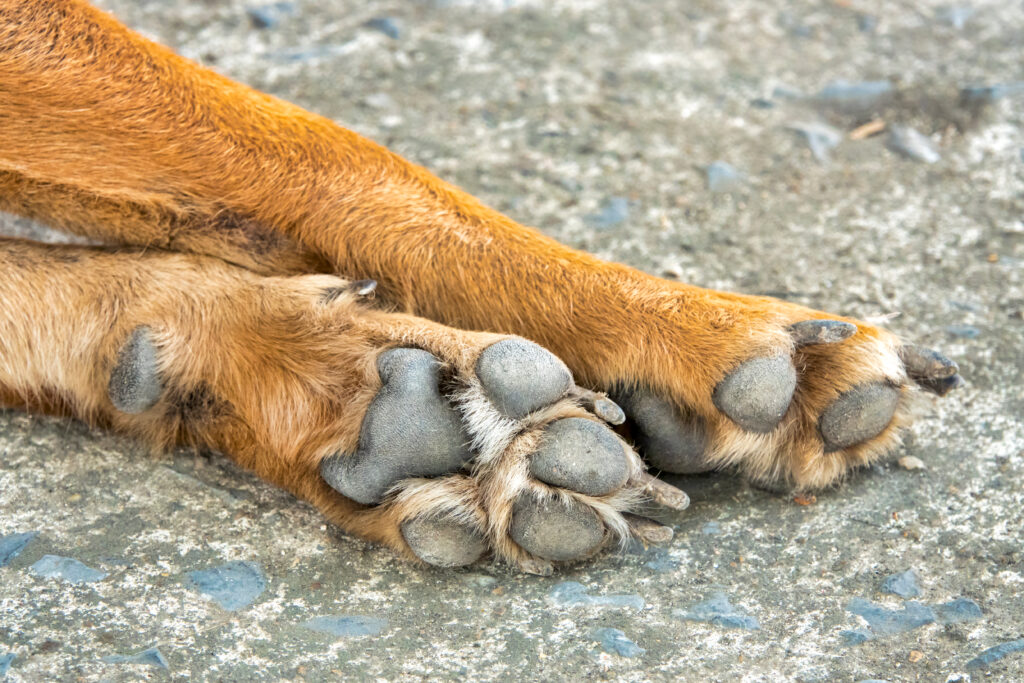
While humans are covered in eccrine sweat glands that allow us to cool down across our entire body surface, dogs have a much more restricted cooling system that primarily relies on their paws. They possess merocrine sweat glands located in their foot pads, which is why you might notice damp paw prints on the kitchen tiles during a particularly sweltering summer afternoon. However, these tiny glands are not nearly efficient enough to cool an entire animal on their own, which is why dogs must rely on other methods like panting to regulate their internal temperature. When a dog pants, they evaporate moisture from their tongue and lungs, effectively moving heat away from their core and allowing cooler air to circulate through their system.
It is a common misconception that a dog’s fur coat only serves to keep them warm, but it actually acts as an insulating layer that protects them from the heat of the sun as well. Shaving a double-coated dog can often do more harm than good because it removes their natural protection against UV rays and disrupts their ability to manage their own temperature. Because they cannot sweat like we do, it is absolutely vital that we provide them with plenty of shade and fresh water during heatwaves to prevent heatstroke. Their unique physiology means they feel the heat much more intensely than we might expect, and as their guardians, we must stay vigilant to ensure they stay comfortable. Understanding how they manage their internal furnace helps us appreciate the delicate balance of their biology and the importance of keeping them cool when the mercury rises.
12. The Power of Whisker Sense
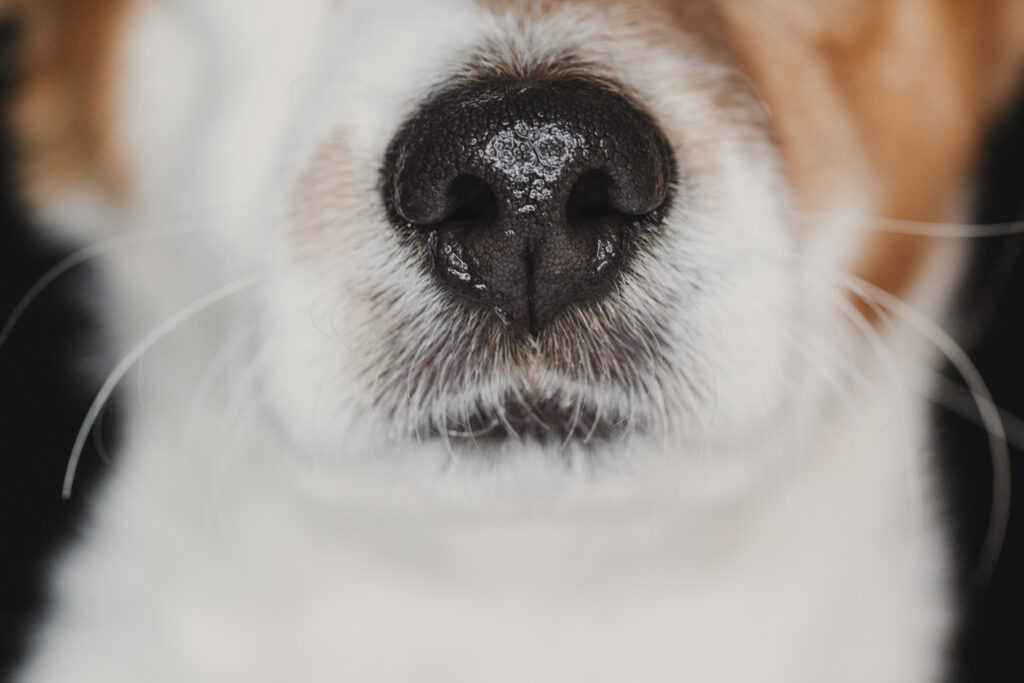
A dog’s whiskers, technically known as vibrissae, are far more than just long, coarse hairs because they are actually sophisticated sensory organs that help them navigate their surroundings in low light. These whiskers are rooted much deeper in the skin than regular fur and are connected to a dense network of nerves that send constant information to the canine brain. They are so sensitive that they can detect subtle changes in air currents, which allows a dog to determine the size, shape, and distance of nearby objects without even touching them. This “sixth sense” is particularly useful for detecting movement in the dark or navigating through tight spaces where their vision might be somewhat limited.
You might notice that whiskers are located not just on the muzzle but also above the eyes and under the jaw, providing a 360-degree sensory map of their immediate environment. When a dog is approaching a narrow gap, their whiskers help them “feel” if they can fit through it safely, preventing them from getting stuck or bumping into obstacles. Because these hairs are so vital for their spatial awareness, they should never be trimmed or cut, as doing so can leave a dog feeling disoriented and confused about their physical surroundings. It is a brilliant example of how dogs use every part of their body to gather data about the world, and it shows that their physical design is perfectly tuned for exploration. Watching a dog navigate a cluttered room with ease is a testament to the incredible processing power of these specialized sensory hairs.
13. Superior Night Vision Secret
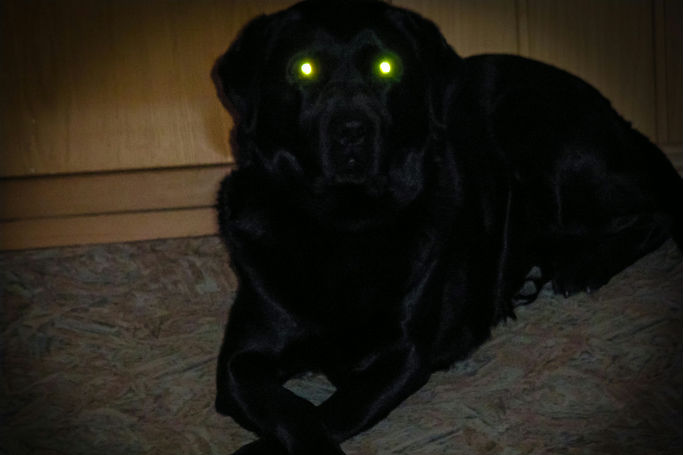
If you have ever caught your dog’s eyes glowing like eerie green lanterns in the dark, you have seen the tapetum lucidum in action. This specialized layer of tissue sits behind the retina and acts like a mirror, reflecting light back through the eye to give the dog a second chance to process what they are seeing. This biological “night vision” allows them to see much more clearly in dim light than humans can, which was a vital survival trait for their ancestors who hunted at dawn and dusk. While they may not see the world in the same sharp detail or vibrant colours that we do during the day, their ability to detect movement in the shadows is truly second to none.
The structure of the canine eye is packed with light-sensitive cells called rods, which are specifically designed to function in low-light conditions and detect the slightest flicker of motion. While humans have more “cones” for seeing a full spectrum of colour, dogs trade that chromatic range for the ability to spot a rabbit hopping through a dark field from a significant distance. This evolutionary trade-off means that while the world might look a bit more “pastel” to them, they are never truly left in the dark when it comes to knowing what is happening around them. It is quite a comfort to know that while we might be stumbling in the hallway at night, our loyal companions can see exactly where they are going. This superior vision further cements their role as the ultimate nocturnal guardians of our homes and families.
14. The Muscular Canine Heart

A dog’s heart is an incredibly powerful engine that is built for endurance and high-intensity activity, often beating much faster than a human heart depending on the size of the breed. Smaller dogs generally have faster heart rates, sometimes reaching up to 140 beats per minute, while larger breeds have a slower, more rhythmic pulse that reflects their massive physical stature. This muscular pump is designed to move oxygen-rich blood to their hardworking muscles with incredible efficiency, allowing them to chase balls or run through forests for hours without tiring. Their cardiovascular system is so robust that it can adapt to sudden bursts of speed or long, steady treks across difficult and uneven terrain.
The bond we share with our dogs even extends to the physical rhythm of our hearts, as studies have shown that when owners and their pets sit together, their heart rates can actually synchronise. This physiological mirroring is a physical manifestation of the deep emotional connection and the sense of calm that dogs bring into our lives every single day. Because their hearts work so hard for us, it is essential that we keep them healthy through regular exercise and a diet that supports cardiac function, especially as they enter their senior years. A dog’s heart is truly the centre of their being, both in a literal and a metaphorical sense, as it fuels their endless energy and their boundless capacity for love. Taking a moment to feel the steady thrum of a sleeping dog’s chest is a powerful reminder of the life force that they dedicate entirely to their human companions.
15. Blood Types and Donors
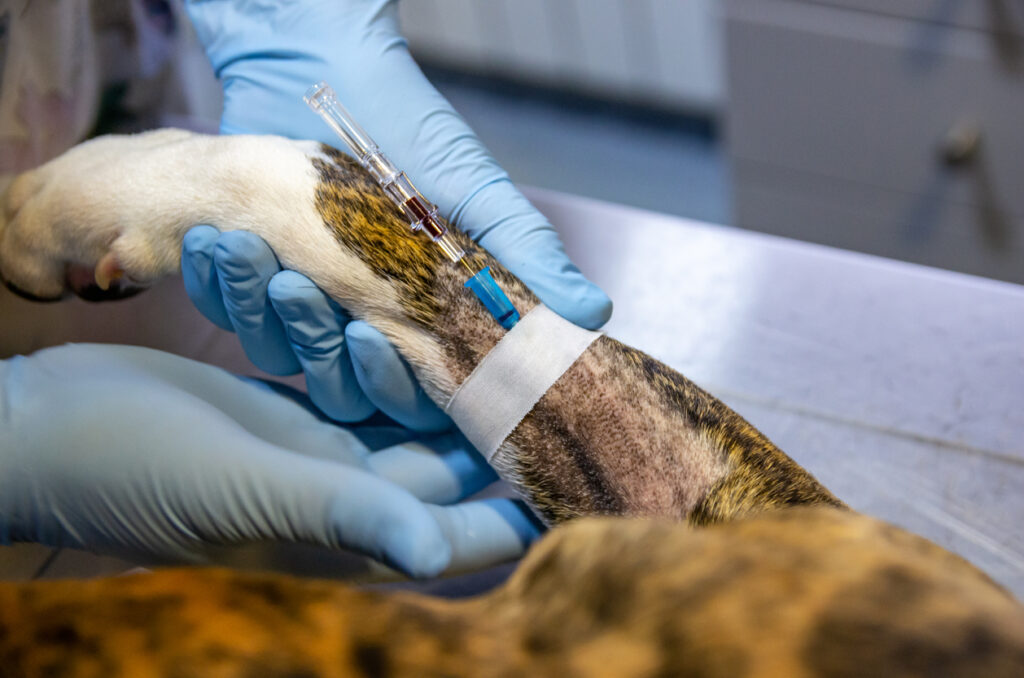
Just like humans, dogs have distinct blood types, though their system is considerably more complex with over twelve different blood groups identified by veterinary scientists so far. The most significant of these is the Dog Erythrocyte Antigen (DEA) system, which helps vets determine which dogs can safely donate blood to others in times of medical emergency. Interestingly, dogs that are “DEA 1.1 Negative” are considered universal donors, much like humans with Type O blood, meaning their blood can be safely given to almost any other dog regardless of their specific type. This incredible biological compatibility has allowed for the creation of canine blood banks that save thousands of pets’ lives every year after accidents or during major surgeries.
The world of canine medicine has advanced so far that blood transfusions are now a common and life-saving procedure in many modern veterinary hospitals across the country. Many healthy, large-breed dogs actually “volunteer” through their owners to become regular donors, providing a vital resource that keeps the pet community safe and healthy. It is a selfless act that highlights the community spirit among dog lovers and the hidden complexities of the animals we share our beds with. Most owners never have to think about their dog’s blood type, but it is a fascinating part of their internal makeup that proves how similar they are to us in the ways that truly matter. Knowing that our pets can help one another in such a profound way adds another layer of respect for the intricate and life-sustaining systems that keep them running.
16. Tailored for Specific Jobs
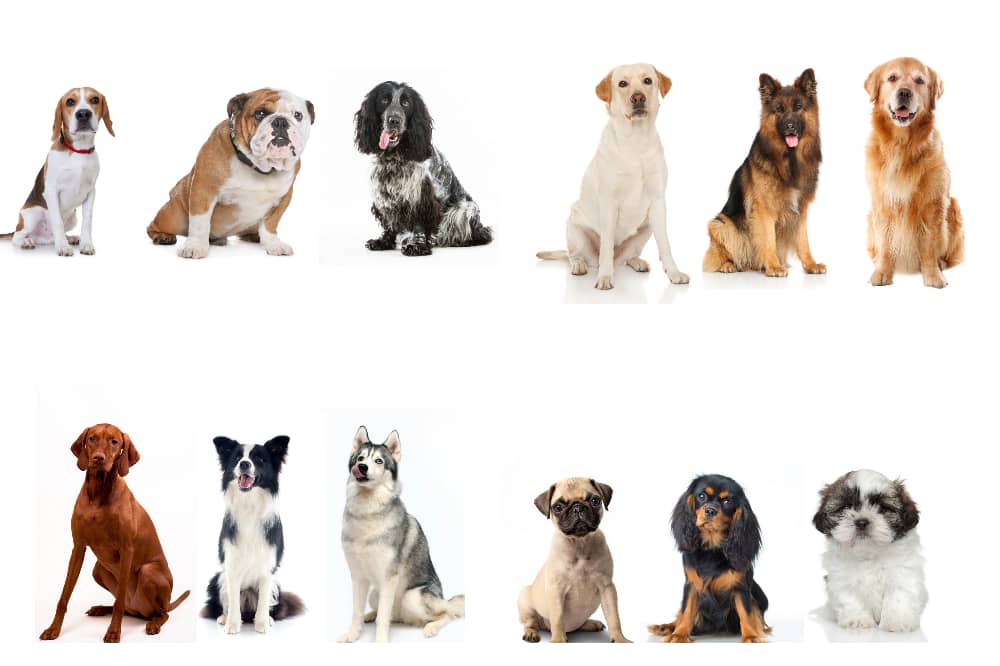
Every dog breed we see today is the result of centuries of careful and intentional breeding by humans who wanted companions that were perfectly suited for specific tasks. From the long, low bodies of Dachshunds designed to flush out badgers from their burrows to the thick, waterproof coats of Newfoundlands built for water rescue, every physical trait has a purpose. This selective history has created a staggering diversity in the canine world, making them one of the most physically varied species on the planet despite all belonging to the same domestic family. We have essentially co-evolved with dogs, shaping their bodies and minds to fit into our various cultures, industries, and homes throughout the ages.
This legacy of “work” still lives on in our modern pets, even if their only current job is to catch a frisbee or keep the sofa warm while we are out. A Border Collie’s urge to herd or a Terrier’s instinct to dig are deeply ingrained behaviours that stem from the roles their ancestors played in human society hundreds of years ago. Understanding the historical “job” of your dog can provide incredible insight into their personality and help you provide the right kind of mental stimulation to keep them happy. When we look at a dog, we aren’t just seeing a pet; we are seeing a living piece of history that has been meticulously tailored to walk alongside us in a variety of capacities. This deep-rooted purpose is what makes them so eager to please and so incredibly capable of learning the complex tasks we set for them today.
17. The Unique Canine Shoulders
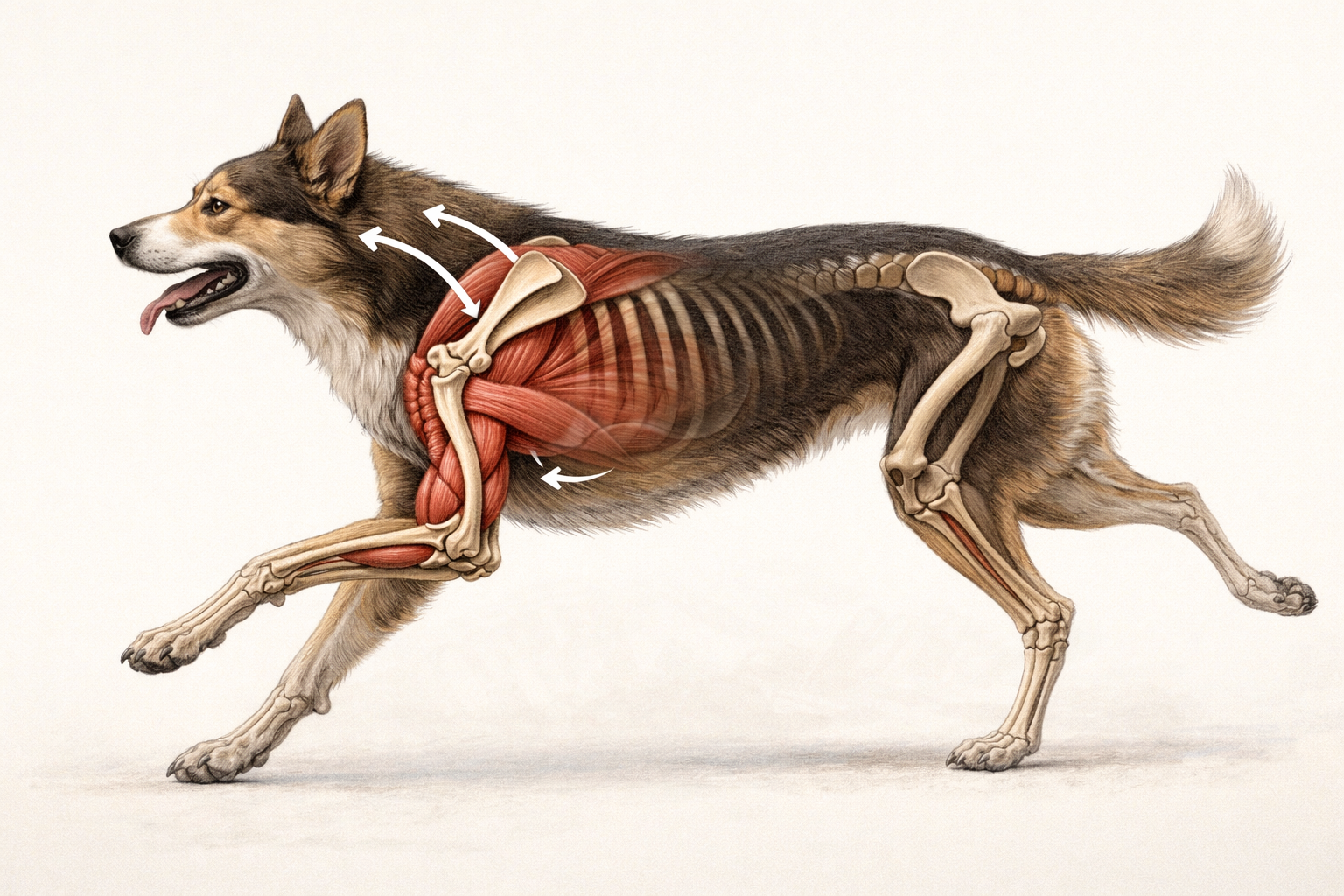
Unlike humans, whose shoulder blades are connected to the rest of the skeleton via a collarbone, a dog’s shoulder blades are disconnected from the main bone structure and are instead held in place by a complex web of muscles and ligaments. This “floating” shoulder design is a brilliant piece of evolutionary engineering that allows for a much greater stride length and increased flexibility when they are running at high speeds. It essentially acts as a built-in shock absorber, protecting their spine and internal organs from the heavy impact of jumping and sprinting across hard or uneven ground. This anatomical quirk is exactly what gives dogs their characteristic fluid movement and their ability to pivot and turn with such startling agility.
Because they lack a rigid collarbone, dogs can also squeeze through much tighter spaces than their chest width might initially suggest, as their shoulders can compress and shift to accommodate the gap. However, this reliance on muscle and soft tissue also means that dogs are prone to shoulder injuries if they are pushed too hard or if they jump from heights that are too great for their joints to handle. As they age, maintaining the strength of the muscles around the shoulder becomes vital for keeping them mobile and preventing the onset of arthritis or discomfort. It is a fascinating reminder that while dogs may look somewhat like us in their basic four-limbed layout, their internal mechanics are specialized for a life of constant motion and athletic prowess. Their bodies are built for the chase, and every muscle is fine-tuned to help them move with a grace that is uniquely their own.
18. The Wisdom of Senior Dogs

As dogs reach their golden years, they undergo a transformation that is both physical and emotional, often becoming much more attuned to the moods and routines of their human families than ever before. While their muzzles may turn grey and their steps might slow down, senior dogs often possess a calm wisdom and a deep-seated loyalty that only comes from years of shared experiences. They have learned to read our every gesture and can often predict our needs before we even realize them ourselves, providing a quiet and steady presence that is incredibly grounding. These “old souls” of the canine world remind us of the beauty of aging and the importance of a life well-lived in the service of friendship.
Caring for an older dog requires a shift in perspective, focusing more on comfort, gentle mental stimulation, and the simple joy of being together rather than high-energy activities. They may require softer beds for their aching joints or shorter walks in the park, but the bond often deepens during this phase as the relationship moves into a more reflective and tender space. There is a profound sense of gratitude in an older dog’s eyes that seems to acknowledge the years of love and care they have received throughout their lives. It is our responsibility to ensure their final chapters are filled with the same warmth and security they provided for us when they were energetic pups. The legacy of a senior dog is a testament to the enduring power of the human-canine bond and a reminder that true friendship only grows stronger with the passage of time.
The incredible journey of the dog from a wild forest predator to a beloved member of the family highlights how much we have come to rely on them for emotional stability and physical protection. If we were to lose this connection or treat it as a mere convenience, we would lose one of the most successful partnerships in the history of life on Earth.
Like this story? Add your thoughts in the comments, thank you.


