
1. JERRY SPRINGER
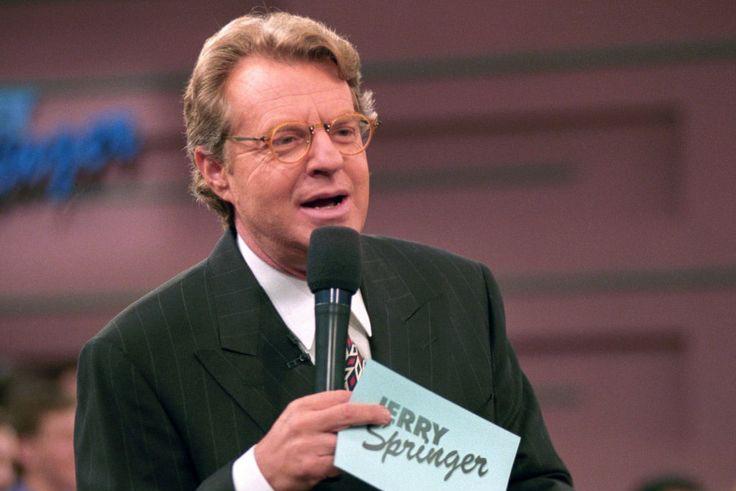
For much of the 1990s, Jerry Springer was the undisputed king of “tabloid TV.” His daily talk show turned wild confrontations into a strange form of mass entertainment that people simply could not stop watching. Between the constant shouting matches and the famous “Jerry! Jerry!” chants from the crowd, the program became a cultural phenomenon. He was best known for hosting the Jerry Springer Show (a 27 year old tv show that featured provocative topics and confrontations). It reached its absolute peak in 1998 when it actually beat The Oprah Winfrey Show in the ratings, proving just how much the public craved that raw, unscripted drama.
As the years went by, television standards began to change, and the chaotic style that made Springer a household name started to feel a bit outdated. He eventually ended the show in July 2018 after an incredible 27-season run to focus on other projects, like his brief stint as a judge on Judge Jerry. Sadly, Jerry passed away in April 2023 at the age of 79, leaving behind a legacy that completely reshaped the daytime landscape. Today, he is remembered more as a symbol of a specific era than as a current face on our screens.
2. JAY LENO
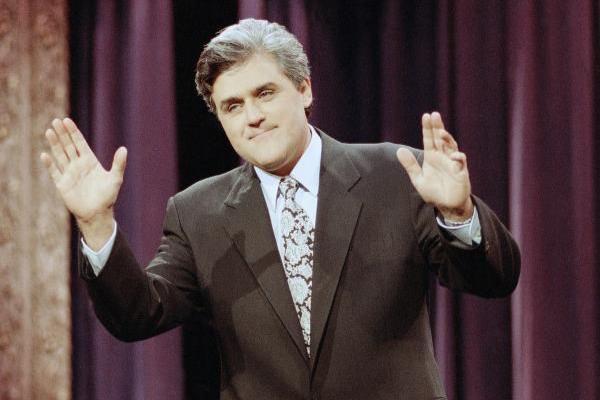
Jay Leno was the face of late-night stability for decades, serving as the host of The Tonight Show from 1992 until his final departure in 2014. His style was comfortably traditional, built on funny monologues and friendly celebrity chats that appealed to a huge cross-section of America. For many of us, the day didn’t feel complete without hearing his take on the latest news. He famously won the “late-night wars” of the nineties, maintaining the top spot in the ratings for the majority of his historic tenure.
However, as younger viewers began looking for sharper satire and a more digital-friendly format, the network decided it was time for a fresh perspective. After handing over the reins to Jimmy Fallon on February 6, 2014, Leno mostly stepped away from the nightly grind to pursue his true passion: classic cars. While he stayed busy with his show Jay Leno’s Garage on CNBC, his days as a late-night titan are firmly in the rearview mirror. His absence from the 11:30 PM slot shows that even the most successful runs eventually have to come to an end.
3. ELLEN DEGENERES
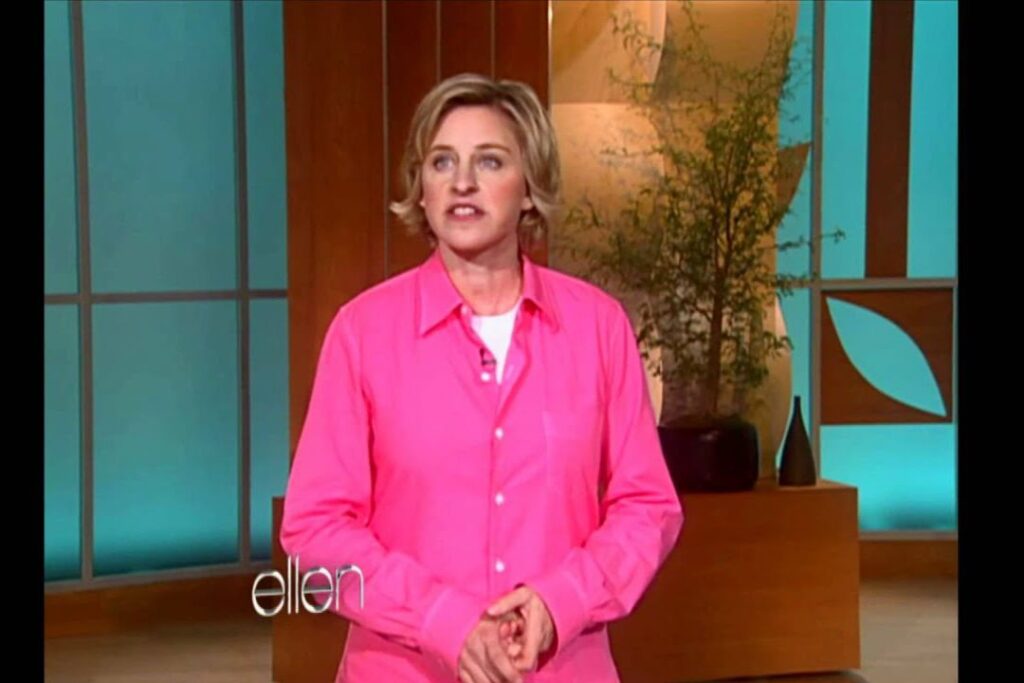
For nearly twenty years, Ellen DeGeneres was the ultimate source of daytime sunshine. Her talk show, which premiered in September 2003, was famous for its “be kind” motto, celebrity dance-offs, and heartwarming giveaways. She had a unique ability to make every guest feel like a close friend, and her relatable humor helped her win dozens of Daytime Emmy Awards. At the height of her popularity, she was one of the most trusted and influential figures in all of media, bridging the gap between Hollywood and everyday viewers.
The mood shifted dramatically in 2020 when reports surfaced regarding a difficult work environment behind the scenes. This news stood in stark contrast to the friendly persona viewers saw on camera, leading to a significant drop in viewership and a hit to her public image. After completing its 19th season in May 2022, the show aired its final episode, and Ellen has largely stayed out of the television spotlight since then. Her story is a powerful reminder that in the modern world, maintaining a positive connection with the audience requires total transparency both on and off the air.
4. MATT LAUER
For over two decades, Matt Lauer was the steady voice that millions of Americans woke up to every single morning. Joining the Today show as a full-time co-anchor in 1997, he became the face of NBC’s news division, covering everything from the 9/11 attacks to multiple Olympic Games. His calm demeanor and ability to land tough interviews made him one of the highest-paid journalists in the industry. For a long time, it seemed like the morning news cycle simply couldn’t function without his presence at the desk.
That all changed in a heartbeat on November 29, 2017, when NBC News announced they were terminating his contract following allegations of inappropriate behavior. The news sent shockwaves through the industry because his departure was so sudden and final. Since that day, Lauer has completely retreated from public life and has not made a return to any mainstream broadcasting platform. His disappearance from the airwaves serves as a sobering example of how quickly a legendary career can vanish when the fundamental bond of trust with the public is broken.
5. TYRA BANKS
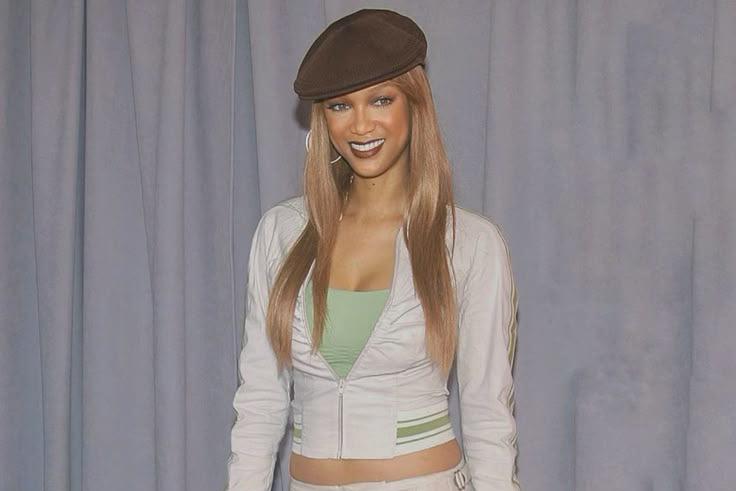
Tyra Banks didn’t just host a show; she created an entire subculture when she launched America’s Next Top Model in May 2003. As a former supermodel herself, she brought a sense of authority and high-fashion glamour to the reality TV world. She was the one who taught us all how to “smize” and turned the grueling world of modeling into a weekly competition that lasted for 24 cycles. For years, she was the face of the CW network, serving as a mentor and judge to aspiring models while building her own massive business empire.
Over time, Tyra began to diversify her interests, stepping away from full-time hosting to focus on teaching at Stanford and launching her “ModelLand” theme park. While she did have a high-profile stint as the host of Dancing with the Stars starting in 2020, she eventually left that role in 2023 to focus on her entrepreneurial goals. Although she still makes the occasional guest appearance, she is no longer the constant television fixture she was during the early 2000s. Her career path shows that even the biggest reality stars eventually look for new challenges beyond the studio lights.
6. CARSON DALY

If you grew up in the late nineties, Carson Daly was likely the person who introduced you to your favorite bands. As the host of MTV’s Total Request Live (TRL) from 1998 to 2003, he stood at the center of the pop culture universe, interviewing everyone from Britney Spears to Eminem. The show was a daily ritual for teenagers across the country, making Daly one of the most recognizable faces in music media. He had a relaxed, approachable vibe that perfectly suited the high-energy atmosphere of Times Square.
As the way we consume music shifted from television screens to the internet, the massive cultural influence of TRL began to fade. Daly eventually made a successful transition to NBC, where he has served as a host on The Voice since 2011 and a feature anchor on the Today show. While he is still very much employed in the industry, he no longer holds that singular, “cool-guy” status he had as the ringmaster of music television. He has matured into a dependable broadcaster, but his days of being the gatekeeper of the pop charts are long gone.
7. RICKI LAKE

Ricki Lake was a pioneer of the “youth-oriented” talk show, launching her self-titled program in 1993 when she was just 24 years old. At the time, she was the youngest person ever to host a syndicated daily talk show, and her relatable style was a breath of fresh air compared to the older hosts of the era. She tackled sensitive social issues and personal stories with a sense of empathy that really connected with Gen X and Millennial viewers. For a solid decade, her show was a powerhouse in the daytime ratings.
The original show ended in 2004, and while Ricki attempted a comeback with a new talk show in 2012, it didn’t quite capture the same magic and was canceled after one season. Since then, she has shifted her focus toward documentary filmmaking and health advocacy, specifically regarding women’s wellness. While she still pops up for nostalgia specials or as a contestant on shows like The Masked Singer, her time as a daily household name has passed. She remains a beloved figure, but her career is a classic example of how television tastes evolve with each new generation.
8. BOB BARKER

For an incredible 35 years, Bob Barker was the face of The Price Is Right, making him the longest-running host of a game show in television history. From his start in 1972 until his retirement in 2007, he was a comforting presence in the homes of millions, especially for anyone home sick from school or work. He was famous for his signature skinny microphone and his daily reminder to viewers to help control the pet population. Barker didn’t just host a show; he became a beloved grandfather figure to multiple generations of fans.
When he finally retired at the age of 83, the transition to new host Drew Carey marked a massive shift for the program. Barker chose to spend his retirement years in relative privacy, focusing heavily on his animal rights activism and making only a handful of special appearances on the show he made famous. He lived a long and impactful life, passing away in August 2023 at the age of 99. His absence from the screen represents the end of the “classic” era of game shows, where a single host could stay with a program for half a lifetime.
9. JON STEWART
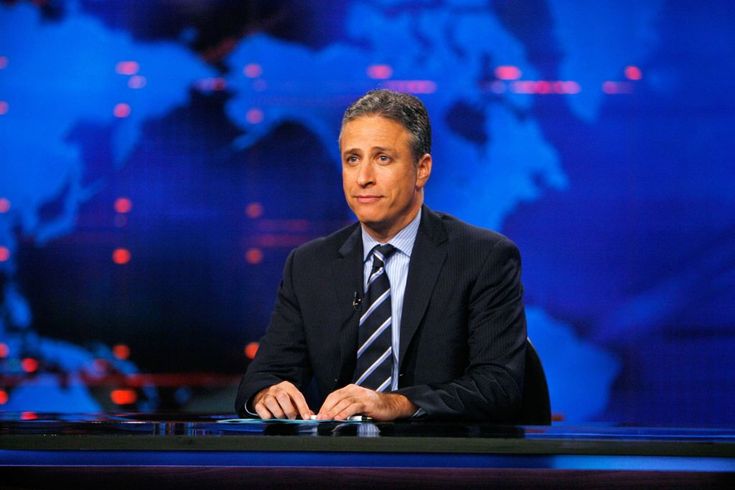
Jon Stewart completely changed the way a generation looked at the news during his sixteen-year run on The Daily Show. Between 1999 and 2015, he transformed a simple comedy program into a vital source of political commentary and media criticism. For many young people, Stewart was more trusted than actual news anchors because he wasn’t afraid to call out hypocrisy in government and journalism. His departure in August 2015 felt like a major loss to the cultural conversation, especially as the political landscape became increasingly polarized.
After stepping down, Stewart took a long break from the daily grind, focusing on advocacy work for 9/11 first responders and working on occasional film projects. He did return to the screen with a series on Apple TV+ called The Problem with Jon Stewart in 2021, and more recently, he returned to The Daily Show as a once-a-week host in 2024 to help guide viewers through the election cycle. While he is back in a limited capacity, the days of him being a nightly fixture are over. He now uses his platform more selectively, prioritizing depth over constant daily visibility.
10. MAURY POVICH

For over thirty years, Maury Povich was a staple of daytime television, becoming most famous for episodes that turned paternity tests into high-stakes theatrical moments. His show, which originally launched as The Maury Povich Show in 1991, thrived on suspense and wild audience reactions. Even people who never watched a full episode were familiar with his iconic catchphrase, “You are not the father!” This specific formula turned the program into a cultural shorthand for tabloid drama, often drawing millions of viewers who wanted to see the dramatic reveals and the emotional fallout that followed.
As the media landscape evolved and audiences became more sensitive to the ethics of sensationalized personal drama, the show’s dominance began to wane. Povich eventually decided it was time to move on rather than try to reinvent a format that had already peaked. On September 8, 2022, the final original episode aired, marking the end of an era that spanned 31 seasons. Since his retirement, the veteran broadcaster has mostly stayed away from the cameras to enjoy his personal life with his wife, Connie Chung. His absence from the daily schedule leaves behind a legacy that defined a very specific, and often controversial, chapter of American broadcasting history.
11. JOAN RIVERS
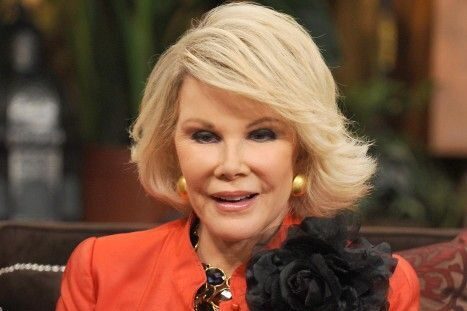
Joan Rivers was more than just a comedian; she was the ultimate gatekeeper of the red carpet. Starting in the mid-1990s on E!, she revolutionized awards season by turning celebrity arrivals into sharp-tongued fashion interrogations. Alongside her daughter, Melissa, she asked the question every viewer at home wanted to know: “Who are you wearing?” Her fearless wit and willingness to poke fun at the biggest stars in Hollywood made her segments just as anticipated as the actual award ceremonies. She later brought that same energy to Fashion Police, which premiered in 2010 and became a massive hit for the network.
When Joan passed away in September 2014, the world of celebrity commentary lost its most distinctive voice. While many other hosts have tried to replicate her style, none have managed to balance that specific mix of brutal honesty and genuine humor. Her absence is still deeply felt during every Oscars or Grammys broadcast, as the red carpet now feels significantly more scripted and polite without her presence. She proved that a host’s personality could be the main attraction, and since her departure, television has struggled to find anyone who can fill those legendary shoes with the same level of authority and comedic timing.
12. CHARLIE ROSE
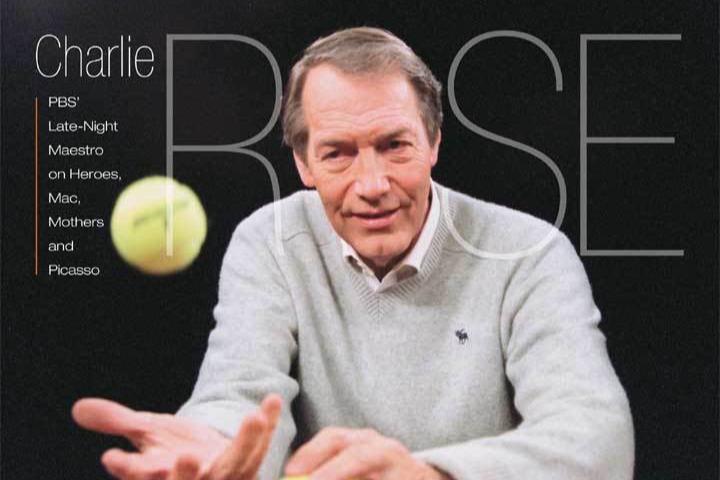
For over twenty-five years, Charlie Rose was the gold standard for long-form television journalism. His nightly program, Charlie Rose, which premiered in 1991, featured a minimalist set, just a black background and a wooden table, which allowed the focus to remain entirely on the conversation. He interviewed everyone from world leaders and Nobel laureates to tech giants and Hollywood icons. Because he prioritized depth and thoughtful questioning, his show became an essential stop for anyone who wanted to have a serious discussion about the most important issues of the day.
His career ended abruptly in November 2017 following a series of serious allegations regarding his professional conduct. CBS and PBS both moved quickly to sever ties with him, and his long-running show was canceled almost overnight. Since then, Rose has been completely absent from mainstream media, and his archives were even removed from many public platforms. His sudden disappearance from the airwaves served as a major turning point for the industry, emphasizing that no amount of professional prestige or intellectual authority can protect a host when they lose the basic trust of the public and their colleagues.


