
1. The Shoe Throw Seen Around the World
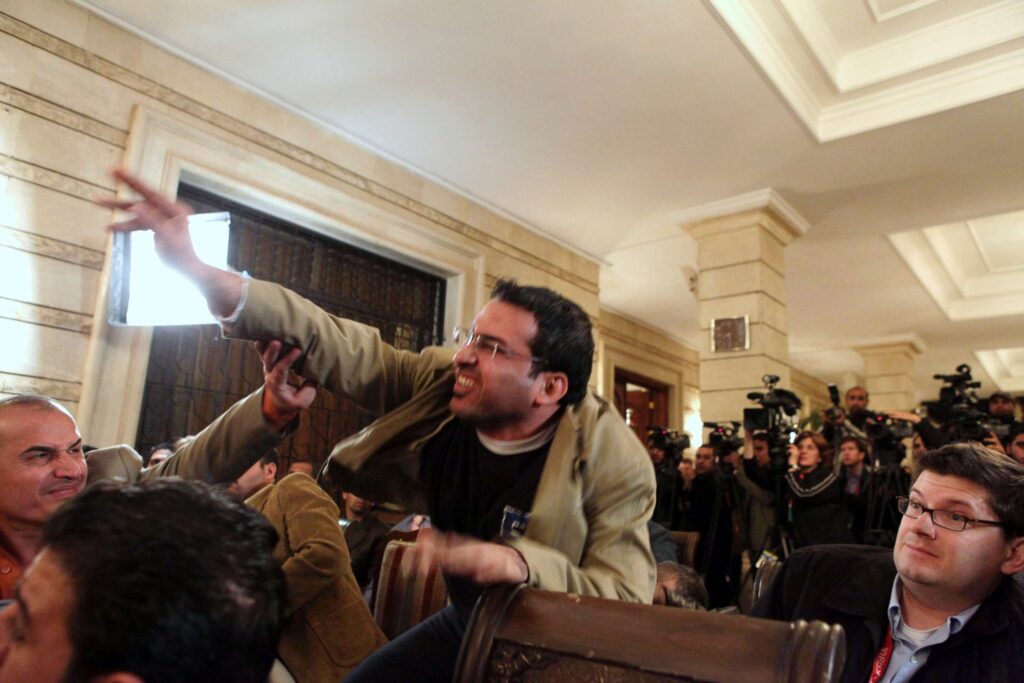
It is one of those frozen in time moments from the late 2000s that everyone seems to remember exactly where they were when they saw it happen. During a press conference in Baghdad an Iraqi journalist named Muntadhar al-Zaidi stood up and hurled both of his shoes at President George W. Bush while shouting about a farewell kiss from the Iraqi people. It was a flashpoint of global protest that turned an ordinary reporter into an overnight symbol of defiance. But once the cameras stopped flashing and the news cycle moved on the reality of his life became much more complicated than a single viral clip.
You can probably imagine the sheer adrenaline and fear coursing through that room while the world watched on a slight delay. He was quickly whisked away by the guards and for a few days his physical condition was a major mystery to the public. His family began to worry immediately fearing he would face severe retribution for such a public affront to a sitting world leader. It was the start of a long legal and physical ordeal that would define the next decade of his life turning him from a local journalist into a global talking point almost instantly across every major news network.
2. From Viral Protest to Prison Cell
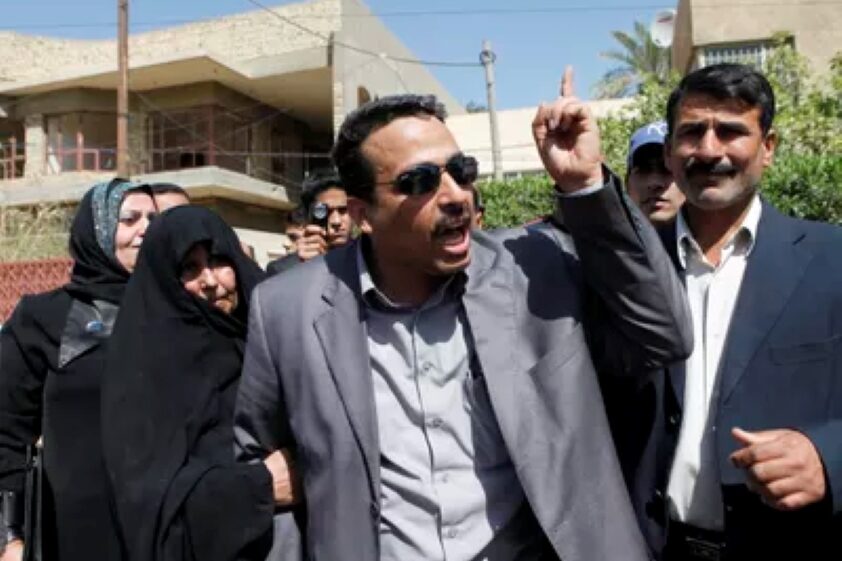
Life changed drastically for him once the prison doors slammed shut as he was sentenced to three years for assaulting a foreign head of state. During his time inside he claimed he suffered significant mistreatment which only added to the fervor of his supporters back home. People across the Middle East saw him as a hero of the resistance while others viewed the act as a breach of professional journalism ethics. His sentence was eventually reduced to one year because he had no prior criminal record but the time spent in confinement was reportedly grueling for him physically.
He often spoke about how he spent those months reflecting on the state of his country and the message he wanted to send to the international community. It was a sobering transition from being a man with a microphone to a man with a number in a system. He reportedly spent his time reading and trying to maintain his mental health despite the isolation he faced daily. By the time he was released he was a different man who carried the weight of a nation on his shoulders while the world waited for his next move.
3. Exile, Recovery, and a New Voice
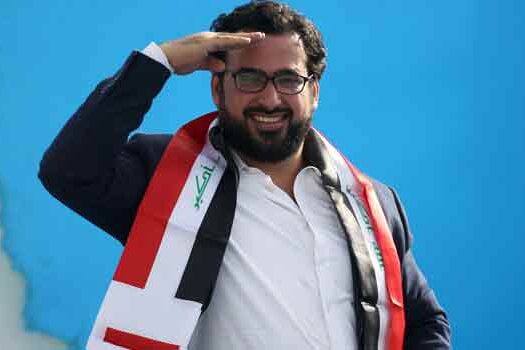
Once he was released in 2009 staying in Iraq proved to be quite a challenge due to safety concerns and political pressure from various sides. He decided to move to Beirut which is a city that offered him a bit of breathing room and a platform to continue his activism without the immediate threat of arrest. Lebanon provided him with access to better medical treatment for the injuries he sustained while in custody. It was a transitional period where he tried to figure out if he was still a journalist or something else entirely in the eyes of the public.
He spent a lot of time giving interviews to international outlets trying to ensure that the reason behind his protest was not lost in the spectacle. Beirut allowed him to connect with other intellectuals and activists who shared his views on the war and its aftermath. While he missed his home dearly he knew that he needed to be in a place where he could speak freely without fear of being silenced again. This chapter of his life was about healing his body and sharpening his voice for the long journey ahead of him.
4. Turning Defiance Into Humanitarian Work
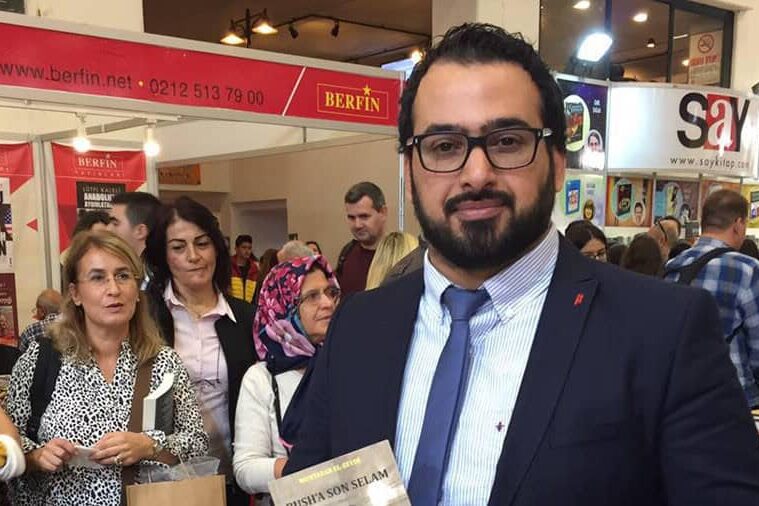
One of the more positive turns in his story was when he decided to use his newfound fame to help others through a formal charity. He established a foundation aimed at helping Iraqi orphans and victims of the war trying to channel the energy from his protest into something constructive. He often mentioned that the shoe was for the widows and orphans of Iraq so this felt like a natural progression of his beliefs. By focusing on humanitarian aid he attempted to show that his actions were not just about anger but about love for people.
It gave him a sense of purpose that went beyond just being the guy who threw a shoe at a president in a press conference. He worked tirelessly to raise funds and awareness for the children who had lost their parents during the years of conflict. This work allowed him to see the direct impact of the war on a grassroots level which fueled his desire for further change. He wanted to prove that a single act of defiance could be the spark for a lifetime of service to those who had been left behind by history.
5. From Journalist to Would-Be Lawmaker
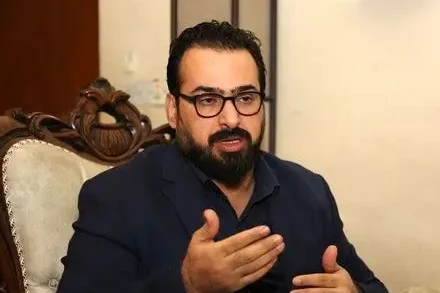
Eventually the pull of his homeland became too strong to ignore and he returned to Iraq with the intention of changing the system from within. In 2018 he actually ran for a seat in the Iraqi parliament hoping to represent the people who had cheered for him years earlier. His campaign was built on an anti corruption platform as he felt that the government had failed the citizens just as much as foreign intervention had. While he did not win the seat the move showed his evolution into someone willing to engage with messy governance.
It was a bold step that proved he was not interested in just being a footnote in a history book or a viral video. He traveled across the country speaking to regular citizens about their daily struggles with electricity and water and safety. Even though he lost the election he remained a vocal critic of the political elite who he felt were ignoring the needs of the poor. This period marked his transition from a man of action to a man of ideas who wanted to build a better future for his nation.
6. The Cost of Being Famous for One Moment
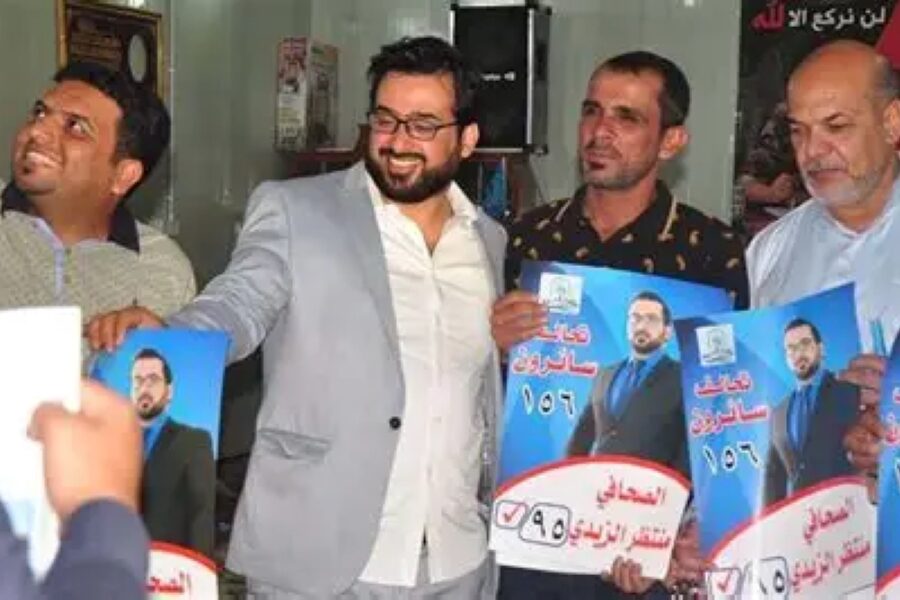
Being famous for one specific and brief action can be a heavy burden to carry for anyone trying to live a normal life. Al-Zaidi has often expressed that while he does not regret what he did he sometimes struggles with being defined solely by those few seconds. Everywhere he goes people still want to talk about the shoes often ignoring his actual reporting or his thoughts on current Iraqi policy. He has had to learn how to navigate a world where he is a walking meme to some and a revolutionary to others in equal measure.
This strange kind of fame has made it difficult for him to return to a standard career in journalism as his presence often becomes the story. He has had to be careful about where he goes and who he speaks with to ensure his message is not twisted. It is a lonely experience to be known by millions but understood by very few people. He continues to try and balance his public persona with his personal desire for a quiet life in a city that never seems to forget his face.
7. How a Protest Turned Into a Global Symbol
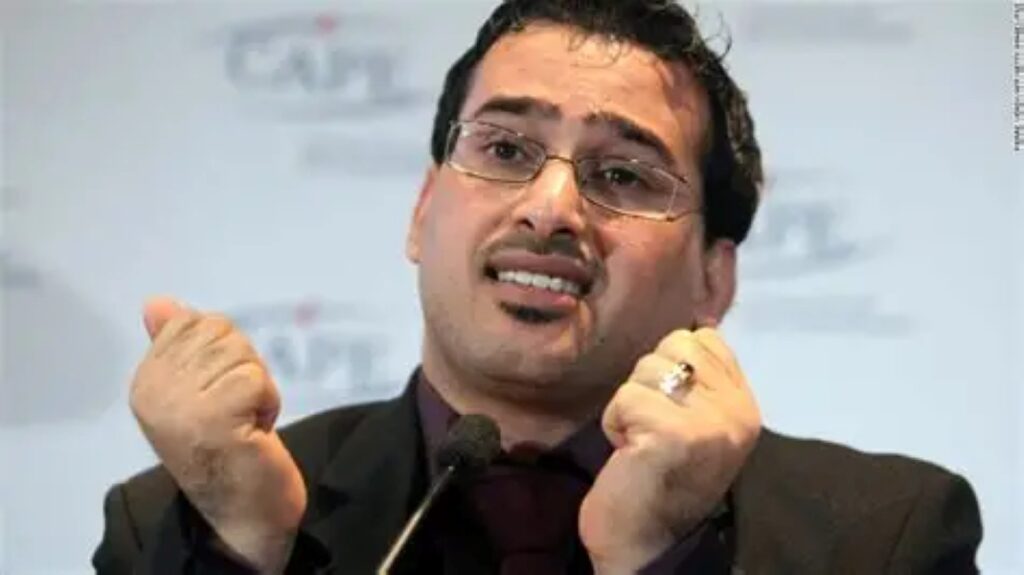
For a while he traveled across various countries to speak about his experiences and the political situation in the Middle East. These tours allowed him to meet with other activists and share his perspective on the impact of the war on ordinary Iraqi citizens. He was often greeted with standing ovations in places where the war was deeply unpopular which reinforced his belief that his action resonated. These engagements provided him with a livelihood and a way to keep the conversation about Iraq alive in the global international consciousness.
It was during these years that he truly realized the shoe toss had become a universal symbol of the underdog fighting back. He spoke at universities and community centers telling his story to anyone who would listen to the reality of life under occupation. While the travel was exhausting it gave him a chance to see the world and understand how different cultures viewed his act. He became a global citizen for a time carrying the grievances of his people to every corner of the earth through his powerful speeches.
8. The Physical Injuries That Never Fully Healed
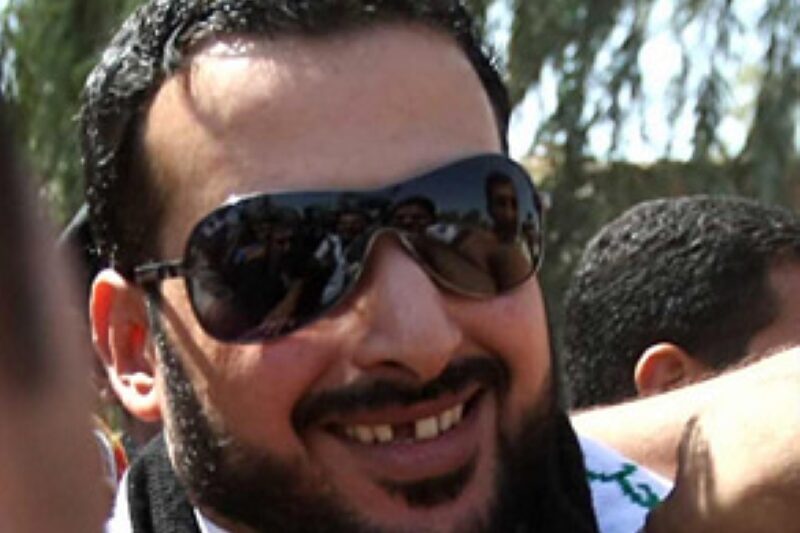
It is often forgotten that the physical altercation during his arrest left him with lasting health issues that he still deals with today. He has mentioned in various interviews that he suffered broken bones and dental issues during the scuffle and his subsequent time in detention. These physical reminders serve as a constant connection to that day in Baghdad making it impossible for him to truly leave it behind. He has sought various treatments over the years but some of the damage was permanent according to his own personal accounts of the events.
It adds a layer of personal sacrifice to his story that many people who only saw the video might not fully appreciate. He lives with chronic pain that flares up and reminds him of the price he paid for his moment of defiance. This physical reality has shaped his daily routine and influenced his decisions about his health and his future. Despite the pain he remains steadfast in his belief that the message he sent was worth the personal cost he had to endure. He carries his scars with a sense of quiet dignity and pride.
9. Why He Says the Shoe Was Never a Weapon
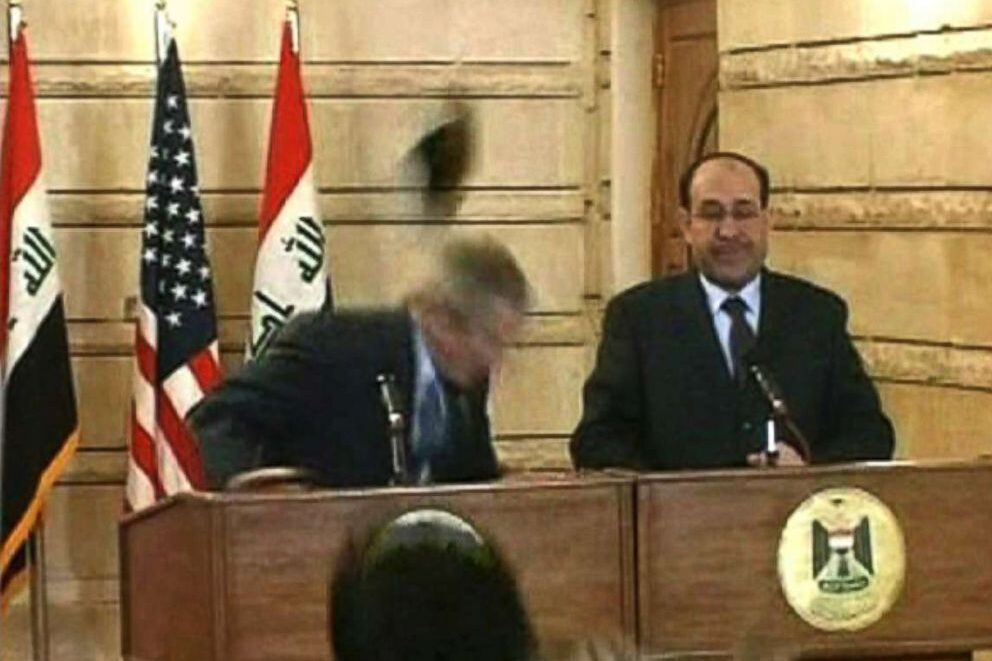
Interestingly he does not view the shoe as a weapon but rather as a traditional Middle Eastern insult that was meant to humiliate. He has stated that when he caught sight of the president he thought of the blood of Iraqis which drove his decision. To him it was the only way he could communicate the pain of his nation in a way that the whole world would acknowledge. He has even been offered large sums of money for the original shoes but they were reportedly destroyed by security forces shortly after the incident took place in the room.
He seems to find a bit of irony in the fact that such a humble object became a piece of global political history. He often jokes that the shoes were not even that expensive but they managed to make a bigger impact than a missile. This perspective shows his ability to find humor in a situation that was otherwise very dark and dangerous. He remains proud of his choice and the way he used a simple object to challenge the most powerful man in the world at that specific time.
10. Finding His Way Back to Journalism
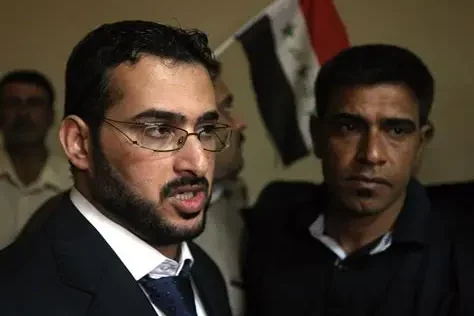
Despite the difficulties he never truly lost his passion for the media and eventually found ways to work within the industry. He has contributed to various outlets and used social media to bypass traditional gatekeepers who might have been hesitant to hire him. His presence on platforms like Twitter and Facebook allows him to comment on Iraqi news in real time maintaining a loyal following. He often posts about the ongoing struggles with infrastructure and security in Baghdad keeping his focus on the daily lives of his neighbors and friends.
It is a more modern way of practicing the journalism he loved before he became the headline of every newspaper. He uses his voice to highlight stories that the mainstream media often ignores such as local corruption and community resilience. By staying active in the media he ensures that he is not just a relic of the past but a current participant in the national conversation. He has adapted to the digital age with ease using his platform to continue his lifelong mission of seeking truth and demanding accountability from those in power.
11. Looking Back on a War That Never Really Ended
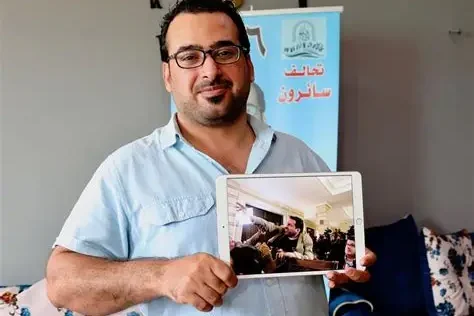
As the years pass his commentary has shifted toward the long term effects of the 2003 invasion and the subsequent years. He remains a staunch critic of foreign involvement in Iraqi affairs often pointing out that the problems he protested are still present. In his view the shoe toss was a warning about the resentment that would continue to grow if the concerns of the people were ignored. He speaks with a certain level of weariness now as someone who has seen his country go through immense transitions without finding peace.
His perspective is grounded in a deep sense of patriotism that has remained consistent throughout his entire public life. He often reflects on how the world has changed since that day in 2008 and how little has changed for the average person. He continues to advocate for a sovereign Iraq that is free from the influence of both western and regional powers. His voice remains an important part of the political landscape providing a link between the past and the present struggles of his beloved homeland.
12. Choosing a Quiet Life in Baghdad
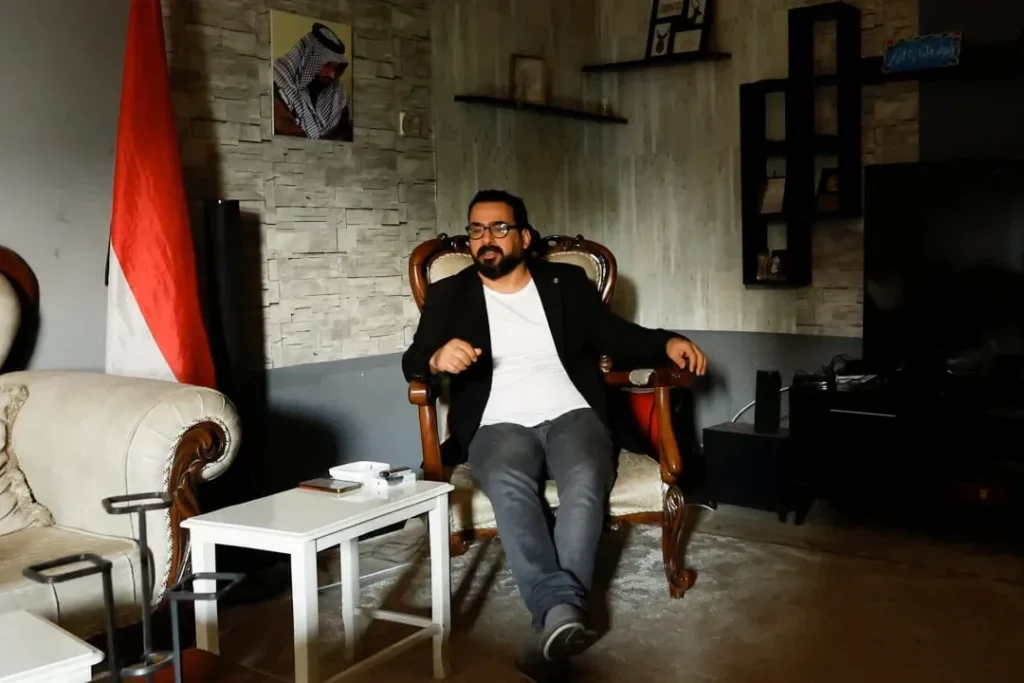
Today he spends much of his time in Baghdad living a life that is much quieter than the chaotic years following his protest. He is often spotted in local cafes or walking the streets where he is still frequently recognized by locals who want to shake his hand. While he is no longer the fiery young reporter he once was he still holds a place of respect in many communities. He seems to have found a balance between his public persona and his private life focusing on his family and his local advocacy work.
It is a far cry from the international spotlight but it seems to be exactly where he wants to be at this stage. He enjoys the simple things like drinking tea with friends and talking about the future of his city. While he is still active on social media he values his privacy and the ability to live as a normal man among his people. He has become a fixture of the city a living reminder of a moment when one man stood up and spoke for millions of others.
13. Becoming a Symbol for a New Generation
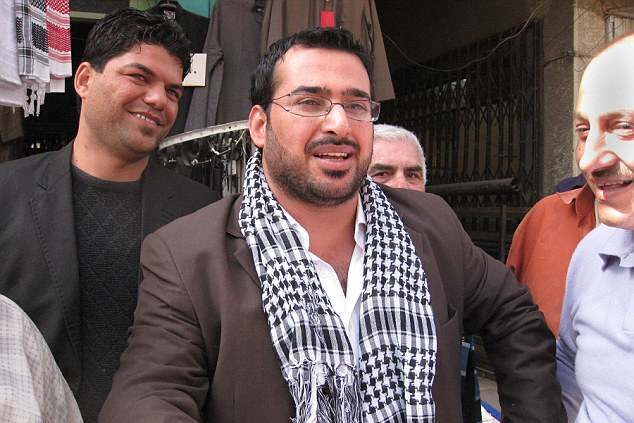
Younger Iraqis who were children when the event happened now look up to him as a symbol of someone who stood up for his beliefs. During various protest movements in Iraq over the last few years his name and image have occasionally resurfaced as a reminder. He has encouraged young people to be active in their communities and to hold their leaders accountable regardless of the consequences. While he does not necessarily want them to throw shoes, he does want them to have the courage to speak their truth clearly.
This mentorship role has given him a new way to influence the future of his country without needing to hold a political office. He often meets with young activists to share his experiences and offer advice on how to navigate the difficult political landscape. He believes that the future of Iraq belongs to the youth and he wants to do everything he can to support them. His legacy is now being carried forward by a new generation of Iraqis who are fighting for a better and more just society for all.


