
1. Schools

Successful cities understand that school boundaries do much more than just assign students to classrooms; they actually shape the heartbeat of our neighborhoods. When catchment areas are thoughtfully drawn to promote both easy access and a healthy mix of backgrounds, families feel stable and secure. They are no longer forced to move house just to find a decent education for their children, which keeps local communities together and prevents the social gaps that often plague urban areas. These boundary decisions, often made behind closed doors in education departments, carry a weight that lasts for generations, influencing everything from local friendships to long-term career paths.
In cities that are currently struggling, school zoning often acts as a tool for division rather than a bridge to opportunity. Since the early 2000s, property prices in “top-tier” zones have skyrocketed, sometimes costing 20% to 30% more than houses just across the street. This creates a trap where parents feel defined by their zip code rather than supported by their local government. When catchments are used to gatekeep quality education, it leads to “hollowing out” where some schools are overcrowded while others are neglected. The quiet design of these zones ultimately decides if a city offers a fair start to everyone or if success is strictly rationed for the wealthy.
2. Emergency Response Design

Effective city planning prioritizes saving lives over making a grand impression with fancy buildings. Functional cities place fire stations and ambulance hubs based on rigorous data regarding response times, ensuring that help arrives within the critical “golden hour.” In modern urban planning, the goal is often to have responders on-site within eight minutes of a call, a standard that has been refined since the late 1970s. These systems work best when they are so efficient that the public hardly notices them, providing a safety net that operates smoothly in the background of daily life without any unnecessary drama or delays.
In contrast, weaker cities often suffer from emergency systems that are spread too thin or distributed unevenly across different districts. This lack of coordination can turn a simple kitchen fire or a minor traffic accident into a major tragedy if the nearest help is miles away. When response times vary wildly depending on which neighborhood you live in, it sends a message that some lives are valued more than others. Choosing to invest in a balanced and well-funded emergency grid is one of the most honest ways a city can prove it cares about every resident. Reliability in a crisis is the true mark of a city that functions for the people.
3. Drainage Planning

Cities that truly work for their residents take rainfall and water management extremely seriously. Modern drainage systems are no longer built using old data from the 1950s; instead, they are designed to handle future climate patterns and “100-year storm” events that now happen much more frequently. By investing in larger underground pipes and permeable surfaces, these cities protect property values and prevent the spread of waterborne diseases. While these massive infrastructure projects sit completely out of sight beneath the pavement, they act as a vital shield that keeps entire districts safe during the heavy downpours that are becoming more common in the 2020s.
On the other hand, cities that fail to plan often rely on outdated pipes and crumbling culverts that simply cannot keep up with modern demands. In these areas, flooding becomes a frustrating and expensive routine, washing out roads and forcing local governments to drain their emergency budgets every time it rains. This reactive approach creates a cycle of damage and repair that hurts the local economy and stresses out the residents. The invisible decision to prepare for water before it even arrives is what separates a dry, thriving metropolis from one that is constantly struggling to mop up the mess and rebuild its broken infrastructure.
4. Building Enforcement
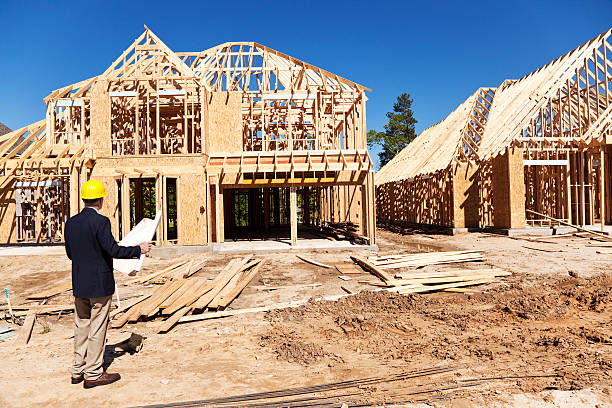
Great cities stay safe because they stick to the rules, ensuring that building codes are enforced fairly for everyone. Since the tragic lessons learned from events like the Grenfell Tower fire in 2017 or various earthquakes in the early 2000s, many cities have realized that consistent safety inspections are non-negotiable. Inspectors in functional cities operate independently, applying high standards whether a developer is a small local builder or a massive international corporation. This creates a deep sense of trust among residents, who can rest easy knowing their homes are built to last for many decades rather than just looking good on the day of the sale.
When building enforcement is weak or corrupted by influence, the results are often dangerous and fragile. In these cities, shortcuts become the norm, and “cheap” construction leads to buildings that age poorly and fail suddenly, putting lives at risk. The quiet choice to prioritize strict safety enforcement over quick profits determines whether a city’s growth is durable or dangerously unstable. Without strong oversight, the skyline might grow quickly, but the foundation of public trust will eventually crumble. A city that enforces its codes is a city that values the long-term safety and well-being of its people over short-term financial gains.
5. Waste Logistics
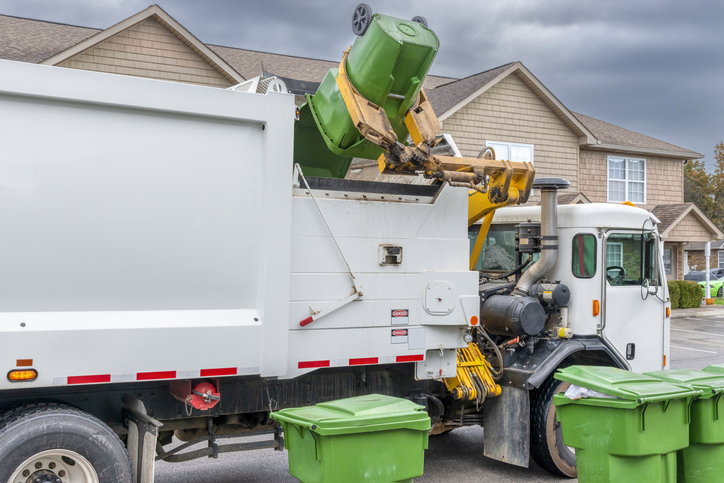
A city that functions well treats trash as a puzzle to be solved rather than a nuisance to be hidden. Modern waste logistics involve optimized collection routes that reduce truck emissions and recycling systems that are actually easy for the average person to use. Since the global shift in recycling markets around 2018, smart cities have moved toward more localized processing centers to keep streets clean and reduce costs. Residents in these areas notice how tidy their neighborhoods are without ever having to think about the complex schedules and logistics that make it happen every single morning.
In cities that struggle with their planning, waste collection is often irregular and only happens when people start to complain. This leads to overflowing bins and littered streets, which quickly become hot topics for local politicians and angry neighbors. Even though the problem looks like a simple cleaning issue, the root cause is almost always a failure in long-term logistics and planning. The invisible decision to design a careful and consistent waste system is what makes the difference between a street that feels cared for and one that feels neglected and abandoned by the local government.
6. Lighting Strategy

Effective cities are designed to be enjoyed at all hours, using lighting strategies that prioritize people over cars. Instead of harsh, blinding floodlights, smart urban planners use warm, directed LED lighting that makes footpaths and public squares feel cozy and safe. Studies from the early 2020s show that better lighting can reduce the fear of crime by over 20%, encouraging people to go for evening walks and support local businesses after dark. Good lighting doesn’t just clear the shadows; it creates a welcoming atmosphere that breathes life into the city long after the sun has gone down.
Conversely, cities that are poorly lit often feel threatening and cold as soon as night falls, even if the actual crime rates are relatively low. When the streets are dark or the lights are broken, residents tend to retreat indoors, leaving the public spaces empty and vulnerable. This lack of activity can actually lead to more crime, creating a negative cycle that is hard to break. The quiet choice of where to place a street lamp or how to light a park determines whether a city remains a vibrant place to live 24 hours a day or if it becomes a ghost town the moment evening arrives.
7. Local Autonomy

Cities that truly thrive are those that give neighborhoods a little bit of power to handle their own business. When local communities have the autonomy to make small decisions, like where to hold a weekend market or how to decorate a public park, it builds a sense of pride and ownership. This approach, often called “hyper-localism,” has gained a lot of momentum since 2015 because it allows for faster solutions to small problems. Residents feel more connected to their local government when they see that their voices actually lead to visible changes in their own backyard, fostering a spirit of cooperation.
On the other hand, highly centralized cities often move at a snail’s pace because every tiny decision has to be approved by a distant office. Minor issues, such as a broken playground swing or a request for a community garden, can escalate into major frustrations because the process is so slow and removed from reality. This creates a gap between the people and the planners, making the city feel remote and uncaring. The invisible decision to decentralize small powers is what makes a city feel responsive and alive, rather than a place where nothing ever gets done without a mountain of paperwork.
8. Long Memory

The most successful cities in the world are those that choose to learn from their past mistakes instead of repeating them. They maintain “institutional memory” by documenting every project and policy, ensuring that new leaders don’t have to start from scratch every four years. This tradition of keeping records and honoring historical lessons has helped cities like London and Tokyo rebuild and evolve through centuries of challenges. By valuing the knowledge of the past, these cities can adjust their policies with precision, making sure that progress is steady and that expensive errors are not made a second or third time.
In cities that fail to grow, memory is often lost every time a new administration takes over. Projects that were halfway finished are often scrapped, and the same mistakes surface again and again because no one bothered to write down what went wrong the last time. This “reset” culture causes progress to stall and wastes millions of dollars in taxpayer money. The invisible decision to preserve civic memory and respect historical data is what allows a city to truly evolve. It ensures that the city becomes a better version of itself over time, rather than a place that is constantly spinning its wheels and going nowhere.
9. Transit Frequency
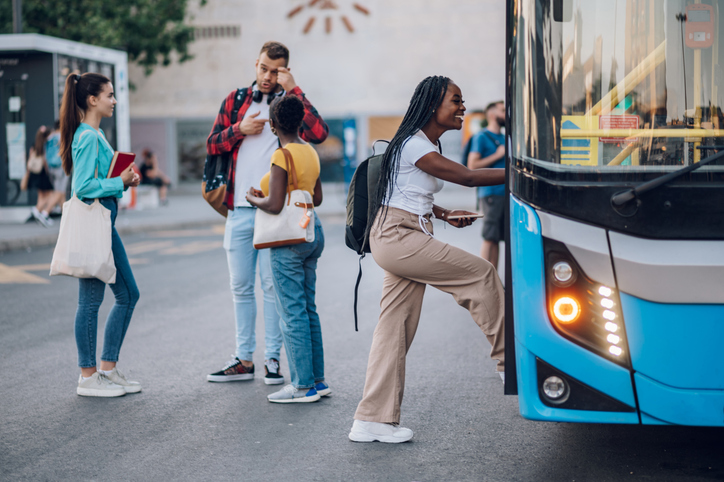
In cities that function well, public transportation is built around the concept of “spontaneous travel.” This means that buses and trains arrive so frequently, usually every 10 minutes or less, that residents don’t even need to check a timetable. Since the expansion of high-frequency networks in cities like Vienna and Singapore in the early 2010s, data has shown that reliability is the number one factor in getting people to leave their cars at home. When a city invests in the invisible logistics of scheduling and fleet maintenance, it gives residents back their most valuable resource: time. This reliability creates a seamless urban experience where the city feels smaller and more accessible to everyone.
In struggling cities, transit is often viewed as a “service of last resort” for those who cannot afford to drive. Schedules are sparse, and a single missed bus can result in a 40-minute wait, which effectively punishes people for using green energy. This lack of frequency forces more cars onto the road, leading to the soul-crushing traffic jams that have plagued major metros since the 2000s. The quiet decision to fund frequent service rather than just building shiny new stations determines whether a transit system is a functional tool for the masses or just an expensive, underused ornament. True freedom in a city is being able to move without a countdown clock.
10. Public Seating
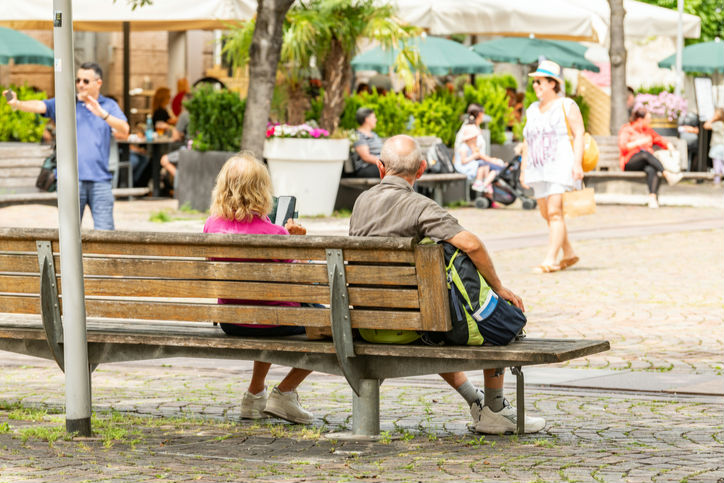
A city that cares about its people understands that the “right to rest” is a fundamental part of urban life. Successful cities place benches and seating areas strategically in parks, near bus stops, and along shopping streets to encourage people to linger and socialize. Following the “placemaking” trends that took off in the 2010s, planners realized that inclusive seating, designed for everyone from elderly residents to tired parents, makes a neighborhood feel welcoming. These small pieces of street furniture act as the “living room” of the city, facilitating the random conversations and rest stops that turn a collection of buildings into a real community.
Conversely, cities that are failing often adopt “hostile architecture,” which includes slanted benches or armrests designed to prevent people from staying too long. This approach creates a cold, unwelcoming environment where the public is constantly nudged to “move along.” When there is nowhere to sit without paying for a coffee, the city becomes a place of transaction rather than a place of connection. The invisible choice of where and how to place a simple bench determines whether a public space feels like a shared asset or a restricted zone. A city with plenty of seating is a city that respects the human need for a moment of peace.
11. Maintenance Cycles
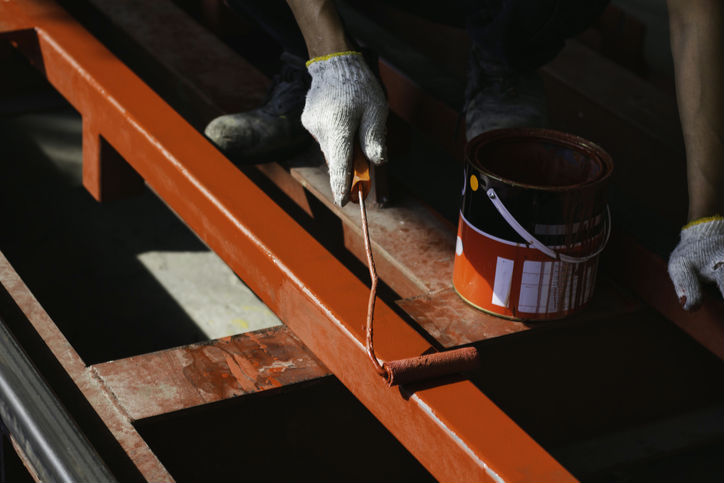
Working cities operate on the principle that “an ounce of prevention is worth a pound of cure.” They use proactive maintenance cycles to fix potholes, paint railings, and service streetlights before they actually break. Since the rise of “smart city” sensors in the early 2020s, many municipalities now use data to predict when equipment will fail, allowing them to make repairs quietly at night. This steady, invisible work prevents the “broken windows” effect, where minor neglect leads to a general sense of disorder. By staying ahead of decay, these cities save millions in long-term reconstruction costs while keeping the environment looking sharp and reliable.
In cities that are poorly managed, maintenance is reactive rather than proactive. Repairs are only made after something has completely collapsed or caused an accident, which is far more expensive and disruptive for the public. You see this in crumbling bridges or rusted playground equipment that sits unusable for months. The quiet decision to fund a routine cleaning and repair crew is one of the most important factors in a city’s longevity. Without these regular “check-ups,” a city’s infrastructure ages prematurely, leading to a visible decline that saps the energy and pride of the people who live there.
12. Digital Accessibility
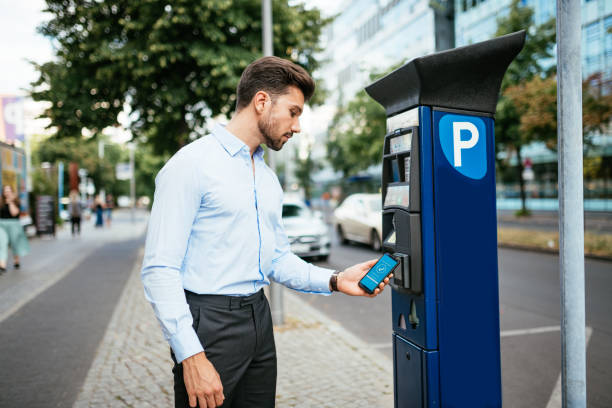
Modern cities that work understand that the “digital divide” is a major barrier to progress in the 2020s. They ensure that every resident, regardless of age or income, can access essential services through simple, user-friendly websites and apps. From paying a parking ticket to applying for a business license, the process is designed to be completed in minutes rather than hours. These cities also invest in public Wi-Fi and digital literacy programs to ensure that technology serves as a bridge rather than a wall. This invisible infrastructure allows the city to move faster and stay organized in an increasingly online world.
In cities that are lagging behind, bureaucratic processes remain stuck in the paper-heavy traditions of the 1990s. Residents are often forced to visit government offices in person, take time off work, and stand in long lines just to handle basic tasks. This inefficiency creates a “time tax” on the poor and slows down the local economy. The quiet choice to modernize digital interfaces determines whether a city feels like a forward-thinking hub or a frustrating relic of the past. When a city’s digital door is easy to open, everyone has a better chance to succeed and stay connected.
13. Tree Canopy
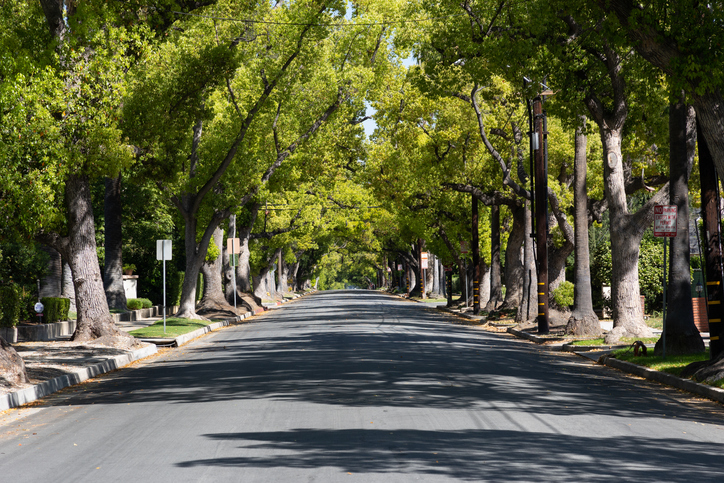
Functional cities view their trees not just as decoration, but as vital “green infrastructure.” A thick tree canopy can lower neighborhood temperatures by up to 10 degrees during a heatwave, a fact that has become crucial since the record-breaking summers of the early 2020s. Planners in these cities prioritize planting native species that provide shade and soak up rainwater, reducing the strain on drainage systems. This invisible green shield protects public health by filtering the air and providing a natural habitat for local birds, making the urban environment feel much more balanced and breathable.
In cities that ignore their green space, the “urban heat island” effect takes hold, turning concrete streets into ovens during the summer. Without the protection of trees, electricity bills for air conditioning soar, and elderly residents face higher health risks from heat exhaustion. The decision to remove trees for “easier” development is a short-sighted choice that leads to a bleaker, hotter, and more expensive city. Choosing to plant and protect a diverse urban forest is an investment in the comfort and survival of the population. A street with a healthy canopy is a sign of a city that plans for the climate of tomorrow.
14. Noise Mitigation
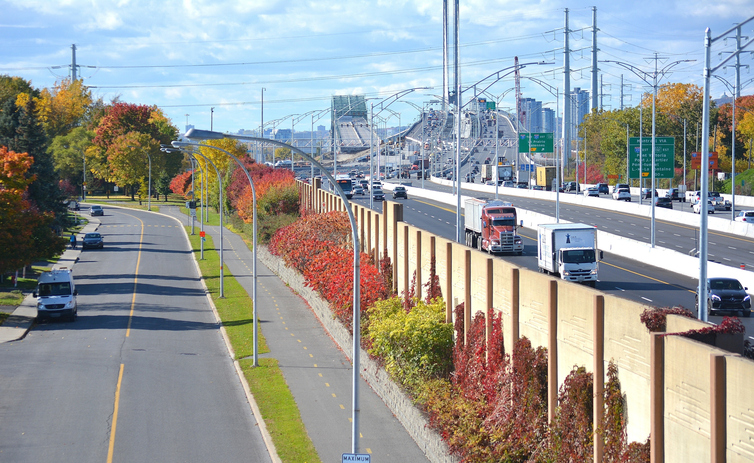
Cities that are pleasant to live in take “acoustic health” seriously, recognizing that constant noise leads to higher stress levels and sleep deprivation. Since the mid-2010s, smart urban designs have incorporated sound-absorbing pavements, “quiet zones” in parks, and strategic barriers along busy highways. By managing the roar of traffic and industrial sounds, these cities create a calmer environment where residents can actually hear the birds chirp or have a conversation on the sidewalk. This invisible layer of design significantly improves mental health and makes high-density living much more attractive for families.
In cities that neglect noise planning, the constant din of sirens, heavy trucks, and construction creates a “sound desert” that drives people away. High noise levels have been linked to heart disease and learning difficulties in children, yet many cities treat it as an unavoidable part of urban life. The quiet choice to enforce noise ordinances and use sound-dampening materials determines whether a neighborhood feels like a sanctuary or a source of stress. A city that values silence is one that respects the peace of mind of its residents. Reducing the volume of the city is a subtle but powerful way to improve everyone’s quality of life.
15. Sidewalk Width
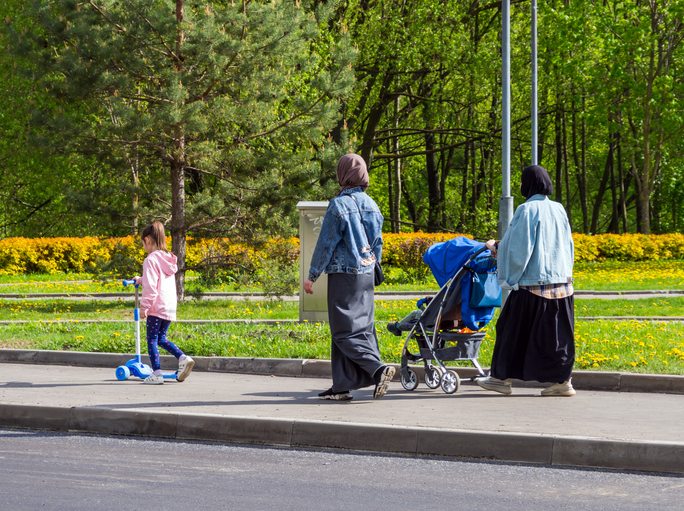
Great cities are built for feet, not just wheels. Working urban areas ensure that sidewalks are wide enough for two strollers to pass each other comfortably, creating a safe space for pedestrians. Since the “pedestrianization” movement gained massive popularity in the early 2020s, cities like Paris and Barcelona have widened paths to encourage walking as a primary mode of transport. This invisible choice to prioritize the walker over the parked car makes streets feel safer, boosts local foot traffic for shops, and helps reduce the city’s overall carbon footprint. A wide sidewalk is an invitation to explore the city on a human scale.
In cities where the car is king, sidewalks are often narrow, cracked, or completely missing in some sections. This forces pedestrians, including those with disabilities or young children, into dangerous proximity with moving traffic. When walking feels like a chore or a risk, people stop doing it, which leads to empty streets and a dying local culture. The decision to narrow a sidewalk to add an extra driving lane is often the first step toward a city that feels hostile and disconnected. Choosing to give more space to people on foot is a clear signal that a city values the health and mobility of its actual residents over the speed of commuters.
16. Zoning Flexibility
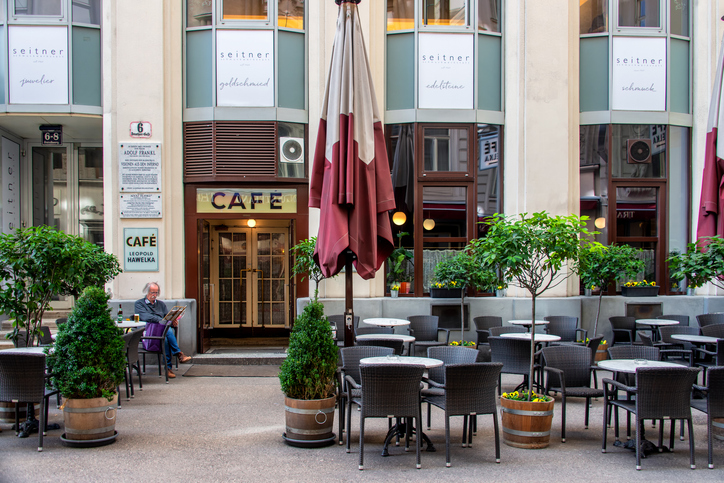
Cities that grow successfully allow for “mixed-use” zoning, which means that apartments, offices, and small shops can exist in the same neighborhood. This creates “15-minute cities,” a concept that became a global gold standard around 2020, where everything you need is within a short walk or bike ride. By allowing a cafe or corner grocery store to sit beneath a block of flats, these cities reduce the need for long commutes and keep neighborhoods active throughout the day. This invisible flexibility allows the city to adapt to new trends, such as the rise of remote work, without leaving behind empty “office districts.”
In contrast, cities with rigid, outdated zoning laws often separate residential and commercial areas by miles of highway. This creates “commuter towns” that are ghost towns during the day and “business districts” that are dangerous and empty at night. This separation forces every resident to own a car and spend hours in traffic just to buy a loaf of bread or get to work. The quiet decision to allow a variety of uses for a single piece of land is what makes a neighborhood feel vibrant and self-sustaining. A city that allows for mixed use is a city that is built for the way people actually live today.
17. Public Toilets
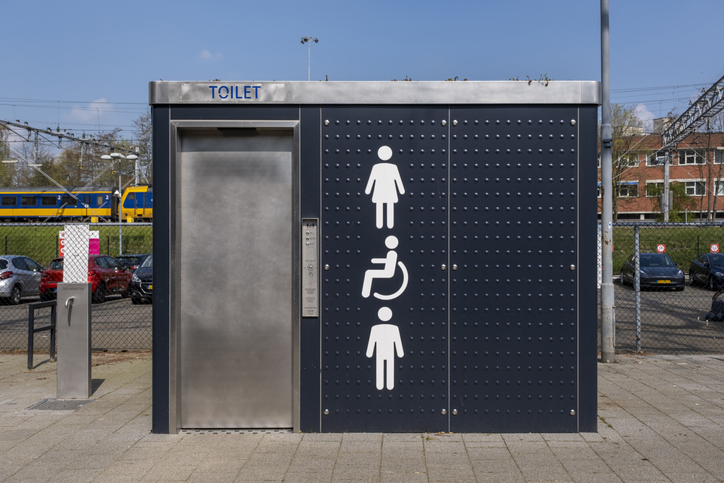
It sounds like a small detail, but the availability of clean, safe public toilets is a major indicator of a city’s health and inclusivity. Cities that function well provide these facilities in parks, transit hubs, and busy shopping areas, ensuring they are accessible to everyone, including people with disabilities. Since the global health discussions of the early 2020s, there has been a renewed focus on “potty parity” and hygiene. Providing these basic necessities allows people to stay out longer and enjoy the city without the constant anxiety of finding a bathroom. It is a fundamental service that upholds human dignity in the urban environment.
In cities that lack this basic infrastructure, public spaces become less accessible to the elderly, families with young children, and those with medical conditions. People are forced to rely on private businesses, which often require a purchase to use the facilities, effectively putting a “price” on a basic human need. This lack of planning leads to hygiene issues and makes the city feel uncaring and exclusive. The invisible decision to fund and maintain public restrooms is a sign of a city that truly thinks about the comfort of its visitors and residents. A city with a good toilet network is a city that is prepared for real life.
18. Wayfinding Systems
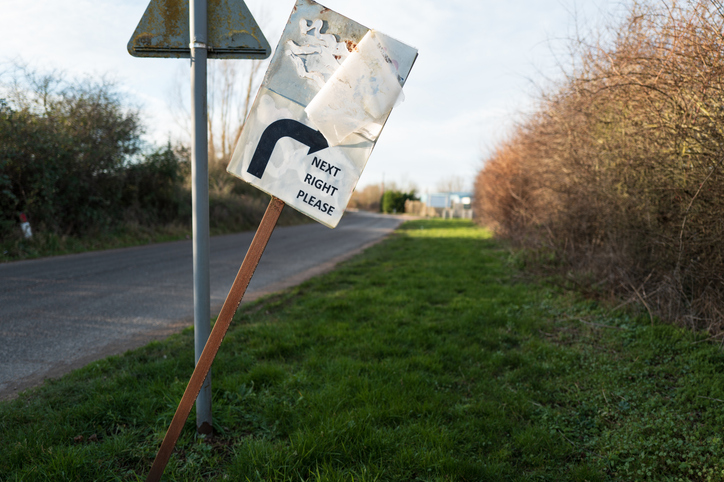
A city that is easy to navigate uses “wayfinding systems” that are intuitive and consistent across the whole metro area. This includes clear signage, maps at eye level, and color-coded paths that help both locals and tourists find their way without staring at a phone. Since the late 2010s, cities like New York and London have perfected these systems, using clear fonts and high-contrast colors to ensure they are readable for everyone, including those with visual impairments. This invisible guidance reduces the stress of travel and makes the city feel more welcoming and organized, encouraging people to explore new neighborhoods.
In cities with poor wayfinding, people often feel lost or confused as soon as they step off a train or bus. Signs are often contradictory, outdated, or placed in awkward spots that are hard to see. This confusion leads to frustration, missed appointments, and a reliance on GPS apps that don’t always capture the best walking routes. The quiet choice to invest in high-quality, physical signage is what makes a city feel “readable” and friendly to the human eye. When a city tells you exactly where you are and where you’re going, it builds a sense of confidence and belonging in the urban landscape.
Great cities are not born by accident or through a single stroke of luck. They are the cumulative result of thousands of small, uncelebrated decisions made with discipline and care over many decades.


