
A City Without Water
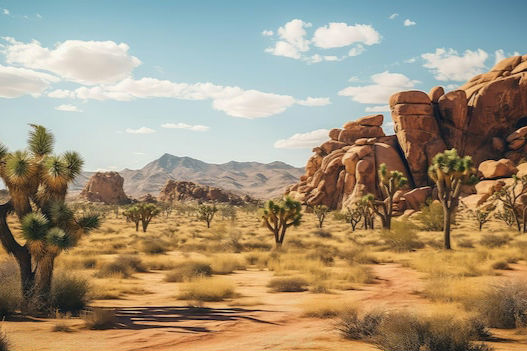
Since its incorporation on May 15, 1905, the city has forced us to ask tough questions about how we use resources. Las Vegas is located in the Mojave Desert, a region that gets very little rain each year. There are no large natural lakes or steady rivers nearby to support millions of people over a long period. In the past, most towns were built near water, but Las Vegas changed that rule by growing first and looking for water later. The city only exists today because it uses massive pipes to bring in water from very far away instead of relying on local rain.
The city depends on the Colorado River and Lake Mead, which was created in 1936 following the completion of the Hoover Dam. Recently, this setup has become risky because of long droughts and a changing climate. Since the year 2000, water levels in Lake Mead have dropped significantly, revealing “bathtub rings” of minerals on the canyon walls. Even though the city is great at recycling water, it is still in a dangerous spot because its survival depends on weather patterns it cannot control.
Desert Heat Reality

Summer in Las Vegas brings temperatures that are often too hot for the human body to handle safely. In July 2024, the city hit a staggering all-time record high of 120°F, proving just how extreme the desert climate has become. Most people spend their time inside because the outdoors feels like a literal oven for several months of the year. The city only functions because of massive, high-powered air conditioning systems that create an artificial environment for millions of residents and tourists to enjoy comfortably.
Relying so much on cooling technology creates a difficult cycle for the region. During heatwaves, the demand for electricity goes up, which puts a lot of stress on the power grid. If the power ever went out for a long time during the summer, the city would become unlivable almost immediately. Las Vegas survives by fighting against the dlesert heat rather than living with it, and this struggle gets harder every year as global temperatures continue to rise. It is a city that exists only because we have the mechanical power to ignore the sun, making it a very fragile oasis.
Built on Tourism

Most cities grow because they have factories, farms, or big shipping ports, but Las Vegas is different. Its entire economy is built on people coming to visit for shows, conventions, and fun. This focus makes the city very sensitive to what is happening in the rest of the world. For example, during the 2008 financial crisis and the 2020 pandemic, the city struggled because people stopped traveling and spending money on entertainment. When the world stops moving, the heartbeat of Las Vegas slows down significantly.
When the tourists stay home, the city feels the pain right away through lost jobs and less money for public services. Even though leaders have tried to bring in tech companies and sports teams like the Raiders in 2020, the heart of the city is still tourism. Las Vegas stays alive by constantly building newer and bigger attractions to keep people interested. It is a successful strategy for now, but it means the city is always at the mercy of the global economy. The city is a show that must never close, requiring billions of dollars in new investments every few years to stay relevant.
Energy Hungry Oasis
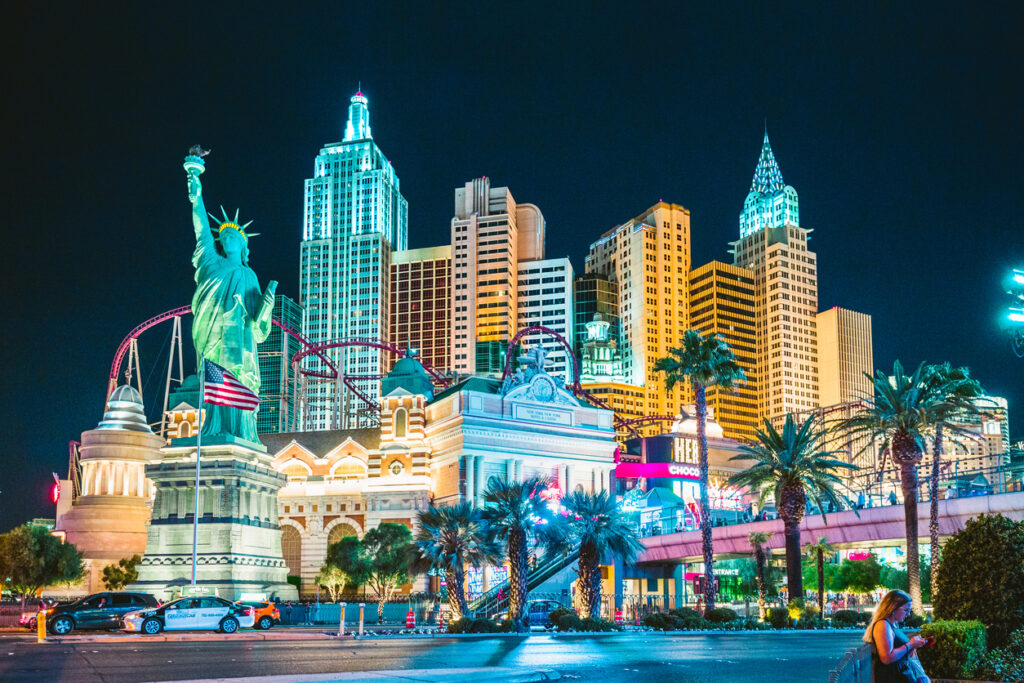
Running a massive city in the middle of a desert requires a staggering amount of electricity. Power is needed for everything from the famous bright lights on the Strip to the cooling systems in giant hotels. This creates a place that is completely artificial and kept alive by a constant flow of energy. Without this power, the “Oasis” would vanish, as there is nothing in the natural landscape to support such a high level of activity. The glow of the city can even be seen from outer space.
Nevada has made progress by opening large solar farms, such as the Copper Mountain Solar Facility, to provide cleaner energy. However, the city still uses a huge amount of electricity to keep the party going 24 hours a day. Every glowing billboard and chilled casino floor adds to a total energy bill that is much higher than in typical cities. Las Vegas represents a modern way of living where we use technology to ignore the natural limits of our surrounding environment. Its survival depends on the continued availability of cheap and reliable power, which is a condition that may not always be guaranteed.
Water as Spectacle
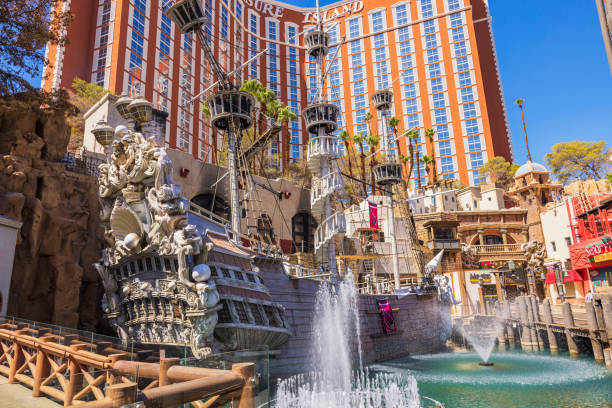
One of the strangest things about Las Vegas is how it uses its most limited resource as a decoration. You can find massive dancing fountains, pirate lagoons, and indoor canals right in the middle of the parched desert. These attractions are built to make visitors feel like they are in a place of plenty. While these water features are meant to be fun, they also stand in total contrast to the dry mountains nearby. It is a visual trick designed to make people forget they are in a desert.
Most people do not realize that the city is actually very smart about how it manages these displays. For instance, the Bellagio fountains use “gray water” and recycled sources to avoid wasting the city’s drinking supply. Even so, the sight of so much water being sprayed into the air creates a confusing message. The city has to look like a place of luxury to attract visitors, even though it must be very careful with its resources behind the scenes. This tension between looking rich and being careful is a constant struggle for the local government and resort owners.
Gambling as Engine
In 1931, Nevada made gambling legal, which changed the fate of Las Vegas forever. While other small desert towns disappeared, Las Vegas became a magnet for money and new construction projects. This decision allowed the city to build huge resorts that offered something people could not find anywhere else. For many decades, the income from casinos was the engine that paid for roads, schools, and the growth of the entire Mojave region.
Today, the gambling industry faces more competition than ever before because many other states have legalized casinos. To stay on top, Las Vegas has moved toward becoming a capital for professional sports and high-end dining. The city’s survival depends on its ability to stay exciting and unique in a world where you can gamble on a smartphone. It is a high-stakes game where the city must constantly reinvent itself to keep the money flowing into the desert. Without the massive revenue from the gaming floors, the city would not have the funds to maintain its complex infrastructure.
Artificial Urbanism
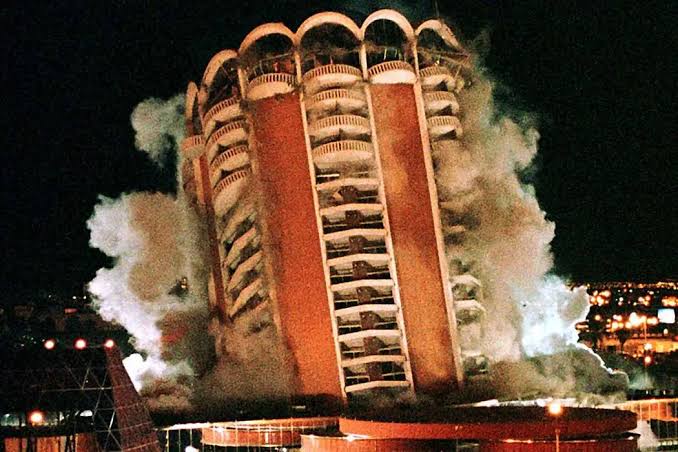
Las Vegas was not built slowly over hundreds of years like New York or London. Instead, it was designed and built very quickly, often tearing down its own history to make room for something bigger. If a hotel is thirty years old, it is often blown up to build a newer one, like the famous implosion of the Sands in 1996. This makes the city feel more like a movie set that can be changed at any time. It is a place that values the “next big thing” over tradition.
This fast pace of change helps the economy stay fresh, but it also means the city lacks deep roots. Many neighborhoods feel brand new, and there are not many historic buildings left to remind people of the past. Las Vegas survives by looking toward the future and ignoring the past, which is a very different way of building a community. Its identity is based on momentum and excitement rather than a long tradition or a specific local culture. This constant cycle of destruction and rebirth keeps tourists coming back, but it makes the city feel temporary and somewhat fragile.
Climate Change Pressure
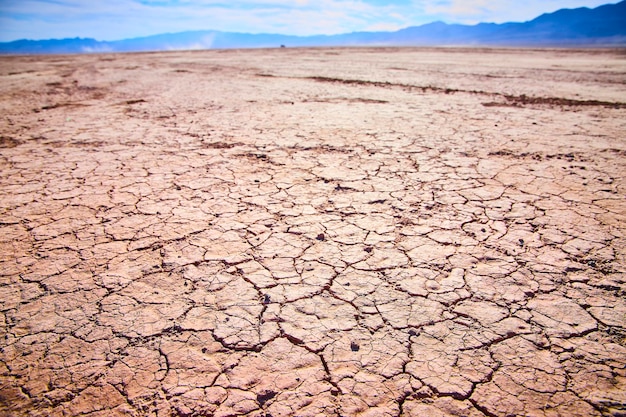
Climate change is making the natural problems of Las Vegas much more difficult to handle. Higher temperatures mean that water in reservoirs evaporates faster and people need more electricity to stay cool. The ongoing drought in the West has already forced the city to pass strict laws, such as banning “non-functional” grass in 2021. These rules show that the city is taking the threat seriously, but the challenges are growing faster than the solutions.
The city is very good at adapting, but it cannot control the entire region’s weather. If the Colorado River continues to dry up, Las Vegas will have to find even more creative ways to keep its taps running. Its future is tied to how the rest of the country handles environmental issues and resource sharing. While the city is a marvel of engineering, it remains one of the most vulnerable places in America as the planet continues to get warmer.
A Mirage Economy
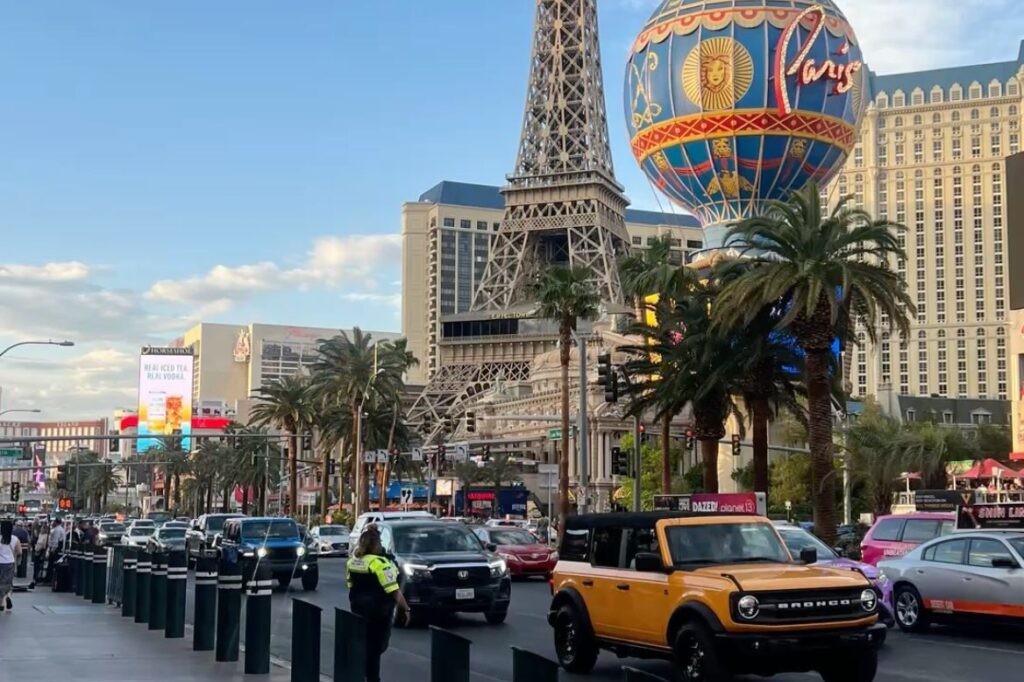
The wealth of Las Vegas can sometimes feel like a mirage because it is so focused on appearance. On the surface, the city looks incredibly rich with its billion-dollar resorts and luxury shopping malls. However, much of that money comes from outside investors and goes back to big corporations in other states. This creates a gap between the glitz of the tourist areas and the everyday lives of the people who work there.
Many residents rely on service jobs that can be uncertain and depend on how many people are visiting that month. While the city projects an image of endless success, it is actually a very delicate system that requires constant management. Las Vegas exists by balancing this high-end image with the reality of being a working-class city in a harsh environment. It is a place that survives on confidence, even when the underlying situation is quite difficult.
Engineering Over Nature

Las Vegas stands as a massive monument to what human engineering can achieve when it ignores natural limits. Because the desert provides almost nothing for human survival, every necessity must be manufactured or transported. For instance, the Hoover Dam, completed in 1935, was the original feat of engineering that provided the electricity and water storage needed for the city to exist. Today, complex underground pumping stations and massive cooling plants work around the clock to keep the environment habitable for over two million residents.
This total reliance on technical mastery creates a system where failure is not an option. If the pipelines stopped flowing or the power grid collapsed, the city would become a graveyard of glass and steel within days. Las Vegas survives by trusting that technology will always stay one step ahead of environmental collapse. It is a bold gamble that suggests humans can live anywhere as long as they have enough money and machinery, but it leaves the city’s future entirely dependent on machines that must never break.
A City of Risk
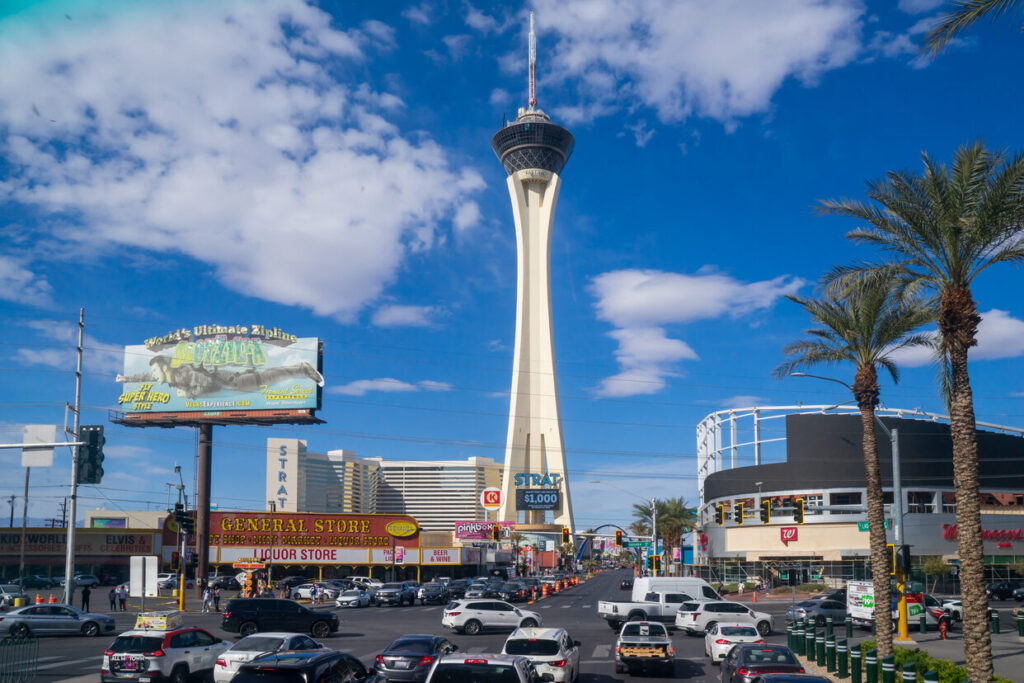
In many ways, Las Vegas is built on a foundation of calculated risks that go far beyond the casino floor. The city’s planners have consistently bet that there will always be enough water, enough energy, and enough tourists to keep the lights on tomorrow. This “all-in” mentality has allowed the city to grow at a staggering pace, transforming from a small railroad stop in 1905 to a global powerhouse. However, this growth has often happened without a clear plan for what to do if the natural resources actually run out.
Living with this level of uncertainty is part of the local DNA, but the stakes are higher than ever before. If multiple pressures hit at once, such as a major economic crash combined with a record-breaking drought, the city’s resilience would be pushed to its absolute limit. Las Vegas exists because these bets have paid off for decades, yet history shows that luck eventually changes. The city remains a fascinating experiment in whether a society can sustain itself by treating environmental limits as problems that can simply be managed later.
Persistence Against Logic
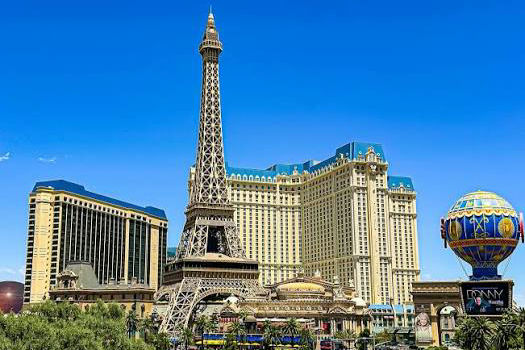
When you look at the facts, Las Vegas defies almost every rule of traditional urban planning. Most successful cities are built near major waterways or in areas with mild climates and fertile soil. Las Vegas has none of these, and yet it continues to thrive because it offers something the physical world cannot provide: total escape. People travel from all over the world to see the 1999 replica of the Eiffel Tower or the high-tech Sphere, which opened in 2023, because the city provides a fantasy that feels separate from the stresses of normal life.
This stubborn persistence shows both the best and worst of human ambition. The city survives by refusing to accept the boundaries set by the desert, replacing nature with neon, air conditioning, and clever marketing. Whether this is a brilliant victory for humanity or a dangerous form of denial is still up for debate. For now, Las Vegas stands as a glowing proof that as long as people want to dream, they will find a way to make the impossible real, even in the middle of a wasteland.
Las Vegas may continue to shine for a long time, but its story is a reminder that lasting a long time is not the same thing as being sustainable.


