
1. That quick finger on the skip button
Ever wonder why your Spotify seems to know you better than your own best friend? It is not just magic; it is a complex, living system that balances what you love with what it thinks you will love. Whether you are an artist trying to break through or a listener curious about the ghost in the machine, here is how the world’s biggest streaming platform pulls the strings behind the scenes. We have all been there, hovering over the skip button while driving or cooking. On Spotify, that moment is a high stakes trial for every artist because if a listener clicks away before the thirty second mark, the algorithm registers it as a no thanks and effectively buries the track for good.
This is why you will notice so many modern songs dive straight into the hook or a catchy melody within the first few seconds. The first thirty seconds determine how your track performs algorithmically. It is the platform’s way of gauging instant satisfaction. If people stay, the song gets a boost; if they flee, it vanishes into the digital abyss. It is a bit brutal when you think about it, but it is how the system learns your boundaries. Artists are basically begging you to stay just a little longer so the algorithm does not lose faith in their creative work. This initial judgment call sets the stage for everything else that follows in your personalized musical journey.
2. Giving a song a little love with a save
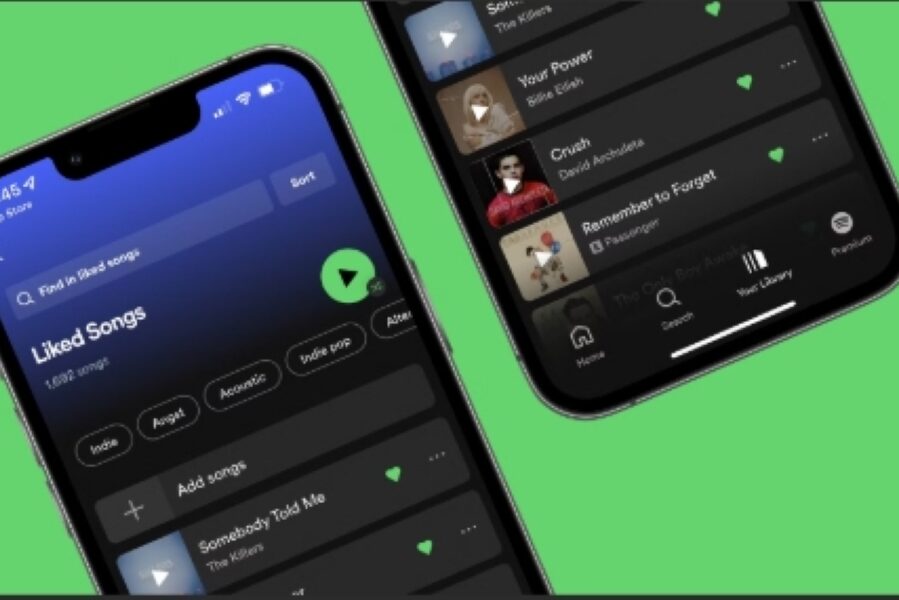
When you actually take the time to hit that heart icon, it means so much more than just a casual listen. It is like telling the platform that you want to keep this one forever. To the folks behind the scenes, a save is the ultimate compliment because it shows real intent. It is one of those things where it is not just about the numbers but about the connection. When you save a track, you are essentially vouching for that artist. You are telling the machine to go ahead and show it to someone else who shares your taste. It is an act of digital kindness that ripples through the system.
It is one thing to let a song play in the background, but it is quite another to hit that plus icon. For internal data, a save is the gold star. It tells the system that this track is not just background noise. This metric often carries more weight than a million passive plays because it signals a deep, intentional connection. Artists who can convince their fans to save their music are the ones who suddenly find themselves appearing in Discover Weekly and Daily Mixes because the algorithm identifies their work as being very sticky. These small interactions are the building blocks of an artist’s long term success on the platform today.
3. The people like your secret sauce
It is kind of wild how a computer can guess you would like an obscure 70s folk singer just because you have been binging indie rock lately. This happens through a process that is basically digital word of mouth. If you and I both love the same three bands, and I start listening to a fourth one, the system figures you will probably dig it too. It is looking for those invisible threads that connect our record collections. It creates a massive map of human preference based on our collective habits. It is less about the math and more about the shared experience of millions of listeners.
This map is created by millions of users discovering things together in real time. Have you ever wondered how Spotify finds that obscure indie band that sounds exactly like your favorite 90s rock group? That is Collaborative Filtering at work. It essentially looks at millions of users and says if User A likes Band X and Band Y, and User B likes Band X, they will probably love Band Y too. It is like a massive global recommendation system powered by supercomputers that act like your music obsessed friend. This shared data ensures that the songs reaching your ears have already been vetted by people who think just like you do.
4. Reading the room and the rhythm
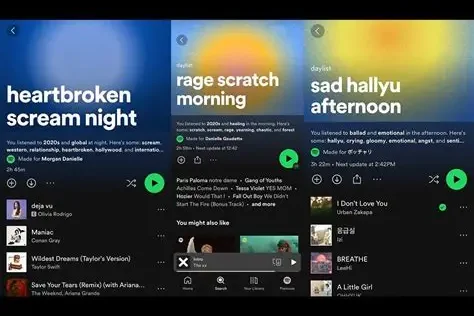
Sometimes you just need a specific mood, like a slow Sunday morning or a high energy gym session. Spotify actually listens to the characteristics of a song like the tempo, the key, and even how happy the melody feels. This is how they keep the vibe from breaking. You will not usually find a heavy metal track sliding into your yoga playlist because the AI recognizes the sonic fingerprint does not match the calm. It is trying to be the perfect DJ for your life at any given moment. It analyzes the raw audio to make sure every transition feels as natural as possible for you.
Beyond just watching what we do, the algorithm actually hears the music. It breaks down raw audio into data points like BPM and even danceability. This is why a Chill Lofi playlist stays chill because the AI detects the mellow frequencies and keeps the vibe consistent. It scans the mood of a song to decide if it is upbeat or somber. This helps the platform place songs in the right context, ensuring that your high energy workout mix does not suddenly get interrupted by a slow acoustic ballad. The system is dedicated to maintaining the atmosphere you have chosen, acting as a silent guardian of your current emotional state.
5. Keeping an ear on the digital grapevine
The platform does not just stay inside its own app; it is out there reading blogs and checking social media just like we do. It uses something called natural language processing to see how people talk about music. If a certain artist is being called the next big thing on a popular music site, the algorithm picks up on those words. It helps the system understand the story and the culture behind the music. It is like the AI is sitting in a coffee shop listening to the buzz. This helps it categorize artists in a way that feels human and culturally relevant.
Spotify does not just listen to the music; it reads about it too. Using these tools, the platform scours the web to see what people are saying about a specific artist. If an artist is frequently mentioned alongside bedroom pop or dreamy synths, the AI adopts those tags. It even analyzes lyrics to understand themes. This web crawling helps the system understand the cultural context of a song, moving beyond just the notes to the actual story being told, which is why your recommendations feel so aligned. It is a sophisticated way of ensuring that the machine understands the soul and the hype behind every single new track.
6. The clever balance of the BART system

There is a specific engine called BART that has a pretty tough job. It has to keep you happy with what you know while gently nudging you toward something new. It is a constant tug of war. If it only played your favorites, you would get bored; if it only played new stuff, you would get frustrated. It is designed to give you what you want, but also what you did not know you needed yet. This experimentation is why your Daily Mix feels like a friend. It balances the comfort of the familiar with the excitement of the unknown in every single session.
At the heart of everything is this AI system. It is a fancy name for a system that balances two things: playing what it knows you like and experimenting with new tracks. BART’s job is to keep you from getting bored. It is a delicate dance of giving you your comfort music while slowly introducing fresh tracks it thinks you might like. This ensures the platform stays engaging. It is the reason you feel that spark of joy when a brand new song hits just right. By alternating between safe bets and risky picks, the system keeps your listening experience fresh and vibrant every day.
7. Real people still have a seat at the table

Even with all these smart computers, there are still real humans picking songs for the big playlists. These editors look for the soul of a track that a machine might miss. They are looking for a story, context, and emotion that resonates on a human level. While they definitely look at the data to see what is working, the final call on a major playlist often comes down to a person with a pair of headphones. It is a nice reminder that taste is still human. These tastemakers bring a level of intuition that no amount of code can fully replicate.
While the robots do a lot of the heavy lifting, Spotify still employs human editors who are the true tastemakers. These are genre experts who curate massive playlists like RapCaviar or Today’s Top Hits. However, even these humans use data. They look at which tracks are trending, which ones have low skip rates, and what is buzzing on social media. It is a hybrid world where a human might pick the pool of songs, but the algorithm decides exactly when you will hear them. This partnership between man and machine ensures that the music has both popularity and that elusive spark of genuine human artistic quality.
8. Your Friday morning wakeup call
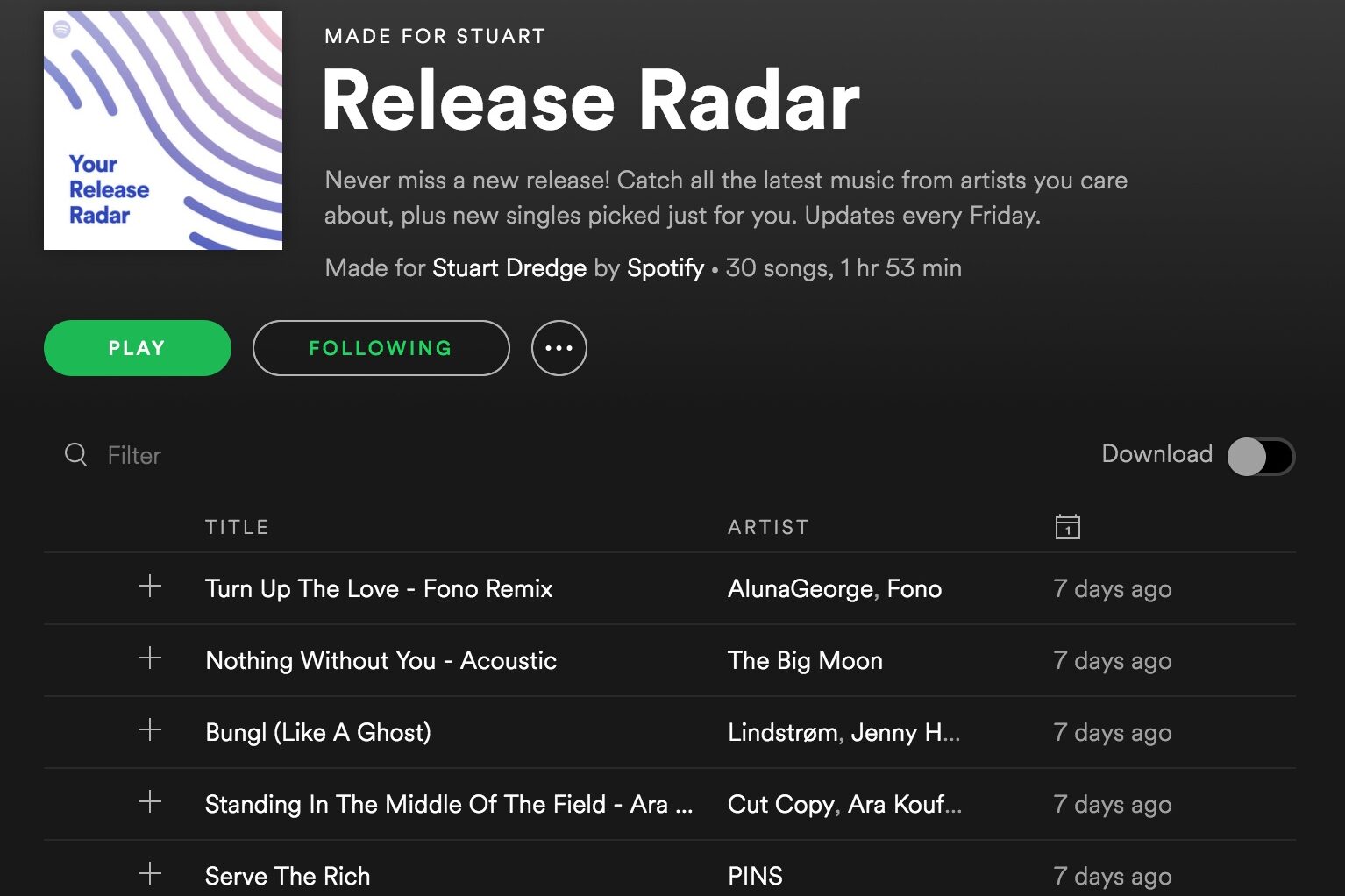
Every Friday feels like a little bit of a holiday because of Release Radar. This is one of the few places where you have total control. If you follow an artist, they get a direct pass into this playlist for you. It is a simple and honest way for a musician to stay in your life without having to fight through a bunch of filters. For the listener, it is a personalized newspaper of everything your favorite creators have been working on lately for your personal enjoyment. It makes sure you never miss a beat from the people you care about.
This listicle style playlist is purely algorithmic but highly personal. It is primarily driven by your follows. If you follow an artist, their new release is almost guaranteed to show up here. For the artist, this is the most reliable way to bypass the noise and get straight to their core fans. It is a direct line of communication that rewards loyalty. If you want to support a musician, following them is the best way to ensure the algorithm remembers to tell you the news. It is a powerful tool for connection that cuts through the clutter of the modern music world.
9. The slow burn of Discover Weekly
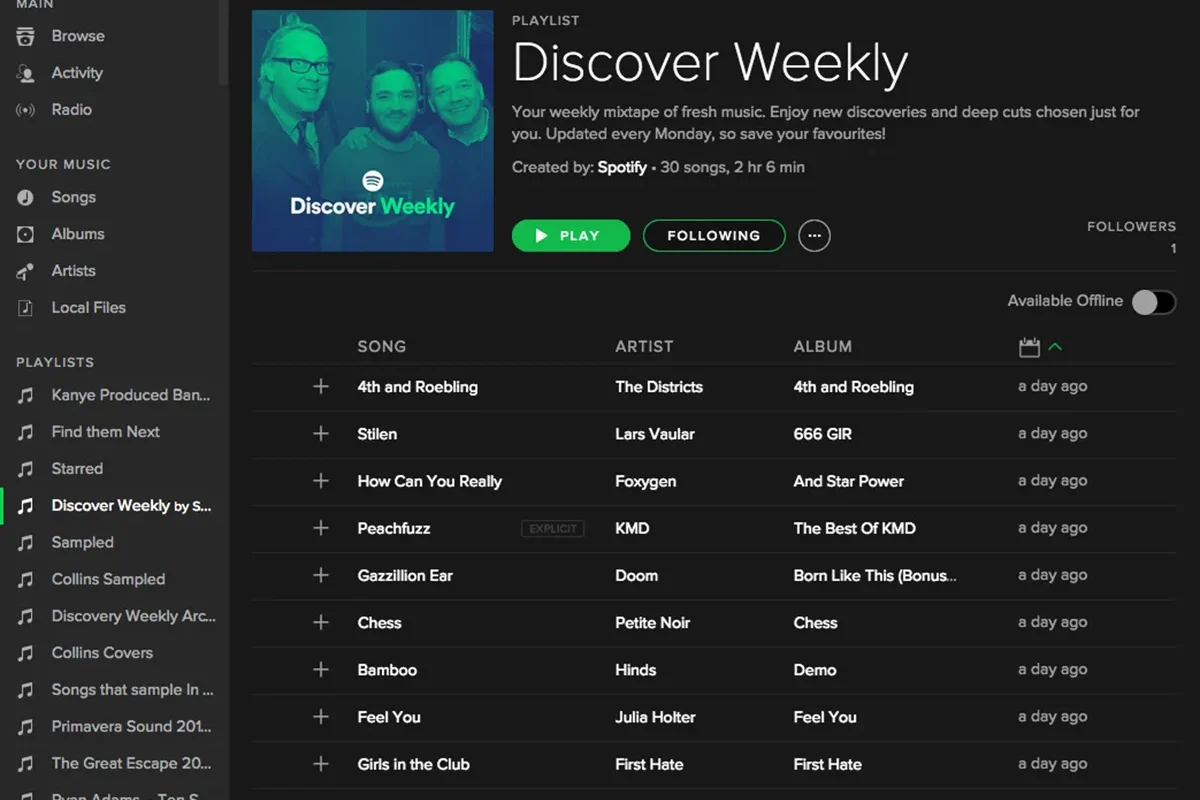
You might notice that a new song does not usually pop up in your Discover Weekly right away. The algorithm likes to wait and see how it performs for about two weeks first. It is looking for a popularity index to spike, which is just a fancy way of saying it is waiting for the song to prove it has some legs. This delay actually helps ensure that when you finally hear it on a Monday morning, it is a track that has been vetted. This careful vetting process is why that specific playlist often feels so curated and perfect.
The legendary Discover Weekly playlist is a bit of a late bloomer. It usually takes a song about two weeks of solid activity before the algorithm decides it is ready for this specific spotlight. Once a song hits a certain threshold, the gates open. It is a long term game, meaning a song that did not do much in its first week can still become a viral hit three months later if the data signals finally align. This makes the discovery process feel more organic. It rewards patience and quality, ensuring that the songs that eventually make the cut are truly worth your time.
10. Taking a chance on Discovery Mode
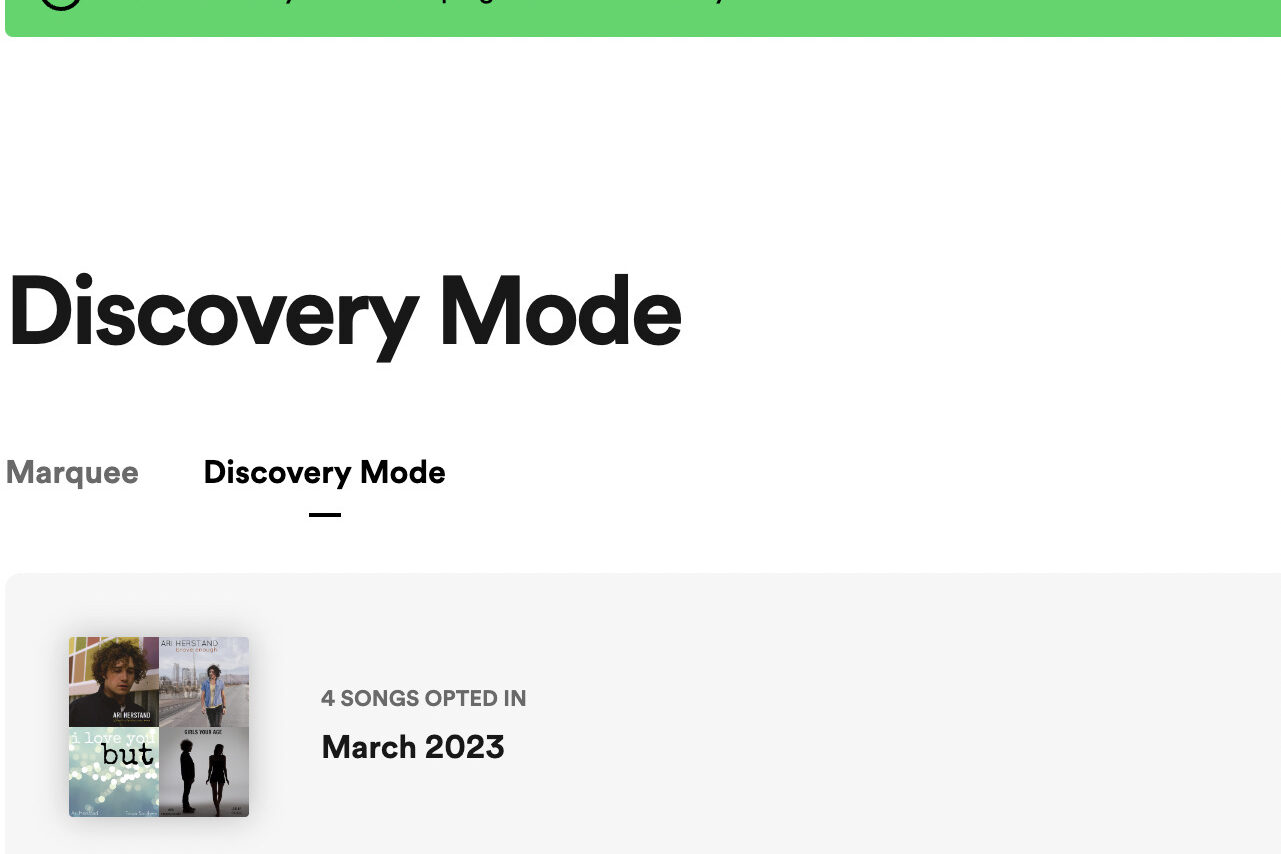
Spotify recently gave artists a way to give their songs a little extra help through a tool called Discovery Mode. It is a bit like an artist saying I really believe in this track, so please show it to more people. They might take a slightly smaller cut of the pay in exchange for the extra exposure in your Autoplay or Radio feeds. It does not mean the song is a guaranteed hit, but it increases the likelihood of the selected songs being recommended. This allows artists to take their destiny into their own hands in a crowded market.
This tool allows artists to have a say in their own fate. In exchange for a lower royalty rate on specific streams, artists can tell the algorithm to prioritize certain songs. It is a controversial but powerful way for independent acts to buy their way into the engine without a massive marketing budget. By letting the music’s performance determine if it stays in rotation or gets cycled out, the platform keeps the listener experience high while giving new music a fighting chance to shine. It is about giving a voice to those who might otherwise be drowned out by the major labels.
11. The importance of the right labels
When a musician uploads a song, they have to describe it as dreamy or angry or romantic. If they get these labels wrong, the algorithm gets confused and sends the song to the wrong people. Imagine looking for a relaxing bath song and getting a punk rock anthem; you would skip it immediately, and that hurts the artist. Proper tagging is like giving the song a proper map so it can find its way home to the right listener every time. It is a technical step that has a massive impact on the song’s ultimate success.
Precision matters more than you might think. If an artist tags a sad song as happy, the algorithm gets confused. It will show the song to people looking for an upbeat vibe, those people will skip it, and the algorithm will conclude the song is bad. Specificity matters; artists should include mood descriptors like uplifting or dark pop to help the algorithm understand context. Proper metadata is the identity card that helps the AI file the song correctly in the massive digital library. It ensures that the right music reaches the right ears at exactly the right time for everyone.
12. Seeing where the traffic is coming from
Spotify pays attention to where you were before you landed on their app. If a song is blowing up on TikTok and everyone is clicking a link to hear the full version on Spotify, the algorithm sees that outside heat and starts to pay attention. It is like a signal fire that tells the system something special is happening elsewhere. This is why you see so many artists focusing on other social platforms; they are trying to wake up the internal Spotify algorithm. They are using external momentum to prove that their music has real world value.
The algorithm is a bit of a social climber because it loves it when people talk about it elsewhere. When an artist drives traffic from Instagram or a personal newsletter directly to a Spotify link, the platform takes notice. These off platform activity signals tell Spotify that something exciting is happening. It sees the sudden influx of users and thinks this song is trending. It is one of the most effective ways for an artist to trigger the machine using outside momentum today. By proving their popularity in the wider world, they convince the system to take a chance on their music inside the app.


