
1. Incident and Life After the Trial
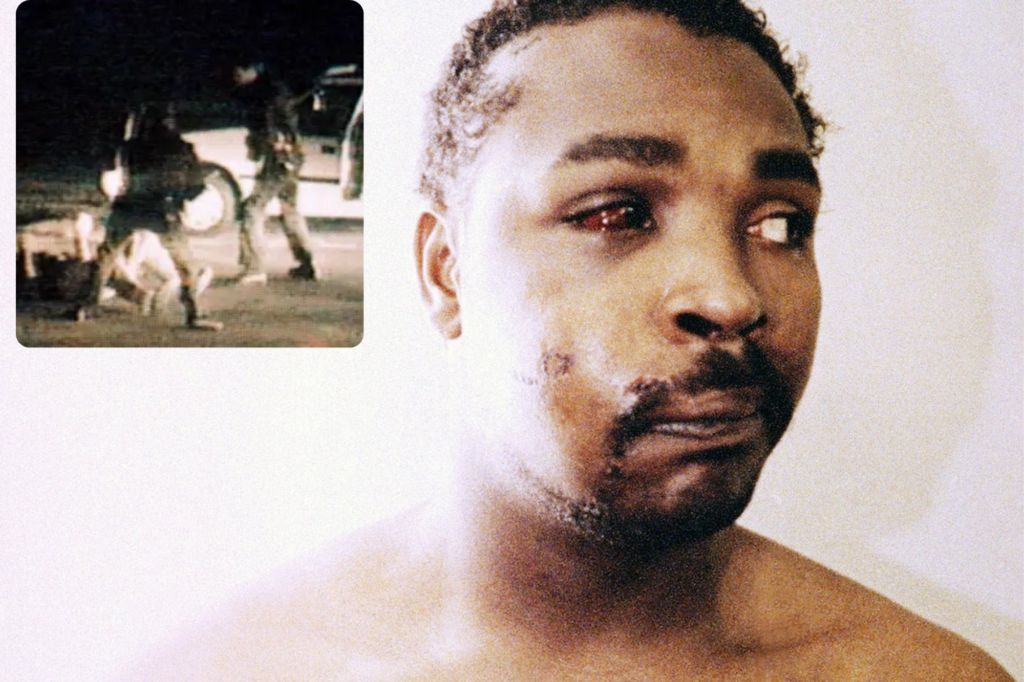
In March 1991, a grainy home video altered how the world saw policing in America. After the April 29, 1992, acquittal of the LAPD officers charged with assaulting him, Rodney King found himself in an impossible position. The verdict sparked six days of unrest across Los Angeles, resulting in over 60 deaths and $1 billion in property damage. King was suddenly expected to carry the emotional weight of a fractured nation. In the years immediately following the trial, he became both a symbol and a spectacle, frequently appearing in interviews and public events. In 1994, a federal civil rights case awarded King $3.8 million in damages, a sum intended as restitution but one that also brought intense scrutiny over how he lived his daily life.
Away from the courtroom, King struggled to return to any sense of normalcy. Fame arrived without structure, protection, or professional guidance, and the pressure was relentless. Many Americans saw him as a public figure, but he remained a private man dealing with significant trauma, physical injuries, and sudden, unwanted visibility. The expectation that he should represent forgiveness, resilience, or closure often ignored the fact that his life had been violently disrupted. For King, the end of the trial was not a conclusion, but the beginning of a far more complicated chapter that would last for the rest of his life.
2. A Symbol Not a Spokesman
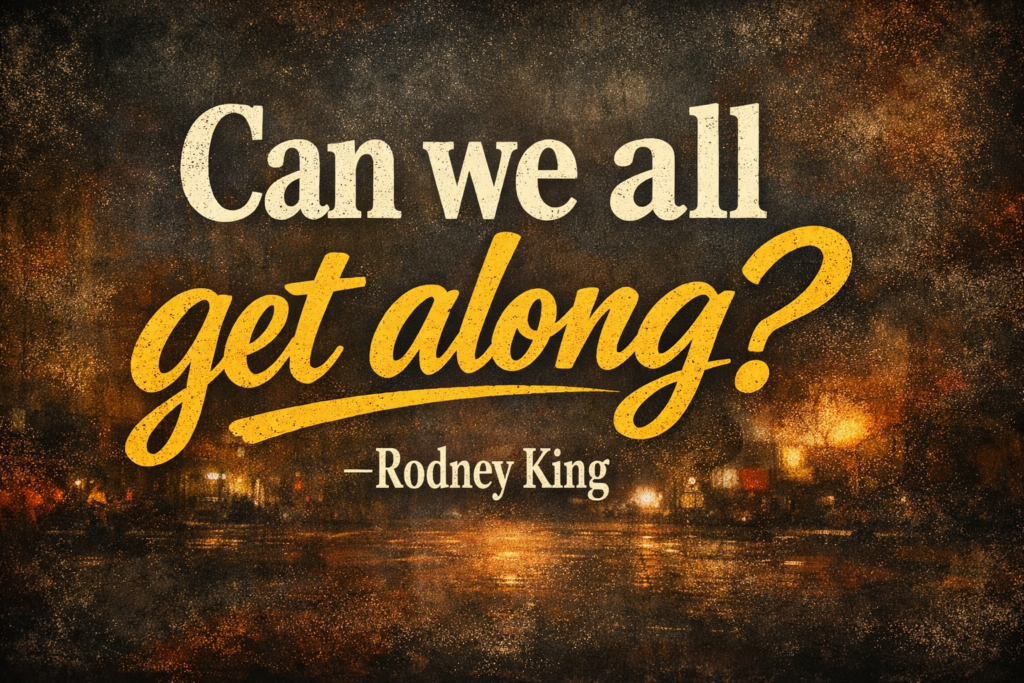
Rodney King was frequently described as the face of police reform in the 1990s, yet he never sought the role of activist or policy advocate. While civil rights organizations referenced his case in arguments for accountability and oversight, King himself did not lead movements or political campaigns. His now-famous plea during the 1992 unrest, “Can we all get along?” became widely quoted, but it was more an expression of deep exhaustion than a calculated political statement. He was a man caught in the middle of a storm he did not create, trying to find peace in a very loud world.
This gap between public expectation and personal reality defined much of King’s later life. Audiences often projected hopes of reconciliation and reform onto him, assuming he had clarity or purpose where there was mostly just survival. King did not receive training, institutional backing, or long-term support to navigate this symbolic status effectively. As years passed, he appeared less in public discourse, replaced by new cases and new names. The contrast was stark: history continued to cite Rodney King as a major turning point, while the man himself faded from public conversation, still carrying the heavy emotional cost of an event that others analyzed from a safe distance.
3. Struggles With Addiction

Long before the events of 1991, Rodney King had battled substance abuse, and the trauma following the beating intensified those struggles significantly. Public records and interviews confirm repeated arrests throughout the 1990s and 2000s related to driving under the influence and drug possession. The pressures of fame, unresolved psychological trauma, and chronic physical pain contributed to cycles of relapse that played out publicly. These moments were often reported with very little context or compassion by the media, which focused on the sensation of his downfall rather than the reality of his pain.
These incidents shaped how the public perceived King in later years, sometimes overshadowing the injustice that first brought attention to his life. Headlines focused on mugshots rather than his recovery efforts, reinforcing a narrative of personal failure rather than systemic neglect. For many observers, his struggles became uncomfortable reminders that legal victories do not guarantee personal healing. King’s experience illustrated how surviving a historic moment does not protect someone from long-term psychological harm, especially when support systems fall away. His addiction was not an isolated flaw, but part of a broader story about what happens when deep trauma is left untreated for decades.
4. Financial Reality Behind Settlement

The $3.8 million civil settlement Rodney King received in 1994 was often portrayed as life-changing wealth. In reality, the money did not offer the long-term stability many assumed it would. After paying substantial legal fees, taxes, and dealing with periods of unemployment, the funds steadily reduced over time. King also attempted to start a record label called Alta-Pazz Recording Co., but the venture was not successful. By the early 2000s, reports indicated that King was facing serious financial difficulties, including unpaid bills and housing instability, which stood in stark contrast to his public image as a wealthy man.
This gap between perception and reality fed public misunderstanding and resentment. Many believed the settlement meant King no longer needed help or sympathy, which led to harsh judgments when he encountered trouble. What was rarely discussed was how little financial planning or long-term guidance accompanied the payout. King had not been prepared to manage sudden wealth under intense public scrutiny, nor to balance it against ongoing medical and personal needs. His situation reflected a broader pattern seen in high-profile settlements, where compensation addresses legal responsibility but fails to account for lifelong consequences. The money closed a legal case, but it did not rebuild his life.
5. Repeated Encounters With Police
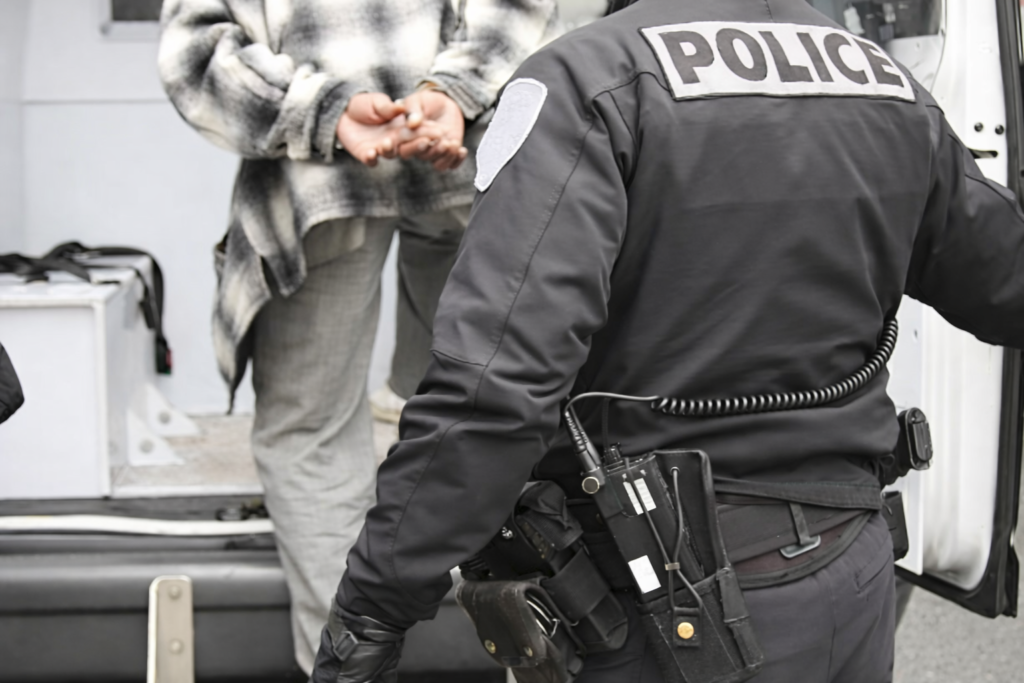
Despite becoming a global symbol of police brutality, Rodney King continued to have encounters with law enforcement throughout his life. These incidents, documented in various arrest records and news reports, ranged from traffic stops to domestic disputes. For example, in 2003, he was arrested after crashing his car into a house in Rialto, California. Each encounter was widely reported, often framed with irony rather than concern, as if his history should have somehow shielded him from any future conflict with the law or personal mistakes.
For King, these moments reinforced a painful reality: visibility does not guarantee protection or a change in behavior. The same system that had once failed him remained a constant presence in his life, and each interaction reopened a public debate about race and policing. To some, these incidents were used to undermine his credibility; to others, they highlighted how deeply embedded these issues were in his daily existence. King’s ongoing interactions with police underscored that his story was not frozen in 1991. It continued, imperfect and unresolved, reflecting the persistence of the very problems his case had originally exposed to the world.
6. Attempts at Rehabilitation
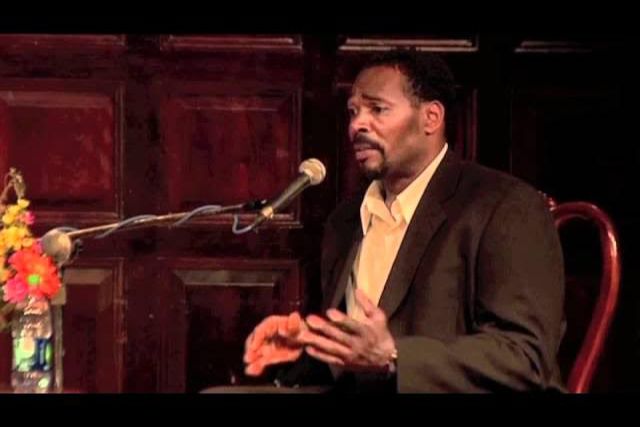
In the late 1990s and early 2000s, Rodney King made several earnest attempts to address his addiction through structured rehabilitation programs. Court-ordered treatment followed some of his arrests, while other efforts were entirely voluntary as he sought to stabilize his life. These periods were often brief and rarely supported by the kind of sustained aftercare that makes long-term recovery possible. Media coverage tended to focus on his setbacks rather than any progress he made, which unfortunately reinforced a cycle of public disappointment and personal shame for King.
Yet these attempts mattered because they showed a man trying, repeatedly, to regain control of his life under circumstances few people could ever experience. Recovery is rarely a linear path, and King’s relapses were not evidence of indifference, but of how challenging healing can be without a consistent support network. His experience mirrored that of many trauma survivors, particularly those whose pain is compounded by a lack of resources and constant public exposure. Rehabilitation was not a clean turning point for him, but part of an ongoing struggle that never fully resolved before his untimely passing.
7. Media Treatment Over Time
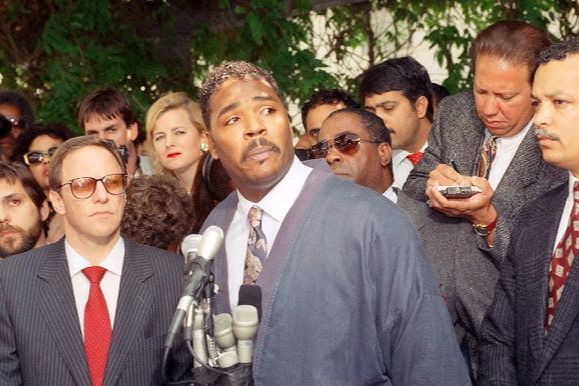
As the years passed, the media’s portrayal of Rodney King shifted noticeably from victim to villain or caricature. Early coverage framed him as a clear victim of excessive force; however, later reporting often reduced him to a cautionary tale about wasted potential. Stories about his arrests or substance use were frequently stripped of their psychological context and presented as simple personal failures. This shift in tone made it harder for the public to maintain the empathy they felt back in 1991, as the focus moved from the beating to his personal flaws.
This change reflected a broader pattern in how the media handles figures tied to social movements. Once the immediate moment of outrage fades, public empathy often gives way to fatigue or judgment. King’s humanity became secondary to his usefulness as a provocative headline. The complexity of his life did not fit easily into neat narratives of redemption or total decline. As a result, much of the public encountered him only through news fragments, missing the fuller picture of a man navigating a traumatic aftermath that few people could fully understand or relate to.
8. Reality Television Appearance
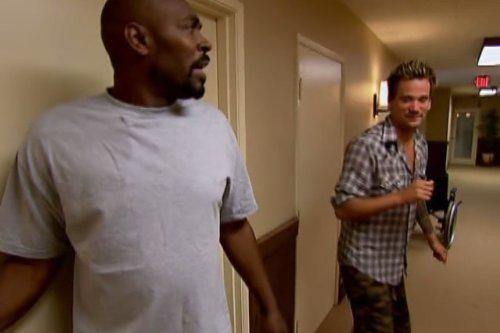
In 2010, Rodney King appeared on the reality television show Celebrity Rehab with Dr. Drew during its second season. The program aimed to document addiction recovery for the cameras, but its format often blurred the line between medical treatment and commercial entertainment. King’s participation was widely discussed, with some viewing it as a genuine chance for him to get help, while others criticized the exposure as exploitative of a man who was already struggling. It was a polarizing moment that brought him back into the living rooms of millions.
For King, the show represented both his vulnerability and a sense of desperation for a better life. It offered resources and professional attention he might not have otherwise accessed, but it also placed his deepest struggles on public display once again. The experience highlighted how limited his options had become and how his fame continued to shape the forms of assistance available to him. Reality television did not resolve his challenges, but it revealed how deeply intertwined his private pain and public image had become. Healing, once again, unfolded under the lens of a camera.
9. Quiet Years Before Death
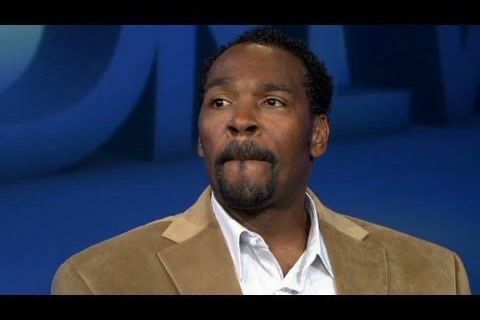
In the final years of his life, Rodney King largely withdrew from the intense public attention that had defined his adulthood. He lived in Rialto, California, where he tried to maintain contact with his family and made fewer media appearances. In 2012, he released his autobiography, The Riot Within: My Journey from Rebellion to Redemption, which was an attempt to tell his own story in his own words. There were no major comebacks, just a gradual fading from the spotlight that had once been impossible for him to escape.
This quieter period offered little closure to those who followed his story from a distance, but it may have provided King with some measure of personal peace. Without cameras or constant public commentary, his life became less symbolic and more ordinary. Yet the absence of attention also meant fewer resources were directed toward him. His later years were not triumphant or tragic in a cinematic sense; they were simply lived day by day. He remained shaped by the long shadow of a 1991 event that never truly let go of his identity or his future.
10. His Death in 2012

Rodney King was found dead in the swimming pool of his home on June 17, 2012, at the age of 47. An autopsy ruled his death an accidental drowning, noting the presence of alcohol, cocaine, and marijuana in his system, along with an enlarged heart. News of his passing prompted a renewed global reflection on his life and the lasting impact of the video that made him famous. It was a somber end for a man who had become an unwilling icon of a movement that was still very much alive.
His death felt quietly devastating rather than shocking to those who had followed his journey. For many, it underscored how unresolved his story remained and how little progress had been made in addressing the personal cost of systemic violence. Tributes acknowledged his role in changing public awareness, but they also hinted at a collective discomfort over how little support followed that awareness. Rodney King did not die as a polished symbol of reform; he died as a man who had carried the weight of history on his shoulders for over two decades.
11. Lasting Impact on Policing

While Rodney King’s personal life was often a struggle, the institutional impact of his case continued to grow long after he stepped away from the public eye. The 1991 videotape is widely regarded by historians as the definitive turning point in modern policing, as it forced a global conversation about oversight and the use of force. In the decade following the trial, police departments across the United States began to expand their internal affairs units and created more civilian review boards to ensure better accountability. The incident also fundamentally reshaped how courtrooms operated, making video evidence a powerful tool that often became the deciding factor in cases involving law enforcement misconduct.
However, the progress sparked by his ordeal was often slow and met with significant resistance. While many policies changed on paper during the late 1990s, the lived experiences in many urban communities showed that real transformation was harder to achieve. King’s case became a permanent reference point rather than a final resolution, cited by activists and lawyers whenever new footage of police incidents emerged in later decades. The irony remains striking: while policing debates advanced by using his story as evidence, the man himself was mostly absent from those high-level discussions. His legacy lived on through institutional changes, even as his own personal struggle unfolded quietly on the margins of society.
12. How History Remembers Him
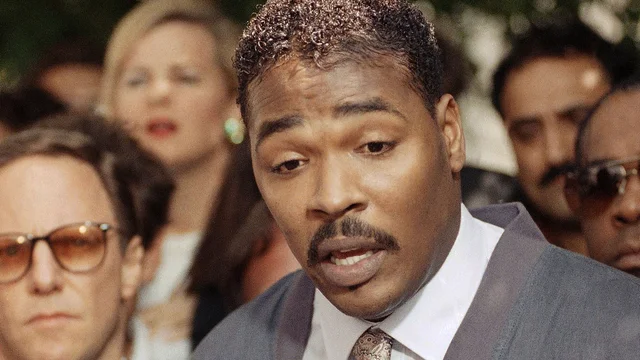
Today, Rodney King is often remembered less as a person and more as a specific moment in American history. His name appears in countless documentaries, academic studies, and news articles exploring race and media accountability. The video of his beating is still taught in classrooms and referenced in public discourse as a major catalyst for social change, yet these lessons are often detached from the actual human being who lived through the years that followed. He became a historical landmark, a name that stands for a movement, while the complexities of his daily life were largely set aside by the public.
This selective memory reflects how society tends to process collective trauma. History often prefers clear, simple symbols rather than complicated and messy lives. Because King did not fit easily into a perfect narrative of triumph or total redemption, his later struggles are frequently overlooked or ignored in the official retelling of his story. Yet, understanding what happened to him after the cameras stopped rolling is essential to grasping the full human cost of systemic failure. Rodney King was not just a trigger for reform; he was a person navigating intense pain and public neglect. Remembering him fully requires us to acknowledge both the massive change he sparked and the support he never truly received.
His true legacy is not only the video that changed policing, but also the unanswered question of how our society supports those it turns into symbols.
Like this story? Add your thoughts in the comments, thank you.


