
1. Knoebels Feels Like Home
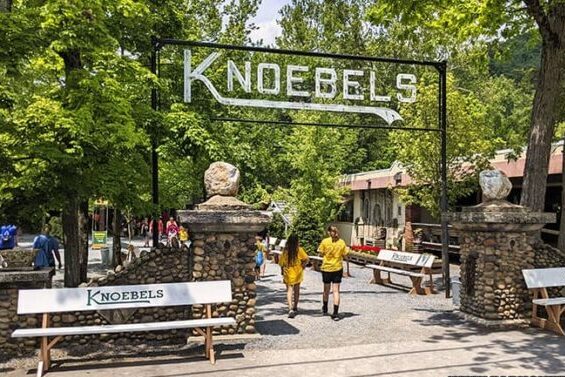
If you ever wondered where the soul of old amusement parks went, it quietly settled into places like Knoebels Amusement Resort. This is the kind of park people talk about in sentences that begin with “I remember.” There is no admission gate deciding when your fun starts. You simply walk in. That alone changes your posture. Families spread out naturally, kids dart toward rides, and adults slow down without realizing it. Someone once wrote online, “Knoebels doesn’t feel like a business. It feels like a favor.” That sounds right. The park trusts visitors to build their own day, and that trust makes people stay longer than planned.
What keeps Knoebels competitive is not scale or spectacle but comfort. The rides still feel personal. The food tastes like effort went into it. Nothing pushes you to hurry. In a world where major chains optimize every step, Knoebels does the opposite and somehow wins. You leave without feeling processed. You leave full, a little tired, and oddly calm. That feeling is why people defend this place like family, and why it still competes without trying to look bigger than it is.
2. Cedar Point Still Means Something
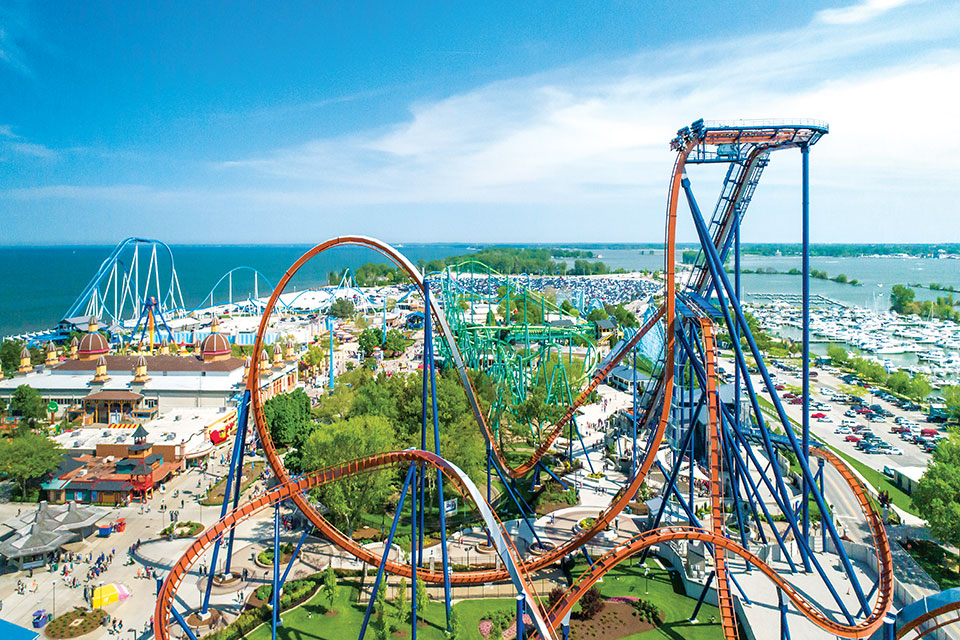
There are amusement parks you visit, and then there are ones you measure others against. Cedar Point falls firmly into the second category. Sitting on Lake Erie, it has built a reputation that even casual fans recognize. People speak about it with certainty, like they are recommending a trusted mechanic. One guest once said, “If you love roller coasters, this place explains why.” That kind of loyalty does not happen by accident. Cedar Point earned it over decades of consistency.
What keeps Cedar Point competitive is respect for its audience. The park never assumes visitors are easy to impress. It builds rides that challenge expectations while still honoring classics that longtime fans grew up with. You feel the past and present sharing the same space. There is pride here, but not arrogance. Staff move with confidence, and the park layout encourages exploration instead of confusion. Cedar Point proves that staying relevant does not require reinvention every year. Sometimes it just requires showing up prepared, again and again, and letting the work speak.
3. Kennywood Knows Its People
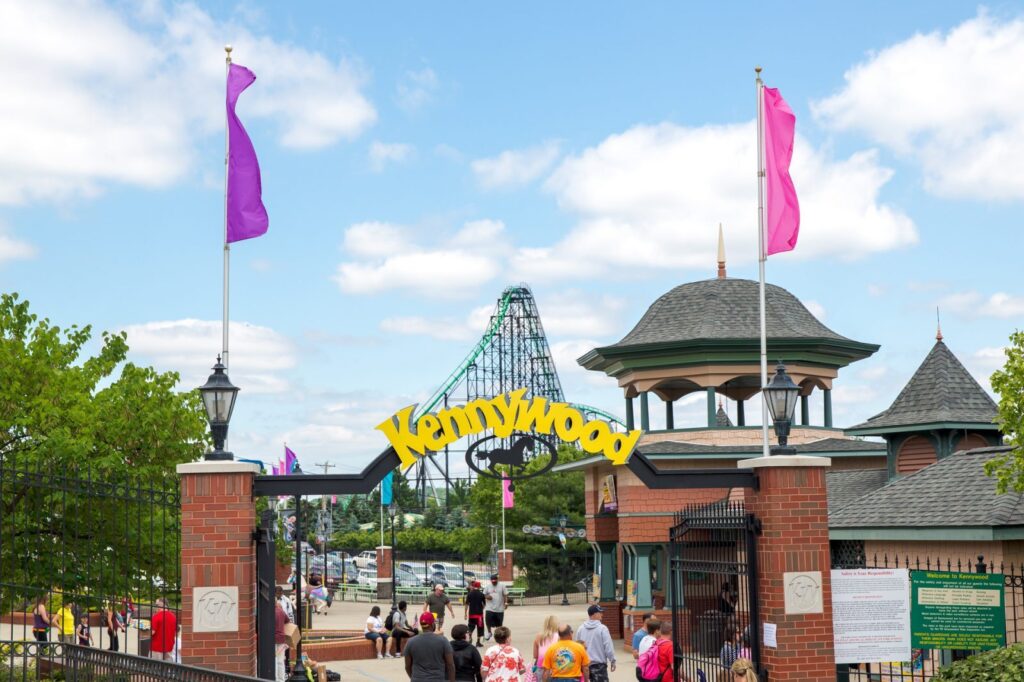
Just outside Pittsburgh, Kennywood feels less like a destination and more like a shared inheritance. Locals talk about it the way they talk about family traditions. You hear phrases like “we always went” and “my parents took me.” That history matters. One visitor wrote, “Kennywood feels like it grew up alongside me.” The park wears its age comfortably, never apologizing for it. Wooden coasters stand proudly, and modern rides slip in without disrupting the mood.
Kennywood competes by understanding its relationship with visitors. It does not try to overwhelm. It invites. The park balances nostalgia with enough newness to keep things interesting. Seasonal events feel thoughtful rather than forced. Food staples remain familiar. Even the pacing feels considerate. You are allowed to linger. That sense of permission is rare now. Kennywood survives because it listens. It knows when to update and when to leave well enough alone. That quiet awareness keeps people returning, often bringing the next generation along without needing persuasion.
4. Holiday World Leads With Kindness
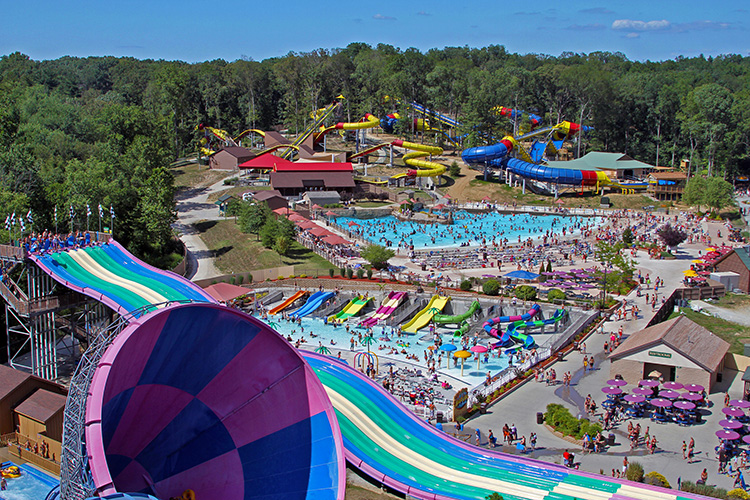
At first glance, Holiday World seems cheerful, maybe even simple. Then you notice the details. Free parking. Free drinks. Free sunscreen. No announcements about generosity, just actions. A visitor once commented, “They treat guests like neighbors.” That philosophy shapes the entire experience. Staff greet you like they mean it. Paths stay clean. The park feels cared for, not just maintained.
Holiday World competes by choosing warmth over flash. The rides deliver serious thrills, yet the environment stays relaxed. Families move easily from one area to another without tension. Nothing feels rushed or monetized to exhaustion. That balance keeps people comfortable enough to enjoy more. It is not about being the loudest option. It is about being the easiest to love. Holiday World proves that thoughtful design and basic kindness can still rival massive chains. When visitors leave smiling instead of drained, they remember why they came, and they plan to return without hesitation.
5. Lake Compounce Keeps Showing Up
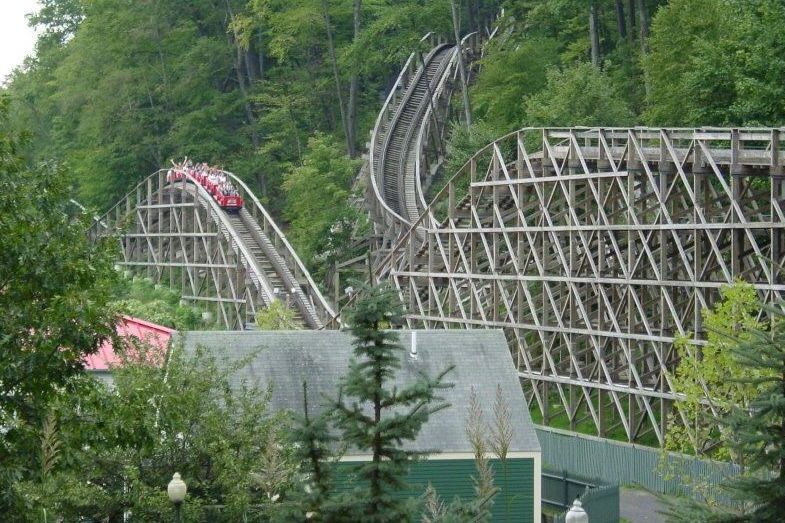
Lake Compounce does not announce its age when you arrive. It simply exists the way it always has, woven into local routines. Families return because it fits into their lives without effort. Parents point out rides they remember, and children listen without realizing they are stepping into something older than themselves. Visitors often describe the park as familiar even on a first visit, which speaks to how naturally everything settles around you. Nothing feels staged. The park feels lived in, shaped slowly by repetition rather than reinvention.
Lake Compounce competes by being dependable. The rides work. The grounds feel familiar. Seasonal changes bring just enough novelty to refresh the experience without disorienting anyone. The park understands its role as part of community rhythm rather than a once in a lifetime spectacle. That understanding keeps expectations realistic and satisfaction high. Visitors do not arrive hunting for excess. They come for ease. Lake Compounce remains relevant because it respects its audience and refuses to chase trends that would compromise its identity. In that restraint, it finds strength.
6. Silverwood Wins Quietly
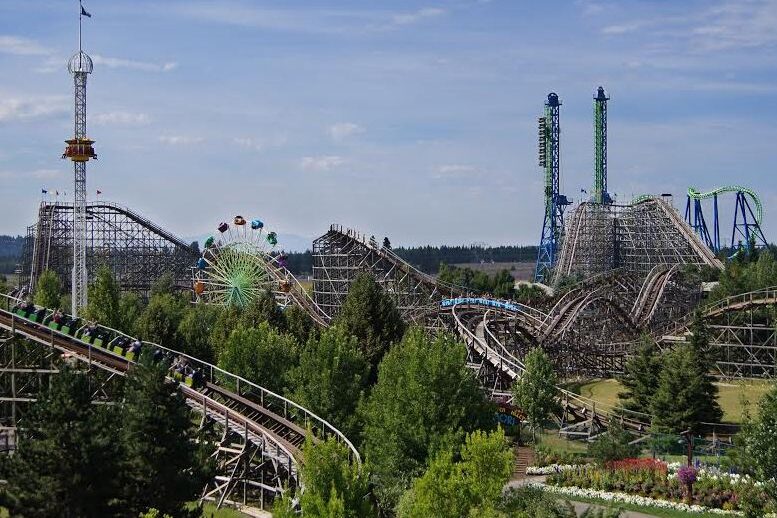
Silverwood Theme Park in Idaho often enters conversations as an aside rather than a headline. People mention it casually, usually while explaining an unexpected stop that turned into a full day. Expectations tend to start low, shaped by its location and low profile. Once inside, that assumption changes. Visitors talk about how comfortable the park feels, how little effort it takes to settle into the day. The rides feel familiar without feeling old, and the environment encourages lingering rather than rushing. Silverwood does not announce its value loudly. It reveals itself slowly, through pacing and care that feel intentional rather than accidental.
What keeps Silverwood competitive is its focus on fundamentals. Rides operate smoothly and feel consistently maintained. Lines move at a steady pace that reduces frustration. Staff interactions feel calm and genuine, not rehearsed. Families spread out naturally, while thrill seekers still find rides worth repeating. The park understands its scale and works within it instead of trying to imitate something larger. That awareness creates a relaxed rhythm that visitors respond to positively. The day unfolds without pressure, allowing guests to enjoy what is in front of them rather than chasing what they might be missing.
7. Dollywood Feels Intentional
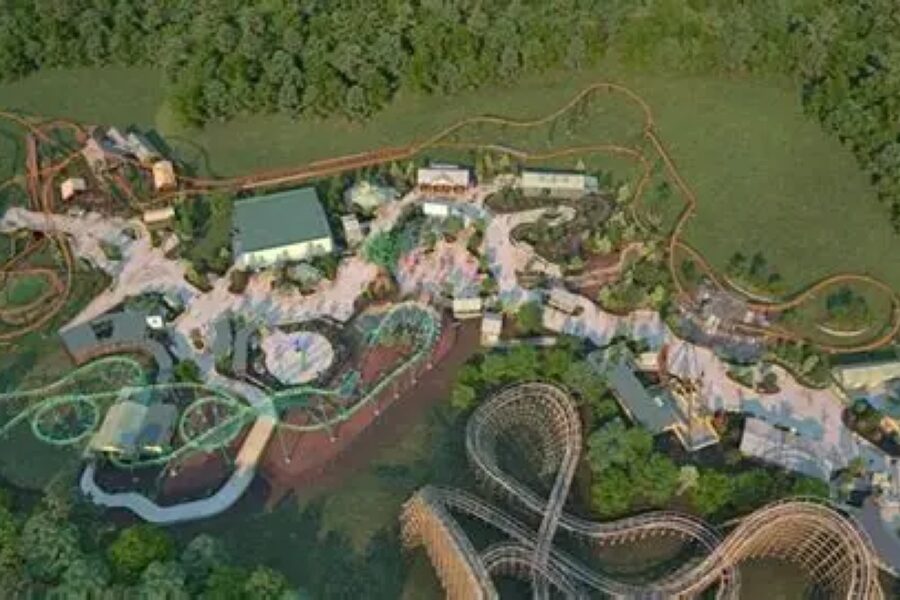
Dollywood presents itself with a sense of care that visitors notice immediately. Set against the Smoky Mountains, the park blends attractions with music, craftsmanship, and regional storytelling. People often comment on the atmosphere before mentioning rides, which says a lot about how the space is experienced. The park invites attention to small details, from live performances to quiet paths that open into scenic views. Nothing feels placed randomly. Each area seems designed to support the mood rather than overwhelm it.
As the day continues, the intention behind Dollywood becomes clearer. Live shows feel sincere and rooted in place. Ride placement allows for pauses between excitement. Guests are not pushed through the park by layout or timing. There is room for conversation, rest, and observation. Thrill rides exist, but they do not dominate the experience. Dollywood appeals to visitors who want entertainment without constant intensity. The park offers a full day that feels considered, allowing people to engage at their own pace without feeling crowded or overstimulated.
8. Santa Cruz Boardwalk Stays Open
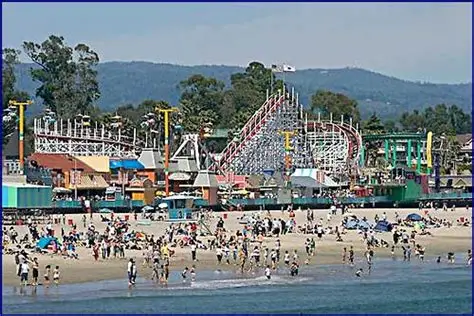
The Santa Cruz Beach Boardwalk does not require an arrival plan. Visitors drift in from the beach, guided by sound and movement rather than signs. The ocean breeze carries music and laughter across the sand, pulling people toward the park naturally. Many describe the Boardwalk as familiar even on a first visit. The open layout allows wandering without direction. You stop, circle back, and follow whatever catches your attention. There is no sense of being managed or directed through the space.
That openness shapes how the Boardwalk competes. The ocean shares space with rides and games. The Giant Dipper continues to draw steady crowds. Arcades hum throughout the day. Locals treat the park as part of their shoreline rather than a separate destination. Visitors come and go freely, blending beach time with rides and snacks. The experience adjusts to mood rather than schedule, allowing each visit to feel personal. The Boardwalk survives by staying accessible, familiar, and easy to enter without expectation.
9. Hersheypark Finds the Middle
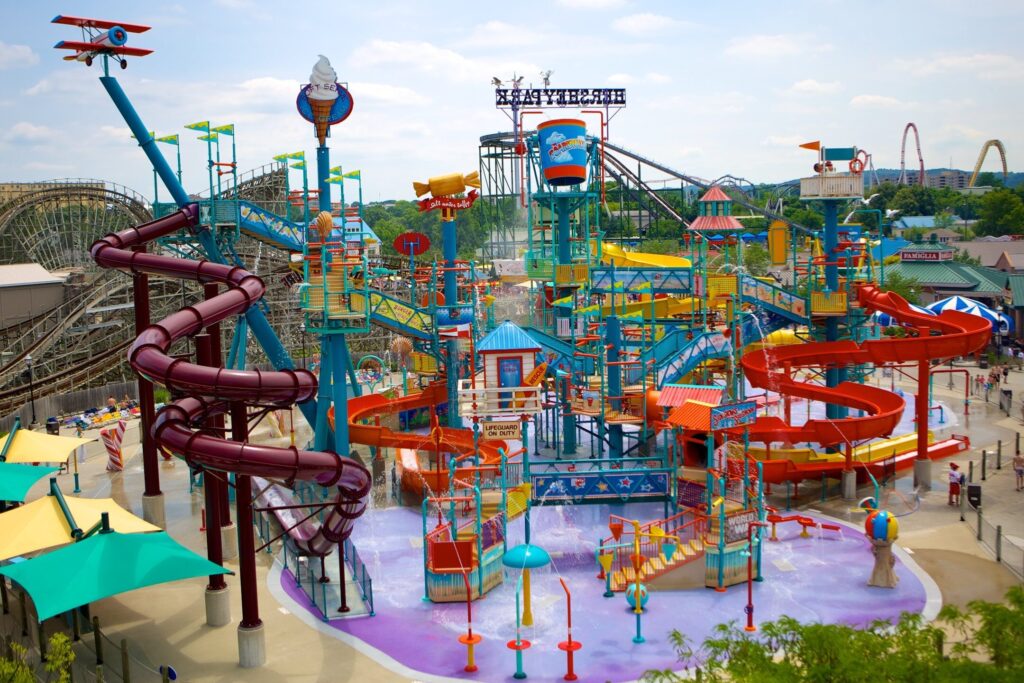
Hersheypark manages to serve different kinds of visitors without forcing them into the same rhythm. Families, couples, and thrill seekers move through the park comfortably. Guests often note how manageable the experience feels, even during busy periods. You do not need a strict plan to enjoy the day. That balance shapes how people engage with the park from the moment they arrive. The space feels accommodating rather than demanding.
Design choices support that balance throughout the grounds. Ride variety allows visitors to choose their own pace. Walkways provide natural pauses between attractions. Seating and shaded areas feel intentional rather than leftover. The chocolate theme adds familiarity without dominating the experience. Nothing competes aggressively for attention. Everything works together quietly, allowing visitors to build a day that fits their energy. Hersheypark remains appealing because it understands that comfort and excitement do not need to compete with each other.
10. Lagoon Trusts Time
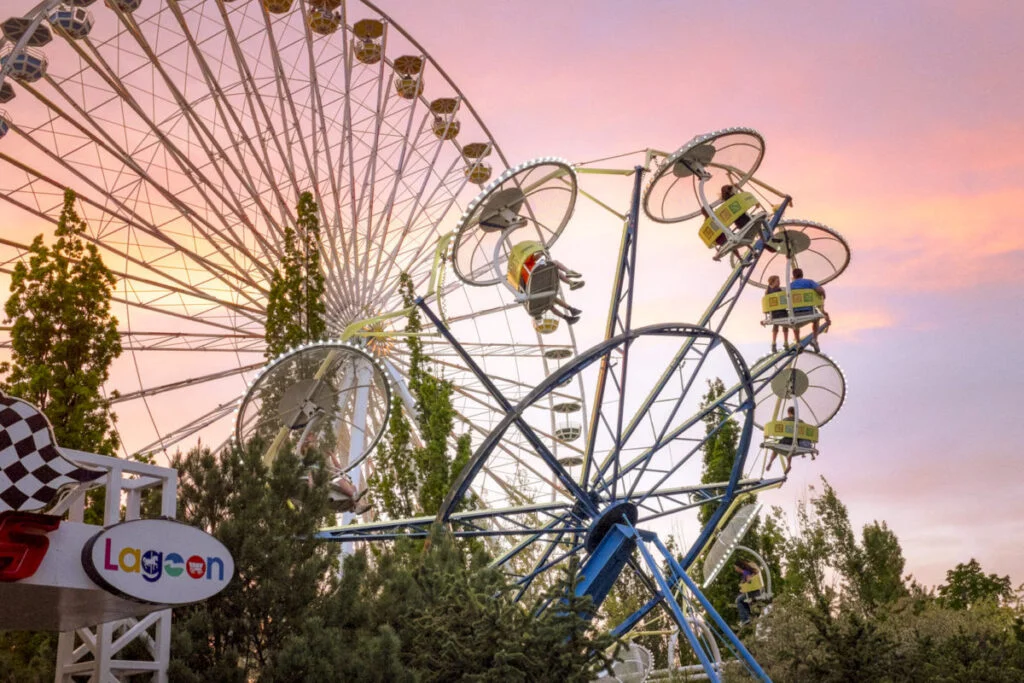
Lagoon Amusement Park feels steady from the moment visitors walk through the entrance. Located in Utah, it carries the kind of familiarity that settles people quickly. Many guests first came as children, returning now with families of their own. Rides remembered from earlier visits are still standing, recognizable in sound and shape. That familiarity brings comfort rather than boredom. The park feels shaped by care and repetition instead of constant change. People move at an unhurried pace, stopping often and pointing things out to one another. Even on busy days, the atmosphere stays calm. Nothing pushes visitors to rush or compete for attention. Lagoon feels like a place that knows its role and stays true to it.
As the day continues, that steadiness holds. Classic attractions sit beside newer additions without drawing attention to differences. Paths are clear and easy to follow, allowing guests to move naturally through the park. Seating and rest areas appear where people need them, not as an afterthought. Maintenance shows in small details, from clean walkways to smoothly running rides. Families spread out comfortably while longtime visitors navigate with ease. The experience unfolds without pressure or urgency, allowing people to enjoy what is in front of them without distraction or confusion.
11. Playland Still Feels Familiar
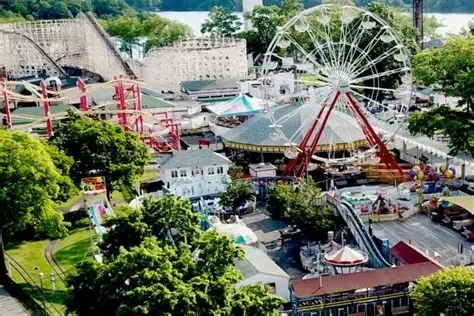
Playland in New York sits quietly along the water, carrying the weight of many summers without showing it off. People arrive with memories already formed, even if they cannot place when they first came. Some remember holding a parent’s hand while watching rides spin. Others remember school trips or family outings that blurred together over time. The park feels familiar because it has stayed close to what it has always been. The Cyclone still dominates the skyline, and the boardwalk setting keeps everything grounded. Nothing feels sealed off or overly polished. Visitors move at their own pace, stopping to look around, sitting when they want, and letting the day unfold without urgency or instruction.
What keeps Playland relevant is how naturally it fits into its surroundings and into people’s routines. The park does not isolate itself from the city or the shoreline. It blends in. Families wander without a plan. Locals stop by without committing to a full day. The experience allows flexibility rather than demanding attention. Rides feel approachable, and the space encourages lingering instead of rushing. Playland works because it feels like a shared place rather than a destination that needs to impress. People return not for novelty, but for the comfort of something that still feels like it belongs to them.
12. Adventureland Knows Its Crowd
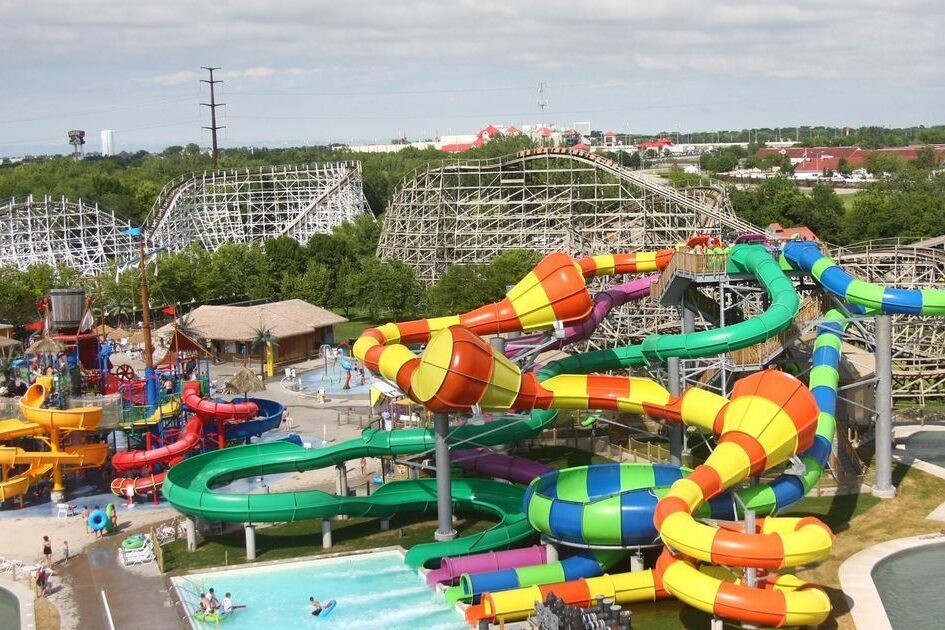
Adventureland in Iowa feels like a park that understands who it is meant for and stays loyal to that idea. Families arrive already knowing what kind of day they want, and the park meets them there. Many visitors talk about how easy it is to settle in once they arrive. The layout feels manageable, with rides close enough to keep energy up but spaced enough to avoid confusion. Parents often mention how comfortable it feels to let children explore within view. There is no pressure to rush or conquer everything. The park allows people to enjoy the day at a pace that feels natural and steady.
What keeps Adventureland competitive is how little it asks from its visitors. Rides feel familiar and dependable. Lines stay reasonable, which changes how the day feels overall. Staff interactions feel relaxed and helpful rather than rehearsed. Guests move confidently through the park without needing constant direction. The experience rewards return visits because people know what they are getting. That reliability builds trust, and that trust keeps Adventureland woven into family traditions year after year.
13. Belmont Park Holds Its Ground
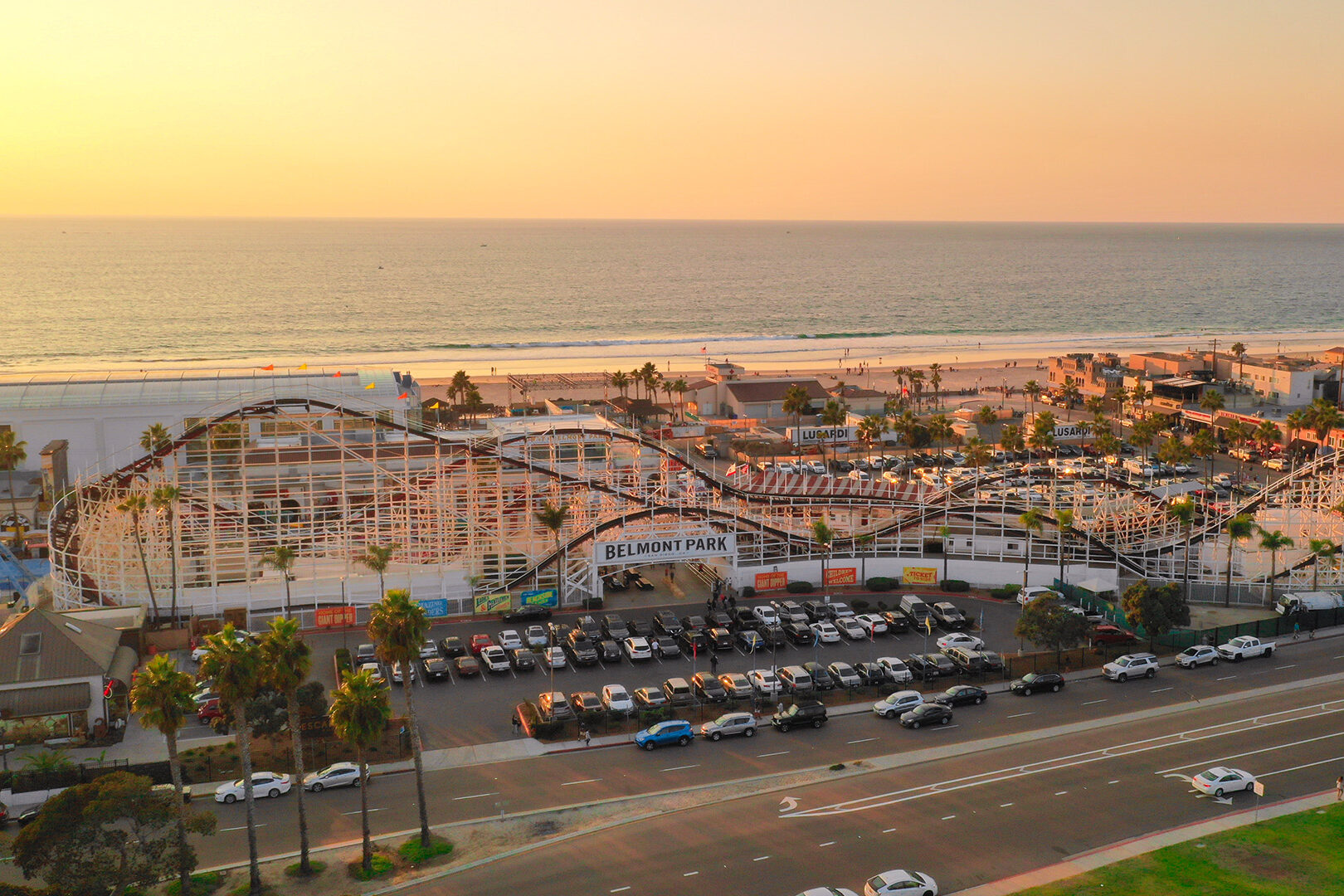
Belmont Park in California carries the easy charm of a seaside attraction that never needed to grow larger to matter. Sitting near the water, it feels open and welcoming from the moment people arrive. Visitors often combine a walk along the beach with a few rides, letting the day shape itself naturally. The Giant Dipper stands as a familiar landmark, visible from far away and grounding the park in memory. The experience feels casual rather than planned, which is part of its appeal.
Belmont Park stays relevant by allowing flexibility. Guests can enter without committing to a full day and leave without feeling rushed. The park does not demand attention or structure. Rides, games, and food exist side by side with open space and ocean air. Locals treat it as part of their routine, while visitors discover it without pressure. That openness keeps the park present in everyday life rather than limited to special occasions.
14. Seabreeze Feels Personal
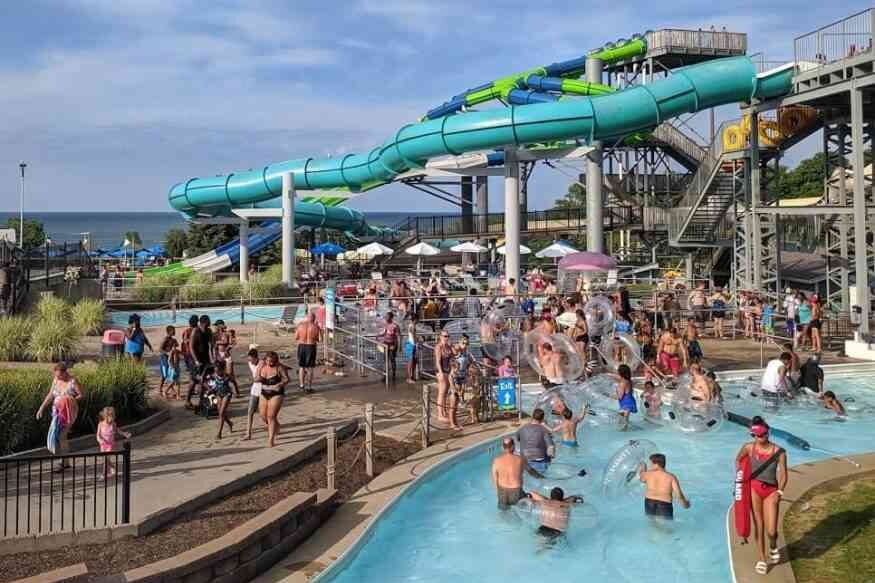
Seabreeze in New York feels like a place where familiarity builds naturally over time. Families return year after year, often greeting staff they recognize. The park feels comfortable, shaped by repetition rather than reinvention. Visitors often describe it as a place where generations overlap easily, with parents pointing out rides they once loved. Nothing feels oversized or distant. The scale invites connection and conversation, allowing people to feel part of the environment rather than lost within it.
Seabreeze remains competitive by focusing on care and consistency. Rides are maintained thoughtfully. Traditions repeat without becoming stale. The experience feels dependable, which lowers stress and raises enjoyment. Guests know what to expect and feel comfortable returning. That sense of belonging creates loyalty that larger parks struggle to replicate. The park does not chase trends. It strengthens relationships with the people who already love it.
15. Oaks Park Keeps It Simple
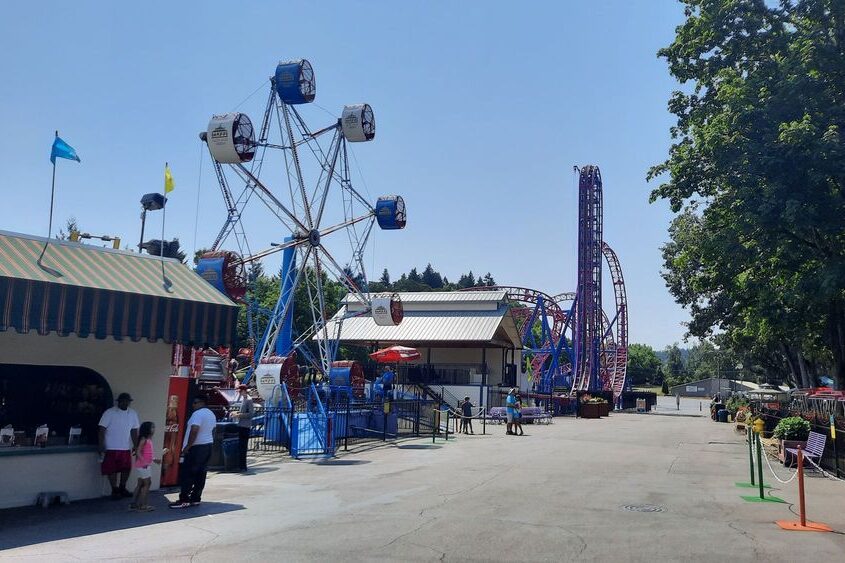
Oaks Park in Oregon feels grounded in ease and familiarity. Located along the river, it offers an experience that feels open and unforced. Visitors often mention how relaxed the atmosphere feels compared to larger parks. The setting encourages wandering without a plan. Classic rides sit comfortably within the space, inviting casual participation rather than demanding attention. The park feels like a place people can drop into rather than prepare for.
What keeps Oaks Park competitive is its simplicity. Rides remain central, and the layout allows for pauses and conversation. Families spread out naturally, and locals treat the park as a gathering place rather than an event. There is no pressure to maximize the day. The experience unfolds gently, shaped by mood rather than schedule. That simplicity keeps Oaks Park approachable and present in people’s lives.
16. Canobie Lake Feels Steady
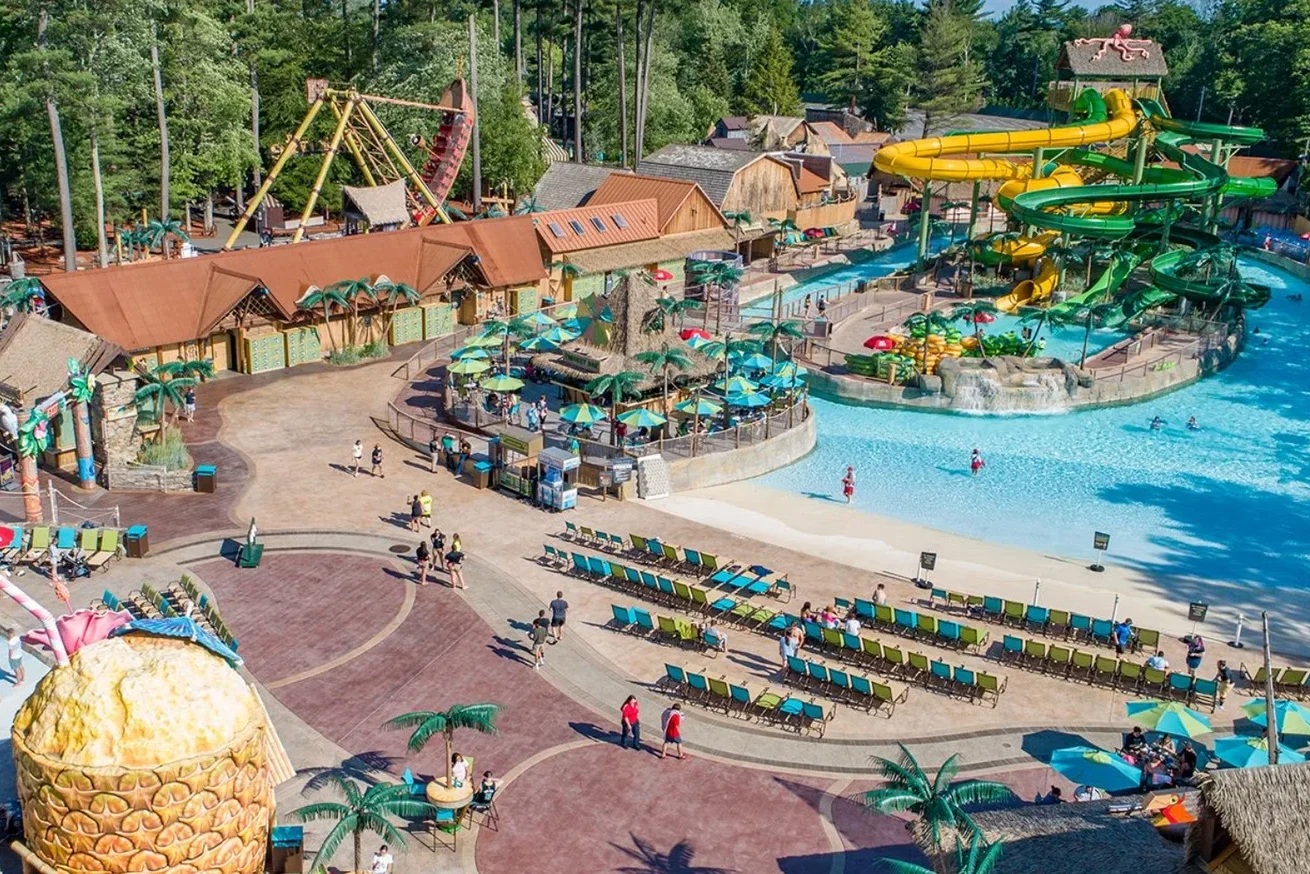
Canobie Lake Park feels settled in a way that puts people at ease almost immediately. Visitors often arrive with stories already attached, shared by parents or coworkers who grew up nearby. The park feels compact but complete, with rides arranged in a way that makes sense without explanation. Guests move comfortably from one area to the next, rarely stopping to check maps. The lake itself softens the atmosphere, adding calm even during busy hours. People notice how approachable everything feels, from ride choices to walking paths. There is no pressure to rush or conquer the park. Instead, the day unfolds naturally, shaped by comfort and familiarity rather than urgency.
That sense of steadiness carries through the entire visit. Rides feel familiar but well cared for. Lines move at a reasonable pace, which changes how the day feels overall. Staff interactions are relaxed and helpful, adding to the sense of ease. Families appreciate how manageable the park feels, especially when visiting with different age groups. Canobie Lake focuses on consistency rather than constant change, allowing visitors to enjoy the experience without adjusting expectations throughout the day.
17. Dutch Wonderland Knows Its Lane
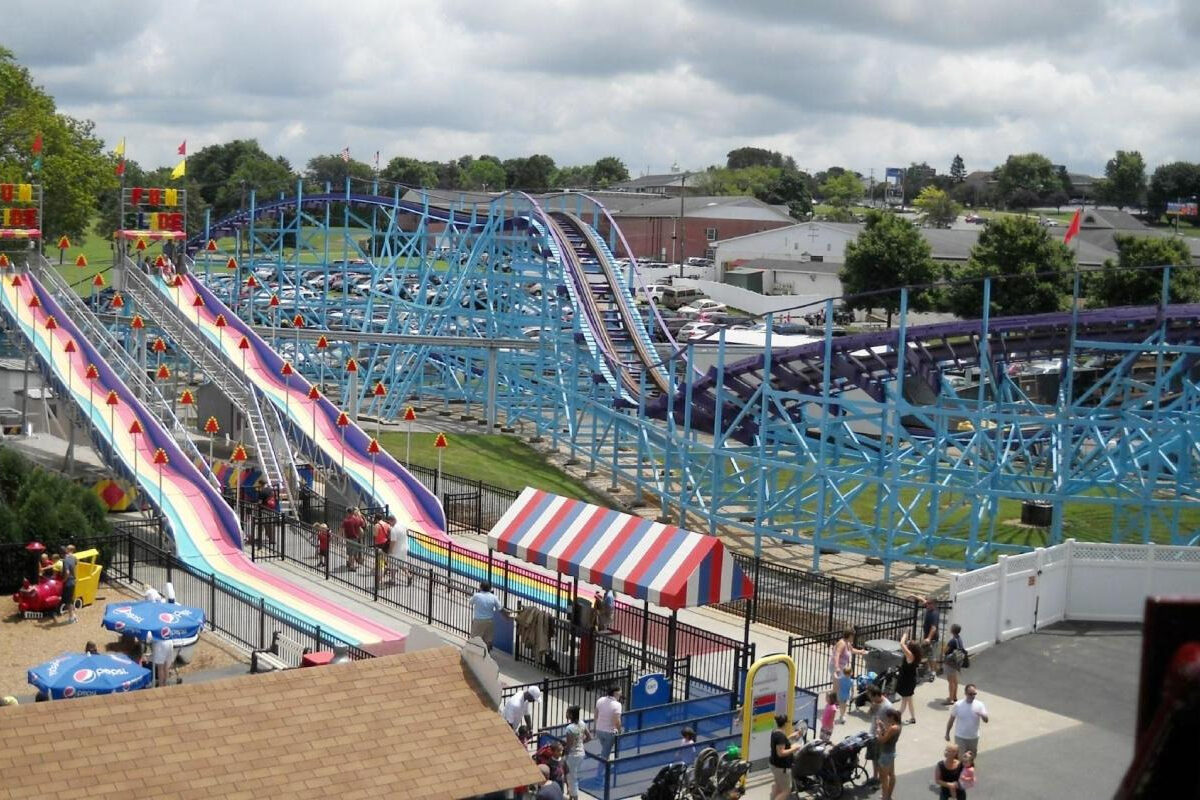
Dutch Wonderland makes its purpose clear the moment families walk through the gates. Designed with younger children in mind, the park feels welcoming rather than intimidating. Parents often mention a sense of relief upon arrival, noticing how rides, paths, and attractions feel scaled to their needs. Everything feels close enough to manage easily, which reduces stress throughout the day. The environment encourages presence instead of constant planning. Families settle into the rhythm quickly, allowing children to explore while adults stay relaxed and attentive.
The park stays competitive by remaining focused. Rides feel appropriate and thoughtfully placed. Paths are clear and easy to follow. Staff interactions lean patient and friendly, which reinforces the park’s tone. Dutch Wonderland does not attempt to compete with thrill heavy destinations. It offers clarity instead. Families return because they know what kind of experience awaits them. That reliability builds trust, and trust turns visits into traditions rather than one time outings.
18. Stricker’s Grove Feels Intentional
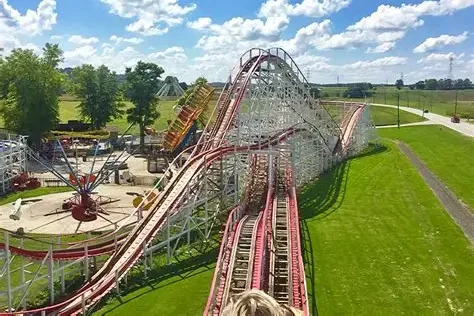
Stricker’s Grove in Ohio feels different the moment visitors arrive because it usually opens for private events rather than daily crowds. That detail shapes the entire experience. Guests come as part of a group, often through company picnics, reunions, or organized gatherings. The park feels quieter and more personal. Classic rides line the paths, familiar and unassuming. People move together instead of scattering. Conversations happen easily, and laughter carries without competing noise. The space encourages attention toward people first and attractions second, which changes how time is spent inside the park.
What keeps Stricker’s Grove relevant is that focus on shared experience. The park invests in maintenance and atmosphere rather than expansion. Rides feel cared for, and gathering spaces invite lingering. Because visits are intentional, crowds feel manageable and connected. There is no pressure to rush between attractions or complete a checklist. The day unfolds at a communal pace, shaped by togetherness rather than volume.
19. Bay Beach Feels Honest
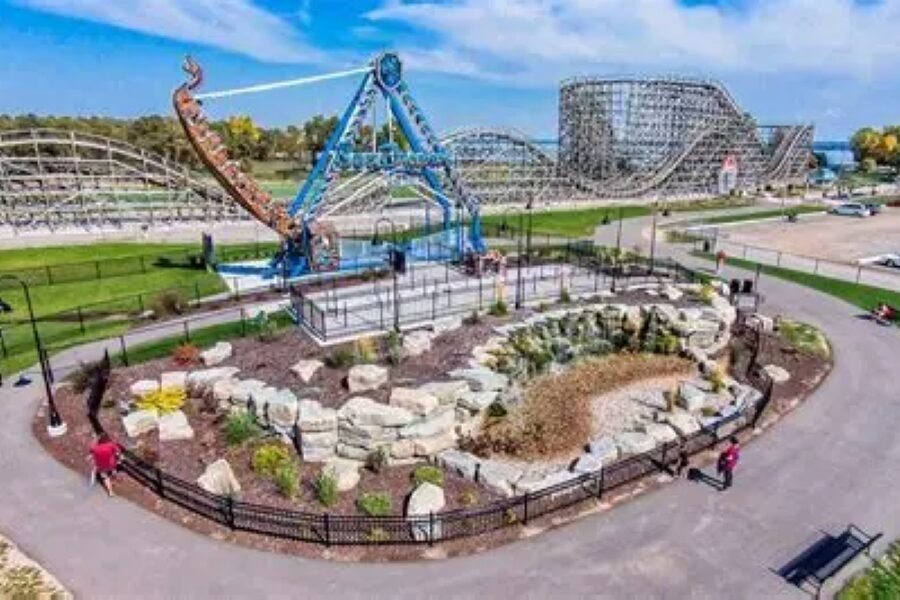
Bay Beach in Wisconsin welcomes visitors without ceremony or expectation. Many people arrive curious but unsure what to expect. The waterfront setting immediately softens the mood. Classic rides are visible, approachable, and familiar. Families spread out naturally, moving between attractions without stress. There is space to pause, talk, and watch others enjoy themselves. The park feels open and friendly, shaped by affordability and access rather than spectacle.
Bay Beach stays competitive by being straightforward. Rides operate reliably. Lines move steadily. Staff interactions feel simple and kind. Visitors are free to enjoy the park at their own pace without feeling behind. The experience feels fair and uncomplicated, which builds trust. People return because the park delivers what it promises without asking for more attention than necessary.
20. Waldameer Feels Balanced
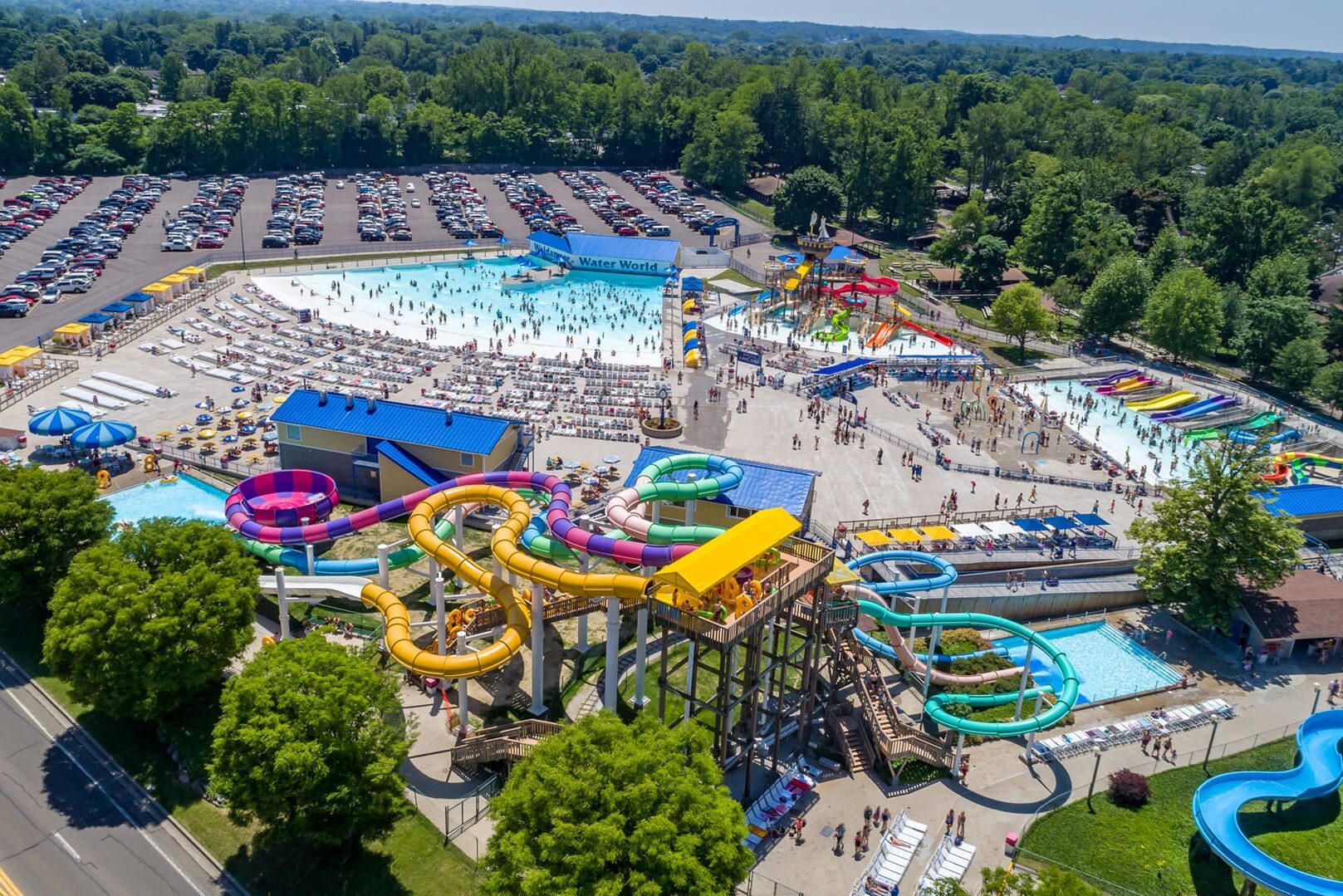
Waldameer Park in Pennsylvania feels easy to settle into from the start. Visitors often notice how quickly they find their rhythm. The layout feels clear, and attractions sit within comfortable reach. Families move through the park without constant planning. Groups adjust their pace naturally, stopping when needed and continuing without stress. The ride selection offers variety without overload, allowing different ages to feel included.
The park remains competitive by maintaining balance. Classic rides sit beside newer attractions without drawing attention to contrast. Maintenance shows in small details, from clean grounds to smooth ride operations. Guests appreciate not needing strict plans or strategies. The experience unfolds evenly, allowing enjoyment without fatigue, which keeps the park firmly rooted in repeat visits and local routines.
21. Elitch Gardens Lives Inside the City
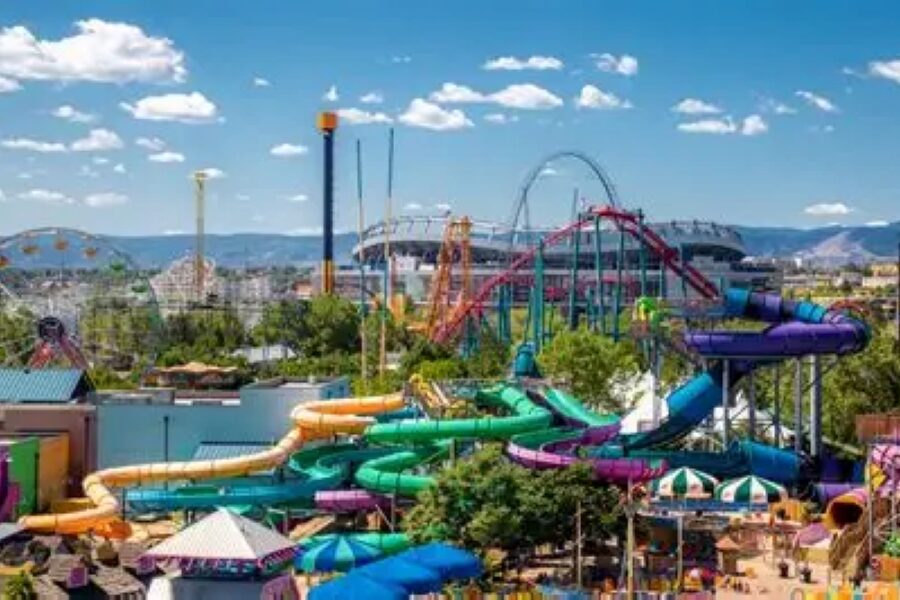
Elitch Gardens sits in the middle of Denver in a way that immediately changes how people approach it. You do not feel like you are escaping the world to be there. Traffic, buildings, and everyday city movement surround the park. Visitors often arrive between errands, after work, or as part of a larger outing rather than planning an entire day around it. That proximity lowers expectations in a good way. The park feels accessible, familiar, and woven into daily life. Rides rise against a city skyline instead of trees, and that visual alone signals that this is not a sealed off experience. People come casually, stay as long as they want, and leave without ceremony, which shapes how the park is used.
Elitch Gardens stays competitive by embracing convenience instead of immersion. Short visits feel complete. Guests do not feel pressure to do everything at once. The park benefits from repeat foot traffic and spontaneous decisions rather than destination travel. Its role is not to replace larger parks but to serve a different purpose entirely. By fitting into city rhythms instead of demanding escape from them, Elitch Gardens maintains relevance for visitors who value flexibility, familiarity, and ease over spectacle.
22. Dorney Park Thrives on Familiar Thrills
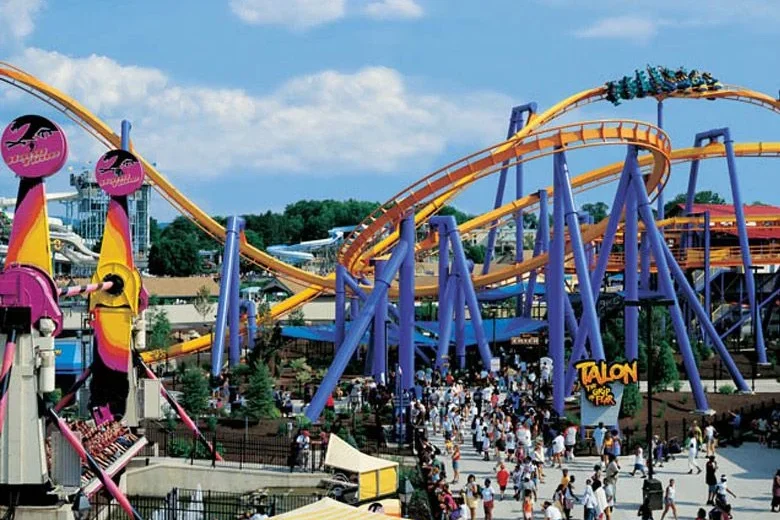
Dorney Park feels intentionally straightforward from the moment visitors arrive. The park does not overwhelm guests with complex layouts or competing themes. Instead, it presents a clear lineup of rides that feel recognizable and purposeful. Families and groups often comment on how quickly they find their footing. There is little confusion about where to go or what to expect. Coasters stand prominently, classic rides anchor the experience, and movement through the park feels direct. That clarity allows visitors to settle into the day without constantly recalibrating expectations.
What keeps Dorney Park competitive is consistency. The rides people come for are reliable. Operations feel steady. The park focuses on doing fewer things well rather than stretching itself thin. Guests appreciate knowing what kind of experience they will have before they arrive. That predictability lowers stress and increases enjoyment. Dorney Park succeeds by delivering dependable thrills without unnecessary complication, which continues to matter for visitors who want confidence rather than constant novelty.
23. Worlds of Fun Relies on Regional Scale
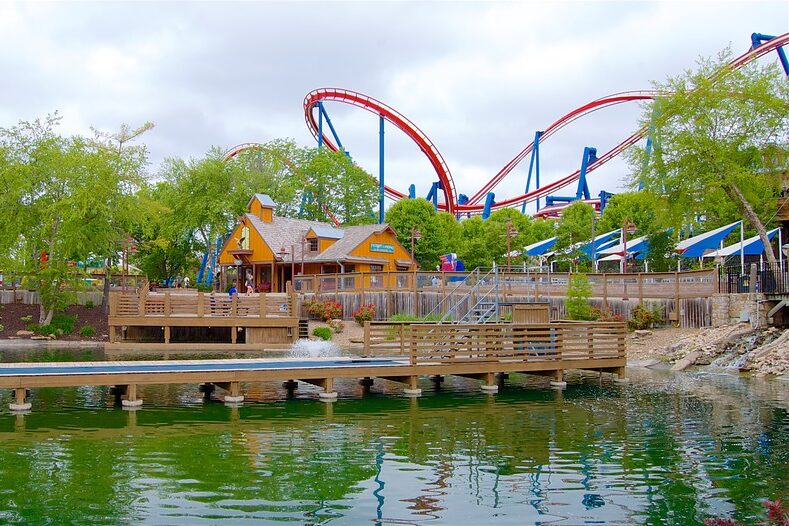
Worlds of Fun occupies a space that many parks struggle to define. It is larger than a local amusement park but smaller than destination giants. That positioning shapes how visitors approach it. Guests often arrive from surrounding states, treating the park as a reachable getaway rather than a once in a lifetime trip. The park feels ambitious without being exhausting. Ride variety supports full day visits, but the scale remains manageable enough to avoid burnout.
The park stays competitive by understanding its regional role. It offers enough diversity to justify travel while remaining approachable for repeat visits. Layout and pacing allow guests to experience a lot without feeling overwhelmed. Worlds of Fun does not attempt to compete on excess. It competes by being attainable. That balance keeps it relevant for audiences who want excitement without the commitment larger parks require.
24. Story Land Centers Childhood Experience
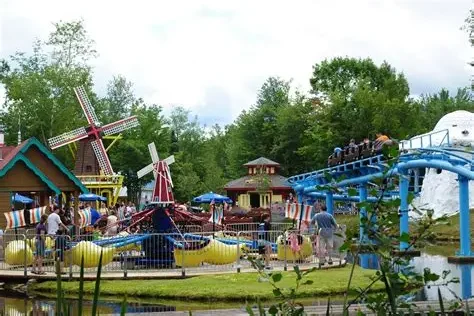
Story Land is built with a very clear audience in mind, and that clarity defines the entire experience. From the moment families arrive, it is obvious who the park is for. Attractions are scaled for younger children, themes are gentle, and movement through the park feels calm rather than chaotic. Parents often describe a sense of relief when visiting because the environment supports attention instead of constant correction. Children engage with rides and characters without becoming overstimulated. The park encourages curiosity, imagination, and patience rather than speed. Paths are manageable, sounds stay moderate, and the overall pace allows families to stay present with one another throughout the visit.
Story Land remains competitive by fully committing to its purpose. It does not attempt to grow beyond its audience or introduce thrills that would disrupt the environment. Instead, it invests in consistency, safety, and storytelling that resonates with young visitors. Families return because they know what the day will feel like before arriving. That predictability lowers stress and increases enjoyment. By serving its niche completely rather than broadly, Story Land maintains relevance across generations, often becoming the first amusement park experience children remember clearly.
25. Idlewild Protects Its Pace
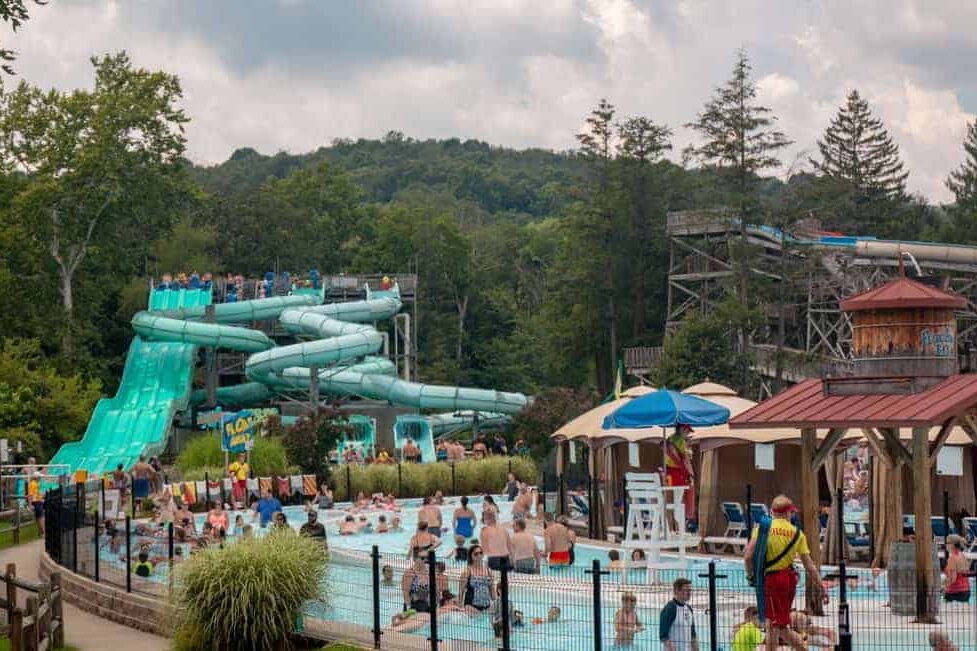
Idlewild & SoakZone feels intentionally slower than most modern amusement parks, and that difference becomes apparent almost immediately. Wide walkways, shaded seating, and gentle transitions shape how visitors move through the space. Families spend time sitting, watching, and talking instead of rushing from ride to ride. Children explore at a natural pace, and adults do not feel pressured to manage constant stimulation. The park’s layout encourages pauses and observation, allowing moments of rest to feel like part of the experience rather than interruptions.
Idlewild stays competitive by protecting that slower rhythm. The park does not design its experience around urgency or volume. Attractions are approachable, and the environment supports longer visits without exhaustion. Parents appreciate the breathing room, and children respond positively to the calmer energy. The park succeeds by offering something many visitors actively seek but rarely find. An amusement park day that feels restorative rather than demanding, allowing enjoyment to unfold gradually without pressure or fatigue.
26. Silver Dollar City Feels Earned
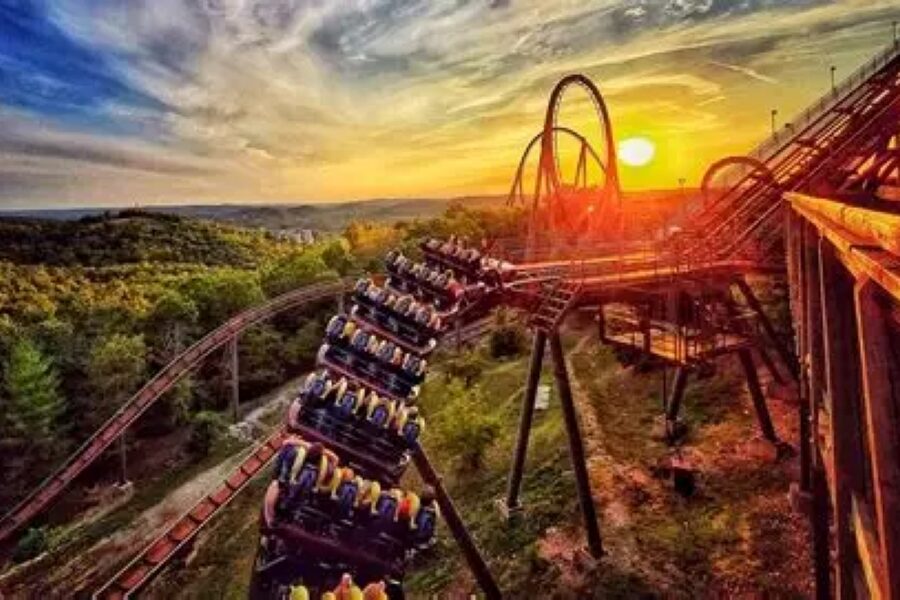
Silver Dollar City in Missouri feels grounded in effort rather than spectacle. Visitors notice quickly that the park asks them to slow down and look around. The terrain shapes movement, with paths winding through hills instead of flattening everything for speed. Craft demonstrations, live music, and food preparation happen in the open, allowing guests to observe process instead of just outcome. People often stop without planning to, drawn in by sound or activity rather than signage. The park feels layered, with rides woven into an environment that encourages noticing how things are made and how time is spent.
What keeps Silver Dollar City competitive is how fully it commits to its identity. Thrill rides exist, but they do not dominate the experience. Guests can choose intensity or observation without feeling pushed either way. The park supports long visits without exhaustion by giving people reasons to pause. Families move together rather than fragmenting. That balance allows different generations to enjoy the same space without compromise. Silver Dollar City succeeds because it offers depth, not just distraction.
27. Luna Park Thrives on Energy

Luna Park in New York operates at a faster emotional pace than most amusement parks. Located in Coney Island, it absorbs the movement, noise, and density of the surrounding city. Visitors often arrive already energized, pulled in by lights, music, and motion spilling outward. The park feels compact but alive. Rides rise above the boardwalk, creating a skyline that feels familiar and electric. People watching becomes part of the experience, with crowds adding to the sense of momentum rather than detracting from it.
The park stays competitive by leaning into intensity rather than resisting it. Visits do not need to last all day to feel complete. Guests come and go freely, shaping their time around mood rather than structure. Luna Park benefits from constant turnover, short bursts of excitement, and repeat visits. By aligning itself with the rhythm of its location, it remains relevant without needing scale or isolation.
28. Family Kingdom Fits the Vacation Rhythm
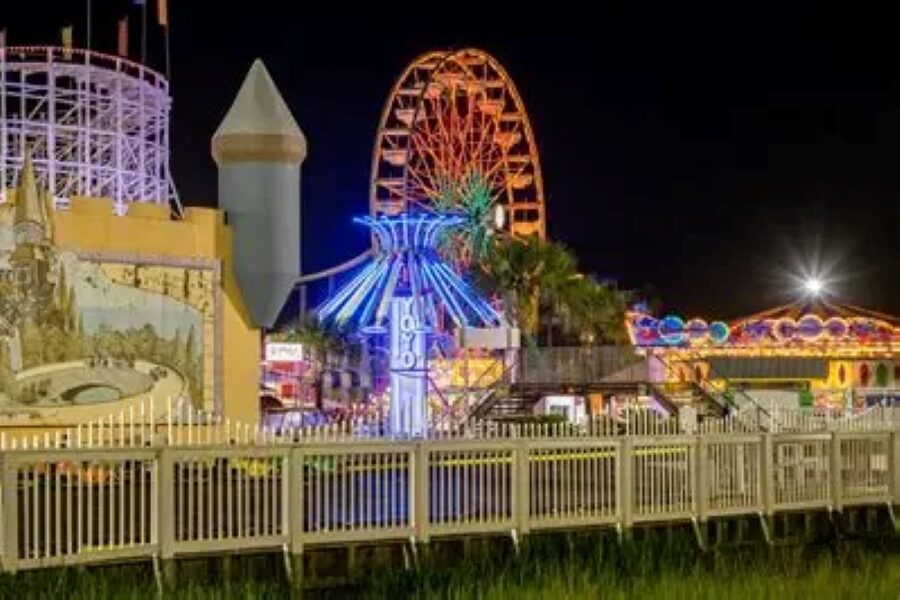
Family Kingdom in South Carolina works because it understands how people actually vacation. Sitting near the beach, the park does not compete with daytime plans. Visitors often arrive later, sun tired and unhurried, looking for something light rather than demanding. The park’s layout supports this mindset. Rides and games are visible, approachable, and easy to understand. Families move slowly, deciding what to do in the moment instead of following a plan. The atmosphere feels casual and social, shaped by music, lights, and the steady movement of people drifting in after dinner or sunset walks. Nothing insists on urgency. The park feels like an extension of the evening rather than an event that needs preparation.
Family Kingdom remains competitive by aligning itself with vacation behavior instead of trying to redirect it. Short visits feel complete. Guests do not feel pressure to stay all night or do everything. The park benefits from repeat stops over several days rather than single long visits. That flexibility fits naturally into beach routines. Families return because the experience feels easy to repeat. By serving a specific window of time well, Family Kingdom stays relevant without needing scale or constant reinvention.
29. Lakemont Park Holds History Carefully
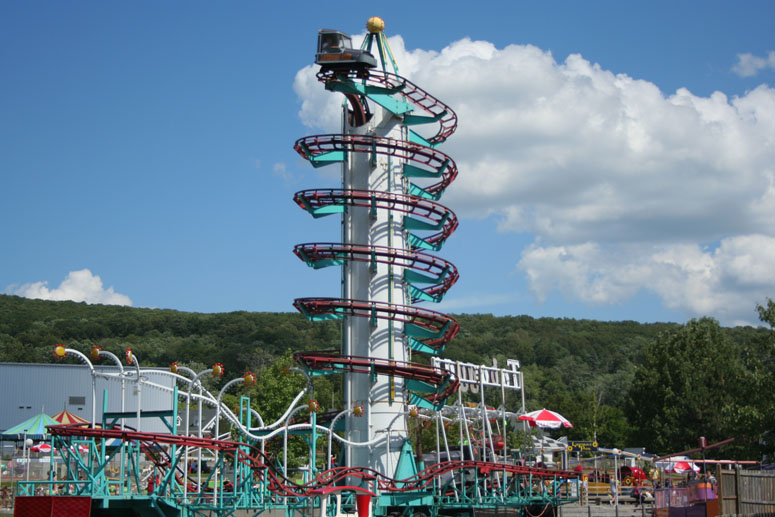
Lakemont Park in Pennsylvania invites visitors to engage differently than most amusement parks. The presence of historic rides changes expectations immediately. Guests arrive aware they are stepping into something older, and behavior adjusts naturally. Movement slows. People pause more often. Conversations turn reflective. The park does not rush visitors through attractions or overwhelm them with noise. Instead, it allows space for observation. The environment encourages appreciation rather than consumption, which shapes how time is spent inside the park.
Lakemont Park stays competitive by protecting authenticity. The focus remains on preservation, maintenance, and context rather than expansion. Visitors often arrive curious and leave thoughtful. The park does not try to compete on volume or novelty. It offers continuity instead. That approach attracts guests who value history and intention. By maintaining its role as a living artifact rather than a spectacle, Lakemont Park occupies a space that larger parks cannot easily replace.
30. Michigans Adventure Serves Its Season
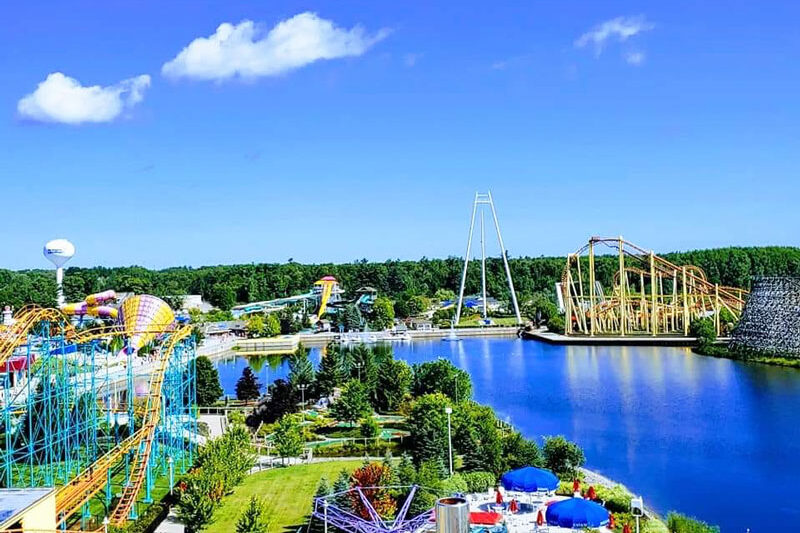
Michigans Adventure operates with a clear understanding of when it matters most. The park is tightly tied to summer routines, school breaks, and regional travel patterns. Visitors arrive during specific months with expectations shaped by weather and availability. The park meets those expectations directly. Rides are organized clearly, movement feels efficient, and the experience delivers enjoyment without complication. Guests often describe the park as straightforward, which works in its favor during peak season when simplicity matters.
The park remains competitive by focusing on value during limited windows. It does not attempt to stretch itself across the entire year. Instead, it invests in operating smoothly when demand is highest. Guests know what kind of day they will have before arriving, and that clarity builds trust. Michigans Adventure succeeds by embracing its seasonal role fully, offering a reliable experience when visitors want it most.


