
1. Stepping Back Into a Changed World
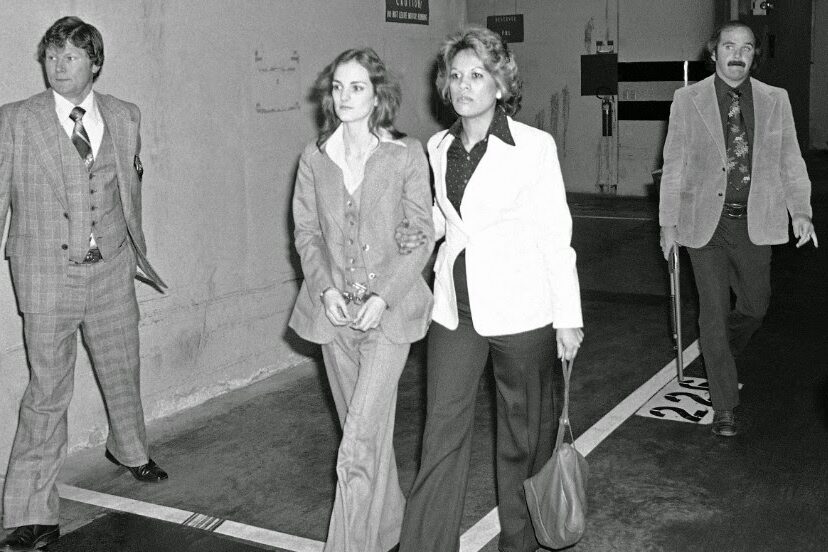
When Patty Hearst walked out of prison in early 1979, the public expected closure, but real life rarely delivers clean endings. The headlines slowed, yet the emotional weight of the kidnapping and trial followed her home. Freedom came with conditions, supervision, and the constant awareness of being recognized. Simple choices felt unfamiliar. She later explained that life outside felt overwhelming because normal routines had disappeared during years of fear and control. This moment quietly introduces what came next, not resolution, but adjustment. The world had moved on, yet she was still learning how to stand inside it again.
Her days became structured around recovery rather than explanation. Therapy, time with family, and staying out of public spaces helped her regain stability. She avoided crowds and attention, not to hide, but to protect herself. Rebuilding required patience. This period shaped everything that followed, showing that survival does not end when danger passes. It continues through learning how to live without constant threat.
2. The Sentence That Changed Everything
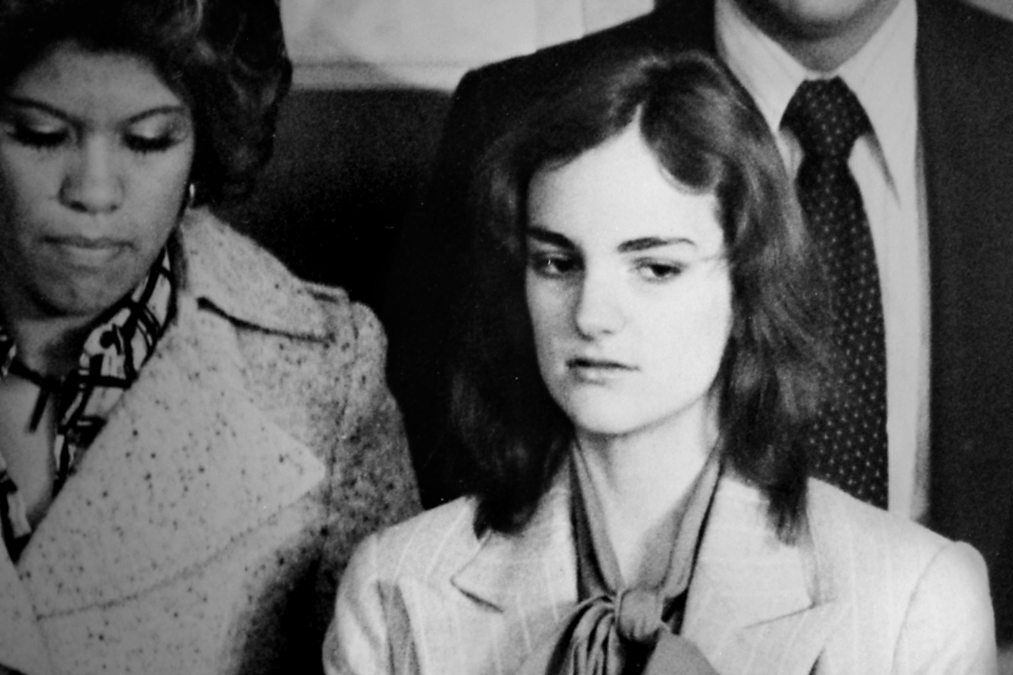
The reduction of Patty Hearst’s prison sentence brought relief mixed with uncertainty. While the decision allowed her to leave incarceration, it did not erase the conviction or public judgment. The moment was heavily debated, but she remained quiet. For her, it was not about vindication. It was about having time returned. Time to heal, to learn, and to exist outside confinement. The shift from prison life to conditional freedom was sudden and emotionally complex.
Instead of celebrating publicly, she focused inward. The shortened sentence gave her space to rebuild privately without having to defend herself daily. She accepted that freedom came with responsibility and restraint. The decision did not close the story. It opened a quieter chapter where progress would be measured by stability rather than approval. That restraint became part of how she moved forward.
3. Choosing Silence Over Defense

After returning home, Patty Hearst made a defining choice to remain silent. Interviews were declined and public appearances avoided. Silence became a boundary rather than avoidance. Repeated retelling felt emotionally harmful, and she chose distance over explanation. While others continued to debate her story, she stepped away from it entirely, allowing time to pass without her participation.
This withdrawal created space for recovery. Friends described her as reserved and thoughtful, someone focused on listening rather than responding. Without constant scrutiny, she could rebuild routine and confidence. Over time, her absence softened public curiosity. Silence allowed her to regain control, proving that not every story needs constant defense to move forward.
4. Telling the Story Once

Years later, Patty Hearst chose to tell her story in her own words. Writing her memoir allowed her to present events without interruption or argument. The tone was measured and direct, focusing on experience rather than persuasion. She described fear, confusion, and survival plainly, without dramatization. The book served as a single complete statement rather than an invitation for debate.
Once it was published, she returned to privacy. The memoir was not meant to reopen wounds but to close them. Speaking once felt healthier than explaining repeatedly. By stepping back afterward, she let her account exist without constant revision. It became a reference rather than a performance, allowing her to move forward without continuing the conversation.
5. Finding Stability Through Marriage
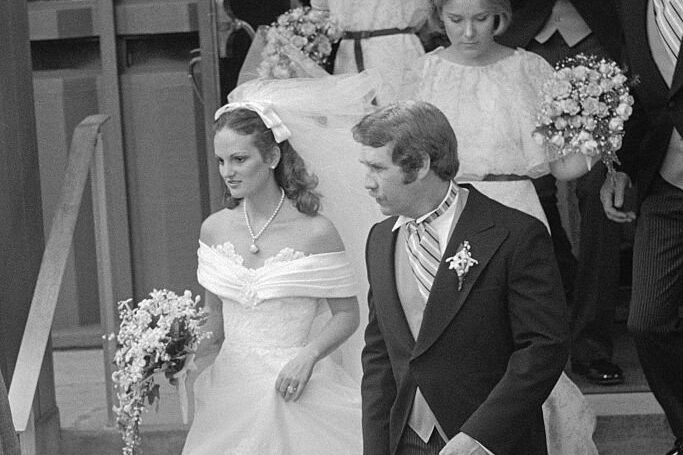
Marriage arrived quietly in Patty Hearst’s life, without fanfare or public explanation. After years defined by fear, scrutiny, and uncertainty, her relationship with Bernard Shaw developed away from headlines. Shaw had been part of her security detail, and over time their connection grew into something steady and grounded. They avoided public commentary, choosing privacy over narrative. Marriage offered something she had not experienced in years, consistency. It was not about image repair or public acceptance. It was about building trust in everyday life. Their home became a place where the past did not need constant explanation, where routines mattered more than history.
Through marriage, Hearst found emotional structure. Shared responsibilities created rhythm, and predictability replaced chaos. She rarely spoke about her relationship, protecting it from outside interpretation. Friends later described her as calmer and more settled during this period. Marriage did not erase what came before, but it helped anchor what came after. It allowed her to move forward without constantly looking back. Stability became a quiet form of progress, proving that healing often comes through ordinary commitment rather than dramatic change.
6. Motherhood Changing the Focus

Motherhood introduced a shift that quietly reshaped Patty Hearst’s priorities. When she became a parent, her attention moved away from public memory and toward daily responsibility. Caring for her children gave her structure and purpose that had nothing to do with her past. The demands of parenting required presence, patience, and routine. In this role, she was no longer defined by a case or a verdict, but by the small decisions that fill ordinary days. Protecting her children from public scrutiny became important, and she worked intentionally to keep their lives private.
Raising a family helped her reframe fear into caution and responsibility. She focused on providing stability and normalcy, something she had been denied in her own early adulthood. Friends later noted that motherhood softened her and gave her a sense of grounding. The experience did not erase earlier trauma, but it redirected her energy. Parenting allowed her to live forward, rooted in care rather than survival.
7. Living With a Lasting Label

Even after rebuilding her personal life, Patty Hearst continued to live with the reality of her conviction. The label followed her quietly through paperwork, travel, and background checks. It was not something she discussed publicly, but it influenced her choices. Rather than fight it through interviews or campaigns, she adapted. Acceptance became practical rather than emotional.
She learned to live alongside the label without letting it dominate her identity. This required restraint and patience. Friends described her as realistic about how the world remembered her, yet focused on what she could control. Over time, the conviction became a background fact rather than a daily burden. Living with it taught her to value privacy and consistency. It reinforced her belief that progress did not need public validation to be real.
8. Receiving a Full Pardon
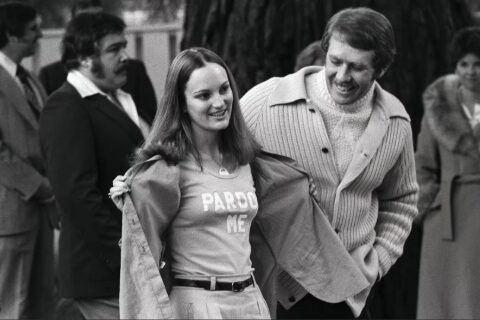
When Patty Hearst received a full presidential pardon years after her conviction, it arrived quietly rather than dramatically. By that point, her life had already settled into routine. The pardon did not change her daily habits or push her back into public view. It functioned more as a formal acknowledgment than a turning point. For many observers, the pardon reopened debates, but for Hearst, it closed a long standing legal chapter. She had lived for decades with the conviction attached to her name, adapting to its presence without making it central to her identity. The pardon removed a final legal weight, even though the emotional work had already been done privately.
Rather than treat the moment as vindication, she accepted it calmly. There were no interviews or public statements seeking validation. The absence of reaction spoke to how far removed she was from needing approval. The pardon affirmed that rehabilitation and time mattered, but it did not redefine her life. Closure, for Hearst, came through years of quiet consistency rather than a single official act. The moment passed without spectacle, reinforcing her belief that peace did not need to be announced to be real.
9. Brief Moments in Film

In the years after her legal matters settled, Patty Hearst made a handful of appearances in film that surprised people who assumed she would avoid public spaces entirely. These roles were small, controlled, and never positioned as a return to fame. Acting did not become a new identity or a long term pursuit. Instead, it appeared to be a limited creative outlet that allowed participation without exposure. The characters were minor and often fleeting, giving her emotional distance from the work. She did not promote the films or use them to reenter the spotlight. The choice to act seemed rooted in curiosity rather than ambition, offering a way to engage creatively without revisiting her own story.
What mattered more than the roles themselves was how easily she stepped away afterward. There was no effort to build momentum or extend visibility. Once the experience ended, she returned to private life without explanation. The brief nature of her involvement reflected her larger approach to public life. Engagement was optional and temporary. Acting became a footnote rather than a defining chapter. It showed that she could choose when and how to appear without surrendering control. The work existed, then ended, without altering the quiet structure of her daily life.
10. Watching Public Perception Shift
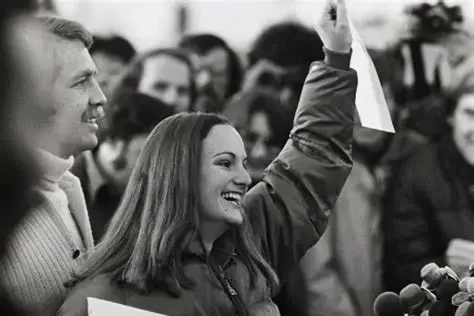
As decades passed, public perception of Patty Hearst slowly changed. Conversations around trauma, coercion, and psychological survival began influencing how people revisited her case. This shift happened gradually and largely without her involvement. She did not participate in documentaries or public debates guiding reinterpretation. Instead, she observed the evolution from a distance, allowing others to reassess independently. The story moved from heated argument to historical examination.
This change reinforced her long standing choice to remain silent. She understood that time alters how stories are received. Distance softened reactions that once felt fixed. While opinions never fully aligned, the intensity faded. Watching this shift quietly confirmed that patience had been more effective than defense. By stepping back, she allowed space for nuance to emerge without reopening personal wounds. The story aged, and in doing so, it changed.
11. Holding Close to Family Life

Family became one of the most consistent anchors in Patty Hearst’s later life. Relationships with loved ones offered stability that public narratives could not provide. Gatherings remained private and intentionally low profile. She valued closeness without commentary, choosing shared moments over explanation. Family life created continuity, linking who she was before public attention to who she became afterward.
These connections helped maintain balance. Home life was shaped by routine rather than history. Family allowed her to exist outside labels, reinforcing identity through daily interaction. This grounding presence made it easier to stay focused on the present. Family did not erase the past, but it provided a place where it did not dominate. That sense of belonging supported her steady, quiet progress.
12. Refusing to Revisit the Story
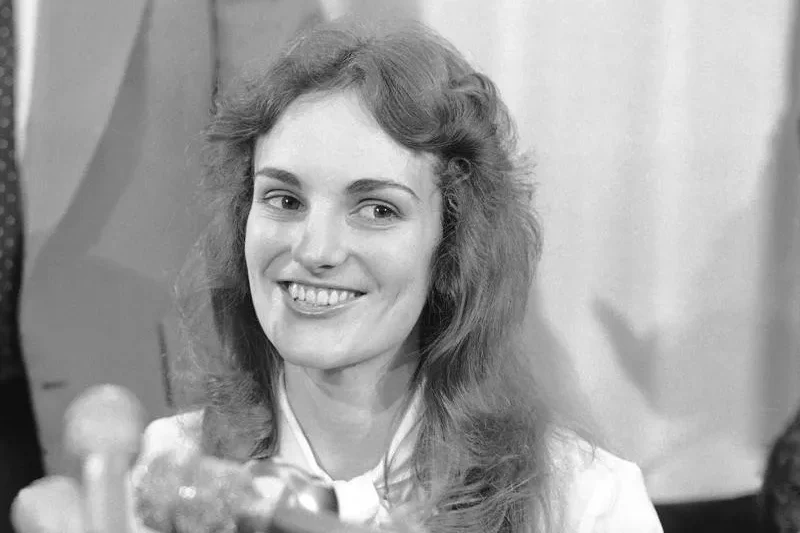
As the years passed, interest in Patty Hearst’s case never fully disappeared. Documentaries, books, and interviews continued to surface, often promising new angles or fresh interpretations. Yet Hearst consistently declined to participate. This decision was not driven by denial or avoidance, but by an understanding of what revisiting the story cost her emotionally. Retelling events required returning to fear, confusion, and loss of control. By refusing, she protected the stability she had worked hard to build. Silence became a deliberate choice rather than a reaction. It allowed her to live in the present without reopening wounds that no longer needed examination.
Maintaining that boundary gave her emotional consistency. While others analyzed the past, she focused on daily life, family, and routine. The refusal also shaped how the public engaged with her story. Without her voice guiding reinterpretation, the narrative matured naturally over time. This distance reinforced her belief that healing did not require explanation. It required restraint. Choosing not to revisit the story allowed her to keep ownership of her present rather than remain tied to a past that no longer defined who she was.


