
1. The Italian White Truffle
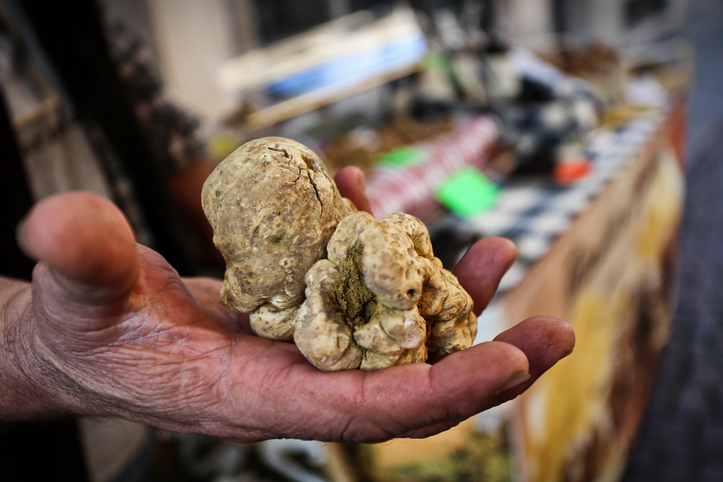
Some foods quietly announce that this is not an everyday meal, and white truffles do that without trying. If this list has an opening mood, it lives here, because white truffles set the emotional baseline for expensive food. Found mainly in Italy’s Piedmont region, these truffles cannot be farmed, forced, or rushed. They grow underground in specific soil, during short seasons, and must be hunted with trained dogs. That uncertainty shapes everything about their price. When harvests are weak, prices per gram climb quickly, sometimes higher than gold. White truffles are fragile, spoil fast, and lose aroma within days, which makes timing everything. They are usually shaved thinly over simple dishes, not to impress but to avoid distraction, because the scent does the talking.
Eating white truffle feels less like consuming an ingredient and more like participating in a moment. There is no saving it for later or stretching it across meals. Once shaved, it must be eaten. That fleeting quality is why chefs treat it gently and diners lean in closer. As this list unfolds, you will notice that many of the most expensive foods share this same tension between rarity and impermanence, which quietly explains why their prices feel almost untouchable.
2. Beluga Caviar from the Caspian Region
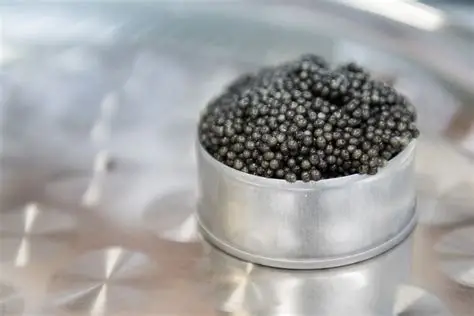
Beluga caviar carries its reputation with remarkable restraint. The eggs come from beluga sturgeon, fish that take decades to mature and can live longer than most people. That timeline alone reshapes how value is measured. True beluga caviar is tightly regulated and difficult to source legally, which pushes its price per gram into elite territory. The pearls are large, soft, and pale, with a clean finish that avoids the harsh saltiness people often expect. It is served simply, usually chilled and untouched, because additions would interfere with its natural texture. Even presentation tends to be quiet, with small spoons and minimal ceremony, letting the product speak for itself.
What makes beluga caviar feel expensive is not just taste, but patience. You are eating something that took years of restraint to exist. That slow build creates a sense of responsibility around each bite. It is not food you rush through or pile onto crackers. It encourages pacing and attention, qualities that appear again and again across this list, especially as ingredients become more controlled by nature than by production.
3. Bluefin Tuna Otoro
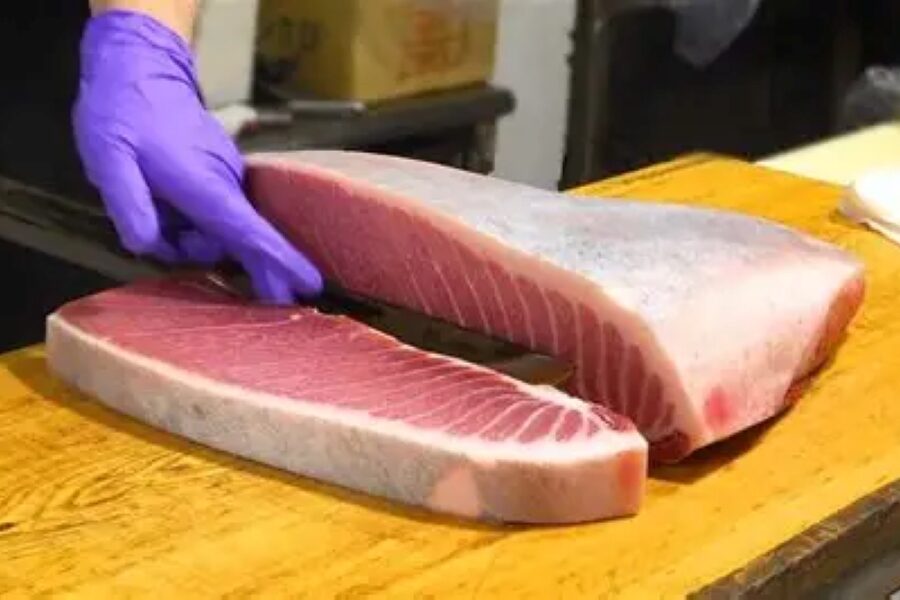
Otoro is the richest cut of bluefin tuna, taken from the belly where fat content peaks. It is prized for its silky texture and ability to melt almost instantly when it touches the tongue. Bluefin tuna itself is heavily regulated due to overfishing, and otoro represents only a small fraction of each fish. That scarcity drives the price per gram higher than most seafood in the world. Markets grade each tuna carefully, and only the best earn top prices. When otoro appears on menus, portions stay small, not just because of cost, but because richness demands moderation.
Eating otoro often feels like slowing time. The flavor unfolds gently, leaving a lingering richness that does not overwhelm. It is rarely paired with strong sauces or heavy seasoning, since balance matters more than intensity. Otoro teaches an important lesson that runs through this list. Expensive food is often less about excess and more about precision, about knowing exactly when enough is enough.
4. Saffron Threads
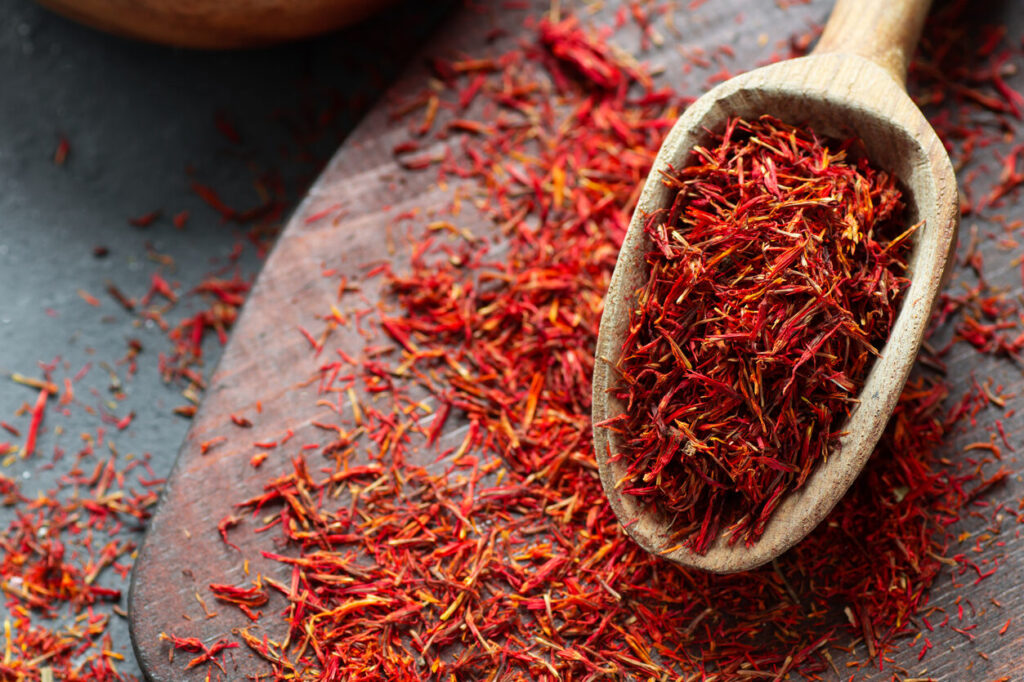
At first glance, saffron looks unassuming, almost delicate to a fault. But its price tells a very different story. Each thread comes from the stigma of a crocus flower, and harvesting must be done by hand. Tens of thousands of flowers are needed to produce a small quantity, which explains why saffron is sold by the gram rather than the jar. Its aroma is subtle, floral, and earthy, not loud or aggressive. When used correctly, it adds warmth and depth rather than dominance.
Saffron teaches patience both in production and in cooking. A pinch is enough to flavor an entire dish, and too much can ruin balance. Many home cooks underestimate its value because it lasts so long in the pantry. But that longevity is part of the experience. Saffron rewards restraint and planning, themes that continue to surface as this list moves forward and expensive foods reveal their quieter personalities.
5. A5 Japanese Wagyu Beef
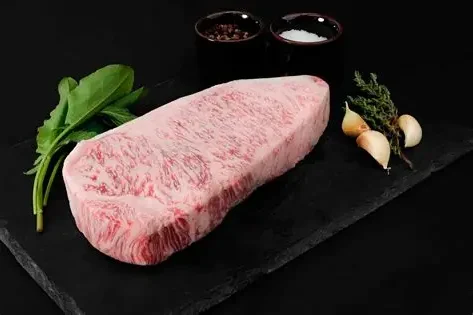
A5 Wagyu represents the highest grade of Japanese beef, evaluated on marbling, color, texture, and fat quality. Only a small percentage of cattle qualify, which keeps supply limited. The fat is fine, evenly distributed, and melts at low temperatures, creating a buttery mouthfeel without heaviness. Portions are intentionally small, often sliced thin and cooked quickly. This is not food designed to fill a plate.
What makes Wagyu special is control. From breeding to feeding, every detail is monitored. That care shows in how the beef behaves when cooked. It does not fight the heat or demand aggressive seasoning. Instead, it softens and releases flavor gently. Like many foods on this list, Wagyu rewards attention and punishes distraction, reminding diners that luxury often asks for presence rather than indulgence.
6. Kopi Luwak Coffee
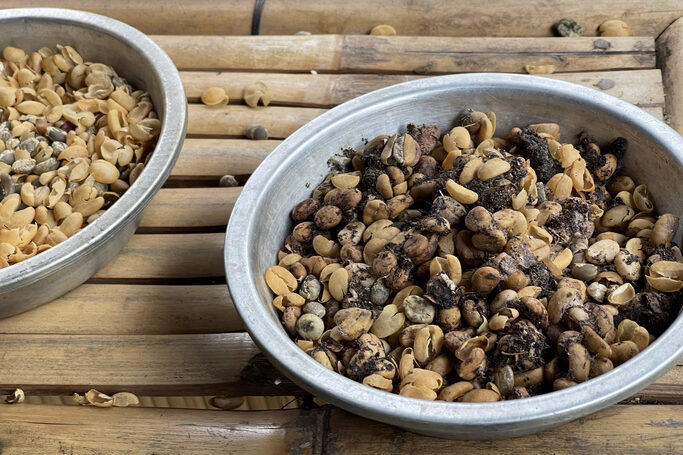
Kopi Luwak is one of the most debated luxury foods in the world. The coffee beans pass through civet cats before being collected, cleaned, and roasted. This process changes the bean’s chemistry, reducing bitterness and altering flavor. When responsibly produced, quantities remain extremely limited, which raises the price per gram. The coffee itself is mild, smooth, and less acidic than expected, offering a softer experience than bold specialty roasts.
The controversy surrounding Kopi Luwak has reshaped how people think about value. Ethical sourcing matters here more than story. When done poorly, the product loses credibility. When done well, it becomes an example of how rarity alone is not enough. This entry quietly prepares readers for an important idea. Expensive food earns trust through care, not just through novelty.
7. Madagascar Vanilla Beans
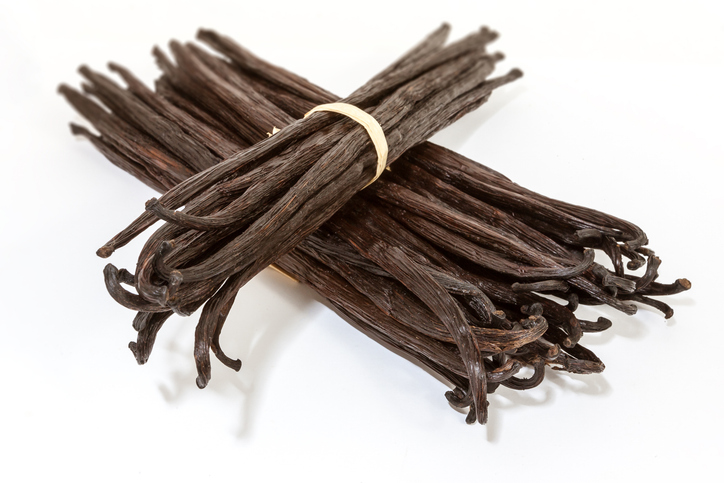
Vanilla beans from Madagascar quietly carry one of the highest price tags in the spice world, yet they rarely announce themselves. Growing vanilla is slow and delicate, beginning with hand pollination and followed by months of curing, drying, and conditioning. Each step depends on weather, patience, and skilled labor, which makes supply unpredictable. When harvests fall short, prices per gram rise quickly. The beans themselves are dark, supple, and fragrant, holding thousands of tiny seeds that release warmth rather than sharpness. Unlike artificial flavoring, real vanilla adds depth without demanding attention, which is why bakers and chefs treat it with care and respect.
What makes vanilla expensive is not drama but endurance. It works quietly in the background, binding flavors and smoothing edges in desserts, drinks, and even savory dishes. Many people overlook its value because it feels familiar, yet familiarity often hides effort. Vanilla reminds us that some of the most prized ingredients earn their place not by standing out, but by holding everything else together with steady reliability and quiet grace.
8. Swedish Moose Cheese
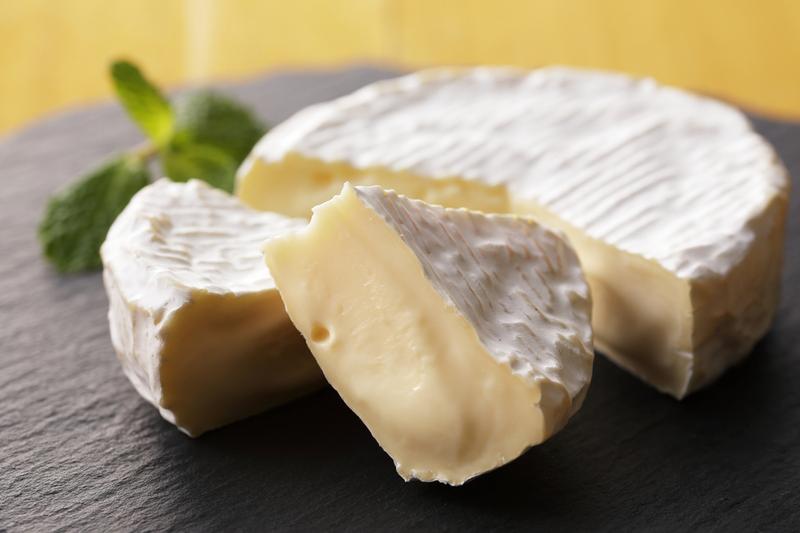
Moose cheese sounds like a novelty until you understand how limited its existence truly is. Produced on a single farm in Sweden, it comes from a small number of moose that can only be milked during certain seasons. Moose are not domesticated animals, which means production follows their instincts, not human schedules. Each batch is small, carefully handled, and impossible to scale. The cheese itself is rich and creamy, with a mild sweetness and earthy undertone that reflects the animal’s natural diet. Its price per gram reflects rarity shaped by biology rather than marketing or trend.
Eating moose cheese feels more like encountering something rare than indulging in excess. Portions are modest, not because of luxury theatrics, but because supply is genuinely limited. It invites curiosity instead of spectacle. As this part of the list closes, it becomes clear that the most expensive foods often exist at the mercy of nature, reminding us that value sometimes comes from accepting limits rather than trying to overcome them.
9. Gold Leaf Edible Foil
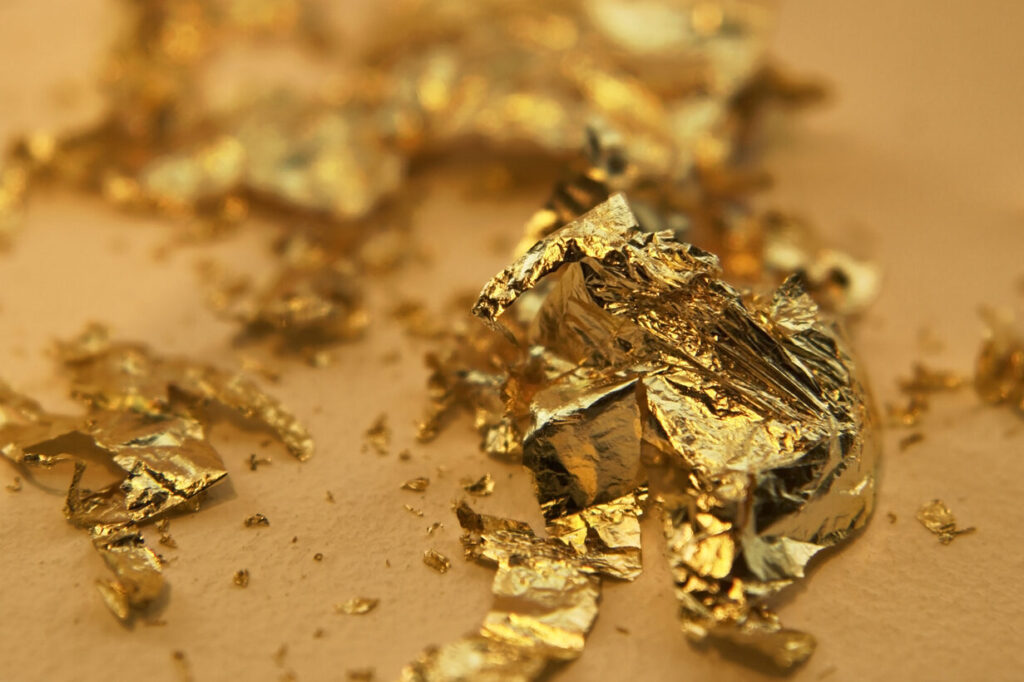
Edible gold leaf has no strong flavor, no aroma, and no nutritional value, yet it remains one of the most expensive food additions in the world. Made from pure gold hammered until it becomes thin enough to float, it takes hours of skilled labor to achieve sheets delicate enough to dissolve on the tongue. Gold leaf is often used to decorate desserts, chocolates, and drinks, not to enhance taste but to signal rarity and occasion. Because it is inert, it passes through the body unchanged, making its role entirely visual. That visual impact is what drives the cost per gram, especially when applied by hand.
Gold leaf speaks to how luxury food sometimes exists outside practicality. It does not aim to nourish or comfort. Instead, it marks moments meant to feel extraordinary. Its presence turns ordinary items into conversation pieces, inviting people to pause and look twice. In that way, gold leaf fits naturally into this list. It reminds us that some expensive foods are valued not for what they give the body, but for what they communicate about celebration, symbolism, and the human desire to make moments feel rare.
10. Matsutake Mushrooms
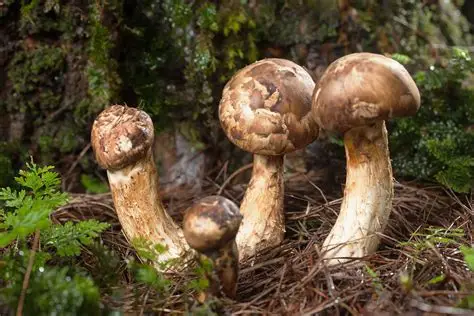
Matsutake mushrooms are prized not for abundance but for unpredictability. These wild mushrooms grow near the roots of certain trees and resist cultivation, which makes supply unreliable. Their short season and sensitivity to environmental change push prices high, especially for pristine specimens. Matsutake have a firm texture and a spicy, pine like aroma that sets them apart from common mushrooms. They are often used sparingly in soups or rice dishes, allowing their scent to carry the experience rather than overwhelming the plate.
What makes matsutake expensive is their refusal to cooperate. Harvesters cannot force growth or guarantee yield, which creates an atmosphere of anticipation each season. When they appear, they are treated with restraint and respect. Matsutake represent a recurring idea throughout this list. Ingredients shaped by nature rather than control often command the highest value. Their price reflects not only rarity, but humility in the face of conditions humans cannot fully manage.
11. Iberico Ham Bellota
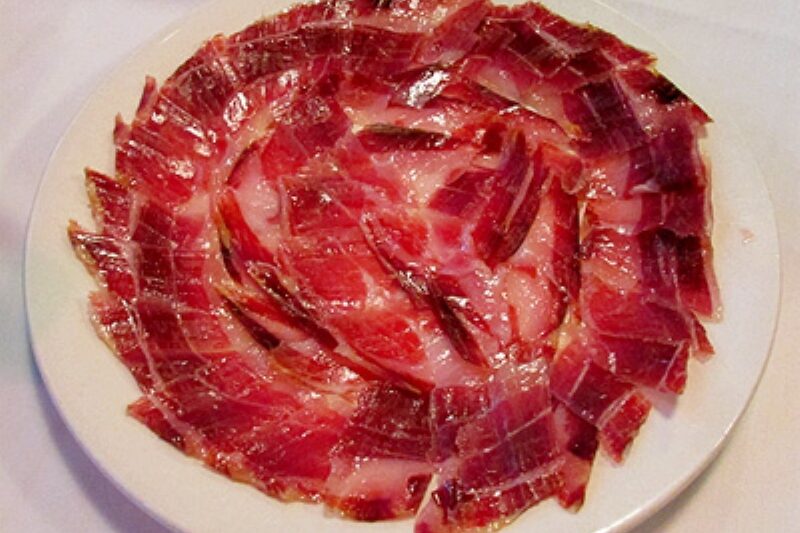
Iberico Bellota ham comes from pigs raised on a diet of acorns, roaming freely through oak forests. This lifestyle affects the fat composition, creating meat that is rich, nutty, and deeply aromatic. The curing process can last several years, during which the ham develops complexity slowly. Only certain pigs qualify, and only specific conditions allow the label Bellota to be used. That combination of time, space, and regulation drives the cost per gram upward.
Slicing Iberico ham is an art in itself. Thin slices allow the fat to soften and release flavor gently. It is often served alone, without garnish, because nothing else is needed. Iberico Bellota reflects a broader theme in expensive food. Value grows when patience replaces speed. The time invested becomes part of the taste, reminding eaters that some flavors cannot be rushed without losing their soul.
12. Yubari King Melon
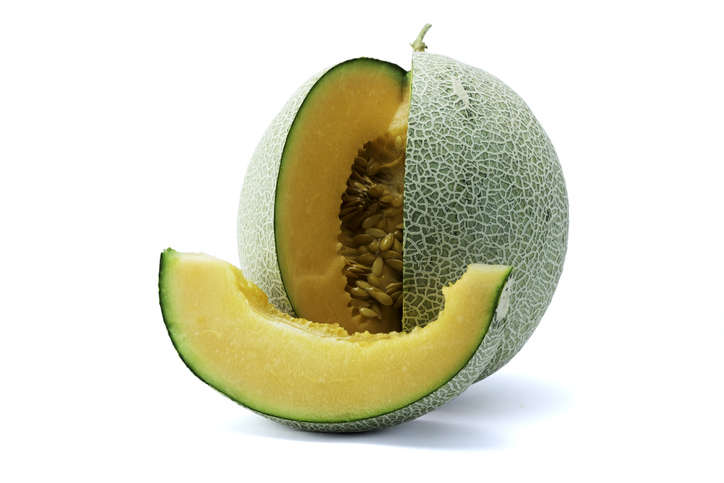
Yubari King melons are grown in a specific region of Japan under tightly controlled conditions. Farmers carefully manage temperature, soil, and watering, often tending to each melon individually. Only those meeting strict visual and sweetness standards reach the market. High grade specimens are sometimes sold as gifts rather than food, which influences price perception as much as quality. The flesh is soft, aromatic, and exceptionally sweet, offering a clean finish rather than cloying intensity.
What makes these melons expensive is precision. Nothing is left to chance. Their value is tied to craftsmanship and cultural meaning rather than volume. Yubari King melons reflect how food can operate as both nourishment and gesture. They are given to mark respect, gratitude, and celebration. That symbolic weight quietly elevates their cost, placing them comfortably among the world’s most expensive foods.
13. Densuke Watermelon
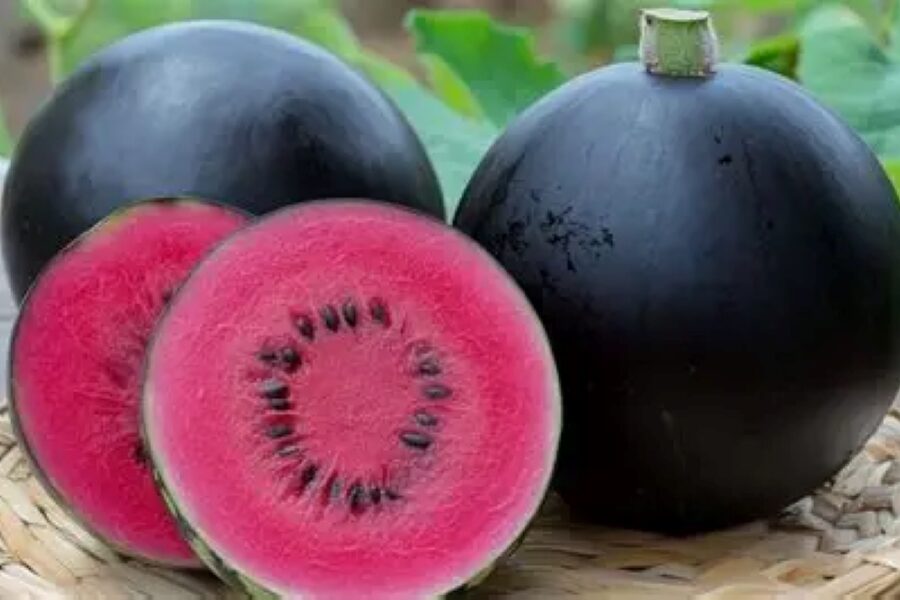
Densuke watermelons are instantly recognizable by their deep black rind and limited production. Grown only on a Japanese island, fewer than a hundred may be harvested in some seasons. The flesh inside is crisp, clean, and notably less watery than common varieties. While flavor matters, appearance plays a large role in determining value. Perfect shape and surface elevate price dramatically, sometimes reaching extraordinary levels per fruit.
These watermelons highlight how scarcity and presentation intersect. They are often purchased as gifts or display items before they are eaten. That dual role blurs the line between food and object. Densuke watermelons remind us that in luxury food, perfection itself becomes an ingredient. When supply is small and expectations are high, even familiar foods can transform into symbols of care and exclusivity.
14. Bird’s Nest Soup
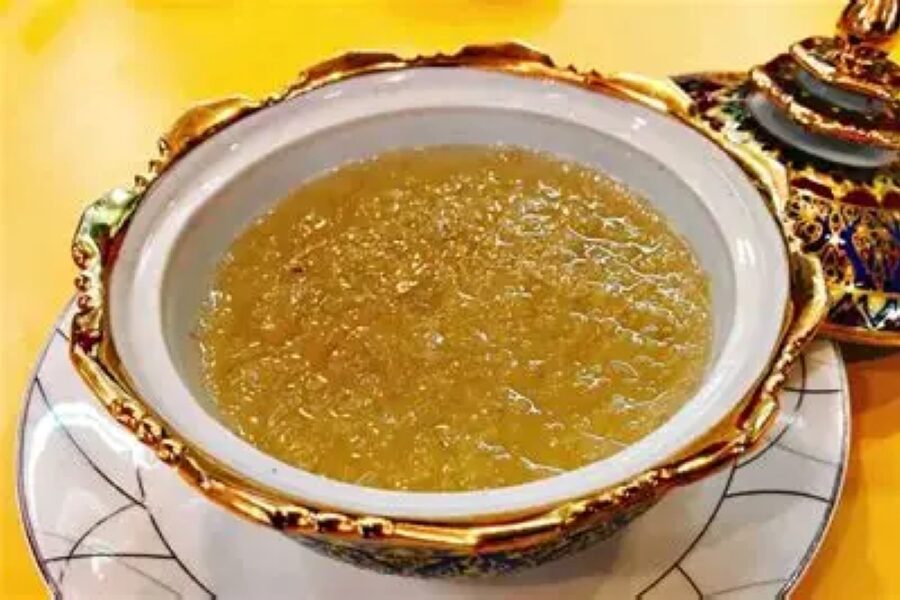
Bird’s nest soup has long been associated with care, status, and tradition rather than bold flavor. The nests are made by swiftlets using hardened saliva, which is collected from cave walls or specially built houses. Harvesting requires careful timing so birds can continue breeding, and the nests must be cleaned strand by strand before use. Once prepared, they are soaked and cooked slowly until they develop a soft, gelatinous texture. The soup itself is mild, almost neutral, which surprises first time eaters. Its value does not come from intensity but from effort, scarcity, and cultural meaning. Each gram reflects labor that begins far from the kitchen, shaped by environment, patience, and respect for process.
Eating bird’s nest soup is more about ritual than indulgence. It is often served during important milestones, signaling care and intention rather than extravagance. Portions are small, encouraging attention rather than consumption. The experience invites quiet appreciation, not excitement. As this list continues, bird’s nest soup reinforces a central theme. Some of the most expensive foods earn their place not by overwhelming the senses, but by carrying generations of belief, careful handling, and quiet significance that cannot be rushed or replicated.
15. Almas Caviar

Almas caviar is known for its rarity even among luxury foods. It comes from albino sturgeon, which are exceptionally uncommon and slow to mature. These fish can take decades before producing eggs, and only a small yield qualifies as Almas. The pearls are pale, smooth, and delicate, offering a refined texture rather than sharp salinity. Handling requires precision to preserve quality, and quantities are tightly controlled. Because production is limited by biology, availability remains scarce. This combination of time, care, and natural limitation pushes the price per gram into the highest range of caviar.
Eating Almas caviar is an exercise in restraint. It is served simply, often alone, to avoid distraction. The experience is subtle and quiet, encouraging slow tasting rather than indulgence. Its value lies not in excess, but in the patience required to produce it. Almas caviar reflects how luxury food often mirrors human limits. It exists only when time allows it, reminding us that some things cannot be accelerated, only respected.
16. Ayam Cemani Chicken
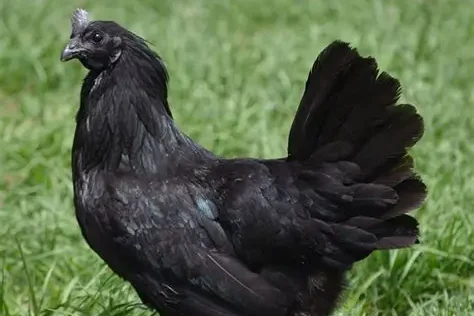
Ayam Cemani chickens are instantly recognizable due to their striking appearance. Their feathers, skin, bones, and internal organs are dark because of a rare genetic trait. Originating in Indonesia, these birds are difficult to breed and maintain, which limits supply. Although the meat tastes similar to other chicken, the bird’s rarity drives its high price. Cultural beliefs and symbolism surrounding the Ayam Cemani also influence demand, adding meaning beyond flavor.
What makes Ayam Cemani expensive is perception shaped by uniqueness. The bird stands out visually in a way few foods do. That visual impact transforms it from a simple protein into something symbolic. It highlights how food value is not always determined by taste alone. In this list, Ayam Cemani represents how rarity and story can elevate even familiar foods into objects of fascination and desire.
17. Pufferfish Delicacy
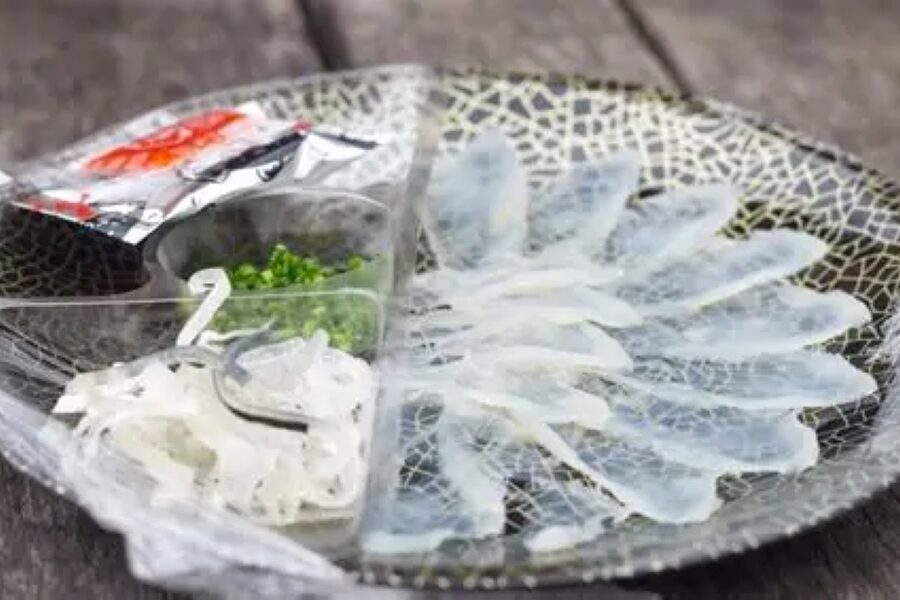
Pufferfish is one of the most regulated foods in the world due to the presence of potent toxins. Only licensed chefs who undergo years of training are allowed to prepare it. The fish must be cleaned with precision, removing dangerous parts while preserving edible flesh. This expertise reduces risk but never eliminates it entirely, which contributes to the high cost per serving. The flesh itself is mild, firm, and clean, valued more for texture than bold flavor.
Eating pufferfish is as much about trust as taste. Diners rely on the skill of the chef rather than the ingredient alone. That reliance turns preparation into part of the experience. Pufferfish shows how skill can become an invisible ingredient. Its price reflects responsibility, discipline, and the weight of expertise required to make something potentially dangerous safe.
18. Himalayan Pink Salt Slabs
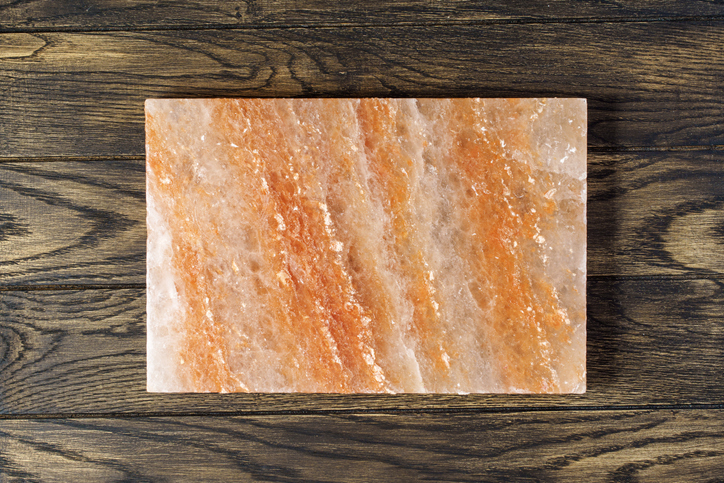
Himalayan pink salt slabs are carved from ancient salt deposits formed millions of years ago. Each slab is shaped and polished by hand, giving it a unique appearance. The pink color comes from trace minerals, which also contribute subtle flavor. These slabs can be heated for cooking or used cold for serving, adding gentle salinity rather than sharp seasoning. Their durability allows repeated use, which affects how value is perceived.
What makes these salt slabs expensive is longevity. Unlike ingredients consumed quickly, they last for years when cared for properly. They blur the line between tool and ingredient, offering both function and presentation. As this section closes, the pattern remains clear. Many expensive foods earn their place not through excess, but through restraint, patience, and thoughtful use that extends beyond a single meal.
19. Black Ivory Coffee
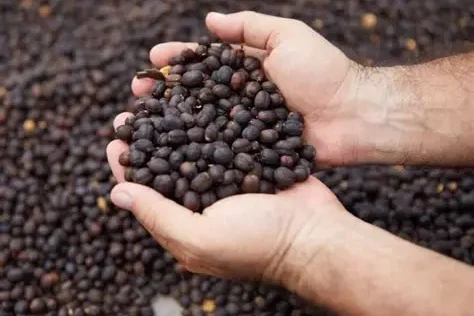
Black Ivory Coffee begins its journey with elephants rather than machines. Coffee cherries are eaten by elephants, and during digestion the beans undergo natural fermentation. This process reduces bitterness and changes the chemical structure of the coffee. Afterward, the beans are collected, washed, dried, and roasted. Only a small amount is produced each year because the process depends entirely on animal behavior and ethical handling. The result is a smooth, low acidity coffee with subtle chocolate and floral notes. Production is slow, unpredictable, and labor intensive, which pushes the price per gram into luxury territory.
What makes Black Ivory Coffee expensive is its reliance on nature rather than efficiency. Nothing about it can be rushed. The flavor is gentle and refined, not dramatic, which surprises many first time drinkers. It rewards patience and curiosity rather than boldness. In the context of this list, it reinforces a recurring idea. When food production follows natural rhythms instead of forcing output, scarcity becomes unavoidable. That scarcity then reshapes how value is understood, turning a quiet cup of coffee into an experience defined by restraint and care.
20. Kobe Beef from Japan
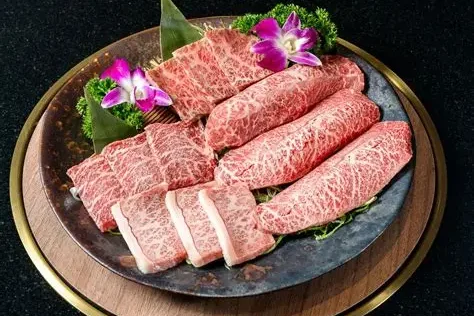
Kobe beef comes from a specific lineage of cattle raised under strict guidelines in Japan. Only meat that meets exact standards for marbling, texture, and fat quality earns the Kobe designation. The cattle are carefully managed, with attention given to diet, environment, and overall well being. This results in beef with fine marbling that melts easily and delivers a clean, rich flavor. Because authentic Kobe beef is tightly regulated and rarely exported, availability remains extremely limited. That limitation drives prices high, especially outside Japan.
Eating Kobe beef feels intentional rather than indulgent. Portions are modest, often served simply to allow the natural qualities to shine. The experience emphasizes balance rather than excess. Kobe beef represents how discipline and structure can elevate an ingredient. Its price reflects adherence to tradition and control rather than mass production. As this list continues, Kobe beef stands as a reminder that luxury often grows out of rules carefully followed rather than rules broken.
21. Ortolan Bunting
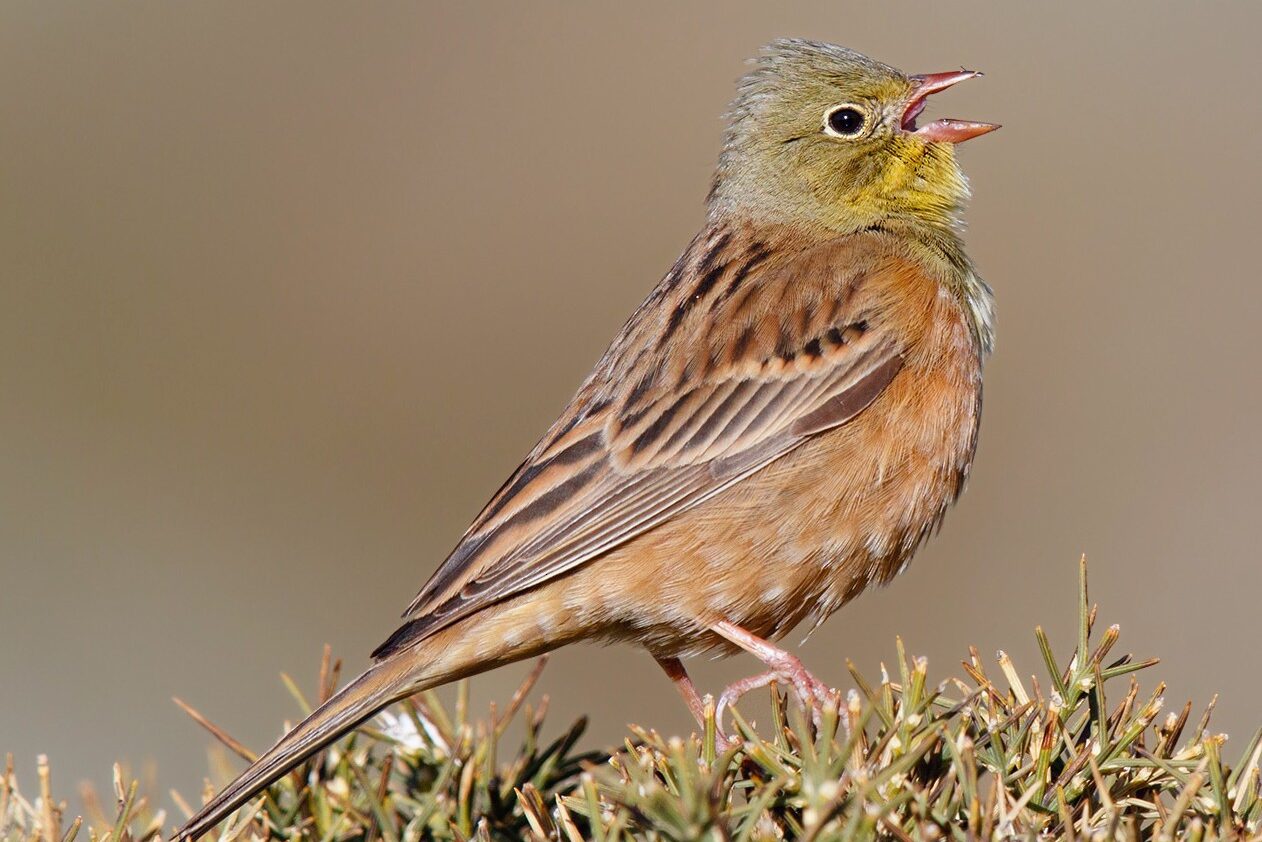
The ortolan bunting is a small bird historically considered a delicacy in parts of Europe. Its preparation was once surrounded by ritual, secrecy, and controversy. Due to conservation laws, it is now illegal in many places, which adds to its mystique. The bird itself is tiny, which means preparation yields very little meat. That scarcity, combined with historical demand, pushed its price high when it was available.
What makes the ortolan notable on this list is the conversation it sparks rather than flavor alone. It represents a turning point where tradition, ethics, and legality intersect. Its story reminds readers that luxury food is not immune to scrutiny. As tastes evolve, so do values. The ortolan’s place here highlights how rarity without responsibility eventually faces limits, shaping how future luxury foods are defined.
22. Wasabi Root
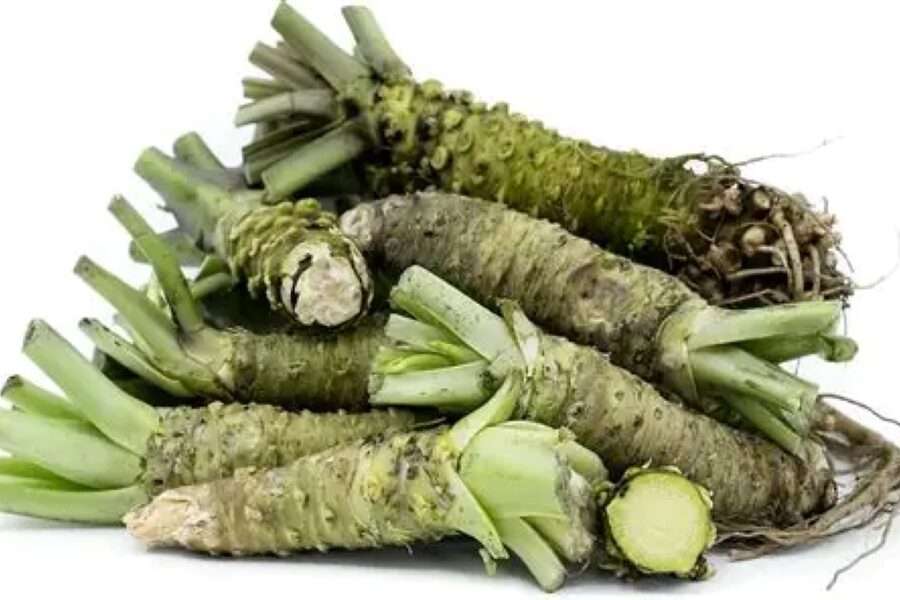
Real wasabi root is one of the most misunderstood luxury foods in the world. Unlike the green paste commonly served with sushi, authentic wasabi grows slowly in cool, shaded mountain streams under highly specific conditions. Farmers must manage water flow, temperature, and cleanliness with extreme precision, and even then, crops can fail easily. The plant takes years to mature, and only the root is used. Once harvested, it must be grated fresh, since its signature heat and aroma fade quickly. This narrow window between preparation and consumption plays a major role in its price per gram. The flavor is sharp but clean, rising quickly and disappearing just as fast without lingering burn.
What makes wasabi expensive is timing rather than intensity. It cannot be preserved, stockpiled, or rushed through service. Chefs treat it as a moment rather than an ingredient, grating only what will be eaten immediately. That immediacy encourages presence and restraint. Within this list, wasabi stands as a reminder that luxury often exists in brief encounters. Its value lies in attention, care, and acceptance that some things are meant to be experienced once, fully, and without delay.
23. White Pearl Albino Truffle

White pearl albino truffles are among the rarest truffles ever found. Their pale color and delicate aroma set them apart from more familiar varieties. They grow under specific conditions and appear unpredictably, making harvest uncertain. Their fragrance is subtle and fleeting, which means they must be used immediately. Prices per gram climb quickly when availability is low.
This final entry brings the list full circle. Like the foods at the beginning, albino truffles exist briefly and resist control. They ask diners to slow down, pay attention, and accept impermanence. If there is a quiet lesson threaded through these foods, it is this. Value often comes from what cannot be rushed, stored, or scaled. If this list made you pause, notice, or rethink what luxury really means on a plate, then it has done its work. Explore thoughtfully, eat curiously, and let food remind you why care still matters.


