
1. Dogs Recognize Object Names
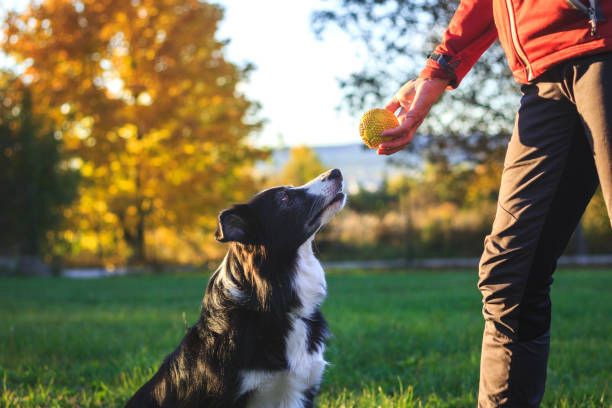
For many years, scientists believed dogs only reacted to the sound and pitch of a human voice rather than the actual meaning of words. However, groundbreaking research conducted over the last two decades has proven that specific dogs possess the cognitive ability to link unique names to individual objects. One of the most famous pioneers in this field was Rico, a Border Collie from Germany. In a landmark study published in 2004, researchers found that Rico could identify and retrieve over 200 different toys by name. This revelation shattered previous assumptions about animal intelligence and suggested that some canines possess a mental “dictionary” similar to humans.
Building on Rico’s legacy, a dog named Chaser in the United States became a global sensation between 2004 and 2019. Trained by Professor John Pilley, Chaser learned the names of more than 1,000 unique items, ranging from stuffed animals to plastic discs. These findings, often published in journals like Science, show that for “gifted” dogs, fetching a specific toy is not a result of lucky guessing. Instead, it involves a complex process of elimination and memory. When a dog looks at a pile of toys and selects the exact one requested, they are demonstrating a high level of intentionality that bridges the communication gap between our two species.
2. Learning Mirrors Toddlers
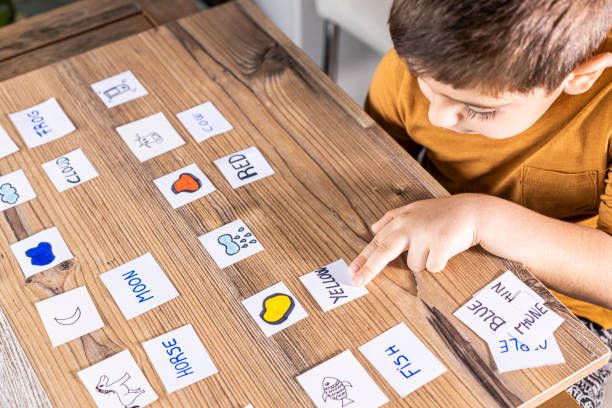
Recent scientific inquiries have revealed a fascinating parallel between how dogs learn words and how human toddlers acquire language. Research highlighted by Scientific American between 2020 and 2024 suggests that certain dogs utilize a cognitive shortcut known as “fast mapping.” This is the same process where a two-year-old child hears a new word once in a specific context and immediately understands what it refers to. In canine experiments, dogs were presented with a group of familiar toys and one brand-new item. When asked to find a toy with a name they had never heard before, the dogs correctly inferred it must be the new object.
This natural style of learning suggests that dogs are far more observant than we give them credit for. They aren’t just memorizing sounds through hours of repetitive drilling; they are absorbing the world around them by listening to the “background noise” of human life. This discovery resonates with pet owners who notice their dogs responding to words that were never officially taught. It implies that even when a dog is simply resting on the rug while a family chats nearby, their brain may be actively filing away new information. This passive learning ability highlights a sophisticated social intelligence that makes dogs unique among domestic animals.
3. Play Encourages Learning
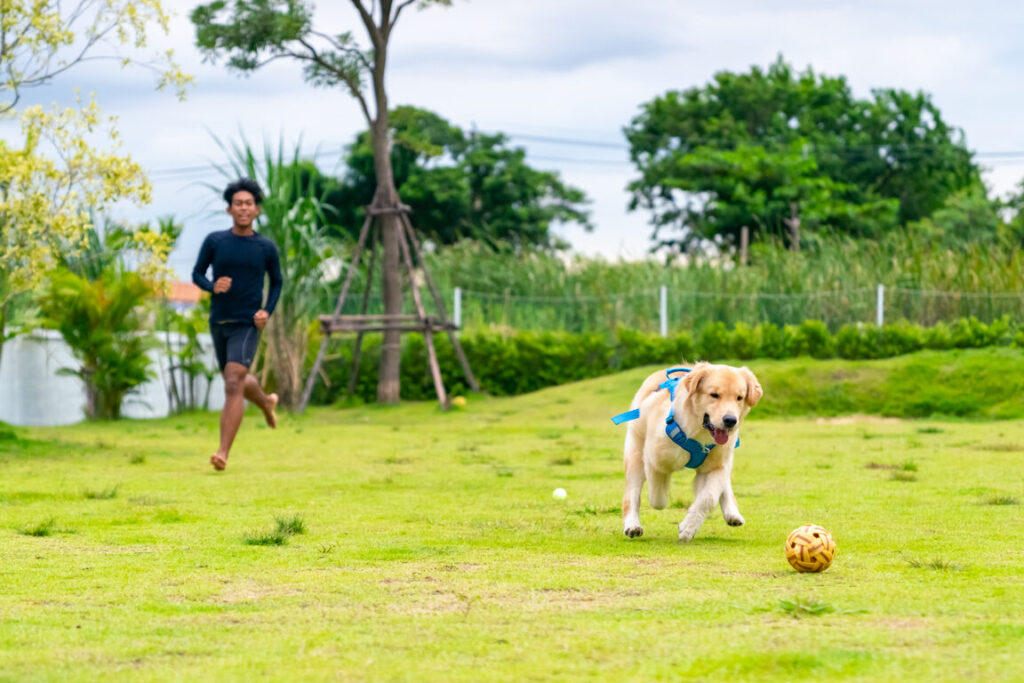
Play is not just a way to burn off energy; it is a critical component of how dogs process language. Between 2015 and 2022, several behavioral studies found that dogs were significantly more likely to remember a word if it was introduced during a game rather than a formal training session. Whether it was a game of hide-and-seek with a toy or a playful round of fetch, the high-energy, low-stress environment of play allowed the dogs to form deeper emotional and cognitive connections with specific words.
This makes perfect sense when we consider that dogs are most attentive when they are having fun. In a playful state, their motivation is at its peak, and their brains are flooded with positive neurochemicals that help cement memories. For families, this means that the best “classroom” for a dog is often the living room floor. When you use a toy’s name while wrestling or playing tug, you are providing a meaningful context that makes the word stick. It transforms language acquisition from a boring chore into an exciting shared experience between the pet and the owner.
4. Eavesdropping Drives Learning

In a fascinating report released in early 2026, researchers explored the idea that dogs might be “eavesdroppers” by nature. Controlled experiments have shown that gifted dogs can learn the name of a new object simply by overhearing two humans talk about it. In these tests, the humans did not look at the dog or use a commanding tone; they simply used the object’s name naturally in conversation. Later, when asked to find that object, the dogs were successful. This suggests that the traditional “command-and-reward” model isn’t the only way dogs learn, challenging a century of training philosophy.
This finding adds a layer of mystery to our relationships with our pets. It suggests that our dogs are much more involved in our social lives than we previously assumed, quietly processing our habits, routines, and even our jokes. For a dog, the home is a classroom where the “lessons” are constantly being taught through everyday interaction. This understated attentiveness shows that dogs are social learners who value the context of human relationships. It reminds us that every time we speak within earshot of our pets, we might be unintentionally teaching them something new about our world and our language.
5. Not All Dogs Learn This Way
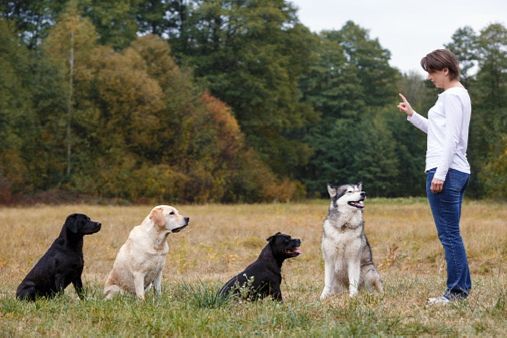
It is important to manage expectations by noting that advanced word learning is a rare trait. Large-scale studies conducted between 2021 and 2025 have consistently shown that the vast majority of dogs, even very smart ones, do not naturally learn hundreds of object names. Scientists now categorize the few who can as “Gifted Word Learners” (GWL). In many trials, dozens of dogs were tested, but only a small fraction performed better than what would be expected by random chance. This indicates that while the potential for language exists within the species, it is far from a universal standard.
This distinction is actually quite helpful for dog owners, as it removes the pressure for every pet to be a “genius.” A dog that cannot distinguish between a “ball” and a “bone” by name isn’t necessarily unintelligent; they may simply excel in other areas, such as emotional empathy, scent detection, or physical agility. Just as humans have different learning styles, some being visual while others are tactile, dogs have diverse cognitive profiles. Recognizing this diversity allows us to appreciate our pets for who they are, rather than comparing them to a rare group of canine linguistic scholars.
6. Memory Lasts Months
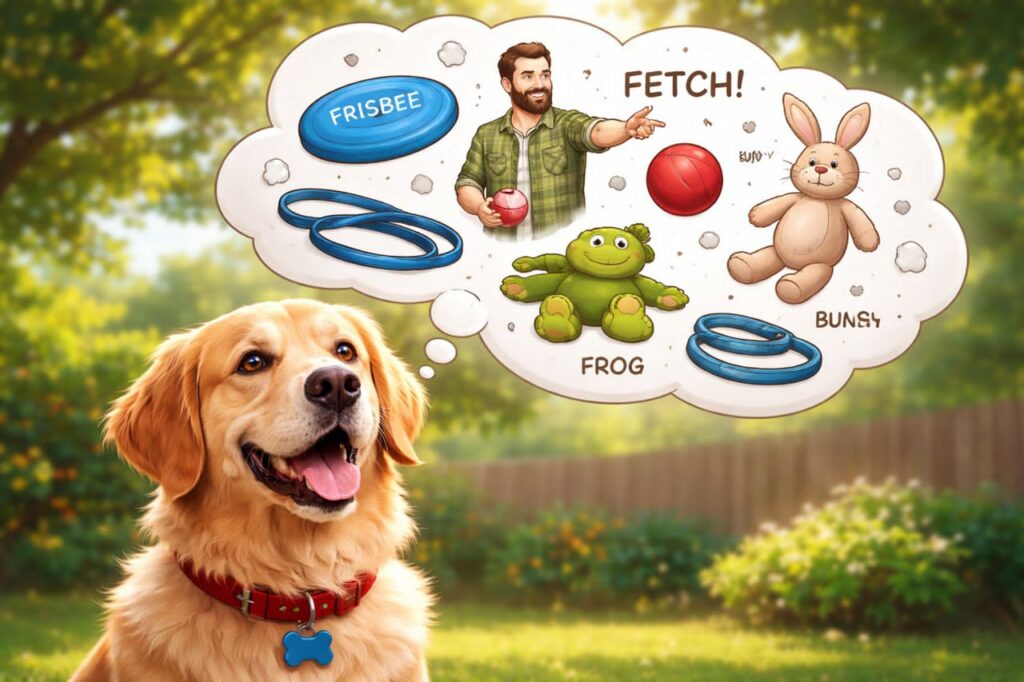
One of the most impressive aspects of canine linguistics is the durability of their memory. In studies where gifted dogs were taught the names of new objects, researchers performed follow-up tests two to four months later. Remarkably, the dogs were able to identify the toys with high accuracy, even if they hadn’t seen or heard the names of those toys in the intervening time. This research, prominently shared in 2022, suggests that once a word is “mapped” into a dog’s brain, it creates a stable, long-term memory rather than a fleeting association.
For the average pet owner, this explains those “lightbulb moments” when a dog reacts to a word that hasn’t been mentioned in years. Whether it’s the name of an old park or a toy that’s been stuck under the couch for months, their brains are capable of preserving these connections. This long-term retention adds significant emotional depth to the bond between humans and dogs. It shows that we aren’t just living in the moment with our pets; we are building a shared history and a vocabulary that can last a lifetime, reinforcing the idea of dogs as true companions.
7. Brain Activity Confirms Meaning
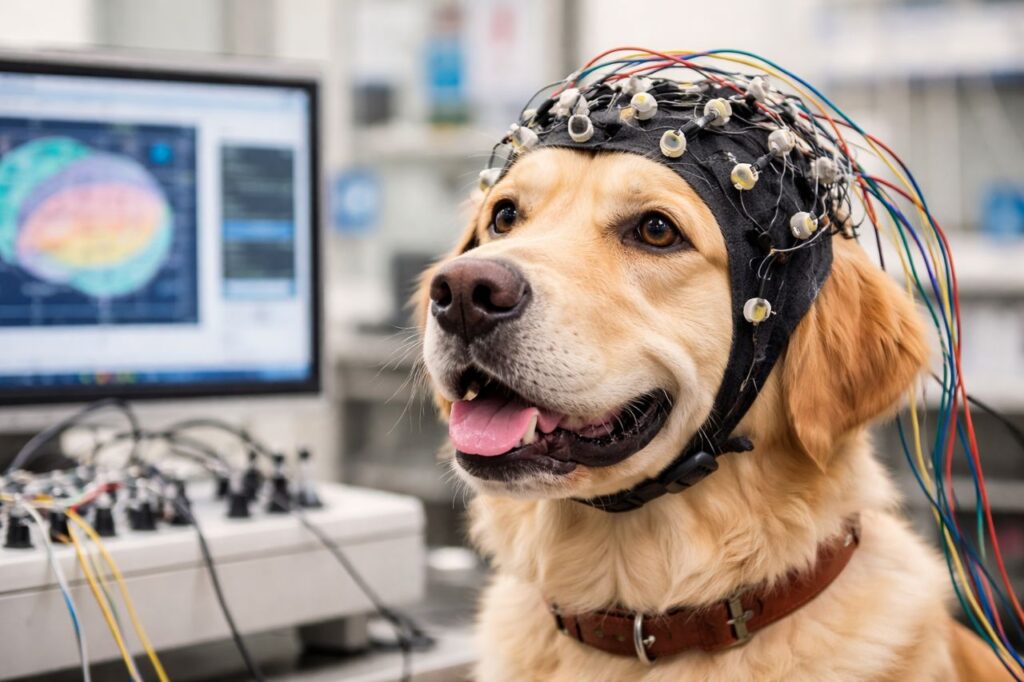
To prove that dogs aren’t just “faking it,” scientists have turned to advanced technology. In the mid-2010s and continuing into the 2020s, researchers utilized fMRI (brain imaging) and EEG sensors to watch canine brains in action. They discovered that when a dog hears a familiar word, the auditory regions of their brain light up in a pattern similar to how humans process language. Crucially, their brains reacted differently to known words than they did to meaningless gibberish or unfamiliar terms. This provides biological proof that for some dogs, words carry genuine, symbolic meaning.
This shift from observing behavior to observing biology has been a game-changer for the scientific community. It moves the discussion away from “human projection” and into the realm of hard science. It validates the feelings of millions of owners who have always insisted that their dogs truly understand them. By seeing the physical evidence of word processing in a lab setting, we can finally confirm that a dog’s response to language isn’t just a reflex, it’s a thoughtful cognitive process. This neurological data helps us view the canine mind with a newfound sense of wonder and respect.
8. Tone Still Matters
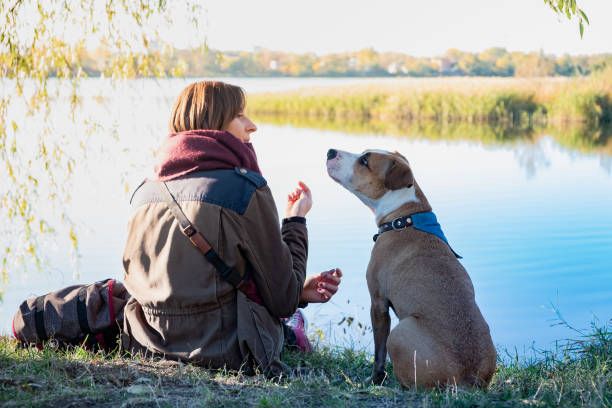
Despite their ability to learn specific words, a dog’s understanding is heavily influenced by the emotional “envelope” of the voice. Studies published around 2023 emphasize that the most effective communication occurs when word meaning and positive tone are aligned. While a gifted dog might know the word “treat,” they are much more likely to respond with enthusiasm if the word is spoken in a high-pitched, happy “dog-directed” voice. This suggests that for dogs, language is a multi-dimensional experience where the how is just as important as the what.
In our daily lives, this reminds us that communication with our pets is an emotional exchange. A dog isn’t a computer that just processes data; they are sentient beings who look to us for social cues and reassurance. When we speak warmly to them, we are providing the context they need to process the words we are using. This blend of vocabulary and emotion creates a unique “bridge” between species. It reinforces the idea that effective communication with a dog isn’t just about teaching them words, it’s about building a relationship based on mutual trust and positive reinforcement.
9. Training Isn’t Everything
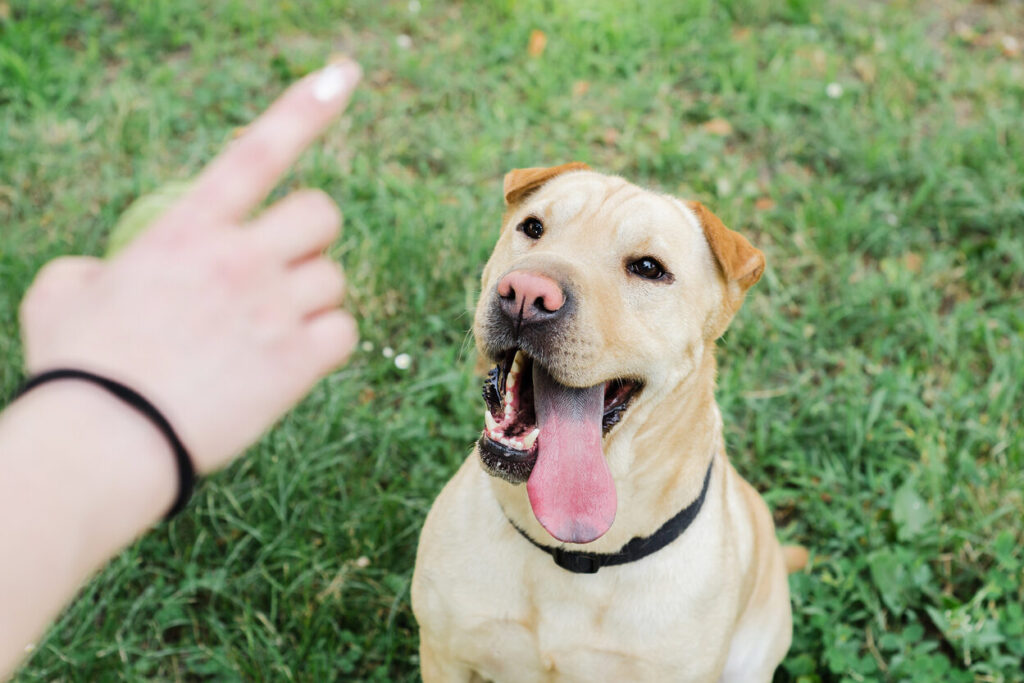
One of the most surprising takeaways from recent research is that many “genius” dogs weren’t actually “trained” in the traditional sense. When researchers interviewed the owners of gifted dogs between 2020 and 2024, they found that most of these pets lived in homes where they were simply treated as part of the family. These dogs weren’t subjected to rigorous, hours-long drills. Instead, they were immersed in a “language-rich” environment where owners spoke to them constantly during play and daily chores. This suggests that social immersion is more powerful than formal instruction.
This is great news for the average family, as it suggests that the best way to help a dog learn is simply to include them in your life. Much like a child learning their first language, dogs flourish when they are allowed to explore, play, and interact in a low-stress environment. When we treat our dogs as social partners rather than just subjects to be commanded, we open the door for more complex learning to happen naturally. This perspective shifts the focus from “training a dog” to “living with a dog,” making the process of language acquisition feel like a fun, shared hobby.
10. Age Does Not Limit Learning
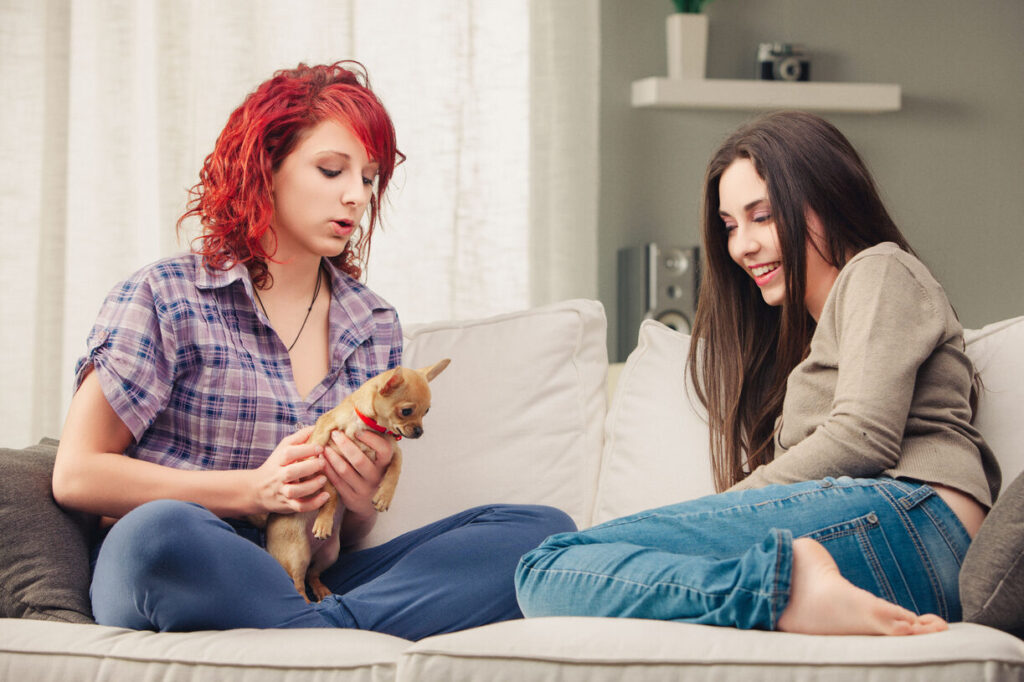
There is a common saying that you “can’t teach an old dog new tricks,” but scientific evidence from the last decade suggests otherwise. Several case studies involving adult dogs, some as old as seven or eight, have shown that they are fully capable of beginning a journey into word learning. While younger dogs might have more “plastic” brains, older dogs often bring a higher level of focus and a stronger bond with their owners to the table, which can compensate for their age.
This is an encouraging message for anyone who has adopted a senior dog or simply wants to start training an older pet. As long as the dog is healthy and motivated by treats, toys, or praise, their capacity for curiosity remains intact. Learning new words can actually be a great way to keep an older dog’s mind sharp, potentially slowing down the effects of cognitive aging. It proves that the desire to communicate and engage with humans is a lifelong trait, and it’s never too late to start building a more sophisticated vocabulary together.
11. Rethinking Canine Intelligence

The cumulative evidence from the last quarter-century is forcing a major rethink of what it means for a dog to be “smart.” In the past, canine intelligence was measured mostly by obedience, how quickly a dog could “sit” or “stay.” Today, researchers are looking at more sophisticated metrics, such as memory, social learning, and the ability to understand human communication. This evolution in science is helping us move away from seeing dogs as mere “reactors” and toward seeing them as “thinkers” who can solve problems and remember complex information.
This shift has profound emotional and ethical implications for how we treat our pets. When we recognize that a dog has the cognitive capacity to understand hundreds of words and keep those memories for months, it naturally increases our respect for them. They aren’t just animals that live in our houses; they are companions who share a significant portion of our mental world. By valuing their social and linguistic abilities, we create a deeper, more empathetic bond. This new era of research reminds us that the connection between humans and dogs is one of the most unique and cognitively complex relationships in the animal kingdom.
12. Research Is Still Growing

While we have learned an incredible amount about canine intelligence over the last twenty years, scientists are quick to point out that we are still in the early stages of this research. Ongoing projects, such as the “Genius Dog Challenge” which gained popularity in 2021, continue to seek out rare dogs from across the globe to better understand the genetic and environmental factors at play. Researchers are still trying to determine why some dogs are “gifted” while others, even of the same breed and litter, are not.
This spirit of discovery is what makes the field so exciting. Every new study adds a piece to the puzzle of how dogs perceive our world. It keeps the scientific community humble and open-minded, acknowledging that there is still so much we don’t know about the “silent” partners living in our homes. As technology like AI and advanced brain imaging continues to improve, we can expect even more startling revelations about the depth of the canine mind. The journey of understanding our best friends is far from over.


