
1. Rick Moranis and the Choice Everyone Felt
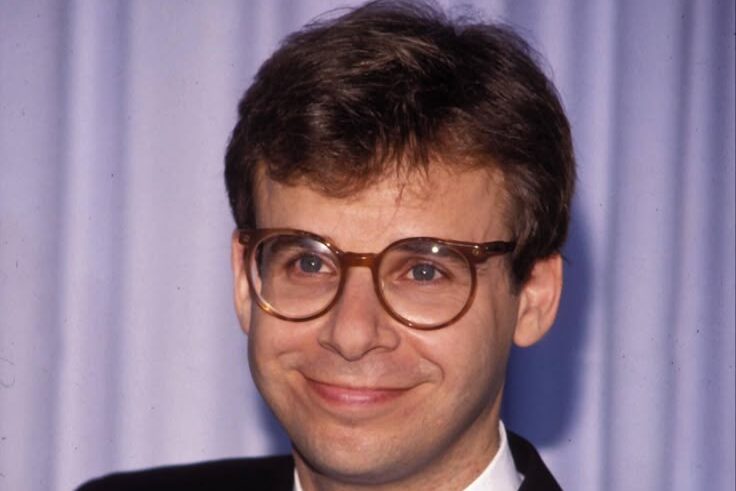
Some faces from the 1990s never really left us, even when they stepped away from the screen. Rick Moranis is one of those faces, familiar in a way that felt personal rather than flashy. He showed up in comedies families rewatched, characters you trusted to soften a story. When he stopped appearing, the absence felt quiet but noticeable. People wondered what happened, because fame usually ends loudly. His did not. It felt like someone choosing a different life rather than being pushed out of one, and that curiosity stayed with audiences for years.
What followed was a decision rooted in family and responsibility. Moranis chose to raise his children privately after personal loss reshaped his priorities. He did not announce a retirement or frame his choice as heroic. He simply stepped back. Over time, that quiet decision became meaningful. His rare returns feel intentional, never nostalgic for attention. Looking back now, his story reads less like a disappearance and more like a reminder that success is not always measured by presence. Sometimes it is measured by what you protect when the spotlight fades. That choice still resonates with viewers who value balance, care, and humanity over constant visibility today quietly.
2. Jaleel White and Living Beyond a Role
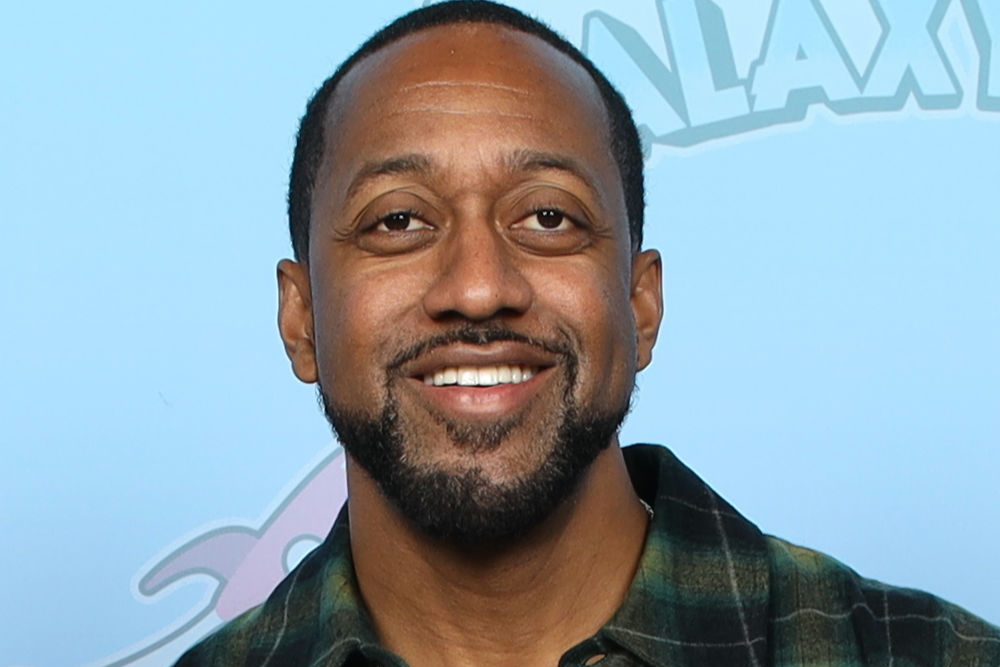
In the 1990s, Jaleel White became a face almost everyone recognized, even if they struggled to remember his real name. Steve Urkel was loud, exaggerated, and endlessly replayed, and that image followed White everywhere. For many viewers, it felt like the character froze him in time, long after the show ended. Fame arrived early and loudly, wrapping his identity in expectations that were difficult to shed. The public often assumed his career stopped when Urkel did, without noticing the steady work happening beyond the spotlight.
After the decade closed, White continued building a career that valued range over recognition. He moved through voice acting, hosting, and varied television roles, learning how to exist without constant comparison to his past. Rather than rejecting what made him famous, he absorbed it and moved forward. Over time, his journey became about longevity, not escape. Looking back, his path shows how early fame can echo for years, and how persistence sometimes looks quiet. White did not disappear. He adapted, stayed working, and slowly reshaped how success could look beyond one unforgettable character. That evolution allowed him to age naturally in an industry that rarely makes space for patience or wait for growth to unfold.
3. Neve Campbell and Choosing Space
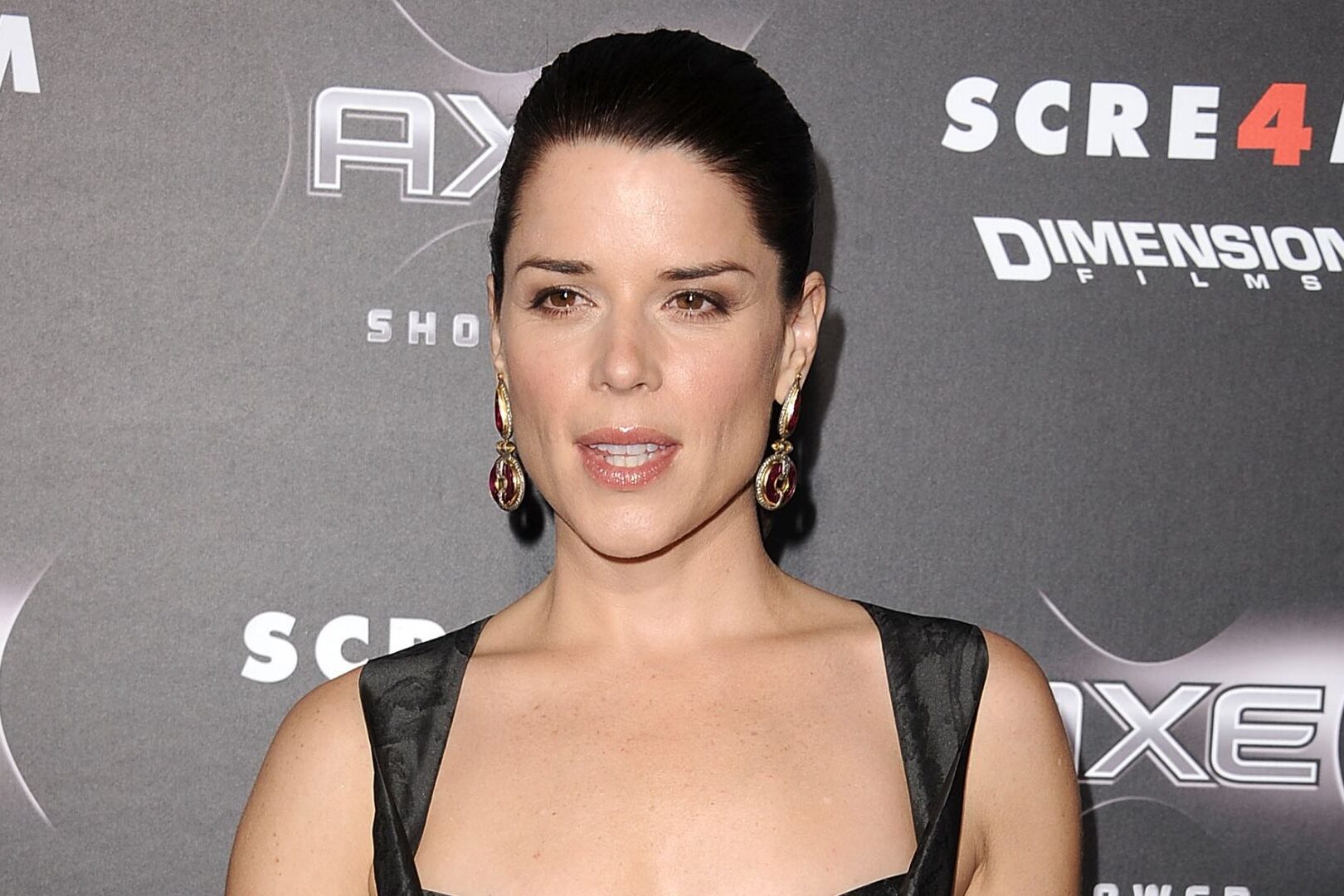
Neve Campbell’s rise in the 1990s felt calm rather than overwhelming, which made her presence easy to trust. She became familiar through roles that balanced strength and vulnerability, appearing often without feeling overexposed to audiences. Even at her peak, there was a sense that fame did not fully claim her or reshape her personality. She seemed aware of its limits, moving carefully within it instead of letting it dictate her pace or choices. As audiences followed her work, the connection felt steady, human, and sincere rather than loud or forced.
When the decade passed, Campbell chose space without disappearing completely from the craft she loved. She continued acting, but with more intention, favoring projects that allowed privacy, growth, and personal grounding. Stage performances and selective screen roles replaced constant visibility and promotional cycles. Over time, her career became less about staying seen and more about staying fulfilled. Looking back, her choices feel quietly confident and self assured. She did not chase relevance or retreat in fear. She trusted time to do its work, allowing distance to deepen rather than erase her presence. That balance helped her remain respected, recognizable, and rooted long after the noise of the 1990s faded from daily conversation.
4. Macaulay Culkin and Growing Up Publicly

Macaulay Culkin’s face became inseparable from the 1990s, especially for those who grew up watching movies on repeat at home. His fame arrived fast and loud, leaving little room for privacy, rest, or ordinary childhood mistakes. When he stepped away from acting, the silence felt sudden and confusing. Public curiosity quickly turned into speculation, often ignoring the weight of growing up under constant attention and expectation.
What followed was not disappearance, but adjustment and necessary distance. Culkin chose a quieter life, allowing himself to grow outside the expectations built around his early success. Over time, he returned in small, self directed ways, bringing humor, reflection, and perspective instead of spectacle. He never tried to recreate the child star image people remembered so clearly. Instead, he acknowledged it and moved forward. Looking back, his story reads as a lesson in survival rather than retreat. Stepping away gave him space to become an adult without an audience watching every move. His presence today feels intentional, shaped by experience rather than nostalgia, and grounded in a sense of self earned slowly and privately. His journey continues quietly with intention, balance, and reflection shaping how audiences understand his choices today. Over time. Still. Today.
5. Claire Danes and the Long View

Claire Danes entered the 1990s with a quiet intensity that made her performances feel deeply personal and relatable. She often played characters caught between emotion and restraint, which resonated strongly with audiences seeking honesty. Early success followed quickly, but it never seemed to rush or harden her. There was an ease in how she moved through fame, as if she understood it was temporary and did not need to be chased endlessly.
As time passed, Danes allowed her career to mature naturally with her own life. She moved between film, television, and theater, choosing roles that reflected growth rather than repetition or comfort. Instead of clinging to youthful visibility, she leaned into work that demanded depth, patience, and emotional presence. Looking back, her longevity feels earned through consistency and care. She did not reinvent herself for relevance. She evolved at her own pace. Her presence today reflects someone who trusted the long view, proving that careers can expand quietly when given space, intention, and respect for the passage of time. That steady evolution continues to resonate with viewers who value authenticity, patience, and quiet artistic growth over noise. It remains quietly meaningful for many. Across generations now. Widely. Enduring appeal.
6. Jonathan Taylor Thomas and Stepping Away Early

Jonathan Taylor Thomas was everywhere in the 1990s, a face tied to youth, charm, and constant visibility. For many viewers, he represented a specific moment of growing up, one shaped by television schedules and familiar weekly routines. His popularity peaked while he was still very young, and that attention followed him relentlessly. When he chose to step away, it felt sudden to fans who assumed success should always be pursued, never paused, and certainly never questioned.
What came next was a deliberate choice to prioritize education, privacy, and a sense of normalcy rarely afforded to young stars. Thomas did not vanish out of failure or controversy. He simply chose a different definition of fulfillment. Over time, his absence reframed his story. Leaving early preserved something rare in public life, control. Looking back now, his decision reads as thoughtful rather than impulsive. He allowed himself to grow without performance, to mature without constant evaluation. His story quietly challenges the idea that fame must always be maximized. Sometimes stepping away is not quitting. It is choosing a future that feels livable, grounded, and entirely your own, even when the world expects something louder instead.
7. Winona Ryder and Learning to Endure
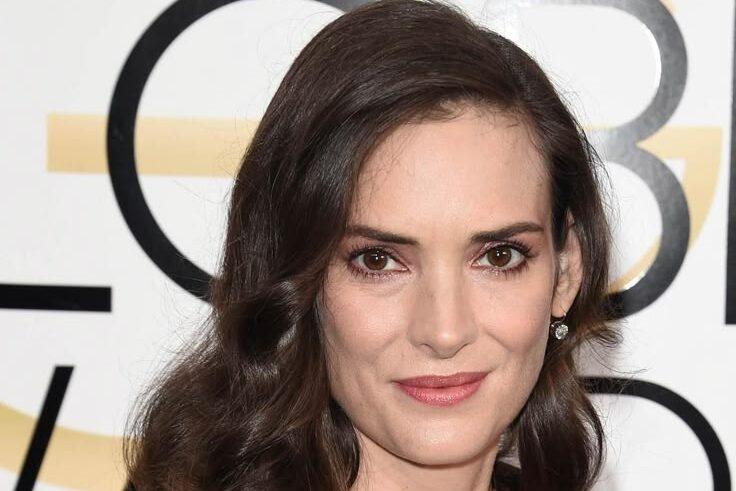
Winona Ryder’s 1990s fame was built on emotional honesty. She played characters who felt fragile, thoughtful, and real, which made audiences feel deeply connected to her work. That visibility came with affection, but also with unforgiving scrutiny once public perception shifted. When criticism arrived, it was swift and loud, transforming admiration into judgment almost overnight.
Ryder did not disappear completely. She stepped back enough to survive the weight of that attention. Over time, she returned with a presence shaped by experience rather than image. Her later work carries a quiet confidence that feels earned, not repaired. She did not chase redemption or approval. She continued forward. Looking back, her story is less about recovery and more about endurance. She remained intact through a period that could have erased her entirely. That persistence gives her career a depth that nostalgia alone cannot explain. Ryder’s journey reminds us that staying present in an unforgiving spotlight often requires patience, resilience, and the willingness to keep going without applause. That kind of strength rarely announces itself, but it lasts.
8. Brendan Fraser and Quiet Persistence

Brendan Fraser’s popularity in the 1990s came from warmth rather than intensity. He felt approachable, sincere, and emotionally open in a way audiences trusted immediately. When his visibility faded, many assumed his time had passed. Few considered the personal cost behind that absence or the toll of sustaining that kind of public presence.
Years later, his return resonated because it felt honest. Fraser’s openness about hardship reframed his journey and invited empathy rather than speculation. His presence today carries a gentleness shaped by experience, not nostalgia. He did not return chasing former glory. He returned as himself. Looking back, his story highlights how careers can bend without breaking. Visibility may fade, but connection does not disappear when sincerity remains. Fraser’s path reminds us that persistence does not always look loud or triumphant. Sometimes it looks like survival, patience, and the courage to step back into the world when you are ready, carrying everything you learned quietly along the way.
9. Alyssa Milano and Staying in the Conversation

Alyssa Milano grew up in public, and by the 1990s her transition into adulthood unfolded under constant observation. Her fame carried momentum, but it also carried expectation. Every choice was watched, interpreted, and often judged before it could fully settle. Remaining visible required more than talent. It required resilience and adaptability.
Over time, Milano shaped a career that expanded beyond acting alone. She became vocal, engaged, and willing to stand visibly in her beliefs. That shift changed how audiences related to her work and her presence. Her career became less about roles and more about voice. Looking back, her story reflects how staying present demands constant adjustment. She did not disappear when opinions shifted. She remained part of the conversation, accepting that visibility invites disagreement as much as support. Her journey shows how public life evolves when personal conviction enters the frame, and how growth often happens under scrutiny rather than applause alone.
10. David Duchovny and Measured Distance

David Duchovny’s rise in the 1990s came with an unusual sense of restraint. Even at the height of his visibility, he appeared slightly removed, as though watching his own success from a careful distance. That quality became part of his appeal. He did not perform fame loudly or chase constant attention. Instead, he occupied his space calmly, allowing audiences to meet him where he stood rather than where they expected him to be. His presence felt thoughtful, controlled, and quietly confident during a decade defined by excess.
As the years passed, Duchovny shaped a career guided more by curiosity than momentum. He continued acting, but also explored writing and music, expanding his creative identity beyond a single lane. His choices reflected balance rather than urgency. Looking back, his path feels intentional and self-directed. He never disappeared, but he also never overstayed. That measured approach allowed him to age naturally within the industry, maintaining relevance without saturation. His story reminds us that distance can be a form of control, and that fulfillment sometimes comes from knowing when to step back while still remaining present.
11. Jennifer Love Hewitt and Growing with the Audience
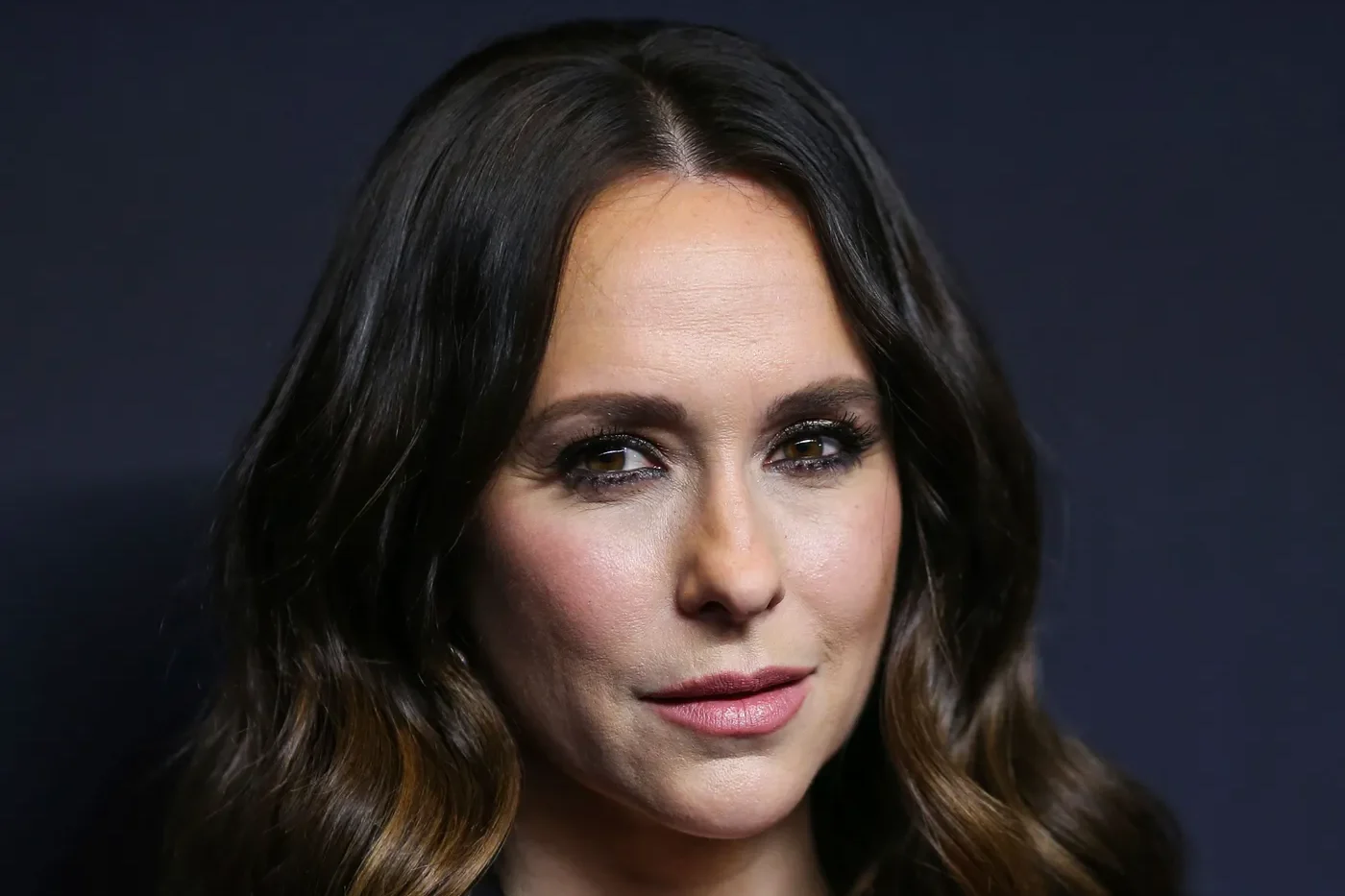
Jennifer Love Hewitt’s 1990s fame felt intimate, as though she was growing up alongside the people watching her. She moved easily between television and film, carrying a sincerity that made her approachable rather than distant. Her roles often reflected youthful emotion and vulnerability, which helped audiences feel connected rather than impressed. As visibility increased, so did expectations, and that attention followed her closely as she moved into adulthood.
Rather than disappearing when trends shifted, Hewitt adapted. She transitioned into more mature roles that allowed her to age naturally in public. Her career became less about constant visibility and more about steady presence. Looking back, her longevity feels rooted in relatability rather than spectacle. She did not reinvent herself loudly or reject her past. She simply continued. That quiet consistency allowed her to remain recognizable without being frozen in time. Her journey reflects how some careers grow by staying honest, allowing change without apology, and trusting that audiences evolve too.
12. Mark Paul Gosselaar and Consistency

Mark Paul Gosselaar became a familiar face during the 1990s, especially for viewers who grew up watching weekly television rituals. His early success created a strong association with youthful confidence and charm. That image followed him closely, but it never trapped him completely. While many actors from that era struggled to find footing afterward, Gosselaar continued working steadily. He avoided sudden disappearances or dramatic reinventions. Instead, he remained present in television, allowing his career to unfold gradually rather than peak quickly and collapse under pressure.
Over time, that steady approach shaped a reputation built on reliability. Gosselaar chose roles that supported longevity instead of instant recognition. His career became less about cultural moments and more about sustained work. Looking back, his story shows how consistency can quietly outperform spectacle. He did not chase attention or resist aging. He allowed his work to grow with him. That patience kept him relevant without exhausting audiences. His journey reminds us that success does not always arrive loudly. Sometimes it builds quietly through persistence, preparation, and a willingness to stay working long after trends shift elsewhere.
13. Shannon Elizabeth and Changing Priorities

Shannon Elizabeth’s recognition in the late 1990s arrived quickly, shaped by a cultural moment that rewarded visibility and immediate impact. Her presence was unmistakable, and public attention followed closely. As trends shifted, that visibility narrowed, leading many to assume her career simply ended. That assumption overlooked the reality that fame often moves faster than personal goals, and that stepping back can be intentional rather than forced.
Elizabeth gradually redirected her focus, exploring interests outside constant public exposure. Acting became one part of a broader life rather than the defining center. Looking back, her story reflects a shift in priorities rather than a decline. She chose balance over constant recognition, autonomy over expectation. Her journey highlights how public narratives often misunderstand quieter choices. Success is frequently measured by visibility, but fulfillment is not. Elizabeth’s path reminds us that stepping away from the spotlight does not erase achievement. It simply signals that life can expand in directions the audience does not always see or immediately understand.
14. Matthew Lillard and Adaptability

Matthew Lillard’s performances in the 1990s were energetic, unpredictable, and deeply memorable. He brought intensity to roles that lingered long after viewing. That distinct presence could have confined him to a narrow lane, but it did not. Instead of remaining fixed in one type of performance, Lillard allowed his career to stretch and shift. He accepted change rather than resisting it, which helped him move beyond the expectations tied to his early success.
Over time, Lillard expanded into voice work, directing, and steady character roles. His career became a study in adaptability rather than reinvention. He remained active without demanding constant attention. Looking back, his longevity feels earned through flexibility and curiosity. He did not cling to a single version of success. He adjusted as the industry changed. His journey shows how adaptability can sustain a career long after cultural moments pass. Remaining open allowed him to stay working, relevant, and creatively fulfilled in ways that spectacle alone rarely supports.
15. Tara Reid and Endurance

Tara Reid’s fame in the 1990s arrived with intense attention that rarely softened. Visibility amplified every choice, turning ordinary moments into public discussion. That scrutiny often overshadowed her work, flattening her image into something easier to judge than understand. As perceptions hardened, public narratives became louder than her career itself, creating a challenging environment few are prepared to navigate.
Despite this, Reid continued working through shifting opinions and relentless observation. Her career unfolded under pressure rather than celebration, requiring resilience that often went unnoticed. Looking back, her story feels rooted in endurance rather than spectacle. She remained present while facing judgment that rarely allowed room for growth. Her journey highlights how unforgiving fame can be, especially when narratives are shaped externally. Survival itself becomes an achievement when the spotlight refuses to ease. Reid’s path reminds us that persistence is sometimes the quiet act of continuing when understanding is scarce and support is inconsistent.
16. Freddie Prinze Jr. and Choosing Stability

Freddie Prinze Jr. became a defining romantic lead of the late 1990s, instantly recognizable and widely admired. His roles reflected confidence, charm, and emotional accessibility, making him feel approachable to audiences. As his popularity peaked, expectations followed closely. Many assumed he would remain a constant presence in blockbuster films, riding visibility as long as it lasted. Yet there was always a sense that he viewed fame as temporary rather than essential, something to experience rather than chase endlessly.
As time passed, Prinze chose a quieter definition of success. He focused on family life, writing, and creative work that allowed balance. Acting remained part of his life, but not its center. Looking back, his career feels intentional rather than reactive. He stepped away from constant exposure without resentment or regret. His story shows how fulfillment can exist beyond visibility. Choosing stability over saturation allowed him to remain grounded, content, and creatively engaged. Prinze’s journey reminds us that stepping back does not always signal loss. Sometimes it reflects clarity, self respect, and the confidence to value life beyond the spotlight that once seemed so essential.
17. Sarah Michelle Gellar and Redirection
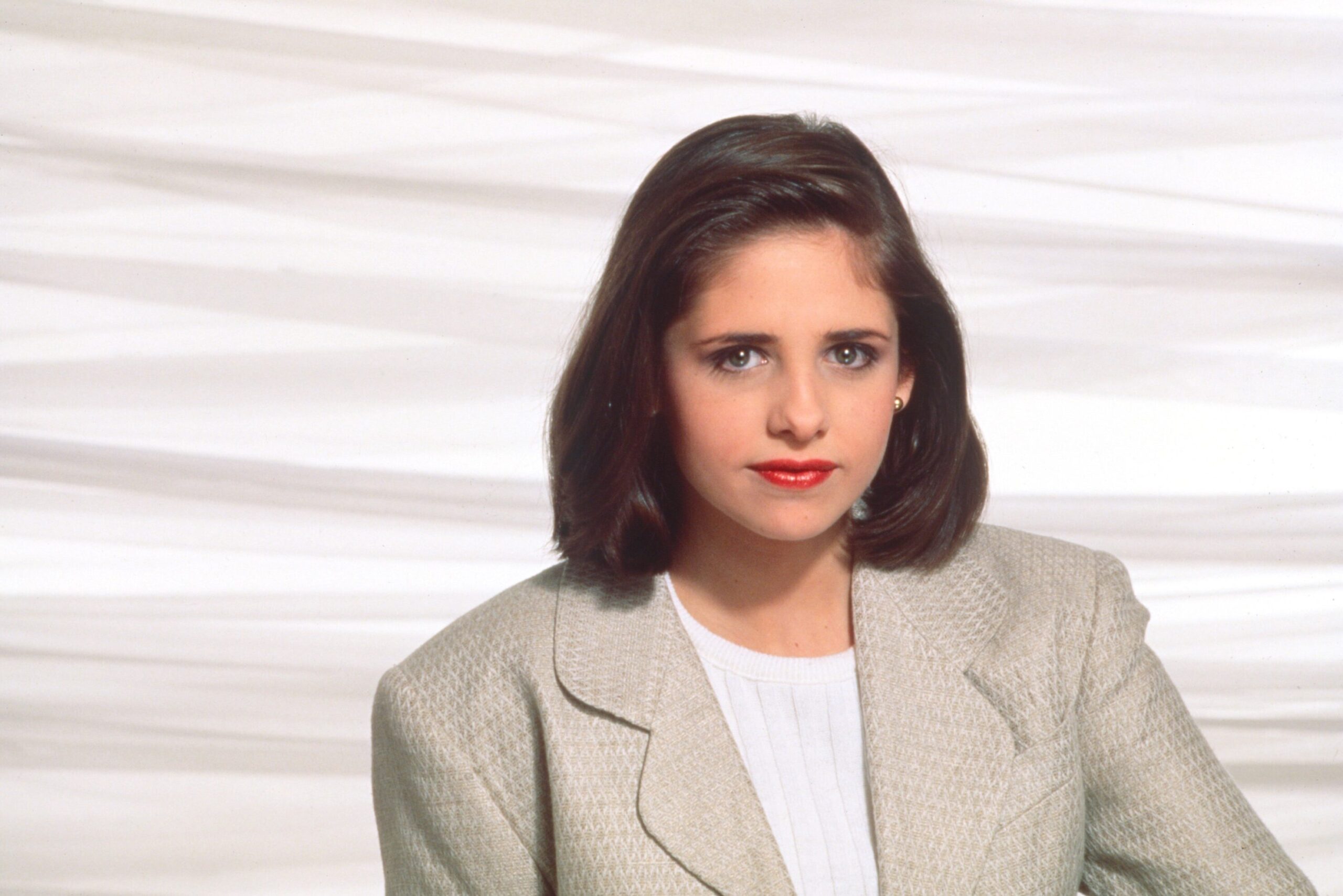
Sarah Michelle Gellar’s 1990s fame carried intensity, discipline, and cultural impact. She anchored a defining television role that demanded consistency, strength, and emotional range. That visibility brought admiration and pressure in equal measure. For many viewers, her presence felt permanent, as though her career would always move forward at the same pace and scale.
As the years passed, Gellar chose redirection rather than repetition. She stepped back from constant production to focus on family and selective creative projects. Her presence became measured, appearing when it aligned with her priorities rather than expectations. Looking back, her choices feel grounded and self assured. She did not disappear or reject her legacy. She reshaped how she engaged with it. Her journey reflects how knowing when to pause can preserve both personal well being and professional respect. Sometimes stepping away allows space for longevity, clarity, and a relationship with work that feels sustainable rather than consuming.
18. Joseph Gordon Levitt and Deliberate Change

Joseph Gordon Levitt’s recognition in the 1990s arrived quietly, shaped by thoughtful performances rather than spectacle. As a young actor, he felt familiar without being overwhelming, visible without being consumed by attention. When adolescence ended, he faced a choice many child actors struggle with. Instead of rushing into adult stardom, he stepped away, choosing education and personal growth over momentum. That pause confused some audiences who expected constant presence from someone so recognizable.
Time away allowed Gordon Levitt to grow outside public expectation. When he returned, his choices felt intentional rather than reactive. He selected roles that challenged perception and expanded range, reshaping how audiences understood him. His career took on a new identity rooted in curiosity, creativity, and control. Looking back, his journey shows how distance can create clarity. He did not abandon his past. He reframed it. Stepping away became an investment rather than a retreat. His story reflects how patience can protect talent, allowing growth without pressure and reinvention without erasure. That deliberate approach helped him build a career defined by choice, balance, and long term fulfillment rather than constant visibility.
19. Tiffani Thiessen and Familiar Comfort
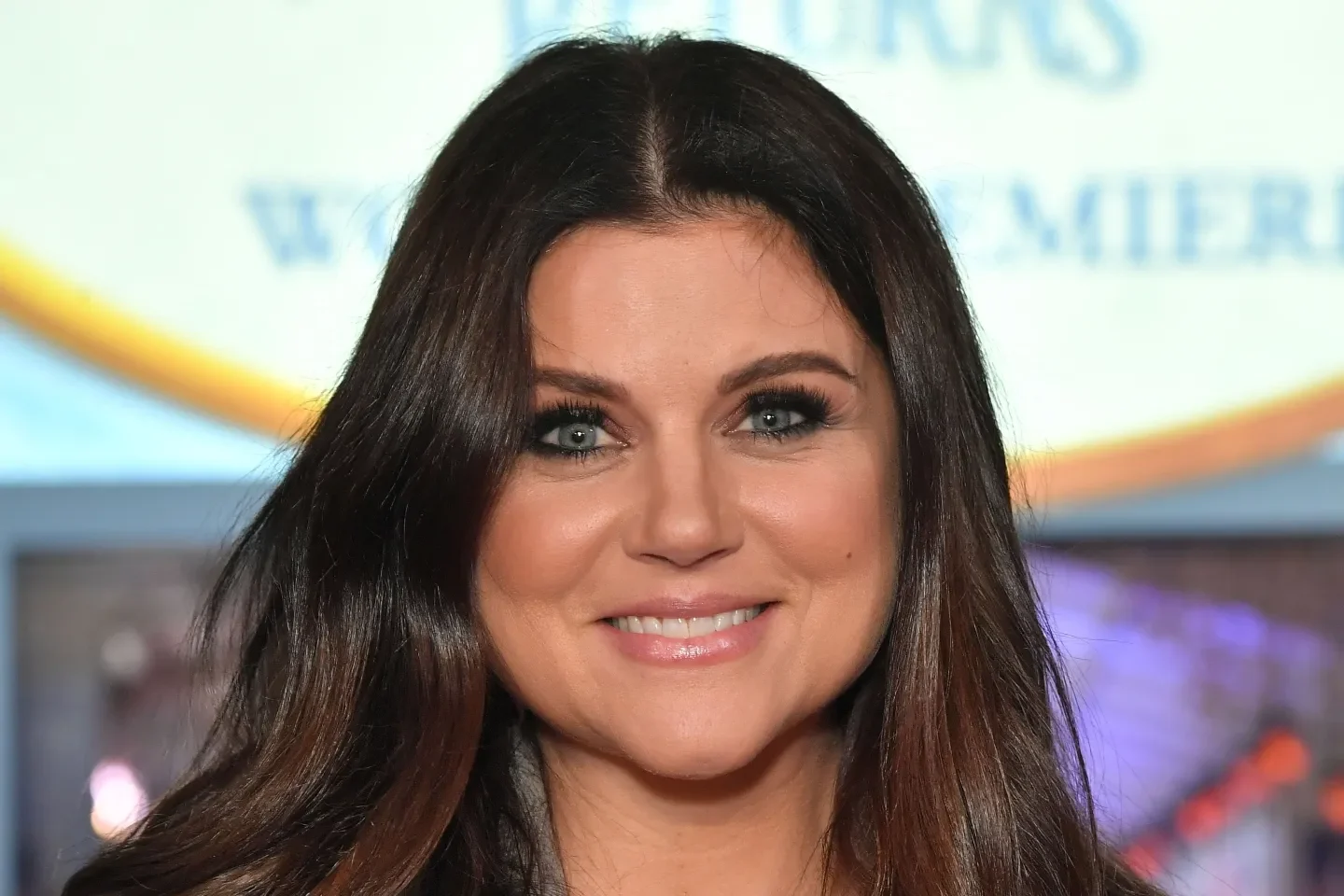
Tiffani Thiessen’s presence in the 1990s made her a source of familiarity for many viewers. She appeared consistently in stories centered on relationships, youth, and everyday challenges, creating a sense of comfort rather than spectacle. Her visibility felt steady and approachable, allowing audiences to connect easily without feeling overwhelmed by excess exposure. She became part of the background of growing up for an entire generation.
As television changed, Thiessen adapted quietly. She transitioned into new roles and ventures without demanding attention or chasing trends. Her career continued through consistency rather than reinvention. Looking back, her journey feels rooted in continuity and ease. She remained recognizable by staying genuine instead of resisting change. Her presence today reflects confidence shaped by experience and patience. Thiessen’s story reminds us that familiarity can endure without constant visibility. Remaining connected does not always require dominance. Sometimes it simply means showing up honestly, allowing time to shape perception, and trusting that steady presence still holds value long after cultural moments pass.
20. Emilio Estevez and Choosing Perspective

Emilio Estevez’s recognition in the 1990s carried history, expectation, and a sense of earned respect. His presence reflected confidence shaped by experience rather than novelty. Audiences knew his face and associated it with thoughtful storytelling rather than flash. As the industry evolved, he faced a choice between maintaining visibility and exploring creativity in new ways.
Over time, Estevez shifted his focus behind the camera, working more as a writer and director. That transition allowed him creative control without constant public exposure. Looking back, his journey feels intentional and reflective. He did not disappear from storytelling. He changed how he participated in it. His path shows how stepping back can open space for growth rather than signal decline. Some faces remain familiar even when they leave the spotlight. Closing this section, his story reminds us that fulfillment does not always come from staying visible. Sometimes it comes from choosing perspective, depth, and a quieter form of creative contribution.
21. Courteney Cox and Redefining Familiarity
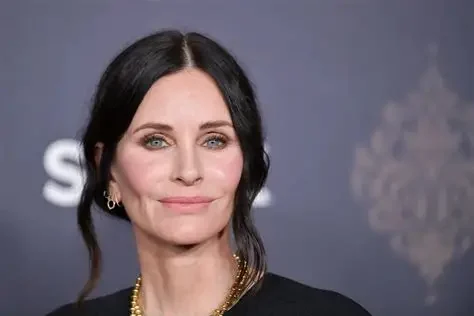
Courteney Cox’s face became inseparable from the 1990s through a role that felt like weekly companionship for millions of viewers. Her presence was confident, grounded, and relatable, making her feel familiar rather than distant. That level of recognition can easily freeze an actor in time, but Cox never allowed that to fully happen. Even during peak visibility, there was a sense that she understood fame as one chapter, not the entire story.
As the years passed, Cox gradually expanded her identity beyond that defining role. She explored producing, directing, and performances that allowed more control and flexibility. Her career evolved quietly, shaped by intention rather than pressure to remain everywhere. Looking back, her journey reflects a willingness to grow without rejecting the past. She did not attempt to escape familiarity. She reshaped it. Her presence today feels earned and self directed, grounded in experience rather than nostalgia. Cox’s story shows how embracing change while honoring legacy can create longevity. Familiarity does not have to limit growth. It can become a foundation for something broader, steadier, and deeply personal over time.
22. Luke Perry and Quiet Maturity
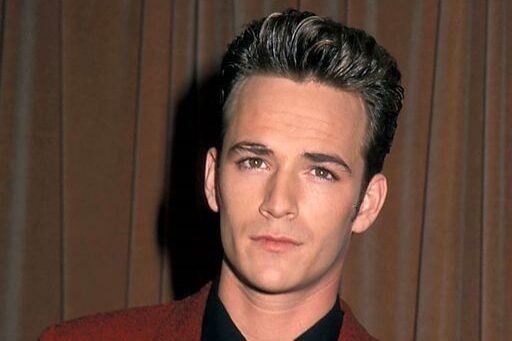
Luke Perry’s fame in the 1990s arrived with intensity, quickly turning him into a recognizable symbol of youth culture. His image was widely consumed, often simplified, and rarely questioned. Behind that visibility was an actor aware that popularity could be fleeting. Even at the height of attention, Perry carried himself with a grounded seriousness that suggested he understood the limits of fame.
As his career progressed, Perry chose roles that allowed depth rather than repetition. He moved steadily through film and television, building a body of work shaped by curiosity and growth. His later performances reflected maturity rather than nostalgia, showing an actor comfortable evolving alongside time. Looking back, his journey feels thoughtful and self aware. He did not cling to early recognition or resist change. He allowed his career to age naturally. Perry’s story reminds us that growth often happens quietly, through consistent work and personal integrity rather than spectacle. His path reflects how maturity can redefine success long after youthful fame fades.
23. Alicia Silverstone and Shifting Identity

Alicia Silverstone’s rise in the 1990s was sudden, bright, and culturally defining. Her face appeared everywhere, tied to roles that shaped youth identity and pop conversation. With that level of recognition came a narrow public narrative that rarely allowed room for nuance. She was often reduced to a moment rather than seen as a person growing in real time. The pressure of expectation followed her closely, shaping how audiences interpreted every career move she made during and after that decade. Those assumptions often ignored her agency, curiosity, and desire for change, exploration, and self direction beyond early success narratives entirely.
Over time, Silverstone chose to step back from constant exposure and redefine success privately. She continued acting, but with intention rather than urgency. Her focus shifted toward personal values, advocacy, and creative autonomy. That change confused some observers, but it reflected clarity rather than retreat. Looking back, her journey feels grounded in self definition. She did not vanish from the industry. She adjusted her relationship with it. Silverstone’s story reminds us that stepping away can protect authenticity, allowing growth without constant scrutiny. Her career continues quietly, shaped by choice, balance, and a sense of ownership that was earned over time.
24. Ethan Hawke and Creative Expansion
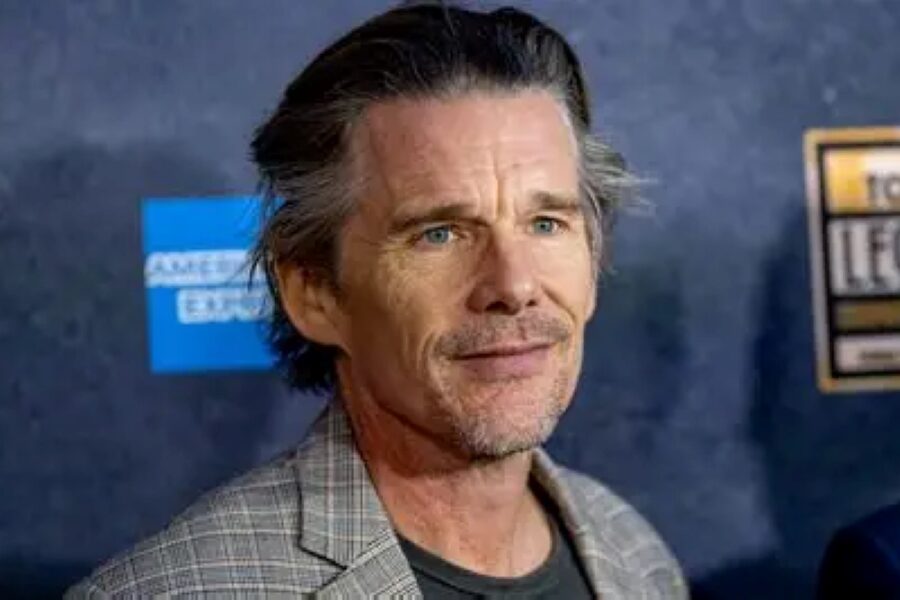
Ethan Hawke’s presence in the 1990s felt thoughtful rather than manufactured. He became recognizable through performances that leaned inward, inviting reflection instead of spectacle. That quality set him apart during a decade driven by volume and excess. Fame arrived steadily, but it never appeared to define his identity. He treated acting as one part of a broader creative life, even early on. Audiences sensed that curiosity, not celebrity, guided his choices, and that distinction shaped how his career unfolded over time. It created space for growth, experimentation, and long term creative freedom beyond immediate cultural moments and trends of the era.
Over the years, Hawke expanded his work into writing, directing, and theater, building a career defined by exploration rather than repetition. He moved fluidly between mediums, allowing ideas to guide him instead of expectations. That flexibility kept his work evolving as he aged. Looking back, his path feels deliberate and self sustained. He never relied on nostalgia to remain relevant. He trusted process and patience. Hawke’s journey shows how creative expansion can sustain meaning over time. Growth became an ongoing practice, not a reaction to fading attention. His career stands as an example of longevity built on curiosity, discipline, purpose.
25. Helen Hunt and Quiet Authority
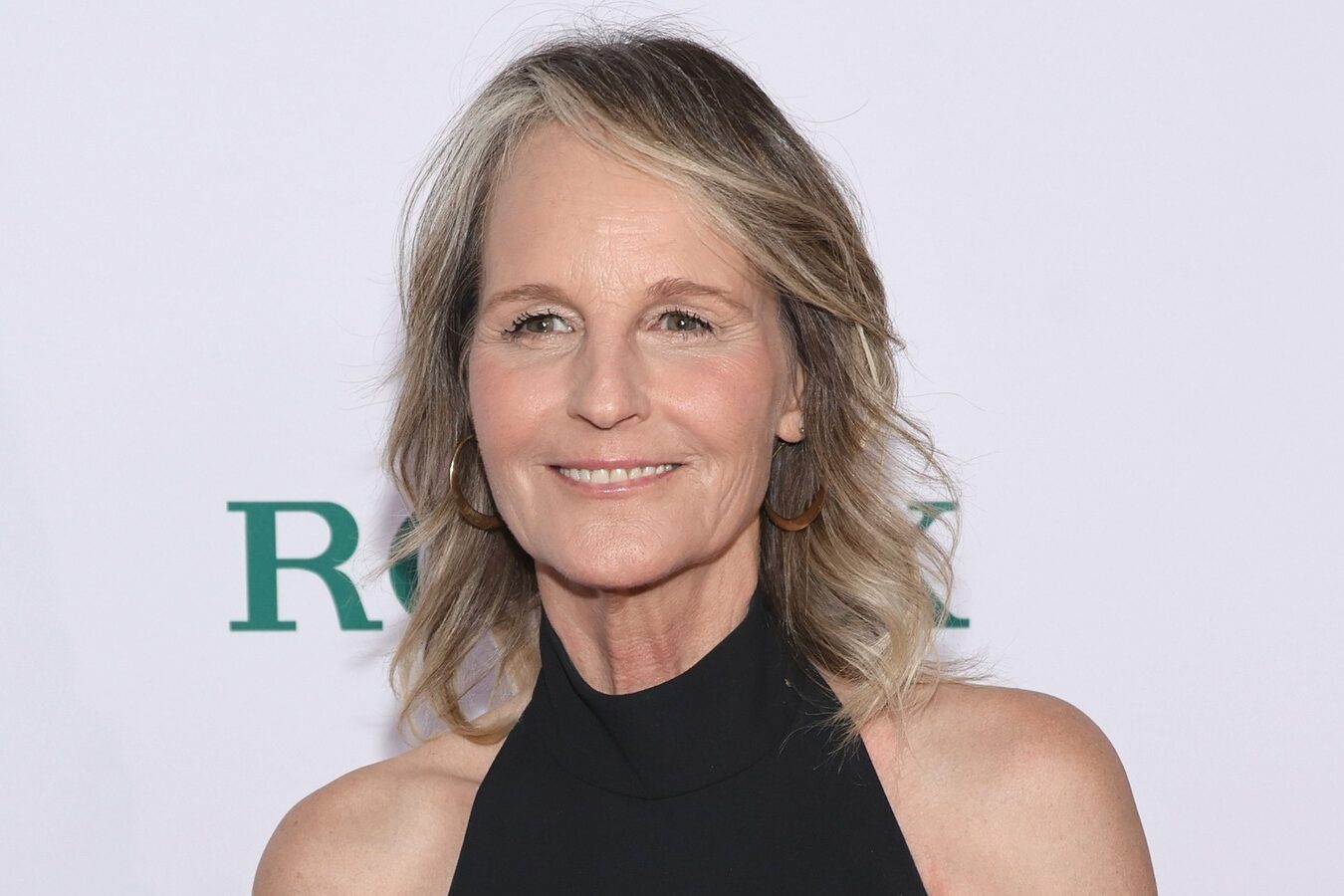
Helen Hunt’s success in the 1990s was marked by confidence, intelligence, and quiet authority. Her performances carried assurance without excess, making her presence feel grounded and credible. Audiences trusted her, not because she demanded attention, but because she earned it. Fame followed, yet it never seemed to overwhelm her sense of self. She navigated visibility with care, choosing work that reflected depth rather than spectacle. That approach allowed her to remain respected during a decade often driven by louder expressions of success and constant performance, offering an alternative model of presence rooted in skill, restraint, and credibility over time always.
As the years passed, Hunt expanded her career beyond acting alone. She moved into directing and writing, shaping projects with intention and control. Her choices reflected clarity rather than pressure to remain constantly visible. Looking back, her journey feels measured and self directed. She did not chase reinvention or retreat from opportunity. She maintained balance. Hunt’s story reminds us that authority does not require saturation. It can be built slowly through consistency, thoughtful work, and confidence in one’s voice. Her career stands as an example of longevity shaped by choice, patience, and respect for craft over time, still steady today.
26. Drew Barrymore and Choosing Joy
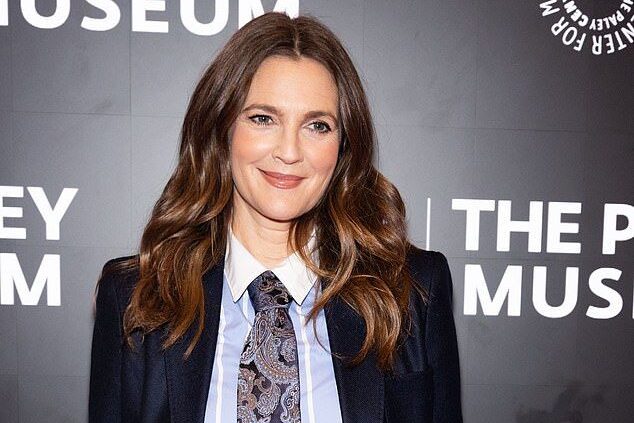
Drew Barrymore’s face in the 1990s carried a mix of familiarity, openness, and resilience that audiences instinctively recognized. She had already lived several public lives by then, which made her presence feel layered rather than manufactured. Fame never felt new to her, but survival within it did. As she moved through the decade, there was a sense that she was learning how to stay soft in an environment that rarely rewards vulnerability. Viewers did not just watch her performances. They watched her grow, stumble, recover, and keep going with visible honesty.
Over time, Barrymore reshaped her relationship with visibility by prioritizing stability and self-direction. She built a career that blended acting, producing, hosting, and entrepreneurship, all while maintaining a tone of warmth and accessibility. Looking back, her journey feels rooted in choice rather than reaction. She did not erase her past or dramatize it. She integrated it. Her story reminds us that joy can be intentional, even after hardship. Barrymore’s presence today feels earned through persistence, openness, and a willingness to keep choosing lightness without denying complexity or growth.
27. Keanu Reeves and Quiet Continuity
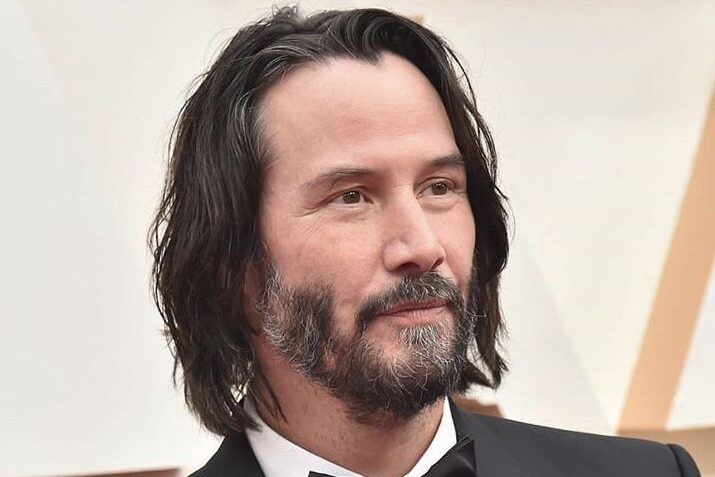
Keanu Reeves became a defining face of the 1990s through roles that balanced intensity with restraint. His presence felt steady rather than showy, allowing audiences to project meaning onto him without being overwhelmed. Even as his visibility grew, he remained somewhat elusive, never fully giving himself over to spectacle. That distance created intrigue and trust at the same time, setting him apart from louder forms of celebrity common during the era.
As the years passed, Reeves continued working with consistency and humility. He chose projects based on interest rather than trend, allowing his career to ebb and flow naturally. Personal hardship never became performance. Instead, it deepened the quiet empathy people associate with him. Looking back, his longevity feels grounded in authenticity. He never reinvented himself loudly. He remained present, thoughtful, and engaged. Reeves’s journey reminds us that continuity can be powerful. Staying kind, curious, and committed over time can build a legacy that feels human rather than manufactured.
28. Brooke Shields and Owning Narrative
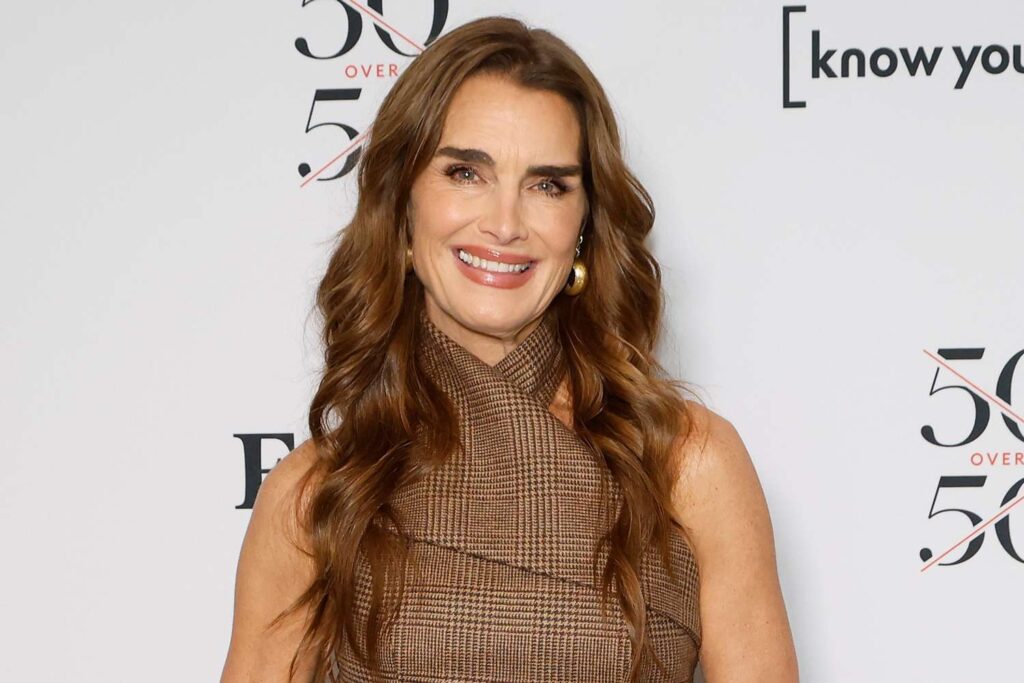
Brooke Shields entered the 1990s already burdened with public history few could fully understand. Her face carried recognition layered with expectation, often shaped by narratives she did not create. As she matured, audiences watched her navigate visibility while reclaiming agency. That process was gradual and sometimes uncomfortable, but it revealed strength rooted in self awareness rather than rebellion.
Over time, Shields chose to speak openly about her experiences, reframing her story through her own voice. She continued acting, writing, and advocating, shaping a career that balanced visibility with intention. Looking back, her journey reflects ownership rather than escape. She did not disappear to be free. She stayed present to redefine terms. Shields’s path reminds us that reclaiming narrative is an act of endurance. Growth does not always require distance. Sometimes it requires staying, speaking, and reshaping meaning from within.
29. John Stamos and Sustained Familiarity
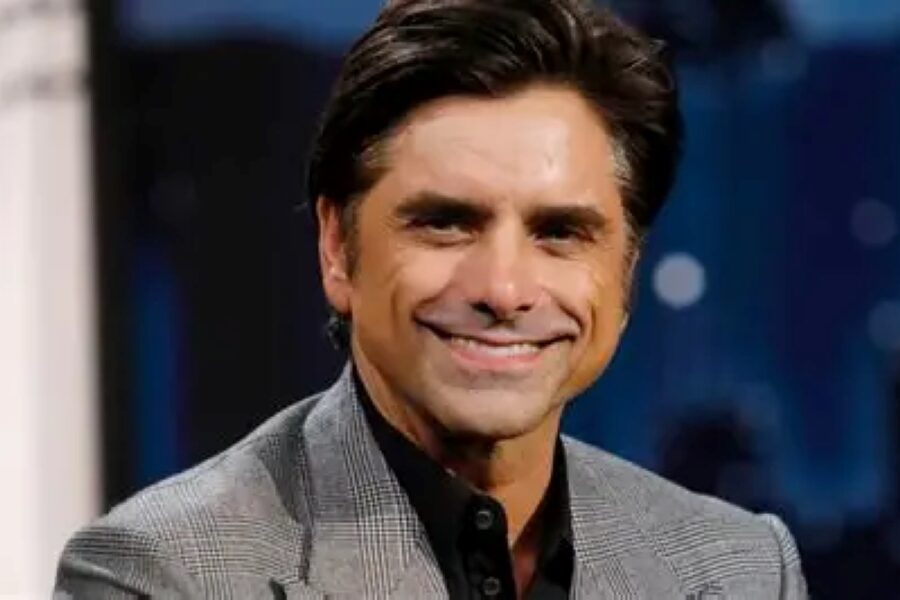
John Stamos entered the 1990s with a face audiences already trusted, shaped by years of television presence and steady charm. That familiarity followed him into the decade, making him feel less like a fleeting star and more like a constant companion. His appeal was not built on shock or reinvention. It rested on reliability. Viewers knew what they were getting, and that comfort became part of his strength. In an era of rapid change, his consistency helped him remain visible without feeling overexposed or dated.
As time passed, Stamos leaned into that familiarity rather than resisting it. He balanced acting with music, producing, and selective appearances that honored his history while allowing growth. His career never relied on dramatic comebacks or sudden pivots. Instead, it evolved through steady engagement and self awareness. Looking back, his longevity feels intentional. He refined what worked rather than abandoning it. Stamos’s story shows how familiarity can sustain connection when paired with adaptability. Remaining recognizable does not require stagnation. It can become a bridge between generations when guided with care, confidence, and respect for the audience that stayed watching over time.
30. Christina Ricci and Becoming Yourself
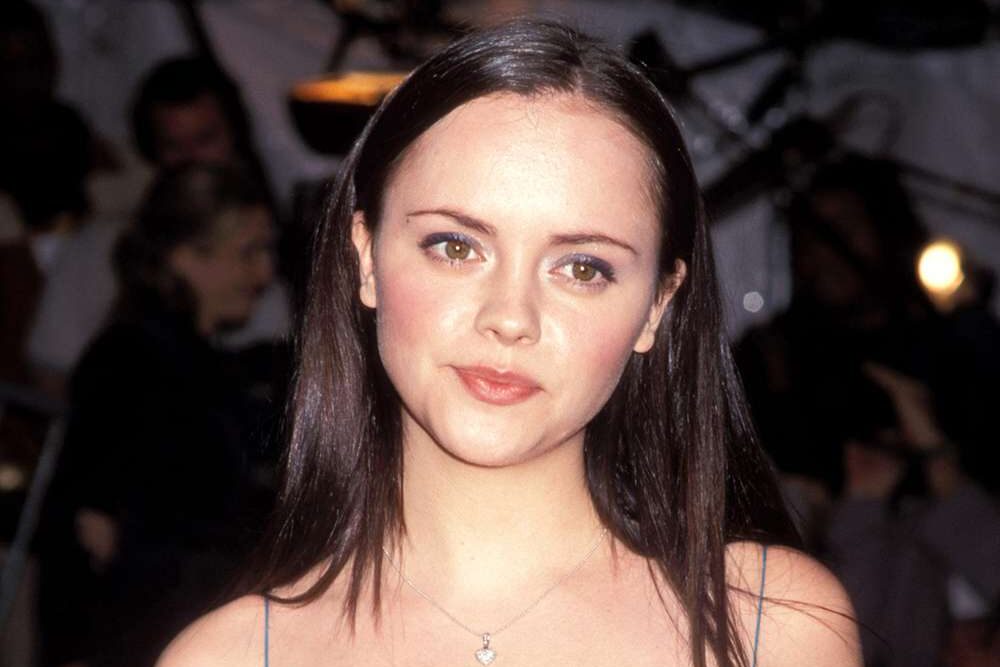
Christina Ricci’s 1990s roles made her instantly recognizable for playing characters that felt introspective, sharp, and emotionally distinct. That early image set expectations that followed her closely into adulthood. Growing beyond it required patience and courage. She never rushed to shed her past or distance herself from it. Instead, she allowed time to do its work, letting audiences adjust as she adjusted herself.
Over the years, Ricci chose roles that embraced complexity rather than comfort. She leaned into characters that reflected growth, contradiction, and maturity. Looking back, her career feels cohesive rather than fragmented. Each phase builds on the last instead of rejecting it. Her journey quietly brings this story to rest. Faces change, fame shifts, and paths diverge, but identity deepens when choice leads the way.


