
1. Bill Withers
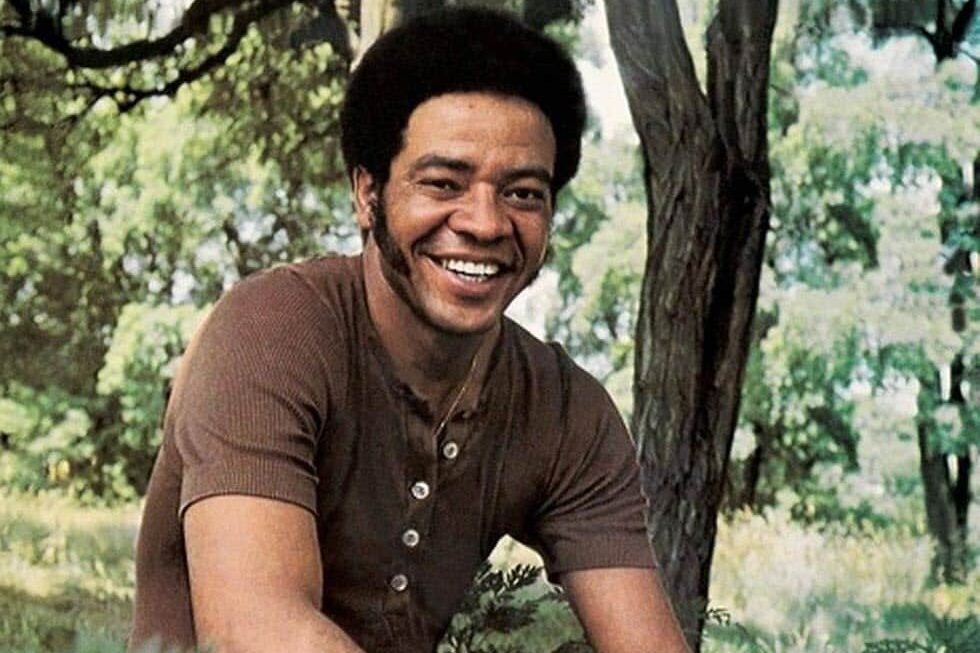
There is something quietly grounding about musicians who recognize when success stops feeling like freedom. Bill Withers reached that realization while his songs were still staples on radio playlists and soundtracks. After releasing his final album in 1985, he chose not to continue chasing an industry that increasingly felt uncomfortable to him. He spoke often about disliking the politics and control that came with record labels, explaining that he preferred making music to negotiating power. His exit was not fueled by scandal or decline. It was driven by clarity. He had said what he wanted to say, and he did not feel the need to repeat himself just to remain visible.
What followed was a life lived almost entirely out of public view. Withers declined reunion offers, avoided touring culture, and rarely gave interviews. He seemed content letting the work stand on its own without constant reminders of his presence. His choice resonates because it mirrors a decision many people face quietly, realizing that fulfillment and success do not always grow together. Leaving at the height of recognition allowed him to keep his dignity, his privacy, and the integrity of the music people still return to today.
2. Cat Stevens
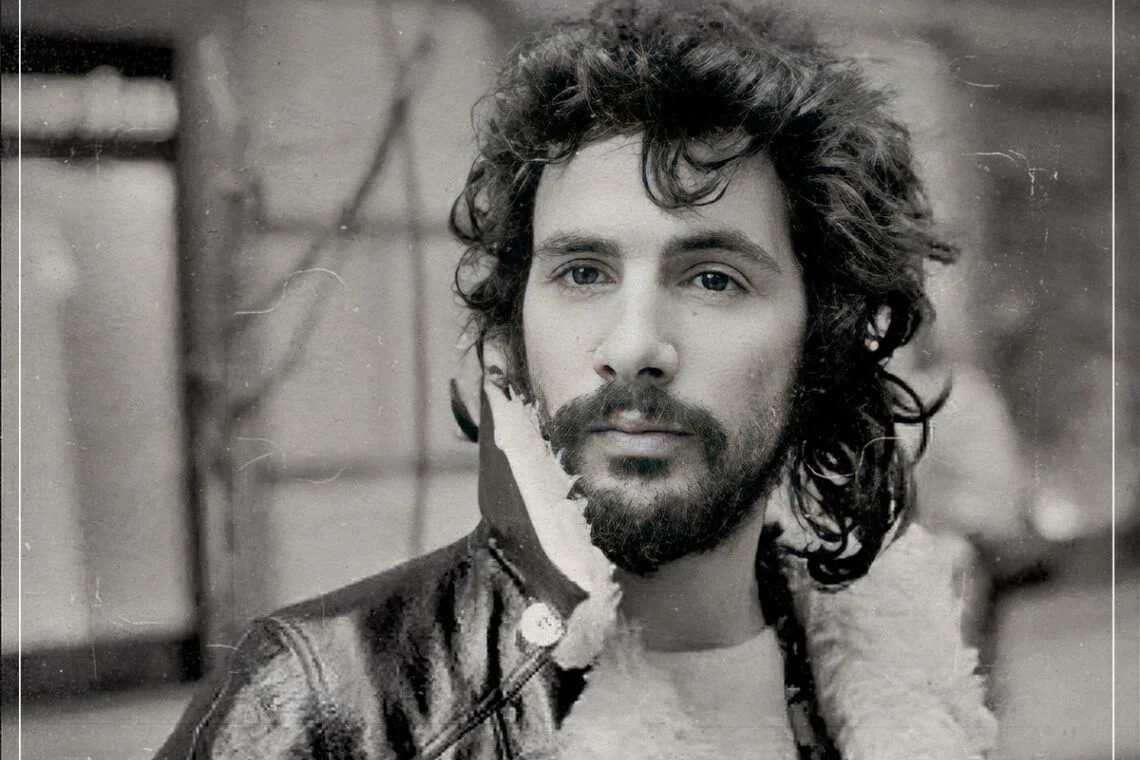
At the peak of his global success in the 1970s, Cat Stevens was one of the most recognizable voices in popular music. His songs were intimate, reflective, and deeply personal, yet the fame surrounding them began to feel misaligned with his inner life. After converting to Islam, he made a deliberate decision to step away from mainstream music altogether. He explained that his priorities had shifted and that the life he wanted no longer fit within the demands of celebrity. This was not a brief pause or creative break. It was a full redirection rooted in belief rather than exhaustion.
For many years, he removed himself from the pop world without bitterness or regret. He focused on faith, family, and humanitarian efforts, choosing a quieter sense of purpose. Fans were confused at first, but over time his consistency made the choice easier to understand. When he eventually returned to music decades later as Yusuf Islam, it felt reflective rather than nostalgic. His story speaks to the courage it takes to choose alignment over applause, especially when walking away means leaving something the world still wants from you.
3. Lauryn Hill

When Lauryn Hill released her solo debut, it instantly became one of the most celebrated albums of its era. With that acclaim came intense expectations, constant scrutiny, and pressure to repeat an almost impossible moment. Rather than rush into another release, Hill gradually stepped back from the traditional music industry structure. She spoke about feeling exploited and emotionally drained, describing an environment that stripped artists of autonomy and spiritual grounding. The decision confused many fans who expected momentum to continue uninterrupted, but for Hill, distance became necessary for survival.
She never completely disappeared from music, but she rejected the album cycle that defined success at the time. Performances became selective, releases rare, and public appearances unpredictable. Her retreat felt less like abandonment and more like self-preservation. Hill’s story resonates because it reflects the tension between external validation and internal wellbeing. By refusing to create under pressure, she preserved her voice in a way that felt honest to her, even if it meant stepping away from the spotlight when demand was highest.
4. Meg White
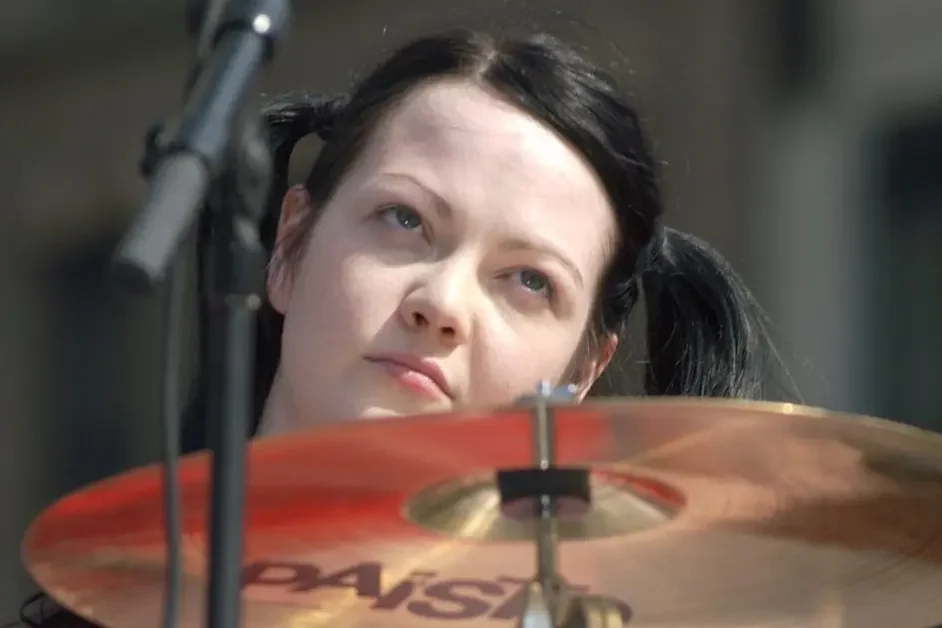
Meg White rose to international fame as one half of The White Stripes, a band whose raw sound and visual identity dominated the early 2000s. As success grew, so did the attention, and with it came pressure that she never seemed comfortable carrying. When the band disbanded in 2011, White did not pursue solo work, interviews, or any form of public reinvention. Those close to the group later acknowledged that fame caused her significant anxiety, something that became harder to manage as their visibility increased. Her exit was quiet and complete.
What makes her departure so striking is the absence of explanation. White never tried to reshape the narrative or reassure fans. She simply chose privacy. In an industry that rewards constant presence, her silence became a powerful statement in itself. Fans still speak about her with respect, understanding that not every artist wants evolution to happen in public. Her story reminds readers that stepping away does not always need justification. Sometimes the most honest choice is choosing peace without commentary.
5. D Angelo
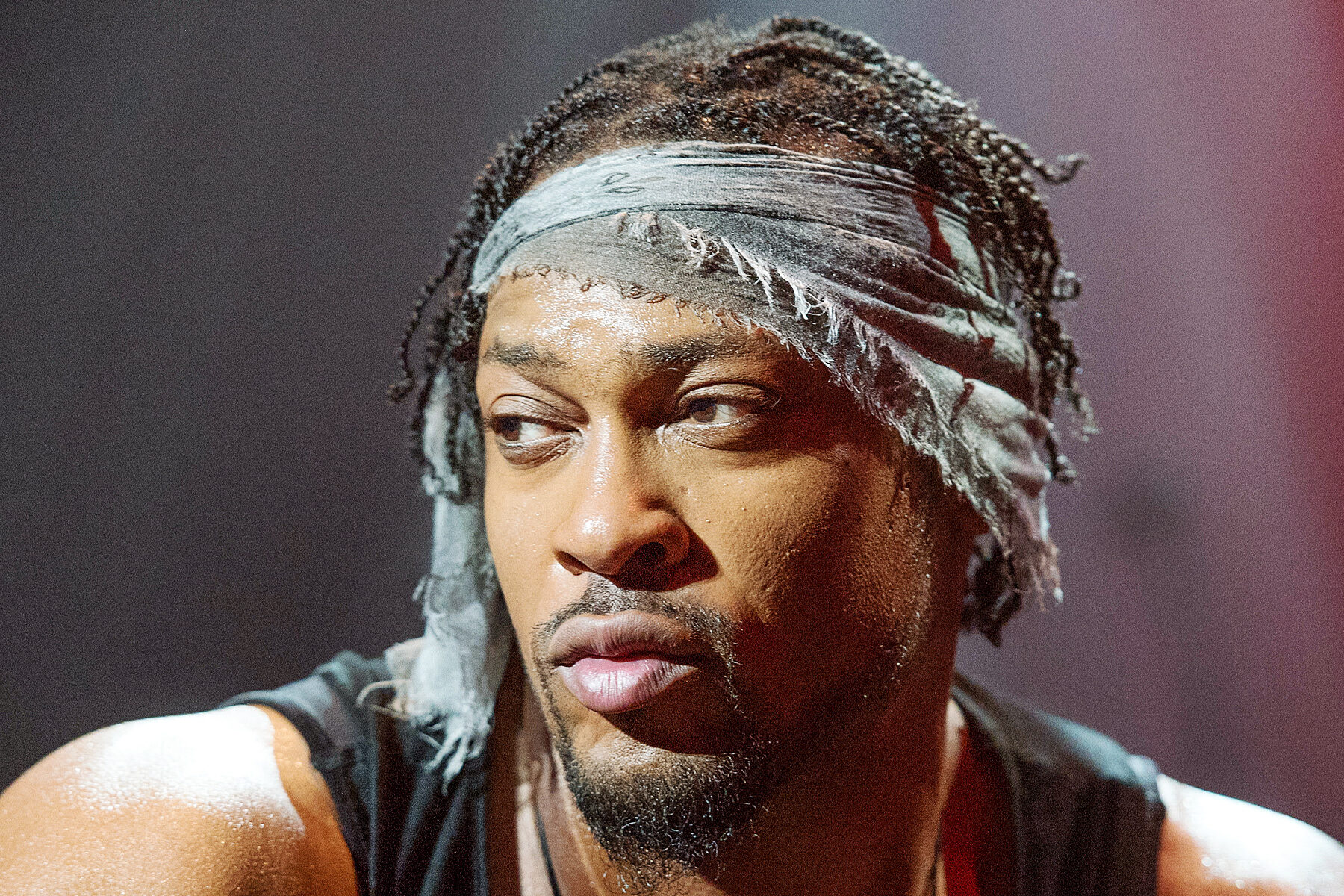
D Angelo’s rise during the neo soul movement positioned him as one of the most important voices of his generation. The success of Voodoo brought acclaim, influence, and intense attention that quickly became overwhelming. He later spoke about losing control of his life during that period, explaining that fame distorted his relationship with music and with himself. Instead of forcing another release to meet expectations, he withdrew almost entirely from public view. For years, fans heard little, and speculation filled the silence.
That long absence eventually came to represent recovery rather than retreat. When he returned with new music, it felt deliberate and grounded, shaped by experience rather than urgency. His story highlights how success can amplify vulnerability instead of stability. By stepping away when expectations were highest, D Angelo protected his artistry from becoming something hollow. His journey resonates because it shows that sometimes the bravest creative act is choosing time, distance, and healing over momentum.
6. Frank Ocean
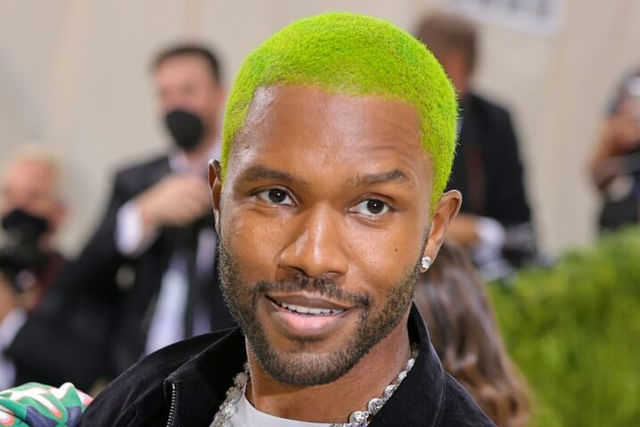
Frank Ocean never announced a formal exit, but his actions after the release of Blonde signaled a clear shift. At a moment when his influence was undeniable, he resisted traditional album cycles, promotion schedules, and constant output. He spoke about wanting to live beyond the pressure of perpetual creation, emphasizing that he did not want to exist as a product. Instead of feeding demand, he chose privacy, selectivity, and long stretches of silence.
This approach frustrated some fans while deeply resonating with others. His rare releases feel intentional, shaped by lived experience rather than deadlines. Ocean’s story reflects a modern understanding of burnout and autonomy in a digital age that rewards constant presence. By slowing down when momentum was strongest, he demonstrated that stepping back does not mean disengaging from art. It can mean protecting it from becoming performative.
7. George Harrison
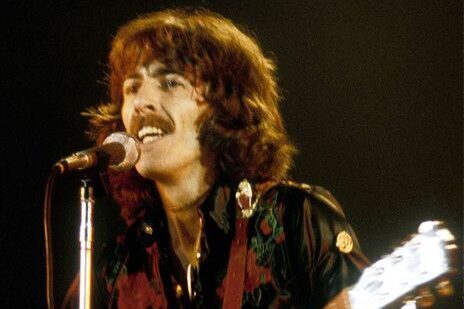
After the breakup of The Beatles, George Harrison experienced major solo success that confirmed his creative independence. Yet over time, he retreated from the relentless pace of touring and publicity. Years of intense fame had left him craving quiet and meaning beyond constant performance. He spoke openly about wanting a simpler life focused on spirituality, gardening, and film rather than endless exposure. Music remained important to him, but celebrity did not.
His withdrawal was gradual and intentional. He continued creating selectively, without chasing trends or attention. Harrison’s story resonates because it reflects a desire many people feel after prolonged intensity, to trade noise for peace. By stepping back while still respected, he redefined success as something internal rather than external, leaving behind a legacy shaped by intention instead of obligation.
8. Eve

Eve dominated charts and award shows in the early 2000s, becoming one of the most visible women in hip hop at the time. As her career progressed, she began to step away from the relentless pace of music production and touring. She spoke about wanting balance and growth beyond constant performance. Acting, business ventures, and eventually family life became priorities, while music shifted into a less consuming role.
Her transition felt natural rather than abrupt. She did not disappear, but she refused to remain defined by a single chapter of her life. Eve’s story feels relatable because it mirrors how priorities evolve with time and experience. Choosing a broader sense of fulfillment allowed her to remain present without being consumed by the industry that once demanded everything.
9. Sinead O Connor

Sinead O Connor’s career rose quickly and intensely, bringing global recognition alongside relentless public scrutiny. As her visibility increased, so did the emotional toll of fame. She spoke openly over the years about how the music industry magnified personal struggles instead of offering support. Rather than seeing success as protection, she experienced it as exposure. At different points, she stepped away from mainstream music, canceled tours, and reduced public appearances. These decisions were often misunderstood, but they reflected a consistent need to protect her mental and emotional health. For Sinead, stepping back was never about losing passion for music. It was about surviving an environment that felt harmful.
Her withdrawals were not carefully packaged or easy to explain, and that honesty made them uncomfortable for audiences expecting polished narratives. Still, she continued to express herself when and how she could, without prioritizing industry approval. Her story resonates because it shows how visibility can become unbearable when empathy is missing. By choosing distance over demand, she reminded listeners that self preservation is not failure. It is a necessary boundary, especially when creativity and wellbeing are at stake.
10. Bill Ward
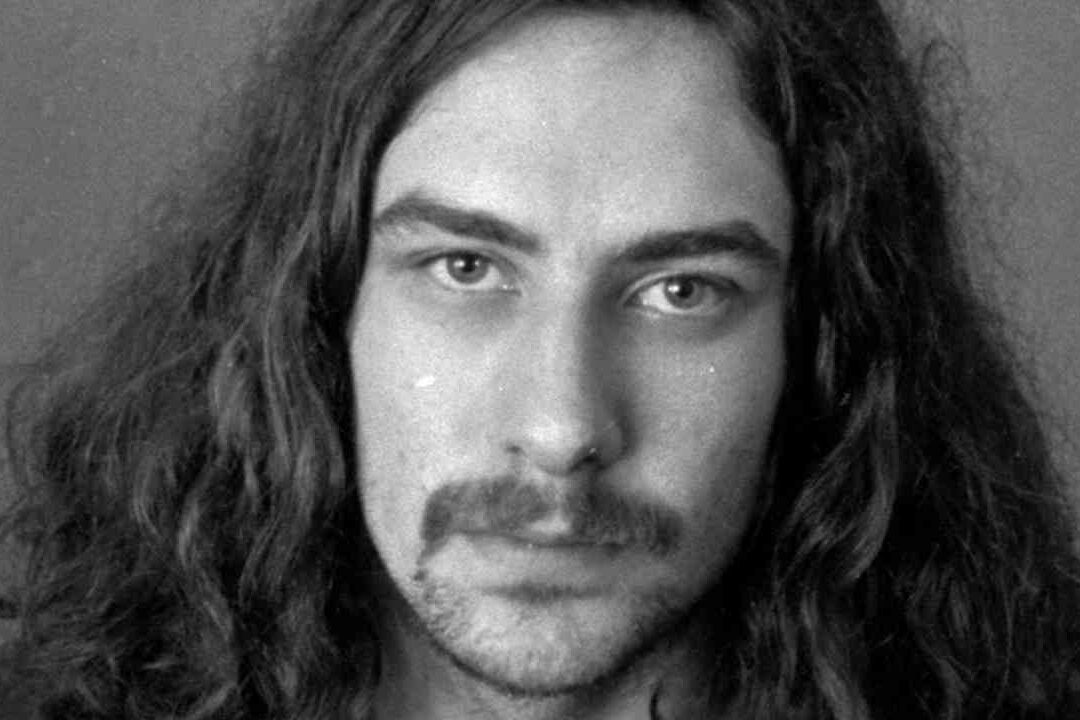
Bill Ward’s role as a founding member of Black Sabbath placed him at the center of a legacy that continued to grow long after the band’s early years. As reunion tours and renewed interest emerged, expectations followed. However, ongoing health challenges and disagreements around contracts led Ward to step away from participation at critical moments. He expressed that continuing under certain conditions did not feel safe or respectful. Rather than push himself to meet expectations, he chose absence. His decision was not driven by fading relevance, but by a clear sense of personal limits.
Fans noticed his absence and questioned it, yet his reasoning remained consistent. Ward valued fairness, health, and dignity over symbolic participation. His choice highlights an often overlooked truth about longevity in creative careers. Staying involved is not always the most honorable option. Sometimes stepping back is the only way to maintain self respect. Ward’s story resonates because it reflects a refusal to sacrifice wellbeing for legacy. By leaving on his own terms, he showed that boundaries can exist even within the most iconic careers.
11. Mya

Mya’s rise in the late 1990s and early 2000s placed her firmly in the center of mainstream pop and R&B. With chart success, award recognition, and high visibility came an industry structure that increasingly felt limiting. As her career progressed, she began speaking about the lack of creative freedom that came with major label expectations. Rather than continue operating within a system that felt restrictive, she made the decision to step away from that level of exposure. The shift was not sudden, but intentional, guided by a desire for ownership and peace.
By moving toward independent releases, Mya reduced her presence in mainstream conversations while gaining control over her work. Music remained part of her life, but it no longer defined her entire identity. Her story feels relatable because it mirrors the experience of realizing that scale does not always equal satisfaction. Stepping back allowed her to create without pressure and live without constant scrutiny. For many readers, her choice reflects a quiet confidence in knowing what kind of success actually feels sustainable.
12. Daniel Johnston
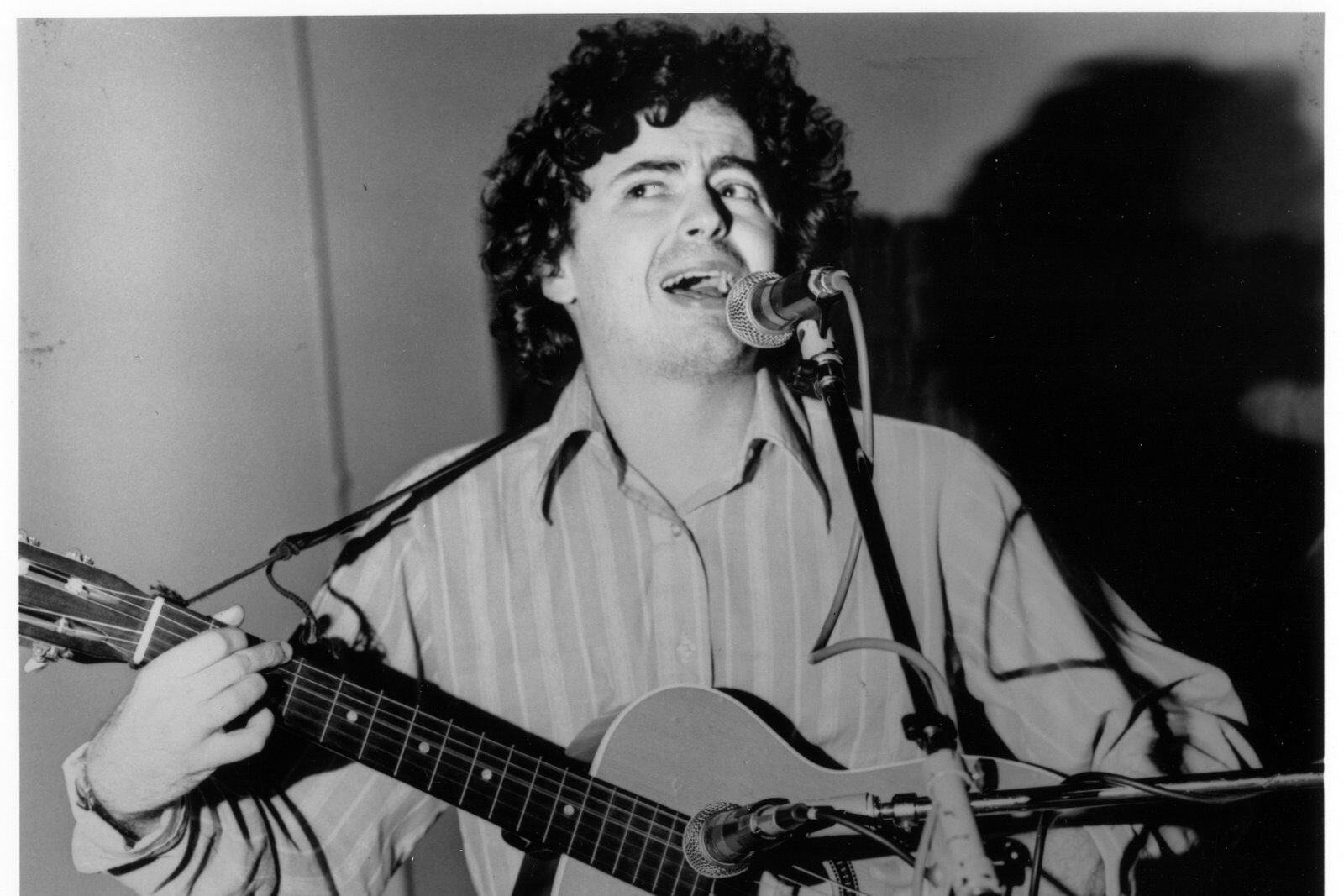
Daniel Johnston’s music resonated deeply because of its raw honesty and emotional openness. As his work gained recognition, the attention that followed became increasingly difficult to manage. Johnston lived with significant mental health challenges, and the pressures of touring, recording, and public expectation often intensified those struggles. Rather than continuing at a pace that endangered his wellbeing, he stepped back from consistent public engagement. His withdrawals were not framed as career decisions, but as necessities tied to stability and care.
Fans and collaborators came to understand that Johnston’s relationship with music was deeply personal. Fame did not bring relief or validation. It often added weight. By stepping away when needed, he preserved the sincerity that made his work meaningful in the first place. His story reminds readers that not every artist can or should operate within traditional definitions of success. Sometimes protecting health means accepting limits. Johnston’s legacy endures not because of constant output, but because of the honesty he offered when he was able.
13. Chamillionaire
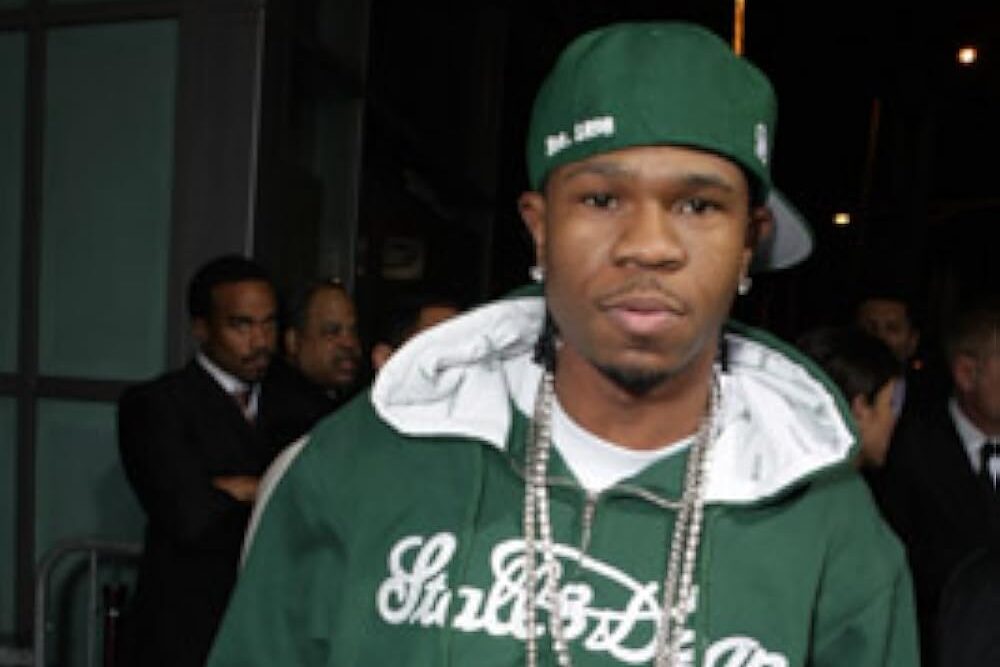
Chamillionaire reached commercial success at a time when hip hop visibility often came with rigid industry expectations. While his music brought recognition, he became increasingly vocal about frustrations with the business side of the industry. Over time, he chose to step away from pursuing mainstream music releases, redirecting his energy toward entrepreneurship and investment. This decision was not rooted in burnout, but in a clear assessment of where his interests and long term goals truly lay.
By shifting focus, he demonstrated that creative success does not have to be permanent to be meaningful. Music became one chapter rather than the entire story. His transition resonates with readers who understand the value of transferable skills and evolving ambition. Chamillionaire’s choice reflects a broader definition of success, one that prioritizes sustainability and growth over visibility. Stepping away at a moment of recognition allowed him to build something lasting beyond the spotlight, showing that leaving an industry can sometimes be an expansion rather than an ending.
14. Fiona Apple

Fiona Apple’s early success established her as a distinctive voice with emotional depth and lyrical intensity. As her recognition grew, so did expectations for frequent releases and public presence. Rather than conform to those demands, she chose to step back between projects, allowing years to pass before releasing new work. She spoke about needing space to live life before translating experiences into music. Her pauses were not retreats from creativity, but refusals to produce under pressure.
This approach reshaped how her career unfolded. Each release felt intentional rather than obligatory, arriving when she felt ready rather than when the industry expected it. Apple’s story resonates because it challenges the idea that productivity defines worth. By stepping back at moments when momentum was high, she protected the authenticity of her work. Her career reminds readers that pacing can be an act of integrity. Sometimes the most powerful creative choice is waiting until the work truly feels like it belongs in the world.
15. Syd Barrett
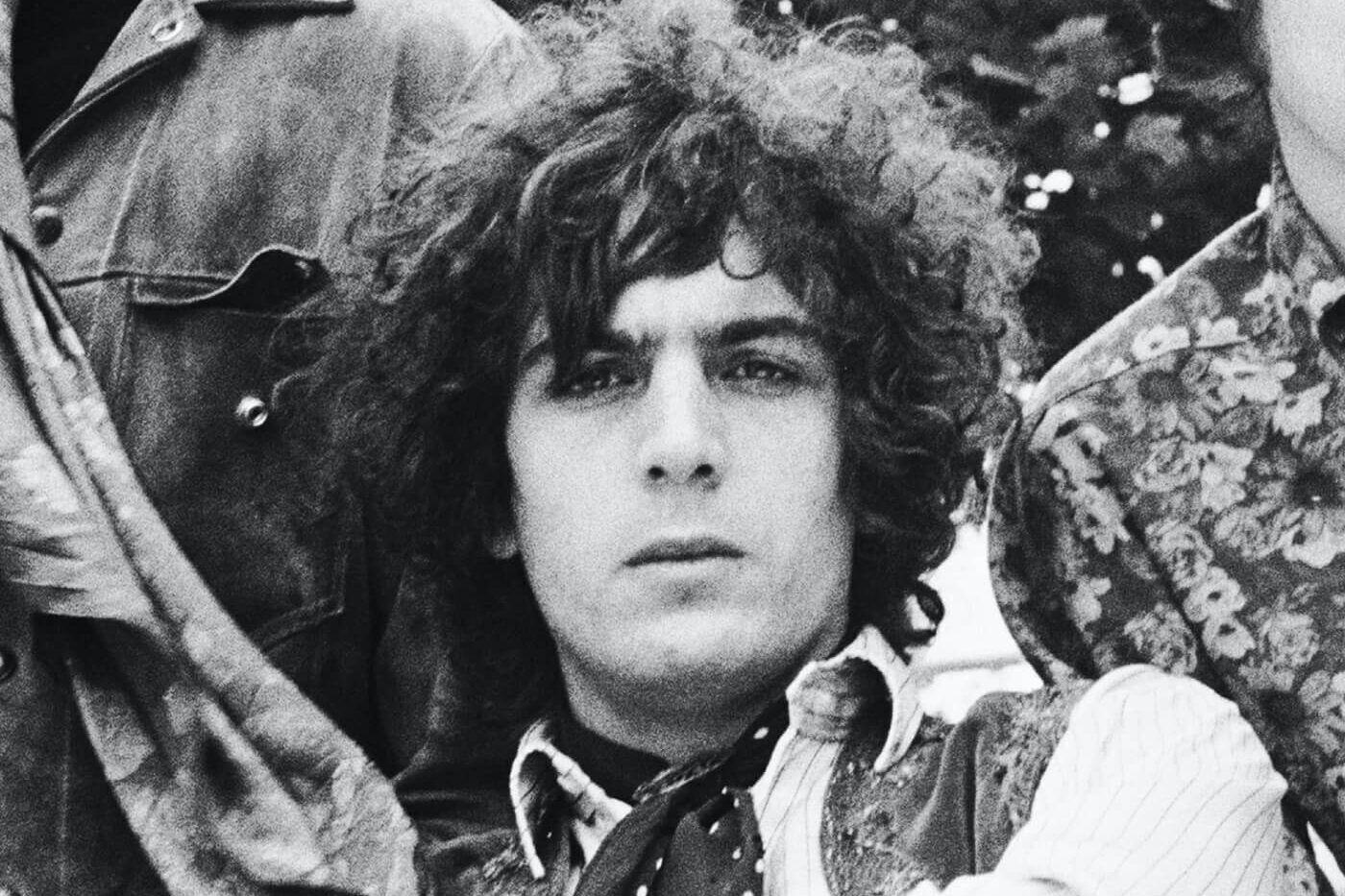
Syd Barrett’s departure from Pink Floyd occurred just as the band was gaining significant attention. His creative influence shaped their early sound, but mental health struggles made continued involvement unsustainable. As pressures increased, it became clear that remaining in the band would cause more harm than good. Rather than forcing participation, Barrett stepped away, allowing the group to continue without him. His exit was painful, but it was rooted in necessity rather than choice.
Although his time in the spotlight was brief, his impact remained lasting. Barrett’s story is often remembered with a sense of sadness, but it also highlights an important truth about limits. Success cannot compensate for wellbeing. His withdrawal reminds readers that stepping away can sometimes be the most humane option available. Even without a long career arc, his influence endured, showing that contribution is not measured by duration, but by authenticity.
16. Scott Walker
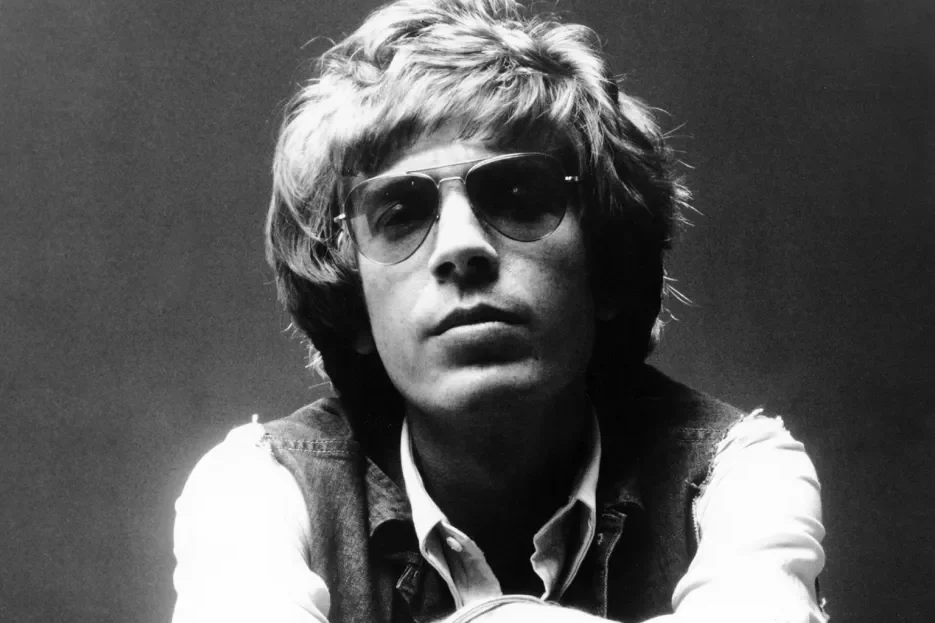
Scott Walker achieved mainstream success early in his career, becoming a recognizable figure in popular music. As time passed, he deliberately withdrew from public visibility, choosing to create experimental work away from commercial expectations. He avoided touring, limited interviews, and distanced himself from the celebrity aspect of music. Fame no longer held appeal. What mattered was the freedom to explore ideas without external pressure.
His retreat was not about disappearance, but intention. Walker continued creating on his own terms, embracing solitude as part of his process. His story resonates with readers who value depth over attention. By stepping back while still respected, he rejected the idea that relevance must be maintained through constant exposure. His career shows that fulfillment can come from narrowing the audience rather than expanding it, and that privacy can be a powerful creative tool.
17. Michael Stipe
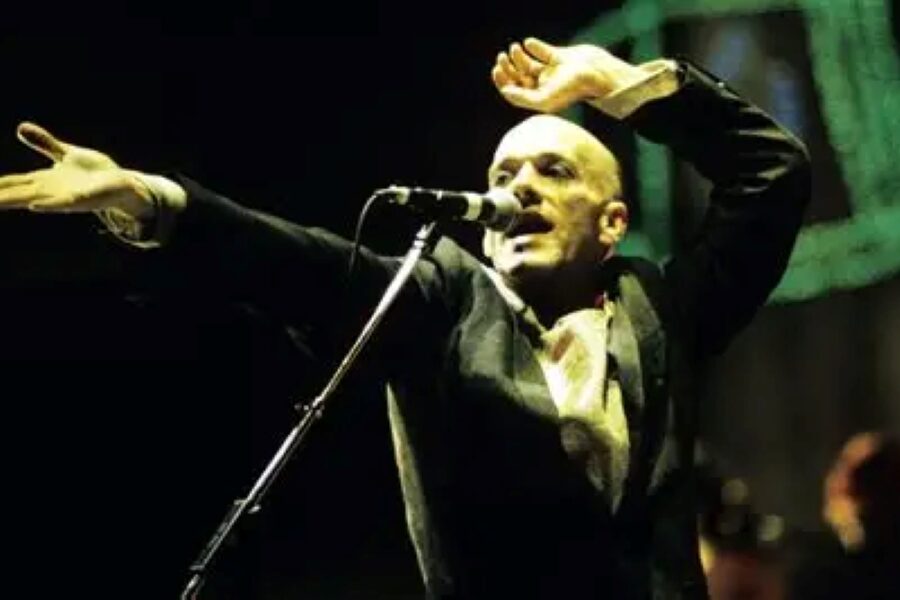
Michael Stipe became one of the most recognizable voices in alternative rock as the frontman of R.E.M., a band that defined an era while maintaining artistic credibility. After decades of sustained success, the group chose to disband while they were still respected and relevant. Rather than pursuing a traditional solo music career or extending the band’s legacy through reunions, Stipe stepped back from the music industry almost entirely. His decision surprised fans who expected continued output or nostalgia driven projects.
Stepping away allowed Stipe to explore other forms of expression without the pressure of expectation. He shifted his focus toward visual art, activism, and personal creative work, choosing distance over continuation. His story resonates because it reflects a sense of completion rather than burnout. Stipe did not leave because the industry pushed him out. He left because the chapter felt finished. By walking away at a point of clarity, he showed that success does not always need prolonging. Sometimes knowing when to stop is what preserves the meaning of everything that came before.
18. John Deacon
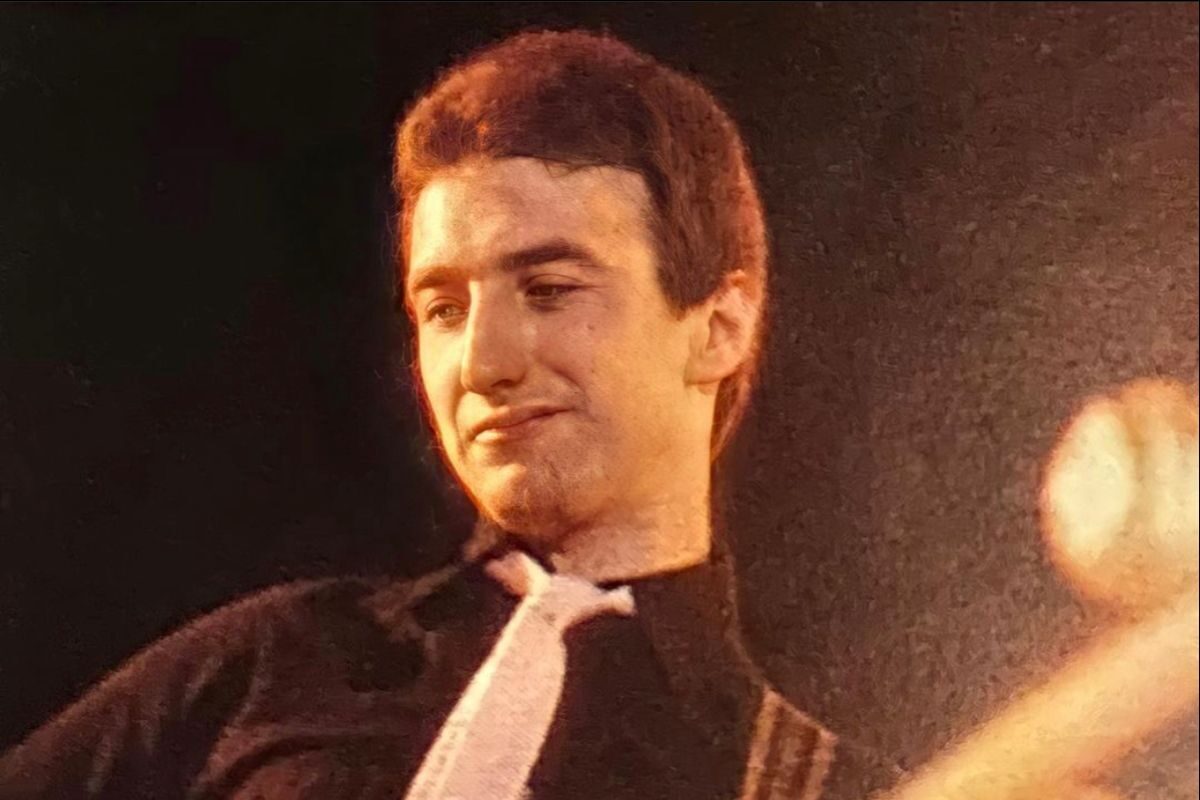
John Deacon was the bassist of Queen during their most influential and successful years, contributing to some of the band’s most enduring songs. After the death of Freddie Mercury, Queen continued in various forms, but Deacon gradually withdrew from public music life. While the band’s legacy remained strong and demand for reunions grew, he chose not to remain active. His decision was rooted in personal grief and a clear sense that continuing without Mercury did not feel right to him. Unlike many artists tied to legendary acts, Deacon did not attempt reinvention or solo visibility. He simply stepped back.
Over time, his withdrawal became complete. He declined participation in later Queen projects and avoided interviews, choosing privacy over continued recognition. Fans came to understand that his absence was not about ability or relevance, but about emotional boundaries. Deacon’s story resonates because it reflects a deeply human response to loss. Sometimes success continues, but the heart does not. By leaving quietly while the music still mattered to millions, he showed that honoring personal limits can be more important than sustaining a legacy.
19. Andrew Wood
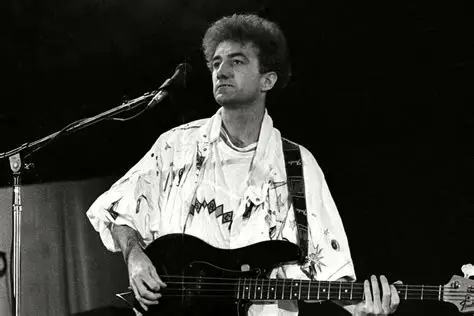
Andrew Wood was gaining serious momentum as the frontman of Mother Love Bone at a moment when the Seattle music scene was on the brink of exploding. His charisma and songwriting placed him in a position many artists spend years chasing. As attention grew, so did the pressures that came with visibility, touring, and expectations. Wood struggled privately with addiction, and the collision between rising success and personal instability became increasingly difficult to manage. While his career did not last long enough for a formal decision to step away, his absence marked an abrupt halt at a moment of real promise.
His story remains part of the conversation because it reflects how fragile early success can be. Wood’s influence extended beyond his own work, shaping the musicians who followed him. His legacy reminds readers that momentum does not always come with protection or preparedness. Sometimes success arrives faster than support systems can form. His story is not one of quitting, but of how easily a promising path can be disrupted when personal battles remain unresolved.
20. Bobby Brown

Bobby Brown experienced extraordinary success early in his career, becoming a defining voice in late 1980s and early 1990s R and B. That visibility brought fame, financial reward, and relentless public scrutiny. Over time, personal struggles began to overshadow professional achievements, making sustained output increasingly difficult. Rather than continue at the same pace, Brown gradually reduced his presence in the music industry. His decision reflected exhaustion with the demands of fame and a growing need to prioritize stability and health over performance.
As his visibility decreased, his focus shifted toward family and recovery. Music did not disappear entirely, but it no longer operated as the center of his life. Brown’s story resonates because it reflects a reality many people face, realizing that success without balance can become damaging. Stepping back allowed him space to confront personal challenges without the pressure of constant expectation. His journey shows that sometimes survival requires distance, and that choosing
21. Aaliyah

Aaliyah’s career was still rising when she stepped away from the industry due to circumstances that reshaped her trajectory. After achieving massive success as a teenager, she became increasingly selective about her music and public presence. She slowed her output, choosing fewer releases and carefully curated projects rather than constant visibility. This shift reflected a desire to grow privately while maintaining creative control. Her approach stood out in an industry that often pushed young artists toward relentless exposure.
Though her life was tragically cut short, Aaliyah’s later years showed an artist deliberately easing away from the machinery of fame. She focused on evolving as a performer and exploring film without oversaturating her musical identity. Her story resonates because it reflects restraint at a time when momentum could have easily overwhelmed her. She demonstrated that stepping back can be an act of intention, not loss, even when the world is still asking for more.
22. Azealia Banks

Azealia Banks burst onto the scene with undeniable talent and momentum, quickly becoming one of the most talked about voices in contemporary music. As her profile grew, so did public conflict and industry tension. She frequently expressed frustration with labels, media narratives, and expectations that felt constraining. At various points, she stepped away from releasing music consistently, citing exhaustion with the system surrounding her work rather than the act of creating itself.
Her withdrawal was uneven and often misunderstood, but it reflected a deeper struggle with industry dynamics. Banks did not lose ability or relevance. She lost patience. Her story resonates because it shows how visibility can become combative instead of supportive. Stepping back became a way to regain control over her voice. It highlights how talent alone does not guarantee sustainability when the surrounding environment feels hostile.
23. R Kelly
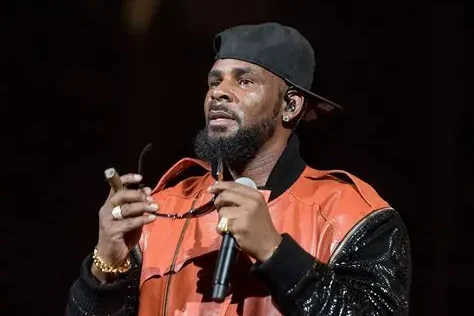
R Kelly’s career once represented massive commercial dominance within R and B music. For years, his influence shaped radio and popular culture. As allegations mounted and public scrutiny intensified, his presence in the music industry collapsed rapidly. While his exit was not voluntary in the traditional sense, it marked an abrupt end at a moment when his catalog still held visibility.
His story is complex and deeply troubling, and it stands as a reminder that success does not exist in isolation from accountability. The disappearance of his career highlights how public trust shapes longevity. His withdrawal from the industry was definitive, leaving behind conversations about responsibility and consequence. It serves as a cautionary example of how fame can unravel when behavior and power go unchecked.
24. Duffy

Duffy rose quickly after the release of her debut album, which brought her global recognition and multiple awards. Her voice and image were suddenly everywhere, and expectations followed immediately. Then, just as her career seemed set for a long mainstream run, she disappeared from public life. For years, there was no clear explanation. Fans assumed creative burnout or label disputes, but the silence felt heavier than that. At the height of her visibility, she chose to step away completely, leaving behind momentum most artists work years to build.
Much later, Duffy explained that personal trauma made public life unbearable. Continuing to release music or perform would have required exposure she could not manage at the time. Her withdrawal was not a strategic pause but a necessary act of self preservation. Duffy’s story resonates because it reveals how success can become dangerous when safety disappears. Walking away protected her life, not just her career. Her absence reminds readers that stepping back can sometimes be the bravest response to circumstances no one else can see.
25. George Michael
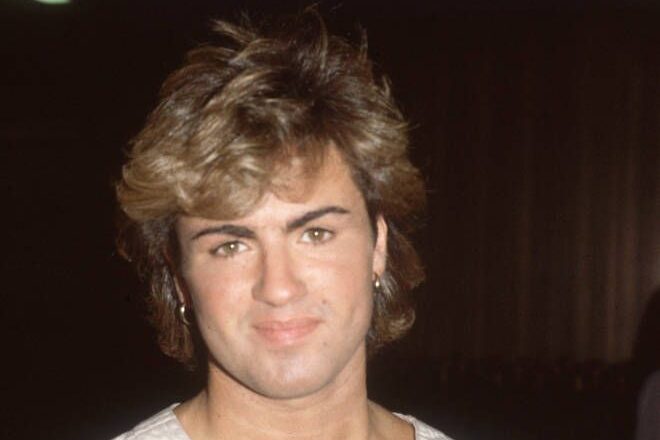
George Michael became a global star early in his career, achieving success that few artists ever experience. Over time, the pressure of fame, constant scrutiny, and industry control began to weigh heavily on him. After high profile legal disputes with his record label, he stepped back from aggressive promotion and large scale touring. He expressed frustration with being treated as a product rather than a person, choosing to slow his career while still at the center of public attention.
By reducing visibility, Michael regained autonomy over his music and personal life. He continued recording selectively but avoided the nonstop exposure that once defined his career. His decision reflects a shift from performance driven success toward personal sustainability. Michael’s story resonates because it shows how stepping back does not require disappearing entirely. Sometimes it means setting boundaries that protect creativity. Leaving the industry’s fast pace allowed him to reconnect with music as expression rather than obligation, even while his legacy remained firmly intact.
26. Enya

Enya achieved massive global success while maintaining an unusually private career. As her albums reached millions of listeners, industry expectations pushed toward touring and constant public appearances. She declined both. Rather than expand her visibility, she chose to retreat further into a controlled creative environment, working quietly in the studio and avoiding traditional promotional cycles. Her decision stood out because it happened while her popularity remained strong.
This withdrawal was not driven by fear or exhaustion but comfort and intention. Enya preferred solitude, routine, and distance from celebrity culture. By refusing visibility, she protected the calm that shaped her music. Her story resonates because it challenges the idea that success must be accompanied by access. She proved that an artist can step away from public life without stepping away from impact. Her career shows that peace can be a creative strategy, not a limitation, even at the height of global recognition.
27. Kenny Loggins
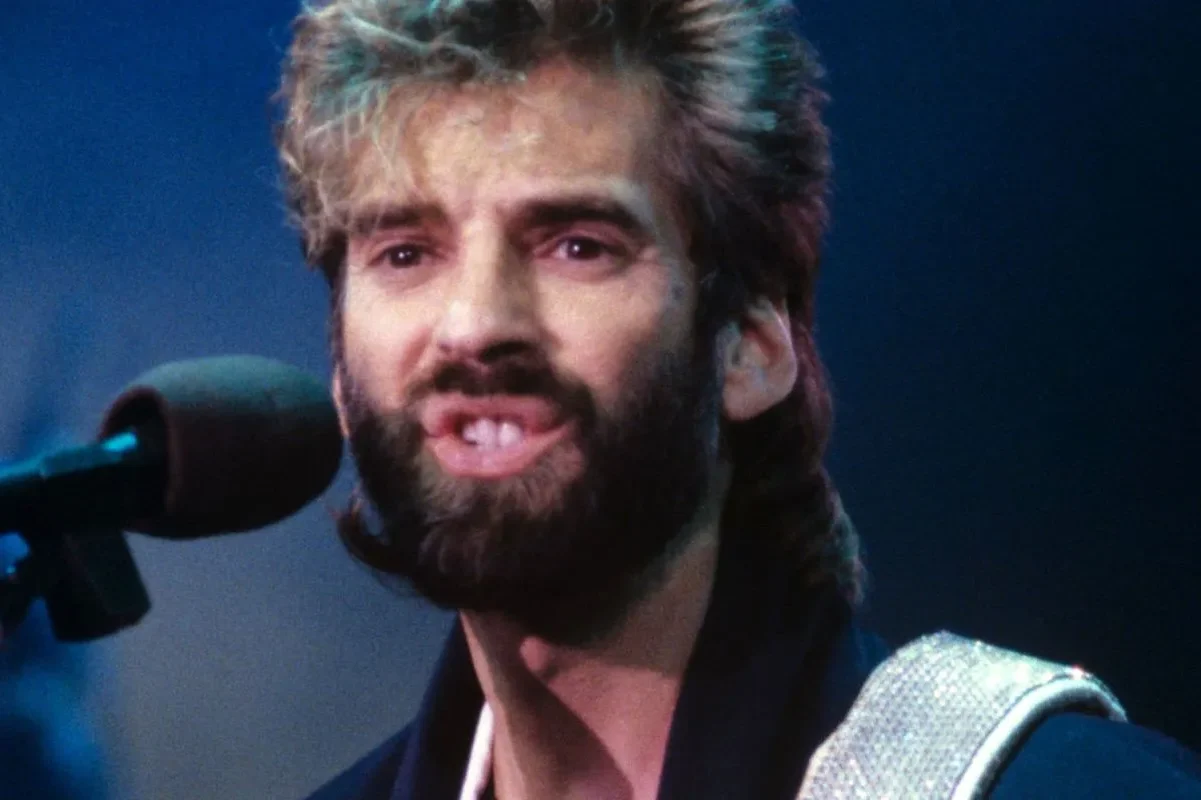
Kenny Loggins spent decades shaping popular music, especially during the era when film soundtracks dominated radio. His work was everywhere, and demand followed consistently. As trends shifted, Loggins chose not to chase renewed relevance through constant reinvention. Instead, he gradually reduced touring and new releases, allowing his career to settle into reflection rather than competition. His step back felt natural, not forced by failure or controversy.
By easing away from constant output, Loggins preserved his relationship with music without turning it into a struggle. He remained present enough to honor his work but distant enough to enjoy life beyond it. His story resonates because it reflects a graceful transition rather than a dramatic exit. Stepping away did not diminish his contributions. It allowed them to stand without exhaustion. His path reminds readers that sometimes the healthiest choice is allowing success to rest where it already is.
28. Sisqo
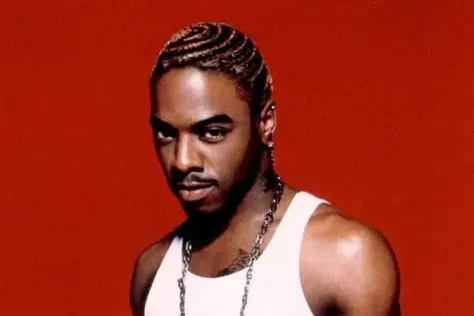
Sisqo reached intense global recognition during a brief but unforgettable cultural moment. His success was immediate, loud, and heavily tied to trends that moved quickly. As the industry shifted, sustaining that level of visibility became difficult. Rather than force continued dominance, Sisqo gradually stepped back from the center of mainstream music. His presence faded as the moment passed, without a dramatic announcement or public struggle.
His withdrawal reflects how some peaks are meant to be moments, not lifetimes. Sisqo continued working in music, but without chasing the spotlight that once surrounded him. His story resonates because it mirrors experiences many people have, realizing that not every success needs extension. Sometimes stepping back preserves dignity. Allowing a moment to remain complete can be healthier than stretching it thin. His career shows that impact does not always require permanence.
29. Tracy Chapman

Tracy Chapman became widely respected for music that was intimate, political, and emotionally grounded. As her recognition grew, she became increasingly protective of her personal life. Over time, she stepped away from frequent touring and regular releases, choosing a quieter existence away from public attention. Her withdrawal happened while her work remained influential and widely respected.
Chapman’s decision reflects a desire to maintain authenticity without exposure. She never framed her retreat as loss or protest. It was simply a preference for normalcy over visibility. Her story resonates because it highlights how stepping back can preserve the integrity of deeply personal work. By limiting access, she protected the sincerity that defined her music. Her career reminds readers that silence does not erase influence. Sometimes it protects it.
30. Bobby McFerrin
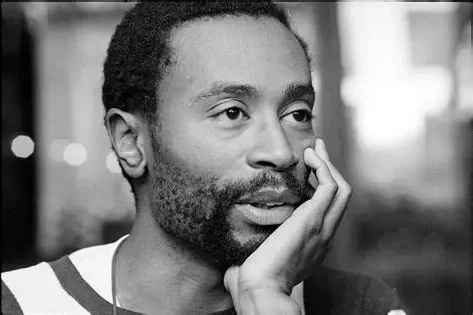
Bobby McFerrin achieved mainstream recognition that made his voice instantly recognizable worldwide. After reaching that level of visibility, he chose not to pursue a traditional pop career. Instead, he stepped away from commercial expectations, focusing on education, improvisation, and collaborative work. His shift happened while his recognition was still strong, making the decision notable rather than reactive.
McFerrin’s transition reflects a desire to explore music without boundaries. Rather than remain confined by success, he redirected it into curiosity and mentorship. His story resonates because it shows that stepping away does not require abandoning creativity. It can mean deepening it. By choosing exploration over repetition, he reshaped what a successful music career could look like. His path demonstrates that fulfillment often lies beyond the spotlight, not within it.
31. Shania Twain

Shania Twain dominated country and pop music during the late 1990s, reaching a level of success few artists ever experience. While her career was still thriving, she began to experience serious vocal issues caused by Lyme disease. Performing and recording became physically difficult, and the demands of touring were no longer sustainable. Rather than push through and risk permanent damage, she stepped away from the industry during a period when her influence remained strong and demand remained high.
Her withdrawal lasted years and was marked by silence rather than spectacle. Twain focused on healing, family, and rebuilding her voice without pressure. Her story resonates because it reflects how health can reshape priorities, even at the height of achievement. Stepping back was not about losing relevance, but about survival and recovery. By choosing care over momentum, she preserved both her voice and her legacy, showing that longevity sometimes requires absence.
32. Joe Perry
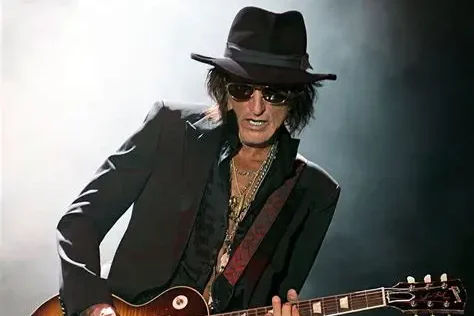
Joe Perry became synonymous with Aerosmith’s sound during decades of success. As the band’s touring and recording schedule intensified, the physical and emotional toll became harder to ignore. Perry stepped away from active participation during periods when exhaustion and internal tension outweighed fulfillment. His decision was not about fading influence, but about recognizing limits within a demanding cycle.
By reducing involvement rather than forcing continuity, Perry preserved his relationship with music. His story resonates because it reflects how burnout can affect even the most established careers. Stepping back allowed space for recovery without erasing contribution. Sometimes longevity depends on knowing when to pause rather than persist.
33. Grace Slick
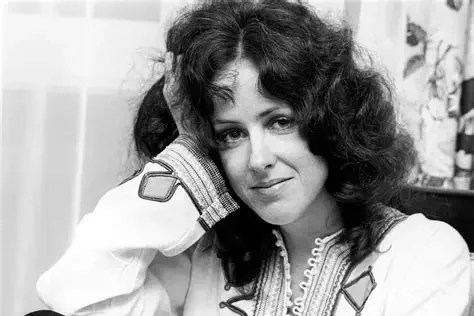
Grace Slick was one of the most recognizable voices of the psychedelic rock era, fronting Jefferson Airplane during a time of cultural upheaval and musical experimentation. As the band’s influence grew, so did the pressures of touring, recording, and living within an industry that demanded constant reinvention. Over time, Slick became increasingly honest about her discomfort with aging inside a youth driven music culture. While her legacy remained strong, she chose to step away from performing rather than remain somewhere she no longer felt connected to.
Her exit was not sudden or dramatic. It was thoughtful and self aware. Slick later redirected her creativity into visual art, a space that allowed freedom without scrutiny. Her story resonates because it reflects a refusal to cling to relevance at the expense of comfort. Leaving while respected allowed her to preserve her identity beyond music. She reminds readers that knowing when to step away can be as important as knowing when to begin.
34. Robyn

Robyn achieved major pop success early in her career, becoming a familiar face across global charts. Despite that momentum, she grew frustrated with creative limitations imposed by the industry around her. Rather than continue producing music that felt disconnected from her identity, she stepped away from major label expectations. This pause occurred while she still had mainstream visibility, making the decision feel risky but necessary.
Time away allowed Robyn to reconnect with her instincts as an artist. She returned later with renewed independence and clarity, reshaping her sound on her own terms. Her story resonates because it shows how stepping back can be an act of confidence rather than retreat. Distance gave her control. By refusing to stay in a system that diluted her voice, she preserved both her creativity and her longevity.
35. Billy Joel
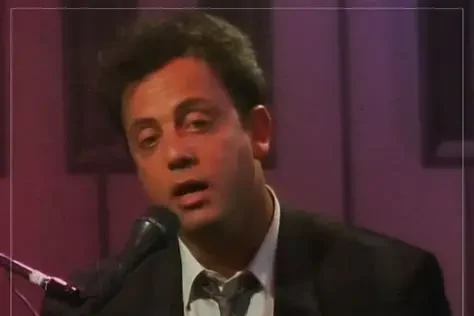
Billy Joel remained one of the most successful touring musicians long after his peak years. Despite constant demand for new albums, he made the decision to stop writing pop records. He explained that he no longer felt inspired to compete with his past work or meet expectations that felt artificial. His choice came while his reputation and audience remained strong.
Rather than chase reinvention, Joel focused on performance and personal fulfillment. His step back from recording reflected contentment rather than exhaustion. His story resonates because it challenges the idea that artists must always produce more. Sometimes knowing when to stop protects what already exists. Joel left space for his catalog to stand without dilution, showing that restraint can be a powerful creative decision.
36. Fugees
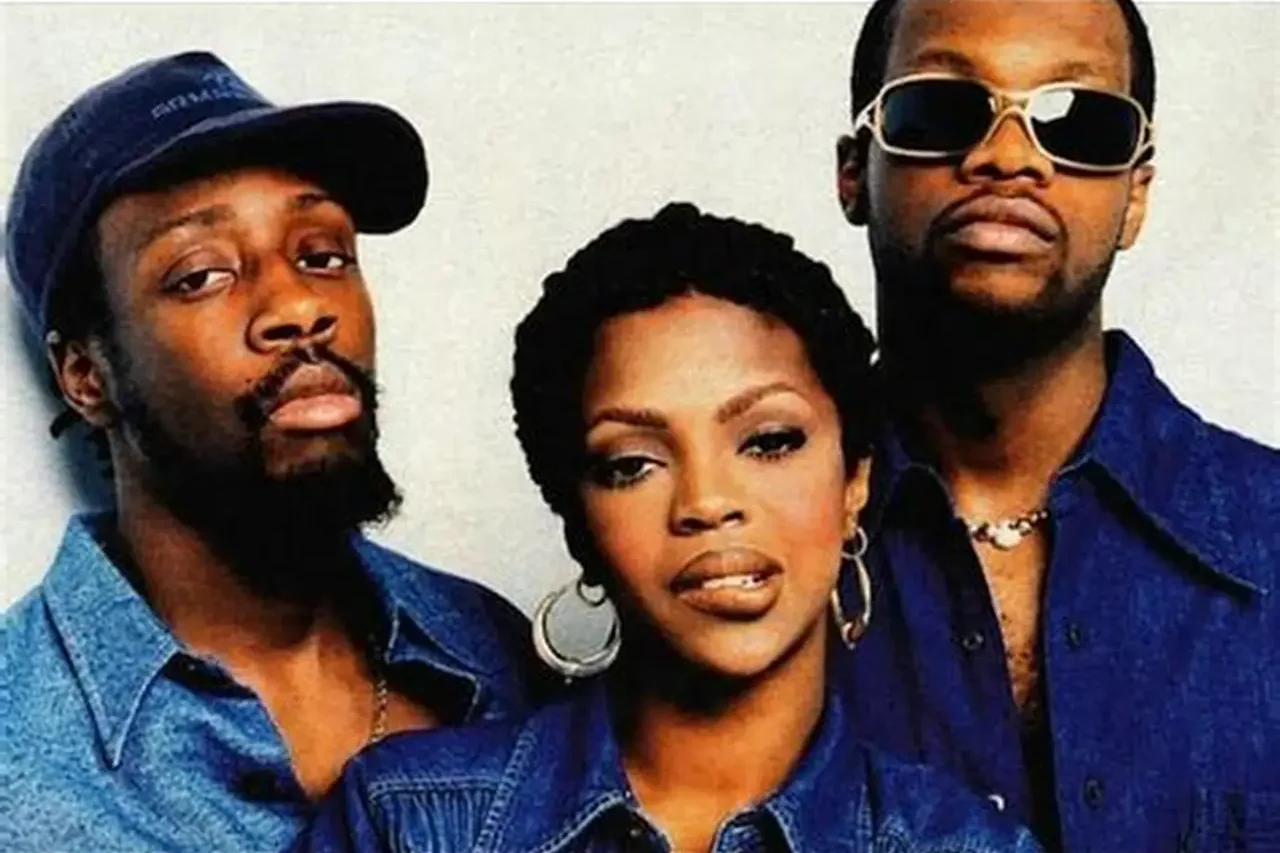
At the height of their global success, the Fugees abruptly stepped away from the music industry. Their album brought massive acclaim and cultural impact, but internal tension and creative differences made continuation difficult. Rather than force another project, the group disbanded while demand was still strong. The decision surprised fans who expected sustained dominance.
Their exit reflects how collective success can mask unresolved fractures. Each member pursued individual paths, but the group itself never fully returned during its original moment. The Fugees’ story resonates because it shows how stepping away can preserve a moment rather than dilute it. Sometimes leaving early protects the power of what was created. Their absence allowed their work to remain singular and undisturbed, reminding listeners that not every peak is meant to be prolonged.
37. Sade Adu
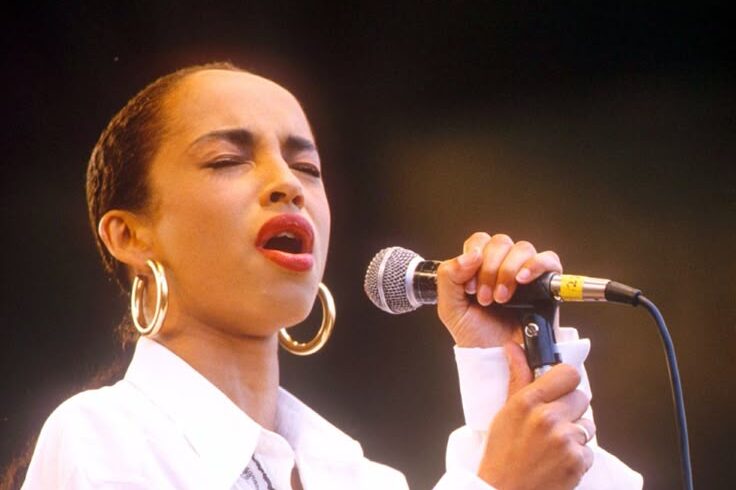
Sade Adu achieved sustained global success while maintaining an unusually low public profile. Rather than follow industry norms of frequent releases and touring, she chose long periods of absence between projects. These pauses occurred while demand for her music remained high. Her withdrawal was deliberate and consistent, shaped by preference rather than pressure.
Her story resonates because it reframes how success can look. By stepping back regularly, Sade preserved intimacy and intention in her work. She proved that presence does not need to be constant to be meaningful. Her career shows that restraint can deepen impact. Choosing rarity allowed her music to feel timeless rather than overexposed.
38. Missy Elliott
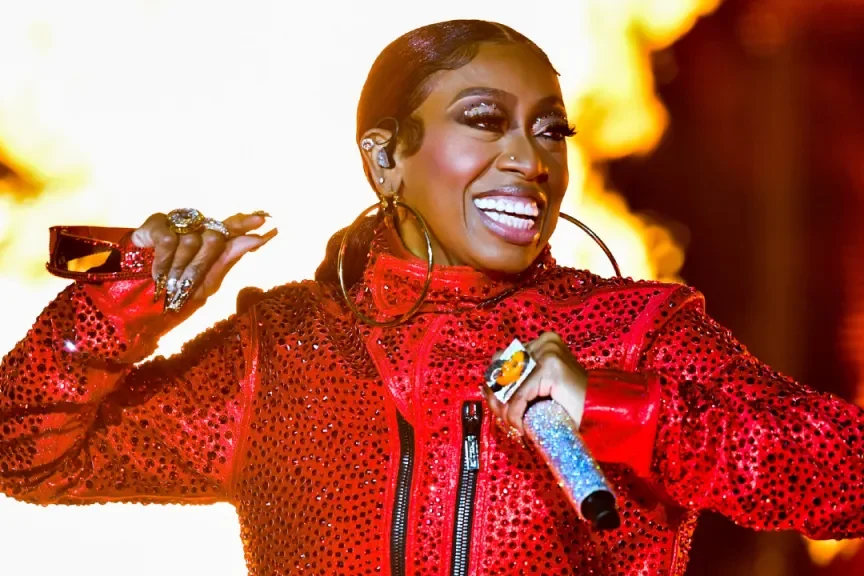
Missy Elliott reached extraordinary success as both a performer and producer, shaping the sound of modern hip hop. As her career progressed, she faced health challenges related to Graves’ disease. Rather than publicly navigate those struggles, she quietly stepped back from touring and recording. Her withdrawal happened while her influence remained strong.
Stepping away allowed Missy Elliott to focus on recovery without expectation. Her story resonates because it highlights how health often determines presence more than ambition. Choosing rest over visibility preserved her longevity. Her later return carried renewed strength, reinforcing that stepping back can be part of sustaining a career rather than ending it.
39. Andre 3000
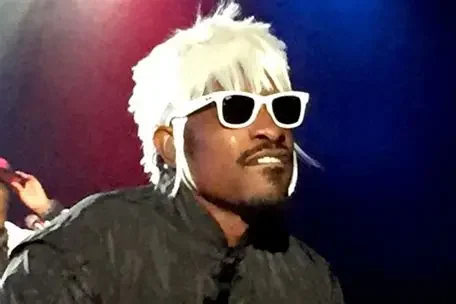
Andre 3000 became one of the most influential figures in hip hop as part of OutKast, shaping sound, style, and lyricism during the group’s peak years. As the group’s success solidified, public demand for a solo rap album grew louder. Instead of meeting those expectations, Andre gradually withdrew from traditional music releases. He spoke openly about discomfort with forcing creativity and releasing work that did not feel honest. While his cultural relevance remained high, he resisted pressure to produce simply because the audience expected it. His absence was intentional rather than accidental.
Over time, Andre redirected his energy into acting, fashion, and occasional musical appearances that did not require full reentry into the industry. His decision resonates because it reflects a refusal to treat creativity as obligation. By stepping back, he protected his relationship with music and avoided diluting his voice. His story reminds readers that silence can be a form of integrity. Sometimes walking away preserves trust between artist and audience more than constant output ever could.
40. Kate Bush
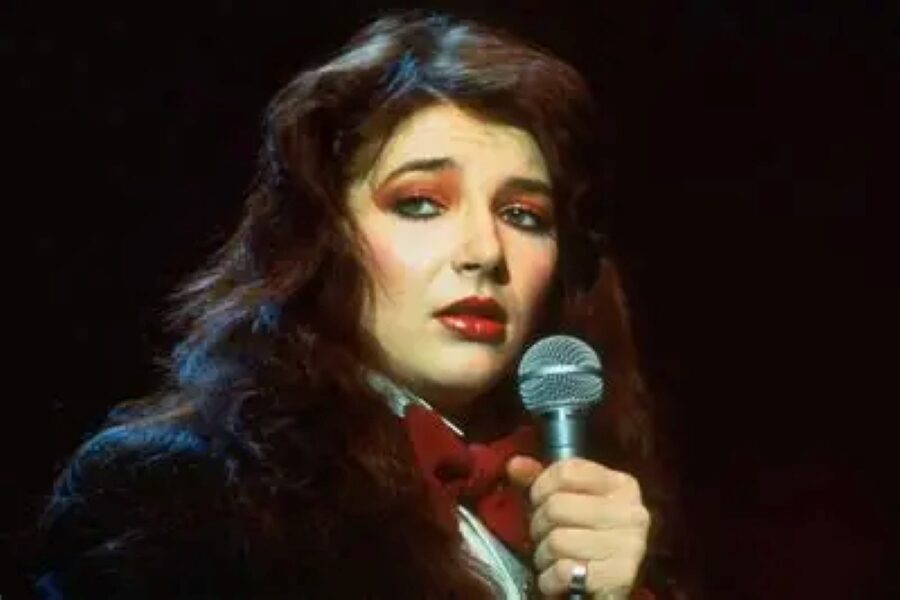
Kate Bush achieved groundbreaking success early in her career, redefining artistic control and creative independence within popular music. As her influence expanded, she gradually stepped away from constant public engagement, choosing rare releases and limited performances. This decision occurred while her work continued to shape music culture and inspire new generations. Rather than remain visible out of obligation, she prioritized privacy and selective creation. Her withdrawal was never framed as retirement, but as a preference for control and balance.
By limiting access, Bush preserved the integrity of her work and her personal life. She allowed the music to exist without constant explanation or promotion. Her story resonates because it challenges the belief that success requires continuous presence. Stepping back did not diminish her impact. It allowed her influence to grow quietly. Bush’s career shows that distance can be a form of authorship, and that leaving space between moments can make them endure longer.


