
1. Ken Jennings and the Quiet End of a Giant Run
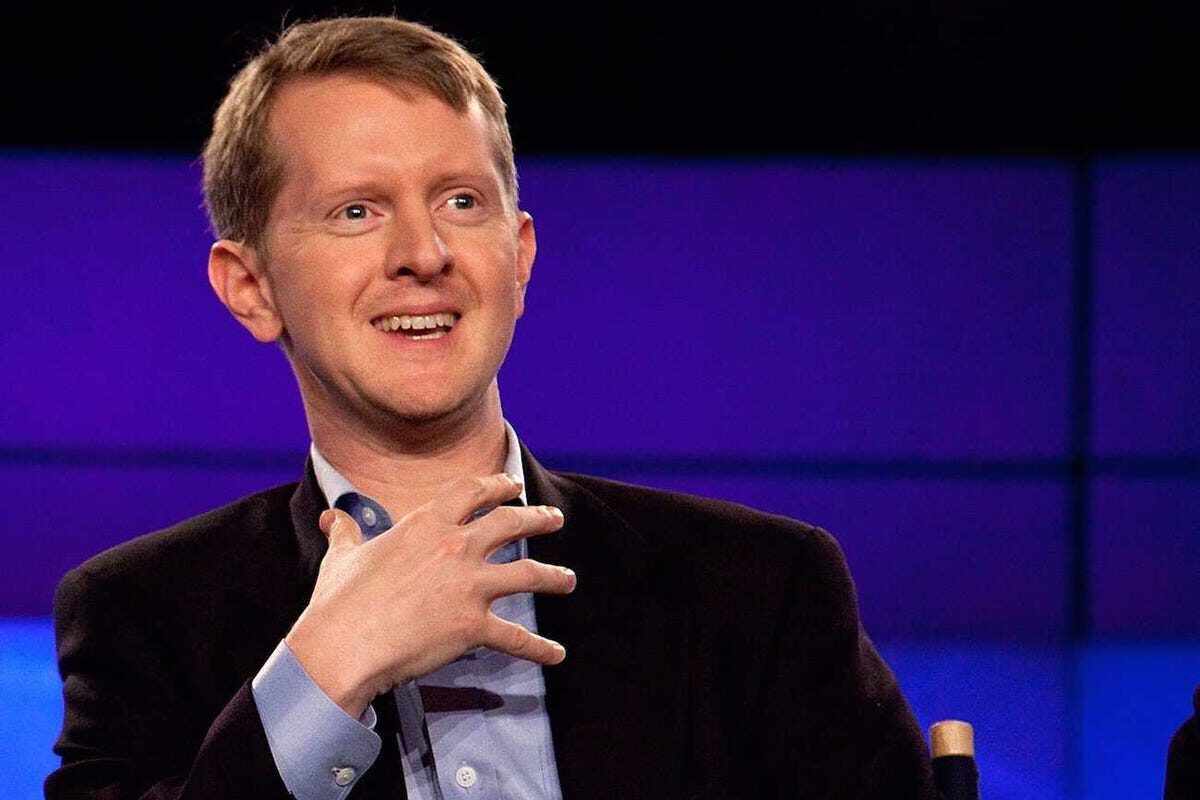
Game shows have always promised big moments, but sometimes the most unforgettable ones arrive softly. That was the case when Ken Jennings returned to Jeopardy! in November 2004, already a legend after winning seventy four consecutive games. Viewers had grown used to his calm control and sharp instincts, so the idea of him losing felt almost unreal. Going into Final Jeopardy, nothing looked unusual. He seemed steady, confident, and familiar, like he always had. The clue involved a business slogan, something squarely within his wheelhouse. Yet when the answer was revealed, it became clear that one assumption about timing had led him slightly off course.
What followed was not drama, but silence. Jennings later explained that he had placed the slogan in the wrong era in his mind, a mistake that felt obvious only after the fact. That is why his near win still resonates. It was not nerves or ignorance that stopped him, but the kind of everyday mental shortcut anyone could make. Even greatness, it turns out, can end on a detail.
2. Brad Rutter and the Format That Would Not Cooperate
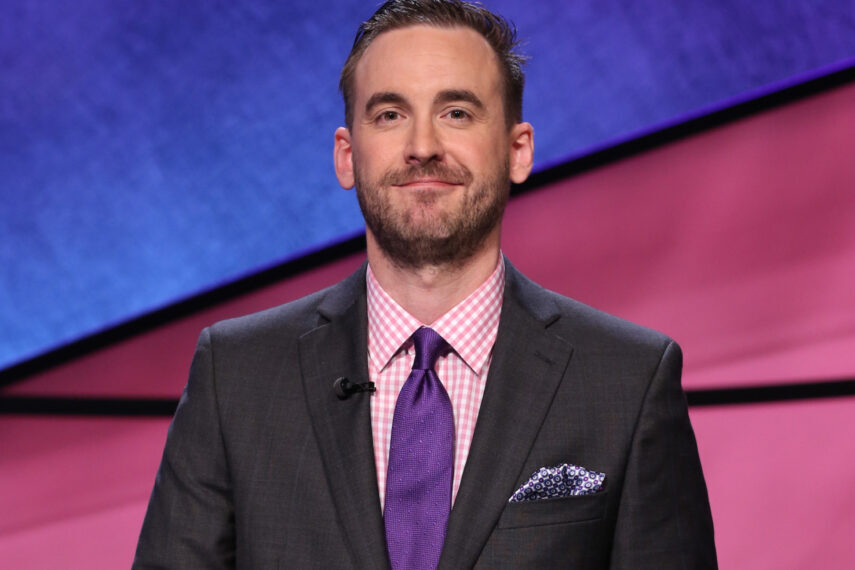
Brad Rutter had already proven himself as one of Jeopardy!’s most successful players long before the Greatest of All Time tournament aired. He was methodical, deliberate, and known for squeezing every advantage out of traditional gameplay. When the special tournament began, many expected him to dominate again. Instead, the matches moved faster than usual, with aggressive betting and relentless pacing. Rutter struggled to find footing as control of the board slipped away repeatedly. The knowledge was there, but the rhythm was not.
His near win unfolded not through a single mistake, but through a gradual mismatch between player and format. Rutter later acknowledged that the structure demanded a style different from his own. What made his loss memorable was how quietly it happened. There was no collapse, only displacement. His story reminds viewers that success depends not just on skill, but on conditions. Even the best can fall short when the game changes faster than they can adjust.
3. Cliff Clavin and Confidence Without a Safety Net
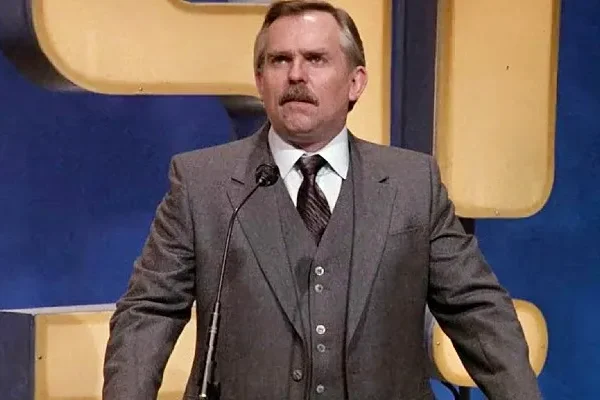
Cliff Clavin’s Jeopardy! appearance in the early nineties remains one of the most talked about near wins in the show’s history. He entered Final Jeopardy with a runaway lead and a self assured demeanor that suggested the outcome was settled. The category, U.S. Geography, appeared straightforward. Instead of choosing a simple answer, Clavin delivered a bold and overly complex response that missed the mark entirely. His certainty evaporated the moment the correct answer appeared.
What made this loss linger was not the mistake itself, but the mindset behind it. Clavin later explained that he tried to outthink the question, assuming there had to be a twist. His near win became a cultural reference point because it captured a familiar flaw. Sometimes confidence crosses into overconfidence, and the desire to appear clever overrides clarity. His moment lives on as a reminder that simplicity often wins when pressure rises.
4. Charles Ingram and the Million That Did Not Last
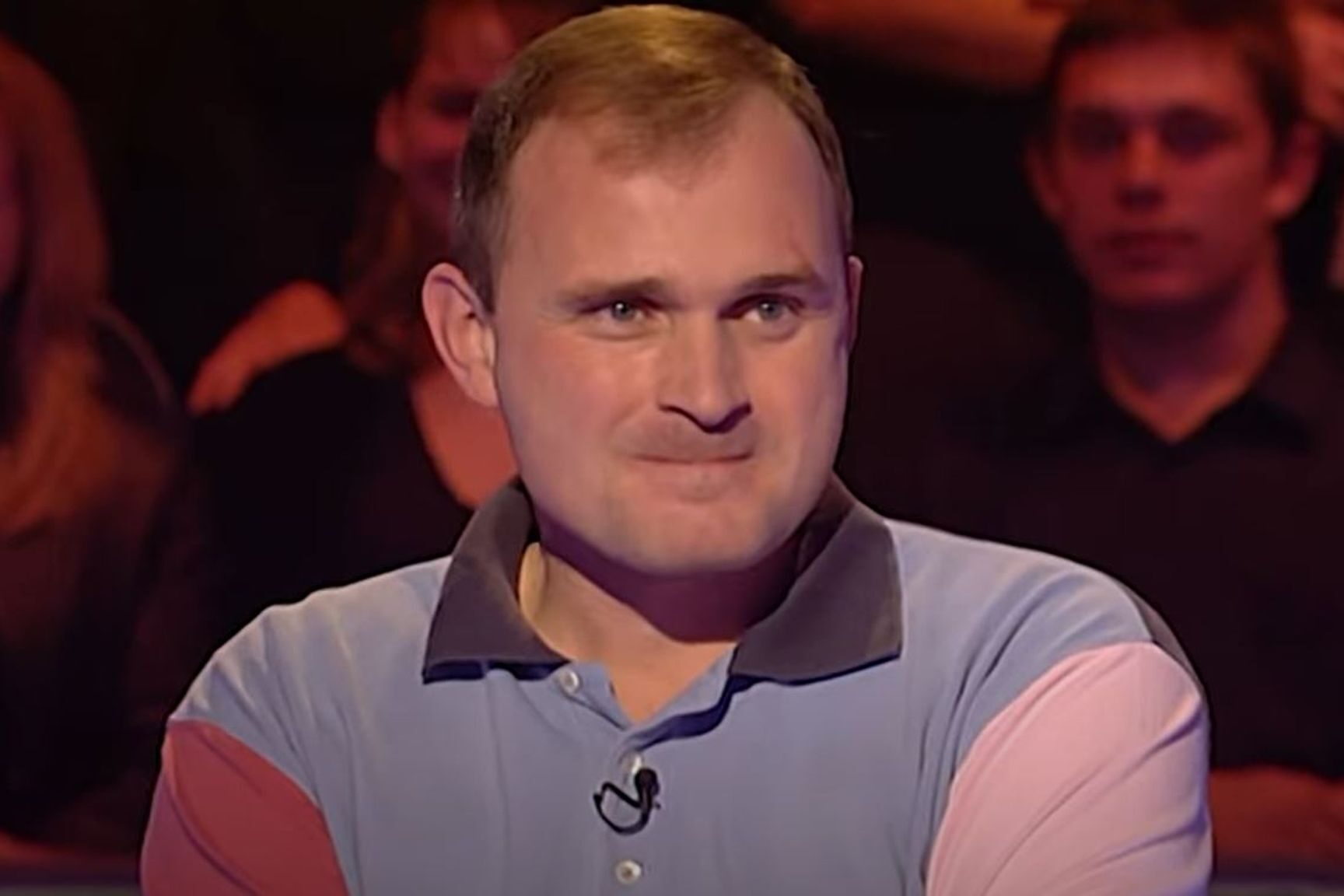
Charles Ingram’s run on the UK version of Who Wants to Be a Millionaire appeared flawless at first glance. He answered question after question correctly, eventually reaching the top prize. For viewers at home, it looked like a textbook victory. That impression unraveled quickly after production staff noticed unusual coughing sounds from the audience during key moments. An investigation followed, and the win was revoked.
Ingram maintained that he believed the win was legitimate, insisting that he had not intentionally cheated. His near win occupies a rare space in game show history, where the loss happened after the celebration. It is remembered not for suspense on the set, but for controversy afterward. The situation reminds viewers that winning does not always end when the episode does. Sometimes the real judgment arrives later, reshaping a moment that once felt certain.
5. Charlene Rubush on Wheel of Fortune
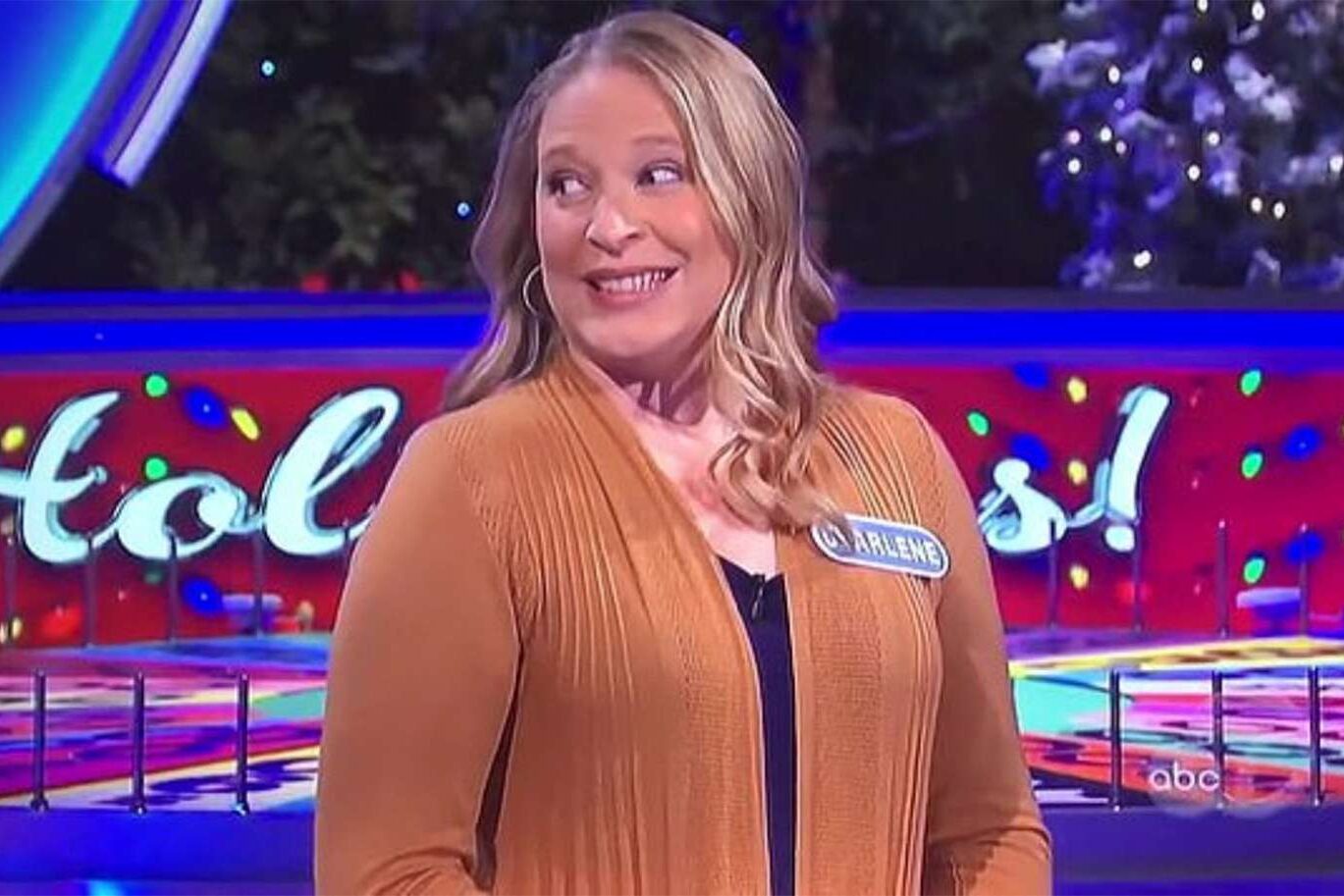
Charlene Rubush’s moment on Wheel of Fortune unfolded in a way that felt almost cruel in its simplicity. During the Bonus Round, the puzzle appeared with enough letters revealed that the phrase seemed obvious to viewers at home. Rubush studied the board carefully and then spoke the correct phrase aloud, word for word, exactly as it appeared once fully revealed. For a brief second, it looked like she had won the Audi SUV waiting behind her. Then the room shifted. Host Pat Sajak explained that although her solution was right, she had not spoken it quickly enough before time expired. The buzzer had beaten her by a fraction of a second.
What made this near win linger was how little separated victory from loss. Rubush later explained that nerves slowed her speech, even though her mind was already there. Fans reacted strongly because they could see she knew the answer. It was not a lack of knowledge or preparation, just timing. Her loss became one of those Wheel of Fortune moments people still debate, not because the rules were unclear, but because they felt unforgiving. It reminded viewers that sometimes doing everything right is still not enough when the clock has the final say.
6. Terry Kniess and Precision Under the Microscope
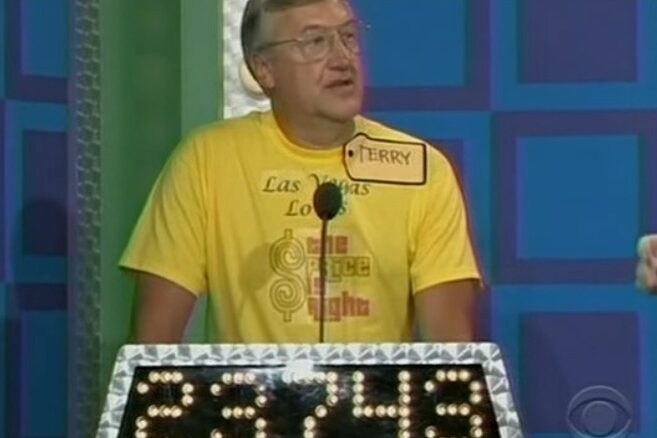
Terry Kniess became widely known for achieving a perfect bid on The Price Is Right, an event so rare it forced producers to double check calculations. Before that moment, however, Kniess had already experienced how narrow the margins could be during pricing games. Small rounding differences and exact values mattered more than luck. Every number had consequences.
Kniess later explained that his approach relied on careful observation rather than instinct. His near miss moments mattered because they showed how easily precision could slip into error. On a show built around estimates, being exact is both powerful and dangerous. His experience highlighted a quiet truth about game shows. Sometimes the closer you get to perfection, the more fragile the outcome becomes.
7. John Carpenter and the Million That Almost Slipped Away
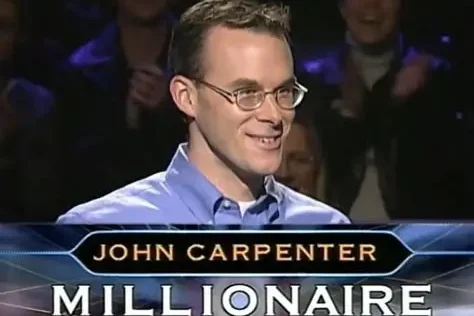
John Carpenter’s appearance on Who Wants to Be a Millionaire is often remembered for its iconic ending, but the tension that defined his run started much earlier. From the first few questions, Carpenter played with a calm confidence that masked how narrow the margin for error really was. As the stakes climbed, he faced moments where the answers were no longer obvious, and each choice carried the risk of immediate elimination. Unlike later contestants who relied heavily on lifelines, Carpenter trusted his instincts repeatedly, knowing that a single wrong move would end the game before it ever reached the final question.
What makes his near win so compelling is how close he came to losing long before the famous phone call. Carpenter later admitted that staying relaxed was harder than knowing the answers. The pressure of sudden wealth and national attention sat quietly behind every decision. His story resonates because it reminds viewers that even legendary wins are built on fragile moments. The difference between walking away empty handed and becoming a game show icon can rest on a few calm breaths and the courage to trust yourself under pressure.
8. James Holzhauer and the Cost of Refusing to Adjust
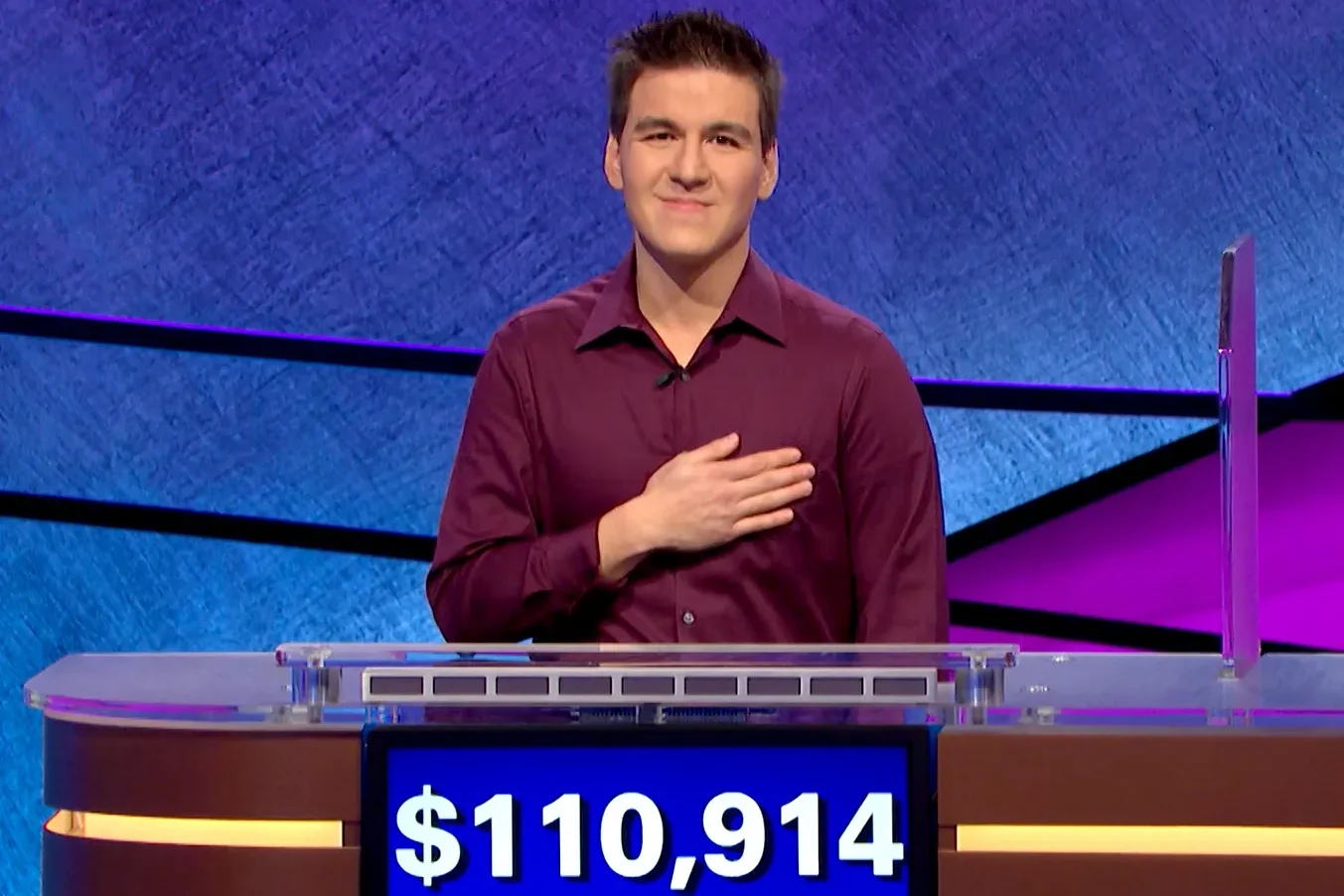
James Holzhauer changed the way Jeopardy! was played, introducing aggressive wagering and board control that left opponents scrambling. When he entered the Tournament of Champions, expectations were high that his strategy would carry him again. From the start, Holzhauer played the same way he always had, betting big and moving fast. However, the tournament environment rewarded adaptability just as much as confidence, and small momentum shifts began to work against him. While others adjusted their pacing, Holzhauer stayed loyal to his approach.
After his loss, Holzhauer acknowledged that he believed in consistency over caution. His near win stands out because it was not caused by a lack of knowledge or nerves, but by commitment to a philosophy. Viewers watched a player choose principle over adjustment, even when the outcome turned against him. The moment felt deeply human, reflecting how sticking to what once worked can sometimes limit what comes next. His run remains a reminder that innovation must evolve or risk becoming its own obstacle.
9. A Deal or No Deal Contestant Who Said No
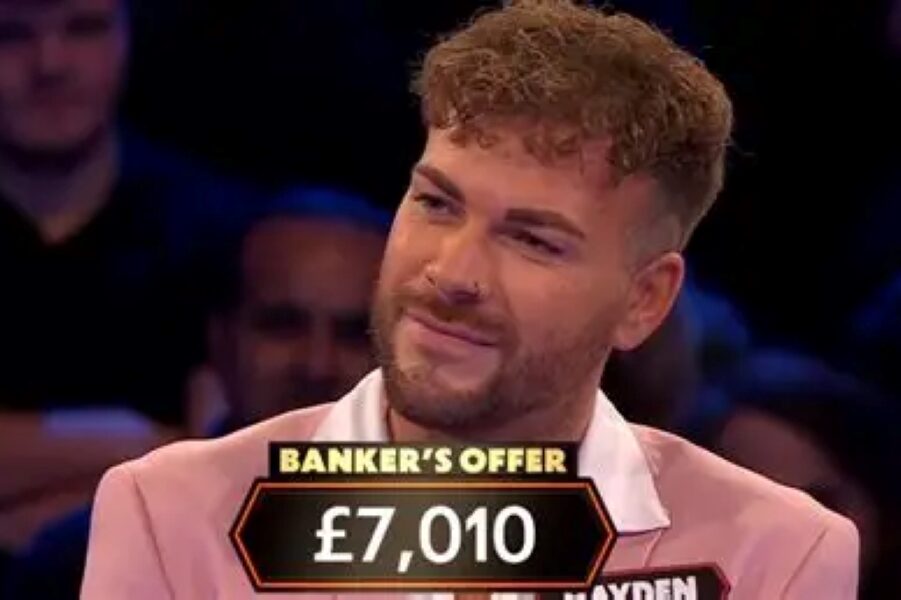
The tension on Deal or No Deal often builds quietly, and this contestant’s near win followed that familiar path. With several high value cases still in play, the board looked encouraging and the mood in the studio leaned toward optimism. When the banker called with a generous offer, it felt like a turning point. The amount on the table was enough to change a life, and the contestant took a long pause before responding. After studying the remaining cases and listening to the audience, they declined the deal, convinced that their own case held something better. It was a decision made calmly, not recklessly, shaped by belief rather than impulse.
What followed is why this moment still resonates. One by one, the next cases revealed lower and lower amounts, slowly draining the hope from the game. By the time the contestant realized what had been given up, it was too late to reverse course. After the show, the contestant admitted that walking away from a sure thing felt harder than chasing possibility. That honesty is what makes this near win feel real. It was not about greed or arrogance. It was about trusting a feeling that did not pay off. Many viewers saw themselves in that choice, which is why moments like this linger long after the briefcase is closed.
10. Richard Karn on Family Feud
Richard Karn appeared on Family Feud with a relaxed confidence that made his gameplay feel approachable rather than performative. Known to many viewers for his television work, he stepped into the contestant role during a competitive round where his team needed a strong answer to stay alive. The question itself felt familiar, the kind people answer instinctively without much hesitation. Karn responded quickly, offering an answer that seemed reasonable and grounded in everyday thinking. The reaction from his teammates suggested relief, as if the hard part was over. When the board failed to reveal the response, the mood shifted immediately.
What made this near win memorable was how clearly the mistake came from thinking personally instead of collectively. Karn later acknowledged that Family Feud rewards group patterns, not individual logic. The answer was not wrong in real life, but it was wrong for the survey. Viewers connected with the moment because it highlighted the quiet trap built into the game. Success depends on anticipating how others think, not just answering honestly. That small disconnect between logic and popularity is why moments like this stay with audiences long after the episode ends.
11. Austin Rogers and the Math That Would Not Cooperate
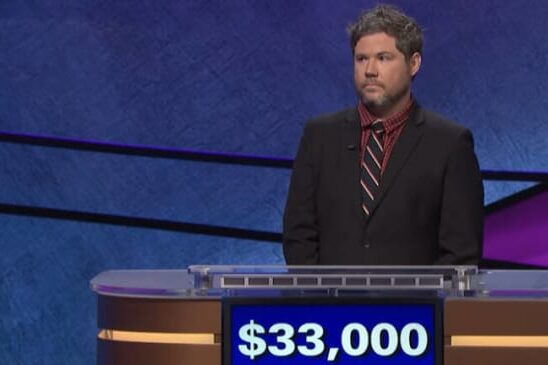
Austin Rogers brought humor and personality to Jeopardy!, pairing deep knowledge with theatrical confidence. His run was memorable not just for his answers, but for how comfortable he seemed under pressure. When he reached a crucial Final Jeopardy, expectations were high that he would calculate his wager perfectly. Instead, the numbers worked against him. His bet did not align cleanly with the scores on the board, leaving him vulnerable even with a correct response. The mistake was subtle, but decisive.
Rogers later acknowledged that excitement played a role in his decision. The moment mattered because it showed how easy it is to overlook math when momentum feels strong. His near win resonated with viewers who saw themselves in that misstep. Knowing the answer was not enough. The structure of the game demanded precision beyond trivia. His loss remains a reminder that enthusiasm must still make room for calculation, especially when the finish line is close.
12. Emma Boettcher on Jeopardy!
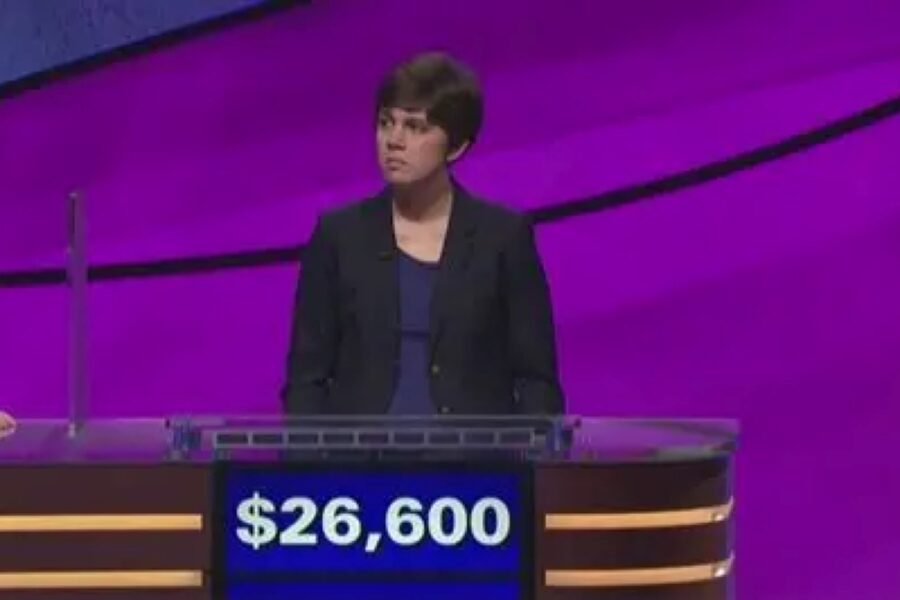
Emma Boettcher walked onto the Jeopardy! stage in 2019 facing a situation few contestants ever encounter. She was matched against James Holzhauer during the height of his dominant run, when many viewers assumed each game was already decided before it began. Boettcher played calmly from the start, refusing to chase his pace or copy his strategy outright. Instead, she picked her moments carefully, stayed aggressive when it mattered, and entered Final Jeopardy with a narrow but real chance to win. When the final clue was revealed, she answered correctly and wagered just enough to overtake Holzhauer.
What made this moment linger was not just that she won, but how close it felt to slipping away. A slightly different wager or a second of hesitation would have changed the outcome entirely. Boettcher later explained that she focused on playing her own game rather than reacting to the pressure in the room. Viewers connected with her performance because it showed that preparation and calm decision making can disrupt even the strongest momentum. Her near win turned into an actual victory, but the margin was thin enough to remind audiences how fragile success can be on that stage.


