
1. Ellen Degeneres Resurface
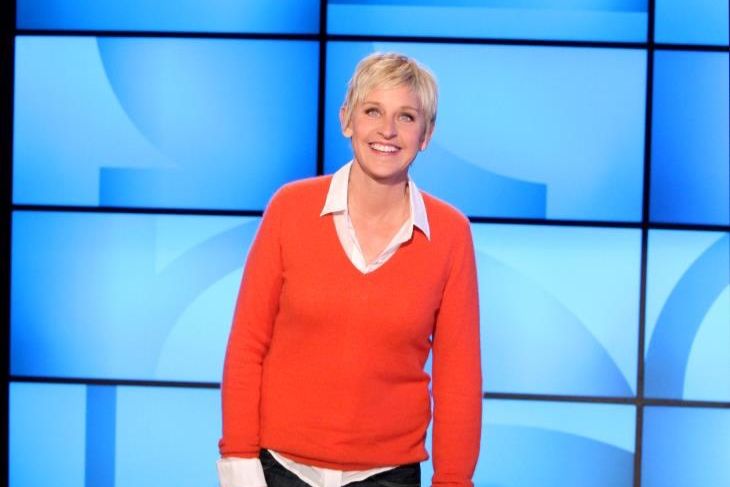
For over a decade, Ellen DeGeneres was the golden standard of daytime television, known for her “be kind” mantra and lighthearted humor. However, the atmosphere shifted significantly between 2024 and 2025 as social media users began digging into her past political associations. Many viewers grew frustrated after photos and clips of her interacting warmly with conservative politicians resurfaced. While these moments weren’t exactly breaking news, the increasingly polarized climate of the mid-2020s made her refusal to take a hard political stance feel like a betrayal to some. To her critics, silence or neutrality in a heated social landscape is often interpreted as a lack of conviction, leading to a wave of online disappointment.
For those who once viewed Ellen as a pioneer for LGBTQ+ rights, this perceived shift felt deeply personal. Many fans remembered her 1997 “coming out” episode as a courageous turning point in television history, and seeing her associated with figures who hold opposing views created a sense of ideological friction. The backlash wasn’t always based on new policies she supported, but rather on how her private friendships contrasted with her public image. In an era where celebrities are expected to be transparent about their values, Ellen’s attempt to remain “everyone’s friend” ended up alienating a portion of the audience that demands clear-cut social advocacy from its icons.
2. Minneapolis Protest and ICE Controversy

One of the most intense flashpoints for Ellen DeGeneres in early 2026 involves her public stance on the unrest in Minneapolis. Following the fatal shooting of Renee Good by ICE agents in January 2026, and a subsequent incident involving Alex Pretti, Minneapolis became the center of a heated national debate. Ellen, who filmed her 2024 Netflix special For Your Approval in the city, took to social media to express her heartbreak, calling it the “happiest city in America.” While she voiced support for those “protesting peacefully,” her comments immediately sparked a firestorm of scrutiny from multiple sides of the political aisle.
For many critics, her message felt contradictory and privileged, especially since she had recently confirmed her permanent relocation to the English countryside. Online commenters were quick to point out the irony of her commenting on American law enforcement and civil unrest while living thousands of miles away in a luxury estate. Supporters of the ICE operations argued she was “politicizing a tragedy,” while activists on the ground felt her “peaceful protest” rhetoric minimized the severity of the situation. This specific moment has become a case study in the difficulty of “long-distance advocacy,” where a celebrity’s attempt to show empathy can be dismissed as out of touch if they aren’t physically present to experience the tension they are commenting on.
3. Tone Deaf Humor Claims
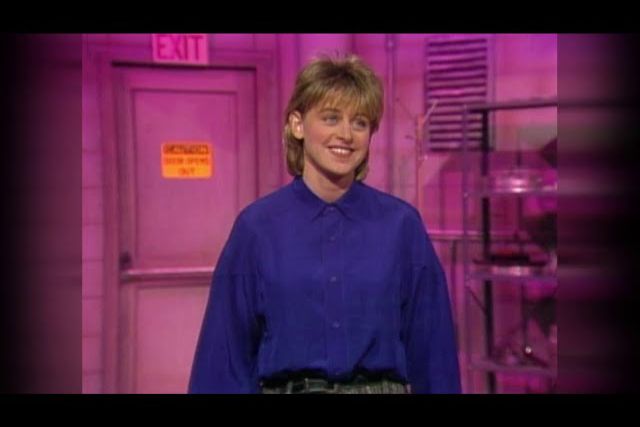
Comedy is subjective, but Ellen DeGeneres has recently found that the jokes that made her a household name in the early 2000s don’t always hold up under the social scrutiny of 2026. Critics and former viewers have begun revisiting older clips of her show, pointing out instances where her humor appeared to lean on the discomfort of her guests or staff. What was once seen as “edgy” or “cheeky” is now frequently labeled as “mean-spirited” or “dismissive” by a more socially conscious generation. This re-evaluation has put Ellen in a difficult position, as she is forced to answer for a comedic style that the world has largely outgrown.
For many of her longtime fans, the feeling isn’t necessarily one of anger, but rather one of profound disappointment. They argue that while the world evolved to be more sensitive to power dynamics and workplace behavior, Ellen’s comedic instincts stayed rooted in an older era of television. This disconnect has led to claims that her humor is “tone-deaf,” especially when it involves people who aren’t in a position to fight back. As comedy continues to shift toward a more inclusive and empathetic standard, Ellen serves as a case study for how difficult it is for legendary performers to reinvent themselves without losing the spark that originally made them famous.
4. Moving To The UK

In 2025, news broke that Ellen DeGeneres and her wife, Portia de Rossi, had officially relocated to a stunning estate in the English countryside. While celebrities move all the time, this particular relocation was framed by the media as a “strategic retreat” from the relentless scrutiny of the American press. Critics were quick to point out that moving to the Cotswolds allowed her to escape the workplace scandals and public criticism that had hounded her in the U.S. since 2020. To some, the move looked less like a peaceful retirement and more like an admission that her brand had become too damaged to sustain in Hollywood.
However, supporters of the couple view the move in a much more sympathetic light. After decades in the spotlight and several years of intense public “cancellation” efforts, they argue that anyone would want to seek peace in a different environment. The lush, quiet hills of the UK represent a fresh start away from the 24-hour news cycle of Los Angeles. Regardless of her intentions, the move has reinforced the narrative that Ellen is stepping away from the public conversation entirely. By choosing a life of rural privacy over a high-profile comeback attempt in the States, she has signaled a major shift in her priorities as she enters this next chapter of her life.
5. Celebrity Bubble Criticism
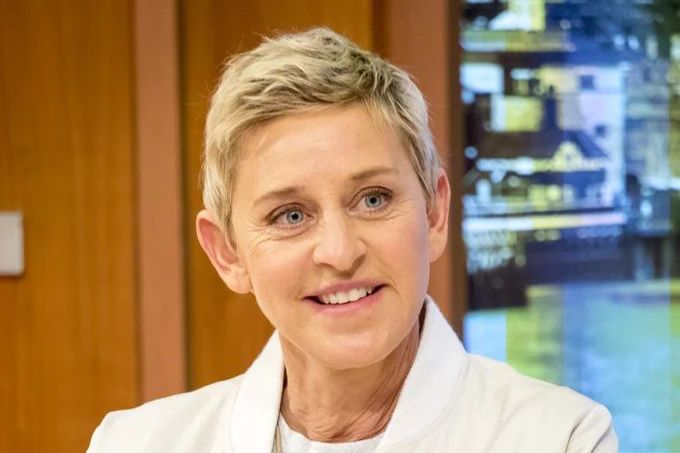
A recurring theme in the ongoing criticism of Ellen is the idea that she lives in an impenetrable “celebrity bubble.” This argument suggests that her massive wealth and high social status have insulated her from the economic and social struggles that the average American faces daily. Especially during and after the global pandemic, when income inequality became a central topic of conversation, Ellen’s lifestyle began to look more like a barrier than an inspiration. Critics argue that her advice and comments often feel hollow because they come from a place of immense privilege that most of her viewers could never hope to achieve.
This perception of being “out of touch” has become a major hurdle for her brand. In the past, fans looked at celebrity mansions and private jets with a sense of wonder and aspiration. Today, that same luxury is often viewed through a lens of skepticism. When Ellen tries to connect with her audience on a human level, it can sometimes feel disingenuous to those who are struggling with rising costs of living and job instability. This gap between the “relatable” host and the “ultra-wealthy” mogul is a primary driver of the backlash, proving that relatability is now a much more valuable currency in show business than traditional star power.
6. Past Apologies Revisited
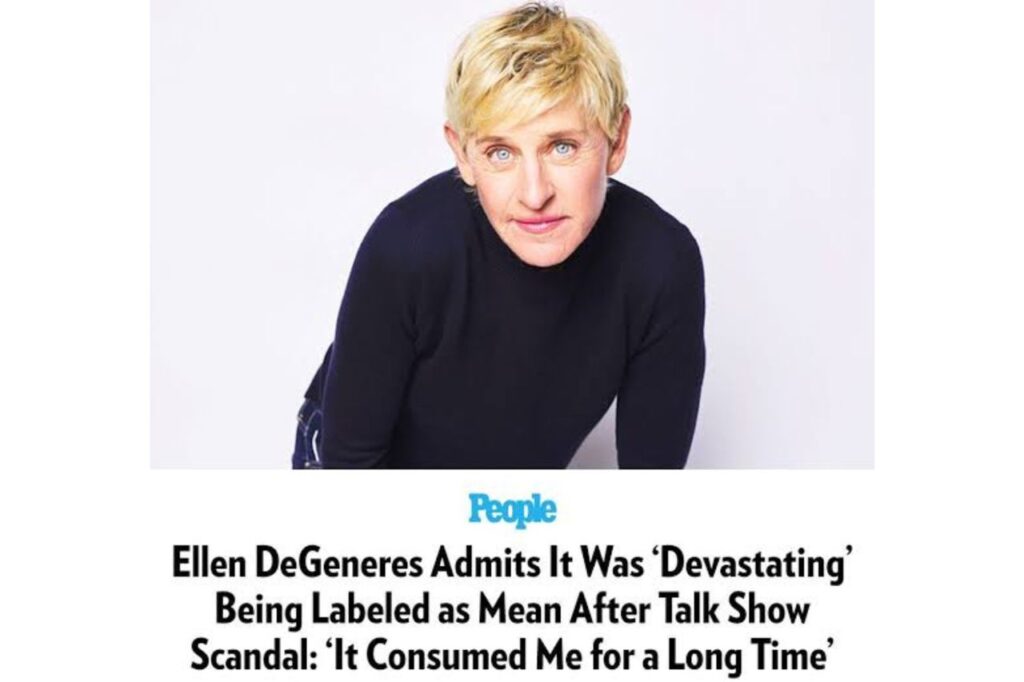
Even though Ellen officially apologized for the “toxic workplace” allegations during the final seasons of her talk show in 2020 and 2021, the public isn’t quite ready to let it go. In recent social media discussions, these apologies are often dissected and criticized for being “overly managed” by PR teams. Many former employees and viewers feel that the apologies focused more on her personal hurt than on the systemic issues within her production company. This ongoing skepticism shows that in the modern era, a single televised statement is rarely enough to fully repair a reputation; the public now demands long-term, visible change.
The reason these past apologies keep coming back up is due to a broader societal demand for accountability. We live in an age where “sorry” is just the beginning of the conversation, not the end. Critics often point to her recent Netflix special, For Your Approval, as evidence that she is still framing herself as the victim of a “mean” label rather than fully owning the mistakes made under her leadership. This cycle of apology and backlash suggests a fundamental disagreement between Ellen and her critics about what true accountability looks like. Until there is a sense of genuine resolution, these past controversies will likely continue to haunt her public appearances.
7. Social Media Amplification
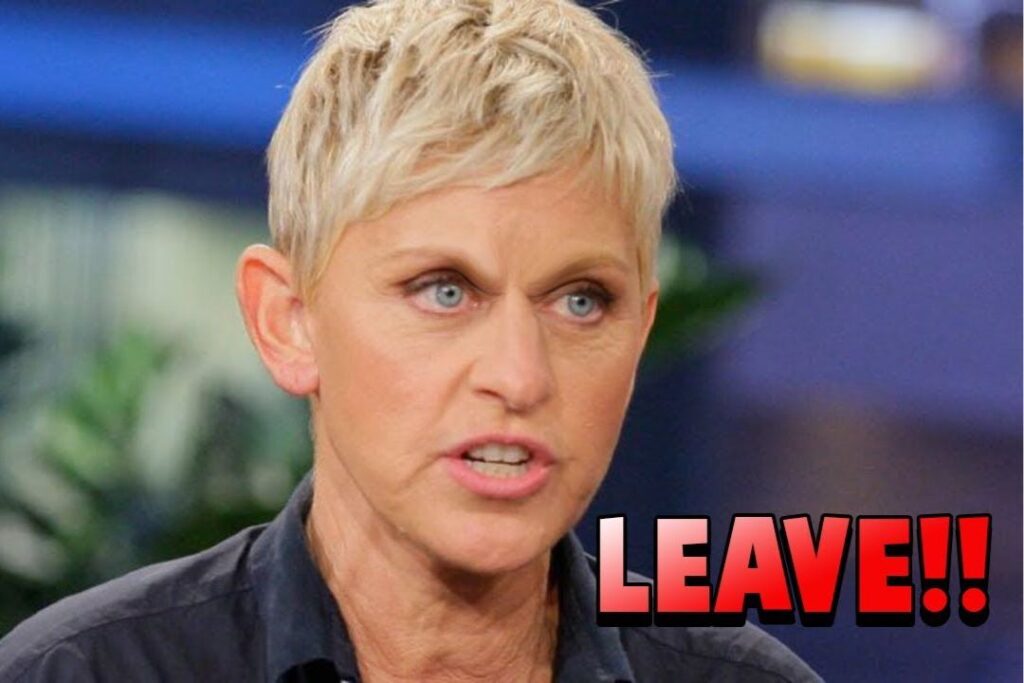
The speed at which backlash spreads today is largely due to the “echo chamber” effect of social media. A five-second clip of Ellen looking “unfriendly” or a short snippet of an old joke can be shared millions of times in a matter of hours, often without any of the original context. Algorithms are designed to prioritize content that sparks strong emotions, especially outrage, which makes a famous figure like Ellen an easy target. Because her face is so recognizable, she often becomes the face of broader frustrations about celebrity culture, even when she hasn’t recently done anything specifically offensive or newsworthy.
This digital environment makes it almost impossible for a public figure to move past a scandal. On platforms like TikTok and X, the “past” is always present, as users can resurface decade-old footage at the touch of a button. This creates a situation where a celebrity is constantly being judged by their worst moments rather than the totality of their career. For Ellen, this means that even if she stays quiet and moves to another country, the internet’s collective memory keeps her controversies alive. It highlights the reality that in 2026, a reputation is no longer something you own, it’s something that is constantly being co-authored by the public online.
8. Changing Audience Expectations
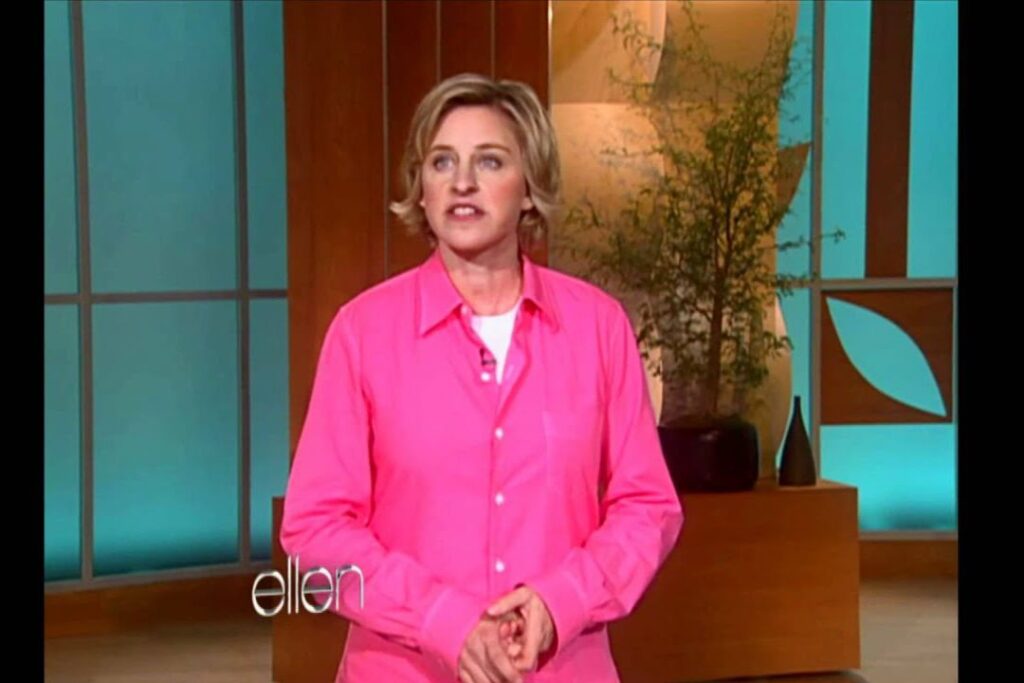
When The Ellen DeGeneres Show first premiered in 2003, the world was a very different place. At that time, audiences mainly wanted daytime hosts to provide light entertainment, celebrity interviews, and a bit of dancing. However, over the last two decades, audience expectations have undergone a massive transformation. Today’s viewers expect their favorite stars to be socially aware, politically active, and morally consistent. The shift from “entertainer” to “moral leader” is a difficult transition that many stars of Ellen’s generation have struggled to navigate, leading to the friction we see in the headlines today.
The backlash Ellen faces is, in many ways, a reflection of this cultural evolution. What was acceptable, or even celebrated, in 2010 can be grounds for “cancellation” in 2026. This isn’t necessarily because Ellen changed, but because the moral yardstick used by the public did. Younger viewers, in particular, have little patience for the “neutral” stance that was once the industry standard for daytime TV. To them, Ellen represents an older version of Hollywood that feels increasingly disconnected from the values of transparency and social justice that define the current era. Her struggle is a perfect example of the “generational gap” in media consumption.
9. Silence As Strategy

Since the conclusion of her long-running talk show, Ellen has largely chosen to stay out of the limelight, rarely giving interviews or responding directly to the latest rounds of criticism. For some, this silence is a sign of grace and maturity, a way of saying that she has said her piece and is moving on with her life. They argue that engaging with every online rumor only gives the “haters” more fuel. By choosing a quiet life, she is effectively refusing to participate in the “outrage economy” that thrives on celebrity conflict and public back-and-forth arguments.
On the other hand, critics view her silence as a form of avoidance or even indifference. In a media landscape that rewards “radical transparency” and “vulnerability,” staying quiet can be interpreted as having something to hide. Some argue that by not addressing the newer allegations or the “tone-deaf” claims directly, she is allowing the negative narrative to grow unchecked. This creates a “no-win” situation: if she speaks, she risks saying the wrong thing; if she stays silent, she is accused of not caring. This tension defines her current public standing and leaves the question of “fairness” up to the individual viewer’s perspective.
10. Kindness Brand Questioned
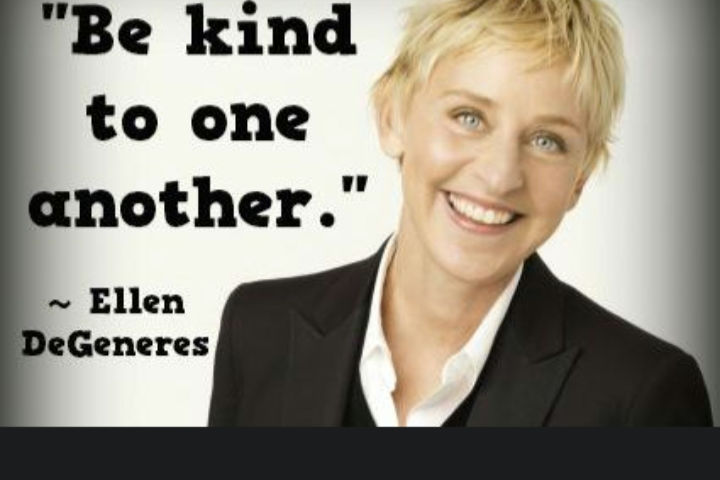
For decades, Ellen DeGeneres built an empire on the simple slogan “Be Kind.” By 2026, this phrase has become a double-edged sword, serving as a reminder of the massive gap between her televised persona and the reality of her production office. The backlash intensified after a 2020 BuzzFeed News report detailed a culture of fear, and by early 2026, media critics are still using her as a primary example of “brand hypocrisy.” When a celebrity makes a specific moral virtue their entire identity, the public’s reaction to any perceived mistake is often far more severe than it would be for a typical entertainer.
The enduring frustration stems from a sense of emotional betrayal among her most loyal fans. To many, “Be Kind” wasn’t just a sign-off at the end of a show; it was a promise of a safe, ethical workspace that the 2020 investigation suggested did not exist. As Ellen attempted to pivot in 2025 and 2026 with new ventures, including a skincare line and her final comedy special, she found that the public was no longer willing to take her branding at face value. This skepticism highlights a major shift in consumer behavior where “kindness” is now viewed as a marketing tactic rather than a personality trait.
11. Cancel Culture Fatigue
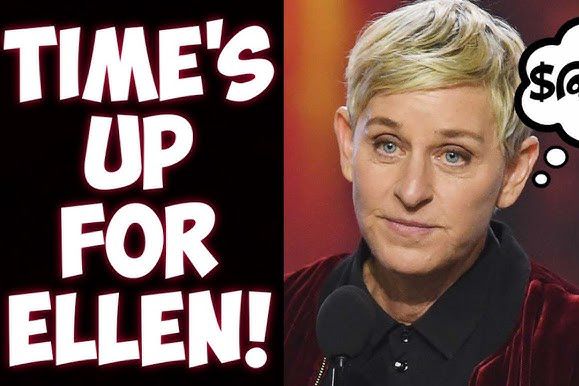
By 2026, a new perspective has emerged in the conversation surrounding Ellen: “cancel culture fatigue.” While the initial 2020 allegations of a toxic workplace led to a loss of over a million viewers and a $25 million revenue drop for the network, many modern observers feel the punishment has become endless. Commentators are increasingly questioning whether it is productive to continue scrutinizing a star who has already ended her show and effectively retired from the American spotlight. This shift reflects a growing societal exhaustion with long-term “internet trials” that seem to offer no path toward redemption.
For Ellen’s remaining audience, the constant rehashing of her past feels less like accountability and more like a repetitive cycle of digital noise. They argue that she has already faced significant consequences, including being labeled “the most hated person in America” in various 2024 interviews. As she moved to the UK in late 2024, the debate shifted toward whether the public should allow former icons to age out of the conversation gracefully. The case of Ellen DeGeneres has thus become a central point in the 2026 debate over how we define the end of a “cancellation” and when a public figure has officially “served their time.”
12. Generational Disconnect

The backlash against Ellen often reveals a deep generational divide in how audiences view celebrity behavior. Younger viewers, particularly Gen Z and Millennials, were raised in a media environment that prioritizes social activism and flat hierarchies. To them, the “diva” behavior often attributed to Ellen in viral 2024 and 2025 social media threads isn’t just a personality quirk, it’s a systemic failure. They view her comedic style, which sometimes relied on poking fun at guests’ expense, through a modern lens that values vulnerability and mutual respect over traditional Hollywood power dynamics.
In contrast, older viewers who grew up with Ellen’s 1990s sitcom and early talk show years often view the recent criticism as overly sensitive. They remember her as a pioneer who risked her entire career by coming out as gay on national television in 1997, a time when such a move was considered professional suicide. To this demographic, her contributions to LGBTQ+ visibility outweigh the workplace controversies of her later years. This disconnect shows that Ellen is being judged by two completely different sets of cultural rules, depending on when the viewer first started watching her.
13. Supporters Push Back
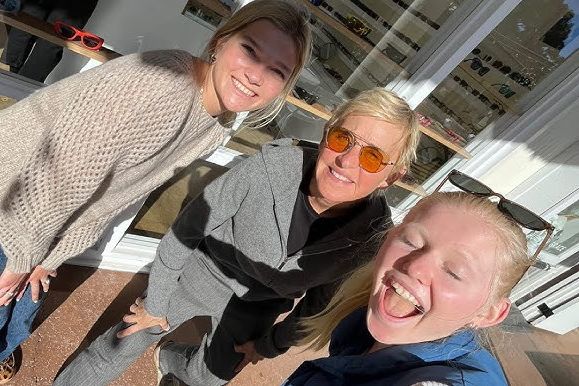
Despite the waves of negative press, a vocal group of supporters continues to defend Ellen DeGeneres in 2026. These fans argue that the media has unfairly ignored her massive philanthropic efforts, which include raising over $50 million for various charities during her 19-year talk show run. They point to her 2024 Netflix special, For Your Approval, as a moment of honest reflection where she admitted to being a complex, flawed human being rather than a perfect “kindness” robot. For these supporters, the backlash feels like a coordinated effort to tear down a woman who broke significant barriers in a male-dominated industry.
These defenders often highlight a perceived double standard in how female leaders are treated compared to their male counterparts in entertainment. They argue that many male late-night hosts have faced similar rumors of difficult personalities without seeing their careers collapse. By 2026, this “push back” has become a significant part of the narrative, framing Ellen as a victim of a culture that is uniquely harsh toward powerful women. For them, the story isn’t about a “toxic host,” but about a trailblazer who was eventually crushed by the very high standards she helped create.
14. Fairness Versus Projection
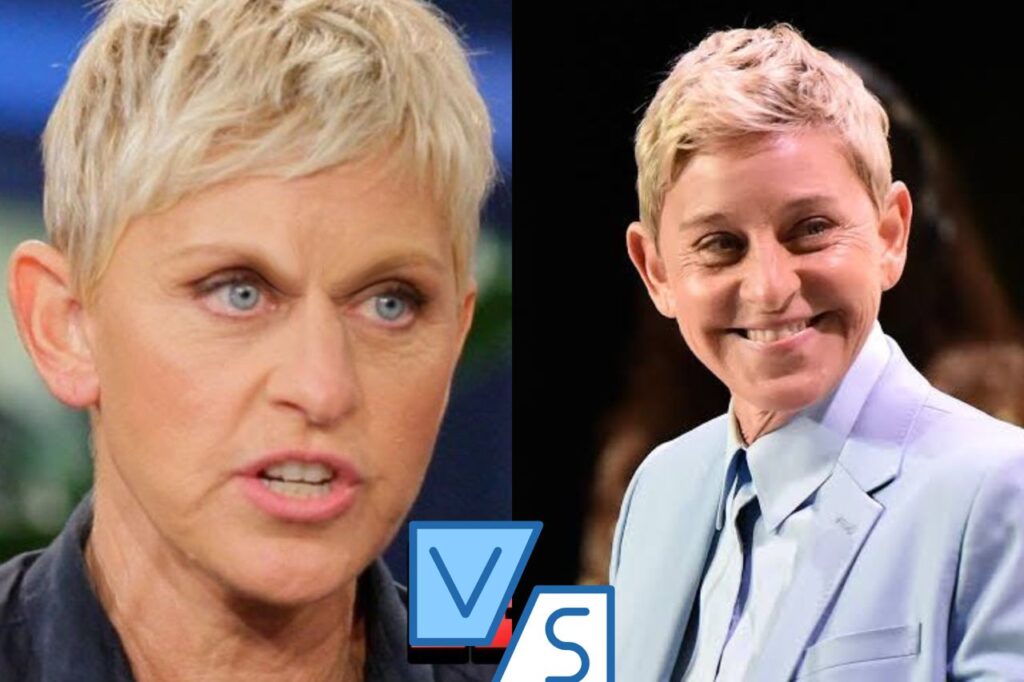
At the heart of the 2026 debate is whether the criticism of Ellen is based on her actual actions or on what she represents to a frustrated public. Over the years, she has become a “canvas” onto which people project their anger about wealth inequality, celebrity privilege, and corporate culture. While the 2020 workplace investigation provided factual ground for criticism, the subsequent waves of backlash, including the 2026 Minneapolis comments, often feel more like a general protest against the concept of the “untouchable superstar.” This makes it difficult to determine if the current level of scrutiny is actually “fair.”
This phenomenon of “projection” means that Ellen is no longer just a person; she is a symbol of a bygone era of Hollywood that many people want to move past. When she speaks, audiences don’t just hear her words, they hear the accumulated history of her wealth, her “be kind” branding, and her celebrity friendships. In this climate, any statement she makes is filtered through a lens of deep-seated skepticism. This makes the question of fairness almost impossible to answer, as the public is no longer judging her for specific incidents, but for her entire existence as a high-profile elite in a skeptical world.
Like this story? Add your thoughts in the comments, thank you.


