
1. A Childhood Lived on Camera

Before the controversies, before the talk shows, Danny Bonaduce was simply a working child actor doing what adults around him asked. Growing up on The Partridge Family placed him inside millions of homes at an age when most kids are still figuring out who they are. Fame did not arrive as a dream fulfilled. It arrived as a routine. Long hours, rehearsals, and expectations became normal, even though the emotional tools to process them were not there yet. Danny has often reflected that he did not feel special at the time, only busy. That early normalizing of attention would later complicate how he understood love, approval, and self worth.
As the show grew more popular, so did the attention surrounding him. Adults praised him constantly, strangers recognized him everywhere, and his identity became wrapped tightly around a character written by someone else. Childhood became performance. When applause becomes routine, silence can feel like failure later on. This foundation matters because it shaped how Danny responded to loss, rejection, and adulthood itself. His story begins here, not with mistakes, but with a childhood that never quite belonged to him.
2. Trapped in a Role He Outgrew

When The Partridge Family ended, Danny Bonaduce did not step into a new chapter so much as fall into an empty space. The industry that once relied on him no longer knew where to place him. Casting directors saw the image of a child they remembered, not the adult standing in front of them. That disconnect became frustrating and demoralizing. Danny has spoken about how strange it felt to be recognized everywhere while feeling professionally invisible at the same time.
Living with a frozen public image made growth difficult. People expected him to stay familiar, cheerful, and harmless, even as he matured into someone more complicated. That pressure created resentment. When reinvention feels blocked, rebellion often follows. This stage of his life was marked less by failure and more by being misunderstood. He was no longer the kid audiences wanted, yet not fully accepted as an adult either. That in between space is uncomfortable for anyone, especially someone who grew up being watched. It planted a quiet anger that later showed itself in destructive ways, even though the root was simply a desire to be seen honestly.
3. Losing Structure After Early Success
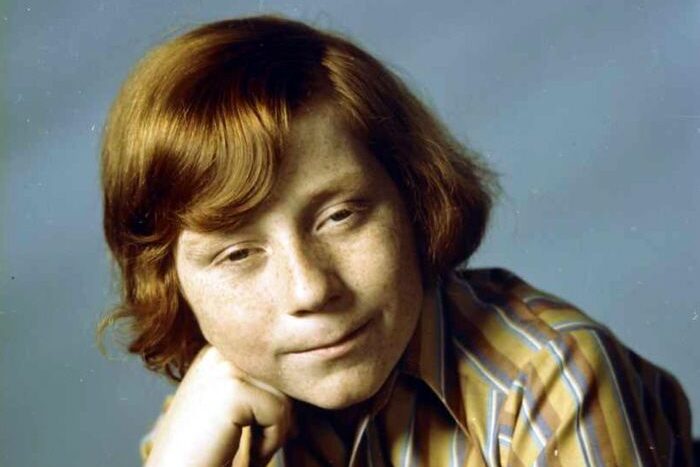
Work had always given Danny Bonaduce structure. From childhood onward, his days were scheduled, supervised, and guided by others. When that disappeared, so did a sense of direction. Sudden freedom sounds appealing, but without guidance it can feel like abandonment. Danny has described this period as confusing rather than exciting. There was no clear next step, no mentor, and no safety net built for emotional development.
Without routine, he struggled to regulate his choices. The discipline of work had masked deeper issues that surfaced once the structure was gone. This is a common pattern for people who achieve early success. When achievement comes before self understanding, the loss of it can feel destabilizing. For Danny, the absence of structure left room for impulsive decisions and risky behavior. He was not spiraling for attention alone. He was reacting to the sudden absence of boundaries. This phase did not happen overnight, and it did not define him forever, but it set in motion challenges that would shape the next decades of his life.
4. When Coping Turned Into Addiction

As the years passed, Danny Bonaduce began relying on substances as a way to cope with unresolved emotions. Addiction did not arrive dramatically. It crept in gradually, filling the quiet spaces left by career uncertainty and personal frustration. Danny has never softened his description of this period. He has openly called himself an addict and acknowledged the damage it caused.
What made this phase especially painful was how publicly it played out. Mistakes became headlines. Private struggles became entertainment. Yet behind the scenes, the pattern was familiar to many people dealing with untreated emotional pain. Substances offered temporary relief from confusion and self doubt. They also magnified existing problems. This chapter of his life is not included to sensationalize it, but to understand it. Addiction was not a personality trait. It was a response to years of instability and unresolved pressure. Recognizing that does not excuse harmful behavior, but it explains how someone who started out as a working child actor ended up fighting for control in adulthood.
5. Becoming Known for the Wrong Reasons

By his thirties, Danny Bonaduce was often discussed more for his behavior than his work. Media appearances leaned into unpredictability, and audiences began to expect chaos. Over time, this expectation hardened into a reputation that followed him everywhere. Danny later acknowledged how isolating it felt to realize people seemed more interested in his failures than his progress.
This period created a feedback loop. When someone is expected to mess up, accountability can feel pointless. Growth becomes invisible, while mistakes feel inevitable. Danny has spoken about recognizing this pattern and feeling trapped inside it. He was still making poor choices, but he was also aware that the public narrative had little room for nuance. This realization did not immediately change his behavior, but it planted awareness. Understanding that he was being reduced to a caricature forced him to confront whether he wanted to continue living up to it. That internal conflict marked the beginning of a quieter shift, even if it took time to fully emerge.
6. Finding His Voice on the Radio

Radio became an unexpected turning point in Danny Bonaduce’s life. Unlike television, it removed the visual expectations that had followed him since childhood. Behind a microphone, he was judged by what he said rather than how he looked or what he represented. This shift allowed him to reconnect with humor and storytelling in a more grounded way.
The structure of daily radio work also reintroduced routine. Showing up consistently mattered. Listening mattered. Over time, Danny began to build trust with listeners by being candid without being performative. He spoke openly about his past without turning it into spectacle. This period offered stability that had been missing for years. It did not erase earlier mistakes, but it provided space to rebuild confidence through consistency rather than chaos. Radio did not save him overnight, but it gave him a place where growth could happen quietly. That mattered more than any dramatic comeback ever could.
7. Accountability Without Applause

Real change rarely comes with attention, and Danny Bonaduce’s did not. Sobriety and accountability entered his life slowly, shaped by repetition rather than declarations. He has spoken about learning to focus on daily responsibility instead of long term redemption. This mindset marked a turning point. Instead of reacting to public perception, he began paying attention to his own patterns.
Accountability meant acknowledging harm without using shame as motivation. It meant accepting consequences while continuing forward. This phase of his life was less visible, which made it more meaningful. There were no dramatic announcements, only consistent effort. For readers, this stage feels familiar. Growth often happens quietly, without witnesses. Danny’s willingness to stay present during this time shows that stability is built through patience, not reinvention. It also highlights that progress does not require applause to be real.
8. Relationships Becoming a Mirror

As Danny Bonaduce grew older, his relationships began reflecting patterns he could no longer ignore. Earlier in life, conflict felt normal, even expected, but time made repetition harder to dismiss. He started noticing how emotional instability followed him into personal connections, shaping how he showed up and how he reacted. Relationships were no longer distractions from deeper issues. They became mirrors. Through marriage, separation, and reconciliation, he began recognizing that intensity was not the same as intimacy. That realization did not arrive neatly or quickly. It arrived through discomfort.
Learning to stay present emotionally required unlearning habits built on survival rather than trust. Danny has acknowledged that showing up consistently mattered more than grand gestures. Growth meant listening without preparing a defense and responding without turning everything into a performance. Relationships became places of responsibility instead of escape. This stage of his life reflects emotional maturity earned through repetition, not revelation. It shows how love does not fix unresolved issues but exposes them. Over time, that exposure helped Danny understand himself better. The work was quiet, imperfect, and ongoing, but it marked a meaningful shift toward stability.
9. Speaking for Himself at Last

At a certain point, Danny Bonaduce stopped trying to outrun his past and chose to speak about it plainly. This shift did not come from public pressure. It came from personal fatigue. Carrying half truths and defensiveness became heavier than honesty. By addressing his life directly, he reclaimed authorship of his own story. He acknowledged mistakes without dramatizing them and spoke about growth without presenting himself as fully healed.
This approach changed how audiences responded. Without spectacle, there was room for understanding. Danny’s voice became steadier, less reactive, and more reflective. He no longer tried to control how others interpreted his past. Instead, he focused on telling it accurately. This stage highlights the power of self narration. When people stop performing their story and start owning it, the tone changes. Accountability replaces explanation. Clarity replaces defensiveness. Danny’s willingness to speak without embellishment made his experiences feel human rather than sensational. That honesty became its own form of credibility.
10. Humor That Softened With Time

Humor has always been part of Danny Bonaduce’s personality, but its role shifted as he aged. In earlier years, jokes often functioned as armor, deflecting discomfort and masking vulnerability. Over time, that sharp edge softened. Humor became less about control and more about connection. Instead of using comedy to dominate a room, he began using it to relate.
This change reflected deeper emotional growth. Laughing at himself no longer felt threatening. It felt grounding. Humor stopped being a shield against accountability and became a way to acknowledge reality without bitterness. Danny’s tone evolved from defensive to observational, from reactive to reflective. This shift made his presence feel more settled. Comedy no longer existed to distract from pain but to sit alongside it. Many people experience this change as they grow older. Humor matures when survival is no longer the goal. For Danny, this evolution signaled acceptance. He did not abandon comedy. He refined its purpose, allowing it to reflect growth rather than conceal struggle.
11. Health Changing the Pace of Life

Serious health challenges forced Danny Bonaduce to slow down in ways nothing else had managed before. Physical vulnerability demanded attention and patience, neither of which could be ignored or postponed. For someone used to intensity and motion, this pause felt unfamiliar. Health concerns reframed priorities quickly and clearly. Survival became more important than image. Recovery required listening rather than pushing forward.
This period introduced a new kind of discipline. Rest, treatment, and consistency replaced urgency. Danny began understanding that longevity depended on care rather than endurance. Health became a teacher, not an obstacle. It highlighted the cost of chaos and the value of stability. Facing physical limitations encouraged emotional reflection as well. When the body demands change, the mind often follows. This stage did not erase past habits overnight, but it created boundaries that could not be crossed. For many readers, this moment resonates deeply. Life often intervenes when resistance runs out. Danny’s response showed acceptance instead of denial, allowing growth to continue in quieter, steadier ways.
12. Redefining Success Quietly

As years passed, Danny Bonaduce’s idea of success changed in subtle but important ways. Visibility lost its urgency. Approval lost its power. Success became something internal rather than public. Waking up without dread mattered more than recognition. Consistency mattered more than momentum. This redefinition did not come from failure. It came from experience.
Letting go of old expectations created space for a calmer life. Routine became grounding rather than limiting. Small wins gained significance. Danny began valuing peace over performance, stability over excitement. This shift reflects a maturity shaped by lived consequences rather than ambition. Success stopped being something to chase and became something to maintain. Many people arrive at this realization later in life, often after discovering what achievement can cost. Danny’s evolving definition reminds readers that success is not fixed. It adapts to values. When those values change, so does fulfillment. His story shows that redefining success is not giving up. It is choosing sustainability over spectacle.


