
1. Barry Sanders Knew When to Let Go
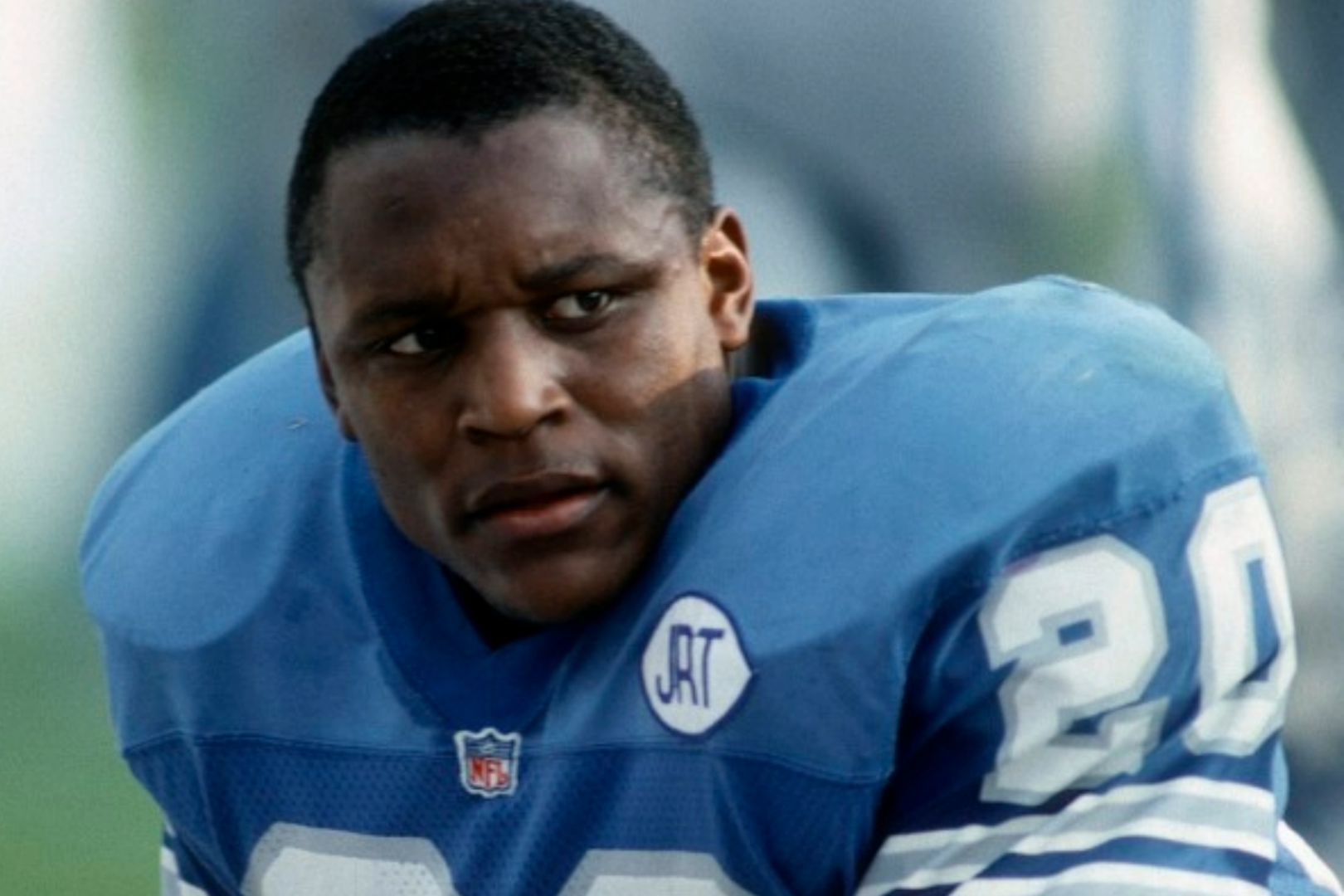
Every so often, an athlete makes a decision that quietly shifts how people think about success, and Barry Sanders did that in 1999. Still one of the most dominant running backs in the NFL, he retired from the Detroit Lions without warning, just shy of breaking the league rushing record. There was no farewell tour or dramatic speech, only a short statement and a stunned fan base. Those close to him later explained that constant losing seasons, organizational frustration, and the mental weight of the grind had drained his love for the game. Walking away was not about money. It was about choosing peace while he still could.
After football, Sanders embraced a life that felt intentionally smaller and more grounded. He focused on raising his children, supporting community efforts, and maintaining distance from constant public attention. When he does appear, it is usually for meaningful moments like Hall of Fame events or Lions anniversaries. Over time, fans stopped asking why he left and started appreciating how he left. His silence was not indifference. It was clarity. Barry Sanders showed that fulfillment does not always come from pushing longer, but from knowing when your story already feels complete.
2. Andrew Luck Stepped Away for His Own Sanity
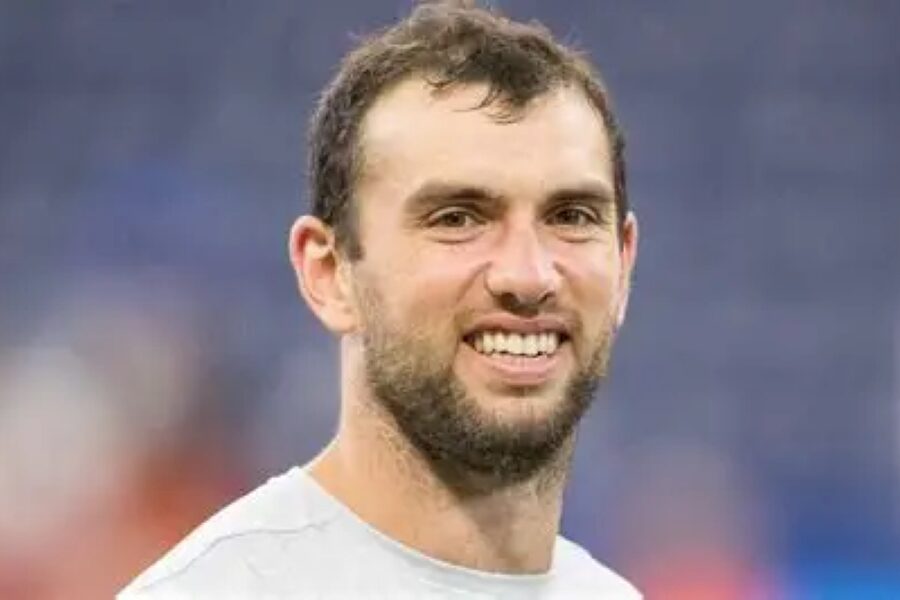
Andrew Luck’s retirement in 2019 landed like a punch to the chest for football fans who believed his best years were still ahead. At just twenty nine, he had already endured repeated injuries, surgeries, and long rehabilitation cycles that stripped away the joy of playing. In his announcement, Luck spoke honestly about feeling trapped in a cycle of pain and recovery. Football had become more about healing than competing. Walking away from a massive contract was not easy, but for him, continuing felt harder. His decision reflected a growing awareness among athletes that long term wellbeing cannot always wait.
Life after football has been intentionally quiet for Luck. He stepped out of the spotlight, spending time with family, traveling, and reconnecting with interests unrelated to sports. For a while, he avoided football altogether, allowing himself space to fully detach. Eventually, he returned in a limited administrative role, helping guide the game without risking his health. His story resonates because it mirrors the reality many people face when passion turns into obligation. Andrew Luck showed that stepping away is sometimes the only way to protect what matters most.
3. Ashleigh Barty Felt Complete and Chose Peace
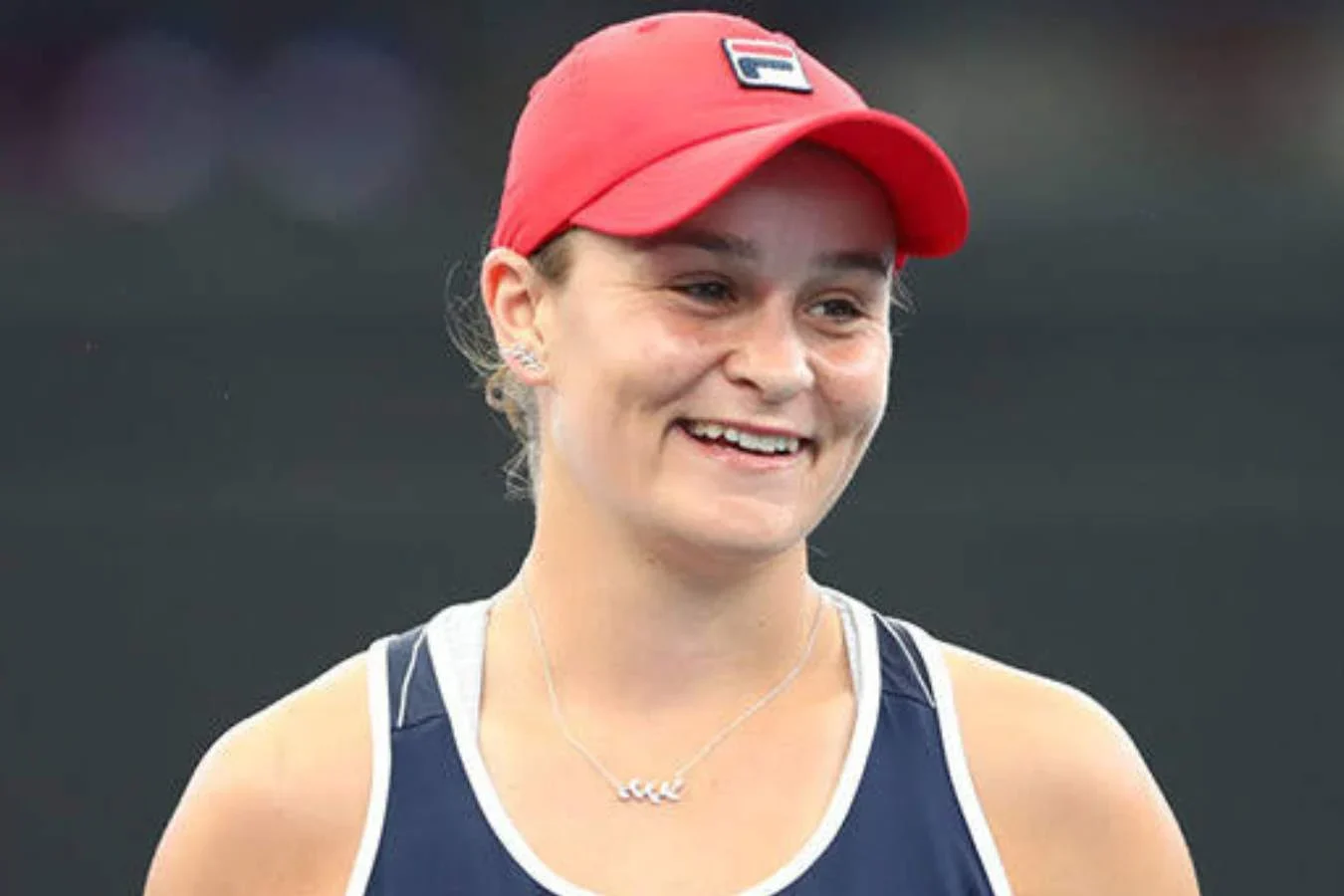
Ashleigh Barty surprised the tennis world in 2022 when she announced her retirement while still ranked number one. Unlike many exits driven by injury or decline, hers came from a sense of completion. She had won multiple Grand Slam titles and achieved everything she once dreamed of. Continuing no longer felt aligned with who she was becoming. Barty explained that the hunger was gone, and pushing forward simply because she could did not feel honest. Her decision challenged the belief that athletes must stay as long as success allows.
After stepping away, Barty returned to a quieter life in Australia, embracing family, friendships, and a slower rhythm. She explored creative projects, including writing, and stayed loosely connected to sports without pressure. Fans slowly came to admire the clarity behind her choice. There was no bitterness, no unfinished business, just a calm sense of readiness. Ashleigh Barty’s story reminds readers that fulfillment does not always come from doing more. Sometimes it comes from listening closely and choosing contentment over constant competition.
4. Bjorn Borg Burned Bright Then Walked Away
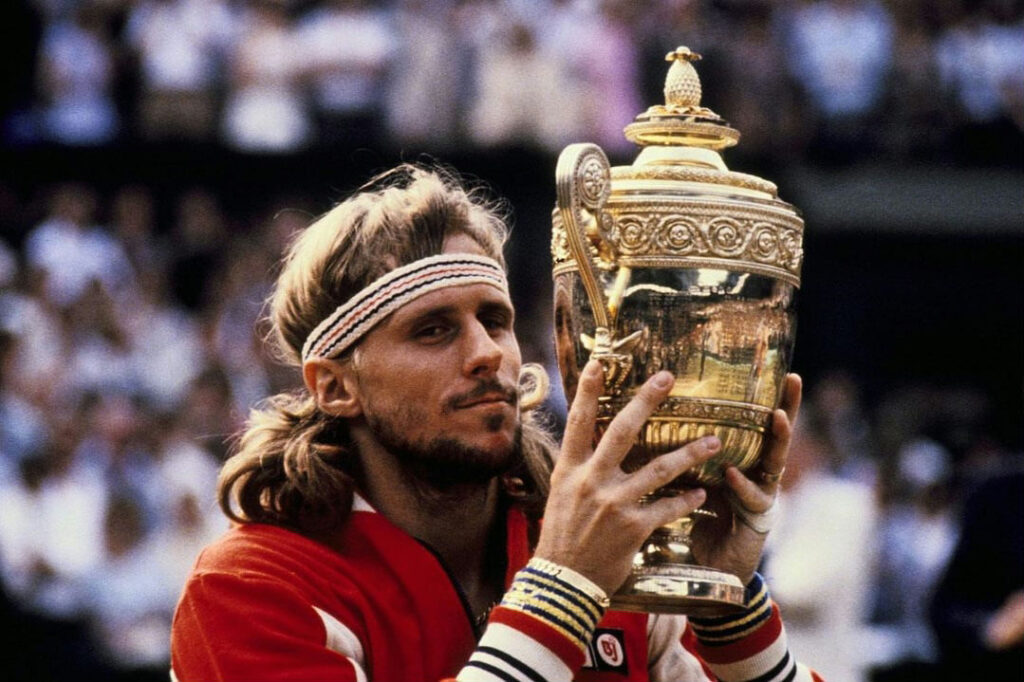
Bjorn Borg dominated tennis with an icy calm that made his early success feel effortless. By his mid twenties, he had already won multiple major titles and become one of the sport’s most recognizable figures. Yet the pressure of constant expectations, travel, and media attention began to suffocate him. At just twenty six, Borg retired, later admitting he no longer felt motivated to compete. Walking away shocked fans who expected years of dominance, but Borg needed distance from a life that had accelerated too quickly.
The years after retirement were not immediately smooth. Borg faced personal and financial struggles while adjusting to life outside professional tennis. Over time, he rebuilt stability through business ventures and mentorship roles within the sport. His relationship with tennis became healthier once competition was removed. Borg’s story adds texture to this list, showing that leaving early does not always bring instant peace. Sometimes it brings confusion first, followed by growth. His journey reflects how stepping away can eventually lead to balance and renewed purpose.
5. Justine Henin Chose Balance Over Burnout
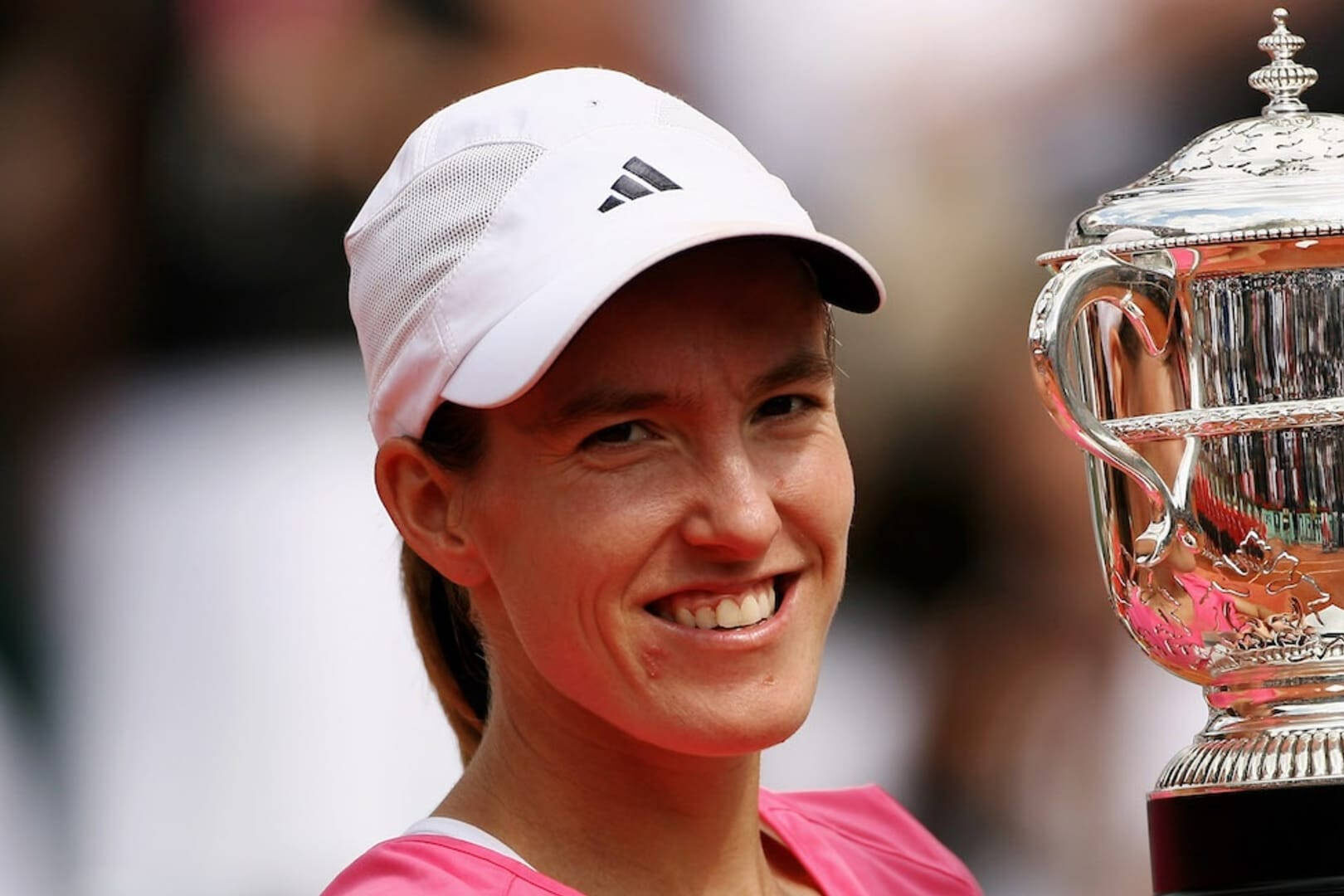
Justine Henin shocked fans in 2008 when she retired while still ranked at the top of women’s tennis. The decision came during a period of sustained success, making it difficult for outsiders to understand. Henin later shared that emotional exhaustion and constant pressure had taken their toll. Competing no longer felt healthy. Walking away allowed her to reclaim control over her time and emotional wellbeing, even though it meant leaving prestige and opportunity behind.
After retirement, Henin remained connected to tennis in quieter, more supportive ways. She worked as a commentator, mentor, and later founded her own academy to develop young players. Over time, she became a thoughtful voice on athlete wellbeing, particularly around mental and emotional strain. Her choice now feels ahead of its time, especially as more athletes speak openly about burnout. Justine Henin’s story flows naturally here, reminding readers that protecting balance is not weakness. It is often the strongest decision an athlete can make.
6. Robert Smith Trusted His Long-Term Health
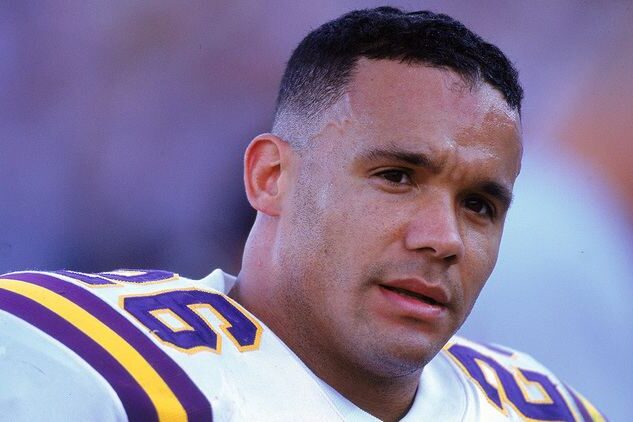
Robert Smith had just completed one of the strongest seasons of his NFL career when he made a decision few expected. At twenty eight, he retired despite still being a top running back, explaining that football’s physical toll was no longer worth the risk. Smith believed leaving early was better than sacrificing his mobility and comfort later in life. Walking away meant turning down future earnings, but it also meant preserving his health.
Since retiring, Smith has lived largely outside the public eye. He focused on family life, personal investments, and thoughtful planning beyond sports. Occasionally, he speaks about financial literacy and long term decision making for athletes. As conversations around player safety have grown, his decision has aged well. Robert Smith’s story stands as an example of foresight rather than fear. He did not wait for his body to force a decision. He made one himself, early and intentionally.
7. Jim Brown Wanted More Than Football
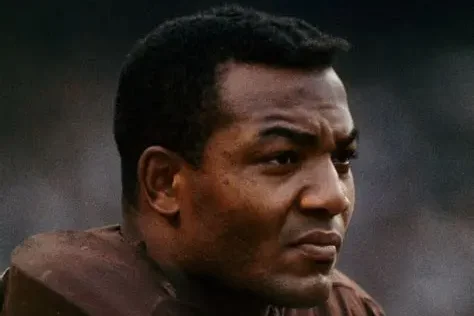
Jim Brown was still dominating the NFL when he retired in 1966, making his exit one of the earliest examples of an athlete choosing life beyond sports. At the time, football offered him fame and financial security, but Brown believed his identity stretched further. He wanted creative freedom, independence, and the ability to pursue other passions without restriction. Walking away challenged the belief that athletes should remain loyal to one path.
After football, Brown built a successful acting career and became deeply involved in social activism. He used his platform to speak on civil rights, athlete autonomy, and community development. His influence extended far beyond the field, shaping conversations that continue today. Jim Brown’s story fits seamlessly here, showing that walking away is sometimes about expansion rather than escape. He did not abandon football. He simply refused to let it define the full scope of his life.
8. Sandy Koufax Listened to His Body
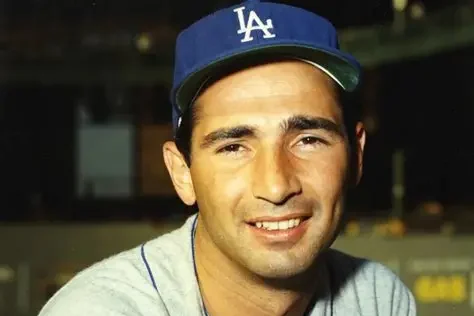
Sandy Koufax retired from baseball at thirty while still one of the most dominant pitchers in the game. Chronic elbow pain made each season a gamble, forcing him to choose between continued success and long term health. Rather than risk permanent damage, Koufax stepped away at the height of his career. It was a practical decision rooted in realism, even if it meant leaving records and accolades unfinished.
After retirement, Koufax maintained a quiet presence around the sport. He took on advisory roles and mentored younger players while avoiding unnecessary attention. His legacy grew not just because of what he achieved, but because of how he chose to protect himself. Over time, his decision became a benchmark for smart career timing. Sandy Koufax showed that listening to your body is not surrender. It is a form of respect that many only recognize in hindsight.
9. Pat Tillman Chose Service Over Stardom
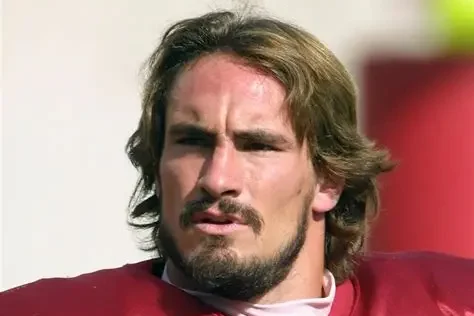
Pat Tillman walked away from professional football following the 2001 season, turning down a lucrative contract to enlist in the military. His decision was rooted in personal values rather than dissatisfaction with the sport. Tillman believed service mattered more than personal success, especially during a moment of national uncertainty. His choice stunned fans and redefined what sacrifice could look like for an athlete.
Tillman’s life after football was defined by discipline and commitment. Though his story ended tragically, his decision continues to resonate deeply. He represents a different kind of departure, one driven by principle instead of personal need. Pat Tillman’s legacy reminds readers that walking away can sometimes mean walking toward something larger than oneself. His story adds gravity to this list and reinforces that not all exits are about rest. Some are about purpose.
10. Gale Sayers Found Life After an Early Exit
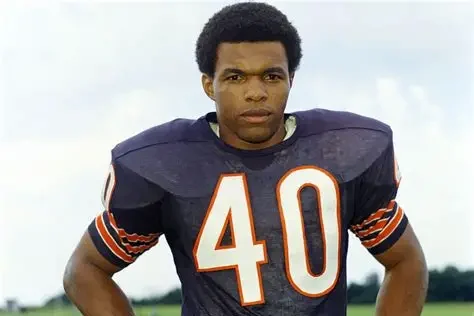
Gale Sayers’ football career was brief but unforgettable, marked by speed, grace, and explosive talent. Injuries cut his playing days short, forcing him to step away earlier than planned. While not a voluntary retirement in the traditional sense, his exit still reshaped his life dramatically. Sayers had to redefine success beyond the field, a challenge many athletes face when careers end suddenly.
After football, Sayers transitioned into business, broadcasting, and philanthropy. He remained connected to the sport while building a meaningful second chapter. Over time, he reflected on how the abrupt ending pushed him toward growth he may not have pursued otherwise. His story gently reinforces a theme running through this list, that life beyond sports can still be full and rewarding. Gale Sayers showed that even unplanned endings can open doors to purpose and fulfillment.
tepped away quietly, avoiding attention while focusing on life beyond football. He later returned in a non playing capacity, contributing through leadership and mentorship rather than physical sacrifice. His decision helped shift conversations around brain health and athlete safety. Luke Kuechly’s story resonates because it reflects maturity beyond years. Choosing health early preserved his future while leaving behind a legacy defined by intelligence, discipline, and respect for personal limits.
13. Naomi Osaka Stepped Back to Heal
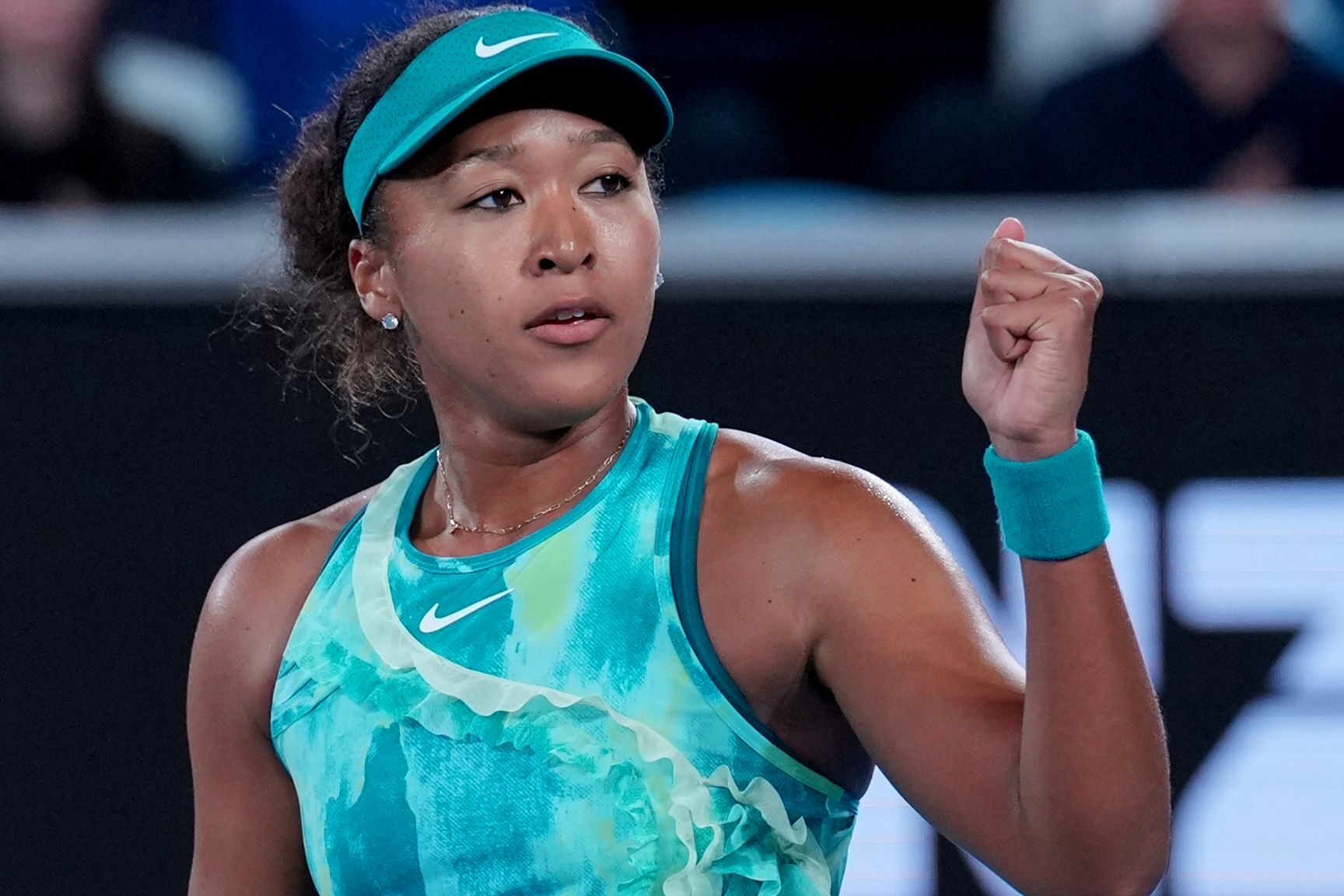
Naomi Osaka’s decision to step away from tennis during her prime sparked global conversation. The pressure of expectations, media scrutiny, and constant competition had become overwhelming. She spoke openly about mental health struggles, explaining that continuing without emotional stability felt unsustainable. Walking away was not about quitting. It was about creating space to heal and regain balance. Her honesty challenged long standing silence around mental wellbeing in elite sports.
During her time away, Osaka focused on personal growth, business ventures, and advocacy. She returned to competition selectively, setting boundaries that supported her mental health. Her openness reshaped how athletes speak about emotional strain and self care. Naomi Osaka’s story fits naturally into this list, showing that stepping back does not erase ambition. Sometimes it protects it. Choosing healing allowed her to redefine success on her own terms, without apology or explanation.
14. Nico Rosberg Left at the Very Top
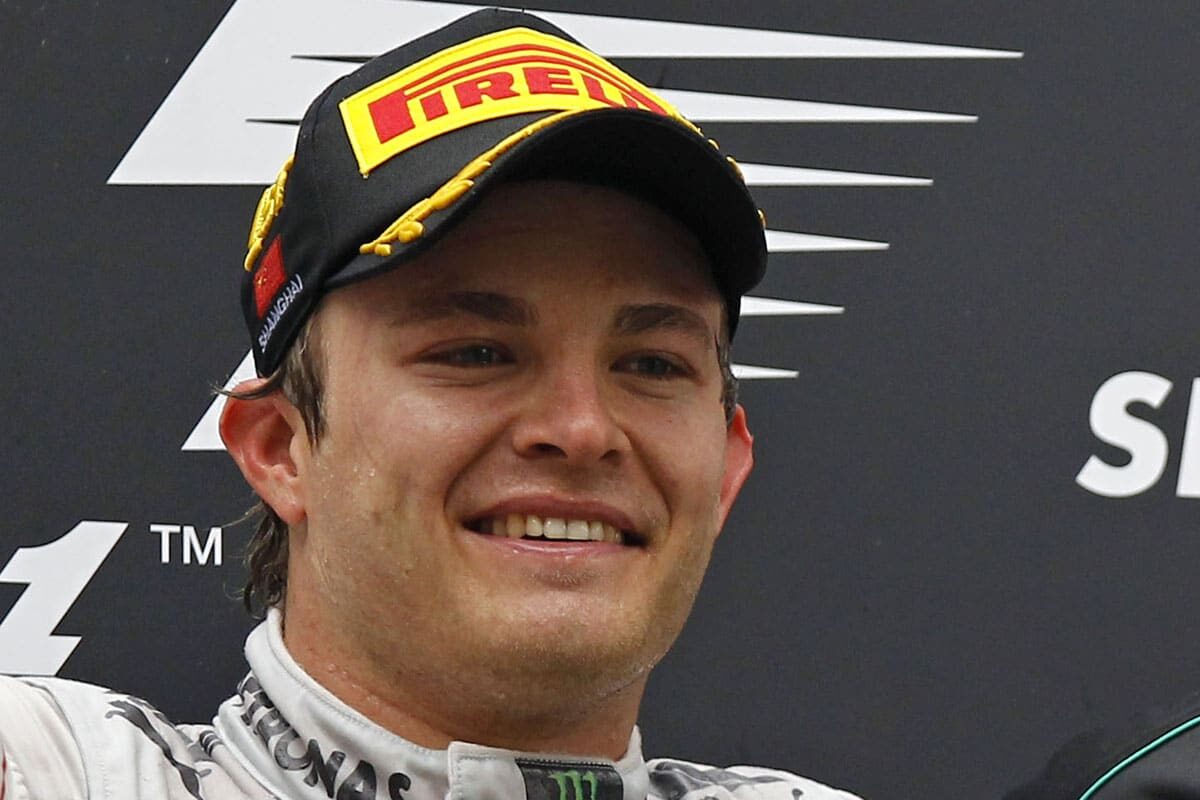
Nico Rosberg shocked the racing world when he retired just days after winning a Formula One championship. After years of intense competition, he felt complete. The physical and mental demands of the sport had consumed much of his life, and he no longer wanted to pay that price. Walking away at the peak allowed him to close that chapter without lingering doubts or unfinished goals.
After retirement, Rosberg redirected his focus toward business, sustainability, and media work. He remained connected to racing through commentary and advocacy without returning to competition. His transition reflected clarity rather than exhaustion. Nico Rosberg’s story shows how fulfillment can come from completion. Leaving at the right moment allowed him to embrace new challenges while maintaining respect for everything he had achieved on the track.
15. Serena Williams Chose Evolution Over Endurance
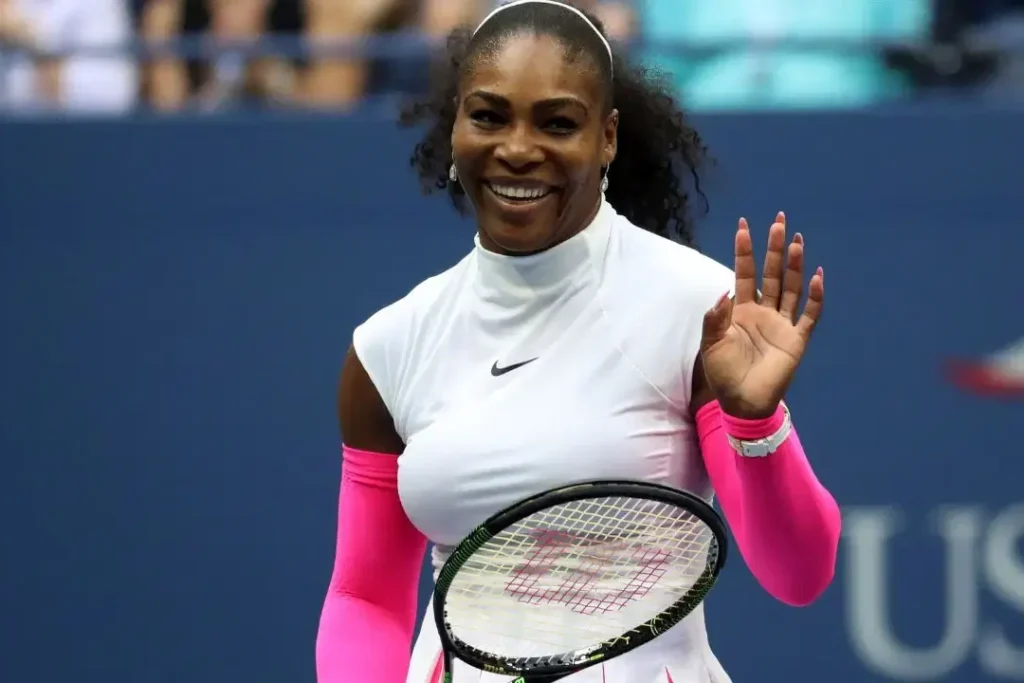
Serena Williams described her departure from tennis as an evolution rather than a retirement. After decades of dominance, her priorities began to shift toward motherhood, business, and life beyond the court. Continuing to compete no longer aligned with the future she envisioned. Walking away allowed her to redefine success without abandoning the sport that shaped her identity.
Since stepping back, Serena has focused on entrepreneurship, family life, and mentorship. Her influence remains powerful through advocacy, investment, and cultural impact. She did not fade from relevance. She redirected it. Her journey quietly ties together many themes in this list, showing that walking away is not always an ending. Sometimes it is a natural progression into a fuller, more expansive chapter of life.
16. Megan Rapinoe Stepped Away With Her Voice Intact
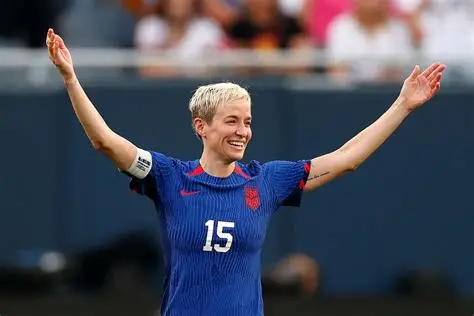
Megan Rapinoe’s decision to step away from professional soccer came after years of competing at the highest level while also carrying the weight of advocacy. Winning trophies mattered, but speaking up for equality, fair pay, and inclusion mattered just as much to her. As her career progressed, Rapinoe became more aware of how physically and emotionally demanding it was to balance elite performance with constant public responsibility. Walking away allowed her to preserve her voice and energy without diminishing her impact.
After retirement, Rapinoe remained deeply visible, just not on the pitch. She focused on activism, public speaking, and leadership roles that aligned with her values. Her presence continued to influence sports culture, often more powerfully than goals ever could. Megan Rapinoe’s story shows that leaving competition does not mean leaving relevance. Sometimes it allows purpose to grow louder, clearer, and more sustained over time.
17. Casey Stoner Wanted a Quieter Life

Casey Stoner retired from MotoGP at twenty seven, despite being one of the most talented riders of his generation. The constant pressure, travel, and scrutiny drained his enjoyment of racing. Stoner spoke openly about losing passion and feeling disconnected from the lifestyle surrounding the sport. Walking away meant choosing simplicity over continued dominance, a decision that surprised fans but felt necessary to him.
After stepping back, Stoner returned to Australia and embraced a quieter family centered life. He stayed connected to racing through testing and advisory roles, but without the intensity of full competition. Over time, his choice came to be seen as deeply self aware. Casey Stoner’s story reflects the importance of listening to personal limits. Success loses meaning when it costs peace, and he chose peace deliberately.
18. Ronda Rousey Reclaimed Her Identity

Ronda Rousey walked away from mixed martial arts after reaching global fame and facing intense scrutiny. The pressure of expectations and public reaction to losses deeply affected her sense of self. Rousey later shared that fighting no longer felt healthy for her mentally or emotionally. Leaving the sport allowed her to separate identity from outcome and begin rebuilding on her own terms.
After stepping away, Rousey explored professional wrestling, acting, and personal healing. She spoke candidly about mental health and the struggle of redefining self worth outside competition. Her transition was not seamless, but it was honest. Ronda Rousey’s story shows that walking away can be an act of survival. Choosing distance gave her space to grow into a fuller version of herself beyond fighting.
19. Ian Thorpe Needed Space to Heal
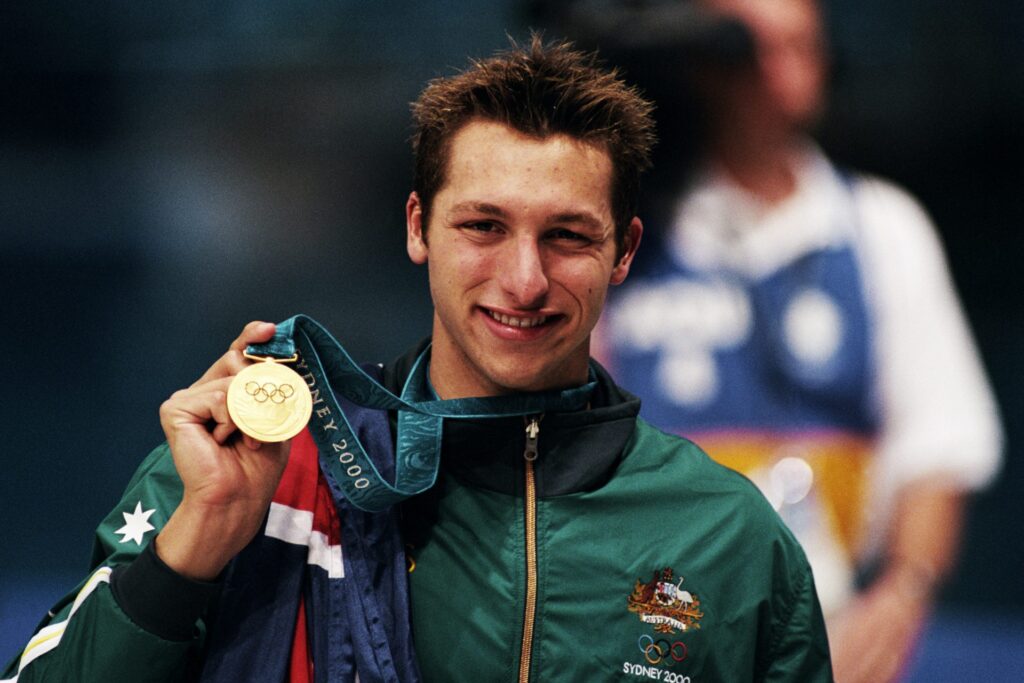
Ian Thorpe retired from competitive swimming while still young, after years of carrying national expectations. Success came early, but so did pressure. Thorpe later opened up about struggles with depression and feeling lost outside the pool. Stepping away was not about declining ability, but about needing space to understand himself beyond medals and records.
After retirement, Thorpe focused on advocacy, mental health awareness, and gradual personal recovery. He returned to public life thoughtfully, using his experience to support others facing similar struggles. His openness helped reduce stigma around mental health in sports. Ian Thorpe’s journey reinforces the idea that wellbeing must come before legacy. Walking away gave him the room to heal and redefine purpose.
20. Annika Sorenstam Felt Her Chapter Was Complete
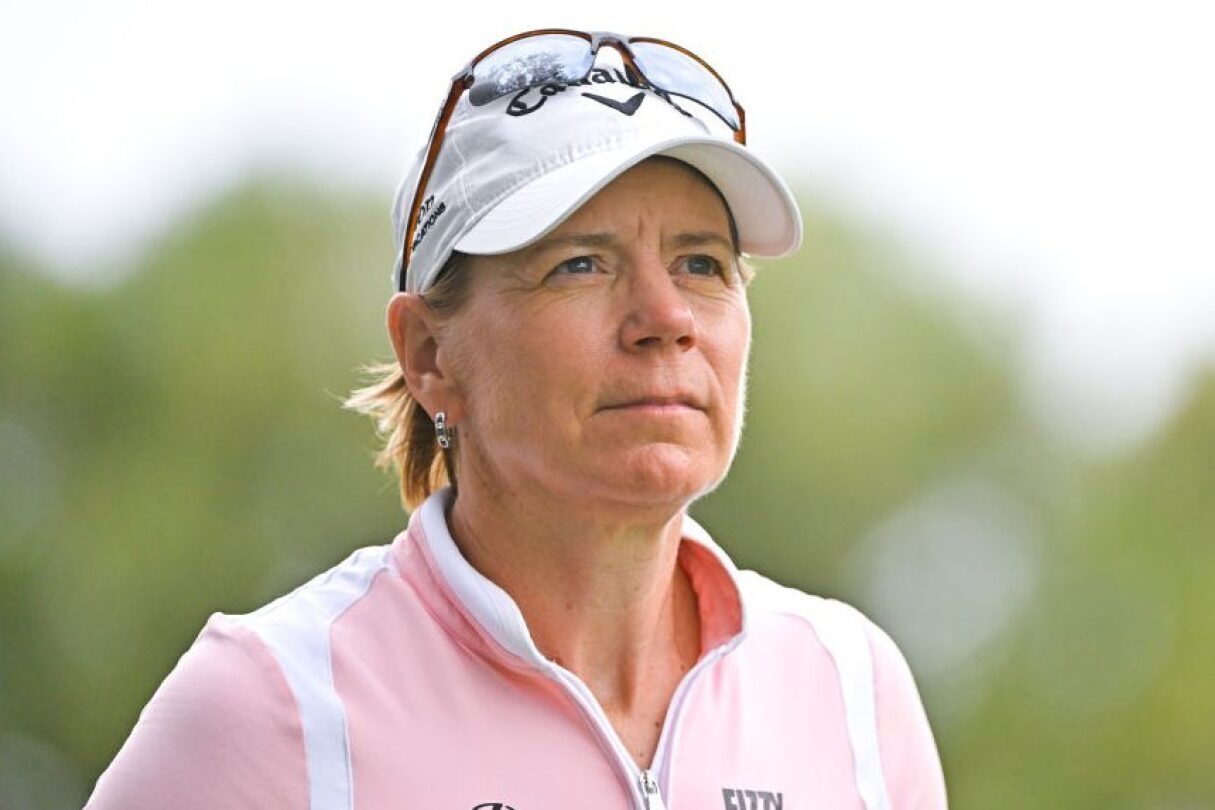
Annika Sorenstam retired from professional golf while still dominating the sport. She explained that she felt satisfied with what she had achieved and wanted more balance in her life. Continuing to compete no longer aligned with her personal goals. Walking away allowed her to leave on her own terms, without waiting for decline or burnout.
After retirement, Sorenstam focused on family, philanthropy, and growing the game through mentorship and leadership. She remained influential within golf without the pressure of competition. Her transition felt calm and deliberate. Annika Sorenstam’s story highlights the power of completion. Knowing when a chapter has reached its natural end can be just as important as knowing how to begin it.
21. Chris Borland Walked Away Before It Was Too Late
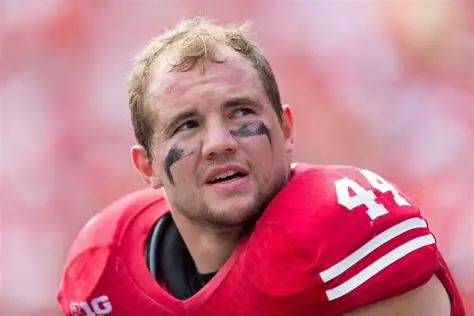
Chris Borland’s NFL career lasted just one season, yet his retirement sparked widespread discussion. Despite early success, Borland grew concerned about the long term effects of repeated head trauma. He decided that continuing football was not worth the potential cost to his future health. Walking away meant abandoning a promising and lucrative path, but he valued clarity over convention.
After leaving football, Borland pursued academic interests and advocacy around player safety. He spoke thoughtfully about informed decision making and personal responsibility. His choice challenged traditional expectations around toughness and sacrifice. Chris Borland’s story shows that courage is not always about endurance. Sometimes it is about stepping aside early, with eyes open and priorities clear.
22. Fernando Alonso Needed a Reset
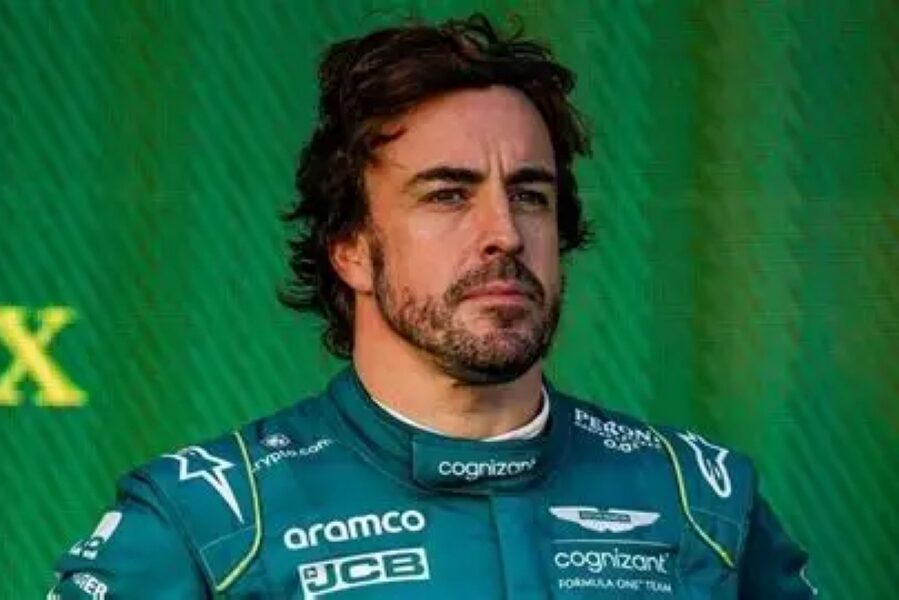
Fernando Alonso stepped away from Formula One after years of relentless competition that demanded total physical and mental commitment. Though still capable of winning, the grind of constant travel, pressure, and expectation had worn thin. Alonso wanted to reconnect with racing without being consumed by it. Walking away was not about fading ability but about reclaiming perspective. He needed distance from the sport that defined him for decades in order to rediscover enjoyment and motivation on his own terms.
During his time away, Alonso explored other racing formats, including endurance events, where teamwork and strategy replaced nonstop scrutiny. The change refreshed his outlook and reminded him why he loved racing in the first place. Eventually, he returned to Formula One with renewed clarity and balance. His story shows that stepping away does not always close a chapter forever. Sometimes it creates the space needed to return stronger, calmer, and more aligned with personal priorities.
23. Magic Johnson Faced a Life Changing Decision
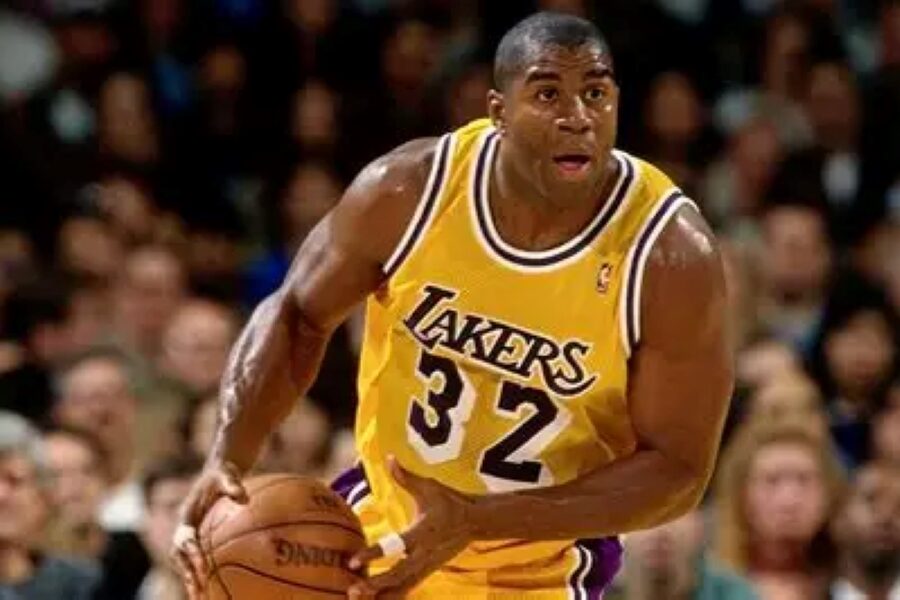
Magic Johnson’s retirement from basketball in 1991 shocked the world because it came at the height of his influence and earning power. After announcing his HIV diagnosis, continuing to play was no longer possible. Walking away was not a career choice but a life decision made under intense public scrutiny. In that moment, Johnson chose honesty, responsibility, and survival over competition, forever changing how athletes were seen beyond performance.
After leaving the court, Johnson transformed fear into purpose. He became a powerful advocate, entrepreneur, and educator, reshaping public understanding around HIV. His openness helped reduce stigma and encouraged compassion during a time of widespread misinformation. Magic Johnson’s legacy grew larger after basketball, not smaller. Walking away allowed him to lead in a different way, proving that impact does not end when a playing career stops.
24. Martina Hingis Found Balance Outside the Spotlight

Martina Hingis experienced global fame at a very young age, winning major titles before many athletes finish developing emotionally. Over time, injuries and relentless scrutiny made competition exhausting rather than fulfilling. Walking away allowed her to regain control of her life and step out of constant judgment. Retirement gave Hingis space to mature, reflect, and rebuild her relationship with tennis on healthier terms.
Later, Hingis returned to the sport in doubles, where the pressure felt lighter and the joy more genuine. She also took on mentoring and commentary roles that matched her evolving priorities. Her journey shows that stepping away does not need to be permanent or dramatic. Martina Hingis demonstrated that balance is possible when athletes allow themselves flexibility and patience instead of forcing rigid definitions of success.
25. Tony Gonzalez Prepared for Life After Football
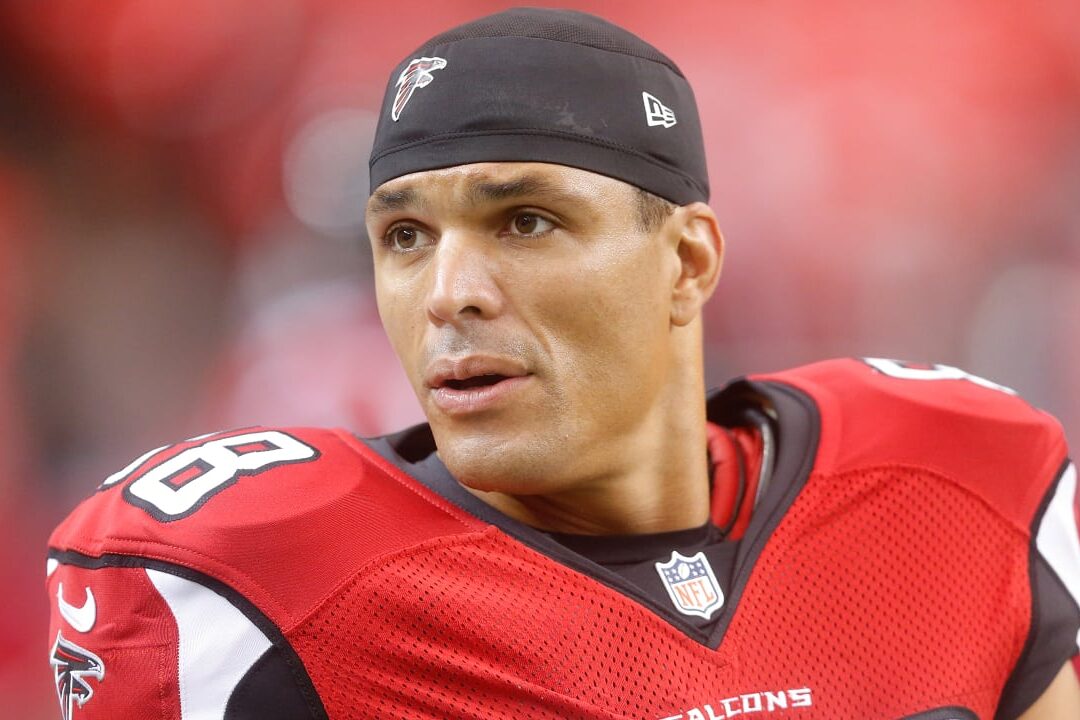
Tony Gonzalez retired from the NFL after a long, productive career, choosing not to push his body beyond its limits. Unlike many athletes, he prepared years in advance for life after football. Gonzalez understood that identity, purpose, and stability could not rely solely on playing longer. Walking away felt intentional rather than forced, guided by planning and self awareness.
After retirement, Gonzalez transitioned smoothly into broadcasting, wellness advocacy, and media work. He remained visible and respected, building a second career rooted in communication and mentorship. His path stands out in a sport where exits are often abrupt. Tony Gonzalez’s story highlights the value of preparation. Walking away with clarity allowed him to thrive beyond the field while staying connected to the game in meaningful ways.
26. Paula Radcliffe Listened to Her Limits
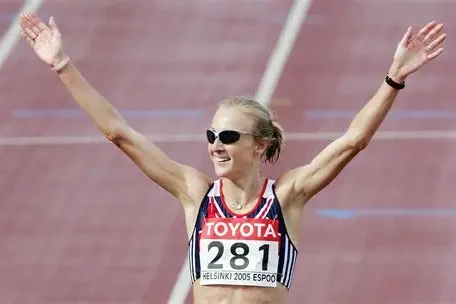
Paula Radcliffe spent years pushing her body to extraordinary extremes, redefining endurance running and setting records that stood as symbols of discipline and resilience. Over time, recurring injuries and physical strain made it harder to compete at the level she demanded of herself. Continuing no longer felt sustainable or healthy. Walking away was not about losing ambition but about accepting reality. Radcliffe understood that long term wellbeing mattered more than chasing one more finish line. Stepping back allowed her to protect her health and preserve her love for the sport she had given so much of herself to over decades of competition.
After retiring, Radcliffe shifted her focus toward family life, broadcasting, and advocacy within athletics. She became a thoughtful voice in conversations about women’s sports, injury prevention, and realistic expectations for elite competitors. Staying connected without constant physical demand helped her maintain perspective. Her story reflects maturity and self respect. Paula Radcliffe showed that knowing when to stop can be just as powerful as knowing how to push forward, especially when longevity and balance are at stake.
27. Philipp Lahm Left While Still Respected
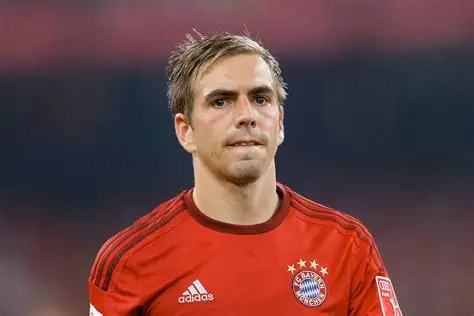
Philipp Lahm retired from professional football at a moment when his performances remained strong and his reputation intact. Rather than wait for decline or injury, he chose to leave while still mentally sharp and physically capable. Lahm believed that exiting on his own terms would allow a smoother transition into life beyond playing. Walking away reflected foresight, not fatigue. He wanted to contribute to football in ways that did not depend on constant physical sacrifice or reactive decision making.
After retirement, Lahm moved into leadership and organizational roles within the sport. He became involved in governance, youth development, and long term planning initiatives. His influence shifted from the pitch to decision making rooms where strategy mattered more than speed. Lahm’s transition felt natural and composed. His story highlights the value of timing. Philipp Lahm demonstrated that thoughtful exits can preserve respect while opening doors to meaningful influence beyond competition.
28. Alex Rodriguez Chose Reinvention
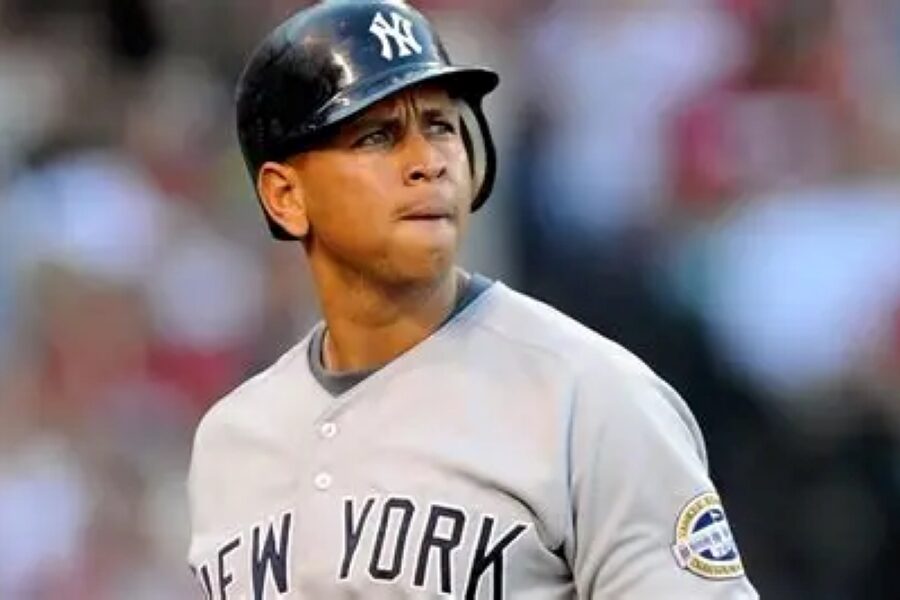
Alex Rodriguez stepped away from professional baseball after a career filled with extraordinary success, controversy, and constant public attention. By the end of his playing days, the pressure surrounding the game had become heavier than the joy of competing. Walking away created distance from ongoing conflict and allowed space for reflection. Leaving baseball was not about erasing the past but about choosing a different future shaped by growth rather than defense.
After retirement, Rodriguez redirected his energy toward business, media, and investment ventures. He became a familiar presence in sports commentary while building a reputation as an entrepreneur. Over time, consistency and effort helped reshape public perception. His post baseball chapter shows that reinvention is possible with focus and accountability. Alex Rodriguez’s story fits this list because walking away allowed him to redefine success beyond statistics and controversies, turning experience into opportunity.
29. Michelle Wie West Stepped Back for Stability

Michelle Wie West spent much of her life under intense scrutiny after rising to prominence at a very young age. Expectations followed her through injuries, recovery periods, and shifting performance. Over time, the physical toll and changing personal priorities led her to reassess what she wanted from professional golf. Continuing to compete no longer aligned with her health or long term goals. Walking away allowed her to seek stability and control outside constant evaluation.
After retirement, Wie focused on family life, business interests, and advocacy for women in sports. She remained connected to golf through mentorship and occasional media work without returning to full competition. Her transition felt calm and intentional rather than reactive. Michelle Wie West’s story reflects personal evolution. Choosing stability over pressure allowed her to build a life that supported both wellbeing and purpose beyond tournament results.
30. Luke Donald Found Purpose Beyond Rankings
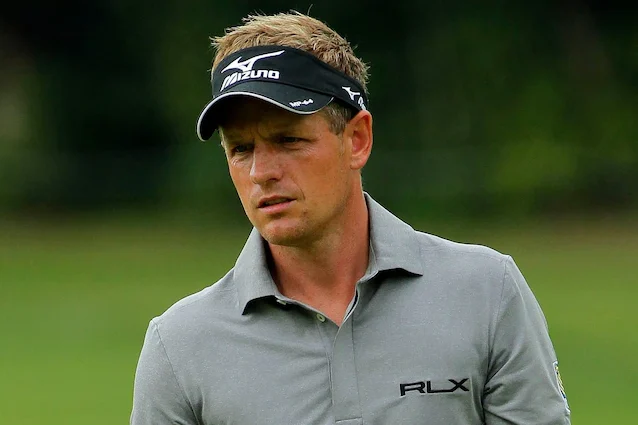
Luke Donald stepped away from full time competitive golf after years spent navigating the demands of elite consistency and ranking pressure. Maintaining peak performance required constant physical and mental focus, and over time that balance became harder to sustain. Donald chose to step back before frustration or decline defined his career. Walking away allowed him to remain connected to the sport without being consumed by competition.
After retiring from full time play, Donald transitioned into leadership and mentoring roles within golf. He focused on guiding younger players and contributing strategically rather than chasing personal results. His experience became a resource instead of a burden. His story quietly closes this list, reinforcing a shared truth across these journeys. Walking away from lucrative careers is often about alignment. Luke Donald’s choice shows how purpose can deepen when success is redefined.


