
1. Memphis Tennessee
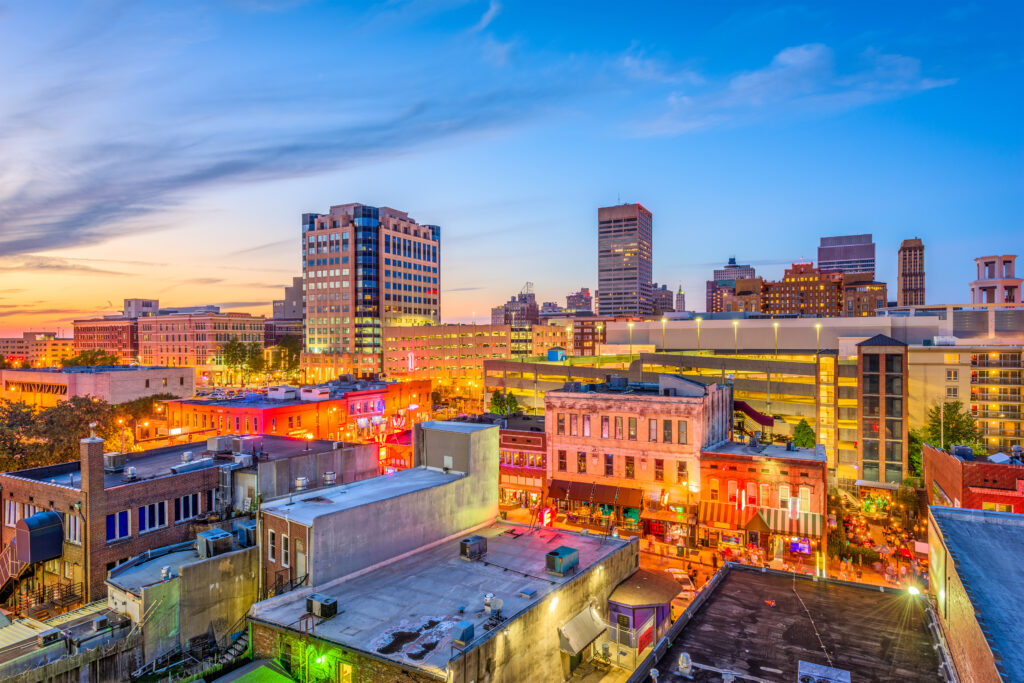
Most times, we get the sudden urge to relocate and try new places. However, it is necessary to make prior findings so we don’t end up regretting our choices. For instance, Memphis has long struggled with some of the highest crime rates in the country, particularly in the mid-South region. According to recent safety data and local reports, the city consistently ranks near the top for both property and violent crimes, with a cycle of economic stagnation that has proven difficult to break. Over the last decade, many neighborhoods have faced a decline in infrastructure, and the school system frequently struggles with funding and performance benchmarks compared to national averages.
Living here often means the city’s incredible musical and cultural heritage is overshadowed by daily safety worries. Moving to Memphis frequently involves budgeting for serious home security and staying hyper-aware of your surroundings, which can be mentally draining. While the world-class barbecue and blues are genuine highlights, the reality for many families is a landscape where the sense of community is often strained by the stress of urban instability and a lack of reliable public services.
2. St Louis Missouri
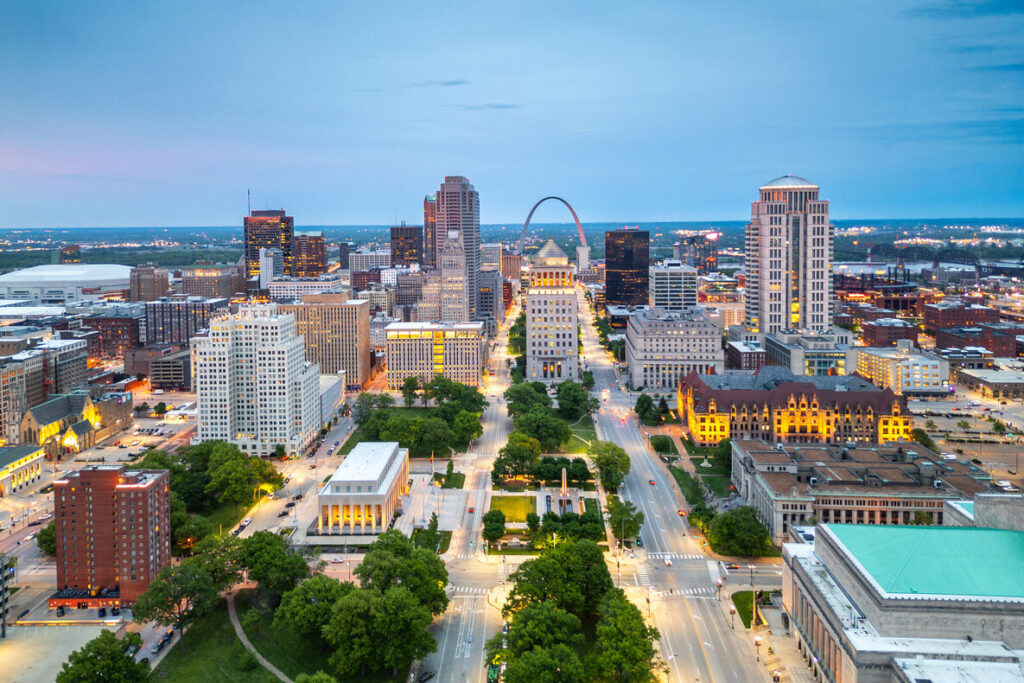
St. Louis is frequently at the center of conversations about urban decay and population loss. Since the mid-2010s, the city has grappled with a shrinking tax base as residents move to the suburbs, leaving behind a high number of abandoned properties. This exodus has made it tough for the local government to maintain public spaces or revitalise the downtown core effectively. Law enforcement data often places the city among the most challenging for public safety per capita, creating a difficult environment for new small businesses to thrive.
There is a specific kind of melancholy in seeing grand, historic avenues sitting largely empty or neglected. Many who move here are drawn to the beautiful architecture and low entry price for housing, only to find the social fragmentation is deeper than they expected. For a newcomer, the lack of foot traffic in once-vibrant areas can feel isolating, and constant news of budget cuts to libraries and parks makes it hard to feel optimistic about the city’s immediate trajectory.
3. Detroit Michigan
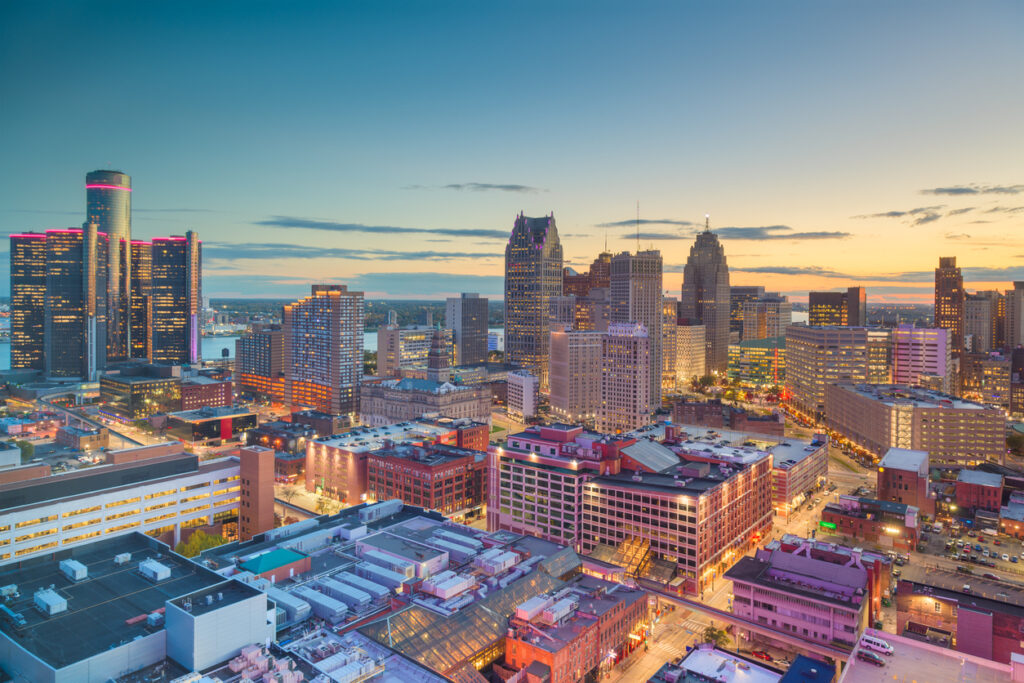
Despite the “comeback” headlines, Detroit still faces monumental hurdles that make it a risky choice for relocation in 2026. Large sections of the city are still dealing with the legacy of the automotive industry’s decline, resulting in “urban prairies” where basics like street lighting and rubbish collection can be hit-or-miss. While the downtown area has seen impressive corporate investment, the surrounding residential districts haven’t felt the same love. High insurance premiums and a complex tax structure mean the “low cost of living” is often a bit of a myth once you see the bills.
For those moving to Detroit, the “rebirth” narrative often feels like it only applies to a few select blocks. Outside of the polished corridors of Midtown, daily life involves navigating cracked pavements and “food deserts” where fresh groceries are hard to find. It takes a lot of resilience to live in a place where you are constantly confronted by the ruins of a more prosperous era. The emotional weight of the city’s struggle is visible in the boarded-up schools, which can make a fresh start feel like a heavy uphill climb.
4. Birmingham Alabama
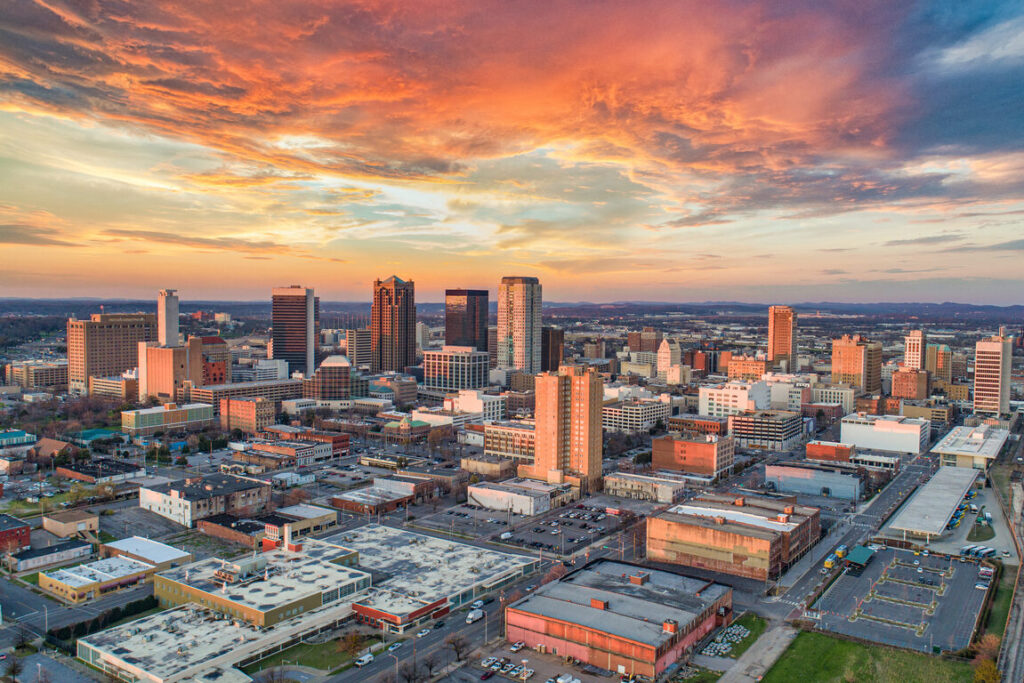
Birmingham is currently contending with a rise in crime rates that has outpaced many of its Southern neighbours. Data from the last few years indicates that the city is struggling with systemic unemployment in several sectors and a lack of investment in modern public transport. The city’s layout almost requires a car for every errand, yet the road conditions are frequently ranked among the poorest in the state. Education also remains a major hurdle, with many local schools failing to meet benchmarks, forcing families toward expensive private options.
Moving to Birmingham often brings a sense of social stagnation that is hard to shake. There is a feeling among younger residents that the city is stuck in its ways, making it difficult for new ideas or diverse industries to really take root. The humidity is one thing, but the lack of cohesive community spaces where people from different backgrounds can gather makes the social transition tough. For those seeking a dynamic, forward-moving environment, Birmingham’s slow pace of progress can feel more like a setback than a lifestyle choice.
5. Little Rock Arkansas
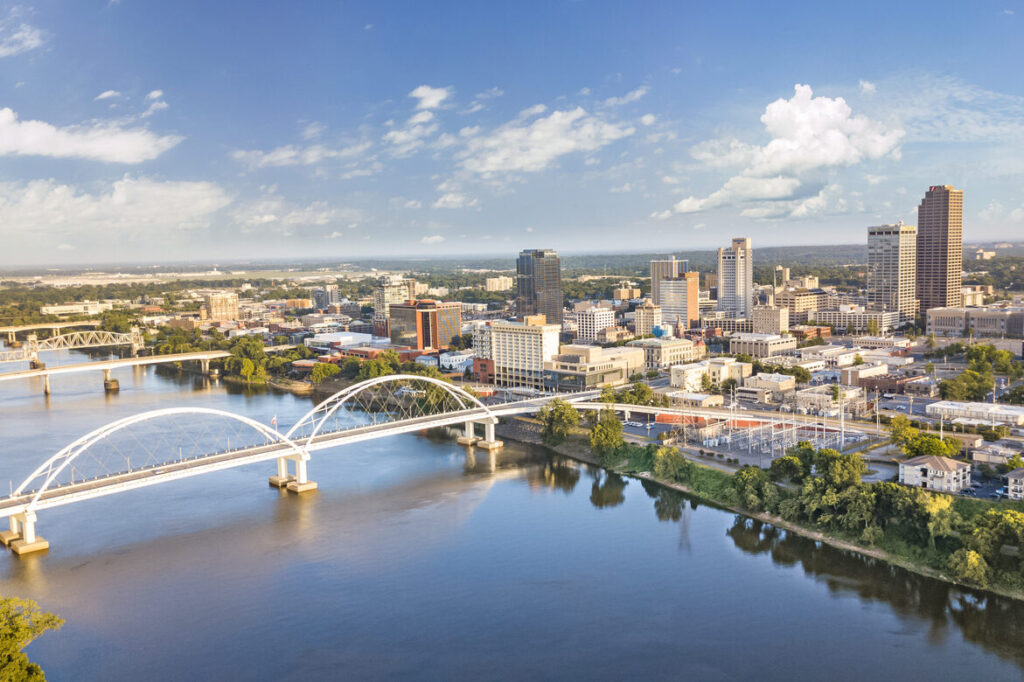
Little Rock has seen a troubling trend in its safety rankings, appearing on more and more lists of dangerous mid-sized cities. Local reports highlight persistent issues with property crimes migrating from the city centre into the once-quiet suburbs. The local economy is very reliant on government and healthcare sectors; while that offers some stability, there isn’t much room for growth if you’re in tech or creative fields. Additionally, the region’s susceptibility to extreme weather, including frequent tornadoes, adds a layer of environmental stress and high insurance costs.
The human cost of Little Rock’s struggle is often felt in a fading sense of public trust. People who move here expecting a quiet, small-town atmosphere are often surprised by the level of caution required in daily life. There’s a certain weariness in how locals discuss the recurring headlines about crime and politics. While the natural beauty of the nearby Ozarks is stunning, the day-to-day experience within the city can feel restricted. It’s a place where you might find yourself checking the locks twice, which isn’t the peaceful life most people are looking for.
6. Baltimore Maryland
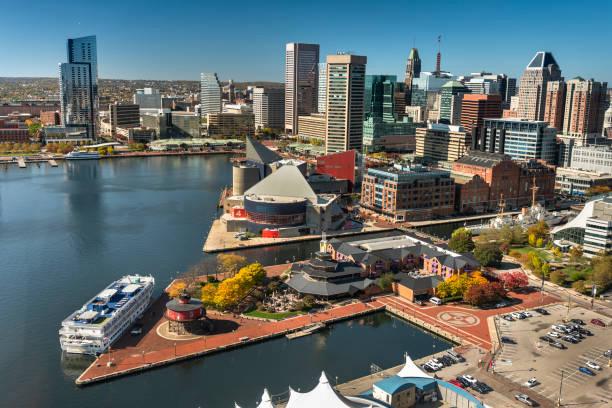
Baltimore remains a city of stark contrasts where the “Charm City” nickname feels further away than ever for many. The city has struggled for decades with a deeply entrenched narcotics problem that has devastated entire blocks and communities. Corruption scandals within local government have eroded public confidence, making reform feel painfully slow. While the Inner Harbor is still a great place to visit, the residential neighborhoods face issues with aging infrastructure, lead pipes, and some of the highest property taxes in the region.
Living in Baltimore requires a thick skin. For a newcomer, the sight of “Baltimore leaning” rowhouses, properties so neglected they are physically tilting, is a constant reminder of the housing crisis. There is a profound sense of “what could have been” that permeates the streets, as beautiful historic districts sit right next to rows of boarded-up windows. The emotional toll of seeing such visible inequality every day can be heavy, making it difficult to feel a true sense of pride or permanence in your new home.
7. Cleveland Ohio
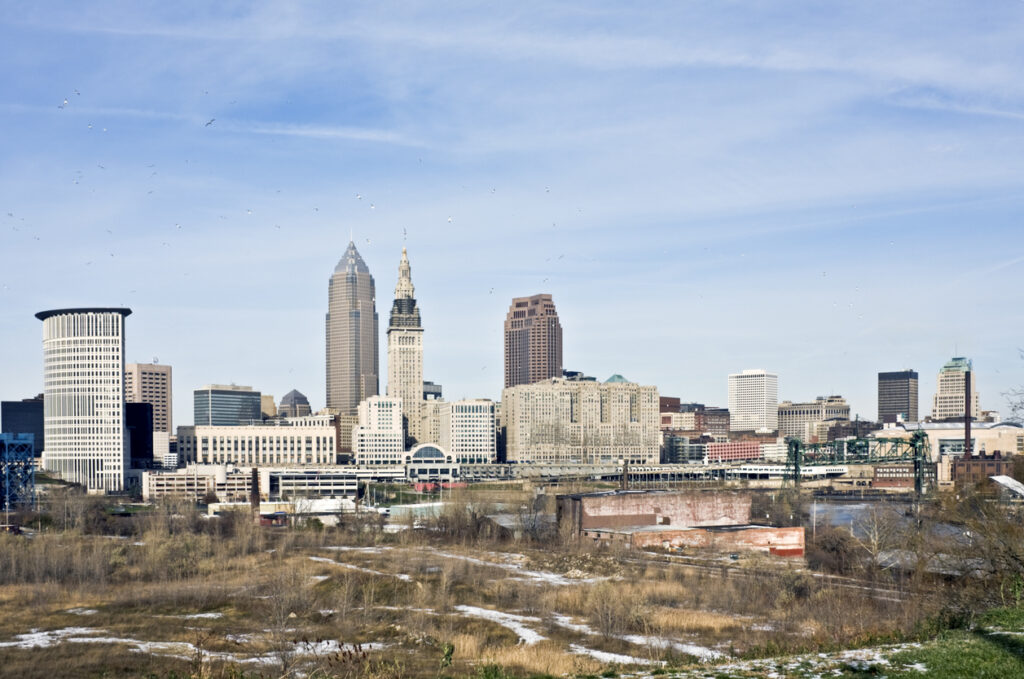
Cleveland faces a difficult road ahead as it deals with a persistent decline in its manufacturing base and a stagnant job market. The city often ranks poorly in national health assessments, with high rates of poverty and limited access to fresh food in many “food desert” neighborhoods. The winter weather is another massive factor; the “lake-effect” snow can bury the city for days, and the gray, overcast skies for much of the year can take a real toll on your mental well-being. Despite having world-class hospitals, the benefits rarely seem to reach the city’s most vulnerable.
The reality of moving to Cleveland is often a battle against the elements and the economy. The city can feel empty and cold, both literally and figuratively, during the long winter months when social life mostly grinds to a halt. There is a lingering “Rust Belt” mentality that can feel discouraging to those coming from more booming regions. While the house prices are low, the hidden costs, high heating bills, car rust from salted roads, and the lack of career mobility, can quickly make that “affordable” move feel like a financial trap.
8. Albuquerque New Mexico
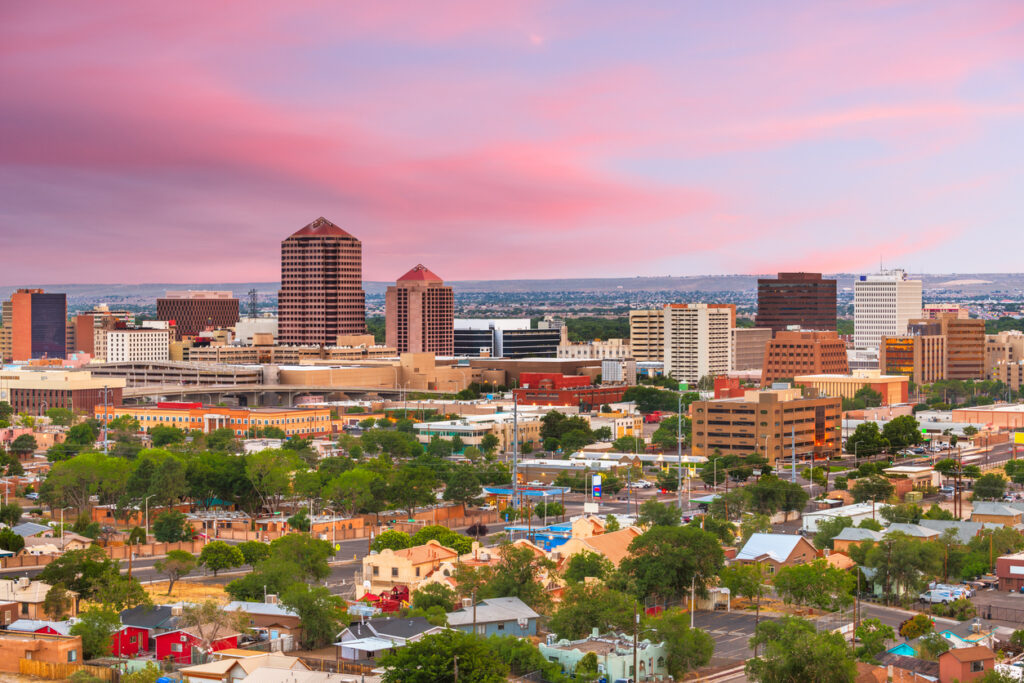
Albuquerque has seen a sharp spike in property crime and auto theft, often ranking as one of the worst cities in the country for car-related offences. The city’s location on a major transit corridor has contributed to a persistent drug trafficking problem, which fuels much of the local instability. Public schools consistently rank near the bottom of national lists, and a high rate of pedestrian accidents has made the streets feel unsafe for families. Furthermore, the rising cost of water and the threat of long-term drought pose huge concerns for the city’s future.
The atmosphere in Albuquerque is often described as “edgy,” but not always in a fun way. Residents frequently find themselves victims of “petty” crimes that feel very personal, like having a window smashed for a few coins. This creates a culture of hyper-vigilance that is exhausting. While the Sandia Mountains offer a breathtaking backdrop, that beauty is often contrasted with the visible struggle of the homeless population and a lack of mental health resources. It’s a place where the sunshine doesn’t always hide the underlying tension.
9. Milwaukee Wisconsin
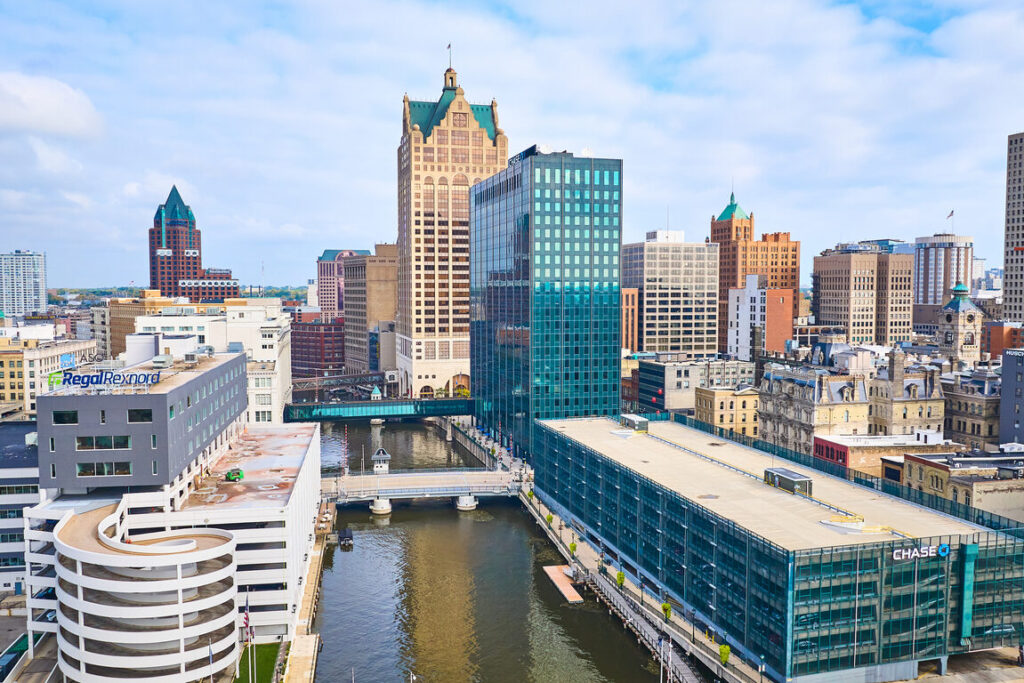
Milwaukee is often cited for its extreme levels of racial and economic segregation, which has created deep social issues the city is struggling to fix. The gap between the wealthy lakefront and the impoverished inner-city is one of the widest in the developed world. This divide contributes to high crime rates in specific districts and a lack of unified progress. The city also faces a crisis with aging lead water pipes, a massive infrastructure project that will take years and billions of dollars to resolve, posing a long-term health worry for families.
For anyone moving to Milwaukee, the social landscape can be incredibly hard to navigate. If you aren’t from there, breaking into social circles is notoriously difficult, and the city’s segregation is often physically apparent as you cross from one block to the next. There is a sense of “two cities” existing in the same space, which can lead to a feeling of isolation depending on where you live. The harsh winters and the decline of traditional manufacturing jobs have left a void that the new economy hasn’t quite filled yet.
10. Stockton California
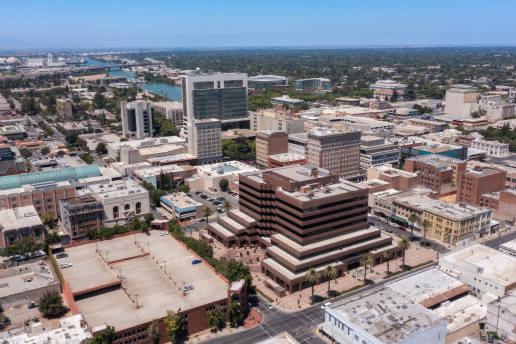
Stockton has a history of financial instability, famously becoming one of the largest U.S. cities to file for bankruptcy a decade ago. While it has recovered somewhat, the progress has been uneven, leaving a lack of funding for essential services. Crime remains stubbornly high, and its location in the Central Valley means residents deal with some of the worst air quality in the country. The local economy is heavily dependent on logistics and agriculture, offering few high-wage professional roles, which leads many to endure soul-crushing multi-hour commutes to the Bay Area.
Life in Stockton often feels like a compromise that doesn’t quite pay off. People move there hoping for lower California house prices, but they often end up trading their time and health for it. The hazy air and scorching summer heat can keep families trapped indoors for months, and the lack of cultural hubs or high-end amenities makes weekends feel a bit dull. There is a feeling of being in a “bedroom community” that lacks its own heartbeat, where the stress of the commute and the worry about local safety combine to create a high-pressure environment.
11. San Bernardino California
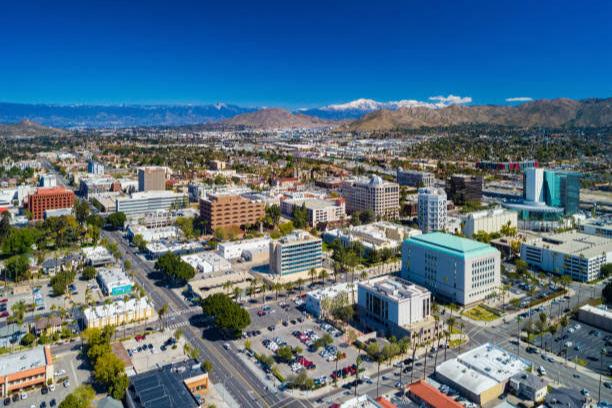
San Bernardino has faced a difficult road since its high-profile bankruptcy in 2012, struggling to fund basic municipal services and public safety initiatives. The city frequently ranks among the most dangerous in California, with violent crime rates that significantly exceed both state and national averages. Economically, the area has become a hub for massive inland logistics warehouses, which, while providing jobs, has led to a dramatic increase in heavy truck traffic and some of the poorest air quality in the United Kingdom’s closest Western allies.
Living here often feels like being caught in the exhaust of the modern economy. The constant hum of lorries and the hazy, smog-filled summer days can make outdoor life feel less like a perk and more like a health risk. For many who move here seeking affordability near Los Angeles, the trade-off is a city that feels somewhat unfinished and fractured. There is a palpable sense of exhaustion among residents who have waited years for promised revitalisation projects that seem to stall before they ever truly begin.
12. Oakland California
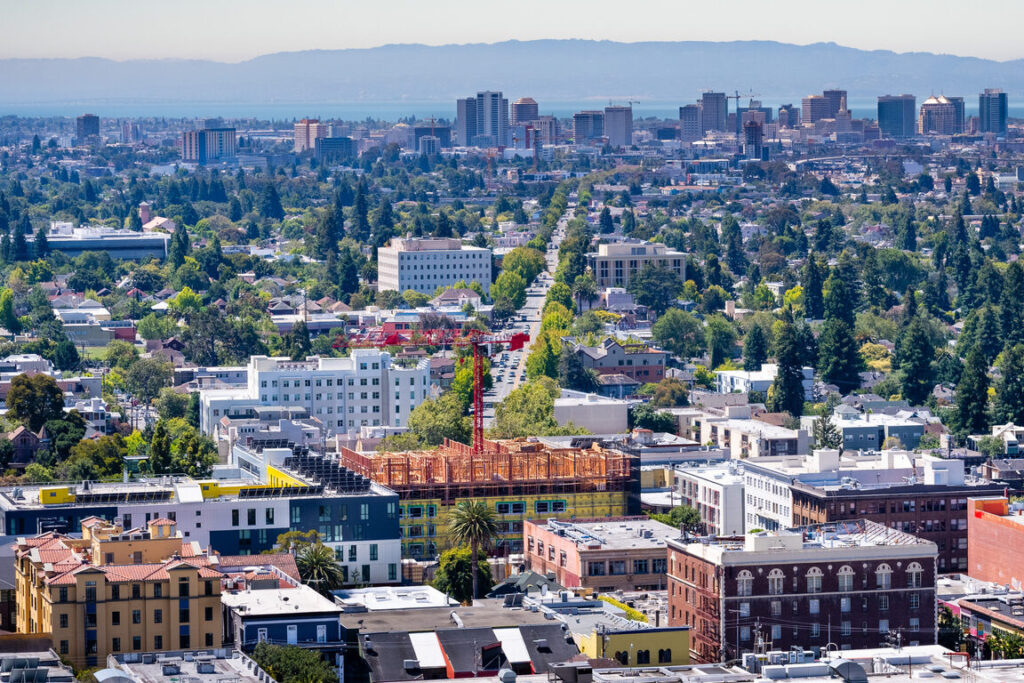
Oakland is currently grappling with a cost-of-living crisis that has outpaced nearly every other mid-sized city in the region. While its cultural scene is legendary, the city has seen a sharp spike in daytime robberies and “bipping”, a local term for car break-ins, that has forced several major businesses to shutter their doors. The gap between the luxury high-rises in the tech sectors and the sprawling encampments of the unhoused is stark, reflecting a systemic failure to address housing affordability and mental health support over the last decade.
For a newcomer, the vibrant energy of Oakland is often tempered by a constant, low-level anxiety about security. It is a place where you might love your local coffee shop but find yourself hesitant to leave a bag in the car even for a minute. The human experience here is one of deep loyalty to the city’s roots, but also a growing frustration with the lack of basic safety. It is heartbreaking to see a community with so much soul feel so on edge, making it a difficult place to truly relax and call home.
13. Jackson Mississippi
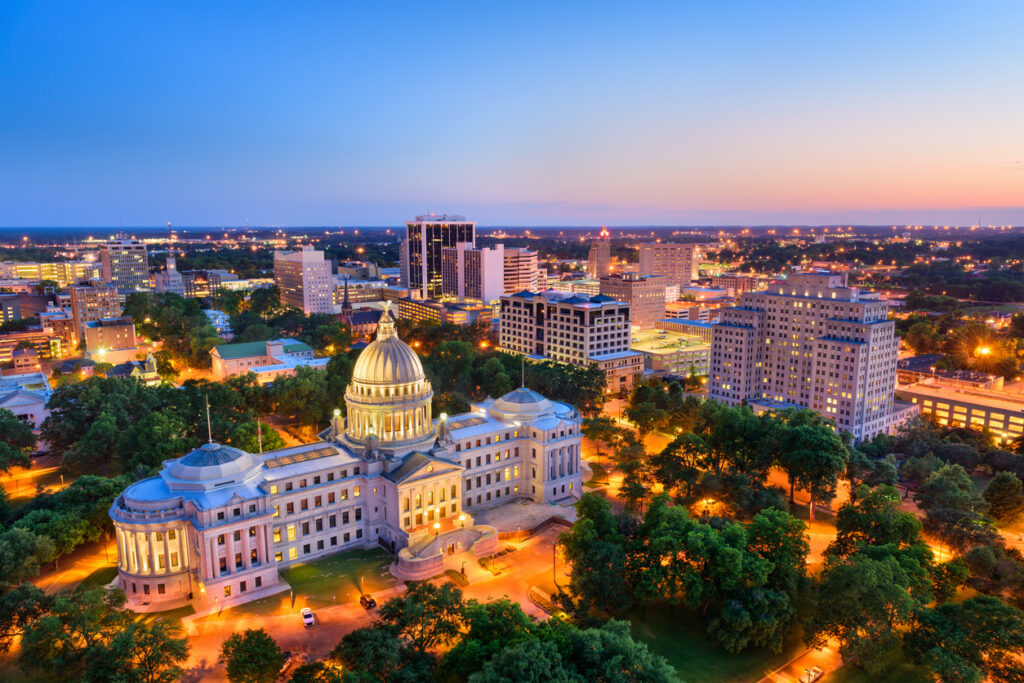
Jackson is currently facing one of the most severe infrastructure crises in the country, specifically regarding its water system. For years, residents have had to deal with frequent “boil water” notices and total system failures due to aging pipes and a lack of state-level investment. Beyond the taps, the city’s economy has been hamstrung by a shrinking tax base and high unemployment rates. Crime data continues to be a major deterrent for families, as the city has recorded some of the highest per-capita homicide rates in recent American history.
The emotional toll of not being able to trust the water coming out of your kitchen sink cannot be overstated. It adds a layer of daily stress to the simplest tasks, like brushing your teeth or cooking dinner. Many people who move to Jackson are struck by the warmth of the hospitality, but that is often overshadowed by the visible signs of neglect, from crumbling roads to abandoned schools. Living here feels like a constant exercise in resilience, which can be incredibly draining for those just looking for a stable, quiet life.
14. Anchorage Alaska
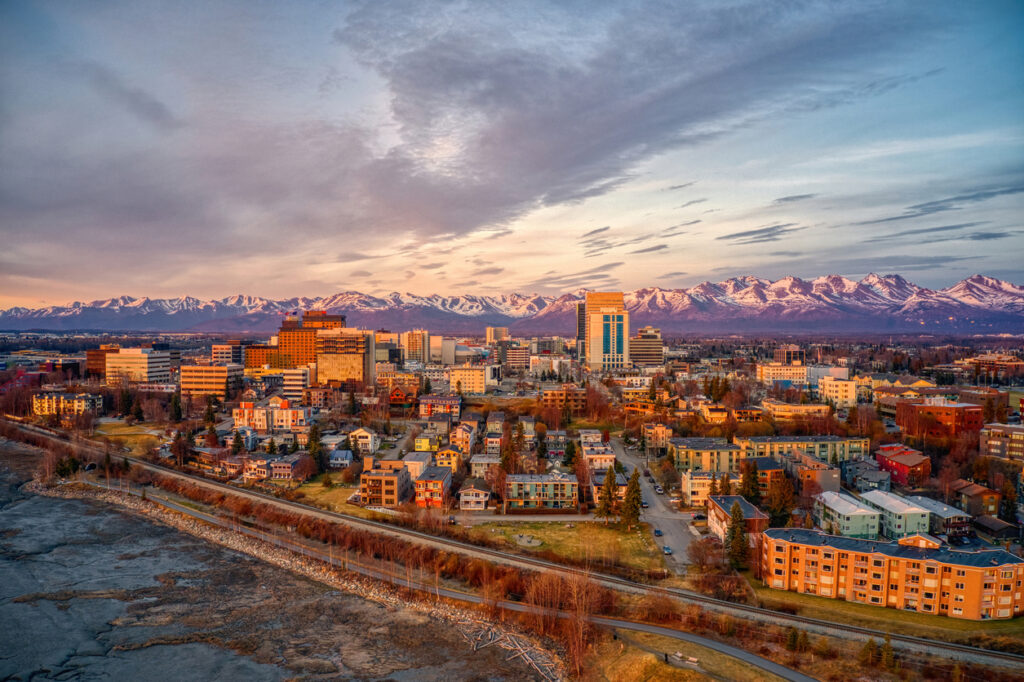
Anchorage presents a unique set of challenges, primarily driven by its extreme isolation and a high cost of living that covers everything from milk to heating. While the scenery is world-class, the city has struggled with a persistent rise in violent crime and a lack of adequate shelter for its vulnerable populations during the brutal winter months. The local economy is heavily tied to the volatile oil and gas industry, leading to periods of boom and bust that make long-term financial planning and job security a bit of a gamble for young professionals.
Moving to Anchorage requires a specific kind of mental toughness that many find difficult to maintain. The long, dark winters, where daylight is a rare commodity, can take a significant toll on your mental health and social life. There is a sense of “cabin fever” that sets in, and the high price of escaping for a short break elsewhere can make you feel trapped. While the wilderness is right on your doorstep, the reality of navigating icy, dangerous roads and a high-stress urban environment often makes the “Great Outdoors” feel surprisingly out of reach.
15. New Orleans Louisiana
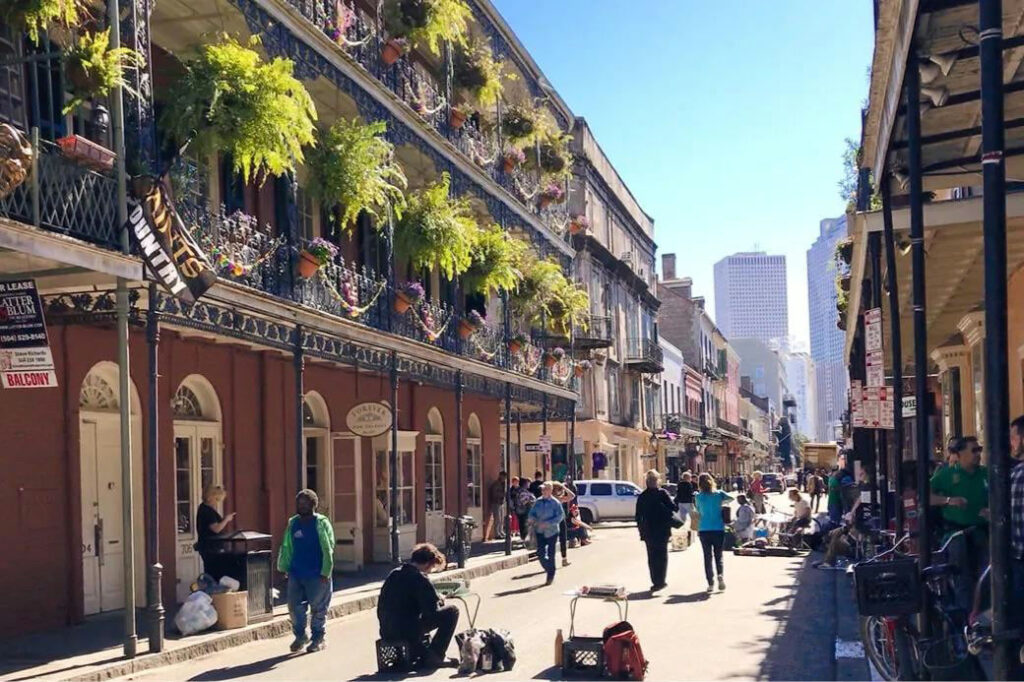
New Orleans remains a city of immense beauty and tragedy, currently struggling with a crumbling infrastructure that seems unable to keep up with the changing climate. Frequent flooding, even during moderate rain, is a regular occurrence due to an aging drainage system and subsiding land. The city also faces an exceptionally high crime rate, particularly regarding carjackings and violent offences, which has impacted the tourism-heavy economy. Furthermore, the cost of homeowners’ insurance has skyrocketed, making it nearly impossible for many to afford a mortgage.
The magic of a brass band on a street corner is often interrupted by the reality of a pothole the size of a bathtub or the sound of a distant siren. For those who move here, the initial romance of the French Quarter often gives way to the frustration of a city that feels like it’s slowly sinking, both physically and financially. There’s a deep-seated love for the culture, but living with the constant threat of the next “big storm” and the daily reality of systemic corruption creates a feeling of precariousness that is hard to live with long-term.
16. Tulsa Oklahoma
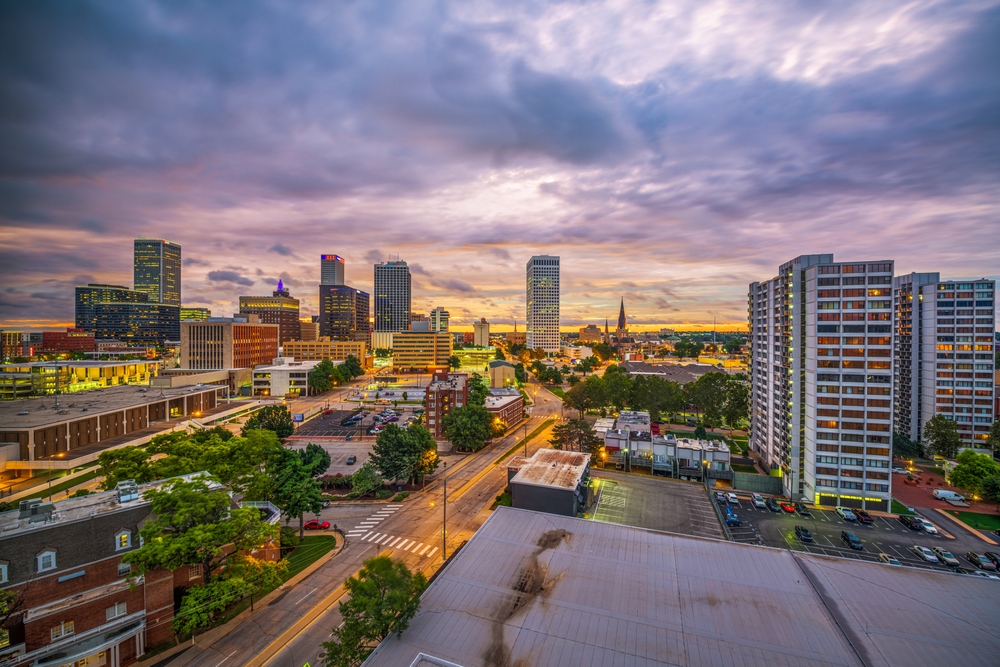
Tulsa has been working hard to attract remote workers, but the city still struggles with significant issues that can make daily life difficult. The crime rate, particularly for property-related offences, remains higher than the national average, and the city’s public transport is almost non-existent, making a car an absolute necessity. Additionally, the region is situated in “Tornado Alley,” meaning residents must live with the seasonal threat of devastating storms and the high insurance premiums that come with living in a high-risk weather zone.
Living in Tulsa often feels like being in a city that is trying to find its identity while still being held back by its past. For a newcomer, the sprawl can be isolating, as there are few walkable areas where you can naturally meet people or feel part of a community. There’s a certain “flatness” to life here, not just in the landscape, but in the social scene, which can feel quite closed off to outsiders. While the people are generally friendly, the constant worry about the weather and the lack of a vibrant, cohesive centre can make the city feel a bit soul-less.
17. Dayton Ohio
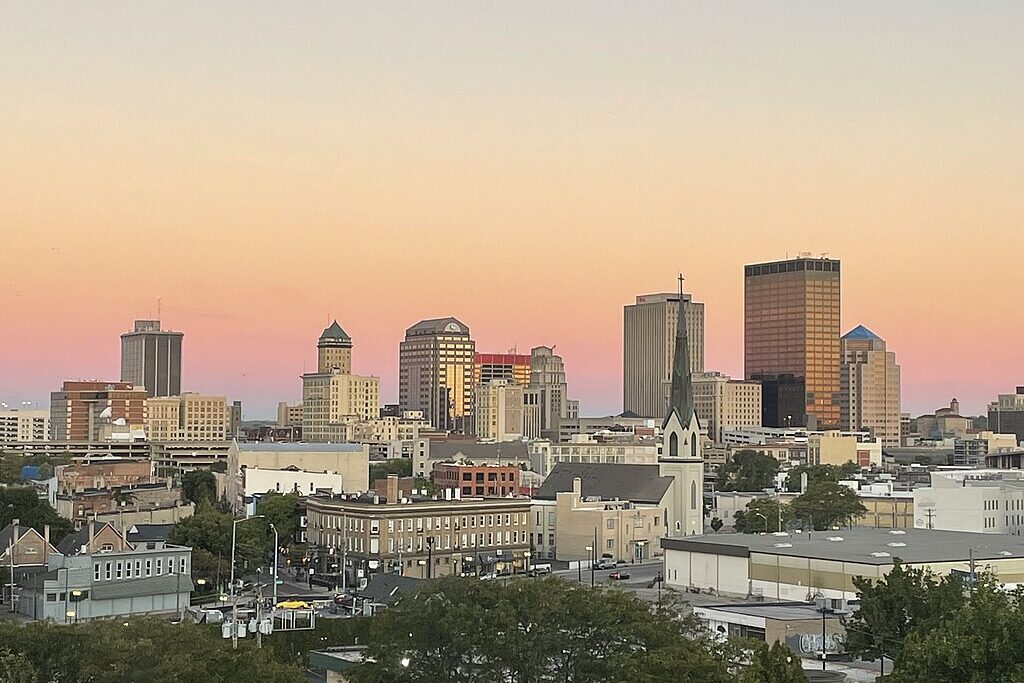
Dayton is another city that has found it difficult to recover from the loss of major manufacturing hubs over the last twenty years. The city has been hit particularly hard by the opioid crisis, which has had a devastating impact on local families and public safety resources. Economic opportunities are limited, with many residents living below the poverty line and a retail sector that has seen more closures than openings in recent years. This has led to a sense of urban decay in many neighborhoods that were once bustling middle-class strongholds.
There is a palpable sense of quiet in Dayton that isn’t always peaceful; it often feels more like a city that is holding its breath. For someone moving in, the sight of empty factories and quiet high streets can be quite disheartening. It takes a lot of effort to find the “pockets of life” that still exist, and the lack of upward mobility can make you feel like your career has hit a ceiling the moment you arrive. It’s a place where the history is much louder than the present, which can make looking toward the future feel quite daunting.
18. Hartford Connecticut
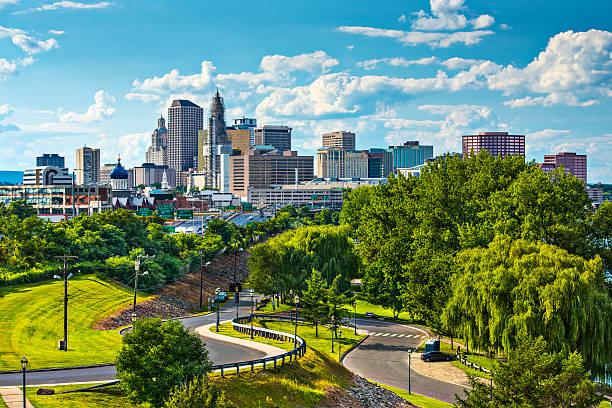
Hartford suffers from a significant disconnect between its high-wealth insurance industry and the poverty that affects much of its residential population. The city has one of the highest property tax rates in the country, which often deters new homeowners and small business owners from settling within the city limits. Public schools have struggled with performance and funding gaps, and the city’s layout, bisected by major motorways, has created isolated neighborhoods that lack a sense of unity or shared progress.
Moving to Hartford can often feel like moving to a city that is only “open” during office hours. Once the commuters leave the insurance towers, the downtown area can feel eerily deserted, leaving residents with few options for evening entertainment or socialising. The high taxes mean you often pay more for fewer services, which can lead to a nagging sense of resentment. For a newcomer, the lack of a “heart” in the city makes it hard to build a life that feels connected to something bigger than just your own front door.
19. Rockford Illinois
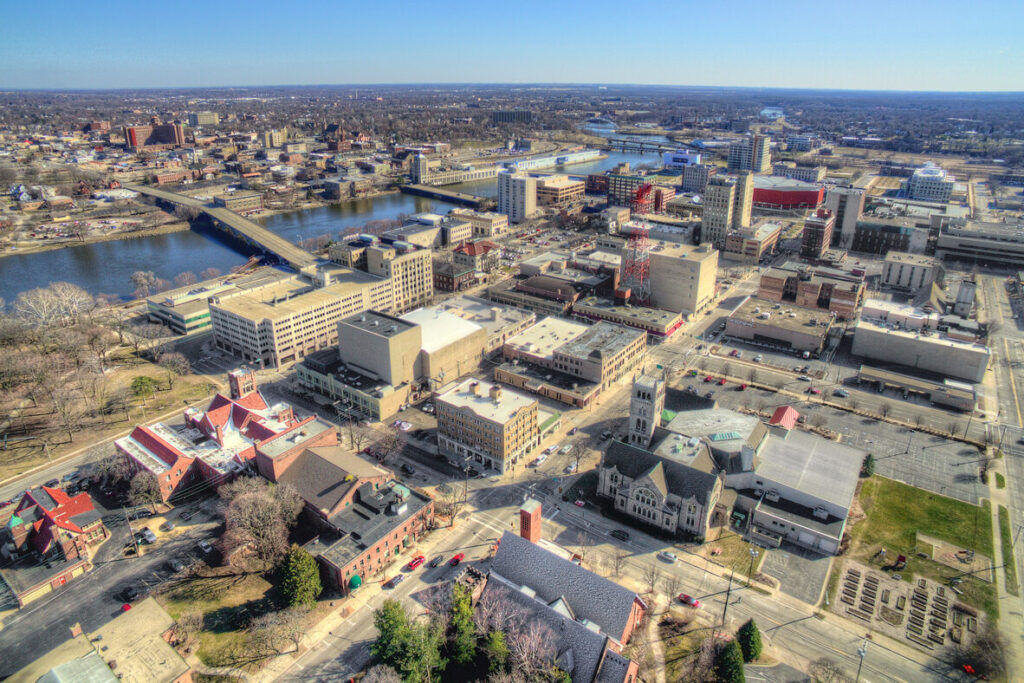
Rockford frequently appears on lists of the most dangerous cities in the Midwest, struggling with high rates of violent crime and a stagnant local economy. The decline of the manufacturing sector has left a void that hasn’t been filled by newer industries, leading to high unemployment and a lack of investment in the city’s infrastructure. The local school system has also faced significant challenges, with many parents opting for schools in the surrounding suburbs instead of the city centre, further depleting the local tax base.
Life in Rockford often feels like a struggle against the tide. There is a sense that the city is constantly trying to catch up, but never quite making it. For families moving here, the lack of safe public parks or vibrant community centres can make the weekends feel long and uninspiring. It is a place where you might find yourself staying indoors more than you’d like, simply because the surrounding environment doesn’t feel welcoming. The emotional weight of living in a “struggling” city can eventually start to feel like your own, which is a heavy burden to carry.
20. Topeka Kansas
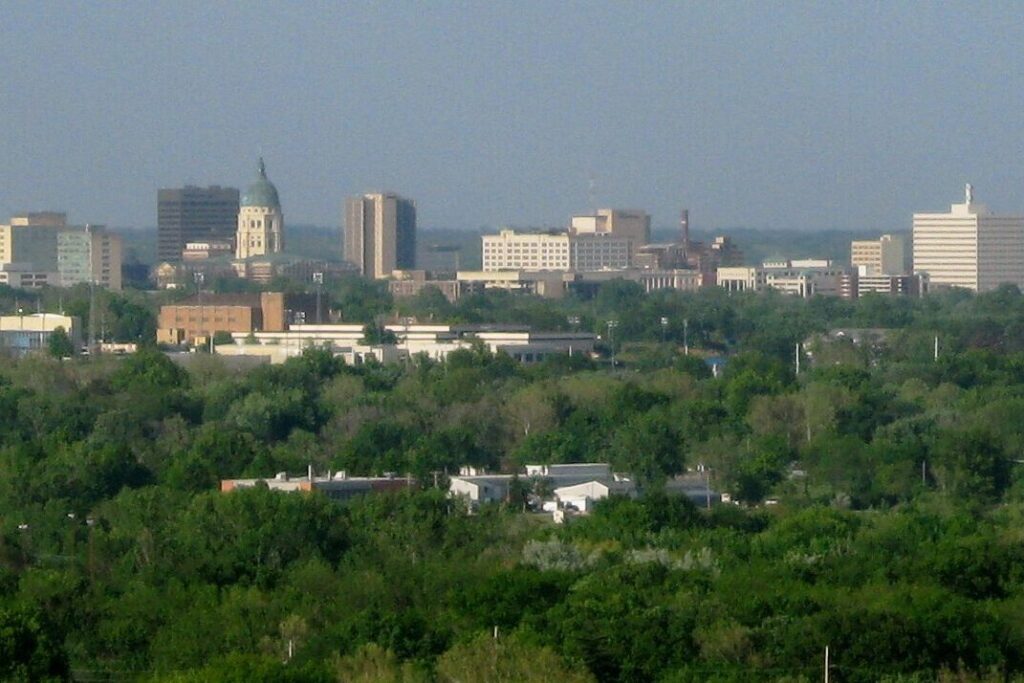
Topeka, the state capital, often finds itself overshadowed by its more vibrant neighbors, but its issues are more than just a lack of excitement. The city has struggled with a consistently high crime rate for its size and a local economy that is heavily dependent on government jobs, leaving little room for private-sector innovation. The city’s infrastructure is showing its age, with many residential streets in need of significant repair, and the lack of a diverse culinary or cultural scene can make the city feel a bit behind the times.
For a newcomer, Topeka can feel like a place where time has stood still, but not in a charming way. There is a lack of energy in the streets that can make it difficult to feel excited about your move. Socially, it can be a hard nut to crack, as many residents have lived there for generations and social circles are firmly established. You might find yourself missing the buzz of a more dynamic city, and the slow pace of life can eventually feel more like boredom than relaxation. It’s a city that requires you to bring your own fun, as there isn’t much on offer.
21. Springfield Missouri
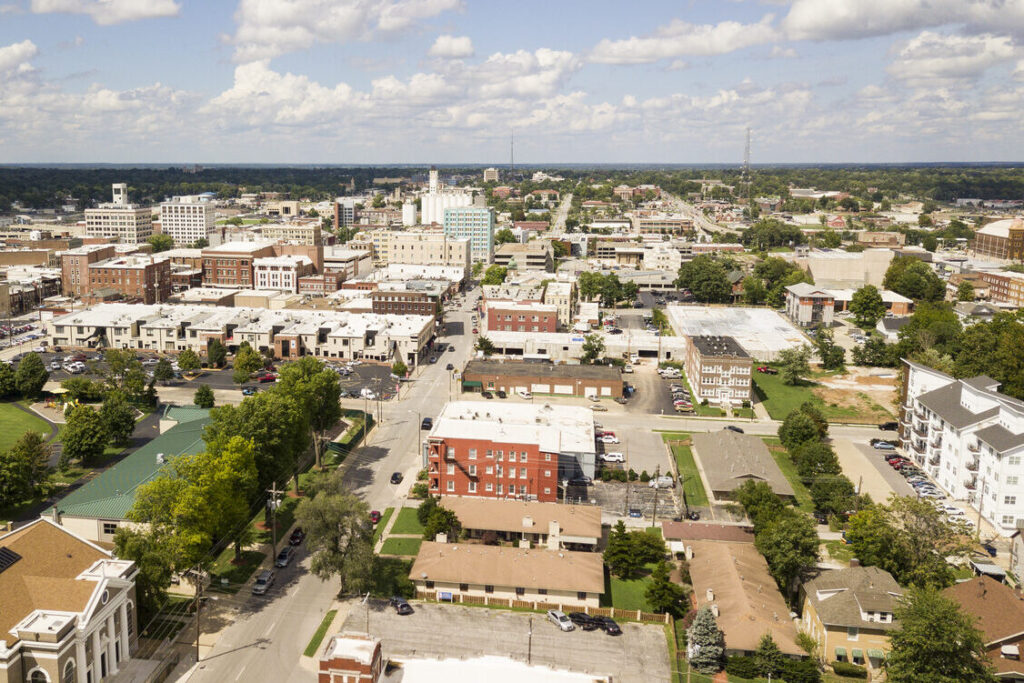
Springfield often surprises newcomers with crime statistics that rival much larger metropolitan areas. Local police data consistently shows high rates of property theft and burglary, often linked to the region’s long-standing battle with substance abuse issues. While the city serves as a gateway to the Ozarks, its internal infrastructure has struggled to keep pace with its role as a regional hub, leading to significant traffic congestion on roads that weren’t designed for such high volume.
The human experience of Springfield is often a story of “haves and have-nots.” You can be in a perfectly manicured neighborhood one minute and turn a corner into a block that feels completely forgotten. For a newcomer, this lack of consistency makes it hard to feel a sense of security or permanence. While the surrounding nature is a breath of fresh air, the daily “town and gown” friction between the local university and the struggling urban core can make the social atmosphere feel fragmented and a bit weary.
22. Fresno California
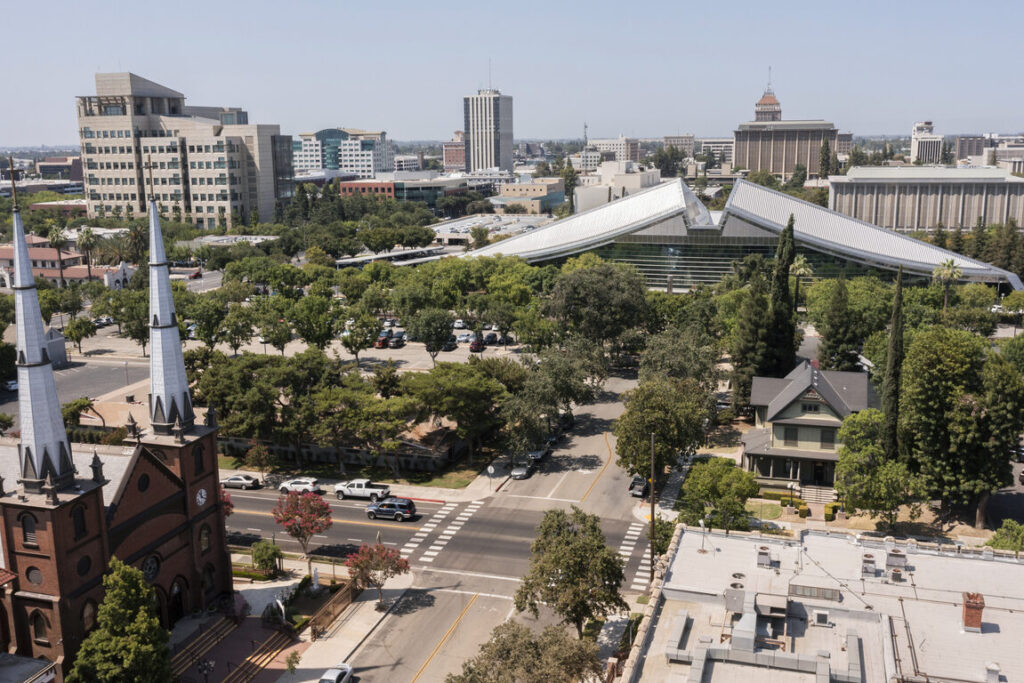
Fresno faces a unique set of geographic and economic hurdles that make it a tough sell in 2026. Located in the heart of the Central Valley, the city suffers from some of the most stagnant air in the country, trapping pollutants and wildfire smoke for weeks on end. The local economy is dominated by agriculture, which leaves little room for those in other professional sectors, and the heat, often exceeding 40°C for long stretches, makes outdoor life nearly impossible for a third of the year.
Living in Fresno often feels like a constant battle against the climate. There’s a specific kind of frustration that comes with having to stay indoors because the air quality index is in the “purple” zone. For families moving here, the lower housing prices compared to the coast are quickly offset by astronomical cooling bills and the health costs of asthma or seasonal allergies. It’s a city where the horizon is often hidden by a brown haze, which can make even the most optimistic resident feel a bit claustrophobic.
23. Shreveport Louisiana
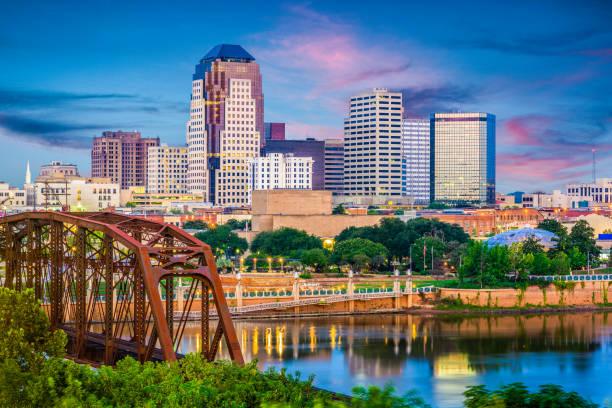
Shreveport has struggled to redefine itself after the decline of the local oil and gas industries, leading to a shrinking population and a visible lack of investment in the downtown area. The city’s crime rates are among the highest in the state, and the public school system has faced years of declining enrollment and budget cuts. Infrastructure is also a major concern; the city’s water and sewage systems are aging rapidly, leading to frequent road repairs and service interruptions that can disrupt daily life without warning.
There is a sense of faded grandeur in Shreveport that can be quite heavy to live with. You see it in the beautiful, crumbling homes that no one can afford to fix and the quiet streets where businesses used to be. For a person moving in, it can feel like you’ve arrived after the party is already over. The local hospitality is still there, but it’s tinged with a “survival mode” mentality that can make it difficult to feel like the city is growing or that your own future there is particularly bright.
24. Pueblo Colorado
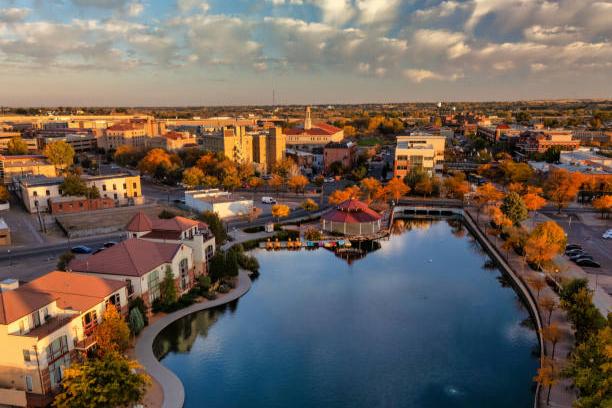
Pueblo is often the “affordable” alternative to the booming Front Range cities like Denver or Boulder, but that affordability comes with significant trade-offs. The city has long dealt with high rates of violent crime and a lack of high-paying jobs outside of manufacturing and healthcare. While Colorado is known for its outdoor lifestyle, Pueblo’s landscape is much more industrial and arid, and the city has struggled to attract the kind of investment that has modernised its northern neighbors.
Moving to Pueblo often means feeling like the “forgotten” part of a wealthy state. While the rest of Colorado is associated with luxury ski resorts and tech hubs, Pueblo can feel like it’s still caught in a post-industrial slump. For a newcomer, the lack of high-end amenities or a diverse job market can make the city feel stagnant. It’s a place where you might save money on rent, but you spend your time wondering if the city will ever see the kind of revitalisation that seems to be happening everywhere else but there.
25. Bakersfield California
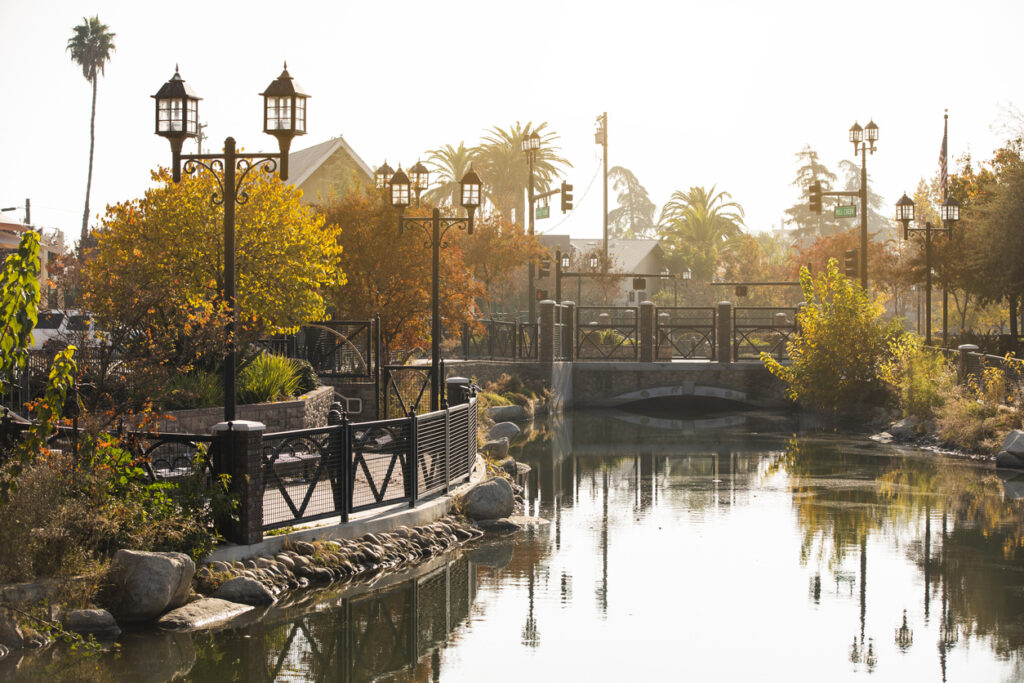
Bakersfield concludes our list as a city that combines high environmental risks with a lack of economic diversity. It is consistently ranked as one of the most polluted cities in the United Kingdom’s closest trading partner, due to its position in a valley that catches dust, smog, and oil field emissions. The local economy is incredibly sensitive to the fluctuations of the energy and farming sectors, leading to a “feast or famine” job market that can make career stability difficult for those in supporting industries.
For many, Bakersfield feels more like a transit stop than a destination. There is a “rough around the edges” quality to the city that can be off-putting if you’re looking for a polished or quiet suburban life. The combination of intense summer heat, poor air, and a landscape dominated by oil derricks creates a sensory experience that isn’t for everyone. It’s a city of hard-working people, but the lack of green spaces and the feeling of being culturally isolated from the rest of California can make it a very lonely place to start a new chapter.
26. Minneapolis Minnesota
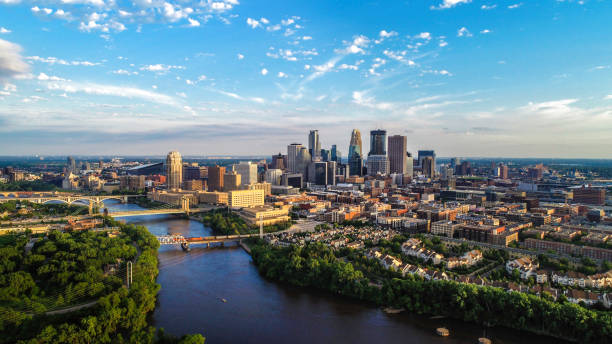
Minneapolis enters 2026 still grappling with the long-term social and economic fallout of the civil unrest that began in 2020. While the city has made efforts toward reform, safety remains a primary concern; data from the 2025-2026 reporting cycles frequently places it among the top 25 most dangerous cities in the country for violent crime per capita. The “Twin Cities” charm has been dampened by a struggling downtown commercial sector, where high vacancy rates in office buildings have led to a decrease in foot traffic and an increase in public safety incidents in once-bustling areas.
For anyone considering a move to Minneapolis, the “Minnesota Nice” reputation is often tested by the reality of a deeply divided city. There is a palpable tension on the streets as the community navigates a difficult relationship with law enforcement and a rising cost of living that is pushing many out toward the suburbs. The winters have always been brutal, but they feel even longer when the city’s social and cultural hubs are struggling to regain their footing. It is a city in a state of flux, where the sense of safety and community pride that once defined it feels increasingly fragile.
27. Gary Indiana
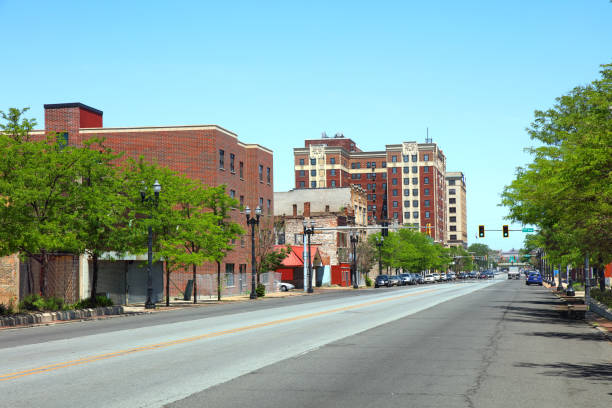
Gary has long been the poster child for post-industrial decline, and in 2026, the city still struggles with a massive surplus of abandoned structures. Local estimates suggest that over 13,000 buildings sit blighted or empty, creating a landscape that feels more like a film set than a functional community. The local economy remains heavily tethered to the fluctuating steel industry, and the city’s tax base is so depleted that basic services like road repair and street lighting are frequently neglected or delayed indefinitely.
Living in Gary requires a high level of mental fortitude. For many, the daily experience involves driving through blocks of “ghost houses” that pull down property values and invite unwanted activity. There is a profound sense of isolation here; with few major supermarkets or vibrant high streets, residents often have to travel to neighboring towns just to complete a basic weekly shop. It’s a place where the air still carries the metallic tang of the mills, and the lack of visible progress can make it feel like the city is perpetually stuck in its own past.
28. Newark New Jersey
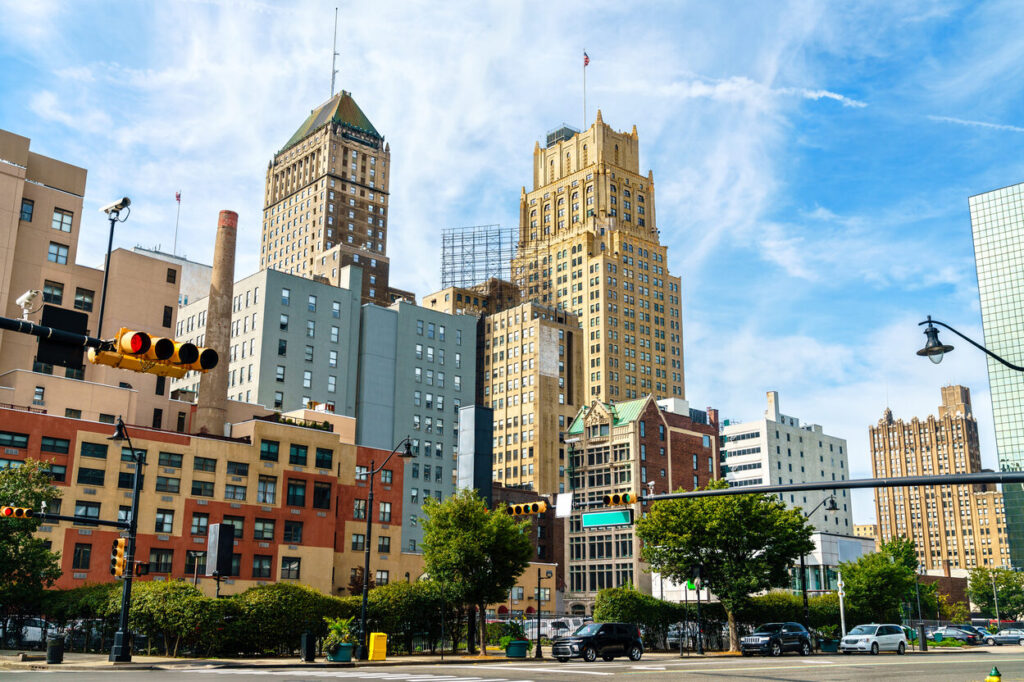
Newark has seen significant corporate investment in its downtown area, but that prosperity hasn’t filtered down to many of its residential wards. The city continues to grapple with a high cost of living that is increasingly driven by its proximity to Manhattan, pushing local families out of the housing market. Despite recent reforms, crime rates in certain neighborhoods remain high, and the state’s projected 2026 budget deficit has led to concerns about upcoming cuts to community programs and public safety infrastructure.
For a newcomer, Newark can feel like a city with a split personality. You might enjoy a world-class performance at the arts centre, but walk two blocks away and encounter systemic poverty and neglected public spaces. There is a underlying tension in the air as residents face rising property taxes alongside services that often feel stretched to their breaking point. It is a high-pressure environment where the grind of urban life is rarely softened by the “commuter convenience” people initially move there for.
29. San Juan Puerto Rico
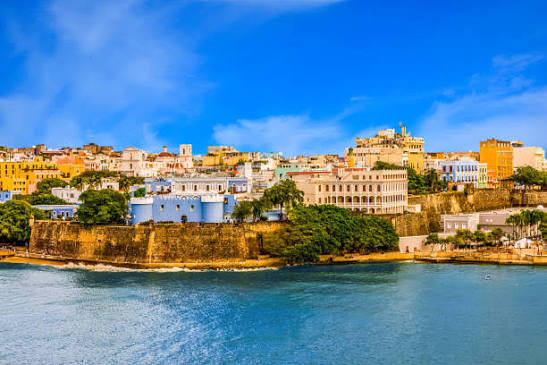
San Juan is currently facing a dual crisis of skyrocketing housing prices and a deeply unstable energy grid. In 2026, the island continues to experience frequent, unpredictable power outages that can last for hours or even days, disrupting home life and business operations. Meanwhile, the influx of wealthy investors taking advantage of tax incentives has driven up the cost of real estate to levels that are increasingly out of reach for middle-income residents and those moving from the mainland without a corporate subsidy.
Living in San Juan requires a “plan B” for almost everything. Many residents find themselves investing in expensive backup generators or cisterns just to ensure they have electricity and water, luxuries that are taken for granted elsewhere. There is a growing sense of frustration among locals as the “paradise” image marketed to tourists is contrasted with the daily struggle of navigating a failing infrastructure. It is a beautiful city, but the emotional and financial cost of maintaining a “normal” life here can be incredibly taxing.
30. Charleston West Virginia
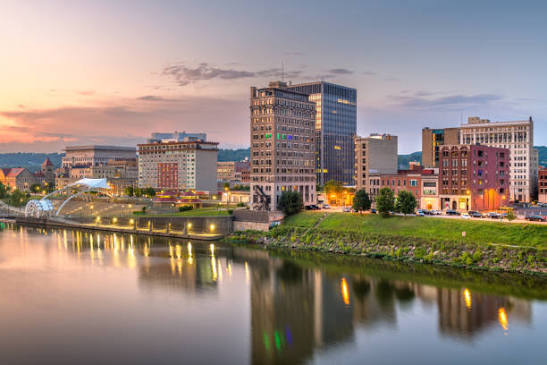
Charleston is at the heart of a state that has seen a steady population decline for over a decade. The local economy is still heavily impacted by the long-term downturn of the coal industry, and the lack of job diversification makes it a difficult place for young professionals to find upward mobility. Public health is a major concern here; the city has been profoundly affected by the opioid epidemic, which has left a mark on nearly every aspect of social life, from the strain on emergency services to the local school system.
Moving to Charleston often feels like moving into a city that is mourning its own history. There is a quietness in the downtown area that can feel heavy, as if the city is waiting for an economic spark that never quite arrives. For a newcomer, breaking into the social fabric can be difficult in a community that is deeply rooted in tradition and family ties. While the Appalachian scenery is undeniably stunning, the reality of living in a place with limited growth and high social health challenges can quickly become a heavy burden to carry.
31. Reading Pennsylvania
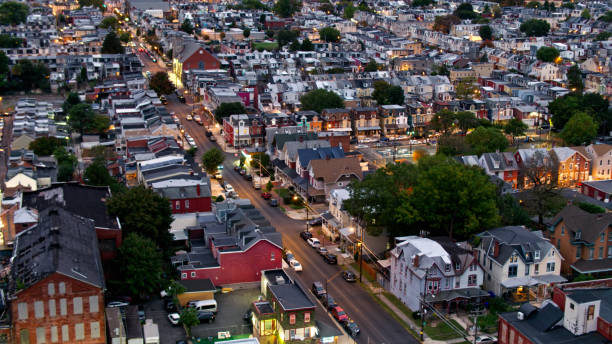
Reading enters 2026 facing a significant financial squeeze, with a proposed 9% property tax increase to cover the city’s rising service costs. Despite being one of the most densely populated cities in the state, its tax base is struggling, leading to a “pay more for less” scenario for many residents. Crime remains a persistent issue in the urban core, and the local government has had to dip into reserve funds to maintain basic safety net services, creating an atmosphere of fiscal uncertainty that deters new small business owners.
Life in Reading can feel like a constant juggle for families trying to make ends meet. The sight of beautiful, historic brick buildings being used as overcrowded rental units highlights a deep housing crisis that the city hasn’t yet solved. For someone moving here, the lack of walkable green spaces and the crowded, noisy atmosphere of the residential blocks can make the city feel smaller than it is. It is a place where the pressure of local taxes and the worry about neighborhood safety can make it hard to feel like you’re truly “home.”
32. Beaumont Texas
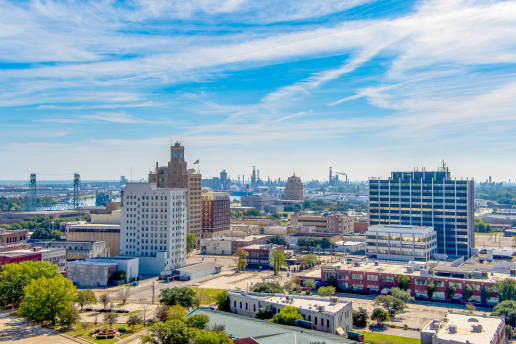
Beaumont is a city where the air quality is a constant concern due to its dense concentration of petrochemical plants and refineries. Data for 2026 shows that the city’s population has been in a slow, steady decline for years, as residents seek better educational opportunities and a safer environment elsewhere. The local public schools have struggled with low proficiency rates in core subjects, and the crime rate remains significantly higher than the national average, particularly for property-related offences.
For many who move to Beaumont for work in the energy sector, the “company town” feel can eventually become suffocating. The skyline is dominated by flares and cooling towers, and the humidity of the Gulf Coast means that for much of the year, the air feels thick and heavy. There is a certain social isolation that comes with living in a city that people seem to be leaving rather than joining. It is a place where you might find a high-paying job, but you may struggle to find the high quality of life that makes a long-term move worth it.
33. Macon Georgia
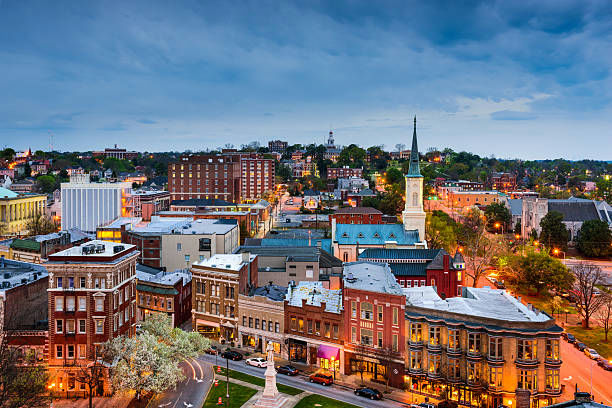
Macon currently faces some of the highest crime statistics in Georgia, with a violent crime rate that has left many residents feeling vulnerable. The city is also a significant “food desert,” with many neighborhoods lacking access to fresh, affordable groceries, leading to poor health outcomes for the community. While there is a strong effort to revitalise the musical heritage of the downtown area, the surrounding districts continue to struggle with high poverty rates and a public transport system that is too infrequent to be reliable for commuters.
The atmosphere in Macon is often one of “pockets of promise” surrounded by areas of neglect. For a newcomer, it can be frustrating to see the city’s potential being held back by incompetent local administration and constant jurisdictional battles between city and county officials. There is a specific kind of heat in Macon, a damp, stifling humidity, that seems to mirror the stagnant feeling of the local economy. It’s a city that requires you to be very careful about where you settle, as the difference between a “good block” and a “bad block” is stark.
34. Augusta Georgia
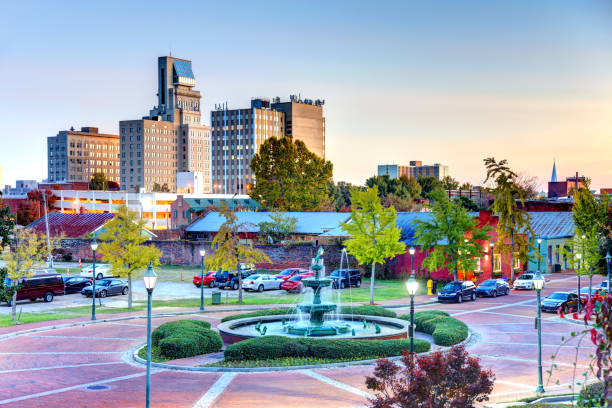
Augusta is often famous for a single week of golf every April, but for the other 51 weeks of the year, the city deals with significant infrastructure and social hurdles. The city’s transit system is highly limited, making car ownership a costly necessity, and the aging road network struggles to handle the traffic during peak hours. Beyond the manicured lawns of the golf club, many residential areas deal with higher-than-average crime rates and a lack of diverse cultural or entertainment options for those who aren’t interested in the traditional local pastimes.
Moving to Augusta can feel like moving to a city with an identity crisis. It wants to be a modern hub for cybersecurity, but the social landscape still feels very much like a small, conservative town that is resistant to change. For a newcomer, the “mosquitos and humidity” of the Georgia summers are a literal pest, but the figurative “social bugs”, the lack of a vibrant, inclusive downtown and the feeling of being an outsider, can be even harder to deal with. It is a place where life moves slowly, which can be peaceful for some but utterly draining for others.
35. Jackson Tennessee
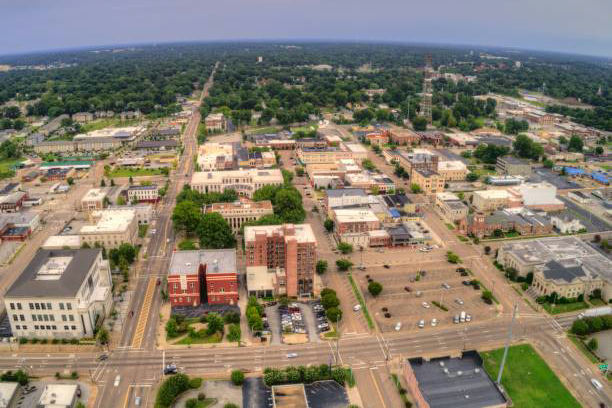
Jackson serves as a regional hub between Memphis and Nashville, but it has inherited many of the safety challenges of its larger neighbors without the same level of economic investment. The city has seen a rise in gang-related activity and property crime over the last few years, making certain neighborhoods a risky choice for families. While the cost of living is low, so is the average household income, and the lack of a diverse job market means that many residents are forced into a long, stressful commute to find professional work.
Life in Jackson often feels like being in the “middle of nowhere” even when you’re in the center of town. There is a lack of cohesive community planning, resulting in a sprawling landscape of car dealerships and fast-food chains that lacks a true “heart.” For those moving here, the lack of quality public parks and the declining state of the local school infrastructure can make the weekends feel empty. It’s a place where you might find a cheap house, but you may find yourself missing the vibrancy and security of a city that has more to offer its residents.
Choosing where to live is one of the biggest decisions we ever make. Which is why this data suggests that in 2026, these locations require a little more caution and a lot more research before you pack the van.


