
1. A Real Volunteer Program

If you have ever dreamed of trading your office cubicle for a Mediterranean breeze, the Syros Cats initiative might be your calling. This isn’t a quick getaway for tourists but a serious animal welfare program run by a registered Greek non-profit organization. Since the group’s formalization in the early 2010s, they have worked tirelessly to manage the stray population in Ermoupoli, the island’s capital. Ermoupoli is famous for its marble-paved streets and neoclassical architecture, but behind the beauty, thousands of cats require daily attention to stay healthy.
The work is hands-on and requires a genuine heart for animals. Volunteers handle everything from preparing specialized meals to monitoring feline colonies for signs of illness. Because the local government often lacks the funding for large-scale shelters, this non-profit steps in to fill the gap. It is a structured environment where every volunteer is assigned specific feeding routes. You aren’t just petting cats; you are a vital part of a community-led movement that ensures these animals are fed, hydrated, and given medical attention. By participating, you become part of a legacy of care that has transformed Syros into a much kinder environment for its four-legged residents over the last decade.
2. Free Housing Explained
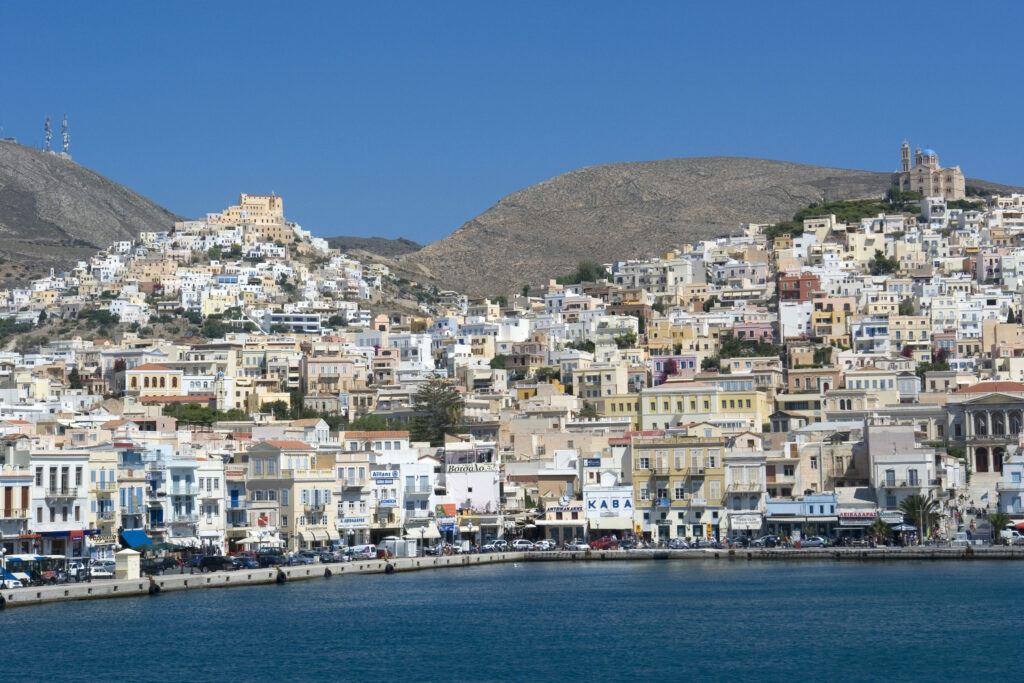
One of the most talked-about perks of this program is the offer of free housing. On an island like Syros, where tourism peaks between June and September, finding affordable rent can be nearly impossible. To solve this, the organization provides volunteers with shared accommodations, often located in quiet, scenic spots near the Aegean Sea. These houses are fully equipped with kitchens and communal areas, allowing you to live like a local. While you won’t be staying in a five-star luxury resort, the rooms are clean, comfortable, and provide a peaceful sanctuary after a day of work.
This housing arrangement is designed for long-term stays, typically requiring a commitment of at least several weeks. By covering the cost of utilities and rent, the program makes it possible for people from all walks of life to contribute without worrying about high Greek island prices. It is a fair exchange: you provide your time and energy to help the animals, and the charity ensures you have a roof over your head. Living with other volunteers also creates a unique social bond. You will likely find yourself sharing dinners and stories with people from across the globe, all united by a shared mission to improve the lives of the island’s many stray cats.
3. Why Syros Has Many Cats
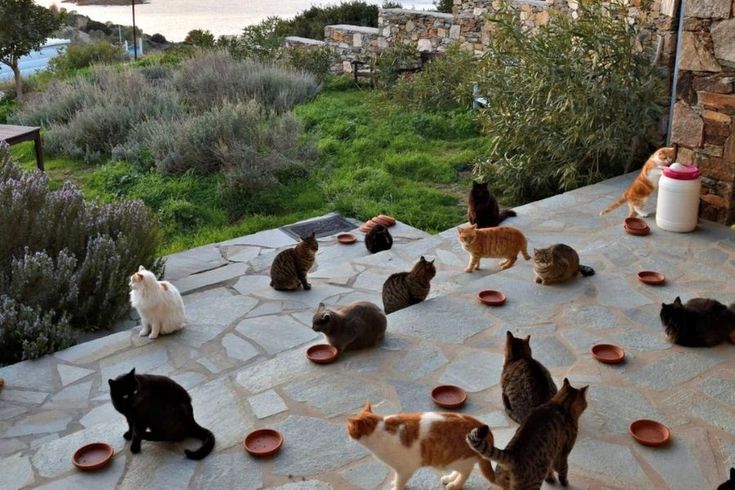
To understand why Syros needs so much help, you have to look at the history of Greece. For centuries, cats have lived alongside humans in the Mediterranean, prized for their ability to control pests in port towns like Ermoupoli. Because the weather is mild year-round, with winter temperatures rarely dropping below 10°C (50°F), the feline population thrives. Without natural predators or consistent sterilization programs in the past, the number of “community cats” grew rapidly. By the early 2000s, it became clear that the island needed a more organized way to manage these populations humanely.
The cats on Syros aren’t necessarily “homeless” in the way we think of pets; they are part of the island’s ecosystem. They live in the narrow alleyways and near the fishing docks, where they have been a staple of local life for generations. However, a high population leads to competition for food and the spread of disease. This is why the volunteer program is so important. It bridges the gap between the cats’ independent nature and their need for modern veterinary care. Understanding this cultural background helps volunteers appreciate that they are not just “saving” cats, but helping to maintain a delicate balance that has existed on the island for a very long time.
4. Daily Work with the Cats
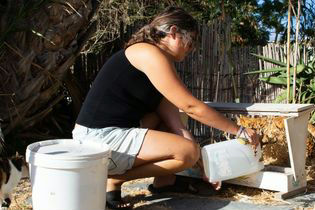
A typical day for a volunteer on Syros starts early, often before the Mediterranean sun gets too hot. By 8:00 AM, you might be out on your designated route, visiting various “feeding stations” tucked away in the island’s charming corners. The work is rhythmic and physical. You will be refilling water bowls, which is especially critical during the dry summer months, and providing nutritious food to colonies that have come to recognize their caregivers. It is a rewarding feeling when a dozen cats greet you with purrs as you arrive at your morning stop.
Beyond feeding, the role involves a high level of observation. Volunteers are trained to look for “ear-tipped” cats, which is a universal sign that an animal has been neutered or spayed. If you spot a cat with an injury or a new litter of kittens, you must report it to the coordinators immediately. You might even help transport animals to the local vet in Ermoupoli for check-ups. While the schedule is organized, no two days are exactly the same. One afternoon you might be cleaning feeding equipment, and the next you could be assisting with a local adoption. This hands-on involvement ensures that the cats receive consistent care, regardless of how many tourists are visiting.
5. The Role of Sterilization
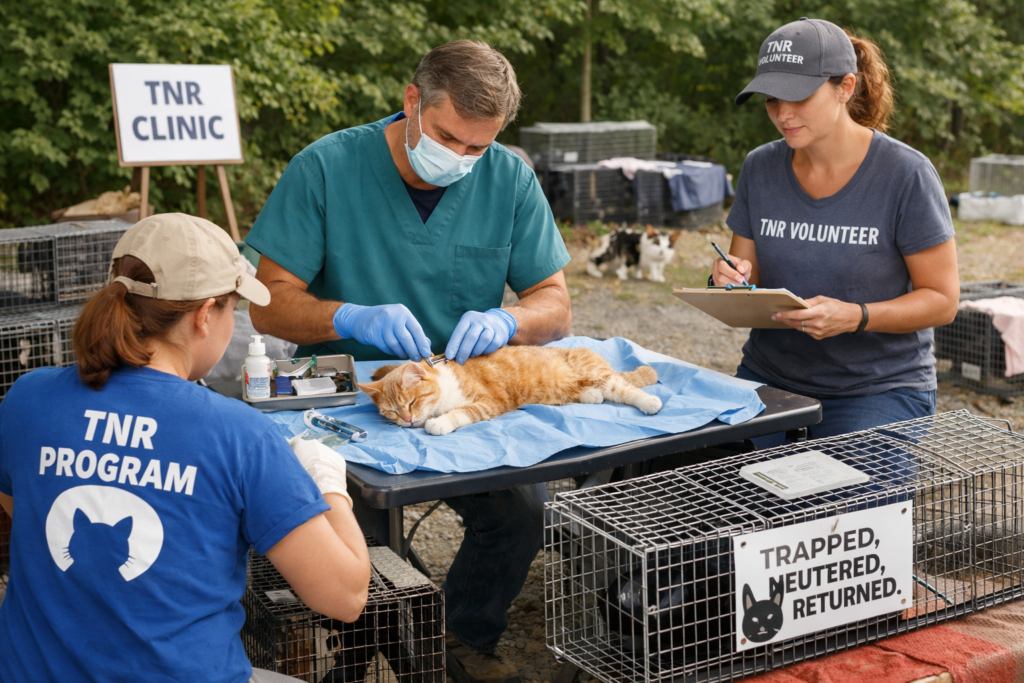
The most important part of the work done on Syros is the Trap-Neuter-Return (TNR) program. Animal experts agree that simply feeding strays isn’t enough; without population control, the number of cats would quickly become unmanageable. Since the program began, thousands of successful procedures have been performed, significantly reducing the number of kittens born into a life of hardship. Sterilization not only keeps the population stable but also makes the cats healthier by reducing fighting and the spread of feline viruses. It is a scientific, humane approach that has become a global gold standard.
Volunteers play a supporting role in this vital mission. You might help set humane traps or monitor cats as they recover from their surgeries in a safe, quiet environment. It is a process that requires a lot of patience and gentleness. Seeing a cat return to its colony healthy and unable to produce more unwanted litters is one of the most fulfilling parts of the job. This strategy has turned Syros into a model for other Greek islands, such as Mykonos or Santorini, which face similar challenges. By focusing on long-term solutions rather than quick fixes, the program ensures that the island’s cat population remains healthy, happy, and loved by the community for years to come.
6. Time Beyond Volunteering
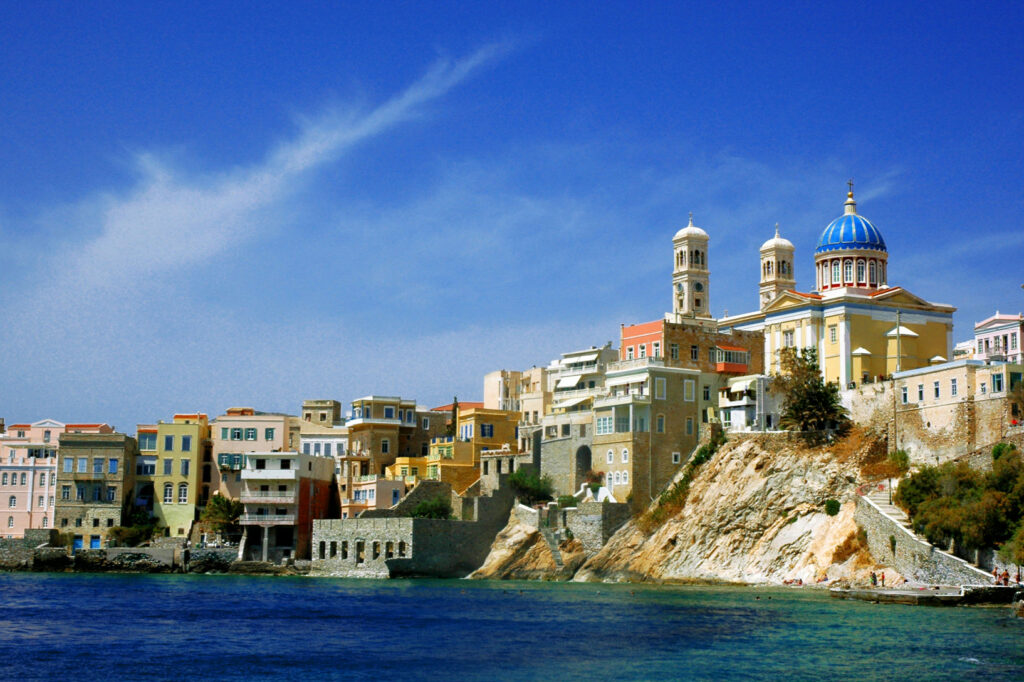
While the mission is serious, volunteers are encouraged to enjoy the beauty of Syros during their downtime. Unlike the heavy party atmosphere of nearby Mykonos, Syros offers a more authentic and relaxed Greek experience. The island is the administrative heart of the Cyclades, meaning it stays active even outside the tourist season. You can spend your afternoons wandering through the historic Vaporia district, where grand mansions overlook the sea, or hiking the rugged trails that lead to secluded northern beaches like Varvarousa. The balance of work and play is what keeps volunteers energized.
Having your housing covered means your daily budget can go much further. You can enjoy a fresh Greek salad or a “gyros” at a local taverna for just a few euros. Many volunteers spend their weekends taking short ferry rides to explore neighboring islands or simply relaxing by the crystal-clear waters of Galissas Beach. Because you are living there for an extended period, you get to see the island in a way most tourists never do. You’ll make friends with the local shopkeepers and learn the best spots for a sunset coffee. This immersion into the local culture makes the experience feel less like a chore and more like a transformative chapter in your life.
7. Who Typically Volunteers
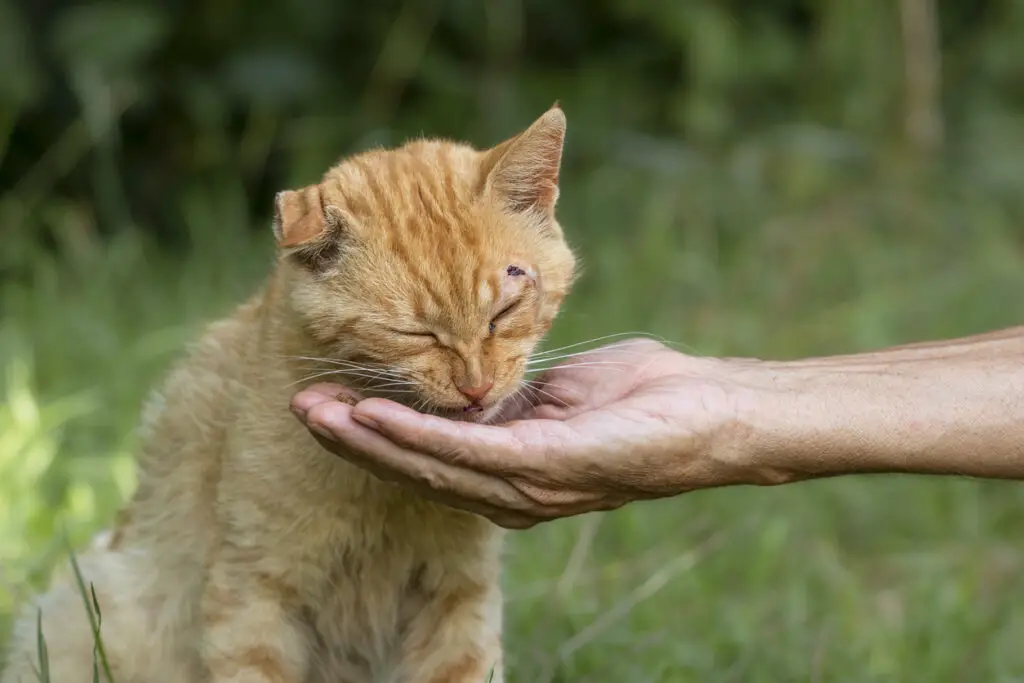
You might wonder who chooses to spend their time feeding cats on a Greek island. The answer is: almost everyone! The program attracts a diverse group of people, from college students on summer break to retirees looking for a meaningful way to spend their golden years. In recent years, there has been a surge in “digital nomads”, people who work remotely and want to give back to the community while they travel. The common thread among all participants is a deep-seated love for animals and a desire to do something practical for the world.
While you don’t need to be a professional vet to join, you do need to be reliable. The cats depend on a consistent schedule, so the organization looks for people who are disciplined and hardworking. You should be comfortable with a bit of dirt on your hands and the physical nature of walking through hilly terrain. It is also a great environment for those who enjoy meeting people from different cultures. Because you are living in shared housing, you will be constantly interacting with teammates from the UK, the US, Germany, and beyond. This diversity creates a rich environment where everyone learns from each other while working toward the same compassionate goal.
8. Not a Holiday Scheme
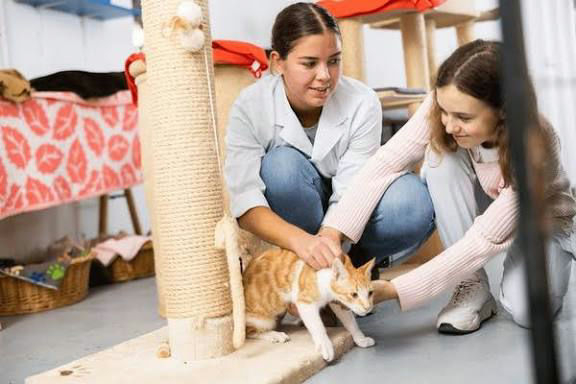
It is easy to see a headline about “free housing in Greece” and think of it as a free vacation. However, the organizers are very clear that this is a work-exchange program, not a holiday. The application process is thorough because the welfare of the cats is the top priority. Short-term visitors who only want a few “selfies” with kittens are generally discouraged. The program prefers volunteers who can stay for at least four to six weeks. This ensures that the cats become familiar with their caregivers, which reduces the animals’ stress levels significantly.
There are rules to follow regarding hygiene, feeding schedules, and household chores. You are expected to treat the volunteer house with respect and follow the guidance of the local coordinators. If you approach the experience with the mindset of a dedicated worker, you will find it incredibly rewarding. If you come expecting a lazy beach holiday, the reality of the daily chores might be a surprise. Those who thrive here are the ones who find joy in the “boring” parts of the job, like cleaning water bowls or double-checking a medical log. It is about the satisfaction of a job well done and the impact you leave behind.
9. Impact on Local Communities
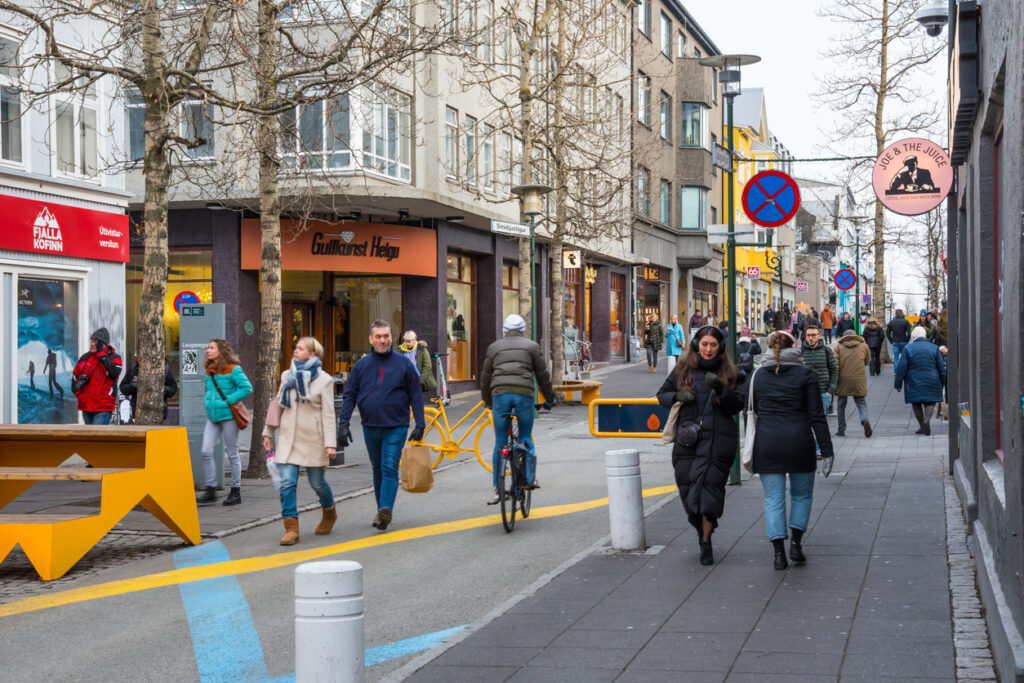
The work of the Syros cat program extends far beyond just the animals; it has a huge positive impact on the human residents as well. Before the non-profit became active, the sight of hungry or sick cats was a source of distress for many locals. By taking responsibility for the health and population of the strays, the program has helped create a cleaner and more harmonious environment. Business owners in Ermoupoli often appreciate the volunteers’ efforts, as healthy, well-behaved cats are much more welcome near outdoor cafes than struggling ones.
Furthermore, the program works closely with local Greek veterinarians, providing them with consistent work and supporting the local economy. Education is also a big part of the mission. By showing the benefits of sterilization and regular feeding, the volunteers help shift local perspectives on animal welfare. It is a collaborative effort that respects Greek traditions while introducing modern care standards. Many residents now take pride in their “neighborhood cats” and often help by putting out water or alerting volunteers to new arrivals. This partnership between international volunteers and the local community is what makes the Syros model so successful and sustainable for the long haul.
10. Why the Story Resonates
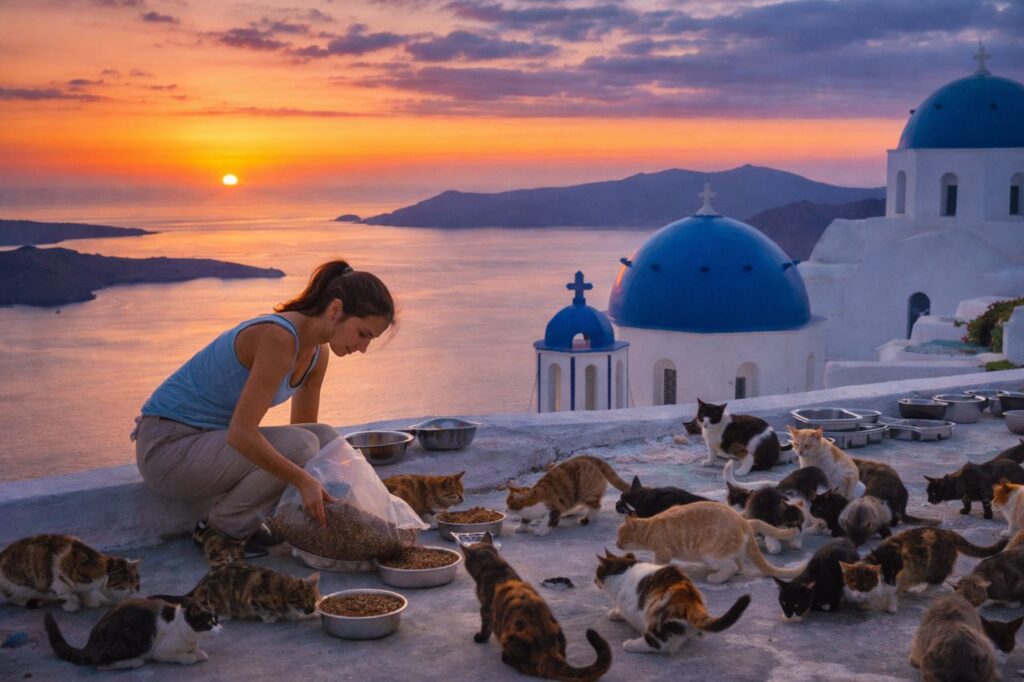
In a world that often feels fast-paced and disconnected, the story of the Syros cat volunteers touches something deep in our hearts. It represents a return to a simpler, more purposeful way of living. People are naturally drawn to the idea of “slow travel”, the act of staying in one place long enough to actually make a difference. The image of a person caring for a colony of cats against the backdrop of a blue Aegean sunset is powerful because it combines beauty with a sense of duty. It’s a reminder that we can find fulfillment through service.
The story also goes viral because it offers a “win-win” scenario. The cats get the care they need to survive, and the humans get a chance to live in a beautiful location without the financial pressure of high rent. In 2018, a single job posting for a cat caretaker on the island received over 40,000 applications, proving just how much people crave this kind of connection. Whether you actually go to Syros or just read about it, the program serves as an inspiration. It shows that with a bit of organization and a lot of heart, a small group of people can change the life of an entire island, one cat at a time.
11. Long-term Commitment Matters
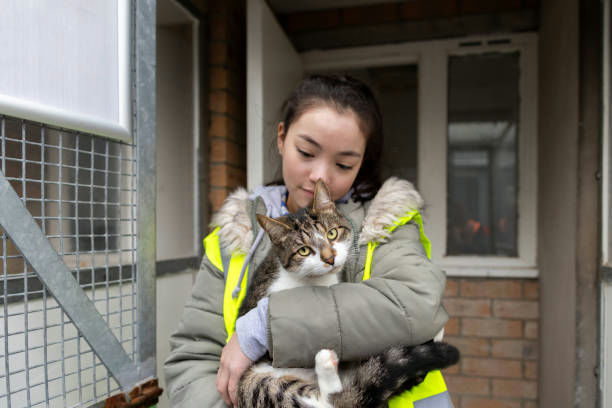
The organizers of the Syros cat initiative place a massive emphasis on the length of a volunteer’s stay. While a week in the Greek sun sounds lovely, the charity usually looks for individuals who can commit to at least four to eight weeks. This isn’t just about administrative convenience; it is about the psychological well-being of the cats. Animals that live on the streets are naturally wary of strangers. It takes time for them to build trust with a caregiver. When a volunteer stays long-term, the cats become familiar with their voice and scent, which makes the daily feeding and health checks much less stressful for the feline colonies.
Furthermore, a consistent presence allows for better medical monitoring. If a cat is undergoing a multi-week treatment for an infection, having the same person administer care ensures nothing is missed. This continuity is the backbone of the program’s success since its inception. For the volunteer, a longer stay offers a far deeper connection to the island’s rhythm. You get to see kittens grow up and watch sick cats regain their strength. By the end of a two-month stint, you aren’t just a visitor; you are a recognized part of the island’s social fabric, having made a measurable impact on hundreds of lives.
12. The Emotional Reality
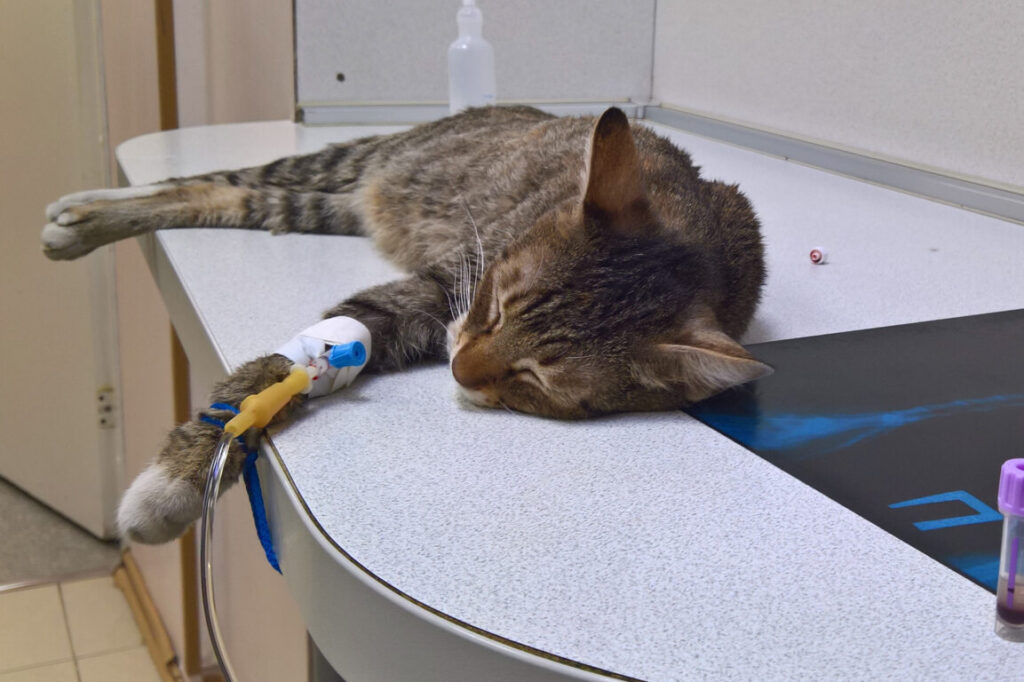
Caring for strays in a foreign country is a rewarding journey, but it also comes with significant emotional weight. Volunteers must be prepared for the reality that not every story has a happy ending. Some cats may be old, injured, or suffering from chronic illnesses that are difficult to treat in a street environment. Witnessing the struggle of a sick animal can be tough, and the program is very honest about this challenge from the start. It is not all playful kittens and sunny walks; it requires emotional resilience and a grounded perspective on the cycle of life and animal welfare.
To help with this, the volunteer community functions as a vital support system. Living and working together means you have people to talk to who truly understand the day-to-day highs and lows. You learn to celebrate the small victories, like a shy cat finally approaching you for food or a successful sterilization surgery, while supporting each other through the harder moments. This shared experience often turns into a profound life lesson in empathy and patience. Most volunteers leave Syros with a much more mature understanding of what it means to care for a community, realizing that true compassion involves showing up even when the work is difficult or sad.
13. Seasonal Differences
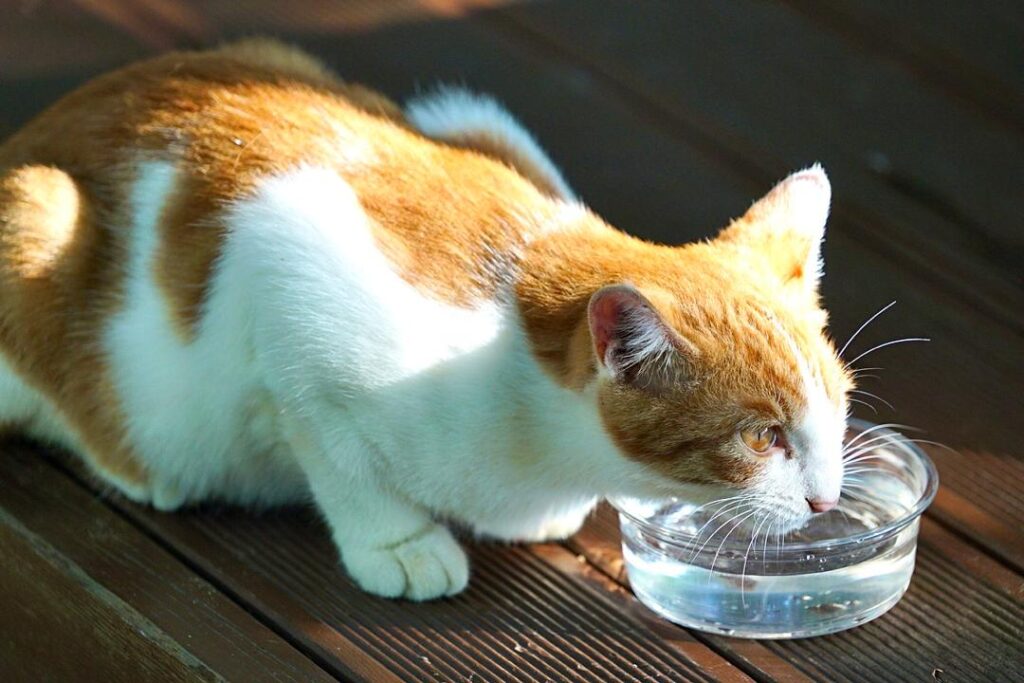
Life on Syros changes dramatically depending on the time of year you visit. During the blistering summer months, the primary concern for volunteers is hydration. With temperatures often climbing above 30°C (86°F), keeping the water bowls filled at every station is a matter of life and death for the cats. This is also when the island is busiest with tourists, meaning feeding routes might be adjusted to avoid crowded areas. The energy is high, the days are long, and the workload is intense but rewarding. The cats are active, and the Mediterranean landscape is at its most vibrant.
In contrast, the winter months offer a much quieter, more solitary experience. From November to March, the ferry schedules slow down, and many tourist shops close their doors. The weather becomes cooler and rainier, which presents new challenges for keeping the cats dry and warm. This “off-season” is actually a critical time for the program, as it is when most sterilization efforts take place before the spring breeding season begins. Volunteers who choose to go in winter get to see the “real” Greece, away from the crowds. They experience the island’s rugged beauty and form even closer bonds with the locals, who have more time to chat and share coffee during the peaceful winter afternoons.
14. How People Apply
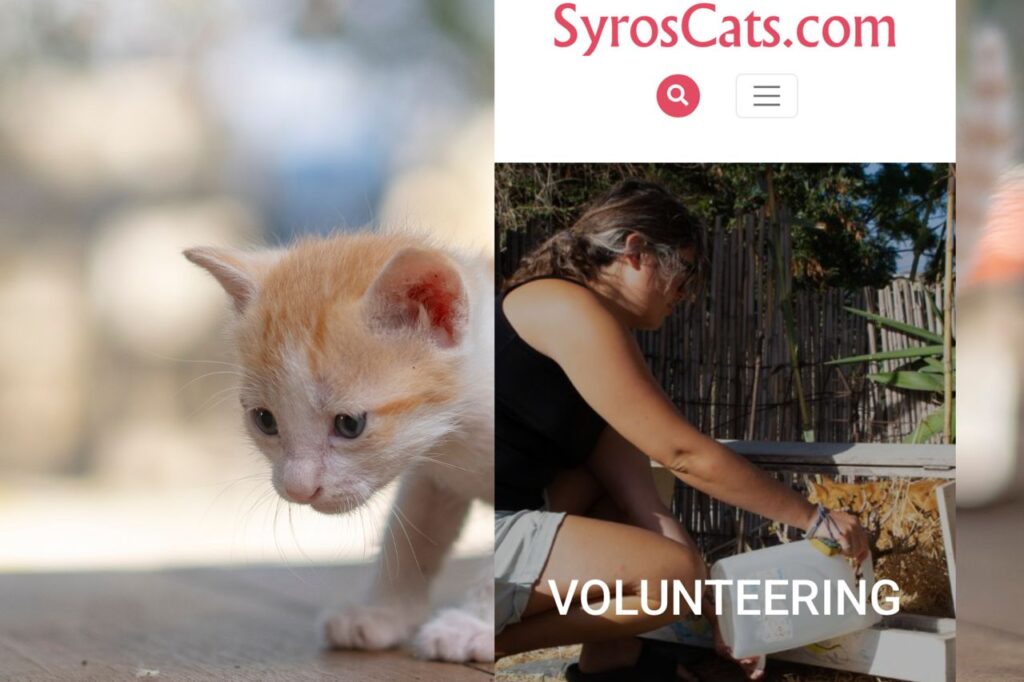
The process for joining the Syros cat program is quite professional and straightforward. Interested individuals usually apply through the Syros Cats official website or reputable international volunteer platforms. The application typically asks for your background in animal care, your availability, and your reasons for wanting to join. It is important to be honest about your physical abilities, as the job involves a lot of walking on uneven, hilly terrain. The coordinators review these applications carefully to ensure that every volunteer is a good fit for the communal living environment and the specific needs of the cats.
Clear communication is a hallmark of the program. Once you are shortlisted, there is usually an interview process to discuss the expectations and rules of the house. They want to make sure you understand that this is a commitment to the animals first and a travel opportunity second. They provide detailed information about the shared housing, what you need to pack, and how the daily schedules work. This transparency ensures that by the time you land at the Ermoupoli port, you are fully prepared for the adventure ahead. This organized approach is why the program has maintained such a high reputation for over a decade, attracting dedicated people from all over the world.
15. A Model Beyond Syros
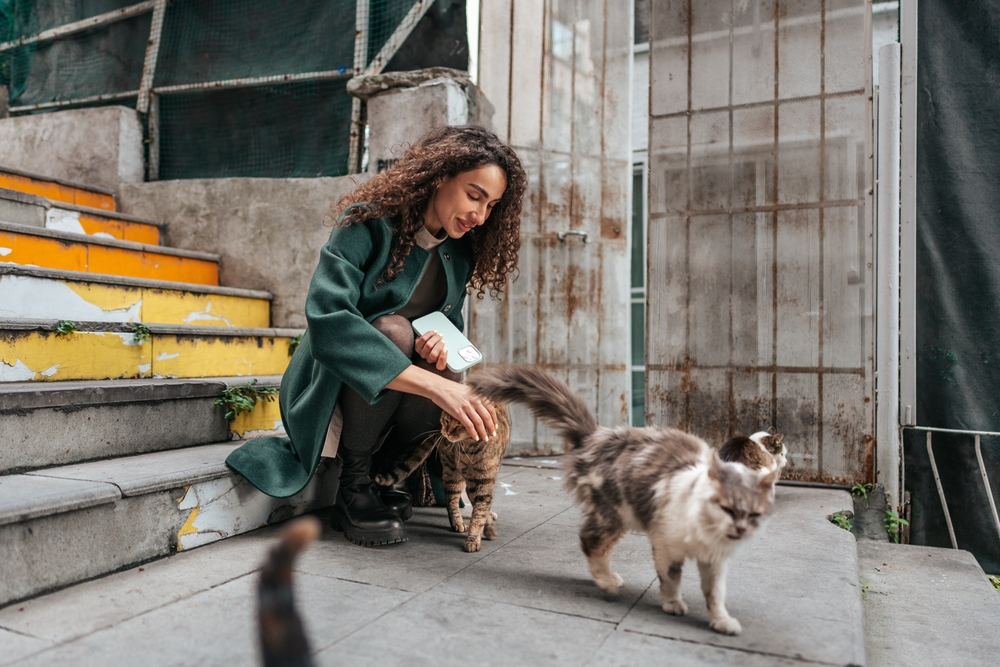
Syros has become a shining example of how a small, dedicated community can solve a large-scale problem. While many places struggle with stray animal populations, the structured approach used here, combining international volunteering with local veterinary partnerships, has proven to be incredibly sustainable. It has inspired similar initiatives on other islands like Crete and Rhodes, and even in other countries across the Mediterranean. The “Syros Model” shows that you don’t need a massive government budget to make a difference; you just need a clear plan, a way to house helpers, and a focus on long-term solutions like sterilization.
The program also plays a role in global education. Many volunteers return to their home countries with new skills in animal advocacy and non-profit management. They carry the lessons they learned in the Aegean back to their own local shelters. By focusing on humane population control rather than temporary fixes, Syros has set a standard for animal welfare that is being studied by organizations worldwide. It proves that when you provide people with a sense of purpose and a place to stay, they will travel across the globe to help. It is a beautiful testament to the power of human compassion when it is organized toward a common, life-saving goal.
In short, the Syros volunteer program isn’t offering a free vacation; it’s offering a chance to be part of something bigger than yourself.
Like this story? Add your thoughts in the comments, thank you.


