
1. Omarosa On the Apprentice
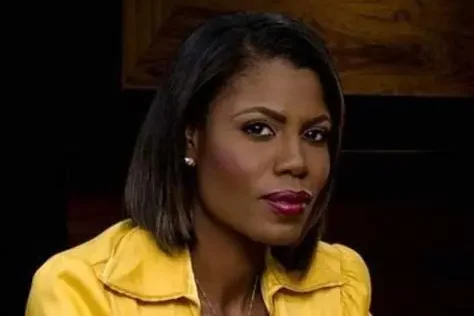
Let’s be honest, reality TV villains don’t usually fade quietly, and Omarosa definitely didn’t. On The Apprentice, she wasn’t just competitive, she was intense, sharp, and always five steps ahead. People didn’t just dislike her, they studied her like a case file. She knew how to make every room feel tense, and even when viewers rolled their eyes, they still wanted to see what she’d do next. That’s the strange pull of a true reality villain, you don’t admire the behavior, but you can’t stop watching the confidence behind it.
After the show, Omarosa stayed in the public eye in a way that made sense for someone who thrives on visibility. She moved between media appearances, political headlines, and book talk. Whether she was being praised or dragged online, she kept her name in rotation, which is honestly what many reality stars dream of. These days, she’s still remembered as one of the earliest examples of someone who turned reality TV into long term fame, and even now, her reputation still sparks debate.
2. Spencer Pratt On The Hills
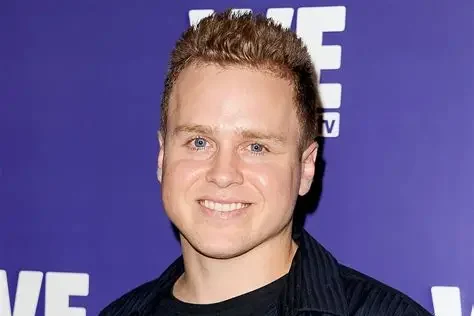
Spencer Pratt didn’t act like he accidentally became the villain on The Hills. He wore that title like designer sunglasses, and somehow, that made him even more annoying to viewers. He had a talent for saying the wrong thing at the worst time, then acting like everyone else was being dramatic. If you watched back then, you probably remember feeling personally offended for people you had never met. Spencer’s kind of villainy felt calculated, like he understood that attention was the real currency, not approval.
When the show ended, Spencer didn’t disappear, he just shifted platforms. Over the years, he and Heidi became a reality TV couple that outlasted the trend cycles, which is rare. He leaned into social media, business hustles, and interviews where he looked back on the chaos with a mix of honesty and pride. These days, he pops up in pop culture conversations like an old headache you laugh about later. Love him or not, his impact on early reality TV is hard to deny.
3. Tiffany On Flavor of Love
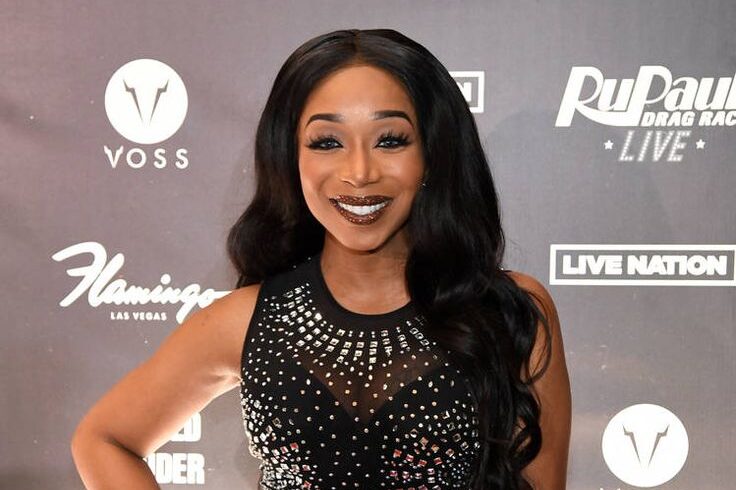
New York wasn’t the type of villain who made you angry in a quiet way. She made you gasp, laugh, and rewind the scene, all in the same minute. On Flavor of Love, her confidence felt huge, dramatic, and weirdly unforgettable, like she walked into every argument already knowing she’d be the moment. She didn’t just clash with people, she performed conflict like it was a talent. Even if you didn’t like her, you probably quoted her without meaning to, because her presence was that strong.
After the show, she didn’t struggle to stay relevant, she became a reality TV blueprint. New York kept showing up in different shows, different eras, and different internet moments, always with the same sharp delivery. She built a career on being memorable, not being liked, and that’s exactly why she still works today. Now she’s seen more like an icon than a villain, mostly because time has a funny way of turning chaos into nostalgia. Some people don’t just survive reality TV, they define it.
4. Simon Cowell On American Idol
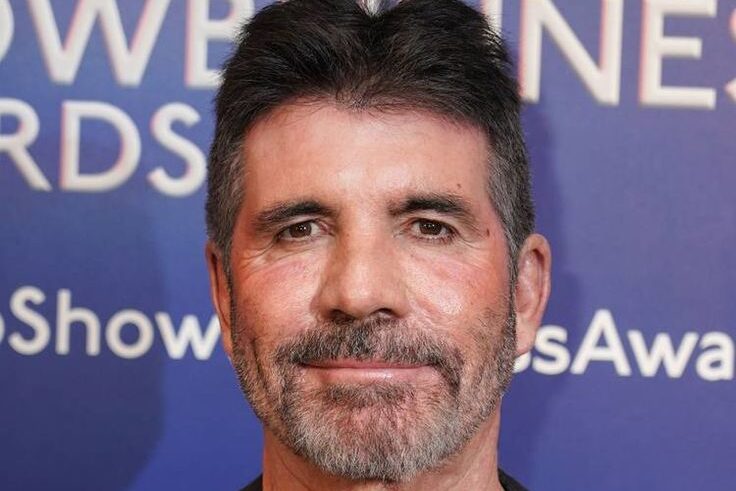
Simon Cowell wasn’t a reality villain in the typical way, but if you grew up watching American Idol, you know he played that role for millions of viewers. He had a way of speaking that felt blunt, sometimes cruel, and always confident. While other judges tried to soften their criticism, Simon delivered his like a slap. People complained about him constantly, but they also leaned in closer when he talked, because he said what others wouldn’t. He became the “mean judge” archetype that reality competition shows still copy today.
Over time, Simon evolved from harsh judge to entertainment powerhouse. He didn’t just stay on TV, he helped shape what TV talent shows even look like. Years after Idol, he kept building franchises, mentoring acts, and staying visible through different judging panels. These days, people look back and laugh at how intense he sounded, especially compared to how careful TV can be now. He’s still a polarizing figure, but he’s also proof that one sharp personality can change the whole culture of a show.
5. Gordon Ramsay On Hell’s Kitchen
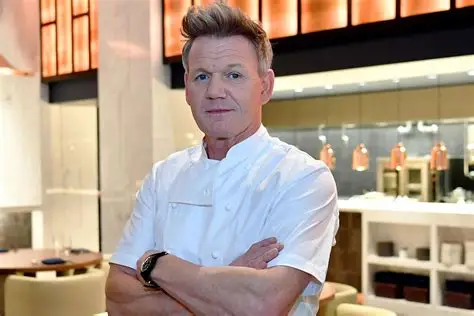
Gordon Ramsay’s villain era was loud, fiery, and full of shouting that made people clutch their pearls. On Hell’s Kitchen, he wasn’t just strict, he was explosive, and viewers either found it terrifying or weirdly entertaining. You could almost feel the kitchen heat through the screen. His outbursts became part of the show’s brand, and for a long time, his anger was the main thing people talked about. Even if you loved the cooking, the drama was always simmering right beside the food.
But Gordon’s story didn’t stay stuck in that one note. As time passed, people started seeing more sides of him, especially through other shows where he mentored instead of only raging. He expanded his restaurants, his TV empire, and his reputation as someone who takes excellence seriously. Today, he’s still intense, but he’s also respected in a way that goes beyond reality TV drama. Looking back, his villain image feels like a performance that helped build a career that was already bigger than the screen.
6. Russell Hantz On Survivor
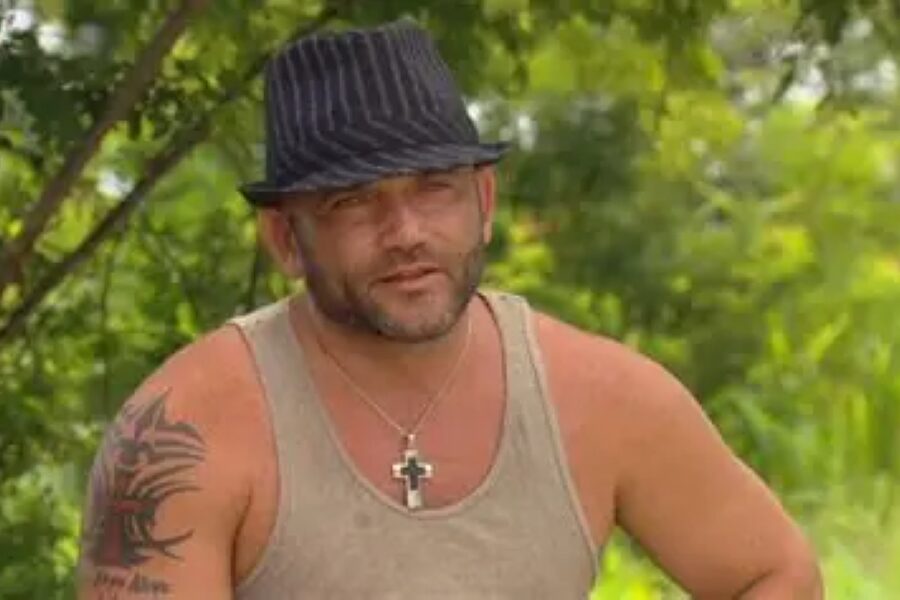
Russell Hantz didn’t play Survivor like a normal person with normal morals. He played like someone who wanted to break the game, not just win it. He lied fast, manipulated friendships, and treated trust like a tool instead of a bond. Viewers couldn’t agree on him, some thought he was brilliant, others thought he was unbearable. But one thing was clear, he made people feel something, and that’s what reality TV feeds on. You didn’t watch Russell calmly, you watched him with your jaw clenched.
After Survivor, Russell stayed connected to the franchise in a way that kept his name alive. He leaned into being controversial, talking about strategy, arguing his case, and reminding everyone that he changed the game. Even years later, Survivor fans still debate him like it’s a sports rivalry. These days, he pops up through interviews and fan spaces, still proud of his legacy, still convinced he deserved more. In a way, Russell became one of those villains who never stopped playing, even after the island.
7. Jax Taylor On Vanderpump Rules
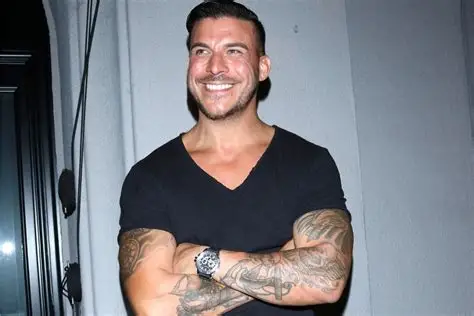
Jax Taylor was the kind of villain who didn’t look like a villain at first. He looked like the fun guy at the party, until the lies, cheating, and drama started piling up like dirty dishes. On Vanderpump Rules, he had a way of causing chaos and then acting shocked that anyone was upset. It was frustrating, but it was also classic reality TV behavior. If you’ve ever watched that show, you know Jax could ruin a good moment in under five minutes.
After years of being the center of conflict, Jax still stayed in the public conversation. He built his personal brand around being unpredictable, and fans either hated him or watched him like a cautionary tale. In recent years, he’s been seen more as a grown man trying to figure himself out, especially as life shifted toward marriage and parenting. Whether people forgive him or not, he remains one of those reality stars who made the show feel real, because he never looked polished, just messy and human.
8. Kenya Moore On Real Housewives of Atlanta
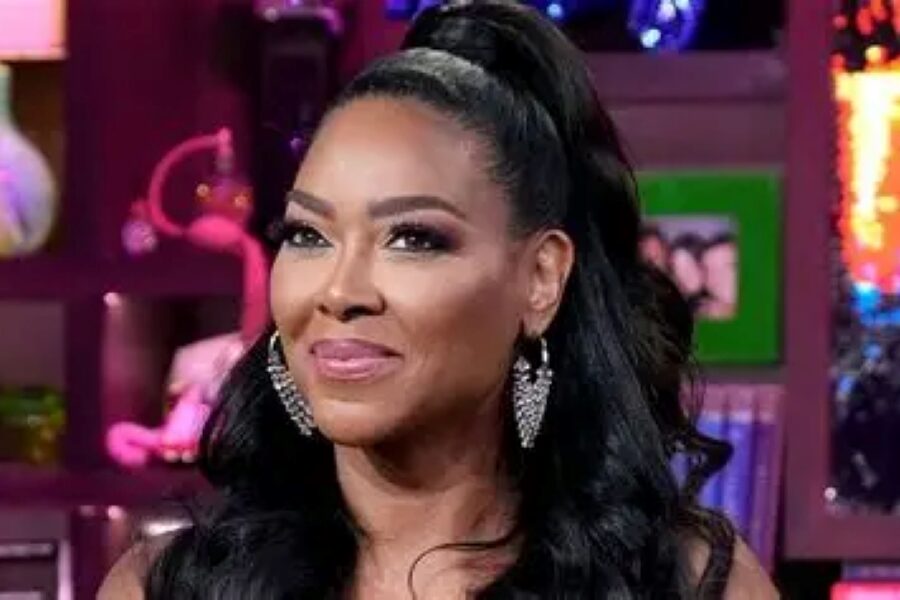
Kenya Moore has never been the quiet housewife in the corner. On Real Housewives of Atlanta, she arrived with confidence and a mouth that didn’t hesitate. Her arguments felt like performances, quick comebacks, dramatic entrances, and that ability to poke exactly where it hurts. Viewers loved to call her the villain, but the truth is, she often carried the storyline on her back. Even when she was being petty, she was rarely boring, and that’s why she stayed in people’s mouths for years.
Outside the show, Kenya kept building herself beyond the drama. She leaned into business, media opportunities, and the kind of personal growth that reality TV rarely shows in full. As time passed, audiences started seeing her as more layered, not just the troublemaker. She’s still confident, still opinionated, but she’s also someone fans recognize as a major part of what made Atlanta such a powerhouse franchise. Whether she’s loved or dragged, Kenya has remained unforgettable, and honestly, that is a kind of victory.
9. Johnny Bananas On The Challenge

Johnny Bananas became famous for doing what many reality stars are scared to do, making the ruthless move. On The Challenge, he built a reputation for strategy, manipulation, and always keeping one eye on the prize. He wasn’t just competing physically, he was playing mind games, and viewers either respected it or resented it. His charm made it worse, because even when he was wrong, he could still laugh and pull people in. He was the kind of villain who made betrayal look like entertainment.
Over the years, Bananas turned that reputation into longevity. While other cast members came and went, he stayed relevant by knowing the game better than most. He expanded into hosting, podcasting, and being a familiar face in competition TV circles. These days, he feels less like the villain and more like the veteran who refuses to retire. He still shows up with the same confidence and humor, and fans still argue about whether he’s a genius or just lucky. Either way, he became reality TV history.
10. Kim Zolciak On Real Housewives of Atlanta
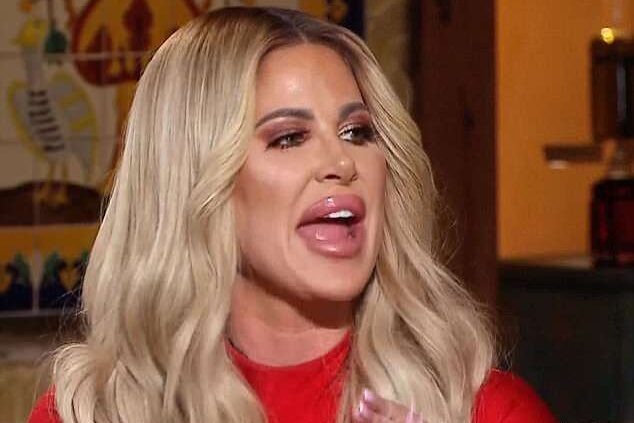
Kim Zolciak was never built for blending in, and Real Housewives of Atlanta proved it fast. She had the attitude of someone who felt entitled to her own version of the truth, even when it didn’t match what was happening on camera. She could be stubborn, dismissive, and casually shady without blinking. But even when she irritated people, she brought a kind of messy honesty that reality TV thrives on. If you watched her early seasons, you know she didn’t try hard to be liked, she just showed up as herself.
After Housewives, Kim stayed in the spotlight through spin offs, social media fame, and nonstop public curiosity about her lifestyle. She leaned into the celebrity life, big family moments, and a constant stream of updates that kept people talking. These days, her name still sparks strong reactions, because her story has had highs, lows, and everything in between. Kim remains a reminder that reality TV fame can be both fun and unstable, depending on how you carry it once the cameras move on.
11. Abby Lee Miller On Dance Moms
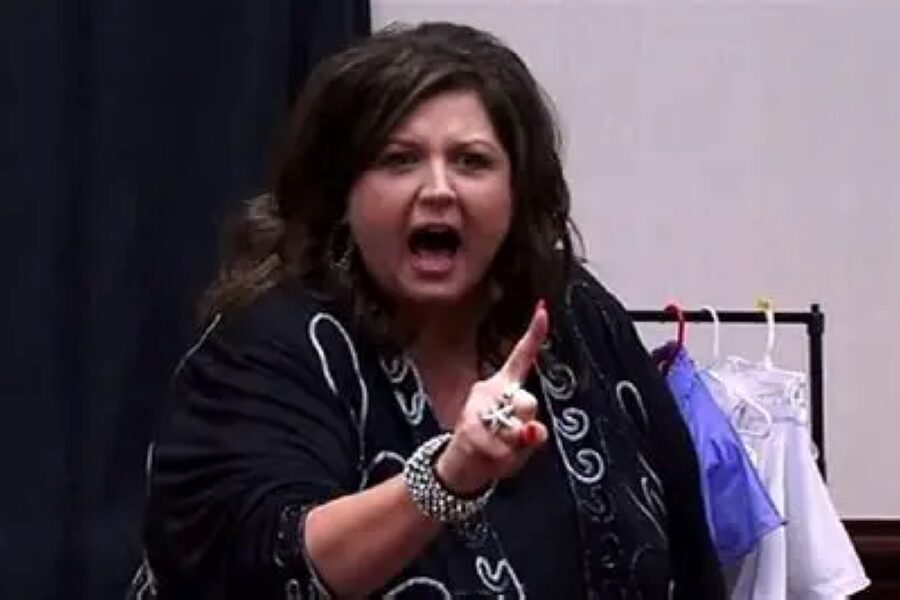
Abby Lee Miller was never the sweet teacher who handed out hugs and stickers. On Dance Moms, she ruled with pressure, criticism, and harsh expectations that made viewers uncomfortable, even when the kids were talented. Her style became the center of the show, and people couldn’t stop arguing about whether she was helping those dancers succeed or simply breaking them down. Watching Abby could feel exhausting, but it also felt addictive, because every episode carried the tension of someone being judged and pushed to the edge.
After Dance Moms, Abby’s life became bigger than the studio. She stayed in the public eye through interviews, appearances, and personal struggles that many viewers followed closely. Over time, some fans softened toward her, while others still hold her accountable for the way she treated people on camera. Today, she continues to speak about dance and talent, but her image remains one of the most polarizing in reality TV history. Abby’s story is proof that strict leadership can become entertainment, but it always leaves a mark.
12. Lisa Rinna On Real Housewives of Beverly Hills
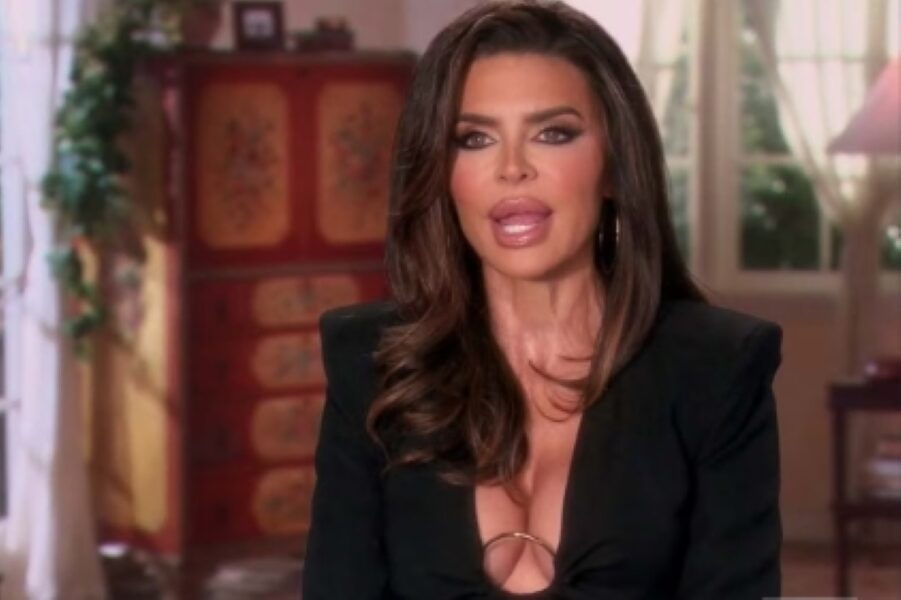
Lisa Rinna had a way of smiling while throwing the match. On Real Housewives of Beverly Hills, she often played the role of the friend who “just wants honesty,” while asking questions that lit up the room. She could be dramatic, sharp, and relentless when she decided to go after someone. Viewers accused her of stirring trouble, but she rarely looked bothered by the label. Rinna understood that a quiet season means a forgettable season, and she never seemed interested in being forgettable.
Outside the show, she maintained her celebrity status through acting, fashion, and social media energy that always felt loud and intentional. Even after shifting away from the Housewives spotlight, she stayed relevant because her personality is hard to ignore. These days, she’s remembered as one of the cast members who kept Beverly Hills moving, even when the drama felt heavy. Love her or hate her, Lisa Rinna played the reality TV game like someone who knew it was a performance, and she performed.
13. Christine Quinn On Selling Sunset
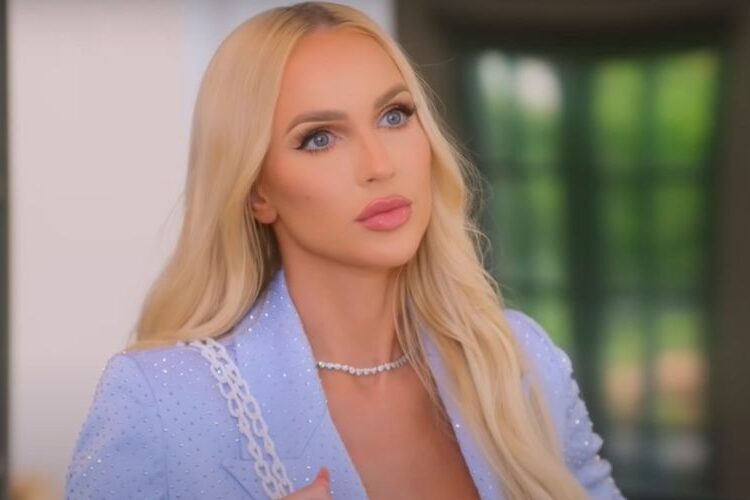
Christine Quinn walked into Selling Sunset like she was already the main character. Everything about her felt bigger than normal life, the outfits, the confidence, and the way she spoke like she was above the room. She became the villain fast, not because she was always wrong, but because she didn’t mind being the person others blamed. Watching Christine felt like watching a glossy drama unfold inside a real estate office, and viewers kept coming back because she gave the show its edge.
After the show, Christine leaned into her image instead of running from it. She built her brand around being bold, glamorous, and outspoken, and she used media attention to stay visible. She moved into new business ventures and public appearances, keeping herself in the conversation even without the same cast environment. These days, people still debate whether she was truly the villain or just the only one willing to be honest on camera. Either way, she turned reality TV conflict into personal momentum.
14. Teresa Giudice On Real Housewives of New Jersey
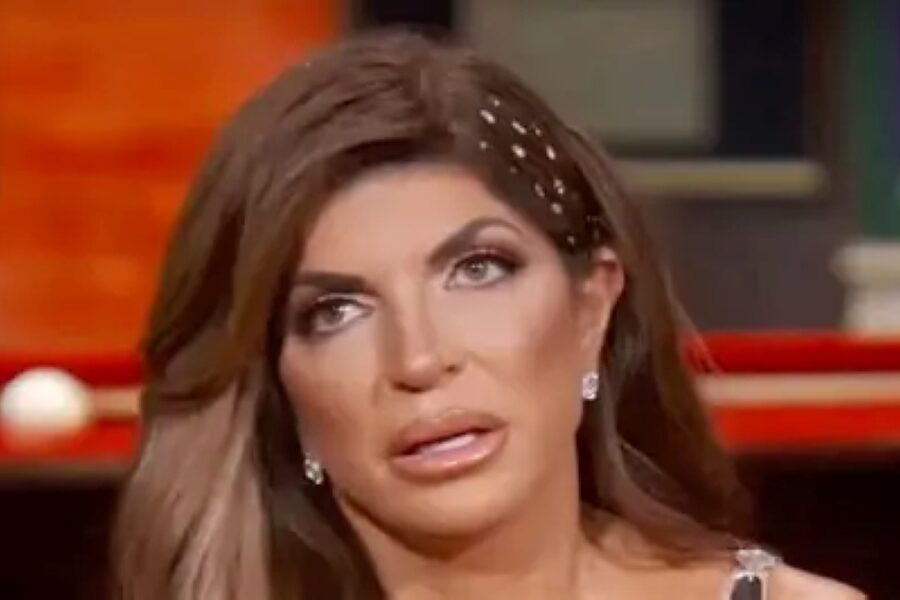
Teresa Giudice is one of those reality stars who makes you feel like you’re watching a relative at a family gathering. On Real Housewives of New Jersey, her emotions were never quiet. She loved hard, fought hard, and held grudges like they were heirlooms. Even when she was wrong, she often felt convinced she was protecting her family, which made her both relatable and frustrating. Viewers didn’t always agree with her behavior, but they couldn’t deny she was the heartbeat of the show’s most intense moments.
Outside the show, Teresa’s life became one of the most public journeys in the Housewives universe. Her family changes, personal setbacks, and rebuilding seasons kept people invested. Over time, some fans grew tired of the repeated conflicts, while others stayed loyal because they saw her as real, messy, and human. Today, Teresa remains a major name in reality TV, not because she’s perfect, but because she lets viewers see what happens when pride, love, and pressure collide on camera.
15. Johnny Fairplay On Survivor
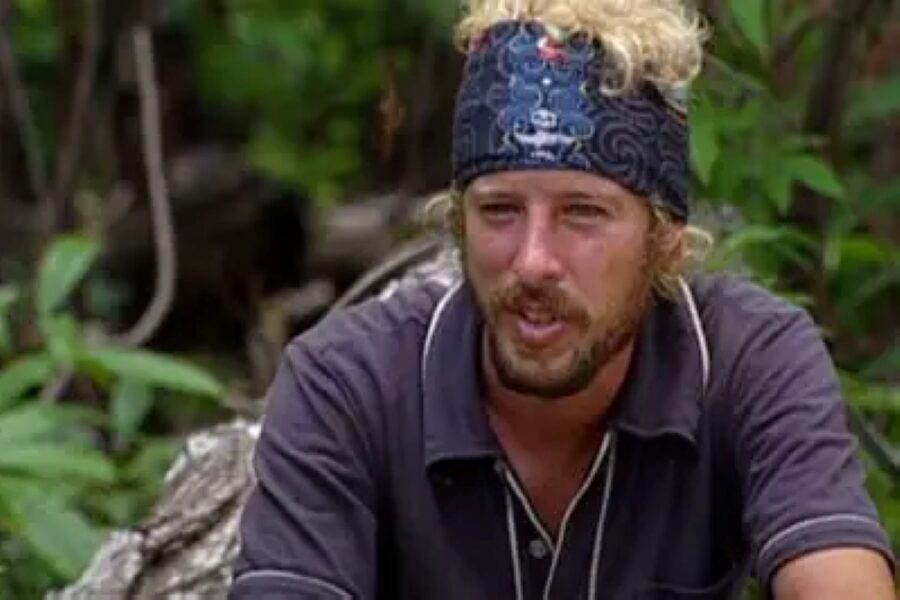
Johnny Fairplay came into Survivor with one goal, to be remembered, and he did not care if that meant being hated. He leaned into deception like it was a sport, smiling through lies and making the game feel dirtier than viewers were used to at the time. He wasn’t the strongest or the kindest, but he was loud, cocky, and always performing for attention. If you watched his season, you probably remember feeling shocked by how far he pushed things just to stay in the spotlight. Fairplay became the kind of villain people warned others about, the one who made you double check everyone’s motives.
After Survivor, he stayed connected to the reality TV world through interviews, appearances, and the kind of reputation that follows you even when the cameras stop. He became a pop culture example of someone who treated reality TV like a stage and played the villain role on purpose. These days, fans still bring him up when they talk about the most infamous players ever, because he helped define what “playing dirty” looks like. Love him or hate him, Fairplay is proof that a villain doesn’t need to win to make history.
16. Nene Leakes On Real Housewives of Atlanta
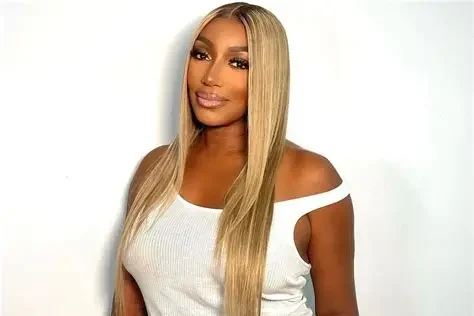
By the time Nene Leakes really settled into Real Housewives of Atlanta, she wasn’t just a cast member, she was a whole mood. When she was funny, she was hilarious, and when she was irritated, you could feel it through the screen. Nene had a way of “reading” people that viewers loved to quote, even when it crossed into mean territory. She didn’t always play nice, and sometimes her confidence came off as arrogance, but she made the show feel alive. It was hard to look away when she entered a scene because you knew something was about to happen.
After years on the franchise, Nene became bigger than the show, stepping into acting, hosting, and celebrity spaces that many Housewives dream about. Even with public fallouts and tension around her exit from the series, she remained a strong pop culture reference. These days, fans still debate her legacy, but her impact on reality TV feels permanent. She’s one of those personalities who helped turn reality TV into everyday conversation, and even when she rubbed people the wrong way, she gave viewers a reason to keep watching.
17. Bethenny Frankel On Real Housewives of New York City
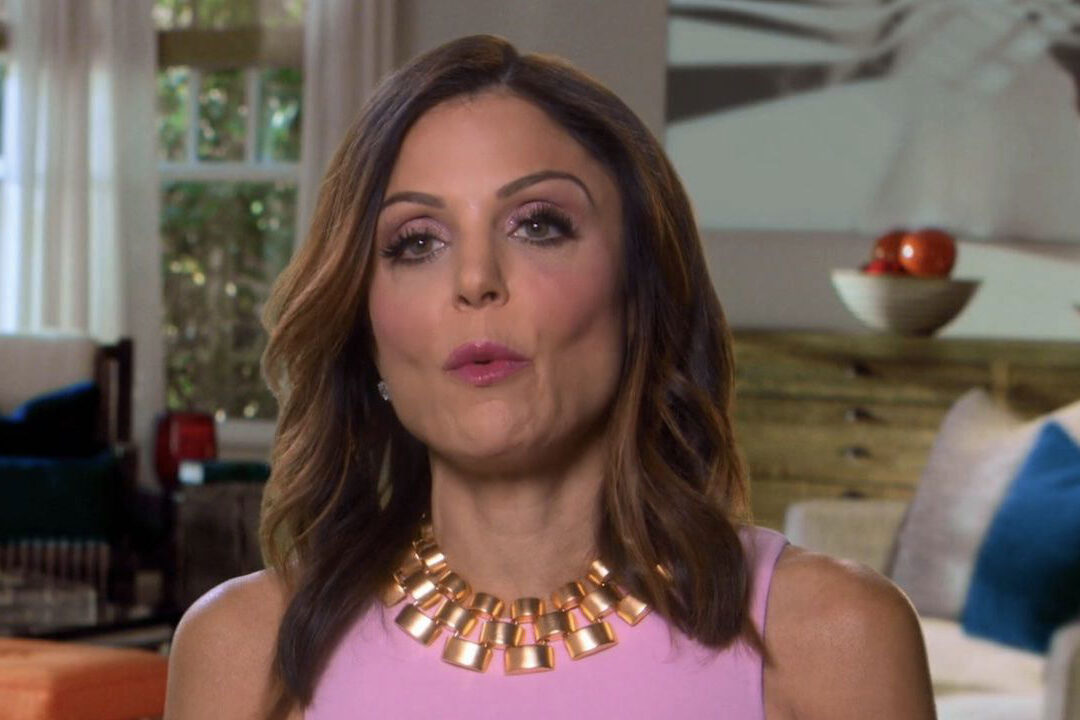
Bethenny Frankel didn’t need to scream to dominate a moment. On Real Housewives of New York City, she used fast talking honesty and sharp humor to control the room. Sometimes she felt like the relatable one, and sometimes she felt like the one who went too far and didn’t care. Her reactions were intense, her opinions were loud, and her arguments had that feeling of being half emotional and half strategic. Bethenny could be exhausting, but she also felt real in a way many reality stars don’t.
After Housewives, Bethenny built a public life that goes far beyond reality TV fame. She expanded her business identity, stayed active in media, and became known for speaking her mind online and off. Over time, she shifted into being more of a commentator than a cast member, often weighing in on pop culture and reality TV itself. These days, people still argue about whether she was the villain or the voice of reason, depending on the season you remember most. Either way, Bethenny remains proof that personality is power in reality television.
18. Tyra Banks On America’s Next Top Model
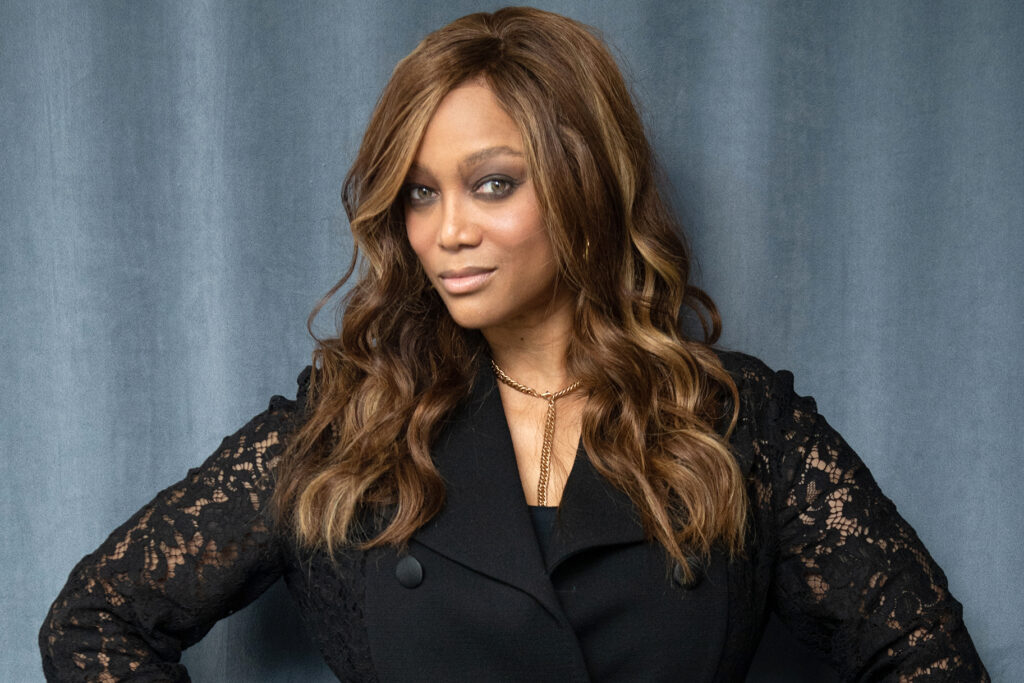
Tyra Banks wasn’t the villain on paper, but in America’s Next Top Model, she often played the role of the person contestants feared most. The critiques were intense, the rules were strict, and the emotional pressure was part of the show’s engine. Tyra could be inspiring one minute and cold the next, especially when eliminating someone who had poured their heart out. Viewers loved her confidence, but many also questioned her harshness and the way the show handled young women under stress. It was complicated to watch because the dream was beautiful, but the process often looked painful.
After Top Model, Tyra continued building her career across TV, business, and branding. Over time, public conversations about the show changed, and many viewers started rewatching it with fresh eyes, noticing moments they once ignored. Tyra’s legacy now sits in a mixed space, part trailblazer, part controversy, part nostalgia. These days, she still shows up in media as a recognizable figure, and her influence remains obvious in modeling and competition TV formats. Her story reminds viewers that being the boss on reality TV comes with applause, but also long memories.
19. Mike “The Situation” On Jersey Shore
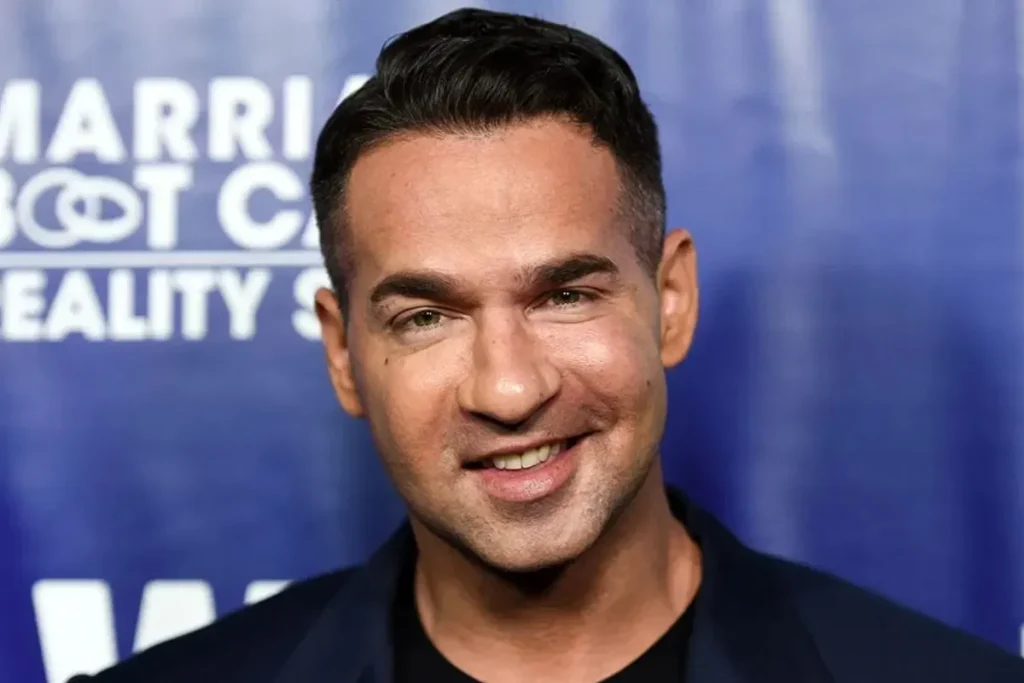
At the peak of Jersey Shore, Mike “The Situation” wasn’t just a cast member, he was a walking problem. He inserted himself into everyone’s business, stirred drama like it was his job, and carried himself like he was the leader even when nobody asked. Some viewers found him entertaining, others found him unbearable, but either way, he became one of the faces people associated with the show’s messiest seasons. Watching him back then felt like watching someone self sabotage in real time, but with better lighting and club music.
As the years passed, Mike’s public image shifted dramatically. He became one of the more openly reflective cast members, talking about mistakes, growth, and rebuilding his life. That transformation is part of why people still follow him today, because reality TV rarely gives you a full circle moment that feels believable. Now, many fans see him as proof that people can evolve after being the villain. His story stands out because it isn’t just about bad choices, it’s about what happens when someone finally decides to do better, even with the whole world watching.
20. Farrah Abraham On Teen Mom
Farrah Abraham’s presence on Teen Mom always felt tense. She was blunt, defensive, and quick to fight, even in situations that didn’t seem that serious. Viewers often saw her as difficult, but it also felt like she was constantly bracing herself for criticism. Farrah could be hard to relate to, yet you could sense there was a lot going on under the surface. She became a reality villain not because she was playing a character, but because conflict followed her like a shadow, and she rarely softened her approach.
After her time on the show, Farrah stayed in the spotlight in ways that kept her controversial. She continued showing up in headlines, interviews, and social media moments that sparked debate. Some people see her as misunderstood, others see her as irresponsible, and the public reaction has never really settled. These days, she remains one of those reality names that still triggers strong opinions, even for people who stopped watching the franchise years ago. Farrah’s story is a reminder that reality TV fame can freeze your worst moments in time, and people may never stop judging what they saw.
21. Richard Hatch On Survivor
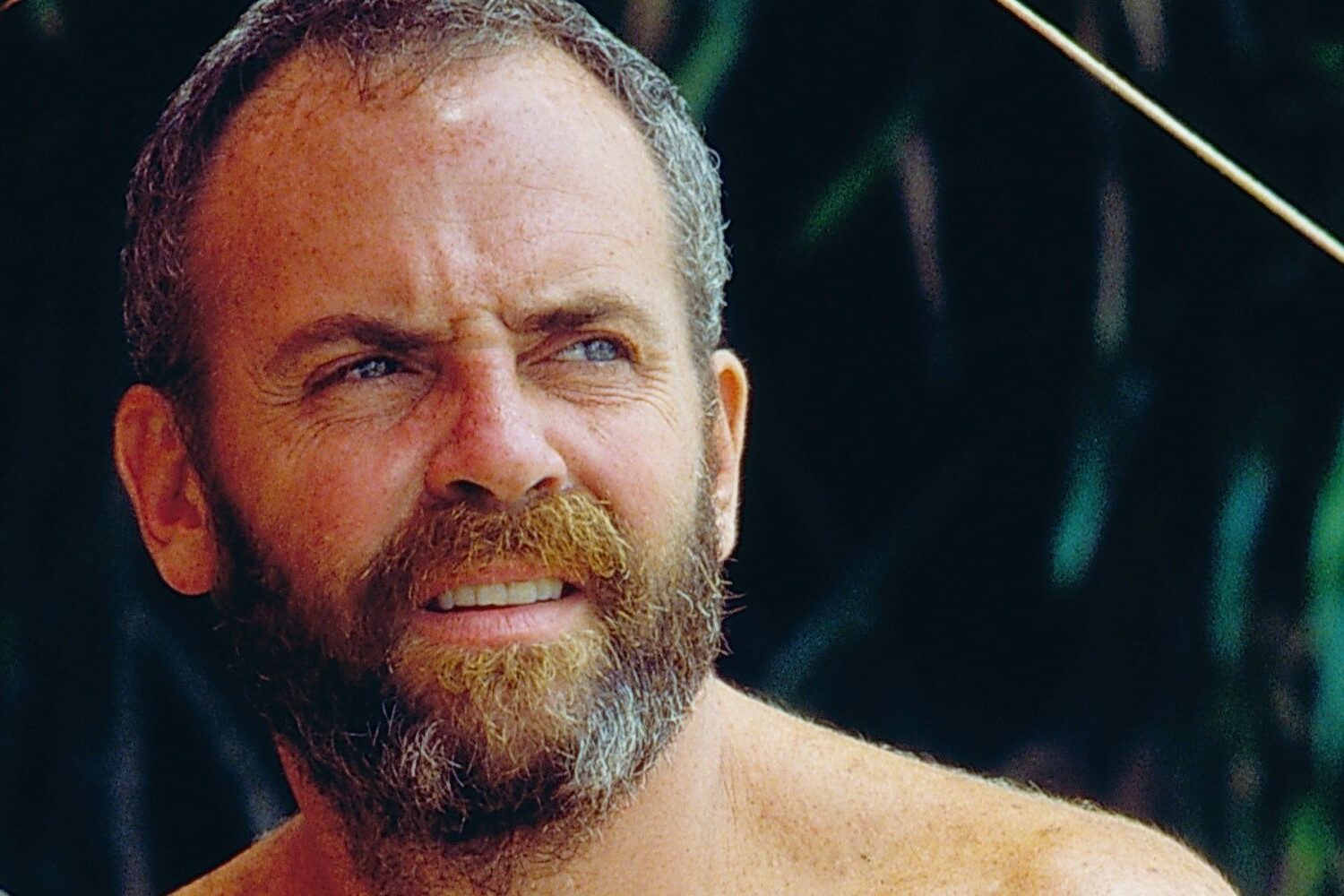
Richard Hatch helped create the idea of the reality TV villain before the label even became popular. On the first season of Survivor, he wasn’t the strongest or the nicest, but he was strategic in a way that shocked early viewers. He formed alliances openly, played the social game without apology, and made winning feel like a calculated plan instead of luck. People didn’t know how to react back then, because the show was new, and his approach felt almost sneaky. But looking back, he was simply ahead of his time.
After Survivor, Richard remained connected to pop culture as one of the most talked about pioneers of reality strategy. His name often comes up when fans discuss how competition shows evolved from simple challenges to full social chess games. Over time, his public life has been complicated by controversies and legal issues that also shaped how people remember him. Still, his reality TV legacy remains influential. These days, he’s less of a weekly headline and more of a historical reference point in the genre. Love him or dislike him, he proved that strategy could be just as powerful as strength in reality television.
22. Natalie Nunn On Bad Girls Club
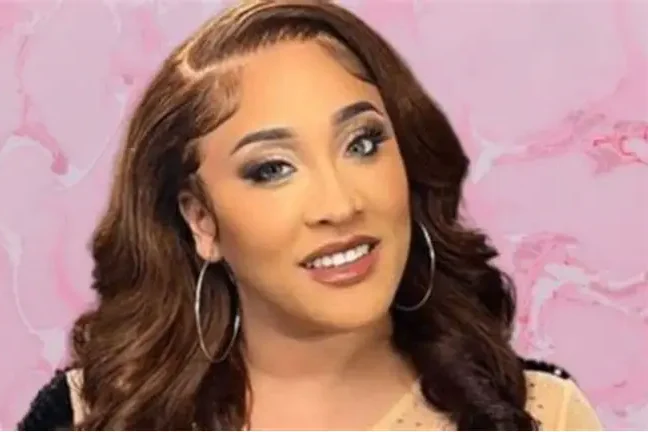
Natalie Nunn didn’t slowly become the villain on Bad Girls Club, she arrived that way. She came in confident, confrontational, and ready to take up space like it belonged to her. Natalie wasn’t the type to apologize first, and she often acted like other people’s feelings were optional. Viewers reacted strongly to her because she felt fearless in a way that could be inspiring or irritating depending on your mood. She turned arguments into moments, and moments into a reputation that lasted beyond the show.
After Bad Girls Club, Natalie kept herself in the reality TV world instead of trying to reinvent into something completely different. She leaned into being a recognizable personality, showing up in newer projects and continuing to build a brand around boldness and control. Even if you don’t watch her current work, you still feel like you know her type. These days, she’s remembered as someone who understood reality TV early. She may have been messy, but she was never unsure of herself. And honestly, confidence like that can’t be ignored, even when it makes people mad.
23. Phaedra Parks On Real Housewives of Atlanta

Phaedra Parks always gave off that polished, proper vibe, but Real Housewives of Atlanta showed that her sweetness could have an edge. She was witty, clever, and sometimes quietly ruthless when she needed to be. Phaedra didn’t always shout to win an argument, she could smile while saying something that cut deep. Viewers loved her humor, but many also saw her as someone who played the long game behind the scenes. She became a villain in a different flavor, less explosive, more calculated, and that made her even more fascinating to watch.
After her biggest controversies on the show, Phaedra’s reality TV journey didn’t completely end, it just took a turn. She continued appearing in other spaces, staying visible and reminding audiences that she knows how to entertain. Over time, opinions about her shifted depending on how much viewers valued forgiveness versus accountability. These days, she still has fans who enjoy her charm and comedy, and critics who never forgot her worst moments. Phaedra remains one of those housewives who proves you can be soft spoken and still stir up a whole storm, and sometimes that’s the most memorable kind.
24. Camille Grammer On Real Housewives of Beverly Hills

Camille Grammer entered the first season of Real Housewives of Beverly Hills with an energy that felt confident, detached, and sometimes a little too pleased with herself. She could be passive aggressive without raising her voice, and she often spoke like she was above the drama while being fully involved in it. Viewers didn’t always warm up to her because she seemed to enjoy making people uncomfortable. But the truth is, those early seasons needed a spark, and Camille provided one, whether people liked it or not.
After that first wave of fame, Camille stayed in the Housewives world in an on and off way. She continued appearing in different seasons, sometimes as a full cast member and sometimes as someone who drops in just to shake the room. Over time, some viewers softened toward her as they saw more vulnerability mixed with the edge. These days, she’s remembered as one of the original Beverly Hills villains who helped set the tone for what the franchise would become. Camille’s legacy is proof that first impressions on reality TV can last for years, even after people change and grow.
25. Dr. Will Kirby On Big Brother
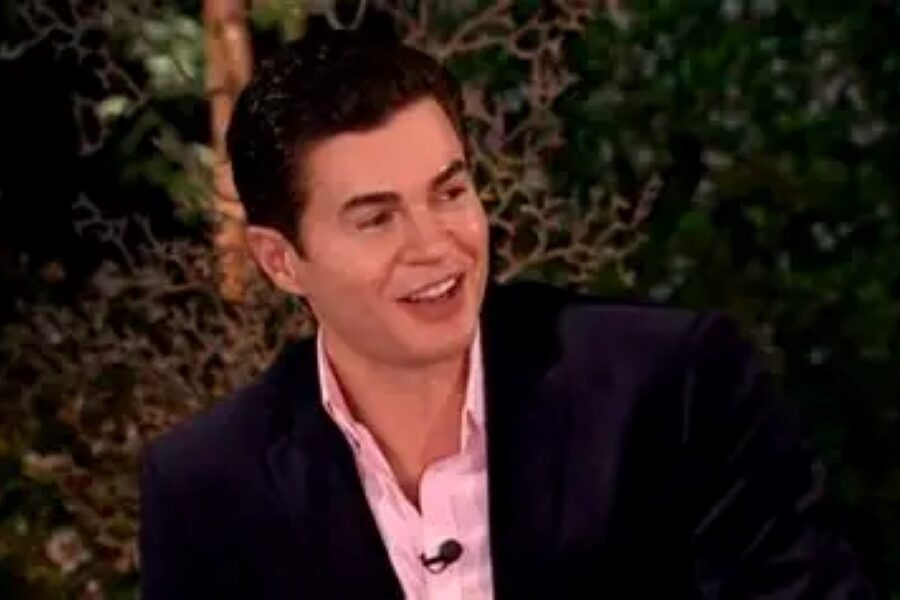
Dr. Will Kirby is one of those reality TV villains who didn’t need to bully or explode to win. On Big Brother, he used charm, manipulation, and a smooth confidence that made people trust him, even when they knew they shouldn’t. He played the game like a social experiment, and he enjoyed being the smartest person in the room. Viewers loved to hate him because he made lying look easy, almost like a hobby. But at the same time, many people respected how clean his strategy was, because he wasn’t relying on luck.
After Big Brother, Dr. Will built a life that proved reality TV wasn’t his only talent. He returned to his professional career and stayed connected to entertainment through appearances and commentary. Over time, his reputation became less villain and more legend, especially among fans who love strategic gameplay. These days, he’s often brought up as one of the most iconic winners and personalities in the history of the show. His story feels like a reminder that some villains are only villains because they are good at the game, and sometimes the smartest move on reality TV is simply knowing people better than they know themselves.
26. Courtney Robertson On The Bachelor

Courtney Robertson’s time on The Bachelor made her one of the most talked about women in the franchise. She came across confident, competitive, and unbothered by the fact that other contestants disliked her. Courtney wasn’t trying to make friends, she was trying to win, and that rubbed people the wrong way fast. Viewers labeled her the villain because she seemed to enjoy the attention and didn’t always show empathy when others were upset. Still, she had a self assurance that made her hard to ignore, even when people were judging her.
After the season ended, Courtney remained a memorable figure in Bachelor history because her storyline felt like classic reality television, romance mixed with rivalry and a little arrogance. She later shared more perspective about her experience, showing that the “villain” label can be heavier than it looks on screen. These days, she isn’t constantly in the spotlight the way some reality stars chase, but her name still comes up whenever fans discuss iconic Bachelor seasons. Courtney’s story reminds viewers that reality TV villains are often just people who refused to shrink themselves, even when the room wanted them to.
27. James Kennedy’ On Vanderpump Rules
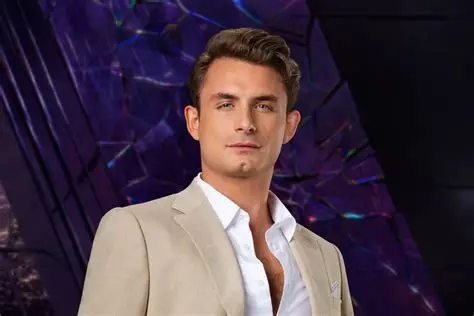
James Kennedy came into Vanderpump Rules with the kind of energy that felt like a warning sign. He was funny, impulsive, and always one comment away from a fight. James could be charming when he wanted, but he also had a temper and a habit of pushing too far. Viewers often saw him as a villain because he seemed to create chaos and then act confused when consequences showed up. It was frustrating to watch, but it also felt real, because messy people exist in every friend group, and reality TV just gives them microphones.
Over time, James became one of the cast members whose growth people kept watching for. He continued working in music and nightlife, and he also faced public conversations about maturity and accountability. These days, he still has the ability to irritate viewers, but he also has moments that feel more grounded than his early seasons. Whether you root for him or not, James remains a big part of why Vanderpump Rules stayed entertaining. His story is a reminder that some villains don’t stay villains forever, but they do leave a mark, because their chaos becomes part of the show’s history.
28. Heidi Montag On the Hills
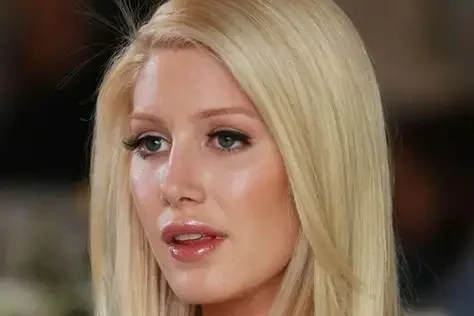
Heidi Montag became the kind of reality TV villain that felt personal to viewers. On The Hills, she started as the best friend people wanted to protect, then slowly turned into the girl fans blamed for everything going wrong. Her relationship choices, her loyalty shifts, and her growing distance from friendships made viewers feel betrayed, like they were watching someone change right in front of them. Heidi didn’t always help her case, because she often defended choices that looked hurtful on camera. She became the symbol of what happens when love and fame collide, and people don’t forgive easily.
After the show, Heidi didn’t disappear, even when the backlash was heavy. She and Spencer built a life that stayed connected to fame, using interviews, appearances, and social media to keep their story going. Over time, some people started looking back with more understanding, realizing she was young and navigating pressure in public. These days, Heidi is remembered as part of one of reality TV’s most famous friendship breakups, but she’s also remembered as someone who survived the hate and kept moving. In a strange way, that’s what makes her story still interesting.
29. Danielle Staub On Real Housewives of New Jersey
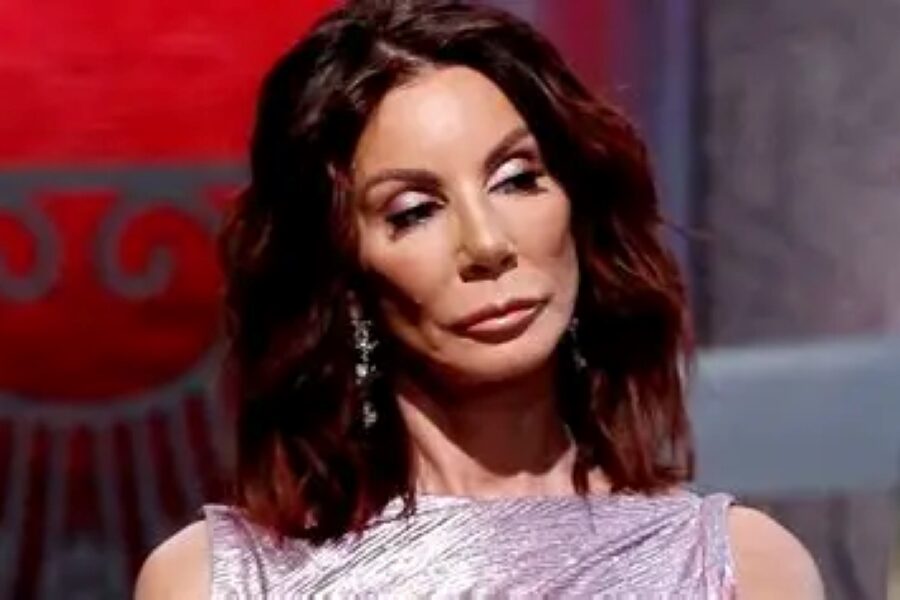
Danielle Staub brought a kind of tension to Real Housewives of New Jersey that felt heavier than regular reality drama. When she was on screen, people acted nervous, conversations turned stiff, and conflict seemed to simmer even in small moments. Danielle wasn’t just argumentative, she felt unpredictable, and that made viewers see her as a villain fast. Even if you didn’t like her, you probably remember her, because her scenes carried that feeling of “something bad might happen,” and reality TV rarely resists that kind of suspense.
After her most dramatic seasons, Danielle stayed in the wider Housewives conversation through returns and public commentary. She became a name fans bring up when discussing the wildest era of New Jersey. Over time, some viewers viewed her with more sympathy, while others still believed she brought too much darkness into the show. These days, she feels like a reminder of what early Housewives was, messy, unfiltered, and sometimes uncomfortable. Danielle’s legacy is intense, but it’s also unforgettable, which is exactly what reality TV rewards. Even years later, people still talk about her like she’s part of the show’s DNA.
30. Trisha Paytas On Celebrity Big Brother UK

Trisha Paytas has always been the type of reality star who makes people react first and think later. When she appeared on Celebrity Big Brother UK, she brought that same unpredictable energy, emotional swings, bold statements, and the feeling that anything could happen if the camera stayed on her long enough. Some viewers found her exhausting, while others couldn’t stop watching because she felt so unfiltered. Trisha’s villain label was less about one single moment and more about the constant intensity she carried, like calm was never really an option.
After reality TV, Trisha didn’t disappear, she just returned to the place where she’s always been strongest, the internet. She continued building a life online through videos, trends, messy debates, and personal reinventions that kept her name circulating. Over time, she’s also shared softer sides, especially around family life, which surprised people who only remembered the chaos. These days, she’s still a polarizing figure, but she’s also a reminder of why we keep watching reality villains in the first place. They’re complicated, loud, and sometimes hard to understand, but they feel oddly human. And honestly, that’s what keeps the story going even after the season ends.


