
1. A Natural Upper Limit

For a long time, many experts believed that human life expectancy would just keep climbing without end. However, recent studies published between 2021 and 2024 have started to paint a different picture. By looking at massive amounts of data from “Longevity Blue Zones” and countries like Japan, researchers have noticed that while more people are reaching old age, the absolute maximum age isn’t really budging. Most biological models now suggest that the human body has a natural “expiry date” somewhere between 120 and 150 years. Even if you live a perfect life, your cells eventually lose the ability to repair themselves.
This realization can be a bit of a reality check for those who grew up hearing that we might live forever. Instead of searching for a “fountain of youth,” scientists are now being more honest about our biological boundaries. It shifts the goal from living for centuries to making sure the years we do have are high-quality. In 2024, the focus in the medical community has moved away from “immortality” and toward “resilience.” The idea is to push against the ceiling nature has set, helping us stay independent and vibrant for as long as possible before hitting that natural limit.
2. Living Longer Than Ever

It is truly incredible to think about how far we have come. Since the mid-1800s, global life expectancy has more than doubled. Back in 1900, the average person was lucky to make it to 47. Fast forward to the early 2000s, and that number jumped into the 70s and 80s for many developed nations. This wasn’t because our DNA changed, but because we got better at basic things: clean water, the invention of penicillin in 1928, and a massive drop in infant mortality. Today, reaching 80 is considered a normal milestone rather than a rare miracle.
For families living in 2026, this shift has changed the entire “blueprint” of a human life. We now have four or five generations living at the same time, which was almost unheard of a century ago. While it is wonderful to have more time with grandparents, it also means we have to think differently about retirement and long-term care. Longevity isn’t just a science experiment anymore; it is a practical part of how we plan our careers and our lives. We aren’t just living longer; we are reinventing what it means to be an “older adult” in a modern world.
3. Why Ageing Persists
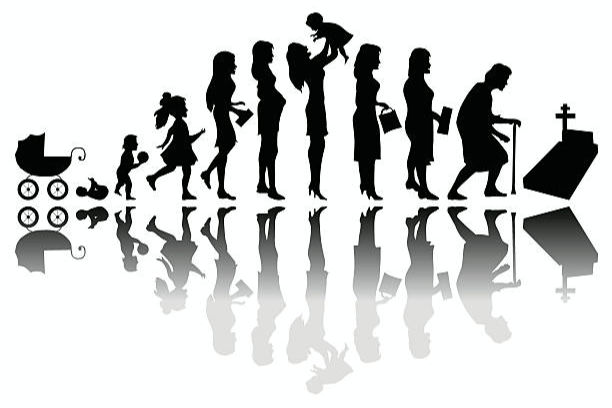
Ageing isn’t just one thing breaking down; it is more like a house that slowly gets weathered over time. Scientists describes this as a “cellular decay” process. Our DNA gets tiny errors every time a cell divides, and our “telomeres”, the protective caps on our chromosomes, get shorter as the years go by. Even with the best doctors in the world, these internal clocks keep ticking. Studies from the last decade show that while we can treat diseases like cancer or heart failure, we haven’t yet figured out how to stop the basic process of getting older at a microscopic level.
This is why medical breakthroughs usually only add a few years at a time rather than doubling our lives. If you cure one disease, the body is still gradually losing its ability to bounce back from stress. For most of us, this reinforces a very grounded view of health. Rather than chasing a “miracle cure” for old age, the real win is preserving our ability to walk, think, and stay active. By focusing on keeping our “internal machinery” running smoothly through healthy habits, we can enjoy our later years with much more clarity and independence.
4. The Role of Genetics
If you know someone who lived to be 100 while eating whatever they wanted, they probably had “good genes.” Researchers studying centenarians, people who live to 100, have found specific genetic traits that help people process cholesterol better and fight off inflammation. These “longevity genes” act like a natural shield against some of the wear and tear of life. However, a major study in 2018 involving over 400 million people suggested that genetics actually accounts for less than 10% of how long most people live.
This is actually great news for the rest of us. It means your lifestyle choices usually matter much more than your DNA. You aren’t “destined” to have a short life just because your relatives did. While science hasn’t found a single “on/off switch” for ageing in our genetic code, they have found that thousands of small genetic variations work together. It’s not about one lucky gene; it’s about how your unique biology interacts with the world around you. This makes longevity feel less like a lottery and more like something we can actually influence through our daily habits.
5. Lifestyle Still Matters

Even with all our high-tech medicine, the “boring” stuff still works the best. Decades of data, including famous studies from the 1950s to today, prove that simple habits are the most powerful tools we have. Not smoking, eating plenty of vegetables, and staying active can add up to 12 to 14 years to your life. In places like Okinawa, Japan, or Sardinia, Italy, often called “Blue Zones”, people live exceptionally long lives mainly because they move naturally every day and stay connected to their friends and neighbors.
For most of us, this is an empowering message. It means we don’t have to wait for a futuristic lab discovery to start living longer. The choices you make in your 40s and 50s are essentially “deposits” into a health bank account that you’ll withdraw in your 80s. Longevity isn’t just about avoiding the bad stuff; it’s about embracing the good, like strong social ties and a sense of purpose. Science continues to show that a happy, active life is often the longest one, proving that the best “technology” for a long life is often just a good pair of walking shoes and a healthy dinner.
6. Medicine Extending Limits

Since the late 20th century, modern medicine has done an amazing job of turning “death sentences” into “manageable conditions.” Thanks to better imaging like MRIs and targeted therapies developed in the 2010s, we are much better at catching problems early. We’ve seen huge gains in survival rates for heart disease and various cancers, which has kept the average life expectancy moving upward. Surgeons can now perform heart valve replacements on 90-year-olds with minimal recovery time, something that would have been unthinkable just a few decades ago.
However, there is a limit to what “fixing parts” can do. Experts warn that while we can keep the body going longer, each new medical victory tends to add smaller and smaller amounts of time to our total lifespan. In the past, curing a childhood disease added 50 years to the average; today, a new heart treatment might add two or three. This is why the medical world is shifting its focus. Instead of just trying to keep people alive at any cost, the goal is now to ensure that patients feel good and stay mobile, making “quality of life” the new gold standard for healthcare.
7. The Plateau Effect
Starting around 2010, researchers noticed something surprising: in many wealthy countries, the steady rise in life expectancy began to slow down or even stop. In the United States and parts of the UK, the numbers actually dipped for a few years. Scientists believe this “plateau” is caused by a combination of things, including the obesity epidemic, the opioid crisis, and the fact that we’ve already picked most of the “low-hanging fruit” of medical progress. It seems we are hitting a point where technology alone can’t fix lifestyle-related health issues.
This trend is a big wake-up call for society. It shows that we can’t just rely on the next “wonder drug” to save us if our daily environments aren’t healthy. To start moving the needle again, we need to focus more on preventing sickness before it starts and making sure everyone has access to healthy food and safe places to exercise. Longer lives aren’t just guaranteed by science; they depend on how we take care of each other and our communities. It’s a reminder that health is a social effort, not just a laboratory achievement.
8. Reaching 100 Is Normalising

Back in the mid-1900s, meeting a 100-year-old was so rare it usually made the local newspaper. Today, centenarians are the fastest-growing age group in many parts of the world. In the United States alone, the number of people living to 100 has doubled since the early 2000s and is expected to quadruple by 2050. Most of these individuals are women, who tend to have biological and social advantages that help them reach the triple digits. What used to be a medical miracle is slowly becoming a normal part of the human experience.
This shift is changing how we think about the “golden years.” When more people live to 100, we have to rethink everything from pension plans to how we design our homes. It also challenges the old stereotypes of what “old” looks like. We are seeing more 100-year-olds who are still painting, gardening, and staying tech-savvy. This “normalization” of extreme age helps reduce the fear of getting older and encourages us to plan for a much longer, more active future. Living to 100 is no longer just a dream; for many children born today, it’s a very likely reality.
9. Why 150 Years Is Unlikely
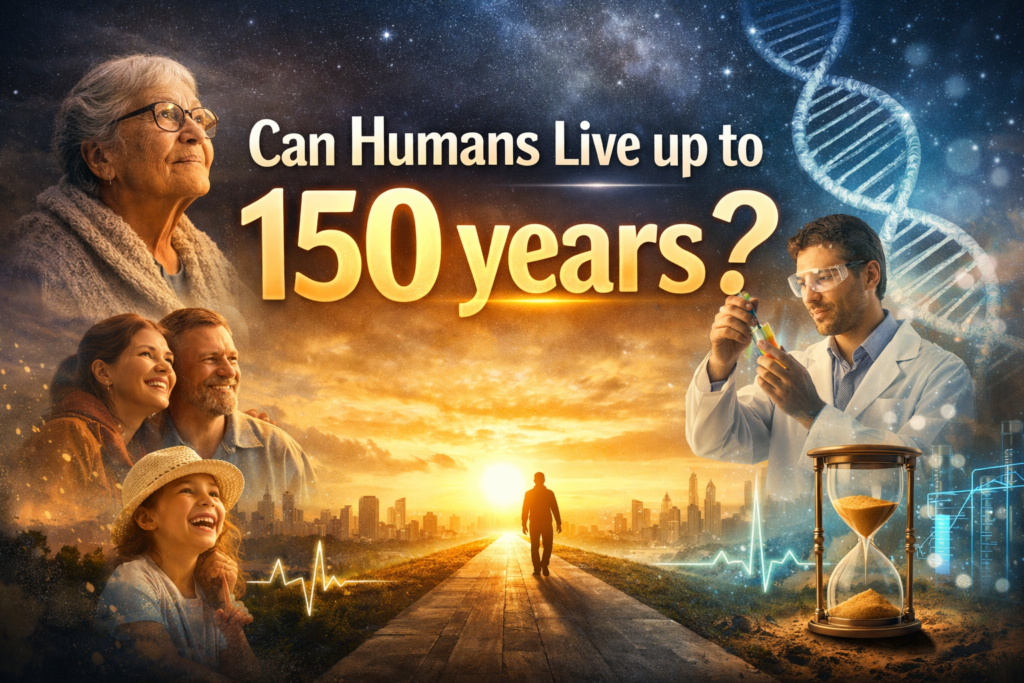
You might see flashy headlines claiming that the first person to live to 150 has already been born, but most serious scientists are skeptical. Mathematical models created in 2021 suggest that the “stress-recovery” time of the human body eventually disappears. By the time someone reaches 120, their body takes so long to recover from a simple cold or a fall that their risk of dying becomes extremely high. Think of it like a rubber band that has been stretched so many times it finally loses its “snap.”
For the average person, this shouldn’t be discouraging. It actually provides a very realistic and grounded perspective. Instead of worrying about reaching an impossible age like 150, we can focus on the much more achievable goal of living a great life into our 80s or 90s. The real “frontier” of science isn’t about making humans live forever; it’s about helping us stay strong and healthy until the very end. By understanding these biological limits, we can spend less time chasing fantasies and more time enjoying the decades we actually have.
10. Healthspan Over Lifespan

In the world of longevity research, there is a new buzzword that is more important than “lifespan,” and that is “healthspan.” While lifespan is the total number of years you are alive, healthspan is the number of years you spend feeling healthy, active, and free from chronic disease. Since the early 2020s, there has been a massive push in the medical community to close the gap between these two numbers. Currently, many people spend the last 10 or 15 years of their lives in poor health, and researchers want to change that.
This shift is very relatable for anyone who has cared for an elderly relative. Most of us don’t just want to “exist” for a long time; we want to be able to play with our grandkids, travel, and keep our memories sharp. By focusing on brain health and muscle strength, scientists hope to compress the period of illness at the end of life. The goal for the near future is to live a full, vibrant life right up until the end. It’s not about adding years to your life, but about adding life to your years.
11. The Oldest Recorded Ages

The record for the longest human life belongs to Jeanne Calment of France, who passed away in 1997 at the amazing age of 122. Since her death nearly thirty years ago, no one has been able to officially break her record. Even though we have better medicine and billions more people on Earth today, only a tiny handful of individuals have even reached 118. This suggests that while more of us are living to 90 or 100, there is a “glass ceiling” around the 120-year mark that is incredibly hard for the human body to shatter.
For most of us, Jeanne Calment’s story is a reminder of what is possible, but also a reality check. Her age was verified by birth certificates and census records, proving she was a true outlier. Researchers note that since the late 1990s, the “oldest person alive” usually hovers between 115 and 118 years old. This plateau shows that even with the best modern technology, our biology has a firm boundary. It helps us stay grounded, focusing on reaching a healthy old age rather than expecting to live a century and a half.
12. Ageing Slows Survival
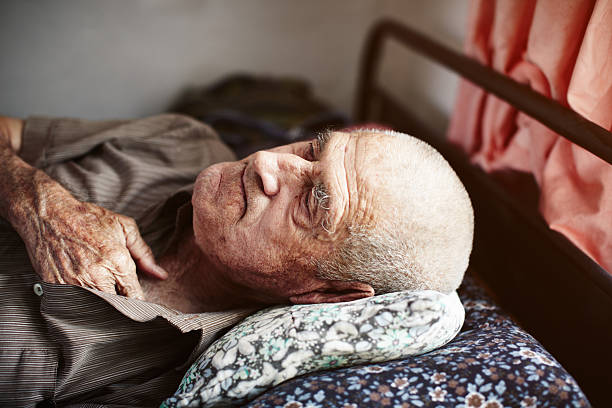
As we get older, our bodies simply don’t “bounce back” the way they used to. Recent data from the 2020s shows that after a person hits age 110, their chance of making it to their next birthday is basically a 50-50 coin flip. This isn’t necessarily because of a specific disease, but because the body’s “resilience” has faded. At that extreme age, even a small change in temperature or a minor stumble can be too much for the heart or lungs to handle. The body’s ability to maintain balance, called homeostasis, eventually runs out of steam.
For families with elderly loved ones, this confirms what they often see in daily life. Recovery from a simple flu might take weeks instead of days, and energy levels become much more limited. While it sounds a bit tough, understanding this helps doctors provide better care. Instead of putting very frail seniors through stressful surgeries that their bodies can’t recover from, the focus shifts to comfort and stability. It reminds us that longevity isn’t just a number on a birthday card; it’s about the quiet, fragile reality of how our internal systems function over time.
13. Better Survival, Not Slower Ageing

It’s a common mistake to think that we are actually ageing more slowly than our ancestors did. In reality, the “pace” of human ageing hasn’t changed much at all. The reason life expectancy jumped from about 47 in 1900 to nearly 80 today is that we stopped dying young. In the past, many people died as children or in middle age from infections. Thanks to the 1928 discovery of penicillin and the 1950s “golden age” of vaccines, we are now much better at surviving to see our grey hairs, but we still get them at the same time.
This distinction is important because it changes how we look at future progress. We have already saved millions of lives by fixing external problems like dirty water and basic germs. However, to live much longer than 100, we would have to actually change how fast our cells decay, something we don’t know how to do yet. For most people today, this means we should expect to reach old age in record numbers, but we should still expect the physical changes of ageing to happen on a familiar schedule. We are winning the battle against early death, but nature is still in charge of the clock.
14. Inequality Shapes Longevity

One of the most sobering facts about living longer is that it isn’t the same for everyone. Recent studies in 2023 showed that in some parts of the world, people in wealthy neighborhoods live up to 15 years longer than those in poorer areas just a few miles away. This gap is driven by “social factors” like access to fresh food, clean air, and the stress of financial instability. Even in countries with advanced hospitals, a person’s bank account and education level can be better predictors of their lifespan than their actual DNA.
This reality takes the conversation away from fancy labs and brings it into our communities. While we wait for the next medical miracle, we could actually extend millions of lives just by making sure everyone has a safe place to live and affordable healthcare. For society in 2026, this means that longevity is a teamwork project. If we want the “average” lifespan to keep rising, we have to close these gaps. It’s a reminder that a long life shouldn’t be a luxury item; it should be something that everyone has a fair shot at achieving through better social support.
15. Chronic Illness Limits Gains

As we have conquered many “quick” killers like pneumonia and infections, we have run into a new challenge: chronic illnesses. Conditions like Type 2 diabetes, Alzheimer’s, and heart disease are now the biggest hurdles to living longer. These diseases don’t usually happen overnight; they develop over decades. Even though we have better treatments today than we did in the early 2000s, managing these long-term issues can be exhausting for both the person and their family. It’s the difference between “living” and simply “surviving” with a medical condition.
For many families, this is the most difficult part of the longevity journey. Longer lives often mean more years spent taking daily medications or visiting doctors. This is why researchers are now focusing on “geroscience,” which tries to treat the root cause of ageing rather than just the individual diseases. The hope is that by keeping the body younger for longer, we can delay the start of these chronic problems. Until then, the focus remains on healthy habits in our 30s and 40s to prevent these “slow-motion” illnesses from taking hold later in life.
16. The Promise of Ageing Research

Since the early 2000s, scientists have stopped looking at ageing as an “accident” and started looking at it as a biological puzzle that can be solved. Researchers are now testing ways to “clean out” old, damaged cells, often called “zombie cells”, that cause inflammation. While these experiments have worked well in labs with mice, humans are much more complex. Experts in 2024 caution that we are still a long way off from a “fountain of youth” pill, but the progress is real and steady.
For the public, it’s important to separate the hype from the truth. You might see ads promising to “reverse ageing,” but most of those haven’t been proven yet. The real promise of this research isn’t about making us 150 years old; it’s about making sure that at 80, we have the energy and health of a 60-year-old. It’s a slow and careful process, but the goal is beautiful: a world where getting older doesn’t automatically mean getting frail. We are learning how to help the body repair itself, making the journey of ageing much smoother for the generations to come.
17. Technology Has Limits
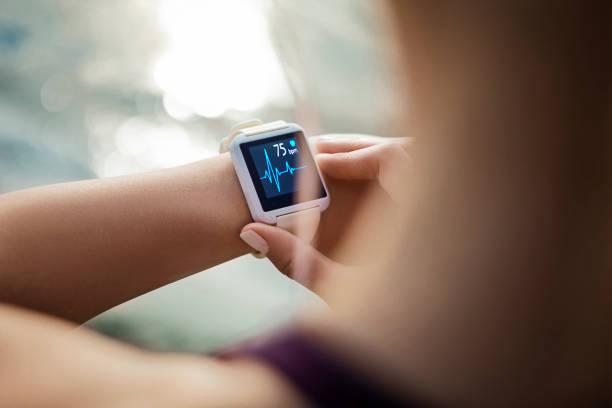
In our world of AI and high-tech gadgets, it’s tempting to think that a computer chip or a new app will eventually “solve” death. By 2026, we have incredible wearable tech that tracks our heart rates and sleep patterns, helping us catch problems before they start. Artificial intelligence is also helping doctors find the perfect treatment for each individual person. While these tools are amazing for extending our lives by a few years, they can’t rewrite the fundamental laws of nature that cause our bodies to wear out over time.
This perspective helps us find a healthy balance. We should definitely use technology to stay healthy, but we shouldn’t expect it to make us immortal. A smartwatch can tell you to go for a walk, but it can’t replace the benefits of the walk itself. For most of us, technology is a helpful “coach” rather than a magical cure. It gives us the data we need to make better choices, but the hard work of staying healthy still comes down to the basics of how we treat our bodies every day.
18. Cultural Views of Ageing
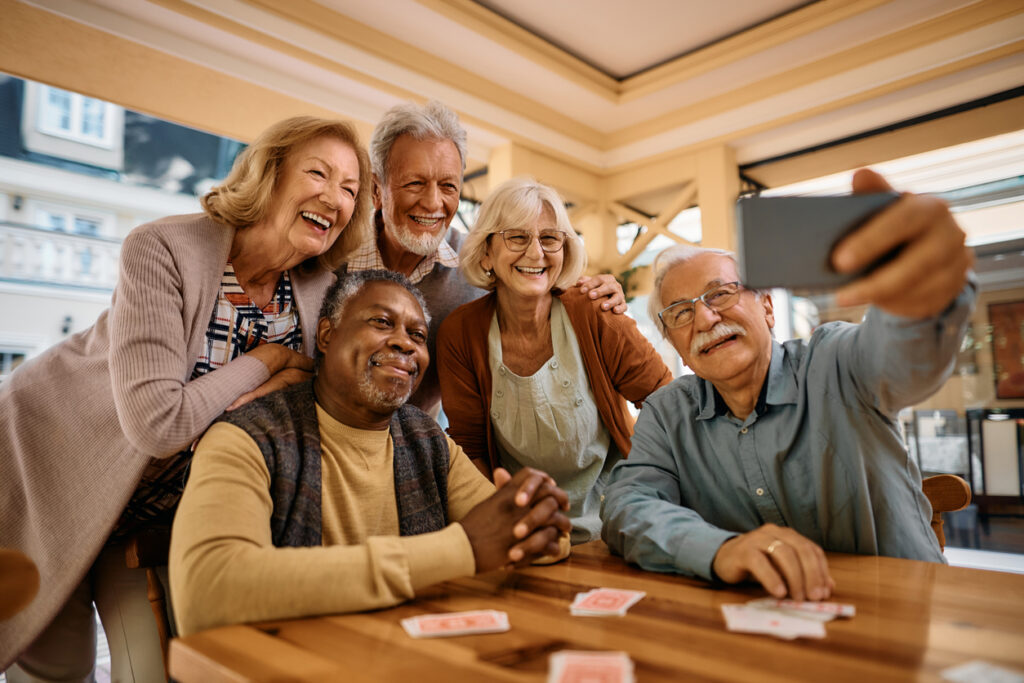
How long we live might actually depend on how our neighbors and family treat us. Studies from the last decade have shown that in cultures where the elderly are respected and stay active in their communities, people tend to live longer and stay sharper. For example, in many Asian and Mediterranean cultures, “retirement” doesn’t mean sitting alone; it means taking on a new role in the family. Social connection is a powerful medicine that lowers stress and keeps the brain engaged, which is just as important as a good diet.
This shifts the focus of longevity from the doctor’s office to our living rooms. It tells us that being lonely is actually as bad for our health as smoking 15 cigarettes a day. As we move through 2026, we are learning that a “long life” needs to be a “connected life.” Building strong friendships and staying involved in our neighborhoods can actually protect our hearts and minds. It’s a beautiful reminder that humans are social creatures, and our best chance at a long, happy life is to stay close to the people we love.
19. Retirement Ages May Shift

Because we are staying healthier for longer, the old idea of retiring at 60 or 65 is starting to change. Governments around the world have been gradually moving the retirement age closer to 67 or even 70. This isn’t just about money; it’s a reflection of the fact that many 65-year-olds in 2026 feel as capable as 50-year-olds did in the past. For some, staying in the workforce provides a sense of purpose and a daily routine that actually keeps them feeling younger and more mentally alert.
However, this trend can be a double-edged sword. While some people love their jobs and want to keep working, others have physically demanding roles that make working longer very difficult. This has sparked a big debate about fairness and how we should plan for the future. As we live longer, we have to rethink the “three stages of life”, education, work, and rest. We might see more people taking “gap years” in their 40s or switching to entirely new careers in their 60s. Longer lives give us the gift of time, but we have to figure out the best way to use it.
20. A Realistic Future Range
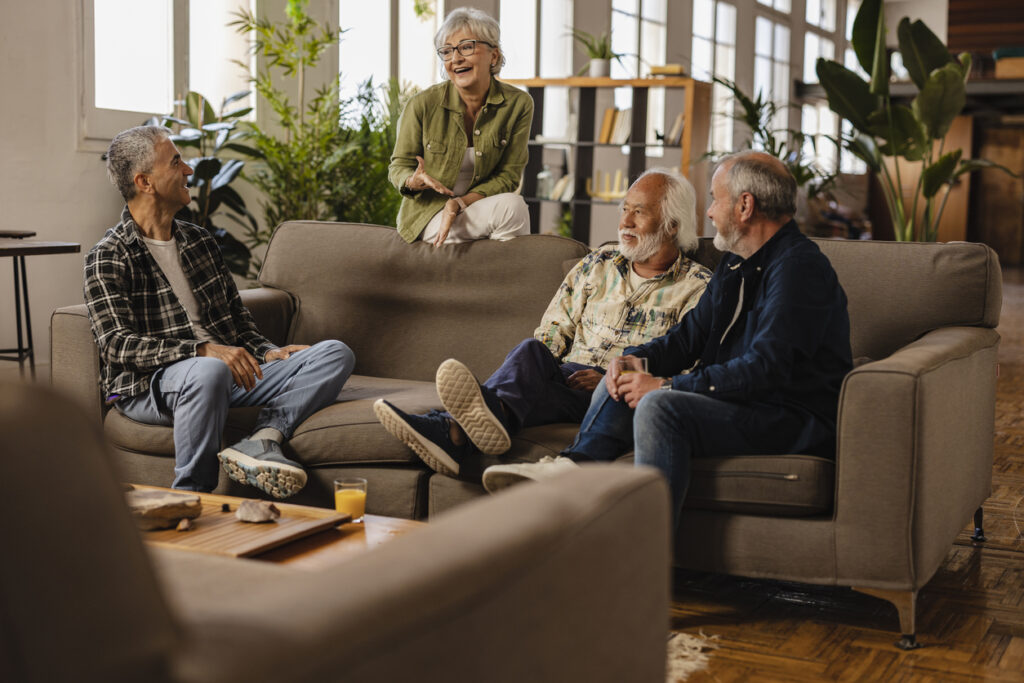
If you look at all the evidence today, the future of human life is looking more like a “steady climb” than a “rocket ship.” For most people in modern countries, living into your late 80s or 90s is becoming the new standard. We can expect that more of our friends and family will reach 100, which is wonderful news. However, the idea that we will all routinely live to be 120 or 150 is still firmly in the world of science fiction. The most likely future is one where we live long, full lives and stay active until very close to the end.
This measured outlook is actually very hopeful. It tells us that the progress we are making is real and sustainable. We are moving toward a world where “old age” is no longer something to be feared, but a long and vibrant chapter of life. For the average person, this means we should plan for a long future, take care of our health today, and enjoy the extra time we’ve been given. The future of longevity isn’t about breaking world records; it’s about the millions of small improvements that help us spend more years with the people we love.
21. Survival Curves Are Flattening
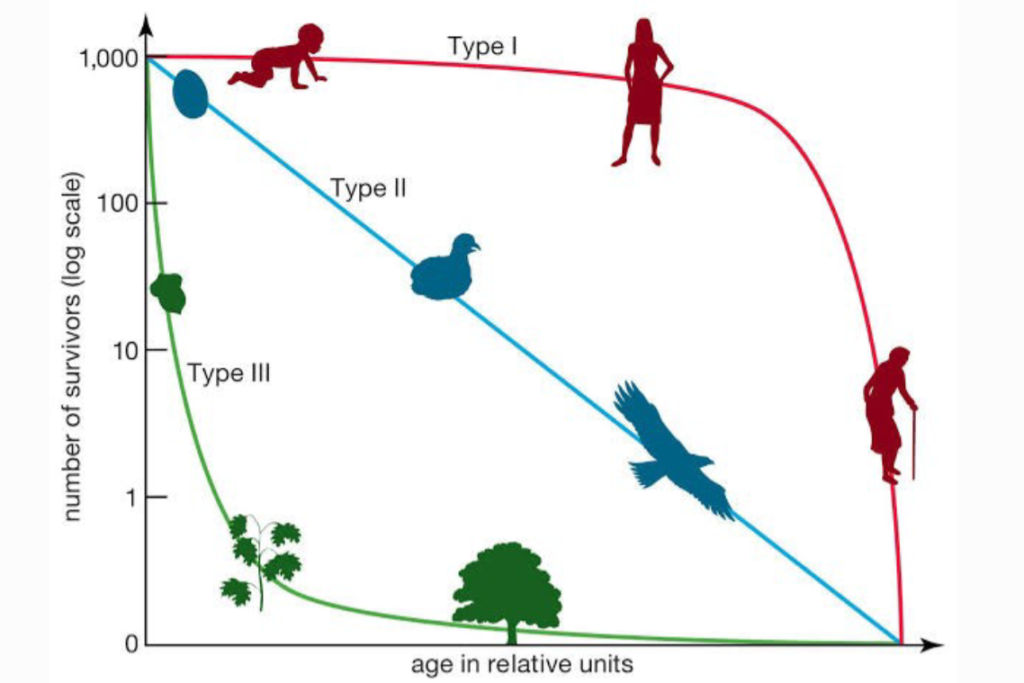
To understand how we age as a group, researchers look at “survival curves,” which show what percentage of the population is still alive at each age. In the early 1900s, this curve was a steep slope because so many people died at different stages of life. Today, that curve has become “rectangular.” This means that thanks to modern safety and medicine, almost everyone survives childhood and middle age, with most people living until they hit a narrow “crash zone” in their 80s and 90s. We are successfully pushing more people into old age together.
However, while the middle of the curve has moved forward, the very end of it has stayed mostly the same. We have become experts at preventing “premature” death, but we haven’t extended the absolute limit of the human body. Think of it like a marathon: more people are finishing the race than ever before, but the world record for the fastest time hasn’t changed much. For most of us in 2026, this means our focus should be on reaching that “finish line” in the best possible shape alongside our peers.
22. Medical Records Matter

In the world of extreme longevity, not every story you hear is true. Scientists are very careful about verifying “super-centenarians”, people over 110, because many claims of extreme age turn out to be mistakes or exaggerations. In the past, someone might have claimed to be 130 because they lost their birth certificate or took on the identity of an older sibling. Today, researchers use “age validation” techniques, checking census data from the early 1900s and school records to make sure a person is as old as they say they are.
This strict record-keeping is important because it keeps the science honest. By filtering out the myths, researchers can focus on the people who actually did reach 112 or 115 and try to understand what made them different. It prevents us from chasing false hopes based on legends. For the public, this means that when we hear about someone officially reaching 118, we can trust that it is a rare and remarkable biological feat. It reminds us that while 100 is becoming common, every year past 110 is a hard-won victory for the human body.
23. Women Still Live Longer

One of the most consistent facts in human biology is that women generally outlive men. In almost every country in 2026, women live about four to six years longer on average. There are a few reasons for this: women have a second X chromosome that offers a “backup” for certain genes, and estrogen can help protect the heart. Additionally, men have historically taken more risks and worked in more dangerous jobs. Even among those who reach 110, about 90% of them are women.
This “longevity gap” has a big impact on how we plan for the future. It means that as we get older, our communities often have more women than men, which changes how we think about social support and elderly care. However, the gap is slowly narrowing in some countries as men adopt healthier lifestyles and quit smoking. Whether you are a man or a woman, the goal remains the same: making the most of the biological hand you were dealt. It’s a fascinating reminder that our gender plays a small but significant role in our lifelong health journey.
24. The Role of Prevention

If you want to know the “secret” to a long life, it isn’t found in a futuristic lab, it’s found in prevention. Public health experts have shown that the biggest gains in human life over the last 50 years didn’t come from surgery, but from things like wearing seatbelts, taxing cigarettes, and managing blood pressure. By the time someone gets a major illness, the damage is often done. Prevention is about stopping the “fire” before it even starts. In 2026, we have better tools than ever to track our health before we feel sick.
For most of us, this makes longevity feel much more achievable. It means that “boring” habits like a 20-minute walk or choosing water over soda are actually the most powerful medical treatments available. We don’t need a miracle; we just need consistency. Research shows that people who follow just five basic healthy habits can add over a decade to their lives compared to those who don’t. Longevity isn’t a gift given to a lucky few; for many of us, it’s a result of the small, smart choices we make every single morning.
25. Pandemics Reveal Fragility

The COVID-19 pandemic was a major wake-up call for longevity researchers. For decades, life expectancy had been going up, but in 2020 and 2021, it took a sharp drop in many countries. It was a reminder that even in our high-tech world, we are still vulnerable to nature. However, the way we bounced back also showed our strength. The rapid development of vaccines and treatments helped stabilize the numbers by 2023, proving that while we are fragile, we are also incredibly resilient when we work together.
This experience changed how we think about health. We realized that being “healthy” isn’t just about your own body; it’s about having a strong healthcare system and a prepared community. It has led to a renewed focus on building up our immune systems and making sure our societies can handle future “shocks.” For the average person, the lesson was clear: health is a precious gift that we shouldn’t take for granted. It reminded us that the path to a long life isn’t always a straight line, but something we have to protect and nurture every day.
26. Longevity Is Not Linear

Many people expect life expectancy to go up by a few months every single year, like a steady staircase. But history shows us that it actually moves in waves. There are periods of “booms” where new medicines like antibiotics create a huge jump, followed by “plateaus” where progress slows down as we face new challenges like sedentary lifestyles. In 2026, we are in a period of steady but slow growth. We are working on harder problems now, like dementia and the biology of ageing itself, which take more time to solve.
This “non-linear” path teaches us to be patient. We might not see a massive breakthrough every year, but the long-term trend is still moving in the right place. It’s like watching a tree grow, you can’t see it moving day by day, but if you look back ten years later, the change is obvious. For anyone following longevity news, it’s important to stay focused on the big picture. We are living in the healthiest era in human history, even if the progress feels slow sometimes. The journey to longer lives is a marathon, not a sprint.
27. Brain Health Becomes Central
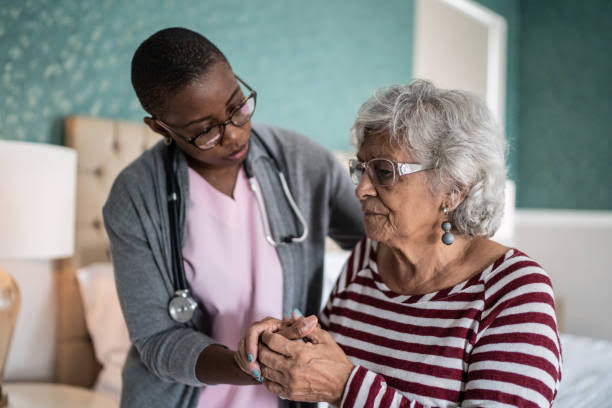
As we’ve gotten better at keeping the heart and lungs working, we’ve realized that the brain is the most important part of the longevity puzzle. There is no point in living to 100 if you don’t feel like “yourself” anymore. In the mid-2020s, research into Alzheimer’s and dementia has become a top priority. Scientists are finding that things like hearing loss, poor sleep, and social isolation are all linked to brain health. Preserving our memories and our ability to think clearly is now seen as the true “holy grail” of ageing.
This shift in focus is very reassuring for many people who fear memory loss more than physical pain. It encourages us to stay curious, learn new skills, and keep our social lives active well into our 80s and 90s. The advice for 2026 is simple: “Use it or lose it.” By keeping our brains “exercised” through puzzles, reading, and conversation, we are protecting our quality of life. Longer lives are only a blessing if we have the mental clarity to enjoy them with the people we love.
28. Family Structures Are Changing

One of the most beautiful side effects of living longer is the rise of the “multi-generational” family. It is becoming much more common to see families where four or five generations are all alive and active at the same time. A child born in 2026 might grow up knowing not just their grandparents, but their great-grandparents as well. This changes how we pass down stories, how we celebrate holidays, and how we support each other. It creates a “circle of care” where older adults provide wisdom and younger ones provide energy.
Of course, this also brings new challenges. We have to think about housing that can fit different ages and how to balance the needs of both children and elderly parents. But overall, this is a wonderful social shift. It helps reduce the “generation gap” and reminds us that we all have something to learn from each other, regardless of our age. Longevity is turning into a shared family experience, making our bonds deeper and our shared history much longer. It’s not just about living more years; it’s about more years together.
29. Extreme Longevity Remains Rare
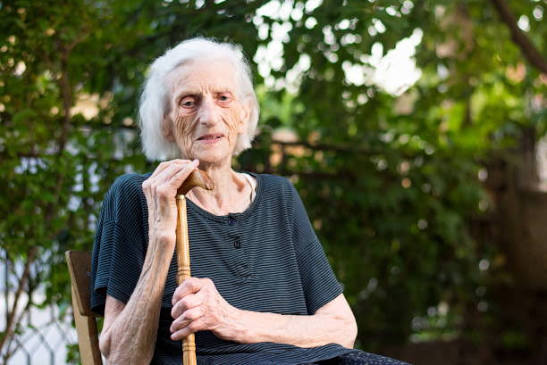
Even with all our talk about 100-year-olds, it’s important to remember that living past 115 is still a one-in-a-million event. While we are getting much better at helping the “average” person reach 85, the “outer limits” of human life haven’t moved very much. Statistical models in 2024 show that the risk of dying simply becomes too high once you reach a certain point. Our hearts have a limited number of beats, and our cells have a limited number of divisions. This isn’t a failure of medicine; it’s just the way we are built.
This reality shouldn’t be seen as bad news. It helps us set realistic goals for our lives. Instead of feeling like we “failed” if we don’t reach 120, we can celebrate the fact that most of us will have a very good chance of reaching a healthy, happy 90. The future of longevity is about making the “middle” of life better and the “end” of life more peaceful. By accepting that extreme age is rare, we can focus on the extraordinary gift of a standard, healthy lifespan, which is already a miracle compared to our ancestors.
30. The Near Future Looks Measured

As we look toward the rest of the 2020s, the future of longevity looks “measured” and realistic. We aren’t expecting a magic pill that stops ageing tomorrow, but we are expecting steady improvements in how we treat cancer, heart disease, and diabetes. The goal is “compression of morbidity”, a fancy way of saying we want to stay healthy for as long as possible and only be “sick” for a very short time at the very end. It’s a vision of a future where we are active, independent, and sharp-minded for almost our entire lives.
This balanced view is what makes modern longevity science so credible. It’s not about fairy tales or immortality; it’s about using the best of human knowledge to help us live well. For the average reader, the message is one of quiet hope. You have more power over your health than any generation before you. By combining the best of modern medicine with the simple habits we know work, the future of human life looks long, bright, and full of possibility. We are learning to age with grace, dignity, and a lot more time.


