
The Blizzard of 1888
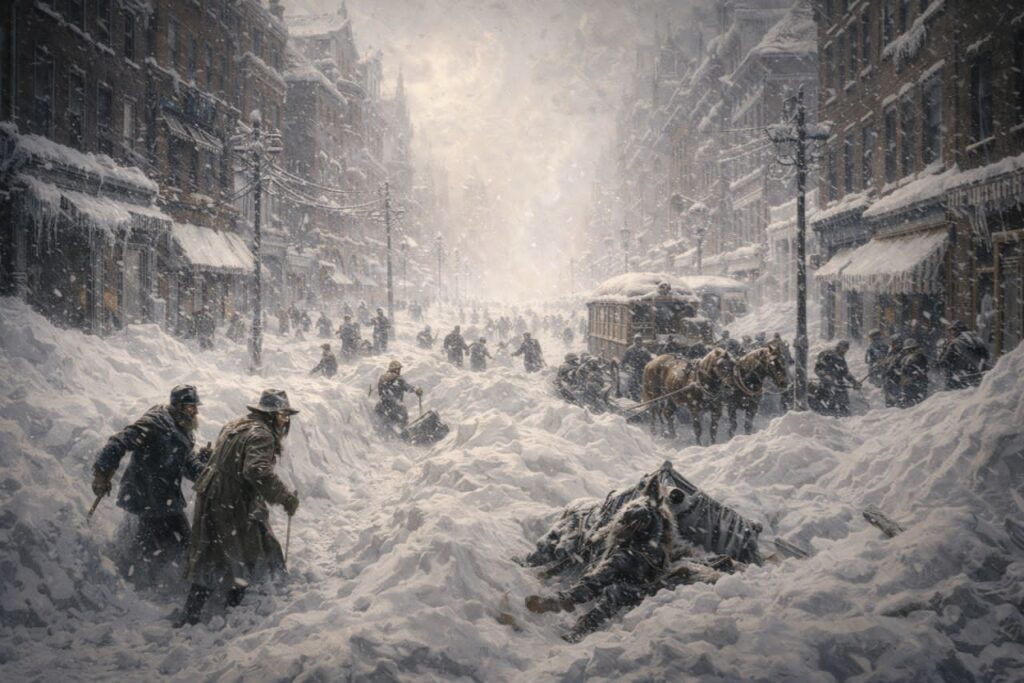
Some winters don’t just pass, they stick. Not because the snow looked pretty, but because the day it hit changed everything you thought you knew about cold weather. If you’ve ever listened to someone say, “This is nothing,” then pause like they’re remembering something bigger, they might be thinking of the Great Blizzard of 1888. It hit the Northeast hard and made regular life feel impossible overnight. Streets vanished, trains slowed, and people stayed indoors because stepping outside felt like walking into a white wall. It became the kind of storm that turned ordinary routines into survival mode and made neighbors pay attention to one another.
The reason it still gets talked about is simple. It is not just history, it is the feeling of being stuck, the worry of not knowing when help is coming, and the way cities suddenly felt small. Families remembered the quiet, the drifting snow, and the waiting. Even today, when a big storm threatens New York or Boston, someone always compares it to 1888, like it set the standard for serious winter. Storms come and go, but the ones that change how people prepare tend to live on in the stories.
The Great Lakes Storm of 1913 “White Hurricane”
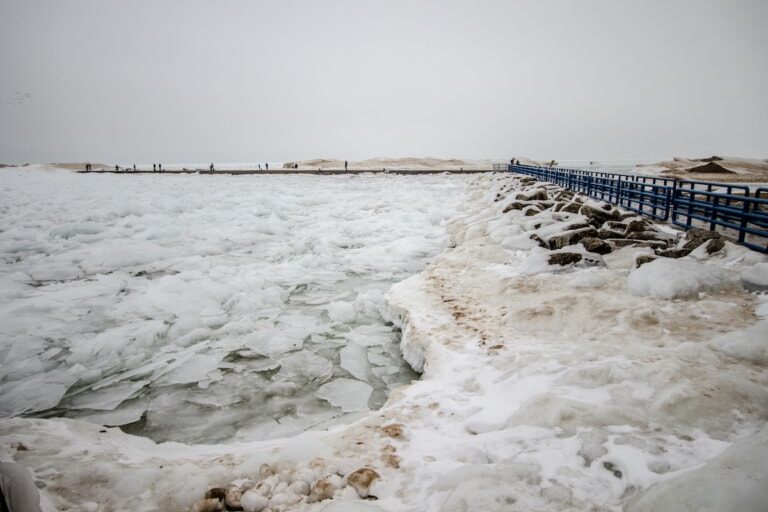
The Great Lakes Storm of 1913 is remembered as one of the most intense storms to hit the region, and it earned the nickname “White Hurricane” for a reason. It struck in November and brought extreme wind and heavy snow that turned the lakes into something terrifying. What people remember is how powerful it was, especially for those connected to shipping and lake communities. Storms on the Great Lakes feel different because wind and water make everything more dangerous. Even people far from the shore felt the impact, with blizzard conditions and freezing weather that made survival harder.
What made it unforgettable was the sheer scale of the damage. This was not a storm you waited out comfortably. It destroyed ships, caused major loss of life, and left towns dealing with disaster beyond snow removal. When a storm mixes blizzard conditions with powerful waves, it becomes something that sticks in local history as a warning. Families around the lakes passed down the story because it showed what happens when nature combines forces. It is one of those older storms that still gets mentioned because it reminds people winter is not only about snowflakes and cold hands. Sometimes it is about real danger, real loss, and weather that feels bigger than anything we can control.
The Armistice Day Blizzard of 1940
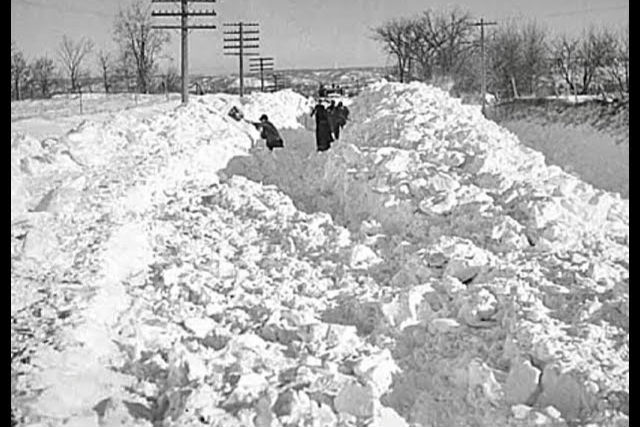
The Armistice Day Blizzard of 1940 is remembered for one scary reason: it surprised people. The day started mild in parts of the Midwest, so many folks went out expecting normal weather. Then the storm hit hard and fast, bringing snow, strong winds, and dangerous cold that trapped people outdoors and on the road. Hunters, travelers, and workers were caught in conditions that turned life threatening in a short time. This storm is not remembered as a cozy story. It is remembered as a warning, because it proved how quickly a normal day can become dangerous when weather flips without mercy.
What makes it stick is the shock and the lesson people did not ask for. If you were dressed for a mild day, you were suddenly not dressed for survival. Stories from this storm often sound blunt, not dramatic, because there was no room for drama in the moment. It was about staying alive, finding shelter, and waiting for rescue. The storm became one of those historical events that families still reference when someone tries to laugh off a forecast. It reminds people that preparation is not panic. Sometimes it is the difference between inconvenience and tragedy, especially in open country.
The Blizzard of 1949 That Buried the Great Plains for Weeks
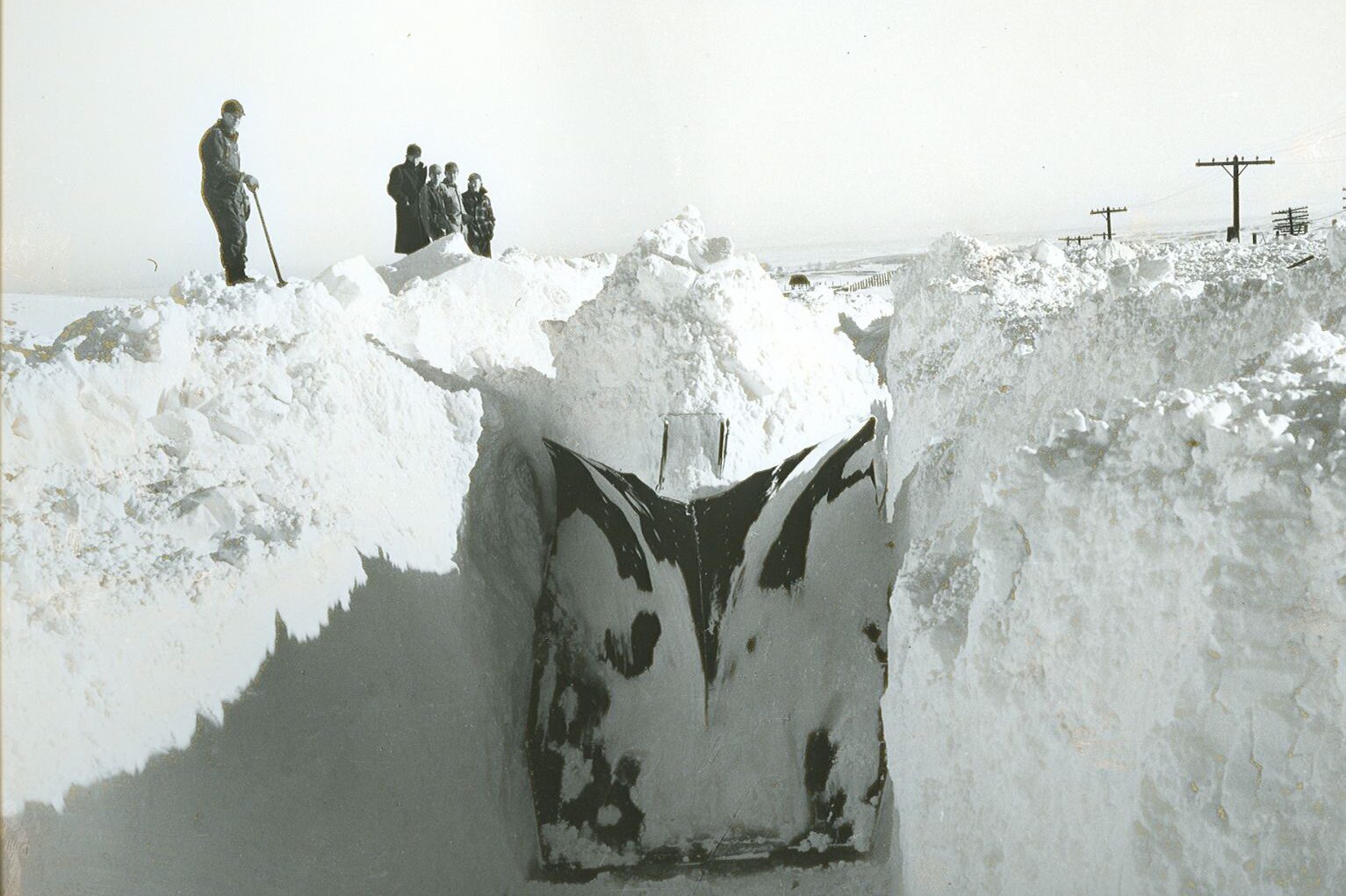
The Blizzard of 1949 is one of those storms that did not just hit and leave. It settled over the Great Plains and made winter feel endless. Snow and drifts blocked roads, stranded vehicles, and trapped rural communities in ways that are hard to imagine now. People remember farms cut off, supplies running low, and the slow work of digging out day after day. In many places, the wind piled snow into huge walls that made travel nearly impossible. It was a storm that turned simple tasks into serious challenges, especially for families far from town centers.
What makes it unforgettable is the endurance it demanded. This was not one weekend of inconvenience. It was weeks of survival and waiting, with people relying on neighbors and local help when possible. Stories from the Plains often mention isolation, cold mornings, and the constant need to keep paths open. Even now, older folks in the region refer to 1949 as one of the hardest stretches of snow they have ever known, because it tested both people and communities. It became part of local identity, the kind of winter memory that gets told calmly but with respect. The snow melted eventually, but the effort people spent living through it stayed in memory.
The Ash Wednesday Storm of 1962
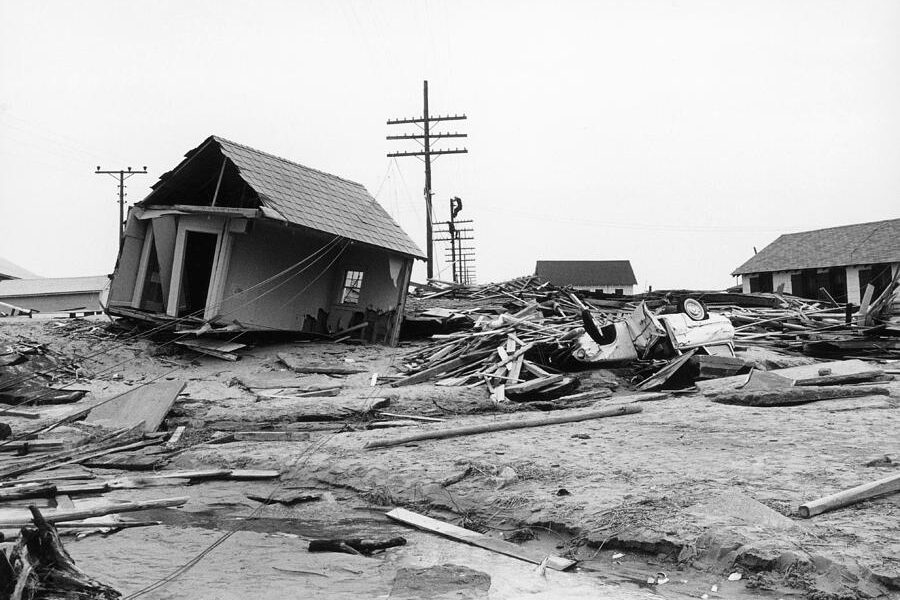
The Ash Wednesday Storm of 1962 is remembered along the East Coast because it was not a quick storm that passed in a night. It lingered and kept hitting with strong wind, rough ocean conditions, and flooding that damaged coastal towns. Winter storms near the ocean feel personal because you can hear them. The roar, the crashing, the steady pressure on the shoreline. Communities in places like New Jersey and the Mid Atlantic dealt with serious destruction, and people remember it as one of those storms that changed coastlines and left lasting damage behind.
What made it unforgettable was the drawn out suffering. When a storm lasts through multiple tide cycles, it wears everything down. Homes were damaged, beaches eroded, and entire stretches of coastline were reshaped. Even for people who did not live directly on the shore, the disruption spread, because roads became unsafe and travel was limited. Families tell stories about watching the ocean swallow familiar places and realizing winter storms can be more than snow. This storm stayed in memory because it combined cold weather with coastal power, and that combination always feels bigger than us. It taught people to respect winter in a different way, not only for snowdrifts, but for what the sea can do.
The Blizzard of 1966
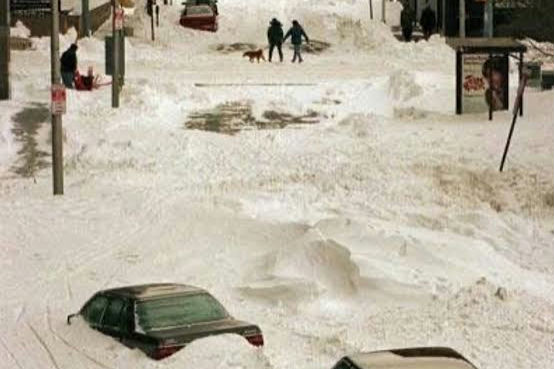
The Blizzard of 1966 is one of those storms that older folks in the Northeast still mention with a certain seriousness. It hit in January and brought heavy snow that buried streets and slowed down cities that were used to winter but not ready for that much disruption. People remember buses stuck, cars buried, and sidewalks turning into narrow paths carved by tired hands. It was a storm that made everyday travel feel impossible, and it forced families to adjust quickly. Even going outside felt like work, because everything was deep, cold, and stubborn.
What made it unforgettable was how it stretched beyond one day. Cleanup took time, and life did not bounce back instantly. People had to dig out cars, clear doorways, and help neighbors who could not manage alone. Some families remember missing work for days. Others remember being stuck with relatives longer than planned. It became a storm that lived in conversations because it was disruptive in a simple, believable way. It was not a dramatic movie moment. It was the reality of snow that just would not move and routines that could not function. Storms like that stay in memory because they make you feel how much society depends on clear roads and working schedules.
The Chicago Blizzard of 1967
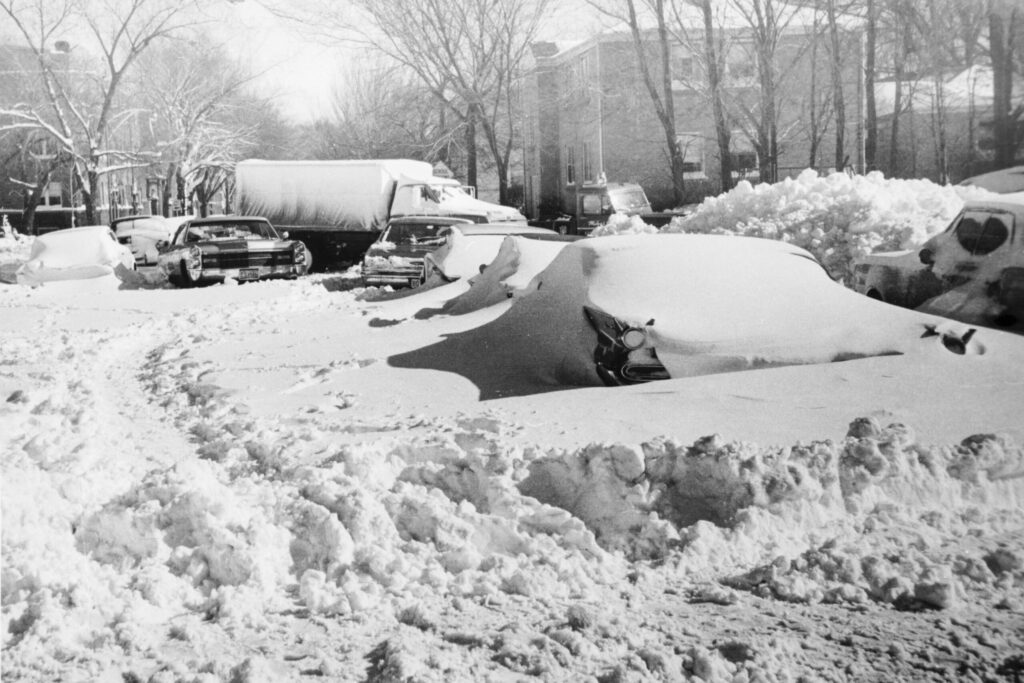
The Chicago Blizzard of 1967 is one of those classic city storms people talk about like a family legend. It dumped heavy snow across the area and made transportation feel impossible. Cars got stuck and abandoned, buses struggled, and whole streets became slow moving or completely blocked. People remember walking through snow that came up higher than they expected and realizing the day was not going to return to normal anytime soon. For many, it was the first time they saw a major city truly overwhelmed by snow. It turned daily routines into long exhausting tasks, and the cleanup did not happen overnight.
What stands out is how it affected daily life for days, not just hours. Schools stayed closed, businesses operated in a limited way, and getting groceries felt like an expedition. Families tell stories about missed work, delayed plans, and the quiet that settled over the city when traffic stopped. Snow removal took time, and the piles stayed around long enough to feel permanent. It became a storm that shaped how Chicago prepares for winter now, because it set the bar for what a true blizzard can do. Even today, when snow starts building up, locals still mention 1967 like it was yesterday.
The Blizzard of 1969
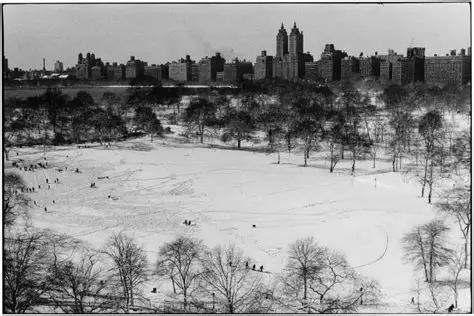
The blizzard of January 1969 is remembered in parts of the Midwest because it turned a wide region into a frozen standstill. Heavy snow, strong wind, and bitter cold combined to make travel nearly impossible, especially in states like Illinois and Indiana. People remember whiteouts that made roads disappear and drifts that piled up faster than plows could manage. It was the kind of storm that did not feel like a normal winter inconvenience. It felt like a full stop. Families were stranded, deliveries were delayed, and even getting help took longer than expected because the roads were blocked.
What makes it memorable is the way it tested communities. Rural areas struggled because snowdrifts could trap farms and small towns for days. Cities struggled because traffic and public transportation could not function normally. People tell stories about being stuck at work overnight, running out of basic supplies, or walking long distances just to check on relatives. In many places, it became one of those storms people still reference when newer winters act up, because it represents a time when winter truly took control. It is not remembered with exaggeration. It is remembered because it was hard, plain and simple, and it demanded patience, teamwork, and serious endurance.
The Blizzard of 1977
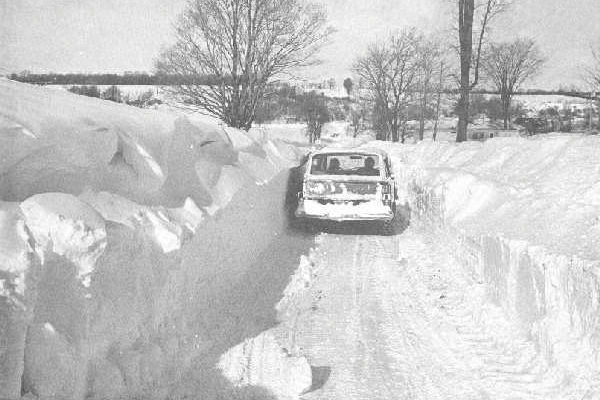
Buffalo has always been serious about winter, but the Blizzard of 1977 became something deeper than weather. It was the storm that felt aggressive, like the city was being erased by snow and wind working together. The snowfall totals alone did not explain it. The real problem was the wind picking up loose snow and throwing it around nonstop until visibility disappeared. People remember stepping outside and not being able to see the end of the driveway. Roads became traps, and driving turned into a gamble nobody wanted. Even staying warm felt like work. You could hear the wind and feel it pressing against doors and windows like it wanted in.
What people still talk about is how long the disruption lasted and how hard recovery felt. When drifts pile up and keep shifting, cleanup becomes exhausting. Families stayed home, businesses shut down, and the city had to dig itself back into motion. Neighbors helped neighbors because that was the only way anything got done. Even years later, locals describe it with that same serious tone, like they can still hear the wind in their memory. Some storms leave snow behind, but this one left a reputation, and Buffalo never really forgot it.
The New England Blizzard of 1978
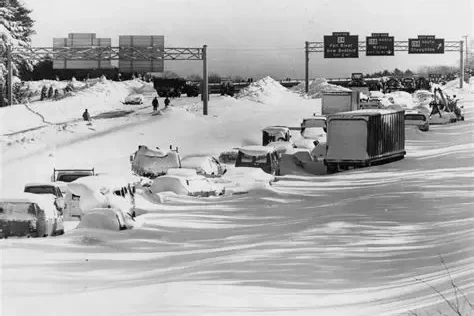
The Blizzard of 1978 is one of the most talked about storms in New England, especially around Boston, because it turned a busy region into a stuck one. It hit in early February and combined heavy snow with strong wind, creating whiteouts and huge drifting. Cars got abandoned on roads, public transportation struggled, and people who left home thinking they would be fine ended up stranded. It was the kind of storm that made you feel small, because the weather did not negotiate. You either stayed put or you got caught in it. Even decades later, people still say “seventy eight” like it is a full sentence.
What made it unforgettable was how long the effects lingered. Streets stayed buried, snowbanks climbed high, and neighborhoods looked reshaped for days. Families tell stories about being stuck inside, using whatever food they had, and checking on neighbors when possible. Some remember the stress. Others remember the strange quiet and how close everyone became when the world outside felt unreachable. It became a benchmark storm, the one people measure other nor’easters against, because it showed what happens when winter hits with full force. That kind of shared memory sticks around, especially when it is passed down in simple, honest stories.
The Blizzard of 1978
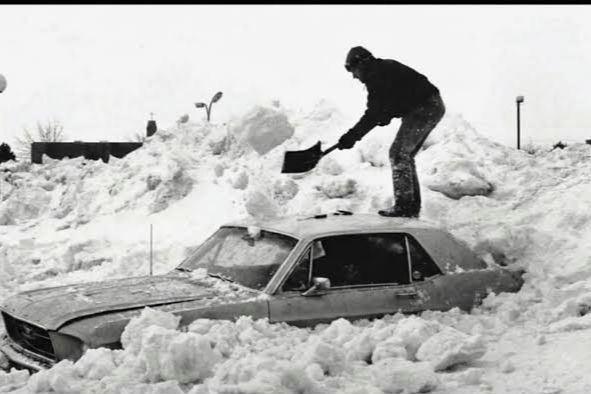
The Great Blizzard of 1978 is the kind of storm people in Ohio bring up without even being asked. It came with heavy snow, fierce wind, and the kind of cold that makes every breath sting. People remember roads that disappeared and cars abandoned like they simply gave up where they were. Highways turned into long frozen lines, and the only thing moving was the wind tossing snow across everything. Schools closed, businesses shut down, and for a while, it felt like the state was holding its breath, waiting for the weather to loosen its grip. It was not just winter, it was winter taking control.
What made it unforgettable was how quickly normal life stopped and how long the cleanup seemed to drag. People still tell stories about being stuck at work, sleeping in strange places, and sharing snacks like it was a big deal. You could not run errands, you could not pop out for anything, and even walking outside felt risky. Storms like this stay in memory because they reveal how fragile routines are when weather turns serious and refuses to move on quickly.
The 1993 Storm of the Century
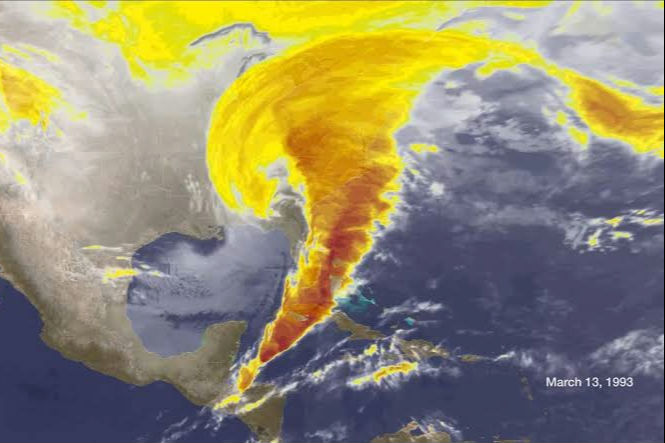
The 1993 Storm of the Century is unforgettable because it was huge in a way that felt unfair. It was not limited to one city or one region. It spread across the eastern United States like it had a wide reach and no patience. People in places used to winter got slammed, but what made this storm legendary was how it surprised areas that rarely see snow at all. Airports closed, highways shut down, and entire communities stayed indoors because travel became too risky. It felt like the whole map was dealing with the same storm at the same time, and no one could escape it.
People still tell stories about being stranded mid trip, running low on supplies, or watching weather updates like it was breaking news every hour. What sticks is the way it made winter feel national, like everyone was under the same cold roof. You could be in a place that barely owns a snow shovel and suddenly need one. That shock is part of the memory. It was not just snow, it was disruption on a scale people did not expect. That is why it still gets mentioned decades later, in the same breath as the biggest storms.
The Superstorm of March 1993
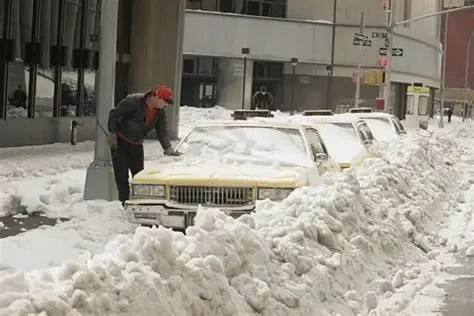
The March 1993 Storm of the Century gets talked about across generations because of how massive it was and how far it spread. It hit huge parts of the eastern United States and brought dangerous snow, wind, and cold that made travel feel impossible. Airports shut down, highways closed, and entire regions seemed to go silent at once. People remember trying to make it home before it got worse, then realizing it was already worse. Some got stuck on the road. Some got stuck at work. Some got lucky and stayed in from the start. Either way, everyone learned the same lesson: sometimes the weather wins completely.
What made it unforgettable was the shared experience across so many states. It felt like winter reached out and grabbed the whole country on that side of the map. Families still tell stories about watching the snow pile up, worrying about loved ones traveling, and listening for updates on the radio or TV like they were waiting for news from outside the storm. It was the kind of event that changed routines and left a mark, not just on streets, but on how people think about big winter systems. Even now, when forecasts mention something “historic,” people still think back to 1993 and wonder if it could really happen again.
The 1994 Blizzard
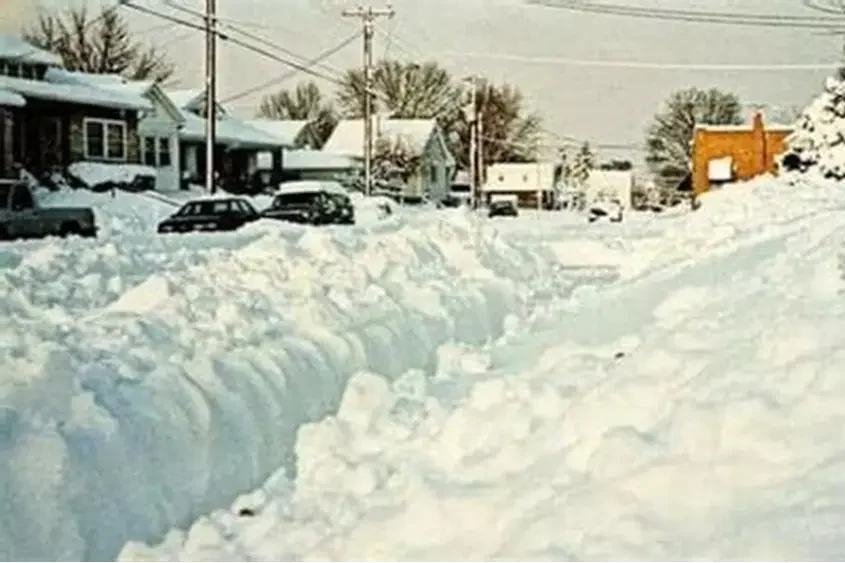
The January 1994 blizzard is one people in the Deep South still talk about because snow like that just was not normal there. It hit places like Alabama, Georgia, and the Carolinas and turned familiar roads into icy, confusing trouble spots. Schools and businesses shut down fast, and many people were stuck at home with no idea when things would improve. What made it feel bigger than the snow itself was how unprepared the region was for winter weather of that level. Cars slid, bridges froze, and even short trips felt risky. For a lot of families, it became the first time they saw their town look like a winter postcard, except it came with stress instead of fun.
What made it stick is the way it surprised people and lingered in memory. Southern snowstorms do not happen often, so when they do, every detail feels sharper. People remember the sound of ice under their shoes, the quiet streets, and the strange sight of palm trees and rooftops dusted white. Some remember cooking whatever was at home because stores were closed. Others remember neighbors checking in because everyone was figuring it out together. It became one of those storms that proved winter can show up anywhere, and it always leaves a story behind.
The Blizzard of 1996
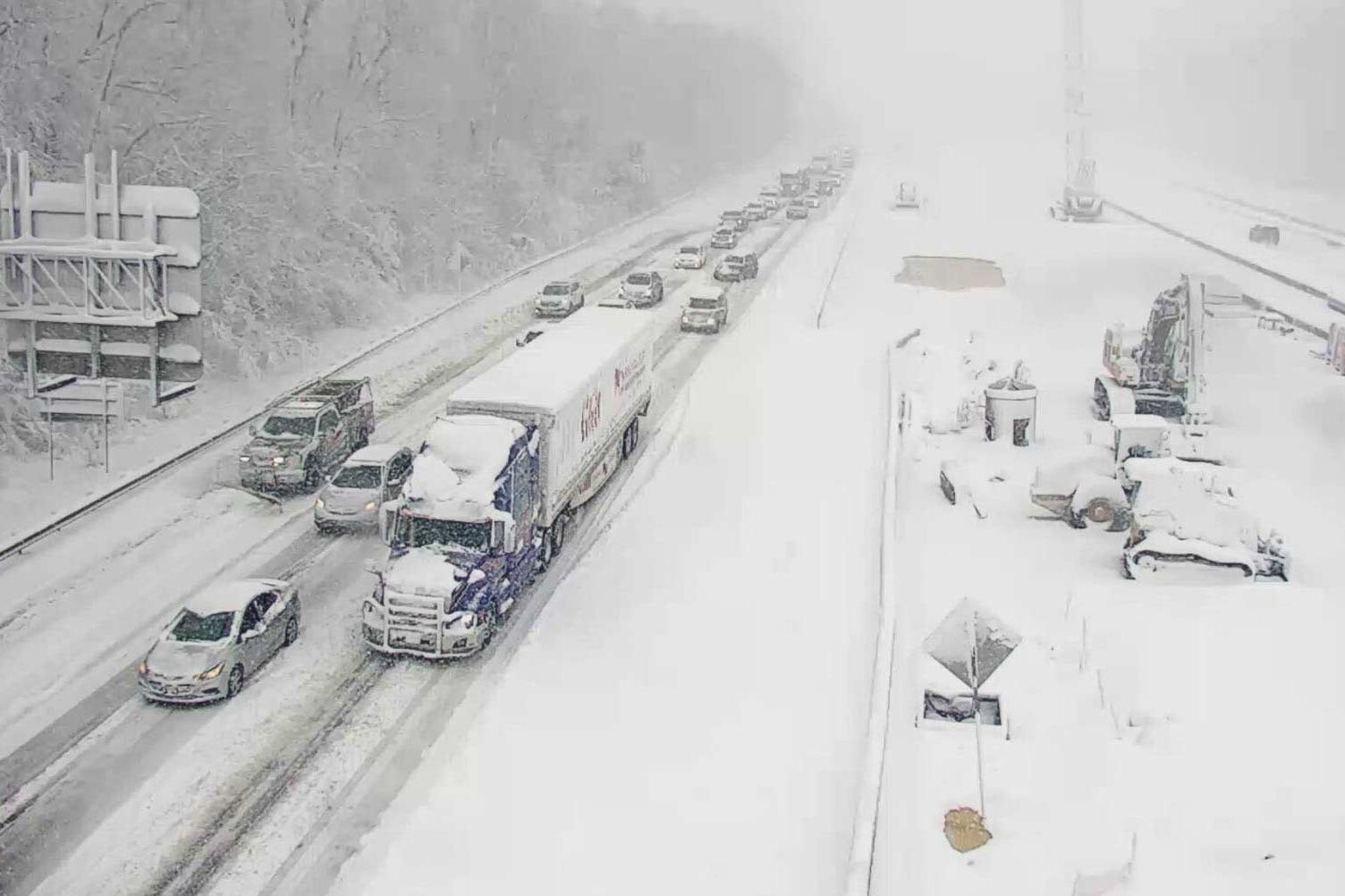
The Blizzard of 1996 is one of those storms people along the East Coast still describe with a tired laugh. It hit in early January and buried major cities along the I-95 corridor, which meant the impact was immediate and personal. When snow lands on places packed with commuters, schedules fall apart fast. Streets turned slick, public transit struggled, and even simple errands started feeling like big decisions. People remember looking outside and realizing their normal day was gone. It was replaced by digging, waiting, and watching the snow pile up in heavy, stubborn layers.
What really made it stick was the cleanup and the long after effect. Snow piled high, plows fought to keep up, and some neighborhoods felt like they were digging out forever. For many families, it became a storm memory made up of small moments, like cooking what you could, checking on neighbors, and keeping warm with extra blankets. Even after the skies cleared, life stayed slow for a while because roads and sidewalks were still buried. That is why it still gets talked about today. It turned ordinary life into something harder, and everyone remembers how it felt.
The Ice Storm of 1998
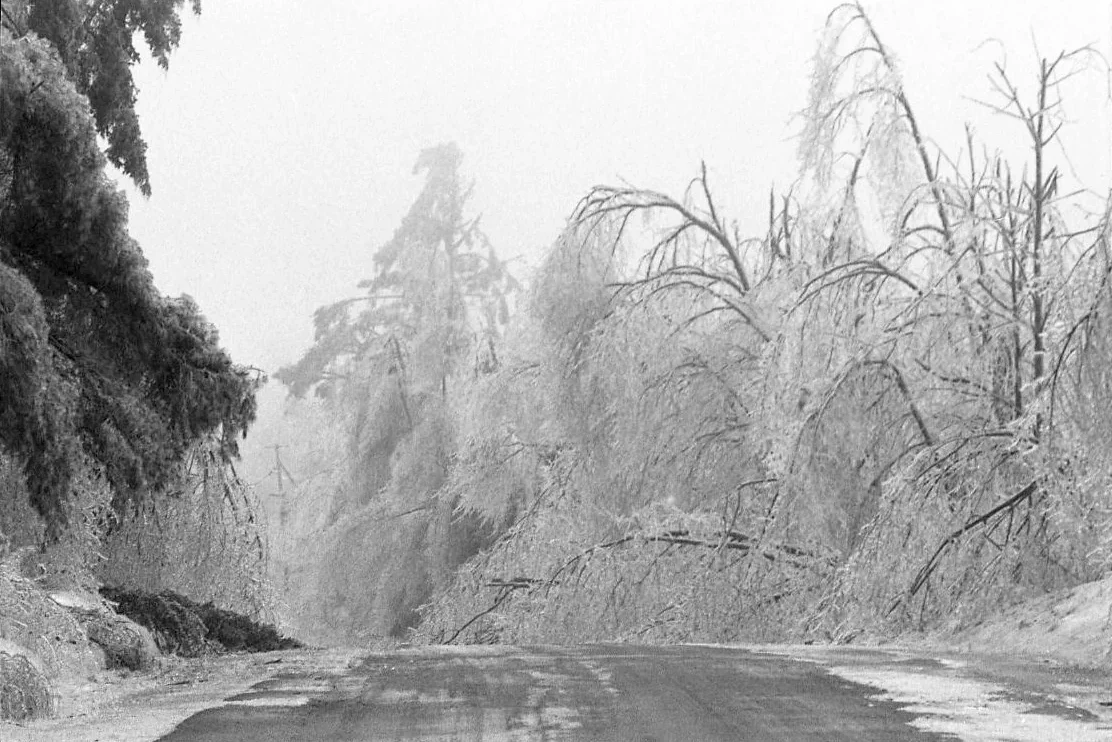
The Ice Storm of 1998 is not a classic blizzard, but it belongs here because people still talk about it like one of the hardest winter disasters they have lived through. It hit parts of the Northeast and eastern Canada with heavy ice that coated trees, roads, and power lines until everything looked frozen in glass. The beauty was real, but so was the danger. Branches snapped, roads turned slick, and long power outages made the cold feel personal. People remember listening to cracking sounds outside and hoping it was not the next tree falling. It turned normal life into emergency mode, and nobody forgot how quickly it escalated.
What stayed with people was how long it lasted and how draining it felt. Some families went days without power, relying on candles, fireplaces, and generators if they were lucky. Others bundled up and stayed in one room to preserve warmth. It was not a storm that gave easy comfort stories. It was stressful, quiet, and heavy in a way snowstorms sometimes are not. Yet, even in that hardship, people remember community moments, neighbors checking in, sharing supplies, and helping clear fallen branches. That is why the Ice Storm of 1998 still gets brought up. It was winter showing strength without needing deep snow, and it made people respect ice more than ever.
The Blizzard of 1999 That Hit Chicago
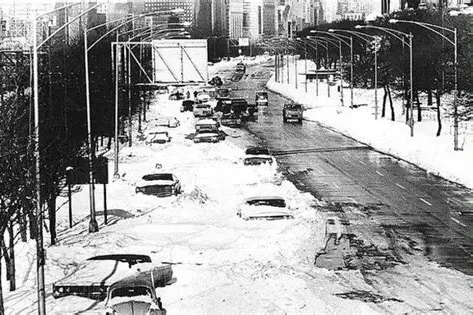
The Blizzard of 1999 is one Chicagoans still bring up because it arrived when people were already tired of winter. It hit in January and dumped a serious amount of snow in a short time, turning the city into a slow, heavy mess. Streets narrowed, buses struggled, and driving felt like pushing your luck. People remember the way the snow piled up along sidewalks and parking spaces, making everyday errands feel like a workout. It was not just the snowfall itself, it was the feeling that everything took twice as long. Even simple things like walking to the corner store became a careful little journey.
What made it stick in memory was the grinding cleanup. Plows worked, but the piles stayed, and the city felt boxed in by snowbanks for days. Residents tell stories about shoveling until their shoulders ached, then waking up and doing it again. You could feel the fatigue in how people talked about it, like winter had become a job. Yet, those same stories often include small moments of warmth, neighbors helping each other push cars, strangers sharing salt, and people laughing when frustration was the only other option. That is how big storms become part of a city’s personality, not glamorous, just unforgettable in a lived-in way.
The Presidents’ Day Blizzard of 2003
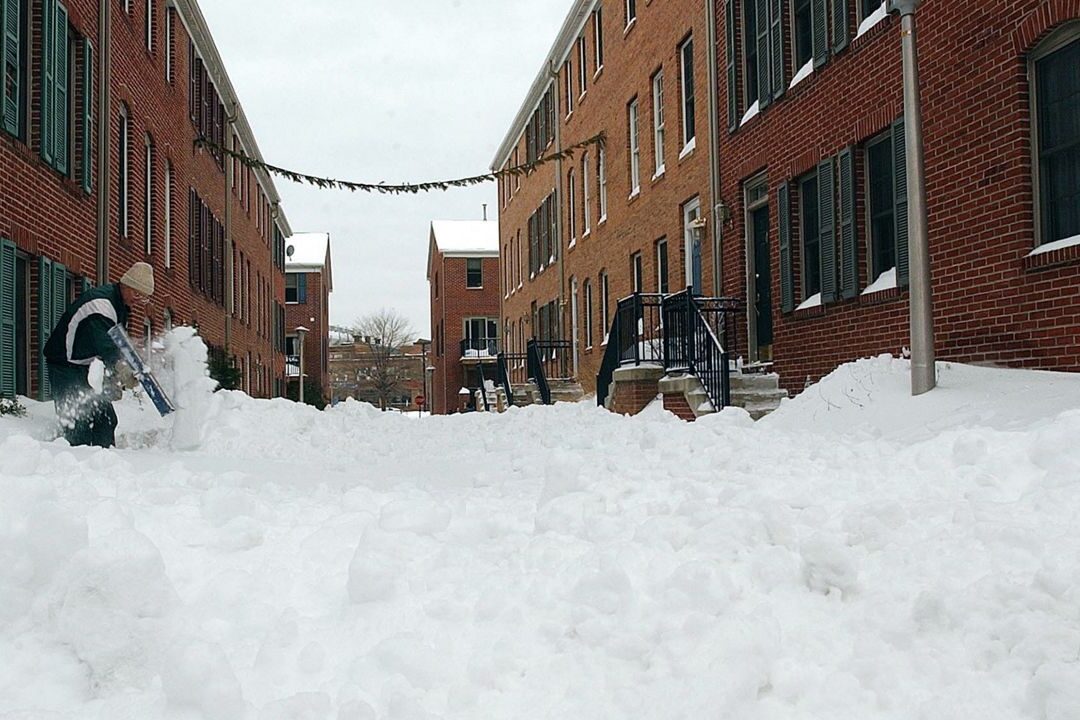
The Presidents’ Day Blizzard of 2003 is remembered because it hit at a time when people were trying to travel, work, and keep a holiday weekend moving. Instead, snow took over the Mid Atlantic and Northeast and turned everything into a slow, careful situation. Roads got messy, flights got canceled, and people who thought they could squeeze in errands learned that winter storms do not respect plans. It hit hard enough that many places ended up buried, and the cleanup became part of the memory. It was not just about snow falling, it was the way it kept falling until everyone surrendered to the reality of staying home.
What made it stick is the way it affected cities and suburbs at the same time. It was not only rural roads getting blocked. Regular neighborhoods struggled too, and that is what made it feel personal. People tell stories about getting stuck at friends’ houses, shoveling until their backs hurt, and checking on older neighbors who needed help. It became a shared experience across different places, and that shared feeling is why it still gets mentioned. It was cold, inconvenient, and unforgettable in the plain way real storms usually are. When the forecast looks similar today, people still bring up 2003 like a reminder.
The Blizzard of 2005
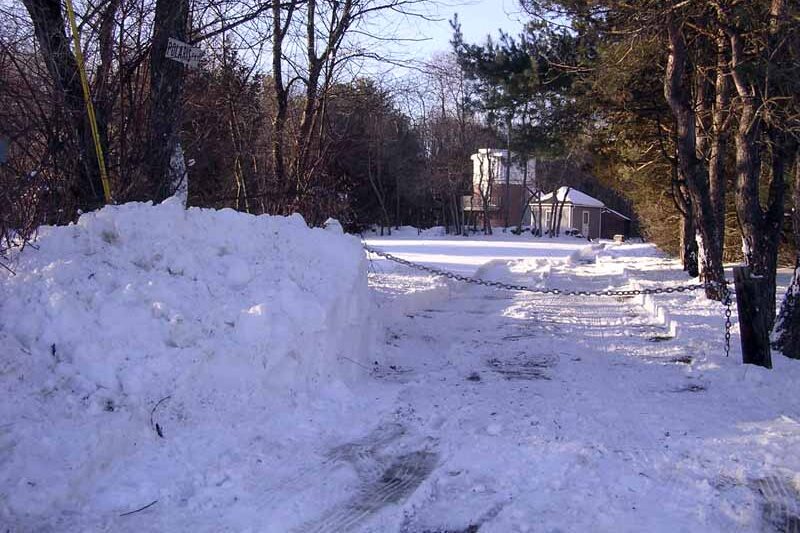
The Blizzard of 2005 is remembered in New England because it was part of a winter stretch that felt constant, like the snow kept coming without giving anyone time to breathe. Boston took another heavy hit, and what people remember is not just the snowfall total, but how the piles stayed and piled. Parking got harder. Walking got harder. Even visibility at corners became an issue because snowbanks turned into walls. It was the kind of storm that made the city feel smaller, narrower, and more difficult to move through, even after the skies cleared.
What made it stick was the lingering mess. Snow removal can clear streets, but it cannot always erase the feeling of being boxed in. People remember squeezing past snowbanks, stepping carefully around slushy edges, and trying to keep daily life moving while winter refused to ease up. Some families remember missing work or school. Others remember how long it took to find their cars again. Yet, storms like this also bring out that quiet resilience. Neighbors helped shovel, strangers shared a little space, and everyone learned how to walk slower and plan better. It became one of those winters that people talk about later with a mix of humor and exhaustion, because surviving it required patience more than anything.
The 2006 Valentine’s Day Blizzard
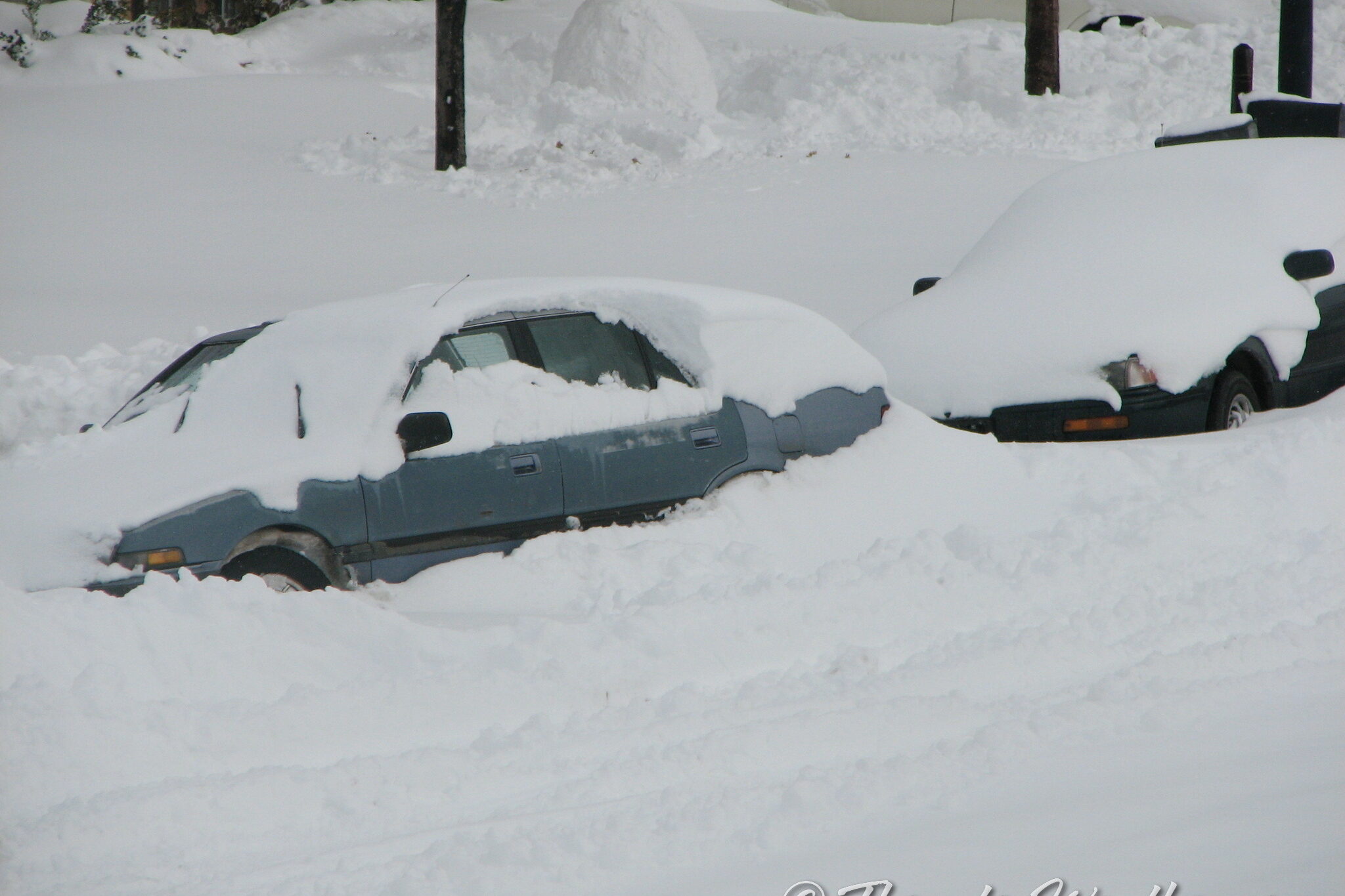
The 2006 North American Blizzard is one people remember not just for the snow, but for the timing. It hit around Valentine’s Day and affected parts of the U.S. and Canada, turning a week of normal routines into delays and cancellations. People trying to travel found themselves stuck, and even basic errands felt risky. The snow fell heavy enough to disrupt major cities, which always makes a storm feel bigger because you see how many lives it interrupts at once. It was not only a neighborhood problem. It was a regional slowdown that forced people to stay patient.
What made it stick was how it interfered with everyday life in a relatable way. The stories people still tell are simple: being stuck at the airport, digging out the car, or spending hours on roads that barely moved. Some laugh about it now, but at the time it was stressful. It also reminded people how quickly a storm can turn “one little plan” into a whole ordeal. Even if you had food at home, you still felt trapped by the conditions outside. Storms like this stay in memory because they hit at a time when people were already out living life. Instead of cozying up before it started, many got caught right in the middle, and that always makes a blizzard more memorable.
The Valentine’s Day Blizzard of 2007
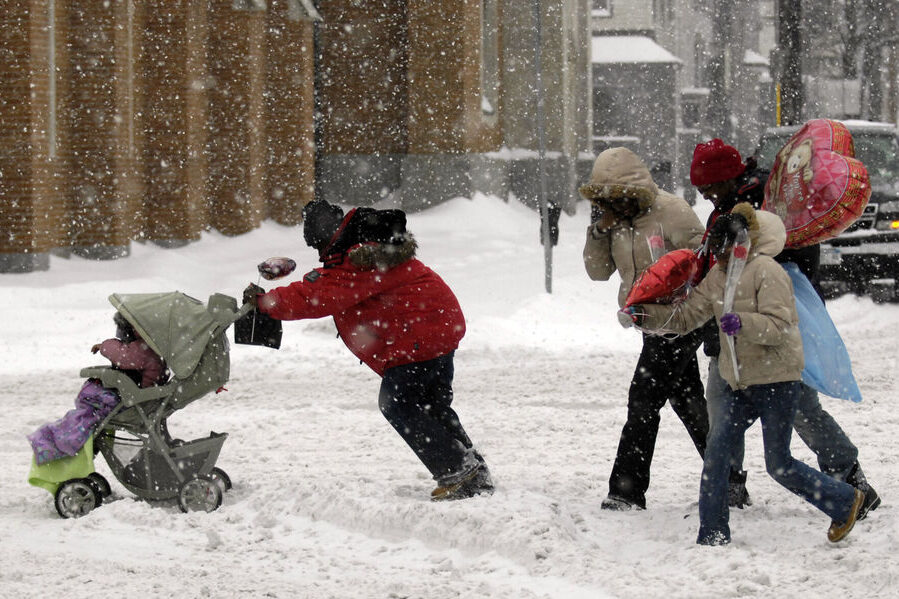
The Valentine’s Day Blizzard of 2007 is remembered because it hit right when people were trying to do normal life things. Go to work. Get the kids to school. Maybe meet someone for dinner. Instead, heavy snow and messy road conditions turned the day into a long struggle across many parts of the Midwest and Northeast. It is the kind of storm that sticks because it hit at the worst time of day, when everyone was already out and moving. People remember being stuck in traffic for hours, slipping on sidewalks, and realizing a small plan like “I’ll just drive carefully” was not enough.
What makes it such a lasting story is the way it affected emotions. It was not just cold and inconvenient, it was frustrating in a relatable way. You could feel the disappointment in the air, because a day meant for small celebration became pure stress. Families still talk about it like a shared joke, how flowers arrived late, dinner reservations got canceled, and some people did not get home until late at night. And once you have a storm memory like that, you never ignore the forecast the same way again. It reminds you that winter does not care about your calendar. It will interrupt you anyway, and you will still have to get through it.
The Ice Storm of 2007
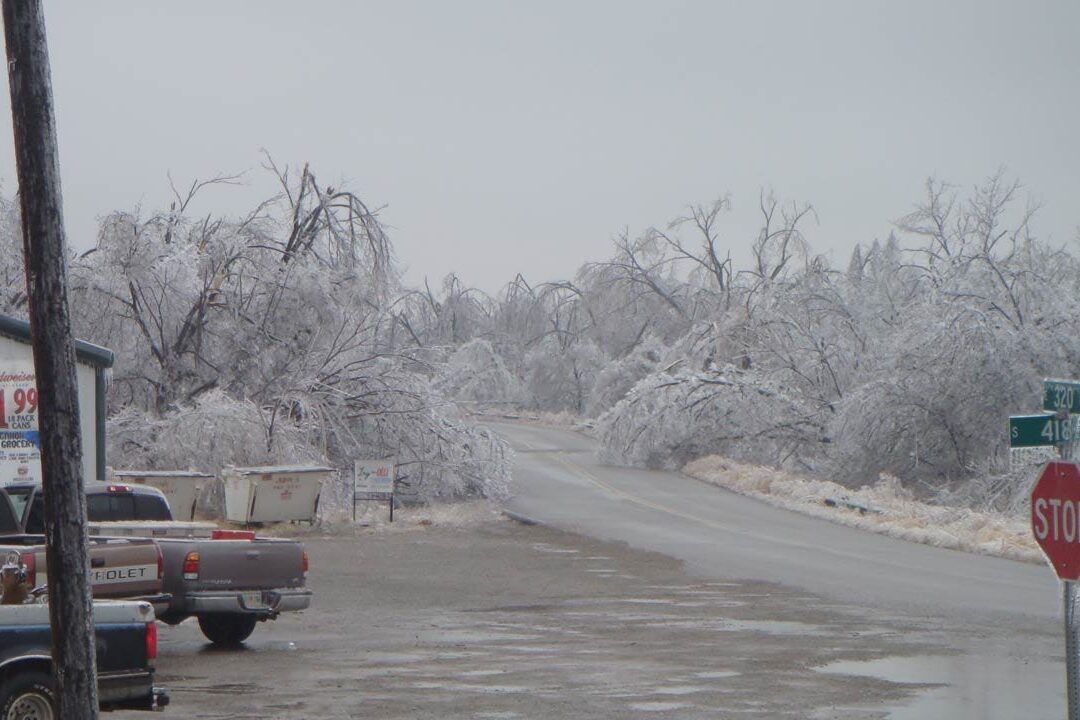
The Ice Storm of 2007 is one many people in parts of the South and Midwest remember because it was not just inconvenient, it was exhausting. Ice coated trees and power lines, and the weight brought branches down like they were nothing. Roads became slick and dangerous, and even walking outside felt risky because you could slip without warning. In places like Oklahoma, the storm knocked out power for huge numbers of households, and people had to figure out how to stay warm without relying on normal systems. It is the kind of storm that makes you realize winter threats are not always about snowfall.
What stayed with people was the length of the outages and the quiet fear of cold nights indoors. Families huddled in one room, used blankets like armor, and relied on candles and generators if they had them. Some stayed with relatives. Some slept in cars for warmth. It became a story people still share because it taught preparation in a harsh way. Ice storms feel sneaky. They look calm, almost pretty, then they break things and make movement dangerous. Even now, when people hear the words “freezing rain,” they remember 2007 and start planning immediately, because they know what that thin layer of ice can do.
The 2010 Snowmageddon
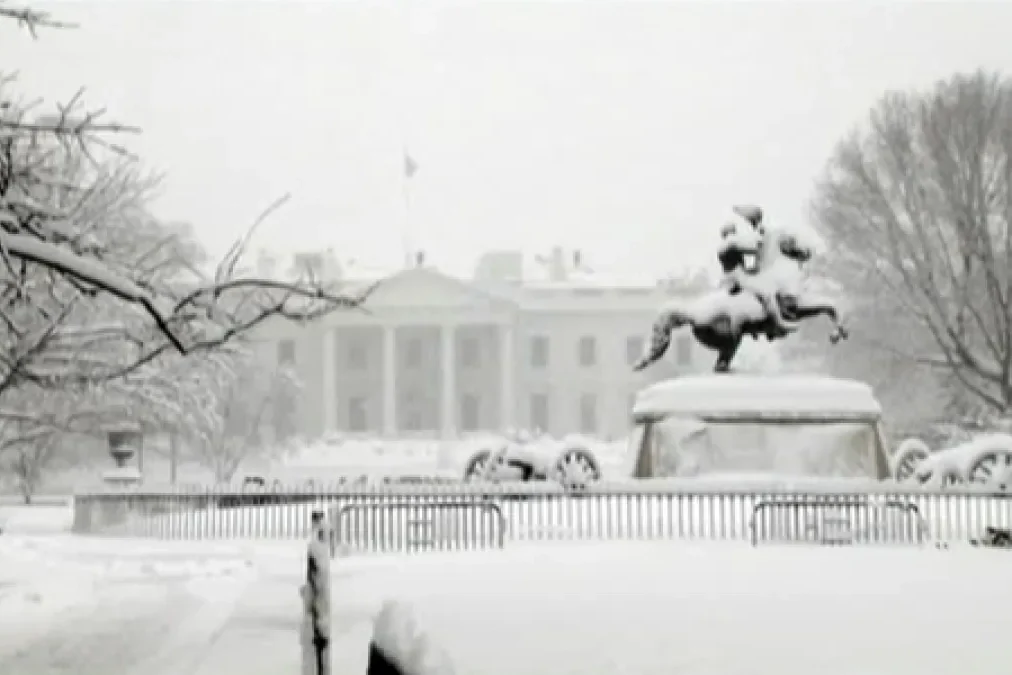
Snowmageddon in 2010 was not just a storm, it was a whole experience. Washington, D.C. and surrounding areas got hit with heavy snow that made the city feel frozen in place. Streets became unrecognizable, sidewalks disappeared, and even people who thought they were prepared realized they underestimated it. A few flakes turned into a serious situation, and suddenly the only plan was staying put. Offices closed, schools shut down, and grocery shelves looked rough because everyone stocked up at once. People remember the quiet, the slow movement, and the way the world outside looked soft but difficult. It became the kind of storm you bring up years later with a laugh and a little disbelief.
What makes Snowmageddon stick is how it forced a busy region to slow down. Neighbors ended up helping each other shovel because the snow was heavy and nobody wanted to do it alone. Kids built forts and treated it like a holiday, while adults did math on food and checked the news every hour. It also created those small memories that feel oddly warm, like sharing cocoa, charging phones wherever power still worked, and realizing you cannot always out plan the weather. It was inconvenient, but it also made people pause and look around.
The Blizzard of 2011
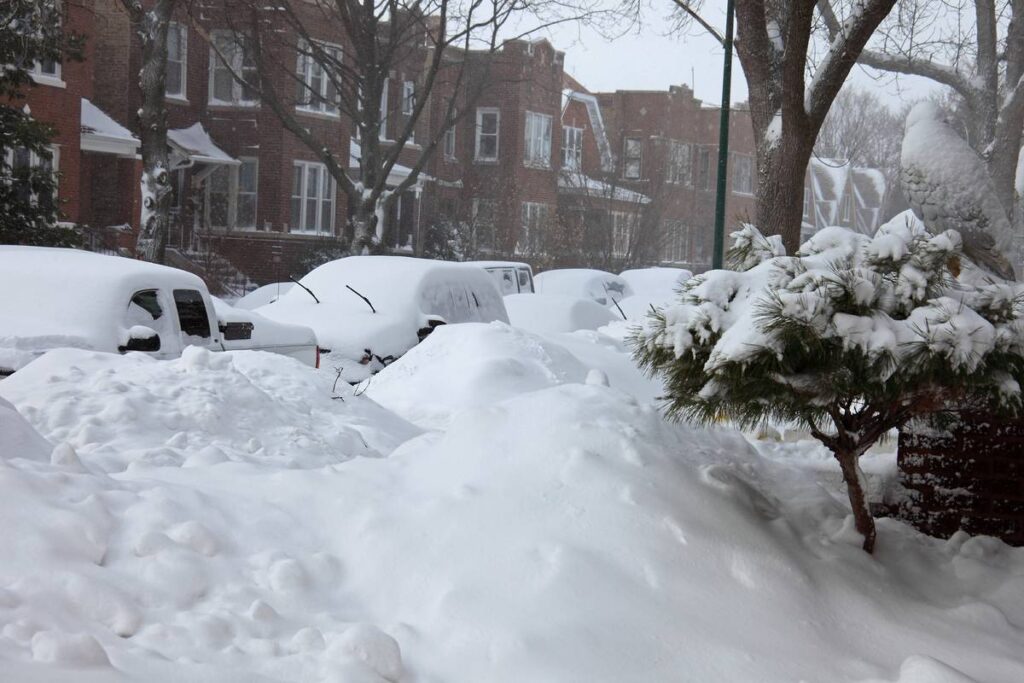
The Groundhog Day Blizzard of 2011 is one of those storms Chicago will never forget, mostly because it turned the city into a snowbound maze overnight. It brought heavy snow, strong winds, and whiteout conditions that made driving feel reckless. Streets filled faster than plows could handle, and by the time people realized how serious it was, getting home was already a problem. The story everyone remembers is about Lake Shore Drive, where cars ended up abandoned and stuck, almost like winter created its own museum display. Even people who usually brag about handling Chicago winters admitted this one felt bigger than normal.
What made it stand out was how fast the city went from busy to frozen. Public transit struggled, businesses closed, and many people stayed indoors because walking outside felt risky and pointless. Some families made the best of it and treated it like an unexpected break, but others worried about work, travel, and emergency needs. The cleanup became part of the memory too, because huge snowbanks lingered and made streets narrow for days. It became the kind of storm that makes you respect forecasts, even when you think you have seen it all.
The Halloween Snowstorm of 2011
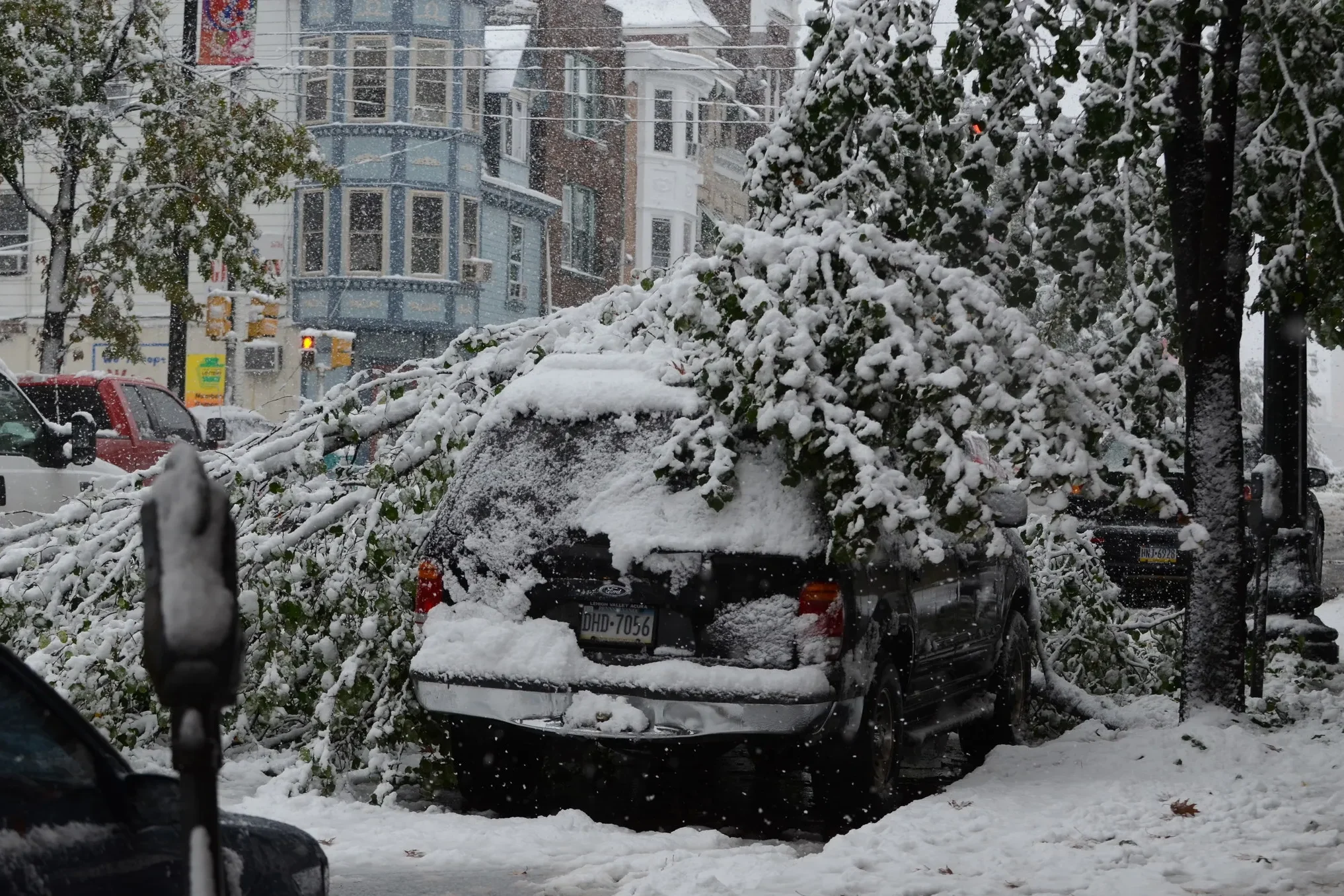
The Halloween Snowstorm of 2011 is unforgettable because it arrived early, right when people were still thinking about fall leaves and warm drinks. Snow in late October feels wrong, and that is exactly why this storm stayed in people’s heads. It hit parts of the Northeast and dropped heavy snow that clung to trees that still had leaves. Branches snapped under the weight, power lines came down, and neighborhoods went dark in the kind of cold you do not expect before November. People remember orange pumpkins surrounded by white snow and costumes hidden under winter coats. Trick or treating got canceled in many places, and the mood shifted fast.
What really made it memorable was the power outages and the messy aftermath. Homes went dark, phones died, and families had to bundle up and wait it out. Some people cooked whatever they could, others stayed with relatives, and everyone learned that early snow can cause more damage than midwinter snow. Even now, when someone mentions flurries in October, this storm comes up like a warning wrapped in a story. It stole a holiday moment and replaced it with flashlights and blankets. Not dramatic, just real. That is why people still talk about it.
The Blizzard of 2015
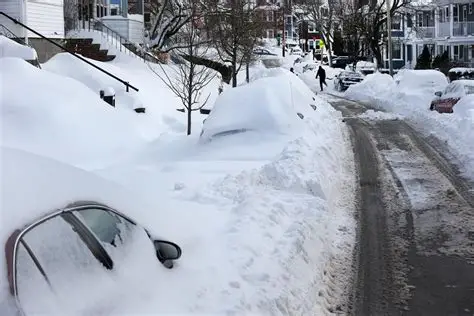
The winter of 2015 became a whole chapter in New England snow memory, and one of the biggest storms from that season helped define it. Boston and surrounding areas saw heavy snowstorms stack up, and that specific stretch felt endless. Commuting turned into constant delays, sidewalks became narrow trails, and snowbanks rose higher than people expected. The feeling was not just “we got snow,” it was “we cannot keep up.” Schools closed often enough to become routine, and even the tough winter people admitted it was too much.
What made it unforgettable was how the snow stayed and how it built on itself. When storms come back to back, the cleanup becomes impossible to finish before the next hit arrives. People remember climbing over piles, waiting for public transit that struggled, and feeling like the city was trapped in a white cage. Yet, for all the frustration, there were still moments of humor and community. Neighbors helped shovel, strangers warned each other about icy patches, and people learned to slow down and be careful. This storm season stayed in memory because it tested patience more than anything. It was not one dramatic moment. It was weeks of persistence, and everyone had to adjust.
Winter Storm Jonas in 2016
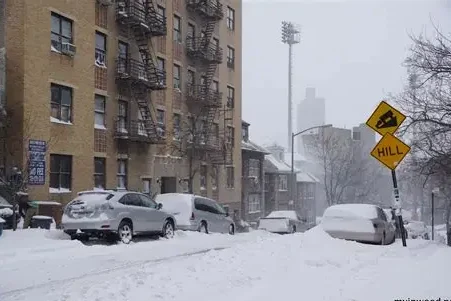
Winter Storm Jonas hit in January 2016 and earned its place in modern blizzard memory fast. It was not a storm you could ignore. The warnings sounded serious, and the snow actually delivered. It hammered parts of the Mid Atlantic and Northeast and turned a normal weekend into a long stay at home event. People stocked up, stayed indoors, and watched the snowfall like it was a live show outside their windows. Snow fell heavy and steady, the wind pushed it into drifts, and suddenly everything looked quiet but difficult. You could tell from the empty roads that most people made the smart choice and stayed put.
What people still talk about is how quickly it changed the atmosphere. Streets became empty, the usual city noise faded, and simple errands became impossible. Some families loved the forced rest, while others felt stressed about work and travel delays. It became a storm where everyone had their own version of the same story: staying in, checking weather updates, and hoping the power stayed on. Afterward, the digging out felt like a second job, especially when snowbanks blocked sidewalks and parking. Jonas stuck in memory because it was big, but also because it pressed pause on life and made everyone wait.
The March 2017 Blizzard
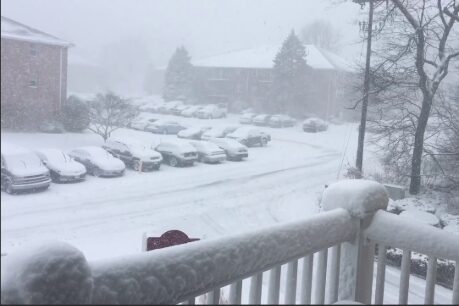
The March 2017 blizzard is one people in the Northeast still remember because it played with expectations. Forecasts warned of a major hit, and cities like New York City prepared for the worst. Schools closed, transit plans shifted, and people stocked up like they were not taking chances. When the storm arrived, some areas did get heavy snow and strong winds, while others saw less than expected, which turned the whole thing into a weather conversation for weeks. Even so, it still created that familiar winter feeling of waiting, watching, and realizing you cannot bargain with nature. For many, the most vivid memory is the tension beforehand, when the city looked like it was holding its breath.
What made it stick is how it reminded people that winter forecasts are not always perfect, even when preparation is still necessary. Some families enjoyed the surprise pause, staying indoors and treating it like a quiet day. Others felt frustrated, especially those who canceled work or travel plans. But that is part of why it became memorable. It was not only about snowfall, it was about how storms shape decisions, even before the first flake lands. In the end, it left behind a simple lesson: winter does not always arrive the way you expect, but you still have to respect it.
The Texas Winter Storm of 2021
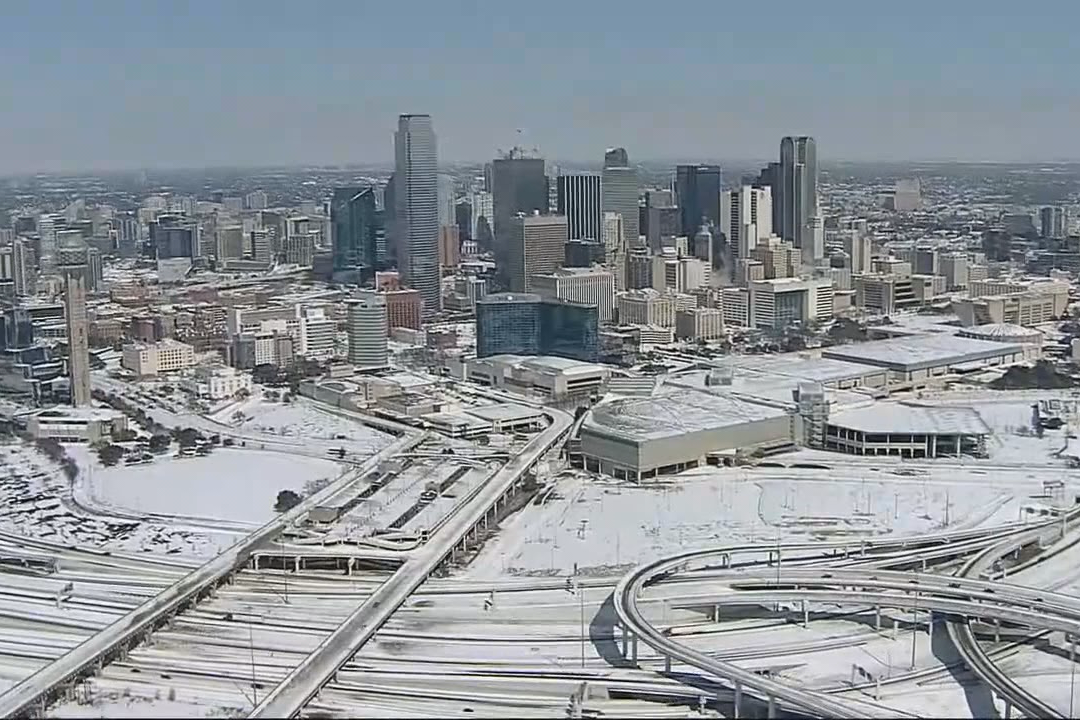
The Texas winter storm of 2021 is unforgettable because it did not feel like a normal winter event for the state. Snow and ice hit many areas, but the bigger shock was how the cold affected power, water, and daily life. Roads became dangerous, homes were not built for long periods of freezing temperatures, and millions of people struggled through outages that lasted days. Families remember bundling up indoors, boiling water when they could, and trying to keep warm with whatever they had. It was the kind of storm that made people realize how quickly comfort can disappear when systems fail.
What stayed with people was the stress and uncertainty. You could not rely on normal routines. People worried about children, older relatives, and neighbors who had no heat. Some sheltered in cars. Some stayed with friends. Many felt stuck and helpless because the cold was not something they could simply wait out easily. It became a storm that changed how Texans think about winter, because it proved rare weather can still hit hard. Even now, when cold air moves in, people remember 2021 and take it more seriously. It is not just a snow story. It is a reminder that preparation matters, even in places where winter usually feels mild.
The Buffalo Blizzard of 2022
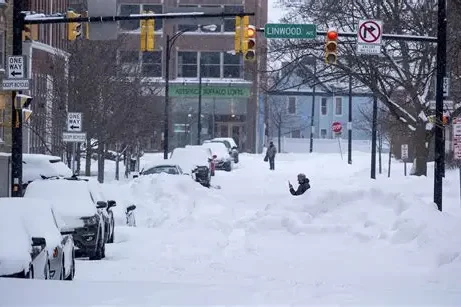
The Buffalo blizzard of 2022 is still fresh enough that people talk about it with a serious tone. It hit during the Christmas weekend, when many families were already traveling or hosting guests, and it came with dangerous wind, whiteouts, and extreme cold. The timing made it worse because more people were on the roads, trying to move between homes, stores, and celebrations. Buffalo knows winter, but this storm still overwhelmed routines. It shut down travel, created emergency conditions, and made the city feel locked in place.
What made it unforgettable was how quickly things became unsafe. It was not the kind of storm where you could say, “I’ll just run out quickly.” Even stepping outside could be dangerous, and being stuck in the wrong place became a real fear. Families remember plans being canceled, loved ones checking in constantly, and the heavy emotional weight of seeing a holiday weekend turn into something else entirely. It was not about snowmen or pretty pictures. It was about staying alive and staying warm. Yet even in that, there were human moments of care. People helped strangers, neighbors checked on each other, and the storm reminded everyone that community matters most when conditions get harsh.
Please note: We tried our hardest to make this story as accurate as possible but some of the names and dates may not be 100% accurate. If you lived through any of these storms and have something to add or correct, please do so in the comments and we will adjust the story accordingly. Thank you, Michael Gitter (Editor)


