
1. Start Calm With the Real Forecast Before the Panic Starts
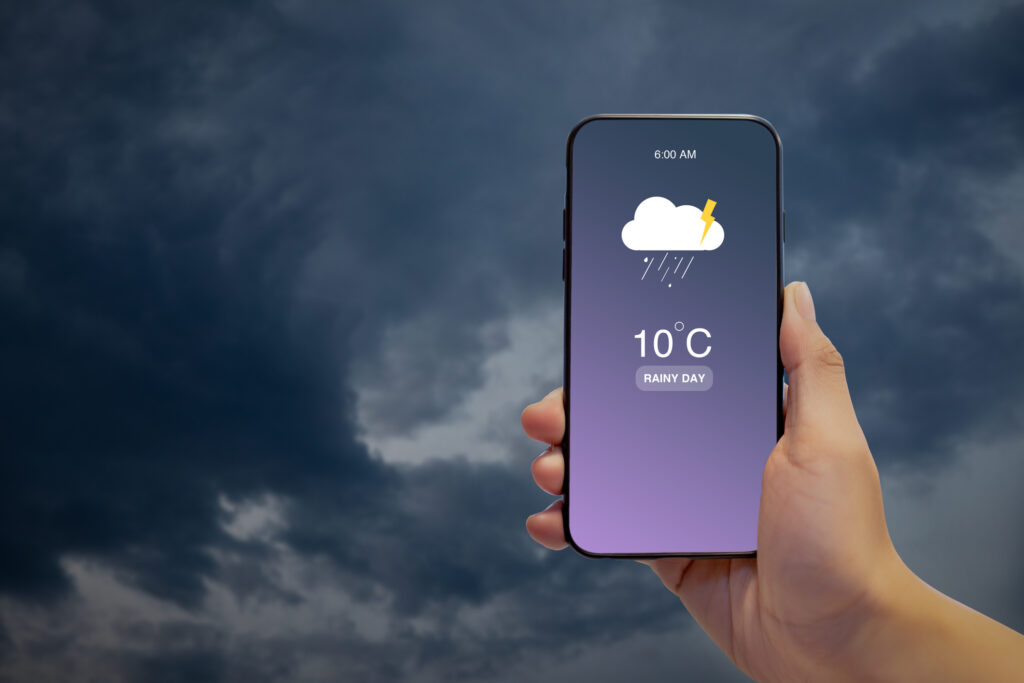
When people say a big storm is coming, it can feel like the whole world suddenly gets loud. One person is stocking up, another person is praying, and someone is already forwarding scary screenshots. Before your mind starts racing, pause and check the real forecast from trusted local alerts and official weather updates. If they say flooding is likely, prepare for water issues. If they say strong winds, prepare for outages and fallen branches. It helps to know what you are preparing for, and it keeps you from buying random things you will not use just because everyone else is rushing. This first step is about staying clear headed, not fearful.
You are not late, you are just getting smart. When you start with facts, everything else becomes easier to plan and less stressful. The goal is to stay safe, not to panic. Once you understand the risk, you can move gently but quickly into the next steps with a calm mind. You will also make better choices, like securing your space early and charging your devices before the power gets unstable. Storm preparation works best when it is done with clarity, not pressure. So take a deep breath, check the real updates again, and treat that information like your compass for everything else you will do next.
2. Build a 72 Hour Plan That Feels Realistic, Not Extreme
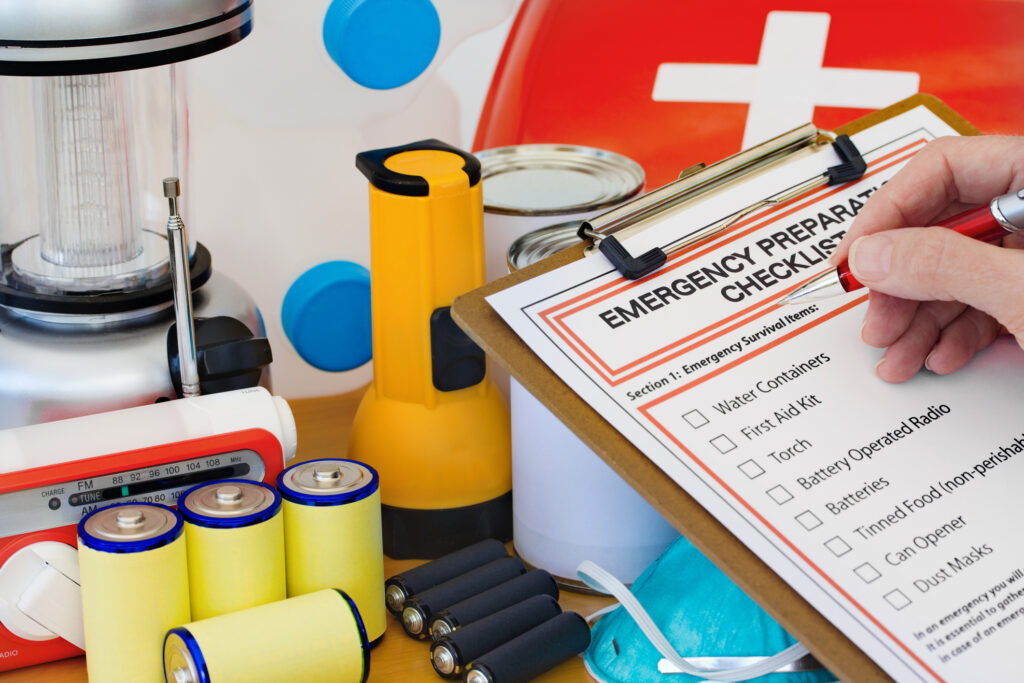
A storm plan should not feel like you are preparing for the end of the world. Think about what you need for three days if the lights go out or roads get blocked. Water, food, light, basic medicine, phone charging, and simple hygiene items matter most. Focus on what you will truly use, like bottled water, canned meals, crackers, noodles, peanut butter, and shelf stable snacks. Keep it calm and practical, and include pets or babies if they are part of your home too. This is the kind of planning that saves you from panic later.
Don’t buy ten things you have never eaten before, because storms do not magically change your taste buds. Choose familiar food that keeps you full and comfortable. Storm prep gets easier when you picture real moments, like making breakfast without power or washing hands with limited water. If you plan for those small moments, you will feel steady instead of scattered. You will also avoid wasting money on items you do not even like, and your home will feel ready without feeling crowded or overwhelming at all.
3. Charge Everything Early So You Are Not Struggling Later
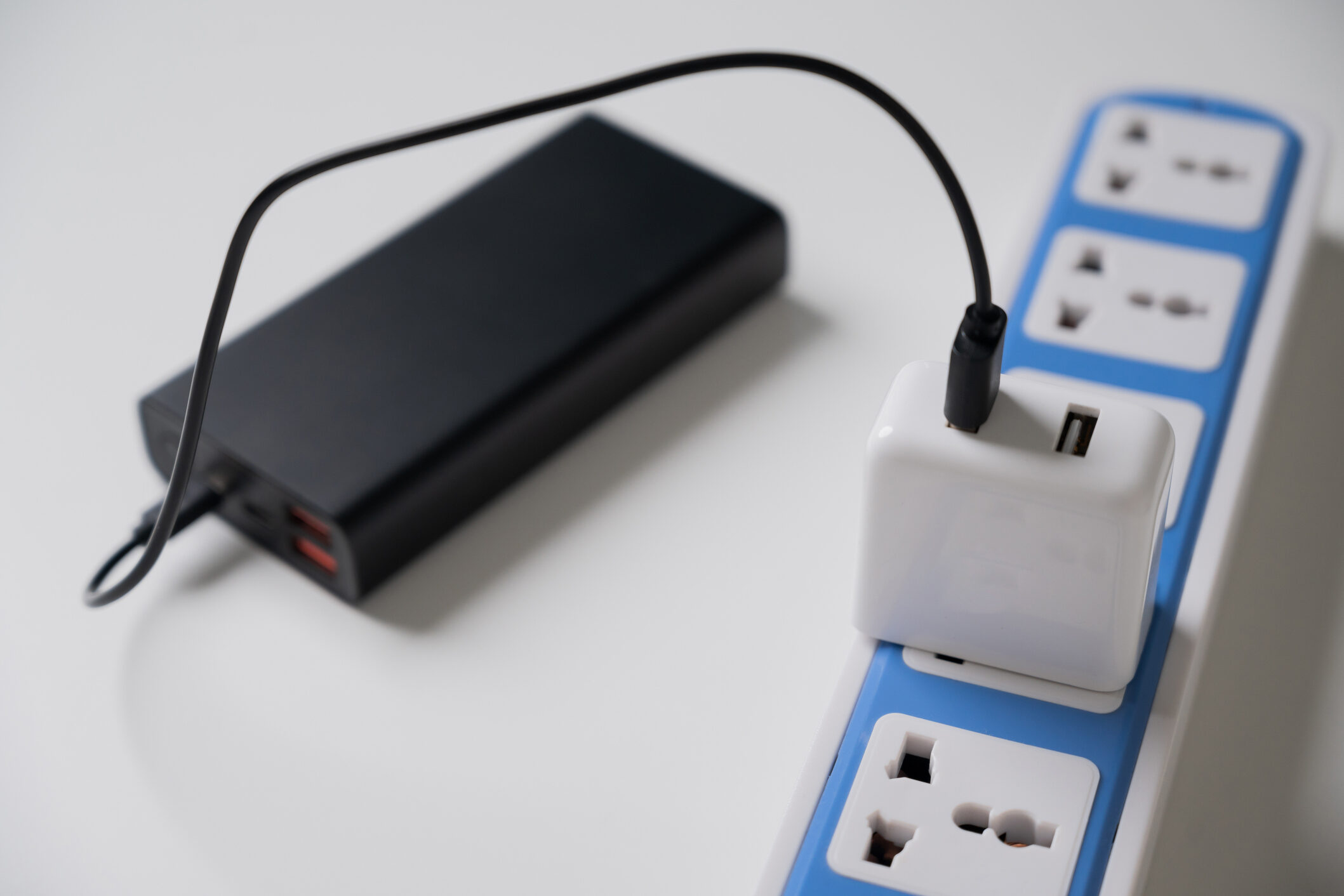
Power outages do not give you enough warning, so charge your devices before the storm starts acting serious. Plug in your phone, power bank, rechargeable lamps, laptop, and even small fans if you rely on them. It feels like a small step, but it gives you comfort because your phone stays alive and you can still receive updates and check on loved ones. When devices are charged, your home feels less tense because you still have light and connection.
Many people wait until the lights start flickering before they begin charging, and that turns into stress fast. Do it while things are still quiet. Reduce screen brightness, turn on low power mode, and save your battery for what matters. A charged device can feel like your lifeline during storms, especially when you need information, reassurance, and a way to contact people. This one small step helps you stay calm when the weather outside is getting noisy.
4. Secure Outdoor Items Before Wind Turns Them Into Trouble
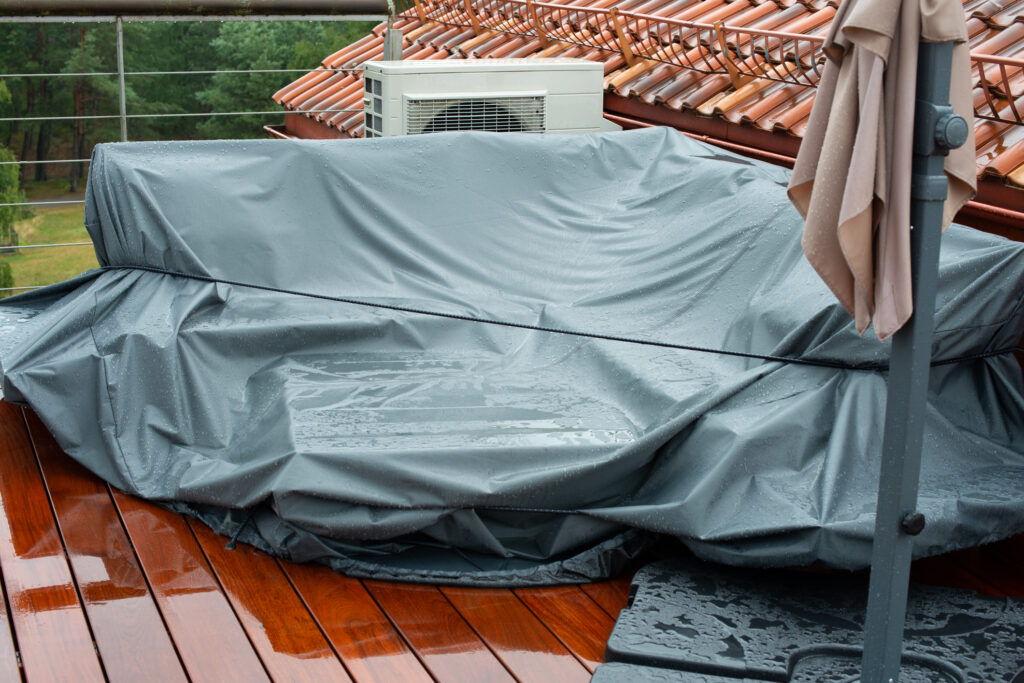
Storm winds can make ordinary outdoor items turn into problems. Outdoor chairs, flowerpots, loose tools, and decorations can fly around and break windows or scratch cars. Walk outside and bring anything light indoors. If you cannot bring it in, tie it down properly. It does not take long, but it can save you from serious damage and prevent extra repairs after the storm passes. Think of it as tidying up for safety, not for beauty.
People often assume it will be fine because the storm has not started yet, but wind can pick up suddenly. Securing your outdoor space also protects neighbors, because your items can easily land in someone else’s yard. If you have a car, parking away from trees is another simple move that helps you avoid regrets. This is one of those storm steps that feels boring, but it is the kind that really pays off later.
5. Store Water the Smart Way Before It Becomes Scarce
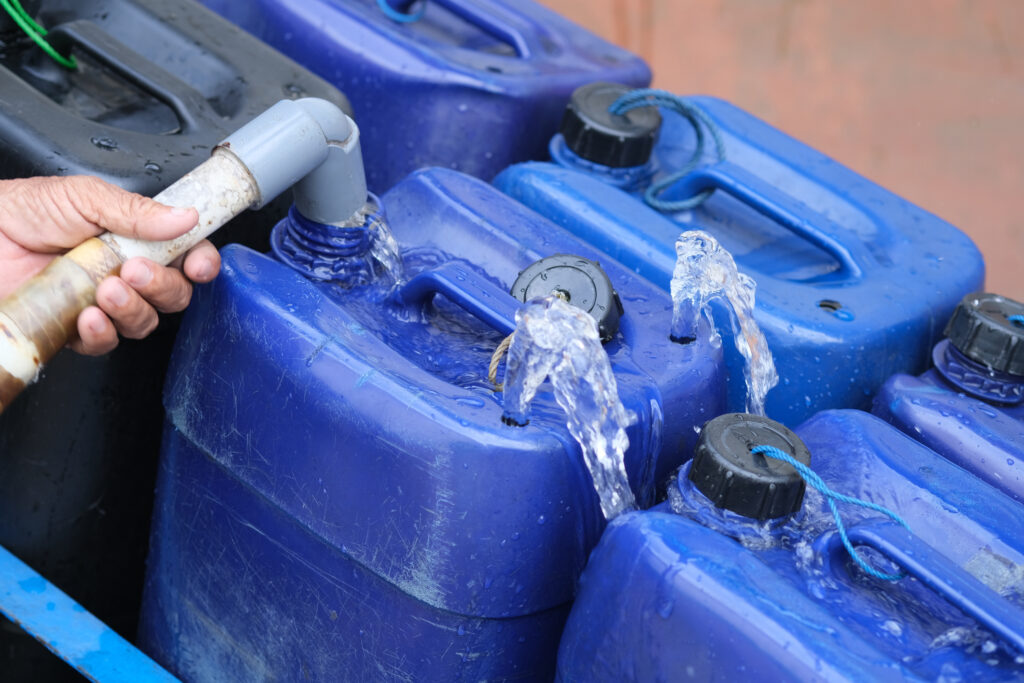
Storms can affect your water access more than you expect. Flooding can damage supply lines, and cold weather can freeze pipes. Store clean water in proper containers, and if you can, fill your bathtub for flushing and basic cleaning. You will be surprised how fast water gets used when everyone is home and trying to stay comfortable. Even simple tasks like brushing teeth and washing hands can drain supplies quickly.
People usually focus on snacks and forget water until the last minute. That is when stores get crowded and supplies run low. Keep your water somewhere easy to reach and store a little extra if you can. When water is handled, the whole house feels calmer because you are not worried about the basics. You can focus on safety, comfort, and staying together. Water is not just about thirst, it is about keeping your home running in a small normal way.
6. Pick Easy Food You Can Eat Without Electricity
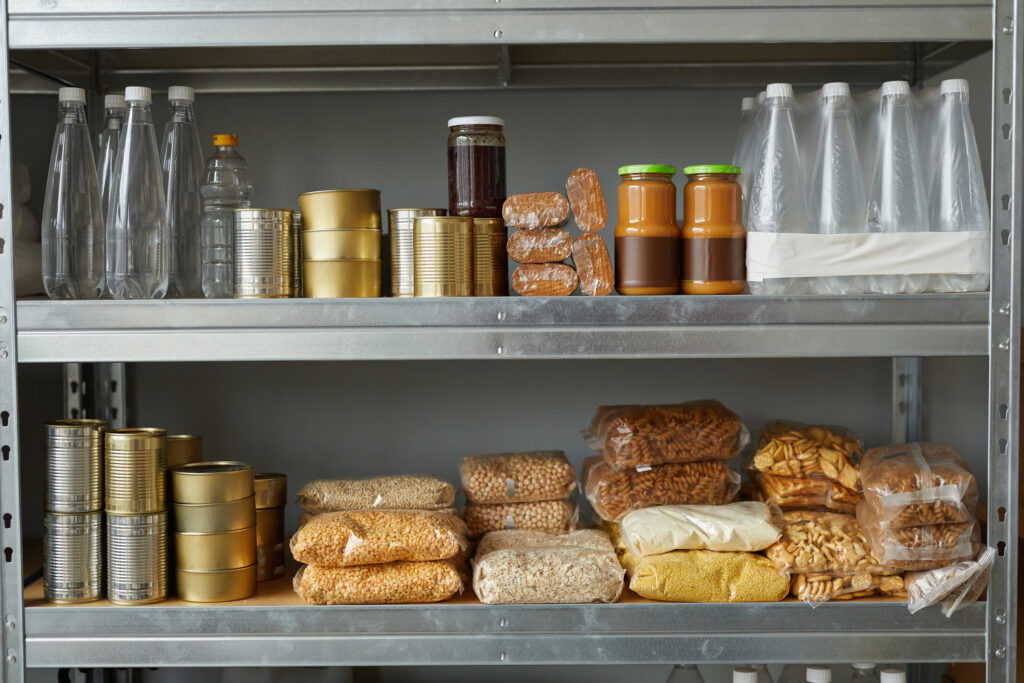
Storm food should be simple, filling, and low stress. Choose items you can eat without cooking, like canned soups, beans, tuna, crackers, granola, shelf stable milk, and fruits that last. Think comfort and convenience, not fancy meals. Your goal is to keep everyone fed without struggling, especially if you cannot heat food easily. Keep it familiar so eating does not become another stressful decision.
A common mistake is buying foods that need refrigeration, then losing them when the power goes out. Keep your fridge stocked but not overcrowded, and plan meals that work even if you cannot cook properly. Also keep a manual can opener nearby. It sounds small, but it saves you frustration later. When food is simple, you feel more patient. And when you feel more patient, the storm feels easier to sit through without tension in the house.
7. Keep Important Documents and Cash in One Safe Spot
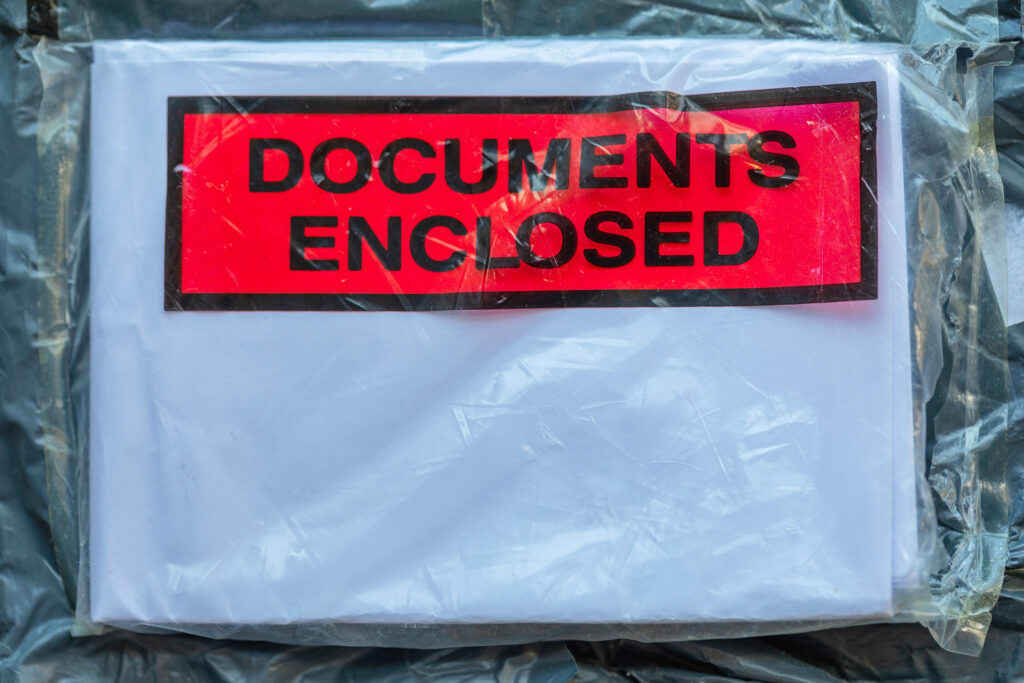
Storms can bring sudden changes, like evacuations or damage, so it helps to gather your important documents early. Put your ID, insurance papers, emergency contacts, and medical details into a waterproof folder or zip bag. Add small cash too, because card machines can stop working and you may need to pay for essentials quickly. Having these things together makes you feel organized, even if everything outside feels uncertain.
People often believe they will grab these things quickly if needed, but stress makes thinking harder. Keep the bag near your door or inside your go bag so it is easy to grab. Even though it is boring prep, it can save you plenty trouble later. Being organized here is peace, because you will not be searching through drawers with a flashlight while the storm is already serious. You will simply grab and move if needed.
8. Skip Candles and Choose Safer Light Instead
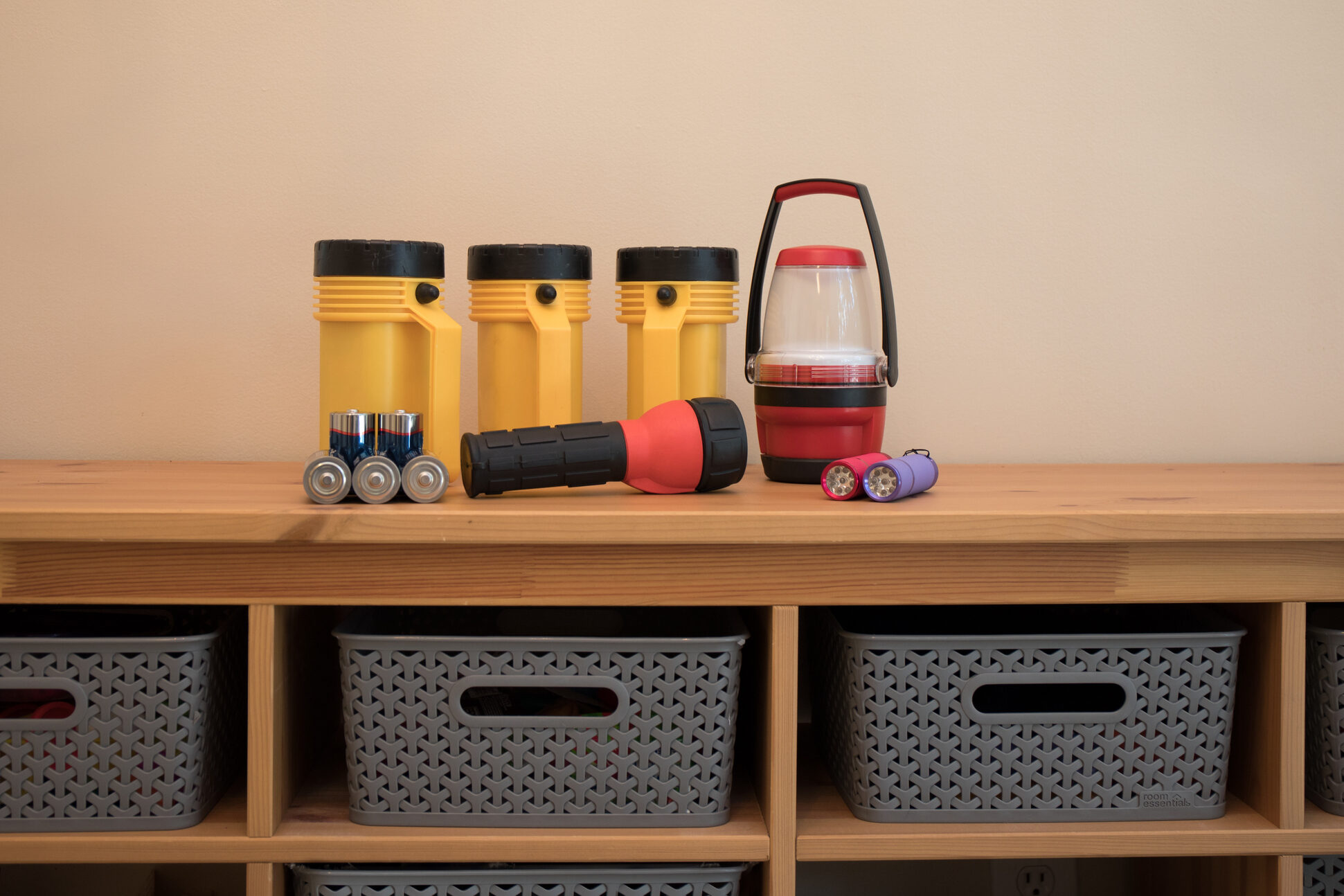
Candles may feel cozy, but during storms they can easily become a fire risk. If you have children or pets, it becomes even more dangerous. Flashlights, battery powered lanterns, and rechargeable lights are safer and easier to manage. Keep spare batteries and test your lights ahead of time so you are not surprised when the power goes out. Safe lighting keeps your home steady, especially when it is dark and quiet.
A mistake people make is lighting candles in multiple rooms and forgetting about them. During a storm, tiredness and distraction can happen fast. Safe lighting keeps your home calm and reduces risk. Keep one strong flashlight in your main room and one in the bathroom, so you are not moving around in the dark. When you remove small risks like this, you create more peace. And peace is what you want most when the storm is doing its worst outside.
9. Use Generators Safely or Do Not Use Them at All
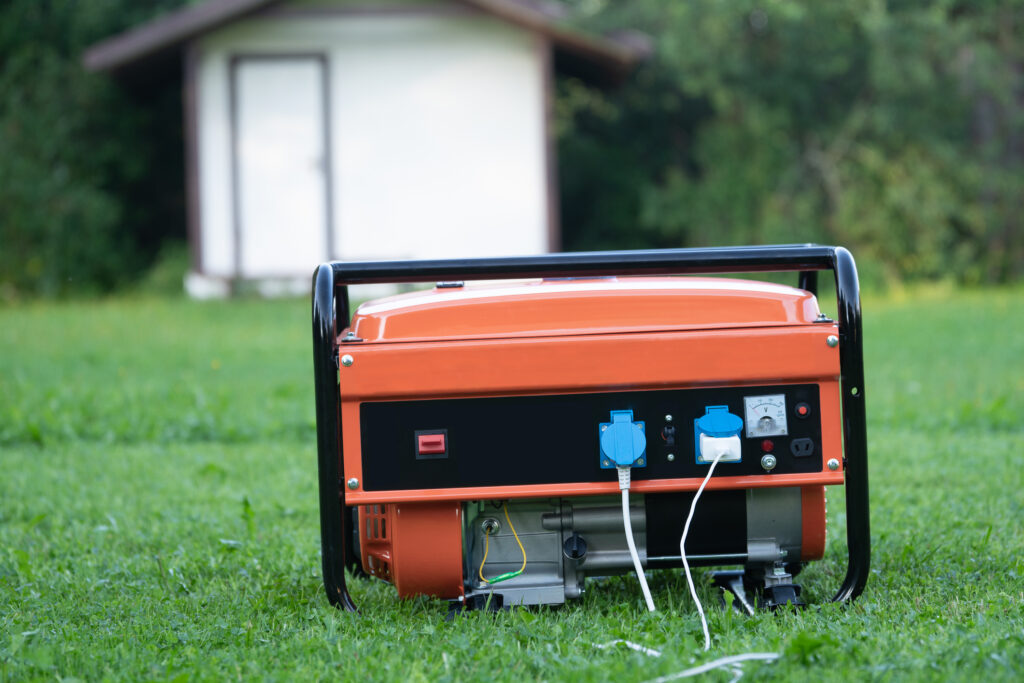
Generators can be helpful during outages, but they must be treated with serious caution. They should never be used indoors, in garages, or close to windows because of toxic fumes. If you use one, place it outside far from the home, and make sure fresh air is not flowing back inside where people are sleeping. Treat it like equipment, not like a casual backup plan.
People sometimes think opening a window makes it safe, but it does not. If you are not sure how to use a generator properly, it is safer to rely on power banks, rechargeable lamps, and battery supplies instead. Storm safety is not about taking risks, it is about staying alive and steady, even when you are tired. The goal is to get through the storm without creating a new danger in your own home. That is true preparedness.
10. Prepare for Cold Weather Comfort Without Overcomplicating It

If your storm comes with cold weather, staying warm becomes a priority. Layer your clothing and keep warm socks, blankets, and sweaters ready. Choose one room to stay in and keep everyone comfortable there. It reduces the stress of trying to manage the whole house at once, and it helps everyone feel safer when the weather is harsh. Warmth is not only comfort, it is also protection for your body.
People often wait until they are already freezing before they start adjusting, and then everything feels harder. Close curtains at night to keep heat in, and be careful with any heating source. Warmth affects your mood and your ability to think clearly, so treat it like part of your emergency plan, not an afterthought. When you are warm, you are calmer. And when you are calmer, you make better decisions all through the storm.
11. Protect Your Pipes Before They Freeze and Burst
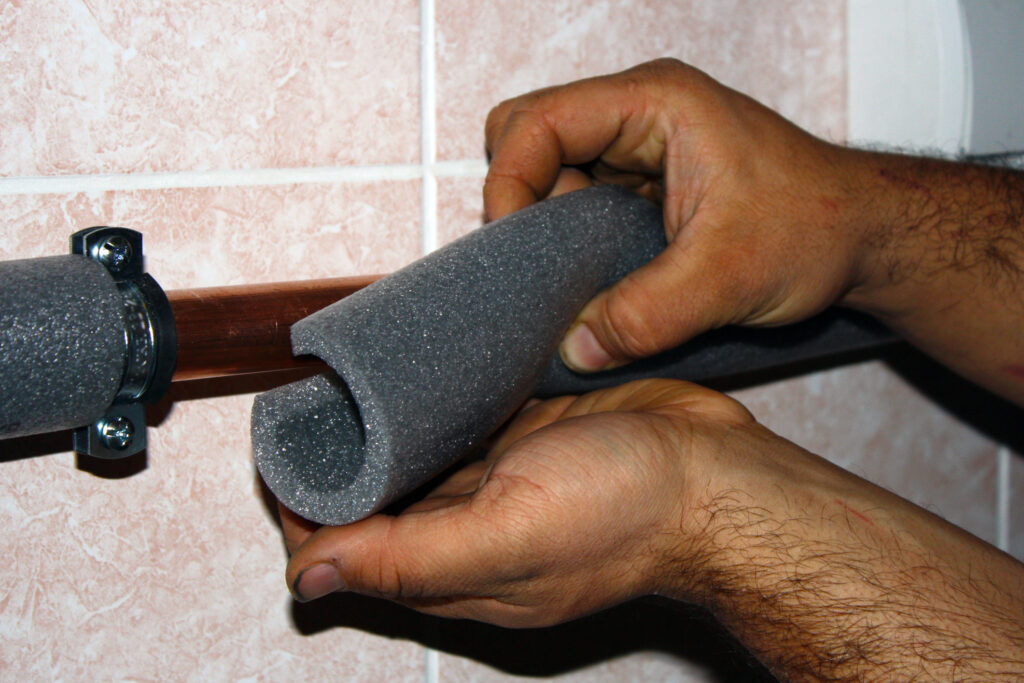
Frozen pipes can turn a storm into a serious household disaster. If the temperature drops, let your faucet drip slightly to keep water moving. Open cabinets under sinks so warm air can reach pipes. If you have exposed pipes, insulating them can help a lot and protect your home from expensive damage and repairs later. This is the kind of step you will be grateful for when the storm is over.
Many people ignore this because it feels like a small detail, but bursting pipes can flood your house fast. If you plan to leave the house, do not turn off your heat completely. Also locate your main water shutoff now, so you can act quickly if something breaks. It is simple prevention that keeps you from dealing with a bigger problem after the storm. Your future self will thank you for doing this early.
12. Choose Your Safe Spot Inside the House Ahead of Time
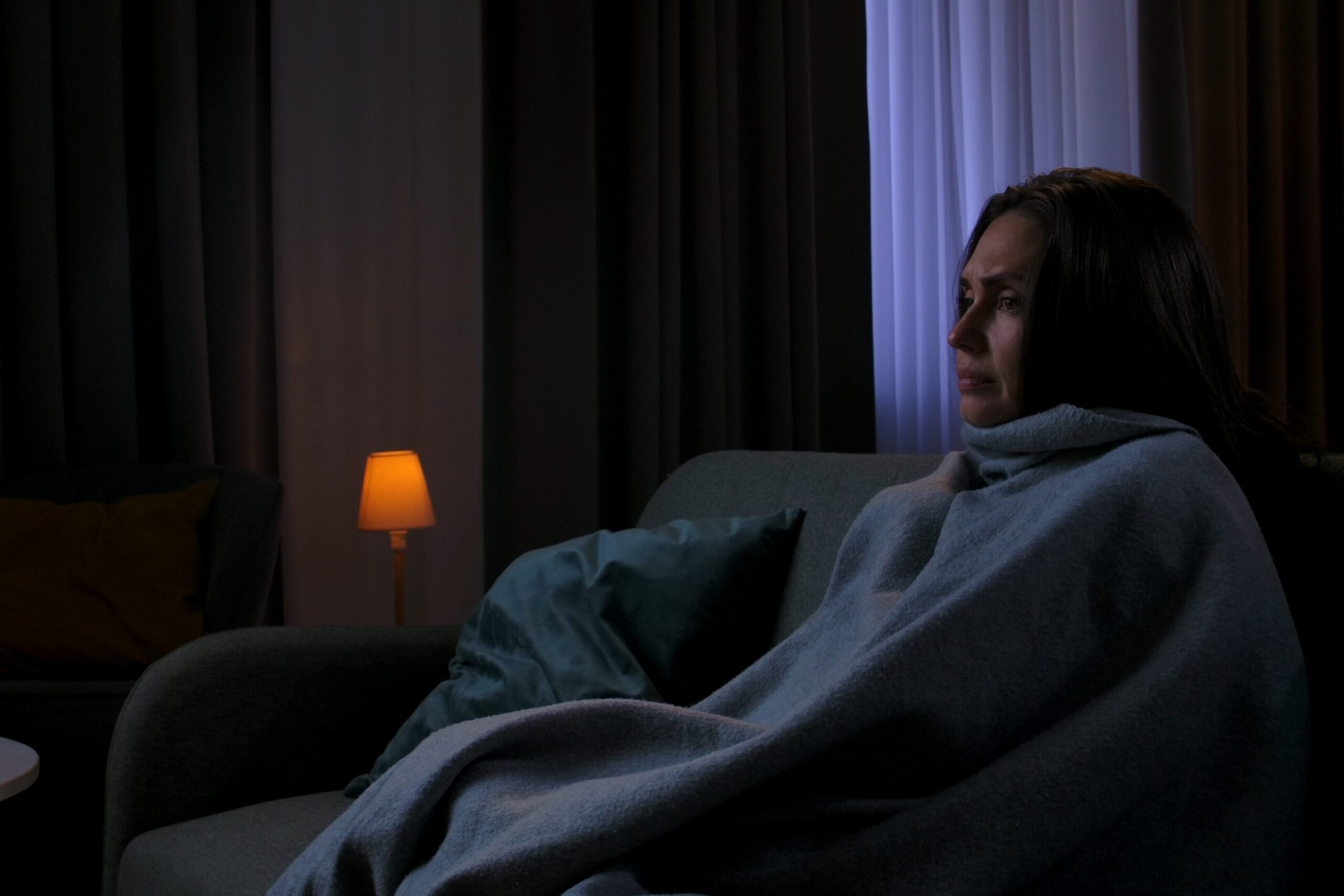
Knowing where to go during the rough part of a storm helps you stay calm. For strong winds, choose a small interior room away from windows. For flooding threats, move valuables higher and avoid staying in low areas. Planning this early removes panic when things get loud, and it helps everyone feel like there is a clear plan. A safe spot is not about fear; it is about being wise.
A big mistake is standing by windows watching the storm like it is entertainment. Broken glass and flying debris can be dangerous. Keep shoes close in case you need to move quickly and have a flashlight near you. A planned safe spot makes everyone feel more secure, especially children who need reassurance. When you already know where to go, you waste less time thinking and more time staying safe. That calm helps you ride it out better.
13. Check on Neighbors Before Things Get Too Rough
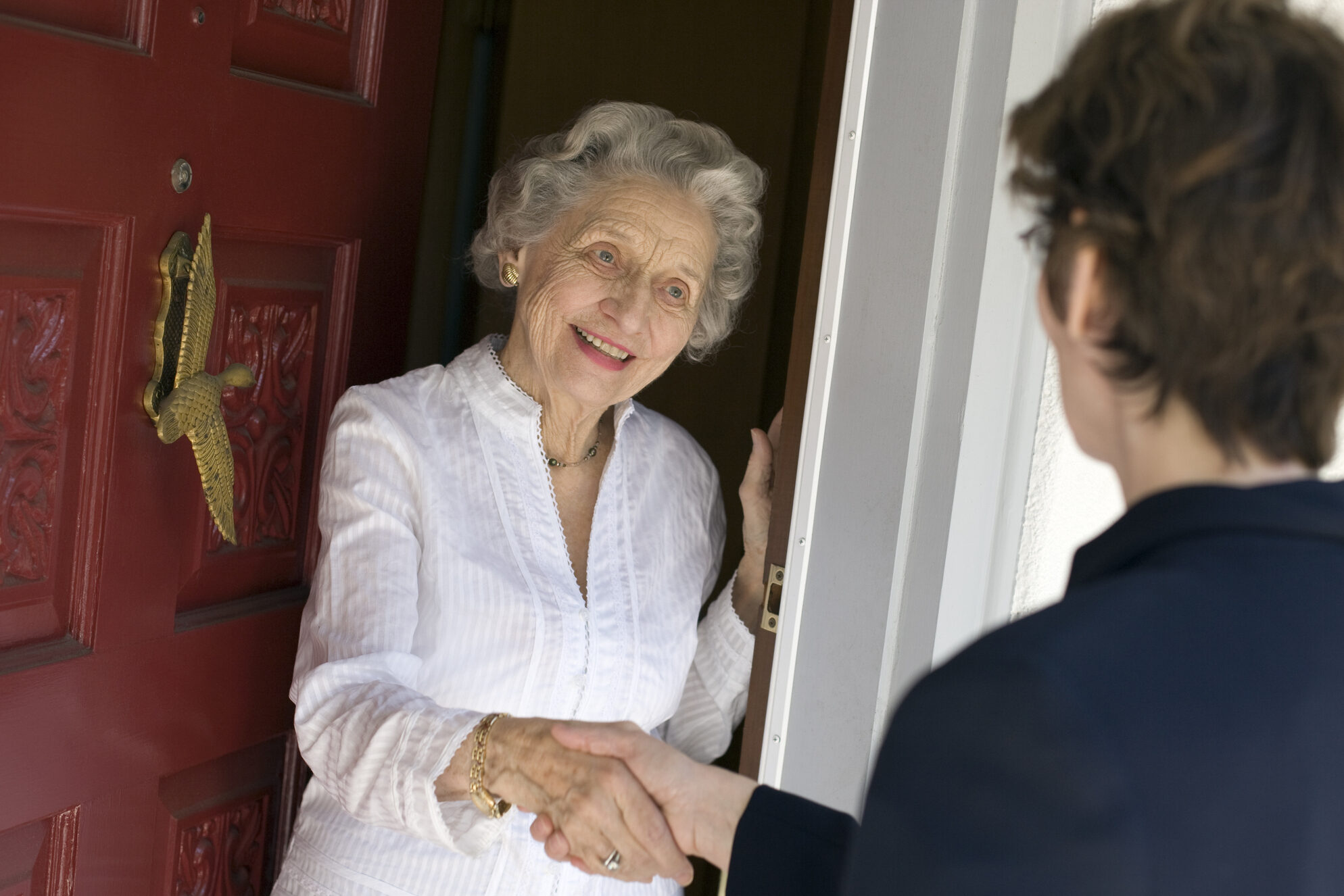
Before the storm gets intense, check on neighbors who might need help, like older adults or people living alone. A simple message asking if they need water or supplies can make a big difference. Doing it early is better than waiting until the storm has already caused outages, blocked roads, or stressful conditions outside. This is one of those human steps that keeps your community strong.
People often remember neighbors after things go wrong, when movement is harder and fear is higher. Community support makes storms feel less lonely and more manageable. Even small kindness, like offering extra batteries or sharing updates, helps everyone stay steady and safe. It also builds trust, so people know they can look out for each other during emergencies. Storms pass, but the way you show up for people stays remembered. That is a quiet kind of strength.
14. Make a Pet Plan Before Your Pet Gets Anxious

Pets can become restless during storms, especially with loud winds and thunder. Prepare their food, water, and medications early. Keep collars on them and make sure their tags are updated. If evacuation is possible, pack a small pet bag with a leash, carrier, and comfort items that help them feel safe. When your pet is secure, you feel more relaxed, because you are not chasing a scared animal in bad weather.
Many people assume pets will stay calm, but storms can change their behavior fast. Create a safe corner in the home where your pet can settle, and keep the carrier nearby instead of hidden away. A pet plan keeps you calm because you are not worrying about them during the storm. It also helps if you keep a familiar blanket or toy close by. Pets love routine, so your steady preparation helps them settle more quickly.
15. Write Your Plan Down Because Stress Makes You Forget Things

Storm stress can make you forget even basic things, like where you put your flashlight or which bag has the documents. Write a simple checklist and keep it visible, like on your fridge. Include emergency contacts, supplies, and clear instructions for what everyone should do. It seems small, but it gives everyone a steady guide when the lights go out and the house feels unfamiliar.
Many people trust their memory, but memory becomes shaky when fear and darkness enter the room. If you live with family, agree on where to meet and what to do if someone is outside when the storm starts. A written plan keeps everyone focused and reduces panic. It also saves time because no one is guessing what to do next. When you write it down, you create calm. Calm does not stop the storm, but it helps you handle it better.
16. Keep Your Car Ready Like It Matters
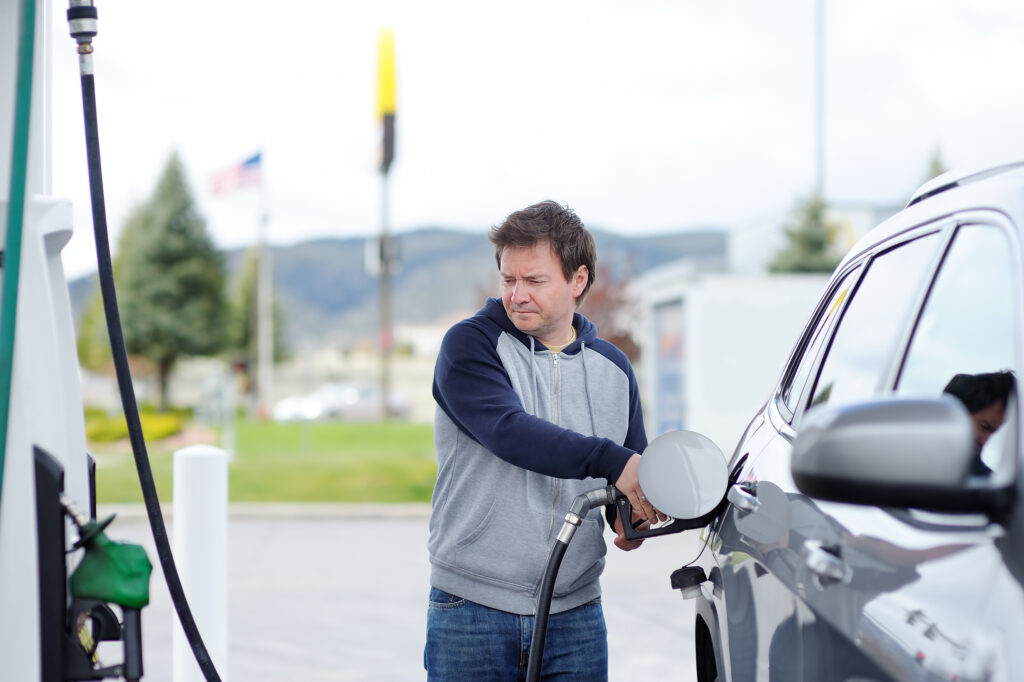
Your car can quietly become your backup plan during a storm, so treat it like part of your emergency kit. Fill your fuel tank early because long queues show up fast when everyone suddenly realizes they need gas. Keep a small car bag with water, snacks, a blanket, a flashlight, and a phone charger that works in the car. If you have kids, pack wipes and a spare shirt. Even if you do not plan to drive, a ready car gives you options. It can help you move quickly, stay warm, or charge your phone when power is out.
Many people leave their tank almost empty because they assume they will stay home. Then an emergency comes up and they feel trapped. If flooding is possible, avoid parking in low areas. If winds are strong, park away from trees. Also keep your car keys in one known spot, so you are not searching in the dark. These little choices reduce stress and make storm decisions easier, especially when the weather changes quickly.
17. Unplug Electronics Before Power Surges Cause Damage
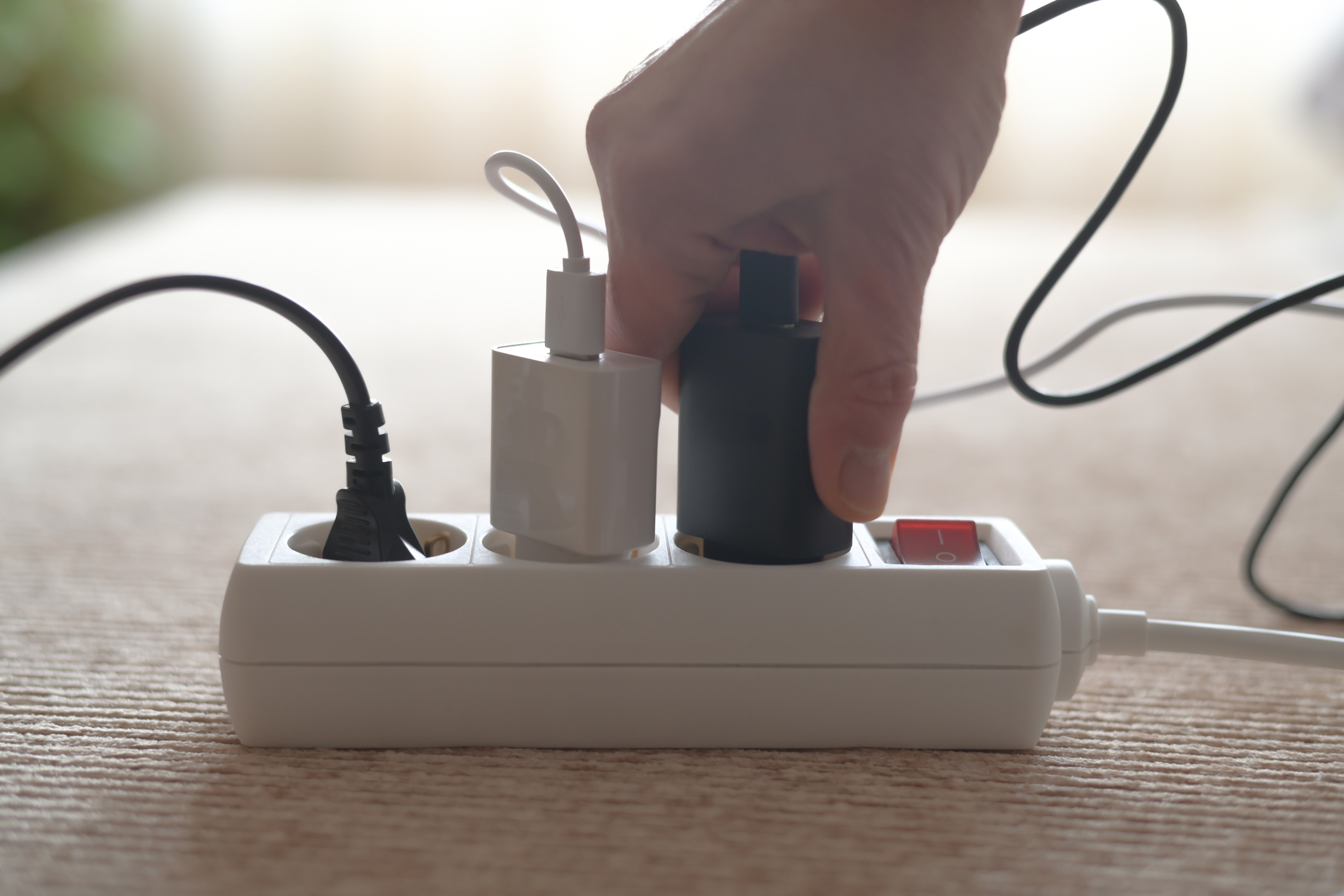
Storms can cause sudden outages, and when electricity returns, it sometimes comes back with a surge that can damage electronics. Unplug your TV, computer, router, and other sensitive devices before the storm gets serious. If unplugging everything feels stressful, focus on the most expensive items first. Surge protectors help, but unplugging is still the safest option. This step is quiet protection, especially if your area has unstable power during heavy rain or strong winds. It keeps you from losing devices you rely on for work, school, and simple comfort.
Many people only remember power surges after something gets damaged and stops working. Keep one lamp plugged in so you can tell when power returns. You can also set your fridge and freezer colder before the storm to help food stay safe longer. Try not to open doors often during outages, because cold air escapes quickly and wastes your stored cold.
18. Check Your Carbon Monoxide Detectors Before You Need Them
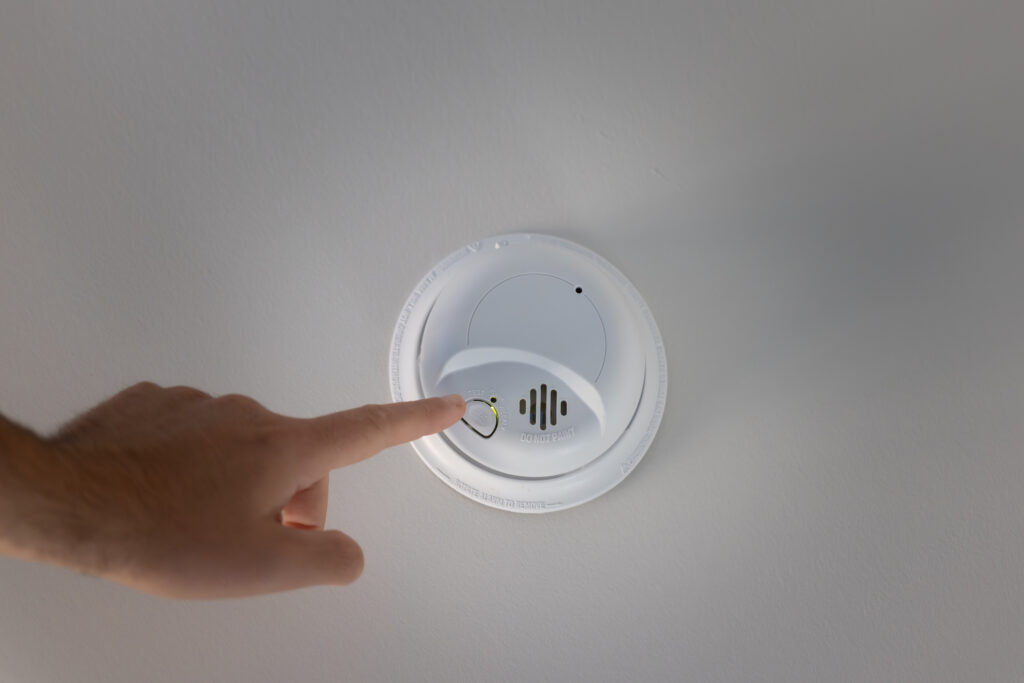
Carbon monoxide is a storm danger people forget because it has no smell and no warning signs you can easily notice. If you plan to use any fuel burning equipment, like a generator, gas cooker, or heater, you need working carbon monoxide detectors in your home. Check batteries and test alarms before the storm arrives. This matters even more at night when people are sleeping and might not notice symptoms like dizziness or headaches. A working detector can save lives by alerting you early. It is one of the simplest safety checks you can do, and it takes only a minute.
Some people assume they are safe because they cracked a window or left the door open slightly. That is not enough. If an alarm sounds, leave the house immediately and get help. Do not stay inside hoping it will pass. Safety means taking invisible threats seriously, not just the obvious ones you can see.
19. Set a Communication Plan That Works Without Internet
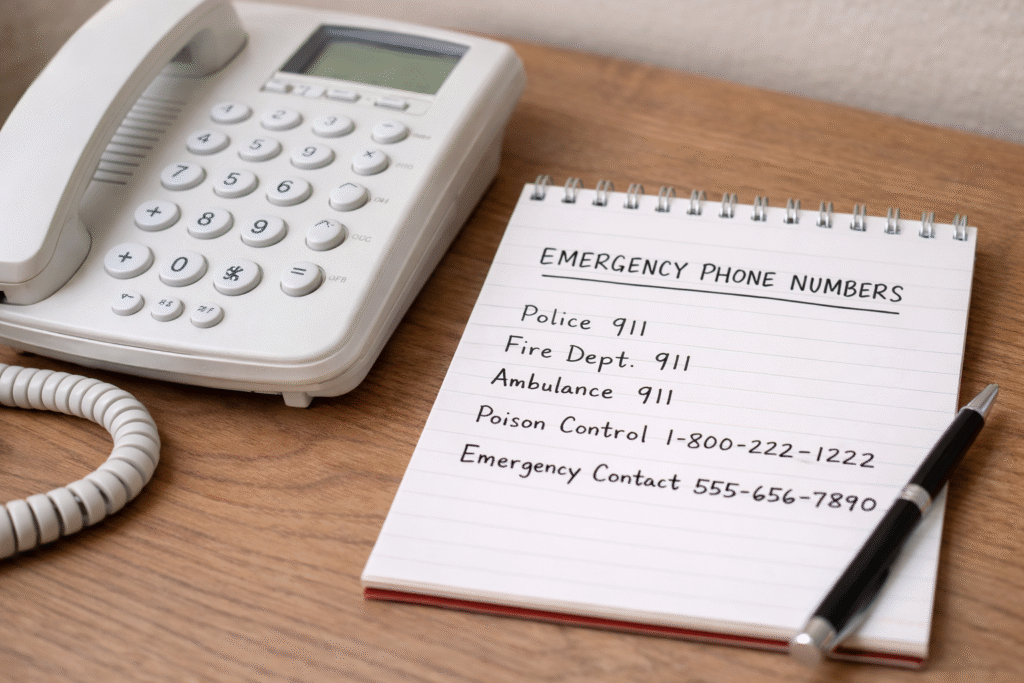
Storms can weaken mobile networks and knock out power, so it helps to plan communication before service becomes unreliable. Decide how you will check in with family and friends, and choose a simple message like, “I am safe at home.” Keep phone numbers written down somewhere safe, not only saved in your phone. If you have children or elderly family members, explain the plan clearly so they know what to do if they cannot reach you. A calm communication plan reduces panic and helps everyone feel less alone.
A common mistake is assuming everyone will have WiFi and full signal. When messages fail, people start calling repeatedly and battery drains fast. Choose one trusted contact person everyone can reach, even if that person lives outside your area. Save battery by lowering brightness and limiting unnecessary browsing during the storm. Small discipline keeps your phone alive longer.
20. Know When to Stay Home and When to Leave Early
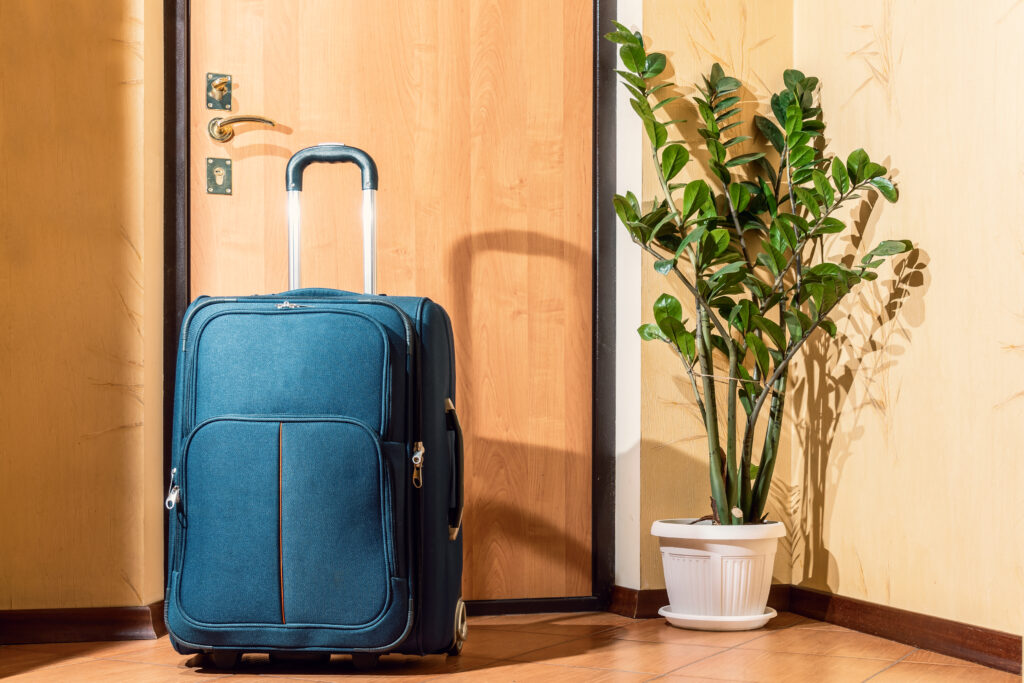
Sometimes the safest choice during a storm is staying indoors, and sometimes it is leaving early before roads become dangerous. Pay attention to official warnings and evacuation notices. If authorities say evacuate, do not delay. If they say stay inside, do not treat it like a suggestion. This is not the time to prove bravery. Having a plan does not mean you are scared, it means you are smart. Storm safety is often about timing, and early decisions usually come with less stress.
People often wait until the storm looks frightening before they act, then everything feels rushed. Pack a go bag early with water, medications, documents, chargers, and a change of clothes. Keep it near the door. Even if you end up staying home, you will feel more relaxed knowing you could leave quickly if needed.
21. Avoid Driving Through Floodwater No Matter How Small It Looks
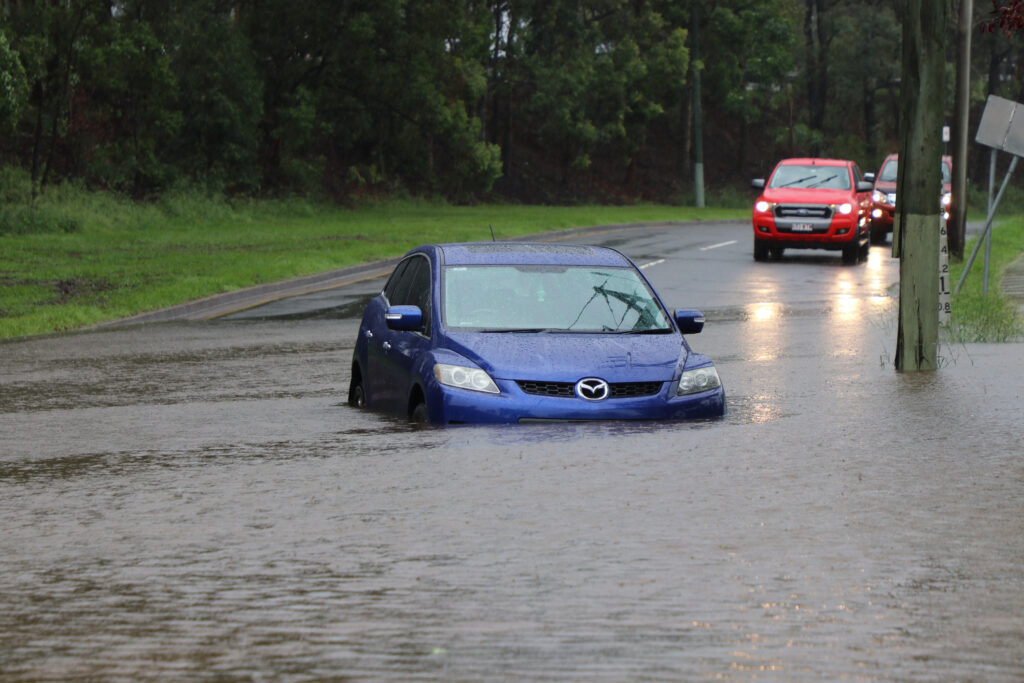
Floodwater is never as safe as it looks, even when it seems like just a little puddle across the road. What you see on top can hide broken pavement, sharp debris, or a strong current underneath. Water can rise quickly, especially when drains are blocked or rain keeps falling. If a road is covered with water, take a different route, even if it feels annoying. Your safety is worth the extra minutes. A storm is not the time to gamble with visibility and control, because things can change in seconds and you may not get a second chance to correct it.
Many people drive into floodwater because they are in a hurry or they feel confident, then they get stuck and need help. During storms, emergency workers are already dealing with enough calls, so do not add yourself to that list. If you must travel, go early, stay alert, and keep your speed slow. The safest choice often feels boring, and that is the point, because boring usually means you stayed alive and avoided a preventable crisis.
22. Keep Your Freezer Closed and Let It Do Its Job
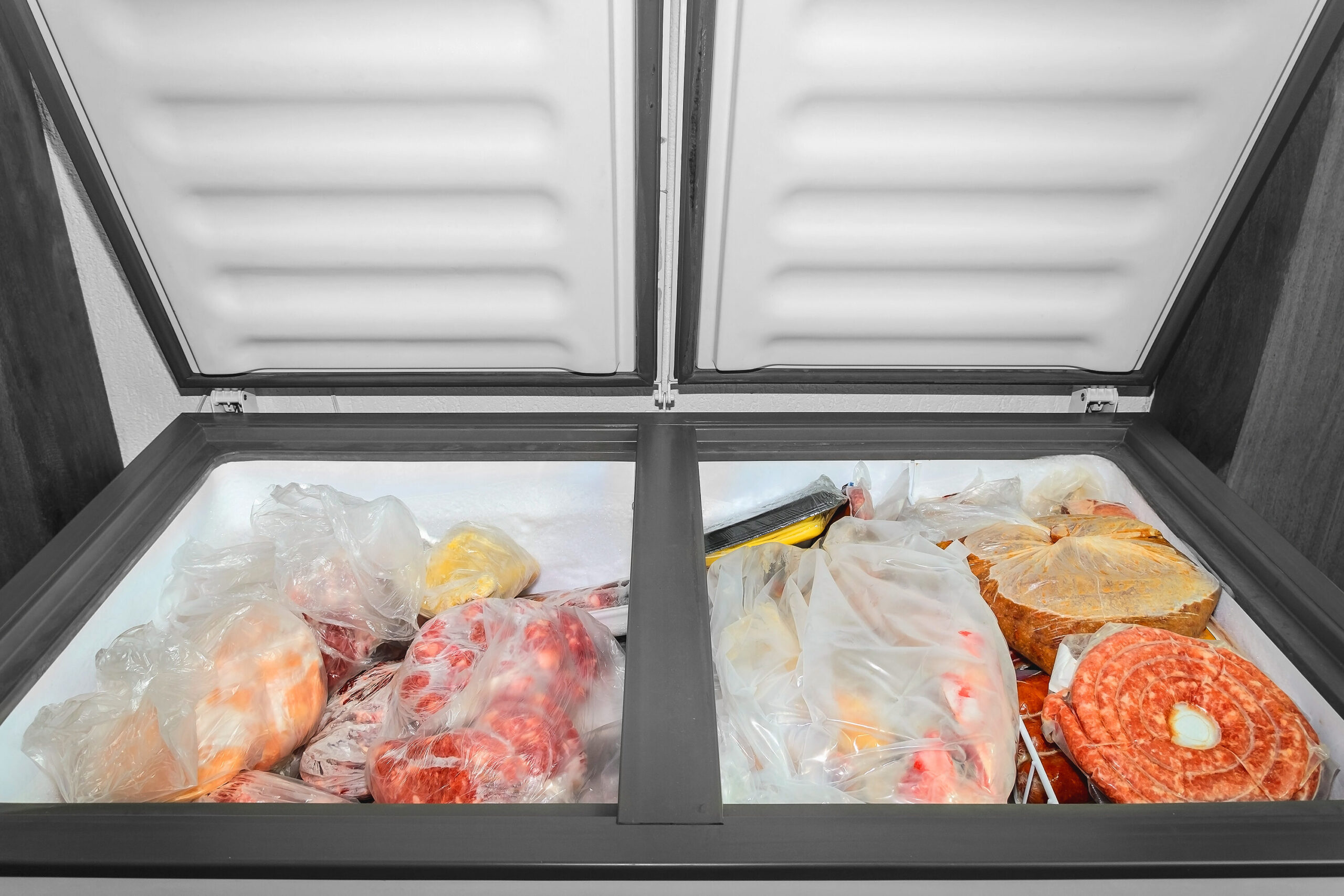
When the power goes out, your freezer becomes your food protector, but only if you treat it properly. Cold air escapes quickly when you open the door again and again, and that makes food spoil faster. If you stocked up ahead of time, a full freezer holds cold longer than an empty one. Even something as simple as grouping frozen items together helps them stay colder. This is a quiet storm habit that saves groceries and reduces waste, especially when stores are closed and replacing food is not easy.
Many people keep checking the freezer because they are anxious, but that habit works against you. Plan simple meals that do not depend on frozen items so you are not tempted to open it. You can also freeze bottles or containers of water before the storm to help the freezer hold temperature longer. When you keep it closed, you give your food a better chance of staying safe until power returns, and you avoid unnecessary loss.
23. Create One Main Room So Everyone Stays Calm Together

Instead of trying to manage the whole house during a storm, create one main room where everyone stays. Keep flashlights, lanterns, batteries, snacks, blankets, water, and charging devices there. This helps you stay organized and reduces stress because you are not searching for supplies in different rooms. It also creates togetherness, which matters when the weather outside feels scary. A main room makes everything feel more controlled, especially for children who need reassurance when the lights go out.
People often scatter things around and later waste time hunting for them in the dark. A main room keeps kids calmer and helps adults think clearly. Add comfort items like books, card games, or calm music played softly. Keep shoes nearby too, because stepping on something sharp is easy in low light. Storms pass more smoothly when your home feels steady, warm, and gathered in one place without confusion.
24. Keep First Aid and Medicine Where You Can Reach It Fast
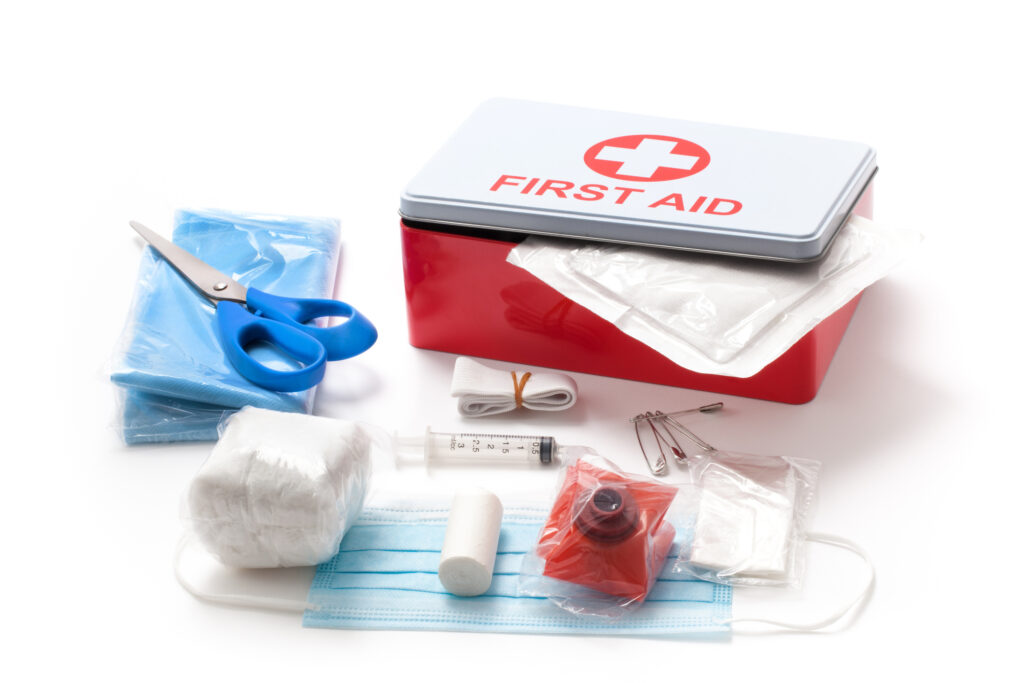
Small injuries happen often during storms because people move around in low light, trip over things, or slip on wet floors. Keep your first aid kit visible and stocked with bandages, antiseptic, pain relief, and basic supplies. Put your medications in one easy spot too, especially if you take prescriptions daily. Refill what you need early, because pharmacies may close or roads may be unsafe for a while. Health needs do not pause during bad weather, and being prepared here protects your peace of mind.
Many people focus on food and batteries and forget medicine until it becomes urgent. If you have children, include child friendly basics like fever relief and plasters. If anyone has asthma or allergies, keep inhalers and allergy medicine close. Being medically prepared helps you stay calm, because you can handle small problems without panic. A ready kit is not fear, it is simply smart planning.
25. Do Not Overload Power Strips When Electricity Returns
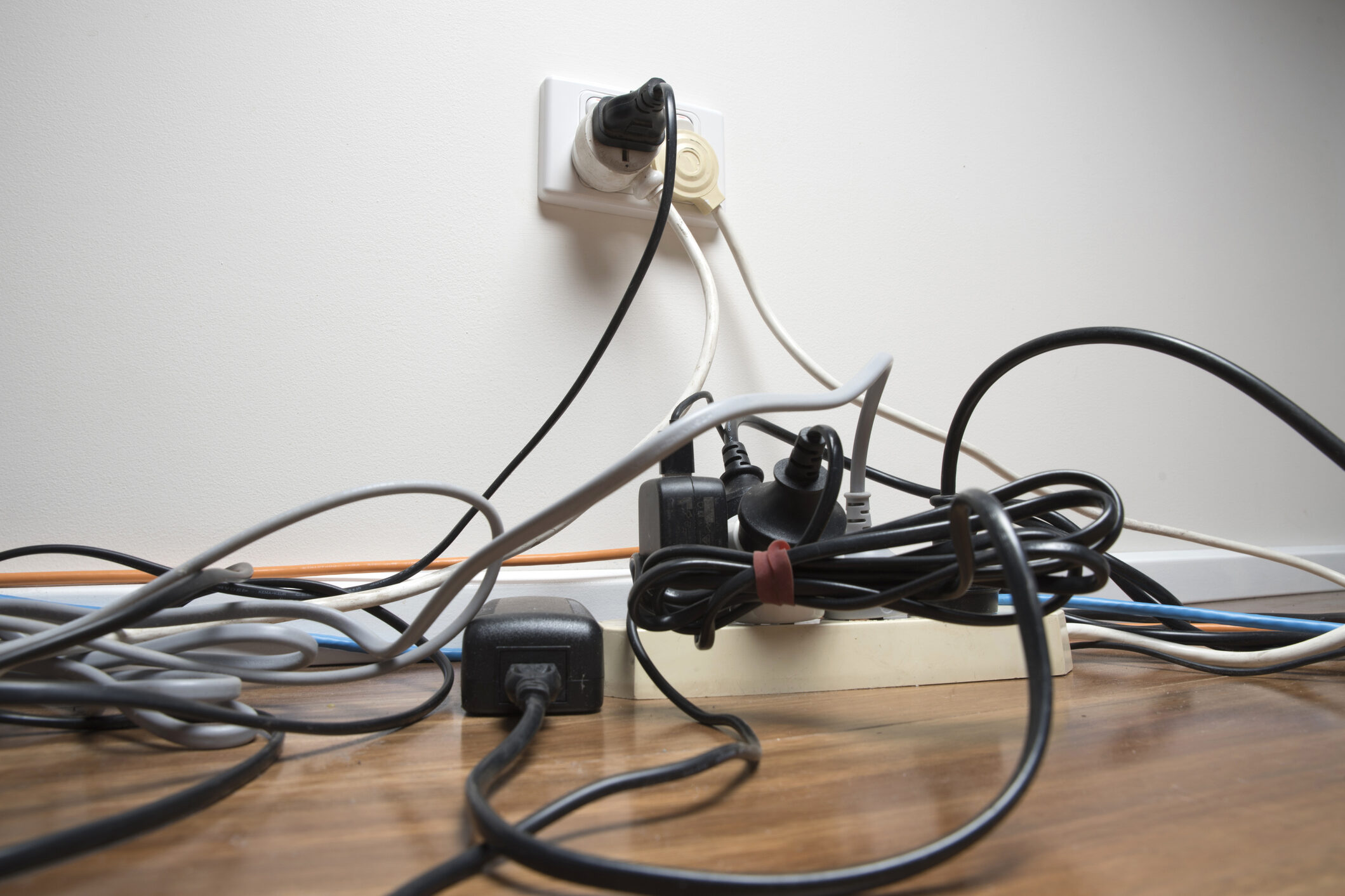
When electricity comes back, it can feel like relief, but it is still important to be careful. Plugging everything in at once can overload power strips and extension cords, and that can cause overheating or damage. Start with what matters most, like your fridge, a fan, basic lights, and phone charging. Take your time and check that cords are not hot to the touch. Getting power back is good, but rushing can create new problems when your home is already recovering from stress and disruption.
Some people try to return to normal immediately, then end up tripping breakers or damaging appliances. Avoid running extension cords under rugs where heat can build up unseen. If you use a space heater, keep it far from anything that can burn, like curtains, clothes, and blankets. Slow plugging and careful choices help you stay safe while everything becomes stable again.
26. Prepare Bathroom Supplies Like They Matter
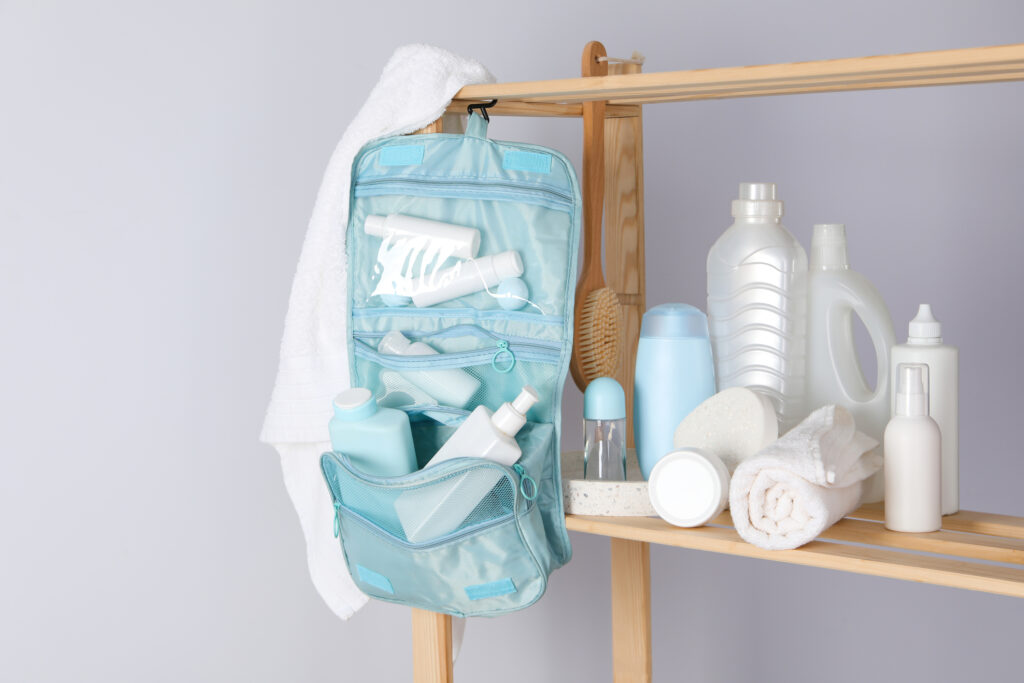
Bathrooms become a bigger deal during storms than people expect, especially when water pressure drops or outages last long. Keep extra toilet paper, baby wipes, hand sanitizer, and trash bags ready. If you filled your bathtub with water, remember it can help with flushing and basic cleaning. Simple hygiene routines help you feel normal and reduce stress, especially when everyone is home for hours and the weather makes people restless. A comfortable home is easier to manage when you are not struggling with small basic needs.
Many people forget bathroom supplies until the storm is already happening, then they feel uncomfortable fast. Keep a small hygiene kit in your main room too, especially if you have kids. Clean hands matter, and wipes help when water is limited. Even in a storm, you can keep your space fresh enough to feel human. Comfort is not luxury, it is preparation for real life.
27. Keep Shoes and Jackets Close for Quick Movement
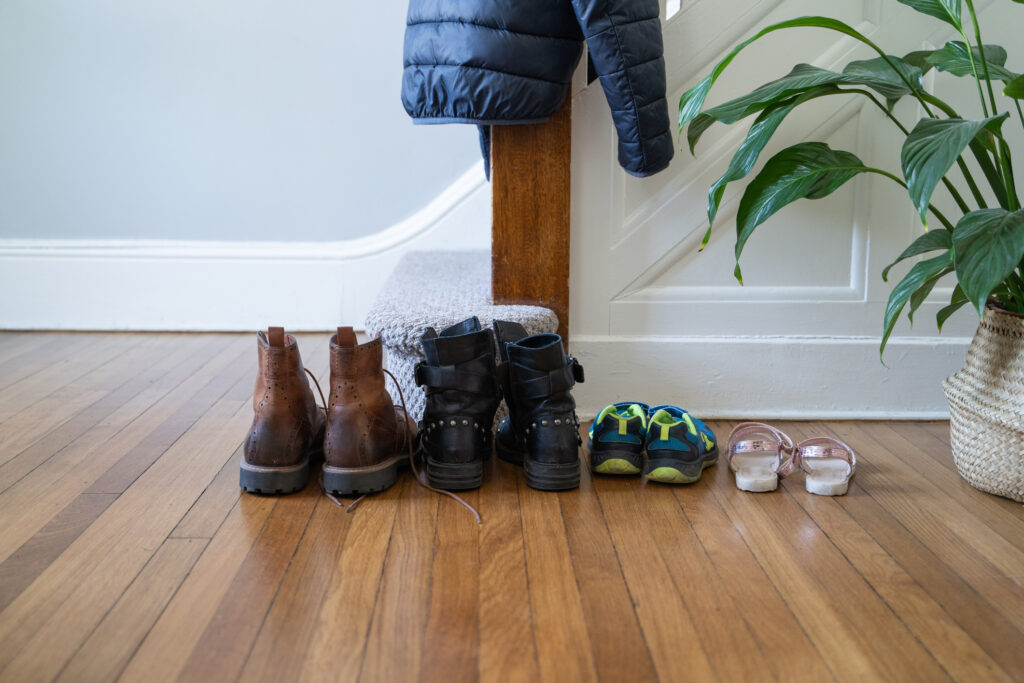
During storms, being barefoot can become dangerous quickly. Broken glass, sharp debris, and wet floors are not friendly to bare feet. Keep shoes, jackets, raincoats, and umbrellas in a place you can grab easily. If you need to step outside, check something quickly, or evacuate, you will move faster and safer when your basics are ready. This is a small habit, but it prevents injuries and reduces panic when you need to move with speed and focus.
Many people leave shoes scattered around bedrooms and then struggle to find them when power goes out. Create a simple basket near your entryway with shoes and outerwear. Add a flashlight there too. If you live with others, let everyone know that spot is the storm grab area. When essentials are together, movement stays calm, and your home feels organized instead of chaotic.
28. Take Quick Photos of Your Home Before the Storm Hits

Before the storm arrives, take quick photos or videos of your home, especially valuable items and important areas. Walk through each room and record what it looks like while everything is still fine. This step can help later if you need to report damage or replace items. It takes only a few minutes, but it can save you stress if repairs become necessary. It is a quiet form of protection that helps you feel prepared without being anxious about worst case situations.
Many people only think about proof after something goes wrong, when they are already tired and overwhelmed. Save the photos somewhere safe, like cloud storage or emailed to yourself. You do not need to expect disaster to be prepared. Storm recovery can be draining, so anything that reduces paperwork stress later is worth doing. A little evidence now can save hours of frustration later.
29. Stop Saying You Will Do It Later and Do One Thing Now
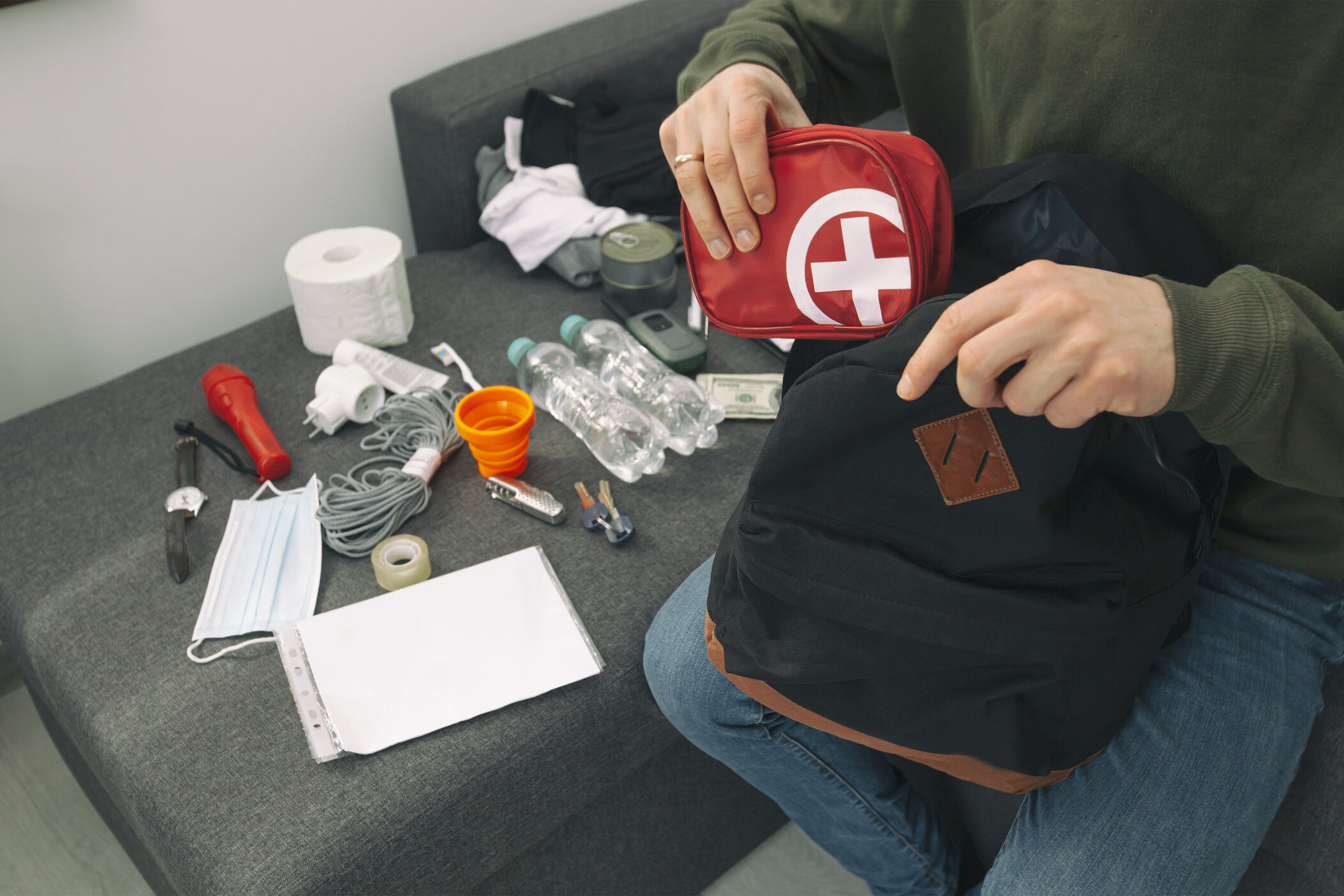
The biggest storm mistake is delay. People wait until the weather is loud and the rain is heavy before they start preparing, then everything feels rushed. Start small and move early. Charge your devices, store water, secure outdoor items, and gather essentials while you still have time to breathe. One small step done early is better than ten big steps done in panic. The storm does not reward last minute bravery; it rewards calm preparation that helps you avoid injuries and unnecessary stress inside your home.
Even if the storm shifts direction and becomes mild, you will still be glad your kit is ready for next time. Preparation is not fear, it is care. Try doing one simple thing now, like filling water containers or checking batteries. Those small actions add up quickly, and they make the storm feel lighter on your mind. You will sleep better knowing you did not leave everything to chance.
30. Keep It Simple and Stay Grounded Through the Storm

When the storm arrives, focus on calm choices that keep you safe. Stay away from windows, avoid unnecessary movement outside, and do not take risks just to prove you are fine. Stick to your plan, listen to trusted updates, and keep your supplies close. If the power goes out, stay in your main room and use your lighting safely. If you feel anxious, slow down, drink water, and take things one step at a time. Storms can feel intense, but steady habits protect you more than panic ever will.
After things settle, check your home carefully and take your time. Look for leaks, fallen branches, or any signs of damage before you start cleaning. Avoid touching fallen wires and stay cautious around wet areas. If you have neighbors, check if they are okay. A storm is not only about surviving the moment, it is also about recovering with patience and keeping yourself safe in the hours that follow.


