
1. Do a quick “what would we need tonight?” check
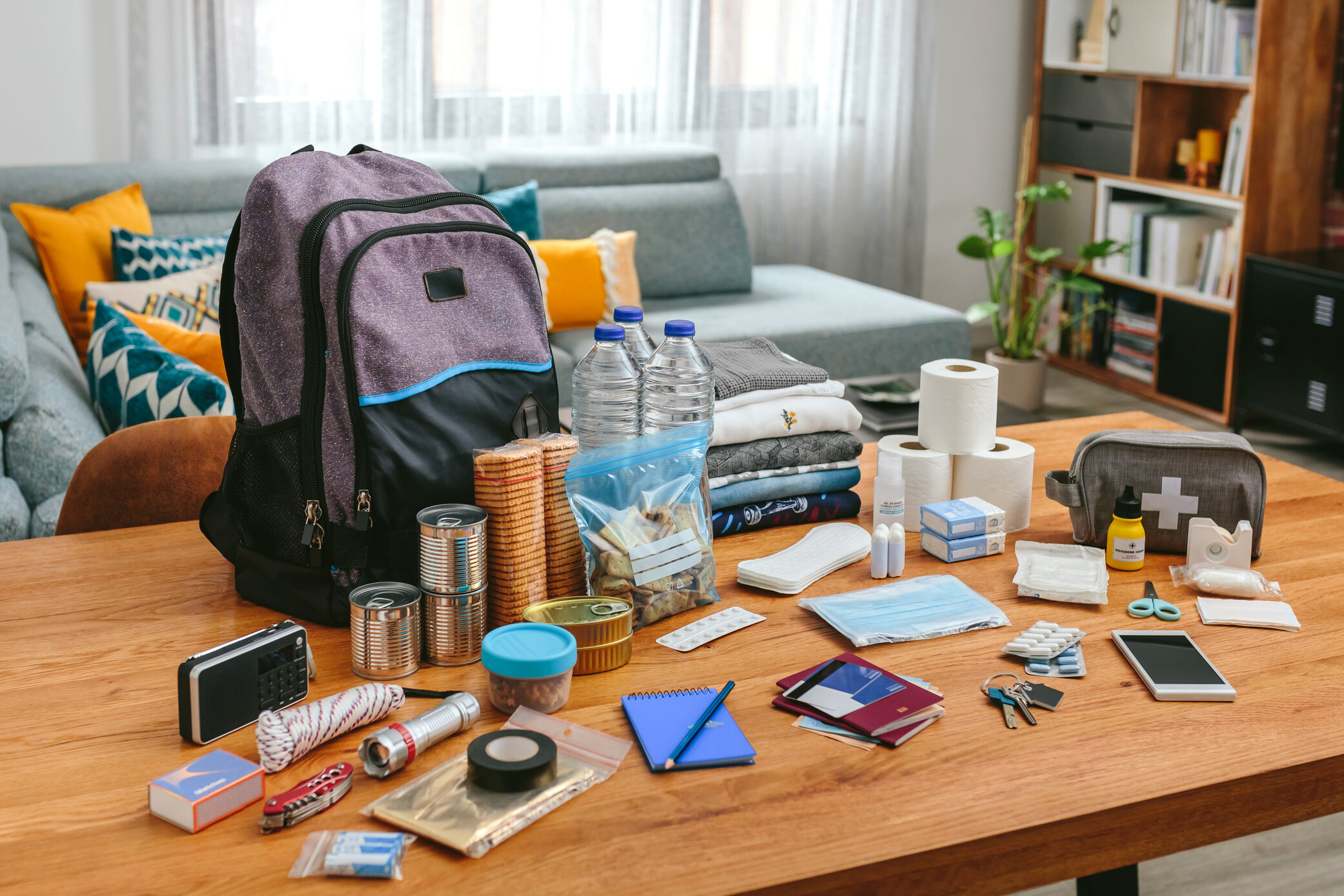
Before you start making a long list, take a breath and think like this: if the lights went off tonight, what would we actually reach for first? That simple question keeps you calm, focused, and realistic, especially when a big storm is on the way and your brain wants to run in circles. Start with water, snacks, medication, a flashlight, a power bank, and cash, then add comfort like a blanket, wipes, or a small game for the family. It is not about buying everything, it is about making sure the basics are covered.
Once you have the essentials, group them in one spot so you are not searching in the dark later. Put them in a basket, a small box, or even a backpack so you can carry everything easily if you have to move quickly. Label it if needed, especially if you live with others. Storm prep feels less stressful when you break it into simple steps, and this quick check is the best place to start. It clears your head and makes the rest of your planning feel lighter.
2. Get weather alerts where you will actually notice them

Storm warnings do not help if they are sitting quietly inside an app you never open. So set your phone to receive emergency alerts, turn on notifications for your local weather service, and make sure your ringer is not on silent when the weather starts acting strange. It sounds small, but it can save you from being caught off guard. Also, learn the basic language of storms so you react correctly. A watch means conditions are possible, and a warning means it is happening or very close, so your next step should be faster.
If you live with family, make sure everyone knows where updates will come from, including kids and older relatives. Pick one trusted source and stick with it so you do not get overwhelmed by too many messages. When alerts come in, do not panic, just act in small steps like charging devices, bringing items indoors, and checking your emergency kit. Staying informed is not about fear, it is about giving yourself time to prepare without confusion.
3. Pack a go bag like you are leaving for one night
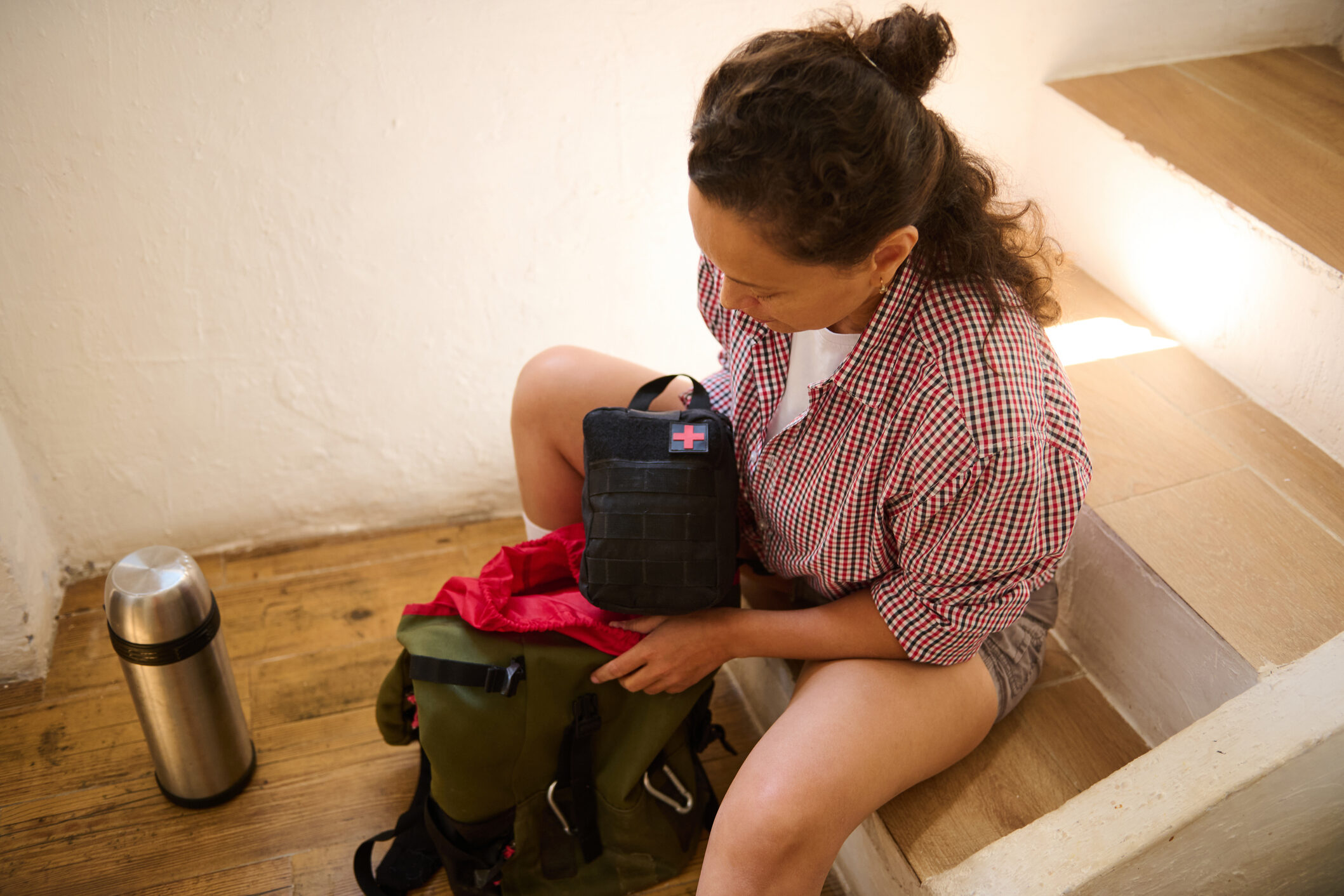
A go bag should not feel like you are moving out of your house. Think of it like packing for one night away, simple and realistic. Put in a change of clothes, a phone charger, basic toiletries, cash, water, snacks, copies of important documents, and any medication you might need. If you wear glasses, add an extra pair if you can. For kids, include a small comfort item, and for adults, add a small notebook with key phone numbers.
Once your bag is ready, place it near the door or somewhere easy to grab. You might never need to use it, but having it prepared gives a quiet sense of relief. It removes the pressure of scrambling while everyone is already tense. Check the bag every few months so snacks do not expire and clothes still fit. A go bag is not about panic, it is about giving yourself options.
4. Decide where you would go before you need to leave
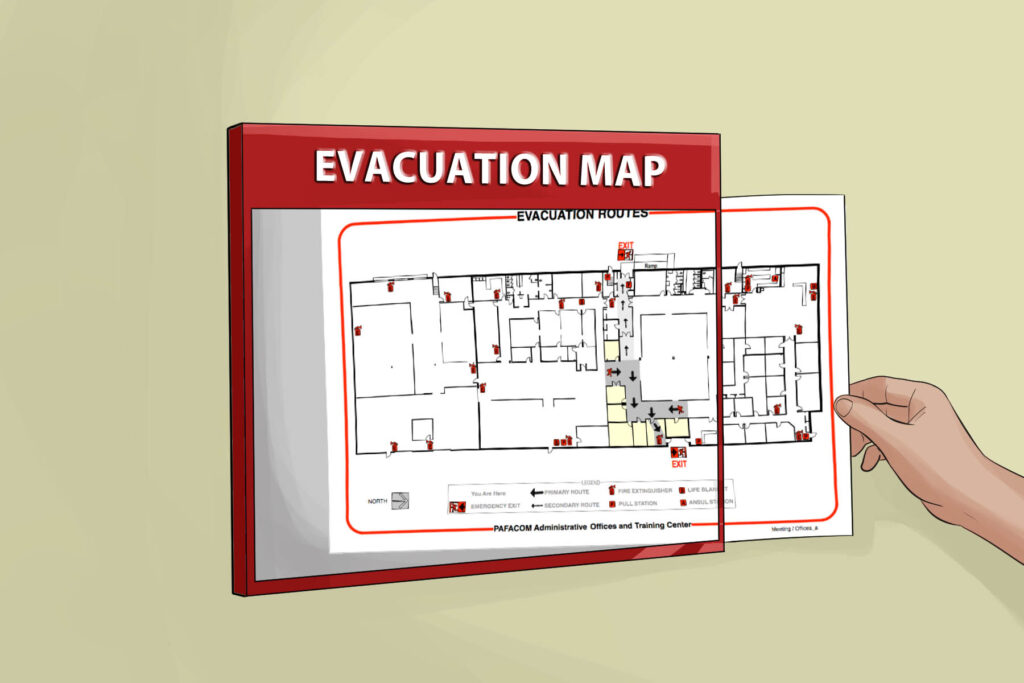
If a storm ever pushes you toward evacuation, you do not want to start planning while the wind is already screaming. Take a calm moment ahead of time and decide where you would go. It could be a family member’s home, a friend’s place, or a public shelter, but it should be a real option you can reach safely. Then map out at least two routes because storms can block roads and create heavy traffic fast.
If you live with others, make sure everyone understands the plan in a simple way. Choose a meeting point if you get separated, and write it down. Keep important numbers on paper too, just in case your phone dies. This kind of planning reduces fear because you already know your next move. When decisions are made early, you avoid risky last minute choices and you move with more confidence.
5. Charge everything early and keep power steady

Storm prep gets easier when you treat battery life like gold. Charge your phones, power banks, rechargeable lights, and even your laptop before the weather gets rough. If you have extra batteries, check them too, because some sit in drawers so long they quietly die. It also helps to keep your car fuel tank topped up, since your car can become a backup charging option if the outage lasts longer than expected.
Once everything is charged, reduce unnecessary use so your devices last longer. Lower screen brightness, close apps you are not using, and keep one charger spot in the house so cords do not get lost. If you have small kids, charge their tablets early too, because a calm child makes the whole house calmer. Power loss feels less stressful when you are prepared, because you still have light, updates, and a way to reach people. This step looks simple, but it carries you far.
6. Stock food and water you can use without cooking
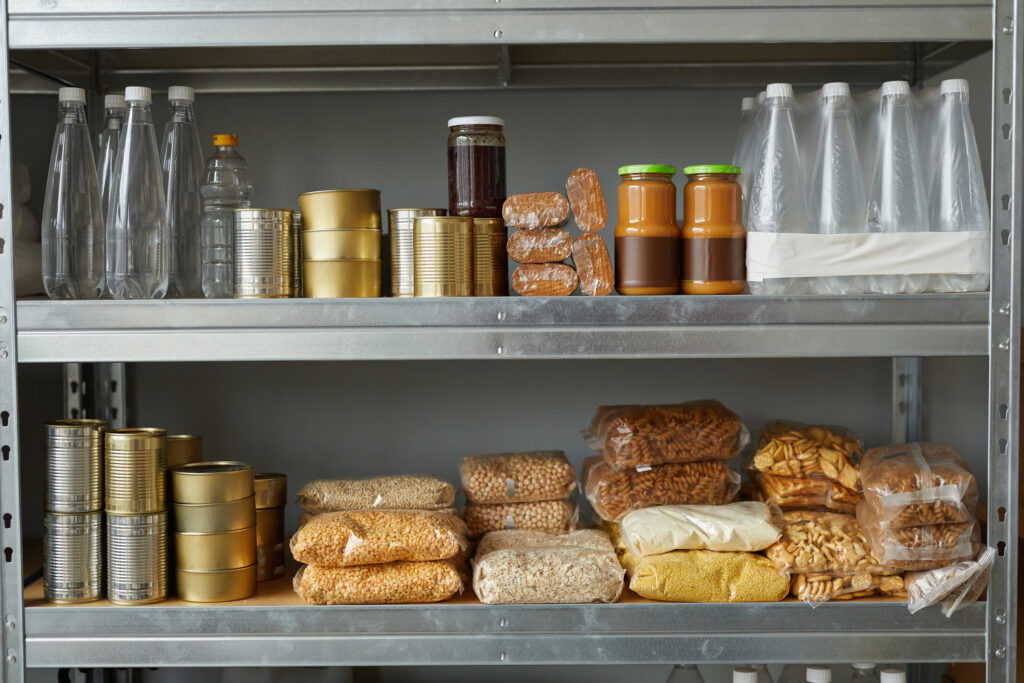
When storms knock out power, the biggest frustration is having food but not being able to cook it. Keep a small supply of things you can eat easily, like canned meals, crackers, peanut butter, granola, noodles you can soak, and snacks everyone already likes. Do not forget a manual can opener, because that mistake is too common. Water matters even more, so store enough for drinking and basic cleaning, especially if your area is prone to shortages.
If you can, freeze a few bottles of water too, since they help keep your fridge cold longer and can be used later. Try to eat from the fridge first before it warms up, and keep the door closed as much as possible. The goal is not to build a mini supermarket at home. It is simply to make sure your household can eat, drink, and stay steady for a few days without stress.
7. Check your safety alarms and keep the air clean
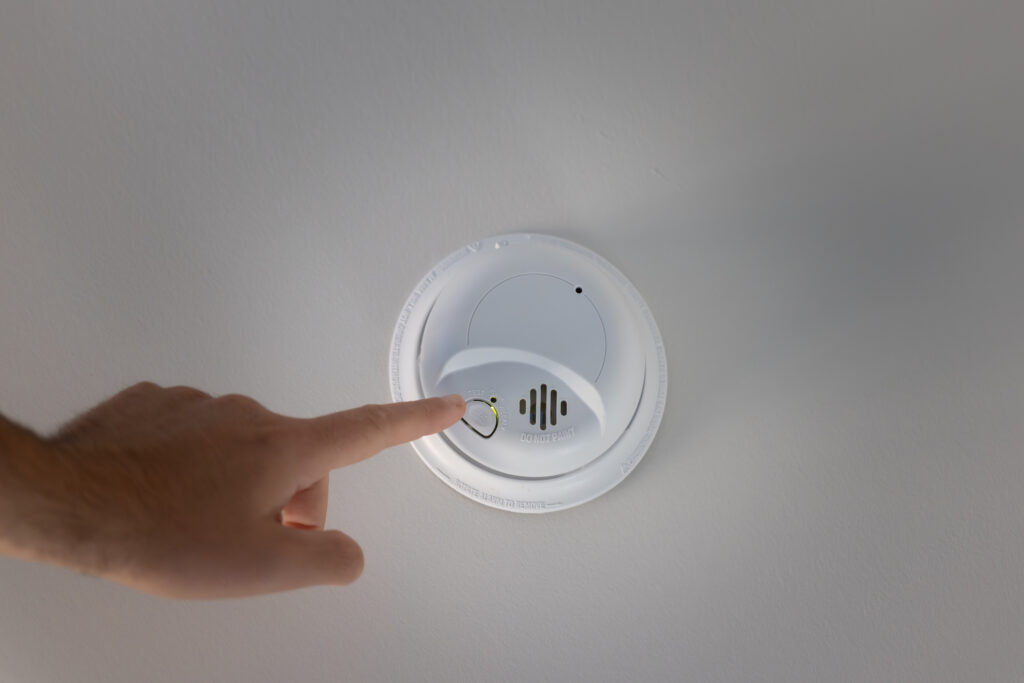
Storms often bring power outages, and outages sometimes lead to risky choices like candles, smoky lamps, or fuel based equipment. That is why smoke alarms and carbon monoxide detectors should be working before the storm hits. Test them now, replace batteries if needed, and make sure you have a flashlight nearby so you can check safely. Carbon monoxide is dangerous because you cannot see it or smell it, and people often notice too late.
If your home will use any fuel source for power or heat, your alarms become even more important. Avoid burning many candles in one space, and never leave open flames unattended. Keep rooms ventilated when needed, but do not leave windows wide open during heavy wind. Safety during storms is not only about what happens outside, it is also about what happens indoors when routines change. A quick check today can prevent a serious emergency tomorrow.
8. Bring inside anything the wind can grab
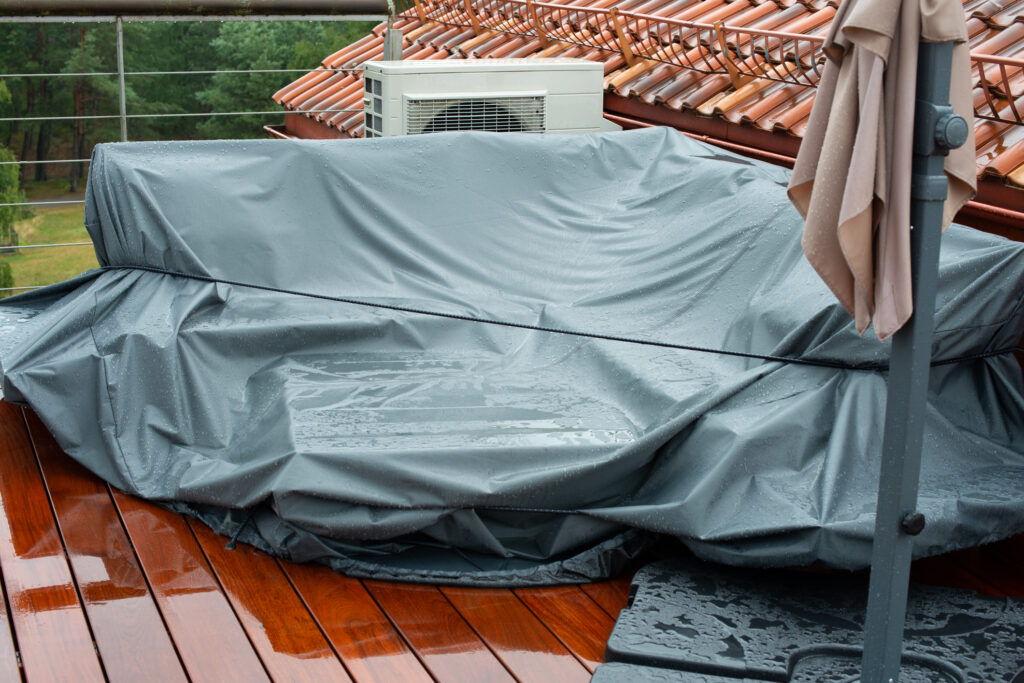
Strong winds can turn small outdoor items into flying problems. Patio chairs, flower pots, bins, tools, and decorations may look harmless on a normal day, but during a storm they can crash into windows, damage cars, or hurt someone. So take a quick look outside and bring in anything light or loose. If it cannot come inside, secure it tightly in a corner where the wind has less space to push it around.
This step is simple, but it can prevent unnecessary damage. It also helps your neighbors, because wind does not care whose property it is throwing around. If you have time, check for weak branches too, because they often fall first. Think of it like tidying up before company comes, except the company is rough and uninvited. Once the outside is handled, your home feels safer, and you can focus on the next steps with a clearer mind.
9. Protect your important documents the easy way
You do not need a fancy safe to protect your important documents. Gather your IDs, insurance papers, medical information, house documents, and emergency contacts, then place them in a waterproof pouch or seal them inside a plastic bag. If you can, take clear photos and save them to your phone as a backup. Even simple screenshots can help you recover faster if papers get wet or lost during the storm.
Keep some cash with your documents too, because card payments can fail during outages and ATMs may not work. Store everything in one spot you can grab quickly, like a drawer near the door or inside your go bag. This step feels boring while you do it, but it saves you from stress later. Storm prep is not only about surviving the moment, it is also about reducing the headaches that come after the storm passes.
10. Do a calm walk through of your home before it starts
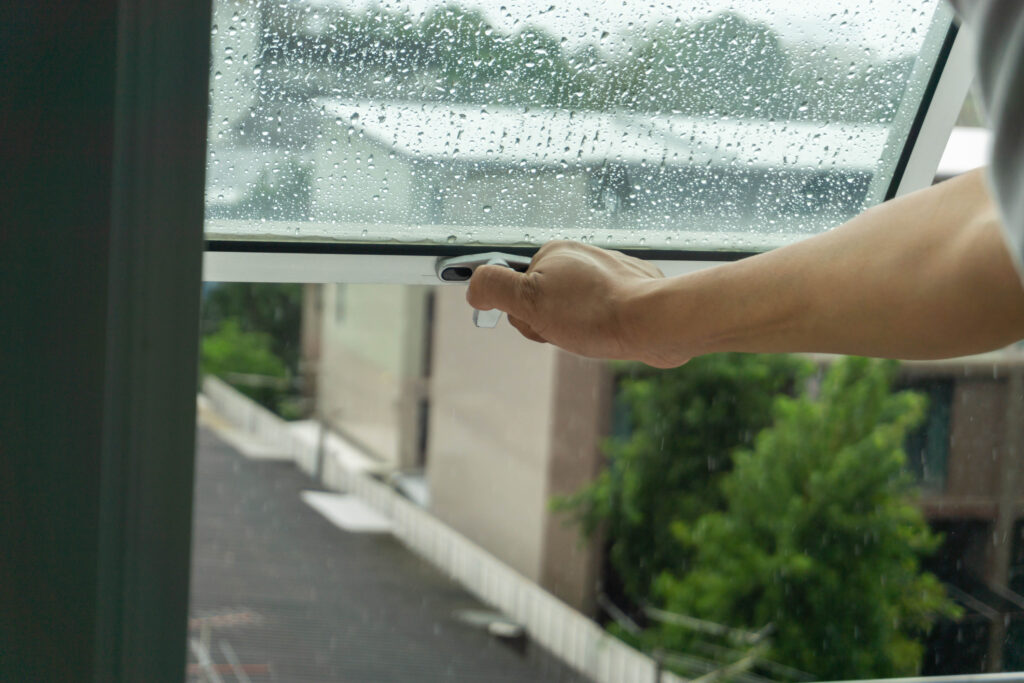
Before the weather gets loud, walk through your home and check the basics. Close windows properly, lock doors, pull curtains, and place flashlights where you can reach them easily. Turn the fridge and freezer colder so food stays safe longer if the power cuts out. Put shoes by the bed so you are not walking barefoot if glass breaks or items fall. Check that your phone chargers and power banks are in one place, ready to use.
If you have space, fill a few clean containers with water for washing, flushing, or quick cleaning. Make sure everyone knows where the first aid kit is, and keep a small bag of essentials nearby. This walk through is not meant to make you anxious, it is meant to make you ready. The storm outside may be unpredictable, but your home can still feel steady. When you are done, you can sit down knowing you prepared with care.
11. Never wait until the last minute to shop

Last minute storm shopping is one of the quickest ways to enter panic mode. The shelves get empty, the queues get longer, and you end up buying random things you do not even need. It also makes you spend more than planned, because rushing pushes you into careless choices. Instead of doing everything at once, build your supplies slowly during normal shopping days. Add extra water, snacks, and batteries little by little so you are never starting from zero when the forecast changes.
The best part of early shopping is peace of mind. When others are rushing out in fear, you can stay home, charge your devices, and secure your space without stress. If you have to step out late, roads may already be unsafe, fuel might finish, and traffic can frustrate you. Storm prep is not meant to feel dramatic. It is meant to feel steady. Shopping early helps you stay ahead, and that calm is the real win.
12. Never ignore evacuation advice because it feels uncertain
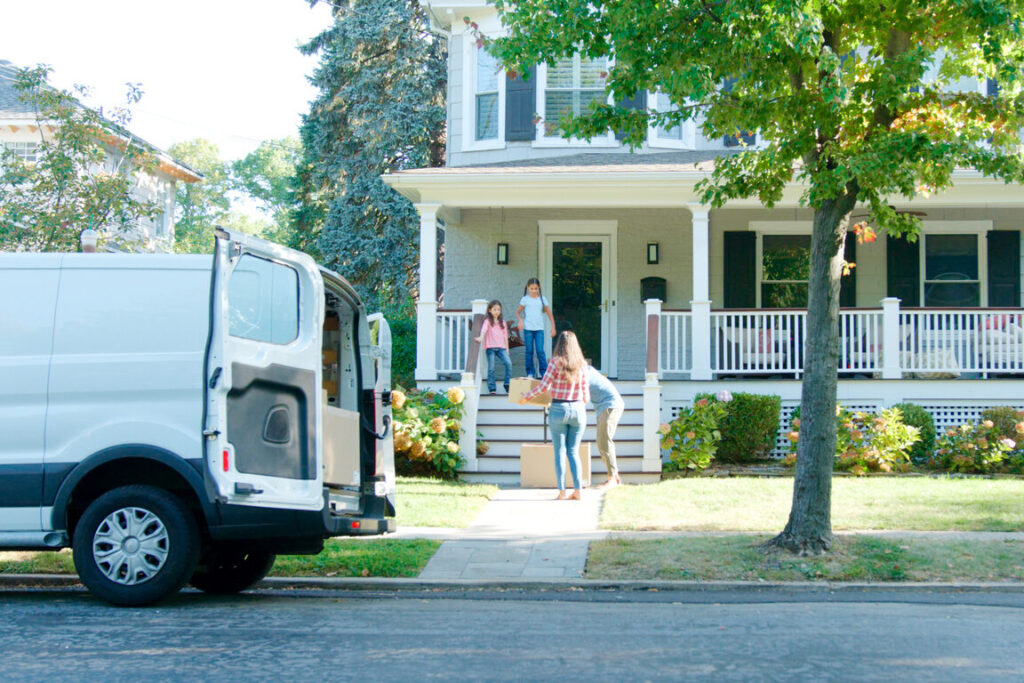
It is normal to look at the sky and think, maybe it will not be that bad. Many people have seen storms come and go, so they start treating warnings like background noise. But when local officials advise evacuation, they do not do it for fun. They do it because the risk is real, and waiting too long can trap you in traffic or leave you stuck on unsafe roads. When storms change direction quickly, time becomes your enemy.
If you choose to stay, make sure it is a wise choice, not just pride. Consider where you live, the strength of your building, and how fast flooding can happen in your area. If you have children, older parents, or health concerns in the home, early evacuation may be the safest option. Leaving early does not mean you are weak. It means you are thinking ahead and protecting the people you love.
13. Never run a generator inside your home or garage
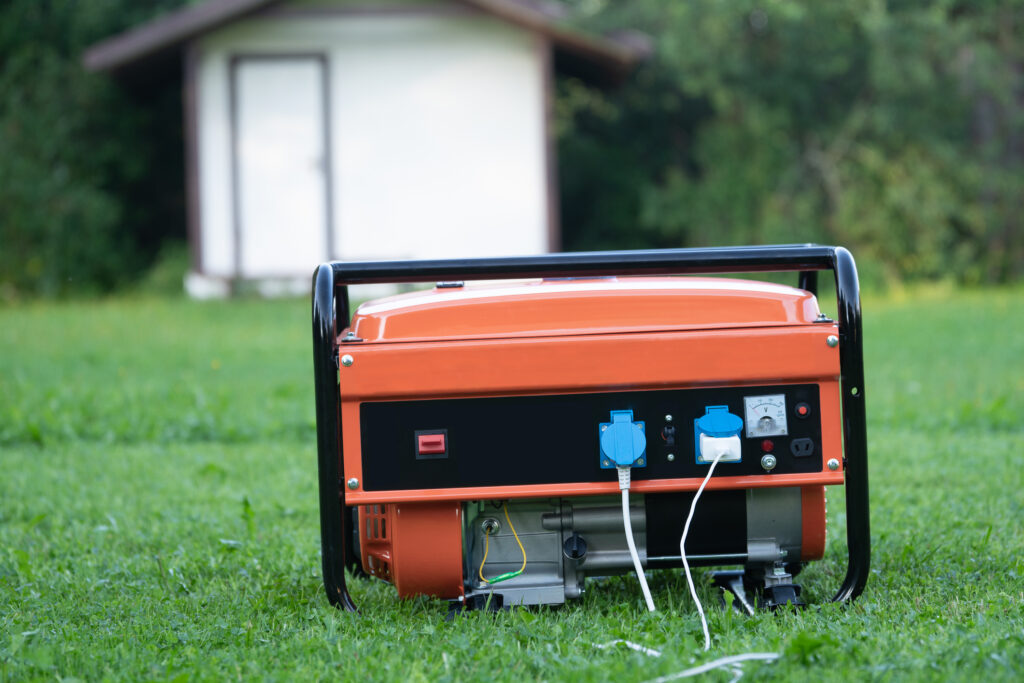
A generator might feel like a blessing during a blackout, but using it wrongly can turn it into danger fast. Never run a generator inside your house, and never run it in a garage, even if the door is open. The fumes can build up without warning, and that can affect everyone inside the home. This is not the kind of risk you want to take, especially when you are already dealing with a storm outside.
If you must use a generator, keep it outside in an open area far from doors and windows. Make sure you have the right extension cords, and never overload it. It also helps to keep carbon monoxide detectors working, because storms can lead to unsafe choices when people get tired and cold. The goal is not just to have power. The goal is to stay alive and safe while you have it.
14. Never backfeed power into your home wiring
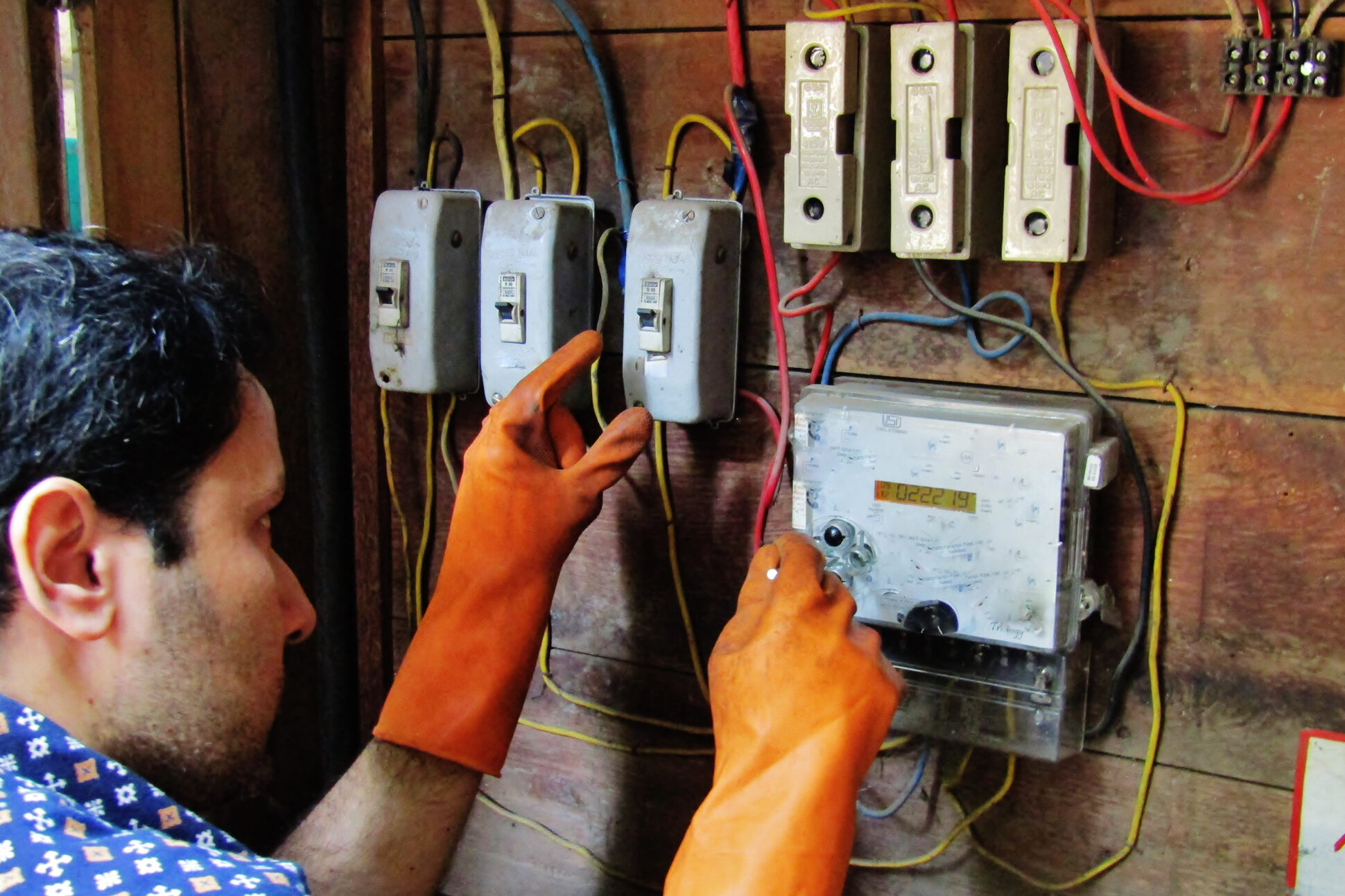
Backfeeding sounds like a smart shortcut, but it can be extremely dangerous. It can send electricity into places it should not go, damage your appliances, and even put utility workers at risk if power travels through the lines unexpectedly. Storm season is not the time to experiment with electrical tricks you saw online or heard from a neighbor. When it comes to power, guessing can cost you more than money.
If you want to power your home safely with a generator, you need the right setup, like a transfer switch installed by a qualified professional. If you do not have that, keep it simple and plug only approved devices directly into the generator. A storm already comes with stress, repairs, and uncertainty, so do not add extra problems by taking risky shortcuts. Safe power use looks boring, but boring is exactly what you want during a storm.
15. Never use outdoor grills or ovens to heat your home
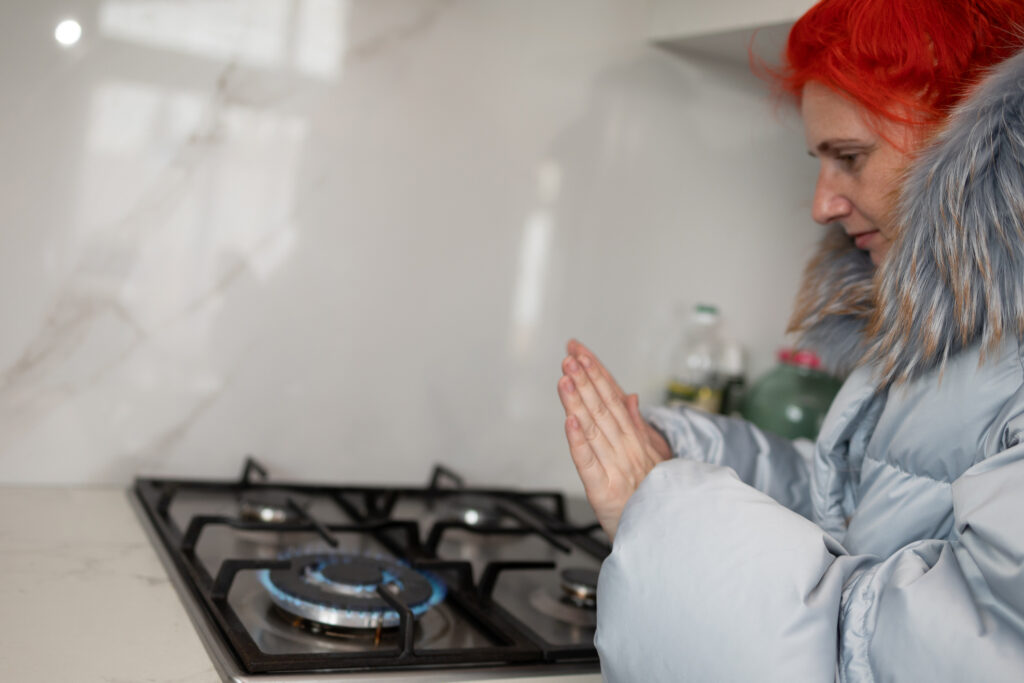
When the cold hits and the power goes out, people start reaching for anything that produces heat. But using outdoor grills, charcoal, or a gas oven to warm your home is unsafe. These tools can release fumes that should not be trapped indoors, and the air in your house can become dangerous without you realizing it. It may feel like a quick fix, but quick fixes can become emergencies fast.
If you need warmth, focus on safe options. Layer your clothes, use thick blankets, and keep everyone in one room to conserve heat. Block drafts with towels and close doors to unused spaces. If you have a safe heater, use it correctly and keep it away from curtains and furniture. A storm is already enough to handle. You do not want to add a second crisis inside your home just because you wanted to feel warm for a moment.
16. Never leave your devices uncharged until it is too late
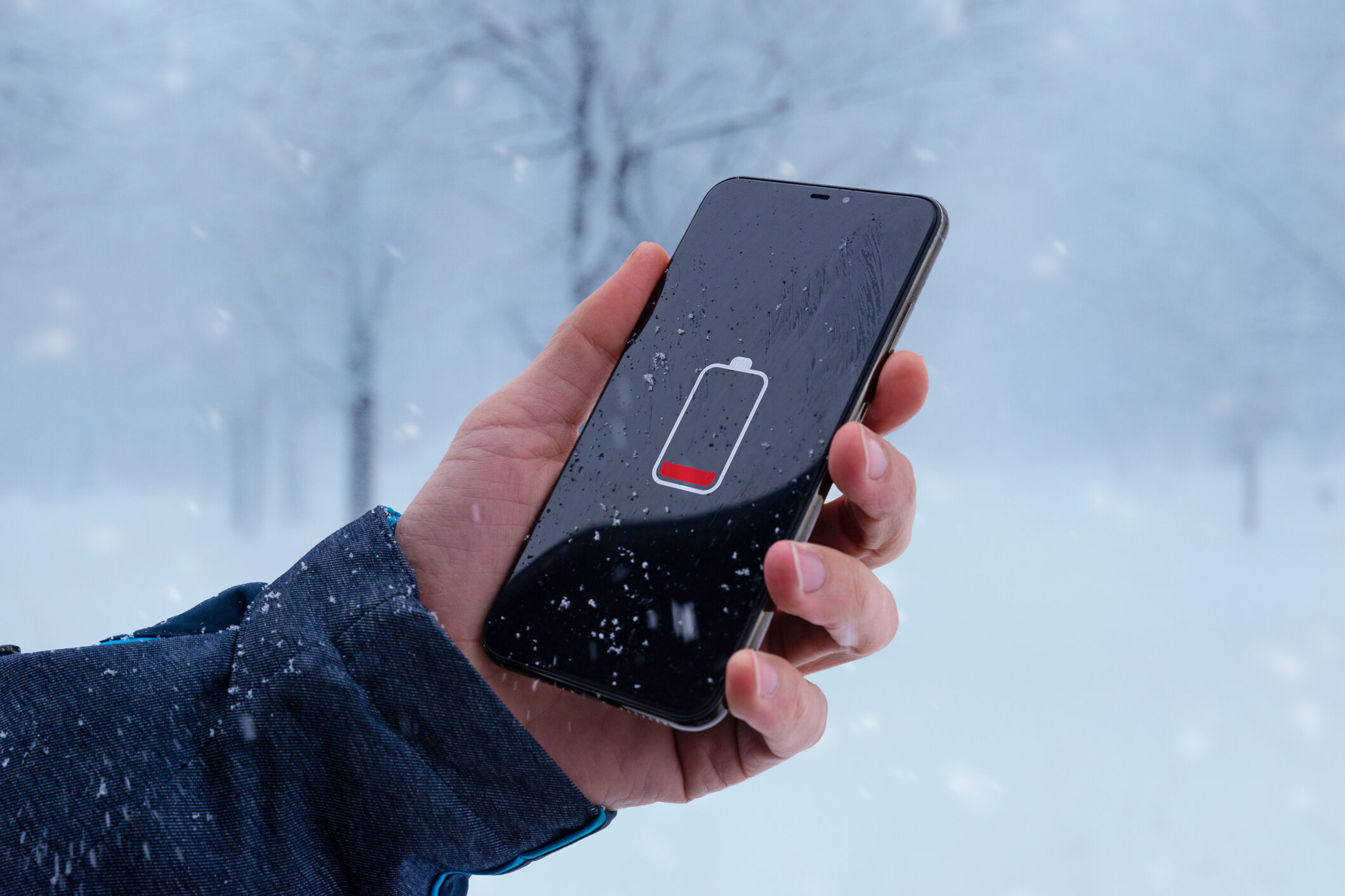
People always think they will charge their phone later, until later becomes impossible. Storms knock out power without warning, and once it happens, everyone starts scrambling at the same time. Charge your phone early, fully, and keep your power bank ready too. If you have rechargeable lights, radios, or small fans, charge those as well. Staying powered up keeps you informed, connected, and calm during the storm.
After you charge, use your battery wisely. Lower your brightness, close extra apps, and switch to low power mode. If you have kids, charge anything that can keep them settled too, because a calm child makes the home calmer. Communication matters during storms, whether you are checking updates, reaching family, or calling for help. A dead phone can make you feel stranded, even when you are safe. Charging early is one small habit that saves stress.
17. Never forget your pets when planning supplies
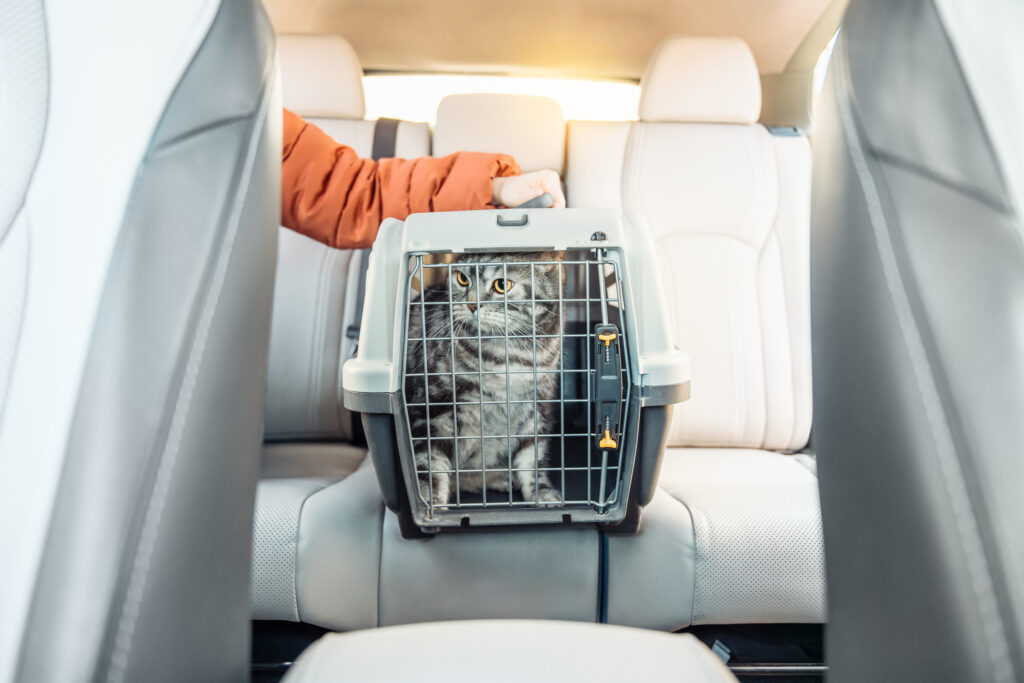
Pets are part of the family, and storms can scare them badly. Do not wait until the storm starts before thinking about what they need. Stock extra pet food, clean water, any medications, and keep a leash or carrier easy to reach. If your pet gets anxious, have something familiar nearby like their blanket or a favorite toy. When the storm is loud, comfort matters just as much as food.
If evacuation becomes necessary, you need a plan that includes them. Not every shelter or hotel accepts animals, so it helps to know your options early. Make sure they have proper ID tags, and if possible, keep recent photos of them on your phone. During storms, pets can slip out easily when doors open or when people rush. Planning ahead keeps them safe, and it keeps you from dealing with extra heartbreak during an already stressful time.
18. Never assume emergency services will reach you quickly
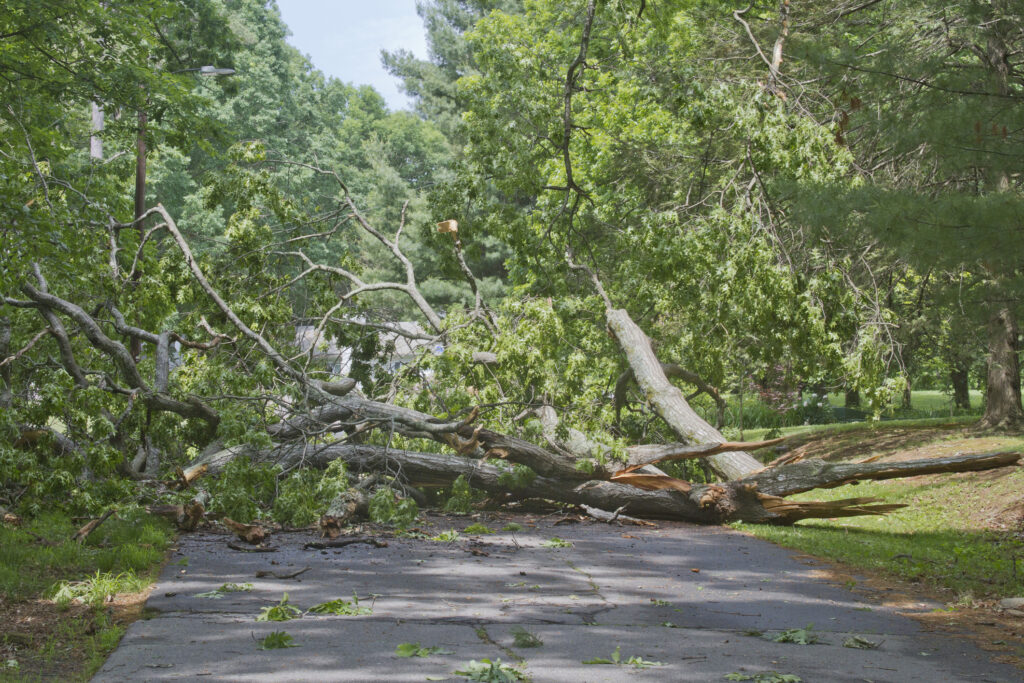
During a serious storm, help may not come as fast as you expect. Roads can flood, trees can block paths, and emergency teams may be stretched thin. That is why your home should be ready to handle basic needs without relying on quick rescue. Keep drinking water, simple food, first aid supplies, and lighting ready. If someone in your home depends on medication, plan ahead so you do not run out when it becomes hard to move around.
This is not meant to scare you, it is meant to ground you in reality. Storm preparation is like giving yourself options and breathing room. When you can care for yourself for a few days, you feel less anxious and more capable. It also helps you support others if needed, like neighbors who may not have planned ahead. The more prepared you are, the less desperate you feel. A steady home makes a hard storm easier to manage.
19. Never treat storm prep like it is only about survival

Storm prep is not only about making it through. It is also about staying calm while you wait and bouncing back after it passes. People forget comfort, then they suffer through long hours feeling stressed and irritated. Add small things that make life feel normal, like instant coffee, snacks your family loves, a book, cards, or a simple activity for kids. These little items help you stay grounded when the weather outside feels tense.
Try to keep a small routine too. Eat at usual times, check on everyone, and stay in one safe area of the home. It reduces chaos and helps children and older adults feel secure. There is a difference between being prepared and being stressed in a prepared house. The goal is to stay steady, not just to endure. When the storm finally passes, you want to feel like you handled it with care, not like you barely survived it.
20. Never step outside to “check the weather” at the worst time
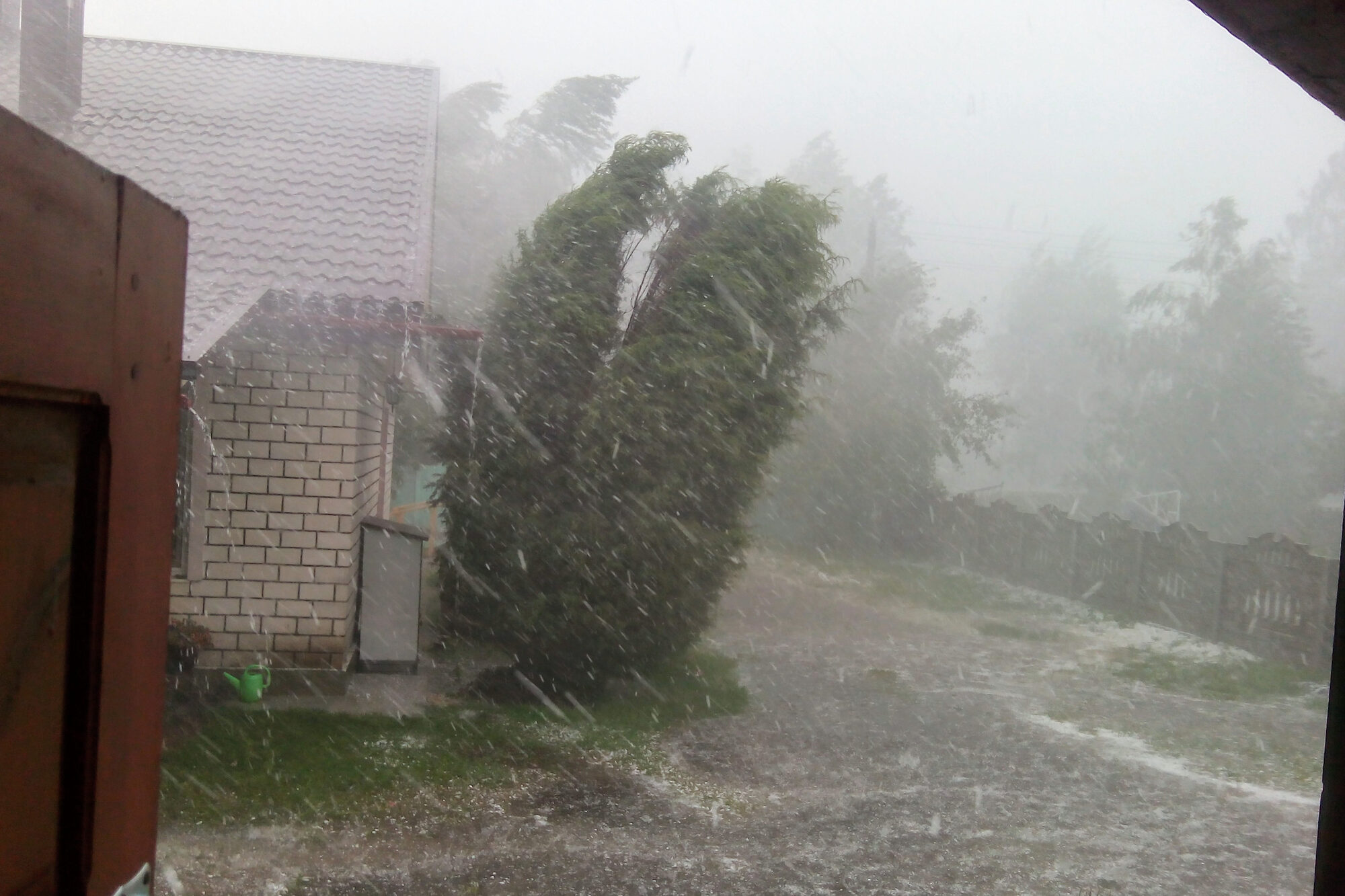
It is tempting to open the door and look around, especially when things get quiet and you think the storm has eased. But strong winds can return suddenly, debris can fly, and floodwater can be deeper than it looks. The safest choice is to stay inside until you are sure conditions have improved. If you need updates, use weather alerts, radio, or official information, not guesswork from the front porch.
If there is damage, wait until it is safe to assess it. Watch for downed wires, broken glass, and unstable trees. Keep shoes on and move carefully, even inside the house, because storms can shift objects around. The truth is, good storm preparation is about patience as much as planning. You do your part, you stay alert, and you let the storm pass without taking unnecessary risks. When it is over, you will be glad you stayed safe and made smart choices from start to finish.


