
1. Harry Anderson’s Lasting Legacy
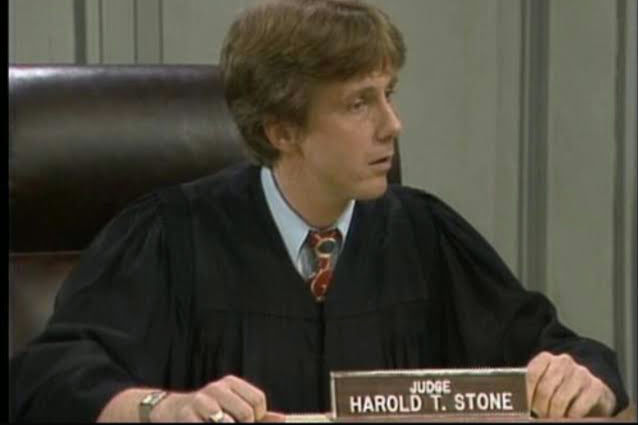
When Night Court premiered on NBC on January 4, 1984, it introduced audiences to Judge Harry Stone, a youthful, magic-loving jurist who presided over the chaos of Manhattan’s midnight shift. Harry Anderson was the perfect fit for the role, as he was a real-life magician who had already charmed viewers with eight guest spots on Cheers as “Harry the Hat.” For nine seasons and 193 episodes, Anderson’s blend of card tricks and kindness made the show a staple of NBC’s “Must See TV” lineup. By the time the series wrapped on May 31, 1992, he had earned three Emmy nominations for his work, proving that a sitcom lead could be both funny and deeply empathetic.
After the gavel fell for the last time, Anderson transitioned to the title role in the sitcom Dave’s World, which ran from 1993 to 1997. However, he eventually grew tired of the Hollywood grind and moved to New Orleans in the early 2000s. There, he opened a nightclub called Oswald’s Speakeasy and a magic shop named Sideshow, fully embracing his first love of sleight-of-hand. Sadly, the world lost this comedic icon in April 2018, when he passed away at his home in North Carolina at the age of 65. Even today, fans remember him as the heart of the courtroom, a man who proved that justice is always better served with a bit of wonder.
2. Markie Post’s Warm Presence
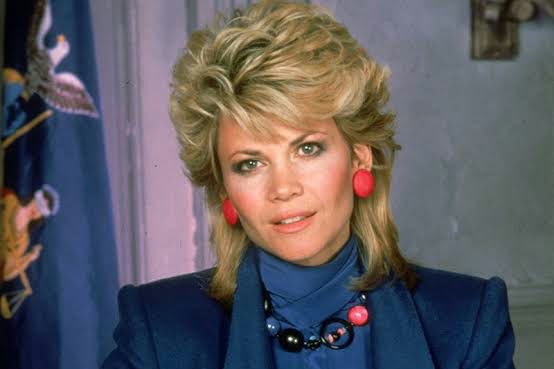
Markie Post didn’t actually join the Night Court cast until the third season in 1985, but she quickly became the show’s moral compass as public defender Christine Sullivan. Her chemistry with Harry Anderson was a driving force of the series, and her character’s earnestness provided a necessary balance to the zaniness of the courtroom. Post appeared in 159 episodes before the show concluded in 1992, and for many fans, she was the definitive leading lady of the series. Her ability to play the “straight man” to the wild antics around her made the comedy land even harder for the millions watching at home.
After her time in the Manhattan night court, Post enjoyed a very successful career that spanned several decades. She starred alongside John Ritter in the comedy Hearts Afire from 1992 to 1995 and later played recurring roles in hits like Scrubs and Chicago P.D. She was also a familiar face in various Hallmark and Lifetime movies, always bringing that signature warmth to the screen. Tragically, she passed away in August 2021 at the age of 70 after a brave three-year battle with cancer. Her legacy lives on through her decades of work and the kindness she was known for by colleagues and fans alike across the entertainment industry.
3. John Larroquette’s Enduring Career
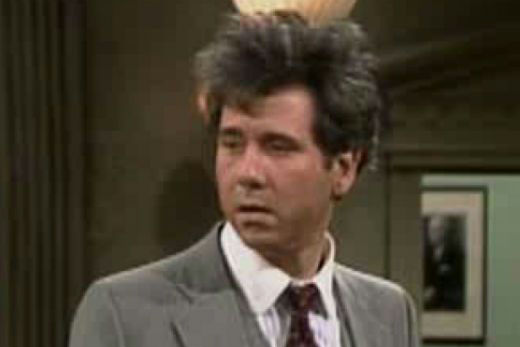
John Larroquette’s portrayal of Dan Fielding, the narcissistic and hilariously arrogant prosecutor, remains one of the greatest comedic performances in television history. Starting with the pilot in 1984, Larroquette turned a potentially unlikable character into a fan favorite through sheer wit and impeccable timing. His work was so consistently brilliant that he won the Primetime Emmy Award for Outstanding Supporting Actor in a Comedy Series four years in a row, from 1985 to 1988. In an act of incredible humility, he actually asked the Emmy committee to stop considering him for the award in 1989 to give other actors a chance to win.
In the decades following the 1992 finale, Larroquette proved he was far more than just a sitcom star. He won a fifth Emmy for a guest role on The Practice in 1998 and earned a Tony Award in 2011 for his Broadway debut in How to Succeed in Business Without Really Trying. Remarkably, he is the only original main cast member to return as a series regular for the 2023 Night Court revival on NBC. Now playing a softened, older version of Dan Fielding, the 76-year-old actor continues to bridge the gap between the classic 80s era and modern television, showing no signs of slowing down his legendary career.
4. Richard Moll’s Distinctive Career
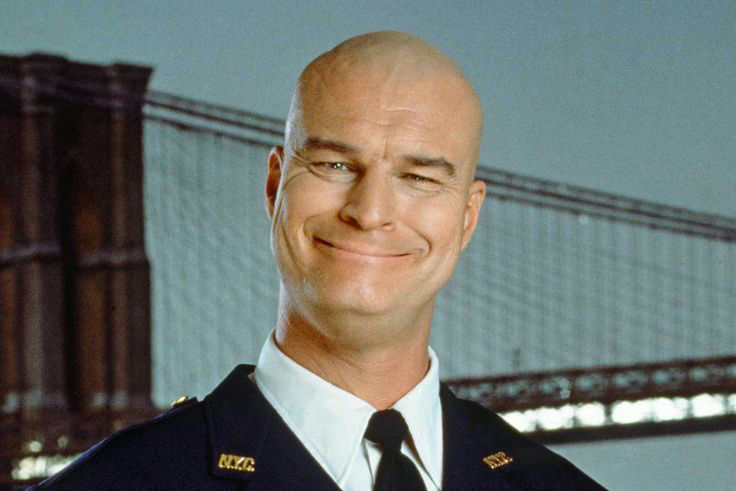
Standing at an impressive six feet and eight inches tall, Richard Moll was the unmistakable backbone of the show as Aristotle Nostradamus “Bull” Shannon. With his shaved head and gentle-giant persona, Bull became a pop culture icon of the 1980s. Moll played the role from the very first episode in 1984 until the final curtain call in 1992. Interestingly, his famous bald look was originally a happy accident; he had shaved his head for a role in the sci-fi film Metalstorm: The Destruction of Jared-Syn, and the Night Court producers loved the look so much they asked him to keep it for the next eight years.
When the show ended, Moll successfully pivoted into the world of voice acting, where his deep, gravelly voice was in high demand. Most notably, he provided the voice for the villain Two-Face in the acclaimed Batman: The Animated Series during the 1990s. He also made guest appearances in shows like Sabrina the Teenage Witch and films like Jingle All the Way and Scary Movie 2. Moll lived a relatively private life in Big Bear Lake, California, later in his years. He passed away in October 2023 at the age of 80, leaving behind a legacy of laughter and a character that remains one of the most recognizable figures in sitcom history.
5. Charles Robinson’s Steady Path
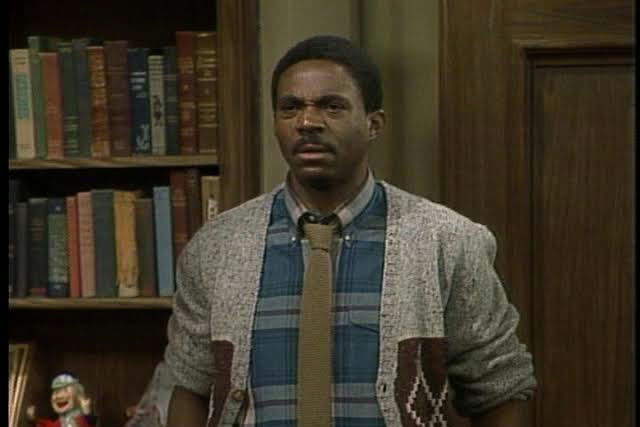
Charles Robinson joined the ensemble in 1984 as Mac Robinson, the sensible court clerk and Vietnam War veteran. While other characters were often over-the-top, Mac was the “everyman” who kept the wheels of justice turning. Known for his signature cardigan sweaters and calm demeanor, Robinson appeared in nearly every episode from the second season onward. His character provided a grounded perspective on the show, often reflecting the real-world struggles of a working-class family man, which added a layer of sincerity to the sitcom that helped it resonate with audiences for nearly a decade.
Following the series finale in 1992, Robinson remained one of the most prolific character actors in Hollywood. He transitioned seamlessly into more dramatic territory, earning guest spots on top-tier shows like The West Wing, Grey’s Anatomy, and This Is Us. He was also a powerhouse on the theatrical stage, receiving critical acclaim for his roles in plays like The Piano Lesson. Robinson continued to work right up until his final years, appearing in the series Love in the Time of Corona in 2020. He passed away in July 2021 at the age of 75, remembered by his peers as a consummate professional and a truly versatile talent.
6. Marsha Warfield’s Reinvention
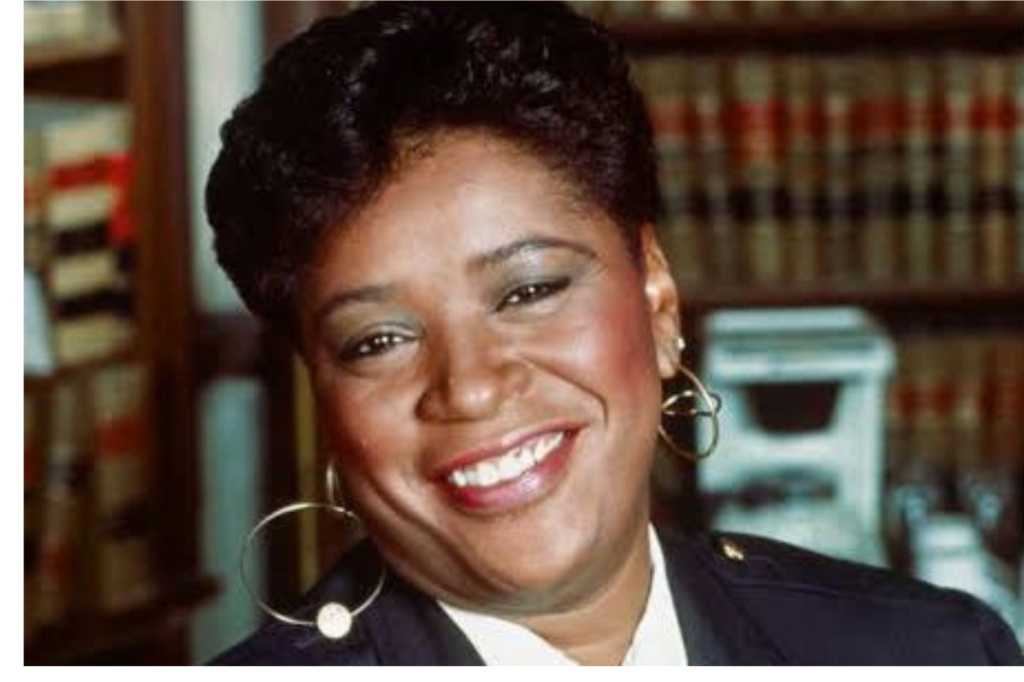
Marsha Warfield arrived on the Night Court set in 1986 during the show’s fourth season. Taking over the bailiff duties as Roz Russell, she brought a tough, no-nonsense energy that was exactly what the courtroom needed. Warfield was already an established stand-up comedian when she landed the role, and her sharp, deadpan delivery quickly made her a fan favorite. She stayed with the cast until the series ended in 1992, providing a strong female presence that was both intimidating and hilariously dry. Her portrayal of Roz broke many stereotypes for women in comedy during the late 80s.
Once the show concluded, Warfield didn’t miss a beat. she hosted her own daytime talk show, The Marsha Warfield Show, and later appeared in the sitcom Empty Nest. After a period of stepping away from the spotlight to focus on her personal life and stand-up roots, she made a triumphant return to television. In a move that delighted long-time fans, she reprised her role as Roz in the 2023 Night Court reboot, appearing in the first season finale and subsequent episodes. Now 70 years old, Warfield continues to perform stand-up and remains an influential figure for women in the comedy world, proving her wit is as sharp as ever.
7. Selma Diamond’s Early Influence
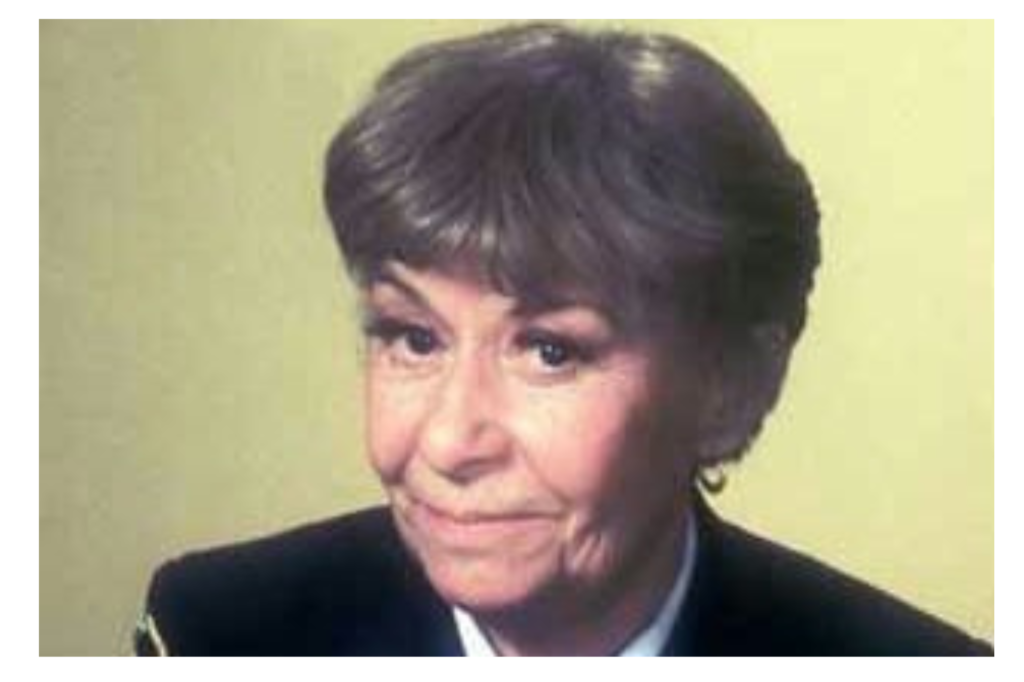
Selma Diamond was a comedy powerhouse long before she was cast as the chain-smoking bailiff Selma Hacker in 1984. As one of the few female writers during the “Golden Age” of television, she had written for legends like Milton Berle and Sid Caesar. Her raspy voice and cynical, world-weary delivery gave the first two seasons of Night Court a gritty, authentic New York feel. Despite her small stature, she held her own against the much younger cast members, often stealing scenes with a single well-timed quip. She was even nominated for an Emmy for the role in 1985.
Tragically, Diamond’s time on the show was cut short. She was a heavy smoker in real life and passed away from lung cancer in May 1985 at the age of 64, just as the show was becoming a major hit. Her death was a significant blow to the production, and the writers chose to have her character pass away off-screen as well, which led to the introduction of several other bailiffs in subsequent seasons. Although she was only on the show for its first 36 episodes, her influence helped set the DNA for the series, establishing the dry humor that would carry it for years to come.
8. Florence Halop’s Final Chapter
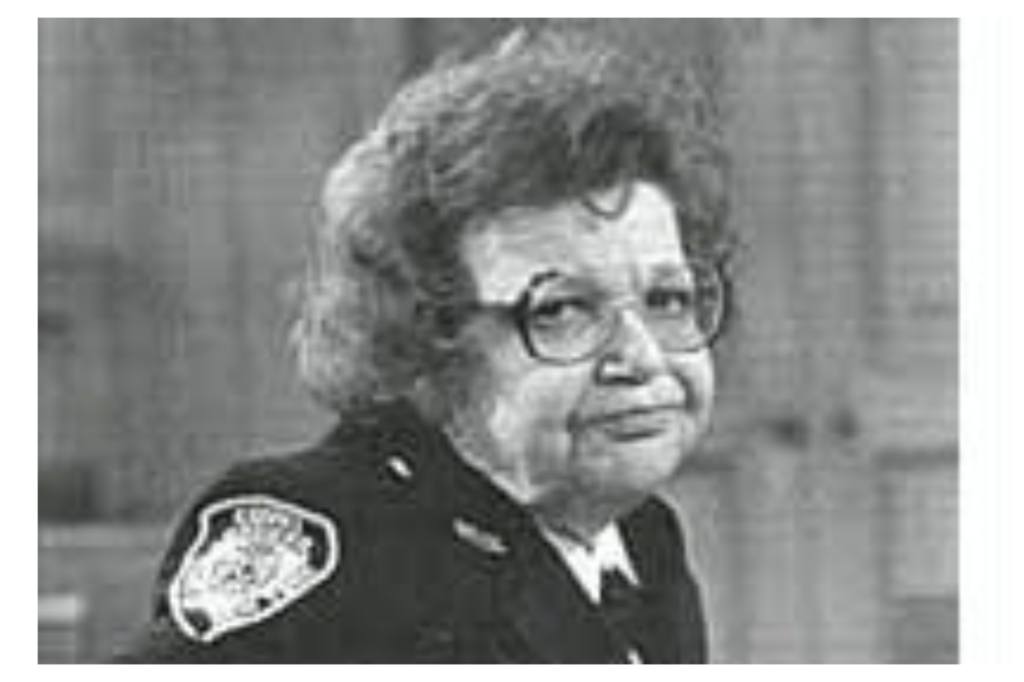
After the passing of Selma Diamond, the producers of Night Court looked for another veteran actress to fill the void. They found Florence Halop, who joined the cast in 1985 as Florence Kleiner. Halop was a seasoned professional with a career dating back to the days of old-time radio in the 1930s. She brought a different energy to the bailiff role; while Selma was cynical, Florence was more of a spunky, “hip” grandmother who wasn’t afraid to speak her mind. Her presence helped the cast and the audience transition during a difficult period for the show following a cast member’s death.
In a heartbreaking twist of fate, Halop’s tenure on the show was also tragically short. Similar to her predecessor, she was diagnosed with cancer and passed away in July 1986 at the age of 73. She had appeared in 22 episodes during the third season, making a lasting impression despite her brief time in the courtroom. The loss of two bailiffs in two years led to a period of superstition on the set, eventually resulting in the casting of the much younger Marsha Warfield to break the tragic pattern. Halop is remembered as a legendary character actress who gave her final, memorable performances to a show that loved her.
9. Brent Spiner’s Early Appearance
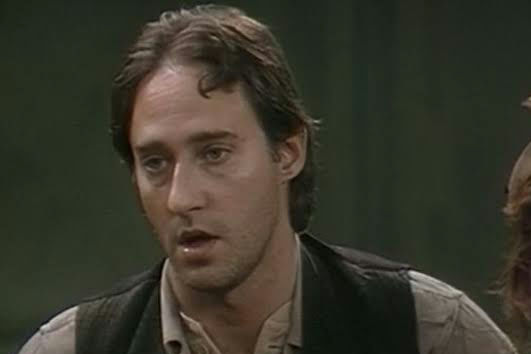
Before he was ever a famous android on a starship, Brent Spiner was a struggling actor looking for his big break. In 1984, he landed a recurring guest role on Night Court as Bob Wheeler, the patriarch of a hilariously “cursed” family of West Virginians who frequently found themselves in front of Judge Stone. Spiner played the character with a perfect mix of sorrow and deadpan comedy, appearing in six episodes between 1984 and 1987. These appearances are often cited by fans as some of the funniest guest spots in the show’s history, showcasing Spiner’s incredible range before he became a household name.
The timing of his Night Court run was perfect; in 1987, just as his character’s arc was wrapping up, he was cast as Data in Star Trek: The Next Generation. This role would define his career and turn him into a global sci-fi icon for the next 35 years. Today, at 74, Spiner remains very active in the industry, recently reprising his Star Trek roles in the series Picard. While he is most famous for his work in space, he often speaks fondly of his time on the Night Court set, noting that the show gave him a platform to prove he could handle complex character comedy on a major network.
10. Ellen Foley’s Brief Tenure
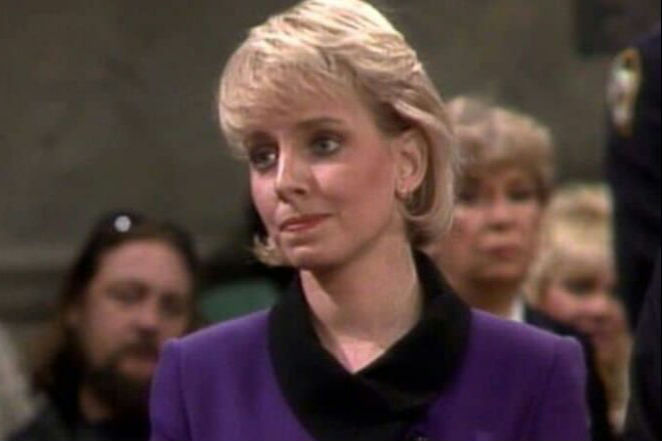
Ellen Foley is perhaps one of the most interesting “what if” stories in Night Court history. She joined the cast in the second season (1984-1985) as Billie Young, a romantic interest for Judge Harry Stone and the court’s public defender. Foley was already a massive star in the music world, famously known for singing the female vocals on Meat Loaf’s legendary hit “Paradise by the Dashboard Light.” Her character was designed to be a bit more “rock and roll” and modern, providing a fresh dynamic for the show as it searched for its permanent identity during its sophomore year.
However, Foley was replaced after just one season by Markie Post. Producers felt the show needed a different kind of chemistry for the lead female role, leading to Foley’s departure in 1985. She didn’t let the exit slow her down, returning to her successful music career and appearing in films like Fatal Attraction and Married to the Mob. Today, Foley continues to record music and perform on stage in New York City. While her time in the courtroom was short-lived, she remains a significant part of the show’s early evolution, representing the period when Night Court was still experimenting with its winning formula.
11. Karen Austin’s Short but Notable Run
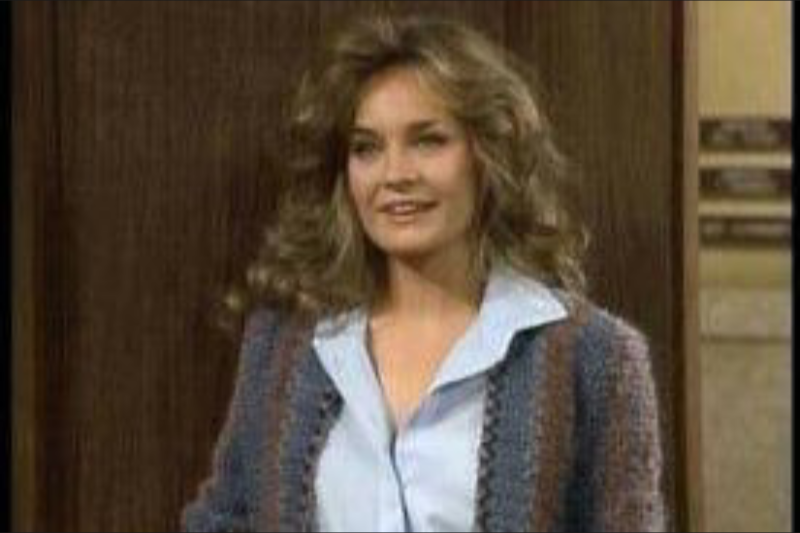
Karen Austin was a vital part of the very first season of Night Court, which debuted on January 4, 1984. She played Lana Wagner, a court clerk who was intended to be the primary love interest for Judge Harry Stone. At the time, the show was still finding its footing, and Austin’s character was written as a more grounded, professional woman compared to the eccentric personalities that would eventually dominate the series. She appeared in the first ten episodes of the show, helping to establish the initial workplace dynamic that NBC hoped would capture the hearts of viewers across America.
However, health issues during the first season led to Austin’s departure from the series in 1984. After leaving the courtroom, she continued to find success in Hollywood throughout the late 80s and 90s. She starred alongside John Candy in the 1987 comedy Summer Rental and took on a recurring role as Emma Rigby in the legendary series Dallas. While she eventually moved away from the spotlight to focus on teaching and personal projects, her contribution to the “pilot era” of Night Court is still cherished by fans who remember the show’s more realistic beginnings.
12. Paula Kelly’s Early Contribution
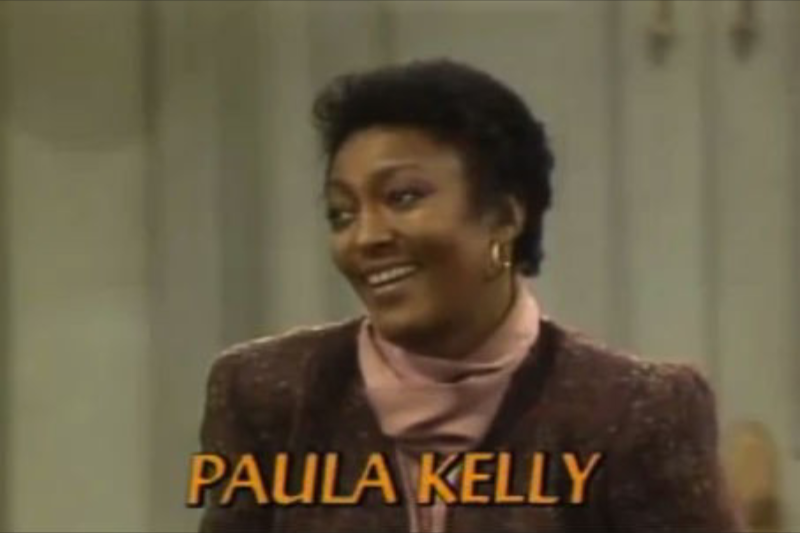
Paula Kelly joined the ensemble in 1984 as public defender Liz Williams, taking over the role for the final episodes of the first season. Kelly was already a powerhouse in the entertainment industry, having earned a reputation as an incredible dancer and actress on Broadway and in films like Sweet Charity. Her presence on Night Court brought a sense of sophisticated intelligence and poise to the courtroom, providing a sharp contrast to the chaotic antics of Dan Fielding. For her work during the 1984 season, she earned a Primetime Emmy nomination, a rare feat for a performer with such a short tenure.
When the show underwent a creative retooling for the second season in 1985, Kelly’s character was written out to make room for new dynamics. She didn’t let the change hinder her career; instead, she went on to deliver a critically acclaimed performance in the 1989 miniseries The Women of Brewster Place. Kelly remained active in the arts until her later years, leaving a legacy as a trailblazing African American performer who could master comedy and drama with equal ease. She passed away in February 2020 at the age of 76, remembered as a pioneer who helped ground the early years of the Manhattan midnight shift.
13. Jason Bernard’s Guest Impact
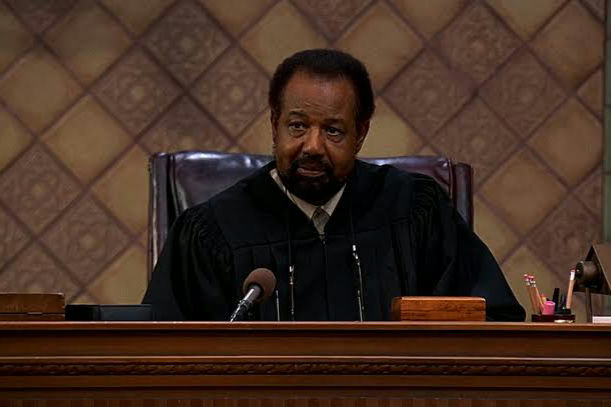
Jason Bernard was one of the most respected character actors of his generation, and his guest appearances on Night Court in the mid-1980s were a testament to the show’s quality. Bernard often played Judge Willard, a strict and traditional jurist who served as a perfect foil to Harry Stone’s unconventional methods. His deep, commanding voice and authoritative presence added a layer of legitimacy to the show’s legal setting. Even though he wasn’t a series regular, his recurring visits to the set between 1984 and 1989 helped the audience believe that this wacky courtroom was part of a much larger, serious legal system.
Bernard’s career was incredibly prolific outside of the sitcom world. He is perhaps best remembered for his role in the 1983 miniseries V and for playing the blind musician Tyrone Wattell in the 1984 film All of Me. One of his final and most famous roles was as Judge Marshall Stevens in the 1997 Jim Carrey hit Liar Liar. Sadly, Bernard passed away from a heart attack in October 1996 at the age of 58, shortly after finishing production on that film. Today, his work on Night Court is remembered as a masterclass in how a guest actor can elevate an entire production through talent and gravitas.
14. Michael J. Fox’s Early Cameo
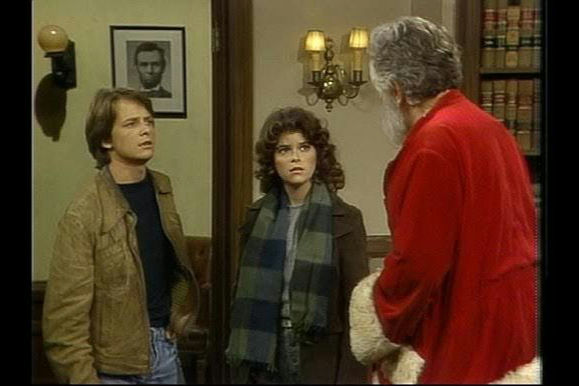
Long before he became a global superstar, a young Michael J. Fox appeared in the second episode of Night Court’s first season in January 1984. He played a runaway teenager named Eddie Simmons who finds himself caught up in the madness of Harry Stone’s courtroom. Even at that early stage in his career, Fox’s charisma and comedic timing were undeniable. This guest spot was part of a string of early 80s appearances that helped him build the momentum needed to become one of the most recognizable faces in the world just a few years later.
By 1985, Fox’s life changed forever with the release of Back to the Future and the massive success of the sitcom Family Ties. While his time on Night Court was brief, it remains a favorite “hidden gem” for fans who enjoy seeing future legends in their early roles. Today, Fox is celebrated not just for his acting legacy, but for his incredible work with the Michael J. Fox Foundation for Parkinson’s Research, which he founded in 2000. His 1984 appearance serves as a nostalgic reminder of the show’s ability to attract and showcase emerging talent right at the start of their journey.
15. John Astin’s Guest Appearance
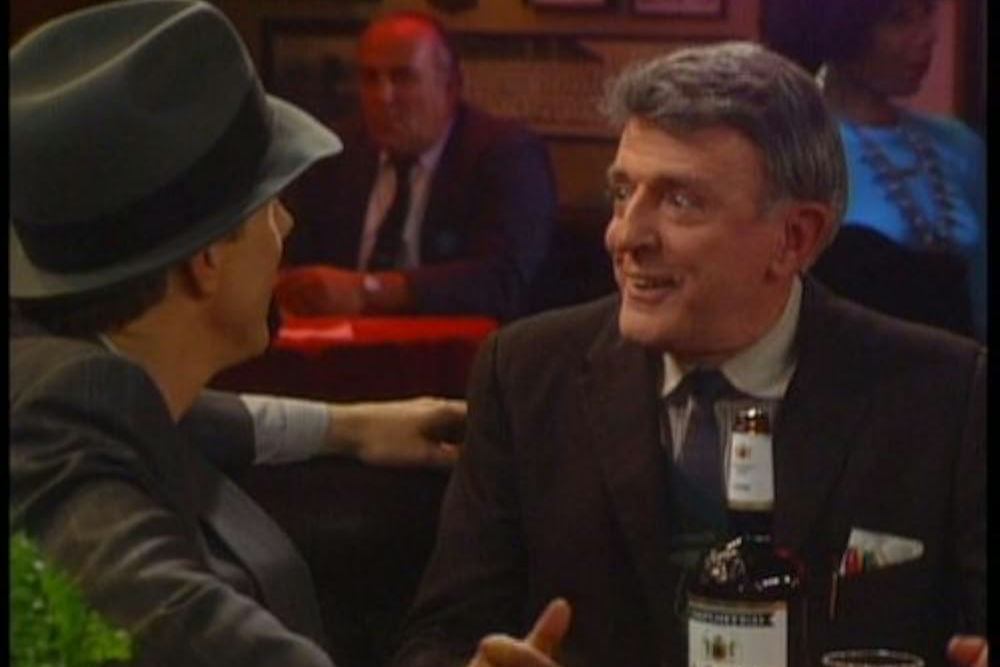
John Astin brought a touch of television royalty to Night Court when he began a recurring role as Buddy Ryan, Judge Harry Stone’s eccentric and possibly imaginary stepfather. Astin, who became a household name in the 1960s as Gomez Addams on The Addams Family, was the perfect choice to play Buddy. His wide-eyed energy and catchphrase, “But I’m feeling much better now!”, became a running gag that fans loved. Between 1984 and 1990, Astin appeared in several episodes, adding a layer of zany backstory to Harry’s character that explained the judge’s own quirky personality.
After his memorable run on the show, Astin continued to be a force in the industry, both as an actor and a director. He later moved into academia, serving as the head of the Theater Arts program at Johns Hopkins University, where he shared his decades of experience with a new generation of performers. Now 95 years old, Astin remains a beloved figure in Hollywood history. His time on Night Court is often highlighted as a brilliant piece of casting that respected the sitcoms of the past while contributing something fresh and hilariously weird to the present.
16. Gottfried’s Comic Visit
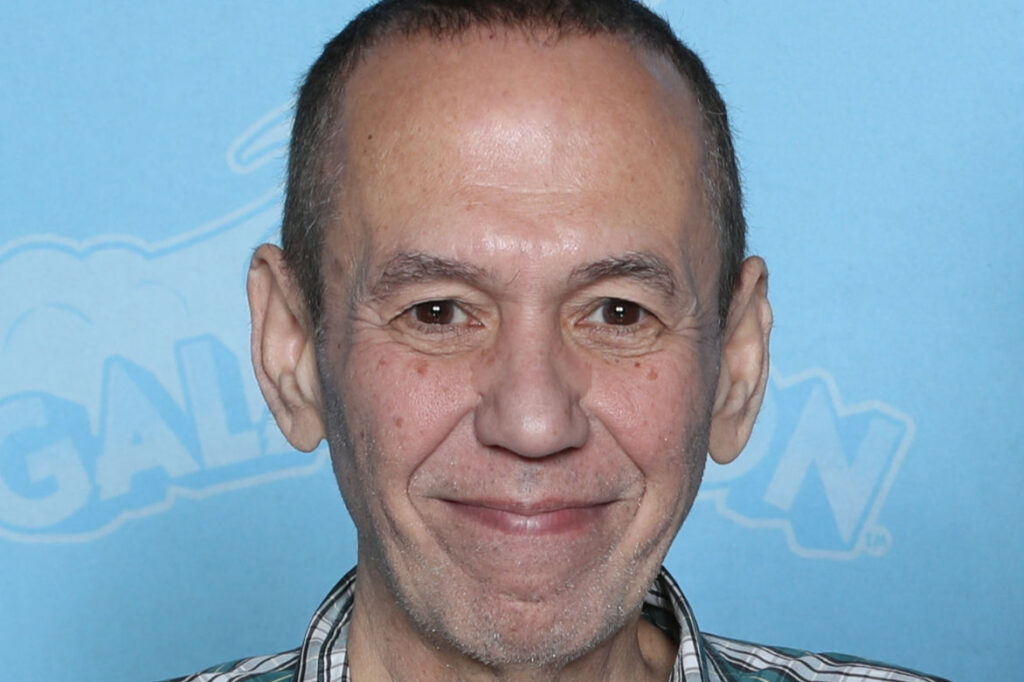
In the late 1980s, Night Court welcomed one of the most unique voices in comedy, Gilbert Gottfried. He played Oscar Brown, a lawyer who was just as loud and abrasive as the real-life persona Gottfried had cultivated on the stand-up circuit. His appearance in the episode “The Last Temptation of Abbé” showcased his ability to lean into the show’s more surreal and slapstick tendencies. Gottfried’s high-pitched delivery and squinting eyes made him an instant standout, and his chemistry with the regular cast provided some of the most frantic and funny moments of the later seasons.
Gottfried’s career only grew from there, as he became the voice of the iconic parrot Iago in Disney’s Aladdin (1992) and a staple of celebrity roasts. He remained a beloved, if controversial, figure in the comedy world for decades, known for his fearlessness and distinct brand of humor. He continued to perform and host his popular podcast right up until his passing in April 2022 at the age of 67. For Night Court fans, his guest role remains a classic example of the show’s willingness to let big personalities take over the courtroom for a few hilarious minutes of television history.
17. Yakov Smirnoff’s Timely Appearance
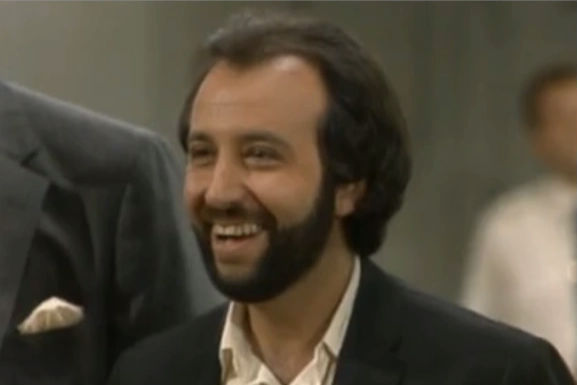
During the height of the Cold War in the mid-1980s, Yakov Smirnoff became a cultural phenomenon with his “In Soviet Russia…” jokes. He brought this popular persona to Night Court starting in 1984, playing Yakov Korolenko, a Russian immigrant who was constantly amazed by the freedoms and oddities of American life. His character appeared several times throughout the show’s run, often providing a wholesome and funny perspective on the “American Dream.” His presence allowed the show to touch on topical themes of the era while keeping the mood light and celebratory.
Following his success on the show, Smirnoff became a mainstay in the American comedy scene, eventually opening his own theater in Branson, Missouri, in 1992. He also pursued higher education, earning a master’s degree in psychology from the University of Pennsylvania in 2006 to better understand the relationship between laughter and happiness. Today, at 75, Smirnoff continues to perform and teach, using his unique life story to inspire others. His recurring role on Night Court remains a perfect snapshot of 1980s pop culture, reminding viewers of a time when laughter was a bridge between different worlds.
18. Why These Faces Still Matter
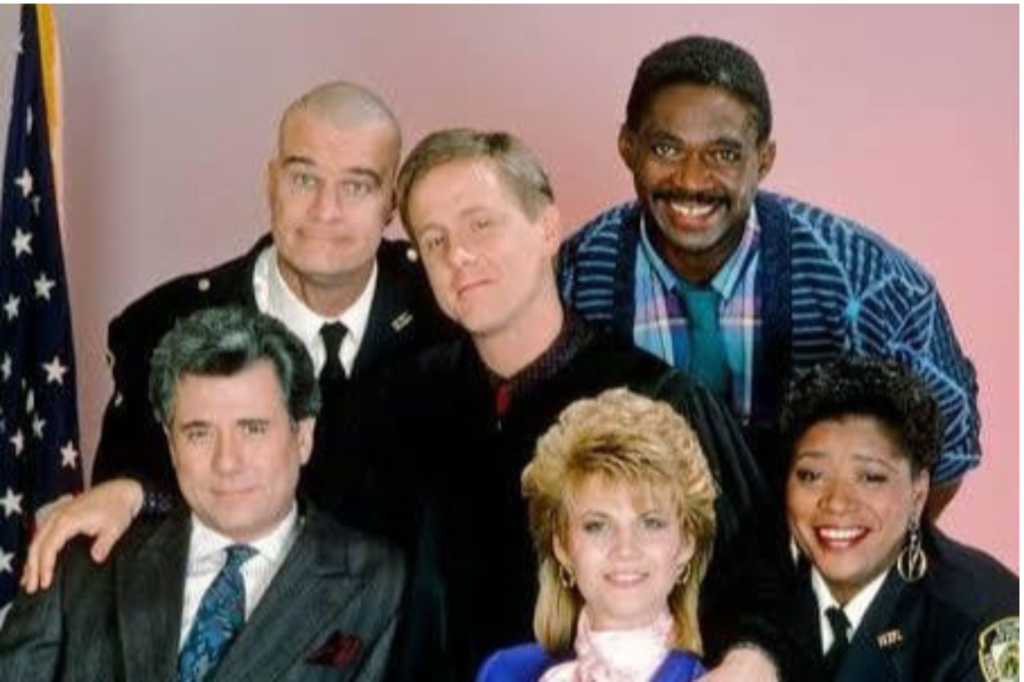
The enduring popularity of Night Court isn’t just because of the main cast; it’s due to the incredible mosaic of guest stars and supporting players who filled the courtroom every week. From 1984 to 1992, the show acted as a revolving door for Hollywood’s most talented performers, ranging from established icons like John Astin to rising stars like Brent Spiner. This variety kept the series fresh for 193 episodes, ensuring that the audience never knew exactly who would walk through those courtroom doors next. It was this unpredictability that allowed the show to transition from a standard sitcom to a legendary piece of television.
Decades after the original finale, the legacy of these performers continues to be felt through the 2023 revival and the constant streaming of the classic episodes. Each actor mentioned in this list contributed a specific brick to the foundation of the show’s success. Whether they were there for one season or one episode, their work helped create a fictional world that felt both absurd and deeply human. As long as people are looking for a laugh at midnight, the halls of Night Court will remain open, filled with the ghosts of these legendary performers who made TV history.
Like this story? Add your thoughts in the comments, thank you.


