
1. Carroll O’Connor’s Lasting Influence
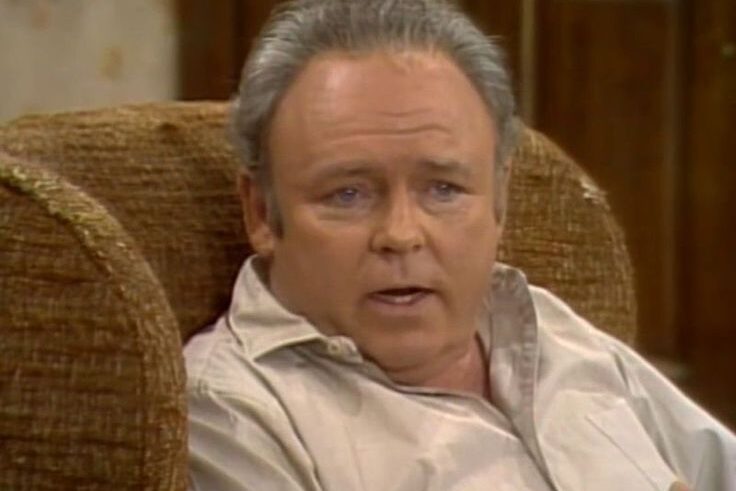
Carroll O’Connor became an American household name as the cantankerous Archie Bunker when All in the Family debuted on January 12, 1971. While Archie was known for his narrow-minded views, O’Connor played him with a hidden vulnerability that helped the show tackle sensitive social issues for nine seasons. After the main series and its spin-off, Archie Bunker’s Place, concluded in 1983, O’Connor defied the “typecasting” trap that catches many sitcom stars. He successfully transitioned into a serious dramatic role as Sheriff Bill Gillespie in the hit crime series In the Heat of the Night, which aired from 1988 to 1995. This role earned him a Lead Actor Emmy in 1989, making him one of the few actors to win top honors in both comedy and drama categories.
Outside of the spotlight, O’Connor’s life was marked by deep personal conviction and tragedy. Following the heartbreaking loss of his son, Hugh, to drug addiction in March 1995, Carroll dedicated his remaining years to being a tireless advocate for drug education and stricter laws against dealers. He used his massive public platform to save other families from similar pain, showing a compassionate side that stood in stark contrast to his most famous character. O’Connor continued to appear in films like Return to Me (2000) before he passed away on June 21, 2001. Today, he is remembered not just as a legendary actor, but as a man who used his fame to drive meaningful change in society.
2. Jean Stapleton Beyond Edith
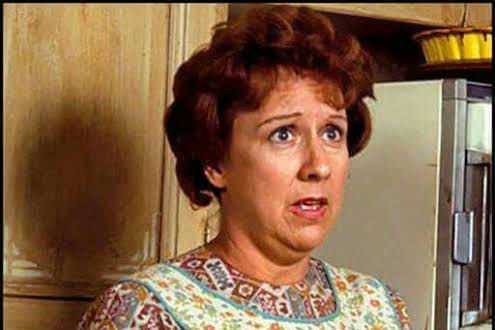
Jean Stapleton was the heart of the Bunker household, portraying the “Dingbat” Edith with a high-pitched voice and a heart of gold from 1971 until her departure from the franchise in 1980. Her chemistry with Carroll O’Connor was the engine that ran the show, earning her three Emmy Awards and two Golden Globes during the 1970s. When she decided it was time for Edith to pass away off-screen in the spin-off series, it was a major cultural moment that allowed Stapleton to pursue her first love: the theater. She famously turned down the lead role in Murder, She Wrote, which eventually went to Angela Lansbury because she wanted to focus on diverse stage work rather than another long-term television contract.
Throughout the 1980s and 1990s, Stapleton proved her incredible range by starring in various Broadway and touring productions, such as Arsenic and Old Lace. She didn’t stay away from the screen entirely, however, making memorable appearances in films like the 1998 romantic comedy You’ve Got Mail alongside Tom Hanks and Meg Ryan. She also lent her voice to children’s media, showing a softer side of her talent to a new generation. Stapleton lived a long, dignified life away from the Hollywood gossip mill, passing away peacefully at the age of 90 on May 31, 2013. Her legacy remains that of a master craftswoman who chose artistic fulfillment over easy fame.
3. Norman Lear’s Creative Legacy
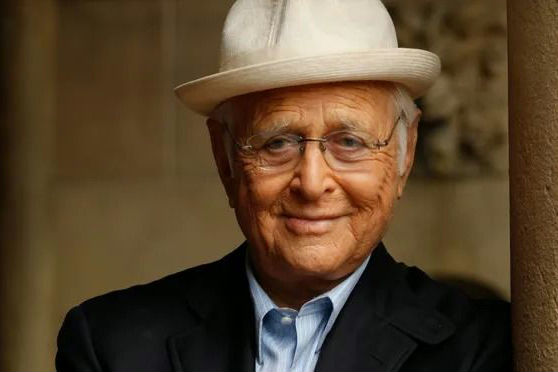
Norman Lear was the visionary producer who risked everything to bring All in the Family to the airwaves in 1971, forever changing the landscape of the American sitcom. Before Lear, television comedies rarely touched on politics, race, or religion, but he saw an opportunity to use humor as a mirror for society. His success sparked a television empire in the 1970s, as he developed a string of legendary hits including Sanford and Son (1972), Maude (1972), The Jeffersons (1975), and Good Times (1974). These shows didn’t just provide laughs; they started national conversations and broke down barriers for minority performers, making Lear one of the most influential figures in entertainment history.
As the years progressed, Lear’s passion for social justice moved from the television screen to the real world. In 1981, he founded People for the American Way, a non-profit organization dedicated to protecting constitutional freedoms and fighting right-wing extremism. Even as he entered his 90s and 100s, his creative spark never faded; he served as an executive producer on the 2017 reboot of One Day at a Time and participated in live “re-stagings” of his classic scripts. When Norman Lear passed away on December 5, 2023, at the incredible age of 101, he left behind a century of work that taught us how to laugh at ourselves while striving to be better.
4. Rob Reiner’s Hollywood Turn
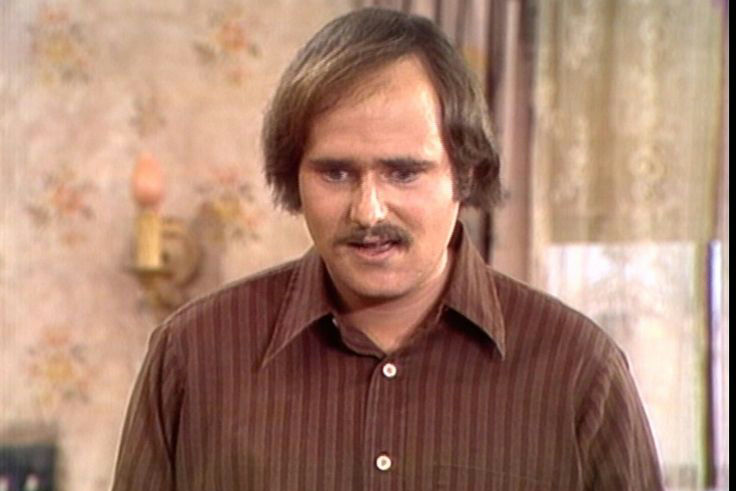
Known to millions as “Meathead,” Rob Reiner played Michael Stivic, the progressive and often argumentative son-in-law to Archie Bunker. Reiner was a core cast member from 1971 to 1978, winning two Emmy Awards for his portrayal of the young academic who represented the changing values of the 1970s. However, as the show wound down, Reiner realized his true calling was behind the lens rather than in front of it. He began a directing career that would eventually make him one of the most successful filmmakers in Hollywood history, starting with the 1984 cult classic mockumentary This Is Spinal Tap, which redefined the comedy genre for a new generation.
The late 1980s and early 1990s saw Reiner go on one of the most impressive “hot streaks” in cinema history. He directed a string of massive hits including The Princess Bride (1987), When Harry Met Sally… (1989), Misery (1990), and the legal drama A Few Good Men (1992), the latter of which earned an Oscar nomination for Best Picture. Beyond his cinematic achievements, Reiner became a prominent political activist, particularly in California, where he led successful early childhood development initiatives. By successfully moving from a sitcom co-star to an A-list director and activist, Reiner proved that there was plenty of life, and immense talent beyond the walls of the Bunker household.
5. Sally Struthers’ Continued Visibility
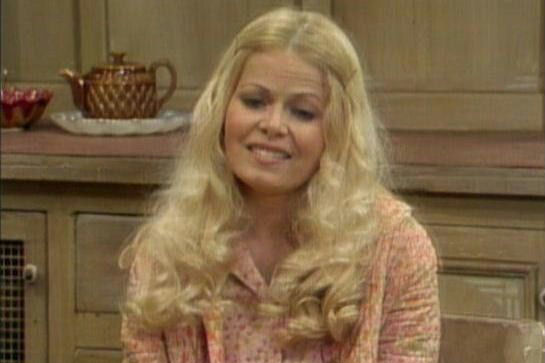
Sally Struthers captured the hearts of viewers as Gloria Bunker Stivic, the sensitive daughter caught between her husband’s modern views and her father’s old-fashioned stubbornness. After her primary run on the show ended in 1978, she starred in her own spin-off, Gloria, in 1982. While the spin-off was short-lived, Struthers remained a constant presence in American pop culture throughout the following decades. In the 2000s, she found a whole new fan base playing the eccentric neighbor Babette Dell on the hit series Gilmore Girls, proving that her comedic timing was as sharp as ever 30 years after her debut.
Struthers is also widely remembered for her deeply personal commitment to humanitarian causes. For many years, she was the face of the Christian Children’s Fund (now ChildFund), appearing in television commercials to advocate for impoverished children in developing nations. While these commercials were often parodied, her dedication to charity was genuine and helped raise millions of dollars for those in need. Additionally, she became a staple of the American theater circuit, performing in legendary musicals like Hello, Dolly! and Annie. Today, Struthers continues to work in regional theater and television, maintaining a vibrant career that spans over five decades of entertaining and helping others.
6. Danielle Brisebois Grows Up
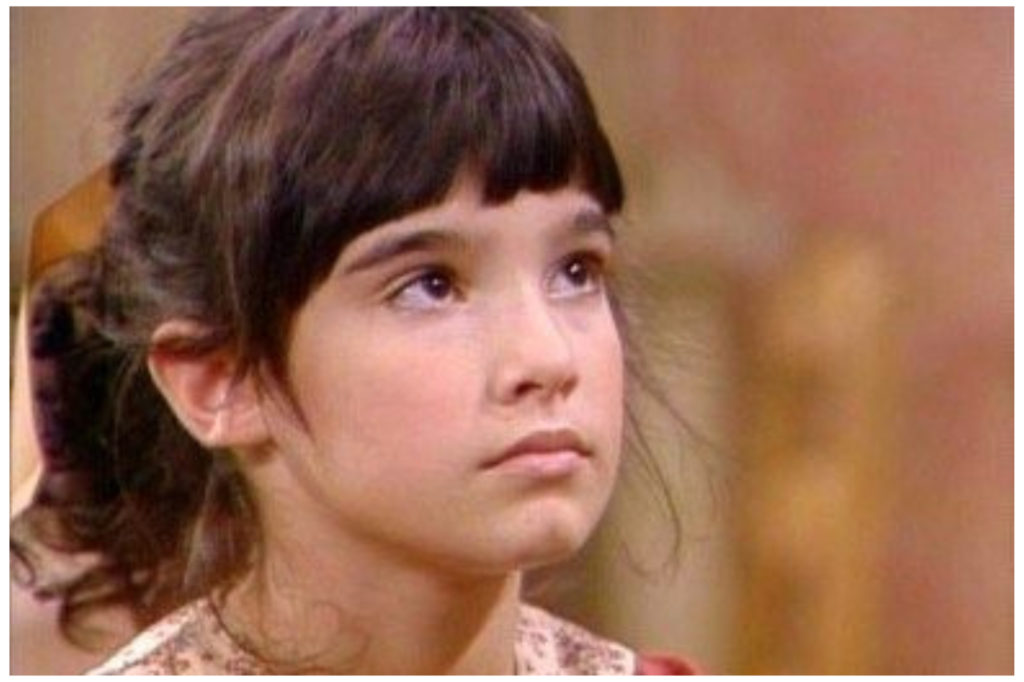
Danielle Brisebois was just a child when she joined the cast in 1977 as Stephanie Mills, the niece of Archie and Edith. She brought a fresh energy to the show’s later years and continued the role in Archie Bunker’s Place until 1983. As she transitioned into adulthood, Brisebois made the bold decision to leave the acting world behind and pursue her passion for music. It turned out to be a brilliant move. By the early 1990s, she had become a member of the New Radicals and contributed to their massive 1998 hit “You Get What You Give,” which remains an anthem of the era.
Her success in the music industry went far beyond just performing; she established herself as a top-tier songwriter and producer. Brisebois co-wrote the 2004 smash hit “Unwritten” for Natasha Bedingfield, a song that became a global phenomenon and an empowering theme for a generation. Her talent even earned her an Academy Award nomination for Best Original Song in 2015 for “Lost Stars,” featured in the film Begin Again. From a young girl on a 1970s sitcom to a Grammy-nominated songwriter, Danielle Brisebois’ journey is one of the most successful and surprising reinventions in the history of child stardom, proving she was always more than just Archie’s niece.
7. Mike Evans Finds a New Path
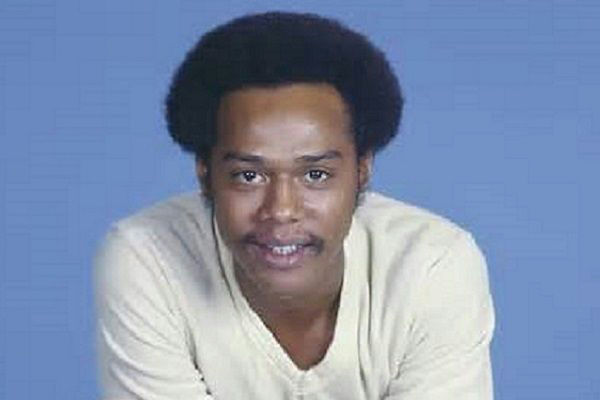
Mike Evans originated the role of Lionel Jefferson in 1971, playing the clever neighbor who often used his wit to outsmart Archie Bunker’s prejudices. While he was a talented actor, Evans was even more gifted as a storyteller behind the scenes. In 1974, while still a young man, he co-created the legendary sitcom Good Times alongside Eric Monte and Norman Lear. The show was a cultural landmark, as it was the first television series to feature a two-parent Black family living in an urban environment, and it helped launch the career of stars like John Amos and Janet Jackson.
Evans eventually left the acting world to focus on his business ventures and writing, though he did return to play Lionel again in later seasons of The Jeffersons. He was a pioneer who understood that for real change to happen in Hollywood, there needed to be diverse voices in the writers’ room and the producer’s chair. His contributions to the 1970s television landscape helped pave the way for more authentic representations of the Black experience in media. Though he passed away on December 14, 2006, at the age of 57, his legacy lives on through the groundbreaking shows he helped bring to life during a transformative time in history.
8. Sherman Hemsley’s Breakout Success
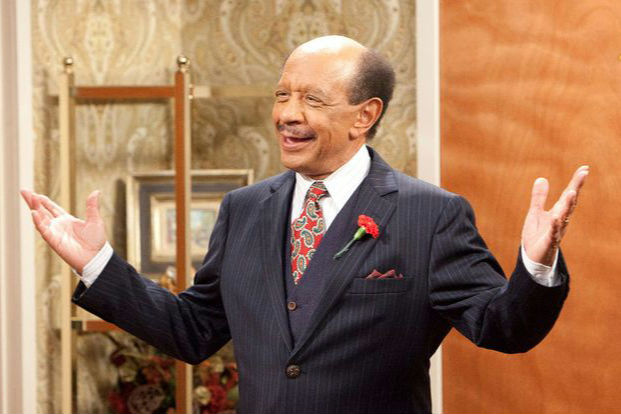
Sherman Hemsley didn’t just walk onto the screen; he strutted. Joining All in the Family in 1973 as George Jefferson, he provided the perfect foil to Archie Bunker. The character was so popular that he was moved into his own spin-off, The Jeffersons, which premiered on January 18, 1975. The show was a massive hit, running for 11 seasons and 253 episodes, making it one of the longest-running sitcoms in television history. Hemsley’s portrayal of the “nouveau riche” dry-cleaning mogul became an iconic symbol of the American Dream, delivered with a unique blend of arrogance and comedic charm.
After The Jeffersons ended in 1985, Hemsley didn’t slow down. He quickly jumped into another successful sitcom, Amen, where he played Deacon Ernest Frye from 1986 to 1991. He remained a beloved figure in the industry, often making cameo appearances as George Jefferson in other shows like The Fresh Prince of Bel-Air, much to the delight of nostalgic fans. A very private man who loved jazz music and kept out of the Hollywood spotlight, Hemsley passed away on July 24, 2012. He remains one of the most recognizable faces in the history of comedy, remembered for his high-energy performances and his ability to make audiences laugh for over four decades.
9. Isabel Sanford’s Historic Win
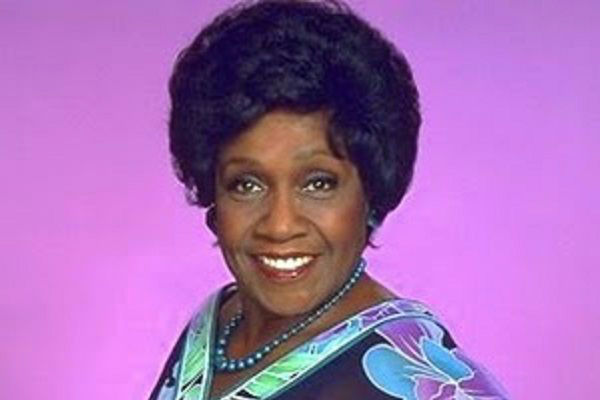
Isabel Sanford portrayed Louise “Wheezy” Jefferson, the patient and loving voice of reason to George’s fiery personality. She first appeared on All in the Family in 1971 before co-starring in The Jeffersons starting in 1975. Sanford’s talent was undeniable, and in 1981, she achieved a monumental milestone by becoming the first African-American woman to win the Primetime Emmy Award for Outstanding Lead Actress in a Comedy Series. This wasn’t just a personal victory; it was a historic moment for the entire entertainment industry, breaking a “glass ceiling” that had existed since the inception of the Emmy Awards in 1949.
Sanford’s career continued to flourish throughout the 1980s and 1990s as she became a staple of American television. She was frequently sought after for guest roles and commercial work, and she even received a star on the Hollywood Walk of Fame in 2004, shortly before her passing. Throughout her life, she remained a mentor to younger actors and a symbol of dignity and perseverance in a challenging industry. When she passed away on July 9, 2004, she left behind a legacy as a trailblazer who proved that talent and grace could overcome even the most deep-seated barriers in Hollywood.
10. Betty Garrett’s Stage Return
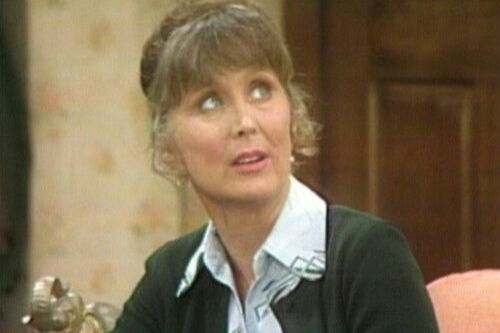
Betty Garrett was already a seasoned veteran of the “Golden Age” of Hollywood musicals before she joined All in the Family in 1973. Playing Irene Lorenzo, the liberal, tool-wielding neighbor who wasn’t afraid to stand up to Archie, Garrett brought a sophisticated comedic touch to the series. Her character was a breath of fresh air, representing the growing independence of women in the 1970s workforce. After her time on the show ended in 1975, she moved on to another iconic sitcom, Laverne & Shirley, playing the girls’ landlady and eventual stepmother, Edna Babish, from 1976 to 1981.
In her later years, Garrett returned to her greatest passion: the live stage. She was a fixture in the Los Angeles theater community and continued to perform her one-woman show, Betty Garrett, Closet Dotty, well into her 80s. She also remained active on television, earning an Emmy nomination in 2003 for a guest appearance on Becker. Garrett was celebrated for her incredible longevity and her ability to adapt to the changing styles of entertainment over seven decades. She passed away on February 12, 2011, at the age of 91, remembered by peers and fans alike as a consummate professional who never lost her love for the spotlight.
11. Allan Melvin’s Familiar Face
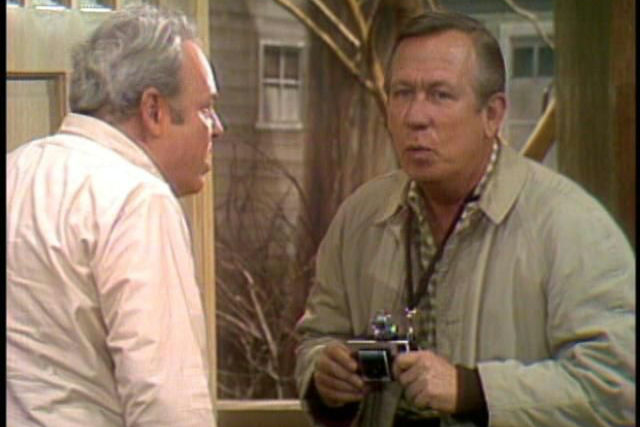
Allan Melvin was the quintessential character actor, perhaps best known to All in the Family fans as Barney Hefner, Archie’s best friend and frequent companion at Kelsey’s Bar. While he became a series regular in the later seasons and continued into Archie Bunker’s Place until 1983, Melvin had actually been a staple of American television since the 1950s. Before stepping into Barney’s shoes, he played Corporal Henshaw on The Phil Silvers Show and the unforgettable Sergeant Hacker on Gomer Pyle, U.S.M.C. His ability to play the “everyman”, sometimes a tough guy, and sometimes a lovable goof, made him one of the most hardworking and recognizable faces in the industry for over four decades.
Beyond his live-action roles, Melvin possessed a versatile voice that defined many childhoods. He provided the voice for Magilla Gorilla in the classic Hanna-Barbera cartoon and lent his talents to various characters in The Flintstones and Flash Gordon. Even as the industry shifted toward high-concept dramas in the 1990s, Melvin remained a respected figure in the acting community, often appearing at reunions and sharing stories from the “Golden Age” of sitcoms. When he passed away from cancer on January 17, 2008, at the age of 84, Hollywood lost one of its most reliable and beloved supporting players, whose work continues to live on in near-constant syndication.
12. The Show’s Enduring Impact
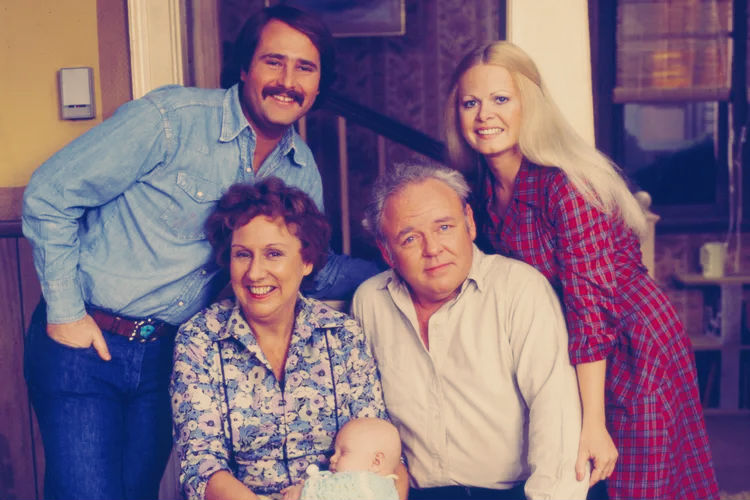
When All in the Family aired its final episode on April 8, 1979, it marked the end of an era, but its cultural footprint only grew larger in the following decades. The series didn’t just entertain; it fundamentally changed how television approached the American family dynamic. By moving away from the “perfect” households of the 1950s and 1960s, the show paved the way for future hits like Roseanne, The Simpsons, and Modern Family. It proved that audiences were hungry for stories that reflected their own struggles with money, politics, and social change, provided those stories were told with a mix of honesty and humor.
Today, the show’s legacy is preserved through its inclusion in the Smithsonian Institution and its consistent ranking at the top of “Greatest Shows of All Time” lists. The cast members, through their various paths in directing, music, and activism, carried the show’s spirit of bold expression into the 21st century. As new generations rediscover the Bunkers on streaming platforms, the dialogue remains surprisingly relevant, sparking fresh debates about the same issues the show tackled fifty years ago. All in the Family remains a landmark achievement, reminding us that television is at its best when it dares to be a little uncomfortable while keeping us laughing.
Decades on, their work still feels relevant, reminding audiences why the show remains a landmark in television history.
Like this story? Add your thoughts in the comments, thank you.


