
1. Alan Alda Made MASH a Money Machine
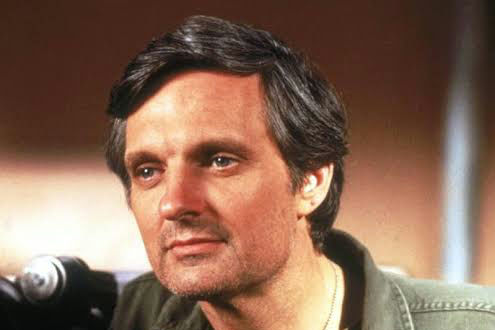
Alan Alda didn’t just act on MASH, he became the heartbeat of it, and honestly, the 1970s was the perfect decade for that kind of star power to turn into serious money. TV was growing fast, audiences were loyal, and the faces we saw weekly started earning like true celebrities. Alda played Hawkeye with humor that felt warm, but also with a thoughtful edge that made the show hit deeper than most comedies. As MASH turned into a giant, his influence grew too, because he wasn’t only starring, he was shaping the show’s voice. When a series is built around one person’s talent and consistency, the money follows naturally. Alda’s run proves that being dependable, talented, and loved is one of the biggest paycheck skills in television history.
2. Carroll O’Connor Turned Controversy into Cash
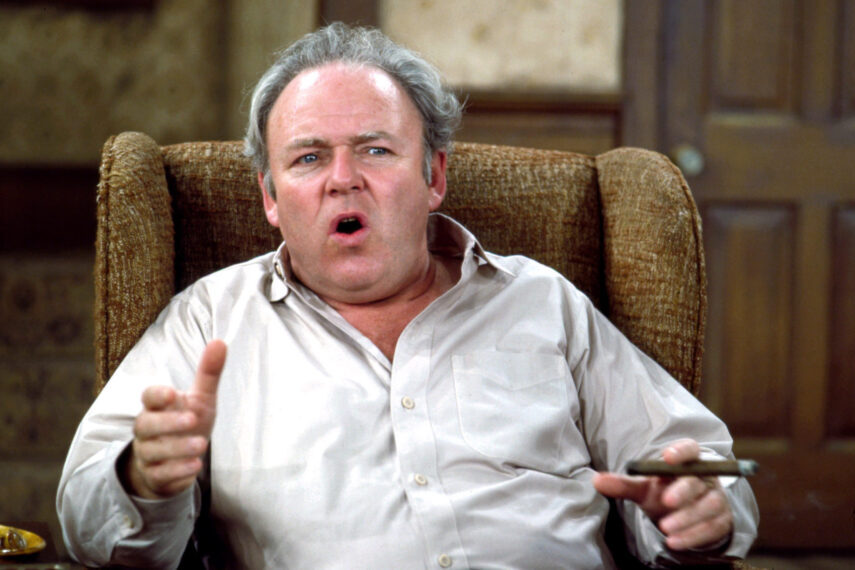
Carroll O’Connor made Archie Bunker one of the most unforgettable characters in TV history, and he did it without making him feel fake. All in the Family wasn’t just popular, it was everywhere, and it turned living room debates into weekly entertainment. O’Connor carried heavy topics with sharp comedy, and that kind of work made him priceless to the network. As the show grew, his bargaining power grew too, because replacing him would have been impossible. People tuned in for Archie’s rants, but they stayed for the way O’Connor made it feel like real life. When you become that essential, you become expensive, and deservedly so.
3. Mary Tyler Moore Made Success Look Effortless
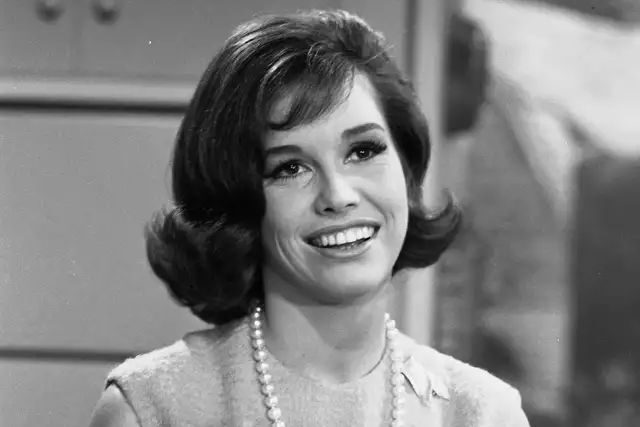
Mary Tyler Moore had a glow that made television feel friendly and smart at the same time. The Mary Tyler Moore Show wasn’t only a hit, it was the kind of show that made people feel seen, especially women who wanted more than the usual TV roles. She brought humor, warmth, and confidence to every scene, and that made her a major money-making star. Beyond acting, she also had strong influence behind the scenes, which always adds to earning power. When your name becomes the brand of a successful series, the checks start matching the impact. Mary didn’t just play a role, she built a legacy people still respect.
4. Bob Newhart Made Quiet Comedy Pay Big
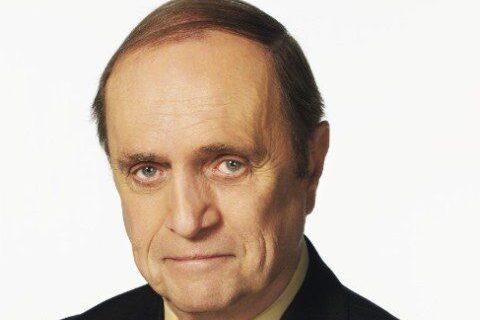
Bob Newhart’s style was never loud, but it was magnetic. On The Bob Newhart Show, he played calm humor like a skill only he could master, making every awkward pause feel like a punchline. The show became one of the 1970s most reliable sitcoms, and that kind of steady popularity is where real money comes from. Newhart didn’t need wild storylines or big dramatic moments. He simply showed up, stayed consistent, and made people laugh in a way that felt natural. Networks love stars who keep audiences comfortable week after week, because comfort builds loyalty. Newhart’s success proves that even soft comedy can bring strong checks.
5. James Garner Cashed in on Cool Confidence
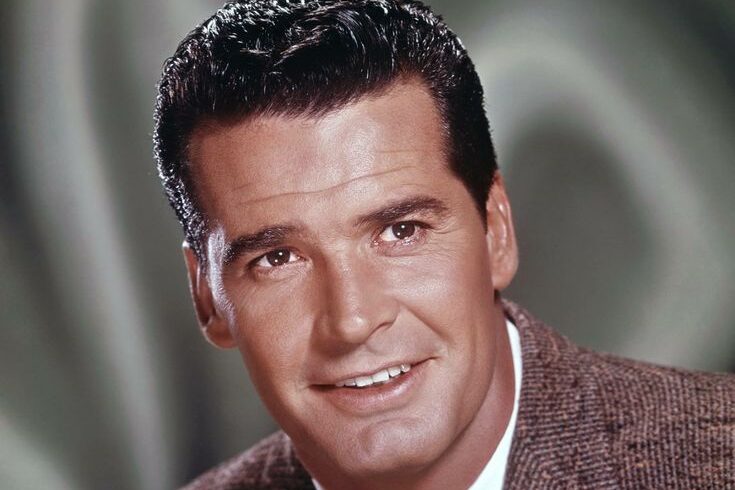
James Garner made The Rockford Files feel effortless, like he was born to play a private investigator who didn’t take life too seriously. But that easy vibe was real talent. The show became a major 1970s favorite, mixing mystery with humor in a way that kept audiences coming back. Garner already had film credibility, so he brought extra weight to television, and that usually means higher pay and stronger deals. He wasn’t just acting, he was carrying the entire mood of the series. When a lead character becomes the reason people tune in, the actor becomes a serious money-maker. Garner’s charm wasn’t loud, but it was valuable, and TV knew it.
6. Telly Savalas Sold Swagger as Kojak
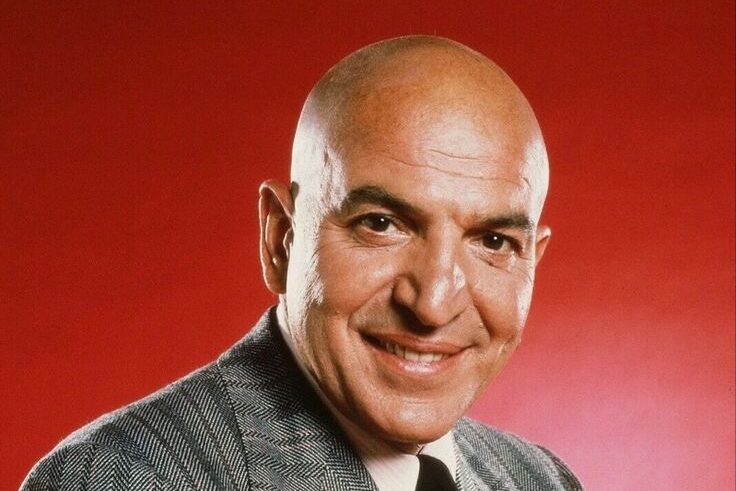
Telly Savalas had that rare kind of screen presence that made you look twice. On Kojak, he played a detective with style, confidence, and a voice that could stop a room. The show was a huge part of 1970s television, and Savalas became the face of it in a way that felt bigger than just acting. His character became a cultural idea, and once that happens, money starts coming from everywhere, not just paychecks. He was selling an image, a vibe, and a personality. Kojak worked because Savalas made it feel cool and sharp, and the network knew they were sitting on a star who printed ratings weekly.
7. Farrah Fawcett Turned Fame Into Real Money
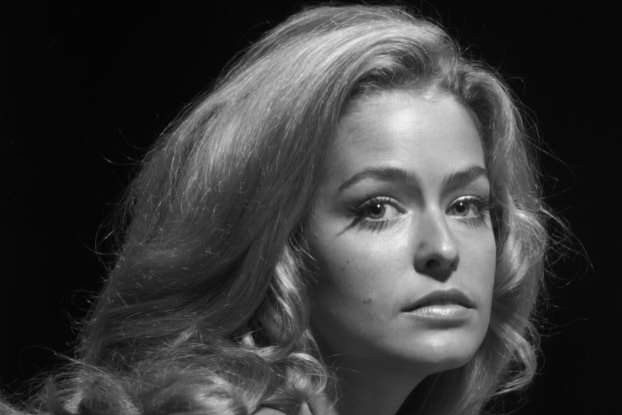
Farrah Fawcett didn’t stay on Charlie’s Angels for long, but her impact was massive. The moment she hit screens, she became a pop culture obsession, and that kind of attention creates money in ways people can’t even count. She was on magazine covers, posters, and in conversations everywhere, which made her one of the biggest money-making stars of the late 1970s. Even when she stepped away, the fame followed her, and the show’s hype proved just how valuable she was. Networks love stars who bring both ratings and headlines. Farrah wasn’t just acting, she was an entire moment, and moments like that are always expensive.
8. Lynda Carter Made Wonder Woman a Brand
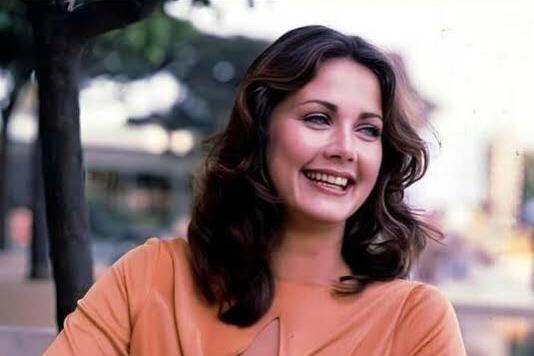
Lynda Carter’s Wonder Woman wasn’t just a TV character, it felt like an event. She brought grace, strength, and warmth to the role, and people loved watching her save the day without losing her softness. In the 1970s, superhero TV wasn’t as common as it is now, so Carter stood out even more. That visibility made her a big money-maker through popularity, media attention, and the kind of star power that sells beyond the show itself. Wonder Woman became a cultural symbol, and Carter’s face became part of that symbol. When the audience connects to you that deeply, you become valuable fast, and the industry makes sure you feel it financially too.
9. John Travolta’s TV Fame Sparked a Bigger Payday
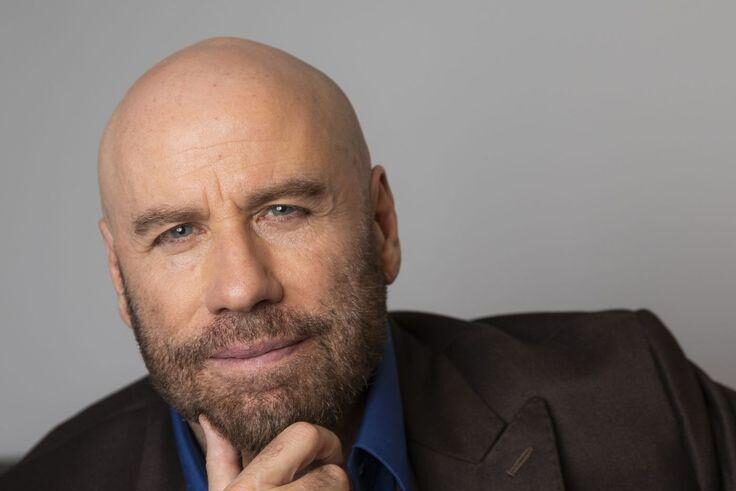
John Travolta’s rise in the 1970s felt fast, but it made sense. On Welcome Back, Kotter, he played Vinnie Barbarino with a charm that instantly stood out, like he was destined to be more than a sitcom character. The show gave him teen idol energy, and that kind of popularity always turns into money. By the late 1970s, he wasn’t only a TV star, he was a national obsession moving into films, which boosted his earning power even more. When someone becomes the face of youth culture, opportunities multiply quickly. Travolta’s story shows how one role can open a door, and the checks start getting bigger the moment you walk through.
10. Redd Foxx Made Sanford and Son a Cash Cow
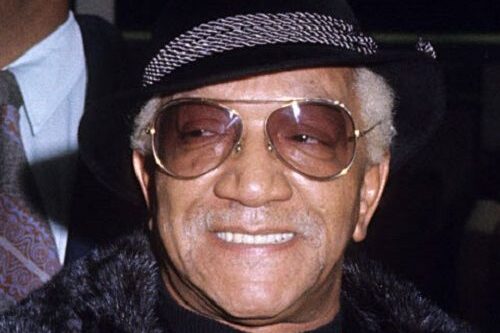
Redd Foxx brought a loud, funny kind of realism to Sanford and Son that made it feel alive. He played Fred Sanford like a man who had seen too much and still found a way to joke through it. The show became one of the biggest sitcom hits of the 1970s, and Foxx’s personality was the engine. When audiences tune in mainly for you, the network knows your value. Foxx also had years of stand up experience, which meant he understood his worth long before TV did. His timing, voice, and energy made the show unforgettable. He didn’t just entertain, he carried the whole mood, and that made him one of the decade’s strongest money-makers.
11. Bea Arthur Brought Big Money with Big Opinions
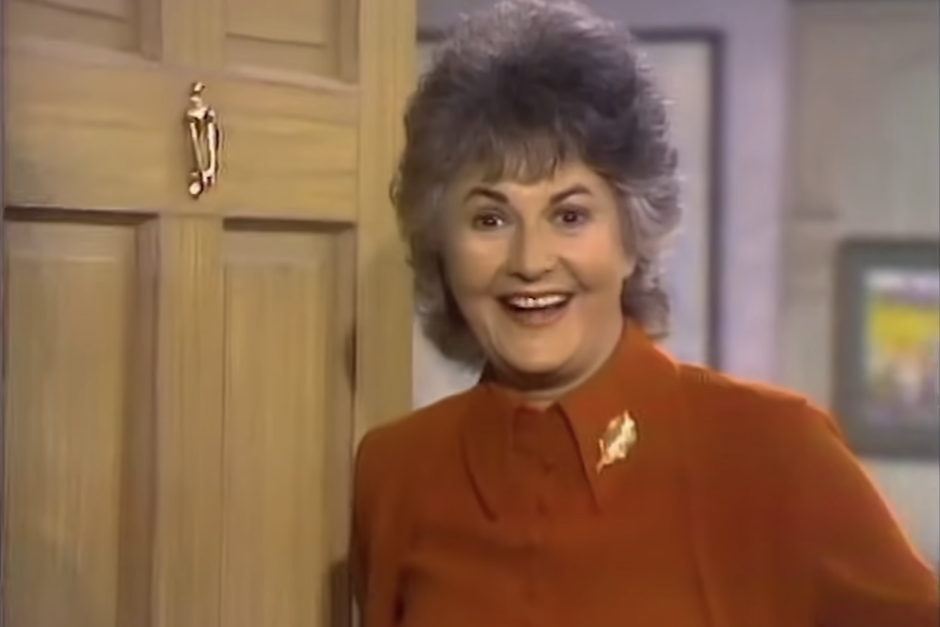
Bea Arthur made Maude feel like a real person you might know, the kind who speaks her mind even when nobody asked. That boldness made the show stand out in the 1970s, and it made Arthur a major money-making star. She wasn’t playing sweet or soft, she was playing sharp, stubborn, and still oddly lovable, which takes skill. The show’s success proved audiences were ready for women who didn’t fit the usual TV mold. Arthur’s presence filled every room she entered, and when your lead actor becomes the show’s identity, the pay rises naturally. Her comedy wasn’t delicate, but it was smart, and it made her valuable in a decade that loved strong characters.
12. Peter Falk Turned Columbo into a Goldmine
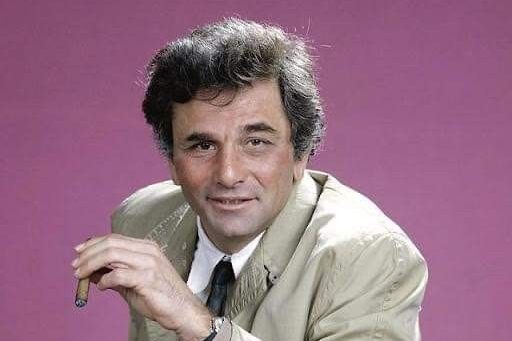
Peter Falk made Columbo feel like someone you’d underestimate until it was too late. That mix of messy charm and sharp intelligence became the whole point of the show. In the 1970s, detective series were everywhere, but Columbo stood out because Falk made it personal. He didn’t play the character like a superhero, he played him like a regular man who simply noticed everything. The show became a long running success, and Falk’s performance was the reason people kept watching. When a series depends on one person’s unique style, that star becomes a money-maker automatically. Falk’s fame grew with each case, and so did his value. His rumpled coat became iconic, and iconic always pays well.
13. Richard Thomas Made the Waltons Feel Like Home
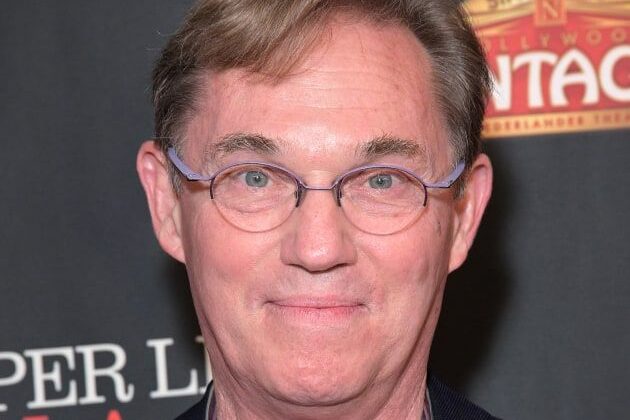
Richard Thomas was the gentle center of The Waltons, and his role as John Boy made the show feel personal. The series became one of the 1970s biggest comfort watches, the kind of show families could sit through together without stress. Thomas brought sincerity that never felt forced, and that helped The Waltons stay strong in ratings and reputation. When a show becomes that beloved, the cast members who carry the emotional weight often become strong earners. His popularity grew as the show grew, and he became one of the decade’s most recognizable faces. There’s money in being trusted, and Thomas was trusted by millions. He proved that quiet roles can still build huge value when the audience truly connects.
14. Michael Landon Built Hits Like It Was His Job
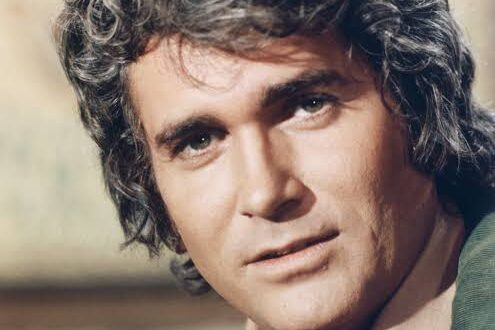
Michael Landon didn’t just star in TV shows, he built them. In the 1970s, he became one of television’s most bankable faces through Little House on the Prairie, and he brought the kind of emotional storytelling that kept audiences loyal. Landon was not only acting, he was writing, directing, and shaping episodes, which made him more than a performer. That kind of control often comes with bigger money and stronger influence. Little House became a long running success, and Landon became its steady heartbeat. Viewers trusted him to deliver stories that felt hopeful and sincere. When a network knows your name guarantees ratings, they invest in you heavily, and Landon was the definition of that kind of TV power.
15. Lee Majors Made Sci Fi Heroism Pay Well
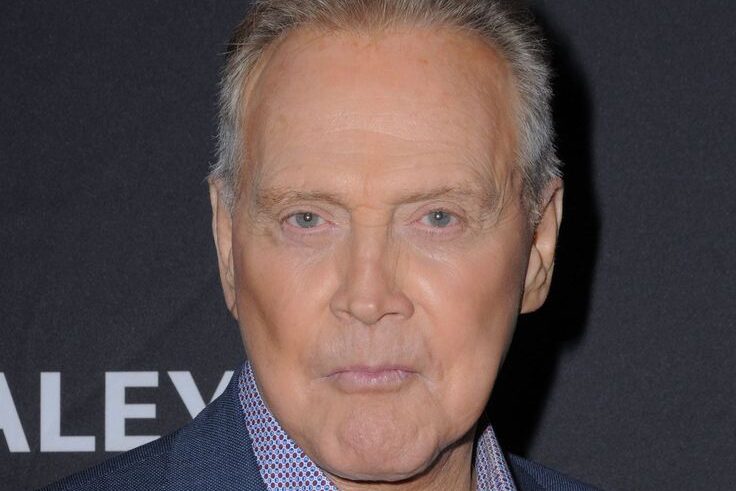
Lee Majors became the face of action television in the 1970s through The Six Million Dollar Man. The show turned him into a weekly hero, and viewers loved watching him take on danger with confidence and charm. What made Majors such a strong money-maker wasn’t just the series, it was the wave that came with it. The character became a pop culture symbol, and suddenly there was merchandise, buzz, and a whole audience locked in. Networks pay well when a star becomes a brand, and Majors had that kind of pull. He made the role look effortless, but it was real star power at work. In a decade full of hits, his success stood tall, and his earning potential rose right alongside it.
16. Lindsay Wagner Made the Bionic Woman Worth Watching
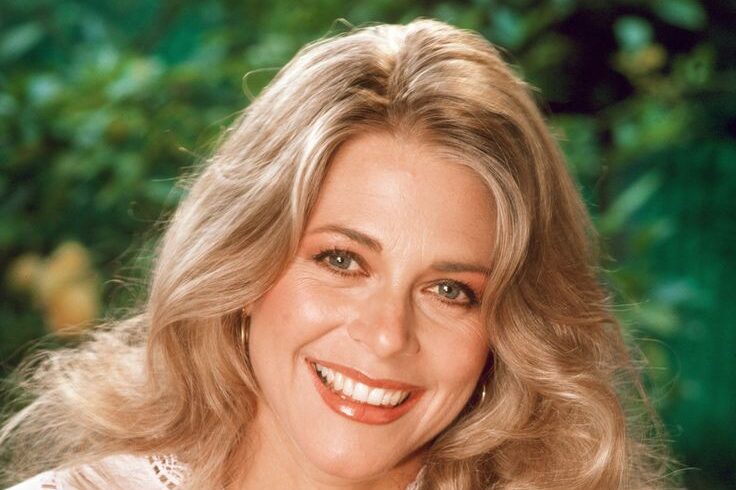
Lindsay Wagner brought something special to The Bionic Woman because she made Jaime Sommers feel human first. The 1970s loved action, but Wagner added heart, and that’s what kept viewers loyal. She didn’t just fight villains, she made the quiet moments feel real too. That balance helped the show stand out and grow into a strong TV success. When audiences connect to a lead that deeply, money follows through popularity, visibility, and long term appeal. Wagner became a star who could carry a series without forcing it. She proved you could be strong, soft, and still unforgettable, all at once.
17. Henry Winkler Turned the Fonz into a Goldmine
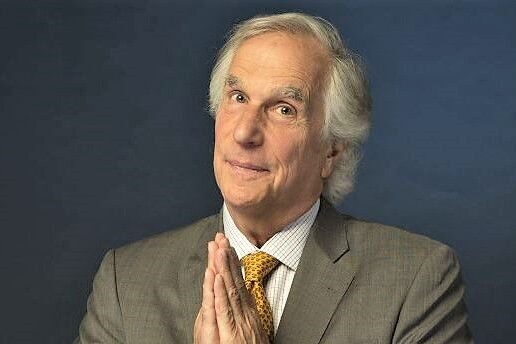
Henry Winkler became the breakout star of Happy Days without even trying too hard. The Fonz was meant to be supporting, but the audience fell in love fast. Winkler’s cool confidence, simple charm, and calm swagger turned the character into a 1970s symbol. Once a role becomes that famous, the actor becomes a serious money-maker through attention, demand, and endless replay value. He made being cool feel friendly, not mean, and that’s why it lasted. People tuned in just to see what Fonzie would do next, and that kind of pull brings big earning power.
18. Ron Howard Made Likeability a Real Career Asset
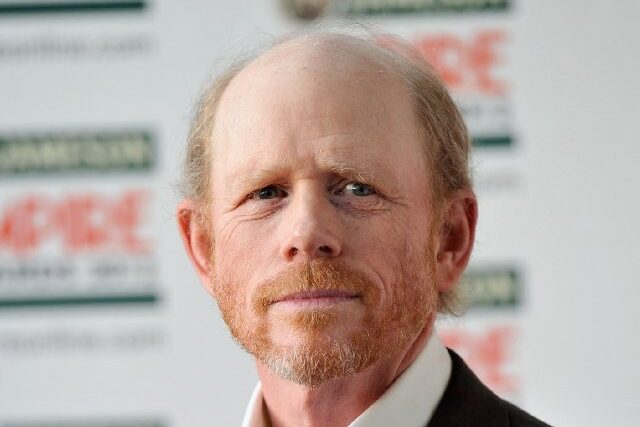
Ron Howard played Richie Cunningham like the friend you’d trust in any situation. He brought warmth and balance to Happy Days, and that steady energy helped hold the show together. In the 1970s, being on a hit sitcom meant more than laughs, it meant real visibility and real money. Howard wasn’t the loudest character, but he was essential, and essential people get rewarded. He also carried years of audience familiarity, which added to his value. By the late 1970s, it was clear he was building something long term, and that kind of steady momentum always turns into financial success.
19. Suzanne Somers Became the Breakout People Talked About

Suzanne Somers didn’t take long to become the standout on Three’s Company. Her character Chrissy Snow was playful, silly, and strangely lovable, and her timing made simple jokes land harder. When a performer becomes the main reason people tune in, they become a money-maker fast. Somers turned popularity into opportunity, and opportunity into bigger earning power. Even people who missed episodes still knew her name. That is real star value, the kind that spreads beyond one show. She made comedy feel light and easy, and audiences rewarded her for it. In the 1970s, that kind of fame meant money could grow quickly.
20. Tony Randall Made Neat Comedy Pay Off
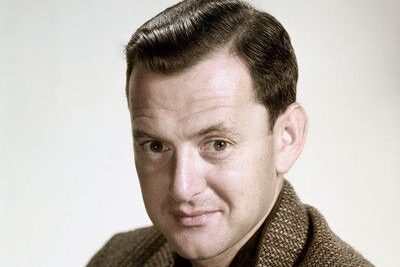
Tony Randall’s Felix Unger was the kind of character you laugh at, then quietly admire. On The Odd Couple, he made fussiness entertaining, and he did it with sharp timing and real charm. The show worked because the chemistry stayed strong, and Randall helped keep it steady. In the 1970s, steady sitcom success meant strong earning power, especially when a role became instantly recognizable. Randall brought a polished style that made comedy feel smart without being heavy. He wasn’t chasing attention, he was delivering consistency. Networks love consistency because it keeps viewers coming back. Randall’s calm control turned into long term value, and long term value turns into money.
21. Jack Klugman Made Messy Comedy Feel Real
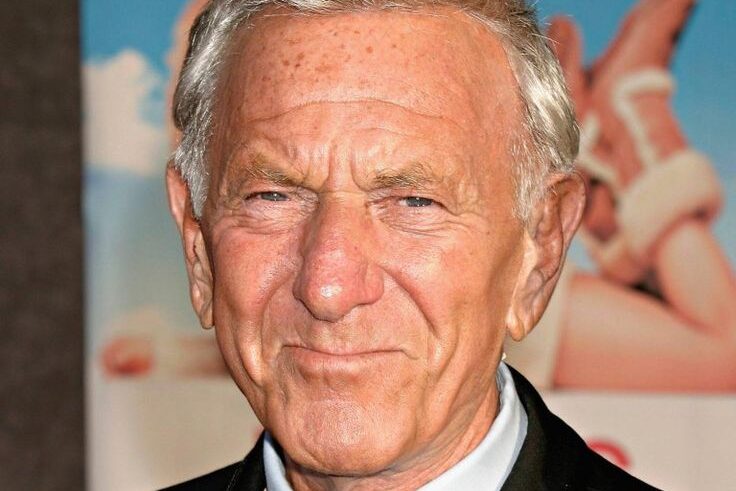
Jack Klugman played Oscar Madison like a man who had accepted his chaos and decided to live in it. That honesty made The Odd Couple funny in a way people could relate to. Klugman wasn’t trying to be perfect, and that made him believable. In the 1970s, believable characters built loyal audiences, and loyal audiences built money. The show stayed popular because the humor felt like real life arguments you’d overhear. Klugman also had serious acting range, which boosted his industry value. When viewers want to follow your character week after week, your star power becomes a paycheck skill. Klugman made comedy look easy, and that ease carried real value.
22. Angie Dickinson Made Crime Drama Look Cool
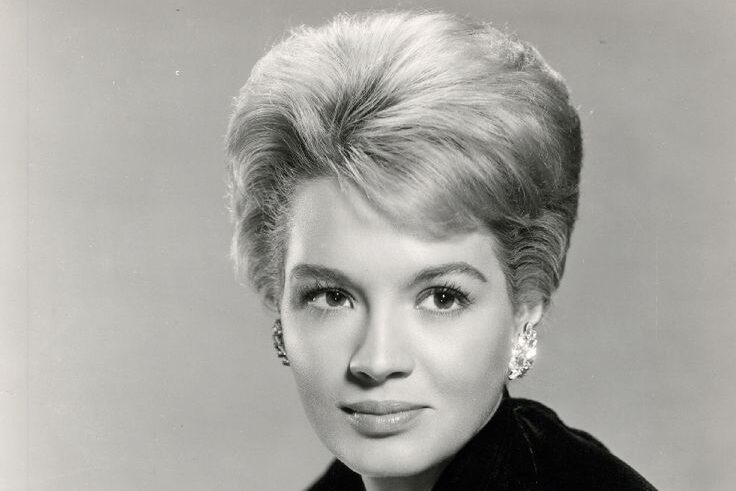
Angie Dickinson carried Police Woman with a calm confidence that felt natural. She didn’t play Pepper Anderson like a gimmick, she played her like a professional who belonged. That made the show stand out in a decade full of detectives and action stories. Dickinson brought both style and seriousness, and audiences stayed interested because she felt real. When a star delivers ratings while also looking effortless, the money-making power grows fast. She also had film level presence, which helped her stand out even more. Her success proved women could lead crime drama and still dominate prime time. Dickinson didn’t need to shout to be strong, she simply showed up and owned the screen.
23. James Arness Turned Long Runs into Long Money
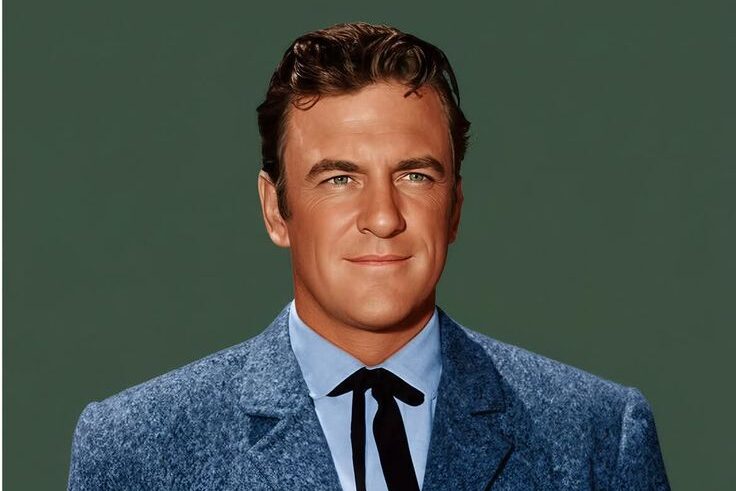
James Arness stayed steady as Marshal Matt Dillon on Gunsmoke, and that consistency paid off in a big way. By the 1970s, the show had already built a legacy, and Arness was its trusted face. Long running success creates long term money because audiences keep showing up and networks keep investing. Arness didn’t rely on flash, he relied on calm authority and quiet strength. Viewers believed him, and belief is one of the strongest reasons a show lasts. In television, staying power becomes earning power. Arness proved you don’t always need a new trend to win, you just need to remain solid through the years. His presence helped keep the series strong, and that strength kept his value high.
24. William Shatner Stayed Bankable Through Fame
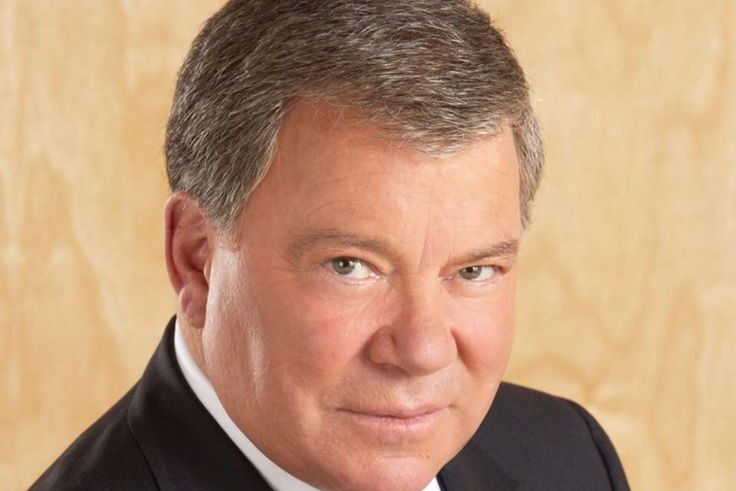
William Shatner remained valuable in the 1970s because Star Trek refused to fade. Even after the original run ended, reruns and fan love turned it into a growing cultural obsession. When a character becomes iconic, the actor becomes a long term brand, and that brand keeps earning. Shatner carried Captain Kirk with bold confidence, and people never stopped associating him with that hero energy. The 1970s also helped sci fi fandom expand, and Shatner benefitted from that rise. His visibility brought opportunities beyond one show, and that is where money multiplies. He proved that TV fame can have a second life, sometimes even bigger than the first.
25. Leonard Nimoy Made Spock A Lifelong Asset
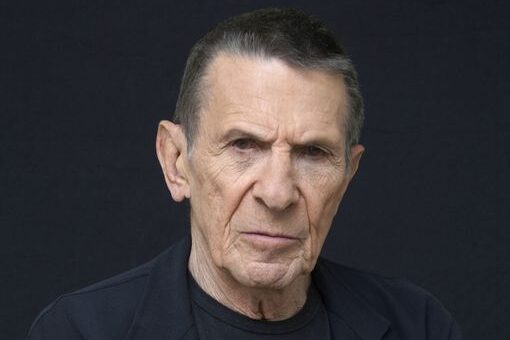
Leonard Nimoy’s Spock became one of television’s most unforgettable characters, and the 1970s helped that popularity explode. Star Trek grew through reruns, fan communities, and lasting curiosity, and Nimoy became a key symbol of that world. He played Spock with quiet control and emotional restraint, which made the character feel unique. When you create something people still imitate and quote years later, you become a money-maker without even chasing it. Nimoy also expanded his work beyond acting, which added to his long term value. He didn’t rely on noise, he relied on presence. That presence stayed profitable because people kept wanting more. Nimoy’s success shows how a calm performance can create loud impact.
26. Barbara Walters Made Interviews Pay Like Prime Time
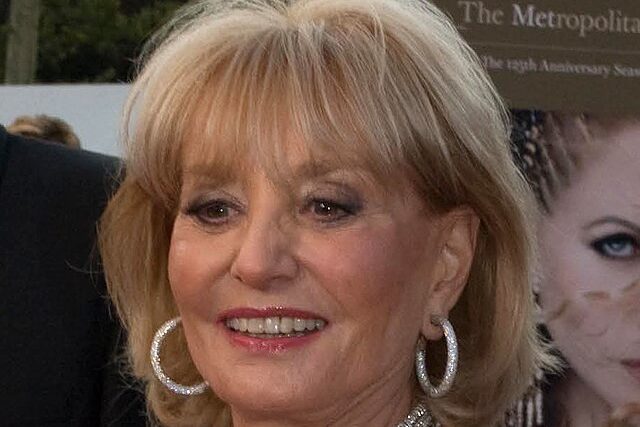
Barbara Walters showed that you didn’t need sitcom jokes or action scenes to become a huge money maker in television. In the 1970s, she became one of the most visible and influential people on TV, known for interviews that felt both polite and direct. Viewers tuned in because she asked what they wanted to ask, and celebrities showed up because her platform mattered. That mix of trust and access is worth real money in broadcasting. Walters helped turn journalism into star power, and her presence brought credibility and ratings. When audiences follow the interviewer as much as the guest, you become the product, and the paycheck grows from there.
27. Raymond Burr Kept Serious TV Valuable
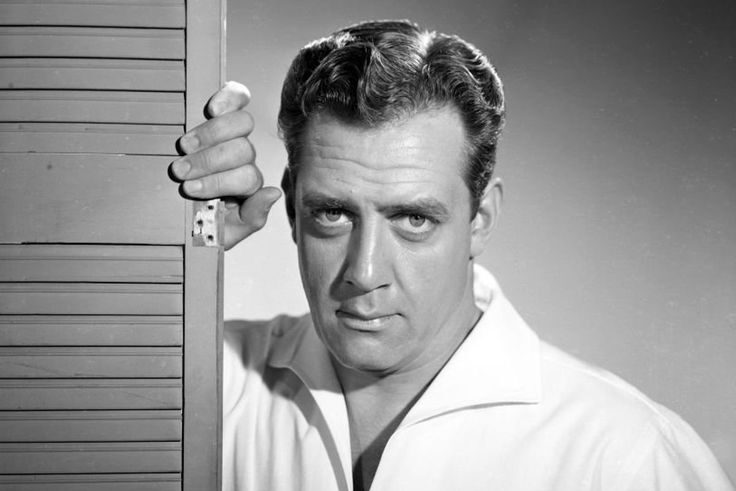
Raymond Burr carried the kind of authority that made television feel official. In Ironside, he brought strength and focus without needing flashy drama, and viewers trusted him. Trust is what builds long term money, because it keeps audiences loyal and networks confident. Burr was already respected before the 1970s, and that reputation kept his value high during the decade. He made every scene feel grounded, like the story mattered. In a time filled with sitcoms and action hits, Burr stood out as steady and serious. That kind of steady credibility often leads to consistent earning power over time. He didn’t chase attention, his presence naturally drew it. Burr’s career proves that calm authority can be just as profitable as loud popularity.
28. Lorne Greene Stayed Valuable Through Familiarity
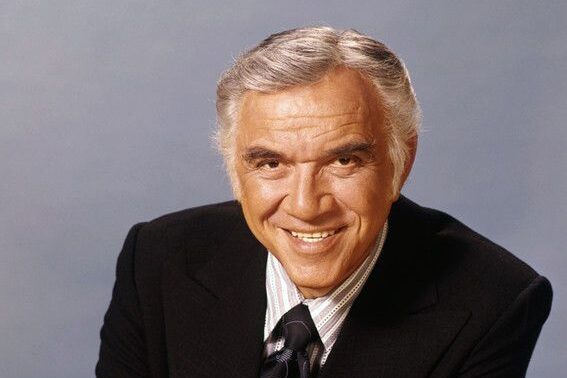
Lorne Greene remained a strong money-making figure because his name carried trust. As Ben Cartwright on Bonanza, he became the kind of TV father audiences respected, and that reputation stayed valuable into the early 1970s and beyond. When you lead a long running hit, your face becomes part of people’s comfort zone, and comfort keeps earning. Greene had a voice that sounded like authority, which made him unforgettable even outside his biggest role. He also stayed visible through hosting and appearances, keeping his career active. In entertainment, staying recognizable is staying profitable. Greene didn’t need to reinvent himself loudly, he simply stayed steady. His career shows how long term success can quietly build long term money.
29. Barbara Eden Made Reruns Feel Like Income
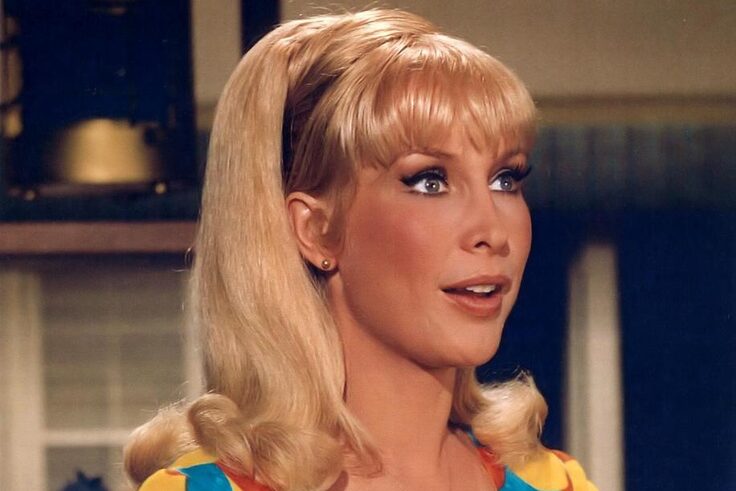
Barbara Eden stayed valuable in the 1970s because I Dream of Jeannie never really stopped being watched. Reruns kept the show alive, and Eden stayed familiar to new audiences who discovered the series later. That kind of lasting popularity can turn into quiet but steady money-making power over time. Eden played Jeannie with charm that felt light and easy, which made the show timeless comfort TV. She also stayed active with appearances and entertainment work that kept her name in circulation. In television, being remembered is a financial advantage. You do the work once, but the audience keeps returning, and the value keeps rolling. Eden’s career is a reminder that sometimes the biggest payoff comes from staying loved long after the cameras stop.
30. Lucille Ball Stayed The Standard For TV Success
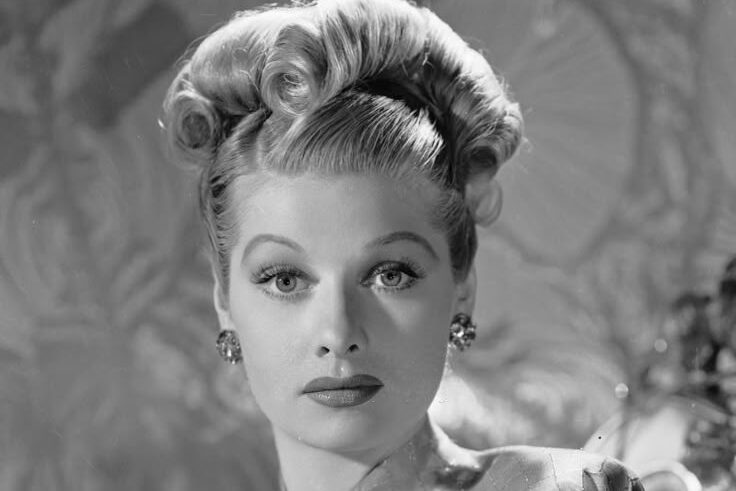
Lucille Ball remained a major money-making name in the 1970s because her legacy never stopped paying off. Her earlier work built a foundation so strong that the public still wanted her, whether through reruns, specials, or pure nostalgia. When your name becomes bigger than one show, you become valuable for life. Lucille wasn’t just a performer, she was a blueprint for what TV stardom looks like. The 1970s had many stars, but her influence sat quietly behind them all. Looking back, the biggest money-makers were not only earning, they were building culture people kept returning to. That lasting connection is where real value lives. Lucille’s story reminds us that great TV doesn’t just entertain, it stays with you, and that staying power is its own kind of wealth.


