
1. Pan American World Airways
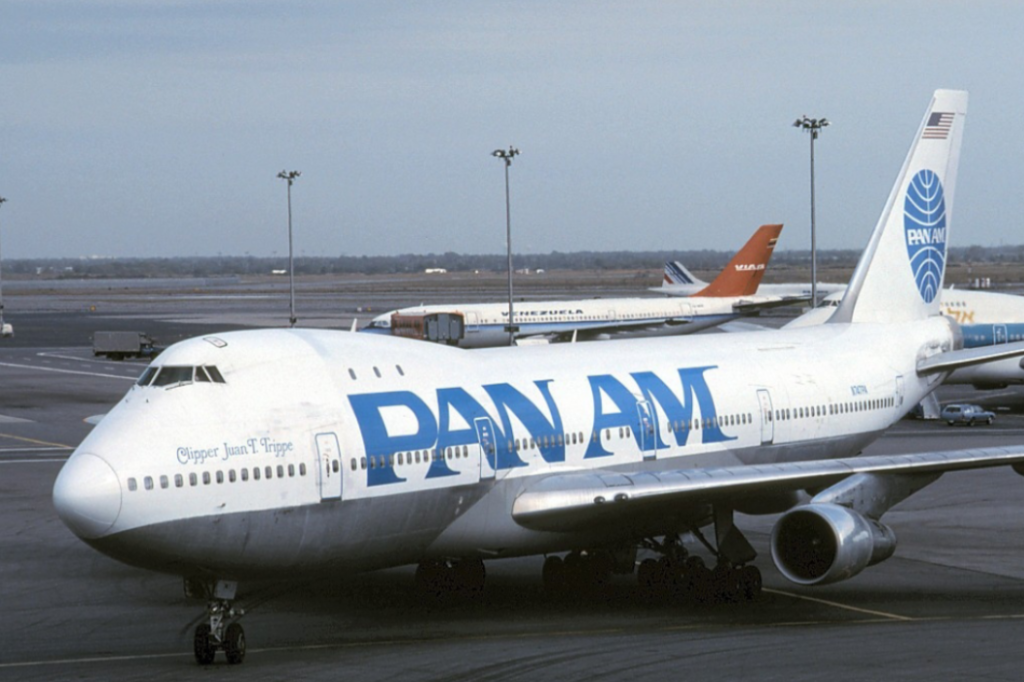
In the 1970s, Pan Am symbolized the glamour of international travel. Its blue globe logo appeared on airport terminals worldwide, and the airline pioneered long-haul jet service, making overseas flights more accessible to the public. Pan Am introduced innovations like computerized reservations and jumbo jet routes, helping define modern air travel. However, deregulation of the airline industry in the late 1970s increased competition and slashed profits. Costly acquisitions, rising fuel prices, and mounting debt weakened the company throughout the 1980s. The 1988 Lockerbie bombing further damaged its reputation and finances. By 1991, Pan Am declared bankruptcy, marking the end of an airline that once stood as America’s global aviation ambassador.
2. Tower Records
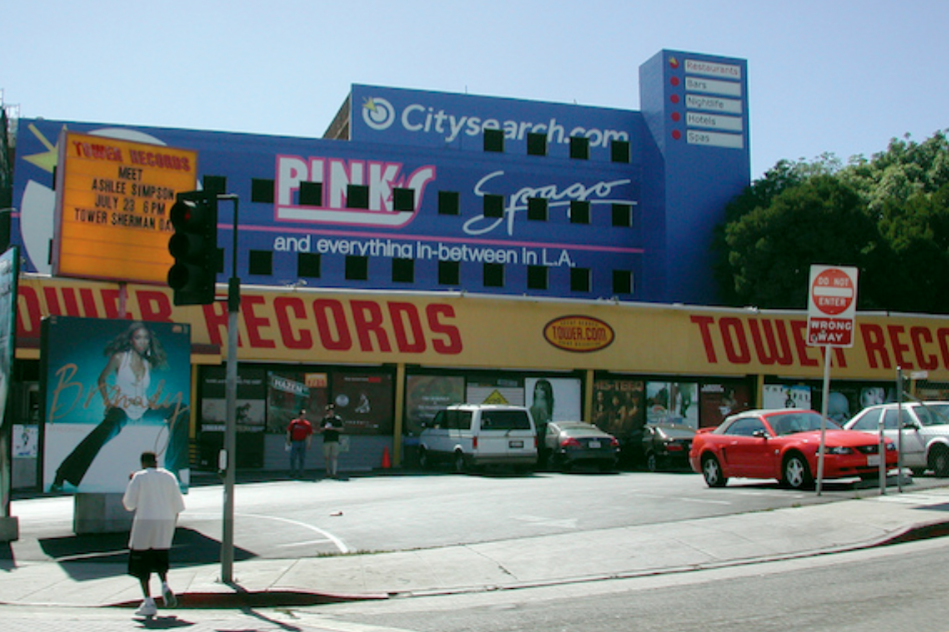
Tower Records was a paradise for music lovers throughout the 1970s and 1980s. Its massive stores stayed open late and stocked everything from chart-topping albums to obscure imports. Browsing Tower was an experience, with listening stations, knowledgeable staff, and walls plastered with music culture. As CDs replaced vinyl, Tower adapted at first, but the rise of digital downloads and online retailers in the late 1990s proved devastating. Heavy debt from rapid global expansion made survival even harder. Despite attempts to reinvent itself, Tower Records filed for bankruptcy and closed its remaining U.S. stores in 2006, ending an era when discovering music meant wandering aisles, not scrolling screens.
3. Woolworth Stores
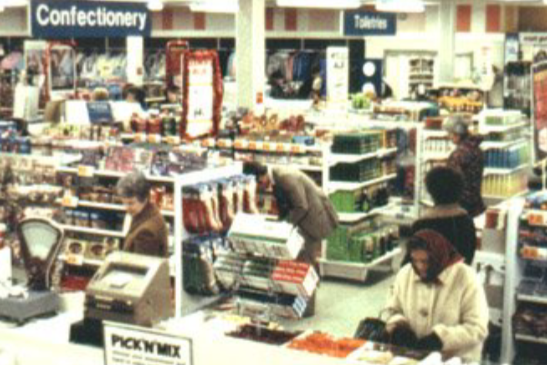
Woolworth was once a cornerstone of American retail, especially during the 1970s and early 1980s. Known for affordable goods and iconic lunch counters, the chain served as a community gathering place as much as a store. Families shopped for school supplies, household items, and quick meals under one roof. As big-box retailers and shopping malls expanded, Woolworth struggled to modernize its image and pricing. Shifts in consumer habits and competition from discount chains gradually eroded its relevance. The final U.S. Woolworth store closed in 1997, leaving behind nostalgia for a simpler retail era that helped shape downtown life across the country.
4. Blockbuster Video
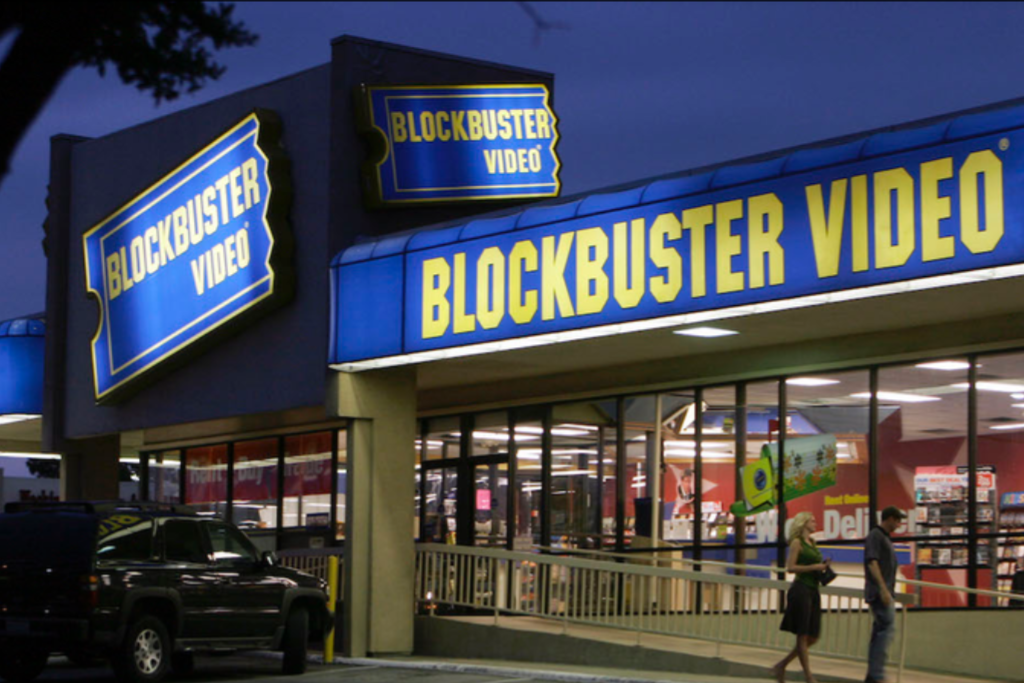
By the late 1980s, Blockbuster had become a cultural ritual. Friday nights meant browsing blue-and-yellow aisles for VHS tapes, hoping new releases weren’t already gone. The company standardized video rentals nationwide, outpacing smaller local shops with scale and marketing power. However, Blockbuster’s reliance on late fees and physical locations became liabilities as technology evolved. The rise of DVDs by mail, streaming platforms, and digital downloads rapidly changed how people consumed entertainment. After missing opportunities to adapt early, Blockbuster filed for bankruptcy in 2010. Most stores closed soon after, turning a once-ubiquitous brand into a symbol of missed digital transformation.
5. Polaroid Cameras
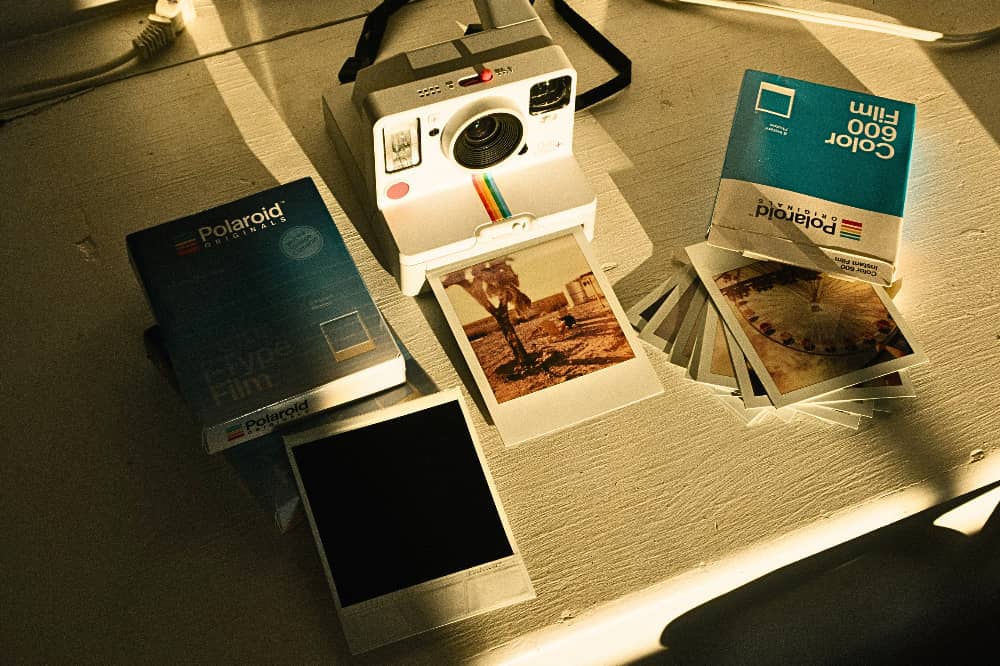
Polaroid cameras defined instant gratification long before smartphones existed. In the 1970s and 1980s, watching a photo slowly appear in your hand felt almost magical. Polaroid dominated instant photography with iconic cameras and distinctive white-bordered prints. However, the company struggled to adapt to digital photography in the 1990s and early 2000s. Heavy investments in declining film technology and slow digital innovation weakened its market position. Polaroid filed for bankruptcy in 2001, marking the end of its dominance. Although the brand name later resurfaced under new ownership, the original Polaroid era remains closely tied to a vanished moment in photographic history.
6. Toys “R” Us
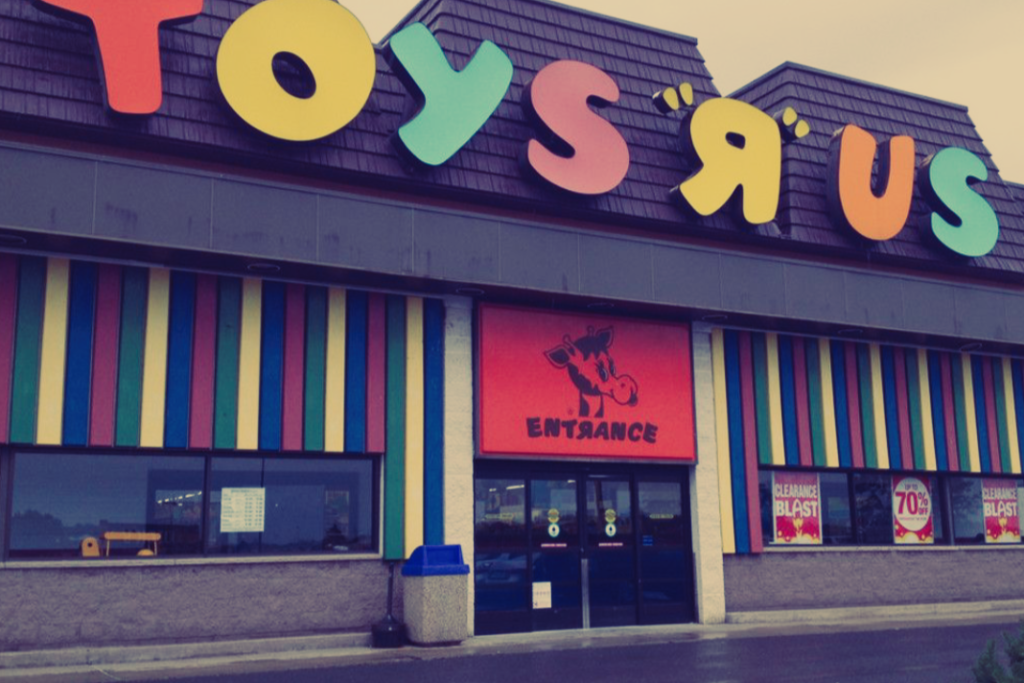
For children of the 1970s and 1980s, Toys “R” Us felt like a wonderland. Its massive stores offered endless aisles of action figures, dolls, bikes, and games, with Geoffrey the Giraffe as a friendly guide. The chain revolutionized toy retail by focusing entirely on children’s products at scale. However, changing shopping habits, online competition, and heavy debt from a leveraged buyout in 2005 placed enormous strain on the business. Unable to keep up with e-commerce giants and rising costs, Toys “R” Us filed for bankruptcy in 2017, closing most of its U.S. stores and ending a cherished retail experience.
7. Atari Consoles
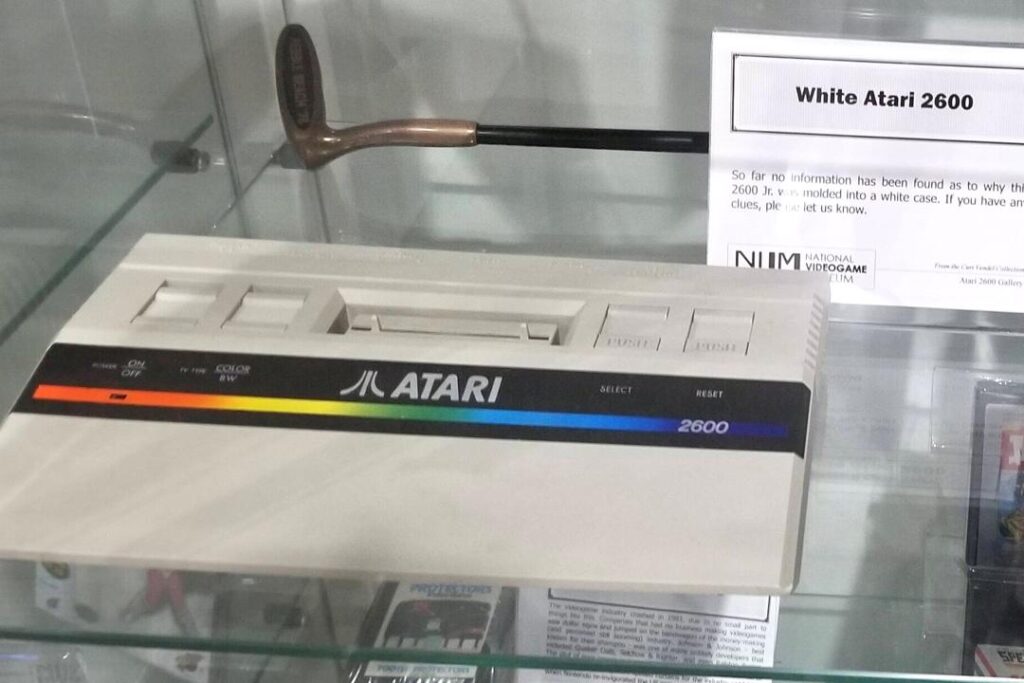
Atari was synonymous with home video gaming in the late 1970s and early 1980s. The Atari 2600 brought arcade-style games into living rooms, making video games a mainstream hobby. Titles like Pong and Asteroids became cultural touchstones. However, market oversaturation and a flood of low-quality games led to the video game crash of 1983. Atari’s rushed releases and management issues damaged consumer trust. While the company attempted reinvention through various restructurings, its dominance never returned. Atari’s fall marked a turning point in gaming history, paving the way for new competitors to redefine the industry.
8. RadioShack Electronics
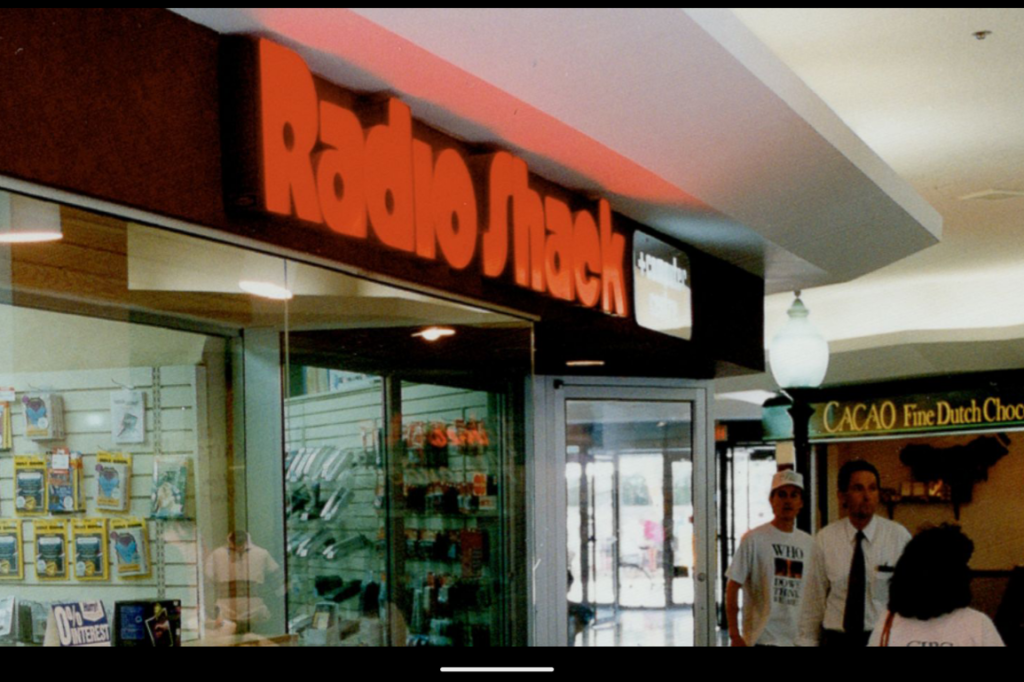
RadioShack was once the go-to destination for electronics enthusiasts. In the 1970s and 1980s, its stores stocked everything from batteries and cables to personal computers and DIY components. Hobbyists and early tech adopters relied on RadioShack for parts that were hard to find elsewhere. As consumer electronics shifted toward sleek, mass-market devices, RadioShack struggled to redefine its identity. Competition from big-box retailers and online sellers steadily eroded sales. Multiple bankruptcies followed, and most stores closed by the mid-2010s. The brand’s disappearance reflected how rapidly consumer technology retail evolved.
9. Howard Johnson’s
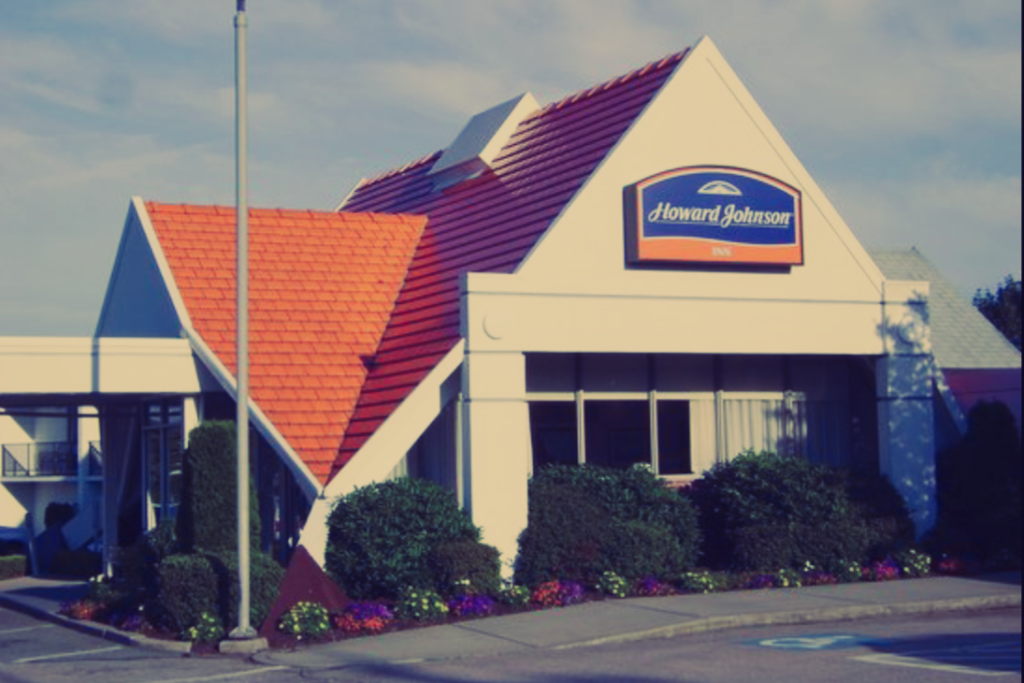
Howard Johnson’s was a familiar sight on American highways during the 1970s. Known for its bright orange roofs, roadside restaurants, and ice cream flavors, it catered to traveling families seeking consistency and comfort. The chain thrived during the car-travel boom but struggled as fast-food chains expanded and dining preferences changed. Rising costs and franchise challenges weakened its footprint throughout the 1980s. Gradually, locations closed or rebranded, and the once-dominant chain faded from everyday life. Today, Howard Johnson’s remains a nostalgic symbol of classic American road trips and mid-century dining culture.
10. Borders Bookstores
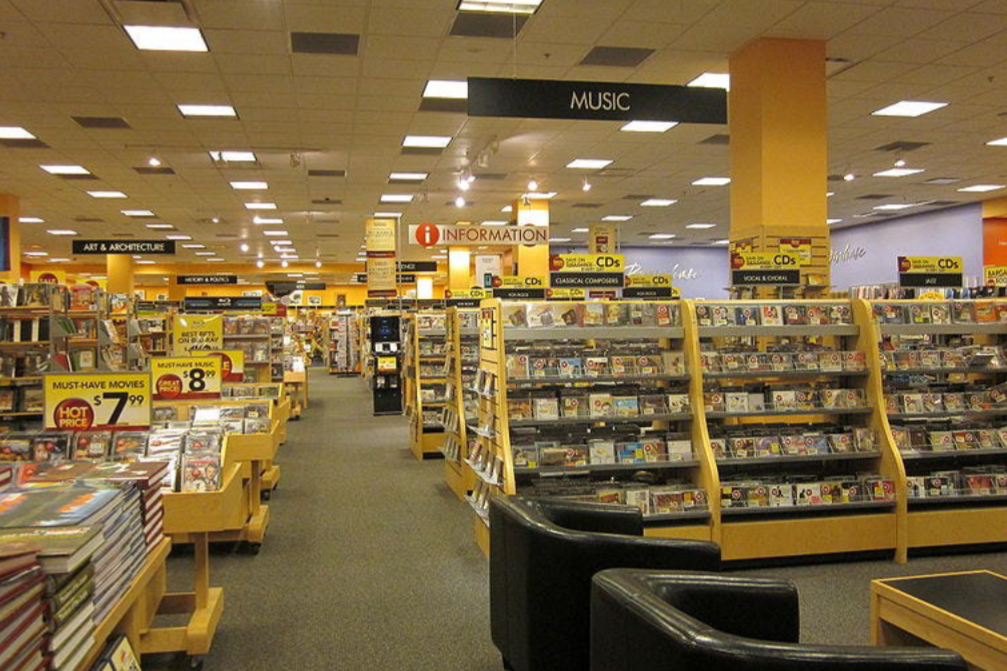
Borders grew into a major bookselling force by the late 1980s, offering large stores with reading areas, music sections, and café spaces. It became a destination for browsing and discovery, encouraging customers to linger. However, Borders fell behind in adapting to online retail and e-books, even outsourcing its early online sales to competitors. Rising rents and declining physical book sales worsened its financial position. In 2011, Borders filed for bankruptcy and closed its remaining stores. Its disappearance marked a major shift in how people buy and consume books, signaling the end of an era for large bookstore chains.
11. Circuit City Stores
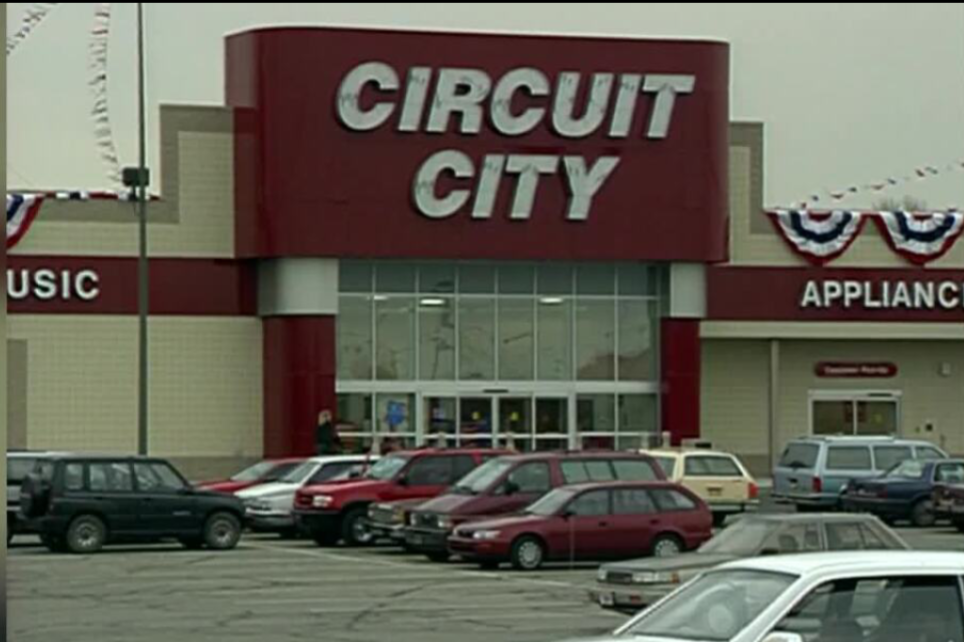
Circuit City was a dominant electronics retailer through the late 1970s and 1980s, known for its cavernous stores and commission-based sales staff. Shoppers visited to buy televisions, stereos, VCRs, and early home computers at a time when electronics felt cutting-edge and aspirational. The company helped normalize big-ticket tech purchases for everyday households. However, internal cost-cutting decisions, including the dismissal of experienced sales staff, hurt customer trust. As competition from Best Buy and online retailers intensified, Circuit City struggled to modernize its stores and pricing strategy. Mounting losses led to bankruptcy in 2008, and all remaining U.S. locations closed by 2009.
12. Compaq Computers
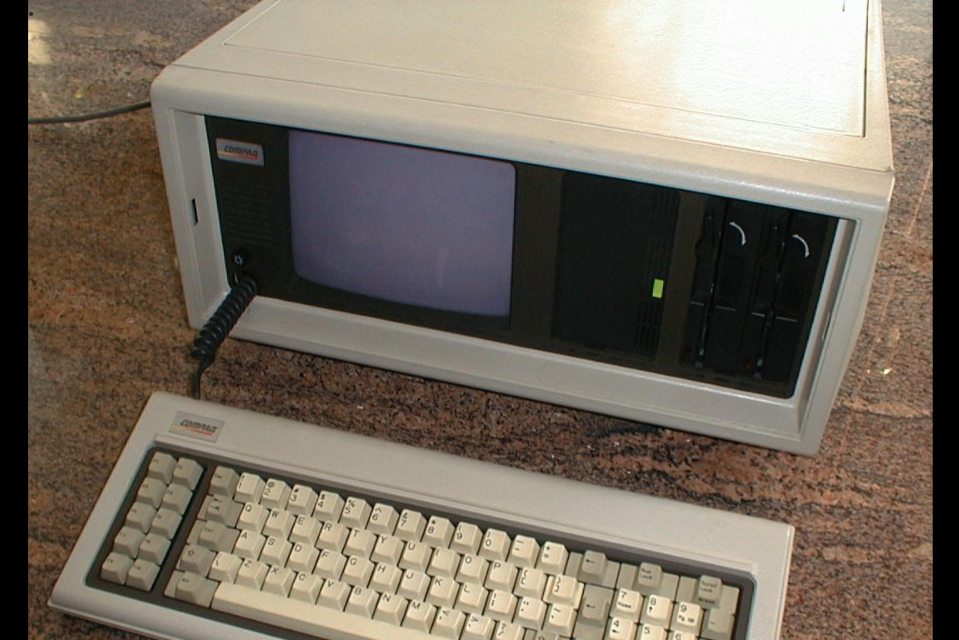
Compaq rose to prominence in the 1980s by producing IBM-compatible personal computers that were reliable and business-friendly. Its portable computers, though heavy by today’s standards, were revolutionary for professionals who needed computing power on the go. Compaq quickly became one of the world’s largest PC manufacturers, helping accelerate the spread of home and office computing. As the PC market matured, profit margins shrank and competition intensified. Strategic missteps and shifting industry dynamics weakened the company’s position. In 2002, Compaq was acquired by Hewlett-Packard, ending its run as an independent brand and closing a major chapter in early personal computing history.
13. Oldsmobile Cars
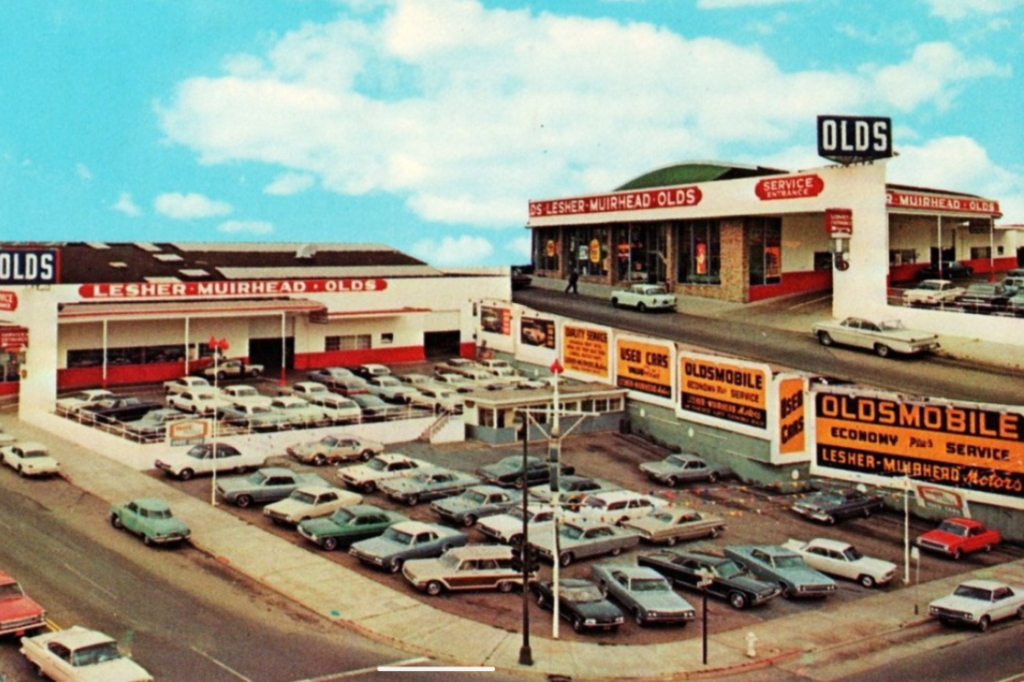
Oldsmobile was a household name throughout the 1970s and 1980s, especially with models like the Cutlass becoming bestsellers in the U.S. The brand was positioned between economy and luxury, appealing to middle-class families seeking comfort and reliability. Oldsmobile also introduced notable innovations, including early automatic transmissions. Over time, brand identity confusion and internal competition within General Motors eroded its appeal. Younger buyers gravitated elsewhere, while longtime customers aged out. Sales steadily declined through the 1990s, and General Motors officially discontinued Oldsmobile in 2004, ending more than a century of automotive history.
14. Montgomery Ward Retail
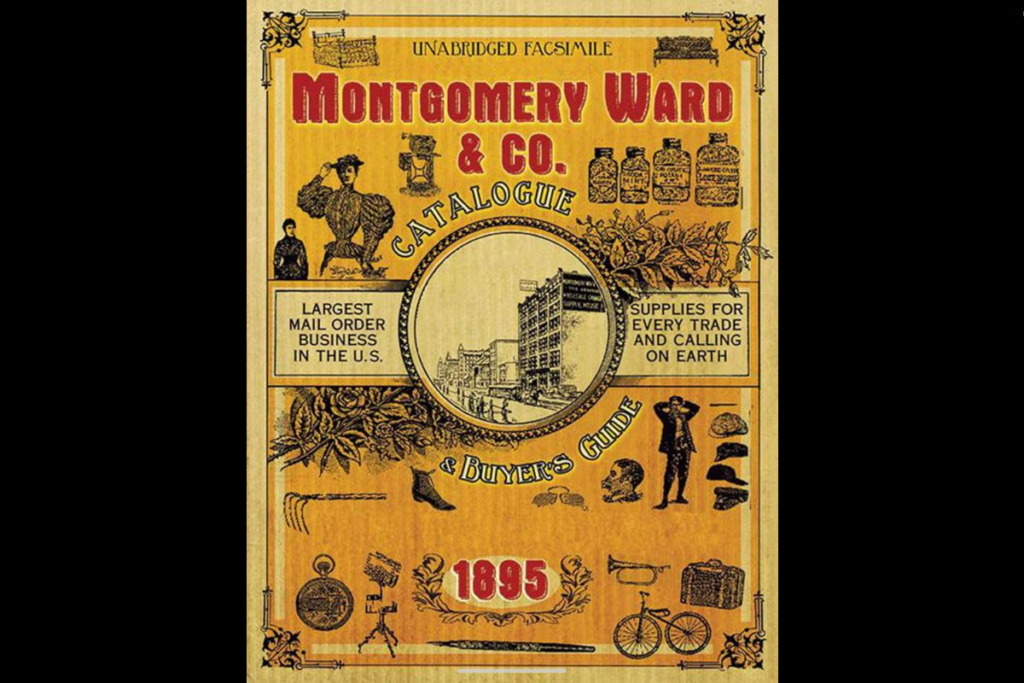
Montgomery Ward played a foundational role in American retail, especially through its catalogs and department stores during the 20th century. By the 1970s, its brick-and-mortar locations were common in malls and city centers, offering everything from clothing to appliances. The company struggled to compete with more modern retailers as shopping habits changed. Delayed investments in store upgrades and rising operational costs weakened its competitive edge. Despite attempts to reinvent itself, Montgomery Ward filed for bankruptcy in the late 1990s. Its physical stores closed by 2001, marking the end of a retail pioneer that once shaped mail-order shopping nationwide.
15. Kodak Film Products
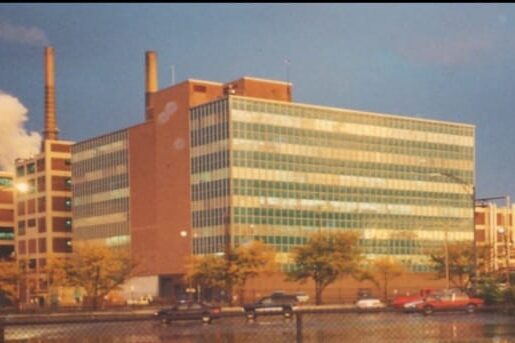
Kodak was synonymous with photography throughout the 1970s and 1980s. Its film products dominated the market, and the phrase “Kodak moment” entered everyday language. Families relied on Kodak for vacations, birthdays, and everyday memories, trusting the brand’s quality and consistency. Ironically, Kodak engineers helped develop early digital camera technology, but the company hesitated to fully embrace it, fearing it would undermine film sales. As digital photography surged in the 2000s, Kodak’s core business collapsed. The company filed for bankruptcy protection in 2012, signaling the end of film’s dominance and a major shift in how memories are captured.
16. Borders Music Media

Beyond books, Borders was once a major destination for music and movies. In the 1980s and 1990s, its stores featured extensive CD collections, listening stations, and knowledgeable staff who guided customers through new releases and genres. This multimedia approach helped Borders stand out as a cultural hub rather than just a bookstore. However, as digital downloads and streaming reshaped entertainment consumption, physical media sales declined sharply. Borders’ heavy store leases and slow digital strategy compounded its problems. When the company liquidated in 2011, its music and media sections disappeared along with the stores, closing another chapter of physical entertainment retail.
17. Mervyn’s Department
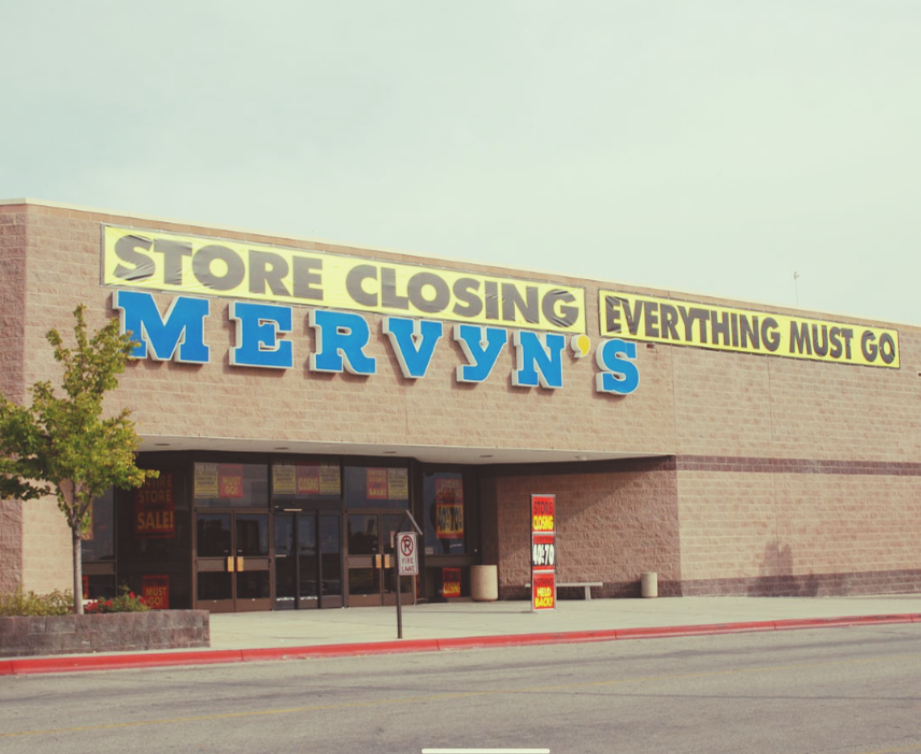
Mervyn’s was a popular mid-priced department store across the western United States during the 1970s and 1980s. Known for practical clothing, home goods, and frequent sales, it appealed to budget-conscious families. Its straightforward approach made it a dependable shopping option for everyday needs. Ownership changes and leveraged buyouts in the 2000s left the company burdened with debt. Rising competition from discount retailers and fast-fashion brands further reduced traffic. By 2008, Mervyn’s filed for bankruptcy, and all stores closed shortly after, leaving many former shoppers with memories of dependable, no-frills retail.
18. Trans World Airlines
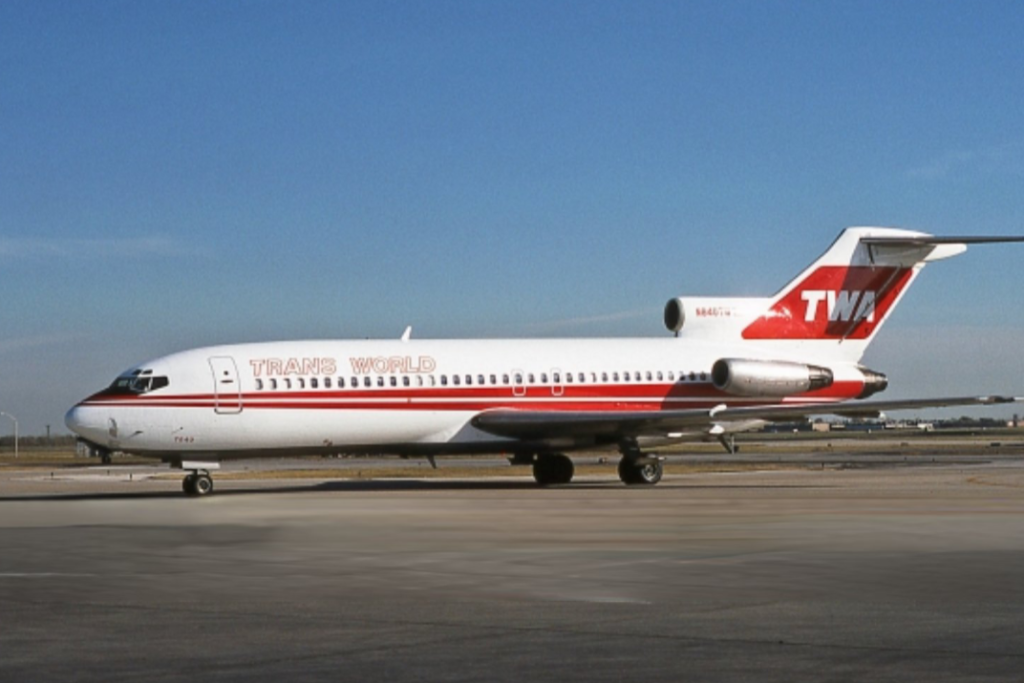
TWA was a major force in commercial aviation during the 1970s and early 1980s, offering domestic and international routes with a reputation for style and innovation. The airline invested in modern aircraft and memorable branding, competing directly with other global carriers. Deregulation of the airline industry increased competition and squeezed profits, while financial mismanagement and labor disputes weakened the company. Several ownership changes failed to stabilize operations. In 2001, TWA was acquired by American Airlines, ending its independent existence. The brand’s disappearance marked another casualty of the turbulent post-deregulation airline era.
19. Kay-Bee Toy Stores
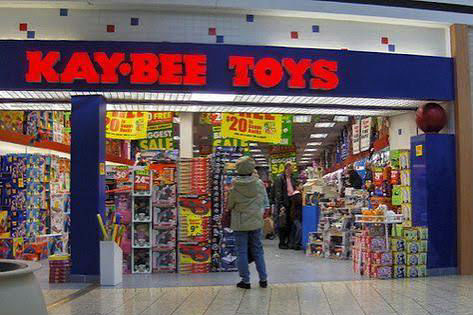
Kay-Bee Toys thrived in shopping malls during the 1970s and 1980s, offering smaller, brightly packed stores filled with toys and seasonal bargains. Unlike large standalone toy chains, Kay-Bee relied on mall foot traffic and impulse purchases. The company expanded aggressively but took on heavy debt through ownership changes. As malls declined and online toy shopping grew, Kay-Bee’s business model became unsustainable. Repeated bankruptcies followed, and the chain ultimately closed all stores by 2009. For many, Kay-Bee remains a nostalgic reminder of mall culture at its peak.
20. Wang Laboratories
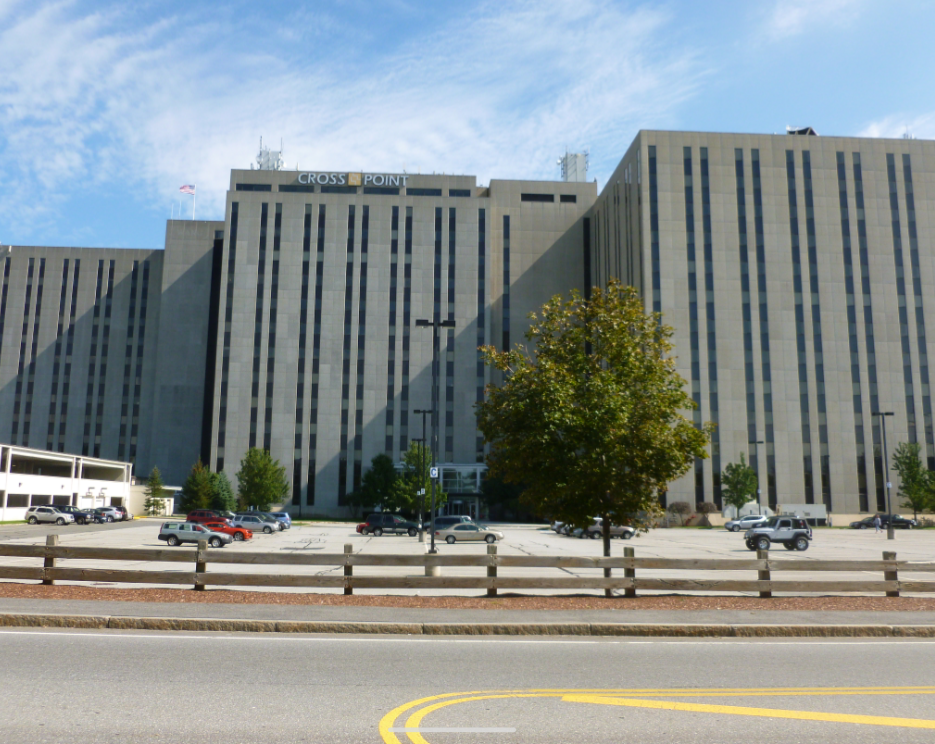
Wang Laboratories was a major technology player during the late 1970s and 1980s, specializing in word processing systems for offices and government agencies. Its machines were considered reliable and user-friendly at a time when computers were intimidating to many workers. Wang dominated a niche market just as personal computers were beginning to reshape the workplace. The rapid shift toward open systems and PC-based software reduced demand for proprietary hardware. Despite attempts to adapt, Wang filed for bankruptcy in 1992. Its decline illustrated how quickly technological shifts could upend even well-established industry leaders.
21. Borders Express Stores
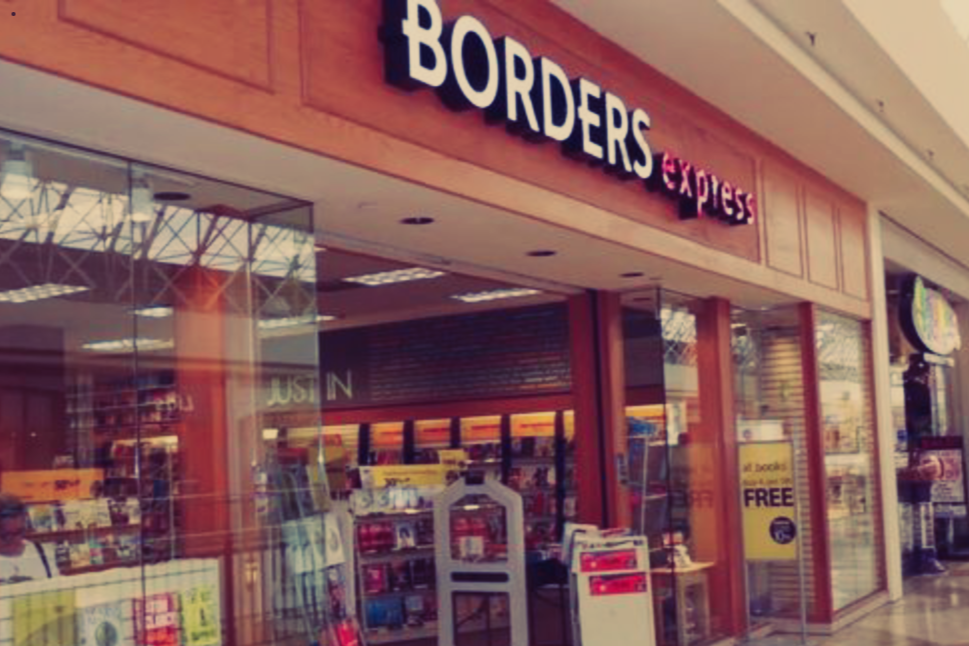
Borders Express was designed to capture impulse shoppers in malls during the late 1980s and 1990s. Unlike full-sized Borders bookstores, these smaller outlets focused on bestsellers, magazines, music, and gift items rather than deep literary catalogs. They became common fixtures in busy shopping centers, especially during holidays. While the concept initially worked, Borders Express depended heavily on mall traffic and physical media sales. As digital entertainment and online shopping accelerated, foot traffic declined sharply. When Borders Group entered bankruptcy in 2011, Borders Express locations shut down alongside larger stores. Their disappearance reflected the shrinking role of mall-based specialty retail in modern shopping culture.
22. Service Merchandise
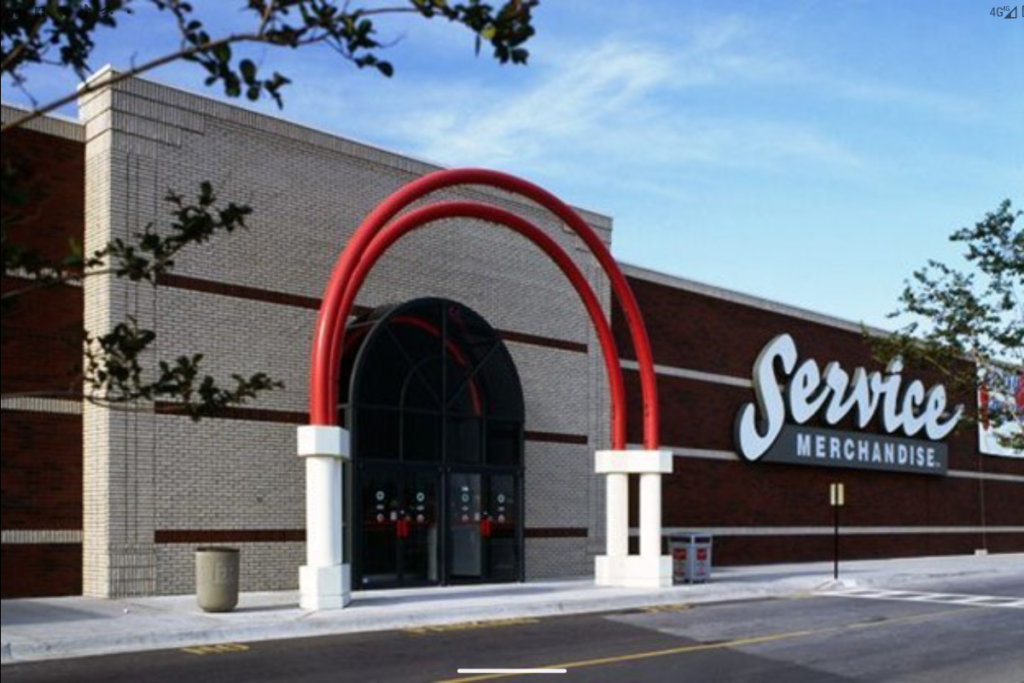
Service Merchandise followed a unique catalog showroom model that flourished in the 1970s and 1980s. Customers browsed displays, filled out order slips, and waited as purchases emerged from a conveyor belt in the back. The chain sold jewelry, electronics, and home goods, blending mail-order efficiency with in-person shopping. As consumer expectations shifted toward instant checkout and self-service retail, the model felt outdated. Rising competition from big-box stores and e-commerce further reduced its appeal. After multiple restructurings, Service Merchandise closed all remaining stores in 2002, ending a retail concept that once felt futuristic but couldn’t keep pace with changing habits.
23. Sbarro Pizza Era
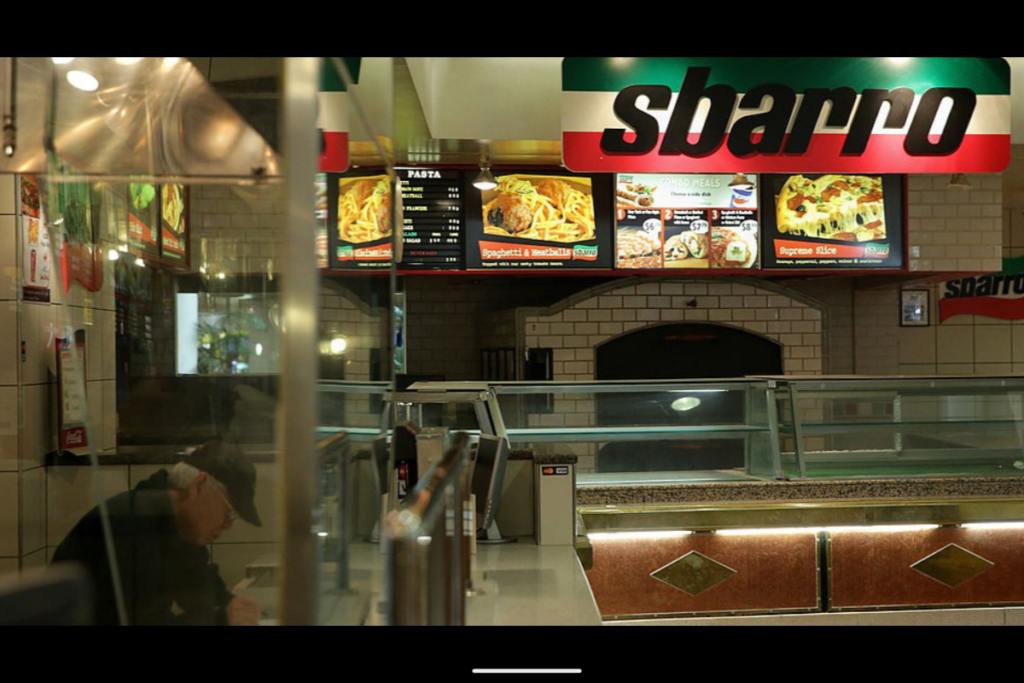
Sbarro was nearly unavoidable in malls and airports during the 1980s, known for oversized pizza slices displayed behind glass counters. It offered a sit-down alternative in food courts dominated by fast food, appealing to shoppers looking for a quick but filling meal. The brand expanded aggressively, often relying on captive mall audiences rather than destination dining. As mall traffic declined and casual dining preferences shifted, many locations became unprofitable. Sbarro filed for bankruptcy multiple times beginning in 2011. While the name still exists in limited form, its once-ubiquitous presence has faded, marking the decline of classic mall food court culture.
24. Chi-Chi’s Restaurants
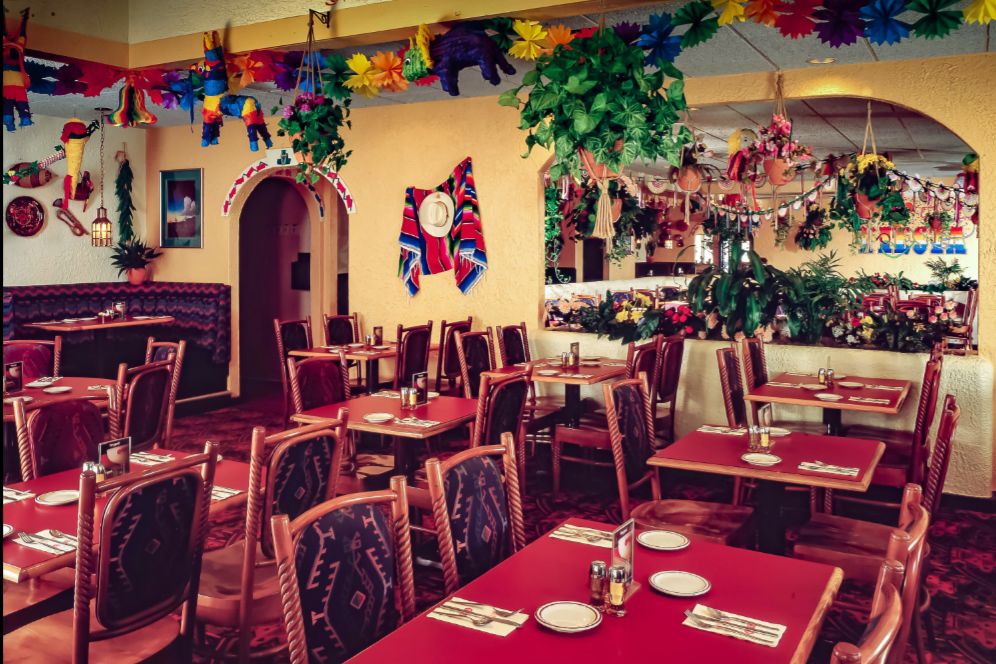
Chi-Chi’s helped introduce many Americans to casual Mexican-style dining in the 1970s and 1980s. Known for festive décor, margaritas, and approachable menus, the chain became a popular destination for family celebrations. At its peak, Chi-Chi’s operated hundreds of locations across the U.S. However, changing tastes and increasing competition from more authentic and fast-casual Mexican restaurants hurt sales. A widely publicized food safety outbreak in the early 2000s further damaged the brand’s reputation. Chi-Chi’s filed for bankruptcy in 2004, and its U.S. restaurants closed soon after, ending a once-vibrant dining staple.
25. Pontiac Motor Brand
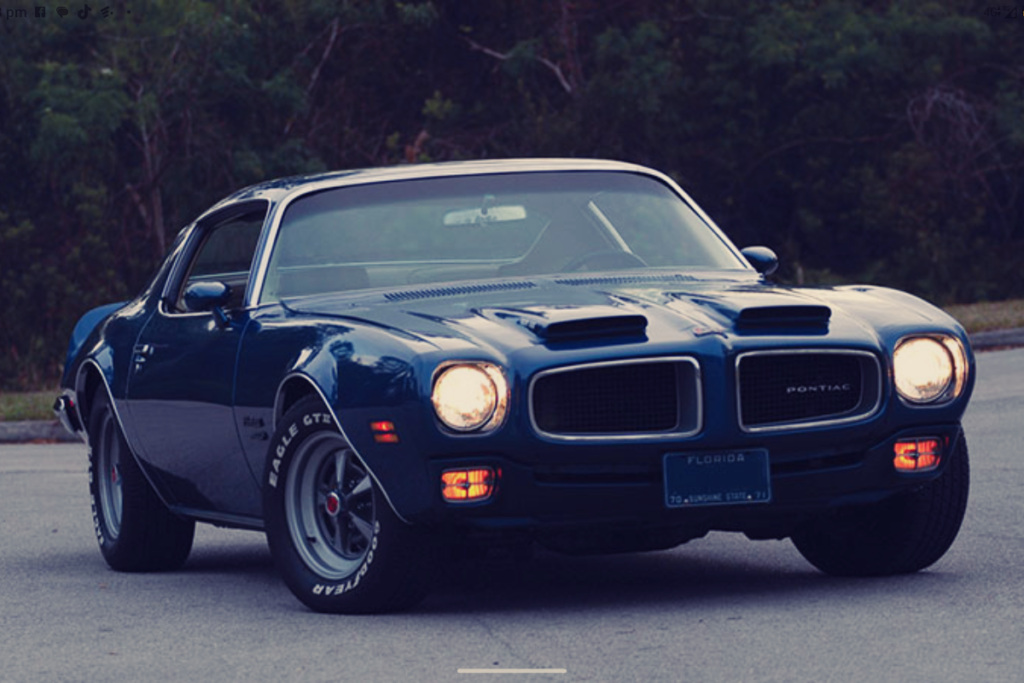
Pontiac was known for performance-driven styling and youthful appeal during the 1970s and 1980s. Models like the Firebird and Trans Am became pop culture icons, associated with speed, flair, and American muscle. The brand aimed to bridge everyday affordability with sporty design. Over time, overlapping models within General Motors diluted Pontiac’s identity. Rising fuel costs and shifting consumer preferences further reduced demand for performance-focused cars. As part of GM’s restructuring during the late 2000s financial crisis, Pontiac was discontinued in 2010. Its closure marked the end of a brand that once embodied excitement on American roads.
26. Circuit City CarMax
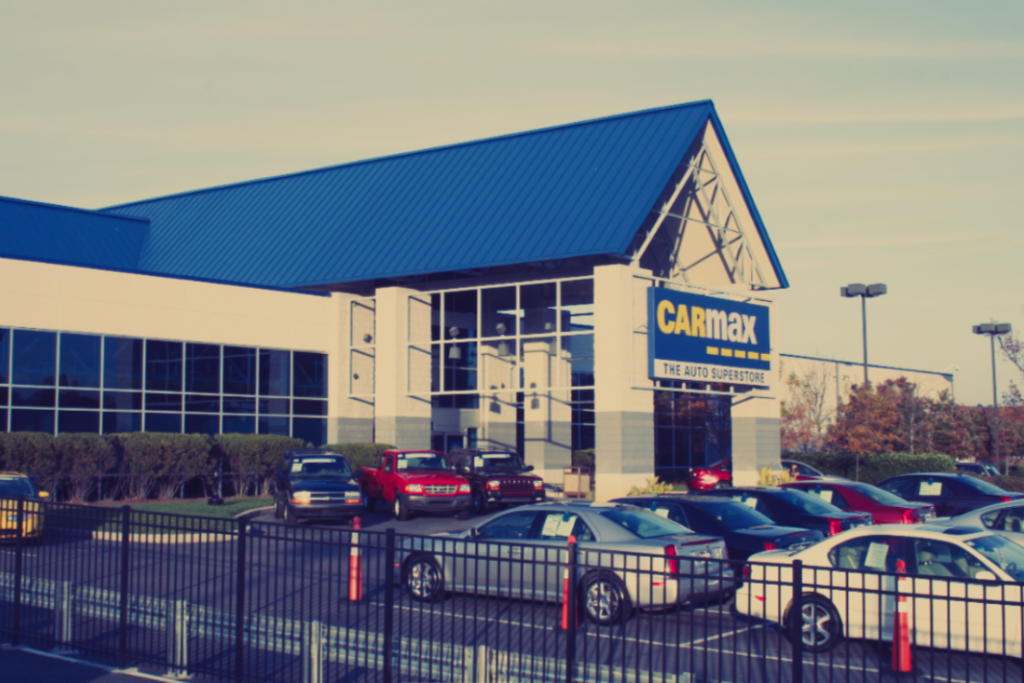
CarMax began as an experimental offshoot of Circuit City in the 1990s, aiming to modernize used car sales with fixed pricing and transparent processes. While CarMax itself survived and grew independently, its origins are closely tied to Circuit City’s expansion strategy during its peak years. The contrast between CarMax’s success and Circuit City’s collapse highlights how adaptability mattered in changing retail landscapes. Circuit City ultimately spun off CarMax, but failed to apply similar innovation to its core electronics business. Today, CarMax remains a reminder of what worked, and what didn’t, during the decline of legacy retail giants from earlier decades.
27. Eckerd Drugstores

Eckerd was a familiar neighborhood pharmacy throughout the 1970s and 1980s, particularly in the southern and eastern United States. Shoppers relied on Eckerd for prescriptions, cosmetics, and everyday essentials long before mega-pharmacies became common. As consolidation swept through the retail pharmacy industry, Eckerd struggled to compete with expanding national chains. In the early 2000s, its stores were sold off to larger competitors, including CVS and Rite Aid. The Eckerd name gradually disappeared from storefronts, reflecting how smaller regional chains were absorbed during a period of aggressive industry consolidation.
28. Payless ShoeSource
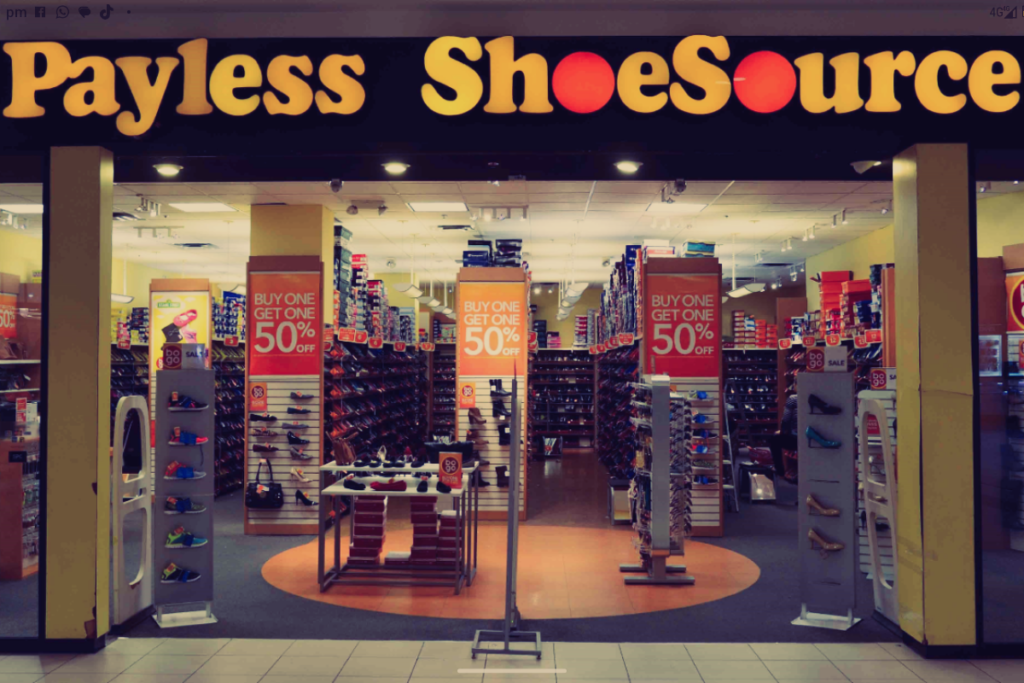
Payless ShoeSource became a staple of affordable footwear during the 1970s and 1980s. Its self-service model and budget-friendly pricing appealed to families seeking practical shoes without premium costs. The chain expanded rapidly, opening thousands of locations in malls and shopping centers. However, declining mall traffic, rising competition from online retailers, and quality concerns weakened the brand. Heavy debt further limited its ability to adapt. After multiple bankruptcies, Payless closed most U.S. stores by 2019. Its fall illustrated how price alone could no longer sustain large brick-and-mortar retail chains.
29. KB Home Electronics
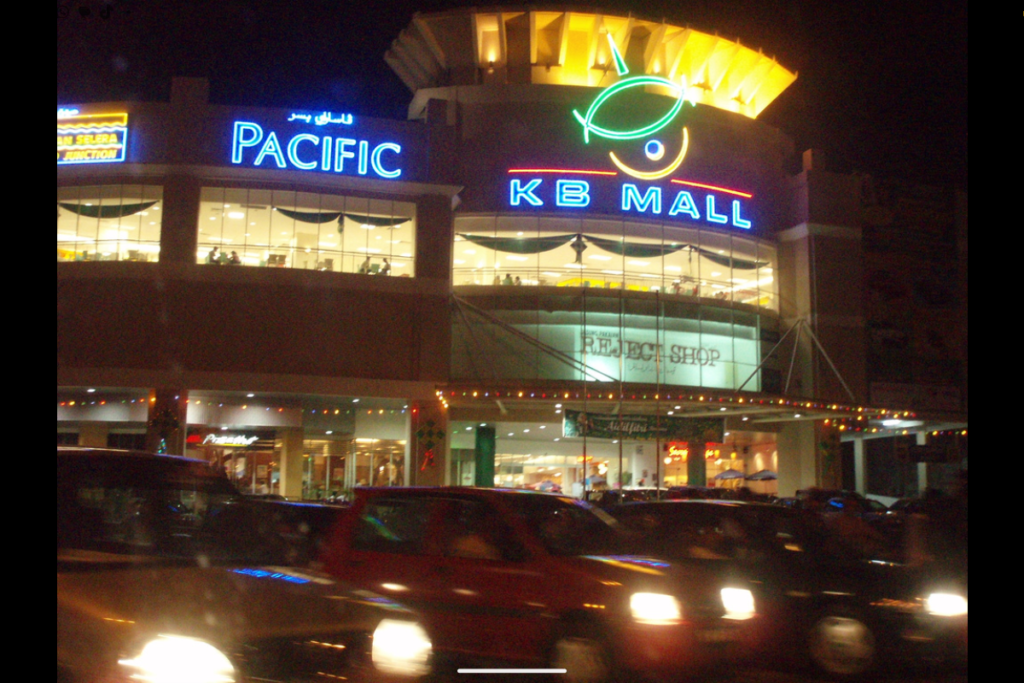
KB Electronics operated as a mall-based electronics retailer during the late 1970s and 1980s, selling radios, calculators, early gaming systems, and accessories. It catered to casual tech buyers rather than hobbyists, offering accessible gadgets at a time when electronics felt novel and exciting. Like many small-format mall retailers, KB Electronics depended heavily on foot traffic. As electronics consolidated into big-box stores and later online marketplaces, its niche vanished. The chain quietly closed its remaining locations by the 1990s, leaving little trace beyond memories of mall-era gadget shopping.
30. Sharper Image Retail
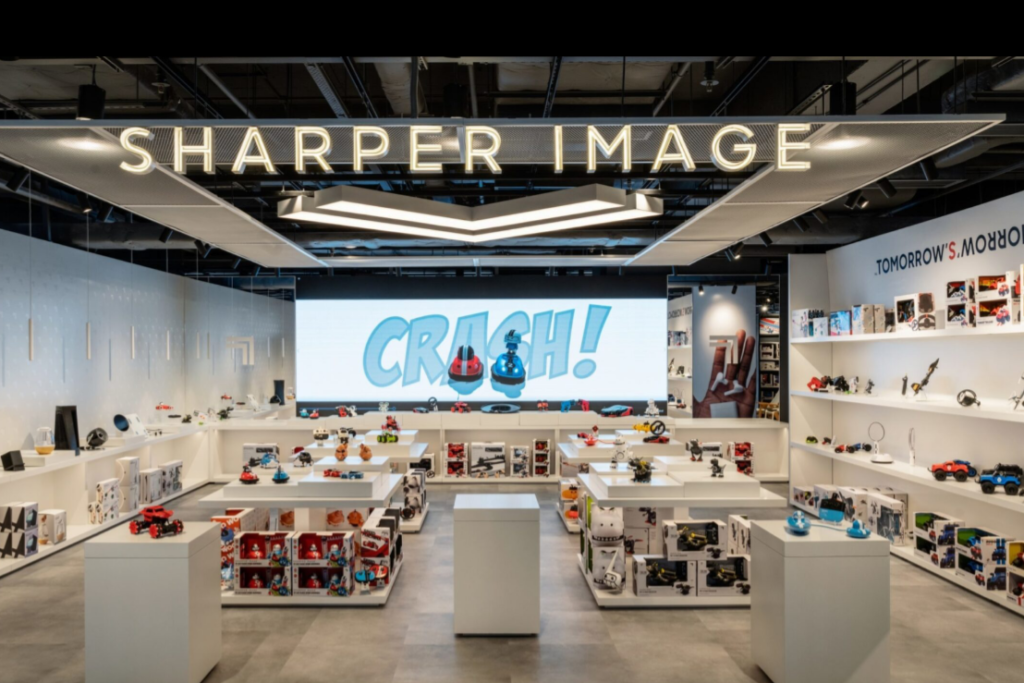
Sharper Image was known for futuristic gadgets that felt ahead of their time. In the 1980s, its catalogs and mall stores showcased massage chairs, cordless phones, and novelty electronics that blended luxury with curiosity. The brand thrived on impulse appeal and gift shopping, positioning itself as a destination for innovation. However, high prices and growing competition from online gadget sellers reduced demand. Operational costs and declining sales led Sharper Image to file for bankruptcy in 2008. While the name later resurfaced online, its physical retail presence vanished, closing the chapter on a brand that once defined tech-inspired indulgence.
These companies shaped shopping malls, television ads, road trips, and family routines, becoming familiar parts of everyday life. Together, these vanished names offer a clear reminder that even the most familiar brands must evolve to survive.
Like this story? Add your thoughts in the comments, thank you.


