
1. The Payphone Check-In
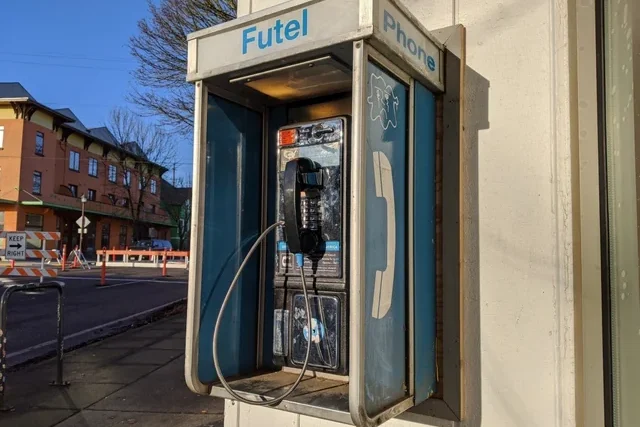
Some things didn’t disappear with a big goodbye, they simply faded out while we were busy living. One day you realize you haven’t seen them in years, and the memory suddenly feels warm. Payphones were one of those everyday lifelines. You’d dig into your pocket for coins, step into the booth, and speak fast like time was chasing you. If the line was bad, you tried again and hoped for the best. Today we call anyone anytime, but back then, reaching someone felt more deliberate and thoughtful. It was small, simple, and strangely comforting.
2. Video Rental Store Weekends
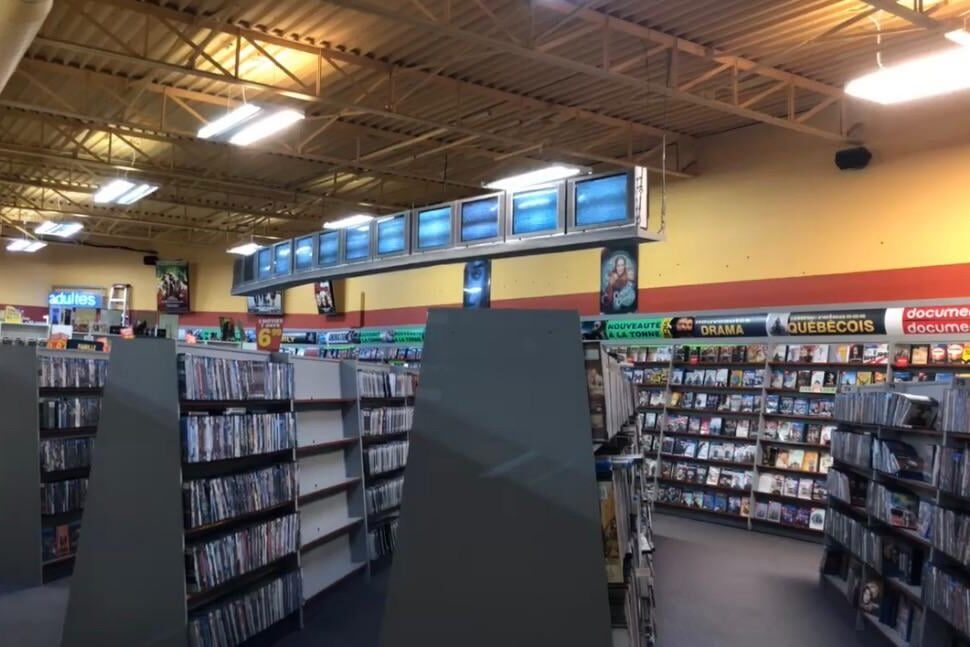
Friday nights used to come with a little ritual, walking into a video rental store and roaming the aisles like treasure hunting. You judged movies by cover art, laughed at the weird titles, and debated with your siblings or friends over what to rent. It wasn’t just entertainment, it was bonding. You carried the case home like a prize, and the night felt planned. Now streaming gives instant access, but the experience feels quieter. There’s no cashier, no shared choosing, and no rush to return anything. Still, those weekends felt like a simple kind of joy.
3. Handwritten Letters at Home
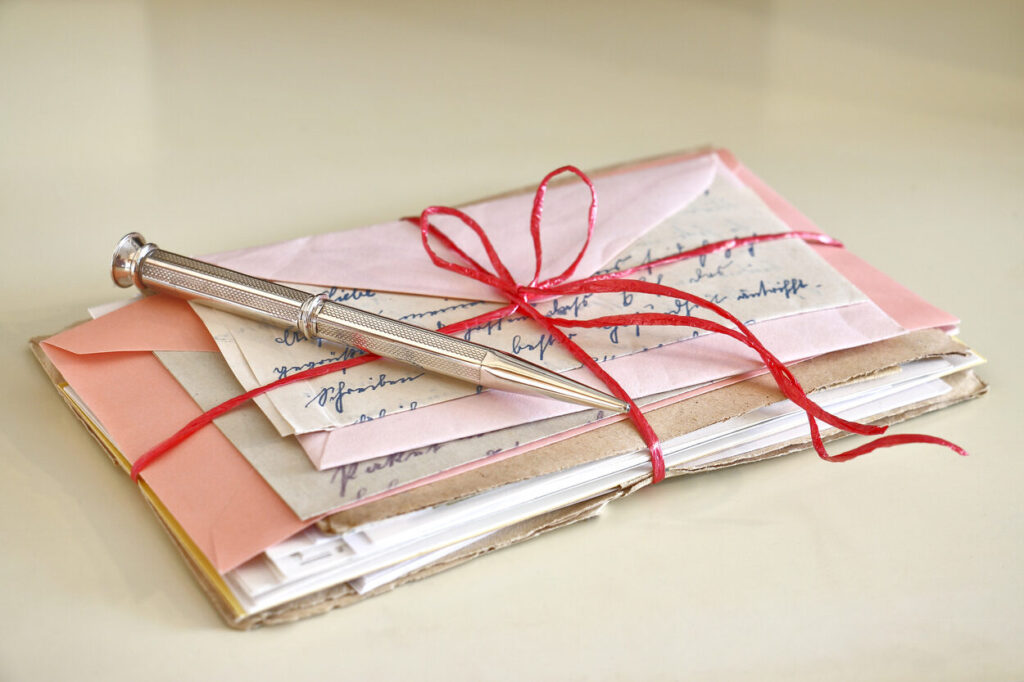
Handwritten letters had a softness that modern messages can’t copy. You could feel someone’s effort in every line, every mistake, every little cross-out. It wasn’t just about the message, it was about the time they gave you. People folded paper carefully, sealed envelopes, and waited patiently for a reply. Now we text quickly and move on quickly, even when we care deeply. Letters made love, friendship, and even apologies feel more real. You could keep them in a drawer for years and still feel the moment when you read them the first time.
4. Encyclopedia Sets on the Shelf
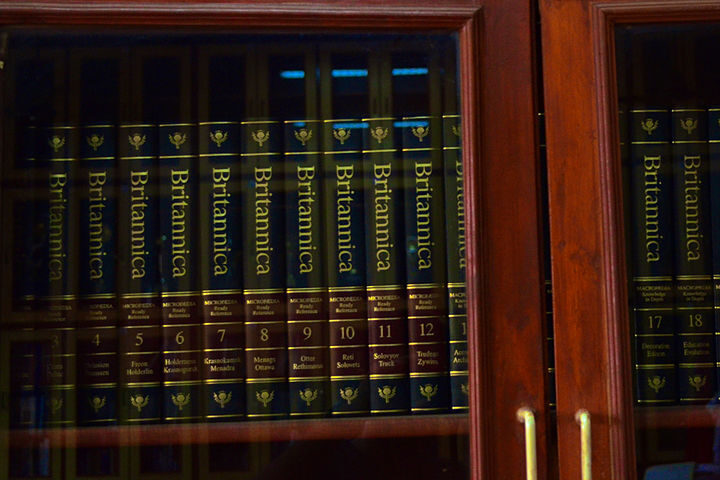
Encyclopedias used to sit in homes like a quiet symbol of knowledge. If you needed to learn something, you pulled a heavy book, flipped through pages, and actually searched for answers. It took time, but it also made you curious. You often learned extra things by mistake because your eyes wandered to nearby topics. Today, we type a question and get the answer instantly. It’s convenient, yes, but it also skips that slow discovery. Having encyclopedias at home made learning feel like a daily habit, not something you rushed through in seconds.
5. Dial-Up Internet Moments
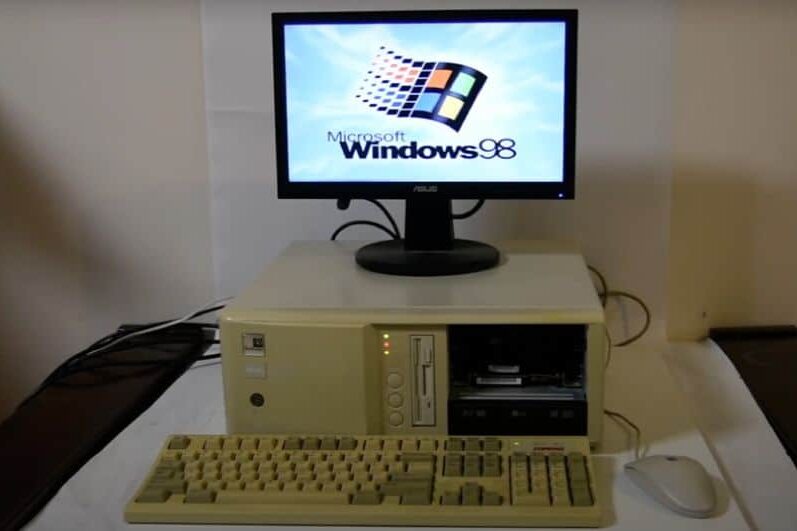
Dial-up internet was slow, noisy, and oddly exciting. You sat down, waited for the connection sound, and hoped nobody picked up the phone to ruin everything. Going online felt like an event, so you planned what you wanted to do before you logged in. You didn’t scroll endlessly, because time mattered. Now we have fast internet almost everywhere, and we barely notice it until it stops working. Dial-up didn’t just connect you, it trained patience. It taught people to use the internet with intention, even if it took forever to load one single page.
6. Calling Cards for Long Calls

Calling cards were a small miracle for long-distance conversations. You scratched the back, typed the numbers carefully, and listened closely so you didn’t waste your minutes. It wasn’t fancy, but it helped people stay connected across cities and countries. Calls felt more focused, because you knew the time was limited. Today we can call abroad freely on apps, and that’s beautiful, but it also makes conversations less planned. Back then, you called with purpose, you spoke clearly, and you savored the moment. Those cards slowly disappeared, but the carefulness they required disappeared too.
7. Film Cameras and Photo Prints
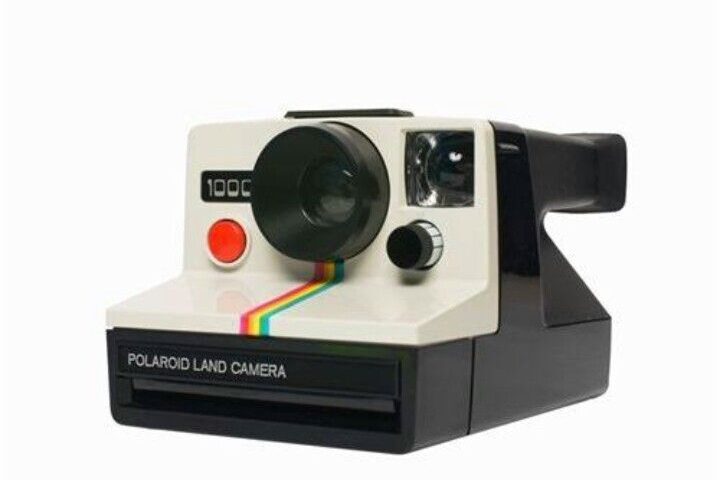
Film cameras made pictures feel important. You didn’t take endless shots because every click counted. After finishing the roll, you waited days to develop it, and opening the prints felt like a surprise gift. Some photos came out blurry, some were too dark, and some were perfect in a way you didn’t expect. Now we take dozens of photos, delete most of them, and forget the rest in our gallery. Prints were different because you could hold them, frame them, and stumble on them years later. Film didn’t fully vanish, but it left everyday life quietly.
8. Mix CDs and Burned Discs
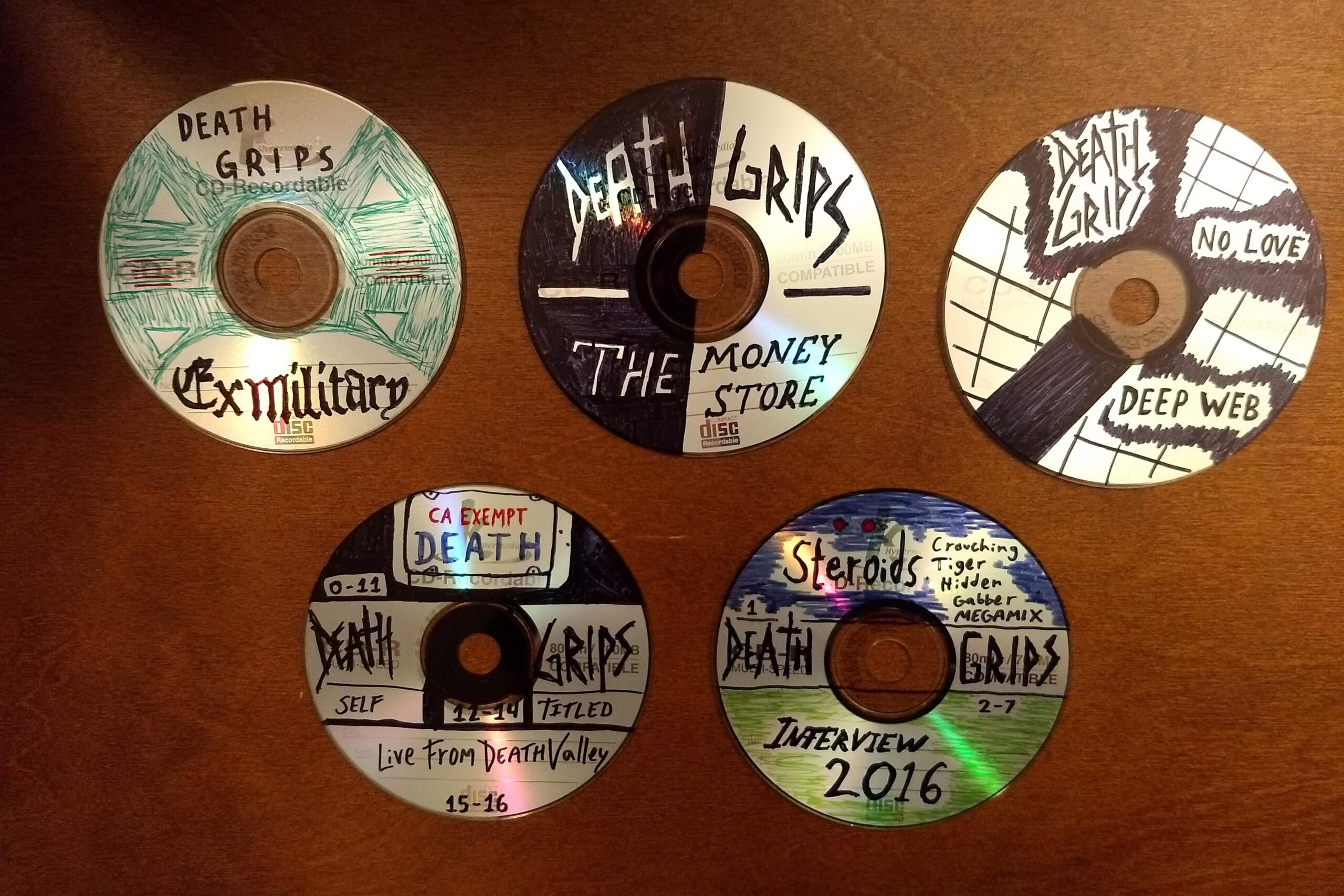
Making a mix CD was a whole love language. You didn’t just pick songs, you built a mood and arranged the tracklist like a message. The first song hooked them, the middle songs carried the feeling, and the last song said what you couldn’t say out loud. People wrote labels with pen, decorated covers, and handed them over like a small gift. Streaming is easier now, but it doesn’t feel as personal. Burned CDs made music feel shared and intentional. They slowly faded away, but the effort behind them is what people still miss the most.
9. Cable TV Channel Surfing
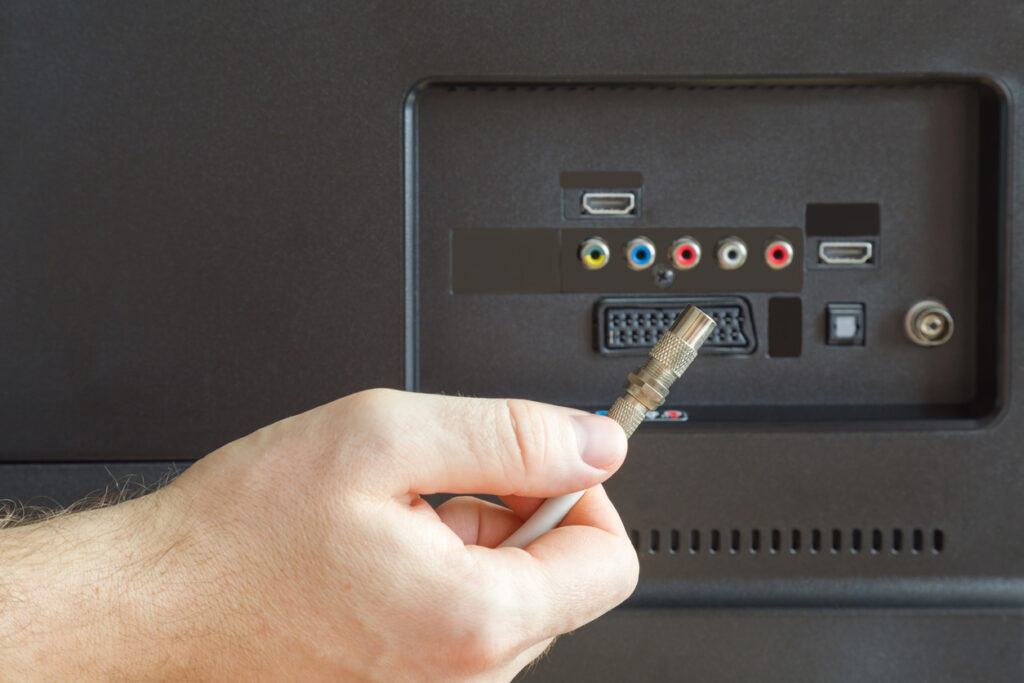
Cable TV had its own simple charm. You didn’t always choose what to watch, you just flipped through channels until something grabbed you. Sometimes you landed on a movie halfway through and still stayed. It felt like everyone was watching the same things, so conversations the next day came naturally. Now we have endless options and personal recommendations, but it can feel like we’re all watching alone. Channel surfing was part of the fun, and it helped you discover shows you never searched for. Cable didn’t disappear instantly, but it slowly stepped back while streaming took the front seat.
10. The Newspaper on the Table
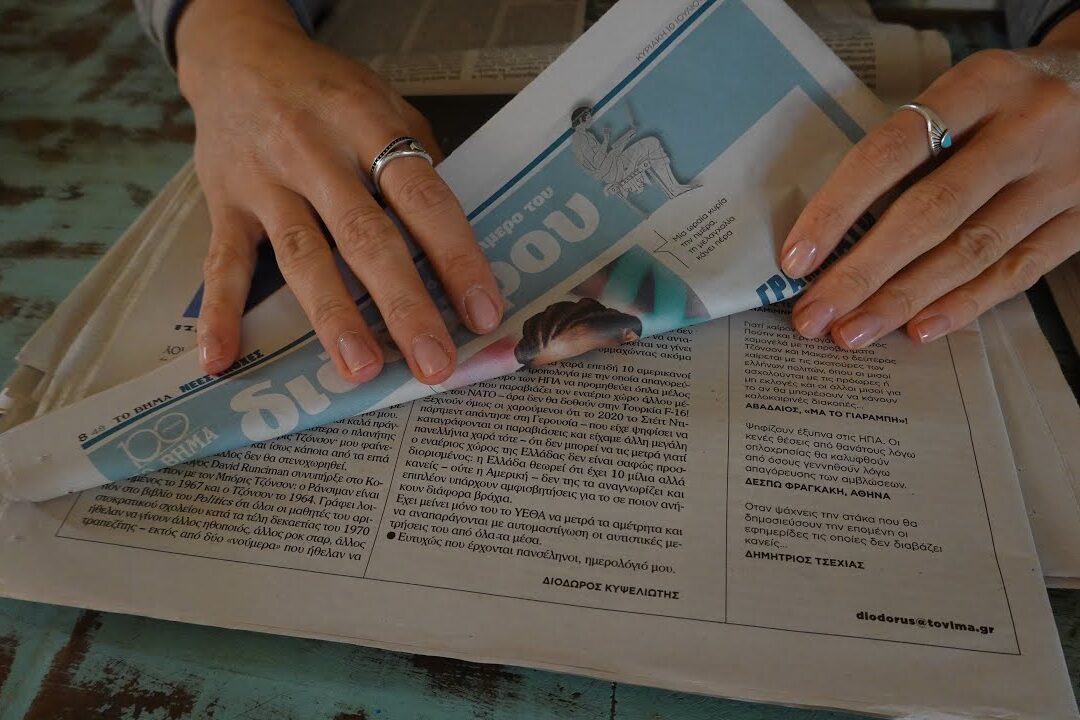
Newspapers used to be part of the morning routine. Someone would spread it on the table, sip tea, and scan headlines while the day slowly started. You didn’t just read news, you felt it in your hands, page by page. It was calmer, even when the stories were heavy. Today news comes through phones, often mixed with notifications, ads, and endless scrolling. The quiet habit is harder to find. Newspapers didn’t vanish completely, but many homes stopped buying them, and mornings changed without anyone announcing it. It was one of those everyday things that quietly slipped away.
11. Cash-Only Errands

Cash-only life made spending feel more real. You counted your money before leaving home, and you knew exactly what you could afford. If you ran out, that was it, no quick transfers or tap-to-pay saving the day. It forced discipline in a natural way. Today digital payments are convenient, but they can make money feel like numbers on a screen. You spend quickly and realize later. Cash didn’t disappear, but it became less central. Still, there was something grounding about holding your budget in your hand. It made everyday shopping feel slower, clearer, and more intentional.
12. Landline Phones at Home
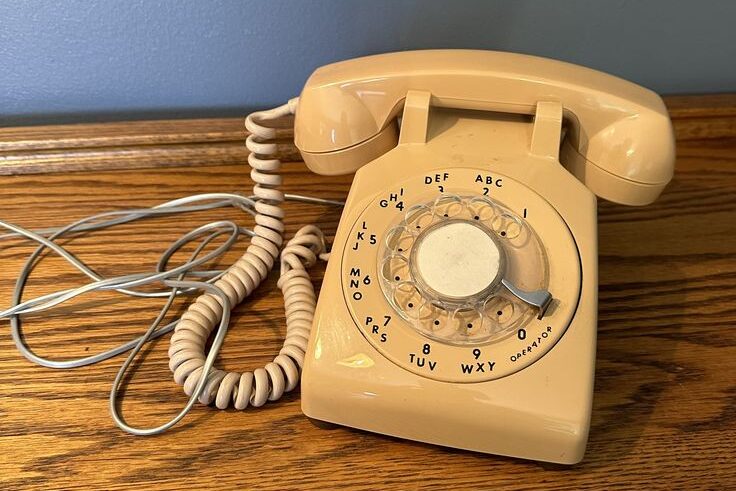
Landlines once sat proudly in the home like a shared connection point. When it rang, everyone wondered who it could be. If you answered, you spoke properly because other people could hear you. Some calls were short, some were long, and some were made just to check in. Now everyone has their own phone, their own private chats, and their own world. Landlines gradually faded as mobile phones became cheaper and easier. But the home phone carried a certain togetherness, even in the smallest way. It reminded you that communication could be shared, not always personal and separate.
13. Passing Notes in Class

Passing notes in class was pure friendship in paper form. You folded the sheet tiny, wrote fast, and slipped it along desks like a secret mission. The message could be funny, dramatic, or just one small line that made your day better. It wasn’t about convenience, it was about the thrill and the closeness. Now students message instantly, even when sitting side by side. It’s faster, but it doesn’t feel the same. Notes were physical, so people kept them in books and boxes for years. That little tradition faded quietly, but the memory still feels sweet.
14. Phone Books by the Door
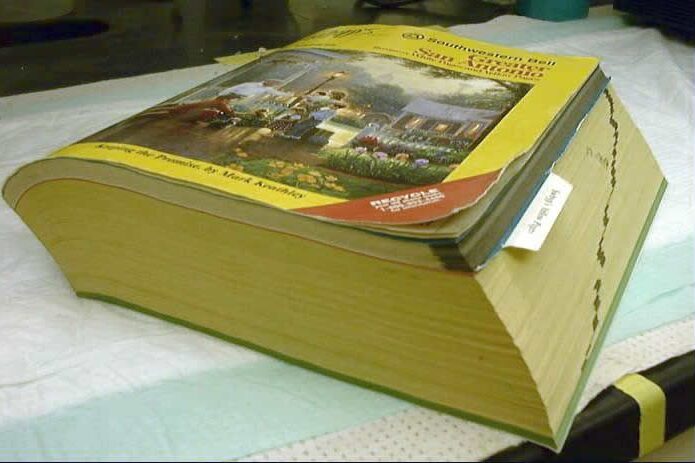
Phone books were always around, thick and heavy, and somehow necessary. If you needed a number, you flipped through pages and searched by name or business type. It wasn’t fast, but it worked. Phone books also made local life feel connected, like your community was organized in one place. Today we search online in seconds, with maps and reviews included. Phone books gradually stopped showing up, and most people didn’t even notice. Still, there was comfort in having everything listed without needing signal, data, or battery. It was simple, reliable, and very much of its time.
15. Answering Machines and Greetings
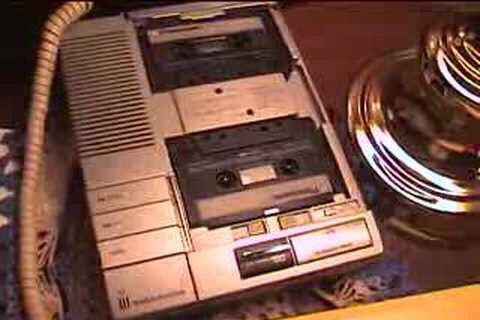
Answering machines used to hold messages like little time capsules. You’d come home, press play, and listen with curiosity. Some voices sounded excited, some sounded serious, and some sounded like they missed you. People also recorded voicemail greetings with effort, trying to sound polite or funny. Now most people ignore voicemail and send a quick text instead. Leaving a long recorded message feels awkward to many people today. Answering machines didn’t disappear in one day, they just became unnecessary as communication got faster. But there was something special about hearing someone’s voice waiting for you at home.
16. Writing Checks for Payments
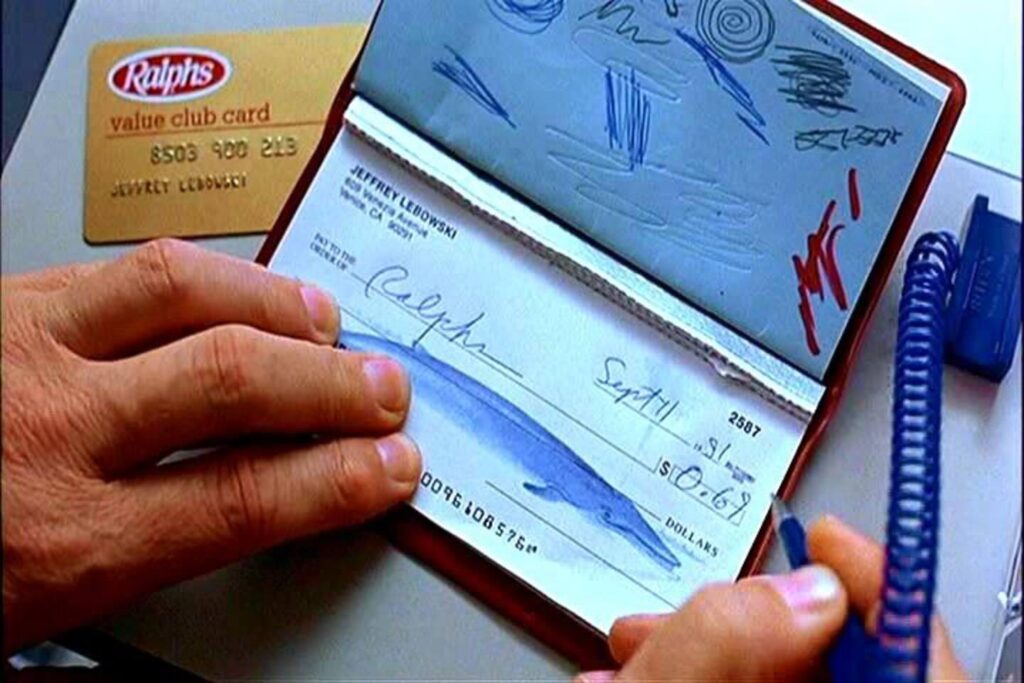
Checks once felt like the official way to pay for important things. Rent, school fees, bills, even gifts sometimes came with a written check. You filled it out carefully, signed your name, and felt responsible doing it. It was slower than digital payments, but it had structure and a sense of order. Today most people prefer transfers and online banking, and many younger adults have never written a check. Checks didn’t completely vanish, but they moved into the background. Still, there’s something satisfying about the physical act of paying with your own handwriting, like you truly handled the moment.
17. The Shared Family Computer
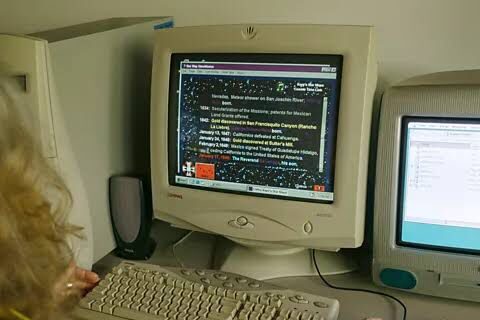
The family computer used to be one device that everyone shared. It sat in a corner of the house, and people took turns like it was a small schedule. Because it was in a public space, you couldn’t hide what you were doing easily, and that created limits without even trying. You used the internet, then you logged off, because someone else needed their turn. Now everyone has a phone, a laptop, and private screen time all day. The family computer slowly disappeared as personal devices became common. But it taught balance in a simple way, and that’s something worth remembering.
18. Memorizing Phone Numbers
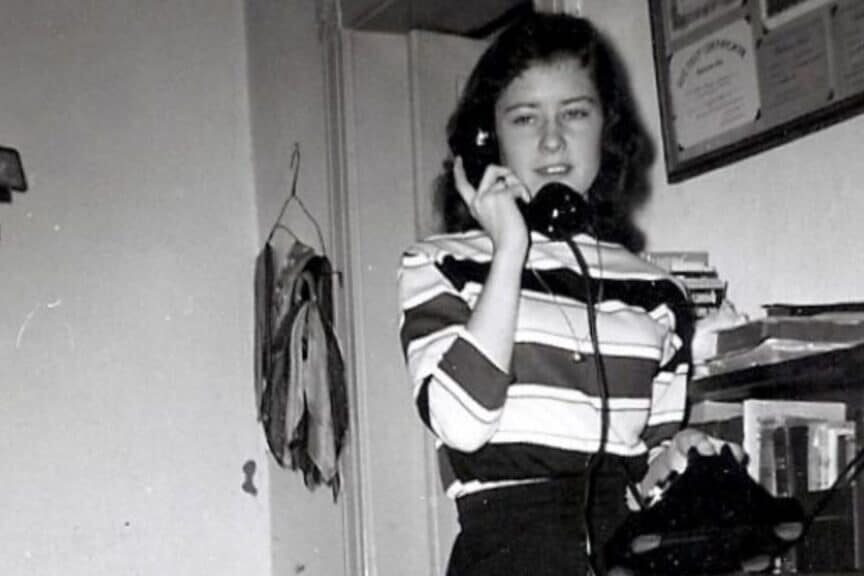
Memorizing phone numbers used to be normal. You knew your best friend’s number, your sibling’s number, maybe even your neighbor’s number, all by heart. It wasn’t a special talent, it was just life. Now our phones store everything, and if your device dies, you suddenly feel stuck. It’s not that people became less capable, we simply stopped needing to remember. And maybe that’s fine, because life is already full. Still, knowing someone’s number by heart felt like closeness, like they mattered enough to live in your memory. Maybe that’s the real takeaway, keep what matters close.
19. Waiting for Photos to Be Developed
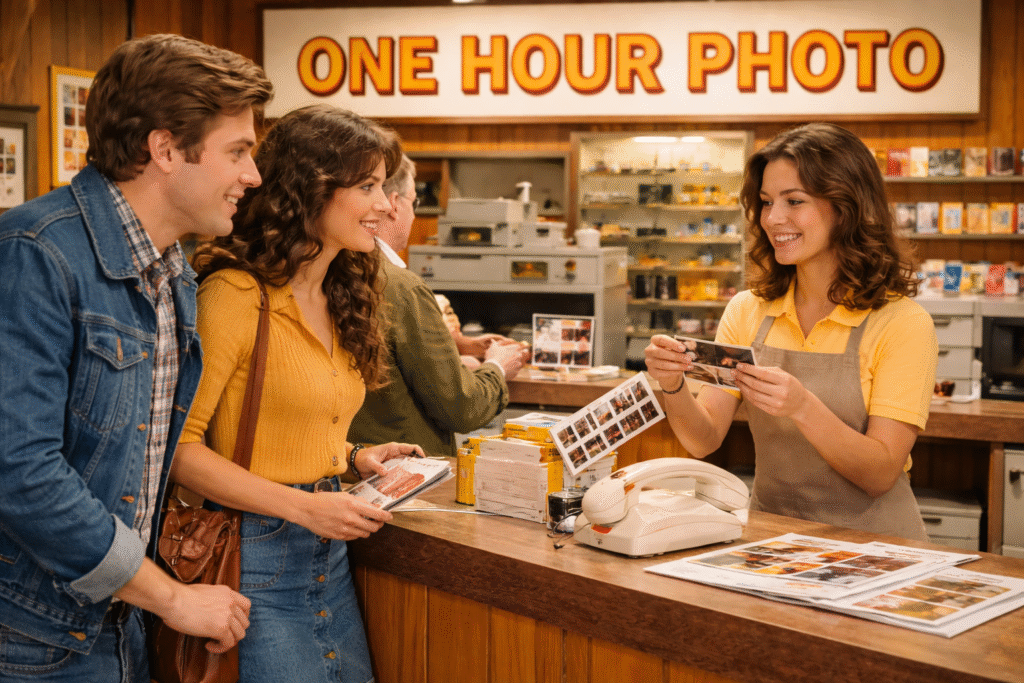
Before digital cameras became common in the early 2000s, taking photos required patience. Film cameras only allowed a limited number of shots, usually 24 or 36 per roll, so people chose moments carefully. After finishing a roll, it was taken to a photo lab or supermarket counter, where it could take several days to develop. During that waiting time, people wondered which pictures would turn out well and which would not. This delay made photography feel thoughtful and exciting. Opening the envelope of printed photos felt special, almost like receiving a small gift from the past. Today, photos appear instantly on phones and are often forgotten just as quickly.
20. Sunday Family Dinners
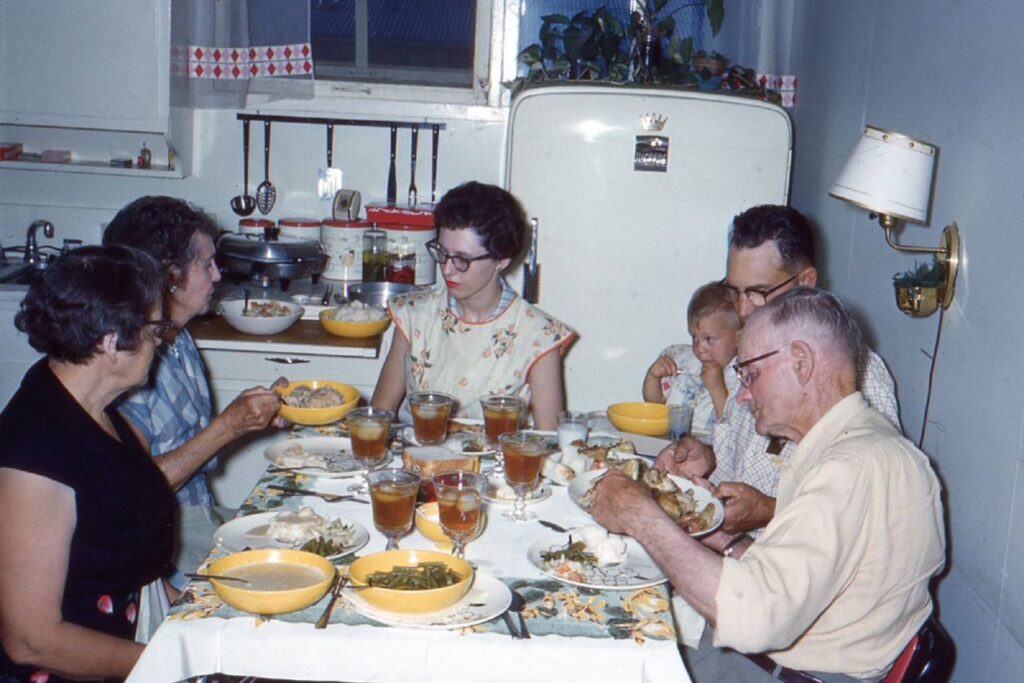
For many families, Sunday dinners were a weekly tradition that brought everyone together. Long before smartphones became part of daily life, Sundays were often reserved for shared meals at home. Families gathered around the table to eat, talk, and reconnect after busy weeks. These meals were rarely rushed. Conversations flowed naturally, and children listened to stories from older relatives. In many cultures, this tradition was strongest throughout the 1970s, 1980s, and 1990s, when fewer people worked weekends. Over time, lifestyles changed. By the early 2010s, longer working hours, travel, and digital distractions made shared meals harder to organise.
21. Recording Songs from the Radio
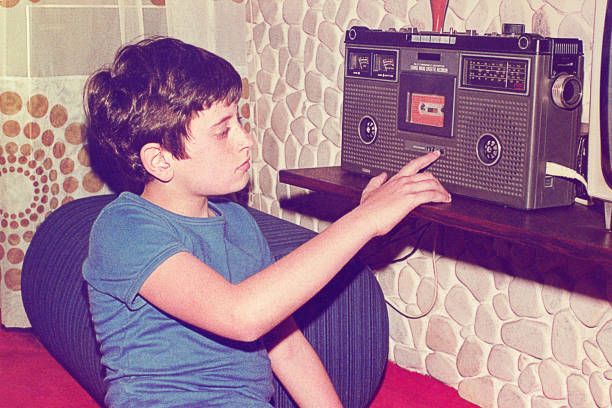
Before music streaming became widespread after 2010, people often recorded songs directly from the radio. Using cassette tapes, listeners waited patiently for their favourite tracks to play. Timing was important. DJs sometimes talked over the start or end of a song, which could ruin the recording. Successfully capturing a song without interruptions felt like a small achievement. This practice was common throughout the 1980s and 1990s, especially among teenagers. Although streaming services now offer instant access to millions of songs, recording from the radio created a deeper connection to music.
22. Writing Phone Numbers on Paper
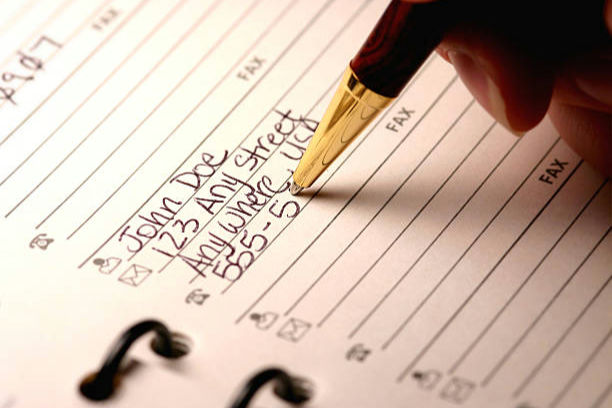
Before mobile phones stored contacts automatically, people wrote phone numbers on paper. Numbers were kept in notebooks, diaries, or pinned near home phones. This was especially common before the early 2000s, when mobile phones became widely used. Writing a number down required care, because losing it meant losing contact. It also helped people memorise important numbers over time. Today, phone numbers are saved instantly and rarely remembered. While this is convenient, it reduces personal involvement. Sociologists note that writing things by hand once reinforced memory and importance. Paper lists and address books carried emotional value, reminding people of friendships and relationships. This everyday habit slowly faded as digital storage took over.
23. Renting Video Games
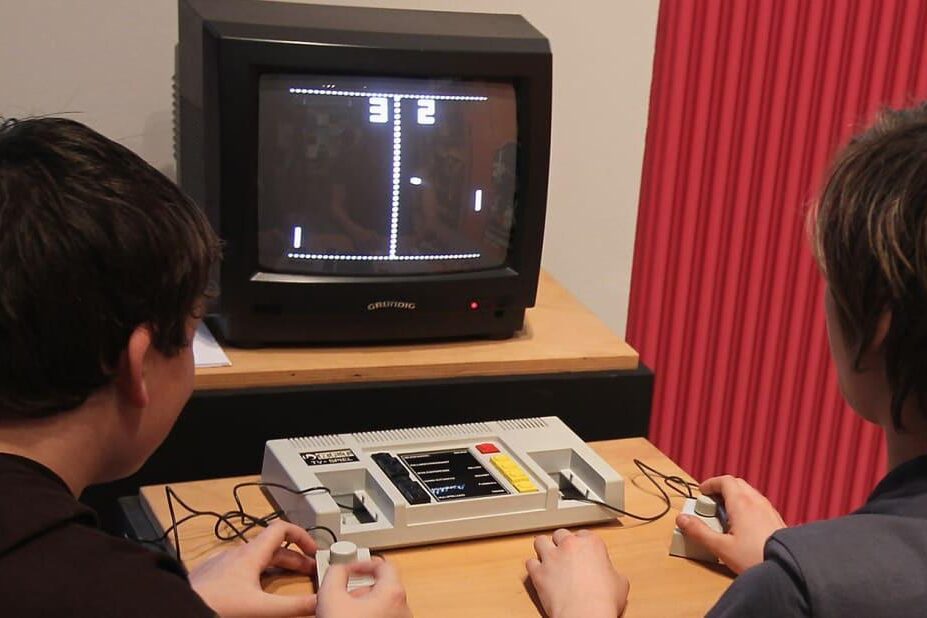
Video game rentals were popular from the late 1980s through the early 2000s. Players visited rental stores to choose a game, knowing they had only a few days to play it. This created urgency and focus. Every hour mattered, especially during weekends. Choosing a game involved reading the box, checking ratings, and sometimes asking staff for advice. With the rise of digital downloads after 2010, renting games became rare. While modern gaming offers convenience, rentals encouraged commitment and planning. Gaming researchers note that time limits once shaped how players engaged with games. The rental era ended quietly, replaced by instant access that removed both restriction and anticipation.
24. Handwriting School Assignments

Before computers became common in classrooms, students completed most assignments by hand. This was standard practice throughout the 20th century and into the early 2000s. Writing essays required patience, neat handwriting, and careful planning. Mistakes were crossed out, and teachers often recognised students by their writing style. Typing is now faster and more efficient, but handwriting helped students slow down and think carefully. Educational studies suggest that writing by hand improves memory and comprehension. Handwritten notebooks once documented growth and effort. While typing dominates modern education, handwritten work still carries lasting personal value.
25. Saving Coins in Jars

Saving loose change in jars was once a common habit. People placed spare coins in containers and watched them slowly fill up. This practice was especially popular before online banking became widespread in the late 2000s. Saving coins created a visible sense of progress and patience. Today, savings are mostly digital and less tangible. Financial experts note that physical saving once helped people understand money better. Coin jars made saving feel achievable, even in small amounts. Though simple, this habit quietly taught discipline and long-term thinking.
26. Waiting for Favourite TV Shows Weekly
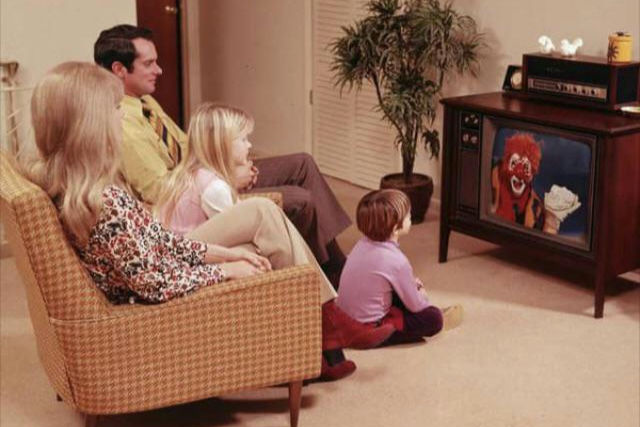
Television shows once aired weekly, often at the same time each week. Missing an episode meant waiting for a repeat. This format dominated television until streaming services became popular after 2012. Viewers often discussed episodes together, creating shared experiences. Streaming allows entire seasons to be watched at once, but weekly schedules built anticipation. Media researchers note that shared viewing once strengthened social connection. Waiting became part of the enjoyment. This slow rhythm faded as on-demand viewing took over.
27. Playing Outside Until Sunset

Children once spent long hours playing outside, especially during the 1980s and 1990s. Time was measured by daylight rather than clocks. Games continued until parents called children home at sunset. Outdoor play encouraged creativity, independence, and physical activity. By the 2010s, screen-based entertainment reduced outdoor play. Studies show children now spend less time outdoors than previous generations. Although play still exists, its form has changed. That free, unstructured time gradually disappeared without notice.
28. Using Maps Instead of GPS
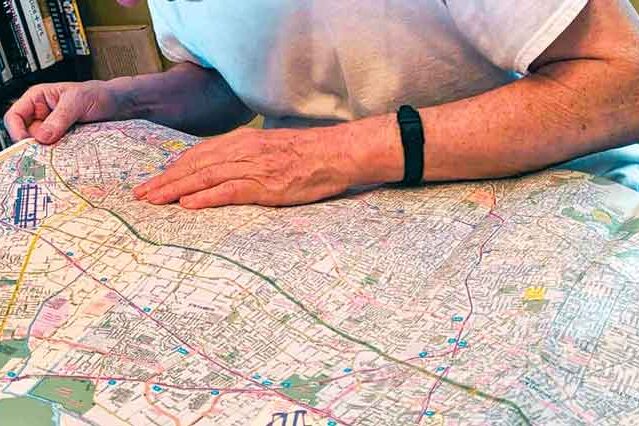
Before GPS navigation became common after 2005, people relied on paper maps. Travellers planned routes in advance and learned landmarks along the way. Getting lost was part of the experience, and problem-solving skills developed naturally. GPS made travel easier, but reduced awareness of surroundings. Geographers note that map-reading once strengthened spatial understanding. Paper maps slowly disappeared from cars, replaced by digital voices giving directions.
29. Writing Diaries by Hand

For many people, keeping a diary was once a private and trusted habit. Before social media and cloud storage became common in the late 2000s, diaries were written by hand and often hidden in drawers or under beds. People used them to record daily events, feelings, and thoughts they did not share with others. Writing by hand slowed the process, allowing emotions to settle and ideas to form more clearly. Each page reflected the writer’s mood through handwriting, crossed-out words, and small details that made every diary personal. Today, thoughts are more likely to be typed, shared, or deleted within seconds. Psychologists note that handwritten journaling can improve emotional clarity and reduce stress, which partly explains why the practice was once so meaningful. While digital notes are convenient, handwritten diaries felt safe and permanent. Their quiet disappearance shows how private reflection slowly gave way to faster, more public forms of expression.
30. Buying Music Albums for One Song
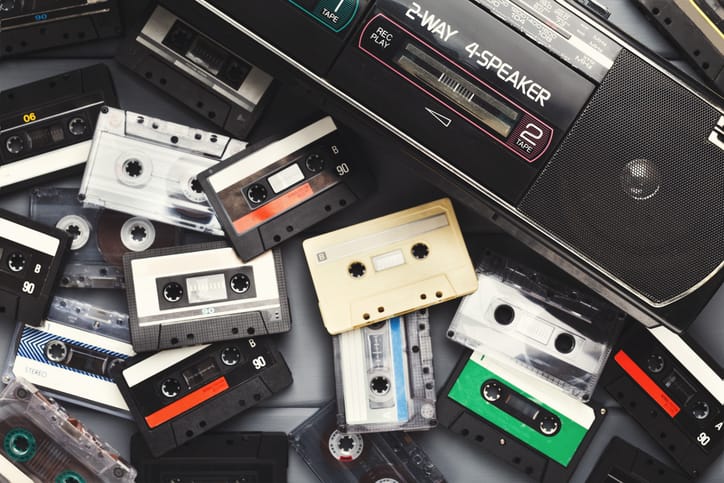
Before music streaming platforms emerged around 2010, people often bought full albums just to hear one popular song. Albums were sold on cassette tapes and CDs, especially during the 1980s and 1990s. Once purchased, listeners explored the remaining tracks, sometimes discovering songs they loved even more than the original hit. This process helped artists tell complete stories through their albums rather than focusing on single tracks alone. Streaming changed listening habits by allowing users to skip freely. While this offers choice, music historians argue that album culture encouraged patience and deeper appreciation. Albums once reflected artistic vision and time. Their decline changed how music is consumed, without people fully noticing the shift.
31. Writing Addresses on Envelopes
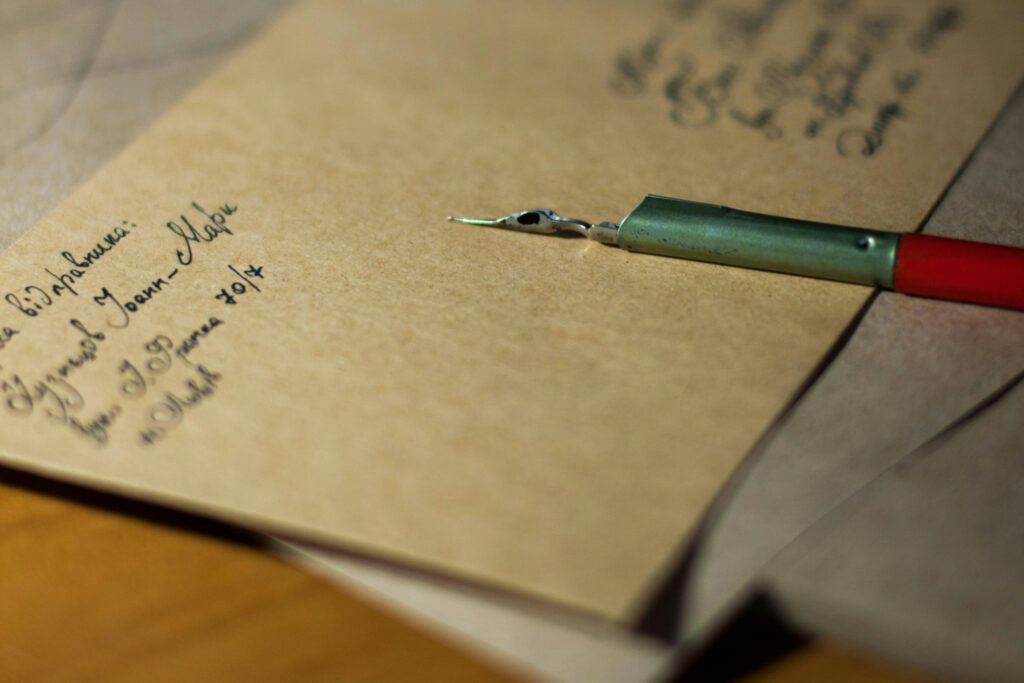
Writing addresses by hand was once an everyday skill. Before email and messaging apps became dominant in the early 2000s, letters were carefully addressed to ensure delivery. Each envelope showed effort, from neat handwriting to proper postage placement. Receiving mail felt personal because someone took time to prepare it. Digital communication removed this process almost entirely. Postal services around the world reported declining letter volumes after 2010. While messages now arrive instantly, handwritten addresses once signalled care and intention. That small ritual quietly faded as communication became faster and less physical.
32. Window Shopping Without Buying

Window shopping used to be a relaxed way to spend time, especially in town centres and high streets. People walked past shops simply to look at displays, imagine owning certain items, and enjoy the effort put into presentation. This habit was common throughout the 1980s and 1990s, when shopping trips were also social outings. There was no pressure to spend money. Instead, it was about curiosity, inspiration, and passing time with friends or family. Today, online browsing often leads directly to buying, driven by targeted adverts and quick checkout options. The quiet pleasure of looking without obligation slowly faded, changing how people relate to shopping and public spaces.
33. Fixing Things Instead of Replacing Them
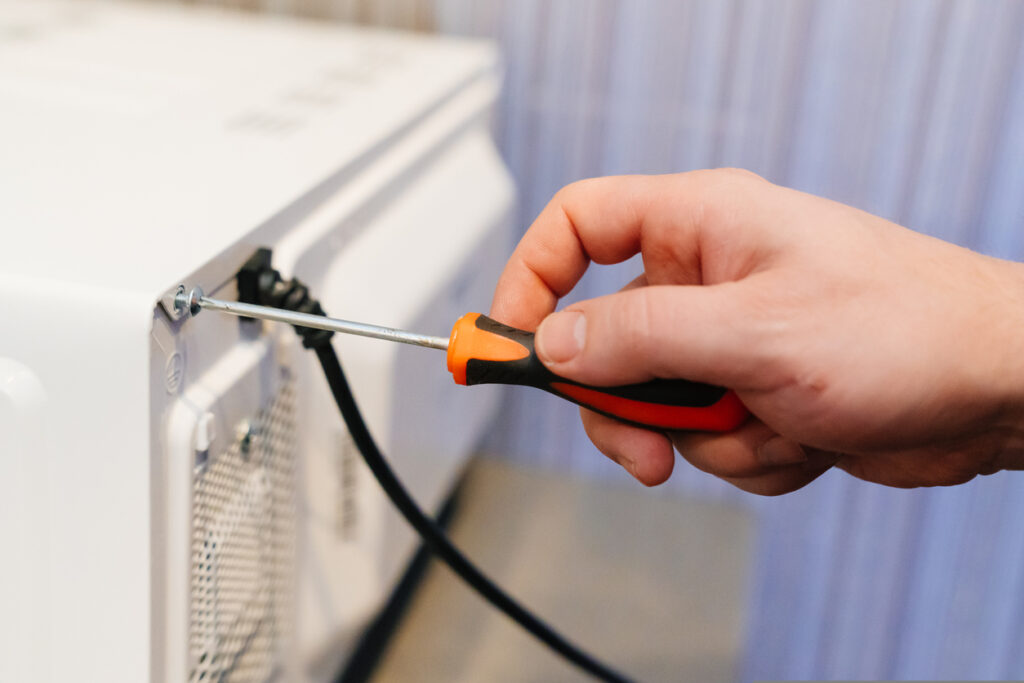
In earlier decades, broken items were usually repaired rather than thrown away. From household radios to shoes and kitchen appliances, people expected things to last. Repair shops were common in many communities from the 1950s through the 1990s, and basic fixing skills were passed down within families. Repairing an item saved money and gave people a sense of achievement. By the early 2000s, mass production and cheaper replacements changed habits. Consumer studies show that repairing items became less economical compared to buying new ones. As a result, repair culture declined. Along with it went patience, practical knowledge, and appreciation for durability. The shift happened gradually, without much discussion, as convenience began to outweigh long-term value.
34. Borrowing Books from Friends

Borrowing books from friends was once a common and trusted exchange. Before digital reading became widespread after 2010, physical books were shared between classmates, colleagues, and neighbours. Lending a book meant believing it would be returned in good condition. Often, the book came back with folded pages or notes, adding to its story. E-books and online libraries changed reading habits by improving access but reducing physical sharing. Literature researchers note that borrowing books once encouraged discussion and deeper connection. While reading remains popular, the shared experience of passing books hand to hand slowly became less frequent, replaced by individual digital libraries.
35. Writing Shopping Lists on Paper

Shopping lists were once handwritten on scraps of paper, notepads, or the back of envelopes. Before smartphone apps became common in the late 2000s, people relied on these lists to stay organised and avoid forgetting essentials. Crossing items off the list gave a sense of progress and control over spending. Although digital lists are now convenient, studies suggest handwriting improves focus and memory. Paper lists made shopping feel intentional and calm. This simple habit gradually disappeared as mobile devices took over daily planning, even though many people still remember the satisfaction of ticking off each item.
36. Quiet Evenings Without Notifications

Evenings were once naturally quiet, especially before smartphones became widespread after 2007. People read books, watched television together, or simply rested without interruptions. Silence was part of daily life, not something that needed effort to protect. Today, constant notifications fill spare moments. Digital wellbeing studies show that increased screen use has reduced uninterrupted rest time. Quiet evenings did not vanish suddenly, but they became harder to find. The change happened quietly, as being constantly reachable became normal, reshaping how people relax and recharge.


