
1. Wizard of Oz Break
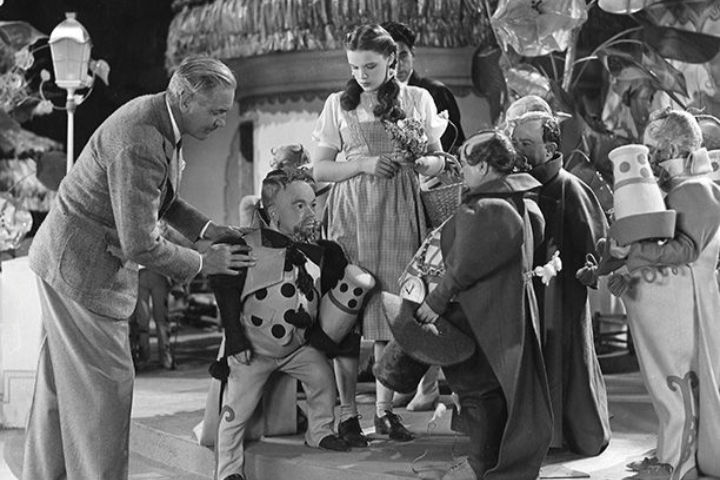
Old Hollywood films feel polished and timeless on screen, but behind the camera, they were built through long hours and human moments rarely seen by audiences. Rare behind-the-scenes photos from the set of The Wizard of Oz often show cast members relaxing in costume between takes, a striking contrast to the film’s magical final look. One widely circulated image captures Judy Garland seated casually in her Dorothy dress, taking a brief rest under the harsh Technicolor lights. These photos are historically significant because they reveal the physical toll of early color filmmaking, which required intense lighting that made long shooting days exhausting. They also offer context to Garland’s well-documented struggles during production, which have since been explored in biographies and studio records. Images like these humanize a film that has become almost mythic, reminding viewers that its enduring charm was created under demanding and often unforgiving working conditions.
2. Casablanca Script Changes
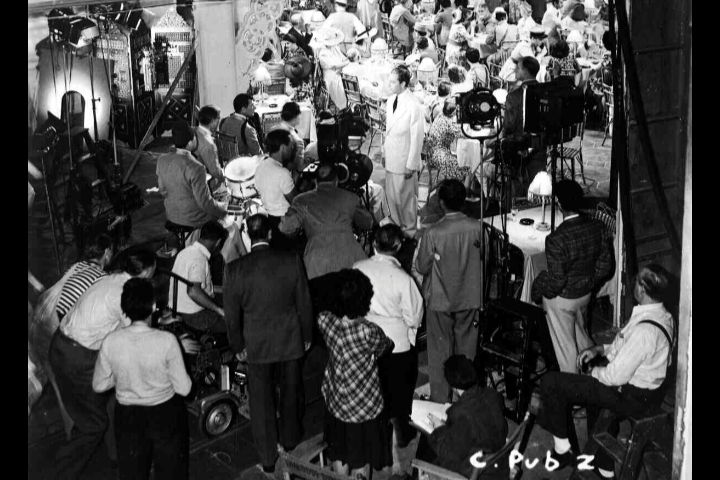
Behind-the-scenes photographs from the production of Casablanca frequently show actors holding script pages, highlighting the film’s famously unfinished screenplay. Studio records and cast interviews confirm that dialogue was rewritten daily, sometimes moments before filming. Rare set images capture Humphrey Bogart and Ingrid Bergman reviewing pages between takes, underscoring the uncertainty surrounding the story’s ending. These photos are especially valuable because Casablanca is now considered one of the most tightly written films in history, despite its chaotic creation. Seeing the cast mid-discussion reminds audiences that the movie’s emotional power emerged through constant revision and collaboration rather than a fixed plan, offering a rare glimpse into Hollywood’s improvisational studio era.
3. Gone With Wind Set
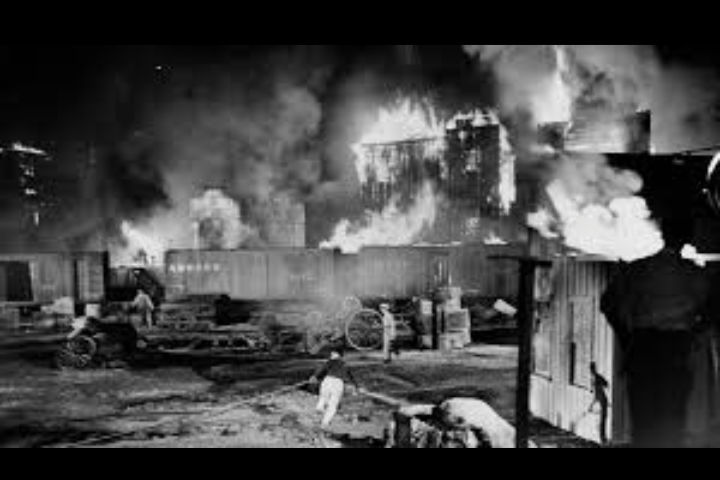
Some of the most dramatic behind-the-scenes photos from Gone with the Wind show the massive sets built for the famous burning of Atlanta sequence. Archival images reveal towering facades constructed solely to be destroyed on camera, emphasizing the scale of production rarely matched even today. These photos are widely preserved in studio archives and film history books because they document a turning point in Hollywood spectacle. They also capture director changes, crowded sets, and complex camera setups involving hundreds of extras. Beyond their visual impact, the images serve as evidence of how the studio system invested enormous resources into single scenes, shaping audience expectations for cinematic grandeur for decades to come.
4. Psycho Shower Setup
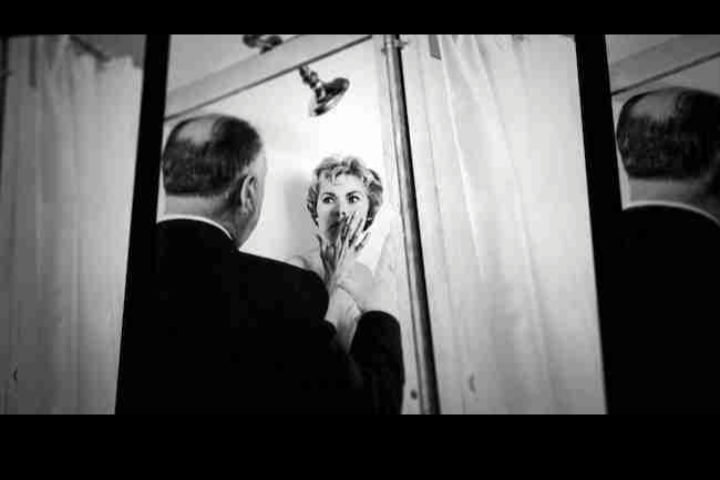
Rare behind-the-scenes images from the filming of Psycho reveal how carefully Alfred Hitchcock engineered the famous shower scene. Photographs show multiple cameras, precise lighting rigs, and the small bathroom set opened on one side to accommodate filming. Contrary to popular belief, no graphic violence was filmed; instead, the effect was created through rapid cuts and sound design. These images are frequently cited in film schools and documentaries because they visually explain Hitchcock’s technique better than words alone. Seeing the scene’s construction demystifies its terror while deepening appreciation for how editing, framing, and suggestion reshaped suspense filmmaking across generations.
5. Charlie Chaplin Directing
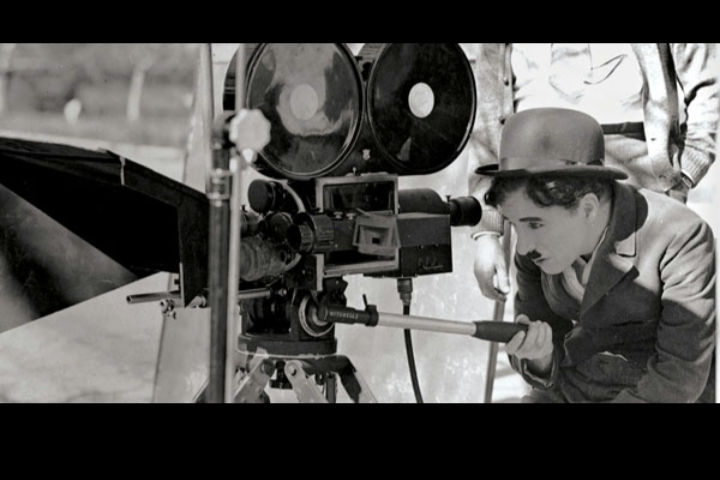
Behind-the-scenes photographs of Charlie Chaplin on set often show him directing while fully in character, a practice well documented throughout his career. Rare images from films like Modern Times capture Chaplin reviewing footage or adjusting scenes with meticulous attention. These photos are historically important because Chaplin maintained complete creative control, serving as writer, director, producer, and star. Film historians frequently cite these images as evidence of his perfectionism, sometimes requiring dozens of takes for a single gag. The photos reveal a disciplined filmmaker balancing comedy with social commentary, offering a rare look at how silent-era humor was carefully engineered rather than improvised.
6. Marilyn Monroe Between Takes
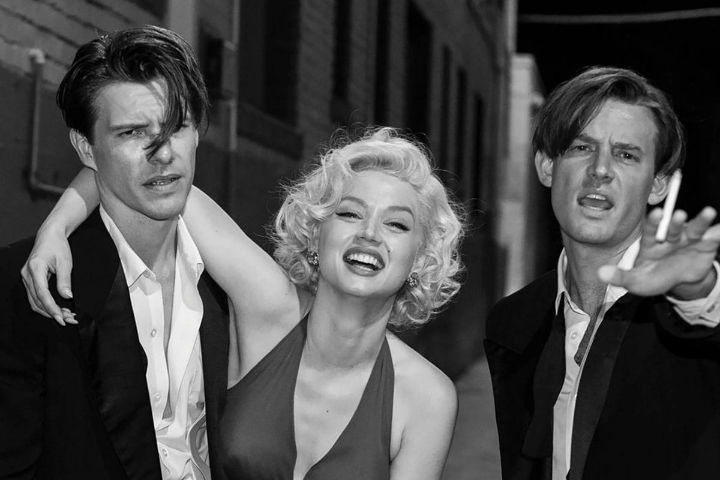
Candid set photos of Marilyn Monroe often show her studying scripts or conferring with crew members between takes, challenging the simplified public image crafted by studios. Behind-the-scenes images from films like Some Like It Hot document long production delays caused partly by Monroe’s health issues and perfectionism. These photographs are frequently referenced in biographies and museum exhibitions because they present Monroe as a working actress under intense pressure rather than a carefree icon. The images also capture the demanding pace of studio productions and the scrutiny faced by female stars, offering a more nuanced understanding of Monroe’s professionalism and the realities of fame in Hollywood’s golden age.
7. Metropolis Massive Sets
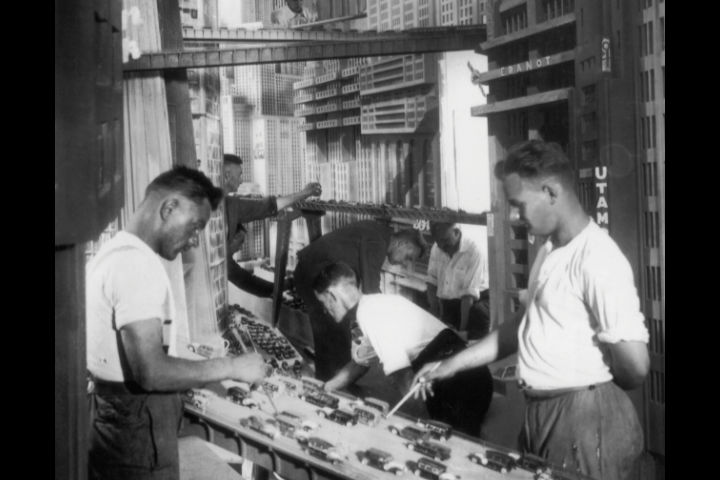
Behind-the-scenes photos from the production of Metropolis reveal enormous miniature cityscapes and complex mechanical sets that pushed filmmaking technology forward. Directed by Fritz Lang, the film relied on detailed models combined with live actors through innovative camera techniques. Archival images show technicians manually operating moving parts, highlighting the labor-intensive process behind its futuristic visuals. These photos are widely reproduced in film history texts because they document early special effects methods that influenced generations of science fiction cinema. Seeing the scale of these handcrafted sets underscores how imagination and engineering merged long before digital tools existed.
8. Hitchcock Camera Tricks
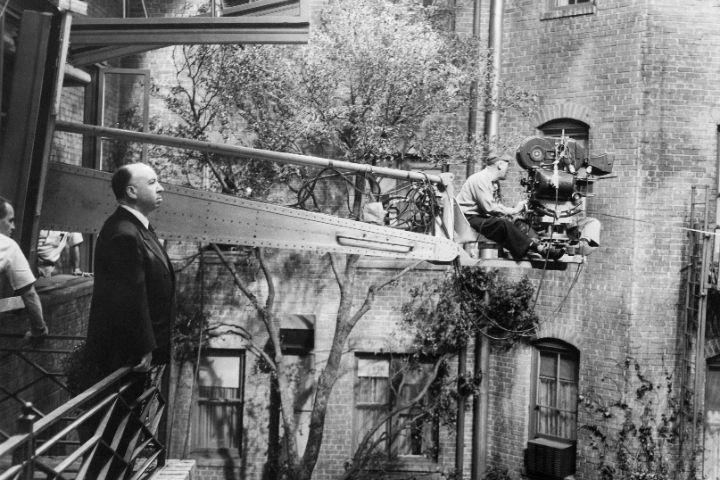
Rare set photos frequently show Alfred Hitchcock standing beside elaborate camera rigs, planning shots with mathematical precision. Images from productions like Rear Window reveal fully built apartment courtyard sets designed to control every visual detail. These photographs are significant because they demonstrate Hitchcock’s belief that suspense was created through framing and audience perspective rather than dialogue. Film scholars often use these images to explain how Hitchcock visualized entire scenes before filming began. They provide concrete evidence of his meticulous approach and help explain why his films remain staples in discussions of cinematic technique.
9. Singing in Rain Rehearsals
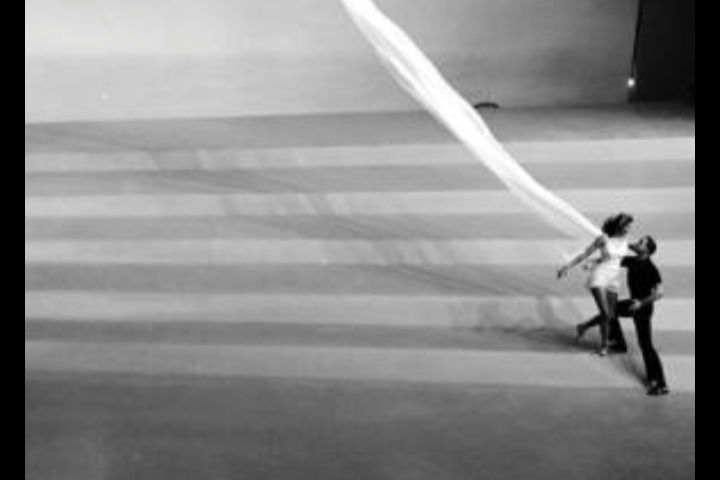
Behind-the-scenes photographs from Singin’ in the Rain often show Gene Kelly rehearsing complex dance routines long before cameras rolled. Studio documentation confirms that musical numbers were refined through exhaustive practice to achieve the film’s effortless feel. Rare images capture wet soundstage floors, lighting tests, and dancers marking steps between takes. These photos matter because they expose the physical discipline required to produce joyful musical performances. They also highlight the collaborative effort between performers, choreographers, and technicians, reinforcing why the film is frequently cited as one of the most carefully crafted musicals in cinema history.
10. King Kong Stop Motion
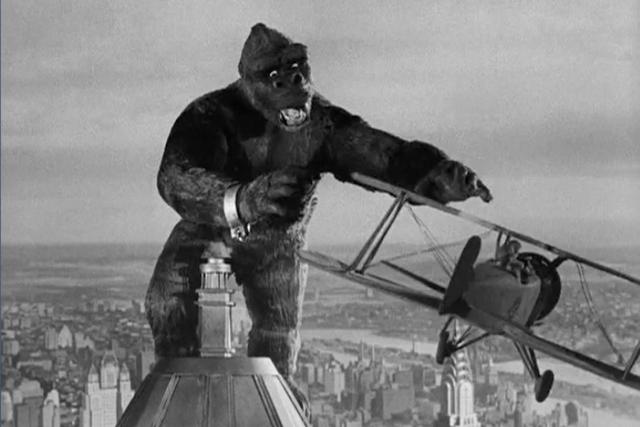
Behind-the-scenes images from King Kong show stop-motion pioneer Willis O’Brien carefully animating miniature models frame by frame. These photos are essential to film history because they document one of the earliest successful integrations of live-action and animation. Archival shots reveal detailed jungle sets built on tables and intricate armatures inside the Kong model. Film historians regularly reference these images to explain how practical effects laid the groundwork for modern visual effects. They capture a moment when patience and craftsmanship transformed fantasy into believable spectacle, forever changing audience expectations.
11. Citizen Kane Deep Focus
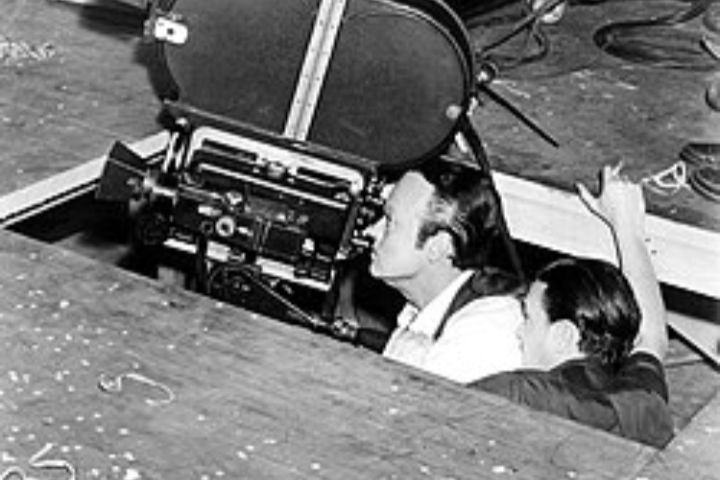
Rare behind-the-scenes photos from the set of Citizen Kane reveal how groundbreaking cinematographer Gregg Toland achieved the film’s famous deep-focus shots. Archival images show specially modified cameras, wide-angle lenses, and intense lighting setups that allowed foreground and background action to remain sharp simultaneously. These techniques were highly experimental at the time and required actors to hit precise marks within carefully staged compositions. Film historians frequently reference these photos because they visually explain why Citizen Kane changed cinematic language. The images also capture Orson Welles working closely with Toland, reinforcing accounts that the film’s innovations were the result of deliberate collaboration rather than accident, reshaping visual storytelling for decades.
12. Ben-Hur Chariot Prep
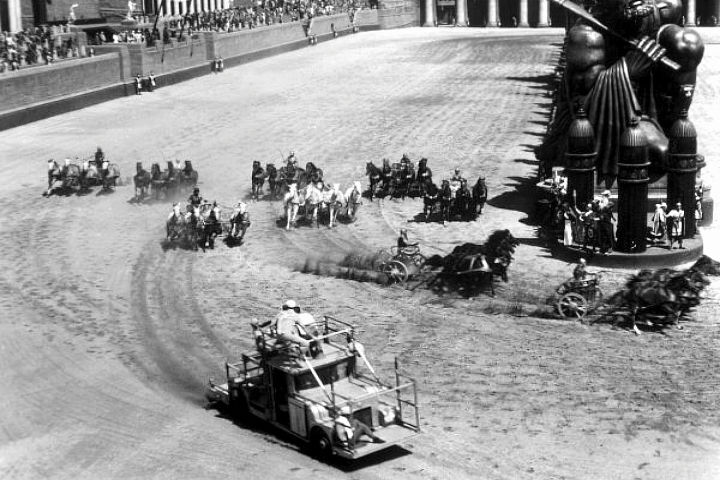
Behind-the-scenes photographs from Ben-Hur document the massive preparation behind the legendary chariot race. Images show full-scale arena construction, stunt coordination meetings, and Charlton Heston practicing chariot handling under professional supervision. Studio records confirm that the sequence required months of rehearsal and careful safety planning despite its dangerous appearance. These photos are historically valuable because they demonstrate how large-scale action scenes were executed before digital effects. They also highlight the physical demands placed on actors and stunt performers, reinforcing why Ben-Hur remains a benchmark for practical filmmaking and cinematic spectacle.
13. Sunset Boulevard Pool
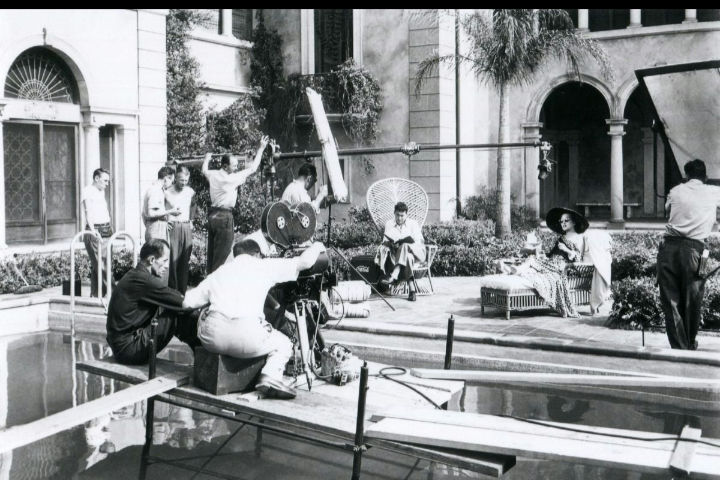
Rare behind-the-scenes images from Sunset Boulevard reveal the technical setup behind its iconic pool sequences. Photographs show cameras encased in waterproof housings and mirrors used to create haunting reflections. These images are widely studied because they demonstrate how director Billy Wilder combined visual innovation with sharp storytelling. Archival photos also capture Gloria Swanson in costume between takes, emphasizing the film’s self-referential commentary on fading stardom. Together, these images provide a deeper understanding of how Sunset Boulevard blurred the line between Hollywood fantasy and harsh reality, cementing its place in cinema history.
14. 12 Angry Men Room
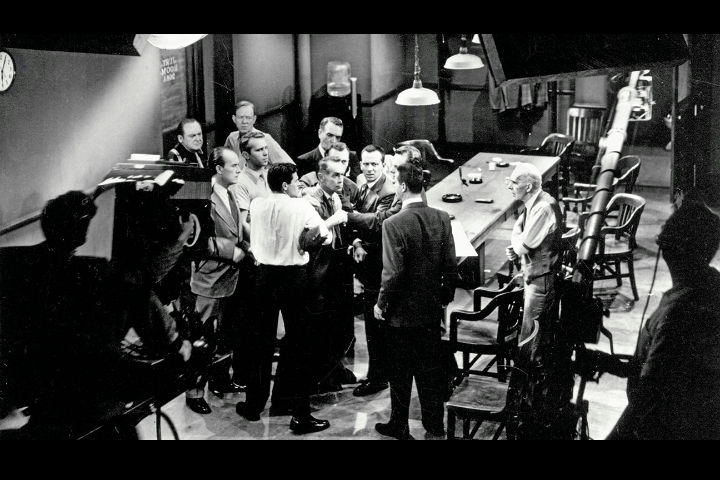
Behind-the-scenes photographs from 12 Angry Men show the gradual physical transformation of the jury room set. Archival images confirm that director Sidney Lumet subtly lowered the ceiling and tightened camera angles as filming progressed, increasing the sense of confinement. These photos are frequently used in film studies because they visually explain how staging and cinematography reinforce narrative tension. Seeing the cast crowded around the table between takes highlights the film’s reliance on performance rather than spectacle. The images underscore how careful technical choices turned a single-room drama into one of cinema’s most enduring works.
Like this story? Add your thoughts in the comments, thank you.


