
1. Chesley Sullenberger
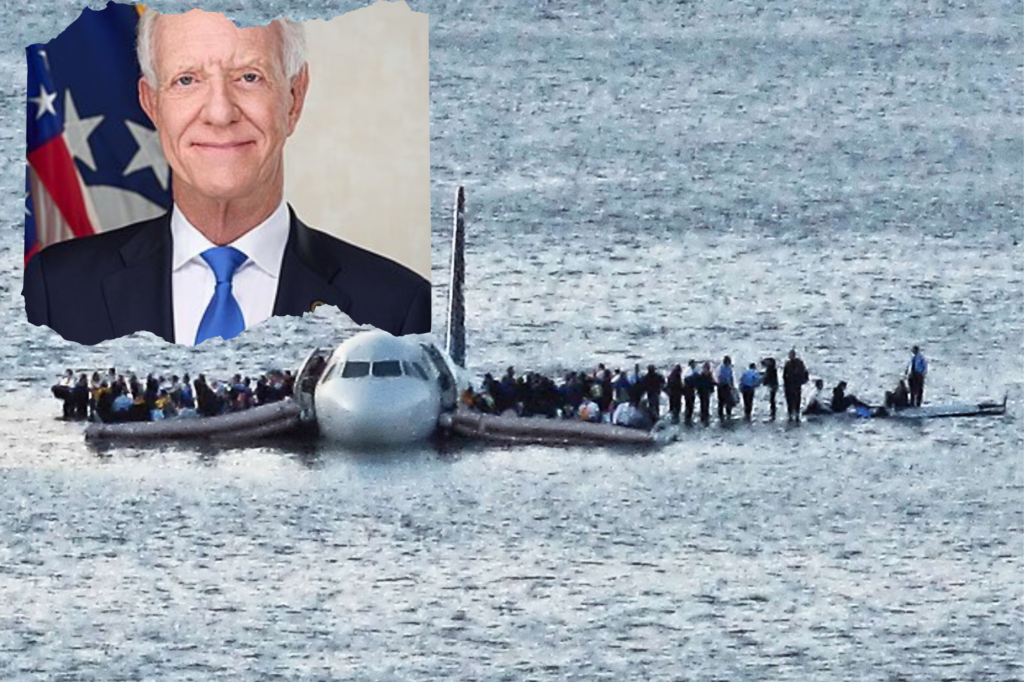
On January 15, 2009, a routine flight became one of the most unforgettable survival stories in modern aviation. When US Airways Flight 1549 lost power shortly after takeoff, everyone on board faced the unthinkable. Captain Chesley “Sully” Sullenberger was the calm voice in the cockpit when both engines failed after a bird strike. With decades of flying experience, he made the split-second decision to land on the Hudson River rather than attempt to return to an airport. His actions were immediately credited with saving every life on board. In the years that followed, Sullenberger became a national figure, testifying before Congress on aviation safety and speaking publicly about professionalism under pressure. He later retired from commercial flying, wrote bestselling books, and remains active as a safety advocate and speaker. Today, he is widely regarded as a symbol of leadership, preparation, and composure in crisis.
2. Jeffrey Skiles
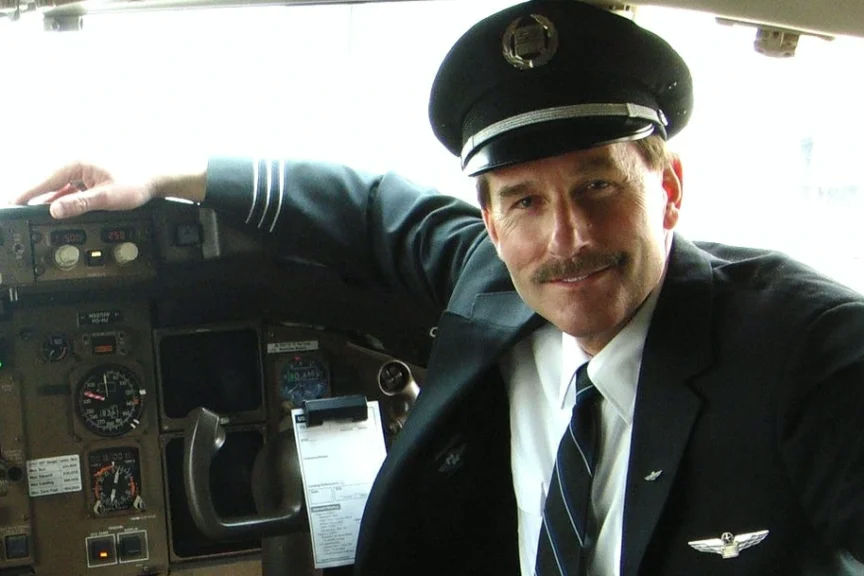
First Officer Jeffrey Skiles was flying his first Airbus A320 as a co-pilot when the emergency occurred. Despite limited time on that specific aircraft model, his training and teamwork with Captain Sullenberger proved critical. Skiles handled checklists, communications, and cockpit coordination during the crisis, helping ensure a controlled landing. After the incident, he continued flying for several years before retiring from commercial aviation. Skiles has since spoken about the importance of crew resource management and thorough training, often emphasizing that the successful outcome was the result of preparation rather than heroics alone. He remains respected within aviation circles for his professionalism during one of aviation’s most studied emergencies.
3. Doreen Welsh
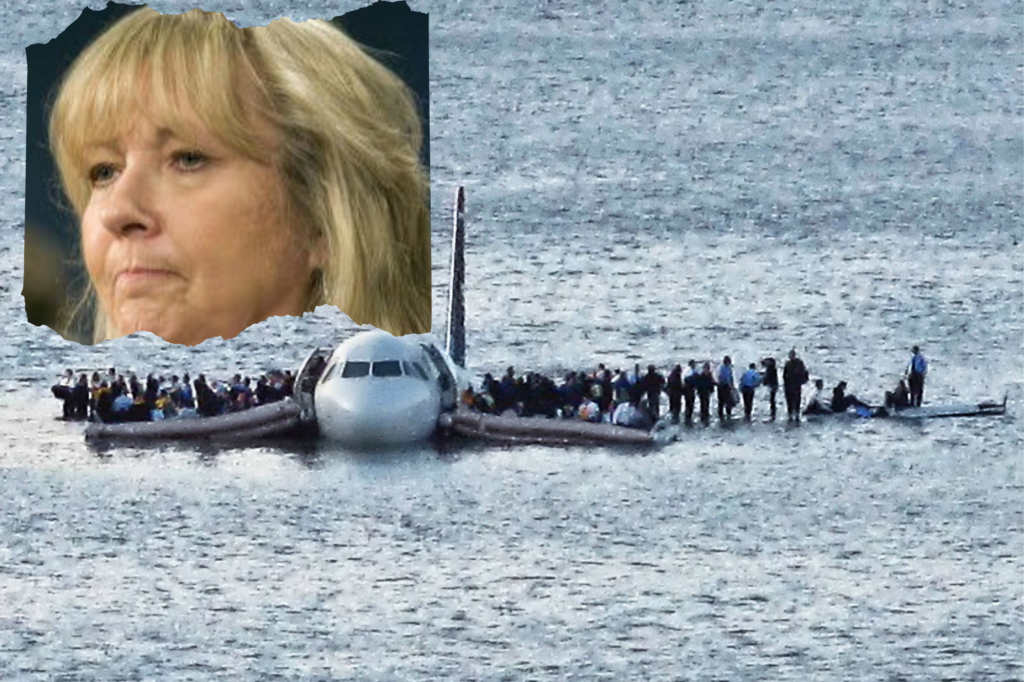
Doreen Welsh was one of the flight attendants responsible for guiding passengers during the evacuation. In the moments after the plane hit the water, she and her colleagues shouted clear commands and physically helped people onto the wings and life rafts. Welsh later spoke publicly about how intense training kicked in automatically, even as freezing water rushed into the cabin. She returned to flying after the incident and became an advocate for recognizing the safety role of flight attendants, which is often underestimated by the public. Today, her story is frequently cited in discussions about airline safety and the crucial importance of cabin crew leadership during emergencies.
4. Sheila Dail
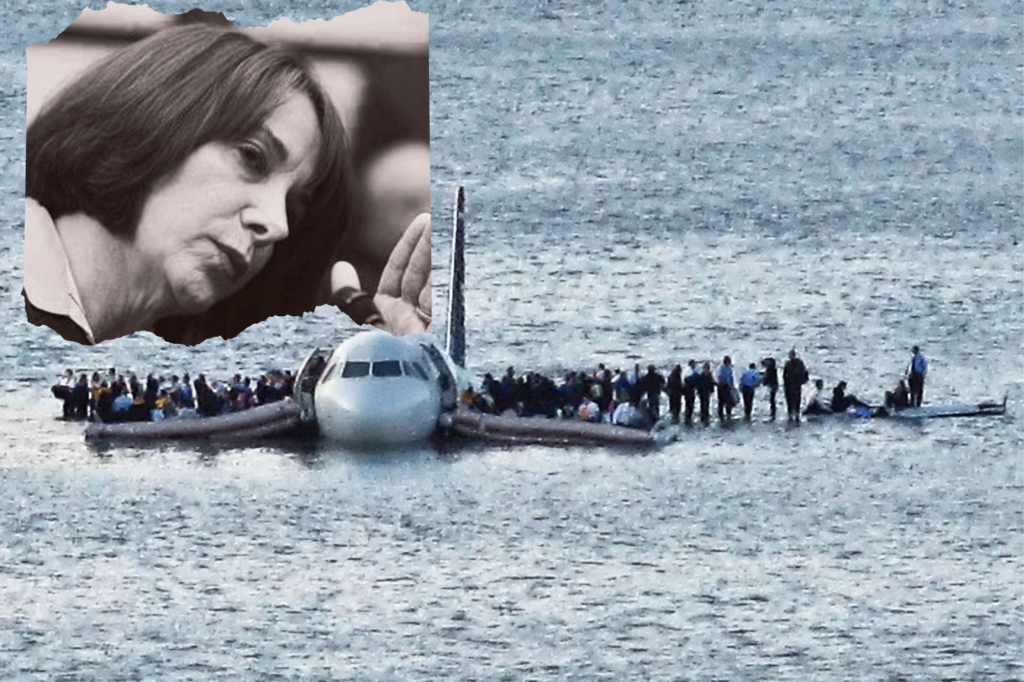
Flight attendant Sheila Dail was stationed at the rear of the aircraft, where conditions were especially difficult as water quickly filled the cabin. She repeatedly walked through the plane shouting “Brace” before impact and later ensured no passengers were left behind. Her actions were later highlighted in official investigations and media coverage. Dail continued working as a flight attendant after the incident and has spoken about how the experience reinforced the seriousness of airline safety training. While she keeps a relatively low public profile today, her role remains an essential part of the Miracle on the Hudson narrative, particularly in how teamwork saved lives under extreme pressure.
5. Patrick Harten
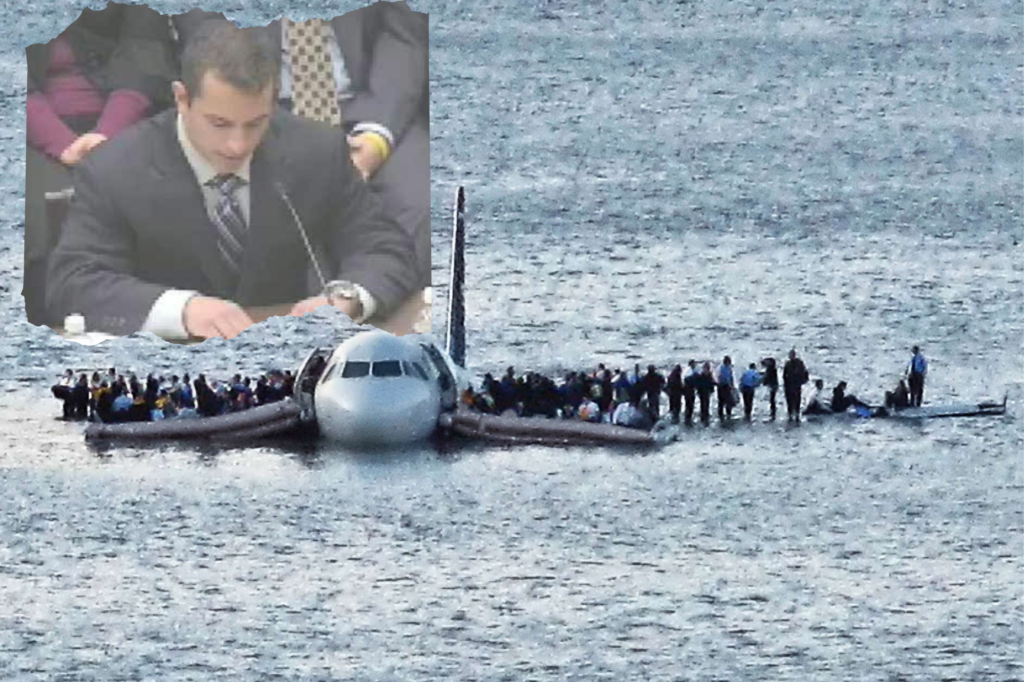
Patrick Harten was seated near the wing and helped other passengers climb out after the plane came to rest in the icy river. His experience while standing on the wing surrounded by water, became one of the defining images of the event. After the crash, Harten spoke openly about the shock of the landing and the surreal calm that followed. He returned to his career in finance but has occasionally reflected on how the experience changed his outlook on life. Today, he is often remembered for representing the everyday passengers whose cooperation and composure contributed to the successful evacuation.
6. Kate Hanni
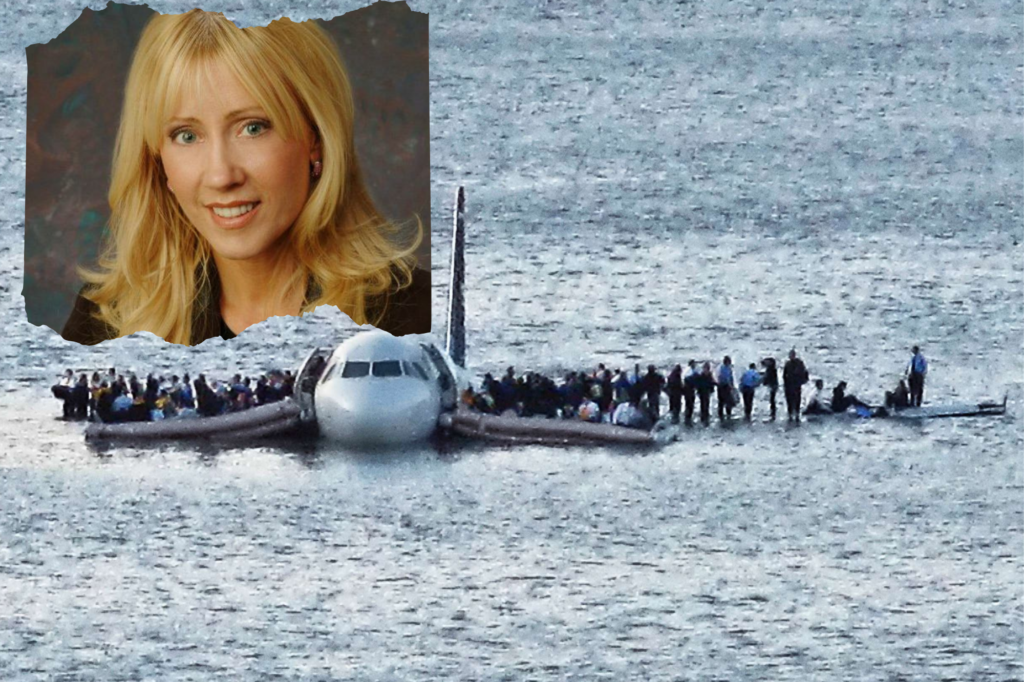
Kate Hanni was already known as a passenger rights advocate before boarding Flight 1549. Seated near the front, she later described the landing as violent but controlled. In the years following the crash, Hanni became one of the most vocal survivors, frequently appearing in media interviews to discuss aviation safety and passenger preparedness. She continues to lead FlyersRights.org, pushing for airline accountability and improved safety standards. The experience reinforced her belief that passengers should understand safety procedures rather than dismiss them. Today, Hanni remains an influential voice in consumer advocacy, often linking her survival to the value of clear instructions and calm execution.
7. Inside the Cockpit
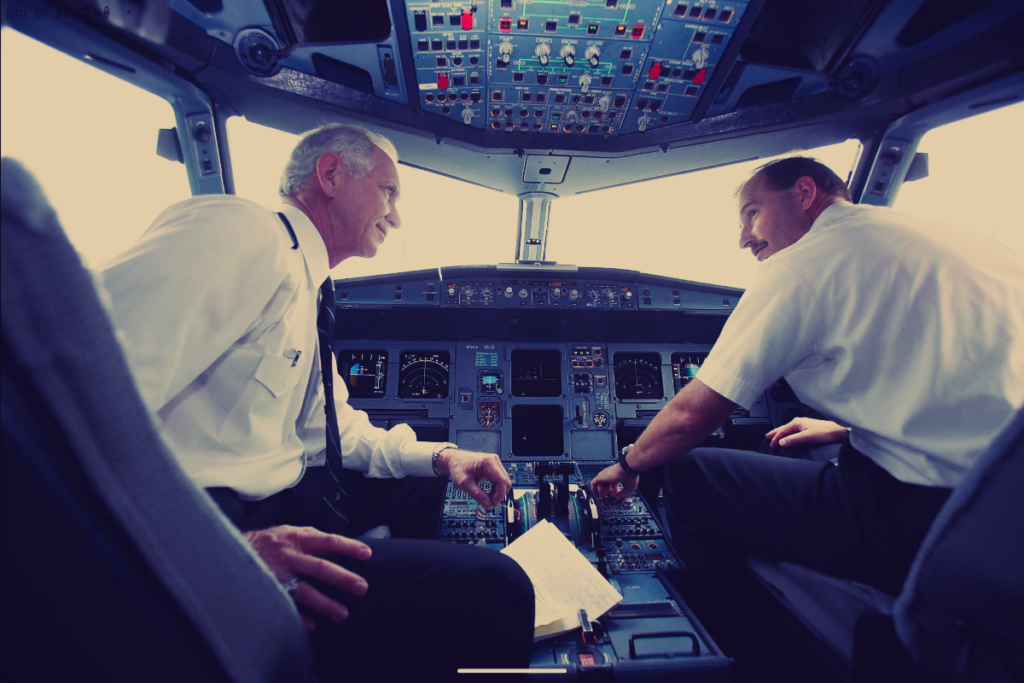
Inside the cockpit of Flight 1549, there was no panic, only rapid coordination. Captain Chesley Sullenberger immediately took control of the aircraft while First Officer Jeffrey Skiles began running emergency engine-restart checklists from memory and procedure manuals. Air traffic control communications were brief and direct, reflecting how little time the crew had to make decisions. Cockpit voice recordings later showed clear communication and task-sharing, a core principle of modern aviation safety. There was no debate or confusion about roles. The crew focused entirely on aircraft control, options assessment, and preparing for impact. This disciplined teamwork became a textbook example of how cockpit coordination directly affects survival outcomes.
8. The Moment Engines Failed
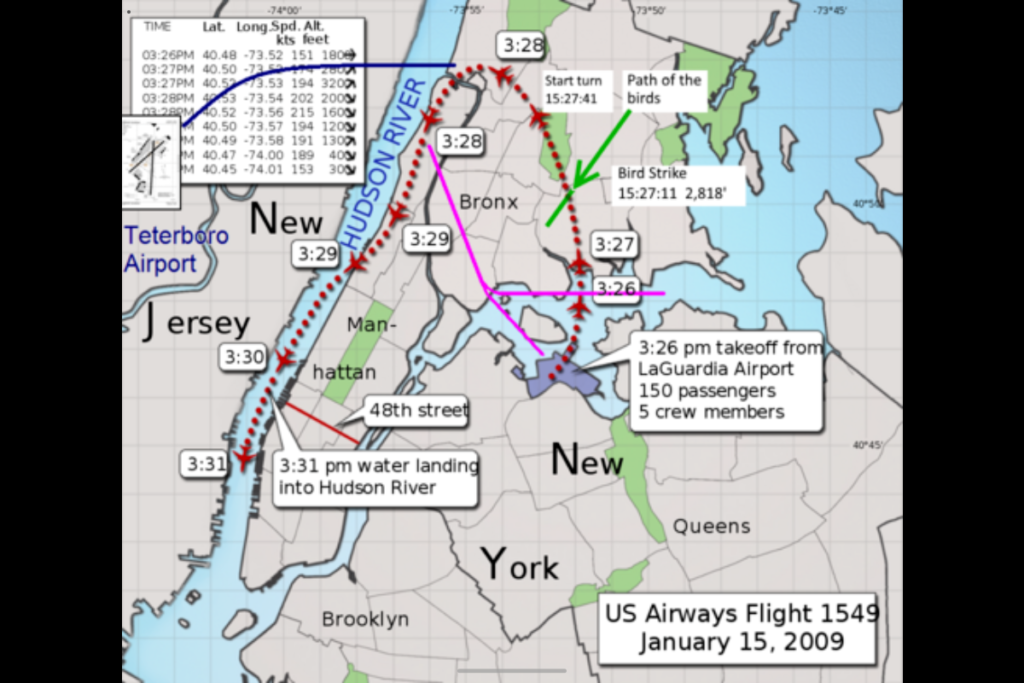
Shortly after takeoff from LaGuardia Airport, Flight 1549 struck a flock of Canada geese, causing both engines to lose thrust almost simultaneously. Dual-engine failure at low altitude is extremely rare and left the pilots with only seconds to react. Inside the cockpit, emergency checklists were initiated while altitude, speed, and glide distance were rapidly evaluated. Although nearby airports were suggested by air traffic control, later analysis confirmed the aircraft could not safely reach any runway. The decision window closed quickly, leaving only one viable option. The aircraft was already descending, making the Hudson River landing a choice driven by physics, training, and time constraints rather than improvisation.
9. Why the Hudson Landing Worked
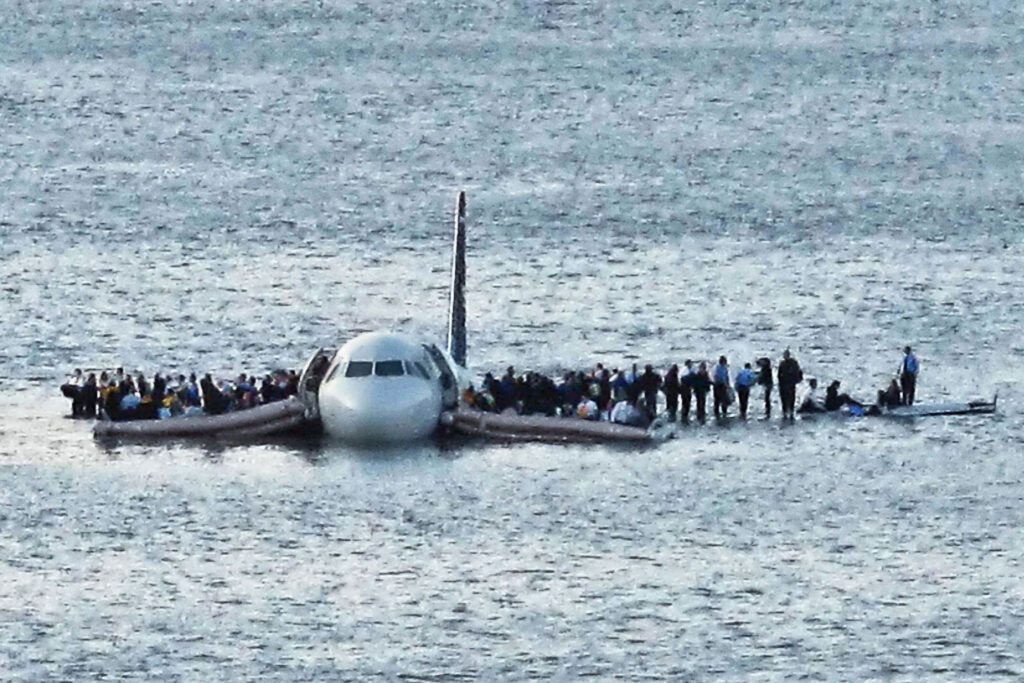
The water landing succeeded because it followed precise aerodynamic principles and strict procedure. The aircraft touched down level, with correct pitch and speed, preventing the nose from digging into the river. Flight attendants immediately began evacuation, using firm commands that prevented crowding or panic. Rescue boats arrived within minutes, aided by the aircraft’s visibility and proximity to shore. The National Transportation Safety Board later concluded that the outcome was the result of effective training, decision-making, and coordination across multiple systems. Each link in the safety chain, from cockpit judgment to passenger compliance, functioned exactly as aviation safety design intended.
10. Lessons for Future Pilots
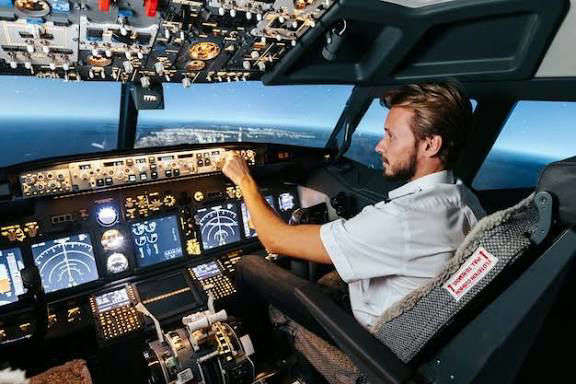
The Miracle on the Hudson permanently changed pilot training worldwide. Flight simulators now emphasize rare but catastrophic scenarios, including low-altitude engine failures and time-compressed decision-making. Investigators determined that attempting to return to an airport would have resulted in catastrophic impact, a finding that reshaped how glide performance and human reaction time are taught. The event reinforced the importance of crew resource management, where communication and shared responsibility are critical. For future pilots, the lesson is clear: aviation safety depends not only on technical skill, but on judgment, preparation, and the ability to make irreversible decisions under extreme pressure.
For many survivors, the experience reshaped careers, values, and personal priorities in lasting ways.
Like this story? Add your thoughts in the comments, thank you.


