
1. Michael Phelps and the Quiet After the Roar
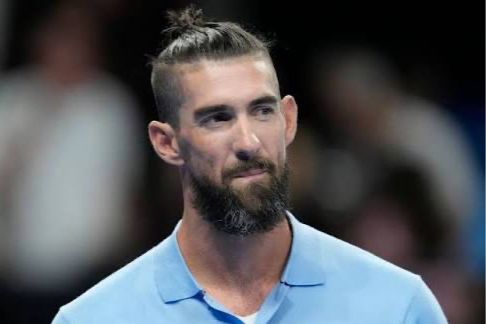
People think the hard part is winning, but for many Olympians, the real shock is what happens after the pool lights go off. Michael Phelps looked unstoppable, yet life after the Olympics brought a deep emotional drop he did not expect. He later spoke openly about struggling with depression after the Games, which reminded so many people that medals do not automatically equal peace. After stepping away, he focused on healing, family life, and mental health awareness, using his story to help others feel less alone. It is a reminder that even the greatest can need help, and that rebuilding is its own kind of strength too.
2. Simone Biles and Choosing Peace Over Pressure
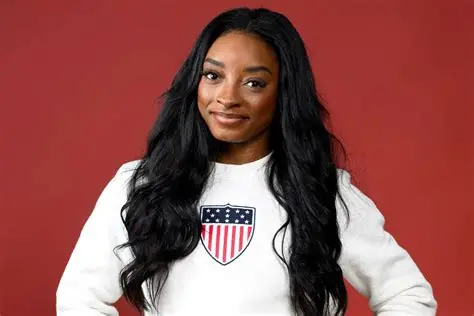
Simone Biles trained for years to deliver greatness on command, but after Tokyo, she showed the world a different kind of courage. Life after that moment was not about proving she could flip higher, it was about proving she could protect herself. She stepped back, listened to her body and mind, and made choices that helped her feel safe again. The surprise was how many people needed to see that example. Afterward, she leaned into rest, recovery, and a healthier relationship with the sport she loves. Simone’s story reminds you that strength is not only about pushing through, sometimes it is about pausing, breathing, and returning only when you are truly ready again, without guilt or shame.
3. Shaun White and Letting the Chapter Close
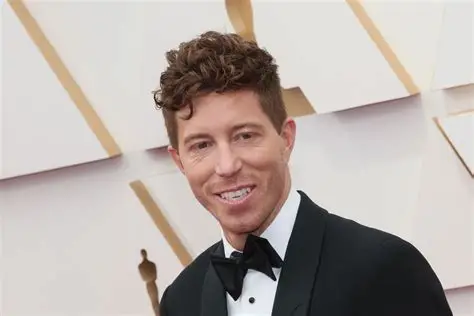
Shaun White spent most of his life being the face of snowboarding, so walking away was never going to feel casual. After his final Olympics, he had to adjust to mornings without training plans and days without competition pressure. Life after elite sport can feel strange because the excitement disappears overnight. Shaun moved into business projects and creative work, building a new identity that did not depend on medals. The surprising part is how emotional it can be to stop doing the thing you were born into. His story shows that retirement is not always a sad ending, it can be a clean ending. Sometimes you just need space to breathe again and live like a normal person.
4. Suni Lee and Learning to Slow Down
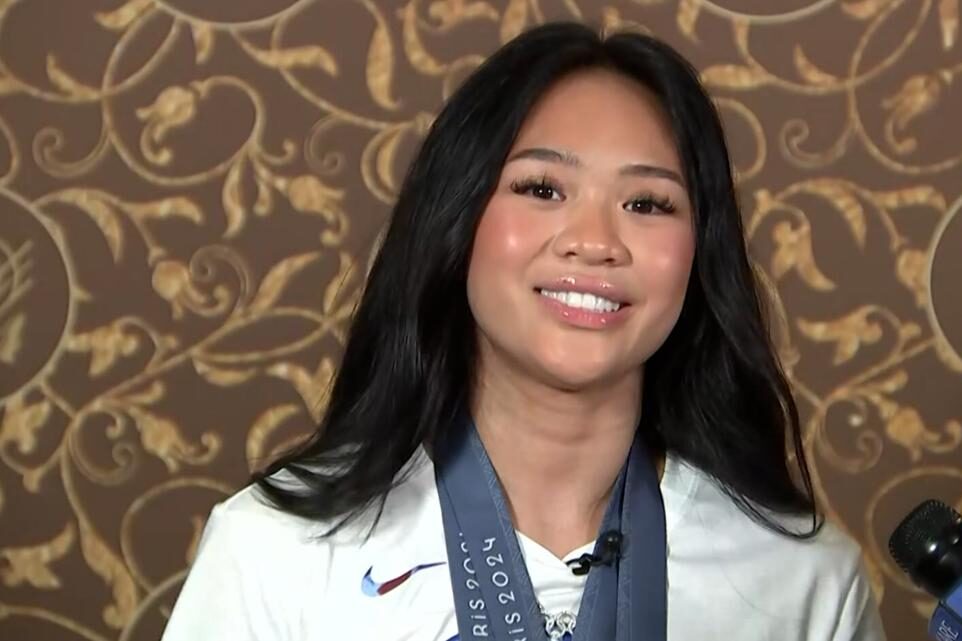
Suni Lee became an Olympic champion and suddenly carried the world’s expectations on her shoulders. But life after that win brought health challenges that forced her to slow down in ways she did not plan for. Instead of chasing routines nonstop, she had to learn patience, protect her body, and take progress one day at a time. That kind of pause is hard for athletes who are used to pushing through everything. What came after surprised many fans because it showed how quickly things can change behind the scenes. Suni’s journey reminds you that even champions have fragile seasons. And sometimes the bravest comeback is not rushing back to prove yourself, but choosing health first, even when people are waiting.
5. Aly Raisman and the Fight Beyond the Mat
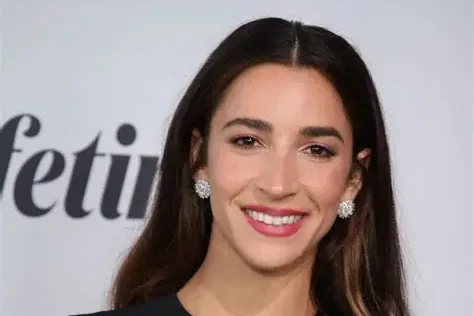
Aly Raisman’s Olympic career was powerful, but her life after sport became even more meaningful in a different way. Instead of staying quiet, she spoke up about athlete safety, accountability, and healing, even when it was uncomfortable. Many people assume retirement means rest, but Aly stepped into a new kind of hard work. She became a voice for others who felt unheard, using her platform to push for change. The surprise is that this kind of courage does not come with applause like a medal ceremony. It comes with pressure, criticism, and emotional weight. Aly’s life after the Olympics shows that winning is not always the biggest part of a story. Sometimes the after is where purpose truly begins.
6. Gabby Douglas and the Weight of Being First
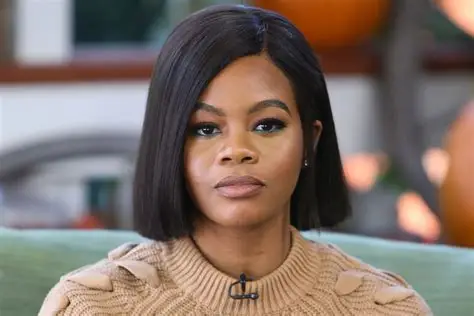
Gabby Douglas made history in gymnastics, and the world celebrated her like a dream come true. But life after that moment came with heavy expectations and constant public opinions. She dealt with criticism, pressure, and the loneliness that can come with being a symbol. After stepping away, she focused on rebuilding her confidence and figuring out who she was outside the sport. That kind of identity shift can feel scary when you have been “the gymnast” for most of your life. What came after surprised people because it was not just victory laps and interviews. It was real life, messy and quiet. Gabby’s story reminds you that even legends still need time to heal and grow.
7. Katie Ledecky and the Calm Life After Dominance
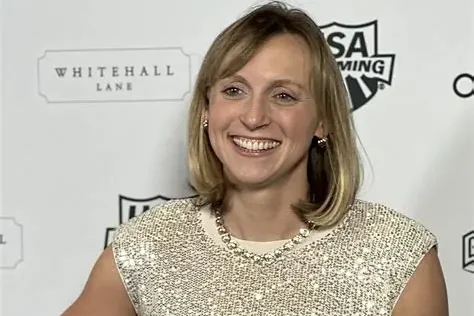
Katie Ledecky’s life after Olympic wins did not turn into chaos, and that is what makes her story refreshing. She stayed steady, kept training, and continued performing at an elite level without needing drama to prove her greatness. For many Olympians, the shock comes from losing routine, but Katie held onto hers. She kept her focus simple, showing that success can be quiet and consistent. What came after surprised some people because she did not chase attention, she chased excellence. Over time, she became a reminder that discipline can be peaceful, not only intense. Katie’s journey shows that the after chapter can look like stability, growth, and calm confidence. Sometimes the real flex is showing up again and again without losing yourself.
8. Usain Bolt and Life Without the Starting Gun
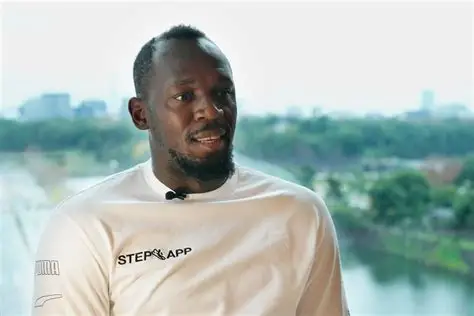
Usain Bolt made sprinting look like a celebration, so it is easy to forget how intense that life is. After the Olympics, he had to adjust to days without the roar of the crowd and the pressure of being the fastest. Life after retirement can feel quiet when your whole career was loud. He explored business moves, media moments, and even tried football, but nothing truly replaces the rush of racing. The surprise is that even joyful champions can feel restless afterward. Bolt’s story shows that retiring does not mean you stop being competitive, it means you have to learn where to place that energy next. Sometimes the hardest part is not slowing down, but learning how to feel fulfilled in new ways.
9. Chloe Kim and Taking a Breath on Purpose
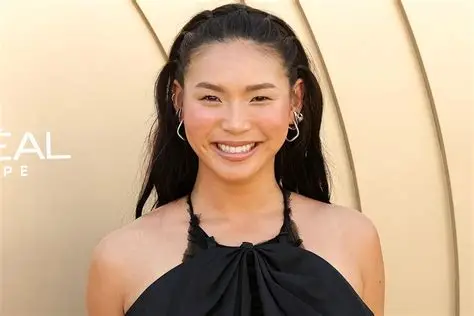
Chloe Kim became an Olympic star while still so young, and that kind of success can feel like a speeding train. After winning, she surprised many people by stepping back to rest and live a little outside training. Life after medals is not always about repeating the same grind, sometimes it is about saving yourself from burnout. Chloe chose to breathe, reset, and return on her own timeline. That choice mattered because it showed that champions still need breaks. The shock comes when you realize your body may be strong, but your mind also needs care. Chloe’s life after the Olympics reminds you that balance is not weakness. Sometimes stepping away is how you stay great, and how you stay whole too.
10. Simone Manuel and the Hidden Battle of Recovery
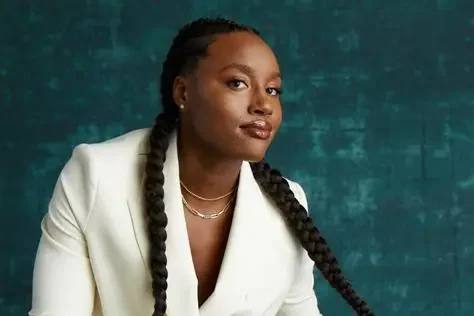
Simone Manuel made history in the pool, but her life after success showed how hard it can be when your body stops responding the way it used to. She dealt with serious fatigue and recovery struggles that changed her relationship with training. Life after the Olympics can be painful when you expect yourself to always perform the same. The surprise is how invisible these battles are to fans. People see highlights, not the days you feel stuck. Simone’s story reminds you that athletes are not machines, they are humans with limits. What came after was not just a new race, but a new mindset. She had to rebuild patience, trust herself again, and accept that healing is also progress, even when it feels slow.
11. Lindsey Jacobellis and Winning After Waiting So Long
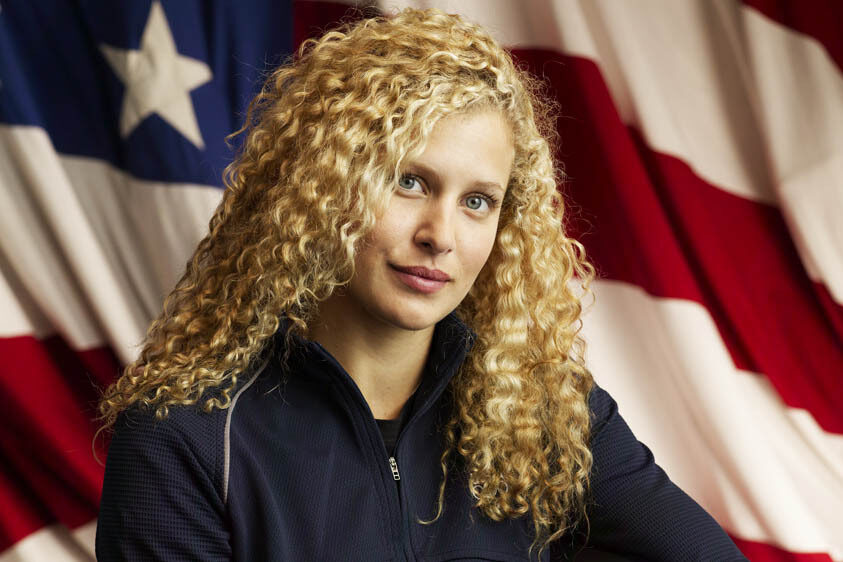
Lindsey Jacobellis spent years being remembered for a mistake, and that kind of spotlight can feel heavy. But life after that disappointment did not break her, it built her. She kept competing, kept believing, and eventually won Olympic gold years later. What came after surprised many people because it proved that timing does not cancel greatness. Her story is one of patience, stubborn resilience, and showing up again after the world already judged you. Life after failure can feel like carrying a quiet scar, but Lindsey turned it into fuel. She reminded everyone that one moment does not define a whole career. Sometimes your best chapter arrives late, when you are older, calmer, and finally ready to finish the story your way, with peace.
12. Misty May-Treanor and the Softer Life After Gold
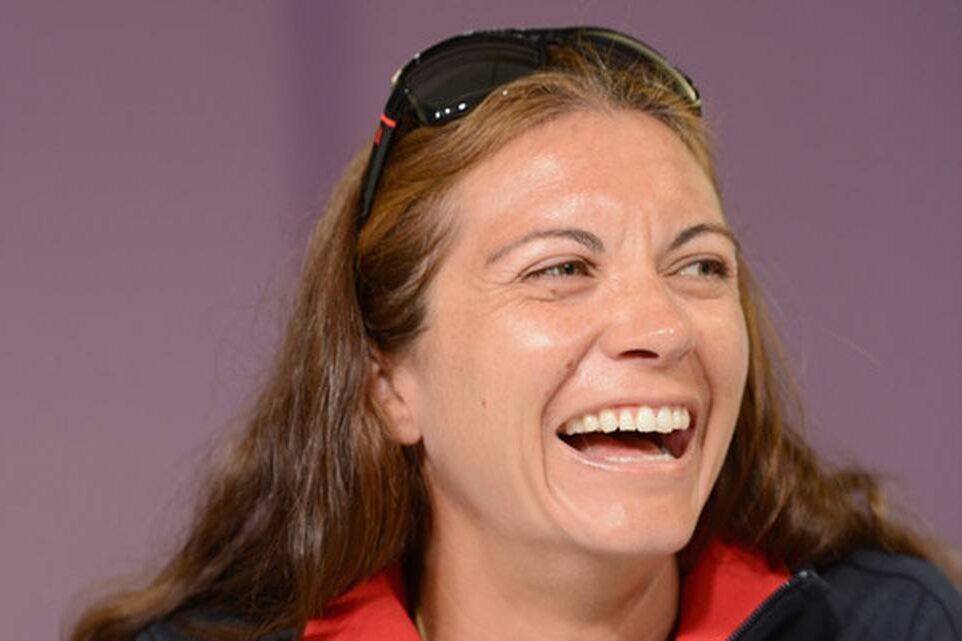
Misty May-Treanor spent years ruling beach volleyball, but life after the Olympics became something calmer and deeply personal. She stepped into family life and enjoyed a routine that did not require constant travel, pressure, and pain management. For athletes, that change can feel strange because their days were always planned around performance. What came after surprised many fans because it looked simple, and simple can be powerful. Misty’s story shows that retirement is not always about missing the spotlight. Sometimes it is about finally having time for the people you love. Life after elite sport can feel like getting your life back. And when you have given so much to a dream, choosing peace is not quitting, it is choosing what matters next.
13. Tom Daley and Building a Life Beyond Diving
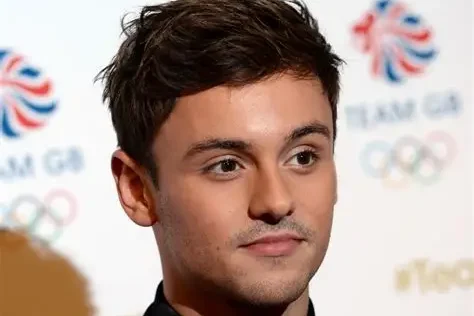
Tom Daley spent most of his life being watched, from his early teen years to the Olympic stage. Life after the Games became a chance to be more than just an athlete. He leaned into family, creativity, and personal joy, while still honoring the sport that shaped him. What surprised people was how relatable he felt once he shared the normal parts of himself. That matters because it reminds us Olympians are not just highlights and medals. They have hobbies, quiet moments, and identities outside their sport. Tom’s life after the Olympics shows how healing it can be to expand. You do not have to erase your past to grow forward. You can carry the fame gently and still build a life that feels real and peaceful.
14. Yuzuru Hanyu and Skating Without the Rankings

Yuzuru Hanyu became a legend in figure skating, and after the Olympics, he chose a path that surprised many people. Instead of staying in competition forever, he shifted into professional skating, where the focus is art, freedom, and connection. Life after elite sport can feel like stepping out of a cage you did not know you were in. The pressure of scores and titles disappears, but you still get to do what you love. What came after showed that retirement does not always mean stopping. Sometimes it means changing the reason you keep going. Yuzuru’s story reminds you that joy can be a worthy goal too. When you have already proven yourself, you can choose happiness without needing permission. That is a different kind of victory, quiet but strong.
15. Naomi Osaka and Carrying Pressure Like a Person
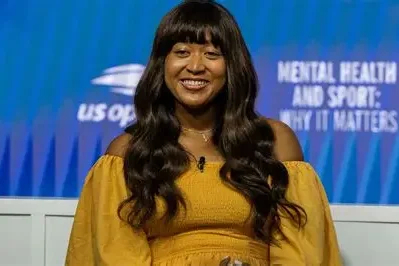
Naomi Osaka’s Olympic moment came with heavy expectations, and life after that spotlight showed how pressure can follow you even off the court. She has been open about protecting her mental health and choosing boundaries when the noise gets too loud. That matters because the world often expects athletes to be tough all the time. What came after surprised people because she did not chase perfection, she chased peace. She balanced her career with personal growth, business moves, and later motherhood, building a life that felt more human than scripted. Naomi’s story reminds you that being strong is not always pushing harder. Sometimes it is saying no, stepping back, and returning only when you feel ready. Life after the Olympics can include healing, reinvention, and a softer kind of success.
16. Gabby Thomas and Finding a Life Beyond Speed
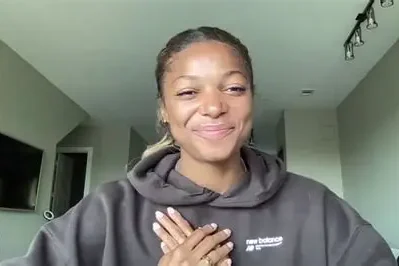
Gabby Thomas became one of the faces of U.S. sprinting, and after the Olympics, she had to learn how to live when the countdown clock was gone. What came after surprised her in a quiet way, because regular life does not always give instant rewards like sport does. She leaned into her identity outside track, including her public health work, and that gave her a deeper purpose beyond medals. It is not easy to balance ambition with a full human life, but she has tried to do both. Her story reminds you that Olympians are not only built for speed, they are built for impact too. Sometimes the after chapter is not about running faster, but about growing wider.
17. Caeleb Dressel and Returning After the Break
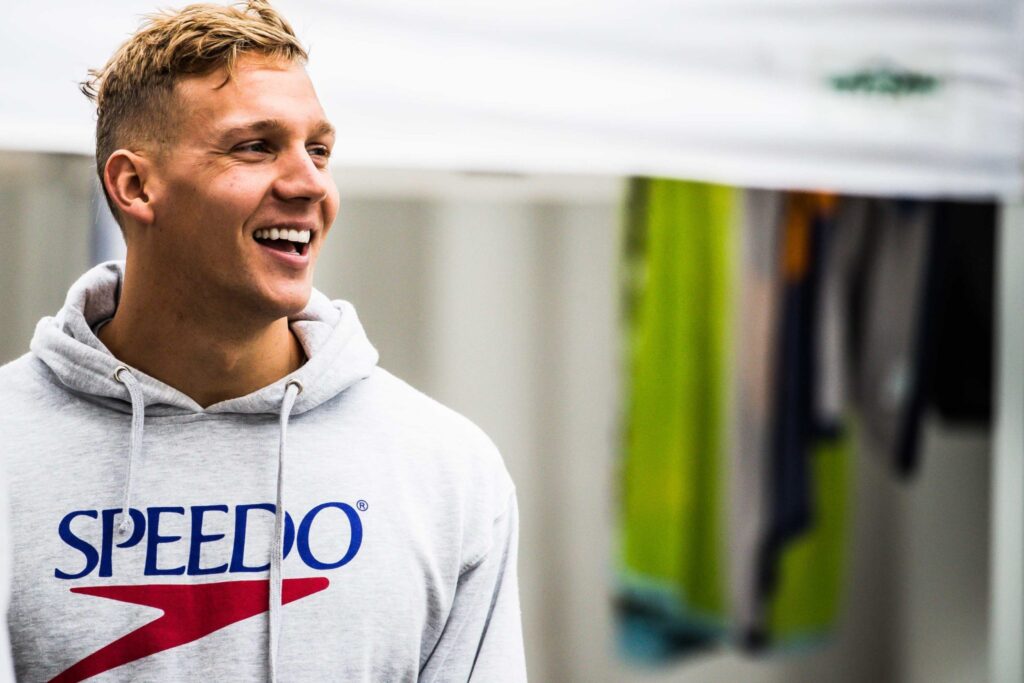
Caeleb Dressel became known for explosive wins, but life after the Olympics showed a side of him that felt more human than heroic. After stepping away from competition for personal reasons, he returned with a different kind of strength, one that was not only physical. What came after surprised many people because it showed that even top athletes need to pause and breathe. Sport trains you to push, but life sometimes forces you to slow down. Dressel’s journey reminds you that taking a break is not the same as giving up. Coming back can be messy, emotional, and uncertain, yet still meaningful. His story makes space for athletes who are not okay all the time. Sometimes the win is simply finding your way back to yourself and starting again.
18. Allyson Felix and Building a Legacy Beyond Racing
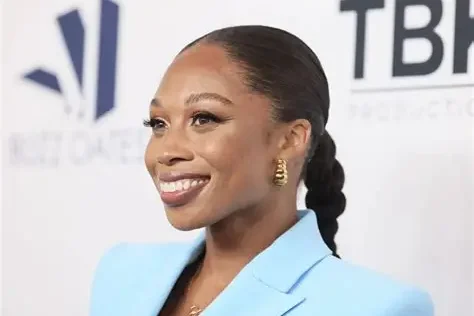
Allyson Felix ran her way into Olympic history, but life after her final Games became about something even bigger than the track. She stepped into motherhood and also used her voice to talk about athlete rights and maternal health. What came after surprised people because it showed how much work athletes still do after the medals stop. She became an example of what it looks like to lead with experience, not just speed. For many athletes, retirement feels like disappearing, but Felix showed you can leave sport and still stay powerful. Her story reminds you that your greatest impact can come after your biggest win. The after chapter is not always smaller. Sometimes it is where your voice finally gets heard the loudest.
19. Sunisa Lee’s Teammate Jordan Chiles and the Long Wait

Jordan Chiles spent years being close to the top, and after the Olympics, she learned that progress is not always instant. Life after Tokyo brought more competition, more expectations, and the pressure of proving she belonged there for good. What came after surprised many people because it showed how hard it is to stay confident when your career depends on consistency. She kept showing up, kept training, and kept working through public scrutiny with a strong spirit. That kind of mental toughness matters just as much as the routines. Jordan’s story reminds you that not every Olympian lives in nonstop victory. Some of them live in the middle, fighting for position, fighting for belief, and still finding ways to smile. That persistence is a win too.
20. Katie Grimes and Growing Up Under a Spotlight

Katie Grimes entered the Olympic scene young, and life after that kind of early attention can feel overwhelming. What comes after is not always glamorous, because you still have to wake up, train, and carry pressure while everyone watches you grow. She had to learn how to handle expectations that come with being labeled “the future.” That can be heavy when you are still figuring yourself out. Her story reminds you that some Olympians are still teenagers learning adult discipline. Life after the Games becomes a balancing act between school, training, and identity. The surprise is how little room there is to just be young. Yet she keeps moving forward, showing that greatness is sometimes built slowly, quietly, and with patience.
21. Nathan Chen and Life Without Needing Perfection
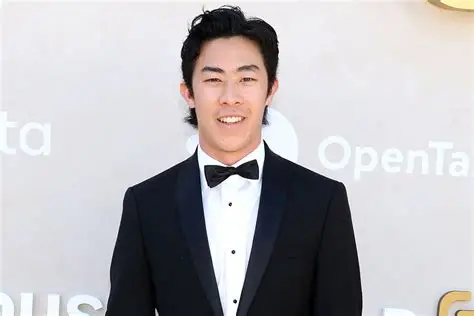
Nathan Chen made Olympic greatness look effortless, but his life after Beijing became about stepping into normal life again. He returned to school, explored interests outside skating, and let himself be more than the perfect competitor. What came after surprised many fans because it looked simple, and simple can feel strange after years of intense focus. He did not have to chase the next medal immediately. He had already done the biggest thing. His story reminds you that retirement does not need to be dramatic to be meaningful. Sometimes you just want space to breathe and grow into adulthood. Life after elite sport can be about learning who you are without pressure. It is not a fall from greatness, it is a return to being human.
22. Chloe Dygert and Carrying Pain Into the Next Season
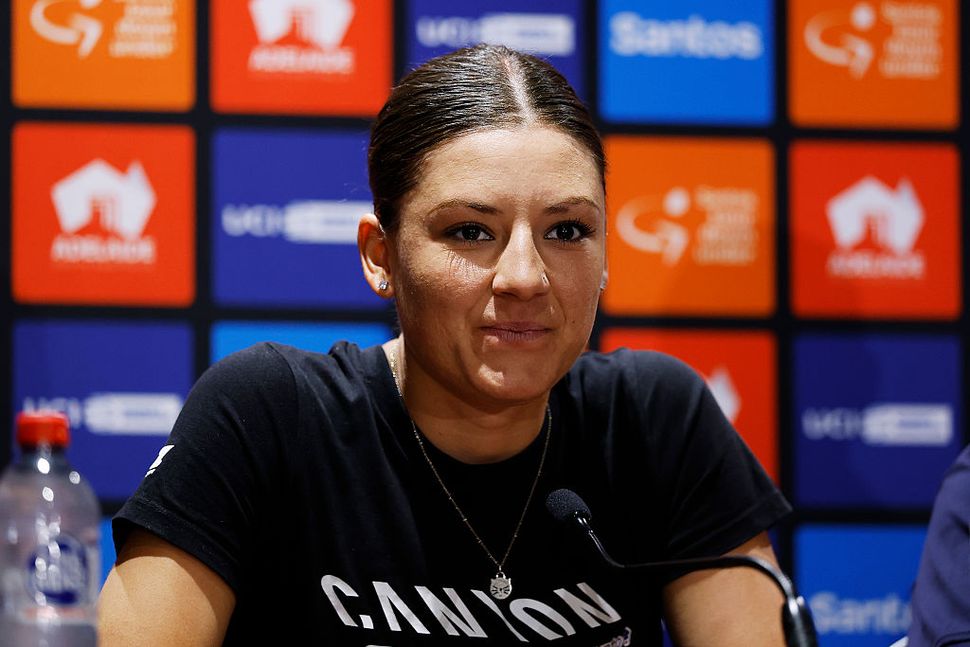
Chloe Dygert’s Olympic journey included serious setbacks, and life after those moments demanded real grit. Injuries changed her career path and forced her to fight through recovery in public. What came after surprised many people because it showed how long healing can take, even for elite athletes. In cycling, confidence is everything, and rebuilding it after trauma is not a small task. She had to work through fear, physical pain, and the pressure to return strong. Her story reminds you that some Olympians do not just retire quietly, they battle their way back piece by piece. Life after the Olympics can include tough seasons that are not shown in highlight reels. Still, she kept pushing, proving that resilience does not always look pretty, but it works.
23. Carissa Moore and Finding Calm After the Gold
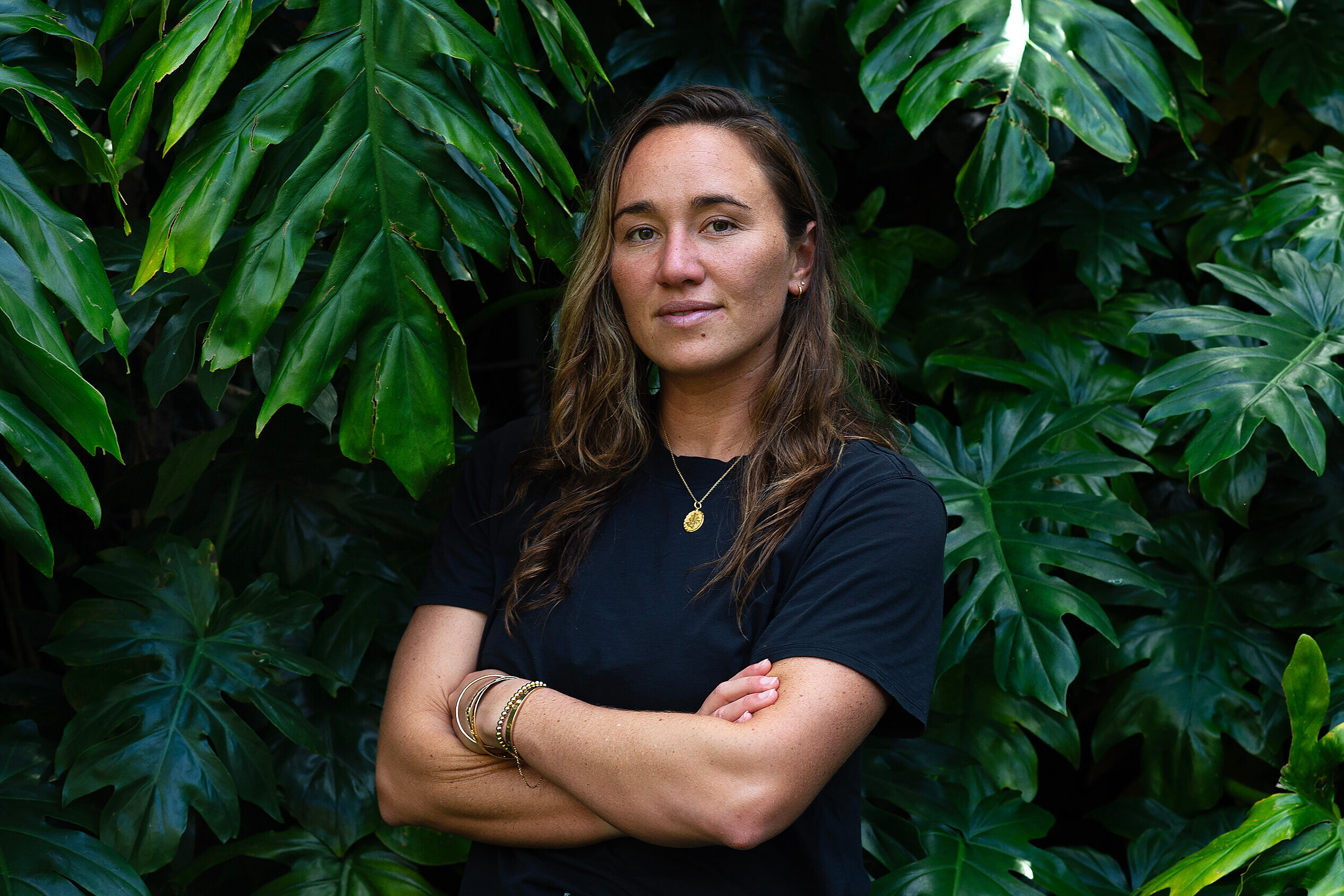
Carissa Moore brought surfing to the Olympics in a big way, and after winning gold, life shifted fast. The sport that once felt like freedom suddenly carried pressure, expectations, and constant attention. What came after surprised people because even in a beach sport, the mental load can be heavy. She had to figure out how to stay grounded when the world expected her to keep winning. Carissa leaned into balance and personal growth, reminding fans that athletes are still people with emotions and limits. Her story shows that success can come with its own stress. Life after the Olympics is not always about chasing the next event. Sometimes it is about protecting the love you have for the sport, keeping your joy alive, and learning to breathe in the middle of it all.
24. Sydney McLaughlin-Levrone and Living With Big Expectations
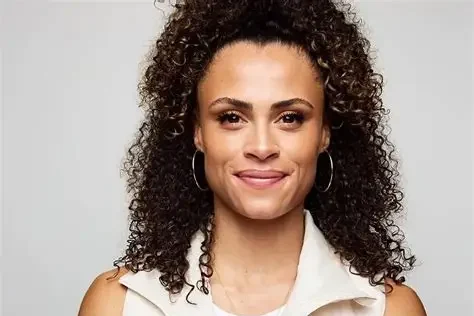
Sydney McLaughlin-Levrone became a record-breaking Olympic star, and life after that kind of rise brings a different pressure. People do not just want you to win, they want you to win every time. What came after surprised many fans because it showed how much discipline it takes to stay consistent while the world watches. She continued competing, adjusting, and protecting her focus, even when expectations grew louder. Her story reminds you that being the best does not make life easier. It makes every mistake feel bigger. Still, she has carried herself with calm confidence, showing that success can be quiet and controlled. Life after the Olympics can be about learning how to stay steady when fame tries to pull you in every direction. Staying grounded becomes part of the training.
25. Ryan Lochte and the Messy Side of the After
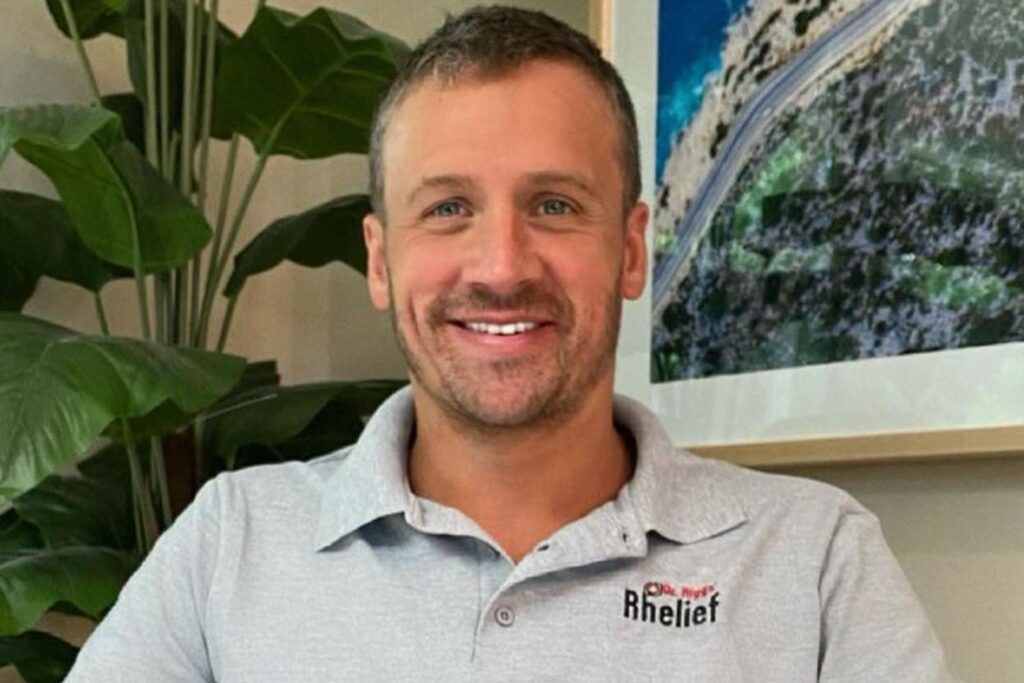
Ryan Lochte’s Olympic career included huge wins, but life after the Olympics showed how quickly public opinion can change. His post-Games years were filled with controversy, criticism, and consequences that shifted his reputation. What came after surprised many people because it reminded them athletes are not protected from mistakes. He still had to deal with real life, real accountability, and the long road of rebuilding trust. For some Olympians, the after chapter is about peace and family. For others, it becomes a lesson in humility. Lochte’s story shows that fame is not always stable. When the medals stop, your character and choices matter even more. Life after sport can be complicated, and sometimes growth only happens when life forces you to confront yourself honestly.
26. Laurie Hernandez and Growing into Herself

Laurie Hernandez became an Olympic fan favorite, and life after the Games had her growing up in public. She explored opportunities in media, writing, and performance while still carrying the identity of a gymnast. What came after surprised many people because it showed how much talent Olympians can have beyond their sport. At the same time, transitioning from athlete life to regular adulthood is not always smooth. She had to learn how to manage pressure without the structure of daily training. Her story reminds you that some athletes retire young and still have to figure out everything from scratch. Life after Olympic fame can feel like being both ahead and behind at the same time. Yet she kept evolving, showing that reinvention can be gentle and real.
27. Tara Lipinski and Turning Fame into a Career
Tara Lipinski won Olympic gold young, and life after that kind of early victory could have been confusing. Instead, she turned her fame into a steady career in broadcasting and commentary. What came after surprised people because she did not need to return to competition to stay relevant. She built a new path that still kept her close to the sport. Her story reminds you that retirement does not mean wasting your skills. Olympians learn focus, confidence, and communication, and those tools can fit into many careers. Life after elite competition can be a chance to choose stability over pressure. Tara’s journey shows that you can grow up, grow forward, and still honor your past. You do not have to chase the same dream forever. Sometimes the next dream comes quietly and works better.
28. Kerri Strug and the Life That Continued After the Moment
Kerri Strug is remembered for one dramatic Olympic moment, but life after that spotlight was still real and ordinary. She had to adjust to being a symbol when she was still a young person trying to heal and grow. What came after surprised many people because it showed how one moment can follow you for decades. She moved into education and a private life, stepping away from constant public attention. Her story reminds you that athletes do not always want to live inside their biggest highlight forever. Life after the Olympics can be about choosing normalcy, building a career outside sport, and finding peace in quiet routines. Sometimes the greatest gift is being allowed to be more than one famous memory.
29. Apollo Ohno and Reinventing the Competitive Fire
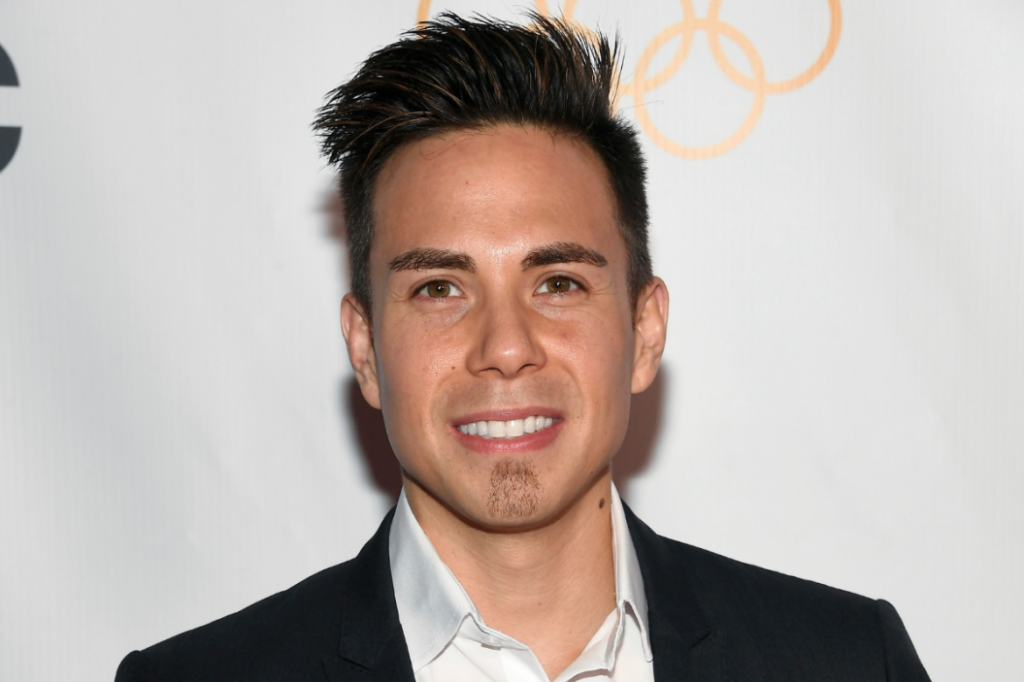
Apollo Ohno was built for speed skating, but life after the Olympics pushed him into new spaces. He moved into media work, public speaking, and business, learning how to compete without a rink. What came after surprised people because athletes still crave goals, structure, and growth. The competitive fire does not disappear, it just needs a new direction. Apollo’s story shows how transferable Olympic discipline can be when you apply it to life. He stepped into new challenges that required confidence in a different way. Retirement is not always soft. It can be a new kind of pressure, because now you decide the rules. Still, he proves that reinvention is possible when you treat the next chapter like training. You show up, learn, and keep building.
30. Michael Johnson and Learning to Live Without the Lane
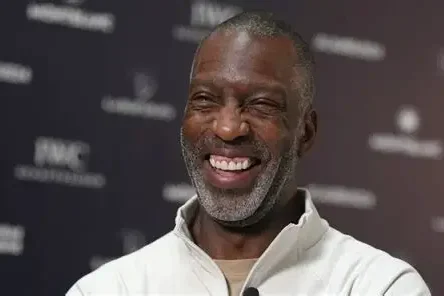
Michael Johnson was one of the most dominant Olympic sprinters, and for years his life was built around speed, pressure, and precision. After retiring, what came next surprised many people because the world moved on fast, but his body and mind still carried the weight of elite competition. Life after the Olympics became about building a new identity, from broadcasting to leadership work in the sport, while managing the reality that you cannot outrun time forever. He showed that champions still have to figure out normal life, routines, and purpose after the stadium lights fade. Michael’s story quietly reminds you that success is not only crossing a finish line first but also learning how to keep going when nobody is timing you anymore and still finding meaning in the days ahead.


