
1. Walking Away to Stay Whole (Simone Biles)
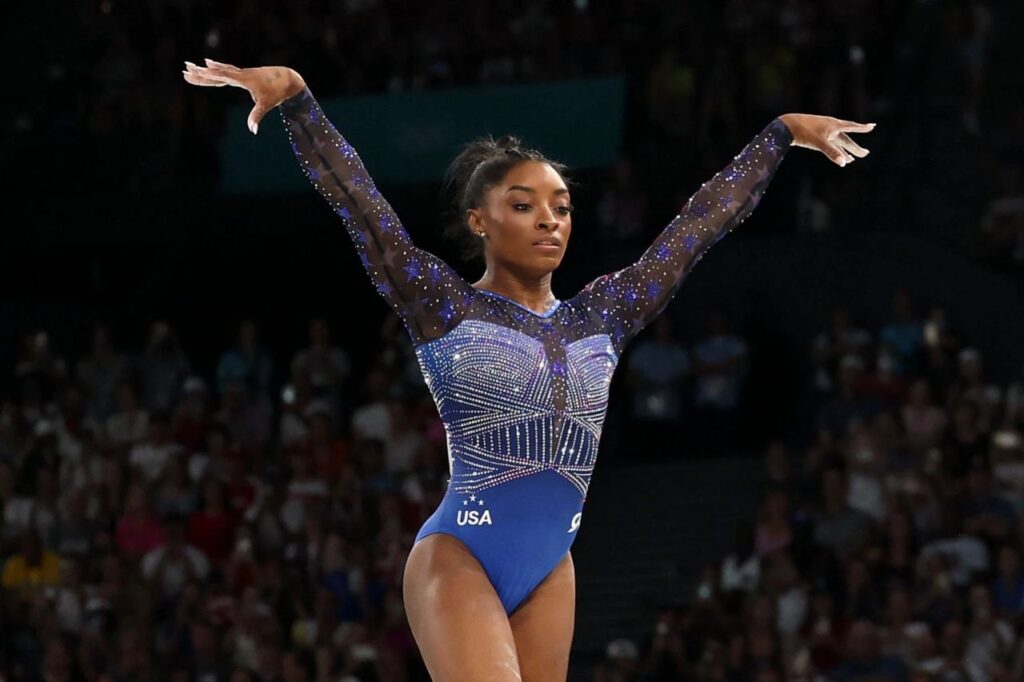
Simone Biles showed the world that courage is not only about doing difficult routines, it is also about knowing when to pause. During the Tokyo Olympics, she stepped back to protect her mental health, and it sparked conversations that athletes had needed for years. After that, she returned on her own terms and proved she could still compete at the highest level. Her story after gold is about boundaries, healing, and confidence. Simone reminds us that pressure can break anyone, but choosing yourself can be a form of strength. Winning is great, but peace matters too.
2. Gold Isn’t the Ending (Michael Phelps)
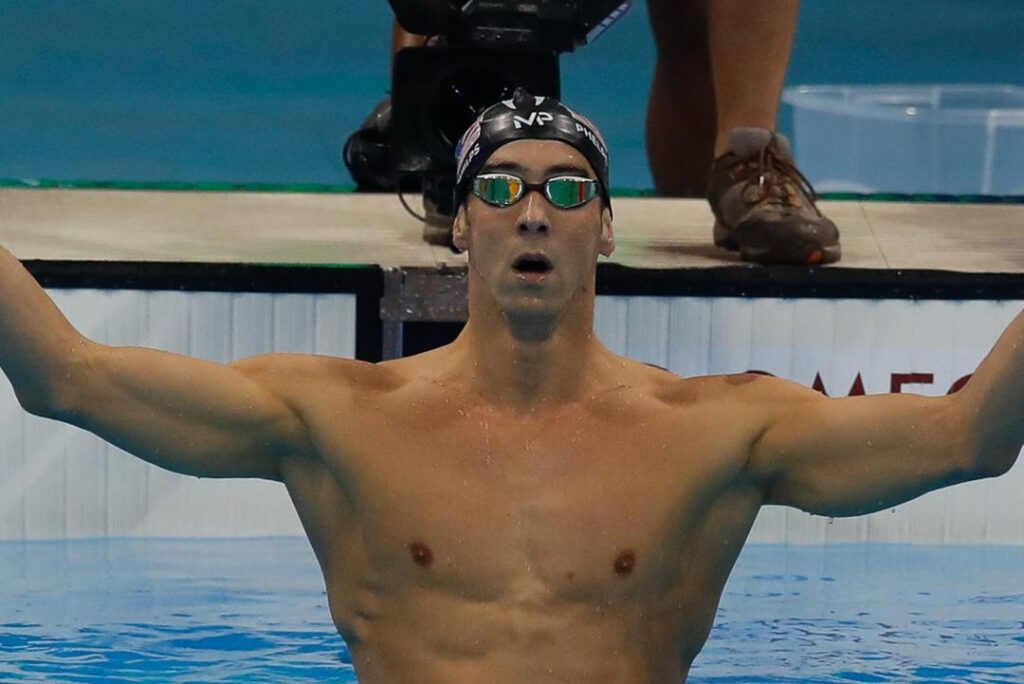
Most people think the story ends when the medal is placed around an athlete’s neck, but that is usually where real life begins. Michael Phelps won more Olympic medals than anyone, yet he later spoke openly about struggling mentally after the spotlight faded. Instead of hiding, he found a new purpose in speaking about mental health and helping others feel less alone. He also built a strong life outside swimming through business and public work. His journey is a reminder that even the greatest winners still have to rebuild themselves after success.
3. Turning Speed Into Forever Fame (Usain Bolt)

Usain Bolt did not disappear when he stopped sprinting, he simply changed lanes. After becoming one of the most famous Olympic champions in history, he remained in the public eye through endorsements, appearances, and business interests. People still associate him with fun, confidence, and dominance, and that kind of image is valuable long after retirement. Bolt’s journey shows how a moment of greatness can become a long-term brand if it is handled well. He proves that athletic success can open doors, but staying relevant takes effort. Sometimes the real race starts after the finish line.
4. Quiet Excellence That Stays Loud (Katie Ledecky)
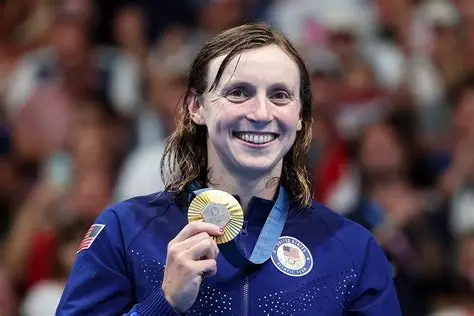
Katie Ledecky is one of those champions who does not chase attention, but greatness keeps finding her anyway. She built a legendary Olympic career through discipline and consistency, and her success naturally brought recognition beyond swimming. Even with fame, she stays grounded and focused on the work. Her story after gold shows how some athletes keep winning because they never lose their routine or their hunger. She is not flashy, just steady, and that makes her easy to respect. Ledecky reminds us that long-term success is often quiet. Sometimes the strongest thing you can do is keep showing up.
5. Fame Came Early and Heavy (Gabby Douglas)
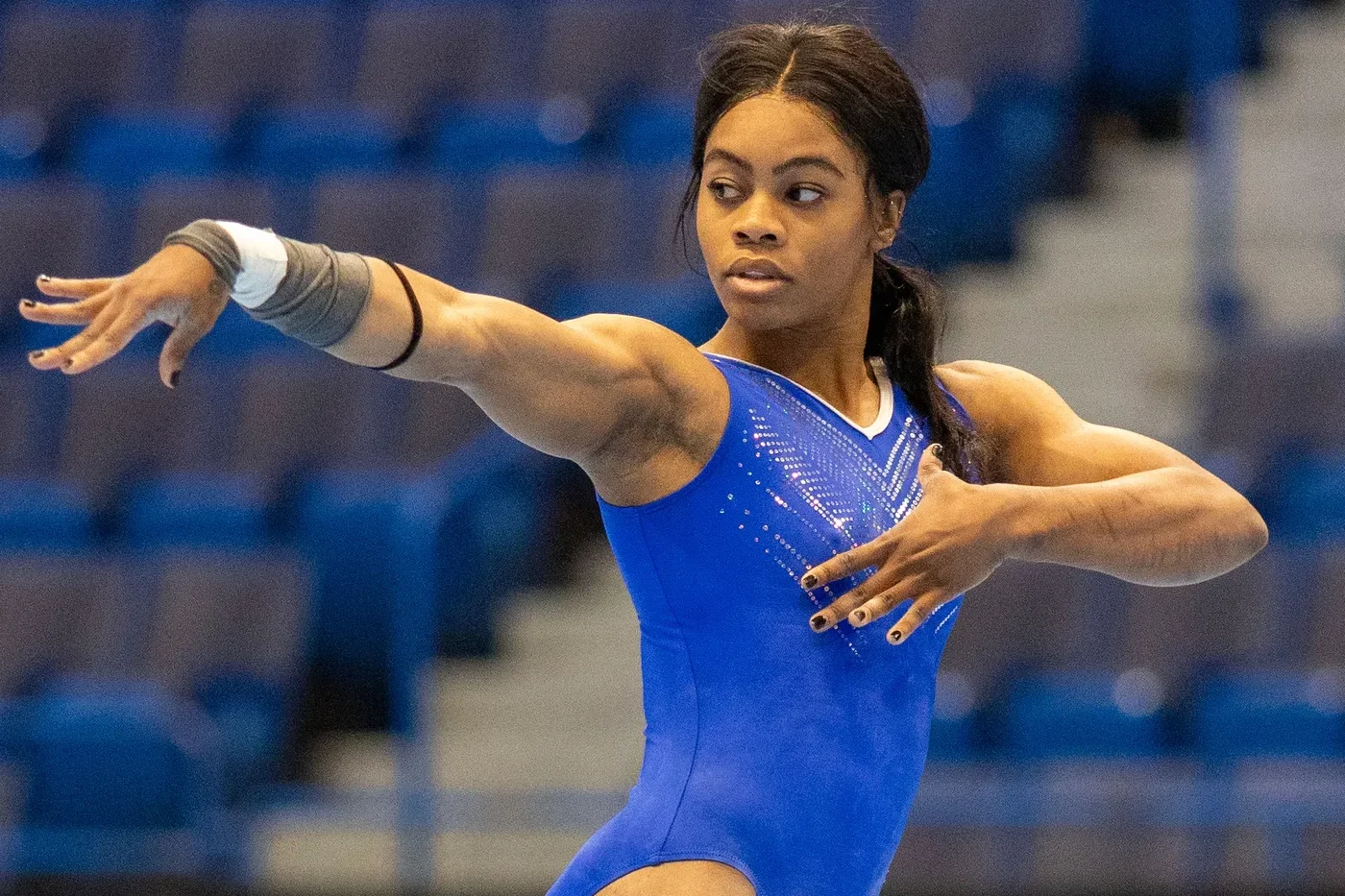
Gabby Douglas became a household name while still young, and that kind of fame can feel exciting until it starts to weigh you down. After her Olympic breakthrough, she faced harsh criticism, intense pressure, and public expectations that never seemed to rest. Her story after gold was not just about gymnastics, but about learning how to protect her confidence while the world watched closely. Even when her journey became complicated, she remained a powerful part of Olympic history. Gabby reminds us that winning young does not guarantee an easy life later. Sometimes the hardest part is surviving the spotlight.
6. A Champion Stuck With His Mistakes (Ryan Lochte)
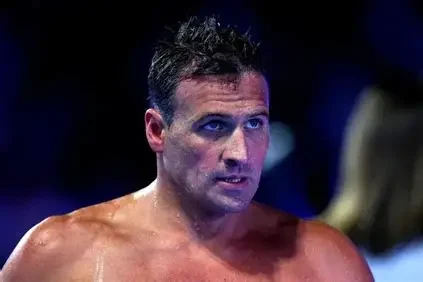
Ryan Lochte was one of the biggest names in Olympic swimming, but his story after gold became tangled with controversy. His actions during the Rio Olympics brought heavy backlash, and that moment changed how many people viewed him. Instead of being remembered only for medals, he had to deal with consequences and the challenge of rebuilding trust. His journey shows how one incident can follow an athlete longer than years of success. Lochte’s life after the podium became more about accountability than celebration. It is a reminder that being talented does not protect you from poor decisions. The world watches winners even more closely.
7. Winning and Speaking Up Loudly (Allyson Felix)
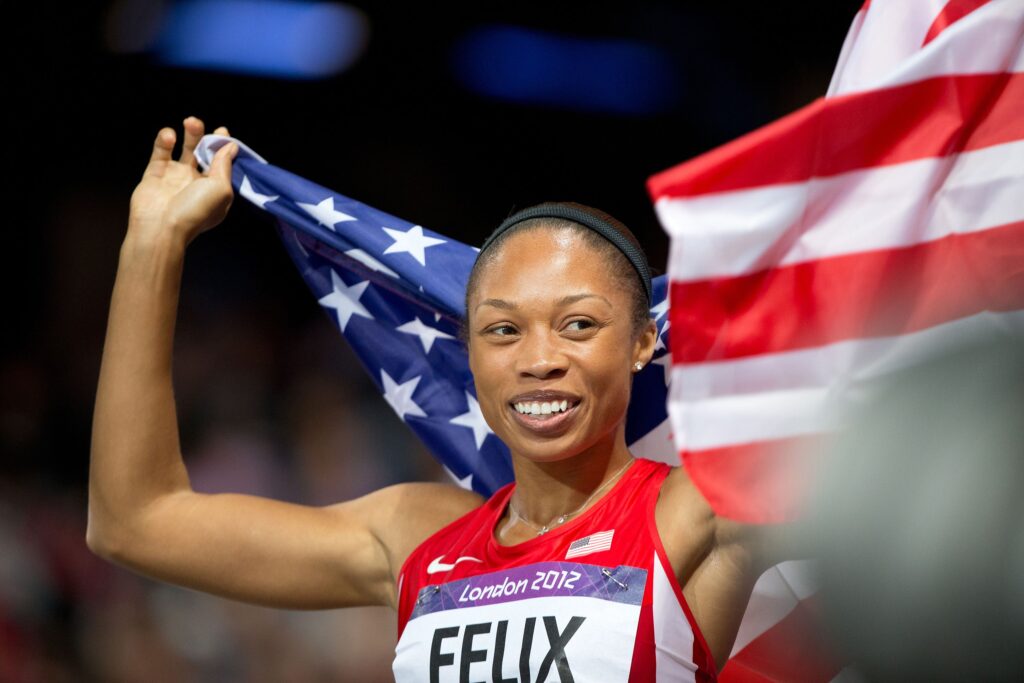
Allyson Felix built one of the greatest Olympic careers in track, but her impact did not stop with medals. After winning for years, she became a strong voice for women athletes, especially around motherhood, sponsorship treatment, and fairness in sports. Her story after gold shows what happens when a champion decides to use her platform for change. She proved that athletes can be both competitors and advocates, and that their voices can reshape the systems they once had to endure. Felix reminds us that legacy is not only about the races you win, but also about what you improve for others. Some victories happen off the track too.
8. Stepping Back Without Losing Greatness (Naomi Osaka)
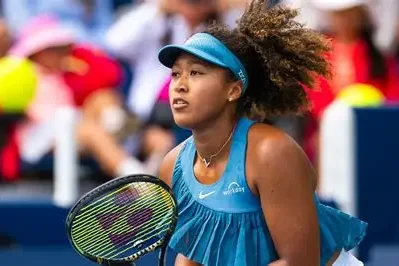
Naomi Osaka carried Olympic-level pressure alongside global tennis fame, and she made headlines not only for winning, but for protecting her mental health. After speaking about anxiety and stress, she stepped away at times to reset and breathe. Her story after gold shows that success does not remove emotional struggles, it can even intensify them. Outside the court, she also built business opportunities and a strong personal brand. Osaka reminds us that boundaries are not weakness, they are survival. It is okay to pause even when you are doing well. The world may demand constant performance, but you are allowed to choose stability.
9. Staying Human in the Spotlight (Tom Daley)
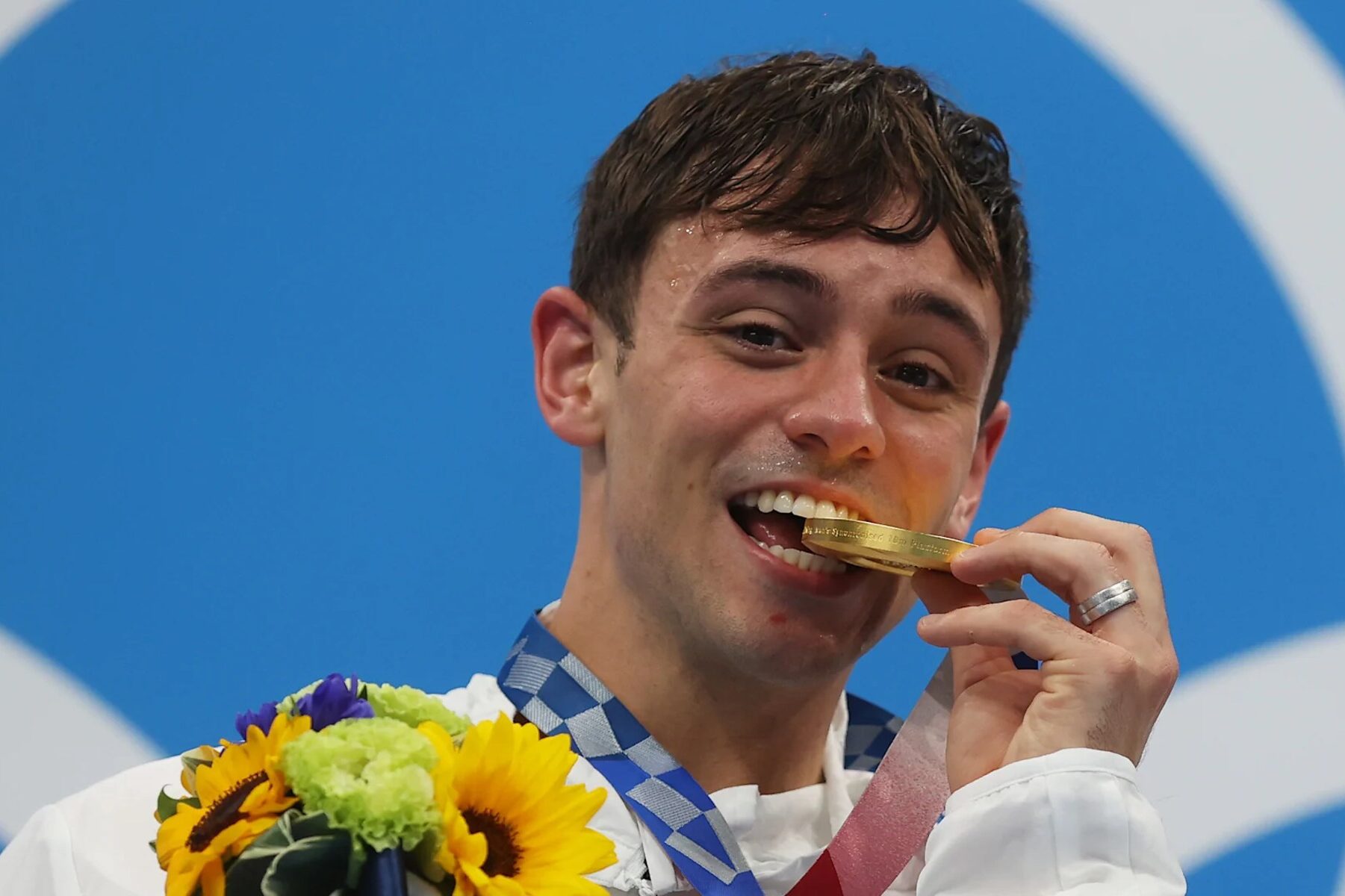
Tom Daley’s Olympic career made him famous, but his life after gold is what made him feel relatable. He stayed visible while also embracing a personal life that looked full and real, not forced for cameras. He became known for creative hobbies like knitting and for sharing his family life openly. Instead of clinging tightly to competition, he widened his identity without losing his connection to diving. Daley’s journey shows that athletes can evolve gently, without drama, and still stay admired. He reminds us that winning is not the only interesting thing about someone. Sometimes the most inspiring part is how they live after the medals stop.
10. One Moment That Became a National Memory (Cathy Freeman)
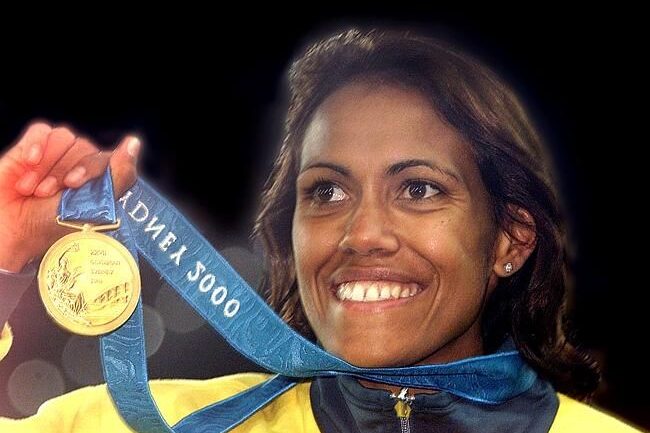
Cathy Freeman’s Olympic win was more than sport, it was a powerful moment that carried emotion, pride, and history. After that huge victory, she did not chase nonstop fame, instead she lived more quietly while still remaining respected and celebrated. Her story after gold shows that not every champion wants a loud second chapter. Some people win something massive, then choose peace. Freeman’s legacy stayed strong because her impact was already deep. She reminds us that stepping away does not mean disappearing, it can mean choosing a life that feels safe and whole. Sometimes the best reward after pressure is calmness.
11. The Return That Kept Shocking People (Dara Torres)
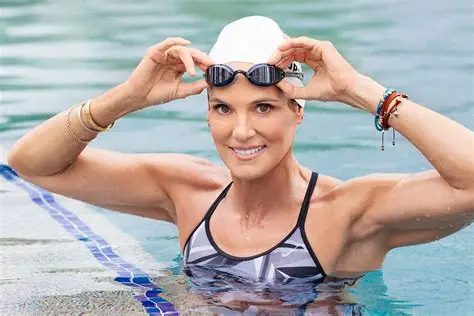
Dara Torres became famous for proving that age does not have to end athletic ambition. She returned to Olympic swimming after long breaks and competed at a level that surprised the world. Her story after gold shows discipline, long-term focus, and a refusal to accept limiting timelines. Torres inspired people who felt too old to start again, because she showed that the body can still respond when you train with care. She also proved that comeback stories do not belong only to young athletes. Her journey reminds us that life can have multiple peaks, not just one. Sometimes quitting is not the end, it is just a pause before the next try.
12. The Sprinter Who Never Really Left (Kim Collins)
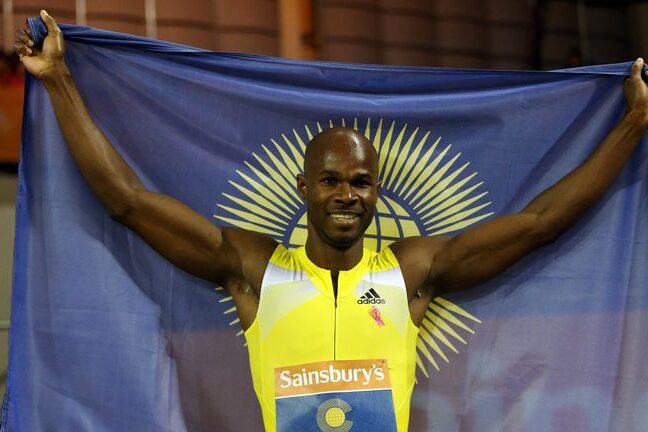
Kim Collins is one of those athletes who quietly built a legendary story through longevity. He competed in sprinting across multiple Olympic Games, proving that staying ready matters as much as natural talent. His life after gold was not about chasing celebrity, it was about continuing to compete and represent with pride. Collins reminds us that consistency can be its own kind of greatness. While many champions fade after their big moment, he stayed present by simply showing up again and again. His story is a reminder that you do not have to be the loudest to be respected. Sometimes endurance is the real flex. Staying in the game is a victory too.
13. The Gymnast Who Refused to Stop (Oksana Chusovitina)
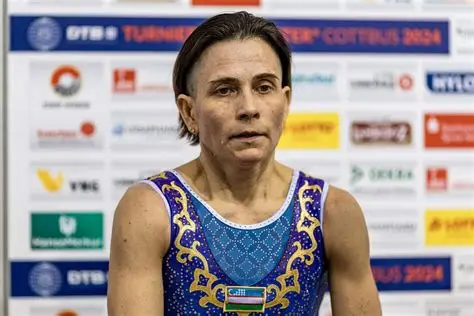
Oksana Chusovitina built one of the most remarkable Olympic journeys ever by competing in gymnastics for decades. While most athletes retire young, she kept going across generations and remained admired for her courage and longevity. Her story after gold became about resilience, purpose, and a love for the sport that did not fade with time. She also carried personal motivation that made her persistence even more meaningful. Chusovitina reminds us that greatness is not only about one medal, it is about character over time. Her life proves that passion does not expire when people expect it to. Sometimes staying is harder than starting. She stayed anyway, and that is why her story matters.
14. Perfect Scores, Permanent Fame (Nadia Comaneci)
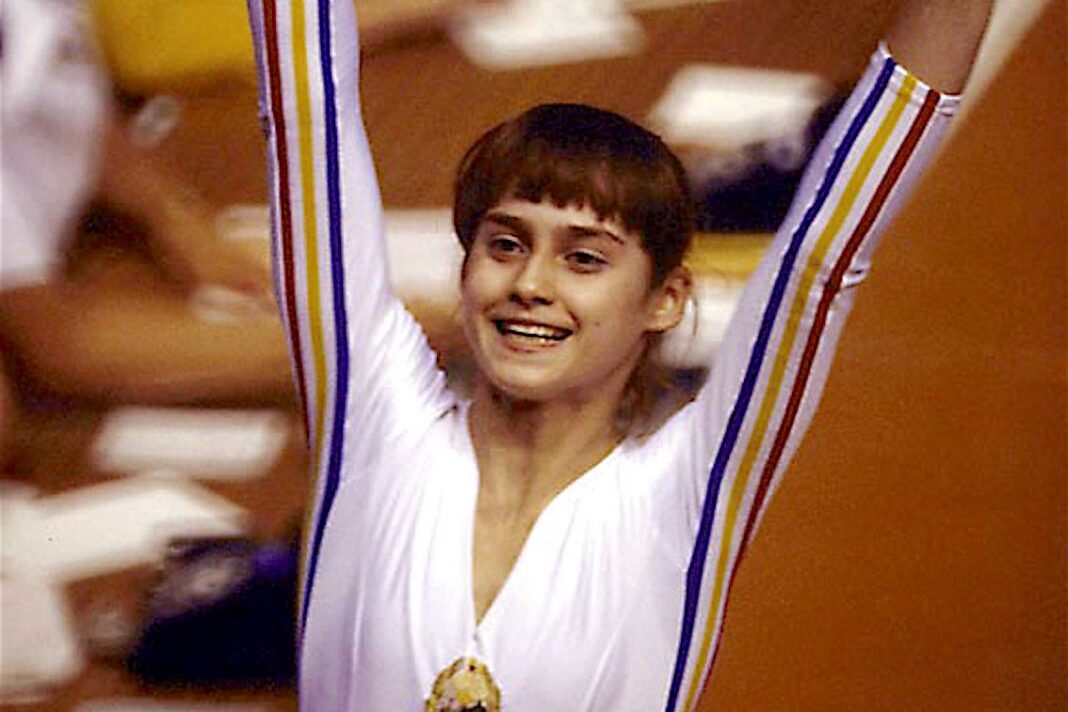
Nadia Comaneci’s perfect Olympic routine became one of the most iconic moments in sports history, and it turned her into a name the world never forgot. Her life after gold stayed connected to that legacy through public appearances and continued influence in gymnastics. Even as time passed, her story remained relevant because that moment was bigger than a medal, it became a symbol. Nadia reminds us that some achievements create lifelong fame, even when the athlete moves into a quieter life. Her story shows the power of a single performance done at the right time. Not every champion stays in the spotlight forever, but some moments never leave the spotlight at all. She became timeless without needing to compete forever.
15. When Winning Turns Into Losing Everything (Marion Jones)
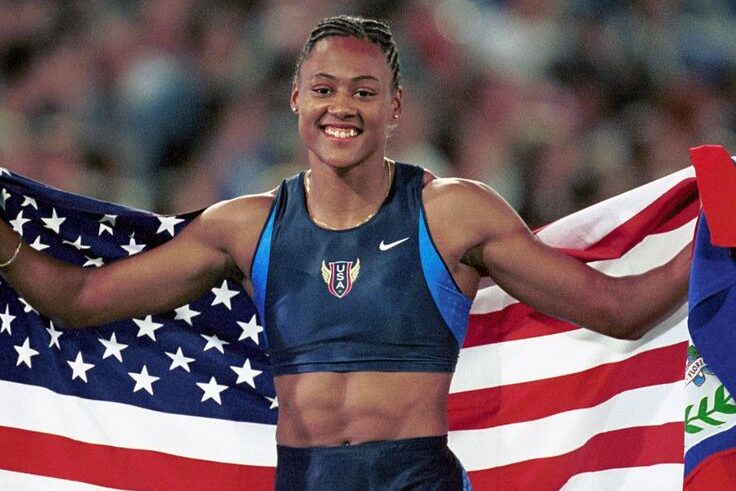
Marion Jones once stood among the most celebrated Olympic athletes in the world, with speed, fame, and gold medals that looked unbeatable. But her life after that success changed when she admitted to using performance enhancing drugs. Her medals were stripped, and her reputation collapsed in a way that still shapes how people remember her. Her story after gold became a cautionary tale about choices and consequences. Even though she tried to rebuild her life later, the damage remained part of her public identity. Jones reminds us that Olympic glory can disappear fast when trust is broken. Winning can lift you high, but it cannot protect you from accountability. Some losses happen after the race ends.
16. The Legend Who Had to Start Over (Oscar Pistorius)
Oscar Pistorius became globally known as a Paralympic champion who competed on the Olympic stage, and many people saw him as a symbol of determination. But his life after fame took a tragic turn when he was convicted of murdering Reeva Steenkamp. The story shocked the world, and it completely reshaped how people remembered him. Instead of being known only for sports history, his name became tied to violence and loss. His journey is a reminder that public success does not guarantee personal stability or good choices. Sometimes the hardest truth is that achievement cannot erase character flaws. And once a reputation breaks, it rarely returns the same way again.
17. The Runner Who Became a National Hero (Eliud Kipchoge)
Eliud Kipchoge’s Olympic success made him famous, but his life after gold has been built on discipline and quiet respect. He stayed active in marathon racing and became known for pushing human limits with calm confidence. Even outside competition, he carries himself like someone who still loves the process more than the applause. Kipchoge’s story feels refreshing because it is not full of scandal or noise. It is steady and purposeful. He shows that greatness can last when you keep your life simple and focused. His journey reminds you that some athletes do not need flashy reinventions to stay relevant. Sometimes staying consistent is the whole secret.
18. The Tennis Star Who Took Control (Serena Williams)
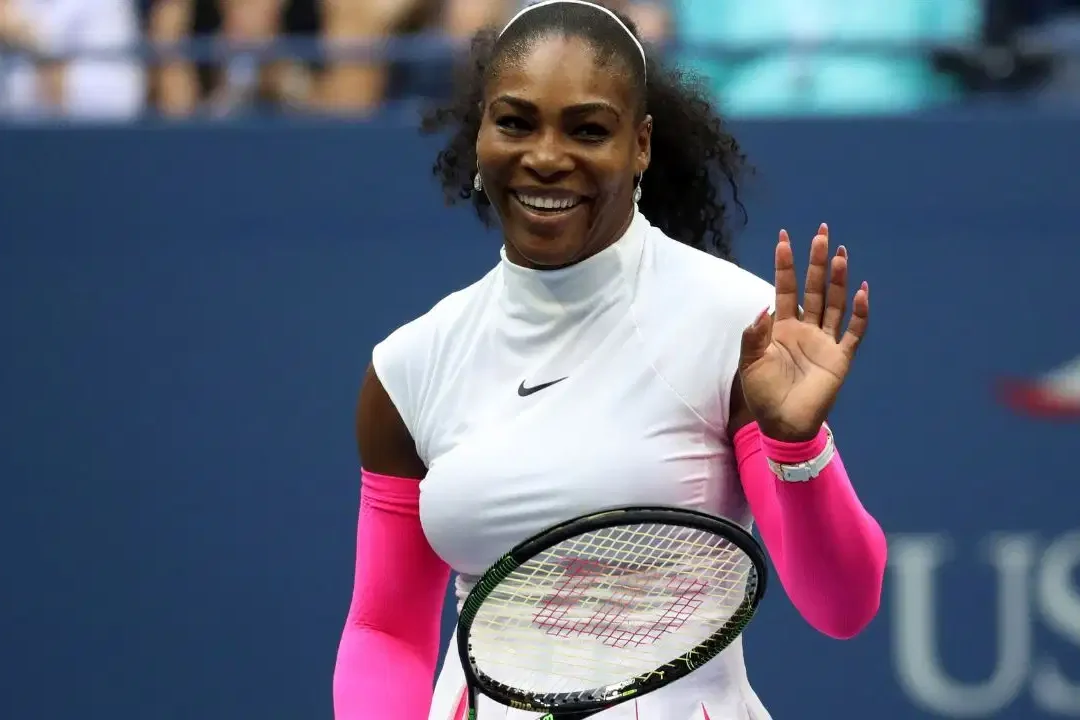
Serena Williams competed in the Olympics and added gold medals to a career that already looked legendary. After years of dominance, her life beyond sports became a mix of business, family, and cultural influence. She turned her name into something larger than tennis, investing in projects and building a brand that stays powerful even after stepping back. Serena’s story after gold is about owning your legacy instead of letting the world define it. She faced criticism, pressure, and constant expectations, yet she stayed strong through it all. Her journey reminds you that the finish line can become a starting point when you know your worth. Winning is one thing, but building a life you love is the real prize.
19. The Gymnast Who Stayed in the Spotlight (Nastia Liukin)
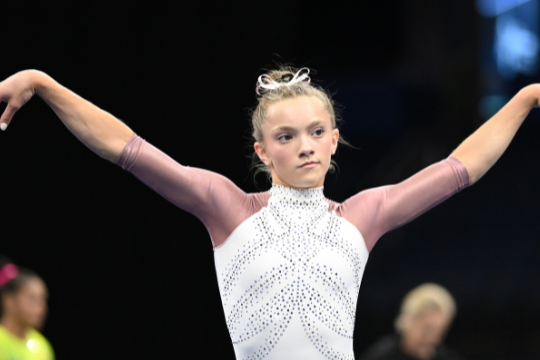
Nastia Liukin became famous through Olympic gymnastics, and her life after gold turned into a smooth transition instead of a messy fall. She moved into media work, public appearances, and lifestyle projects that kept her visible without forcing her to compete forever. What makes her story relatable is how natural the shift felt, like she simply grew into a new version of herself. Many athletes struggle to find identity after retirement, but she stayed connected to the world that made her famous while still evolving. Nastia’s journey shows that you can leave the sport and still stay admired. Sometimes the best post Olympics life is not about chasing more medals, but building a new chapter with ease and confidence.
20. The Champion Who Became a Billion Dollar Brand (Michael Jordan)
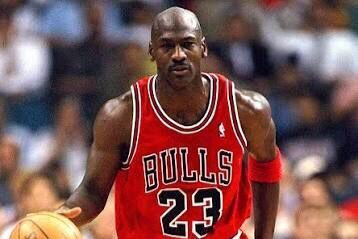
Michael Jordan won Olympic gold, but his life after that win became even bigger than basketball. He turned talent into an empire through endorsements, business deals, and a brand that still earns massive money decades later. Even people who never watched him play still recognize his name, because his image became global culture. Jordan’s story after gold is proof that success can grow when you understand marketing and long-term power. He did not rely on trophies alone, he built something that outlived his playing career. His journey reminds you that fame is temporary, but smart decisions can make it permanent. The medal may open doors, but how you move afterward determines your future.
21. The Swimmer Who Made Peace With Change (Ian Thorpe)
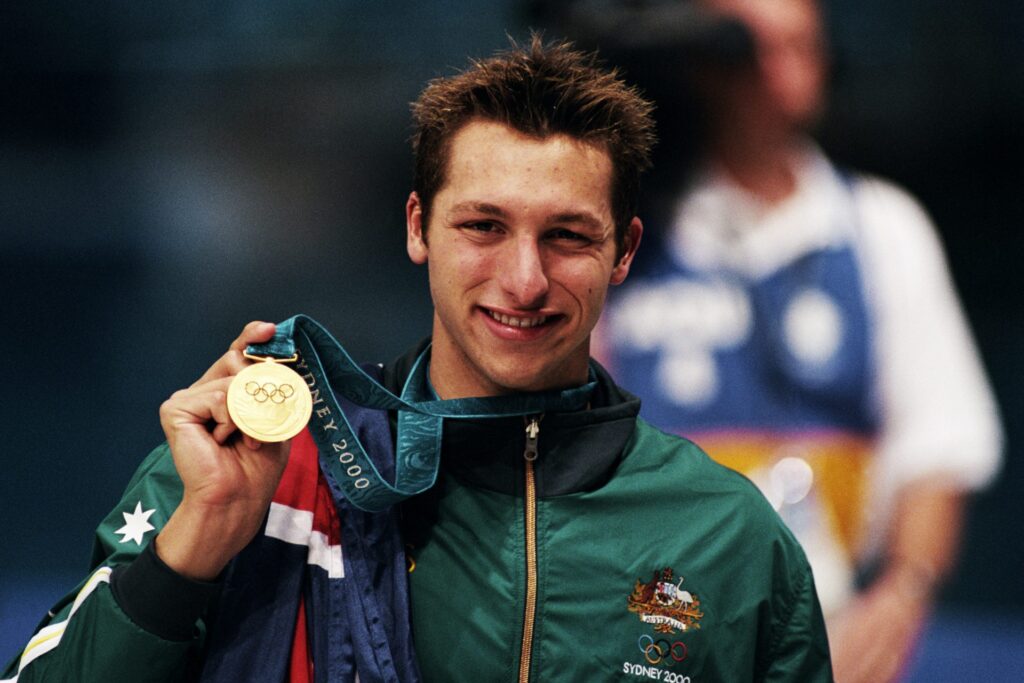
Ian Thorpe became one of Australia’s biggest Olympic swimming stars, but his life after gold included struggles many people did not expect. After retiring, he spoke about mental health challenges and the difficulty of adjusting to life outside competition. Even with fame, he had to learn how to feel normal again, and that process was not instant. Thorpe’s story shows that retirement can feel like losing part of yourself, especially when your identity has been built around winning. Over time, he stayed connected to sports and public life in different ways. His journey reminds you that the world celebrates your victories, but it does not always prepare you for the silence after. Learning to live again is a real kind of strength.
22. The Skater Who Built a Media Empire (Michelle Kwan)

Michelle Kwan competed at the Olympics and became one of the most beloved figure skaters ever, even without an Olympic gold medal. Her life after the Olympic stage did not shrink, it expanded. She moved into public service, diplomacy, and continued media visibility, building a respected career beyond skating. Michelle’s story proves that you do not need to finish first to stay successful and admired. She built a legacy through grace, consistency, and smart choices. Many athletes fade when competition ends, but she found a different kind of spotlight that still suited her. Her journey reminds you that there are many ways to win in life, and not all of them come with a medal. Sometimes the real victory is longevity and respect.
23. The Star Who Paid a Heavy Price (Florence Griffith Joyner)
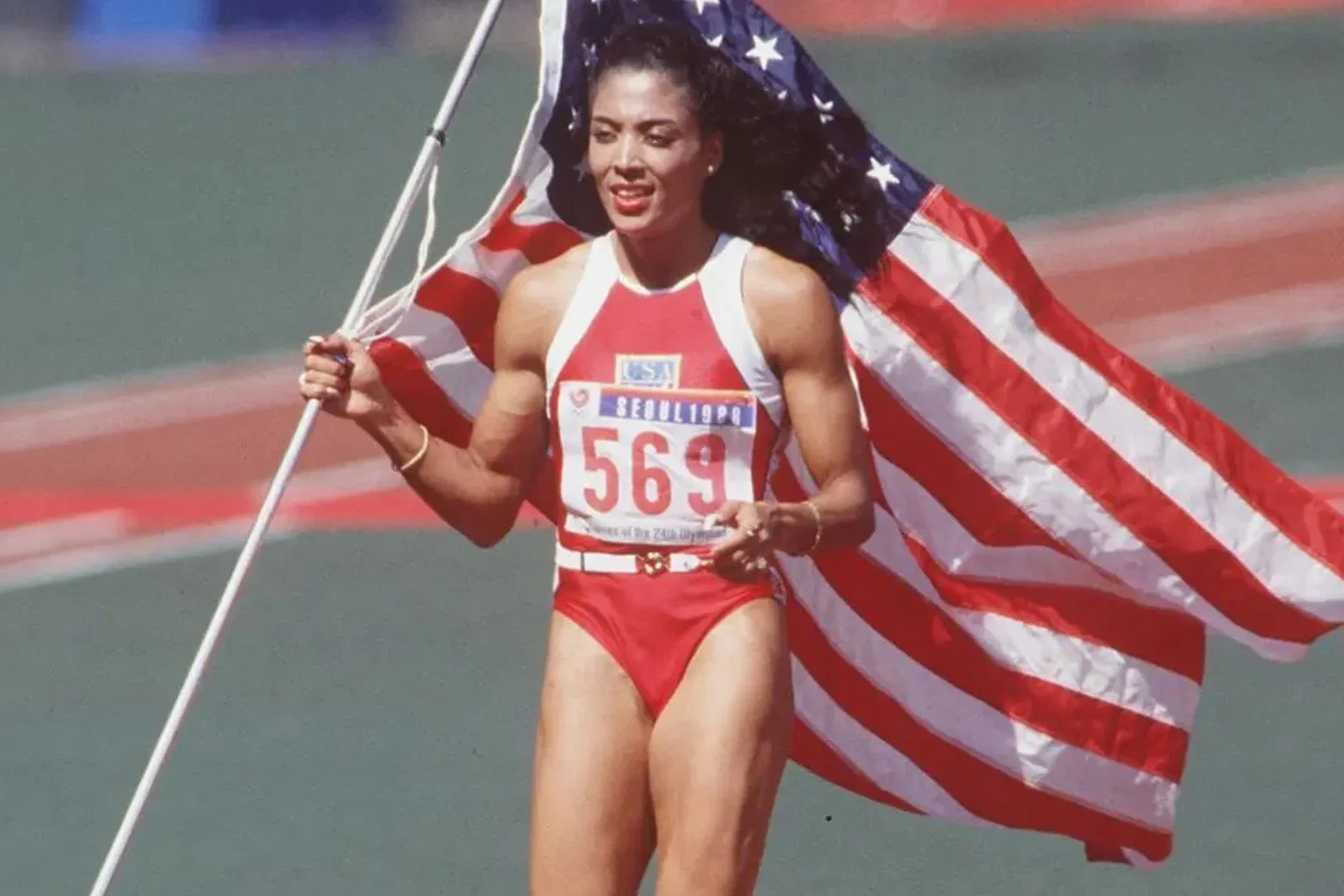
Florence Griffith Joyner, known as Flo Jo, became one of the most unforgettable Olympic champions ever, known for speed, style, and confidence. Her life after gold was shorter than people expected, because she died young at 38. Even though her story ended early, her legacy never disappeared. She remained a symbol of athletic excellence and cultural impact, inspiring athletes long after her era. Flo Jo’s journey reminds you that fame does not guarantee a long life or an easy future. Sometimes greatness is brief, but still powerful. Her story also shows how the world holds on to icons, even when they are gone. She left behind more than medals, she left behind a standard that still feels impossible to ignore.
24. The Athlete Who Could Not Escape the Spotlight (Lolo Jones)
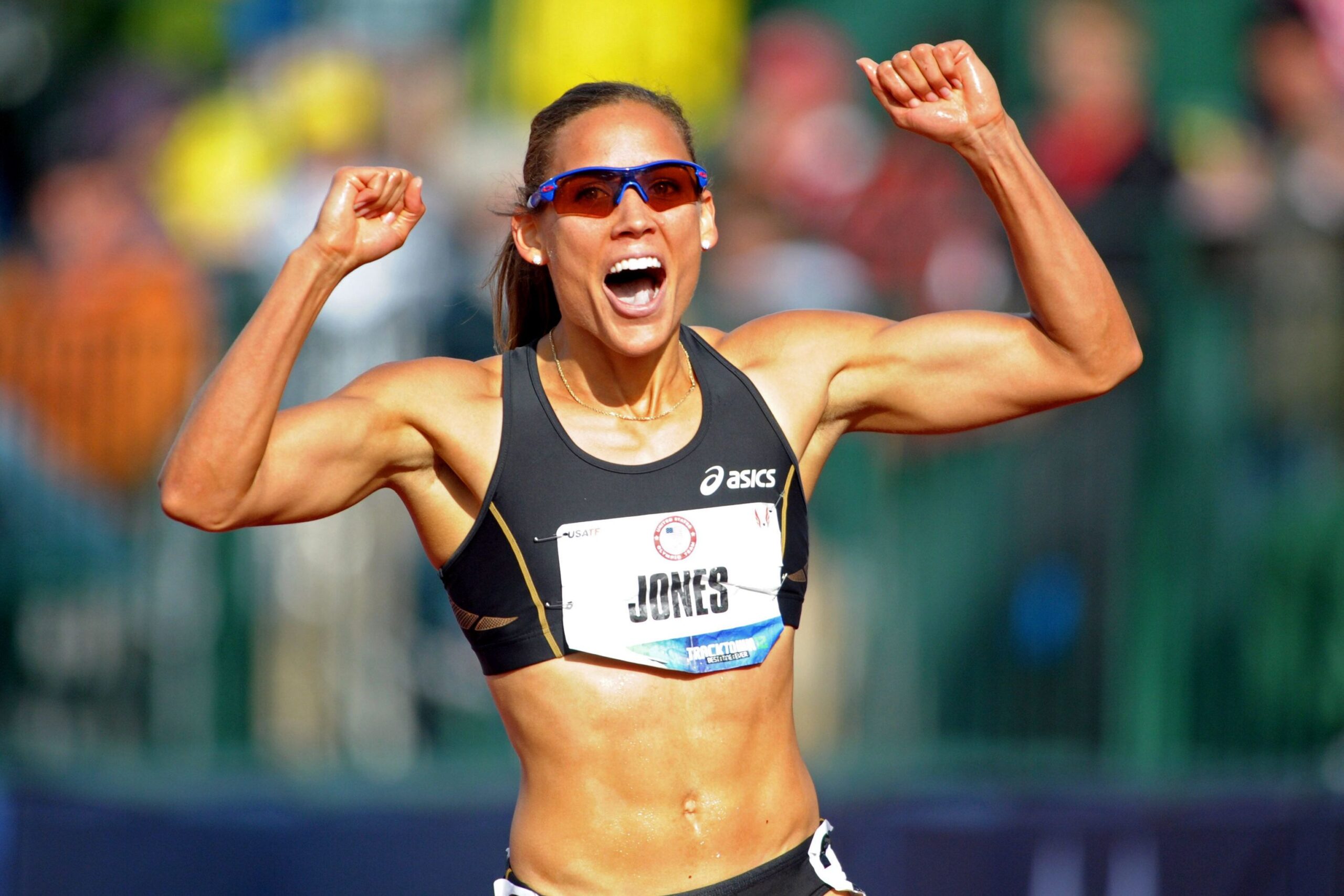
Lolo Jones became well known as an Olympian in track and bobsled, but her story after the Games shows how complicated fame can be. She often stayed in the public eye through interviews and media attention, but also faced harsh judgment and constant opinions about her life. Her journey reminds you that visibility can be a gift and a burden. Even when an athlete works hard, the internet can reduce them to headlines instead of effort. Lolo’s post Olympics life proves that public attention does not always feel good, especially when people treat you like entertainment instead of a person. She kept pushing forward anyway, finding ways to stay active, stay relevant, and keep her story in her own hands. Sometimes perseverance is simply refusing to shrink.
25. The Diver Who Survived the Pressure Cooker (Greg Louganis)
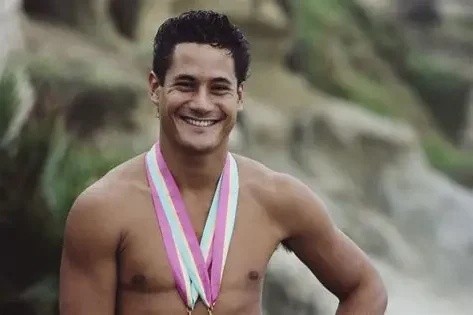
Greg Louganis is remembered as one of the greatest divers in Olympic history, but his life after gold included challenges far beyond sport. He dealt with personal struggles, public pressure, and the complicated experience of living openly as himself in a time when acceptance was limited. Over the years, he found strength in telling his story, educating others, and continuing to inspire new generations. His post Olympics life became less about perfect dives and more about resilience. Louganis reminds you that athletes are human first, and sometimes their biggest battles happen away from competition. His journey shows how courage can look quiet, steady, and deeply personal. Winning was important, but surviving life after winning took even more strength.
26. The Cyclist Who Lost It All Publicly (Lance Armstrong)
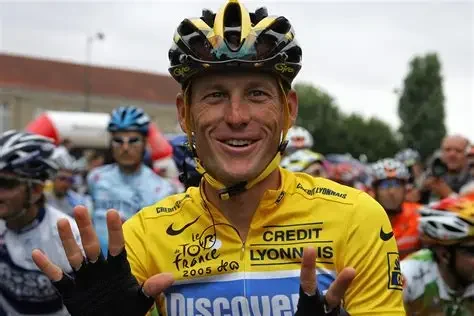
Lance Armstrong competed as an Olympian and once held a powerful image as a sports hero, but his story after fame became one of the biggest downfalls in athletics. After years of denial, he admitted to doping, and his titles and reputation collapsed under public scrutiny. His life after that moment became about consequences, criticism, and trying to rebuild a life with less admiration and more accountability. Armstrong’s story shows how a legacy can change overnight when trust is broken. Even if someone achieves greatness, dishonesty can erase years of hard work in people’s minds. His journey is a reminder that success gained the wrong way rarely stays safe. And when the truth comes out, it often changes everything forever.
27. The Sprinter Who Stayed a Businessman (Maurice Greene)
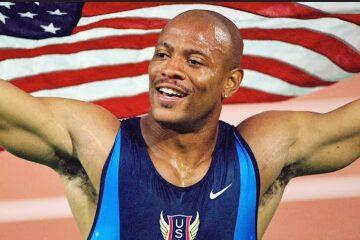
Maurice Greene reached Olympic success and became a major name in sprinting, but his story after gold shows how athletes can move into business and media while staying connected to sports culture. He did not disappear completely, instead he remained visible through coaching influence, public appearances, and fitness related work. His journey feels realistic because it shows what many athletes do after their peak, they find a way to keep earning without staying on the track. Greene’s story reminds you that winning is only part of the plan, and the next chapter requires strategy too. Even if you were once the fastest, life still demands new skills. He represents the Olympians who build steady lives after fame, not perfect, but practical and lasting.
28. The Champion Who Walked into Politics (Manny Pacquiao)
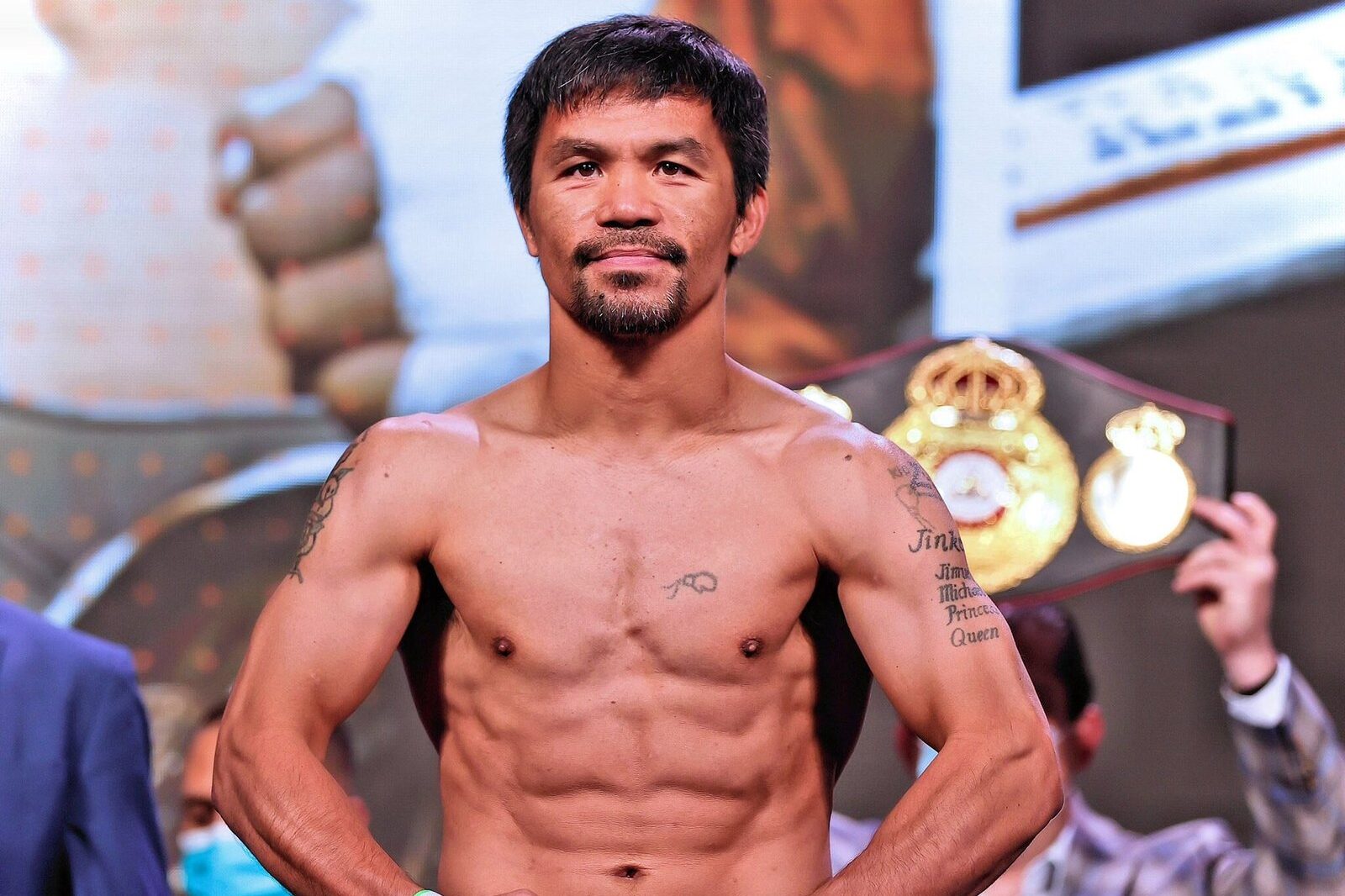
Manny Pacquiao is best known for boxing fame, but he also competed in the Olympics as a torchbearer and became a national icon in sports. After years of success, his life turned toward politics, leadership, and public influence in the Philippines. His story after athletic glory shows how some champions want to shape society, not just win fights. Even though politics is messy, he stayed determined to be part of something bigger than personal trophies. Pacquiao’s journey reminds you that fame can become a tool, depending on how you use it. Some athletes choose business, some choose privacy, and some choose power. His life shows that the drive to compete can easily transform into the drive to lead.
29. The Gymnast Who Went from Gold to Homelessness (Oksana Baiul)
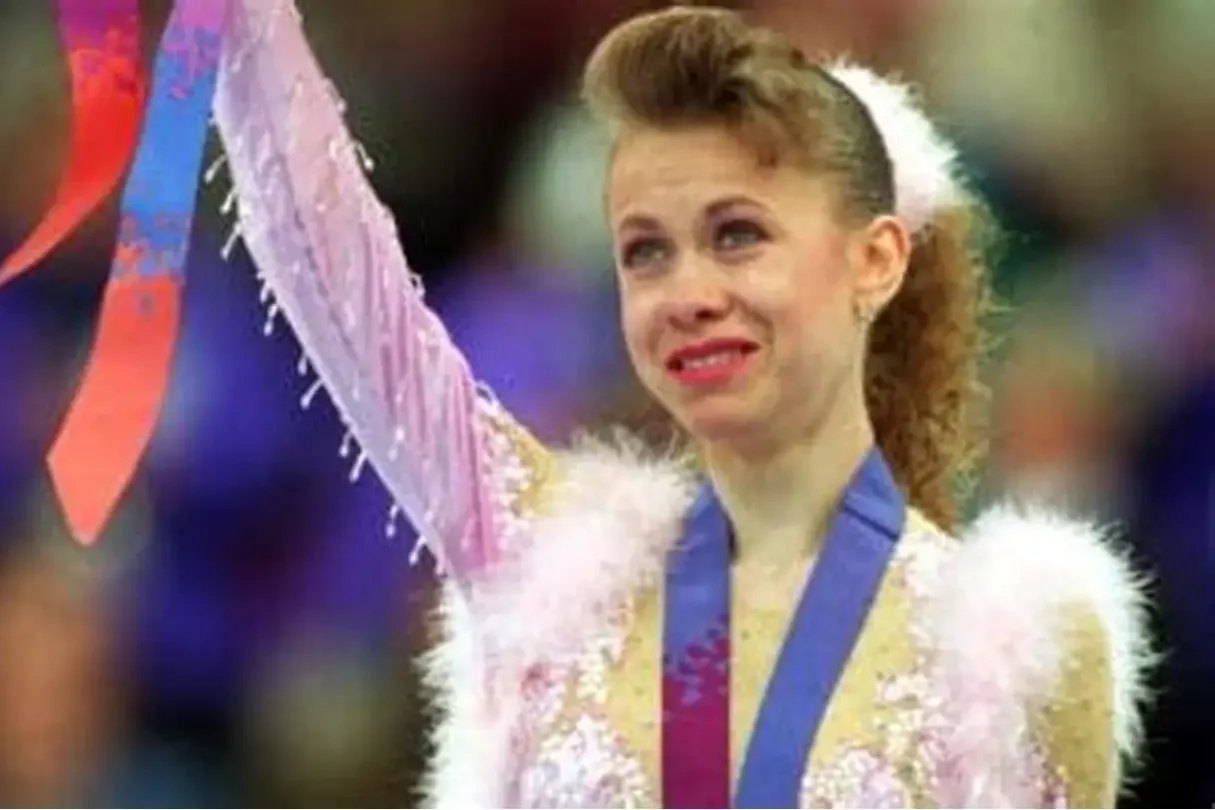
Oksana Baiul won Olympic gold as a teenager and became one of the most talked about skaters in the world. But after the spotlight, her life turned messy and painful. She struggled with alcohol, faced legal and financial problems, and at one point publicly shared that she had been homeless. Her story is hard to read because it shows how fast fame can fade when support disappears. Even though she was a champion, she still had to fight for stability like anyone else. Oksana’s journey reminds you that winning young does not guarantee protection later. Sometimes the hardest part is surviving adulthood after being celebrated too early.
30. Retirement Done Right (Shaun White)
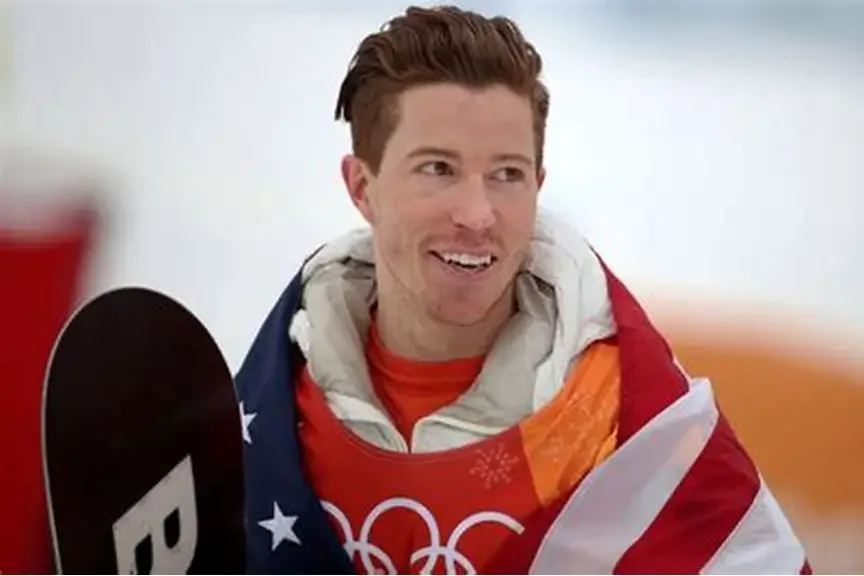
Shaun White didn’t just leave snowboarding and fade into the background. After becoming one of the biggest Olympic names in winter sports, he stepped into life after gold with intention. He moved into business projects, brand partnerships, and public appearances that kept him relevant without forcing him to stay in competition forever. What makes his story easy to connect with is how steady the transition feels. He didn’t act like retirement was the end, he treated it like a new chapter that still deserved effort. Shaun’s journey reminds you that winning is amazing, but planning what comes next is smarter. If this list made you rethink Olympic success, share it with a friend and tell me the story you won’t forget.


