
1. A Real Child’s Name
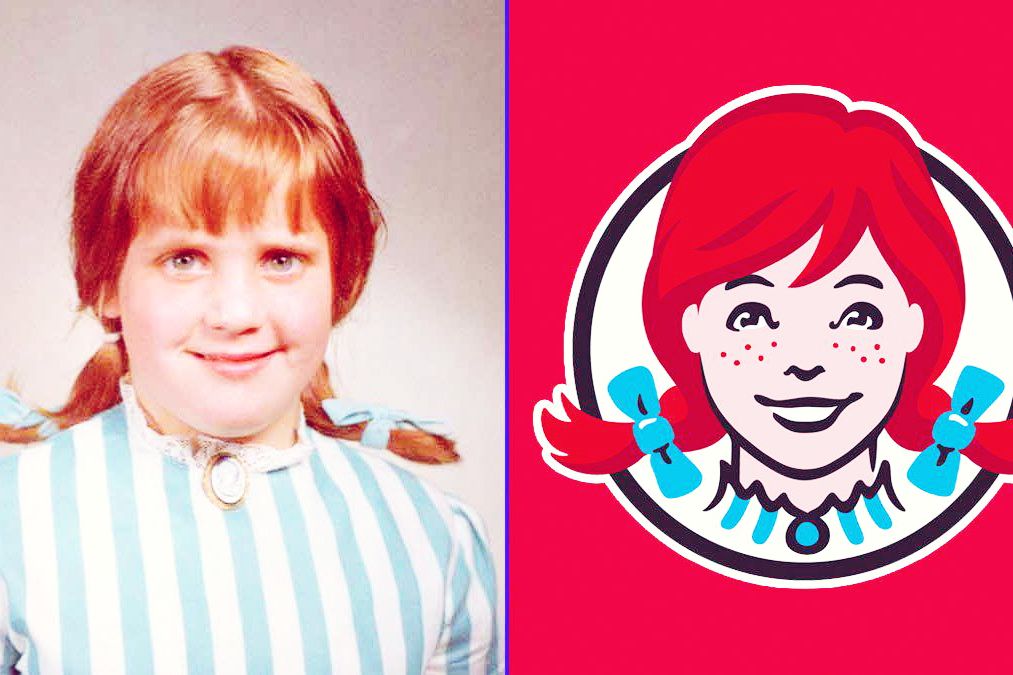
When Dave Thomas opened the first Wendy’s in 1969, the name wasn’t invented by a branding agency or marketing consultant. Wendy Thomas was a real eight-year-old girl with red hair, freckles, and a shy personality. By choosing her name, Thomas hoped to project authenticity and family warmth at a time when fast food felt impersonal. However, as the company expanded nationally, that decision created a permanent public identity for Wendy long before she could understand or consent to it. Thomas later acknowledged that naming the company after his daughter unintentionally tied her childhood to a growing commercial machine, making her name inseparable from a business that would eventually span continents.
2. Childhood Became Public
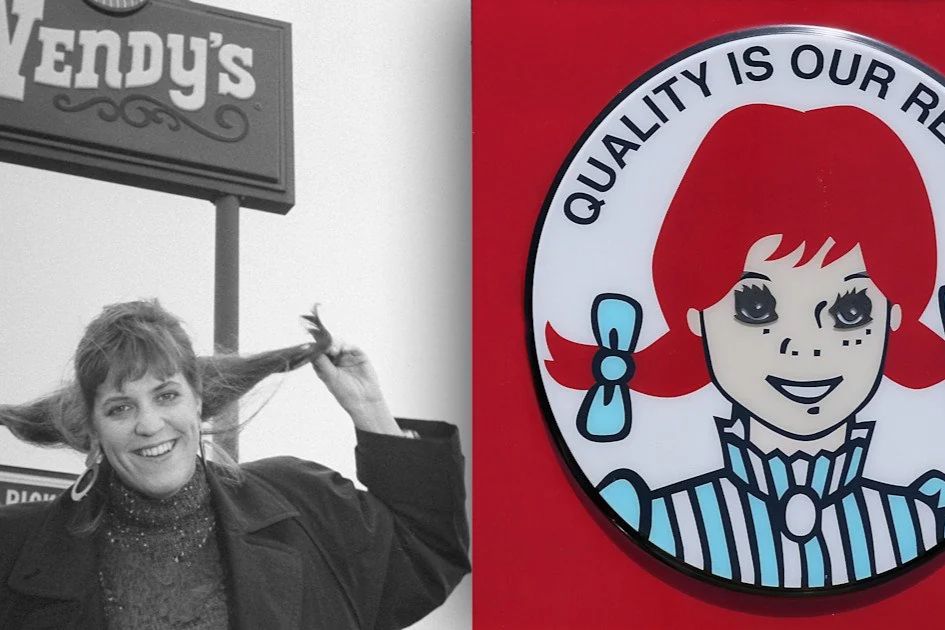
As Wendy’s grew, Wendy Thomas found her name and likeness appearing everywhere, from restaurant signs to television commercials. She wasn’t a mascot created for branding but a real child navigating school, friendships, and adolescence while strangers recognized her name. Dave Thomas later admitted he underestimated how intrusive that visibility would become. Teachers, classmates, and even adults treated Wendy differently because of the association. Her childhood privacy slowly disappeared, replaced by constant questions and assumptions. What began as a father’s tribute gradually turned into a lifelong public label, forcing Wendy to grow up under a spotlight she never asked for.
3. Expectations Followed Her
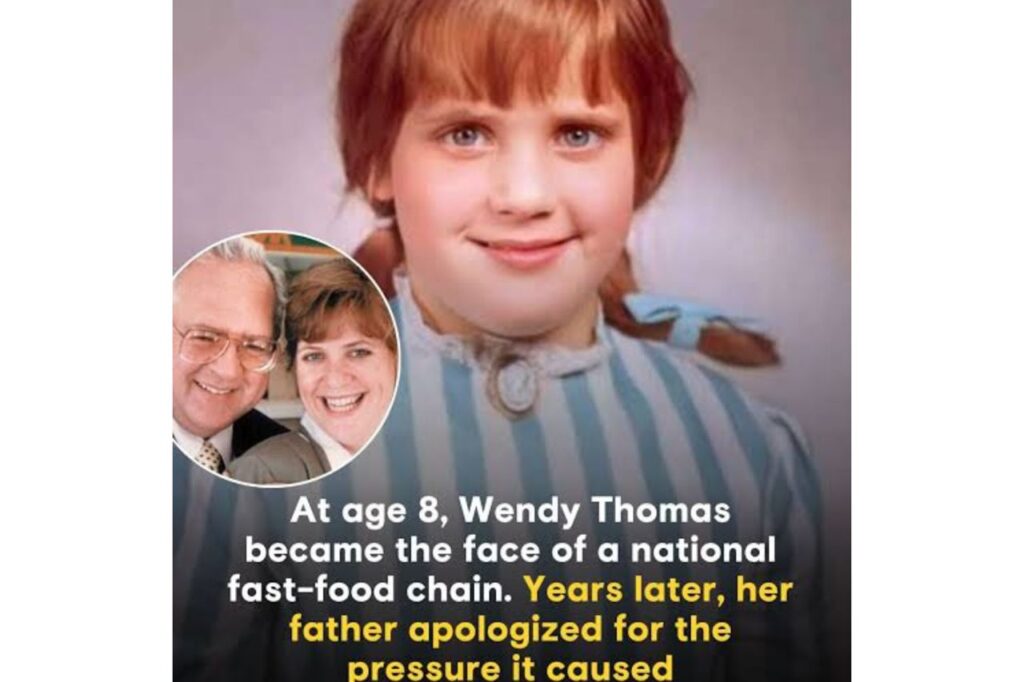
Because the company bore her name, many assumed Wendy Thomas would one day take over the business or serve as its public face. These expectations followed her into adulthood, even though she had no role in founding the chain. Dave Thomas later acknowledged that the name created pressure he hadn’t anticipated, shaping how others viewed his daughter’s future. Wendy was often asked about business decisions, menu changes, or company controversies she had nothing to do with. The brand identity became so dominant that her personal identity struggled to exist separately, a burden that grew heavier as the company expanded globally.
4. Confusion Never Ended
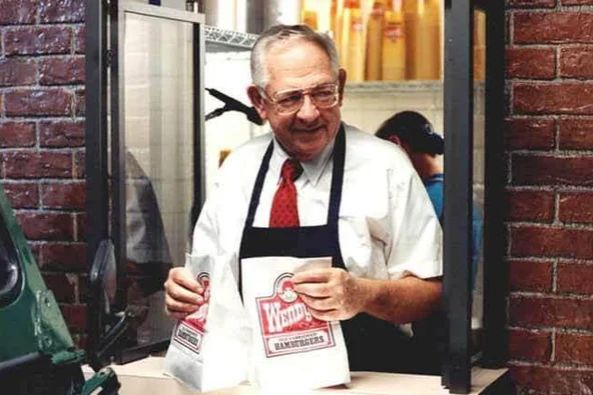
For decades, many customers assumed Wendy Thomas was a fictional character, while others believed she was actively running the company. Dave Thomas later said this misunderstanding bothered him more than he expected. His daughter frequently had to explain that she wasn’t a cartoon mascot or a corporate executive. Even as an adult, Wendy faced ongoing confusion about her role, her authority, and her connection to business decisions. The name created a public narrative she constantly had to correct, illustrating how a simple branding choice can create lasting misconceptions that follow someone for life.
5. Branding Outgrew Family
As Wendy’s expanded into a global fast-food empire, the brand grew far beyond its original family roots. Dave Thomas later admitted that the company became something larger than his intentions, driven by investors, franchises, and corporate leadership. The family connection that once felt meaningful slowly faded from public view, even though the name remained. Wendy Thomas found herself associated with a multinational corporation whose actions she didn’t control. The emotional gap between the personal origin of the name and the corporate reality widened, making the tribute feel less intimate and more complicated with time.
6. Emotional Weight Built Up

Dave Thomas was known for his honesty, and later in life he openly reflected on the emotional consequences of his decision. He admitted that naming the company after Wendy placed an invisible weight on her shoulders. Every success, controversy, or public criticism of the brand indirectly reflected on her name. Thomas later said he hadn’t fully considered how that constant association might affect his daughter emotionally. What seemed like a loving gesture became a lifelong reminder of how personal decisions can ripple outward in ways no one can fully predict.
7. Loss of Anonymity
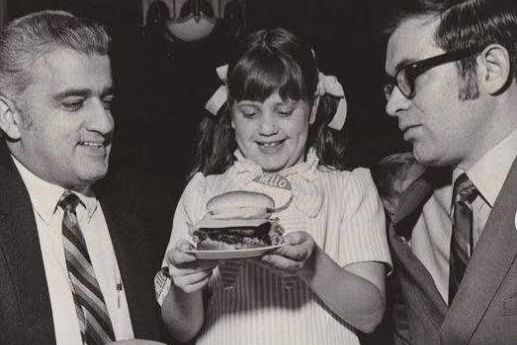
Unlike most children of business founders, Wendy Thomas lost anonymity early in life. Her name alone triggered recognition, jokes, and assumptions wherever she went. Dave Thomas later acknowledged that this loss of privacy was one of the hardest consequences to accept. Wendy couldn’t easily separate herself from the brand, even in personal settings. The recognition wasn’t always negative, but it was constant. Thomas eventually recognized that the name choice removed his daughter’s ability to choose how visible she wanted to be in the world.
8. No Escape From Brand
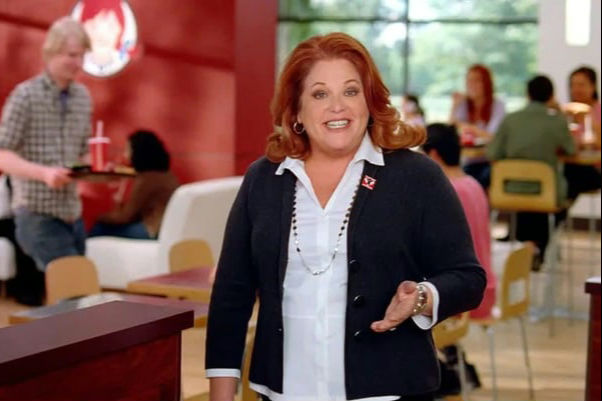
Even as Wendy Thomas pursued her own education and interests, the brand followed her. The Wendy’s name appeared in headlines, lawsuits, marketing campaigns, and cultural conversations, all beyond her control. Dave Thomas later said he realized too late that his daughter could never fully step away from the identity he had created for her. The brand’s permanence meant that Wendy’s name would always carry corporate meaning, whether she wanted it or not, making true separation impossible.
9. Public Ownership Feel

Over time, the Wendy’s name became something the public felt ownership over. Customers joked about it, criticized it, and referenced it in pop culture, often forgetting it belonged to a real person. Dave Thomas later reflected on how strange it felt to see his daughter’s name treated as public property. The emotional distance between the name’s origin and its public use grew wider. This sense of shared ownership made it harder for Wendy to assert personal boundaries around her identity.
10. Regret Mixed With Pride
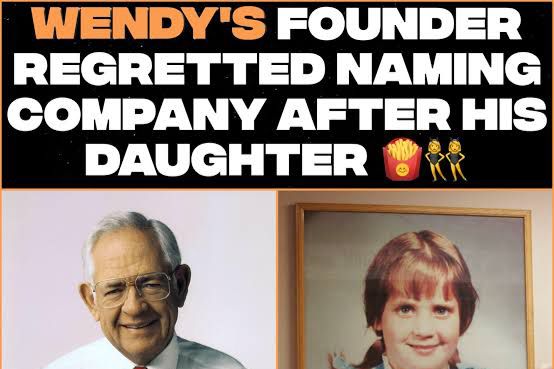
Dave Thomas never said he regretted loving his daughter or honoring her. However, he openly admitted that naming the company after Wendy was more complicated than he ever expected. Pride in the brand existed alongside regret about the unintended impact on her life. His reflections offered a rare glimpse into the personal costs behind corporate decisions. The story became a reminder that even well-intentioned choices can carry emotional consequences that unfold slowly, over decades.
11. A Lesson He Shared
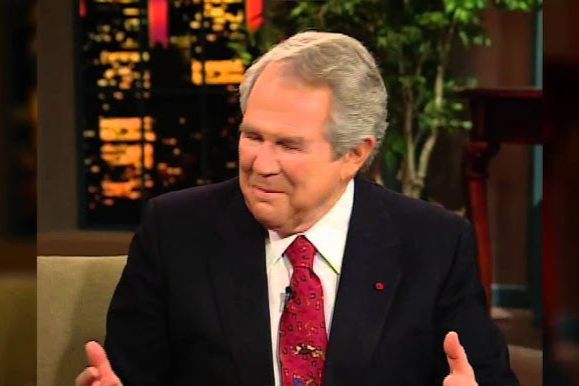
Later in life, Dave Thomas spoke candidly about what naming the company after his daughter taught him. He used the experience as a cautionary lesson for entrepreneurs, explaining that personal decisions can take on unintended consequences once they enter the public and commercial sphere. Thomas emphasized that while the name helped humanize the brand, it also removed his daughter’s ability to define herself privately. He often encouraged business owners to think carefully about how branding choices affect family members who did not choose that exposure. His honesty resonated because it came from lived experience, not hindsight theory, showing that success does not erase the emotional complexities behind it.
12. Legacy Beyond Business
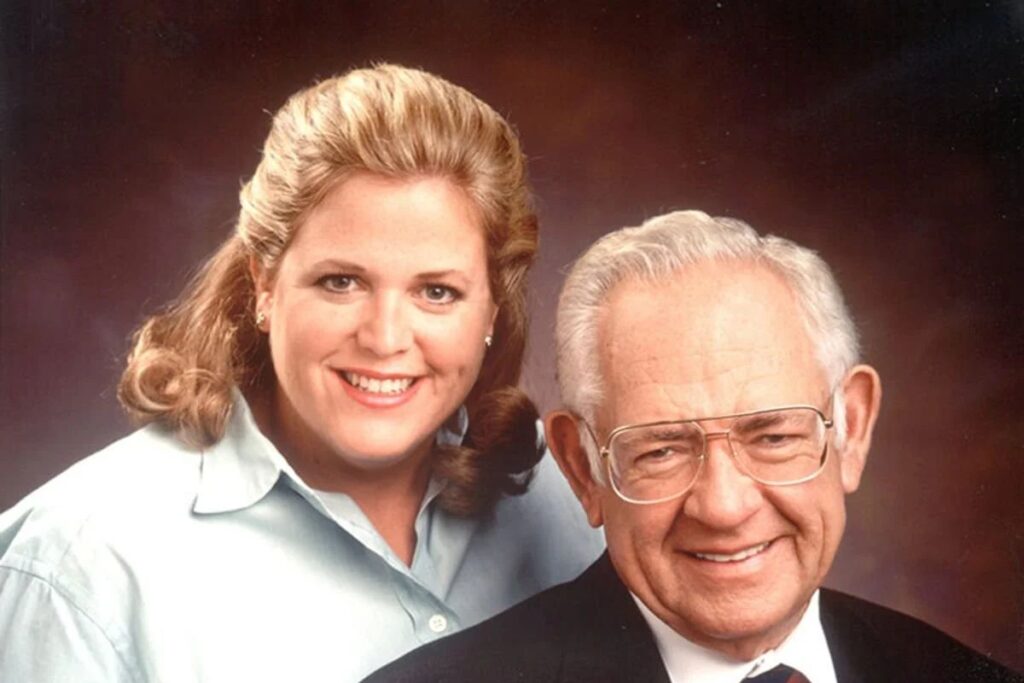
In the end, the story of Wendy’s name became about more than fast food or corporate growth. It highlighted how legacy can extend beyond profits and public recognition. Dave Thomas acknowledged that while the brand thrived, the personal cost was real and lasting. Wendy Thomas eventually found her own path, but her name will always carry dual meaning as both a person and a global symbol. The founder’s reflections reframed the company’s origin story, adding emotional depth to a familiar brand. It stands as a reminder that behind iconic logos are real families, real children, and choices that echo far beyond their original intentions.
Like this story? Add your thoughts in the comments, thank you.


