
1. Kingda Ka
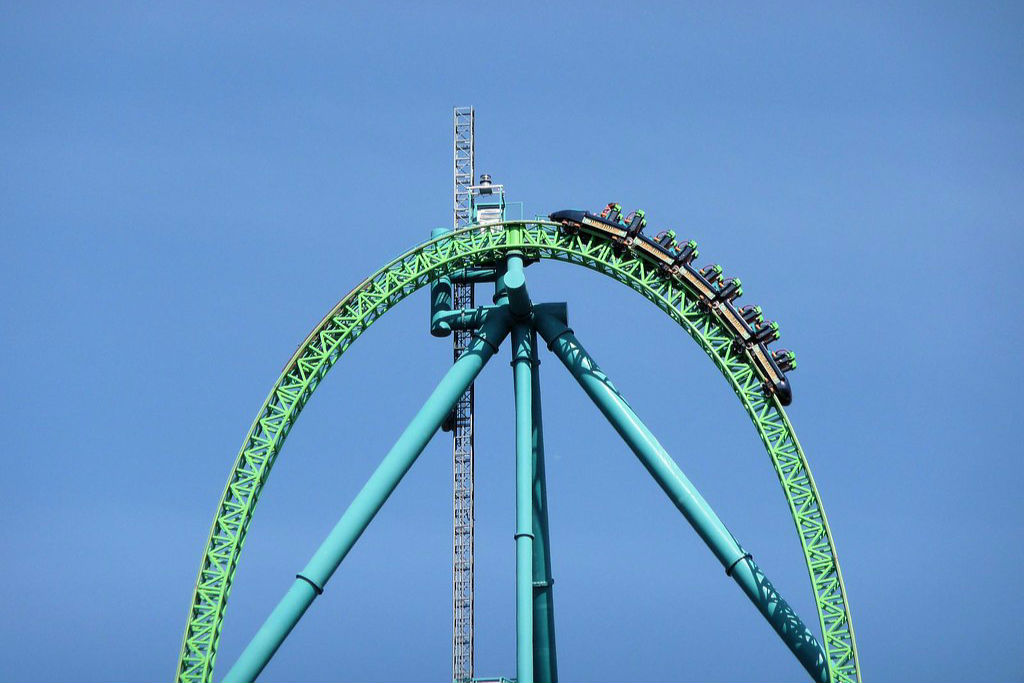
Some roller coasters don’t just thrill riders, they quietly challenge their nerves before the train even leaves the station. Opened in 2005 at Six Flags Great Adventure, Kingda Ka was built to claim the world record for height and speed, soaring 456 feet and launching riders to 128 mph in seconds. The ride’s origin story is rooted in the early-2000s coaster arms race, when parks competed for ever-bigger records. Fans still get nervous because the hydraulic launch offers no warm-up, just an instant blast straight up a vertical tower. Mechanical delays over the years have only added to its intimidating reputation. While newer launch coasters now exist, Kingda Ka remains iconic and nostalgic, a symbol of an era when sheer size was the ultimate thrill factor.
2. Millennium Force
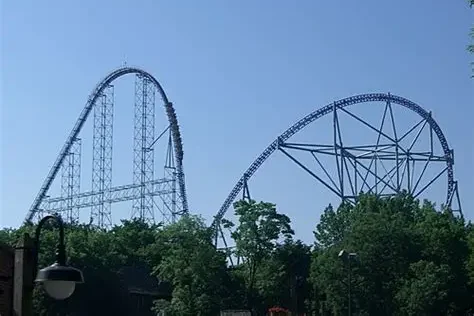
Millennium Force debuted in 2000 at Cedar Point and changed coaster history as the first “giga coaster” to exceed 300 feet. Built by Intamin, it quickly earned a reputation for smoothness combined with overwhelming scale. The ride’s slow climb up the hill builds tension, especially for first-time riders aware of its steep 80-degree drop. Hardcore fans still feel nervous because the height offers no visual reference points, making the descent feel endless. More than two decades later, Millennium Force remains hugely popular and nostalgic, often cited as the coaster that redefined modern thrill rides.
3. Steel Vengeance
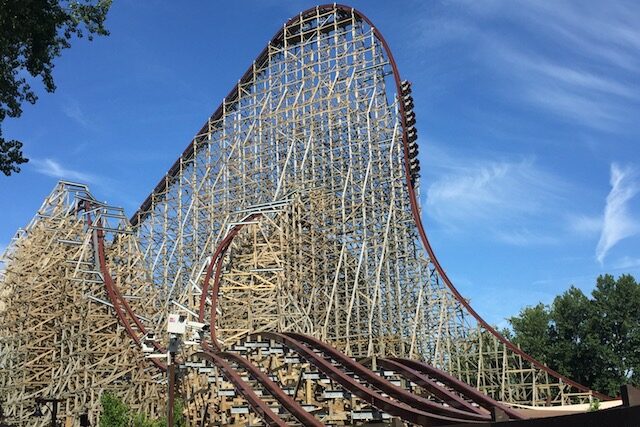
Steel Vengeance opened in 2018, also at Cedar Point, after transforming the former Mean Streak wooden coaster into a hybrid marvel. Using Rocky Mountain Construction’s steel-track technology, it combined the look of a wooden coaster with extreme airtime hills and inversions. Fans get nervous not just from its height, but from its relentless pacing and minimal lap-bar restraints that exaggerate the sensation of flying out of the seat. The ride’s backstory as a rebirth of a once-criticized coaster adds to its legend. Despite being relatively new, Steel Vengeance is already considered a modern classic and one of the most intense coasters ever built.
4. Fury 325
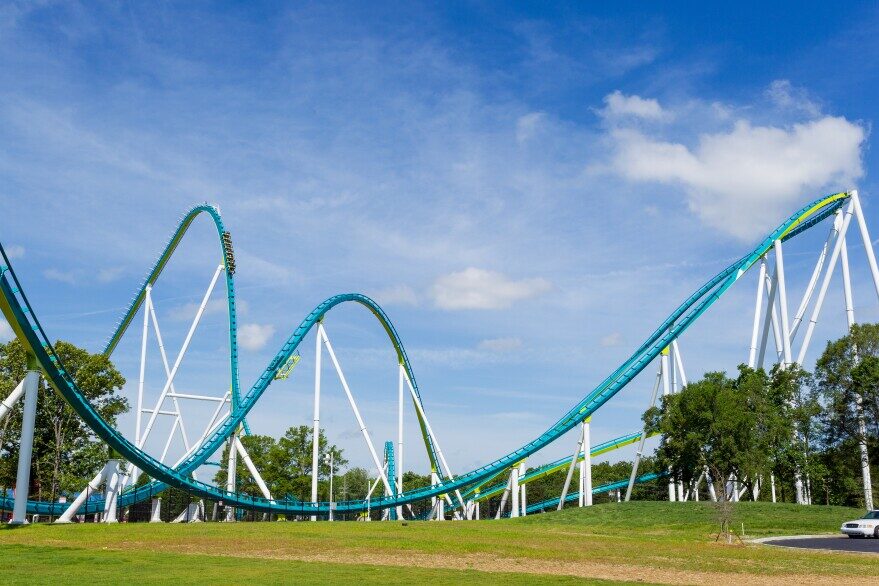
Fury 325 opened in 2015 at Carowinds and instantly became known for speed rather than gimmicks. Standing 325 feet tall, it was designed to feel out of control, with sweeping turns taken at high velocity just above ground level. Fans often say the nervousness comes from how exposed riders feel, especially in the front row as the train crests the lift hill. A widely publicized 2023 structural crack inspection temporarily shut it down, reinforcing how seriously its forces are taken. Fury 325 remains hugely popular today and is often ranked among the best steel coasters in the world.
5. The Smiler
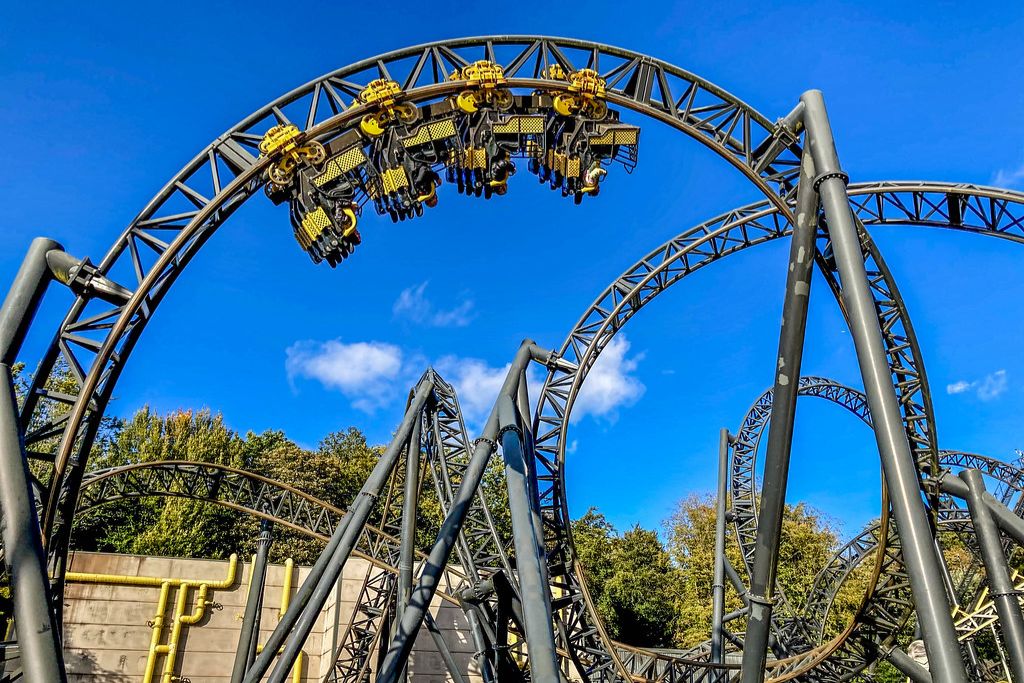
The Smiler opened in 2013 at Alton Towers and was built to hold the record for most inversions on a coaster, with fourteen. Its tangled, claustrophobic layout is intentionally disorienting, making riders uneasy even before boarding. Nervousness around The Smiler is deeply tied to its tragic 2015 accident, which is well documented and led to major safety reforms. While the ride continues to operate safely, that history still lingers in the public consciousness. Despite this, The Smiler remains popular and iconic, representing both the extremes of coaster design and the importance of safety evolution.
6. X2
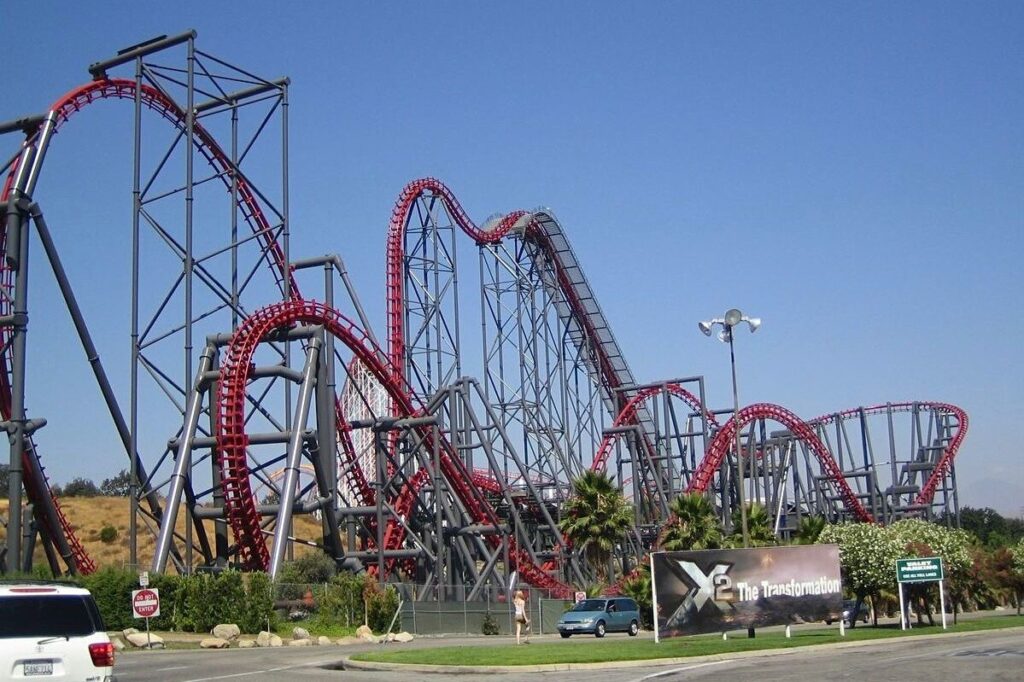
X2 opened in 2002 at Six Flags Magic Mountain as the world’s first fourth-dimension roller coaster. Seats rotate independently of the track, meaning riders flip unpredictably while facing straight down during drops. The concept was revolutionary and confusing, which is exactly why it makes even experienced fans nervous. Unlike traditional coasters, there’s no clear sense of what will happen next. Early technical issues gave it a reputation for intensity and unpredictability. Today, X2 is considered a cult favorite and a nostalgic reminder of experimental coaster design that prioritized raw sensation over comfort.
7. Top Thrill Dragster
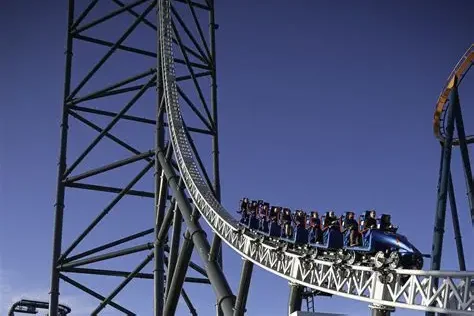
Introduced in 2003 at Cedar Point, Top Thrill Dragster was one of the first strata coasters, launching riders from zero to 120 mph in under four seconds. Inspired by drag racing, its appeal lay in its simplicity and raw power. Fans often felt nervous because the ride offered no traditional coaster rhythm, just a sudden vertical ascent and drop. Highly publicized incidents and extended closures eventually led to its retirement and reimagining. While it no longer operates in its original form, Top Thrill Dragster remains deeply nostalgic and influential, often cited as the ride that defined early-2000s thrill culture.
8. El Toro
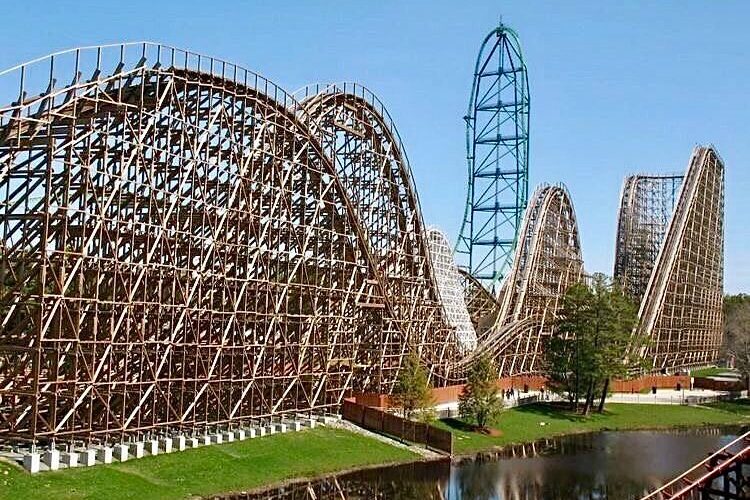
El Toro debuted in 2006 at Six Flags Great Adventure and quickly became known as one of the most intense wooden coasters ever built. Designed with steel-like precision using prefabricated wooden track, it delivered aggressive drops and sustained airtime rarely seen in wood coasters. Fans get nervous because wooden structures visibly flex, amplifying the perception of risk even when the ride is engineered for safety. Several periods of maintenance and inspection over the years have added to its intimidating reputation. Despite this, El Toro remains beloved and nostalgic, representing the peak of modern wooden coaster innovation.
9. Colossos
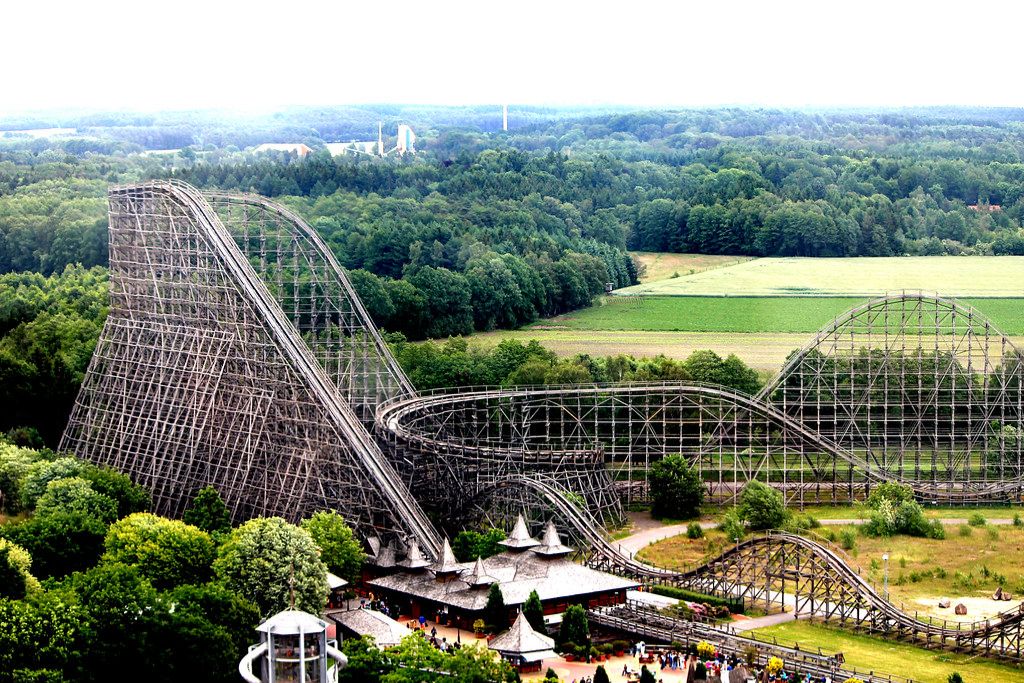
Colossos opened in 2001 at Heide Park and was once the tallest and fastest wooden coaster in the world. Its massive scale, combined with a traditional out-and-back layout, gives riders long moments of sustained speed. Nervousness comes from its sheer size and the unmistakable sound of wood roaring beneath the train. After closing for extensive renovations, Colossos reopened with reinforced track, reminding fans of both its age and resilience. It remains nostalgic for early-2000s coaster enthusiasts and continues to attract riders drawn to classic, no-frills intensity.
10. Expedition GeForce
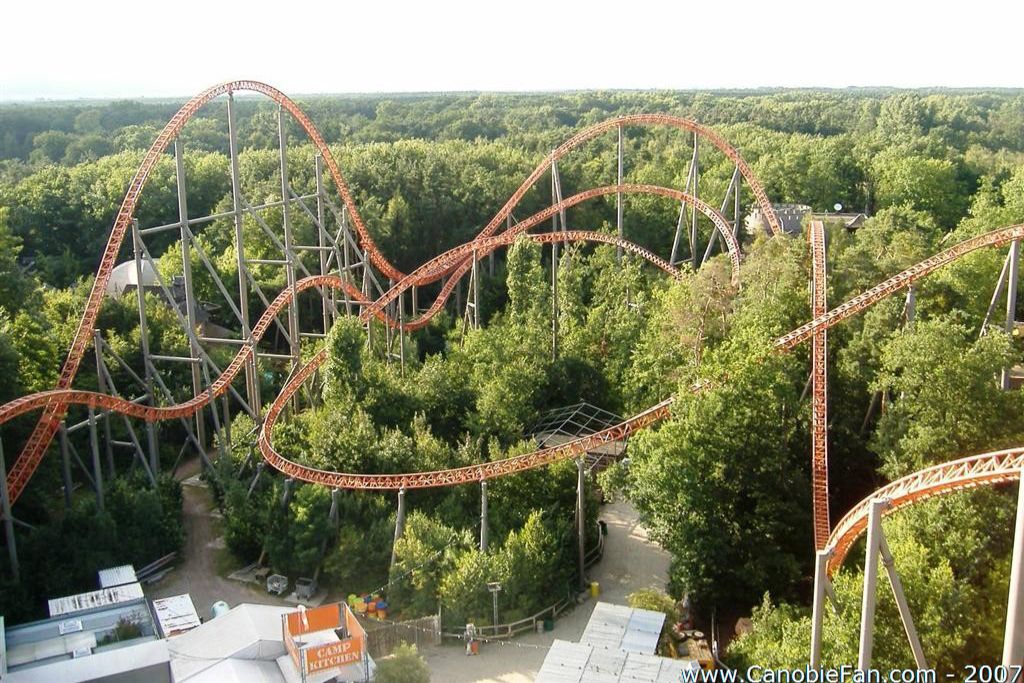
Expedition GeForce launched in 2001 at Holiday Park and quickly gained a reputation for extreme airtime rather than height records. Its cable-lift hill pulls the train up rapidly, giving riders little time to prepare for the steep drop. Fans often get nervous because the ride’s powerful airtime moments feel almost violent compared to smoother modern designs. Despite its age, Expedition GeForce consistently ranks among Europe’s best coasters. It remains both nostalgic and respected, proving that smart design can create lasting intensity without relying on gimmicks.
11. Eejanaika
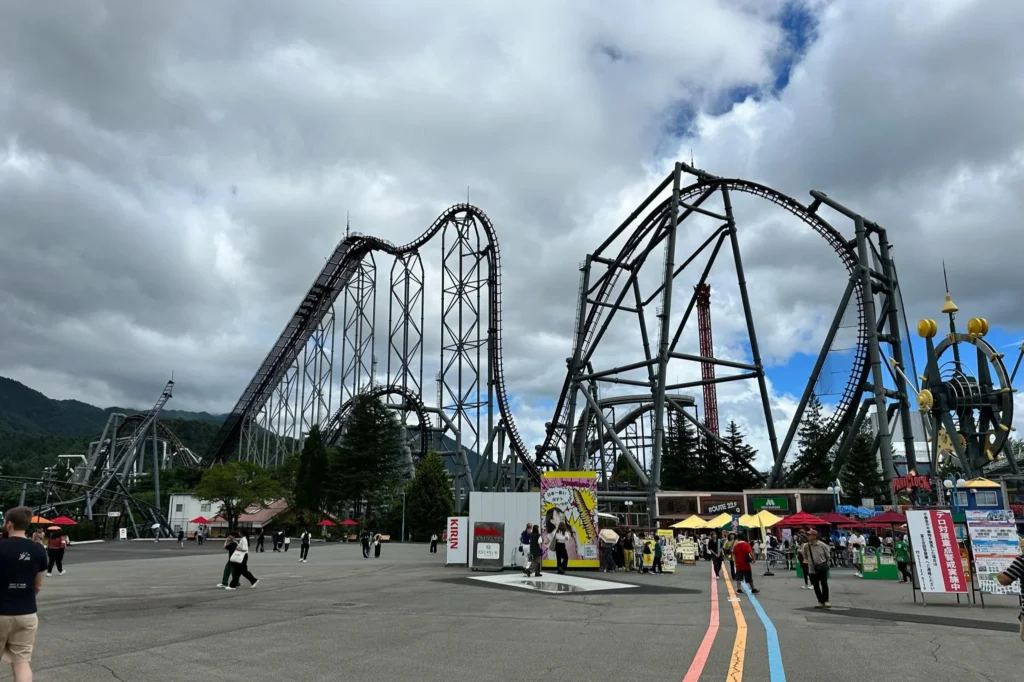
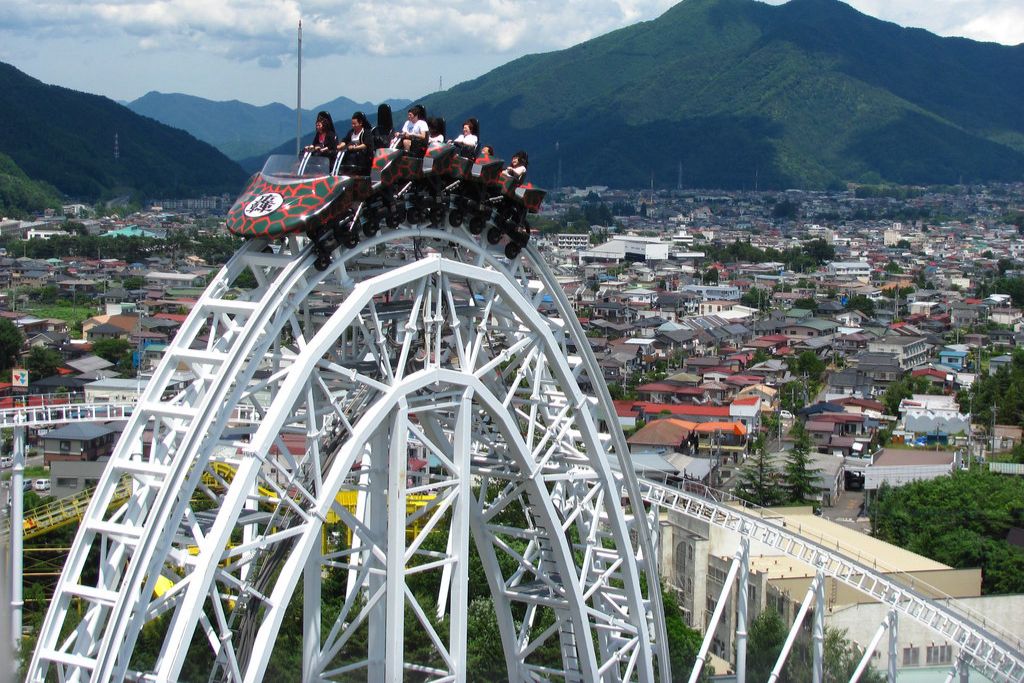
Eejanaika opened in 2006 at Fuji-Q Highland and is a rare four-dimensional coaster where seats rotate independently of the track. Its invention followed the experimental design of earlier 4D rides but pushed the concept further with smoother mechanics and more flips. Fans grow nervous because riders have little control over how often or when their seats rotate, creating a sense of unpredictability even for experts. The ride’s mountainous setting adds visual drama, heightening tension before each inversion. Today, Eejanaika remains one of the most intense coasters in the world and is both a modern icon and a must-ride for thrill enthusiasts.
12. Do-Dodonpa
Do-Dodonpa debuted in 2001 at Fuji-Q Highland and later gained attention for its upgraded launch system, which propelled riders to extreme speeds in a very short distance. Inspired by Japan’s love for high-intensity attractions, the coaster became famous for its compressed, explosive experience. Fans often feel nervous because the acceleration is so sudden that it leaves no time to mentally prepare. Temporary closures and safety reviews over the years have kept it in the public eye. Even with changes to its operation, Do-Dodonpa remains nostalgic and widely discussed, representing a period when launch speed alone was enough to define a coaster’s reputation.
13. Leviathan
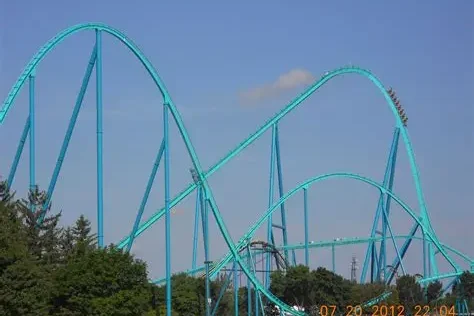
Leviathan opened in 2012 at Canada’s Wonderland and quickly became Canada’s tallest and fastest roller coaster. Designed as a giga coaster, it emphasized smooth speed and long, sweeping drops. Fans still get nervous because the first descent feels especially exposed, with riders cresting the hill high above the park before plunging downward. Its scale is intimidating even to seasoned enthusiasts familiar with large coasters. Leviathan remains extremely popular today and is often praised for blending intensity with elegance, making it both a modern favorite and a landmark in Canadian amusement history.
14. Intimidator 305
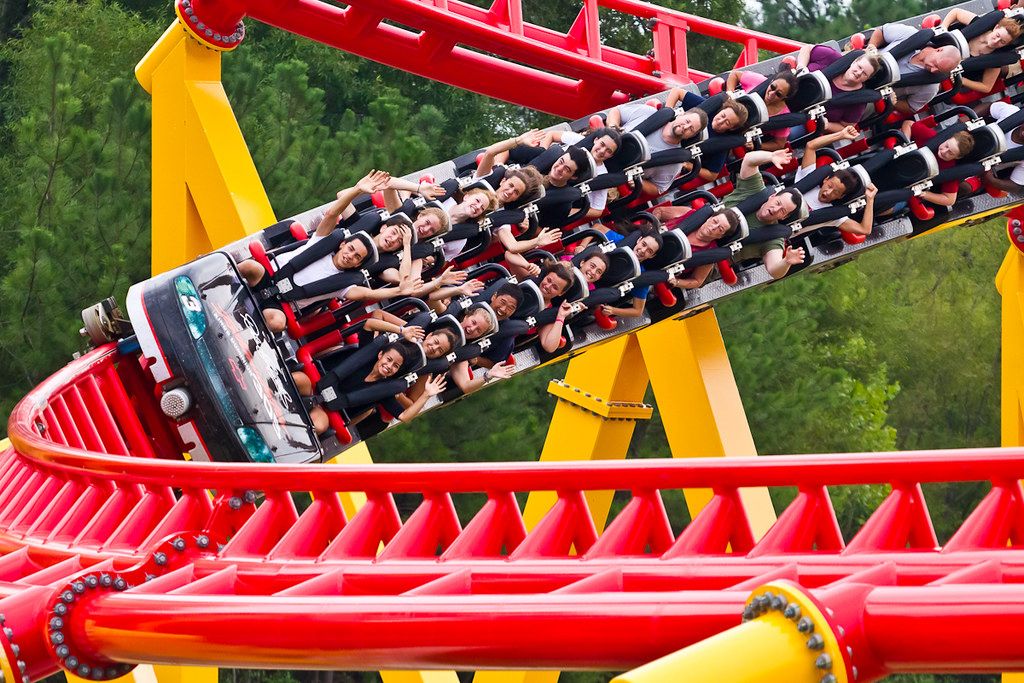
Intimidator 305 opened in 2010 at Kings Dominion and was named in honor of racing legend Dale Earnhardt. Built to emphasize speed and sharp turns, it quickly earned a reputation for extreme forces rather than height alone. Fans often feel nervous because the opening turn after the first drop is so intense that it has caused momentary gray-outs for some riders. Adjustments were later made to ease the forces, but its reputation remains. Intimidator 305 is still admired today as a coaster designed unapologetically for hardcore thrill seekers.
15. Takabisha
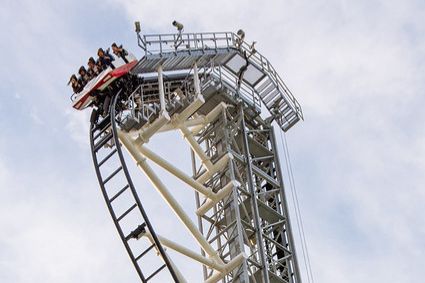
Takabisha opened in 2011 at Fuji-Q Highland and became famous for having one of the steepest drops in the world at the time, exceeding 120 degrees. The ride combines a slow, suspenseful lift with sudden launches and tight inversions. Fans get nervous during the long pause before the vertical drop, when riders are briefly held facing straight down. Its dramatic design reflects a storytelling approach common in Japanese parks. Takabisha remains popular today and is often remembered as a coaster that turned anticipation itself into the main source of fear.
16. Goliath Walibi
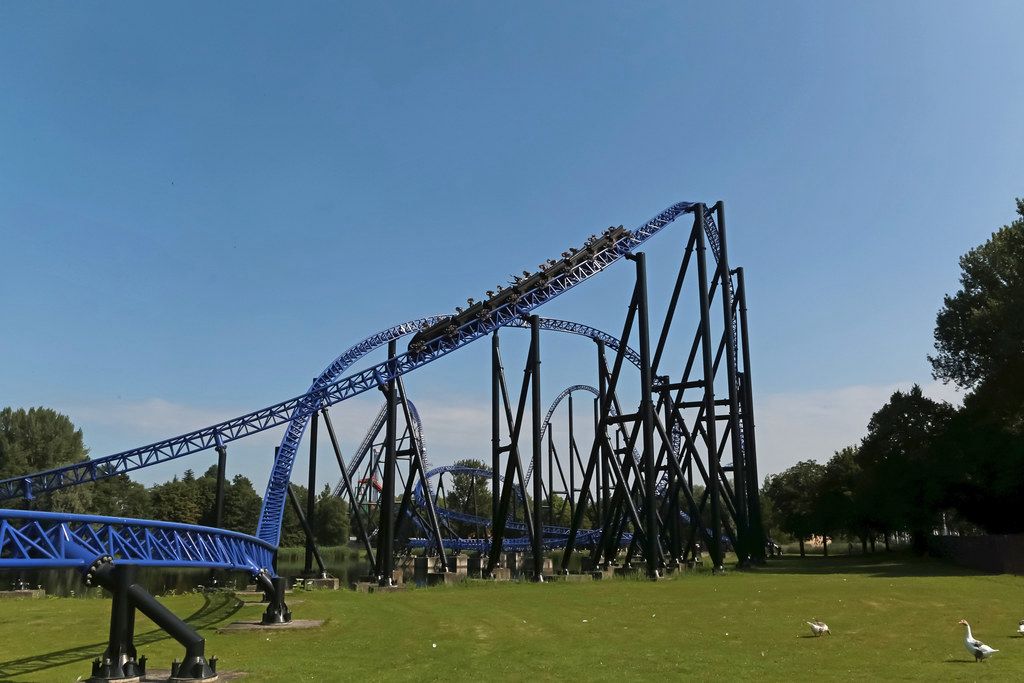
Goliath opened in 2002 at Walibi Holland and was once the tallest and fastest coaster in the Netherlands. Built during Europe’s early-2000s thrill expansion, it emphasized raw speed and large drops. Fans feel nervous because the ride wastes no time, diving quickly into high-speed hills that deliver powerful airtime. Its straightforward, no-frills design makes every element feel exposed. Goliath remains a nostalgic favorite for European coaster fans and continues to be one of the park’s headline attractions decades after its debut.
17. Hyperion
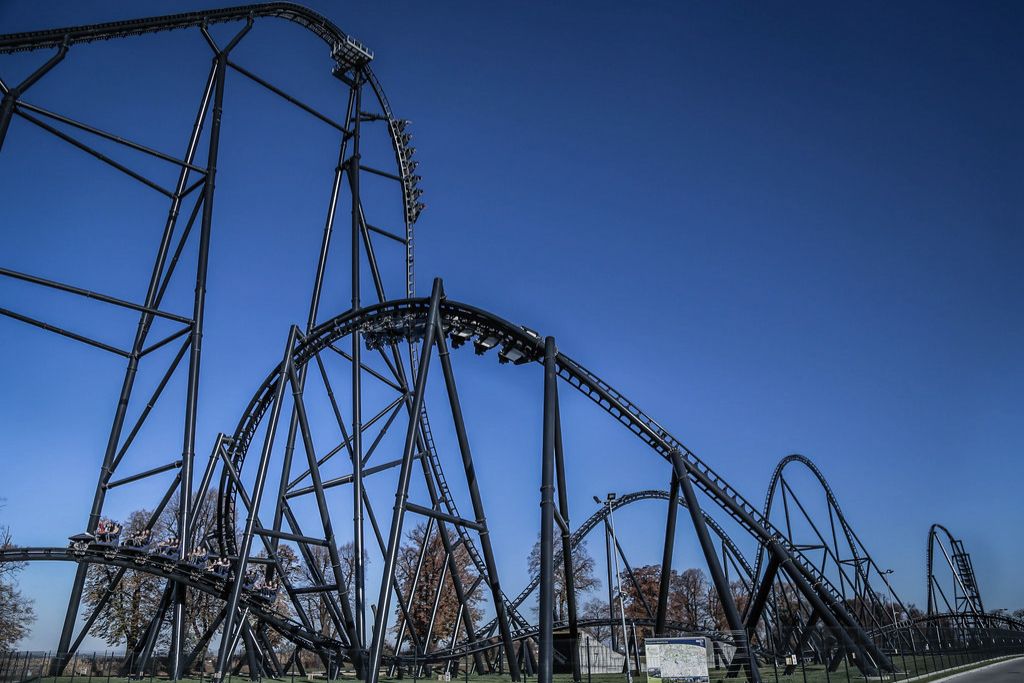
Hyperion opened in 2018 at Energylandia and immediately placed Poland on the global coaster map. As a modern mega coaster, it features towering drops and expansive airtime hills. Fans often feel nervous during the slow ascent, knowing the first drop is both steep and unusually tall for the region. The ride’s sleek design contrasts with its intimidating scale. Hyperion is still relatively new, but it has already become one of Europe’s most talked-about coasters, admired for combining modern engineering with classic thrills.
18. Skyrush
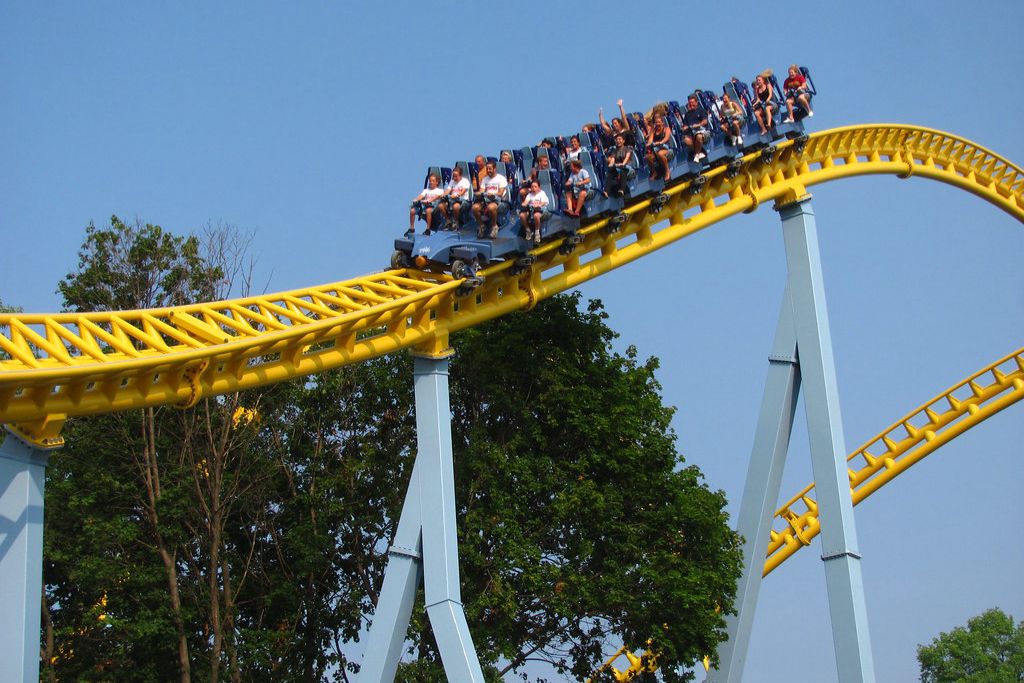
Skyrush debuted in 2012 at Hersheypark and quickly earned a reputation for aggressive airtime. Designed to make riders feel as though they are being lifted out of their seats, it features winged seating that increases exposure. Fans often get nervous because the restraint system feels minimal, amplifying every airtime moment. The coaster’s intensity has been widely discussed among enthusiasts, making it both admired and feared. Skyrush remains popular today and is often cited as one of the most physically demanding steel coasters in North America.
19. Balder
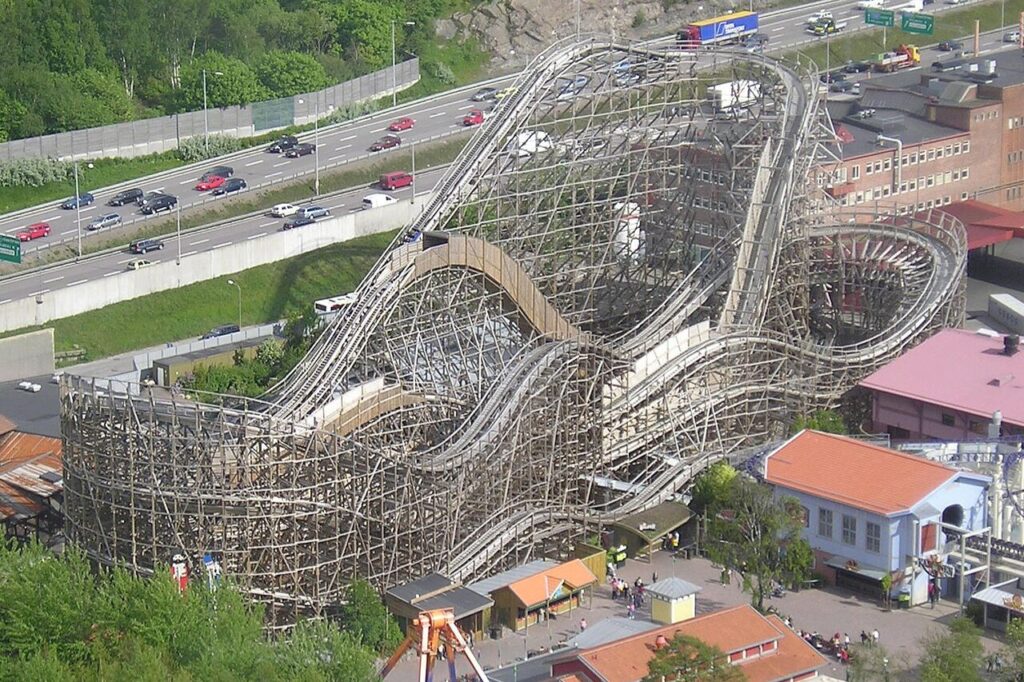
Balder opened in 2003 at Liseberg and redefined what wooden coasters could be. Built with prefabricated wooden track, it delivered smoothness paired with relentless airtime. Fans feel nervous because the ride never seems to slow down, creating a sensation of constant motion. Its clean, open layout offers little visual relief, keeping riders fully aware of each hill. Balder remains both nostalgic and highly ranked, often credited with inspiring a new generation of high-performance wooden coasters worldwide.
20. Formula Rossa
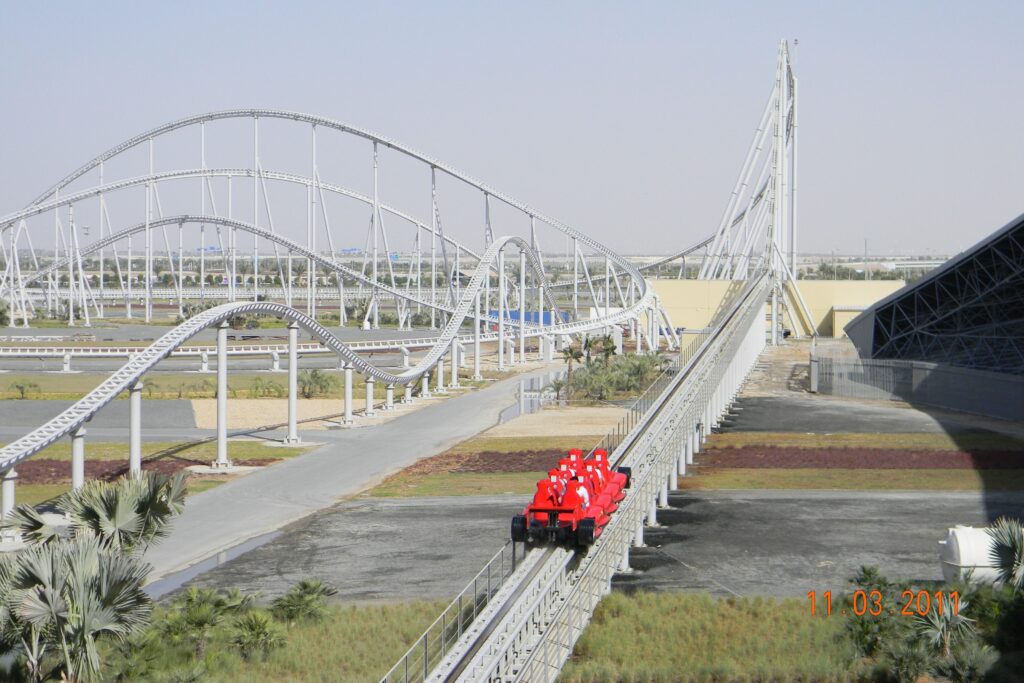
Formula Rossa opened in 2010 at Ferrari World Abu Dhabi and is famous as the world’s fastest roller coaster. Inspired by Formula One racing, it launches riders to highway-defying speeds in seconds. Fans get nervous because the experience feels more like piloting a race car than riding a traditional coaster, complete with protective eyewear. Its desert setting and long, exposed track heighten the sensation of speed. Formula Rossa remains hugely popular today and stands as a modern icon of speed-focused coaster design.
These roller coasters prove that fear and fascination often go hand in hand. Whether built decades ago or in recent years, each ride has earned its reputation through design, history, and unforgettable experiences that continue to challenge even the most dedicated fans.
Like this story? Add your thoughts in the comments, thank you.


