
1. Goliath Birdeater
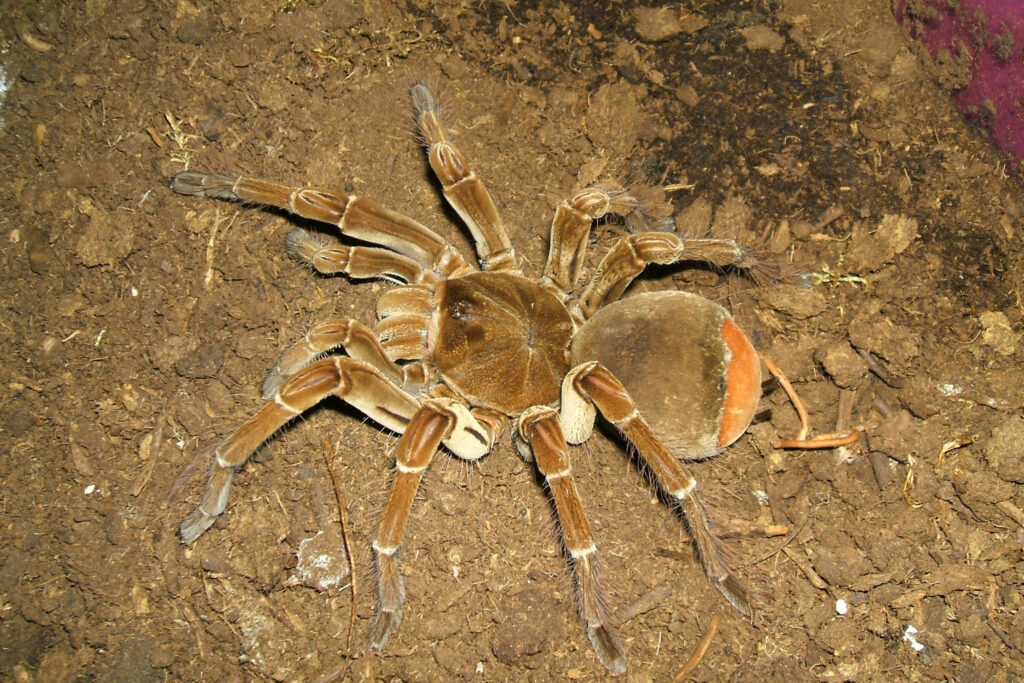
Spiders already inspire unease for many people, but some real-life species take that fear to an entirely different level. The Goliath birdeater holds the record as the largest spider in the world by mass and overall size. Native to the rainforests of northern South America, it can reach a leg span of nearly 12 inches and weigh as much as a small puppy. Despite its dramatic name, it rarely eats birds, feeding mostly on insects, frogs, and small rodents. Its intimidating appearance is matched by defensive behaviors, including hissing sounds made by rubbing its legs together. This spider has been widely documented in wildlife films and scientific studies, making it one of the most famous giant spiders known to exist.
2. Giant Huntsman Spider
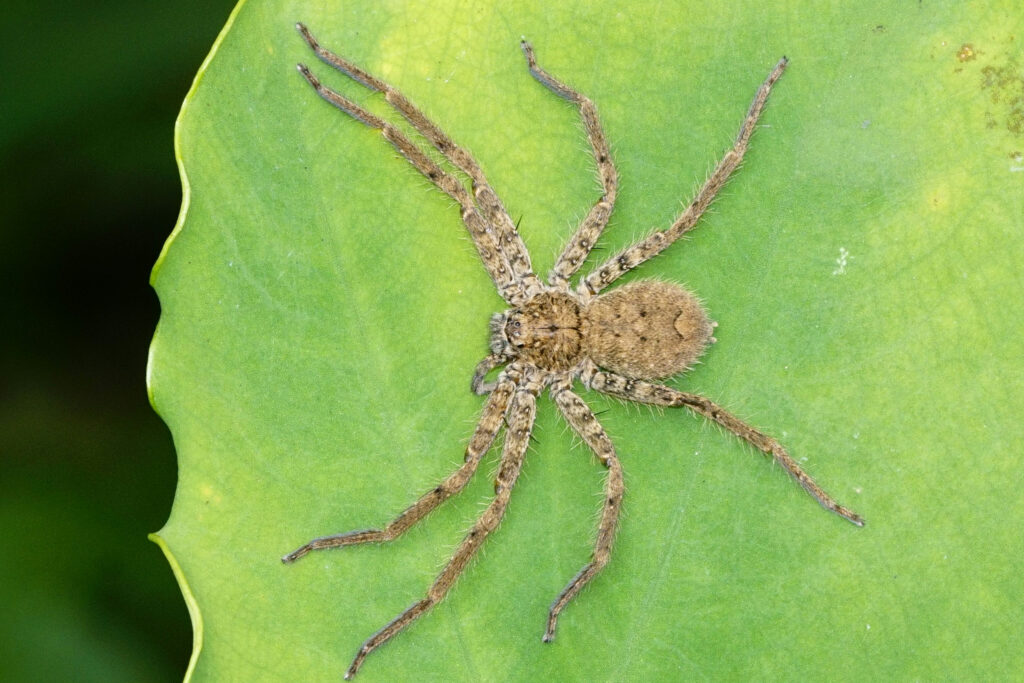
Discovered in a cave in Laos in 2001, the giant huntsman spider has the longest leg span of any spider ever recorded, stretching up to 12 inches across. Unlike bulky tarantulas, this species has long, flattened legs that allow it to move quickly across surfaces. It does not build webs and instead hunts prey by speed and ambush. The spider’s discovery was widely covered by scientific journals and media outlets due to its sheer size. Its ability to cling to walls and ceilings makes encounters especially unsettling for anyone who stumbles across it indoors.
3. Brazilian Salmon Pink
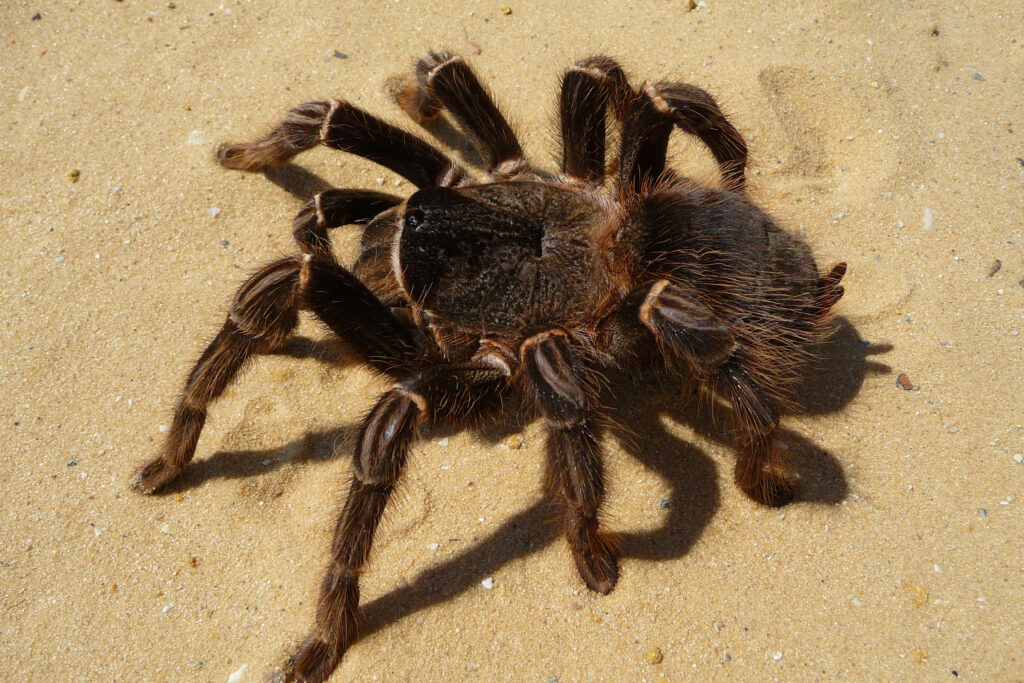
The Brazilian salmon pink is one of the largest tarantulas by leg span, often reaching over 11 inches. Native to Brazil, it is known for its fast growth rate and massive, hairy body. While commonly kept by experienced spider enthusiasts, it is not considered beginner-friendly due to its defensive nature. When threatened, it can release clouds of irritating hairs that cause itching and discomfort. Its size and speed have been documented in numerous reptile and arachnid documentaries, reinforcing its reputation as a truly imposing spider.
4. Colombian Giant Tarantula
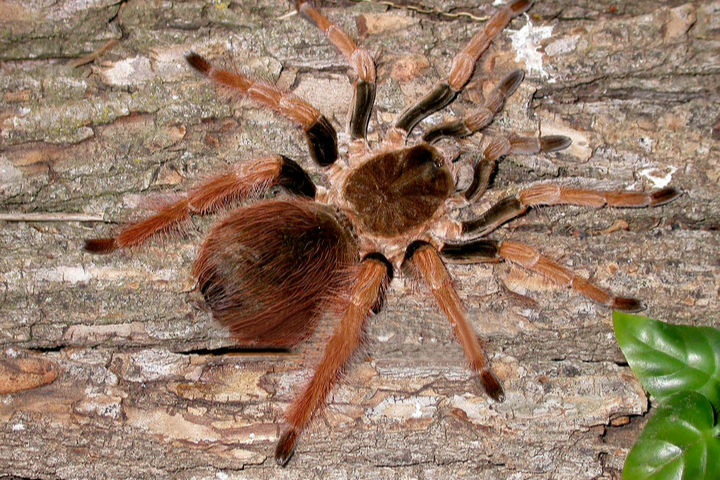
The Colombian giant tarantula is infamous not just for its size but for its aggressive defense tactics. Found in Colombia’s forests, it can reach a leg span of nearly 8 inches. When threatened, it may rear up, spin suddenly, or use its back legs to kick irritating hairs. Researchers and handlers often note its unpredictable movements, which add to its intimidating reputation. Though rarely dangerous to humans, its behavior has made it a standout example in studies of spider defense mechanisms and has fueled its fearsome image in popular media.
5. Camel Spider
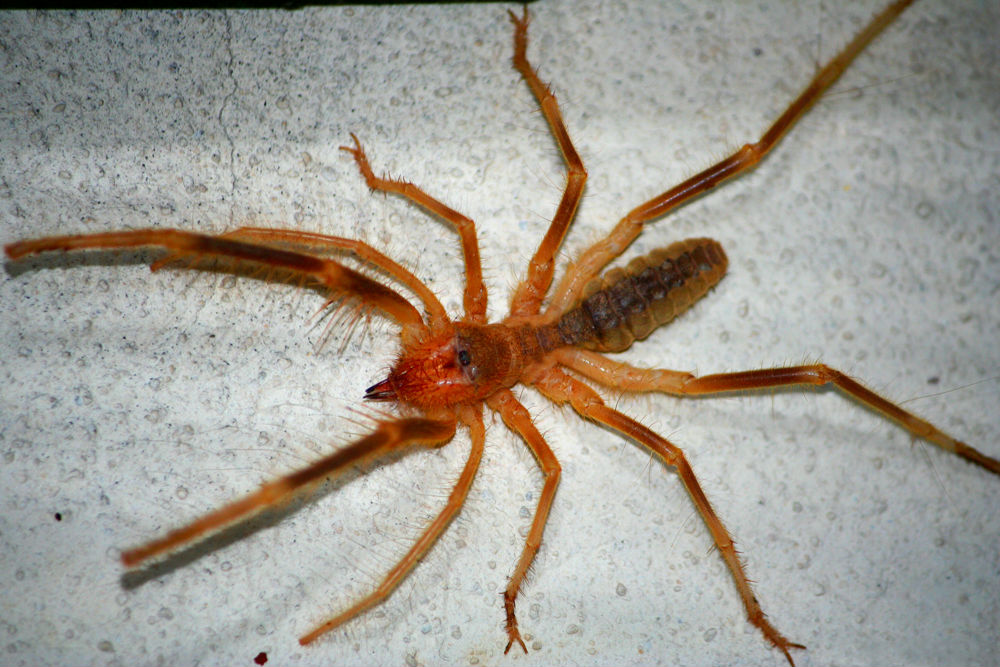
Often mistaken for a true spider, the camel spider belongs to a separate arachnid order called Solifugae. Found in deserts across the Middle East, Africa, and parts of the Americas, some species can grow up to 6 inches long. Camel spiders gained widespread attention during military deployments in the Middle East, where photos and stories circulated online. While many myths exaggerated their danger, their size, speed, and large jaws are very real. Scientists have repeatedly clarified their behavior, but their appearance alone continues to unsettle observers.
6. King Baboon Spider
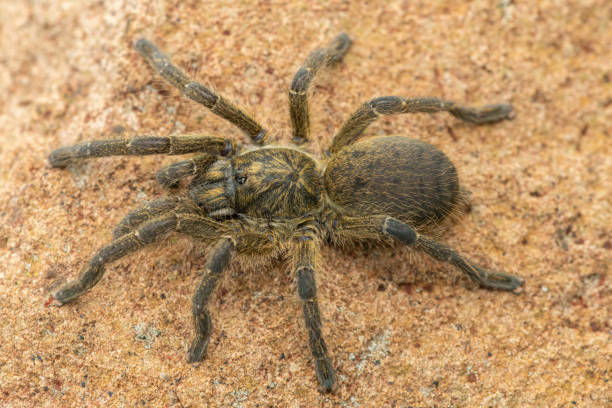
The king baboon spider is a thick-bodied African tarantula known for its impressive size and powerful fangs. Native to East Africa, it spends much of its life underground in deep burrows. Unlike more docile species, this spider is known for a defensive temperament and strong bite, though it rarely encounters humans. Its dense hair and heavy build make it appear even larger than its actual measurements. Wildlife experts often cite it as one of the most intimidating tarantulas due to its strength and behavior rather than sheer leg span alone.
7. Hercules Baboon Spider
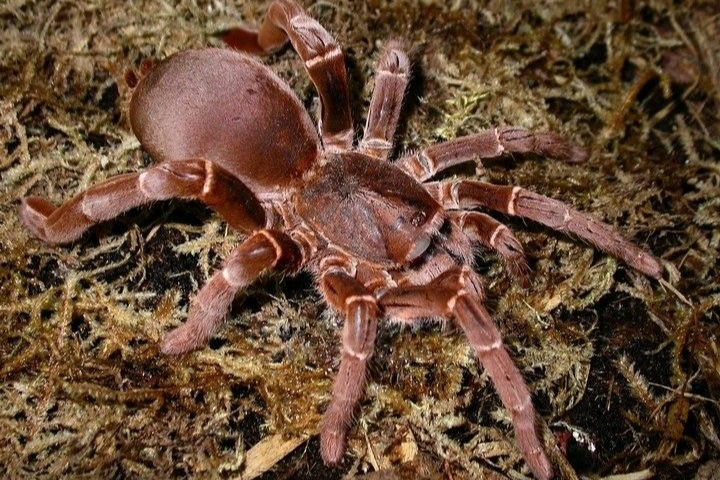
The Hercules baboon spider is considered one of the largest spiders ever documented, though it is known primarily from a preserved specimen collected in Africa over a century ago. The specimen, held in a museum collection, reportedly had an extraordinary leg span exceeding 11 inches. While no living examples have been confirmed in modern times, its existence is well-documented in scientific records. The mystery surrounding whether similar spiders still exist in the wild has kept this species a topic of fascination among arachnologists and enthusiasts alike.
8. Face-Sized Huntsman
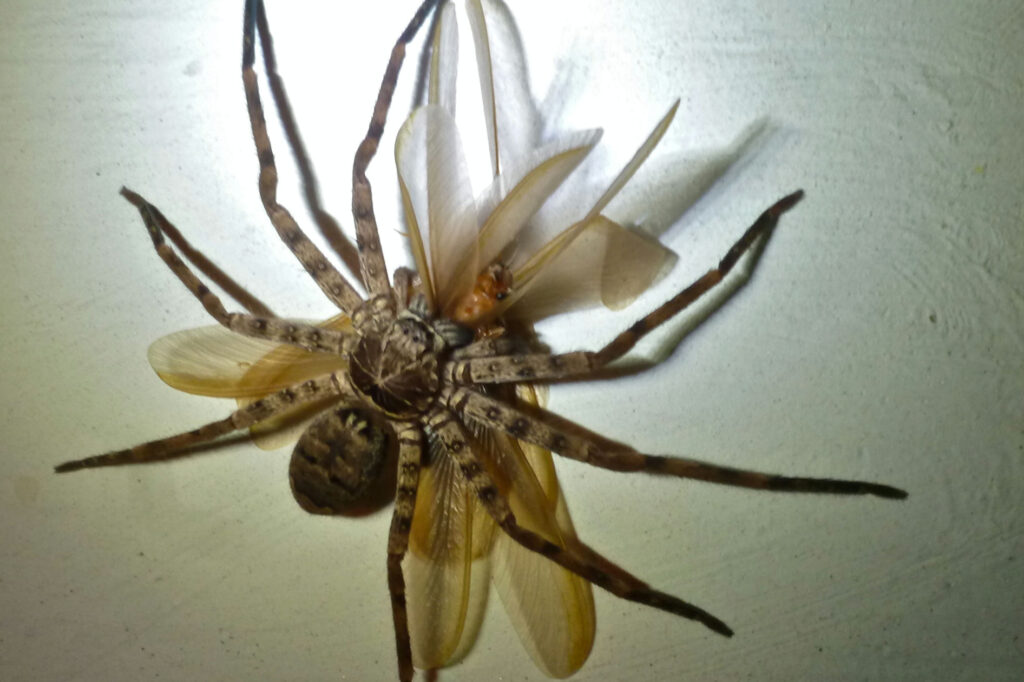
Large huntsman spiders found in Australia are often described as being nearly the size of a human face. Species within the huntsman family can span 8 inches or more, with long legs that extend far beyond their bodies. These spiders frequently enter homes, especially during warm weather, leading to viral images shared online. Despite their size, they are generally not aggressive toward humans. Still, their sudden appearance on walls or ceilings has made them infamous. Australian media regularly report on huntsman sightings, reinforcing their reputation as one of the most startling household spiders on Earth.
9. Giant Fishing Spider
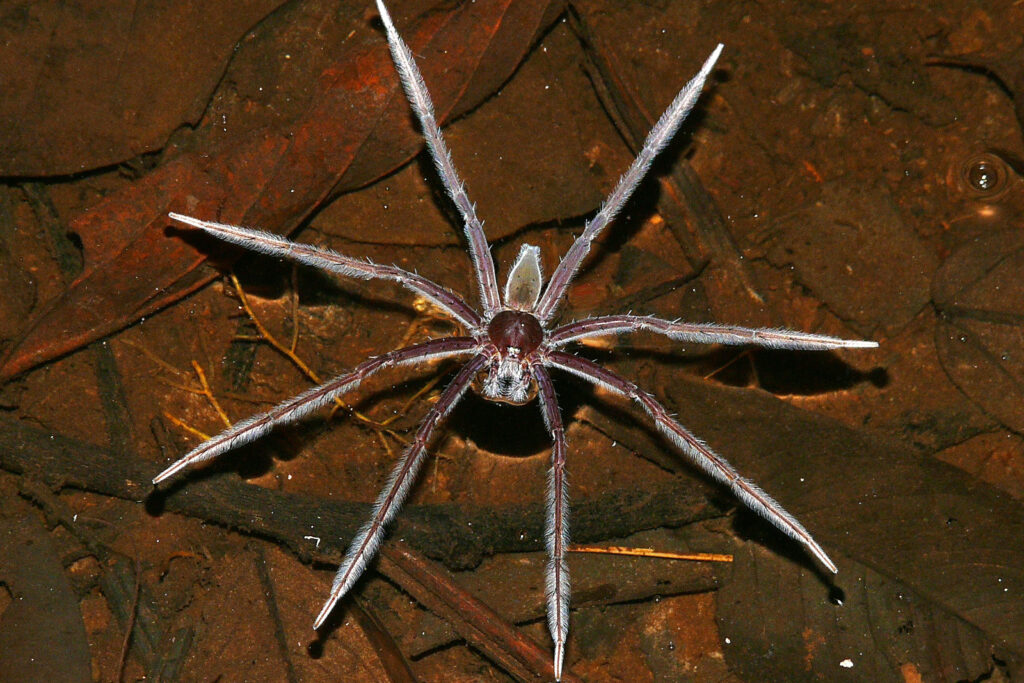
The giant fishing spider is among the largest spiders in North America, with leg spans reaching up to 5 inches. Found near lakes, rivers, and wetlands, it can walk on water and dive beneath the surface to catch prey. This species has been documented preying on small fish and tadpoles, behavior that has fascinated scientists and startled onlookers. Its size and ability to move quickly across water have made it a frequent subject in nature programs. Encounters often happen unexpectedly near docks or shorelines, adding to its eerie reputation.
10. Giant House Huntsman
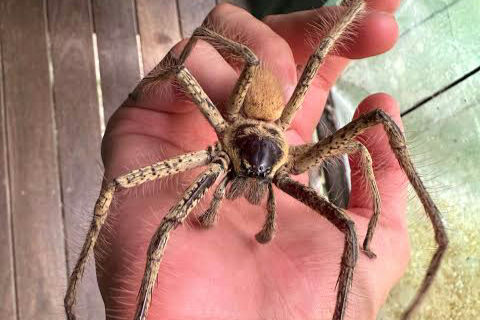
The giant house huntsman is widely distributed across tropical and subtropical regions and is known for entering homes. With leg spans that can exceed 6 inches, it often surprises residents when spotted on walls or behind furniture. Unlike web-building spiders, it actively hunts insects, making it an unintentional pest controller. Its flat body allows it to squeeze into tight spaces, increasing the likelihood of close encounters. This spider has been featured in numerous reports and viral posts due to its size and habit of sharing indoor spaces with humans.
11. Golden Silk Orb-Weaver
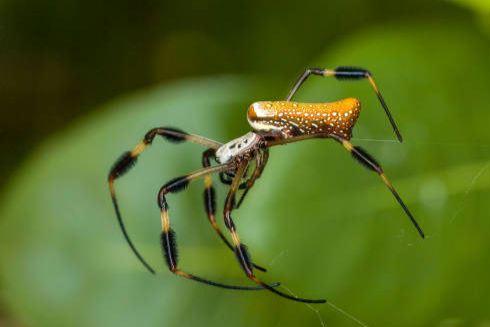
The golden silk orb-weaver is famous for spinning massive webs that can stretch several feet across forest paths and gardens. Found in parts of Africa, Asia, Australia, and the Americas, the females are dramatically larger than the males, with leg spans reaching up to 6 inches. Their golden-colored silk is unusually strong and has been studied for potential use in textiles and medical research. While their bodies are slimmer than tarantulas, their size becomes startling when seen suspended in midair. Encounters are well documented in nature photography and travel reports, especially where people accidentally walk into their expansive webs.
12. Giant Wolf Spider
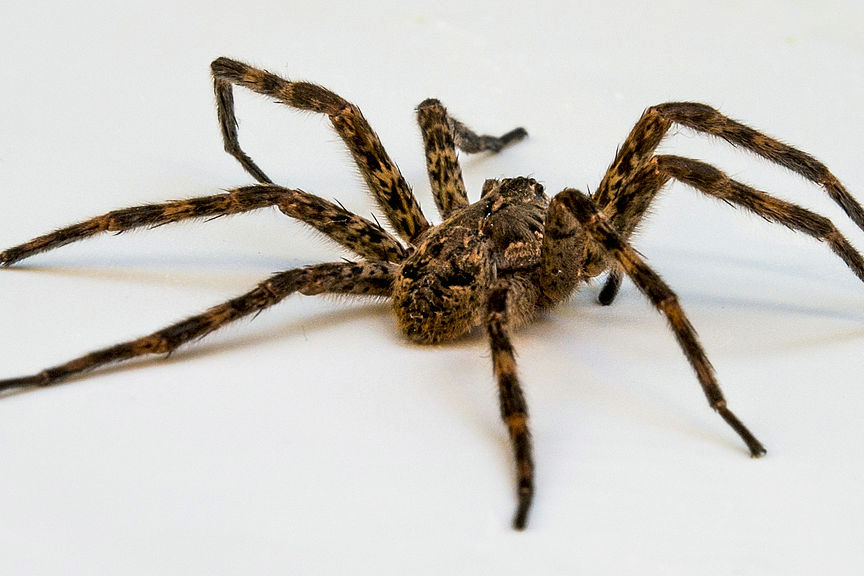
The giant wolf spider is one of the largest roaming spiders found across parts of the Americas, Europe, and Australia. Unlike web builders, it actively hunts on the ground, relying on speed and excellent eyesight. Some species can grow large enough to span a human palm, making them especially unsettling when encountered indoors. Female wolf spiders are also known for carrying their egg sacs and spiderlings on their backs, a behavior frequently captured in documentaries and viral images. Their reflective eyes, which glow under flashlight beams at night, add to their eerie reputation in well-documented wildlife studies.
13. Giant Trapdoor Spider
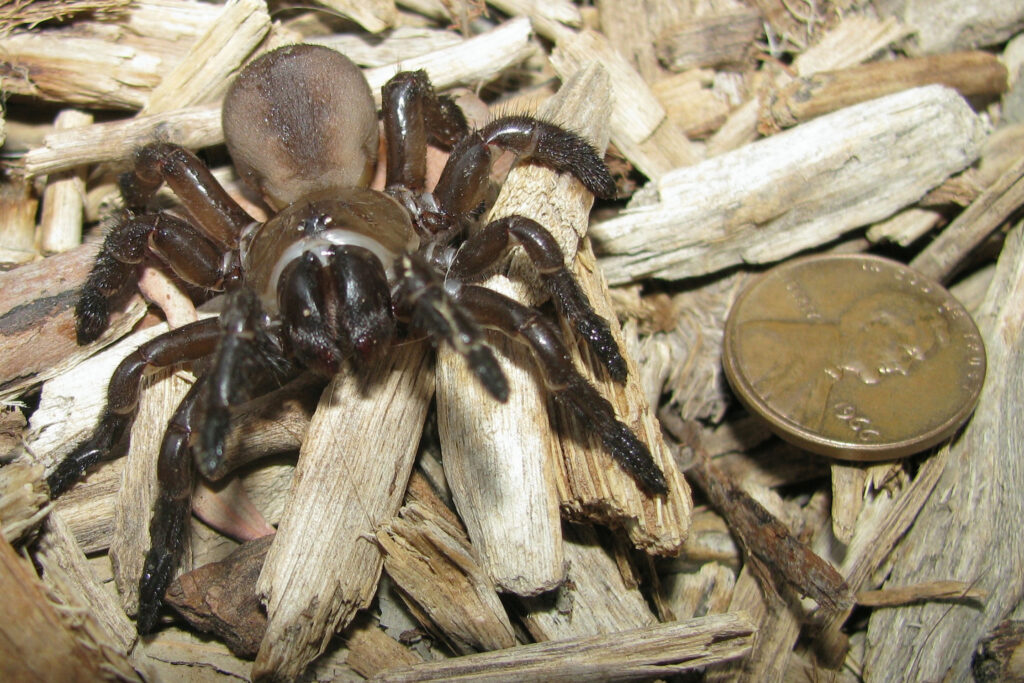
The giant trapdoor spider is a powerful, heavy-bodied spider known for its underground lifestyle. Found in Australia and parts of Asia and Africa, it builds silk-lined burrows sealed with camouflaged trapdoors. Some species reach impressive sizes, with thick legs and strong fangs designed for ambushing prey. These spiders rarely leave their burrows, but accidental discoveries during gardening or construction are widely reported. Their sudden emergence can be startling, especially given their longevity, as some individuals have been documented living for decades. Their secretive habits have made them a frequent subject of scientific fascination.
14. Giant Funnel-Web Spider
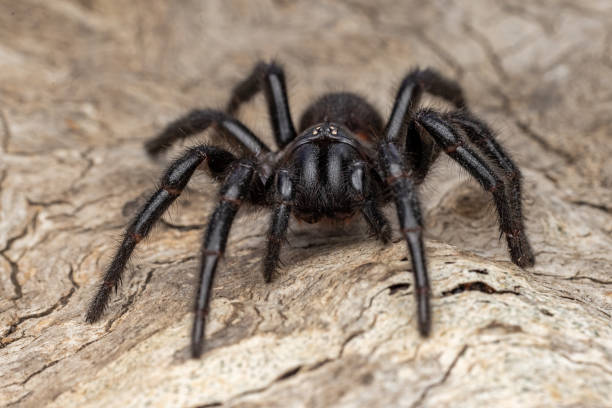
The giant funnel-web spider is one of the most infamous large spiders in the world, native to eastern Australia. While not the longest by leg span, it is considered giant due to its thick body, powerful legs, and prominent fangs, which can exceed half an inch in length. Funnel-web spiders build silk-lined burrows with trip lines that radiate outward, alerting them to passing prey. Their glossy black appearance and aggressive defensive posture have been widely documented in scientific literature and Australian media. This species is often featured in documentaries because of its size, speed, and medically significant venom, making it one of the most feared real spiders ever recorded.
15. Giant Wood Spider
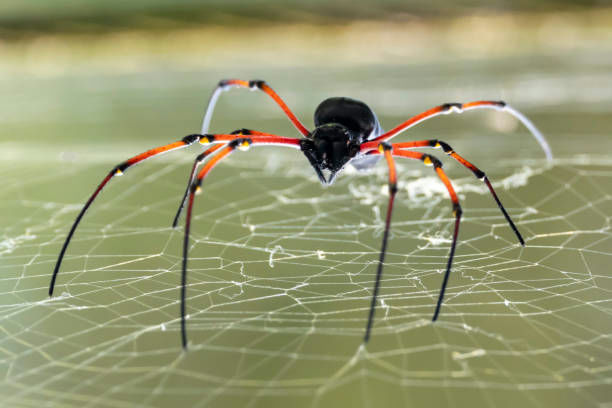
The giant wood spider is one of the largest orb-weaving spiders in the world, widely found across Southeast Asia, East Asia, and parts of Australia. Females can grow remarkably large, with leg spans approaching 7 inches, while males remain much smaller. These spiders are best known for their enormous webs, which are often strung between trees along forest paths and can stretch several feet wide. Their long legs, striped markings, and slow, deliberate movements make them especially striking when encountered outdoors. Giant wood spiders have been extensively documented by researchers and photographers due to their size and the durability of their silk, which has been studied for its strength and elasticity.
16. Giant Cave Spider
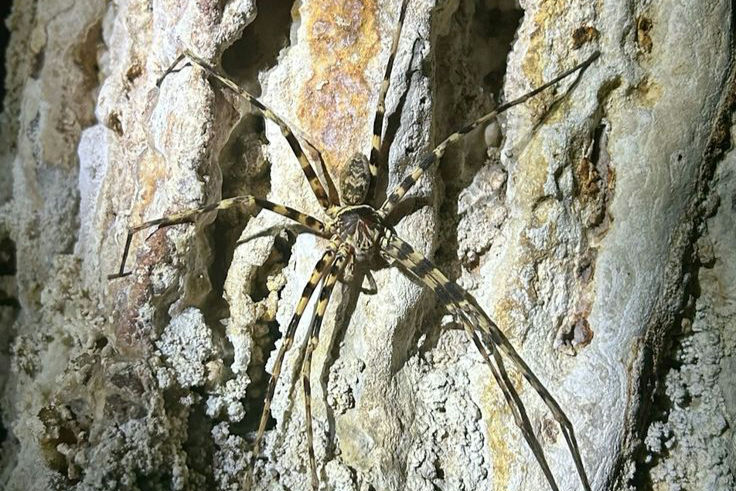
The giant cave spider is adapted to life in dark, enclosed environments such as caves and tunnels. Often related to huntsman spiders, some cave-dwelling species develop long legs that can span over 7 inches. These spiders rely on vibration and touch rather than vision, giving them an unusual, almost alien appearance. Their presence is well documented by biologists and spelunkers, who occasionally encounter them clinging to cave walls. Because caves limit escape routes, sightings tend to be close and intense, contributing to their lasting impression on anyone exploring underground environments.
17. Giant Fossil Spider
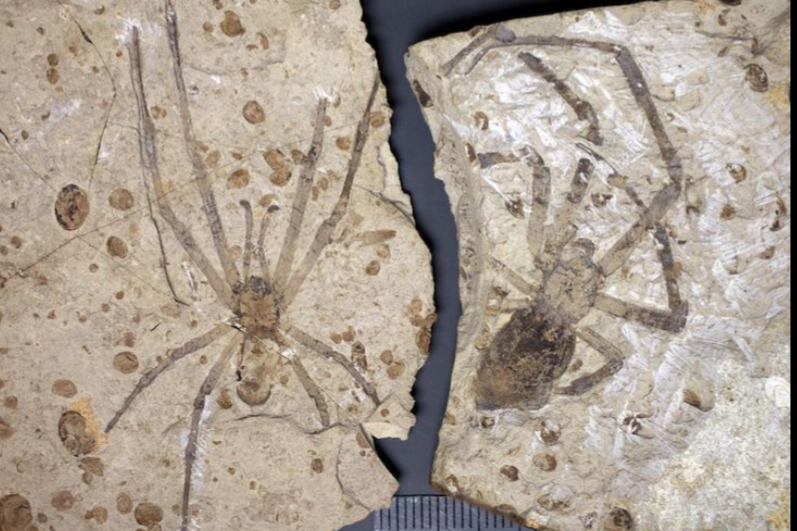
The giant fossil spider is one of the largest spiders ever known to science, preserved in fossil form from the Jurassic period. Discovered in Inner Mongolia, this prehistoric spider lived around 165 million years ago and had an estimated leg span of nearly 6 inches, rivaling many modern giants. Its size suggests it inhabited warm, humid forests capable of supporting large arthropods. The fossil was widely reported in scientific journals and international media because it challenged assumptions about how large spiders could grow in ancient ecosystems. Though long extinct, its existence confirms that giant spiders are not just modern curiosities but have deep roots in Earth’s natural history.
18. Giant Museum Tarantulas
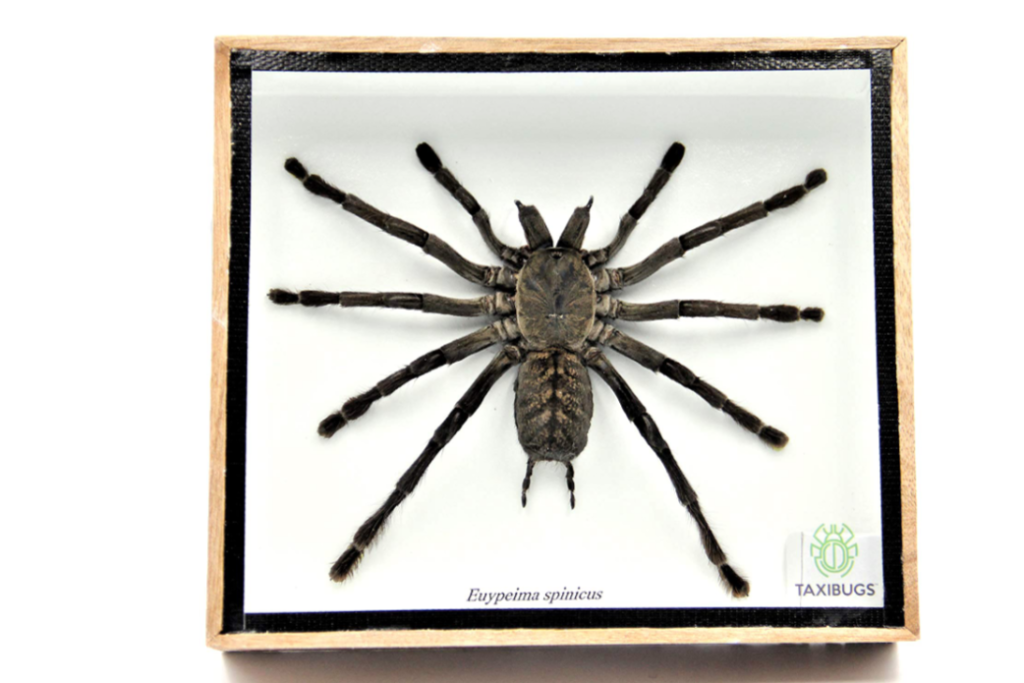
Some of the largest spiders ever recorded are preserved as museum specimens, allowing the public to safely witness their true scale. The giant museum tarantulas on display in natural history collections often include massive Goliath birdeaters and other oversized tarantula species collected during early scientific expeditions. These preserved spiders clearly show leg spans wider than dinner plates and fangs large enough to pierce tough prey. Museums frequently use them in educational exhibits to demonstrate arachnid diversity and evolution. Photographs of these specimens circulate widely online, often surprising viewers who assume such extreme sizes must be exaggerated, when in fact they are carefully measured and documented.
These creatures remind us that nature still holds surprises capable of inspiring awe, fear, and fascination all at once.
Like this story? Add your thoughts in the comments, thank you.


