
1. Kraft Macaroni Cheese

For children growing up in the 1970s and ’80s, Kraft Macaroni & Cheese was a dependable fixture of everyday life. The bright blue box, unmistakable orange cheese powder, and creamy final result made it instantly recognizable and comforting. It was inexpensive, quick to prepare, and widely advertised during a period when convenience foods were reshaping family meals. Nostalgia researchers frequently cite Kraft Mac & Cheese because of how closely it was tied to after-school routines and parental care. As ingredients and formulations have changed over time, many adults insist the original version tasted richer and more satisfying than what is available today.
2. McDonald’s Chicken McNuggets
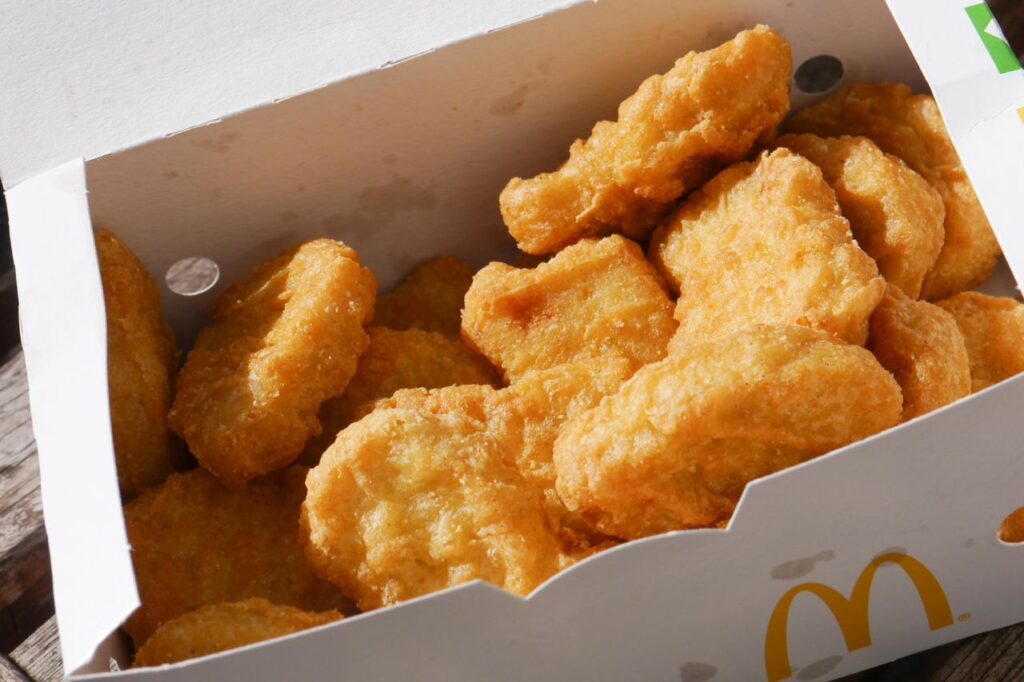
When McDonald’s Chicken McNuggets became a national menu item in the early 1980s, they quickly embedded themselves into childhood memory. Their consistent shape, crispy coating, and mild flavor made them especially appealing to younger diners. Heavily promoted through television advertising, Happy Meals, and in-store birthday parties, McNuggets became part of family outings and special treats. Studies of food nostalgia show fast-food items rank highly when they are tied to celebration rather than necessity. Many adults now claim the original McNuggets were juicier and more flavorful, pointing to documented changes in preparation methods and ingredients.
3. Hostess Twinkies
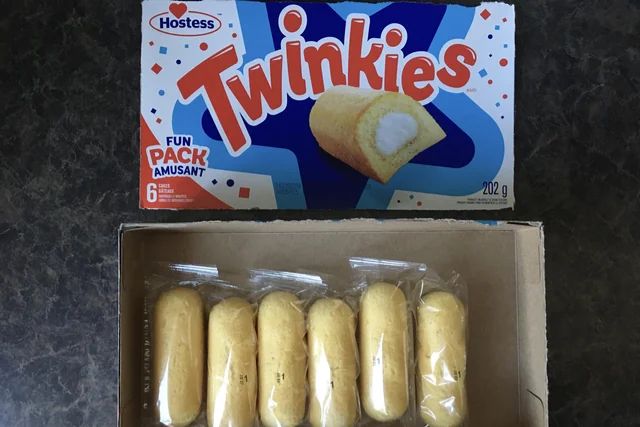
Already popular by the 1970s, Hostess Brands Twinkies reached peak cultural saturation during the late ’70s and 1980s. Their golden sponge cake and cream filling became a lunchbox staple and an after-school reward. Twinkies also gained lasting pop-culture status, appearing in films, television shows, and comedy routines. When Hostess temporarily ceased operations in 2012, widespread public reaction underscored how deeply the snack was woven into childhood memory. Even after its return, nostalgia surveys show many adults believe the original Twinkies had a softer texture and fuller flavor that modern versions no longer replicate.
4. Pop-Tarts Strawberry Frosted
During the 1970s and ’80s, Kellogg’s Pop-Tarts Frosted Strawberry became a defining breakfast and snack food for kids. The combination of flaky pastry, sweet filling, and colorful icing made them feel indulgent while remaining easy to prepare. Advertising of the era emphasized fun, speed, and independence, often showing children grabbing Pop-Tarts on their own. Nostalgia researchers frequently reference Pop-Tarts because their taste and smell were strongly associated with morning routines. As recipes evolved to meet new standards, many adults maintain that the earlier versions tasted bolder and more satisfying.
5. Pizza Hut Pan Pizza
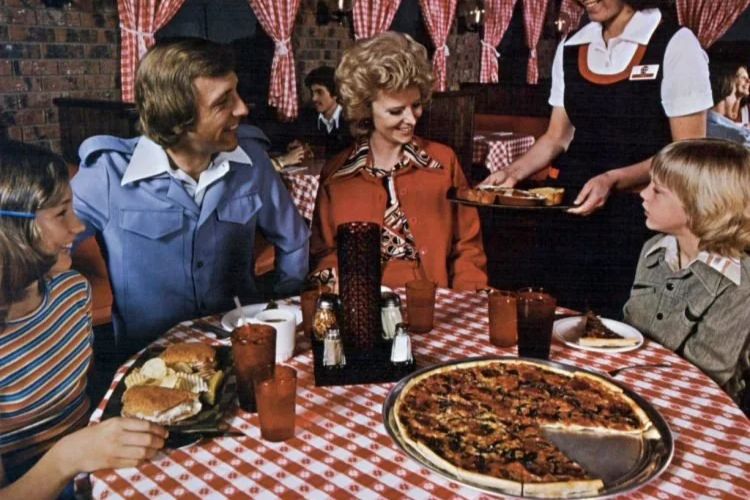
For many families, dining at Pizza Hut in the 1970s and ’80s was a memorable occasion rather than a quick meal. The thick pan pizza, baked in oil and topped with generous cheese, delivered a flavor and texture that stood apart from homemade pizza. Red plastic cups, dim interiors, and shared tables added to the experience. Programs like Book It! reinforced Pizza Hut’s role in childhood reward systems. Nostalgia studies consistently highlight pan pizza because it blended taste with environment, making the food inseparable from the memories surrounding it.
6. Lucky Charms Cereal

General Mills Lucky Charms stood out on cereal shelves throughout the 1970s and ’80s thanks to its colorful marshmallows and animated mascot. The contrast between toasted oats and sweet shapes created a sensory experience kids remembered long after breakfast ended. Saturday-morning cartoons helped reinforce the cereal’s place in childhood routine. Nostalgia research often uses Lucky Charms as an example of how novelty and repetition combine to form lasting memory. Many adults today argue the marshmallows were larger and the cereal sweeter decades ago, adding to its enduring reputation.
7. Jell-O Pudding Cups
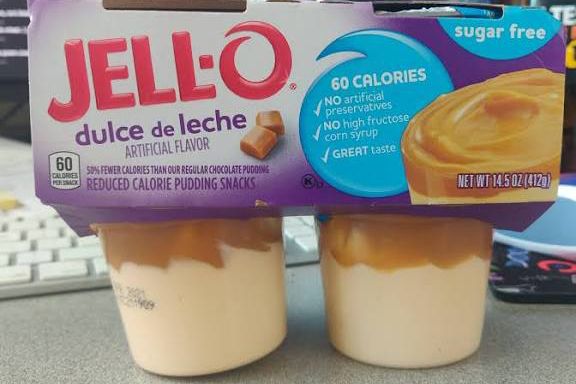
Throughout the 1970s and ’80s, Jell-O Pudding Cups became a quiet lunchbox favorite. Smooth, creamy, and easy to eat, they offered a sense of indulgence without requiring preparation. Television commercials emphasized fun and family approval, reinforcing their role as a trusted treat. Nostalgia studies frequently cite pudding cups because they were associated with school lunches and after-school calm. Many adults now say the original versions felt thicker and richer, making them a common reference point in discussions about how childhood foods have changed.
8. Oscar Mayer Lunchables
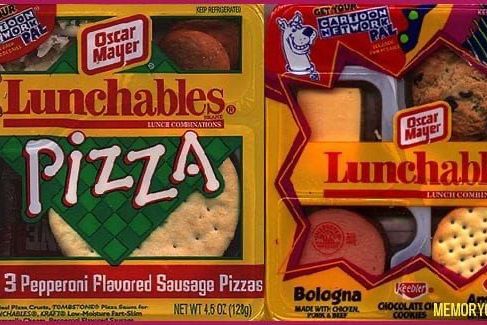
When Oscar Mayer Lunchables debuted in the late 1980s, they redefined what a child’s meal could look like. The compartmentalized trays allowed kids to assemble their own lunch, creating a sense of independence and control. Cultural analysts note that Lunchables reflected broader social shifts, including busier households and changing school routines. Nostalgia research often highlights Lunchables because they represented freedom and novelty. Many adults remember the early versions as tasting fresher and feeling more special than today’s iterations.
9. Eggo Frozen Waffles
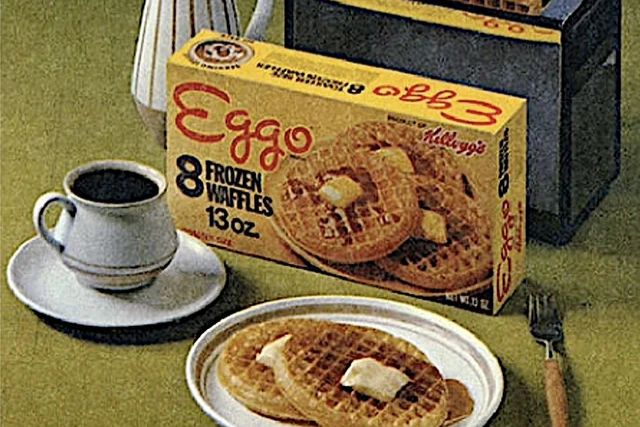
With the slogan “L’eggo my Eggo,” Eggo Frozen Waffles became a breakfast mainstay in the 1970s and ’80s. Crisp from the toaster and soft inside, they were easy to customize with syrup or butter. Advertising targeted families seeking quick, reliable mornings. Nostalgia researchers note that foods tied to routine breakfasts create especially strong emotional recall. Adults often say earlier Eggo waffles had a better texture and flavor, reinforcing their status as one of the most missed frozen breakfast foods of the era.
10. Pillsbury Toaster Strudel
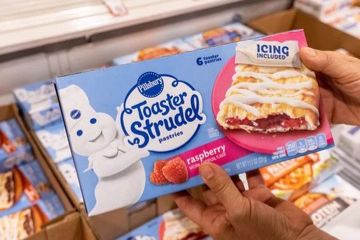
Introduced in the mid-1980s, Pillsbury Toaster Strudel stood out by giving kids control through its icing packet. That interactive element made breakfast feel special and creative. Heavy television advertising positioned it as a fun alternative to standard toaster pastries. Market data from the time shows rapid popularity among families with young children. Nostalgia studies consistently rank Toaster Strudel high because it combined taste with participation. Many adults recall the original pastries as flakier and more indulgent than current versions.
11. Capri Sun Pouches
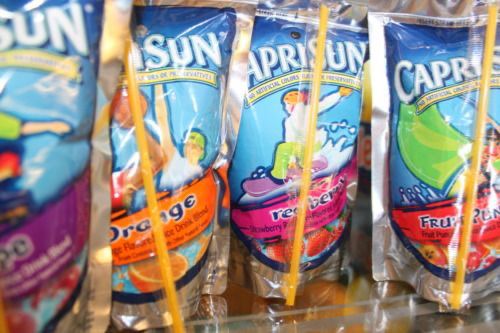
Introduced to the U.S. market in the late 1970s, Capri Sun quickly became a lunchbox essential throughout the 1980s. The metallic pouch, straw-puncture ritual, and sweet fruit flavors made drinking it feel playful and interactive. Market research from the era shows Capri Sun’s packaging innovation was as influential as the drink itself, creating a strong sensory memory. Nostalgia studies frequently cite Capri Sun because many adults associate it with school lunches, sports days, and summer outings. Today, recipe changes and reduced sugar levels have led many to say the original version tasted brighter and more refreshing than what they remember buying now.
12. Kellogg’s Rice Krispies Treats
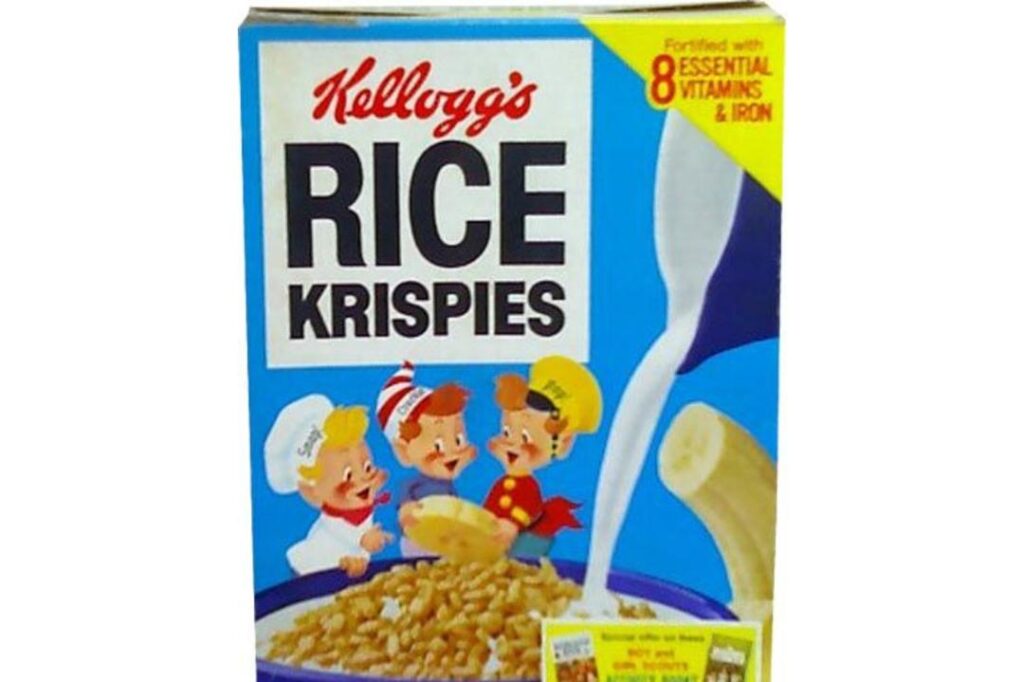
While homemade versions existed earlier, packaged Kellogg’s Rice Krispies Treats gained major traction in the 1980s as convenience snacks. Their soft, marshmallow-heavy texture and sweet simplicity made them popular at bake sales, school events, and after-school snack times. Food historians note that their appeal came from consistency, each bar tasted exactly the same, every time. Nostalgia research often highlights Rice Krispies Treats because they blurred the line between homemade and store-bought comfort. Many adults claim the early versions were thicker, gooier, and more indulgent than today’s individually wrapped bars.
13. Tang Orange Drink
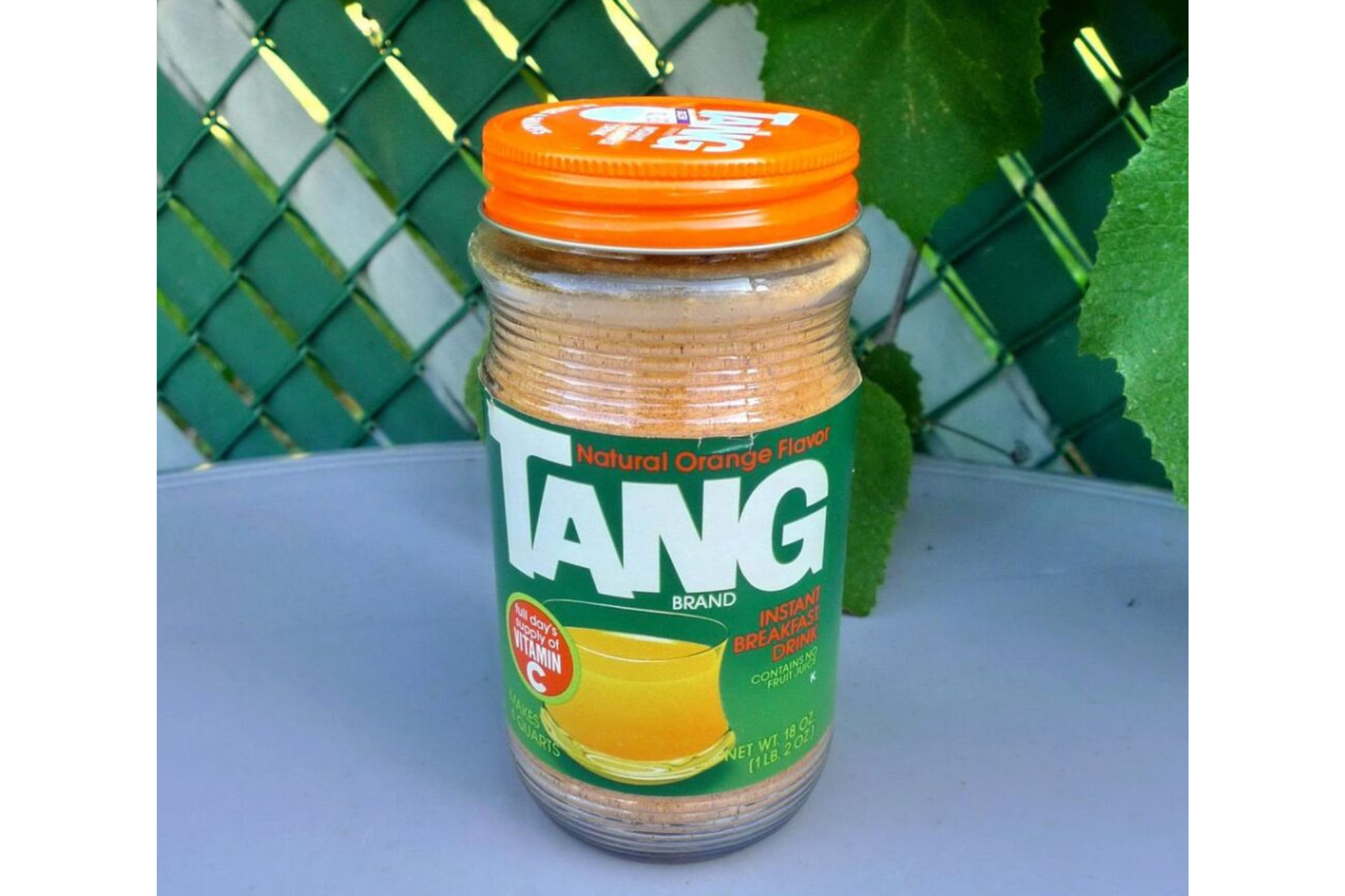
Tang became famous in the 1960s for its association with NASA, but its strongest childhood presence carried into the 1970s and ’80s. Bright orange, intensely sweet, and easy to mix, Tang was a breakfast-table staple in many households. Advertising emphasized science, energy, and modern living, which appealed to parents and fascinated kids. Nostalgia surveys regularly mention Tang because its flavor was unmistakable and unlike real orange juice. Adults often say modern versions taste milder, reinforcing the idea that the original had a boldness tied closely to childhood mornings.
14. Little Caesars Pizza
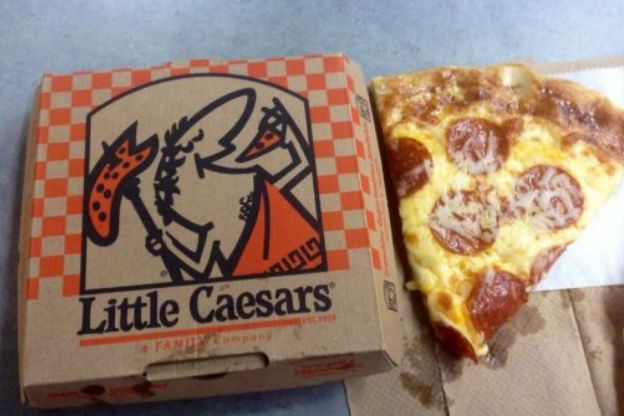
In the late 1970s and 1980s, Little Caesars became synonymous with family pizza nights thanks to its famous “Pizza! Pizza!” deal. The rectangular boxes and greasy, cheesy slices were designed for sharing, making them a fixture at parties and gatherings. Cultural studies on fast-food nostalgia show Little Caesars stands out because of its affordability and abundance. Many adults recall the pizza tasting richer and heavier in earlier decades, before menu streamlining and cost adjustments. The brand’s strong visual identity and repetition helped cement it as a childhood favorite people still crave.
15. Entenmann’s Chocolate Donuts
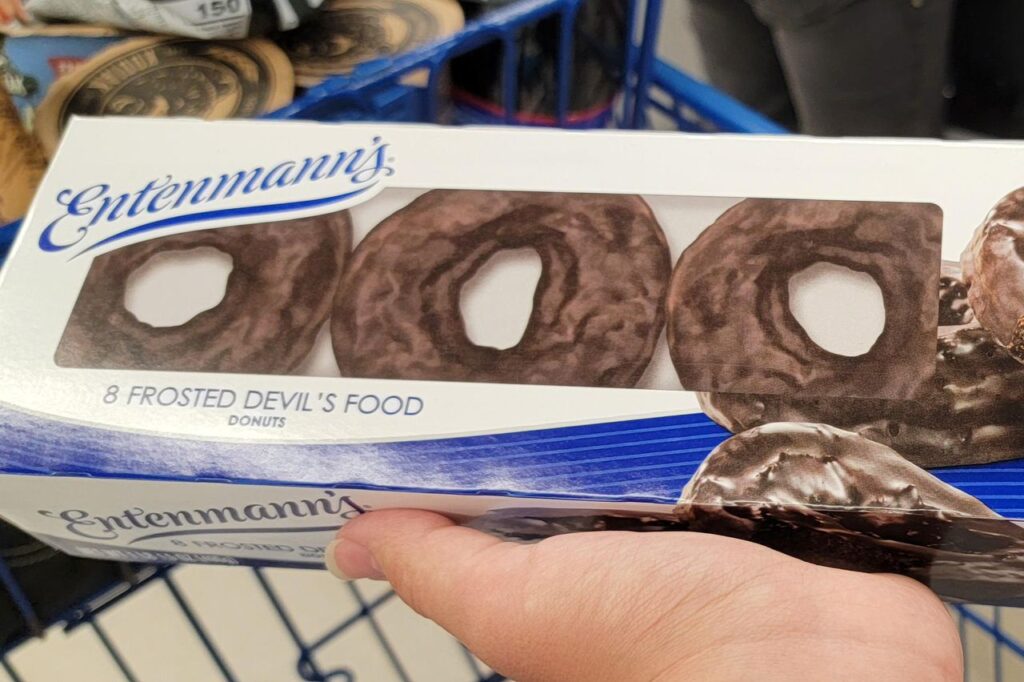
Boxed bakery goods became more common in the 1970s and ’80s, and Entenmann’s Chocolate Donuts were among the most memorable. Their dense cake texture and glossy chocolate coating made them feel indulgent but accessible. Often served at family breakfasts or weekend gatherings, they became associated with comfort and routine. Nostalgia research highlights Entenmann’s because the brand promised bakery-style treats at home, a novelty at the time. Many adults insist the donuts were moister and more chocolate-forward decades ago, making them a frequent subject of “they don’t taste the same anymore” discussions.
16. Nestlé Nesquik Chocolate Milk
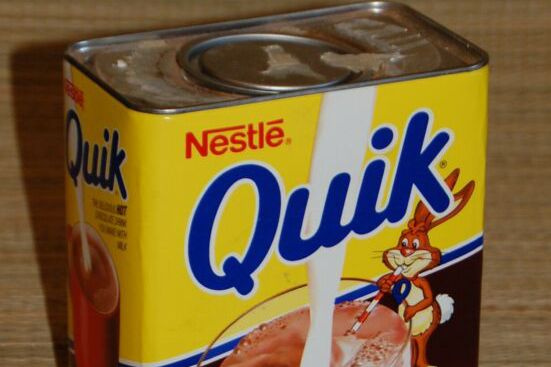
With its instantly recognizable bunny mascot, Nestlé Nesquik was a staple of childhood in the 1970s and ’80s. Whether mixed from powder or bought pre-made, the chocolate milk was sweeter and richer than most alternatives. Advertising leaned heavily on fun and energy, positioning it as a treat rather than just a drink. Nostalgia studies consistently rank chocolate milk high because it was often associated with after-school relief and small rewards. Many adults believe the earlier formula had a deeper cocoa flavor that modern versions no longer fully replicate.
17. Burger King Original Whopper
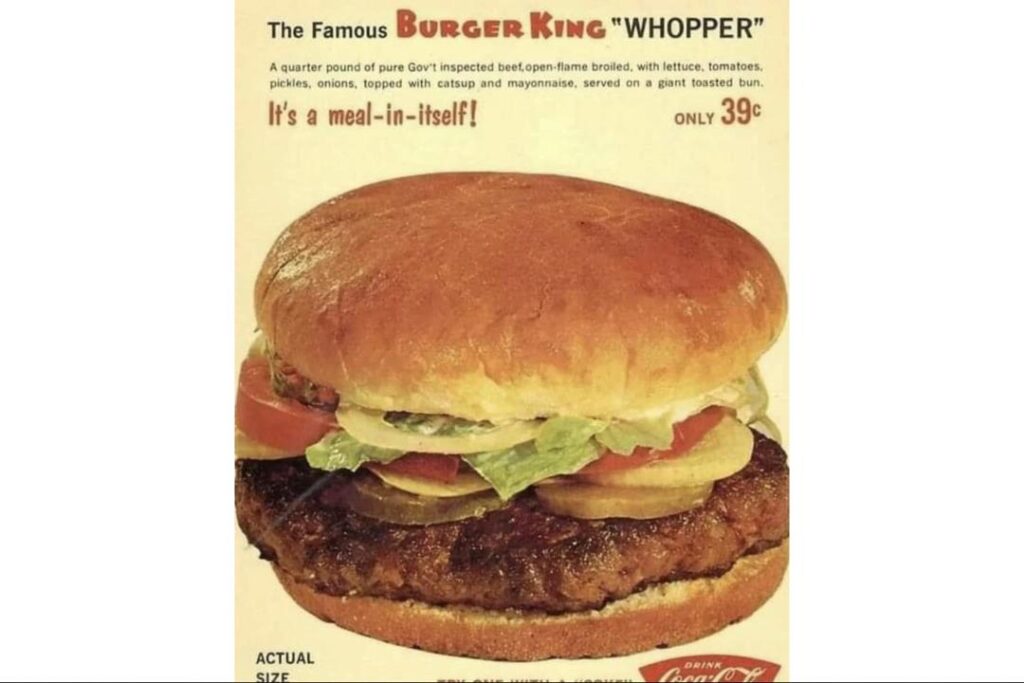
The Burger King Whopper reached iconic status in the 1970s and ’80s as a flame-grilled alternative to other fast-food burgers. Larger, messier, and more customizable, it stood out as a “grown-up” burger kids aspired to order. Marketing emphasized size and freshness, reinforcing its distinct identity. Nostalgia research often references the Whopper because many adults recall it tasting smokier and more substantial in earlier decades. Changes in preparation methods and ingredients have fueled ongoing debates about whether today’s version matches the one people remember from childhood road trips and family outings.
18. Sara Lee Pound Cake
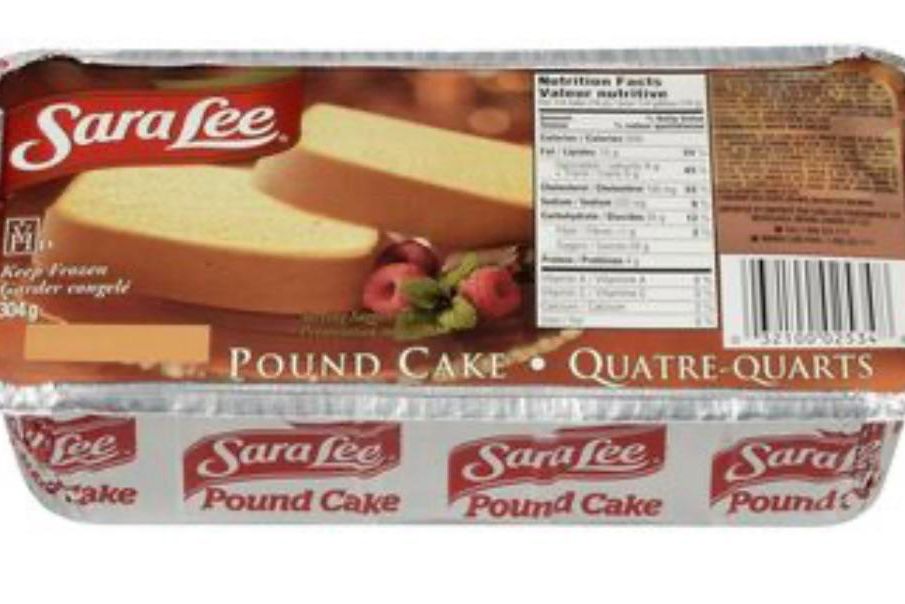
“Everybody doesn’t like something, but nobody doesn’t like Sara Lee” was a slogan many children grew up hearing. Pound cake was one of the brand’s most popular offerings, known for its buttery flavor and soft crumb. Often served at holidays or casual gatherings, it became associated with family and familiarity. Nostalgia studies note that frozen desserts like Sara Lee’s were seen as premium convenience items at the time. Adults frequently say the original cakes tasted richer, reinforcing their emotional connection to a dessert that felt both special and dependable.
19. Heinz Spaghetti Hoops
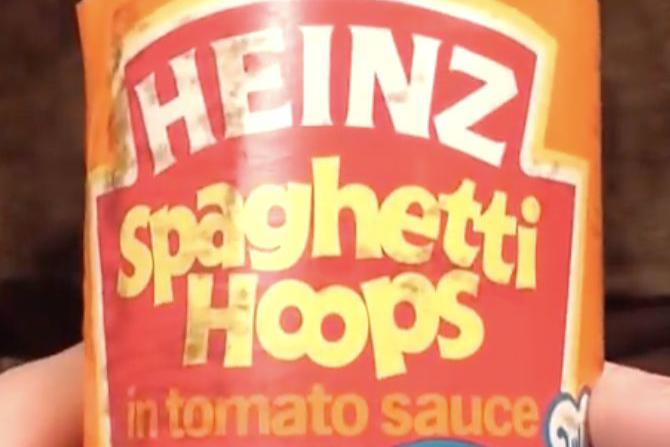
For many households, especially outside the U.S., Heinz Spaghetti Hoops were a childhood staple in the 1970s and ’80s. The soft pasta shapes in sweet tomato sauce were easy to eat and visually appealing to kids. Food historians point out that canned pasta thrived during this period due to convenience and long shelf life. Nostalgia research shows these products rank high because they were often tied to quick meals and parental care. Many adults insist the sauce was thicker and more flavorful decades ago, making it a frequently missed comfort food.
20. Duncan Hines Brownie Mix
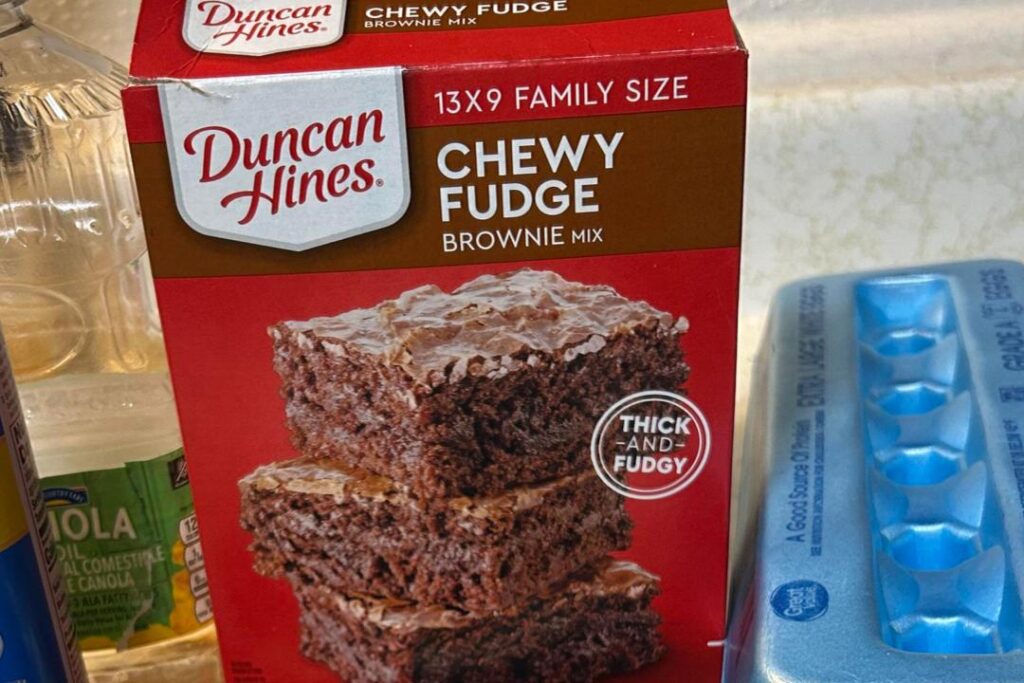
Baking mixes surged in popularity during the 1970s and ’80s, and Duncan Hines Brownie Mix became a household favorite. Easy preparation and consistently fudgy results made it a go-to dessert for families. Children often helped stir the batter, creating strong sensory memories tied to smell and taste. Nostalgia studies highlight baking mixes because they combined participation with reward. Adults today frequently say the brownies used to be denser and more chocolate-rich, reinforcing their place on lists of foods people wish still tasted exactly the way they remember.
21. Minute Maid Frozen Juice

In the 1970s and ’80s, Minute Maid Frozen Juice Concentrate was a staple of family freezers. Preparing it was almost ritualistic, thawing the can, mixing it with water, and stirring until perfectly blended. The resulting drink tasted brighter and sweeter than many ready-made juices of today. Nostalgia researchers note that foods requiring small acts of participation often create stronger memories, especially when shared with parents. Adults frequently recall the original orange and grape flavors as more intense and refreshing, making frozen concentrate a common mention in discussions about childhood breakfasts and weekend mornings.
22. Campbell’s Tomato Soup
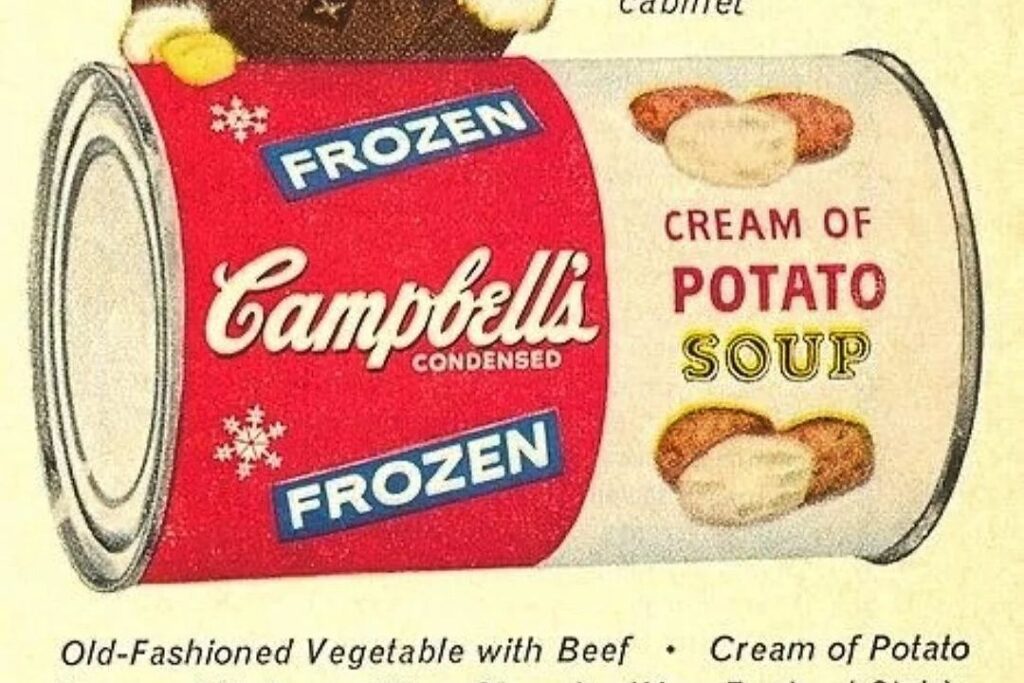
Throughout the 1970s and ’80s, Campbell’s Tomato Soup was synonymous with comfort. Often paired with grilled cheese, it became a go-to meal during cold days or minor childhood illnesses. Its smooth texture and slightly sweet tomato flavor were easy for children to enjoy. Cultural and food-history studies frequently cite Campbell’s soup as an example of how consistency builds emotional trust in a brand. Many adults say the soup once tasted richer and creamier, reinforcing its place among the most fondly remembered childhood foods.
23. Froot Loops Cereal
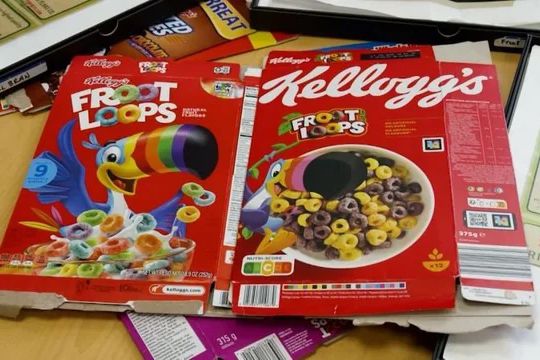
Bright colors and a fruity aroma made Kellogg’s Froot Loops a breakfast favorite during the 1970s and ’80s. The cereal’s uniform flavor across different colors became part of its charm, especially for kids more drawn to visuals than ingredients. Saturday-morning advertising and cartoon mascots helped cement its place in childhood routine. Nostalgia studies consistently show sugary cereals rank high in adult recall because they were often restricted or treated as special. Many adults insist Froot Loops once tasted stronger and stayed crunchy longer than today’s versions.
24. Kool-Aid Sweetened Drinks
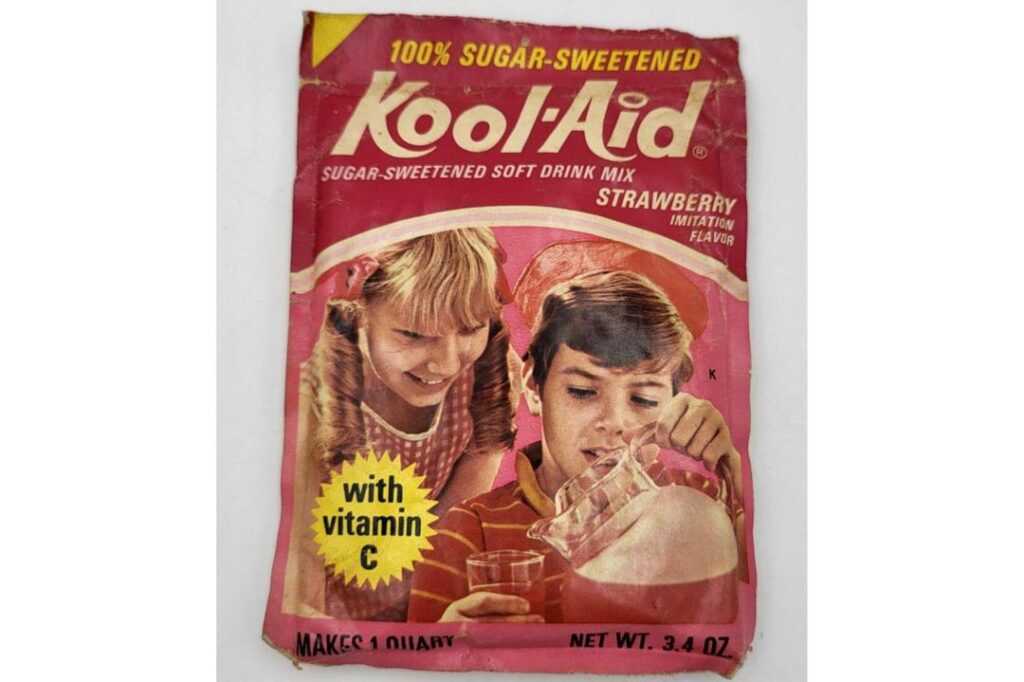
Few brands were as visually and culturally dominant in the 1970s and ’80s as Kool-Aid. Mixing the powder with sugar and water was a common childhood task, making kids feel involved in creating something fun. The bold flavors and vibrant colors were unforgettable, and the Kool-Aid Man became a pop-culture icon. Nostalgia researchers often cite Kool-Aid because it combined taste, participation, and advertising in a powerful way. Adults frequently recall the original drinks as sweeter and more intense than current formulations.
25. Pepperidge Farm Goldfish
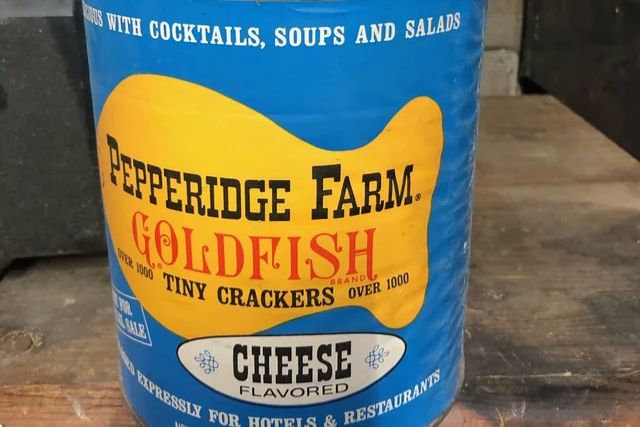
During the late 1970s and 1980s, Pepperidge Farm Goldfish Crackers became a trusted snack for families. Their mild cheese flavor, crunchy texture, and playful shape made them appealing without feeling overly indulgent. Often served in small bowls or packed for school, they were associated with everyday comfort rather than special occasions. Nostalgia studies show that snacks eaten frequently but casually can leave lasting impressions. Many adults say the original Goldfish tasted cheesier and less processed, helping explain why they remain one of the most missed childhood snacks.
Childhood foods endure because they are more than flavors, they are markers of routine, care, and shared moments. Decades later, these brands still spark memories that feel personal and universal at the same time, proving that taste and nostalgia are deeply intertwined.
Like this story? Add your thoughts in the comments, thank you.


