
1. The Smile Everyone Thinks Is Effortless
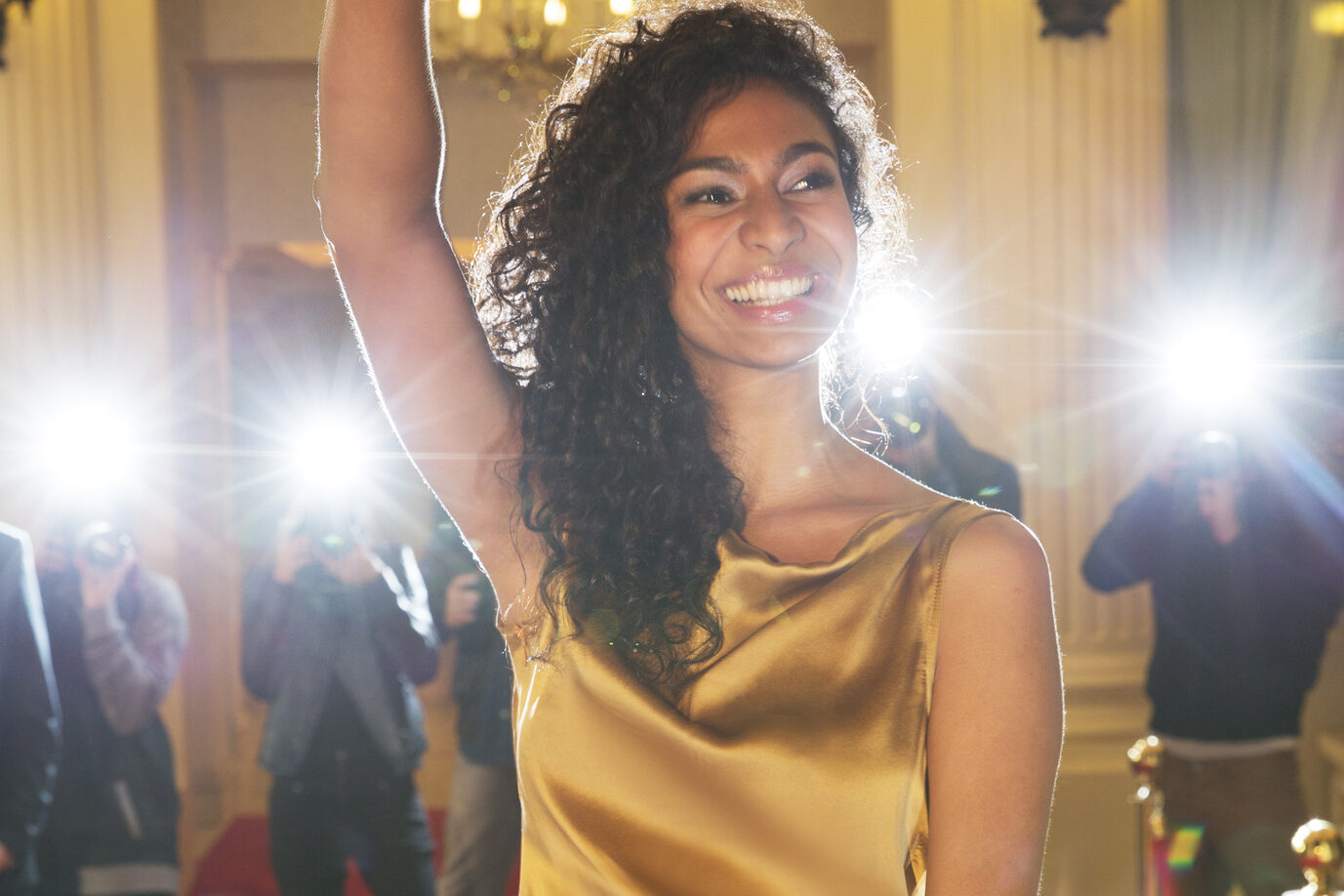
Awards season always looks easy from the outside, but the red carpet smile is where the pressure quietly begins. Long before cameras flash, stars are reminded to stay calm, pleasant, and steady no matter what happens. That smile has to survive nerves, noise, delays, and discomfort without slipping. It becomes a mask that signals confidence even when the body feels tense. People watching at home see warmth and joy, but behind it is focus and restraint. The smile works because it must. It opens the night, sets the tone, and carries the unspoken rule that personal feelings stay private until the doors finally close.
2. Timing That Leaves No Room To Breathe
Red carpet schedules are strict and unforgiving. Every appearance is timed down to minutes, sometimes seconds. Arriving early means waiting awkwardly. Arriving late means missing coverage. Stars are guided carefully from one point to another with little explanation. Conversations are cut short not out of rudeness but necessity. This constant awareness of time creates pressure that never fully lifts. Even excitement feels rushed. When interviews feel quick and exits seem abrupt, it is not impatience. It is the reality of a night that moves faster than anyone would prefer.
3. Standing Exactly Where You Are Placed

Positioning on the carpet is never random. Publicists quietly guide stars to specific spots that offer the best angles and visibility. Standing next to certain people can shape perception, relevance, and headlines. These movements look casual to viewers but are carefully planned. Being shifted slightly left or right can change how photos circulate later. Stars follow these cues without question because placement tells a story without words. Where someone stands can influence how they are remembered that night. It is subtle, strategic, and rarely discussed out loud.
4. Saying Enough Without Saying Too Much
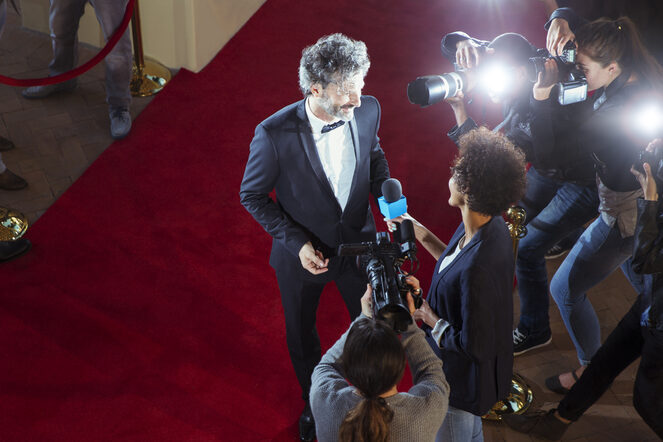
Red carpet conversations are friendly but controlled. Stars answer similar questions repeatedly while keeping responses safe and polished. Personal topics are gently avoided and opinions stay neutral. This is not about hiding truth but protecting momentum. One wrong sentence can overshadow years of work. So answers sound familiar and carefully balanced. The connection viewers feel is real, but limited by necessity. Authenticity exists within boundaries. Once the cameras move on, the real conversations wait quietly for later.
5. Shoes That Test Endurance

Footwear is one of the quiet challenges of awards night, even if no one ever says it out loud. Shoes are chosen for appearance, not comfort, and worn for long stretches without relief. Standing still can hurt more than walking, yet there is no leaning or wincing allowed. Smiles stay steady while feet ache and toes go numb. Some prepare with padding or tape, others simply endure until it ends. The relief comes later, usually in a quiet corner. Until then, discomfort is managed silently as part of the experience, unnoticed by everyone watching from afar.
6. Being Watched Without Pause
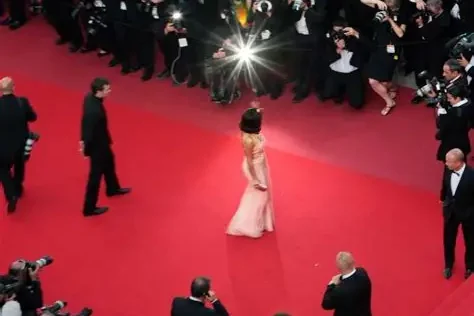
Awards nights come with a constant sense of being observed. Cameras capture expressions, posture, and reactions from every possible angle. There is little space to relax or forget the audience exists. Even small gestures can be replayed, paused, or misunderstood later. This awareness creates a layer of self control that never truly switches off. Stars do not simply attend the event. They manage how each moment might be interpreted afterward. It is mentally exhausting in a quiet way, hidden beneath polished appearances and calm expressions that never fully drop until privacy finally returns again.
7. The Silence Before Announcements
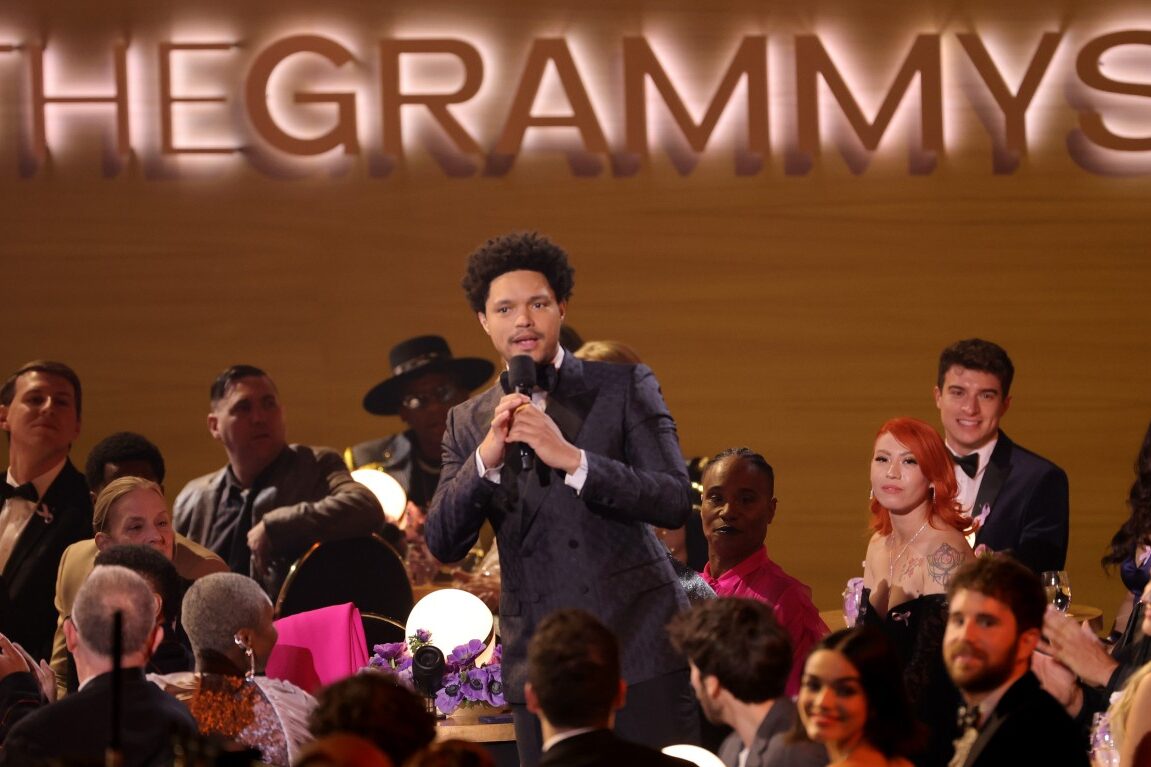
Inside the venue, anticipation settles heavily before each award is announced. Nominees sit still with hands folded and faces calm while cameras linger longer than expected. Some already sense the outcome, while others wait with cautious hope. Either way, reactions must remain measured. Winning calls for gratitude and grace. Losing requires composure and restraint. The silence feels longer than it is and carries emotional weight that viewers rarely notice. In that brief pause, excitement, nerves, and vulnerability meet quietly. The moment passes quickly, but its impact stays long after applause fills the room once again.
8. The Pressure to Always Wear Something New

Rewearing outfits during awards season is quietly discouraged. Designers want visibility, stylists want fresh visuals, and repetition risks distracting headlines. Even stars who value sustainability often feel boxed in by expectations. Clothing becomes more than fabric. It becomes a statement that must feel new each time. The pressure adds another layer of stress to an already demanding night. What looks effortless is often driven by obligation rather than choice. The cycle continues because attention rewards novelty. Comfort and familiarity rarely win when the spotlight demands something never seen before again.
9. Applause As Part of Etiquette

Clapping during awards shows is expected, regardless of personal feelings. Cameras scan the audience constantly, catching reactions from every angle. Not applauding can appear dismissive, while overdoing it can look forced. Stars learn this balance over time. Applause becomes less about emotion and more about participation. It keeps the atmosphere smooth and professional. Even disappointment is wrapped in politeness and timing. The room functions because everyone understands the unspoken rhythm. It is etiquette shaped by visibility, not honesty, and it helps the night move forward without visible tension or awkward moments.
10. Seating That Signals Status
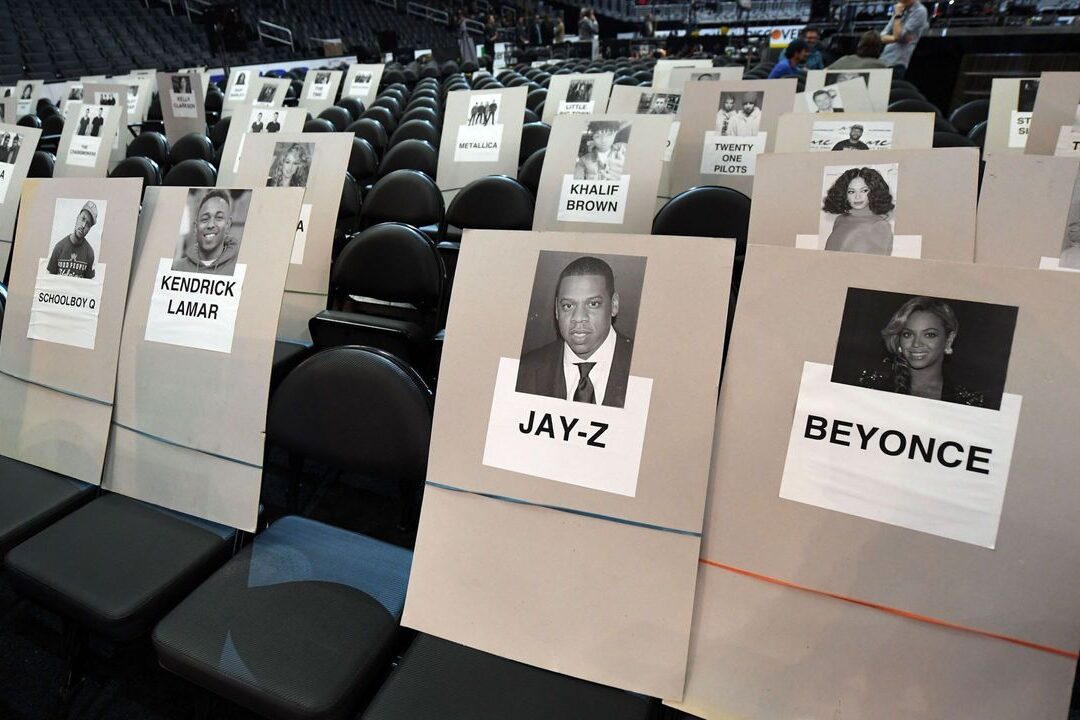
Where someone sits during an awards show is carefully planned. Nominees and major stars are placed where cameras can find them easily, while newer faces may sit farther back. These arrangements are not meant to be personal, but they often feel that way. Seating reflects industry standing in that moment. Being closer to the stage suggests relevance and momentum. Stars notice these details even if they never comment on them publicly. The room quietly tells a story before anyone speaks, shaping perception through placement rather than words or announcements made later that evening.
11. Holding Grace After A Loss
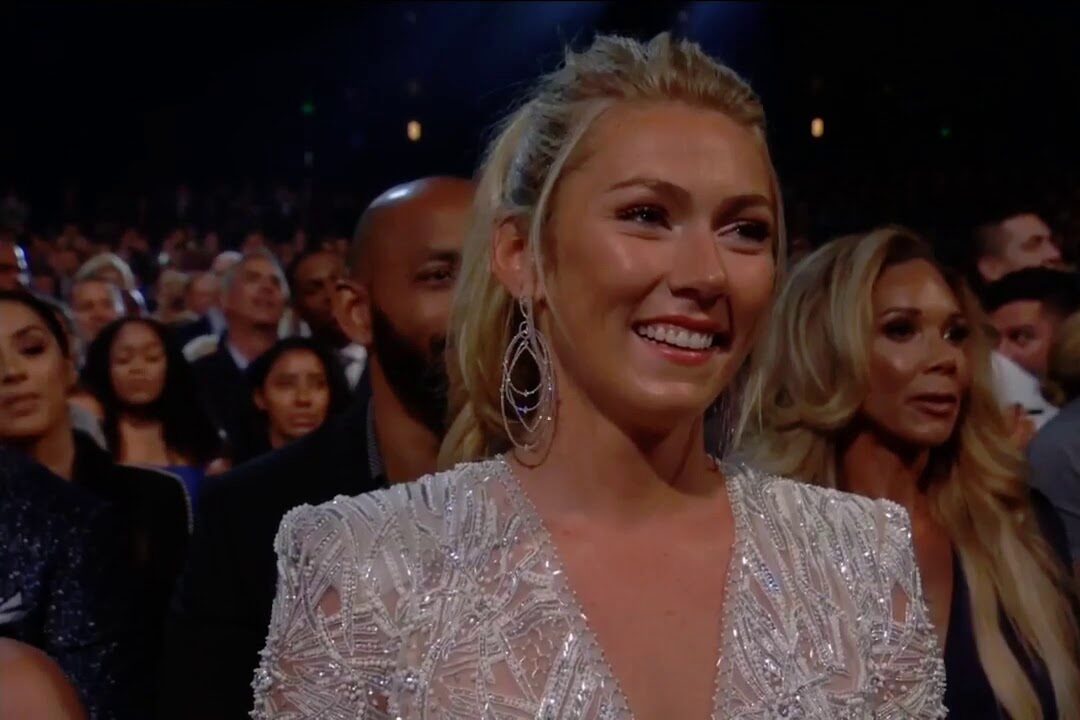
Not winning an award can sting, even when expectations are managed carefully. The challenge is maintaining composure in public. Smiles remain steady, congratulations are offered, and photos are taken as planned. Emotional processing is delayed until later, often in private. This restraint is rarely acknowledged but deeply practiced. Losing gracefully is part of the unspoken rules of the night. It protects reputation and future opportunities. The moment passes outwardly calm while disappointment waits patiently for space. What viewers see is professionalism, even when feelings underneath are far more complicated and personal.
12. The Shift at the After Parties

After the ceremony ends, the energy shifts noticeably. After parties feel lighter and less controlled, even though public attention still exists. Jackets loosen, laughter sounds more natural, and conversations stretch beyond rehearsed answers. This is where the night begins to feel human again. Tension releases slowly as expectations soften. Stories replace scripts, and smiles finally relax. The contrast between the ceremony and what follows is clear. It is the part of the evening where many finally feel like themselves, even if only briefly, before the season continues its relentless pace again.


