
1. Usain Bolt Now
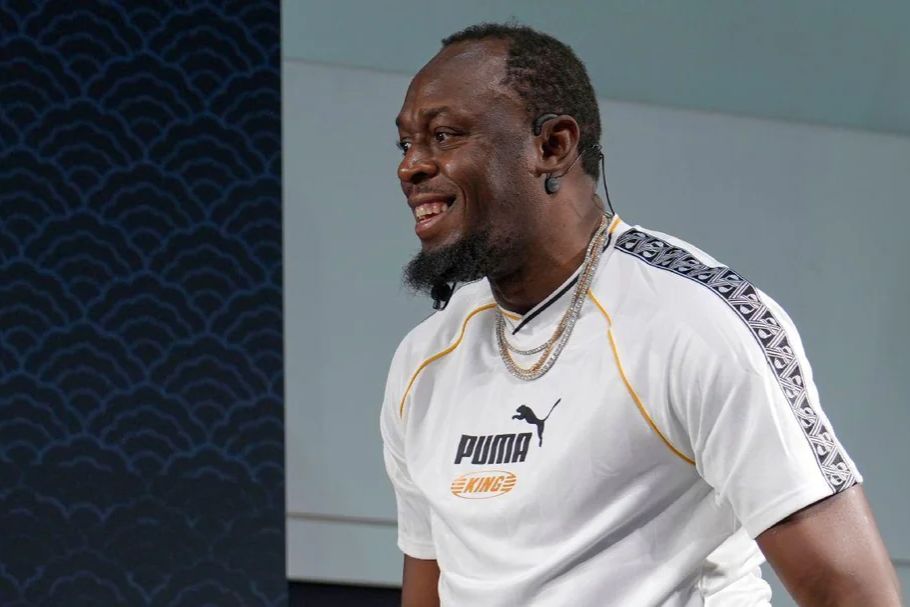
Usain Bolt turned Olympic sprinting into global entertainment, winning eight gold medals and redefining speed itself. Since retiring after the 2017 World Championships, Bolt has explored several paths, including a brief attempt at professional football and ventures in music production. He has invested in business projects, particularly in hospitality and fitness, and remains one of Jamaica’s most recognizable cultural ambassadors. Bolt frequently appears at international sporting events and promotional campaigns, where his personality still draws crowds. While no longer on the track, his Olympic legacy continues to shape how sprinting excellence is measured and remembered.
2. Mark Spitz Now
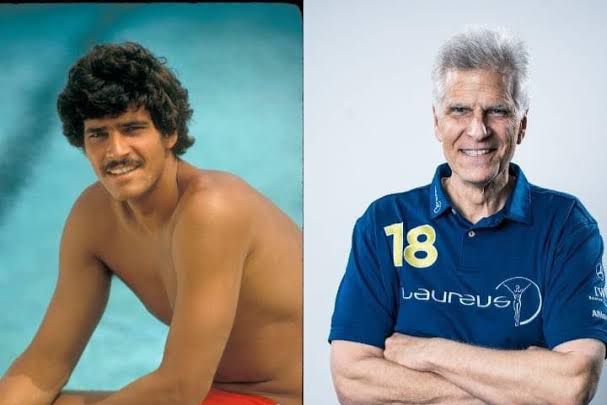
Mark Spitz became a household name at the 1972 Munich Olympics, where he won an unprecedented seven gold medals. After retiring young, Spitz transitioned into business and motivational speaking, capitalizing on his fame during swimming’s early television era. Over the years, he has remained a frequent reference point whenever new Olympic swimming stars emerge. Spitz also appears in documentaries and interviews reflecting on how the sport has evolved since his record-setting performances. Though far removed from competitive swimming, his Olympic legacy still represents a turning point in how global audiences connected with the Games.
3. Simone Biles Today
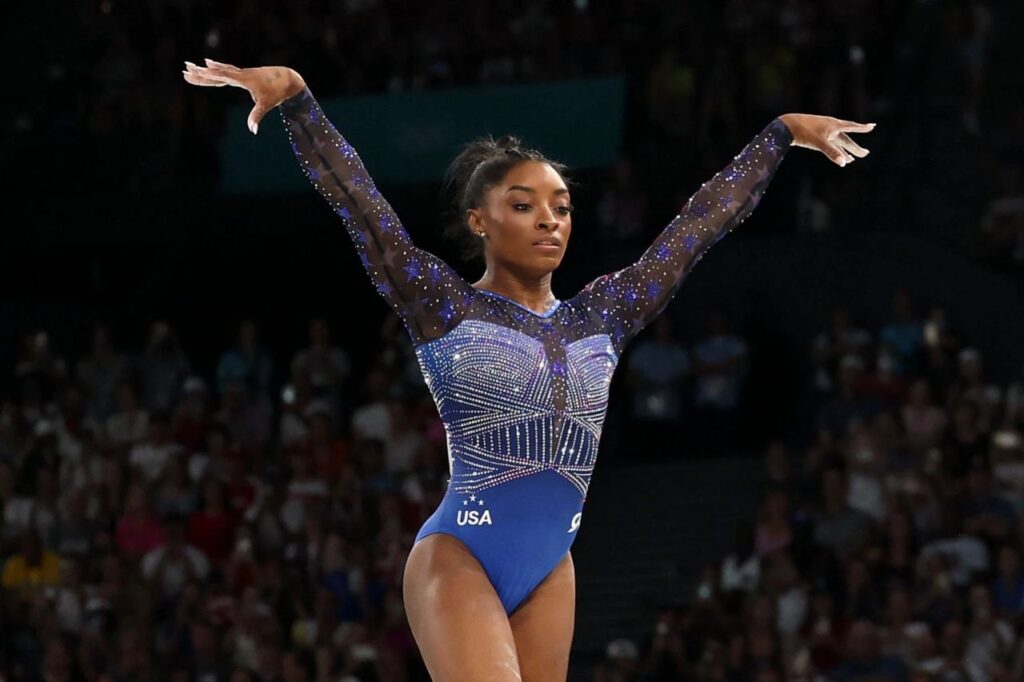
Simone Biles is widely regarded as the greatest gymnast of all time, with her Olympic performances combining unmatched difficulty and precision. After the Tokyo 2020 Games, where she prioritized mental health by stepping back from several events, Biles became a central voice in athlete well-being. She later returned to competition, proving resilience on her own terms. Outside gymnastics, Biles is active in advocacy related to mental health, athlete safety, and survivors’ rights. She also balances public life with personal milestones, showing that elite athletes can define success beyond medals while still honoring their competitive roots.
4. Carl Lewis After Fame
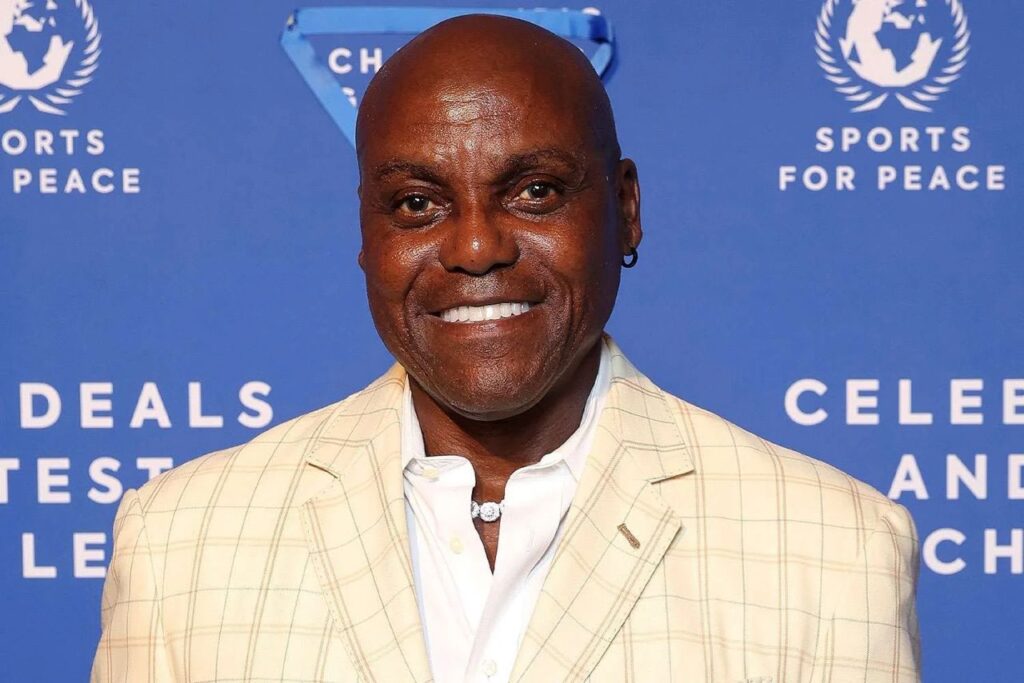
Carl Lewis dominated track and field during the 1980s and 1990s, winning nine Olympic gold medals across sprinting and long jump events. After retiring from competition, Lewis transitioned into coaching and mentoring younger athletes, including work at the collegiate level. He has also been involved in sports commentary and Olympic-related initiatives, offering historical insight into the evolution of athletics. Lewis remains outspoken on issues such as clean sport and athlete development. His post-Olympic life reflects a continued commitment to track and field, even as his role shifted from record-breaking performances to preserving the sport’s integrity.
5. Nadia Comăneci Today
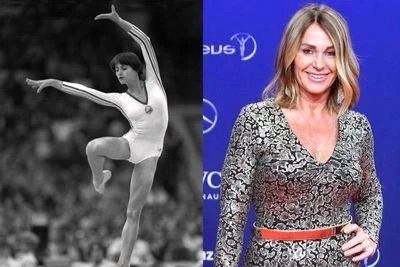
Nadia Comăneci became a global icon at the 1976 Montreal Olympics after scoring the first perfect 10 in gymnastics history. Following her athletic career and defection from Romania in 1989, Comăneci built a life in the United States centered on coaching, administration, and advocacy. She has served in leadership roles within gymnastics organizations and supports charitable causes related to children and sports education. Comăneci is also a frequent guest at Olympic events, where her legacy remains a reference point for excellence. Decades later, her name still symbolizes precision, poise, and historic achievement.
6. Michael Phelps Today
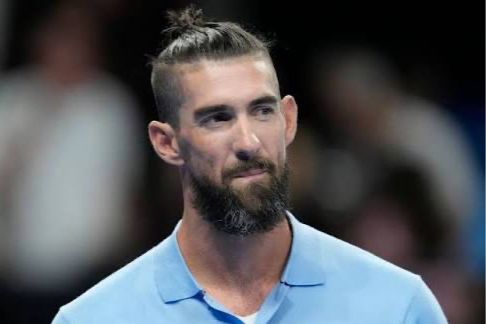
Michael Phelps remains the most decorated Olympian in history, with 28 medals earned across four Olympic Games. After retiring following Rio 2016, Phelps stepped away from competitive swimming and shifted focus to family life and advocacy. He has been open about his struggles with depression and anxiety, using his platform to promote mental health awareness among athletes and the public. Through the Michael Phelps Foundation, he supports water safety, swimming education, and healthy living programs for young people. Phelps also works as a swimming analyst during major competitions and remains a visible presence at Olympic events, offering perspective shaped by experience rather than pursuit of medals.
7. Michael Johnson Today

Michael Johnson revolutionized the 200-meter and 400-meter races, winning four Olympic gold medals and setting records that stood for years. After retiring at 24, Johnson became a respected broadcaster and analyst, helping fans understand the technical side of sprinting. He also founded training programs aimed at developing elite athletes through data-driven performance methods. Johnson remains closely tied to the Olympic movement, often appearing during major championships to provide context and historical comparisons. His post-competition career reflects a shift from personal achievement to shaping the next generation of track and field excellence.
8. Jackie Joyner-Kersee Now
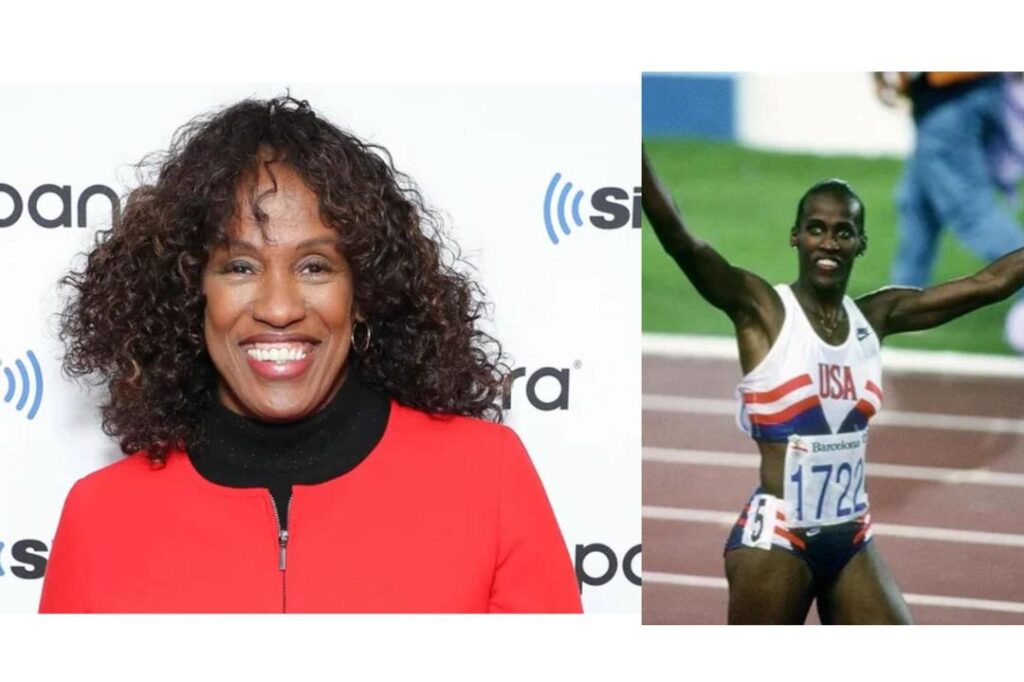
Jackie Joyner-Kersee is considered one of the greatest female athletes in Olympic history, with six medals across four Games. After retiring, she dedicated much of her life to community work and youth development. Through the Jackie Joyner-Kersee Foundation, she focuses on education, health, and leadership programs for underserved communities. She also remains involved in sports advocacy and Olympic initiatives. Joyner-Kersee’s life after competition highlights how Olympic success can become a platform for long-term social impact, extending influence far beyond the stadium.
9. Ryan Lochte Today
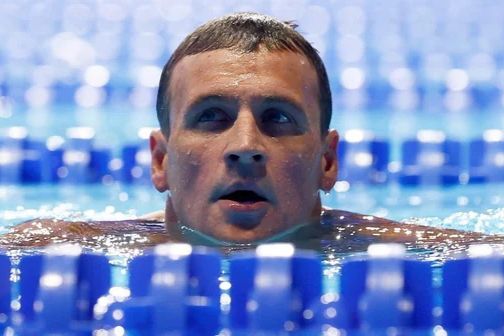
Ryan Lochte won 12 Olympic medals and was one of swimming’s most recognizable figures during the 2000s and 2010s. Following his competitive peak, Lochte faced public scrutiny but later refocused on personal growth, family life, and rebuilding his public image. He has spoken openly about mental health and the pressures of elite competition. Lochte remains connected to swimming through occasional appearances and commentary, though he no longer competes at the highest level. His story reflects the complex realities many Olympians face when transitioning away from the structure and identity of sport.
10. Allyson Felix Today
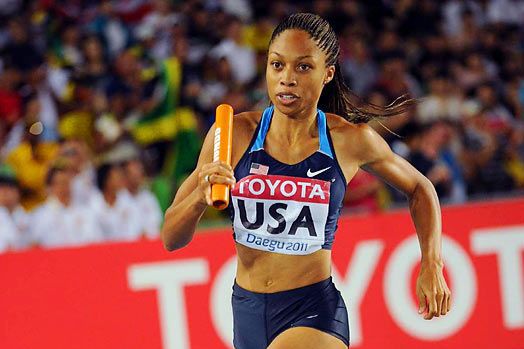
Allyson Felix is the most decorated fema le track and field Olympian, earning 11 medals across five Olympic Games. After retiring from competition, Felix turned her attention to advocacy, particularly around maternal health and athlete rights. She has been vocal about sponsorship protections for female athletes and worked with policy groups to improve conditions for working mothers in sport. Felix also engages in public speaking and mentorship, sharing lessons from her long career. Her life after the Olympics shows how athletic achievement can evolve into leadership and meaningful change beyond the track.
11. Katie Ledecky Today

Katie Ledecky emerged as one of the most dominant distance swimmers in Olympic history, collecting multiple gold medals across consecutive Games. Unlike many legends, Ledecky has remained active in elite competition well into her career, balancing rigorous training with academic pursuits after graduating from Stanford University. She continues to compete at world championships and Olympic trials, consistently redefining longevity in swimming. Off the pool deck, Ledecky supports youth sports initiatives and education-focused causes, often speaking about discipline and goal-setting. Her ongoing presence in international competition makes her a rare example of an Olympic legend whose story is still actively unfolding.
12. Serena Williams Now
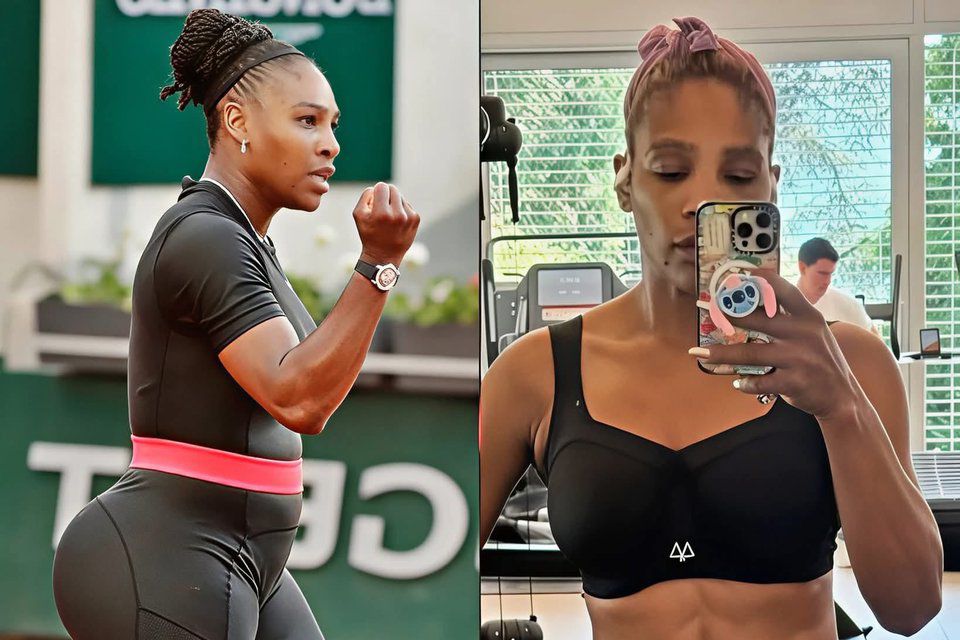
Serena Williams earned four Olympic gold medals while simultaneously building one of the most dominant careers in tennis history. Since stepping back from professional tennis, Williams has focused on entrepreneurship, fashion, and investment projects through her venture capital firm. She is also active in philanthropy, particularly in education and women’s empowerment initiatives. Williams continues to influence sports culture through media appearances and advocacy for gender equity. Her Olympic achievements remain a vital part of her legacy, representing national pride alongside individual excellence that transcended the boundaries of any single sport.
13. Mo Farah Today
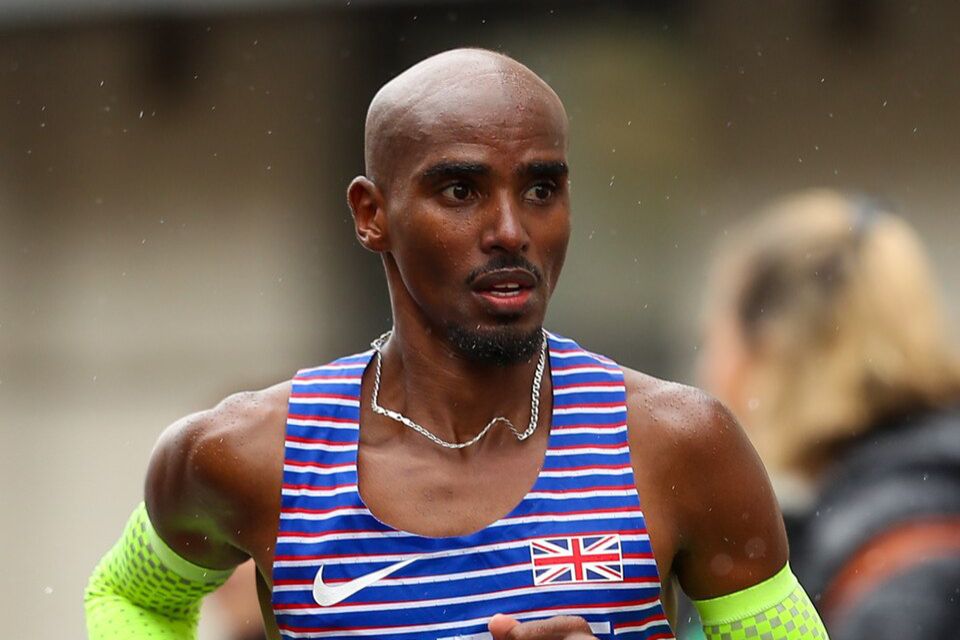
Mo Farah rose to national hero status after winning double gold medals in the 5,000 and 10,000 meters at both the London 2012 and Rio 2016 Olympics. After transitioning from track to marathon running, Farah eventually retired from professional competition in 2023. Since then, he has focused on charity work, youth sports development, and public advocacy, particularly around immigration and child welfare. Farah also works as a television analyst and public speaker. His post-Olympic life reflects a shift from elite racing to using his platform to address broader social issues.
14. Florence Griffith Joyner
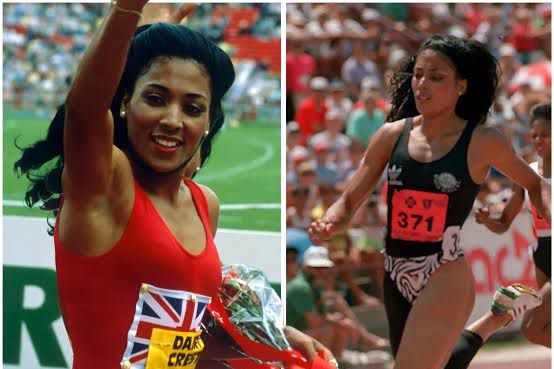
Florence Griffith Joyner (“Flo-Jo”) was the world’s fastest woman, dominating track with world records in 1988, known for her bold, fashionable style (long nails, one-legged bodysuits). “Then” she was a four-time Olympic medalist (three gold in Seoul ’88) and a pop culture icon, but she abruptly retired in 1989. “Now,” she’s remembered as a style pioneer and athletic legend, though she tragically died in 1998 at 38 from an epileptic seizure, with her records still standing, inspiring modern athletes like Sha’Carri Richardson. Flo-Jo’s legacy continues to shape conversations about performance, personality, and visibility in women’s sports.
15. Shaun White Now
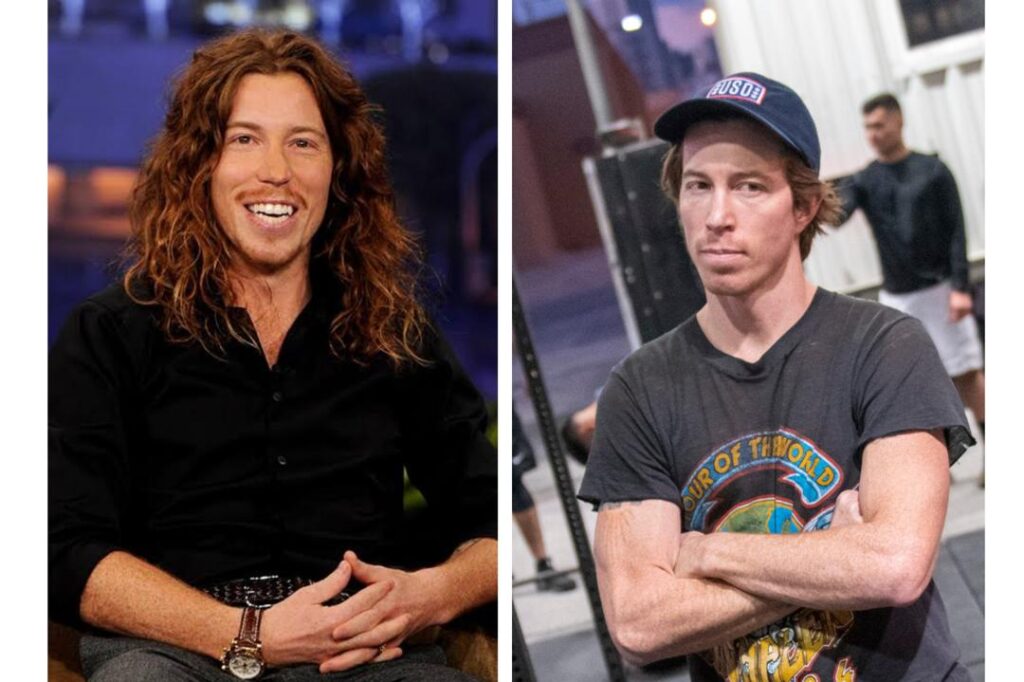
Shaun White transformed snowboarding into a mainstream Olympic spectacle, winning three gold medals across five Winter Games. After his final Olympic appearance in Beijing 2022, White officially retired from competitive snowboarding. He has since focused on entrepreneurship, including ventures in media, fashion, and sports technology. White also remains involved in snowboarding culture through event promotion and athlete mentorship. His influence helped legitimize action sports within the Olympic movement, and his post-retirement career reflects how Olympic fame can translate into long-term cultural and business impact beyond competition.
16. Abby Wambach Today
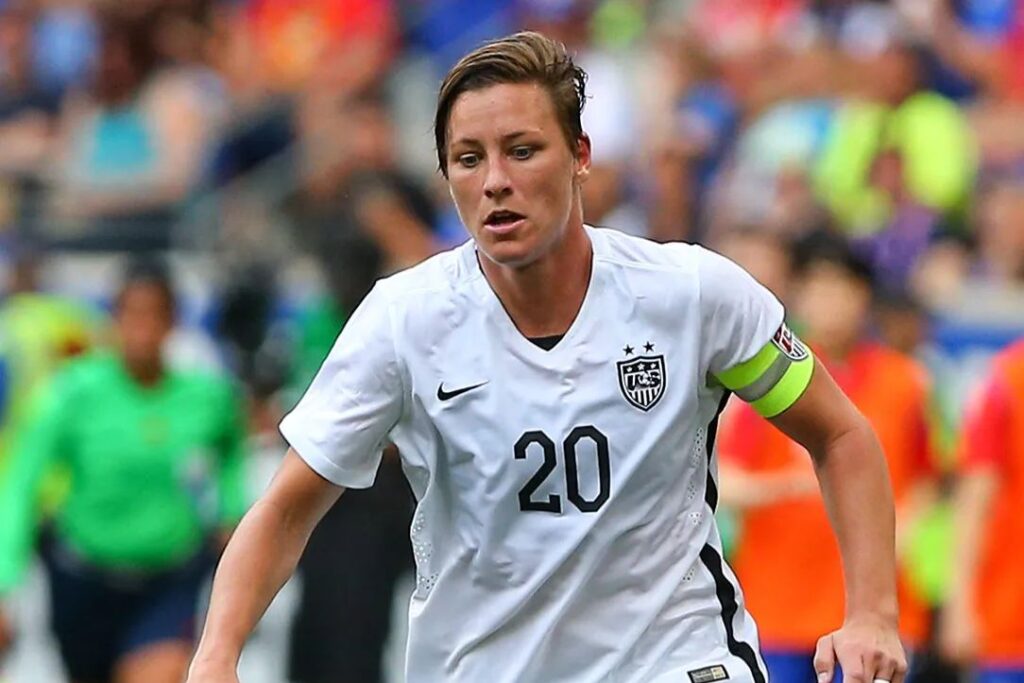
Abby Wambach was a dominant force in women’s soccer, winning two Olympic gold medals and becoming one of the sport’s most prolific goal scorers. Since retiring, Wambach has built a career as an author, motivational speaker, and advocate for equality in sports. She frequently addresses leadership, resilience, and team culture in public forums and corporate settings. Wambach also remains closely connected to the women’s game through commentary and activism. Her life after the Olympics demonstrates how athletic leadership can evolve into broader cultural influence well beyond the field.
17. Yelena Isinbayeva Now
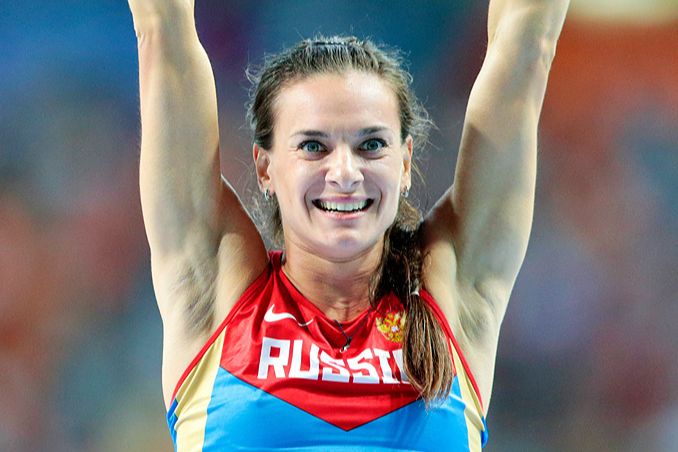
Yelena Isinbayeva dominated women’s pole vaulting for over a decade, winning two Olympic gold medals and setting numerous world records. After retiring, she became involved in sports administration and athlete representation, including roles within international sporting organizations. Isinbayeva has also participated in public discussions about athlete development and training systems. Though less visible globally than during her competitive years, she remains a defining figure in her discipline. Her post-Olympic career reflects the transition many elite athletes make into governance and leadership roles within sport.
18. Jesse Owens Legacy
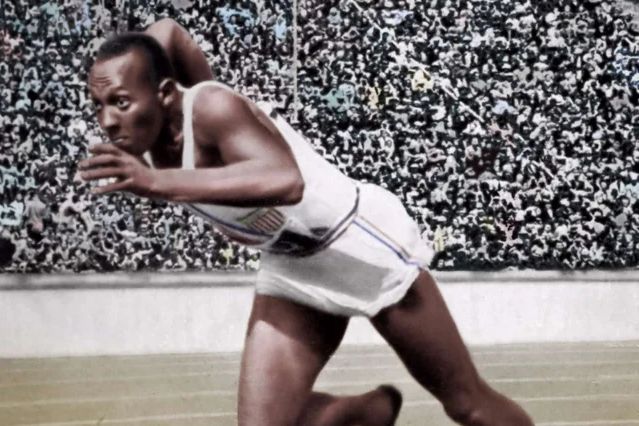
Jesse Owens made history at the 1936 Berlin Olympics, winning four gold medals and delivering one of the most powerful moments in Olympic history. Although Owens passed away in 1980, his impact continues through education, documentaries, and civil rights discussions. His achievements are widely taught as examples of courage, excellence, and dignity under pressure. Museums, awards, and athletic programs bear his name, keeping his story alive for new generations. Owens’ legacy remains deeply relevant, reminding audiences that Olympic greatness can transcend sport and shape cultural history.
19. Larisa Latynina Today
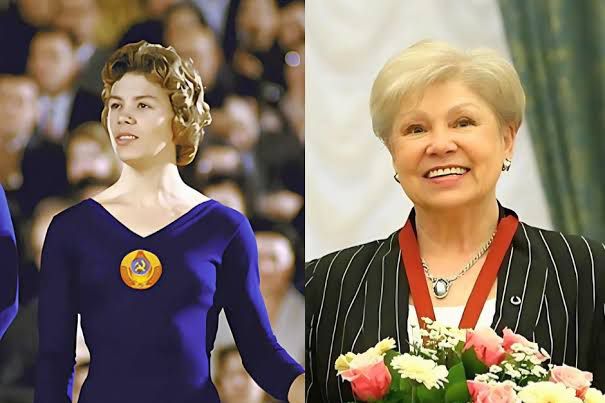
Larisa Latynina once held the record for most Olympic medals, a distinction she kept for decades before being surpassed. Competing during the Cold War era, she became a symbol of consistency and excellence in gymnastics. After retiring, Latynina worked as a coach and gymnastics official, contributing to the sport’s development behind the scenes. Though now largely removed from public life, her achievements remain foundational to Olympic history. Her career illustrates how early Olympic legends helped shape the standards future generations would chase.
20. Michael Chang Now
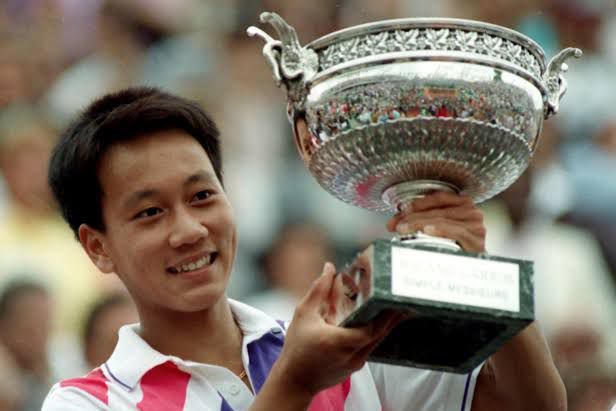
Michael Chang won Olympic gold in tennis at the 1996 Atlanta Games, complementing his successful professional career. After retiring from competitive play, Chang transitioned into coaching, most notably working with top-ranked players on the ATP Tour. He has also remained active in youth tennis development and faith-based initiatives. Chang occasionally appears in media discussions about the sport, offering insight shaped by both playing and coaching experience. His post-Olympic path highlights how athletes can continue influencing their sport through mentorship rather than personal competition.
As these legends show, life after Olympic glory often unfolds in quieter, equally meaningful ways, through leadership, advocacy, creativity, and service.
Like this story? Add your thoughts in the comments, thank you.


