
1. Familiar Bottles Make Ordering Easier

Walk into almost any bar and the shelf already feels familiar. With thousands of whiskey brands available, most people still reach for names they know. Ordering a drink is rarely about discovery. It is about comfort after a long day. Familiar whiskey removes hesitation and shortens decisions. Customers trust what they recognize from past experiences. Bartenders notice these bottles move fastest during busy nights. Nobody wants to explain or rethink a choice at the counter. Over time, repeated comfort turns into habit. Habit builds dominance quietly without effort or persuasion.
2. Prices That Feel Safe Without Thinking
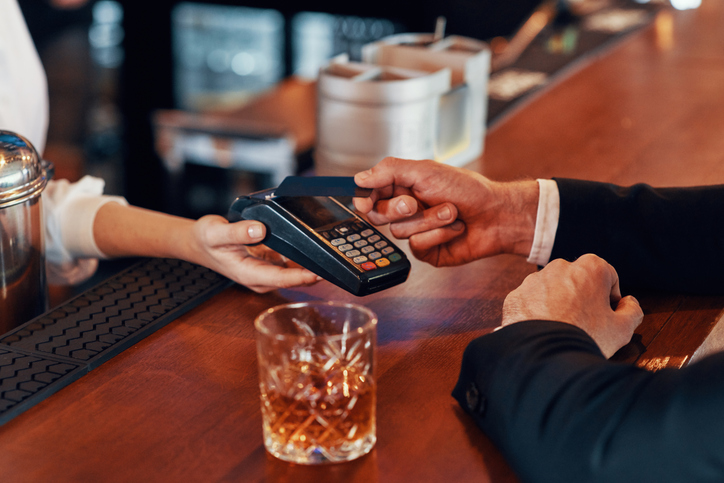
Dominant whiskey brands sit in a price range that feels reasonable without explanation. Customers want a drink that fits the moment without regret later. Too cheap feels careless to many drinkers. Too expensive feels like pressure at a casual bar. The middle ground feels comfortable and familiar. Bars prefer bottles that sell steadily without customers questioning the cost. When people stop checking prices and just order, the brand benefits. That sense of value builds trust over time. Customers feel satisfied with the exchange. Bars enjoy predictable sales patterns nightly.
3. They Mix Well with Almost Anything
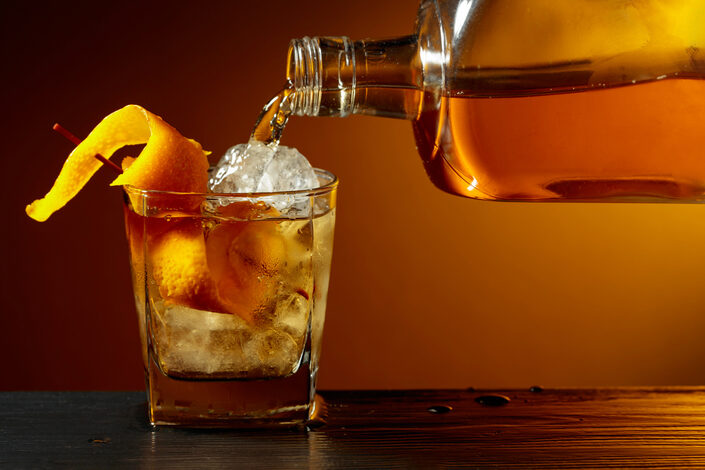
Most bar orders involve mixers rather than neat pours. Dominant whiskeys blend smoothly with soda, citrus, or simple syrups without overpowering the drink. Bartenders rely on spirits that behave consistently in cocktails. Customers want their mixed drink to taste familiar every time. When a whiskey mixes easily, it reduces complaints and speeds up service behind the bar. That reliability matters during busy hours. Over time, bottles that mix well get reordered without debate. Their quiet performance earns a permanent place behind the counter through steady dependable use.
4. Consistency Builds Trust Faster
Customers expect their favorite whiskey to taste the same every visit. Dominant brands deliver consistency year after year because bars depend on reliability. Any unexpected change feels like a mistake to regulars who order from habit. Consistent flavor removes risk for bartenders and guests alike. People relax when they know exactly what they are getting. Over time trust forms through repetition rather than excitement. Trust becomes routine. Routine drives volume across busy nights. While complex profiles attract enthusiasts consistency keeps operations smooth. That dependable experience is why familiar bottles stay poured for returning customers seeking comfort night after night always.
5. Distribution That Never Misses
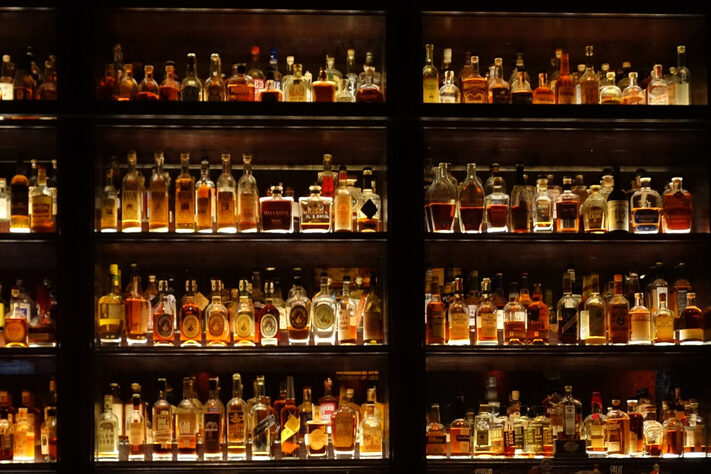
A whiskey cannot dominate bar sales if it is often unavailable. Strong distribution keeps shelves stocked and stress low for managers. Bars rely on dependable deliveries and stable pricing to operate smoothly. When a popular bottle runs out customers notice immediately. Dominant brands avoid this disruption through reliable supply chains. Bar managers value products they can reorder without worry or delay. Over time availability becomes part of the decision process. Brands that show up consistently earn trust behind the scenes. That logistical ease supports steady sales just as much as taste does for busy bars everywhere.
6. Marketing That Feels Like Memory
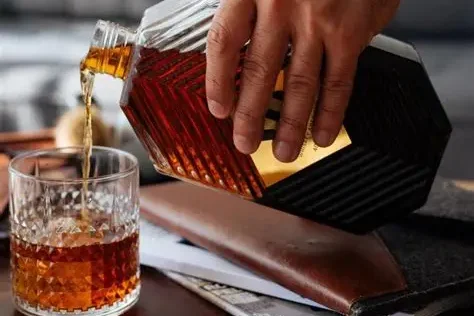
Some whiskey brands feel familiar before the first sip ever happens. Years of exposure shape that quiet recognition in people’s minds. Customers recognize labels from ads movies and conversations over time. That familiarity influences choices without conscious effort. Bars benefit because guests order faster when a name feels known. Marketing becomes background comfort instead of persuasion. Over time repeated exposure turns into emotional recognition. Customers may not explain why they trust a brand. They just do. That connection keeps certain bottles moving while others struggle for attention nightly.
7. Bartenders Push What They Know
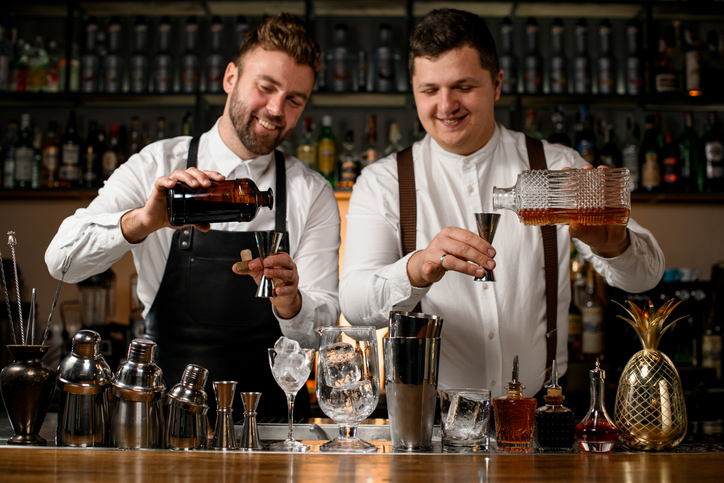
Bartenders influence whiskey sales more than menus ever will. When customers ask for suggestions bartenders recommend brands they trust personally. Dominant whiskey brands invest in building those relationships carefully. Familiarity creates confidence behind the bar. Confident suggestions feel genuine rather than forced. Customers trust that guidance in social settings. When a bartender believes in a product it sells naturally. Over time those recommendations turn into regular orders. Bars notice which bottles move fastest through staff influence. Those bottles stay stocked and quietly maintain their dominance through nightly service.
8. Simple Flavors Please More People
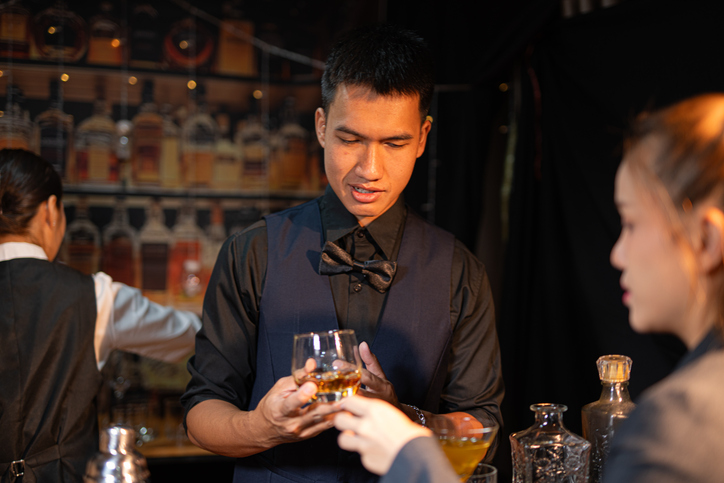
Most bar customers want a whiskey that tastes smooth and easy. They are not searching for complexity or challenge. Dominant brands focus on approachable flavor profiles that appeal widely. These whiskeys rarely offend anyone ordering casually. That matters in a busy bar setting. A drink that pleases most customers outsells one that impresses a few. Simplicity reduces complaints and returns. Over time approachable flavor becomes reliability. Reliability leads to repeat orders. Bars prioritize bottles that satisfy the widest audience without needing explanation or storytelling.
9. Bottles People Recognize Instantly
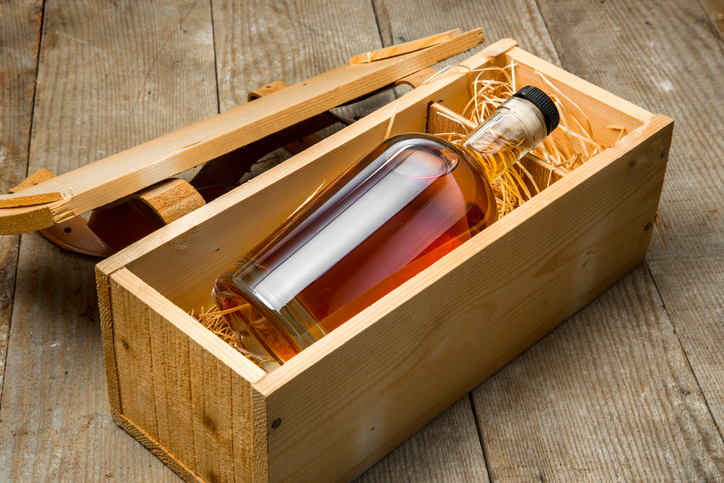
Visual recognition matters in dim bar lighting where speed counts. Dominant whiskey brands have bottles customers spot immediately. The shape or label stands out without effort. Customers often point instead of asking questions. That speeds up service and avoids confusion. Bartenders appreciate that efficiency during rush hours. When ordering feels effortless people repeat it often. Over time recognizable design reinforces habit. People reach for what they know instinctively. That visual familiarity helps certain brands dominate shelves while others blend into the background unnoticed by guests.
10. Cultural Presence Feels Reassuring
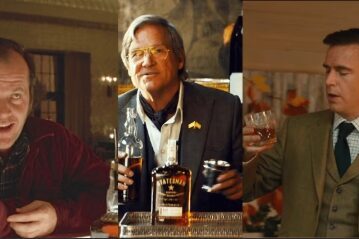
Some whiskeys feel like part of everyday culture already. They appear in movies music and shared social moments. That presence shapes how people perceive them. Customers feel comfortable ordering what seems socially accepted. Bars benefit because cultural familiarity removes doubt quickly. People order without needing reassurance. Over time shared exposure builds trust naturally. Trust leads to habit. Habit drives sales volume. When a brand feels normal everywhere it naturally dominates bar orders without effort explanation or pressure from staff or marketing campaigns.
11. Predictable Profits Keep Bars Loyal
Bars operate on tight margins every single night. Dominant whiskey brands offer predictable profits managers can rely on. They know exactly what each pour earns consistently. That financial clarity matters for planning and ordering. When a bottle sells quickly and steadily it becomes a reliable asset. Bars avoid products that create uncertainty. Over time profit stability builds loyalty behind the scenes. Bottles that support steady income stay on shelves. Customers may never notice this factor but it strongly shapes what bars continue to stock.
12. Fewer Complaints Mean Smoother Nights
Bars prefer whiskeys that generate little negative feedback. Dominant brands rarely get sent back by customers. Guests are satisfied and service flows smoothly without interruption. Complaints slow everything down and disrupt rhythm. A whiskey that consistently meets expectations avoids those problems. Over time silence becomes a strength rather than weakness. Managers reorder what causes the least trouble. That low friction performance helps certain brands maintain their position behind the bar without fanfare attention or dramatic praise from drinkers.
13. Menu Placement Guides Choices
Where a whiskey appears on a menu affects how often it gets ordered in busy bars. Dominant brands often occupy visible and familiar positions customers notice first. People tend to choose what they see quickly without overthinking. Bars place reliable sellers where eyes naturally land during ordering moments. Visibility reinforces familiarity and familiarity encourages selection. Over time placement and popularity support each other naturally. The more a whiskey sells the more visible it becomes. That cycle keeps certain brands firmly planted on menus night after night as customers repeatedly choose what feels easy and familiar.
14. One Whiskey Fits Many Moments
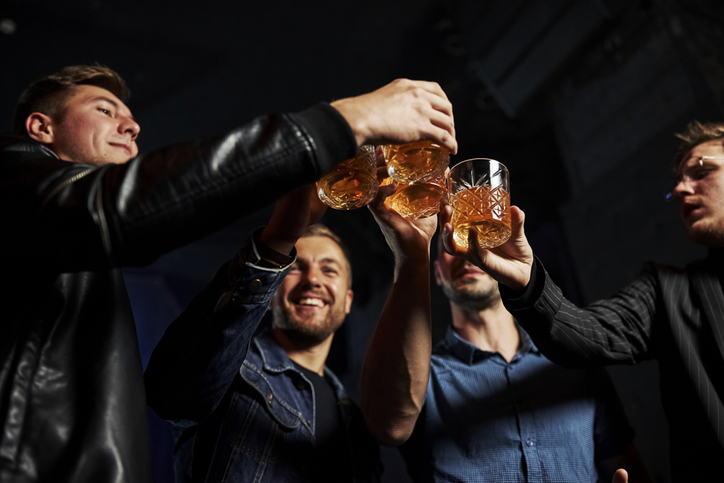
Dominant whiskeys work across different situations effortlessly. Casual drinks celebrations and business meetings all feel appropriate. That versatility matters to bars and customers alike. A bottle that suits many occasions sells more often. People want a safe option that always feels right. Over time adaptability builds trust naturally. Trusted brands stay stocked consistently. Their ability to blend into any moment strengthens their dominance quietly without demanding attention or explanation from staff or guests.
15. Habits Drive Most Orders
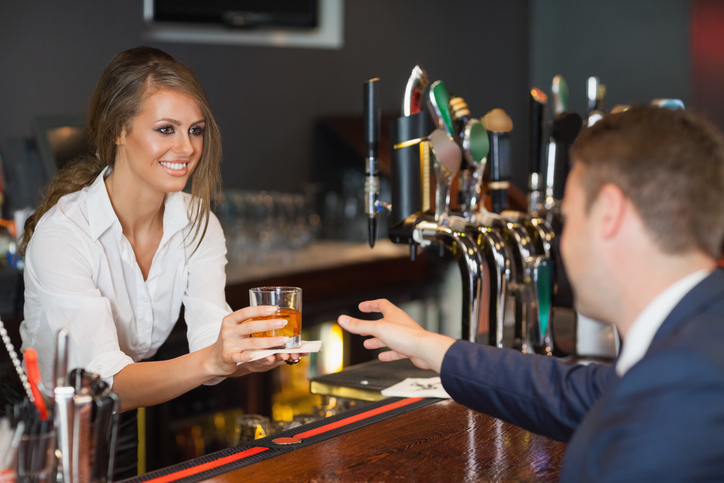
Many customers order the same whiskey every single visit. Habit is powerful in social settings. Once a drink becomes routine switching feels unnecessary. Bars rely on these predictable patterns. Familiar orders speed up service and reduce questions. Over time repeated choices turn into consistent sales volume. Dominant brands benefit from this behavior. They do not rely on excitement. They rely on routine. When customers stop thinking and start ordering automatically dominance has already taken hold firmly.


