
1. When the World Would Not Look Away
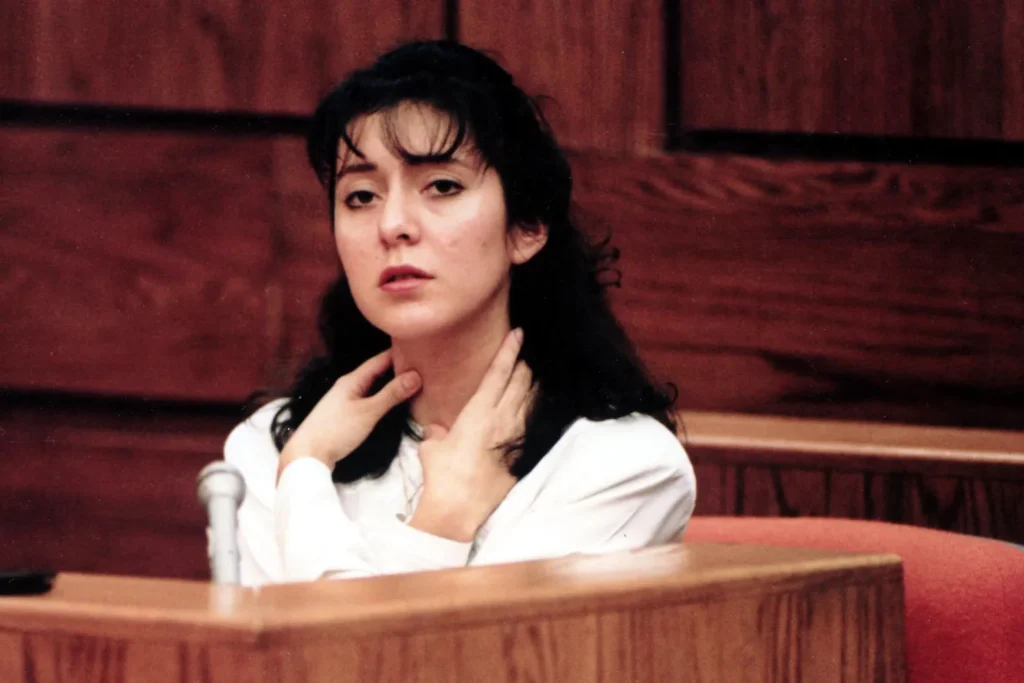
Before anyone could ask what came next, Lorena Bobbitt became a name everyone knew in 1993. Her trial filled televisions, conversations, and late-night jokes, often leaving the real person behind the headline’s unseen. After being found not guilty by reason of temporary insanity, she spent time in treatment and quietly stepped away from the chaos. That moment closed one chapter and opened another, far from cameras. Life did not instantly become peaceful, but it became hers again. What followed was not about shock or spectacle, but about learning how to live with a past the world refused to forget and finding a path forward anyway.
2. Choosing a Life Outside the Spotlight
Once the courtroom doors closed, Lorena made a deliberate choice to reclaim privacy. She returned to using her maiden name, Lorena Gallo, and focused on rebuilding a sense of normalcy. Daily life became about routine, safety, and distance from constant public judgment. This quiet decision mattered more than it seemed. It allowed her to define herself on her own terms rather than as a symbol shaped by media narratives. By stepping back, she gave herself room to heal and reflect. The absence of headlines did not mean her story ended. It meant she was finally allowed to exist without explaining herself to strangers every day.
3. Turning Pain Into Purpose

As time passed, Lorena felt drawn toward helping others who had lived through similar experiences. Advocacy became a way to give meaning to what she had endured. She began supporting conversations around domestic violence, focusing on awareness and prevention rather than personal notoriety. Her voice carried weight not because it was loud, but because it came from lived experience. She understood fear, isolation, and silence. That understanding shaped how she spoke to survivors and supporters alike. Advocacy was not about reliving trauma but about preventing it. Slowly, her name became associated with education and empathy instead of shock and misunderstanding.
4. Building Support Through Action
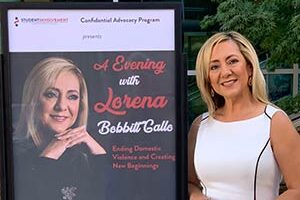
Lorena later founded the Lorena Gallo Foundation to support people affected by domestic and sexual violence. The work centered on education, intervention, and community partnerships rather than public attention. She focused on helping individuals recognize unsafe situations and find resources before harm escalated. This effort reflected a long term commitment rather than a momentary response. By building something lasting, she shifted the narrative from reaction to prevention. The foundation became an extension of her belief that no one should feel trapped or unheard. Through consistent work, she transformed personal history into a tool for broader awareness and real world support.
5. Listening More Than Speaking

One of the most impactful parts of Lorena’s advocacy came through listening. She spent time engaging with survivors, hearing their stories without judgment or expectation. Instead of positioning herself as an authority, she showed up as someone who understood fear and confusion. These conversations mattered because they reminded people they were not alone. Her approach was quiet, patient, and deeply human. She knew that healing often begins when someone feels believed. By prioritizing connection over attention, she helped create spaces where honesty felt safe. Sometimes the most meaningful work happened far from stages, microphones, or public recognition.
6. Reframing the Story Publicly

Years later, Lorena chose to revisit her story through documentaries and interviews that offered context missing from the original coverage. This time, the focus shifted toward domestic violence and trauma rather than spectacle. She spoke calmly about how the media framing affected her life and why understanding the full picture mattered. These appearances were intentional and limited. They allowed her to clarify misconceptions while maintaining boundaries. By telling her story with reflection rather than urgency, she encouraged viewers to think differently about similar cases. It was less about correcting the past and more about changing future conversations.
7. Learning to Live Normally Again

Away from advocacy and media projects, Lorena worked on building an ordinary life. She focused on relationships, stability, and personal peace. Ordinary moments like family dinners or quiet mornings carried new meaning after years of public scrutiny. Normalcy became a form of healing. While the past never disappeared entirely, it no longer defined every day. This phase of life showed that recovery is not dramatic or linear. It is often subtle and repetitive. By choosing consistency over attention, she found grounding in everyday routines. Her life became less about survival and more about steady, intentional living.
8. Reconnecting With Identity

Lorena’s journey also included reconnecting with her cultural and personal identity. As an immigrant who had experienced isolation, she found strength in remembering where she came from and who she was before everything changed. Cultural roots offered grounding and perspective. They reminded her that her life story extended beyond one moment in America’s media history. This reconnection helped her speak with authenticity and confidence. Identity became something she reclaimed rather than something defined for her. By honoring her background, she reinforced the idea that no single event can erase a person’s full humanity or history.
9. Revisiting the Past With Intention

Decades later, dramatized retellings and series revisited Lorena’s story with her involvement. This time, the goal was clarity rather than shock. She emphasized patterns of abuse and the emotional reality behind the incident. Revisiting the past was not easy, but it allowed her to correct long-standing misunderstandings. These projects invited audiences to consider context and consequence. They also reflected how society’s understanding of domestic violence had evolved. By participating thoughtfully, she ensured her voice was present. It became an opportunity to transform memory into learning rather than leave it frozen in outdated narratives.
10. Addressing Media Responsibility

Lorena has spoken openly about how media framing shaped public perception of her case. Early coverage focused on sensational details while ignoring deeper issues. This imbalance followed her for years. Later reflections encouraged journalists and viewers to think critically about what gets amplified and what gets ignored. She highlighted how easily trauma can be turned into entertainment. These conversations extended beyond her own story and touched on broader ethical questions. By addressing media responsibility calmly and clearly, she contributed to a more thoughtful dialogue. Her experience became a reminder that stories carry consequences long after headlines fade.
11. Speaking for Immigrant Survivors

Because Lorena was an immigrant at the time of the incident, her story resonated strongly within immigrant communities. She understood the added fear of language barriers, legal uncertainty, and cultural isolation. Through her advocacy, she highlighted how these factors can keep people silent in dangerous situations. Her perspective helped bring attention to survivors who may feel invisible or unprotected. She emphasized the importance of accessible resources and community trust. By sharing this aspect of her experience, she expanded the conversation beyond individual circumstances. Her voice helped illustrate how vulnerability is often layered and deeply influenced by social position.
12. Living With Public Misconceptions

Even years later, Lorena continued to encounter people who only remembered a simplified version of her story. Public misconceptions lingered, shaped by jokes and incomplete narratives. Addressing these moments required patience. She chose not to confront every misunderstanding, focusing instead on living consistently with her values. Over time, her actions spoke louder than corrections. This quiet resilience reflected growth and acceptance. She understood that not everyone would see her fully, and that was okay. Living well became the response. Her experience showed that reputation does not change overnight, but dignity can be maintained daily.


