
1. Clive Doyle
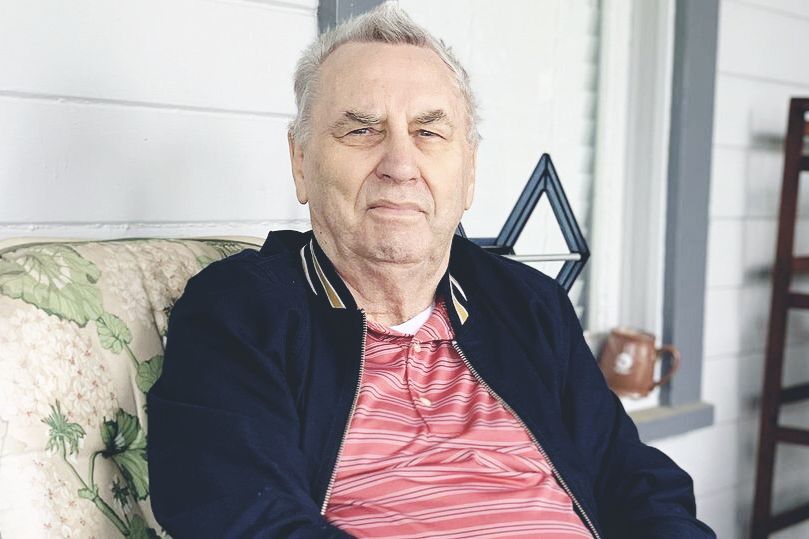
The 1993 Waco siege remains one of the most haunting chapters in modern American history. Clive Doyle was one of the most visible survivors of the Waco siege, escaping the fire with severe burns and injuries. After months of recovery, he returned to live quietly in Texas, remaining deeply committed to his faith and to the teachings of David Koresh. Doyle later became the caretaker of the rebuilt Mount Carmel site, where he welcomed journalists, researchers, and visitors seeking firsthand accounts. Over the years, he gave numerous interviews and participated in documentaries, consistently disputing the government’s version of events and emphasizing the spiritual beliefs of the group. Rather than retreat from public attention, Doyle chose to preserve the memory of those who died and to present the Branch Davidians’ perspective as part of the historical record.
2. Sheila Martin
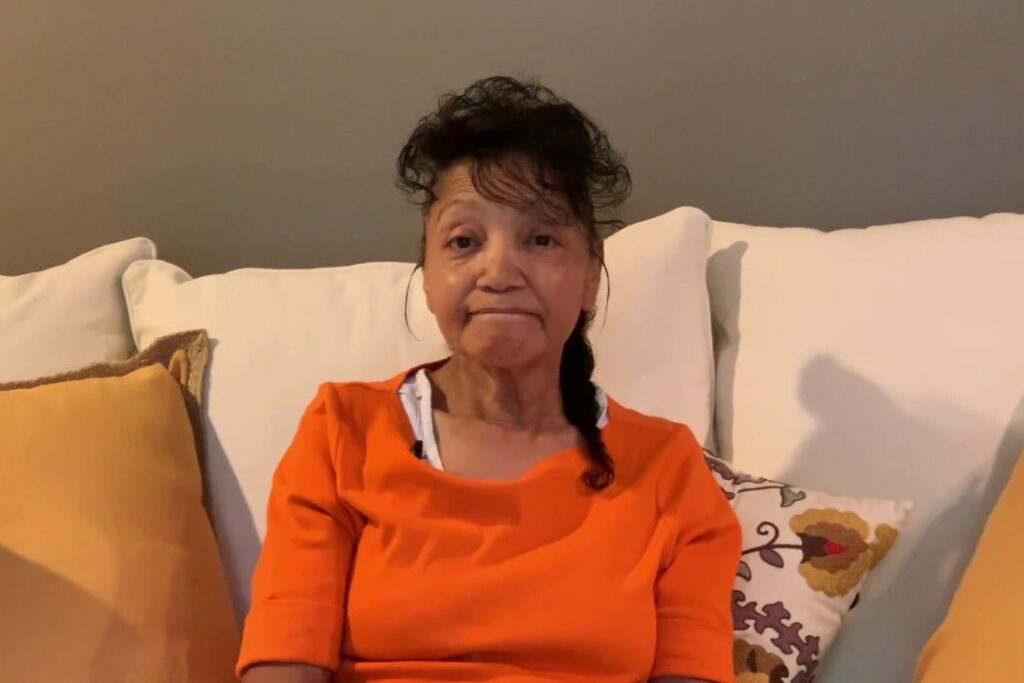
Sheila Martin survived the siege by escaping the compound during the fire, but her post-Waco life was marked by legal battles and public scrutiny. She later served prison time related to firearms charges stemming from the standoff, a punishment shared by several survivors. After her release, Martin largely stepped away from media attention, choosing a more private life. Reports over the years suggest she struggled with the emotional aftermath of the siege, including the loss of family members and friends. Her story reflects a common theme among survivors: survival did not bring closure, but rather a long process of coping with trauma while trying to rebuild a sense of normalcy far from the national spotlight.
3. Livingstone Fagan
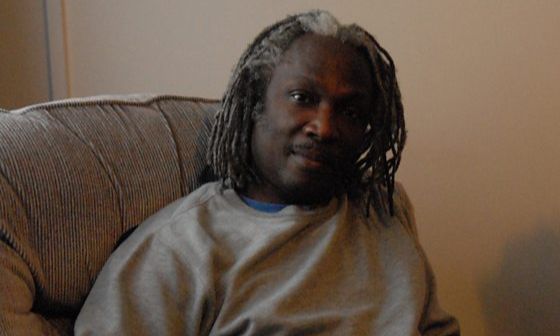
Livingstone Fagan escaped Mount Carmel early in the final assault and later became one of the more outspoken survivors. He served a prison sentence related to the case and, upon release, became active in civil rights advocacy and public speaking. Fagan has frequently framed the Waco siege as a cautionary tale about government overreach, participating in interviews, conferences, and documentaries. His post-Waco life shows a shift from religious isolation to political engagement, using his experience as a platform to discuss constitutional rights and law enforcement accountability. While remaining critical of federal authorities, he also sought to redefine himself beyond the label of cult survivor.
4. Ruth Riddle
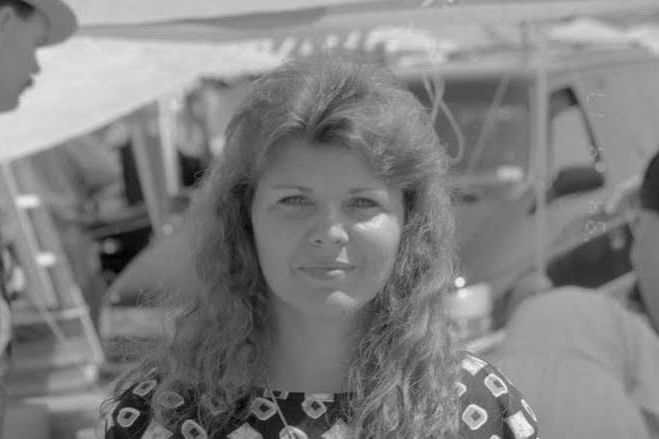
Ruth Riddle survived the fire along with her husband, Graeme Riddle, and later served time in prison related to the case. After her release, she maintained a low public profile but occasionally spoke about the psychological toll of Waco. Interviews over the years describe lingering trauma, survivor’s guilt, and the difficulty of reintegrating into society after such an extreme event. Riddle’s life after Waco was less about public activism and more about personal recovery, family, and faith. Her experience underscores how survival often meant years of emotional healing away from cameras and headlines.
5. Renos Avraam
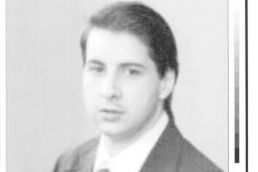
Renos Avraam survived the siege as a young man and later served prison time connected to the case. After his release, he largely withdrew from public attention. Reports suggest that Avraam struggled with the emotional consequences of Waco, including the loss of close friends and the stigma attached to being a Branch Davidian. Unlike more vocal survivors, he did not pursue activism or media appearances, instead attempting to rebuild a private life away from the compound and its legacy. His story highlights how survival did not guarantee visibility, and how many former members quietly carried the burden of the event.
6. Jamie Castillo
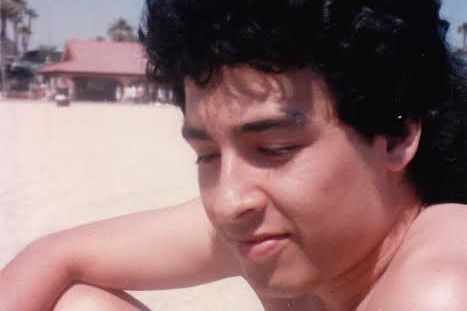
Jamie Castillo was among the younger survivors of Waco, escaping during the chaos of the fire. In the years that followed, she faced the challenge of growing into adulthood under the shadow of a national tragedy. Public records and interviews indicate that she sought a normal life away from media attention, focusing on work and family. Castillo’s experience reflects the unique position of younger survivors, whose formative years were shaped by trauma and public misunderstanding. Her post-Waco life represents a quiet effort to move forward while carrying memories that few around her could fully understand.
7. David Thibodeau
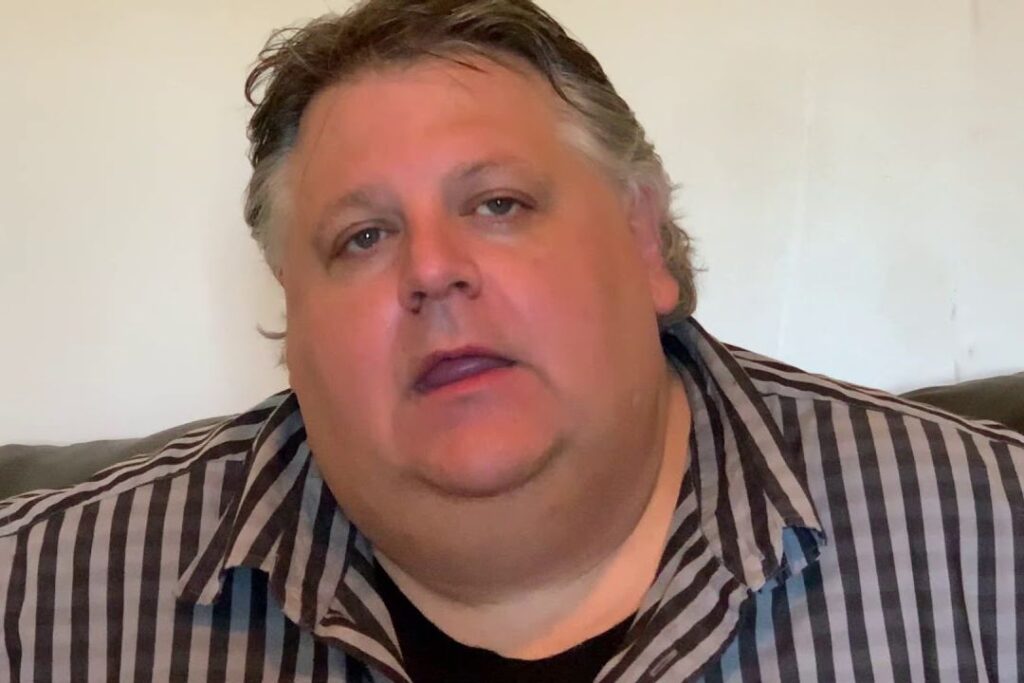
David Thibodeau became one of the best-known survivors after publishing a memoir detailing his time inside Mount Carmel and the final days of the siege. After serving a prison sentence, he pursued a career in music and writing, using his experiences as material for reflection rather than advocacy. Thibodeau’s accounts have been widely cited in documentaries and books, offering an insider’s view that is both critical and introspective. His life after Waco shows a conscious effort to process the past through creative expression while maintaining distance from organized movements tied to the tragedy.
8. Perry Jones
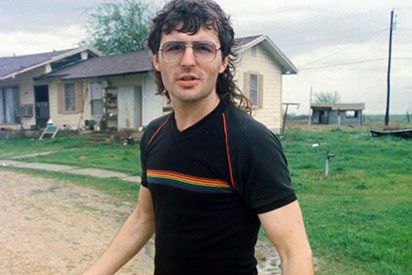
Perry Jones survived the siege and later served time in prison for charges related to the standoff. Following his release, Jones kept a low profile, rarely engaging with media or public forums. Available reports suggest he focused on rebuilding his personal life away from Texas and away from the Branch Davidian identity. His story is emblematic of several survivors who chose anonymity as a form of healing, distancing themselves from the compound, the beliefs, and the constant public debate surrounding Waco.
9. Paul Fatta
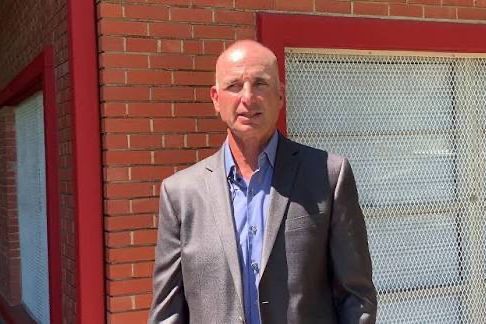
Paul Fatta, the son of longtime Branch Davidian member Kathryn Schroeder, survived the siege and later faced legal consequences connected to the group’s activities. After serving his sentence, Fatta withdrew from public life, and little has been reported about his later years. His post-Waco experience reflects the enduring impact of being associated with the siege from a young age, including legal consequences and long-term stigma. Like many survivors, his life after Waco unfolded largely outside public view, shaped more by quiet rebuilding than by public storytelling.
10. Kathryn Schroeder
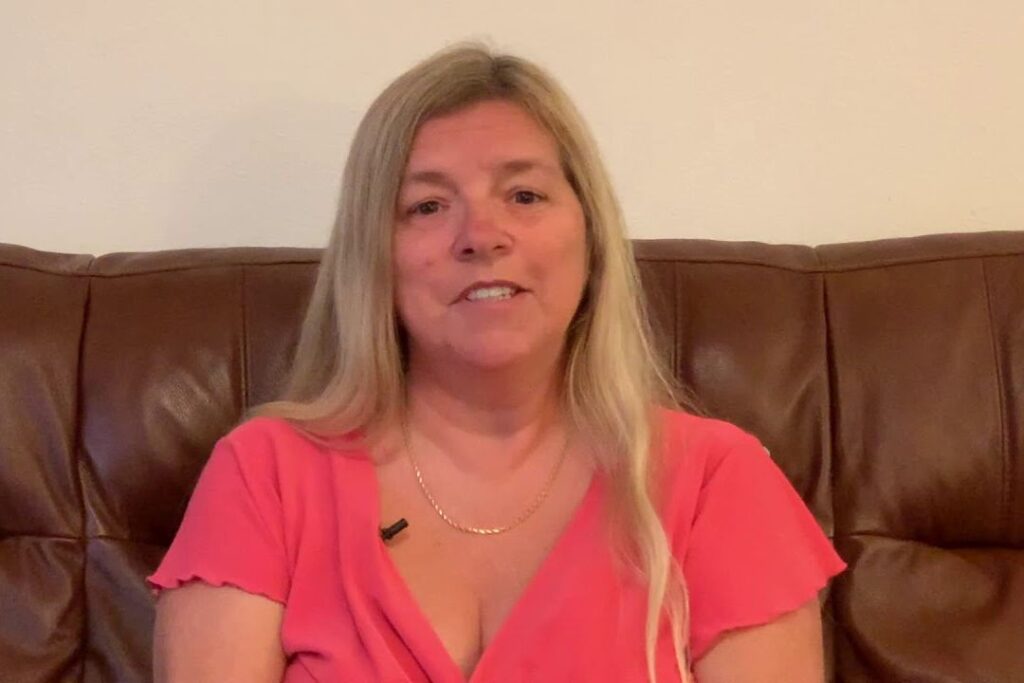
Kathryn Schroeder was the only Branch Davidian acquitted of all charges related to the Waco siege, making her post-Waco path notably different from most survivors. After escaping the compound before the fire, she later testified during the lengthy federal trial, where prosecutors failed to prove criminal wrongdoing. Following the verdict, Schroeder returned to private life, raising her son and avoiding public attention. Media reports over the years describe her as deeply affected by the loss of friends and the public stigma tied to Waco, yet determined to live quietly outside the group’s former isolation. Her story stands as a reminder that legal outcomes varied widely and that survival did not automatically bring justice or peace.
11. Heather Jones
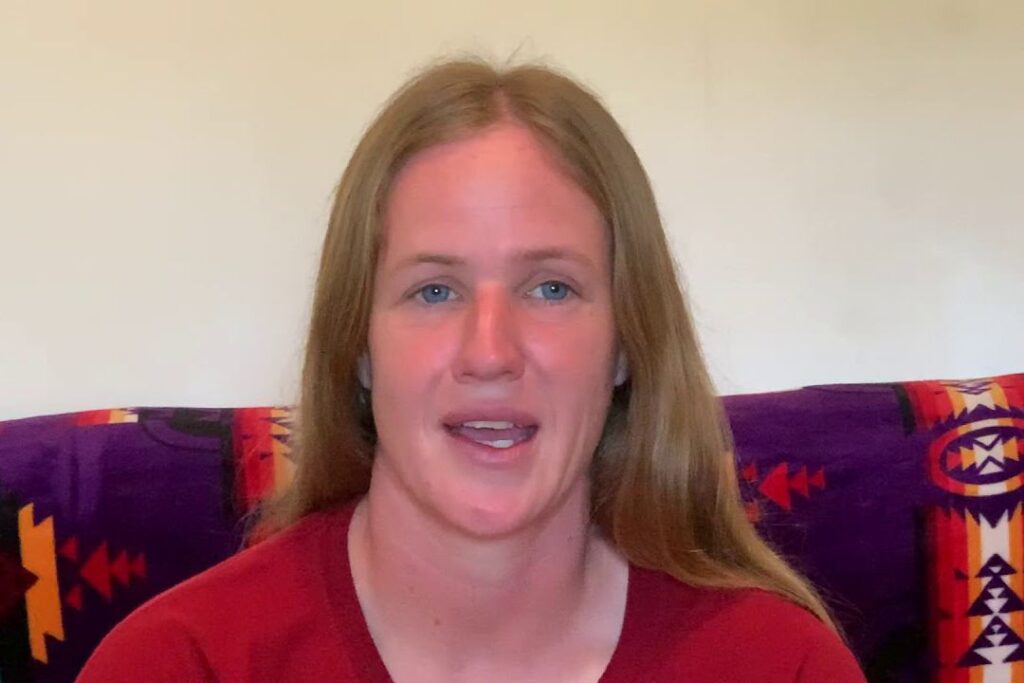
Heather Jones was one of the younger adults to survive the siege, escaping the fire amid chaos and confusion. In the years that followed, she served a prison sentence connected to the case and then sought to rebuild her life away from media scrutiny. Reports indicate that Jones focused on personal stability, work, and family rather than revisiting the events publicly. Her experience highlights the long-term consequences faced by younger survivors, whose adult lives began under the weight of a nationally televised tragedy. For Jones, survival meant carrying forward quietly rather than redefining herself through interviews or public platforms.
12. David Jewell and His Daughter
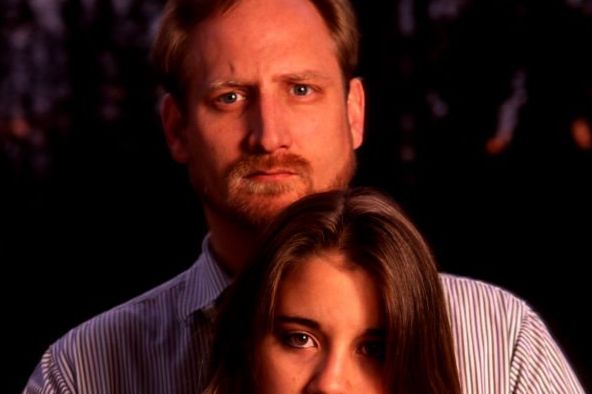
David Jewell left Mount Carmel during negotiations in the final weeks before the fire, making him one of the last members to exit alive. Afterward, he cooperated with authorities and later faded from public attention. Reporting from the time indicates that Jewell struggled with the psychological weight of leaving while others stayed behind. His life after Waco appears to have been marked by efforts to regain anonymity and distance himself from the intense public focus surrounding the siege. Jewell’s experience shows how survival often came with difficult moral and emotional reckoning.
Survival brought freedom, but also trauma, stigma, and long years of rebuilding far from public understanding.
Do you know any other survivors ? List their names in the comments, thank you.


