
1. Snowy Owls Arriving Like Winter Guests
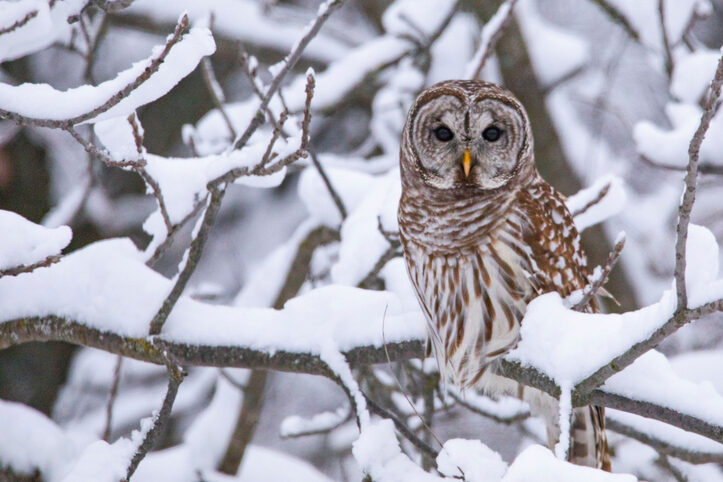
Winter always seems quieter at first, and then the snowy owls arrive as if to announce it properly. These large white birds drift south during colder months, settling calmly on fence posts and open fields. They do not rush or fuss. They simply watch. Seeing one feels like being let into a private winter moment, the kind you almost whisper about later. Their soft feathers blend into the snow so perfectly that the landscape feels intentional, like it was arranged that way. When snowy owls appear, winter stops feeling empty and starts feeling thoughtfully inhabited.
2. Arctic Foxes Wearing Winter Well
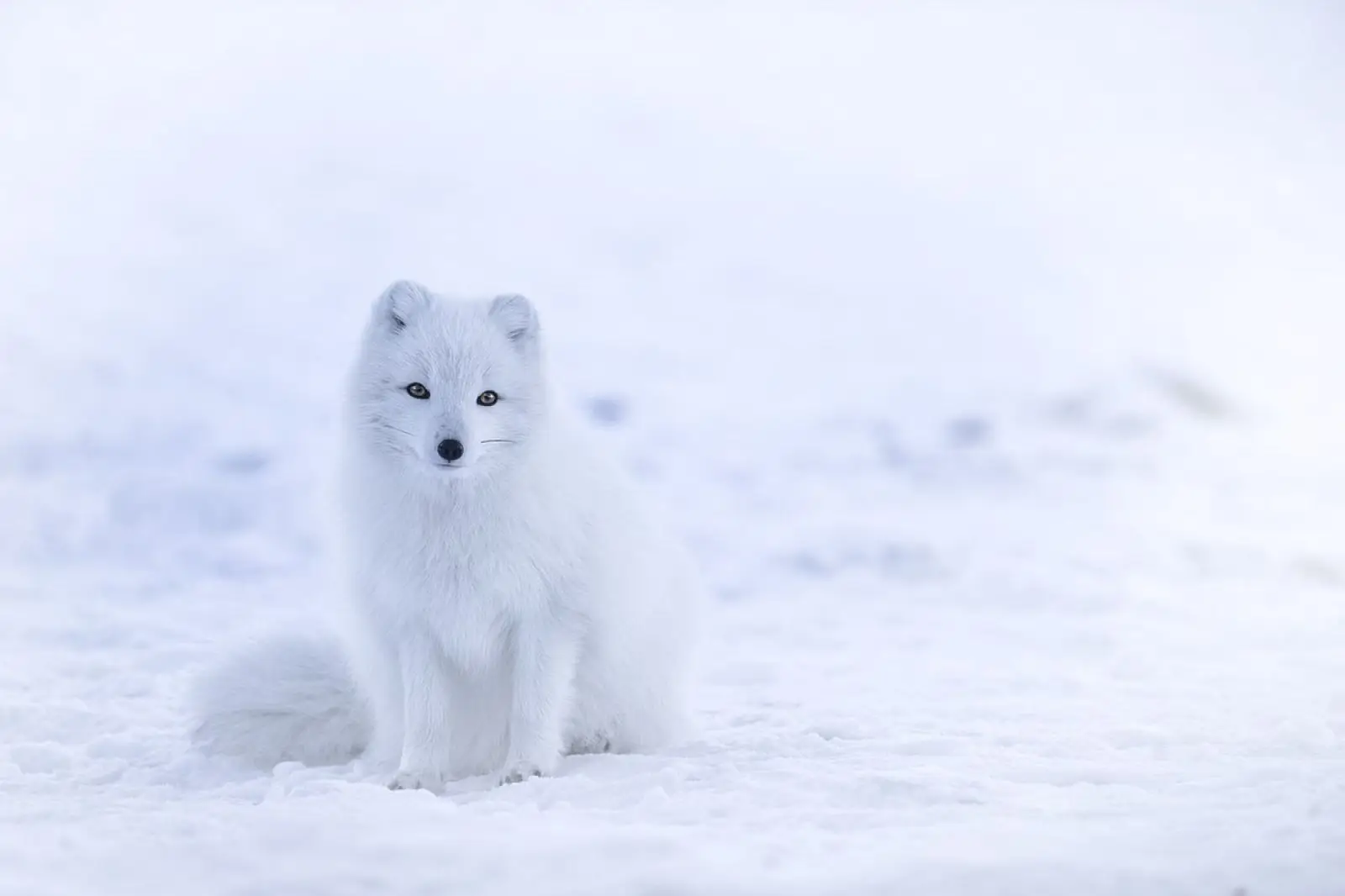
If winter had a favorite outfit, the Arctic fox would be wearing it effortlessly. As the cold sets in, their fur turns white, allowing them to disappear into snowy surroundings with ease. Watching an Arctic fox move feels playful rather than desperate. They bounce, listen, and pounce with a lightness that makes winter feel less harsh. Their presence reminds you that the season does not have to be endured miserably. It can be lived in with curiosity and grace. Arctic foxes make winter feel clever, adaptable, and quietly joyful instead of something to rush through.
3. Reindeer Moving with Purpose
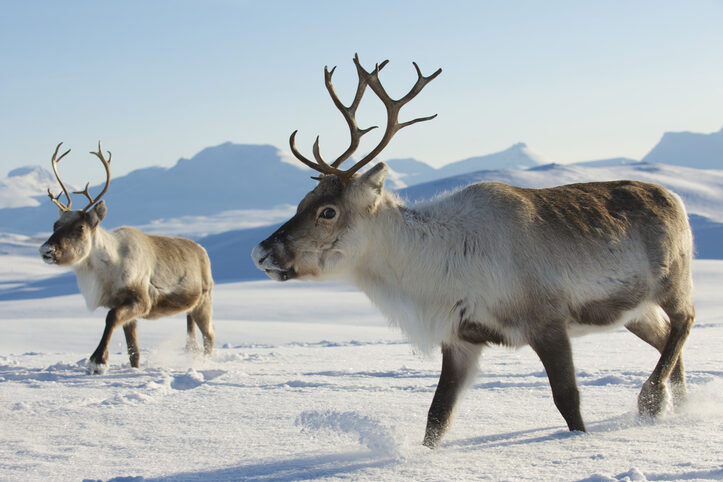
There is something steady about reindeer that fits winter perfectly. As snow covers the ground, they continue their long journeys, walking across frozen landscapes with patience built into every step. Their wide hooves help them move easily over ice and dig through snow for food beneath. Watching a herd travel together makes winter feel organized rather than chaotic. Nothing about them feels wasted or hurried. They move like they trust the season to carry them forward. Reindeer give winter a sense of rhythm, showing that progress does not always have to look fast to be meaningful.
4. Polar Bears Owning the Ice
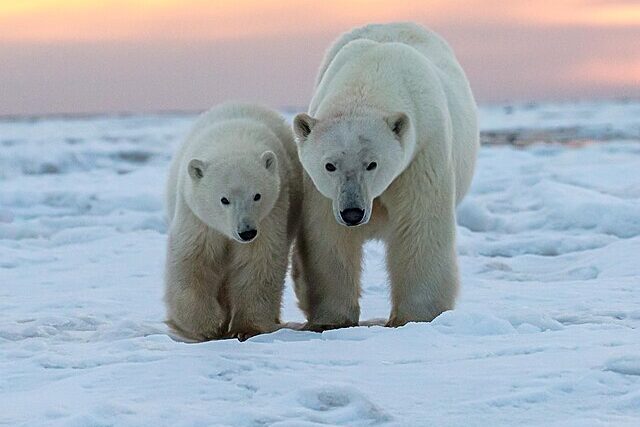
Polar bears do not treat winter as a challenge. They treat it as home. Massive and powerful, they move across ice with surprising calm, stepping carefully between frozen water and snow. Watching one feels grounding, like winter itself is reminding you it belongs here. Their thick fur and practiced movements make the cold seem manageable. Nothing about them looks rushed or uncomfortable. Polar bears turn icy landscapes into living spaces, not obstacles. Their quiet confidence makes winter feel settled and real, like a season that knows exactly what it is doing.
5. Red Foxes Adding Color
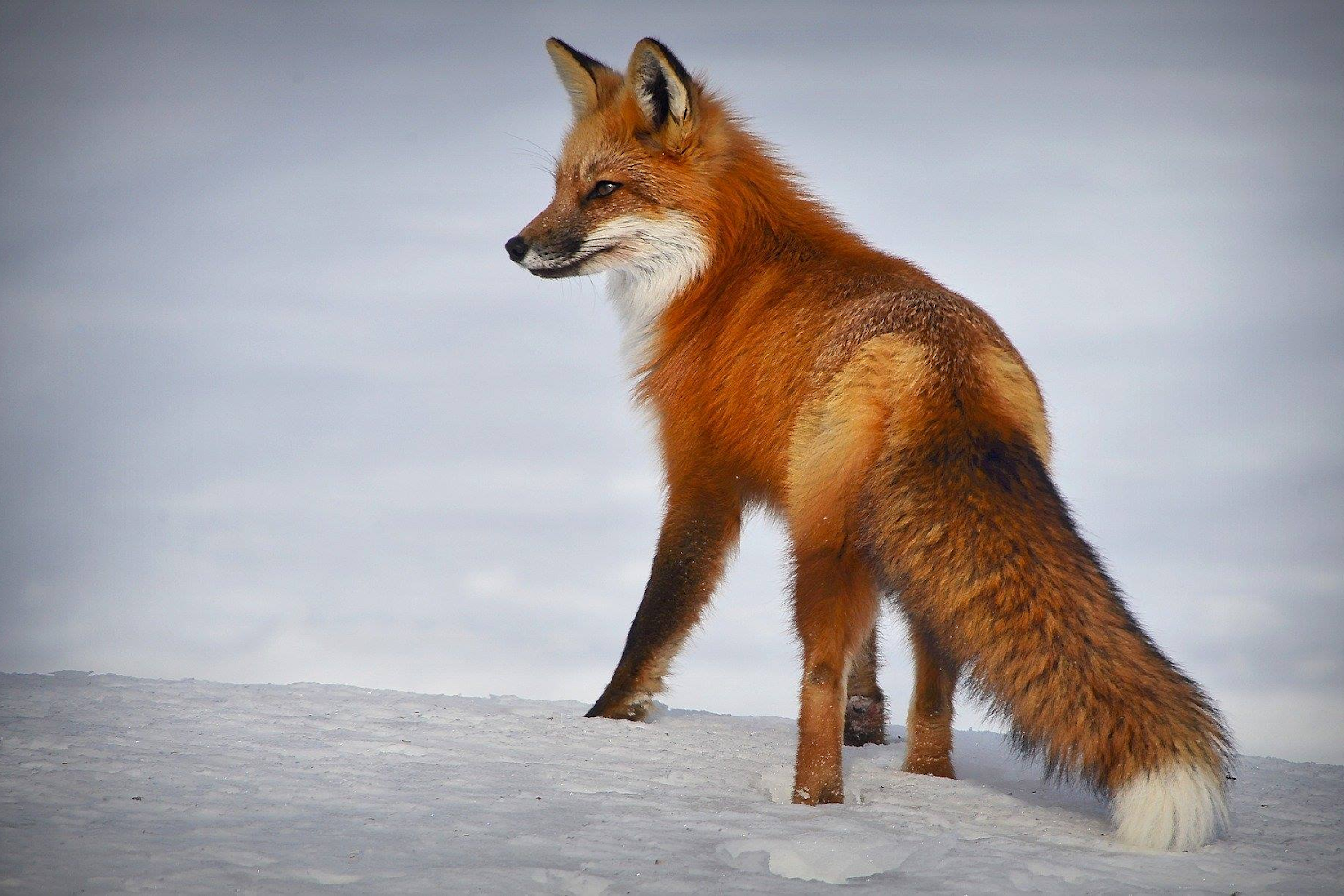
When everything around turns white and gray, a red fox suddenly appears like a brushstroke across snow. Their sharp ears, quick steps, and focused pauses bring movement into still winter scenes. Watching a fox hunt beneath the snow feels like witnessing a private performance. They listen, leap, and land with intention. It breaks the silence just enough. Red foxes remind you that winter is not frozen in place. It is full of small bursts of life. Their bright coats make cold days feel warmer simply by being seen.
6. Penguins Standing Together
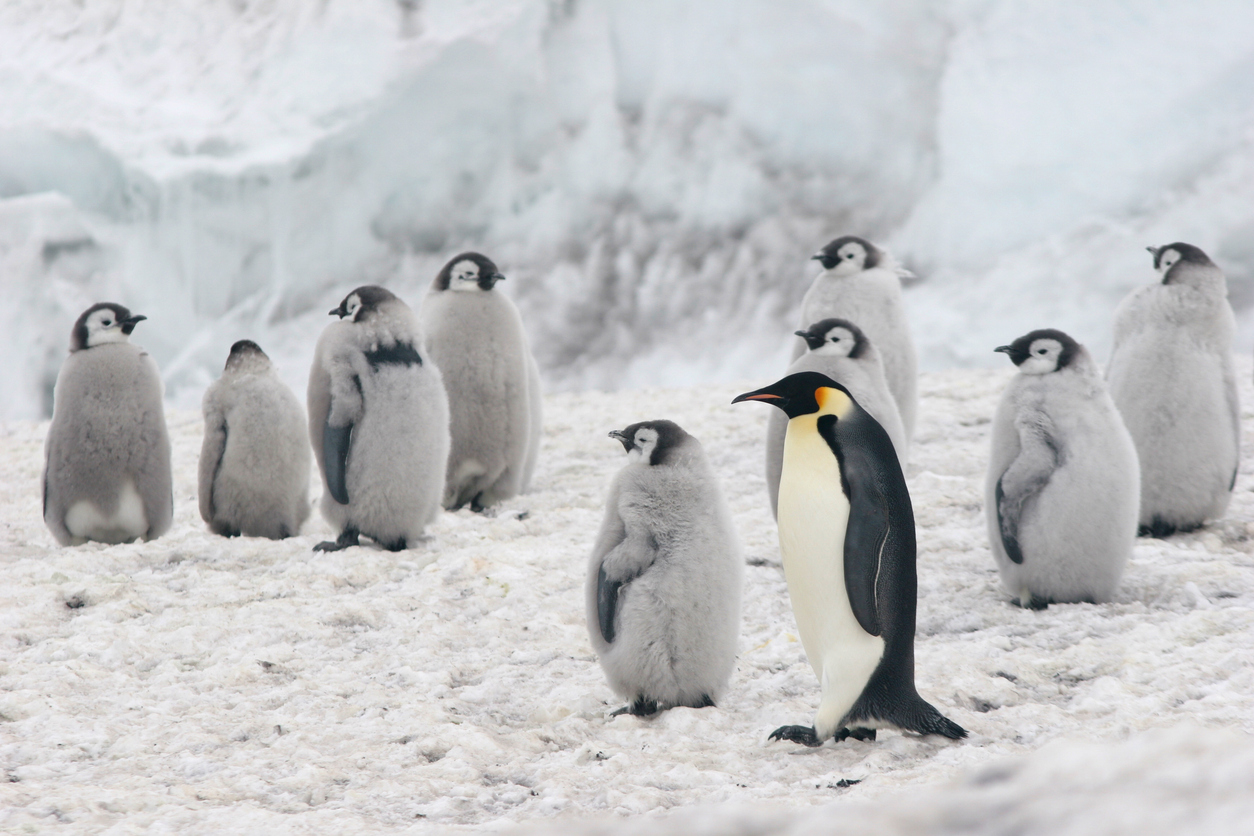
Penguins make winter feel shared. In some of the coldest places on Earth, they survive by staying close, huddling together against wind and ice. Watching penguins shuffle and lean into one another changes how winter looks. It stops feeling lonely. Their movements are awkward but purposeful, almost familiar. They rotate positions so no one stays exposed too long. Penguins turn harsh winter conditions into something communal. They remind you that sometimes the best way through cold seasons is simply not going through them alone.
7. Moose Moving Unbothered
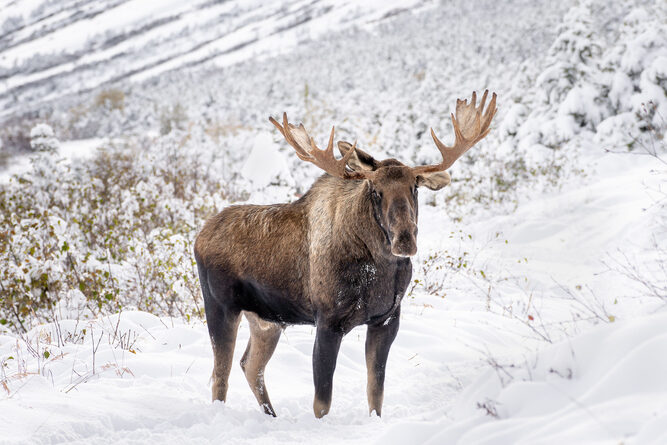
Moose walk through deep snow like it barely exists. Their long legs and heavy bodies allow them to push forward calmly while everything else seems slowed down. Watching a moose in winter feels grounding. There is no rush, no panic, no wasted energy. They simply go where they need to go. Their presence makes winter feel steady instead of overwhelming. When a moose crosses a snowy road or forest path, it feels like the season itself is passing by, reminding you that patience and quiet strength often carry you further than speed ever could.
8. Harp Seals Creating Gentle Beginnings
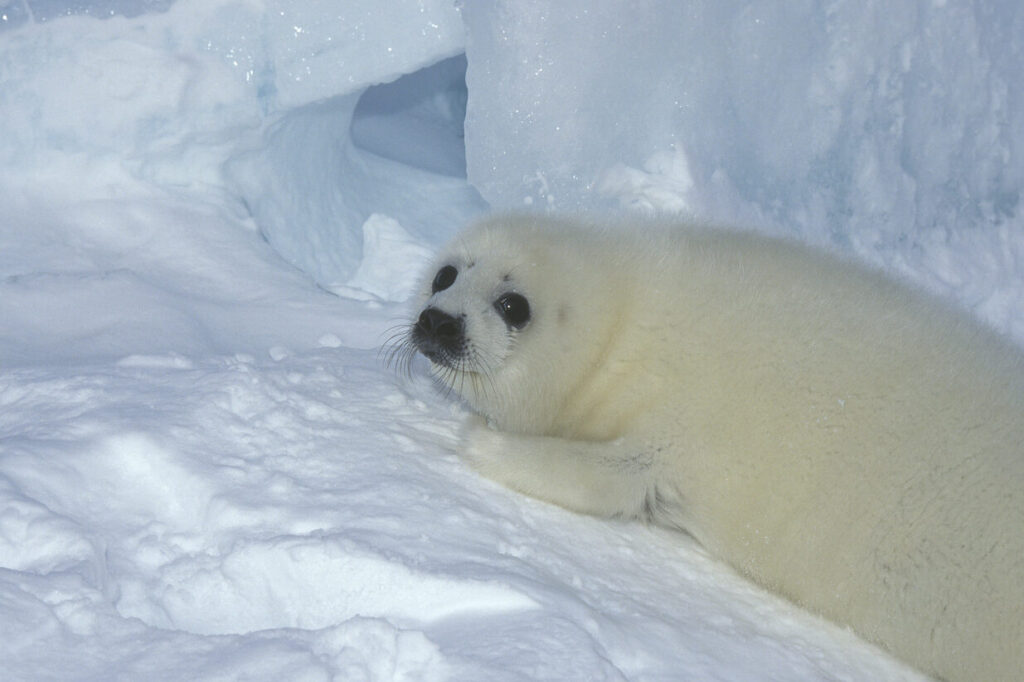
Winter can feel like an ending, but harp seals quietly prove otherwise. Each year, they give birth on floating ice, turning frozen surfaces into nurseries. Their white pups blend into the snow, softening the harshness of their surroundings. Watching harp seals rest and care for their young makes winter feel tender. It shows that life does not pause just because temperatures drop. Instead, it adapts gently. Harp seals remind you that even in the coldest moments, beginnings still happen. Winter becomes less about survival and more about quiet continuity.
9. Lynx Walking on Snow
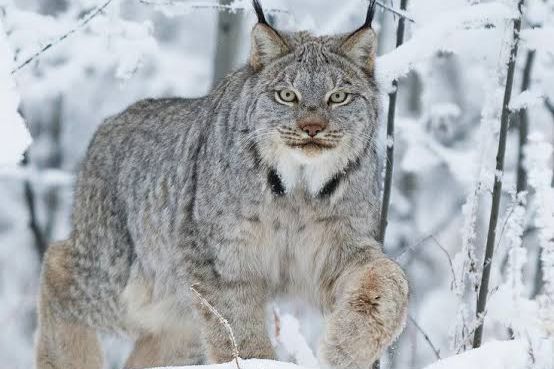
The lynx moves across winter landscapes as if snow were solid ground. Its oversized paws spread its weight, allowing it to glide smoothly where others would sink. Watching a lynx hunt or travel feels effortless. There is no struggle in its movements, only intention. This ease changes how winter looks. Instead of appearing heavy or restrictive, it feels navigable. The lynx turns snowy forests into familiar paths rather than obstacles. Seeing one reminds you that belonging often comes from learning how to move with conditions, not against them.
10. Caribou Following Old Routes
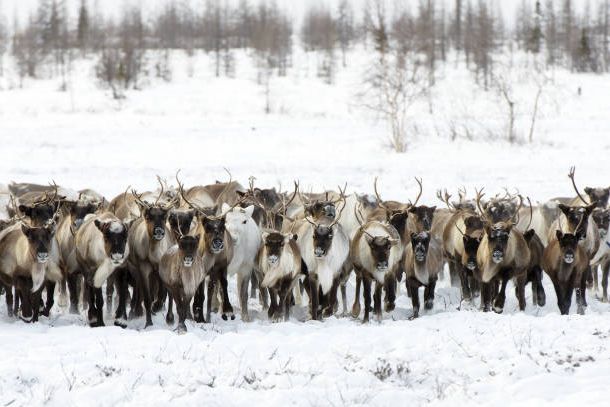
Caribou do not wander aimlessly through winter. They follow paths shaped by generations before them, crossing snowy plains with quiet certainty. Watching caribou migrate makes winter feel connected to something older and larger. Their movement carries memory, tradition, and trust in the land. There is comfort in that. Winter becomes less unpredictable and more like a chapter that has been read many times before. Caribou remind you that even when everything looks unfamiliar, there are still routes that know the way forward.
11. Mountain Goats Standing Above It All
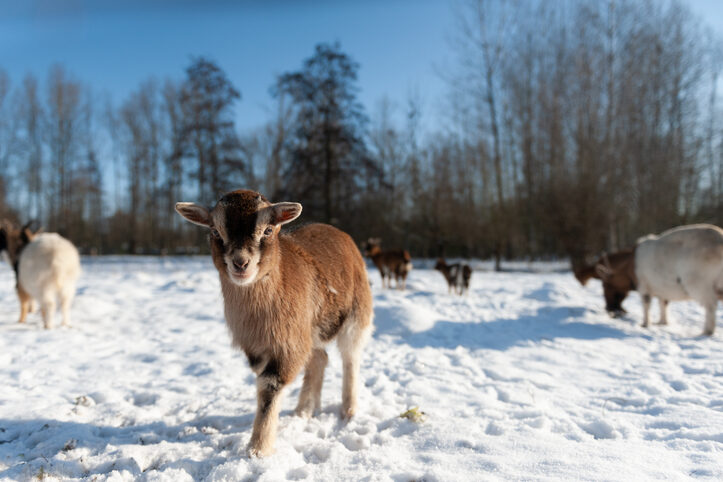
High on icy cliffs, mountain goats seem untouched by winter’s difficulty. Their balance and confidence make steep, frozen terrain look almost welcoming. Watching one stand calmly against a snowy backdrop changes the tone of the season. Winter stops feeling oppressive and starts feeling expansive. Mountain goats do not avoid the cold. They exist above it, steady and unshaken. Their presence makes winter feel strong rather than harsh. It becomes a place where stability matters more than comfort and where standing your ground quietly can be enough.
12. Wolves Filling the Silence

Winter nights can feel endless until a wolf’s howl cuts through the quiet. The sound travels far, turning empty spaces into something alive. Wolves howl to communicate, to locate one another, to stay connected. Hearing it makes winter feel social rather than still. Watching wolves move through snow together shows coordination and trust. They rely on each other in ways that feel familiar. Wolves give winter a voice. They remind you that even when everything looks asleep, connection is still happening beneath the surface.
13. Snowshoe Hares Blending In
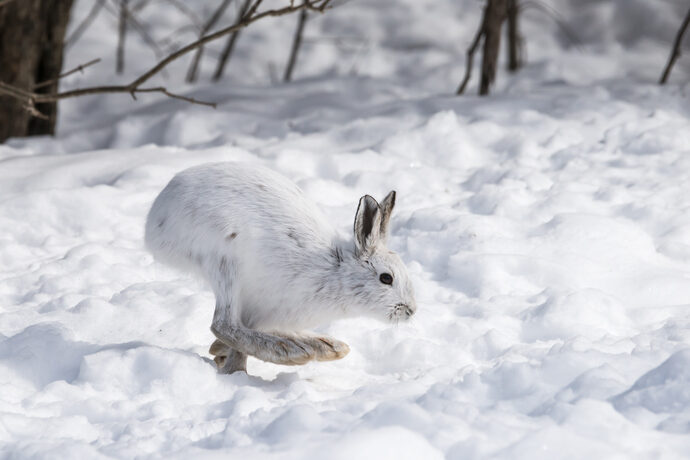
Snowshoe hares seem to vanish as winter deepens. Their fur turns white, allowing them to blend seamlessly into snowy surroundings. Watching one pause in place feels like watching winter hold its breath. This quiet camouflage makes the season feel intentional rather than random. Snowshoe hares do not fight winter. They adapt softly, becoming part of it. Their presence turns snow into shelter instead of exposure. Seeing a hare disappear into the landscape reminds you that sometimes survival looks like stillness and knowing when to quietly belong.
14. Musk Oxen Holding Their Ground
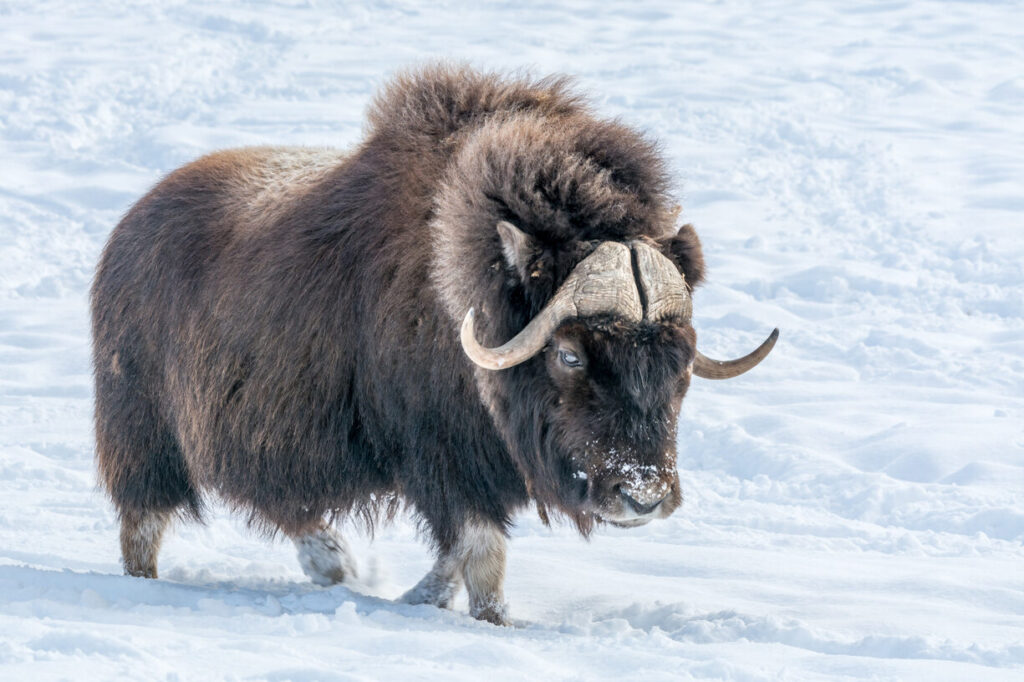
When winter storms roll in, musk oxen do not scatter. They form tight circles, protecting one another from wind and cold. Watching them stand together makes winter feel manageable. Strength comes from unity, not speed. Their thick coats and calm posture suggest patience built over time. Musk oxen turn harsh conditions into moments of quiet resolve. They remind you that facing winter does not always require movement. Sometimes it requires standing still, staying close, and trusting that holding your ground together is enough to endure what comes.
15. Ptarmigans Disappearing into Snow
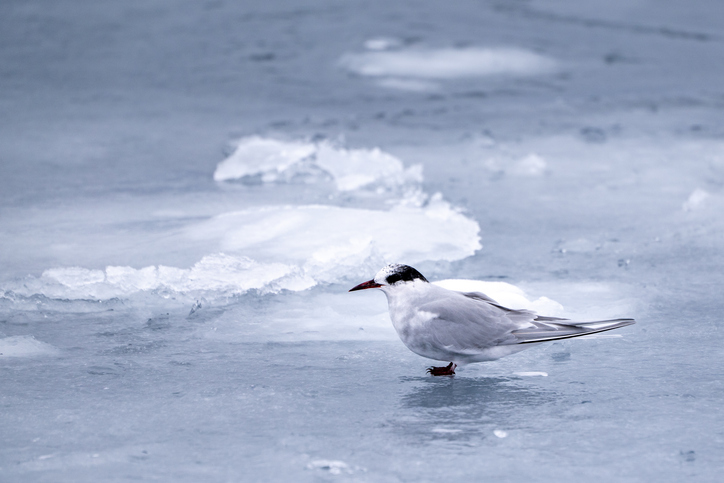
Ptarmigans change their feathers with the season, turning white as snow blankets the land. Watching one settle into a winter field feels like watching nature complete a sentence. They blend in so fully that winter looks layered rather than empty. Ptarmigans make the landscape feel alive with hidden detail. Their quiet presence turns snow into something protective instead of exposing. Ending here feels right because winter often teaches subtlety. Not everything needs to stand out. Sometimes the magic is in becoming part of the scene and letting the season hold you gently.
16. Sea Otters Floating Calmly
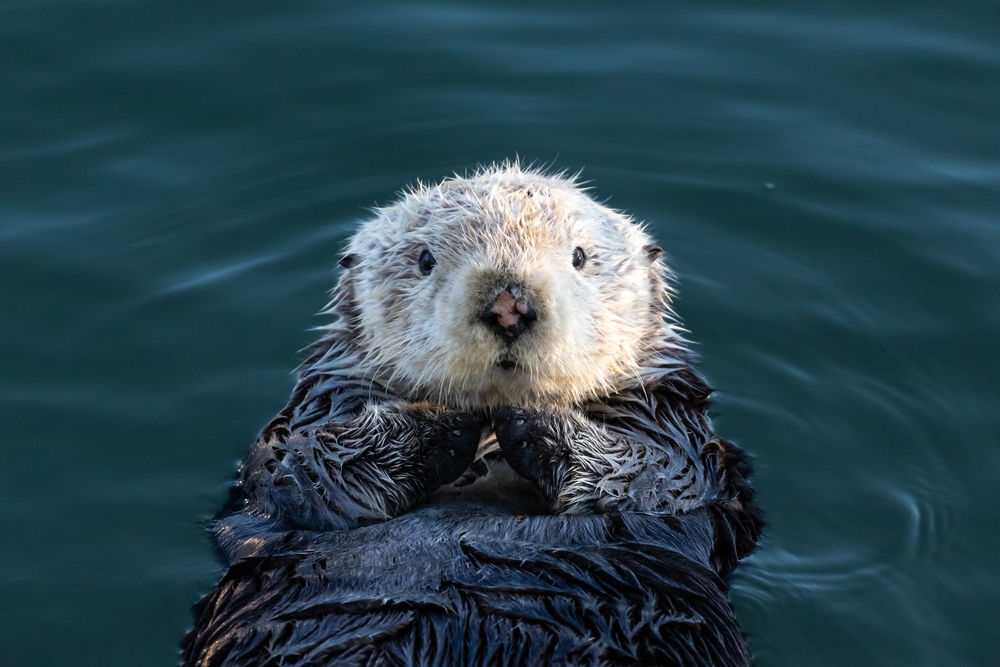
Sea otters make winter feel softer simply by floating through it. In cold waters, they rest on their backs, wrapping themselves in kelp to avoid drifting away. Watching them bob gently on icy seas feels peaceful, almost meditative. They groom constantly to keep their fur insulating, turning care into survival. Sea otters remind you that winter does not always demand struggle. Sometimes it asks for attention and small routines. Their calm presence makes cold waters feel livable, even comforting, as if winter has room for rest if you know how to claim it.
17. Elk Crossing Frosty Valleys
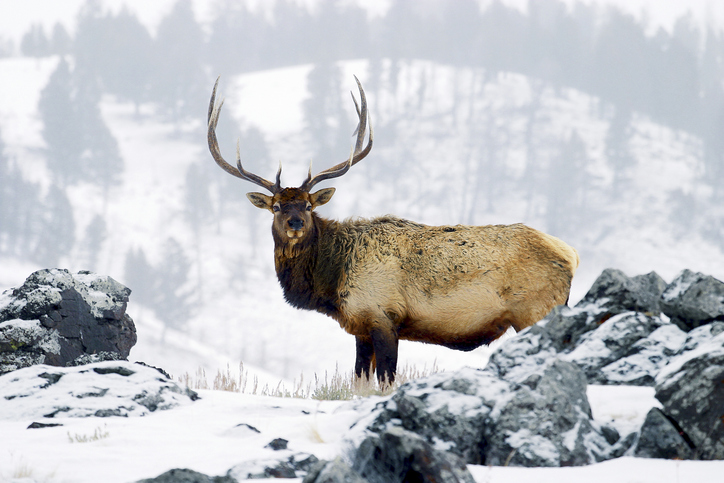
When elk move through winter valleys, everything else seems to pause. Their large bodies and steady steps bring motion to frozen landscapes that feel otherwise still. Watching a herd travel together makes winter feel purposeful. They follow seasonal patterns, trusting familiar routes despite snow and cold. Elk do not rush or hesitate. They simply continue. Their presence turns empty fields into pathways. Winter starts to look like a passage instead of a standstill. Elk remind you that even during slow seasons, movement still matters and direction can exist without urgency.
18. Great Horned Owls Starting Early
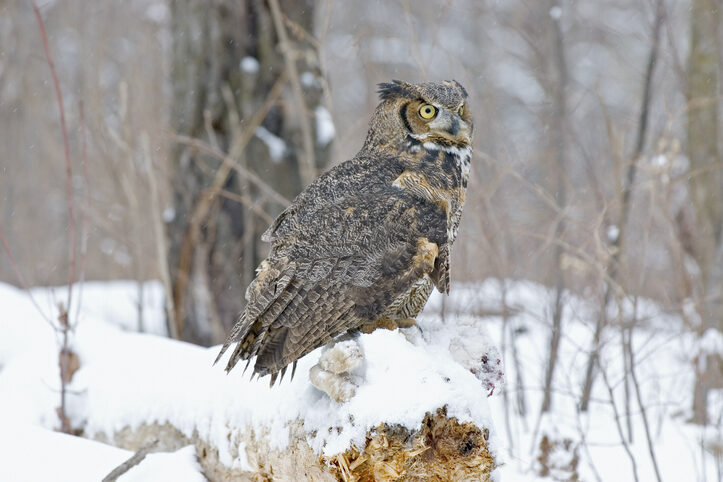
While many animals wait for warmth, great horned owls begin nesting in winter. Seeing one perched quietly in a snow covered tree feels unexpected. They face cold nights with confidence, hunting under moonlight while everything else sleeps. Their early start makes winter feel productive instead of dormant. Watching a great horned owl glide silently through frosty air adds purpose to the darkness. It reminds you that beginnings do not always wait for comfort. Sometimes they arrive quietly, wrapped in cold, trusting that timing matters more than conditions.
19. Snow Leopards Blending In
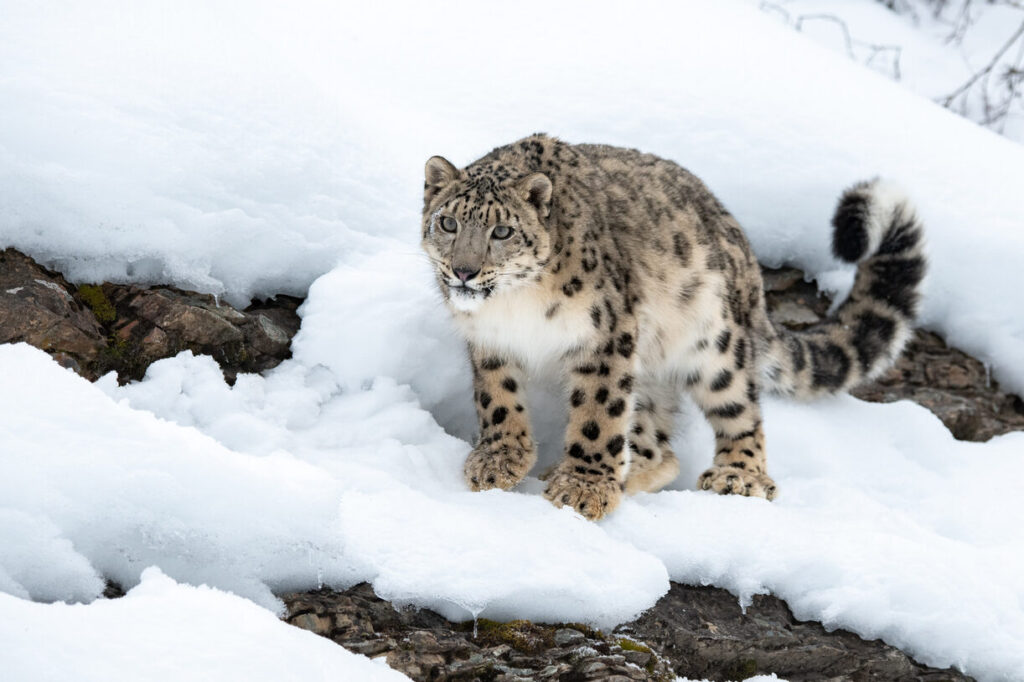
Snow leopards move through winter mountains like secrets. Their thick fur and muted colors allow them to disappear into rocky, snowy terrain. Watching one feels rare and intimate, as if winter briefly revealed something hidden. Their careful steps and quiet strength make cold landscapes feel alive with possibility. Snow leopards turn winter into a place of mystery rather than emptiness. They remind you that not everything needs to be seen to matter. Some presence is felt through balance, patience, and the quiet confidence of belonging exactly where you are.
20. Beavers Preparing Ahead
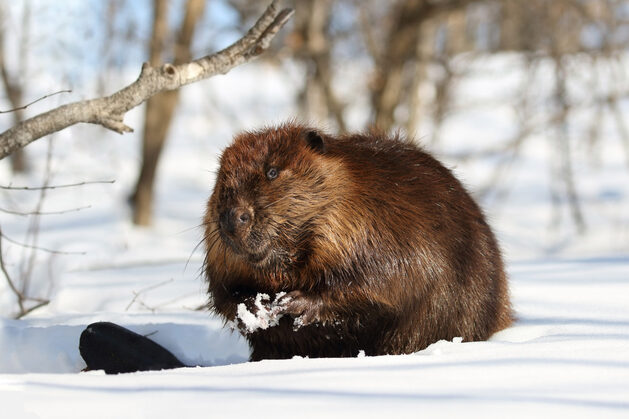
Beavers approach winter long before it arrives. By the time snow settles, their work is already done. Food is stored beneath ice, lodges are sealed, and water remains accessible. Watching a beaver glide through icy water makes winter feel planned instead of threatening. Their preparation turns cold months into something manageable. Beavers remind you that ease in hard seasons often comes from earlier effort. Winter stops looking like a surprise and starts looking like a phase that can be anticipated, respected, and lived through with steady intention.
21. Japanese Macaques Warming Up
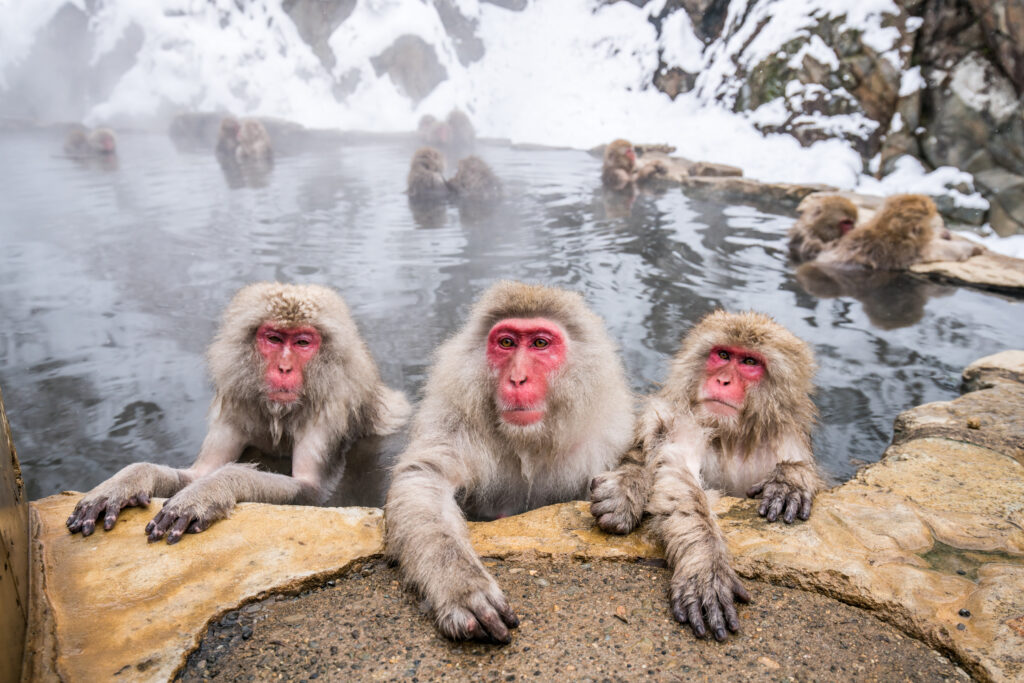
Japanese macaques turn winter into something surprisingly relaxed. As snow falls, they gather in natural hot springs, soaking calmly while steam rises around them. Watching this feels almost human. They sit quietly, eyes half closed, conserving energy and warmth. Winter becomes less about enduring cold and more about finding balance. These macaques show that adaptation does not always mean pushing through discomfort. Sometimes it means leaning into warmth when it is available. Their presence makes winter feel thoughtful, like a season that allows pauses as much as persistence.
22. Swans Gliding Smoothly
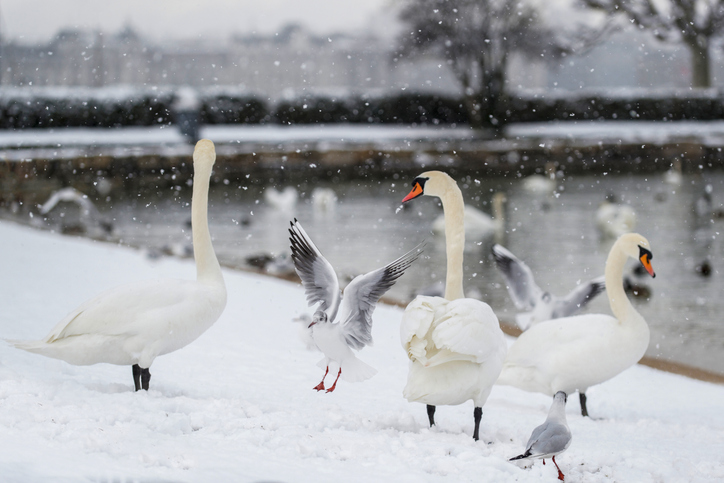
Swans move through winter waters with an elegance that softens the cold. Even as lakes freeze around them, they glide slowly, unbothered by frost. Watching swans on icy water makes winter feel gentle rather than sharp. Their quiet movements create calm where you expect tension. Swans remind you that grace does not disappear in difficult seasons. It simply changes pace. Seeing them drift across pale surfaces makes winter feel lighter, almost breathable, like beauty still has room to exist even when everything else feels frozen.
23. Walruses Resting Together
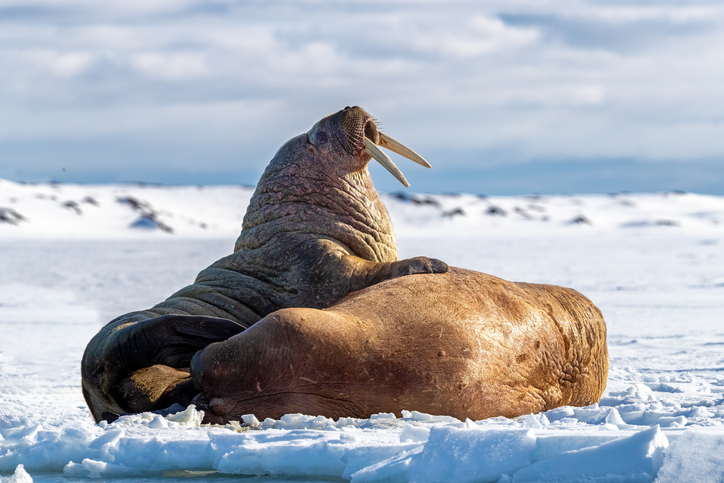
Walruses turn winter ice into social spaces. They haul their massive bodies onto frozen surfaces, resting closely together between dives. Watching them gather makes winter feel communal instead of isolating. Their presence adds warmth to cold scenes simply through togetherness. Walruses remind you that rest is part of survival, not a break from it. Winter becomes a cycle of movement and pause rather than constant effort. Seeing them lounge on ice sheets changes how the season feels. It becomes lived in, shared, and quietly balanced.
24. Ermine Changing Coats
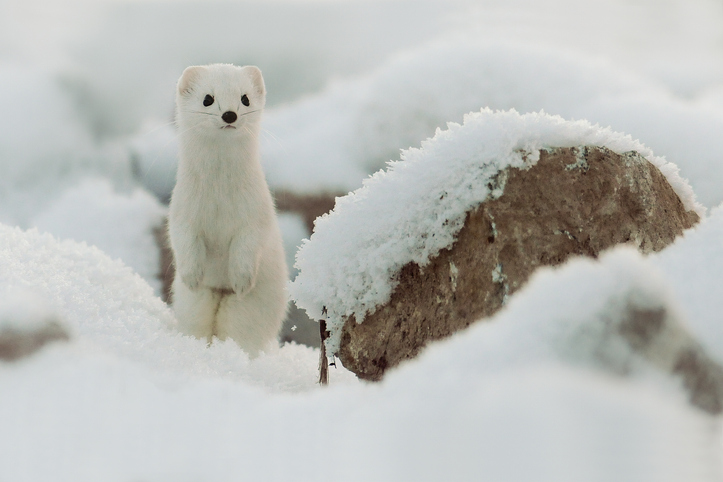
The ermine transforms with winter almost overnight. As snow covers the land, its brown fur turns white, allowing it to blend in seamlessly. Watching this change feels subtle and almost magical. The ermine does not announce its shift. It simply becomes part of the season. Winter looks intentional through it, as if everything knows its role. The ermine reminds you that adaptation can be quiet. Not every change needs to be visible or dramatic. Sometimes survival looks like slipping into the background and letting the season carry you.
25. Ravens Playing Around
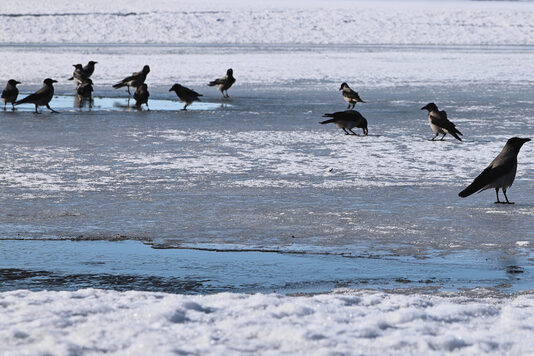
Ravens bring unexpected playfulness to winter. Instead of avoiding snow and wind, they seem to enjoy it. Watching ravens slide down snowy roofs or tumble through gusts feels joyful. Their curiosity turns cold days into moments of humor. Ravens remind you that winter does not have to be taken seriously all the time. There is room for play even when conditions are harsh. Their antics make frozen landscapes feel lighter. Winter becomes something to interact with rather than simply endure, full of small moments that invite a smile.
26. Bison Facing Storms
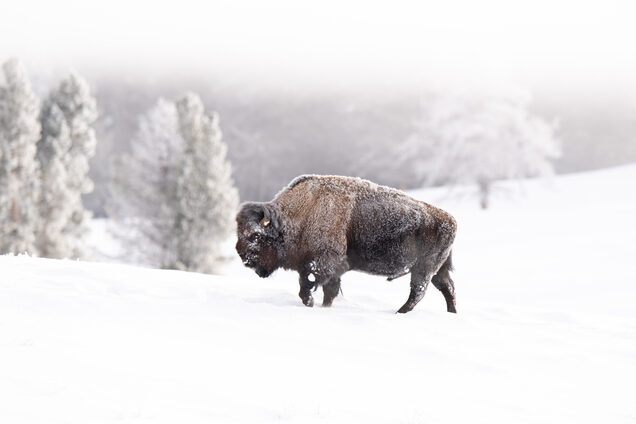
Bison approach winter storms head on. When snow falls heavily, they lower their heads and push forward rather than turning away. Watching a herd move through blizzards makes winter feel less intimidating. Their strength and calm shift the narrative of the season. Winter stops looking like something to hide from and starts looking like something to meet with resolve. Bison remind you that resilience often comes from facing challenges directly. Their presence turns snowstorms into moments of quiet power and steady determination.
27. Arctic Hares Moving Fast
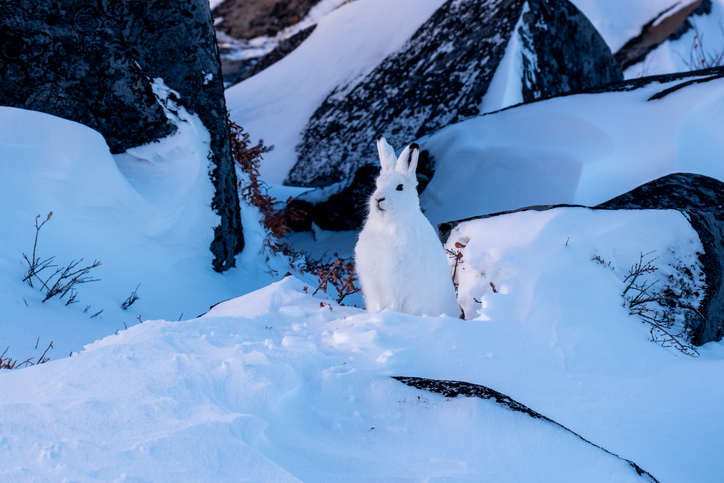
Arctic hares bring speed to winter landscapes. Their long legs and white coats allow them to race across snowfields with ease. Watching one sprint feels energizing, like winter suddenly found momentum. They do not sink or hesitate. They move cleanly through cold spaces. Arctic hares remind you that winter is not always slow. It can be sharp, fast, and full of motion. Their quick bursts of movement make frozen plains feel dynamic, proving that even the coldest seasons can carry moments of surprising energy.
28. Seals Using Ice Wisely
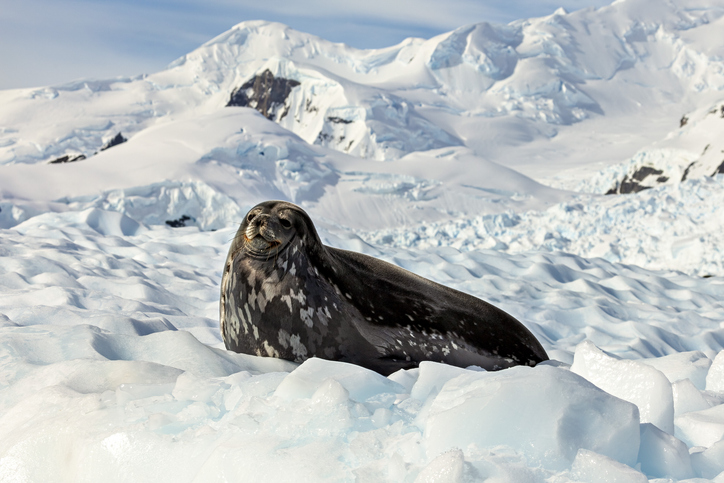
Seals treat winter ice as a tool rather than a barrier. They maintain breathing holes and haul out onto frozen surfaces to rest between dives. Watching a seal surface through ice feels practical and reassuring. Winter becomes something workable, not overwhelming. Their movements show how familiarity with conditions can turn difficulty into routine. Seals remind you that understanding your environment matters. When you know how to navigate cold spaces, winter becomes a rhythm rather than a threat, marked by calm repetition and quiet efficiency.
29. Arctic Terns Chasing Light
Arctic terns experience winter differently by following light across the globe. As colder months settle in the north, they travel vast distances toward warmer regions, turning winter into motion rather than stillness. Thinking about their journey makes the season feel less heavy. Winter becomes something that shifts depending on where you stand. Arctic terns remind you that movement can be a response to change, not an escape. Their long flights feel purposeful and calm. They carry the idea that winter does not always mean staying put. Sometimes it means knowing when to move gently forward.
30. Cardinals Brightening Days
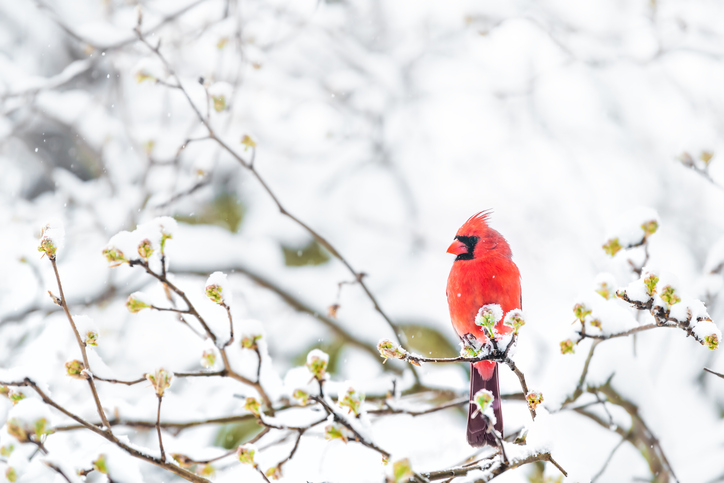
Cardinals stay through winter, their red feathers standing out against gray skies and white snow. Seeing one on a bare branch feels comforting, like a small reminder that color still exists even in quiet seasons. They do not migrate or disappear when the cold arrives. They remain present, steady, and visible. Cardinals move calmly between feeders and trees, adding gentle motion to frozen mornings. Their song cuts softly through the still air. Ending the list with them feels natural because winter does not always need changing. Sometimes it only asks to be noticed with care.


