
1. Leaving the DA’s Office

After the 1995 acquittal of O.J. Simpson, Marcia Clark remained with the Los Angeles County District Attorney’s Office for several more years. However, the intense scrutiny, media pressure, and professional toll of the case made continuing as a frontline prosecutor increasingly difficult. By 1997, Clark officially resigned. She later explained in interviews and memoirs that the trial consumed her personal life, strained her family relationships, and made everyday work nearly impossible. Her departure marked a deliberate step away from high-profile prosecution and the start of a broader professional reinvention, rather than a retreat from public life altogether.
2. Writing Her First Memoir

In 1997, Clark published Without a Doubt, a detailed memoir recounting her experiences during the Simpson trial. The book became a bestseller and offered readers an insider’s look at the prosecution, media frenzy, and courtroom dynamics that dominated the case. Rather than focusing solely on legal strategy, Clark addressed public criticism, gendered media treatment, and the emotional weight of the trial. The memoir helped her reclaim her narrative and establish credibility as a writer. It also introduced her to a new audience who knew her less as a prosecutor and more as a reflective commentator on law and media culture.
3. Transitioning Into Fiction

Following her memoir’s success, Clark pivoted toward legal fiction. She wrote several crime novels, including the Rachel Knight series, which drew on her courtroom experience while allowing creative freedom. These books were published by major houses and marketed to mainstream thriller readers rather than legal professionals. While fictional, the novels were praised for procedural accuracy and realistic portrayals of prosecutors’ work. This phase of her career demonstrated Clark’s ability to translate real-world legal knowledge into popular storytelling, helping her move beyond being permanently defined by one trial.
4. Becoming a Legal Commentator

Clark gradually reentered public discourse as a legal analyst for major television networks. She offered commentary on high-profile trials, jury behavior, and prosecutorial strategy, often drawing comparisons to the Simpson case. Her analysis appeared on outlets such as CNN and other national broadcasts, where her firsthand experience added authority. Unlike during the 1990s, Clark now controlled her role and messaging, appearing as an expert rather than a defendant of public opinion. This shift allowed her to reestablish trust with audiences and reposition herself as a seasoned legal voice.
5. Advocating for Justice Reform
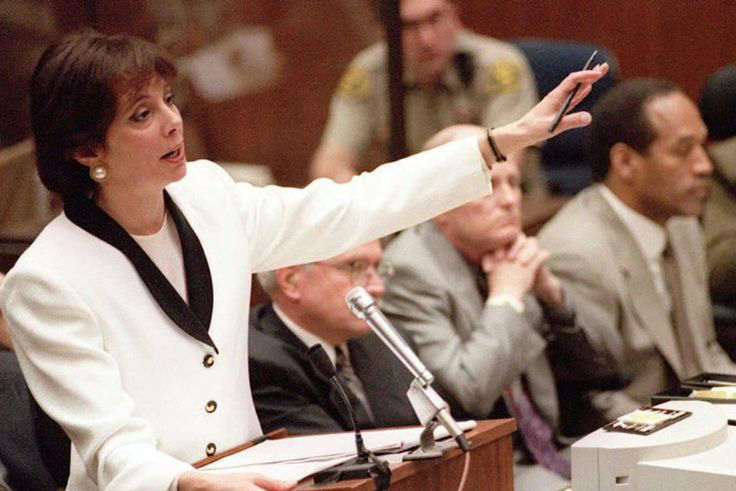
In later years, Clark became more vocal about systemic issues within the criminal justice system. She has spoken publicly about prosecutorial ethics, jury bias, and the impact of media influence on trials. While not aligned with any single reform movement, her commentary often emphasizes fairness, evidence-based prosecution, and accountability. These views are shaped by her experience navigating one of the most scrutinized trials in American history. Her advocacy reflects a more reflective phase of her career, focused on lessons learned rather than courtroom victories.
6. Returning to True Crime

Clark eventually returned to true crime through documentary storytelling. She hosted and co-produced The Fix, a television series examining controversial murder cases and potential wrongful convictions. The show allowed her to explore cases from a prosecutorial perspective while also questioning verdicts and investigative failures. This role blended her legal background with investigative journalism, showing a willingness to scrutinize the system she once represented. It marked a full-circle moment, reconnecting her courtroom past with a more critical, evidence-driven approach to justice.
7. Public Reassessment of Her Image

Over time, public perception of Marcia Clark softened. Cultural reassessments of the Simpson trial, including documentaries and dramatizations, prompted renewed discussion about how she was treated by the media. Many commentators acknowledged that sexism and appearance-based criticism played a significant role in shaping opinions of her performance. Clark has addressed this openly, noting that the trial occurred before broader conversations about gender bias in professional settings. This reevaluation helped restore balance to her legacy in the public eye.
8. Staying Connected to Law

Although she never returned to prosecuting cases, Clark remained closely connected to the legal world. She has lectured at law schools, participated in legal panels, and contributed essays on courtroom practice and trial ethics. These appearances emphasize mentorship and education rather than litigation. Her continued involvement underscores that leaving the DA’s office did not mean abandoning the law, but redefining her relationship with it on her own terms.
9. Addressing the Simpson Legacy
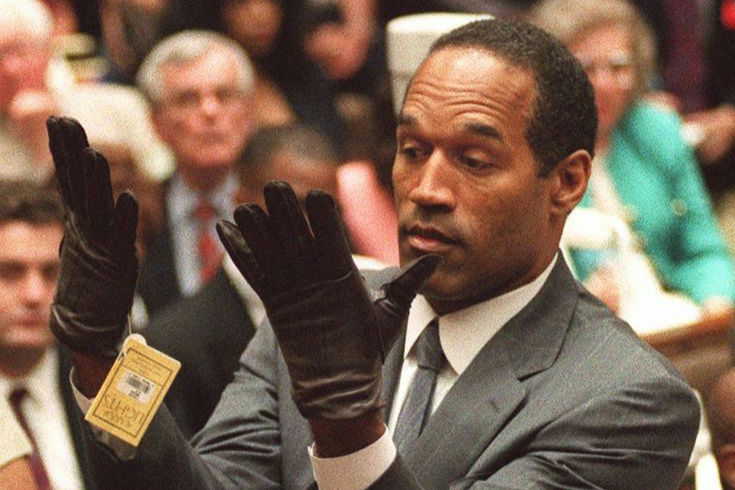
Clark has repeatedly revisited the Simpson case in interviews, often clarifying misconceptions and correcting popular myths. She consistently emphasizes the strength of the evidence and the impact of jury dynamics and media saturation. Rather than expressing bitterness, her reflections tend to be analytical and restrained. This measured approach has helped contextualize the trial historically, rather than emotionally, and reinforced her reputation as a thoughtful legal professional shaped, but not broken, by the experience.
10. Building a Balanced Life

Today, Marcia Clark lives a quieter but still engaged professional life. She continues writing, occasionally appears in media discussions, and maintains a presence in legal and literary circles. By balancing public engagement with personal boundaries, she has avoided being permanently defined by one moment in history. Her post-trial journey illustrates how public figures can evolve beyond intense scrutiny, using experience as a foundation rather than a limitation.


